

The DOI matches its Crossref record; 69 of the 69 references it cites were found in a registry or an index.
Uridine Depletion and Chemical Modification Increase Cas9 mRNA Activity and Reduce Immunogenicity without HPLC Purification
Open accessAbstract
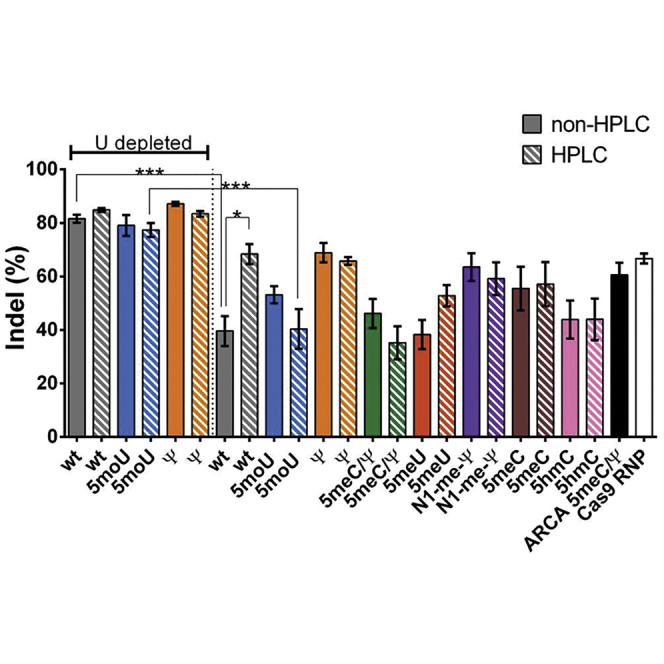
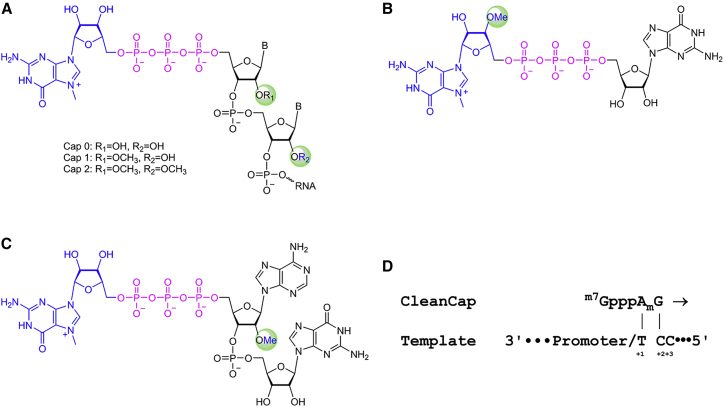
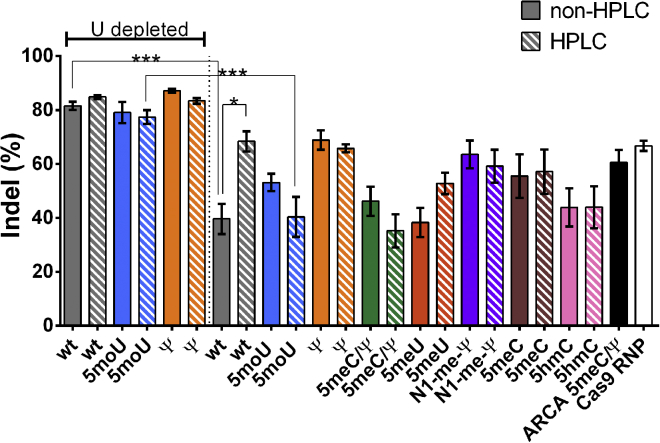
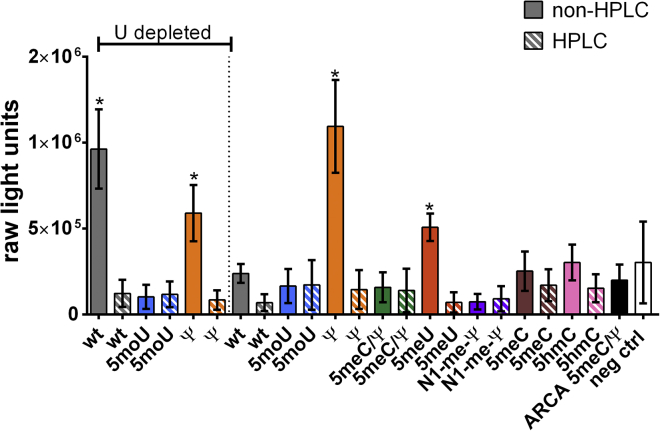
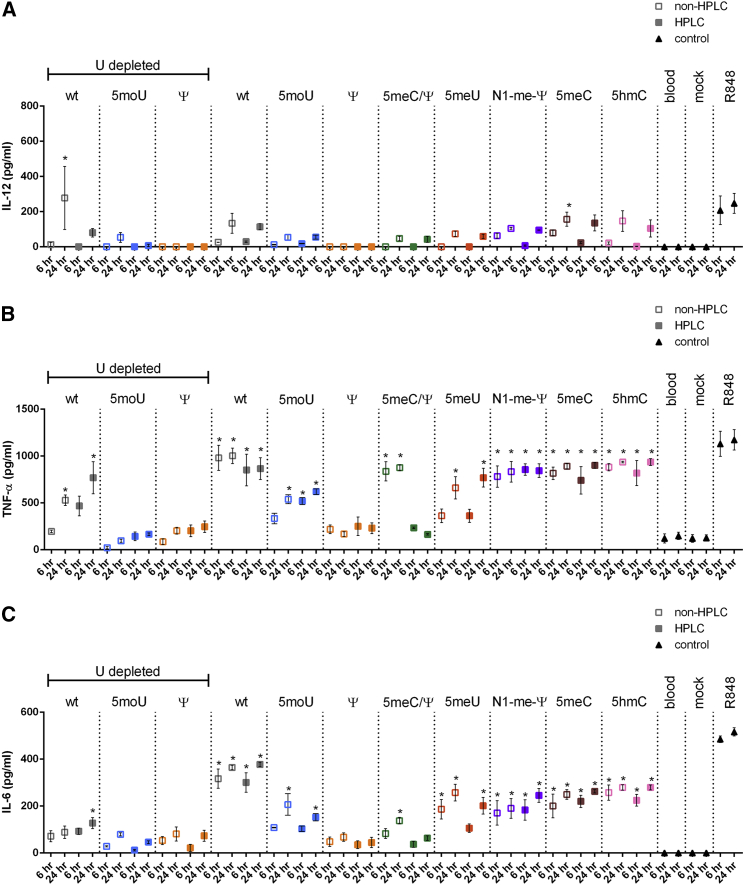
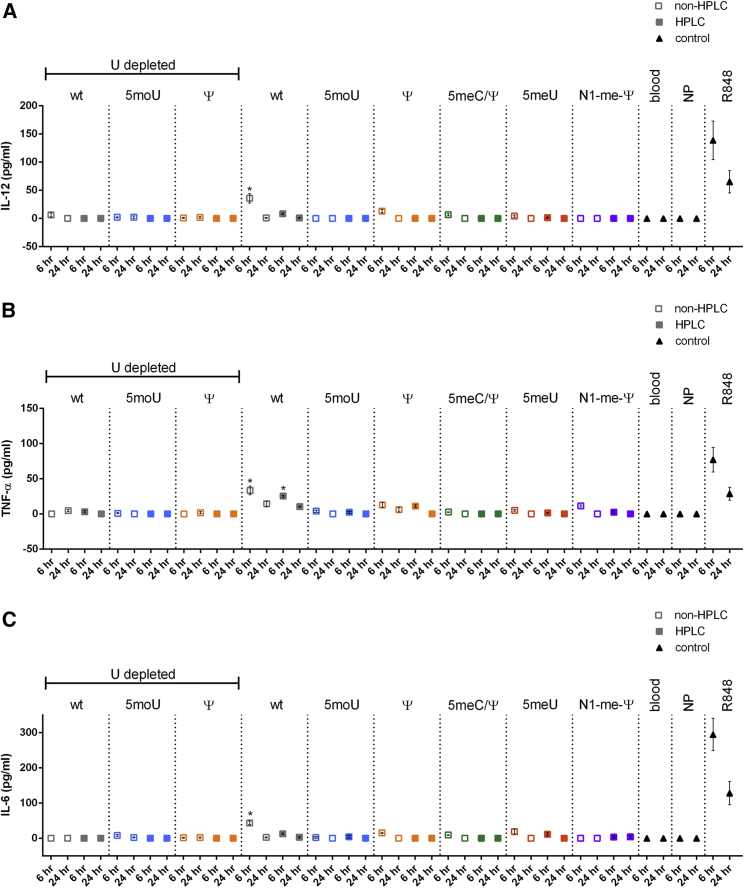
The Cas9/guide RNA (Cas9/gRNA) system is commonly used for genome editing. mRNA expressing Cas9 can induce innate immune responses, reducing Cas9 expression. First-generation Cas9 mRNAs were modified with pseudouridine and 5-methylcytosine to reduce innate immune responses. We combined four approaches to produce more active, less immunogenic second-generation Cas9 mRNAs. First, we developed a novel co-transcriptional capping method yielding natural Cap 1. Second, we screened modified nucleotides in Cas9 mRNA to identify novel modifications that increase Cas9 activity. Third, we depleted the mRNA of uridines to improve mRNA activity. Lastly, we tested high-performance liquid chromatography (HPLC) purification to remove double-stranded RNAs. The activity of these mRNAs was tested in cell lines and primary human CD34+ cells. Cytokines were measured in whole blood and mice. These approaches yielded more active and less immunogenic mRNA. Uridine depletion (UD) most impacted insertion or deletion (indel) activity. Specifically, 5-methoxyuridine UD induced indel frequencies as high as 88% (average ± SD = 79% ± 11%) and elicited minimal immune responses without needing HPLC purification. Our work suggests that uridine-depleted Cas9 mRNA modified with 5-methoxyuridine (without HPLC purification) or pseudouridine may be optimal for the broad use of Cas9 both in vitro and in vivo.
Overview
The claims and statistics of this paper haven’t been checked yet.
Run the check — free, no account needed. It reads the open-access text and checks the sources it cites.
Integrity signals
Registry
Cites
Statistics
Figures
Verification
Claims the paper makes
The claims and statistics of this paper haven’t been checked yet.
Run the check — free, no account needed. It reads the open-access text and checks the sources it cites.
Claims other papers make about this one
Each is checked against this paper’s own text: does it say what the citing paper says it does?
The cited source says what the claim attributes to it.
In the citing paper
“Others strategies aim to impair the PRR recognition of IVT mRNA with the use of modified nucleosides,16 uridine depletion in the coding sequence,17 or dephosphorylation of 5′PPP mRNAs.18”
From Combining an optimized mRNA template with a double purification process allows strong expression of in vitro transcribed mRNA (2021) · cites this paper as [17]
In the citing paper
“dsRNA can activate PRR such as TLR3,52,156 whereas ssRNA activates TLR7 and TLR8 to produce IFN-I, thus inducing inflammation in the host and interrupting mRNA translation.157,158”
From Advances in COVID-19 mRNA vaccine development (2022) · cites this paper as [157]
In the citing paper
“TLR7 and TLR8 receptors bind to guanosine- or uridine-rich regions in mRNA and trigger the production of type I interferons, such as IFNα, that can block mRNA translation24.”
From mRNA vaccines for infectious diseases: principles, delivery and clinical translation (2021) · cites this paper as [24]
Self-check
Percentages, sums and reported differences re-computed from the paper’s own numbers.
The self-check needs the paper’s full text.
Citations
Cites
Kearse, M., Moir, R., Wilson, A., Stones-Havas, S., Cheung, M., Sturrock, S., Buxton, S., Cooper, A., Markowitz, S., Duran, C., et al. (2012) · Bioinform. · doi:10.1093/bioinformatics/bts199 · Cited by 19,197
A Programmable Dual-RNA–Guided DNA Endonuclease in Adaptive Bacterial Immunity
Jinek, M., Chylinski, K., Fonfara, I., Hauer, M., Doudna, J. A., & Charpentier, E. (2012) · Science · doi:10.1126/science.1225829 · Cited by 17,116
Multiplex Genome Engineering Using CRISPR/Cas Systems
Cong, L., Ran, F. A., Cox, D., Lin, S., Barretto, R., Habib, N., Hsu, P. D., Wu, X., Jiang, W., Marraffini, L. A., et al. (2013) · Science · doi:10.1126/science.1231143 · Cited by 15,339
RNA-Guided Human Genome Engineering via Cas9
Mali, P., Yang, L., Esvelt, K. M., Aach, J., Guell, M., DiCarlo, J. E., Norville, J. E., & Church, G. M. (2013) · Science · doi:10.1126/science.1232033 · Cited by 9,210
Recognition of double-stranded RNA and activation of NF-κB by Toll-like receptor 3
Alexopoulou, L., Holt, A. C., Medzhitov, R., & Flavell, R. A. (2001) · Nature · doi:10.1038/35099560 · Cited by 6,129
Development and Applications of CRISPR-Cas9 for Genome Engineering
Hsu, P. D., Lander, E. S., & Zhang, F. (2014) · Cell · doi:10.1016/j.cell.2014.05.010 · Cited by 5,762
Yoneyama, M., Kikuchi, M., Natsukawa, T., Shinobu, N., Imaizumi, T., Miyagishi, M., Taira, K., Akira, S., & Fujita, T. (2004) · Nature Immunology · doi:10.1038/ni1087 · Cited by 4,022
Species-specific recognition of single-stranded RNA via toll-like receptor 7 and 8
Heil, F., Hemmi, H., Hochrein, H., Ampenberger, F., Kirschning, C., Akira, S., Lipford, G., Wagner, H., & Bauer, S. (2004) · Science · doi:10.1126/science.1093620 · Cited by 3,947
Innate antiviral responses by means of TLR7-mediated recognition of single-stranded RNA
Diebold, S. S., Kaisho, T., Hemmi, H., Akira, S., & Reis e Sousa, C. (2004) · Science · doi:10.1126/science.1093616 · Cited by 3,444
Karikó, K., Buckstein, M., Ni, H., & Weissman, D. (2005) · Immunity · doi:10.1016/j.immuni.2005.06.008 · Cited by 2,728
Warren, L., Manos, P. D., Ahfeldt, T., Loh, Y.-H., Li, H., Lau, F., Ebina, W., Mandal, P. K., Smith, Z. D., Meissner, A., et al. (2010) · Cell Stem Cell · doi:10.1016/j.stem.2010.08.012 · Cited by 2,662 · cited 1×
“Based on this work, many first-generation mRNAs were modified with 5meC and J.(46) They showed that chemical modification of mRNA limited TLR signaling,(43) decreased activation of 20-50-oligoadenylate synthetase,(45) and decreased binding to PKR.”
5'-Triphosphate RNA Is the Ligand for RIG-I
Hornung, V., Ellegast, J., Kim, S., Brzózka, K., Jung, A., Kato, H., Poeck, H., Akira, S., Conzelmann, K.-K., Schlee, M., et al. (2006) · Science · doi:10.1126/science.1132505 · Cited by 2,474
Easy quantitative assessment of genome editing by sequence trace decomposition
Brinkman, E. K., Chen, T., Amendola, M., & van Steensel, B. (2014) · Nucleic Acids Research · doi:10.1093/nar/gku936 · Cited by 2,390 · cited 2×
“Indels were quantitated using TIDE analysis.(61) Based on this initial screen, we narrowed our list to 11 candidate mRNAs (each with and without HPLC purification; Table 1, lead candidates).”
MethodRIG-I-mediated antiviral responses to single-stranded RNA bearing 5’-phosphates
Pichlmair, A., Schulz, O., Tan, C. P., Näslund, T. I., Liljeström, P., Weber, F., & Reis e Sousa, C. (2006) · Science · doi:10.1126/science.1132998 · Cited by 2,210
Karikó, K., Muramatsu, H., Welsh, F. A., Ludwig, J., Kato, H., Akira, S., & Weissman, D. (2008) · Molecular Therapy · doi:10.1038/mt.2008.200 · Cited by 1,930 · cited 12×
“In addition to reducing innate immune responses, Karikó et al.(49,50) also showed that full substitution of mRNA withJ increased activity in vivo.”
BackgroundInfluentialYoneyama, M., Kikuchi, M., Matsumoto, K., Imaizumi, T., Miyagishi, M., Taira, K., Foy, E. M., Loo, Y., Gale, M., Akira, S., et al. (2005) · The Journal of Immunology · doi:10.4049/jimmunol.175.5.2851 · Cited by 1,691
Enhanced homology-directed human genome engineering by controlled timing of CRISPR/Cas9 delivery
Lin, S., Staahl, B. T., Alla, R. K., & Doudna, J. A. (2014) · eLife · doi:10.7554/elife.04766 · Cited by 1,189
Chemically modified guide RNAs enhance CRISPR-Cas genome editing in human primary cells
Hendel, A., Bak, R. O., Clark, J. T., Kennedy, A. B., Ryan, D. E., Roy, S., Steinfeld, I., Lunstad, B. D., Kaiser, R. J., Wilkens, A. B., et al. (2015) · Nature Biotechnology · doi:10.1038/nbt.3290 · Cited by 1,090 · cited 8×
“We also tested the off-target activity of 5 moU UD against ARCA 5meC/J at a previously reported off-target site (chromosome [chr]1: 167730172–167730194).(6) The off-target indel activity was close to the limit of detection, and it was not significantly different between 5 moU UD (8% ± 1%) and ARCA 5meC/J (5% ± 2%).”
BackgroundMethodInfluentialSelf-citationPardi, N., Tuyishime, S., Muramatsu, H., Kariko, K., Mui, B. L., Tam, Y. K., Madden, T. D., Hope, M. J., & Weissman, D. (2015) · Journal of Controlled Release · doi:10.1016/j.jconrel.2015.08.007 · Cited by 1,014 · cited 2×
“Pardi et al.51 showed that N1-me-J mRNAs were efficiently expressed in mice when delivered by a variety of routes.”
BackgroundMODOMICS: a database of RNA modification pathways—2013 update
Machnicka, M. A., Milanowska, K., Oglou, O. O., Purta, E., Kurkowska, M., Olchowik, A., Januszewski, W., Kalinowski, S., Dunin-Horkawicz, S., Rother, K. M., et al. (2012) · Nucleic Acids Research · doi:10.1093/nar/gks1007 · Cited by 1,003
Karikó, K., Muramatsu, H., Ludwig, J., & Weissman, D. (2011) · Nucleic Acids Research · doi:10.1093/nar/gkr695 · Cited by 898 · cited 8×
“The reduction of IFN response after HPLC purification is consistent with literature (Karikó et al.(60)), especially forJ.”
BackgroundMethodResultInfluentialSchlee, M., Roth, A. H. F. J., Hornung, V., Hagmann, C. A., Wimmenauer, V., Barchet, W., Coch, C., Janke, M., Mihailovic, A., Wardle, G. S., et al. (2009) · Immunity · doi:10.1016/j.immuni.2009.05.008 · Cited by 814
Züst, R., Cervantes-Barragan, L., Habjan, M., Maier, R., Neuman, B. W., Ziebuhr, J., Szretter, K. J., Baker, S. C., Barchet, W., Diamond, M. S., et al. (2011) · Nature Immunology · doi:10.1038/ni.1979 · Cited by 811 · cited 4×
“dsRNA is produced as an undesired side product during in vitro transcription with T7 RNA polymerase.58,59 This dsRNA could activate innate immune sensors, including TLRs, PKR, or MDA5.”
BackgroundInfluentialInnate immunity induced by composition-dependent RIG-I recognition of hepatitis C virus RNA
Saito, T., Owen, D. M., Jiang, F., Marcotrigiano, J., & Gale, M. (2008) · Nature · doi:10.1038/nature07106 · Cited by 737
Expression of therapeutic proteins after delivery of chemically modified mRNA in mice
Kormann, M. S. D., Hasenpusch, G., Aneja, M. K., Nica, G., Flemmer, A. W., Herber-Jonat, S., Huppmann, M., Mays, L. E., Illenyi, M., Schams, A., et al. (2011) · Nature Biotechnology · doi:10.1038/nbt.1733 · Cited by 733
Self-citationAndries, O., Mc Cafferty, S., De Smedt, S. C., Weiss, R., Sanders, N. N., & Kitada, T. (2015) · Journal of Controlled Release · doi:10.1016/j.jconrel.2015.08.051 · Cited by 701 · cited 2×
“Andries et al.(52) also reported that N1-me-J mRNAs gave higher expression relative to J-substituted mRNAs in mice.”
BackgroundIncorporation of pseudouridine into mRNA enhances translation by diminishing PKR activation
Anderson, B. R., Muramatsu, H., Nallagatla, S. R., Bevilacqua, P. C., Sansing, L. H., Weissman, D., & Karikó, K. (2010) · Nucleic Acids Research · doi:10.1093/nar/gkq347 · Cited by 682 · cited 2×
“Based on this work, many first-generation mRNAs were modified with 5meC and J.46 They showed that chemical modification of mRNA limited TLR signaling,43 decreased activation of 20-50-oligoadenylate synthetase,45 and decreased binding to PKR.44 Durbin et al.47 showed that RNAs modified with m6A bind RIG-I with reduced…”
BackgroundAntiviral immunity via RIG-I-mediated recognition of RNA bearing 5'-diphosphates
Goubau, D., Schlee, M., Deddouche, S., Pruijssers, A. J., Zillinger, T., Goldeck, M., Schuberth, C., Van der Veen, A. G., Fujimura, T., Rehwinkel, J., et al. (2014) · Nature · doi:10.1038/nature13590 · Cited by 557
Thess, A., Grund, S., Mui, B. L., Hope, M. J., Baumhof, P., Fotin-Mleczek, M., & Schlake, T. (2015) · Molecular Therapy · doi:10.1038/mt.2015.103 · Cited by 513 · cited 4×
“Thess et al.56 sequenceengineered luciferase and Epo mRNAs by using only the most guanosine/cytosine (GC)-rich codons.”
BackgroundMethodInfluentialConventional and unconventional mechanisms for capping viral mRNA
Decroly, É., Ferrón, F., Lescar, J., & Canard, B. (2011) · Nature Reviews Microbiology · doi:10.1038/nrmicro2675 · Cited by 495 · cited 2×
“Cytoplasmic viruses frequently possess mechanisms to acquire a Cap 1 structure (reviewed in Decroly et al.(33) and Hyde et al.”
BackgroundHigh Guanine and Cytosine Content Increases mRNA Levels in Mammalian Cells
Kudla, G., Lipinski, L., Caffin, F., Helwak, A., & Zylicz, M. (2006) · PLoS Biology · doi:10.1371/journal.pbio.0040180 · Cited by 476 · cited 2×
“More specifically, GC-enriched (adenosine/uridine [A/U]-depleted) genes have been reported to exhibit higher steady-state mRNA levels when expressed using plasmids.(64) The study further seemed to suggest that UD did not affect mRNA degradation rates, and it speculated that some mRNA-processing pathway(s) may influenc…”
BackgroundActivation of MDA5 Requires Higher-Order RNA Structures Generated during Virus Infection
Pichlmair, A., Schulz, O., Tan, C.-P., Rehwinkel, J., Kato, H., Takeuchi, O., Akira, S., Way, M., Schiavo, G., & Sousa, C. R. E. (2009) · Journal of Virology · doi:10.1128/jvi.00770-09 · Cited by 469
Mapping the genomic landscape of CRISPR-Cas9 cleavage
Cameron, P., Fuller, C. K., Donohoue, P. D., Jones, B. N., Thompson, M. S., Carter, M. M., Gradia, S., Vidal, B., Garner, E., Slorach, E. M., et al. (2017) · Nature Methods · doi:10.1038/nmeth.4284 · Cited by 443 · cited 1×
“By way of contrast, Cas9 protein and mRNA do not pose the risk of Cas9 gene integration, and they also induce limited off-target effects due to transient expression.(5,11,12) Although nanoparticle delivery of Cas9 protein has been reported, the most common approach to deliver transgenes into cells in vivo involves the…”
BackgroundViral and cellular mRNA capping: Past and prospects
Furuichi, Y., & Shatkin, A. J. (2000) · Advances in virus research · doi:10.1016/s0065-3527(00)55003-9 · Cited by 408
Toll-like receptor 8 senses degradation products of single-stranded RNA
Tanji, H., Ohto, U., Shibata, T., Taoka, M., Yamauchi, Y., Isobe, T., Miyake, K., & Shimizu, T. (2015) · Nature Structural & Molecular Biology · doi:10.1038/nsmb.2943 · Cited by 404
BLISS is a versatile and quantitative method for genome-wide profiling of DNA double-strand breaks
Yan, W. X., Mirzazadeh, R., Garnerone, S., Scott, D., Schneider, M. W., Kallas, T., Custodio, J., Wernersson, E., Li, Y., Gao, L., et al. (2017) · Nature Communications · doi:10.1038/ncomms15058 · Cited by 369
Devarkar, S. C., Wang, C., Miller, M. T., Ramanathan, A., Jiang, F., Khan, A. G., Patel, S. S., & Marcotrigiano, J. (2016) · Proceedings of the National Academy of Sciences · doi:10.1073/pnas.1515152113 · Cited by 357 · cited 1×
“Cap 0 and 50-triphosphate bind RIG-I with similar affinities, while Cap 1 modification abrogates RIG-I signaling.(37) Similarly, Cap 1 prevents detection by MDA5.”
BackgroundAnderson, B. R., Muramatsu, H., Jha, B. K., Silverman, R. H., Weissman, D., & Kariko, K. (2011) · Nucleic Acids Research · doi:10.1093/nar/gkr586 · Cited by 356
CRISPR/Cas9 genome editing in human hematopoietic stem cells.
Bak, R. O., Dever, D. P., & Porteus, M. H. (2018) · Nature Protocols · doi:10.1038/nprot.2017.143 · Cited by 319 · cited 1×
“3 mg Cas9 mRNA and 2 mg MS-sgRNA were used for nucleofections.(6,69) Cas9 mRNA and RNP were then mixed with 100,000 CD34 cells (20 mL of cell suspension) and transferred to a 16-well nucleofection strip (Lonza, MD, USA).”
MethodSelf-citationKarikó, K., Muramatsu, H., Keller, J. M., & Weissman, D. (2012) · Molecular Therapy · doi:10.1038/mt.2012.7 · Cited by 282 · cited 2×
“In addition to reducing innate immune responses, Karikó et al.(49,50) also showed that full substitution of mRNA withJ increased activity in vivo.”
BackgroundDiebold, S. S., Massacrier, C., Akira, S., Paturel, C., Morel, Y., & Sousa, C. R. E. (2006) · European Journal of Immunology · doi:10.1002/eji.200636617 · Cited by 281 · cited 3×
“For example, it was reported that triplets of sequential uridines could activate TLR-7 and cause dendritic cells to release IFN-a.20 Likewise, RIG-I is reported to recognize uridine-rich sequences.25–28 Further research will be required to define the precise mechanism by which uridine depletion improves the activity o…”
BackgroundInfluentialMDA5 Detects the Double-Stranded RNA Replicative Form in Picornavirus-Infected Cells
Feng, Q., Hato, S. V., Langereis, M. A., Zoll, J., Virgen‐Slane, R., Peisley, A., Hur, S., Semler, B. L., van Rij, R. P., & van Kuppeveld, F. J. M. (2012) · Cell Reports · doi:10.1016/j.celrep.2012.10.005 · Cited by 254
Synonymous Codons: Choose Wisely for Expression
Brule, C. E., & Grayhack, E. J. (2017) · Trends in Genetics · doi:10.1016/j.tig.2017.02.001 · Cited by 241 · cited 1×
“Consistent with our results, studies have reported that codon optimization can influence both expression and mRNA stability.(63) More specifically, GC-enriched (adenosine/uridine [A/U]-depleted) genes have been reported to exhibit higher steady-state mRNA levels when expressed using plasmids.”
ResultDurbin, A. F., Wang, C., Marcotrigiano, J., & Gehrke, L. (2016) · mBio · doi:10.1128/mbio.00833-16 · Cited by 238 · cited 4×
“Based on this work, many first-generation mRNAs were modified with 5meC and J.46 They showed that chemical modification of mRNA limited TLR signaling,43 decreased activation of 20-50-oligoadenylate synthetase,45 and decreased binding to PKR.44 Durbin et al.47 showed that RNAs modified with m6A bind RIG-I with reduced…”
BackgroundInfluentialRIG-I Forms Signaling-Competent Filaments in an ATP-Dependent, Ubiquitin-Independent Manner
Peisley, A., Wu, B., Yao, H., Walz, T., & Hur, S. (2013) · Molecular Cell · doi:10.1016/j.molcel.2013.07.024 · Cited by 236
Sequestration by IFIT1 Impairs Translation of 2′O-unmethylated Capped RNA
Habjan, M., Hubel, P., Mariano, L. L., Benda, C., Holze, C., Eberl, H. C., Mann, A., Kindler, E., Gil‐Cruz, C., Ziebuhr, J., et al. (2013) · PLoS Pathogens · doi:10.1371/journal.ppat.1003663 · Cited by 225 · cited 1×
“For example, the binding affinity of IFIT-1 for Cap 1 and Cap 2 is much weaker than for 50 triphosphate or Cap 0 RNAs, and IFIT-1 binding to non-20-Omethylated RNAs competes with the translational initiation factor EIF4E to prevent translation.(35,36) Cap 0 and 50-triphosphate bind RIG-I with similar affinities, while…”
BackgroundKumar, P., Sweeney, T. R., Skabkin, M. A., Skabkina, O. V., Hellen, C. U. T., & Pestova, T. V. (2014) · Nucleic Acids Research · doi:10.1093/nar/gkt1321 · Cited by 210 · cited 1×
“Lastly, IFITs sense aberrant cap structures.(31) Therefore, Cas9 mRNA must avoid both endosomal TLRs and cytosolic PRRs to achieve maximal translation and protein activity.”
BackgroundTriana‐Alonso, F. J., Dabrowski, M., Wadzack, J., & Nierhaus, K. H. (1995) · Journal of Biological Chemistry · doi:10.1074/jbc.270.11.6298 · Cited by 207
Chemical and structural effects of base modifications in messenger RNA
Harcourt, E. M., Kietrys, A. M., & Kool, E. T. (2017) · Nature · doi:10.1038/nature21351 · Cited by 201
Kauffman, K. J., Mir, F. F., Jhunjhunwala, S., Kaczmarek, J. C., Hurtado, J. E., Yang, J. H., Webber, M. J., Kowalski, P. S., Heartlein, M. W., DeRosa, F., et al. (2016) · Biomaterials · doi:10.1016/j.biomaterials.2016.09.006 · Cited by 195 · cited 3×
“In addition to chemical modifications, studies have reported that sequence-engineered unmodified mRNAs may be superior to J-modified RNAs in vivo.(56,57) Sequence engineering of mRNA utilizes the degeneracy of the genetic code to substitute specific nucleotides of an mRNA sequence or optimize codon utilization without…”
BackgroundInnate immune restriction and antagonism of viral RNA lacking 2׳-O methylation
Hyde, J. L., & Diamond, M. S. (2015) · Virology · doi:10.1016/j.virol.2015.01.019 · Cited by 194
Formation and Abundance of 5‐Hydroxymethylcytosine in RNA
Huber, S. M., van Delft, P., Mendil, L., Bachman, M., Smollett, K. L., Werner, F., Miska, E. A., & Balasubramanian, S. (2015) · ChemBioChem · doi:10.1002/cbic.201500013 · Cited by 187
Chemical Modifications to RNA: A New Layer of Gene Expression Regulation
Song, J., & Yi, C. (2017) · ACS Chemical Biology · doi:10.1021/acschembio.6b00960 · Cited by 167
Nucleotide Sequences and Modifications That Determine RIG-I/RNA Binding and Signaling Activities
Uzri, D., & Gehrke, L. (2009) · Journal of Virology · doi:10.1128/jvi.02449-08 · Cited by 155
Quantifying on- and off-target genome editing
Hendel, A., Fine, E. J., Bao, G., & Porteus, M. H. (2015) · Trends in biotechnology · doi:10.1016/j.tibtech.2014.12.001 · Cited by 151
Self-citationOrtinski, P. I., O’Donovan, B., Dong, X., & Kantor, B. (2017) · Molecular Therapy - Methods & Clinical Development · doi:10.1016/j.omtm.2017.04.002 · Cited by 146
In Vivo Ligands of MDA5 and RIG-I in Measles Virus-Infected Cells
Runge, S., Sparrer, K. M. J., Lässig, C., Hembach, K., Baum, A., García‐Sastre, A., Söding, J., Conzelmann, K., & Hopfner, K. (2014) · PLoS Pathogens · doi:10.1371/journal.ppat.1004081 · Cited by 142
Abbas, Y. M., Laudenbach, B. T., Martínez‐Montero, S., Cencic, R., Habjan, M., Pichlmair, A., Damha, M. J., Pelletier, J., & Nagar, B. (2017) · Proceedings of the National Academy of Sciences · doi:10.1073/pnas.1612444114 · Cited by 140 · cited 1×
“For example, the binding affinity of IFIT-1 for Cap 1 and Cap 2 is much weaker than for 50 triphosphate or Cap 0 RNAs, and IFIT-1 binding to non-20-Omethylated RNAs competes with the translational initiation factor EIF4E to prevent translation.(35,36) Cap 0 and 50-triphosphate bind RIG-I with similar affinities, while…”
BackgroundIn vivo genome editing using nuclease-encoding mRNA corrects SP-B deficiency
Mahiny, A. J., Dewerth, A., Mays, L. E., Alkhaled, M., Mothes, B., Malaeksefat, E., Loretz, B., Rottenberger, J., Brosch, D. M., Reautschnig, P., et al. (2015) · Nature Biotechnology · doi:10.1038/nbt.3241 · Cited by 139 · cited 1×
“We have also used 2sU/5meC-modified mRNAs encoding zinc-finger nucleases and transcription activator-like effector nucleases (TALENs) in mouse lung, and we were able to demonstrate gene correction in vivo at the SP-B locus.(55) In this study, we screened modifications such as J, 5meC, N1-me-J, 2sU, and others (Table 1…”
MethodSelf-citationEfficient delivery of nuclease proteins for genome editing in human stem cells and primary cells
Liu, J., Gaj, T., Yang, Y., Wang, N., Shui, S., Kim, S., Kanchiswamy, C. N., Kim, J., & Barbas, C. F. (2015) · Nature Protocols · doi:10.1038/nprot.2015.117 · Cited by 129
Nucleoside modified mRNA vaccines for infectious diseases
Pardi, N., & Weissman, D. (2017) · Methods in molecular biology · doi:10.1007/978-1-4939-6481-9_6 · Cited by 129 · cited 1×
“By way of contrast, reducing immune responses may be still important for in vivo applications, since the route of delivery may be an important determinant of efficacy and innate immune induction.(66) Since electroporation likely bypasses the endosomal compartment (where RNA-sensing TLRs reside), it remains to be deter…”
BackgroundDeath but one unintended consequence of gene-therapy trial.
Sibbald, B. (2001) · PubMed · Cited by 124
Capture of DNA Sequences at Double-Strand Breaks in Mammalian Chromosomes
Lin, Y., & Waldman, A. S. (2001) · Genetics · doi:10.1093/genetics/158.4.1665 · Cited by 113
Modified Foxp3 mRNA protects against asthma through an IL-10-dependent mechanism
Mays, L. E., Ammon-Treiber, S., Mothes, B., Alkhaled, M., Rottenberger, J., Müller-Hermelink, E. S., Grimm, M., Mezger, M., Beer-Hammer, S., von Stebut, E., et al. (2013) · Journal of Clinical Investigation · doi:10.1172/jci65351 · Cited by 113 · cited 2×
“Previously, we used partial substitution of mRNAs with 2sU and 5meC to express surfactant protein B (SP-B) to rescue SP-B-defective mice(53) and to reduce asthma by expression of Foxp3.(54) We have also used 2sU/5meC-modified mRNAs encoding zinc-finger nucleases and transcription activator-like effector nucleases (TAL…”
MethodSelf-citationChiang, C., Beljanski, V., Yin, K., Olagnier, D. P., Yebdri, F. B., Steel, C., Goulet, M.-L., DeFilippis, V. R., Streblow, D. N., Haddad, E. K., et al. (2015) · Journal of Virology · doi:10.1128/jvi.00845-15 · Cited by 92
Hull, C. M., & Bevilacqua, P. C. (2016) · Accounts of Chemical Research · doi:10.1021/acs.accounts.6b00151 · Cited by 69 · cited 1×
“MDA5 is activated by binding very long dsRNA,(13,29) while PKR recognizes dsRNA stretches of at least 33 nt.(30) Lastly, IFITs sense aberrant cap structures.”
BackgroundPreventing nondesired RNA‐primed RNA extension catalyzed by T7 RNA polymerase
Nacheva, G. A., & Berzal‐Herranz, A. (2003) · European Journal of Biochemistry · doi:10.1046/j.1432-1033.2003.03510.x · Cited by 62 · cited 1×
“dsRNA is produced as an undesired side product during in vitro transcription with T7 RNA polymerase.(58,59) This dsRNA could activate innate immune sensors, including TLRs, PKR, or MDA5.”
BackgroundAn expanding universe of mRNA modifications
Jaffrey, S. R. (2014) · Nature Structural & Molecular Biology · doi:10.1038/nsmb.2911 · Cited by 43
Segmented negative-strand RNA viruses and RIG-I: divide (your genome) and rule
Weber, M., & Weber, F. (2014) · Current Opinion in Microbiology · doi:10.1016/j.mib.2014.05.002 · Cited by 24
Cited by
Sorted by citations
mRNA vaccines for infectious diseases: principles, delivery and clinical translation
Chaudhary, N., Weissman, D., & Whitehead, K. A. (2021) · Nature Reviews Drug Discovery · doi:10.1038/s41573-021-00283-5 · Cited by 1,555
mRNA vaccine for cancer immunotherapy
Miao, L., Zhang, Y., & Huang, L. (2021) · Molecular Cancer · doi:10.1186/s12943-021-01335-5 · Cited by 966
“ARCA capped mRNA increases and prolongs protein expression in vitro.”
MethodInfluentialCancer vaccines as promising immuno-therapeutics: platforms and current progress
Liu, J., Fu, M., Wang, M., Wan, D., Wei, Y., & Wei, X. (2022) · Journal of Hematology & Oncology · doi:10.1186/s13045-022-01247-x · Cited by 762
“The co-transcriptional capping method is called CleanCapTM [180].”
MethodAdvances in COVID-19 mRNA vaccine development
Fang, E., Liu, X., Li, M., Zhang, Z., Song, L., Zhu, B., Wu, X., Liu, J., Zhao, D., & Li, Y. (2022) · Signal Transduction and Targeted Therapy · doi:10.1038/s41392-022-00950-y · Cited by 601
“dsRNA can activate PRR such as TLR3,(52,156) whereas ssRNA activates TLR7 and TLR8 to produce IFN-I, thus inducing inflammation in the host and interrupting mRNA translation.(157,158) To avoid this, Karikó and colleagues found that adding modified nucleosides during IVT of mRNA can significantly reduce the host inflam…”
BackgroundMethodUnlocking the promise of mRNA therapeutics
Rohner, E., Yang, R., Foo, K. S., Goedel, A., & Chien, K. R. (2022) · Nature Biotechnology · doi:10.1038/s41587-022-01491-z · Cited by 612
Metadata
- Authors
- Vaidyanathan, S., Azizian, K. T., Haque, A. K. M. A., Henderson, J. M., Hendel, A., Shore, S., Antony, J. S., Hogrefe, R. I., Kormann, M. S. D., Porteus, M. H., & McCaffrey, A. P.
- Affiliations
- Stanford Medicine (US)
- TriLink BioTechnologies (United States) (US)
- University of Tübingen (DE)
- Bar-Ilan University (IL)
- Corresponding author
- McCaffrey, Anton P.
- ORCID
- Venue
- Molecular Therapy Nucleic Acids
- Publisher
- Elsevier BV
- Published
- 2018-09
- Volume
- 12
- Pages
- 530-542
- ISSN
- 2162-2531 (ISSN-L)
- PMC
- PMC6076213
- OpenAlex
- W2810403368
- Cited by
- 262
- References
- 69
- Citations by year
- 2026: 19 · 2025: 34 · 2024: 45 · 2023: 47 · 2022: 48 · 2021: 40 · 2020: 21 · 2019: 7
- FWCI
- 6.05
- Type
- journal article
- Language
- en
- Open access
- gold
- doi.org
- Licence
- Locations
- Molecular Therapy — Nucleic Acids (publishedVersion, cc-by)
- Europe PMC (PubMed Central) (publishedVersion, cc-by)
- PubMed Central (publishedVersion, cc-by)
- PubMed (publishedVersion)
- DOAJ (DOAJ: Directory of Open Access Journals) (submittedVersion, cc-by-sa)
- Funders
- School of Medicine, Stanford University
- Amon G. Carter Foundation
- Topics
- Life Sciences › Biochemistry, Genetics and Molecular Biology › Molecular Biology › CRISPR and Genetic Engineering
- Life Sciences › Biochemistry, Genetics and Molecular Biology › Molecular Biology › RNA Interference and Gene Delivery
- Life Sciences › Biochemistry, Genetics and Molecular Biology › Molecular Biology › RNA regulation and disease
- Keywords
- Cas9 mRNA, pseudouridine, innate immune response, immunogenicity, genome editing, HPLC purification, double-stranded RNA, CD34+ cells, cytokine response
About these checks
Registry, retraction, Cites and statistics results are computed, not judged, with one exception: a printed reference that no index lists is read once by a model before it counts as a citation error. Claims are extracted by a model and kept only when their quote appears verbatim in the text; each cited source is then checked, with a model’s help, for whether it says what the claim relies on. Those verdicts can be wrong — read the claim’s quote and the cited source before relying on one.
Statistics and arithmetic are recomputed, not judged.
Confidence bands are shown only for fields calibrated on our annotated test set. None is calibrated yet, so no band is shown.
What counts as a claim ›How we measure confidence ›How we check this ›
Are you an author, or do you see a problem with this page? Request a review
