

The DOI matches its Crossref record; 69 of the 69 references it cites were found in a registry or an index.
Uridine Depletion and Chemical Modification Increase Cas9 mRNA Activity and Reduce Immunogenicity without HPLC Purification
Open accessAbstract
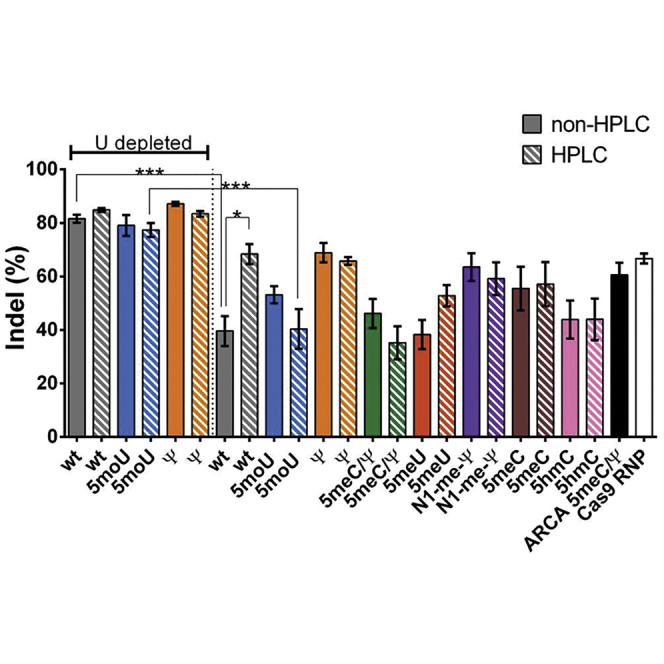
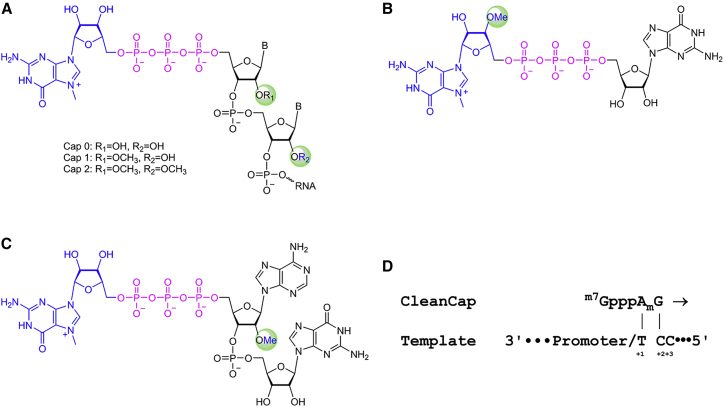
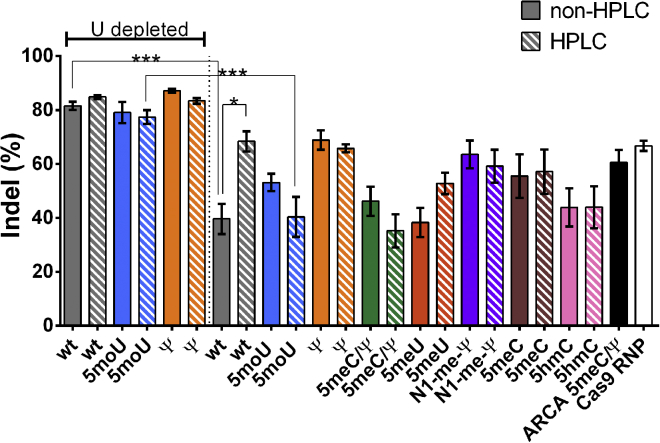
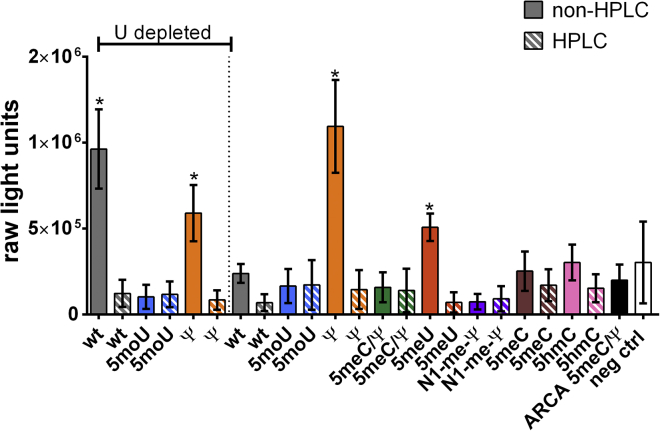
The Cas9/guide RNA (Cas9/gRNA) system is commonly used for genome editing. mRNA expressing Cas9 can induce innate immune responses, reducing Cas9 expression. First-generation Cas9 mRNAs were modified with pseudouridine and 5-methylcytosine to reduce innate immune responses. We combined four approaches to produce more active, less immunogenic second-generation Cas9 mRNAs. First, we developed a novel co-transcriptional capping method yielding natural Cap 1. Second, we screened modified nucleotides in Cas9 mRNA to identify novel modifications that increase Cas9 activity. Third, we depleted the mRNA of uridines to improve mRNA activity. Lastly, we tested high-performance liquid chromatography (HPLC) purification to remove double-stranded RNAs. The activity of these mRNAs was tested in cell lines and primary human CD34+ cells. Cytokines were measured in whole blood and mice. These approaches yielded more active and less immunogenic mRNA. Uridine depletion (UD) most impacted insertion or deletion (indel) activity. Specifically, 5-methoxyuridine UD induced indel frequencies as high as 88% (average ± SD = 79% ± 11%) and elicited minimal immune responses without needing HPLC purification. Our work suggests that uridine-depleted Cas9 mRNA modified with 5-methoxyuridine (without HPLC purification) or pseudouridine may be optimal for the broad use of Cas9 both in vitro and in vivo.
Overview
The claims and statistics of this paper haven’t been checked yet.
Run the check — free, no account needed. It reads the open-access text and checks the sources it cites.
Integrity signals
Registry
Cites
Statistics
Figures
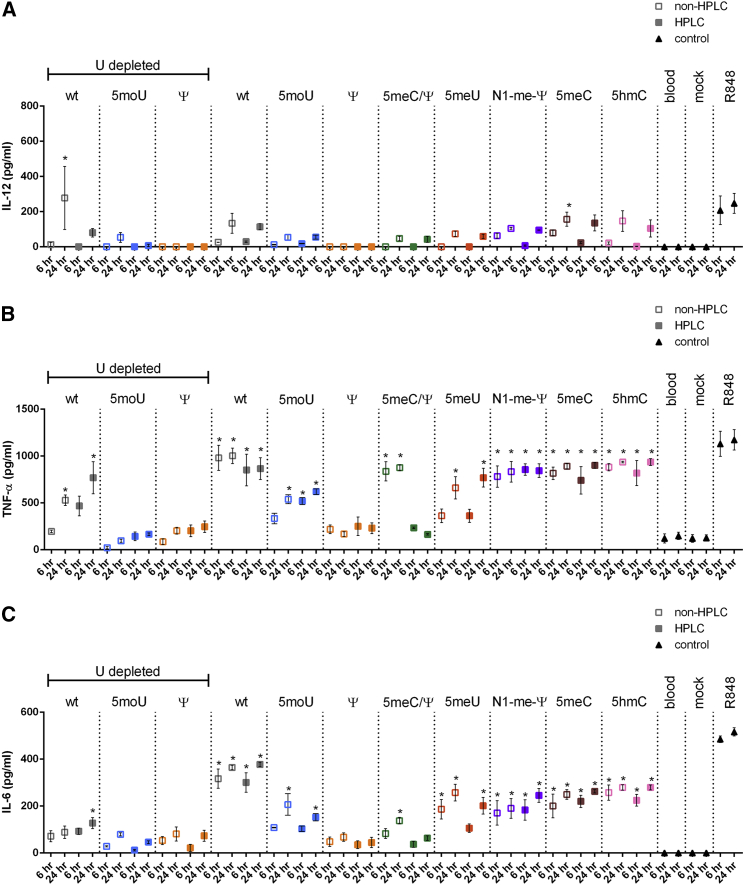
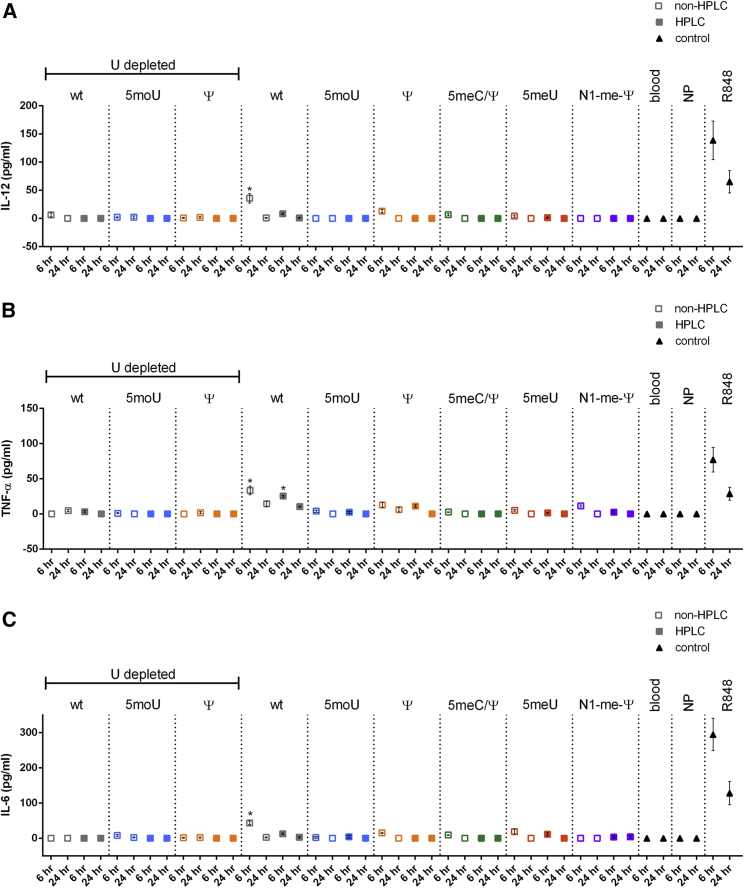
Verification
Claims the paper makes
The claims and statistics of this paper haven’t been checked yet.
Run the check — free, no account needed. It reads the open-access text and checks the sources it cites.
Claims other papers make about this one
Each is checked against this paper’s own text: does it say what the citing paper says it does?
The cited source says what the claim attributes to it.
In the citing paper
“Others strategies aim to impair the PRR recognition of IVT mRNA with the use of modified nucleosides,16 uridine depletion in the coding sequence,17 or dephosphorylation of 5′PPP mRNAs.18”
From Combining an optimized mRNA template with a double purification process allows strong expression of in vitro transcribed mRNA (2021) · cites this paper as [17]
In the citing paper
“dsRNA can activate PRR such as TLR3,52,156 whereas ssRNA activates TLR7 and TLR8 to produce IFN-I, thus inducing inflammation in the host and interrupting mRNA translation.157,158”
From Advances in COVID-19 mRNA vaccine development (2022) · cites this paper as [157]
In the citing paper
“TLR7 and TLR8 receptors bind to guanosine- or uridine-rich regions in mRNA and trigger the production of type I interferons, such as IFNα, that can block mRNA translation24.”
From mRNA vaccines for infectious diseases: principles, delivery and clinical translation (2021) · cites this paper as [24]
Self-check
Percentages, sums and reported differences re-computed from the paper’s own numbers.
The self-check needs the paper’s full text.
Citations
Cites
Kearse, M., Moir, R., Wilson, A., Stones-Havas, S., Cheung, M., Sturrock, S., Buxton, S., Cooper, A., Markowitz, S., Duran, C., et al. (2012) · Bioinform. · doi:10.1093/bioinformatics/bts199 · Cited by 19,197
A Programmable Dual-RNA–Guided DNA Endonuclease in Adaptive Bacterial Immunity
Jinek, M., Chylinski, K., Fonfara, I., Hauer, M., Doudna, J. A., & Charpentier, E. (2012) · Science · doi:10.1126/science.1225829 · Cited by 17,116
Multiplex Genome Engineering Using CRISPR/Cas Systems
Cong, L., Ran, F. A., Cox, D., Lin, S., Barretto, R., Habib, N., Hsu, P. D., Wu, X., Jiang, W., Marraffini, L. A., et al. (2013) · Science · doi:10.1126/science.1231143 · Cited by 15,339
RNA-Guided Human Genome Engineering via Cas9
Mali, P., Yang, L., Esvelt, K. M., Aach, J., Guell, M., DiCarlo, J. E., Norville, J. E., & Church, G. M. (2013) · Science · doi:10.1126/science.1232033 · Cited by 9,210
Recognition of double-stranded RNA and activation of NF-κB by Toll-like receptor 3
Alexopoulou, L., Holt, A. C., Medzhitov, R., & Flavell, R. A. (2001) · Nature · doi:10.1038/35099560 · Cited by 6,129
Development and Applications of CRISPR-Cas9 for Genome Engineering
Hsu, P. D., Lander, E. S., & Zhang, F. (2014) · Cell · doi:10.1016/j.cell.2014.05.010 · Cited by 5,762
Yoneyama, M., Kikuchi, M., Natsukawa, T., Shinobu, N., Imaizumi, T., Miyagishi, M., Taira, K., Akira, S., & Fujita, T. (2004) · Nature Immunology · doi:10.1038/ni1087 · Cited by 4,022
Species-specific recognition of single-stranded RNA via toll-like receptor 7 and 8
Heil, F., Hemmi, H., Hochrein, H., Ampenberger, F., Kirschning, C., Akira, S., Lipford, G., Wagner, H., & Bauer, S. (2004) · Science · doi:10.1126/science.1093620 · Cited by 3,947
Innate antiviral responses by means of TLR7-mediated recognition of single-stranded RNA
Diebold, S. S., Kaisho, T., Hemmi, H., Akira, S., & Reis e Sousa, C. (2004) · Science · doi:10.1126/science.1093616 · Cited by 3,444
Karikó, K., Buckstein, M., Ni, H., & Weissman, D. (2005) · Immunity · doi:10.1016/j.immuni.2005.06.008 · Cited by 2,728
Cited by
Sorted by citations
mRNA vaccines for infectious diseases: principles, delivery and clinical translation
Chaudhary, N., Weissman, D., & Whitehead, K. A. (2021) · Nature Reviews Drug Discovery · doi:10.1038/s41573-021-00283-5 · Cited by 1,555
mRNA vaccine for cancer immunotherapy
Miao, L., Zhang, Y., & Huang, L. (2021) · Molecular Cancer · doi:10.1186/s12943-021-01335-5 · Cited by 966
“ARCA capped mRNA increases and prolongs protein expression in vitro.”
MethodInfluentialCancer vaccines as promising immuno-therapeutics: platforms and current progress
Liu, J., Fu, M., Wang, M., Wan, D., Wei, Y., & Wei, X. (2022) · Journal of Hematology & Oncology · doi:10.1186/s13045-022-01247-x · Cited by 762
“The co-transcriptional capping method is called CleanCapTM [180].”
MethodAdvances in COVID-19 mRNA vaccine development
Fang, E., Liu, X., Li, M., Zhang, Z., Song, L., Zhu, B., Wu, X., Liu, J., Zhao, D., & Li, Y. (2022) · Signal Transduction and Targeted Therapy · doi:10.1038/s41392-022-00950-y · Cited by 601
“dsRNA can activate PRR such as TLR3,(52,156) whereas ssRNA activates TLR7 and TLR8 to produce IFN-I, thus inducing inflammation in the host and interrupting mRNA translation.(157,158) To avoid this, Karikó and colleagues found that adding modified nucleosides during IVT of mRNA can significantly reduce the host inflam…”
BackgroundMethodUnlocking the promise of mRNA therapeutics
Rohner, E., Yang, R., Foo, K. S., Goedel, A., & Chien, K. R. (2022) · Nature Biotechnology · doi:10.1038/s41587-022-01491-z · Cited by 612
Opportunities and Challenges in the Delivery of mRNA-Based Vaccines
Wadhwa, A., Aljabbari, A., Lokras, A., Foged, C., & Thakur, A. (2020) · Pharmaceutics · doi:10.3390/pharmaceutics12020102 · Cited by 584
“However, cap‐1 or cap‐2 can now be incorporated during co‐ transcriptional capping at a capping efficiency of approximately 94% [52].”
MethodKim, J., Eygeris, Y., Gupta, M., & Sahay, G. (2021) · Advanced Drug Delivery Reviews · doi:10.1016/j.addr.2020.12.014 · Cited by 514
Recent advances in mRNA vaccine technology
Pardi, N., Hogan, M. J., & Weissman, D. (2020) · Current Opinion in Immunology · doi:10.1016/j.coi.2020.01.008 · Cited by 512
Self-amplifying RNA vaccines for infectious diseases
Bloom, K., van den Berg, F., & Arbuthnot, P. (2021) · Gene Therapy · doi:10.1038/s41434-020-00204-y · Cited by 487
Modifications in an Emergency: The Role of N1-Methylpseudouridine in COVID-19 Vaccines
Nance, K. D., & Meier, J. L. (2021) · ACS Central Science · doi:10.1021/acscentsci.1c00197 · Cited by 466
Base editing of haematopoietic stem cells rescues sickle cell disease in mice
Newby, G. A., Yen, J. S., Woodard, K. J., Mayuranathan, T., Lazzarotto, C. R., Li, Y., Sheppard, H., Porter, S. N., Yao, Y., Mayberry, K. D., et al. (2021) · Nature · doi:10.1038/s41586-021-03609-w · Cited by 402
Self-citationTailoring mRNA Vaccine to Balance Innate/Adaptive Immune Response
Linares-Fernández, S., Lacroix, C., Exposito, J.-Y., & Verrier, B. (2020) · Trends in Molecular Medicine · doi:10.1016/j.molmed.2019.10.002 · Cited by 376
Heinz, F. X., & Stiasny, K. (2021) · npj Vaccines · doi:10.1038/s41541-021-00369-6 · Cited by 378
mRNA Vaccine Era—Mechanisms, Drug Platform and Clinical Prospection
Xu, S., Yang, K., Li, R., & Zhang, L. (2020) · International Journal of Molecular Sciences · doi:10.3390/ijms21186582 · Cited by 368
“Another cap analog, a co-transcriptional capping method called “CleanCap,” was developed in 2018 [39].”
BackgroundMethodNucleic acid delivery for therapeutic applications
Gupta, A., Andresen, J. L., Manan, R. S., & Langer, R. (2021) · Advanced Drug Delivery Reviews · doi:10.1016/j.addr.2021.113834 · Cited by 351
An Update on Self-Amplifying mRNA Vaccine Development
Blakney, A. K., Ip, S., & Geall, A. J. (2021) · Vaccines · doi:10.3390/vaccines9020097 · Cited by 288
“[100-102] The historical issue with the pseudosymmetrical cap have now been circumvented with anti-reverse cap analogues (ARCAs),[102] which results in a cap 0 structure on approximately 70% of the transcripts and 30% with a 5’ triphosphate.”
BackgroundFrom influenza to COVID-19: Lipid nanoparticle mRNA vaccines at the frontiers of infectious diseases
Pilkington, E. H., Suys, E. J. A., Trevaskis, N. L., Wheatley, A. K., Zukancic, D., Algarni, A., Al-Wassiti, H. A., Davis, T. P., Pouton, C. W., Kent, S. J., et al. (2021) · Acta Biomaterialia · doi:10.1016/j.actbio.2021.06.023 · Cited by 271
Cap 1 Messenger RNA Synthesis with Co‐transcriptional CleanCap ® Analog by In Vitro Transcription
Henderson, J. M., Ujita, A., Hill, E., Yousif‐Rosales, S., Smith, C., Ko, N., McReynolds, T., Cabral, C. R., Escamilla‐Powers, J. R., & Houston, M. E. (2021) · Current Protocols · doi:10.1002/cpz1.39 · Cited by 231
“Sequence optimization of the ORF using bioinformatic software may improve therapeutic applications (Vaidyanathan et al., 2018).”
BackgroundMethodSelf-citationRational designs of in vivo CRISPR-Cas delivery systems
Xu, C., Chen, G., Luo, Y., Zhang, Y., Zhao, G., Lu, Z.-D., Czarna, A., Gu, Z., & Wang, J. (2019) · Advanced Drug Delivery Reviews · doi:10.1016/j.addr.2019.11.005 · Cited by 187
Loughrey, D., & Dahlman, J. E. (2022) · Accounts of Chemical Research · doi:10.1021/acs.accounts.1c00601 · Cited by 173
mRNA cancer vaccines: Advances, trends and challenges
He, Q., Gao, H., Tan, D., Zhang, H., & Wang, J. (2022) · Acta Pharmaceutica Sinica B · doi:10.1016/j.apsb.2022.03.011 · Cited by 171
“Positive regulatory factors are summarized as follows: ① The 5 0 cap and its modification [ e . g ., anti-reverse cap analogs 119 e 123 , CleanCap 124 ] can recruit eukaryotic translation initiation factor 4E to facilitate ribosome recognition and translation initiation 29 and eliminate free phosphate groups in the mRN…”
Liu, M., Wang, Y., Zhang, Y.-B., Hu, D., Tang, L., Zhou, B., & Yang, L. (2025) · Signal Transduction and Targeted Therapy · doi:10.1038/s41392-024-02112-8 · Cited by 189
Minnaert, A.-K., Vanluchene, H., Verbeke, R., Lentacker, I., De Smedt, S. C., Raemdonck, K., Sanders, N. N., & Remaut, K. (2021) · Advanced Drug Delivery Reviews · doi:10.1016/j.addr.2021.113900 · Cited by 157
“99%, which is of interest to generate less immunogenic mRNA constructs [16,66].”
mRNA vaccine in cancer therapy: Current advance and future outlook
Li, Y., Wang, M., Peng, X., Yang, Y., Chen, Q., Liu, J., She, Q., Tan, J., Lou, C., Liao, Z., et al. (2023) · Clinical and Translational Medicine · doi:10.1002/ctm2.1384 · Cited by 158
Non-viral delivery of the CRISPR/Cas system: DNA versus RNA versus RNP
Lin, Y., Wagner, E., & Lächelt, U. (2022) · Biomaterials Science · doi:10.1039/d1bm01658j · Cited by 148
Immunogenicity of In Vitro -Transcribed RNA
Mu, X. N., & Hur, S. (2021) · Accounts of Chemical Research · doi:10.1021/acs.accounts.1c00521 · Cited by 143
“4 Other studies have shown that using uridine-depleted sequences lowers the immunogenicity of in vitro-transcribed Cas9 mRNA containing modified nucleosides by an unknown mechanism, 81 supporting the notion that TLR7 and TLR8 bind U-containing ssRNAs.”
BackgroundVaidyanathan, S., Salahudeen, A. A., Sellers, Z. M., Bravo, D. T., Choi, S. S., Batish, A., Le, W., Baik, R., Sean de la, O., Kaushik, M. P., et al. (2019) · Cell stem cell · doi:10.1016/j.stem.2019.11.002 · Cited by 141
Self-citationmRNA Vaccines: The Dawn of a New Era of Cancer Immunotherapy
Deng, Z., Tian, Y., Song, J., An, G., & Yang, P. (2022) · Frontiers in Immunology · doi:10.3389/fimmu.2022.887125 · Cited by 130
“However, the addition is likely to be incorrectly bound, causing the mRNA to be untranslatable, while antireverse cap analog (ARCA) allows the polymerase to add to the nucleotide strand in the correct orientation (22).”
BackgroundFrom structural design to delivery: mRNA therapeutics for cancer immunotherapy
Zhou, F., Huang, L., Li, S., Yang, W., Chen, F., Cai, Z., Liu, X., Xu, W., Lehto, V., Lächelt, U., et al. (2023) · Exploration · doi:10.1002/exp.20210146 · Cited by 117
Engineering of the current nucleoside-modified mRNA-LNP vaccines against SARS-CoV-2
Granados-Riveron, J. T., & Aquino‐Jarquín, G. (2021) · Biomedicine & Pharmacotherapy · doi:10.1016/j.biopha.2021.111953 · Cited by 115
“Cap analogs such as anti-reverse-Cap-analog [CAP-0 (N7MeGpppN) structure] or Clean Cap [CAP-1 (N7MeGpppN2 ′-OMe) structure] [33] are the two main approaches used to produce capped mRNA in in-vitro transcription (IVT) [30].”
BackgroundNon-immunotherapy application of LNP-mRNA: Maximizing efficacy and safety
Vlatkovic, I. (2021) · Biomedicines · doi:10.3390/biomedicines9050530 · Cited by 112
Chemical modifications of adenine base editor mRNA and guide RNA expand its application scope
Jiang, T., Henderson, J. M., Coote, K. J., Cheng, Y., Valley, H. C., Zhang, X.-O., Wang, Q., Rhym, L. H., Cao, Y., Newby, G. A., et al. (2020) · Nature Communications · doi:10.1038/s41467-020-15892-8 · Cited by 112
Self-citationAn overview of rational design of mRNA-based therapeutics and vaccines
To, K. K. W., & Cho, W. C. S. (2021) · Expert Opinion on Drug Discovery · doi:10.1080/17460441.2021.1935859 · Cited by 110
Recent advances in nanoparticulate RNA delivery systems
Witten, J. J., Hu, Y., Langer, R., & Anderson, D. G. (2024) · Proceedings of the National Academy of Sciences · doi:10.1073/pnas.2307798120 · Cited by 113
Recent Developments in mRNA-Based Protein Supplementation Therapy to Target Lung Diseases
Sahu, I., Haque, A. K. M. A., Weidensee, B., Weinmann, P., & Kormann, M. S. D. (2019) · Molecular Therapy · doi:10.1016/j.ymthe.2019.02.019 · Cited by 104
“In mRNA, only a small subset of these naturally occurring modifications is reported to be essential for reducing innate immune response and improvingmRNAexpression and stability.(215,230,231)N6-methyladenosine (m6A) is one of the most frequent modifications in eukaryotic mRNA.”
BackgroundMethodInfluentialSelf-citationCarrier strategies boost the application of CRISPR/Cas system in gene therapy
Xu, Z., Wang, Q., Zhong, H., Jiang, Y., Shi, X., Yuan, B., Yu, N., Zhang, S., Yuan, X., Guo, S., et al. (2022) · Exploration · doi:10.1002/exp.20210081 · Cited by 105
Chen, Q., Zhang, Y., & Yin, H. (2020) · Advanced Drug Delivery Reviews · doi:10.1016/j.addr.2020.10.014 · Cited by 99
CRISPR/Cas9 Delivery System Engineering for Genome Editing in Therapeutic Applications
Cheng, H., Zhang, F., & Ding, Y. (2021) · Pharmaceutics · doi:10.3390/pharmaceutics13101649 · Cited by 100
Enlisting the mRNA Vaccine Platform to Combat Parasitic Infections
Versteeg, L., Almutairi, M. M., Hotez, P. J., & Pollet, J. B. K. (2019) · Vaccines · doi:10.3390/vaccines7040122 · Cited by 94
“CleanCap® yields a naturally occurring Cap1 structure, which results in an increased mRNA transcription efficiency compared with ARCA cap analogs [37].”
BackgroundLaird, N. Z., Acri, T. M., Tingle, K., & Salem, A. K. (2021) · Advanced Drug Delivery Reviews · doi:10.1016/j.addr.2021.05.009 · Cited by 93
mRNA: A Novel Avenue to Antibody Therapy?
Schlake, T., Thran, M., Fiedler, K., Heidenreich, R., Petsch, B., & Fotin‐Mleczek, M. (2019) · Molecular Therapy · doi:10.1016/j.ymthe.2019.03.002 · Cited by 93
“The critical role of the mRNA sequence was further corroborated by the recent finding that a U-depleted ORF (open reading frame) sequence gives rise to more efficient gene editing in primary human cells and less cytokine induction in whole human blood.(25) Today, ample in vivo evidence for high protein expression and…”
BackgroundLim, S., Khoo, R., Juang, Y.-C., Gopal, P., Zhang, H., Yeo, C., Peh, K. M., Teo, J., Ng, S., Henry, B., et al. (2021) · ACS Central Science · doi:10.1021/acscentsci.0c01337 · Cited by 80
Synthetic modified messenger RNA for therapeutic applications
Gao, M., Zhang, Q., Feng, X.-H., & Liu, J. (2021) · Acta Biomaterialia · doi:10.1016/j.actbio.2021.06.020 · Cited by 89
Treatment of Hemophilia A Using Factor VIII Messenger RNA Lipid Nanoparticles
Chen, C.-Y., Tran, D. M., Cavedon, A., Cai, X., Rajendran, R., Lyle, M. J., Martini, P. G. V., & Miao, C. H. (2020) · Molecular Therapy Nucleic Acids · doi:10.1016/j.omtn.2020.03.015 · Cited by 89
Drążkowska, K., Tomecki, R., Warmiński, M., Baran, N., Cysewski, D., Depaix, A., Kasprzyk, R., Kowalska, J., Jemielity, J., & Sikorski, P. J. (2022) · Nucleic Acids Research · doi:10.1093/nar/gkac722 · Cited by 89
Deep generative models design mRNA sequences with enhanced translational capacity and stability
Zhang, H., Liu, H., Xu, Y., Huang, H., Liu, Y., Wang, J., Qin, Y., Wang, H., Ma, L., Xun, Z., et al. (2025) · Science · doi:10.1126/science.adr8470 · Cited by 98
mRNA vaccines: the most recent clinical applications of synthetic mRNA
Kwon, S., Kwon, M., Im, S., Lee, K., & Lee, H. (2022) · Archives of Pharmacal Research · doi:10.1007/s12272-022-01381-7 · Cited by 85
“Recently, CleanCaps (Cap 1) have been developed to overcome both disadvantages of ARCA (Vaidyanathan et al.”
BackgroundInfluentialPotentialities and Challenges of mRNA Vaccine in Cancer Immunotherapy
Duan, L.-J., Wang, Q., Zhang, C., Yang, D.-X., & Zhang, X. (2022) · Frontiers in Immunology · doi:10.3389/fimmu.2022.923647 · Cited by 83
“To increase the capping efficiency and prevent de-capping of ARCA, a novel cotranscriptional cap analog termed CleanCap has been developed, which can generate an unmodified cap structure with high efficiency (>90%) (19).”
BackgroundAntoniou, P., Hardouin, G., Martinucci, P., Frati, G., Félix, T., Chalumeau, A., Fontana, L., Martin, J., Masson, C., Brusson, M., et al. (2022) · Nature Communications · doi:10.1038/s41467-022-34493-1 · Cited by 85
Moradian, H., Roch, T., Anthofer, L., Lendlein, A., & Gossen, M. (2022) · Molecular Therapy — Nucleic Acids · doi:10.1016/j.omtn.2022.01.004 · Cited by 77
“This finding is in line with an earlier report, where in an in vivo experimental setup a similar pattern of reduced activation was reported for 5moU, when compared with unmodified and other uridine and cytidine chemical modifications.(23) Another study by Nelson and colleagues also suggested that me(1)J modification o…”
Resultvan de Berg, D., Kis, Z., Behmer, C. F., Samnuan, K., Blakney, A. K., Kontoravdi, C., Shattock, R. J., & Shah, N. (2021) · npj Vaccines · doi:10.1038/s41541-021-00322-7 · Cited by 77
Moradian, H., Roch, T., Lendlein, A., & Gossen, M. (2020) · Scientific Reports · doi:10.1038/s41598-020-60506-4 · Cited by 77
Walther, J., Porenta, D., Wilbie, D., Seinen, C. W., Benne, N., Yang, Q., de Jong, O. G., Lei, Z., & Mastrobattista, E. (2024) · European Journal of Pharmaceutics and Biopharmaceutics · doi:10.1016/j.ejpb.2024.114207 · Cited by 80
Double-stranded RNA reduction by chaotropic agents during in vitro transcription of messenger RNA
Piao, X., Yadav, V., Wang, E., Chang, W., Tau, L., Lindenmuth, B. E., & Wang, S. X. (2022) · Molecular Therapy — Nucleic Acids · doi:10.1016/j.omtn.2022.08.001 · Cited by 73
The mRNA Vaccine Revolution: COVID-19 Has Launched the Future of Vaccinology
Ye, Z., Harmon, J., Ni, W., Li, Y., Wich, D., & Xu, Q. (2023) · ACS Nano · doi:10.1021/acsnano.2c12584 · Cited by 72
Haabeth, O. A. W., Lohmeyer, J. J. K., Sallets, A., Blake, T. R., Sagiv-Barfi, I., Czerwinski, D. K., McCarthy, B., Powell, A. E., Wender, P. A., Waymouth, R. M., et al. (2021) · ACS Central Science · doi:10.1021/acscentsci.1c00361 · Cited by 74
Mouri, K., Guo, M. H., de Boer, C. G., Lissner, M. M., Harten, I. A., Newby, G. A., DeBerg, H. A., Platt, W. F., Gentili, M., Liu, D. R., et al. (2022) · Nature Genetics · doi:10.1038/s41588-022-01056-5 · Cited by 67
Immunological barriers to haematopoietic stem cell gene therapy
Charlesworth, C. T., Hsu, I., Wilkinson, A. C., & Nakauchi, H. (2022) · Nature reviews. Immunology · doi:10.1038/s41577-022-00698-0 · Cited by 71
Cao, J.-S., Choi, M., Guadagnin, E., Soty, M., Silva, M., Verzieux, V., Weisser, E., Markel, A., Zhuo, J., Liang, S., et al. (2021) · Nature Communications · doi:10.1038/s41467-021-23318-2 · Cited by 58
Engineered Nanomaterials to Potentiate CRISPR/Cas9 Gene Editing for Cancer Therapy
Yi, K., Kong, H., Lao, Y., Li, D., Mintz, R. L., Fang, T., Chen, G., Tao, Y., Li, M., & Ding, J. (2023) · Advanced Materials · doi:10.1002/adma.202300665 · Cited by 66
CRISPR-Based Synthetic Transcription Factors In Vivo: The Future of Therapeutic Cellular Programming
Pandelakis, M., Delgado, E., & Ebrahimkhani, M. R. (2020) · Cell Systems · doi:10.1016/j.cels.2019.10.003 · Cited by 65
“Recently, studies have reported existing humoral and cellular immune responses in a subset of human blood samples (Ferdosi et al., 2019; Vaidyanathan et al., 2018).”
BackgroundOsterloh, A. (2022) · Vaccines · doi:10.3390/vaccines10050751 · Cited by 63
Linares-Fernández, S., Moreno, J., Lambert, E., Mercier-Gouy, P., Vachez, L., Verrier, B., & Exposito, J.-Y. (2021) · Molecular Therapy - Nucleic Acids · doi:10.1016/j.omtn.2021.10.007 · Cited by 62
“12,15 Others strategies aim to impair the PRR recognition of IVT mRNA with the use of modi fi ed nucleosides, 16 uridine depletion in the coding sequence, 17 or dephosphorylation of 5 0 PPP mRNAs.”
mRNA-Based Therapeutics in Cancer Treatment
Sun, H., Zhang, Y., Wang, G., Yang, W., & Xu, Y. (2023) · Pharmaceutics · doi:10.3390/pharmaceutics15020622 · Cited by 65
“Total GC content provides a translation-independent stabilization effect that correlates with mRNA degradation mediated by RBPs [50].”
BackgroundmRNA therapies: Pioneering a new era in rare genetic disease treatment
Shen, G., Liu, J., Yang, H., Xie, N., & Yang, Y. (2024) · Journal of Controlled Release · doi:10.1016/j.jconrel.2024.03.056 · Cited by 62
Schmidt, M. J., Gupta, A. K., Bednarski, C., Gehrig-Giannini, S., Richter, F. M., Pitzler, C., Gamalinda, M., Galonska, C., Takeuchi, R., Wang, K., et al. (2021) · Nature Communications · doi:10.1038/s41467-021-24454-5 · Cited by 58
mRNA, a Revolution in Biomedicine
Baptista, B., Carapito, R., Laroui, N., Pichon, C., & de Sousa, F. P. (2021) · Pharmaceutics · doi:10.3390/pharmaceutics13122090 · Cited by 61
Messenger RNA-Based Vaccines Against Infectious Diseases
Alameh, M.-G., Weissman, D., & Pardi, N. (2020) · Current Topics in Microbiology and Immunology · doi:10.1007/82_2020_202 · Cited by 96
Foley, R. A., Sims, R. A., Duggan, E. C., Olmedo, J. K., Ma, R., & Jonas, S. J. (2022) · Frontiers in Bioengineering and Biotechnology · doi:10.3389/fbioe.2022.973326 · Cited by 60
“A uridine-depleted transcript with 5-methoxyuridine (without HPLC purification) was selected as the preferred candidate for further in vitro and in vivo testing as it balanced a reduced innate immunogenic response with the feasibility for mass production (Vaidyanathan et al., 2018).”
MethodPregeljc, D., Skok, J., Seravalli, T. V., Mencin, N., Krušič, A., Ličen, J., Nemec, K. Š., Štrancar, A., & Sekirnik, R. (2022) · Biotechnology and Bioengineering · doi:10.1002/bit.28299 · Cited by 55
“Co‐transcriptional capping strategies underwent significant development from traditionally performed anti‐reverse cap analog (ARCA) to highly efficient CleanCap technology (Henderson et al., 2021; Vaidyanathan et al., 2018).”
BackgroundVaccination with Messenger RNA: A Promising Alternative to DNA Vaccination
Tombácz, I., Weissman, D., & Pardi, N. (2020) · Methods in molecular biology · doi:10.1007/978-1-0716-0872-2_2 · Cited by 55
Human RNase 4 improves mRNA sequence characterization by LC–MS/MS
Wolf, E. J., Grünberg, S., Dai, N., Chen, T.-H., Roy, B., Yigit, E., & Junior, I. R. C. (2022) · Nucleic Acids Research · doi:10.1093/nar/gkac632 · Cited by 56
“In addition to uridine modification, a complementary strategy to reduce the immune response to exogenously delivered mRNAs is to selectively deplete the number of uridines present within an mRNA sequence, referred to as ‘uridinedepletion’ (36).”
BackgroundAdvances in mRNA therapeutics for cancer immunotherapy: From modification to delivery
Han, G., Noh, D., Lee, H., Lee, S., Kim, S., Yoon, H. Y., & Hyeon, L. S. (2023) · Advanced Drug Delivery Reviews · doi:10.1016/j.addr.2023.114973 · Cited by 53
Han, W., Qiu, H.-Y., Sun, S., Fu, Z.-C., Wang, G., Qian, X., Wang, L., Zhai, X., Jia, W. P., Wang, Y., et al. (2023) · Cell stem cell · doi:10.1016/j.stem.2023.10.007 · Cited by 53
Chemical engineering of CRISPR–Cas systems for therapeutic application
Barber, H. M., Pater, A. A., Gagnon, K. T., Damha, M. J., & O’Reilly, D. (2024) · Nature Reviews Drug Discovery · doi:10.1038/s41573-024-01086-0 · Cited by 57
“Interestingly, utilizing uridine depletion to increase the incorporation of nucleobase modifications (m 5 C and Ψ) into a Cas9 mRNA, enhanced editing and decreased immunogenicity 79 .”
Therapeutic mRNA Engineering from Head to Tail
Jia, L., & Qian, S. (2021) · Accounts of Chemical Research · doi:10.1021/acs.accounts.1c00541 · Cited by 51
An Update on mRNA-Based Viral Vaccines
Jeeva, S., Kim, K., Shin, C. H., Wang, B., & Kang, S. (2021) · Vaccines · doi:10.3390/vaccines9090965 · Cited by 49
“IVT mRNA stability and protein expression were increased by reducing the frequency of UU and UA dinucleotides, probably due to the protection from endonuclease [59] or by depleting uridines via chemical modification [60].”
BackgroundRecent advances and perspectives on the development of circular RNA cancer vaccines
Gong, Z., Hu, W., Zhou, C., Guo, J., Yang, L., & Wang, B. (2025) · npj Vaccines · doi:10.1038/s41541-025-01097-x · Cited by 55
“In addition, HPLC is effective in eliminating unwanted byproducts during IVT 66 .”
The Dual Role of the Innate Immune System in the Effectiveness of mRNA Therapeutics
Muslimov, A. R., Tereshchenko, V., Shevyrev, D., Rogova, A. S., Lepik, K. V., Reshetnikov, V. V., & Ivanov, R. A. (2023) · International Journal of Molecular Sciences · doi:10.3390/ijms241914820 · Cited by 51
Advances in the design and delivery of RNA vaccines for infectious diseases
Lokras, A. G., Bobak, T. R., Baghel, S. S., Sebastiani, F., & Foged, C. (2024) · Advanced Drug Delivery Reviews · doi:10.1016/j.addr.2024.115419 · Cited by 52
mRNA vaccines in the context of cancer treatment: from concept to application
Fu, Q., Zhao, X., Hu, J., Jiao, Y., Yan, Y., Pan, X., Wang, X., & Jiao, F. (2025) · Journal of Translational Medicine · doi:10.1186/s12967-024-06033-6 · Cited by 59
Knipping, F., Newby, G. A., Eide, C. R., McElroy, A. N., Nielsen, S. C., Smith, K. D., Fang, Y., Cornu, T. I., Costa, C., Gutiérrez-Guerrero, A., et al. (2021) · Molecular Therapy · doi:10.1016/j.ymthe.2021.10.026 · Cited by 53
Self-citationComputational design of mRNA vaccines
Kim, Y.-A., Mousavi, K., Yazdi, A. K., Zwierzyna, M., Cardinali, M., Fox, D. M., Peel, T., Coller, J., Aggarwal, K., & Maruggi, G. (2023) · Vaccine · doi:10.1016/j.vaccine.2023.07.024 · Cited by 47
Toward Gene Transfer Nanoparticles as Therapeutics
Kavanagh, E. W., & Green, J. J. (2022) · Advanced Healthcare Materials · doi:10.1002/adhm.202102145 · Cited by 47
Aptamer-based assembly systems for SARS-CoV-2 detection and therapeutics
Dong, Y., Wang, J., Chen, L., Chen, H., Dang, S., & Li, F. (2024) · Chemical Society Reviews · doi:10.1039/d3cs00774j · Cited by 46
Nanoscale delivery platforms for RNA therapeutics: Challenges and the current state of the art
Rhym, L. H., & Anderson, D. G. (2022) · Med · doi:10.1016/j.medj.2022.02.001 · Cited by 45
N1-methyl-pseudouridine is incorporated with higher fidelity than pseudouridine in synthetic RNAs
Chen, T.-H., Potapov, V., Dai, N., Ong, J. L., & Roy, B. (2022) · Scientific Reports · doi:10.1038/s41598-022-17249-1 · Cited by 44
Therapeutic synthetic and natural materials for immunoengineering
Slezak, A., Chang, K., Hossainy, S., Mansurov, A., Rowan, S. J., Hubbell, J. A., & Guler, M. O. (2024) · Chemical Society Reviews · doi:10.1039/d3cs00805c · Cited by 44
Miller, M. G., Alvizo, O., Baskerville, S., Chintala, A., Chng, C., Dassie, J. P., Dorigatti, J. D., Huisman, G. W., Jenne, S., Kadam, S., et al. (2024) · Faraday Discussions · doi:10.1039/d4fd00023d · Cited by 42
In Vitro Transcribed RNA-Based Platform Vaccines: Past, Present, and Future
Perenkov, A. D., Sergeeva, A. D., Vedunova, M. V., & Krysko, D. V. (2023) · Vaccines · doi:10.3390/vaccines11101600 · Cited by 40
“These modified nucleotides include N1-methyladenosine (m1A), N6-methyladenosine (m6A), 5-methoxyuridine (mo5U), 2-thiouridine (s2U), pseudouridine ( ψ ), N1-methylpseudouridine (m1 ψ ), 5-methylcytidine (m5C), 5-methoxycytidine (5moC), and 5-hydroxymethylcytidine (5hmC) [78,167,176–178].”
BackgroundGuo, X., Guo, M., Cai, R., Hu, M., Rao, L., Su, W., Liu, H., Gao, F., Zhang, X., Liu, J., et al. (2024) · Science Advances · doi:10.1126/sciadv.adp3680 · Cited by 37
Reverse C-glycosidase reaction provides C-nucleotide building blocks of xenobiotic nucleic acids
Pfeiffer, M., & Nidetzky, B. (2020) · Nature Communications · doi:10.1038/s41467-020-20035-0 · Cited by 37
Zhang, J., Liu, Y., Li, C., Xiao, Q., Zhang, D., Chen, Y., Rosenecker, J., Ding, X., & Guan, S. (2023) · Pharmaceutics · doi:10.3390/pharmaceutics15092182 · Cited by 39
“Chemical modifications, such as the use of pseudouridine and N1-methylpseudouridine [30], can prevent recognition by pattern recognition receptors (PRR) and reduce the risk of triggering an innate immune response [10].”
BackgroundMethodDemystifying mRNA vaccines: an emerging platform at the forefront of cryptic diseases
Rouf, N. Z., Biswas, S., Tarannum, N., Oishee, L. M., & Muna, M. M. (2022) · RNA Biology · doi:10.1080/15476286.2022.2055923 · Cited by 39
“An optimised ORF in IVT-mRNA further enhances translation efficiency by escaping RNA sensors (RIG-I, TLR3/7/8 and MDA5) [7].”
BackgroundCurrent advances of CRISPR-Cas technology in cell therapy
Qiu, H.-Y., Ji, R.-J., & Zhang, Y. (2022) · Cell Insight · doi:10.1016/j.cellin.2022.100067 · Cited by 38
Complete Chemical Synthesis of Minimal Messenger RNA by Efficient Chemical Capping Reaction
Abe, N., Imaeda, A., Inagaki, M., Li, Z., Kawaguchi, D., Onda, K., Nakashima, Y., Uchida, S., Hashiya, F., Kimura, Y., et al. (2022) · ACS Chemical Biology · doi:10.1021/acschembio.1c00996 · Cited by 35
Vaccine process technology—A decade of progress
Buckland, B. C., Sanyal, G., Ranheim, T., Pollard, D. J., Searles, J. A., Behrens, S., Pluschkell, S. B., Josefsberg, J. O., & Roberts, C. J. (2024) · Biotechnology and Bioengineering · doi:10.1002/bit.28703 · Cited by 35
Pfeiffer, M., Ribar, A., & Nidetzky, B. (2023) · Nature Communications · doi:10.1038/s41467-023-37942-7 · Cited by 36
RNase H-based analysis of synthetic mRNA 5′ cap incorporation
Chan, S., Whipple, J. M., Dai, N., Kelley, T. M., Withers, K., Tzertzinis, G., Junior, I. R. C., & Robb, G. B. (2022) · RNA · doi:10.1261/rna.079173.122 · Cited by 32
mRNA Synthesis and Encapsulation in Ionizable Lipid Nanoparticles
McKenzie, R. E., Minnell, J. J., Ganley, M., Painter, G. F., & Draper, S. L. (2023) · Current Protocols · doi:10.1002/cpz1.898 · Cited by 38
Metadata
- Authors
- Vaidyanathan, S., Azizian, K. T., Haque, A. K. M. A., Henderson, J. M., Hendel, A., Shore, S., Antony, J. S., Hogrefe, R. I., Kormann, M. S. D., Porteus, M. H., & McCaffrey, A. P.
- Affiliations
- Stanford Medicine (US)
- TriLink BioTechnologies (United States) (US)
- University of Tübingen (DE)
- Bar-Ilan University (IL)
- Corresponding author
- McCaffrey, Anton P.
- ORCID
- Venue
- Molecular Therapy Nucleic Acids
- Publisher
- Elsevier BV
- Published
- 2018-09
- Volume
- 12
- Pages
- 530-542
- ISSN
- 2162-2531 (ISSN-L)
- PMC
- PMC6076213
- OpenAlex
- W2810403368
- Cited by
- 262
- References
- 69
- Citations by year
- 2026: 19 · 2025: 34 · 2024: 45 · 2023: 47 · 2022: 48 · 2021: 40 · 2020: 21 · 2019: 7
- FWCI
- 6.05
- Type
- journal article
- Language
- en
- Open access
- gold
- doi.org
- Licence
- Locations
- Molecular Therapy — Nucleic Acids (publishedVersion, cc-by)
- Europe PMC (PubMed Central) (publishedVersion, cc-by)
- PubMed Central (publishedVersion, cc-by)
- PubMed (publishedVersion)
- DOAJ (DOAJ: Directory of Open Access Journals) (submittedVersion, cc-by-sa)
- Funders
- School of Medicine, Stanford University
- Amon G. Carter Foundation
- Topics
- Life Sciences › Biochemistry, Genetics and Molecular Biology › Molecular Biology › CRISPR and Genetic Engineering
- Life Sciences › Biochemistry, Genetics and Molecular Biology › Molecular Biology › RNA Interference and Gene Delivery
- Life Sciences › Biochemistry, Genetics and Molecular Biology › Molecular Biology › RNA regulation and disease
- Keywords
- Cas9 mRNA, pseudouridine, innate immune response, immunogenicity, genome editing, HPLC purification, double-stranded RNA, CD34+ cells, cytokine response
About these checks
Registry, retraction, Cites and statistics results are computed, not judged, with one exception: a printed reference that no index lists is read once by a model before it counts as a citation error. Claims are extracted by a model and kept only when their quote appears verbatim in the text; each cited source is then checked, with a model’s help, for whether it says what the claim relies on. Those verdicts can be wrong — read the claim’s quote and the cited source before relying on one.
Statistics and arithmetic are recomputed, not judged.
Confidence bands are shown only for fields calibrated on our annotated test set. None is calibrated yet, so no band is shown.
What counts as a claim ›How we measure confidence ›How we check this ›
Are you an author, or do you see a problem with this page? Request a review
