

Characterization of human 3 beta-hydroxysteroid dehydrogenase/delta 5-delta 4-isomerase gene and its expression in mammalian cells
Open accessThe DOI matches its Crossref record; 47 of the 47 references it cites were found in a registry or an index.
Abstract
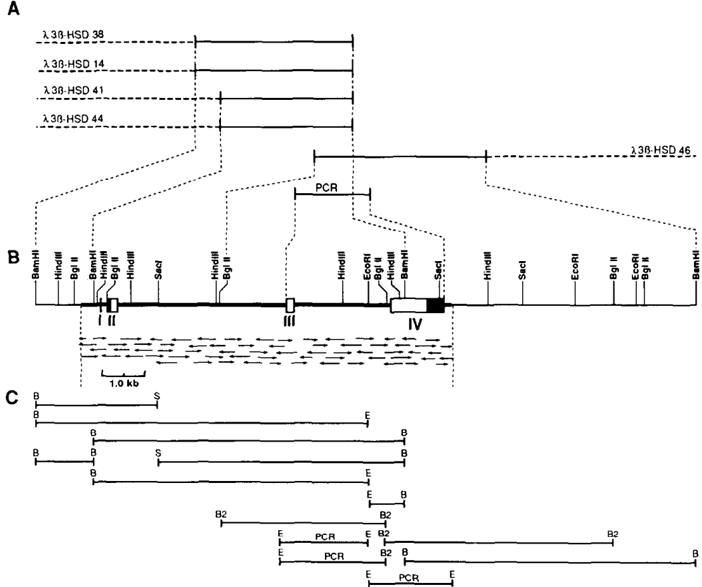
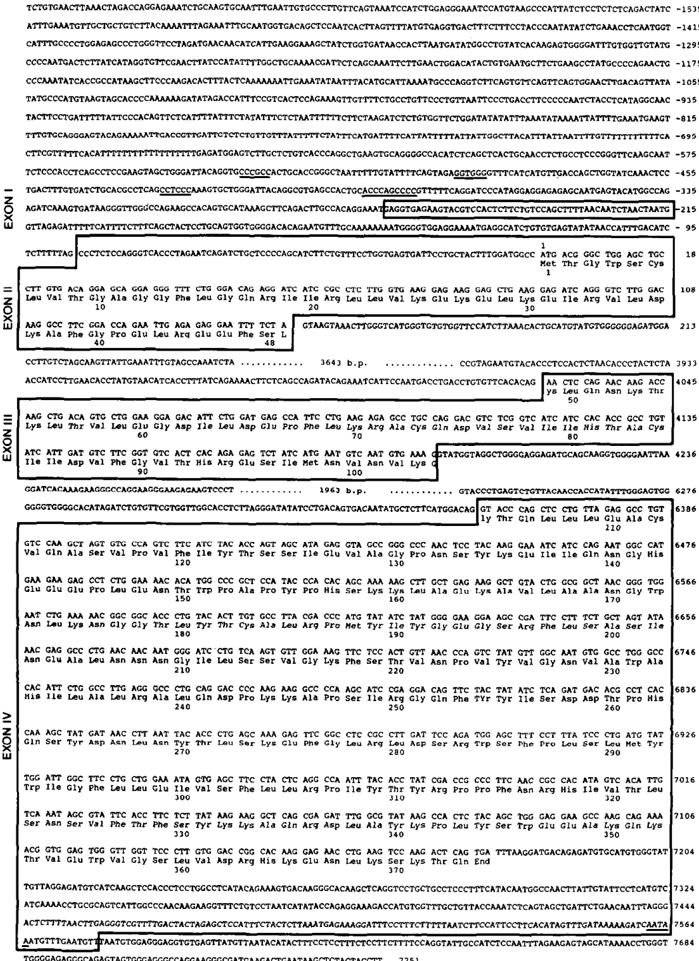
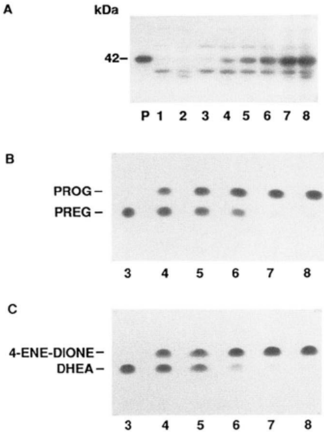
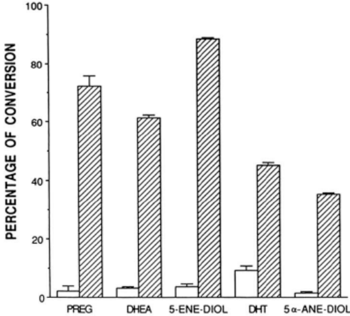
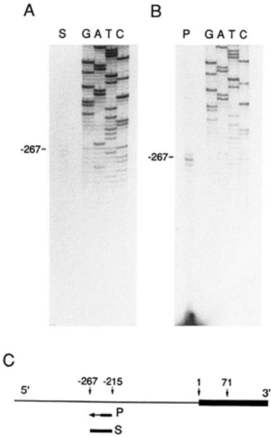
Three beta-hydroxysteroid dehydrogenase/delta 5-delta 4-isomerase (3 beta-HSD) catalyze the oxidative conversion of delta 5-3 beta-hydroxysteroids to the delta 4-3-keto configuration and is therefore essential for the biosynthesis of all classes of hormonal steroids, namely progesterone, glucocorticoids, mineralocorticoids, androgens, and estrogens. Using human 3 beta-HSD cDNA as probe, a human 3 beta-HSD gene was isolated from a lambda-EMBL3 library of leucocyte genomic DNA. A fragment of 3 beta-HSD genomic DNA was also obtained by amplification of genomic DNA using the polymerase chain reaction. The 3 beta-HSD gene contains a 5'-untranslated exon of 53 base pairs (bp) and three successive translated exons of 232, 165, and 1218 bp, respectively, separated by introns of 129, 3883, and 2162 bp. The transcription start site is situated 267 nucleotides upstream from the ATG initiating codon. DNA sequence analysis of the 5'-flanking region reveals the existence of a putative TATA box (ATAAA) situated 28 nucleotides upstream from the transcription start site while a putative CAAT binding sequence is located 57 nucleotides upstream from the TATA box. Expression of a cDNA insert containing the coding region of 3 beta-HSD in nonsteroidogenic cells shows that the gene encodes a single 42-kDa protein containing both 3 beta-hydroxysteroid dehydrogenase and delta 5-delta 4-isomerase activities. Moreover, all natural steroid substrates tested are transformed with comparable efficiency by the enzyme. In addition to its importance for studies of the regulation of expression of 3 beta-HSD in gonadal as well as peripheral tissues, knowledge of the structure of the human 3 beta-HSD gene should permit investigation of the molecular defects responsible for 3 beta-HSD deficiency, the second most common cause of adrenal hyperplasia in children.
Overview
The claims and statistics of this paper haven’t been checked yet.
Free: it reads the open-access text and checks the first 5 claims that cite a source we can check. Create a free account to check every claim.
Integrity signals
Registry
Cites
Statistics
Figures
Verification
Claims the paper makes
The claims and statistics of this paper haven’t been checked yet.
Free: it reads the open-access text and checks the first 5 claims that cite a source we can check. Create a free account to check every claim.
Self-check
Percentages, sums and reported differences re-computed from the paper’s own numbers.
The self-check needs the paper’s full text.
Citations
Cites
Cleavage of Structural Proteins during the Assembly of the Head of Bacteriophage T4
LAEMMLI, U. K. (1970) · Nature · doi:10.1038/227680a0 · Cited by 249,961
Molecular Cloning: A Laboratory Manual
Sambrook, J., Fritsch, E., & Maniatis, T. (1989) · UCLA - Biblioteca de Ciencias de la Salud · Cited by 133,589
DNA sequencing with chain-terminating inhibitors
Sanger, F., Nicklen, S., & Coulson, A. R. (1977) · Proceedings of the National Academy of Sciences · doi:10.1073/pnas.74.12.5463 · Cited by 68,572
Detection of specific sequences among DNA fragments separated by gel electrophoresis
Southern, E. M. (1975) · Journal of Molecular Biology · doi:10.1016/s0022-2836(75)80083-0 · Cited by 32,249
Molecular Cloning. A Laboratory Manual
Wood, E. (1983) · Biochemical Education · doi:10.1016/0307-4412(83)90068-7 · Cited by 29,533
A technique for radiolabeling DNA restriction endonuclease fragments to high specific activity
Feinberg, A. P., & Vogelstein, B. (1983) · Analytical Biochemistry · doi:10.1016/0003-2697(83)90418-9 · Cited by 24,887
Isolation of biologically active ribonucleic acid from sources enriched in ribonuclease
Chirgwin, J. M., Przybyla, A. E., MacDonald, R. J., & Rutter, W. J. (1979) · Biochemistry · doi:10.1021/bi00591a005 · Cited by 21,725
Aviv, H., & Leder, P. (1972) · Proceedings of the National Academy of Sciences · doi:10.1073/pnas.69.6.1408 · Cited by 6,751
Organization and Expression of Eucaryotic Split Genes Coding for Proteins
Breathnach, R., & Chambon, P. (1981) · Annual Review of Biochemistry · doi:10.1146/annurev.bi.50.070181.002025 · Cited by 4,548
Current protocols in molecular biology
(1988) · Trends in Biochemical Sciences · doi:10.1016/0968-0004(88)90131-4 · Cited by 4,160
Research works printed but not linked: 8
- 6. Cheatum, S. G., and Warren, J. C. (1955) Biochim. Biophys. Acta 122,1-13
- 12. Luu-The, V., Cot& J., and Labrie, F. (1988) Clin. Znuest. Med.
- 20. Kingston, R. E. (1987) in Current Protocols in Molecular Biology (Ausubel, F. M., Brent, R., Kingston, R. E., Moore, D. D., Seidman, T. G., Smith, T. A., and Struhl, K., eds) pp. 9.1.1- 9.1.4, Wiley and Sons, New York 21.
- 22. Greene, J. M. (1987) in Current Protocols in Molecular Biology 23. (Ausubel, F. M., Brent, R., Kingston, R. E., Moore, D. D:, Seidman, T. G., Smith. T. A.. and Struhl. K.. eds) KID. 4.6.1- 4.6.5, Wiley and Sons, New York I.- Luu-The, V., Lachance, Y., Simard, J., Labrie, C., Zhao, H. F., Couet, J., Leblanc, G., and Labrie, F. (1990) Mol. Endocrinol. 4, 268-275 24.
- 24. Aldridge, J., Kunkel, L., Burns, G., Tantavahi, U., Lalande, M., Brewster, T., Moreau, E.. Wilson. M., Bromlev. W.. Roderich. T., and Latt, S. A. (1984) Am. J. Bum. Genet. 36, b46-564 '
- 29. H.. and Leder. P. (1972) Proc. Natl. Acad. Sci. U. S. A. 69. 1468-i412
- 45. Labrie, F., DuPont, A., and Belanger, A. (1985) Important Ad- uances in Oncology (Labrie, F., DuPont, A., Belanger, A., eds) pp. 193-217, J. B. Lippincott Co., Philadelphia
- 50. Zhao, H. F., Labrie, C., Simard, J., De Launoit, Y., Trudel, C., Martel, C., Rheume, E., Du Pont, E., Luu-The, V., Pelletier, G., and Labie, F. (1991) J. Biol. Chem. 266, in press
Cited by
The Molecular Biology, Biochemistry, and Physiology of Human Steroidogenesis and Its Disorders
Miller, W. L., & Auchus, R. J. (2011) · Endocrine Reviews · doi:10.1210/er.2010-0013 · Cited by 2,458
Labrie, F. (1991) · Molecular and Cellular Endocrinology · doi:10.1016/0303-7207(91)90116-a · Cited by 685
Self-citationMolecular biology of the 3β-hydroxysteroid dehydrogenase/Δ5-Δ4 –isomerase gene family
Simard, J., Ricketts, M.-L., Gingras, S., Soucy, P., Feltus, F. A., & Melner, M. H. (2005) · Endocrine Reviews · doi:10.1210/er.2002-0050 · Cited by 620
Self-citationLabrie, F., Luu-The, V., Labrie, C., Bélanger, A., Simard, J., Lin, S.-X., & Pelletier, G. (2003) · Endocrine Reviews · doi:10.1210/er.2001-0031 · Cited by 544
Self-citationIs dehydroepiandrosterone a hormone?
Labrie, F., Luu-The, V, Bélanger, A., Lin, S.-X., Simard, J., Pelletier, G., & Labrie, C. (2005) · Journal of Endocrinology · doi:10.1677/joe.1.06264 · Cited by 451
“…genes Despite its essential role in the biosynthesis of all classes of hormonal steroids, the structure of the 3 -hydroxysteroid dehydrogenase/ 5- 4 -isomerase gene family, hereafter called 3 -HSD, was only elucidated in 1989 (Luu-The et al. 1989a, Lachance et al. 1990, 1991, Rhéaume et al. 1991).”
BackgroundMethodSelf-citationMolecular Endocrinology of Hydroxysteroid Dehydrogenases*
Penning, T. M. (1997) · Endocrine Reviews · doi:10.1210/edrv.18.3.0302 · Cited by 438
Tannin, G. M., Agarwal, A. K., Monder, C., New, M. I., & White, P. C. (1991) · Journal of Biological Chemistry · doi:10.1016/s0021-9258(18)55351-5 · Cited by 436
Labrie, F., Luu-The, V., Labrie, C., & Simard, J. (2001) · Frontiers in Neuroendocrinology · doi:10.1006/frne.2001.0216 · Cited by 366
Self-citationThe product of the CYP11B2 gene is required for aldosterone biosynthesis in the human adrenal cortex
Curnow, K. M., Tusie-Luna, M.-T., Pascoe, L., Natarajan, R., Gu, J.-L., Nadler, J. L., & White, P. C. (1991) · Molecular Endocrinology · doi:10.1210/mend-5-10-1513 · Cited by 362
Rhéaume, E., Lachance, Y., Zhao, H.-F., Breton, N., Dumont, M., Launoit, Y. D., Trudel, C., Luu-The, V., Simard, J., & Labrie, F. (1991) · Molecular Endocrinology · doi:10.1210/mend-5-8-1147 · Cited by 362
Self-citationOtsuka, F., Yamamoto, S., Erickson, G. F., & Shimasaki, S. (2001) · Journal of Biological Chemistry · doi:10.1074/jbc.m010043200 · Cited by 308
The Arabidopsis deetiolated2 mutant is blocked early in brassinosteroid biosynthesis.
Fujioka, S., Li, J., Choi, Y. H., Seto, H., Takatsuto, S., Noguchi, T., Watanabe, T., Kuriyama, H., Yokota, T., Chory, J., et al. (1997) · The Plant Cell · doi:10.1105/tpc.9.11.1951 · Cited by 300
Steroid hormones and neurosteroids in normal and pathological aging of the nervous system
Schumacher, M., Weill-Engerer, S., Liere, P., Robert, F., Franklin, R. J. M., Garcia-Segura, L. M., Lambert, J. J., Mayo, W., Melcangi, R. C., Parducz, A., et al. (2003) · Progress in Neurobiology · doi:10.1016/j.pneurobio.2003.09.004 · Cited by 300
“The cDNAs of two human isoforms (types I and II) have been isolated, respectively, from placenta and adrenal glands and the corresponding genes, located on chromosome 1, have been cloned (Lachance et al., 1990, 1991).”
BackgroundDHEA and peripheral androgen and estrogen formation: intracrinology
LABRIE, F., BÉLANGER, A., SIMARD, J., LUU‐THE, V., & LABRIE, C. (1995) · Annals of the New York Academy of Sciences · doi:10.1111/j.1749-6632.1995.tb17369.x · Cited by 280
Self-citationAnalysis and characteristics of multiple types of human 17β-hydroxysteroid dehydrogenase
Luu-The, V. (2001) · The Journal of Steroid Biochemistry and Molecular Biology · doi:10.1016/s0960-0760(00)00155-2 · Cited by 247
Self-citationRhéaume, E., Simard, J., Morel, Y., Mebarki, F., Zachmann, M., Forest, M. G., New, M. I., & Labrie, F. (1992) · Nature Genetics · doi:10.1038/ng0792-239 · Cited by 235
Self-citationSchumacher, M., Guennoun, R., Robert, F., Carelli, C., Gago, N., Ghoumari, A., Gonzalez Deniselle, M. C., Gonzalez, S. L., Ibanez, C., Labombarda, F., et al. (2004) · Growth Hormone & IGF Research · doi:10.1016/j.ghir.2004.03.007 · Cited by 234
11-Oxygenated androgens in health and disease
Turcu, A. F., Rege, J., Auchus, R. J., & Rainey, W. E. (2020) · Nature Reviews Endocrinology · doi:10.1038/s41574-020-0336-x · Cited by 217
Prouillac, C., & Lecoeur, S. (2010) · Drug Metabolism and Disposition · doi:10.1124/dmd.110.033571 · Cited by 213
“, 1990), 3 -hydroxysteroid dehydrogenase (Lachance et al., 1990), aromatase, and 17 -hydroxysteroid dehydrogenase (type 1 and type 2) (Luu-The et al.”
Syvänen, A. C., Sajantila, A., & Lukka, M. (1993) · Europe PMC (PubMed Central) · Cited by 208
Martel, C., Meiner, M. H., Gagné, D., Simarda, J., & Labrie, F. (1994) · Molecular and Cellular Endocrinology · doi:10.1016/0303-7207(94)90056-6 · Cited by 190
Self-citationAdrenal Steroidogenesis and Congenital Adrenal Hyperplasia
Turcu, A. F., & Auchus, R. J. (2015) · Endocrinology and Metabolism Clinics of North America · doi:10.1016/j.ecl.2015.02.002 · Cited by 177
Noguchi, T., Fujioka, S., Takatsuto, S., Sakurai, A., Yoshida, S., Li, J., & Chory, J. (1999) · Plant Physiology · doi:10.1104/pp.120.3.833 · Cited by 174
“On the other hand, in mammals two enzymatic activities appear to reside within a single protein (Lachance et al., 1990).”
BackgroundGonadotropin-Releasing Hormone Agonists in the Treatment of Prostate Cancer
Labrie, F., Bélanger, A., Luu-The, V., Labrie, C., Simard, J., Cusan, L., Gomez, J., & Candas, B. (2005) · Endocrine Reviews · doi:10.1210/er.2004-0017 · Cited by 170
Self-citationAndrogen biosynthetic pathways in the human prostate
Luu-The, V., Bélanger, A., & Labrie, F. (2008) · Best Practice & Research Clinical Endocrinology & Metabolism · doi:10.1016/j.beem.2008.01.008 · Cited by 169
Self-citationThe Intracrine Sex Steroid Biosynthesis Pathways
Luu-The, V., & Labrie, F. (2010) · Progress in brain research · doi:10.1016/s0079-6123(08)81010-2 · Cited by 169
Self-citationEl-Alfy, M., Luu-The, V., Huang, X.-F., Berger, L., Labrie, F., & Pelletier, G. (1999) · Endocrinology · doi:10.1210/endo.140.3.6585 · Cited by 136
Self-citationPang, S., Clark, A., Neto, E. C., Giugliani, R., Dean, H., Winter, J., Dhondt, J.-L., Farriaux, J. P., Graters, A., Cacciari, E., et al. (1993) · Screening · doi:10.1016/0925-6164(93)90024-d · Cited by 161
LACHANCE, Y., LUU-THE, V., VERREAULT, H., DUMONT, M., RHÉAUME, E., LEBLANC, G., & LABRIE, F. (1991) · DNA and Cell Biology · doi:10.1089/dna.1991.10.701 · Cited by 129
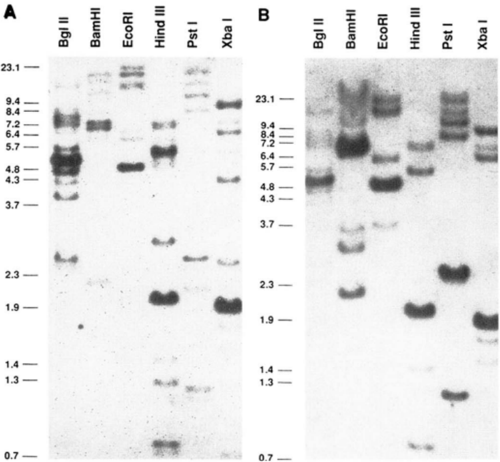
“The sizes of these bands are in agreement with the digestion pattern determined by sequence analysis in this and our previous study (Lachance et al, 1990).”
InfluentialSelf-citationBremer, A. A., & Miller, W. L. (2008) · Fertility and Sterility · doi:10.1016/j.fertnstert.2008.02.091 · Cited by 154
Mechanism of action and pure antiandrogenic properties of flutamide
Labrie, F. (1993) · Cancer · doi:10.1002/1097-0142(19931215)72:12+<3816::aid-cncr2820721711>3.0.co;2-3 · Cited by 149
Self-citationMensah-Nyagan, A., Feuilloley, M., Dupont, E., Do-Rego, J., Leboulenger, F., Pelletier, G., & Vaudry, H. (1994) · The Journal of Neuroscience · doi:10.1523/jneurosci.14-12-07306.1994 · Cited by 132
Labrie, F., Simard, J., Luu-The, V., Bélanger, A., & Pelletier, G. (1992) · The Journal of Steroid Biochemistry and Molecular Biology · doi:10.1016/0960-0760(92)90308-6 · Cited by 132
Self-citationLabrie, F., Luu-The, V., Labrie, C., Pelletier, G., & El-Alfy, M. (2000) · Hormone Research in Paediatrics · doi:10.1159/000053264 · Cited by 128
Self-citationAndrogen synthesis in adrenarche
Miller, W. L. (2009) · Reviews in Endocrine and Metabolic Disorders · doi:10.1007/s11154-008-9102-4 · Cited by 127
Simard, J. (1993) · Molecular Endocrinology · doi:10.1210/me.7.5.716 · Cited by 114
Self-citationCharacterization, Expression, and Immunohistochemical Localization of 5α-Reductase in Human Skin
Luu-The, V., Sugimoto, Y., Puy, L., Labrie, Y., Solache, I. L., Singh, M., & Labrie, F. (1994) · Journal of Investigative Dermatology · doi:10.1111/1523-1747.ep12371766 · Cited by 118
Self-citationAdrenal Androgens and Androgen Precursors-Definition, Synthesis, Regulation and Physiologic Actions
Turcu, A., Smith, J. M., Auchus, R., & Rainey, W. E. (2014) · Comprehensive physiology · doi:10.1002/cphy.c140006 · Cited by 113
“HSD3B2 catalyzes the conversion of the hydroxyl group to a keto group on carbon 3 and the isomerization of the double bond from the B ring (Δ5 steroids) to the A ring (Δ4 steroids) (90, 99, 168).”
Moisan, A. M., Ricketts, M. L., Tardy, V., Desrochers, M., Mébarki, F., Chaussain, J.-L., Cabrol, S., Raux-Demay, M. C., Forest, M. G., Sippell, W. G., et al. (1999) · The Journal of Clinical Endocrinology & Metabolism · doi:10.1210/jcem.84.12.6288 · Cited by 107
Self-citationProgesterone Oxidation by Cytochrome P450 2D Isoforms in the Brain
Hiroi, T., Kishimoto, W., Chow, T., Imaoka, S., Igarashi, T., & Funae, Y. (2001) · Endocrinology · doi:10.1210/endo.142.9.8363 · Cited by 106
Chang, B., Zheng, S. L., Hawkins, G. A., Isaacs, S. D., Wiley, K. E., Turner, A. R., Carpten, J. D., Bleecker, E. R., Walsh, P. C., Trent, J. M., et al. (2002) · PubMed · Cited by 106
Dumont, M., Luu-The, V., Dupont, É., Pelletier, G., & Labrie, F. (1992) · Journal of Investigative Dermatology · doi:10.1111/1523-1747.ep12616131 · Cited by 104
Self-citationThe biosynthesis of steroids and triterpenoids
D. Brown, G. (1998) · Natural Product Reports · doi:10.1039/a815653y · Cited by 88
Steroid Hormone Biosynthesis and Actions in the Materno Fetoplacental Unit
Miller, W. L. (1998) · Clinics in Perinatology · doi:10.1016/s0095-5108(18)30084-8 · Cited by 98
Labrie, F., Belanger, A., Simard, J., Labrie, C., & Dupont, A. (1993) · Cancer · doi:10.1002/1097-0142(19930201)71:3+<1059::aid-cncr2820711426>3.0.co;2-6 · Cited by 94
Self-citationSimard, J., Couet, J., Durocher, F., Labrie, Y., Sanchez, R., Breton, N., Turgeon, C., & Labrie, F. (1993) · Journal of Biological Chemistry · doi:10.1016/s0021-9258(19)36567-6 · Cited by 87
Self-citationThe 3β-hydroxysteroid dehydrogenase gene family of enzymes
Mason, J. I. (1993) · Trends in Endocrinology and Metabolism · doi:10.1016/1043-2760(93)90117-w · Cited by 95
FSH in therapy: physiological basis, new preparations and clinical use
Simoni, M., & Nieschlag, E. (1995) · Reproductive Medicine Review · doi:10.1017/s0962279900000557 · Cited by 95
Zhao, H.-F., Rhgaurae, E., Trudel, C., CouSt, J., Labrie, F., & Simard, J. (1990) · Endocrinology · doi:10.1210/endo-127-6-3237 · Cited by 82
Self-citationSimard, J., Veilleux, R., de Launoit, Y., Haagensen, D. E., & Labrie, F. (1991) · PubMed · Cited by 88
Self-citationLabrie, F., Simard, J., Luu-The, V., Pelletier, G., Bélanger, A., Lachance, Y., Zhao, H. F., Labrie, C., Breton, N., de Launoit, Y., et al. (1992) · The Journal of Steroid Biochemistry and Molecular Biology · doi:10.1016/0960-0760(92)90368-s · Cited by 88
Self-citationMonogenic disorders of adrenal steroidogenesis
Baranowski, E. S., Arlt, W., & Idkowiak, J. (2018) · Hormone Research in Paediatrics · doi:10.1159/000488034 · Cited by 79
Labrie, F., Simard, J., Luu-The, V., Pelletier, G., Belghmi, K., & Bélanger, A. (1994) · Baillière s Clinical Endocrinology and Metabolism · doi:10.1016/s0950-351x(05)80261-7 · Cited by 78
Self-citationGerm-line DNA polymorphisms and susceptibility to differentiated thyroid cancer
Adjadj, É., Schlumberger, M. J., & de Vathaire, F. (2009) · The Lancet Oncology · doi:10.1016/s1470-2045(09)70020-8 · Cited by 79
Molecular basis of human 3β-hydroxysteroid dehydrogenase deficiency
Simard, J., Rhéaume, É., Mébarki, F., Sánchez, R., New, M. I., Morel, Y., & Labrie, F. (1995) · The Journal of Steroid Biochemistry and Molecular Biology · doi:10.1016/0960-0760(95)00043-y · Cited by 79
Self-citationTestosterone: An overview of biosynthesis, transport, metabolism and nongenomic actions
ROMMERTS, F. F. G. (1998) · Springer eBooks · doi:10.1007/978-3-642-72185-4_1 · Cited by 78
Lloyd-Evans, E., & Waller-Evans, H. (2020) · Essays in Biochemistry · doi:10.1042/ebc20200043 · Cited by 69
Lu, N., Li, M., Lei, H., Jiang, X., Tu, W., Lu, Y., & Xia, D. (2017) · The Journal of Steroid Biochemistry and Molecular Biology · doi:10.1016/j.jsbmb.2017.06.004 · Cited by 75
Expression of human 17β-hydroxysteroid dehydrogenase in mammalian cells
Dumont, M., Luu-The, V., de Launoit, Y., & Labrie, F. (1992) · The Journal of Steroid Biochemistry and Molecular Biology · doi:10.1016/0960-0760(92)90391-u · Cited by 73
Self-citationLi, S., Yan, X., B�langer, A., & Labrie, F. (1994) · Breast Cancer Research and Treatment · doi:10.1007/bf00665681 · Cited by 70
Self-citationZerah, M. (1994) · Journal of Clinical Endocrinology & Metabolism · doi:10.1210/jc.79.6.1811 · Cited by 66
Self-citationThe regulation of 3β-hydroxysteroid dehydrogenase expression
Mason, J. I., Keeney, D. S., Bird, I. M., Rainey, W. E., Morohashi, K.-I., Leers‐Sucheta, S., & Melner, M. H. (1997) · Steroids · doi:10.1016/s0039-128x(96)00176-6 · Cited by 70
CONGENITAL ADRENAL HYPERPLASIA OWING TO 3β-HYDROXYSTEROID DEHYDROGENASE DEFICIENCY
Pang, S. (2001) · Endocrinology and Metabolism Clinics of North America · doi:10.1016/s0889-8529(08)70020-3 · Cited by 69
Simard, J., de Launoit, Y., & Labrie, F. (1991) · Journal of Biological Chemistry · doi:10.1016/s0021-9258(18)98548-0 · Cited by 62
Self-citationMorel, Y., Mébarki, F., Rhéaume, E., Sanchez, R., Forest, M. G., & Simard, J. (1997) · Steroids · doi:10.1016/s0039-128x(96)00178-x · Cited by 67
Self-citationTremblay, Y. (1993) · Molecular Endocrinology · doi:10.1210/me.7.3.355 · Cited by 61
Endocrine Therapy for Prostate Cancer
Labrie, F. (1991) · Endocrinology and Metabolism Clinics of North America · doi:10.1016/s0889-8529(18)30247-0 · Cited by 67
Self-citationBlanchard, P.-G., & Luu-The, V. (2007) · Journal of Endocrinology · doi:10.1677/joe-07-0144 · Cited by 55
“…of Endocrinology (2007) 194, 449–455 encoding isoforms of steroidogenic enzymes in the human, namely types 1 and 2 3b-HSD (Luu The et al. 1989, Lachance et al. 1990, 1991, Rhéaume et al. 1991, Rheaume et al. 1992), types 1 to 12 17b-HSDs (Peltoketo et al. 1988, Luu The et al. 1989), as well…”
BackgroundSelf-citationMorrish, D. W., Linetsky, E., Bhardwaj, D., Li, H., Dakour, J., Marsha, R. G., Paterson, M. C., & Godbout, R. (1996) · Placenta · doi:10.1016/s0143-4004(96)90025-9 · Cited by 65
LABRIE, Y., DUROCHER, F., LACHANCE, Y., TURGEON, C., SIMARD, J., LABRIE, C., & LABRIE, F. (1995) · DNA and Cell Biology · doi:10.1089/dna.1995.14.849 · Cited by 64
Self-citationUpdates on the Effect of Mycotoxins on Male Reproductive Efficiency in Mammals
Khoury, D. E., Fayjaloun, S., Nassar, M., Sahakian, J., & Aad, P. Y. (2019) · Toxins · doi:10.3390/toxins11090515 · Cited by 64
Simard, J., Melner, M. H., Breton, N., Low, K. G., Zhao, H., Penman, L. M., & Labrie, F. (1991) · Molecular and Cellular Endocrinology · doi:10.1016/0303-7207(91)90224-g · Cited by 62
Self-citationSakai, N., Tanaka, M., Takahashi, M., Fukada, S., Mason, J. I., & Nagahama, Y. (1994) · FEBS Letters · doi:10.1016/0014-5793(94)00795-0 · Cited by 61
Androgens in prostate cancer: A tale that never ends
Hou, Z., Huang, S., & Li, Z. (2021) · Cancer Letters · doi:10.1016/j.canlet.2021.04.010 · Cited by 58
Structural Characterization and Expression of the Human Dehydroepiandrosterone Sulfotransferase Gene
LUU-THE, V., DUFORT, I., PAQUET, N., REIMNITZ, G., & LABRIE, F. (1995) · DNA and Cell Biology · doi:10.1089/dna.1995.14.511 · Cited by 53
“The scale bar represents 1.0 kb. agarose gel in the presence of 0.5% TBE (0.089 M Tris, 0.089 M boric acid, and 2 mAí EDTA) and transferred to nylon membranes (Hybond N, Amersham Canada) as described (Lachance et al., 1990).”
InfluentialSelf-citationAndrogen biosynthesis in castration-resistant prostate cancer
Penning, T. M. (2014) · Endocrine Related Cancer · doi:10.1530/erc-14-0109 · Cited by 55
Rheaume, E. (1994) · Journal of Clinical Endocrinology & Metabolism · doi:10.1210/jc.79.4.1012 · Cited by 52
Self-citationPelletier, G., Dupont, É., Simard, J., Luu-The, V., Bèlanger, A., & Labrie, F. (1992) · The Journal of Steroid Biochemistry and Molecular Biology · doi:10.1016/0960-0760(92)90084-v · Cited by 54
Self-citationCations Inhibit Specifically Type I 5α-Reductase Found in Human Skin
Sugimoto, Y., López-Solache, I., Labrie, F., & Luu-The, V. A. N. (1995) · Journal of Investigative Dermatology · doi:10.1111/1523-1747.ep12606985 · Cited by 53
Self-citationLuu-The, V., Pelletier, G., & Labrie, F. (2005) · The Journal of Steroid Biochemistry and Molecular Biology · doi:10.1016/j.jsbmb.2005.01.003 · Cited by 52
Self-citationPelletier, G., Luu-The, V, El-Alfy, M., Li, S., & Labrie, F. (2001) · Journal of Molecular Endocrinology · doi:10.1677/jme.0.0260011 · Cited by 47
“Molecular cloning studies then revealed two types of human 3 -HSD (types 1 and 2) (Luu-The et al. 1989b, 1990, Lachance et al. 1990, 1991, Rhéaume et al. 1991).”
BackgroundSelf-citationThe Adrenal Cortex and its Disorders
Miller, W. L. (2009) · Brook's Clinical Pediatric Endocrinology · doi:10.1002/9781444316728.ch13 · Cited by 50
Rahier, A., Darnet, S. H., Bouvier, F., Camara, B., & Bard, M. (2006) · Journal of Biological Chemistry · doi:10.1074/jbc.m604431200 · Cited by 53
Genetic Diseases of Steroid Metabolism
(1994) · Vitamins & Hormones · doi:10.1016/s0083-6729(08)61147-4 · Cited by 43
Clarke, T. R. (1993) · Molecular Endocrinology · doi:10.1210/me.7.12.1569 · Cited by 44
Haluska, G. J., Cooka, M. J., & Novy, M. J. (1997) · American Journal of Obstetrics and Gynecology · doi:10.1016/s0002-9378(97)70570-2 · Cited by 48
de Launoit, Y., Zhao, H. F., Bélanger, A., Labrie, F., & Simard, J. (1992) · Journal of Biological Chemistry · doi:10.1016/s0021-9258(18)42863-3 · Cited by 46
Self-citationPhysiology of Testicular Steroidogenesis
Stocco, D. M., & McPhaul, M. J. (2006) · Elsevier eBooks · doi:10.1016/b978-012515400-0/50025-7 · Cited by 52
STMN1 Promotes Progesterone Production Via StAR Up-regulation in Mouse Granulosa Cells
Dou, Y.-D., Zhao, H., Huang, T., Zhao, S., Liu, X., Yu, X., Ma, Z.-X., Zhang, Y., Liu, T., Gao, X., et al. (2016) · Scientific Reports · doi:10.1038/srep26691 · Cited by 46
Zhang, H., Klausen, C., Zhu, H., Chang, H., & Leung, P. C. K. (2015) · Endocrinology · doi:10.1210/en.2015-1494 · Cited by 45
Udhane, S. S., Kempná, P., Hofer, G., Mullis, P. E., & Flück, C. E. (2013) · PLoS ONE · doi:10.1371/journal.pone.0068691 · Cited by 45
“[6,7,8].”
Congenital Adrenal Hyperplasias
Miller, W. L. (1991) · Endocrinology and Metabolism Clinics of North America · doi:10.1016/s0889-8529(18)30241-x · Cited by 46
A brief history of adrenal research
Miller, W. L. (2013) · Molecular and Cellular Endocrinology · doi:10.1016/j.mce.2012.10.023 · Cited by 44
Kalu, W. O., Okafor, P. N., Ijeh, I. I., & Eleazu, C. O. (2016) · Biomedicine & Pharmacotherapy · doi:10.1016/j.biopha.2016.08.064 · Cited by 44
Regulation of expression of the 3β-hydroxysteroid dehydrogenases of human placenta and fetal adrenal
Mason, J. I., Ushijima, K., Doody, K. M., Nagai, K., Naville, D., Head, J. R., Milewich, L., Rainey, W. E., & Ralph, M. M. (1993) · The Journal of Steroid Biochemistry and Molecular Biology · doi:10.1016/0960-0760(93)90069-9 · Cited by 43
SRD5A2andHSD3B2polymorphisms are associated with prostate cancer risk and aggressiveness
Neslund-Dudas, C. M., Bock, C. H., Monaghan, K. G., Nock, N. L., Yang, J. J., Rundle, A., Tang, D. L., & Rybicki, B. A. (2007) · The Prostate · doi:10.1002/pros.20625 · Cited by 42
“HSD3B2 is one of two enzymes responsible for the degradation of DHT to 3 β-androstanediol [20].”
BackgroundBumke-Vogt, C., Bahr, V, Diederich, S., Herrmann, S., Anagnostopoulos, I., Oelkers, W., & Quinkler, M. (2002) · Journal of Endocrinology · doi:10.1677/joe.0.1750349 · Cited by 40
Mebarki, F. (1995) · Journal of Clinical Endocrinology & Metabolism · doi:10.1210/jc.80.7.2127 · Cited by 36
Self-citationKokilavani, P., Suriyakalaa, U., Perumal, E., Abirami, B. S., Ramachandran, R., Arunachalam, S., & Achiraman, S. (2014) · Pesticide Biochemistry and Physiology · doi:10.1016/j.pestbp.2014.01.002 · Cited by 40
Becker's nevus associated with chromosomal mosaicism and congenital adrenal hyperplasia
Lambert, J. R., Willems, P. J., Abs, R., & Roy, B. V. (1994) · Journal of the American Academy of Dermatology · doi:10.1016/s0190-9622(09)80118-7 · Cited by 40
Metadata
- Authors
- Lachance, Y., Luu-The, V, Labrie, C., Simard, J., Dumont, M., de Launoit, Y., Guérin, S., Leblanc, G., & Labrie, F.
- Venue
- Journal of Biological Chemistry
- Publisher
- Elsevier BV
- Published
- 1990-11
- Volume
- 265
- Issue
- 33
- Pages
- 20469-20475
- ISSN
- 0021-9258 (ISSN-L)
- OpenAlex
- W1546597339
- Semantic Scholar
- 2677452f733370d5b436f516523f1fe601277042
- Cited by
- 201
- References
- 47
- Citations by year
- 2026: 1 · 2025: 1 · 2024: 1 · 2023: 5 · 2022: 5 · 2021: 5 · 2020: 3 · 2019: 6 · 2018: 3 · 2017: 2 · 2016: 8 · 2015: 6 · 2014: 6 · 2013: 2 · 2012: 3
- FWCI
- 12.58
- Type
- journal article
- Language
- en
- Open access
- hybrid
- doi.org
- Licence
- cc-by
- www.elsevier.com/tdm/userlicense/1.0/ (tdm)
- www.elsevier.com/legal/tdmrep-license (tdm)
- creativecommons.org/licenses/by/4.0/ (vor, 10954 d)
- Locations
- Journal of Biological Chemistry (publishedVersion, cc-by)
- PubMed (publishedVersion)
- Topics
- Health Sciences › Medicine › Endocrinology, Diabetes and Metabolism › Adrenal Hormones and Disorders
- Physical Sciences › Chemistry › Organic Chemistry › Steroid Chemistry and Biochemistry
- Life Sciences › Biochemistry, Genetics and Molecular Biology › Endocrinology › Estrogen and related hormone effects
- Keywords
- gene structure, introns, transcription start sites, TATA box, CCAAT box, steroidogenesis, adrenal hyperplasia, cDNA cloning
- MeSH terms
- Amino Acid Sequence, Animals, Base Sequence, Humans, Mammals, Molecular Sequence Data, Multienzyme Complexes, Progesterone Reductase, Steroid Isomerases
About these checks
Registry, retraction, Cites and statistics results are computed, not judged, with one exception: a printed reference that no index lists is read once by a model before it counts as a citation error. Claims are extracted by a model and kept only when their quote appears verbatim in the text; each cited source is then checked, with a model’s help, for whether it says what the claim relies on. Those verdicts can be wrong — read the claim’s quote and the cited source before relying on one.
Statistics and arithmetic are recomputed, not judged.
Confidence bands are shown only for fields calibrated on our annotated test set. None is calibrated yet, so no band is shown.
What counts as a claim ›How we measure confidence ›How we check this ›
Are you an author, or do you see a problem with this page? Request a review
Data sources
Bibliographic data: Semantic Scholar, OpenAlex, Crossref.
Contains information from the Semantic Scholar Academic Graph Datasets, made available under the ODC Attribution License (ODC-BY 1.0).
Semantic Scholar’s data is described in: Kinney, R., et al. (2023). The Semantic Scholar Open Data Platform. arXiv:2301.10140.
