

Global, regional, and national prevalence estimates of physical or sexual, or both, intimate partner violence against women in 2018
Open accessThe DOI matches its Crossref record; 20 of the 20 references it cites were found in a registry or an index.
Abstract
BACKGROUND: Intimate partner violence against women is a global public health problem with many short-term and long-term effects on the physical and mental health of women and their children. The Sustainable Development Goals (SDGs) call for its elimination in target 5.2. To monitor governments' progress towards SDG target 5.2, this study aimed to provide global, regional, and country baseline estimates of physical or sexual, or both, violence against women by male intimate partners. METHODS: This study developed global, regional, and country estimates, based on data from the WHO Global Database on Prevalence of Violence Against Women. These data were identified through a systematic literature review searching MEDLINE, Global Health, Embase, Social Policy, and Web of Science, and comprehensive searches of national statistics and other websites. A country consultation process identified additional studies. Included studies were conducted between 2000 and 2018, representative at the national or sub-national level, included women aged 15 years or older, and used act-based measures of physical or sexual, or both, intimate partner violence. Non-population-based data, including administrative data, studies not generalisable to the whole population, studies with outcomes that only provided the combined prevalence of physical or sexual, or both, intimate partner violence with other forms of violence, and studies with insufficient data to allow extrapolation or imputation were excluded. We developed a Bayesian multilevel model to jointly estimate lifetime and past year intimate partner violence by age, year, and country. This framework adjusted for heterogeneous age groups and differences in outcome definition, and weighted surveys depending on whether they were nationally or sub-nationally representative. This study is registered with PROSPERO (number CRD42017054100). FINDINGS: The database comprises 366 eligible studies, capturing the responses of 2 million women. Data were obtained from 161 countries and areas, covering 90% of the global population of women and girls (15 years or older). Globally, 27% (uncertainty interval [UI] 23-31%) of ever-partnered women aged 15-49 years are estimated to have experienced physical or sexual, or both, intimate partner violence in their lifetime, with 13% (10-16%) experiencing it in the past year before they were surveyed. This violence starts early, affecting adolescent girls and young women, with 24% (UI 21-28%) of women aged 15-19 years and 26% (23-30%) of women aged 19-24 years having already experienced this violence at least once since the age of 15 years. Regional variations exist, with low-income countries reporting higher lifetime and, even more pronouncedly, higher past year prevalence compared with high-income countries. INTERPRETATION: These findings show that intimate partner violence against women was already highly prevalent across the globe before the COVID-19 pandemic. Governments are not on track to meet the SDG targets on the elimination of violence against women and girls, despite robust evidence that intimate partner violence can be prevented. There is an urgent need to invest in effective multisectoral interventions, strengthen the public health response to intimate partner violence, and ensure it is addressed in post-COVID-19 reconstruction efforts. FUNDING: UK Department for International Development through the UN Women-WHO Joint Programme on Strengthening Violence against Women Data, and UNDP-UN Population Fund-UNICEF-WHO-World Bank Special Programme of Research, Development, and Research Training in Human Reproduction, a cosponsored programme executed by WHO.
Overview
The claims and statistics of this paper haven’t been checked yet.
Free: it reads the open-access text and checks the first 5 claims that cite a source we can check. Create a free account to check every claim.
Integrity signals
Registry
Cites
Statistics
Figures
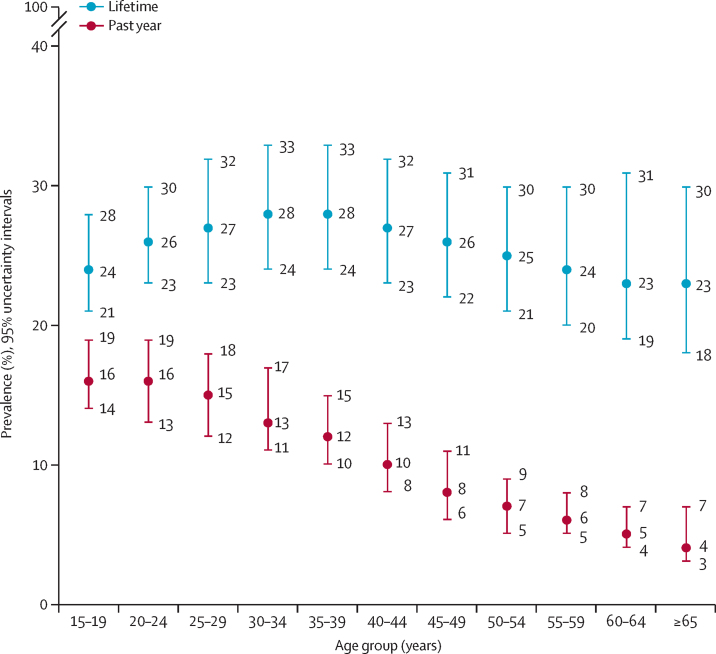
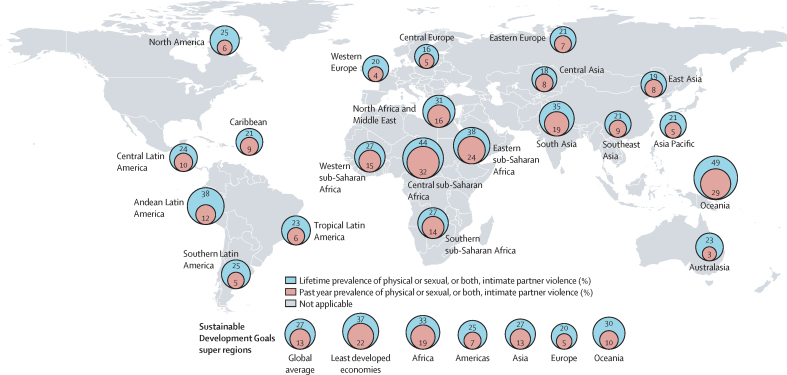
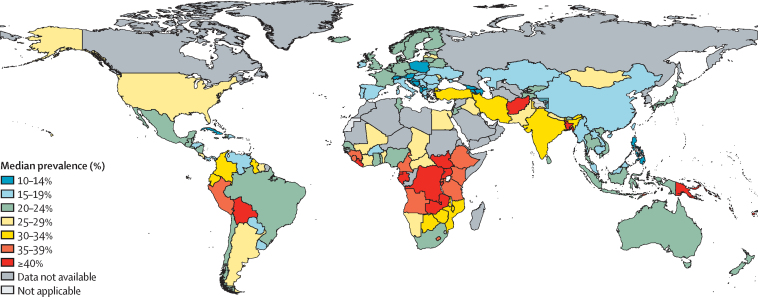
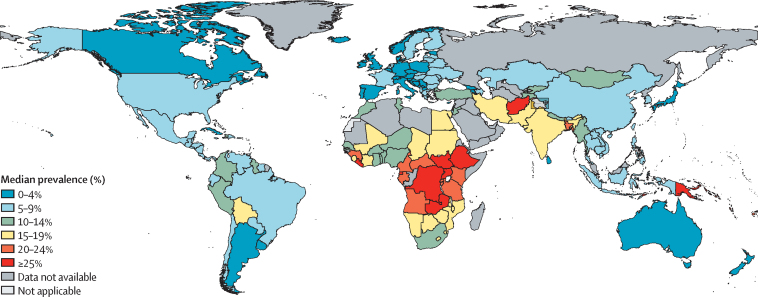
Verification
Claims the paper makes
The claims and statistics of this paper haven’t been checked yet.
Free: it reads the open-access text and checks the first 5 claims that cite a source we can check. Create a free account to check every claim.
Claims other papers make about this one
Each is checked against this paper’s own text: does it say what the citing paper says it does?
The source backs part of the claim, not all of it — or backs it for a different population, condition or comparison.
In the citing paper
“These findings directly contrast another WHO study that estimated a lifetime prevalence between 21 and 25 per cent in high-income countries (Sardinha et al., 2022).”
From The Intergenerational Transmission of Emotional Intimate Partner Violence: a Systematic Review and Meta-Analysis (2025) · cites this paper as Sardinha et al., 2022
Experimental — accuracy not yet measuredThe source backs part of the claim, not all of it — or backs it for a different population, condition or comparison.
In the citing paper
“Lower global estimates were also highlighted by a recent study (L. Sardinha et al., 2022) where 26% of ever-partnered women aged 15 years and older were estimated to have experienced physical or sexual IPV, or both, at least once in their lifetime.”
From Global Prevalence and Mental Health Outcomes of Intimate Partner Violence Among Women: A Systematic Review and Meta-Analysis (2024) · cites this paper as L. Sardinha et al., 2022
Experimental — accuracy not yet measuredThe cited source says what the claim attributes to it.
In the citing paper
“Sardinha and colleagues’ study also reported much lower global rates of past year experience of physical or sexual violence, or both, by a partner among ever partnered women aged 15–49 years.”
From Global Prevalence and Mental Health Outcomes of Intimate Partner Violence Among Women: A Systematic Review and Meta-Analysis (2024) · cites this paper as L. Sardinha et al., 2022
The cited source says what the claim attributes to it.
In the citing paper
“Neither of these studies examined psychological IPV.”
From Global Prevalence and Mental Health Outcomes of Intimate Partner Violence Among Women: A Systematic Review and Meta-Analysis (2024) · cites this paper as L. Sardinha et al., 2022
Self-check
Percentages, sums and reported differences re-computed from the paper’s own numbers.
The self-check needs the paper’s full text.
Citations
Cites
The world report on violence and health
Krug, E. G., Mercy, J. A., Dahlberg, L. L., & Zwi, A. B. (2002) · The Lancet · doi:10.1016/s0140-6736(02)11133-0 · Cited by 9,110
Vos, T., Barber, R. M., Bell, B., Bertozzi-Villa, A., Biryukov, S., Bolliger, I., Charlson, F., Davis, A., Degenhardt, L., Dicker, D., et al. (2015) · The Lancet · doi:10.1016/s0140-6736(15)60692-4 · Cited by 6,414
Guidelines for accurate and transparent health estimates reporting: the GATHER statement
Stevens, G. A., Alkema, L., Black, R. E., Boerma, J. T., Collins, G. S., Ezzati, M., Grove, J. T., Hogan, D. R., Hogan, M. C., Horton, R., et al. (2016) · The Lancet · doi:10.1016/s0140-6736(16)30388-9 · Cited by 1,798
The Global Prevalence of Intimate Partner Violence Against Women
Devries, K. M., Mak, J. Y. T., García-Moreno, C., Petzold, M., Child, J. C., Falder, G., Lim, S., Bacchus, L. J., Engell, R. E., Rosenfeld, L., et al. (2013) · Science · doi:10.1126/science.1240937 · Cited by 1,460
The global prevalence of intimate partner homicide: a systematic review
Stöckl, H., Devries, K., Rotstein, A., Abrahams, N., Campbell, J., Watts, C., & Moreno, C. G. (2013) · The Lancet · doi:10.1016/s0140-6736(13)61030-2 · Cited by 955
Self-citationViolence against women during covid-19 pandemic restrictions
Roesch, E., Amin, A., Gupta, J., & García-Moreno, C. (2020) · BMJ · doi:10.1136/bmj.m1712 · Cited by 511
Self-citationAddressing violence against women: a call to action
García-Moreno, C., Zimmerman, C., Morris-Gehring, A., Heise, L., Amin, A., Abrahams, N., Montoya, O., Bhate-Deosthali, P., Kilonzo, N., & Watts, C. (2015) · The Lancet · doi:10.1016/s0140-6736(14)61830-4 · Cited by 483
Self-citationBacchus, L. J., Ranganathan, M., Watts, C., & Devries, K. (2018) · BMJ Open · doi:10.1136/bmjopen-2017-019995 · Cited by 464
Hamadani, J. D., Hasan, M. I., Baldi, A. J., Hossain, S. J., Shiraji, S., Bhuiyan, M. S. A., Mehrin, S. F., Fisher, J., Tofail, F., Tipu, S. M. M. U., et al. (2020) · The Lancet Global Health · doi:10.1016/s2214-109x(20)30366-1 · Cited by 463
Guidelines for accurate and transparent health estimates reporting: the GATHER statement
Stevens, G. A., Alkema, L., Black, R. E., Boerma, J. T., Collins, G. S., Ezzati, M., Grove, J. T., Hogan, D. R., Hogan, M. C., Horton, R., et al. (2016) · PLOS Medicine · doi:10.1371/journal.pmed.1002056 · Cited by 424
Research works printed but not linked: 2
- Flaxman AD Vos T Murray CJL An integrative metaregression framework for descriptive epidemiology 2015 University of Washington Press Seattle
- Jewkes R Willan S Heise L Effective design and implementation elements in interventions to prevent violence against women and girls https://www.whatworks.co.za/documents/publications/373-intervention-report19-02-20/file January, 2020 PMC8621962 34831885
Cited by
Items 101–200 of 999
Edutainment to Prevent Violence Against Women and Children
Peterman, A. (2025) · The World Bank Research Observer · doi:10.1093/wbro/lkaf002 · Cited by 20
Concejero, L. T., Muñoz, M. Á. G., Barrientos‐Trigo, S., & Gil‐García, E. (2022) · Enfermería Clínica (English Edition) · doi:10.1016/j.enfcle.2022.07.004 · Cited by 20
A Global Survey of Android Dual-Use Applications Used in Intimate Partner Surveillance
Almansoori, M., Gallardo, A., Poveda, J., Ahmed, A., & Chatterjee, R. (2022) · Proceedings on Privacy Enhancing Technologies · doi:10.56553/popets-2022-0102 · Cited by 29
“Thus, these dual-use apps can be dan- gerous in IPV contexts.”
BackgroundInfluentialBourey, C., Bass, J., & Stephenson, R. B. (2022) · Journal of Interpersonal Violence · doi:10.1177/08862605221134086 · Cited by 17
“More than one in four ever-partnered women of reproductive age (15– 49 years old) experience physical and/or sexual IPV globally (Sardinha et al., 2022), and this burden is higher in many low- and middle-income countries (LMICs, i.e., countries, such as Afghanistan and Peru, with gross national per…”
BackgroundAndreasen, K., Zapata‐Calvente, A. L., Martín‐de‐las‐Heras, S., Bueno‐Cavanillas, A., Schei, B., Dokkedahl, S. B., de‐León‐de‐León, S., López, R. F., Oviedo‐Gutiérrez, A., Ankerstjerne, L. B. S., et al. (2023) · JMIR Formative Research · doi:10.2196/38563 · Cited by 21
Global Indigenous gender concepts, gender-based violence and resilience: A scoping review
Wei, A., Zhang, Y. B., Robertson, E., Steen, J. P., Mushquash, C. J., & Wekerle, C. (2023) · Child Abuse & Neglect · doi:10.1016/j.chiabu.2023.106185 · Cited by 34
Sánchez-Prada, A., Álvarez, C. D., Fiol, E. B., & Pérez, V. A. F. (2023) · Journal of Family Violence · doi:10.1007/s10896-023-00577-9 · Cited by 20
“This complexity of variables that converge in intimate partner violence introduces even further the need to incorporate an interdisciplinary perspective that would permit delving deeper into the multicausal and multidimensional nature of this type of violence (e.g., Heise & Kotsadam, 2015; Humbert et al., 2021; Rangan…”
BackgroundKennedy, N., Win, T. L., Bandyopadhyay, A., Kennedy, J. I., Rowe, B., McNerney, C., Evans, J., Hughes, K. E., Bellis, M. A., Jones, A., et al. (2023) · The Lancet Public Health · doi:10.1016/s2468-2667(23)00126-3 · Cited by 18
Oliffe, J. L., Kelly, M. T., Gao, N., Mootz, J. J., Seidler, Z. E., & Rice, S. (2023) · Social Science & Medicine · doi:10.1016/j.socscimed.2023.116143 · Cited by 25
Coll, C. V. N., Barros, A. J. D., Stein, A. L., Devries, K. M., Buffarini, R., Murray, L., Arteche, A. X., Munhoz, T. N., da Silveira, M. F., & Murray, J. (2022) · The Lancet Global Health · doi:10.1016/s2214-109x(23)00282-6 · Cited by 16
A Systematic Review of Women’s Experiences of Interpersonal Violence During the COVID-19 Pandemic
Eapen, D. J., Tsusaki, R. L., Mullassery, D. G., Goolsby, C., Lee, K., & Wardell, D. W. (2023) · Nursing for Women s Health · doi:10.1016/j.nwh.2023.07.003 · Cited by 16
Cooke, K., Ridgway, K., Pecora, L. A., Westrupp, E. M., Hedley, D., Hooley, M., & Stokes, M. A. (2023) · Research in Autism · doi:10.1016/j.rasd.2023.102313 · Cited by 30
Gender inequality: A worldwide correlate of intimate partner violence
Johnson, N. L., Benner, M. J., Lipp, N. S., Siepser, C., Rizvi, Z., Lin, Z.-Z., & Calene, E. (2024) · Women's Studies: International Forum · doi:10.1016/j.wsif.2024.103016 · Cited by 16
Pispira, J., Cevasco, J., & Silva, M. L. (2022) · Discover Psychology · doi:10.1007/s44202-022-00060-4 · Cited by 28
“GBV takes many forms (physical, psychological, verbal and sexual), and can occur in public (work, streets, schools) or private spheres (family and intimate partner relationships, [2, 18].”
BackgroundSchrubbe, L. A., García‐Moreno, C., Sardinha, L., & Stöckl, H. (2023) · Systematic Reviews · doi:10.1186/s13643-023-02232-2 · Cited by 26
Self-citationAnxiety and Related Disorders During the Perinatal Period
Fairbrother, N., Challacombe, F. L., Green, S. M., & O’Mahen, H. (2025) · Annual Review of Clinical Psychology · doi:10.1146/annurev-clinpsy-081423-020126 · Cited by 29
Davies, M., Satyen, L., & Toumbourou, J. W. (2025) · Trauma Violence & Abuse · doi:10.1177/15248380251383933 · Cited by 19
“DFSV is considered a global public health crisis due to its high prevalence (WHO, 2024), with one in three women worldwide experiencing DFSV in their lifetime (Sardinha et al., 2022).”
Lowe, H., Dobbin, J., Kiss, L., Mak, J., Mannell, J., Watson, D., & Devakumar, D. (2022) · PLOS Global Public Health · doi:10.1371/journal.pgph.0001230 · Cited by 22
“the prevalence of IPV among all women aged 15-49 years (27%) (2,9).”
BackgroundInfluentialChen, X., Lo, C. K. M., Ho, F. K. W., Leung, W. C., Ip, P., & Chan, K. L. (2022) · International Journal of Environmental Research and Public Health · doi:10.3390/ijerph192114397 · Cited by 18
“A study including women from 161 countries and areas indicated that 27% of ever-partnered women aged 15–49 years reported physical or sexual (or both) IPV in their lifetime [2].”
BackgroundClark, C. J., Bergenfeld, I., Cheong, Y. F., Nájera, H., Sardinha, L., García‐Moreno, C., & Heise, L. (2023) · SSM - Population Health · doi:10.1016/j.ssmph.2023.101500 · Cited by 19
“Two global reviews of IPV prevalence data have subsequently been produced, neither of which provided estimates for psychological violence citing the same concerns (Devries et al., 2013; Sardinha et al., 2022).”
BackgroundSelf-citationBhatt, B., Bhatt, N., Karki, A., Giri, G., Baaniya, B., Neupane, B., Bogati, S., Mahaju, S., Poudel, A., Pokharel, S., et al. (2023) · Heliyon · doi:10.1016/j.heliyon.2023.e20117 · Cited by 20
“It is estimated that around 27% of ever-partnered women aged 15 – 49 globally have encountered physical or sexual IPV, or both, throughout their lifetimes [9].”
BackgroundSteinert, J., Böhret, I., Satish, R. V., Sharma, S., & Chatterji, S. (2023) · BMJ Global Health · doi:10.1136/bmjgh-2023-012576 · Cited by 15
Zharima, C., Singh, R., Closson, K., Beksinska, M. E., Zulu, B., Jesson, J., Pakhomova, T. E., Dong, E., Dietrich, J. J., Kaida, A., et al. (2024) · Injury Epidemiology · doi:10.1186/s40621-024-00483-8 · Cited by 19
“A global cohort study using data from 2000 to 2018 estimated that 27% of women aged 15–49 years have experienced either physical or sexual IPV (Sardinha et al. 2022).”
BackgroundMethodA global call for adolescent intimate partner violence prevention
Johnson, S. L., Mootz, J. J., Waller, B., dos Santos, P. F., Jaguga, F., & Giusto, A. M. (2024) · The Lancet Psychiatry · doi:10.1016/s2215-0366(23)00435-2 · Cited by 18
Xiong, P., Chen, Y., Shi, Y., Liu, M., Yang, W., Liang, B., & Liu, Y. (2024) · Social Psychiatry and Psychiatric Epidemiology · doi:10.1007/s00127-024-02637-x · Cited by 19
“Adolescents, particularly girls aged 15–24 years, are significantly affected, with 24–26% reporting IPV at least once since the age of 15 [3].”
Exploring the efficacy of ChatGPT in understanding and identifying intimate partner violence
Zhang, Y., Fang, J., Luo, X., Lindsay, D., Madre, N., Paredes, J., Penna, A., Melley, E., & Garcia, T. (2025) · Family Relations · doi:10.1111/fare.13176 · Cited by 18
Potential Global Effects of the Rise of the Far Right on Public Health
March, S., Carrasco, J. M., Flores-Balado, Á., Muñoz-Haba, A., Pereira-Iglesias, A., & Zaragoza, G. A. (2025) · American Journal of Public Health · doi:10.2105/ajph.2025.308016 · Cited by 19
Intimate partner violence against women: a persistent and urgent challenge
Leight, J. (2022) · The Lancet · doi:10.1016/s0140-6736(22)00190-8 · Cited by 14
Kulak, J. A., Heavey, S. C., Marsack, L., & Leonard, K. E. (2025) · Substance Abuse and Rehabilitation · doi:10.2147/sar.s462382 · Cited by 27
Violence Against Women – A Global Perspective
Keyser, L. E., Maroyi, R., & Mukwege, D. M. (2022) · Obstetrics and Gynecology Clinics of North America · doi:10.1016/j.ogc.2022.08.002 · Cited by 13
Mannell, J., Tevaga, P., Heinrich, S., Fruean, S., Chang, S. L., Lowe, H., Brown, L. J., Vaczy, C., Tanielu, H., Cowley-Malcolm, E. T., et al. (2023) · Global Public Health · doi:10.1080/17441692.2023.2201632 · Cited by 15
“…of women experiencing physical, sexual and/or emotional forms of violence in their lifetime (Samoa Bureau of Statistics, 2020), Samoa is above the global average of one in four women said to experience violence and among countries with the highest VAW prevalence globally (Sardinha et al., 2022).”
Intimate Partner Violence in Khaliji Women: A Review of the Frequency and Related Factors
Kiyumi, M. H. A., Shidhani, A. S. A., Sumri, H. H. A., Saidi, Y. A., Harrasi, A. A., Kiyumi, M. A., Sumri, S. A., Toubi, A. A., Shetty, M., & Al‐Adawi, S. (2023) · International Journal of Environmental Research and Public Health · doi:10.3390/ijerph20136241 · Cited by 15
“Approximately 13% of women who have ever been in a committed relationship and are between the ages of 15 and 49 have suffered physical or sexual IPV in the past year [41].”
BackgroundGiacomini, S. G. M. O., Machado, M. M. T., de Santana, O. M. M. L., Rocha, S. G. M. O., de Aquino, C. M., Gomes, L. G. A., de Albuquerque, L., Soares, M. D. D. A., Leite, Á. J. M., Correia, L. L., et al. (2023) · BMC Public Health · doi:10.1186/s12889-023-16233-2 · Cited by 16
“evaluated in the present study, was estimated at 13% (10– 16%) [19], which makes our sample with a much higher prevalence of the phenomenon.”
BackgroundInfluentialCaroppo, E., Sapienza, M., Mazza, M., Sannella, A., Cecchi, R., Marano, G., Kondo, T., Calabrese, C., & Lellis, P. D. (2023) · Legal Medicine · doi:10.1016/j.legalmed.2023.102334 · Cited by 19
Cayreyre, L., Korchia, T., Loundou, A., Jego-Sablier, M., Théry, D., Berbis, J., Gentile, G., Auquier, P., & Khouani, J. (2023) · Journal of Forensic and Legal Medicine · doi:10.1016/j.jflm.2023.102622 · Cited by 21
Shah, A. H., Catalano, A., Bhatia, U., Gupta, D., Daruwalla, N., Osrin, D., & Nadkarni, A. (2024) · Health & Social Care in the Community · doi:10.1155/2024/6839787 · Cited by 18
“Te lifetime IPV prevalence in South Asia for women aged 15–49 years is 35%, higher than global averages [9].”
BackgroundFox, J. (2025) · Autism in Adulthood · doi:10.1089/aut.2023.0100 · Cited by 17
“Moreover, both autistic and non-autistic women are more likely to experience interpersonal violence perpetrated by someone they know, commonly a partner or ex-partner 88,99 ; therefore, the unequal power dynamics within these relationships are also an important factor to examine.”
Ricoy-Cano, A. J., Zambrano, C. V., Robles, Y. D. L. F., & Vásquez-Peña, G. E. (2024) · Trauma Violence & Abuse · doi:10.1177/15248380241234342 · Cited by 19
“Global estimates state that approximately 27% of women aged 15 to 49 who have ever been in a romantic relationship have experienced some form of physical and/or sexual violence (Sardinha et al., 2022).”
Intimate partner violence in Nepal: Analysis of Nepal Demographic and Health Survey 2022
Sapkota, P. M., Pandey, A. R., Adhikari, B., Shrestha, G., Piya, R., Lamichhane, B., Garu, S., Joshi, D., & Baral, S. (2024) · PLoS ONE · doi:10.1371/journal.pone.0308107 · Cited by 20
Pezzoli, P., Pingault, J., Eley, T. C., McCrory, E. J. P., & Viding, E. M. (2024) · Molecular Psychiatry · doi:10.1038/s41380-024-02813-0 · Cited by 15
“It has been estimated that about 20 – 30% of adults experience some form of IPV victimization throughout their lives [14, 15], but this prevalence can rise up to 77% among those with a history of maltreatment [16].”
Bergenfeld, I., Nguyen, V., Wiederkehr, K., Hadd, A. R., Molina, E. P., Clark, C. J., & Richardson, R. (2025) · EClinicalMedicine · doi:10.1016/j.eclinm.2025.103199 · Cited by 21
Morrison, P. K., Yourish, E., Chang, J. C., Krans, E. E., & Pallatino, C. (2022) · Journal of Family Violence · doi:10.1007/s10896-022-00466-7 · Cited by 15
“Globally, an estimated 27% of women have experienced some form of IPV in their lifetime (Sardinha et al., 2022); in the US, rates are similar with an estimated one in four women experiencing sexual or physical violence, and/or stalking by an intimate partner during their lifetime (Centers for…”
BackgroundJohnson, S. L., Rasmussen, J. D., Mansoor, M., Ibrahim, H., Rono, W., Goel, P., Vissoci, J. R. N., von Isenburg, M., & Puffer, E. S. (2023) · Trauma Violence & Abuse · doi:10.1177/15248380231173428 · Cited by 18
“Intimate partner violence (IPV) is a global public health crisis, with about 27% of women reporting physical or sexual violence by an intimate partner in her lifetime (Sardinha et al., 2022).”
BackgroundNuwabaine, L., Kawuki, J., Amwiine, E., Asiimwe, J. B., Sserwanja, Q., Gatasi, G., Donkor, E., & Atwijukiire, H. (2023) · Archives of Public Health · doi:10.1186/s13690-023-01109-z · Cited by 23
“Sexual violence towards women is a major violation of human rights and a global public health challenge with mental and physical effects on the well-being of women and their children [17–19].”
BackgroundPineda, D., Rico‐Bordera, P., Galán, M., Piqueras, J. A., & Álvarez, J. L. G. (2023) · Psychosocial Intervention · doi:10.5093/pi2023a3 · Cited by 22
“…a possible femicide (Aguilar Ruiz & Calderón, 2021; Esteves-Pereira et al., 2020; Matias et al., 2021; Pinto et al., 2021; Puente-Martínez et al., 2016; Sabri et al., 2021; Santos-Hermoso, González-Álvarez, AlcázarCórcoles, et al., 2022; Sebire, 2017; Spencer & Stith, 2020; Taşkale & Soygüt, 2017).”
InfluentialDrought, Extreme Heat, and Intimate Partner Violence in Low- and Middle-Income Countries
Pin, W., Chu, L., Ban, J., Asare, E. O., Sivakami, M., Restrepo, A., Chimoyi, L., Sullivan, T. P., & Chen, K. (2025) · JAMA Network Open · doi:10.1001/jamanetworkopen.2025.27818 · Cited by 12
Gram, L., Paradkar, S., Osrin, D., Daruwalla, N., & Cislaghi, B. (2023) · BMJ Global Health · doi:10.1136/bmjgh-2022-011304 · Cited by 16
Mukerji, R., Saboor, L., Paphitis, S. A., Devakumar, D., & Mannell, J. (2023) · Global Public Health · doi:10.1080/17441692.2023.2212035 · Cited by 16
“…level, Afghanistan has one of the highest rates of domestic violence in the world, with an estimated 46% of women aged 15 – 49 years experiencing lifetime intimate partner violence (Sardinha et al., 2022), with large variation between regions from 4% in the east to 12.6% in the southwest (2022).”
BackgroundInfluentialAlexander, K. A., Mpundu, G., Duroseau, B., Osian, N., Chambers, S., McCree, D. S., Tobin, K. E., & Willie, T. C. (2023) · Current HIV/AIDS Reports · doi:10.1007/s11904-023-00668-8 · Cited by 14
An Investigation of Models for Under-Reporting in the Analysis of Violence Against Women in Italy
Polettini, S., Arima, S., & Martino, S. (2023) · Social Indicators Research · doi:10.1007/s11205-023-03225-3 · Cited by 19
“4 Through a comprehensive review of studies conducted between 2000 and 2018, Sardinha et al. (2022) have obtained a collection of data covering 90% of the global female population of 15 years or older, from which they estimate that among ever-partnered women aged 15–49 years, 27% have experienced physical or sexual, o…”
InfluentialFinnbogadóttir, H., Henriksen, L., Hegaard, H. K., Halldórsdóttir, S., Paavilainen, E., Lukasse, M., & Broberg, L. (2024) · Trauma Violence & Abuse · doi:10.1177/15248380241253044 · Cited by 16
Drug-facilitated sexual assault in youth nightlife contexts in Spain
Prego-Meleiro, P., Recalde-Esnoz, I., Sordo, L., Castillo, H. D., García-Ruiz, C., Montalvo, G., & López-Cuadrado, T. (2024) · Public Health · doi:10.1016/j.puhe.2024.05.022 · Cited by 22
Mannell, J., Brown, L. J., Jordaan, E., Hatcher, A. M., & Gibbs, A. (2024) · PLOS Climate · doi:10.1371/journal.pclm.0000478 · Cited by 14
Navarro-Mantas, L., de Lemus, S., García‐Sánchez, E., McGill, L., Hansen, N., & Megías, J. L. (2022) · Frontiers in Psychology · doi:10.3389/fpsyg.2022.867945 · Cited by 17
A Biocratic Paradigm: Exploring the Complexity of Trauma-Informed Leadership and Creating Presence™
Bloom, S. L. (2023) · Behavioral Sciences · doi:10.3390/bs13050355 · Cited by 17
“That anything includes physical and/or sexual violence against women which even today happens to more than 1 out of 4 women worldwide at the hands of male intimate partners beginning when women are 15 years old [35].”
BackgroundIverson, K. M., Danitz, S. B., Low, S. K., Knetig, J. A., Doyle, K. W., & Bruce, L. E. (2022) · International Journal of Environmental Research and Public Health · doi:10.3390/ijerph19148793 · Cited by 16
“27% of women and girls aged 15 and older have experienced physical and sexual IPV [2], but there are also high rates of IPV experienced by other groups, including men and gender and sexual minorities [3–5].”
BackgroundLi, Y., Wang, G., Chen, J., Xia, Q. J., Chen, K., Ou, S., & Tang, S. (2024) · PLoS ONE · doi:10.1371/journal.pone.0310297 · Cited by 11
Han, Q., Ye, W., Fang, Z., Eagling‐Peche, S., Wang, Y., Zheng, B., & Lachman, J. M. (2025) · EClinicalMedicine · doi:10.1016/j.eclinm.2025.103084 · Cited by 34
Hosseinpoor, M., Masoumi, S. Z., Kazemi, F., Soltani, F., & Ahmadpanah, M. (2022) · BMC Psychiatry · doi:10.1186/s12888-022-04228-z · Cited by 11
Vahedi, L., Orjuela‐Grimm, M., Bhatt-Carreño, S., & Meyer, S. R. (2023) · PLoS ONE · doi:10.1371/journal.pone.0281961 · Cited by 16
Self-citationBachwenkizi, J., Mohamed, H., Funsan, P., Rweyemamu, D. R., Nelson, W., Shao, M., Kaijage, H., Muyumbana, N., Salehe, S. S., Mwelange, L. P., et al. (2023) · Hygiene and Environmental Health Advances · doi:10.1016/j.heha.2023.100063 · Cited by 14
Goicolea, I. (2023) · BMC Public Health · doi:10.1186/s12889-023-16641-4 · Cited by 17
“Across her lifetime, one in every three women, or around 736 million women worldwide will be subjected to physical or sexual violence by an intimate partner or sexual violence from a non-partner, and this number has remained quite stable during the last 10 years [19, 20].”
BackgroundPostpartum Posttraumatic Stress Disorder: A Review
Анатольевна, Я. В., Anikeeva, M. A., & Suarez, A. (2023) · Clinical Psychology and Special Education · doi:10.17759/cpse.2023120204 · Cited by 13
Adjognon, O. L., Brady, J. E., Iverson, K. M., Stolzmann, K. L., Dichter, M. E., Lew, R., Gerber, M. R., Portnoy, G. A., Iqbal, S., Haskell, S. G., et al. (2023) · Implementation Science Communications · doi:10.1186/s43058-023-00528-x · Cited by 11
“Healthcare settings—and primary care in particu-lar—represent ideal places to identify women who may be experiencing IPV so appropriate resources can be offered [8, 10].”
BackgroundLakhdir, M. P. A., Ambreen, S., Sameen, S., Asim, M., Batool, S., Azam, I., Usmani, B. A., & Iqbal, R. (2024) · BMJ Open · doi:10.1136/bmjopen-2023-071882 · Cited by 15
Bhatt-Carreño, S., Orjuela‐Grimm, M., Vahedi, L., Roesch, E., Heckman, C., Beckingham, A., Gayford, M., & Meyer, S. R. (2024) · PLoS ONE · doi:10.1371/journal.pone.0298364 · Cited by 20
Self-citationNabayinda, J., Witte, S. S., Kizito, S., Nanteza, F., Nsubuga, E., Bahar, O. S., Nabunya, P., & Ssewamala, F. M. (2024) · Social Science & Medicine · doi:10.1016/j.socscimed.2024.116846 · Cited by 11
Integrated domestic violence and reproductive health interventions in India: a systematic review
Sabri, B., Mani, S. S., & Kaduluri, V. P. S. (2024) · Reproductive Health · doi:10.1186/s12978-024-01830-0 · Cited by 16
“Globally, the prevalence of domestic and related violence against women has ranged from 26–31% [7– 9].”
BackgroundThe prevalence of intimate partner violence in Australia: a national survey
Mathews, B., Hegarty, K. L., MacMillan, H. L., Madzoska, M., Erskine, H. E., Pacella, R., Scott, J. G., Thomas, H. J., Meinck, F., Higgins, D. J., et al. (2025) · The Medical Journal of Australia · doi:10.5694/mja2.52660 · Cited by 16
“2,19,44 We captured intimate partner violence inflicted by all intimate partners, not only those with whom the victim lived, generating a more complete picture of intimate partner violence in Australia.”
Análise dos casos de violência interpessoal contra mulheres
Leite, F. M. C., Santos, D. F., Ribeiro, L. A., Tavares, F. L., Correa, E. S., Ribeiro, L. E. P., & Pedroso, M. R. D. O. (2023) · Acta Paulista de Enfermagem · doi:10.37689/acta-ape/2023ao00181 · Cited by 11
Madison, A. A., Wilson, S. J., Shrout, M. R., Malarkey, W. B., & Kiecolt‐Glaser, J. K. (2023) · Psychosomatic Medicine · doi:10.1097/psy.0000000000001179 · Cited by 12
Xiao, M., Li, A., Wang, Y., Yu, C., Pang, Y., Pei, P., Yang, L., Chen, Y., Du, H., Schmidt, D., et al. (2023) · The Lancet Regional Health - Western Pacific · doi:10.1016/j.lanwpc.2023.100948 · Cited by 20
Epidemiology of ocular trauma in limited-resource settings: a narrative review
Pelletier, J., Kakande, R., McLeod, S., Kronk, N., Dickson, K., Ohman, K., & Santos, M. (2025) · Frontiers in Medicine · doi:10.3389/fmed.2025.1585527 · Cited by 10
Daoud, N., Carmi, A., Bolton, R., Cerdán-Torregrosa, A., Nielsen, A. M., Alfayumi‐Zeadna, S., Edwards, C., Súilleabháin, F. Ó., Sanz‐Barbero, B., Vives‐Cases, C., et al. (2022) · Journal of Interpersonal Violence · doi:10.1177/08862605221134641 · Cited by 17
“%) among women aged 40 to 44 years (Sardinha et al., 2022).”
BackgroundSáenz-Herrero, M., Recio-Barbero, M., López-Atanes, M., Santorcuato, A., Amaia Bacigalupe, H., & Segarra, R. (2022) · Archives of Women s Mental Health · doi:10.1007/s00737-023-01360-x · Cited by 16
“Gendered social determinants, such as the mental burden of unpaid care and domestic work, as well as family and personal circumstances including the impact of domestic violence, have been linked to lower mental well-being (Sardinha et al. 2022).”
BackgroundViolence Against Women: A Persistent and Rising Problem
Türkkan, T., & Odacı, H. (2024) · Psikiyatride Guncel Yaklasimlar - Current Approaches in Psychiatry · doi:10.18863/pgy.1291007 · Cited by 28
Disclosure of Violence against Women and Girls in Senegal
Peterman, A., Dione, M., Port, A. L., Briaux, J., Lamesse, F., & Hidrobo, M. (2024) · The World Bank Economic Review · doi:10.1093/wber/lhae039 · Cited by 10
Williams, K., Harb, M., Satyen, L., & Davies, M. (2024) · Frontiers in Global Women s Health · doi:10.3389/fgwh.2024.1404599 · Cited by 17
Williams, A., Heise, L., Perrin, N., Stuart, C., & Decker, M. (2024) · Global Health Research and Policy · doi:10.1186/s41256-024-00399-2 · Cited by 8
Gender-based violence syndemics in global health: A systematic review
Vahedi, L., Seff, I., Tsai, A. C., Rfat, M., Aljamhan, M. S., & Stark, L. (2025) · Social Science & Medicine · doi:10.1016/j.socscimed.2025.117793 · Cited by 14
Hot Weather and Violence Against Women: A Global Scoping Review
Mulambo, C. H., Thakur, R., & Mathew, S. (2025) · International Journal of Environmental Research and Public Health · doi:10.3390/ijerph22071069 · Cited by 13
“Younger women, particularly those aged 15–24, are the most affected [31].”
Shaikh, M. A. (2023) · INQUIRY The Journal of Health Care Organization Provision and Financing · doi:10.1177/00469580231172879 · Cited by 15
Mootz, J. J., Fennig, M., Giusto, A. M., Mumey, A., Greene, M. C., & Wainberg, M. L. (2023) · Cambridge Prisms Global Mental Health · doi:10.1017/gmh.2023.62 · Cited by 13
Frank, P., Batty, G. D., Pentti, J., Jokela, M. M., Ervasti, J. M., Steptoe, A., Lewis, G., & Kivimäki, M. (2024) · The Lancet Regional Health - Europe · doi:10.1016/j.lanepe.2024.100883 · Cited by 17
Hatcher, A. M., Page, S., van Eck, L. A., Pearson, I., Fielding-Miller, R. K., Mazars, C., & Stöckl, H. (2022) · medRxiv · doi:10.1101/2022.04.20.22274085 · Cited by 10
“Introduction The World Health Organization estimates that globally, one in four women experience violence against women (VAWG) in their lifetime [1].”
BackgroundSelf-citationWomen's Political Representation and Intimate Partner Violence
Anukriti, S., Erten, B., & Mukherjee, P. (2022) · World Bank policy research working paper · doi:10.1596/1813-9450-10113 · Cited by 21
Barez, M. A., Najmabadi, K. M., Roudsari, R. L., Bazaz, M. M., & Babazadeh, R. (2023) · BMC Women s Health · doi:10.1186/s12905-023-02525-7 · Cited by 13
“Introduction Domestic violence is a severe social and public health problem, that affects more than one third of all women according to the World Health Organization’s global and regional estimates of violence against women in 2018 [1, 2].”
Disdainful Hookups: a Powerful Social Determinant of Health
Puigvert, L., Racionero-Plaza, S., de Aguileta, G. L., Tellado, I., Molina, S., Pulido-Rodríguez, M. Á., Ugalde, L., & Flecha, R. (2023) · Journal of Urban Health · doi:10.1007/s11524-023-00765-4 · Cited by 10
“Although it is hard to determine the exact prevalence of gender and sexual violence, it is estimated that around 27% of women aged 15 to 49 worldwide have suffered physical or sexual violence [3, 4].”
BackgroundBellis, M. A., McManus, S., Hughes, K. E., Adisa, O., & Ford, K. (2024) · International Journal of Environmental Research and Public Health · doi:10.3390/ijerph21030352 · Cited by 15
“Annually, half of all children in the world experience violence [1] and one in seven ever-partnered women (aged 15–49 years) are physically or sexually assaulted by an intimate partner [2].”
BackgroundGlobal and Regional Estimates of Female Intimate Partner and Family-Related Homicide
Dunaiski, M., Abdelgelil, C., Filip, A. M., Ivanova, N. A., Rausis, D., Yee, S., & Me, A. (2024) · Journal of Contemporary Criminal Justice · doi:10.1177/10439862241245821 · Cited by 10
“Prior studies have estimated the global prevalence of intimate partner and non-partner violence against women based on population surveys (García-Moreno et al., 2013; Sardinha et al., 2022).”
BackgroundAmédée, L. M., Darius, W. P., Farahi, S. M. M. M., Guillaume, D., Jacob, G., Guerrier, M., Clorméus, L. A., Hébert, M., & Cénat, J. M. (2024) · Journal of Affective Disorders · doi:10.1016/j.jad.2024.07.074 · Cited by 13
Iraola, É., Ménard, J.-P., & Chariot, P. (2024) · Trauma Violence & Abuse · doi:10.1177/15248380241270038 · Cited by 13
“In 2022, the World Health Organization evaluated that 27% of women aged 15 to 49 had been victims of physical or sexual violence during their life, among which 13% during the previous year (Sardinha et al., 2022).”
A Scoping Review of the Intimate Partner Violence Literature Among Afghans Across Contexts
Wachter, K., Baccam, Z., Burgess, T. L., & Alemi, Q. (2024) · Trauma Violence & Abuse · doi:10.1177/15248380241271419 · Cited by 9
García-Senlle, M. L., Martín-Fernández, M., Conchell, R., Arrojo, S., & Lila, M. (2024) · Behavioral Sciences · doi:10.3390/bs14111065 · Cited by 12
“Globally, 26% of ever-partnered women and girls aged 15 years and older have experienced physical and/or sexual IPVAW in their lifetime [17,18].”
InfluentialGender-based violence among women and girls in conflict-affected areas of Northeast Amhara, Ethiopia
Dellie, E., Salelew, E., Fetene, S. M., Negash, W. D., Kebede, A., Haile, T. G., Alemu, M. B., Park, J.-H., Tefera, S., Alene, B. M., et al. (2024) · Frontiers in Global Women s Health · doi:10.3389/fgwh.2024.1453149 · Cited by 11
Woldie, S. A., Walker, G., Bergman, S., Diemer, K., Block, K., Armstrong, G., Kaba, M., & Vaughan, C. (2025) · BMJ Global Health · doi:10.1136/bmjgh-2024-017962 · Cited by 17
Rudzinski, K., Hudspith, L. F., Guţă, A., Comber, S., Dewar, L., Leiper, W., Hawkins, K., Laforet, L., Mangat, R., Long, P. M., et al. (2025) · BMC Public Health · doi:10.1186/s12889-025-21919-w · Cited by 19
“While people of all genders experience violence, women, inclusive of trans women 1 , experience a disproportionate burden of GBV [5, 7–9].”
Koly, K. N., Saba, J., Mallick, T., Rashid, F., Watson, J., & Neves, B. B. (2025) · PLOS Global Public Health · doi:10.1371/journal.pgph.0004568 · Cited by 11
Aboagye, R. G., Essuman, M. A., Dzirasah, K. D., Seidu, A.-A., Adnani, Q. E. S., & Ahinkorah, B. O. (2025) · BMC Public Health · doi:10.1186/s12889-025-22581-y · Cited by 10
“According to recent estimates, approximately 27% of women aged 15 to 49 who have previously been involved in a committed relationship have encountered incidents of IPV in various forms [2].”
Metadata
- Authors
- Sardinha, L., Maheu-Giroux, M., Stöckl, H., Meyer, S. R., & García-Moreno, C.
- Affiliations
- World Health Organization (CH)
- London School of Hygiene & Tropical Medicine (GB)
- Venue
- The Lancet
- Publisher
- Elsevier BV
- Published
- 2022-02
- Volume
- 399
- Issue
- 10327
- Pages
- 803-813
- ISSN
- 0099-5355 (ISSN-L)
- 0140-6736
- PMC
- PMC8885817
- OpenAlex
- W4212796598
- Cited by
- 1,328
- References
- 20
- Citations by year
- 2026: 295 · 2025: 366 · 2024: 341 · 2023: 246 · 2022: 79
- FWCI
- 197.93
- Type
- journal article
- Language
- en
- Open access
- hybrid
- doi.org
- Licence
- cc-by-nc-nd
- www.elsevier.com/tdm/userlicense/1.0/ (tdm)
- www.elsevier.com/legal/tdmrep-license (tdm)
- creativecommons.org/licenses/by-nc-nd/3.0/igo/ (vor)
- Locations
- The Lancet (publishedVersion, cc-by-nc-nd)
- PubMed Central (publishedVersion, cc-by-nc-nd)
- PubMed (publishedVersion)
- Funders
- World Health Organization
- Topics
- Social Sciences › Health › Intimate Partner and Family Violence
- Health Sciences › Medicine › Geriatrics and Gerontology › Elder Abuse and Neglect
- Social Sciences › Sociology and Political Science › Gender, Violence, Rights in Latin America
- Keywords
- intimate partner violence, violence against women, physical violence, sexual violence, lifetime prevalence, global prevalence estimates, Bayesian hierarchical model, adolescent girls, young women, country-level estimates, gender-based violence
- MeSH terms
- Intimate Partner Violence, Sustainable Development, COVID-19, Adolescent, Adult, Female, Humans, Male, Public Health, Risk Factors, Sexual Partners, Global Health, World Health Organization, Prevalence, Databases, Factual, Young Adult
About these checks
Registry, retraction, Cites and statistics results are computed, not judged, with one exception: a printed reference that no index lists is read once by a model before it counts as a citation error. Claims are extracted by a model and kept only when their quote appears verbatim in the text; each cited source is then checked, with a model’s help, for whether it says what the claim relies on. Those verdicts can be wrong — read the claim’s quote and the cited source before relying on one.
Statistics and arithmetic are recomputed, not judged.
Confidence bands are shown only for fields calibrated on our annotated test set. None is calibrated yet, so no band is shown.
What counts as a claim ›How we measure confidence ›How we check this ›
Are you an author, or do you see a problem with this page? Request a review
Data sources
Bibliographic data: Semantic Scholar, OpenAlex, Crossref.
Contains information from the Semantic Scholar Academic Graph Datasets, made available under the ODC Attribution License (ODC-BY 1.0).
Semantic Scholar’s data is described in: Kinney, R., et al. (2023). The Semantic Scholar Open Data Platform. arXiv:2301.10140.
