

Global, regional, and national prevalence estimates of physical or sexual, or both, intimate partner violence against women in 2018
Open accessThe DOI matches its Crossref record; 20 of the 20 references it cites were found in a registry or an index.
Abstract
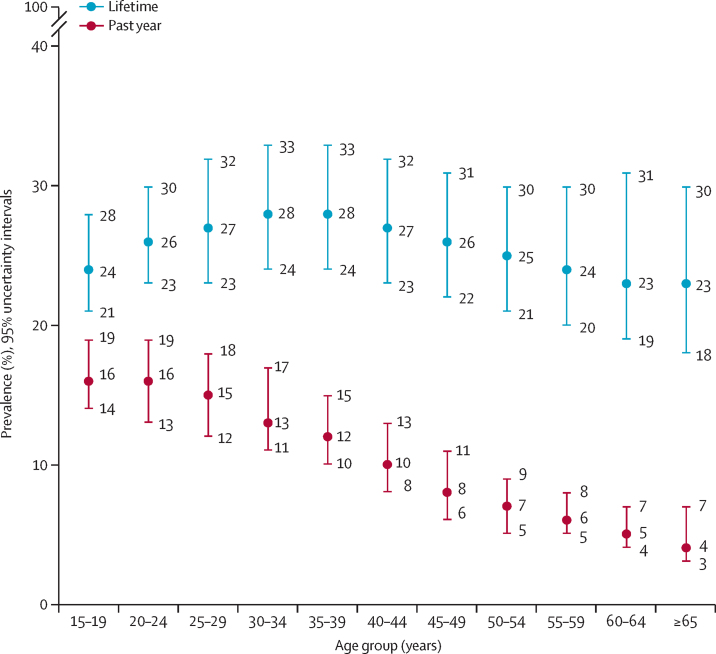
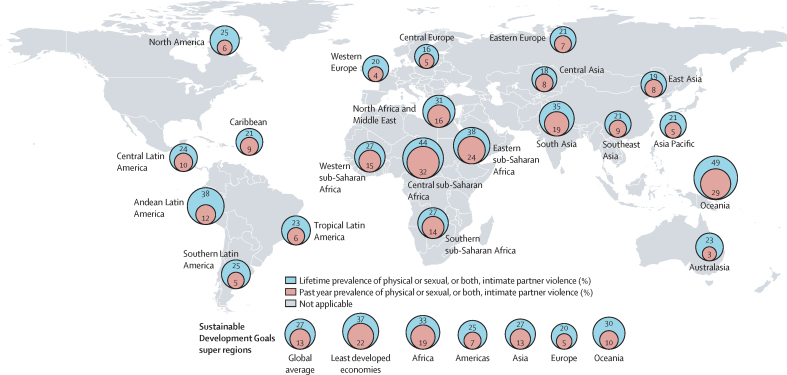
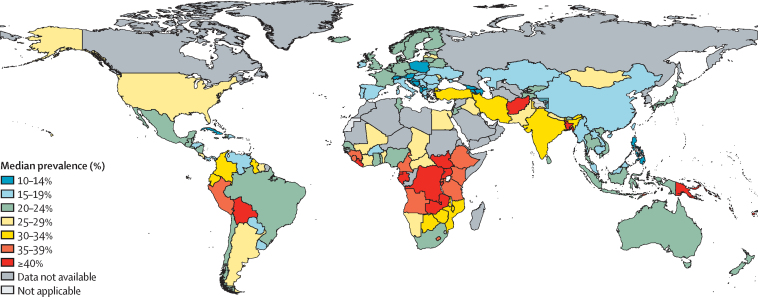
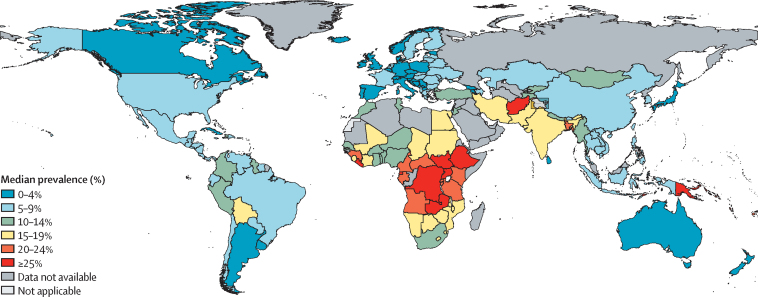
BACKGROUND: Intimate partner violence against women is a global public health problem with many short-term and long-term effects on the physical and mental health of women and their children. The Sustainable Development Goals (SDGs) call for its elimination in target 5.2. To monitor governments' progress towards SDG target 5.2, this study aimed to provide global, regional, and country baseline estimates of physical or sexual, or both, violence against women by male intimate partners. METHODS: This study developed global, regional, and country estimates, based on data from the WHO Global Database on Prevalence of Violence Against Women. These data were identified through a systematic literature review searching MEDLINE, Global Health, Embase, Social Policy, and Web of Science, and comprehensive searches of national statistics and other websites. A country consultation process identified additional studies. Included studies were conducted between 2000 and 2018, representative at the national or sub-national level, included women aged 15 years or older, and used act-based measures of physical or sexual, or both, intimate partner violence. Non-population-based data, including administrative data, studies not generalisable to the whole population, studies with outcomes that only provided the combined prevalence of physical or sexual, or both, intimate partner violence with other forms of violence, and studies with insufficient data to allow extrapolation or imputation were excluded. We developed a Bayesian multilevel model to jointly estimate lifetime and past year intimate partner violence by age, year, and country. This framework adjusted for heterogeneous age groups and differences in outcome definition, and weighted surveys depending on whether they were nationally or sub-nationally representative. This study is registered with PROSPERO (number CRD42017054100). FINDINGS: The database comprises 366 eligible studies, capturing the responses of 2 million women. Data were obtained from 161 countries and areas, covering 90% of the global population of women and girls (15 years or older). Globally, 27% (uncertainty interval [UI] 23-31%) of ever-partnered women aged 15-49 years are estimated to have experienced physical or sexual, or both, intimate partner violence in their lifetime, with 13% (10-16%) experiencing it in the past year before they were surveyed. This violence starts early, affecting adolescent girls and young women, with 24% (UI 21-28%) of women aged 15-19 years and 26% (23-30%) of women aged 19-24 years having already experienced this violence at least once since the age of 15 years. Regional variations exist, with low-income countries reporting higher lifetime and, even more pronouncedly, higher past year prevalence compared with high-income countries. INTERPRETATION: These findings show that intimate partner violence against women was already highly prevalent across the globe before the COVID-19 pandemic. Governments are not on track to meet the SDG targets on the elimination of violence against women and girls, despite robust evidence that intimate partner violence can be prevented. There is an urgent need to invest in effective multisectoral interventions, strengthen the public health response to intimate partner violence, and ensure it is addressed in post-COVID-19 reconstruction efforts. FUNDING: UK Department for International Development through the UN Women-WHO Joint Programme on Strengthening Violence against Women Data, and UNDP-UN Population Fund-UNICEF-WHO-World Bank Special Programme of Research, Development, and Research Training in Human Reproduction, a cosponsored programme executed by WHO.
Overview
The claims and statistics of this paper haven’t been checked yet.
Free: it reads the open-access text and checks the first 5 claims that cite a source we can check. Create a free account to check every claim.
Integrity signals
Registry
Cites
Statistics
Figures
Verification
Claims the paper makes
The claims and statistics of this paper haven’t been checked yet.
Free: it reads the open-access text and checks the first 5 claims that cite a source we can check. Create a free account to check every claim.
Claims other papers make about this one
Each is checked against this paper’s own text: does it say what the citing paper says it does?
The source backs part of the claim, not all of it — or backs it for a different population, condition or comparison.
In the citing paper
“These findings directly contrast another WHO study that estimated a lifetime prevalence between 21 and 25 per cent in high-income countries (Sardinha et al., 2022).”
From The Intergenerational Transmission of Emotional Intimate Partner Violence: a Systematic Review and Meta-Analysis (2025) · cites this paper as Sardinha et al., 2022
Experimental — accuracy not yet measuredThe source backs part of the claim, not all of it — or backs it for a different population, condition or comparison.
In the citing paper
“Lower global estimates were also highlighted by a recent study (L. Sardinha et al., 2022) where 26% of ever-partnered women aged 15 years and older were estimated to have experienced physical or sexual IPV, or both, at least once in their lifetime.”
From Global Prevalence and Mental Health Outcomes of Intimate Partner Violence Among Women: A Systematic Review and Meta-Analysis (2024) · cites this paper as L. Sardinha et al., 2022
Experimental — accuracy not yet measuredThe cited source says what the claim attributes to it.
In the citing paper
“Sardinha and colleagues’ study also reported much lower global rates of past year experience of physical or sexual violence, or both, by a partner among ever partnered women aged 15–49 years.”
From Global Prevalence and Mental Health Outcomes of Intimate Partner Violence Among Women: A Systematic Review and Meta-Analysis (2024) · cites this paper as L. Sardinha et al., 2022
The cited source says what the claim attributes to it.
In the citing paper
“Neither of these studies examined psychological IPV.”
From Global Prevalence and Mental Health Outcomes of Intimate Partner Violence Among Women: A Systematic Review and Meta-Analysis (2024) · cites this paper as L. Sardinha et al., 2022
Self-check
Percentages, sums and reported differences re-computed from the paper’s own numbers.
The self-check needs the paper’s full text.
Citations
Cites
The world report on violence and health
Krug, E. G., Mercy, J. A., Dahlberg, L. L., & Zwi, A. B. (2002) · The Lancet · doi:10.1016/s0140-6736(02)11133-0 · Cited by 9,110
Vos, T., Barber, R. M., Bell, B., Bertozzi-Villa, A., Biryukov, S., Bolliger, I., Charlson, F., Davis, A., Degenhardt, L., Dicker, D., et al. (2015) · The Lancet · doi:10.1016/s0140-6736(15)60692-4 · Cited by 6,414
Guidelines for accurate and transparent health estimates reporting: the GATHER statement
Stevens, G. A., Alkema, L., Black, R. E., Boerma, J. T., Collins, G. S., Ezzati, M., Grove, J. T., Hogan, D. R., Hogan, M. C., Horton, R., et al. (2016) · The Lancet · doi:10.1016/s0140-6736(16)30388-9 · Cited by 1,798
The Global Prevalence of Intimate Partner Violence Against Women
Devries, K. M., Mak, J. Y. T., García-Moreno, C., Petzold, M., Child, J. C., Falder, G., Lim, S., Bacchus, L. J., Engell, R. E., Rosenfeld, L., et al. (2013) · Science · doi:10.1126/science.1240937 · Cited by 1,460
The global prevalence of intimate partner homicide: a systematic review
Stöckl, H., Devries, K., Rotstein, A., Abrahams, N., Campbell, J., Watts, C., & Moreno, C. G. (2013) · The Lancet · doi:10.1016/s0140-6736(13)61030-2 · Cited by 955
Self-citationViolence against women during covid-19 pandemic restrictions
Roesch, E., Amin, A., Gupta, J., & García-Moreno, C. (2020) · BMJ · doi:10.1136/bmj.m1712 · Cited by 511
Self-citationAddressing violence against women: a call to action
García-Moreno, C., Zimmerman, C., Morris-Gehring, A., Heise, L., Amin, A., Abrahams, N., Montoya, O., Bhate-Deosthali, P., Kilonzo, N., & Watts, C. (2015) · The Lancet · doi:10.1016/s0140-6736(14)61830-4 · Cited by 483
Self-citationBacchus, L. J., Ranganathan, M., Watts, C., & Devries, K. (2018) · BMJ Open · doi:10.1136/bmjopen-2017-019995 · Cited by 464
Hamadani, J. D., Hasan, M. I., Baldi, A. J., Hossain, S. J., Shiraji, S., Bhuiyan, M. S. A., Mehrin, S. F., Fisher, J., Tofail, F., Tipu, S. M. M. U., et al. (2020) · The Lancet Global Health · doi:10.1016/s2214-109x(20)30366-1 · Cited by 463
Guidelines for accurate and transparent health estimates reporting: the GATHER statement
Stevens, G. A., Alkema, L., Black, R. E., Boerma, J. T., Collins, G. S., Ezzati, M., Grove, J. T., Hogan, D. R., Hogan, M. C., Horton, R., et al. (2016) · PLOS Medicine · doi:10.1371/journal.pmed.1002056 · Cited by 424
Research works printed but not linked: 2
- Flaxman AD Vos T Murray CJL An integrative metaregression framework for descriptive epidemiology 2015 University of Washington Press Seattle
- Jewkes R Willan S Heise L Effective design and implementation elements in interventions to prevent violence against women and girls https://www.whatworks.co.za/documents/publications/373-intervention-report19-02-20/file January, 2020 PMC8621962 34831885
Cited by
Hay, S. I., Ong, K. L., Santomauro, D. F., A, B., Aalipour, M. A., Aalruz, H., Ababneh, H. S., Abaraogu, U. O., Abate, B. B., Abbafati, C., et al. (2025) · The Lancet · doi:10.1016/s0140-6736(25)01637-x · Cited by 916
White, S. J., Sin, J., Sweeney, A., Salisbury, T., Wahlich, C., Montesinos Guevara, C. M., Gillard, S., Brett, E., Allwright, L., Iqbal, N., et al. (2024) · Trauma, Violence, & Abuse · doi:10.1177/15248380231155529 · Cited by 465
Oram, S., Fisher, H. L., Minnis, H., Seedat, S., Walby, S., Hegarty, K., Rouf, K., Angénieux, C., Callard, F., Chandra, P. S., et al. (2022) · The Lancet Psychiatry · doi:10.1016/s2215-0366(22)00008-6 · Cited by 331
A call to action: the second Lancet Commission on adolescent health and wellbeing
Baird, S., Choonara, S., Azzopardi, P. S., Banati, P., Bessant, J., Biermann, O., Capon, A. G., Claeson, M., Collins, P. Y., Wet, N. D., et al. (2025) · The Lancet · doi:10.1016/s0140-6736(25)00503-3 · Cited by 241
The Role of Psychosocial Stress on Cardiovascular Disease in Women
Ebong, I., Quesada, O., Fonkoue, I. T., Mattina, D. J., Sullivan, S. M., de Oliveira, G. M. M., Spikes, T. A., Sharma, J., Commodore-Mensah, Y. Y., Ogunniyi, M. O., et al. (2024) · Journal of the American College of Cardiology · doi:10.1016/j.jacc.2024.05.016 · Cited by 153
Trauma- and Violence-Informed Care: Orienting Intimate Partner Violence Interventions to Equity
Wathen, C. N., & Mantler, T. (2022) · Current Epidemiology Reports · doi:10.1007/s40471-022-00307-7 · Cited by 111
Spencer, C. N., Khalil, M., Herbert, M., Aravkin, A. Y., Arrieta, A., Baeza, M. J., Bustreo, F., Cagney, J., Calderon-Anyosa, R. J. C., Carr, S., et al. (2023) · Nature Medicine · doi:10.1038/s41591-023-02629-5 · Cited by 104
“Globally, it is estimated that almost one in three ever-partnered women have experienced physical and/or sexual intimate partner violence in their lifetime and 20% of young women and almost 10% of young men have experienced some form of childhood sexual abuse 4,9 .”
BackgroundSelf-citationWessells, M., & Kostelny, K. (2022) · International Journal of Environmental Research and Public Health · doi:10.3390/ijerph192114488 · Cited by 146
“Although its exact prevalence remains uncertain due to problems such as underreporting, evidence indicates that it is widespread in Asia and Africa [2–4], and Latin America [5], as well as in relatively wealthy countries [6].”
BackgroundEvidence That Nine Autistic Women Out of Ten Have Been Victims of Sexual Violence
Cazalis, F., Reyes, E., Leduc, S., & Gourion, D. (2022) · Frontiers in Behavioral Neuroscience · doi:10.3389/fnbeh.2022.852203 · Cited by 134
Ma, N., Chen, S., Kong, Y., Chen, Z., Geldsetzer, P., Zeng, H., Wu, L., Wehrmeister, F. C., Lu, C., Subramanian, S. V., et al. (2023) · The Lancet Global Health · doi:10.1016/s2214-109x(23)00417-5 · Cited by 97
Kuchukhidze, S., Panagiotoglou, D., Boily, M., Diabaté, S., Eaton, J. W., Mbofana, F., Sardinha, L., Schrubbe, L. A., Stöckl, H., Wanyenze, R. K., et al. (2022) · The Lancet HIV · doi:10.1016/s2352-3018(22)00305-8 · Cited by 87
Self-citationBacchus, L. J., Colombini, M., Pearson, I., Gevers, A., Stöckl, H., & Guedes, A. C. (2024) · The Lancet Public Health · doi:10.1016/s2468-2667(24)00048-3 · Cited by 72
Self-citationSardinha, L., Yüksel‐Kaptanoğlu, İ., Maheu‐Giroux, M., & Garcia‐Moreno, C. (2024) · The Lancet Child & Adolescent Health · doi:10.1016/s2352-4642(24)00145-7 · Cited by 125
Self-citationEvidence of Gender Asymmetry in Intimate Partner Violence Experience at the Population-Level
Fanslow, J., Mellar, B. M., Gulliver, P. J., & McIntosh, T. K. D. (2023) · Journal of Interpersonal Violence · doi:10.1177/08862605231163646 · Cited by 96
“Global estimates suggest that over one in four women between ages 15 to 49 have experienced physical and/or sexual intimate partner violence (IPV) in their lifetime (Sardinha et al., 2022).”
BackgroundAmouzou, A., Barros, A. J. D., Requejo, J. H., Fayé, C., Akseer, N., Bendavid, E., Blumenberg, C., Borghi, J., Baz, S. E., Federspiel, F., et al. (2025) · The Lancet · doi:10.1016/s0140-6736(25)00151-5 · Cited by 76
Zhu, Y., He, C., Bell, M. L., Zhang, Y., Fatmi, Z., Zhang, Y., Zaid, M., Bachwenkizi, J., Liu, C., Zhou, L., et al. (2023) · JAMA Psychiatry · doi:10.1001/jamapsychiatry.2023.1958 · Cited by 75
Violence Against Women as a Global Public Health Issue
Stöckl, H., & Sorenson, S. B. (2024) · Annual Review of Public Health · doi:10.1146/annurev-publhealth-060722-025138 · Cited by 122
Self-citationWang, Y., Qin, C., Chen, H., Liang, W., Liu, M., & Liu, J. (2025) · Journal of Affective Disorders · doi:10.1016/j.jad.2025.01.086 · Cited by 67
Determinants of intimate partner controlling behavior targeting women in Türkiye
BAŞKAN, B., & Alkan, Ö. (2023) · Frontiers in Psychology · doi:10.3389/fpsyg.2023.1174143 · Cited by 65
Hatcher, A. M., Page, S., van Eck, L. A., Pearson, I., Fielding-Miller, R. K., Mazars, C., & Stöckl, H. (2022) · PLOS Global Public Health · doi:10.1371/journal.pgph.0000479 · Cited by 61
Self-citationMossie, T. B., Fenta, H. M., Tadesse, M., & Tadele, A. (2023) · Frontiers in Public Health · doi:10.3389/fpubh.2023.1188718 · Cited by 44
Intimate Partner Violence-Related Brain Injury: Unmasking and Addressing the Gaps
Esopenko, C., Jain, D., Adhikari, S. P., Dams-O’Connor, K., Ellis, M. J., Haag, H. L., Hovenden, E. S., Keleher, F., Koerte, I. K., Lindsey, H. M., et al. (2024) · Journal of Neurotrauma · doi:10.1089/neu.2023.0543 · Cited by 60
Afrouz, R., & Vassos, S. (2024) · Trauma Violence & Abuse · doi:10.1177/15248380241227457 · Cited by 64
“Intimate partner violence (IPV), including technology-facilitated abuse, is prevalent worldwide (Afrouz, 2021; Sardinha et al., 2022; Wake & Kandula, 2022).”
BackgroundHealth Outcomes in Women Victims of Intimate Partner Violence: A 20-Year Real-World Study
Clemente-Teixeira, M., Magalhães, T., Barrocas, J., Dinis‐Oliveira, R. J., & Taveira‐Gomes, T. (2022) · International Journal of Environmental Research and Public Health · doi:10.3390/ijerph192417035 · Cited by 63
“This rate is much lower than the known prevalence values for these cases recently reported in the literature [36]: 27% worldwide, 20% in Western Europe, and 18% in Portugal.”
ResultKifle, M. E., Aychiluhm, S. B., & Anbesu, E. W. (2024) · BMC Women s Health · doi:10.1186/s12905-023-02845-8 · Cited by 59
Bindi: Affective Internet of Things to Combat Gender-Based Violence
Miranda, J., Rituerto-González, E., Luis-Mingueza, C., Canabal, M. F., Barcenas, A. R., Lanza-Gutiérrez, J. M., Peláez-Moreno, C., & López-Ongil, C. (2022) · IEEE Internet of Things Journal · doi:10.1109/jiot.2022.3177256 · Cited by 59
“%) ever-partnered women aged between 15 and 49 years had experienced physical or sexual, or both, intimate partner violence since the age of 15 years [2].”
BackgroundHomicide is a leading cause of death for pregnant women in US
Lawn, R. B., & Koenen, K. C. (2022) · BMJ · doi:10.1136/bmj.o2499 · Cited by 45
“It’s All in Your Head”: Personality Traits and Gaslighting Tactics in Intimate Relationships
March, E., Kay, C. S., Dinić, B. M., Wagstaff, D., Grabovac, B., & Jonason, P. K. (2023) · Journal of Family Violence · doi:10.1007/s10896-023-00582-y · Cited by 73
“The global prevalence of IPV (Sardinha et al., 2022) highlights the critical importance of ongoing research to better understand, manage, and prevent the phenomenon.”
A framework to model global, regional, and national estimates of intimate partner violence
Maheu‐Giroux, M., Sardinha, L., Stöckl, H., Meyer, S. R., Godin, A., Alexander, M. J., & Garcia‐Moreno, C. (2022) · BMC Medical Research Methodology · doi:10.1186/s12874-022-01634-5 · Cited by 46
Self-citationInterventions to Prevent Intimate Partner Violence: A Systematic Review and Meta-Analysis
Alsina, E., Browne, J. L., Gielkens, D., Noorman, M. A. J., & de Wit, J. B. F. (2023) · Violence Against Women · doi:10.1177/10778012231183660 · Cited by 50
“…a major public health and human rights issue, and 2018 estimates based on data from 161 countries and areas show that 27% of ever-partnered women aged 15 – 49 years globally experienced physical and/or sexual IPV in their lifetime, with 13% experiencing IPV in the past year (Sardinha et al., 2022).”
BackgroundInfluentialFlor, L. S., Spencer, C. N., Cagney, J., Gil, G., Aalruz, H., ElHafeez, S. A., Abdelwahab, S. İ., Abdoun, M., Abebe, M., Abebe, Y., et al. (2025) · The Lancet · doi:10.1016/s0140-6736(25)02503-6 · Cited by 66
The neuropathology of intimate partner violence
Dams-O’Connor, K., Seifert, A. C., Crary, J. F., Delman, B. N., Bigio, M. R. D., Kovács, G. G., Lee, E. B., Nolan, A., Pruyser, A., Selmanovic, E., et al. (2023) · Acta Neuropathologica · doi:10.1007/s00401-023-02646-1 · Cited by 44
An umbrella review of health outcomes following traumatic brain injury
Ogonah, M. G. T., Botchway, S., Yu, R., Schofield, P. W., & Fazel, S. (2025) · Nature Mental Health · doi:10.1038/s44220-024-00356-5 · Cited by 51
“Considering the high prevalence of IPV (approximately 30% of women globally have experienced physical or sexual violence), 37,38 and that survivors of IPV are at high risk of TBIs 39 (in particular, recurrent TBIs) 40,41 while often discouraged from seeking medical treatment, further research in…”
Leight, J., Cullen, C., Ranganathan, M., & Yakubovich, A. R. (2023) · Journal of Global Health · doi:10.7189/jogh.13.04115 · Cited by 43
Meyer, S. R., Hardt, S., Brambilla, R., Shukla, S., & Stöckl, H. (2023) · Trauma Violence & Abuse · doi:10.1177/15248380231210939 · Cited by 53
“Intimate partner violence (IPV) is the most common form of violence against women globally, with recent estimates indicating that nearly one in four women globally experience physical and/or sexual IPV in their lifetime (Sardinha et al., 2022).”
BackgroundSelf-citationMeyer, S. R., Hardt, S., Brambilla, R., Page, S., & Stöckl, H. (2024) · Aggression and Violent Behavior · doi:10.1016/j.avb.2024.101929 · Cited by 49
Self-citationNarcissism and Intimate Partner Violence: A Systematic Review and Meta-Analysis
Oliver, E., Coates, A., Bennett, J. M., & Willis, M. L. (2023) · Trauma Violence & Abuse · doi:10.1177/15248380231196115 · Cited by 44
“The prevalence of IPV in these countries is similar and thus, is not representative of global IPV perpetration which varies greatly (Sardinha et al., 2022).”
BackgroundAbrahams, N., Mhlongo, S., Chirwa, E. D., Dekel, B., Ketelo, A., Lombard, C. J., Shai, N., Ramsoomar, L., Mathews, S., Labuschagne, G., et al. (2024) · PLoS Medicine · doi:10.1371/journal.pmed.1004330 · Cited by 43
Khouani, J., Landrin, M., Boulakia, R. C., Tahtah, S., Gentile, G., Desrues, A., Vengeon, M., Loundou, A., Barbaroux, A., Auquier, P., et al. (2023) · The Lancet Regional Health - Europe · doi:10.1016/j.lanepe.2023.100731 · Cited by 31
Hu, C., Ding, L., & Peng, K. (2024) · Journal of Affective Disorders · doi:10.1016/j.jad.2024.07.098 · Cited by 29
Kanougiya, S., Sivakami, M., Daruwalla, N., & Osrin, D. (2022) · BMC Public Health · doi:10.1186/s12889-022-14650-3 · Cited by 36
Dickson, K. S., Boateng, E. N. K., Adzrago, D., Addo, I. Y., Acquah, E., & Nyarko, S. H. (2023) · Reproductive Health · doi:10.1186/s12978-023-01651-7 · Cited by 41
“Background Intimate partner violence (IPV) is a major global public health problem [1].”
BackgroundChandra, R. K., Srivastava, S., Singh, A., Mukherjee, S., & Patel, J. K. (2023) · PLoS ONE · doi:10.1371/journal.pone.0289596 · Cited by 35
“IPV is defined as all forms of physical, sexual and emotional abuse perpetrated against the intimate partner in a close relationship, including current and former spouses and dating partners [1].”
BackgroundGlobal prevalence of non-partner sexual violence against women
Sardinha, L., Stöckl, H., Maheu‐Giroux, M., Meyer, S. R., & García‐Moreno, C. (2024) · Bulletin of the World Health Organization · doi:10.2471/blt.23.290420 · Cited by 50
Self-citationCampbell, L., Tan, R. K. J., Uhlich, M., Francis, J. M., Mark, K. P., Miall, N., Eleuteri, S., Gabster, A., Shamu, S., Plášilová, L., et al. (2021) · Journal of Interpersonal Violence · doi:10.1177/08862605221141865 · Cited by 33
“Prior to the COVID-19 pandemic, an article analyzing 366 eligible studies from 161 countries and areas estimated that 27% ([Uncertainty Interval] 23–31%) of ever-partnered women aged 15 to 49 years had experienced physical and/or sexual IPV (Sardinha et al., 2022).”
BackgroundMethodCosta, D., Scharpf, F., Weiß, A., Ayanian, A. H., & Bozorgmehr, K. (2024) · BMC Public Health · doi:10.1186/s12889-024-17802-9 · Cited by 33
Gilchrist, G., Potts, L. C., Connolly, D. J., WINSTOCK, A. R., Barratt, M. J., Ferris, J., Gilchrist, E., & Davies, E. (2023) · BMC Public Health · doi:10.1186/s12889-022-14635-2 · Cited by 30
Turner, W., Morgan, K., Hester, M., Feder, G. S., & Cramer, H. (2023) · Psychosocial Intervention · doi:10.5093/pi2023a9 · Cited by 37
Arrondo, G., Osorio, A., Magallón, S., del Burgo, C. L., & Cortese, S. (2023) · Psychological Medicine · doi:10.1017/s0033291723001976 · Cited by 36
A Scoping Review of Intimate Partner Violence Research in Canada
Wathen, C. N., MacGregor, J. C. D., Burd, C., Naeemzadah, N., Ogunpitan, Y. A., & Canie, J. (2025) · Trauma, Violence, & Abuse · doi:10.1177/15248380241275979 · Cited by 25
Dentists’ Competence and Knowledge on Domestic Violence and How to Improve It—A Review
Bregulla, J. L., Hanisch, M. R., & Pfleiderer, B. (2022) · International Journal of Environmental Research and Public Health · doi:10.3390/ijerph19074361 · Cited by 28
“Moreover, it is important to keep in mind that about 28–50% (depending on the country) of murders of women are committed by their intimate partners [7].”
BackgroundFerreres, E. A., Llamazares, F. J., & Useche, S. A. (2024) · Journal of Transport & Health · doi:10.1016/j.jth.2024.101835 · Cited by 31
Watson, C. B., & Bitsika, V. (2025) · Brain and Behavior · doi:10.1002/brb3.70236 · Cited by 37
“Ten of the 11 reviewed studies were performed on samples from high-income, industrialized countries, where evidence suggests there is a lower prevalence of IPV (Garcia-Moreno et al. 2006; Sardinha et al. 2022).”
Hearn, J., Hall, M., Lewis, R., & Niemistö, C. (2023) · Journal of Business Ethics · doi:10.1007/s10551-023-05463-4 · Cited by 36
“5 Estimates of those experiencing IPV in the past year vary from 15 to 20% or 1 in 4 women and 1 in 6 men (Crime Survey …, 2019; ONS, 2019; Sardinha et al., 2022; WHO, 2013).”
BackgroundGracia, E., García-Senlle, M. L., Martín-Fernández, M., & Lila, M. (2023) · Journal of Interpersonal Violence · doi:10.1177/08862605231172479 · Cited by 31
“According to the latest WHO (2021) report (Sardinha et al., 2022), globally, the average of ever-partnered women and girls aged 15 years and older who have experienced physical and/ or sexual IPVAW in their lifetime is 26%.”
InfluentialSousa, M., Andrade, J., Rodrigues, A. D. C., Caridade, S., & Cunha, O. S. (2024) · Trauma Violence & Abuse · doi:10.1177/15248380241270063 · Cited by 37
“IPV poses a substantial public health concern, impacting millions of individuals annually (Sardinha et al., 2022), with detrimental psychological and physical effects in both the short and long term for victims and their families (Stubbs & Szoeke, 2022).”
BackgroundUllman, C., Amin, A., Bourassa, A., Chandarana, S., Dutra, F., & Ellsberg, M. C. (2025) · BMJ Public Health · doi:10.1136/bmjph-2024-001126 · Cited by 23
Critical Windows: Exploring the Association Between Perinatal Trauma, Epigenetics, and Chronic Pain
Kodila, Z. N., Shultz, S. R., Yamakawa, G. R., & Mychasiuk, R. (2023) · The Neuroscientist · doi:10.1177/10738584231176233 · Cited by 24
Doyle, K., Levtov, R., Karamage, E., Rakshit, D., Kazimbaya, S., Sayinzoga, F., Sibomana, H., Ngayaboshya, S., Rutayisire, F., & Barker, G. (2023) · EClinicalMedicine · doi:10.1016/j.eclinm.2023.102233 · Cited by 28
Analysis of gender‐based violence in the context of the sustainable development goals
Fernández, P. G., Martín, J. M. M., Navarrete, S. R., & Puertas, R. (2024) · Sustainable Development · doi:10.1002/sd.2940 · Cited by 30
Women’s health and rights in the twenty-first century
Ojong, S. A., Temmerman, M., Khosla, R., & Bustreo, F. (2024) · Nature Medicine · doi:10.1038/s41591-024-03036-0 · Cited by 32
“…despite reporting lower lifetime and lower past-year prevalence than LMICs, the persistence of gender-based violence in HICs and the disproportionate affliction of young persons highlights a collective failure to align with gender equality and women’s empowerment objectives globally 66,71,74 .”
Major sports events and domestic violence: A systematic review
Forsdike, K., O’Sullivan, G. A., & Hooker, L. (2022) · Health & Social Care in the Community · doi:10.1111/hsc.14028 · Cited by 32
“%) aged over 15 years reporting that they have been subjected to violence by an intimate partner in their lifetime (Sardinha et al., 2022).”
BackgroundPast Traumatic Life Events, Postpartum PTSD, and the Role of Labor Support
Suarez, A., & Анатольевна, Я. В. (2023) · International Journal of Environmental Research and Public Health · doi:10.3390/ijerph20116048 · Cited by 24
“As the WHO estimates that globally 1 in 5 women were sexually abused at the age of 0–17 years [33] and 1 in 3 had experienced intimate partner violence or nonpartner sexual violence in their lifetime [34], the scope of the potential risk of developing PP-PTSD is massive.”
BackgroundIntimate partner violence is a significant risk factor for adverse pregnancy outcomes
Lockington, E. P., Sherrell, H. C., Crawford, K., Rae, K. M., & Kumar, S. (2023) · AJOG Global Reports · doi:10.1016/j.xagr.2023.100283 · Cited by 31
Intimate Partner Violence and Alexithymia: Do Emotions Matter? A Systematic Review and Meta-Analysis
Veggi, S., Benfante, A., Tella, M. D., Roveta, F., Castelli, L., & Zara, G. (2023) · Trauma Violence & Abuse · doi:10.1177/15248380231217045 · Cited by 26
“Based on global estimates (Sardinha et al., 2022), approximately 27% of ever-partnered women, aged 15 to 49, are reported to have experienced physical or sexual IPV, or both, in their lifetime, with younger women living in social isolation and economic disadvantage being particularly at risk…”
BackgroundArora, S., Bhate‐Deosthali, P., Rege, S., Amin, A., & Meyer, S. R. (2023) · International Journal of Environmental Research and Public Health · doi:10.3390/ijerph20043606 · Cited by 29
“Violence against women (VAW) is highly prevalent globally, and evidence indicates both its pervasive nature and its serious and long-term impacts on women’s health [1].”
BackgroundSelf-citationIverson, K. M., Stolzmann, K. L., Brady, J. E., Adjognon, O. L., Dichter, M. E., Lew, R., Gerber, M. R., Portnoy, G. A., Iqbal, S., Haskell, S. G., et al. (2023) · American Journal of Preventive Medicine · doi:10.1016/j.amepre.2023.02.013 · Cited by 27
Attitudes Toward Intimate Partner Violence Against Women in Latin America: A Systematic Review
Villagrán, A. M., Santirso, F. A., Lila, M., & Gracia, E. (2023) · Trauma Violence & Abuse · doi:10.1177/15248380231205825 · Cited by 32
Bailey, S., Newton, N. C., Perry, Y., Davies, C., Lin, A. P., Marino, J. L., Skinner, S. R., Grummitt, L. R., & Barrett, E. L. (2023) · Journal of Adolescence · doi:10.1002/jad.12274 · Cited by 25
WEMAC: Women and Emotion Multi-modal Affective Computing dataset
Miranda, J., Gutiérrez-Martín, L., Rituerto-González, E., Romero, E., Lanza-Gutiérrez, J. M., Peláez-Moreno, C., & López-Ongil, C. (2024) · Scientific Data · doi:10.1038/s41597-024-04002-8 · Cited by 35
Zara, G., Gino, S., Veggi, S., & Freilone, F. (2022) · Frontiers in Psychology · doi:10.3389/fpsyg.2022.957327 · Cited by 24
“within a relationship it is more likely that it is embedded in a broader pattern of abuse and violence (Coker et al., 2000; Matias et al., 2020; Sardinha et al., 2022).”
BackgroundPuno, A., Kim, R., Jeong, J., Kim, J., & Kim, R. (2023) · SSM - Population Health · doi:10.1016/j.ssmph.2023.101392 · Cited by 20
Bacchus, L., d’Oliveira, A. F. P. L., Pereira, S., Schraiber, L. B., de Aguiar, J. M., Graglia, C. G. V., Bonin, R. G., Feder, G. S., & Colombini, M. (2023) · BMC Family Practice · doi:10.1186/s12875-023-02150-1 · Cited by 34
“It affects 1 in 3 women globally [6] and 45.”
BackgroundSun, M., Symons, G. F., Spitz, G., O’Brien, W. T., Baker, T. L., Fan, J., Martins, B. D., Allen, J., Giesler, L. P., Mychasiuk, R., et al. (2024) · Brain Behavior and Immunity · doi:10.1016/j.bbi.2024.09.030 · Cited by 22
“A recent analysis of a global database consisting of 366 IPV studies and responses from over 2 million women found that 27 % of ever-partnered women aged 15 – 49 years old had experienced physical and/or sexual IPV (Sardinha et al., 2022).”
BackgroundMethodInfluentialReyal, H. P., Dissanayake, N., Gunarathna, H., Soysa, D., Fernando, M. S., & Senarathna, L. (2024) · BMJ Open · doi:10.1136/bmjopen-2023-080117 · Cited by 26
Technology-Based Mental Health Interventions for Domestic Violence Victims Amid COVID-19
Su, Z., Cheshmehzangi, A., McDonnell, D., Chen, H., Aḥmad, J., Šegalo, S., & da Veiga, C. P. (2022) · International Journal of Environmental Research and Public Health · doi:10.3390/ijerph19074286 · Cited by 23
“Situations might be considerably worse in low- and middle-income countries [6].”
BackgroundLuo, S., Lin, L., Chen, W., Li, C., Ren, Y., Zhang, M., & Guo, V. Y. (2022) · Frontiers in Psychiatry · doi:10.3389/fpsyt.2022.996971 · Cited by 21
The Impacts of Intimate Partner Violence on Postpartum Depression: An Updated Meta-Analysis
Wei, X., Wang, W., Law, Y. W., & Zhang, H. (2024) · Trauma, Violence, & Abuse · doi:10.1177/15248380231188068 · Cited by 19
“Sardinha et al. (2022) reviewed 366 studies in 161 countries/regions and found that 27% of women aged 15 to 49 years who have had a partner were estimated to have experienced physical or sexual violence from their partner, or both, in their lifetime.”
BackgroundLiu, C., & Olamijuwon, E. O. (2024) · Social Science & Medicine · doi:10.1016/j.socscimed.2024.116688 · Cited by 26
Ferrari, G., Rueda, S. T., Chirwa, E. D., Gibbs, A., Orangi, S., Barasa, E., Tawiah, T. A. S., Prah, R. K. D., Hitimana, R., Daviaud, E., et al. (2022) · PLoS Medicine · doi:10.1371/journal.pmed.1003827 · Cited by 29
Disability and intimate partner violence: A cross-sectional study from Mwanza, Tanzania
Meyer, S. R., Mosha, N. R., Shakespeare, T., Kuper, H., Mtolela, G. J., Harvey, S. E., Kapiga, S., Mshana, G. H., & Stöckl, H. (2022) · Disability and health journal · doi:10.1016/j.dhjo.2022.101404 · Cited by 20
Self-citationRisk factors of adolescent exposure to violence in Burkina Faso
Musizvingoza, R., Tirivayi, N., Otchere, F., & Viola, F. (2022) · BMC Public Health · doi:10.1186/s12889-022-14854-7 · Cited by 23
Lariat, J., Chikwari, C. D., Dauya, E., Baumu, V. T., Kaisi, V., Kafata, L., Meza, E., Simms, V. M., Mackworth-Young, C. R. S., Rochford, H., et al. (2023) · Sexual and Reproductive Health Matters · doi:10.1080/26410397.2023.2220188 · Cited by 22
Naumann, D. N., Morris, L., Bowley, D. M., Appleyard, T.-L., Cumming, J., & Wardle, D. (2023) · EClinicalMedicine · doi:10.1016/j.eclinm.2023.102266 · Cited by 22
Heward-Belle, S. L., Ali, P. A., Marotta, J., Hager, D., Rogers, M. M., & Stevenson, L. (2024) · Trauma Violence & Abuse · doi:10.1177/15248380241244494 · Cited by 23
“Ascertaining the actual prevalence of IPV is difficult due to underreporting, varying definitions of IPV, cultural taboos, and a range of study methods used to capture data (Ali et al., 2015; Sardinha et al., 2022).”
BackgroundDonkoh, I. E., Aboagye, R. G., Okyere, J., Seidu, A., Ahinkorah, B. O., & Yaya, S. (2024) · Reproductive Health · doi:10.1186/s12978-024-01755-8 · Cited by 17
“IPV is prevalent in most countries worldwide, with variations between countries [6, 7].”
BackgroundZhu, Y., Zhu, Z., Xu, W., & Zhu, Y. (2025) · Frontiers in Education · doi:10.3389/feduc.2025.1656518 · Cited by 36
Cluver, L. D., Zhou, S., Orkin, M. M., Rudgard, W. E., Meinck, F., Langwenya, N., Vicari, M., Edun, O., Sherr, L., & Toska, E. (2022) · AIDS · doi:10.1097/qad.0000000000003440 · Cited by 21
Syed, S., Gilbert, R. E., Feder, G. S., Howe, L. D., Claire, P., Howarth, E., Deighton, J., & Lacey, R. E. (2023) · The Lancet Public Health · doi:10.1016/s2468-2667(23)00119-6 · Cited by 19
Srivastava, S., Kumar, K., McDougal, L., Kannaujiya, A. K., Sikarwar, A., Raj, A., & Singh, A. (2023) · The Lancet Global Health · doi:10.1016/s2214-109x(23)00377-7 · Cited by 23
Intimate Partner Violence Against Women Before, During, and After Pregnancy: A Meta-Analysis
Chen, X., Lo, C. K. M., Chen, Q., Gao, S., Ho, F. K. W., Brownridge, D. A., Leung, W. C., Ip, P., & Chan, K. L. (2024) · Trauma Violence & Abuse · doi:10.1177/15248380241226631 · Cited by 17
“Intimate partner violence (IPV), defined as physical, psychological, and sexual violence by a current or former intimate partner, is a prevalent public health problem affecting 27% of women aged 15 to 49 years around the world (Sardinha et al., 2022; World Health Organization, 2018).”
Grulich, A. E., Mercer, C. H., Sturrock, B. R., Baral, S., Turpin, N., Phanuphak, N., Rowley, J. T., Wi, T., Gemzell‐Danielsson, K., Garcia‐Moreno, C., et al. (2025) · The Lancet · doi:10.1016/s0140-6736(25)01188-2 · Cited by 29
Concejero, L. T., Muñoz, M. Á. G., Barrientos‐Trigo, S., & Gil‐García, E. (2022) · Enfermería Clínica · doi:10.1016/j.enfcli.2022.07.004 · Cited by 30
Sánchez-Prada, A., Álvarez, C. D., Fiol, E. B., Ferreiro-Basurto, V., & Pérez, V. A. F. (2022) · PLoS ONE · doi:10.1371/journal.pone.0274822 · Cited by 16
Women’s Autonomy and Intimate Partner Violence in Peru: Analysis of a National Health Survey
Barón-Lozada, F. A., Basualdo-Meléndez, G. W., Vargas‐Fernández, R., Hernández‐Vásquez, A., & Bendezú-Quispe, G. (2022) · International Journal of Environmental Research and Public Health · doi:10.3390/ijerph192114373 · Cited by 28
“The results of the present study show that the prevalence of physical and sexual IPV in Peru is lower than the world average for these types of IPV and that it is also lower than the estimate for other South American countries (25%) [3].”
BackgroundResultInfluentialKunasagran, P. D., Mokti, K., Ibrahim, M. Y., Rahim, S. S. S. A., Robinson, F., Muyou, A. J., Mujin, S. M., Ali, N., Chao, G. G. C., Nasib, R., et al. (2023) · Korean Journal of Family Medicine · doi:10.4082/kjfm.23.0084 · Cited by 20
“26,64) Globally, countries have expanded helplines, disseminated information through various means, and guided parenting during the quarantine.”
BackgroundNishat, J. F., Khan, U. S., Shovo, T.-E.-A., Ahammed, B., Rahman, M. M., & Hossain, M. T. (2023) · BMJ Open · doi:10.1136/bmjopen-2023-072279 · Cited by 18
Dai, X., Chu, X., Qi, G., Yuan, P., Zhou, Y., Xiang, H., & Shi, X. (2023) · Trauma Violence & Abuse · doi:10.1177/15248380231211950 · Cited by 21
“%) of women of childbearing age (aged 15–49 years) have experienced IPV at least once in their lifetime (Sardinha et al., 2022).”
BackgroundBey, R., Cohen, A., Trebossen, V., Dura, B., Geoffroy, P. A., Jean, C., Landman, B., Petit-Jean, T., Châtellier, G., Sallah, K., et al. (2024) · npj Mental Health Research · doi:10.1038/s44184-023-00046-7 · Cited by 16
Chen, S., Ma, N., Kong, Y., Chen, Z., Niyi, J. L., Karoli, P., Msuya, H. M., Zemene, M. A., Khan, M. N., Phiri, M., et al. (2025) · EClinicalMedicine · doi:10.1016/j.eclinm.2025.103140 · Cited by 20
“Third, consistent with the limitations of previous studies using DHS data for IPV analysis, 6,7,18 the sensitive nature of IPV and cultural variations across countries may introduce reporting bias when relying solely on women ’ s self-reports.”
Metadata
- Authors
- Sardinha, L., Maheu-Giroux, M., Stöckl, H., Meyer, S. R., & García-Moreno, C.
- Affiliations
- World Health Organization (CH)
- London School of Hygiene & Tropical Medicine (GB)
- Venue
- The Lancet
- Publisher
- Elsevier BV
- Published
- 2022-02
- Volume
- 399
- Issue
- 10327
- Pages
- 803-813
- ISSN
- 0099-5355 (ISSN-L)
- 0140-6736
- PMC
- PMC8885817
- OpenAlex
- W4212796598
- Cited by
- 1,328
- References
- 20
- Citations by year
- 2026: 295 · 2025: 366 · 2024: 341 · 2023: 246 · 2022: 79
- FWCI
- 197.93
- Type
- journal article
- Language
- en
- Open access
- hybrid
- doi.org
- Licence
- cc-by-nc-nd
- www.elsevier.com/tdm/userlicense/1.0/ (tdm)
- www.elsevier.com/legal/tdmrep-license (tdm)
- creativecommons.org/licenses/by-nc-nd/3.0/igo/ (vor)
- Locations
- The Lancet (publishedVersion, cc-by-nc-nd)
- PubMed Central (publishedVersion, cc-by-nc-nd)
- PubMed (publishedVersion)
- Funders
- World Health Organization
- Topics
- Social Sciences › Health › Intimate Partner and Family Violence
- Health Sciences › Medicine › Geriatrics and Gerontology › Elder Abuse and Neglect
- Social Sciences › Sociology and Political Science › Gender, Violence, Rights in Latin America
- Keywords
- intimate partner violence, violence against women, physical violence, sexual violence, lifetime prevalence, global prevalence estimates, Bayesian hierarchical model, adolescent girls, young women, country-level estimates, gender-based violence
- MeSH terms
- Intimate Partner Violence, Sustainable Development, COVID-19, Adolescent, Adult, Female, Humans, Male, Public Health, Risk Factors, Sexual Partners, Global Health, World Health Organization, Prevalence, Databases, Factual, Young Adult
About these checks
Registry, retraction, Cites and statistics results are computed, not judged, with one exception: a printed reference that no index lists is read once by a model before it counts as a citation error. Claims are extracted by a model and kept only when their quote appears verbatim in the text; each cited source is then checked, with a model’s help, for whether it says what the claim relies on. Those verdicts can be wrong — read the claim’s quote and the cited source before relying on one.
Statistics and arithmetic are recomputed, not judged.
Confidence bands are shown only for fields calibrated on our annotated test set. None is calibrated yet, so no band is shown.
What counts as a claim ›How we measure confidence ›How we check this ›
Are you an author, or do you see a problem with this page? Request a review
Data sources
Bibliographic data: Semantic Scholar, OpenAlex, Crossref.
Contains information from the Semantic Scholar Academic Graph Datasets, made available under the ODC Attribution License (ODC-BY 1.0).
Semantic Scholar’s data is described in: Kinney, R., et al. (2023). The Semantic Scholar Open Data Platform. arXiv:2301.10140.
