

Global, regional, and national prevalence estimates of physical or sexual, or both, intimate partner violence against women in 2018
Open accessThe DOI matches its Crossref record; 20 of the 20 references it cites were found in a registry or an index.
Abstract
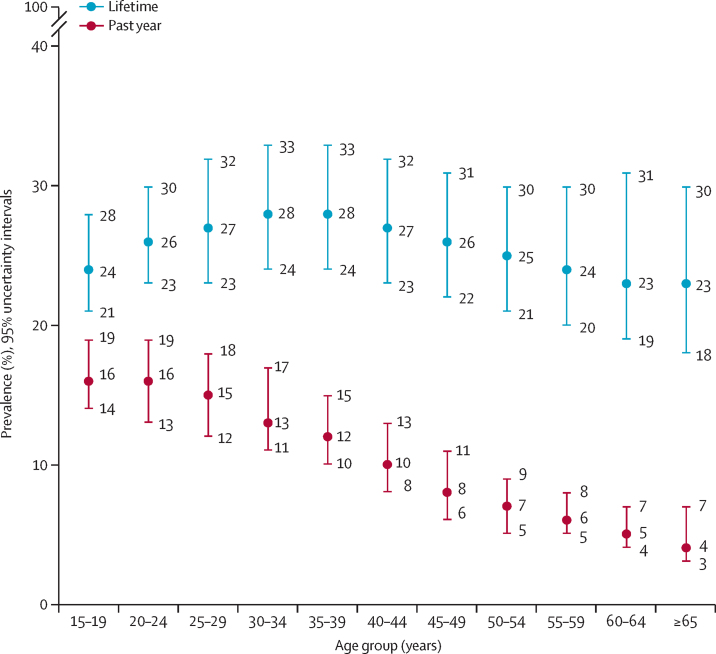
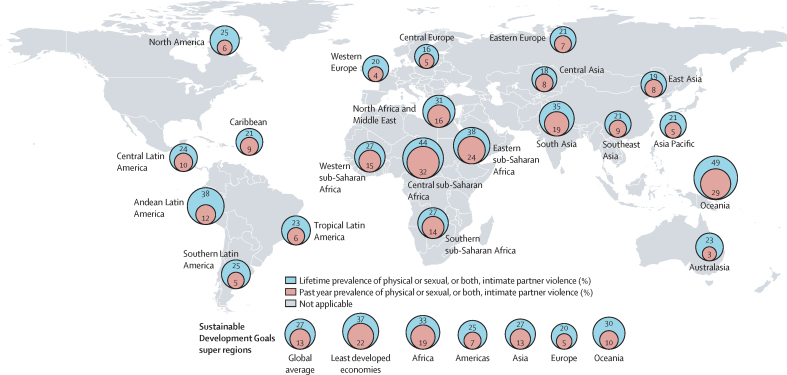
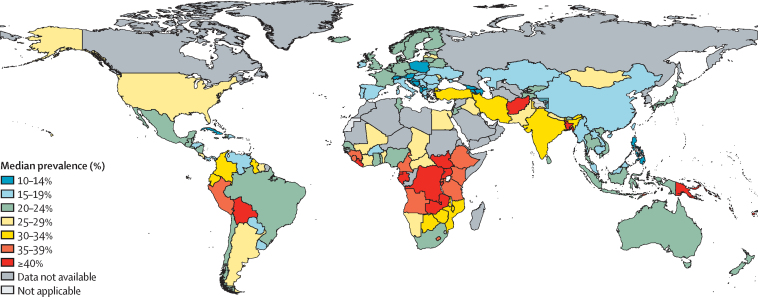
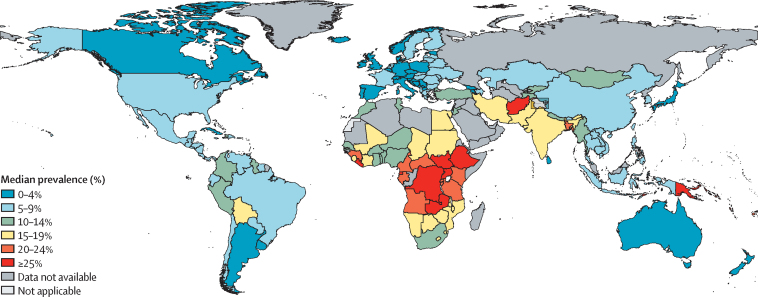
BACKGROUND: Intimate partner violence against women is a global public health problem with many short-term and long-term effects on the physical and mental health of women and their children. The Sustainable Development Goals (SDGs) call for its elimination in target 5.2. To monitor governments' progress towards SDG target 5.2, this study aimed to provide global, regional, and country baseline estimates of physical or sexual, or both, violence against women by male intimate partners. METHODS: This study developed global, regional, and country estimates, based on data from the WHO Global Database on Prevalence of Violence Against Women. These data were identified through a systematic literature review searching MEDLINE, Global Health, Embase, Social Policy, and Web of Science, and comprehensive searches of national statistics and other websites. A country consultation process identified additional studies. Included studies were conducted between 2000 and 2018, representative at the national or sub-national level, included women aged 15 years or older, and used act-based measures of physical or sexual, or both, intimate partner violence. Non-population-based data, including administrative data, studies not generalisable to the whole population, studies with outcomes that only provided the combined prevalence of physical or sexual, or both, intimate partner violence with other forms of violence, and studies with insufficient data to allow extrapolation or imputation were excluded. We developed a Bayesian multilevel model to jointly estimate lifetime and past year intimate partner violence by age, year, and country. This framework adjusted for heterogeneous age groups and differences in outcome definition, and weighted surveys depending on whether they were nationally or sub-nationally representative. This study is registered with PROSPERO (number CRD42017054100). FINDINGS: The database comprises 366 eligible studies, capturing the responses of 2 million women. Data were obtained from 161 countries and areas, covering 90% of the global population of women and girls (15 years or older). Globally, 27% (uncertainty interval [UI] 23-31%) of ever-partnered women aged 15-49 years are estimated to have experienced physical or sexual, or both, intimate partner violence in their lifetime, with 13% (10-16%) experiencing it in the past year before they were surveyed. This violence starts early, affecting adolescent girls and young women, with 24% (UI 21-28%) of women aged 15-19 years and 26% (23-30%) of women aged 19-24 years having already experienced this violence at least once since the age of 15 years. Regional variations exist, with low-income countries reporting higher lifetime and, even more pronouncedly, higher past year prevalence compared with high-income countries. INTERPRETATION: These findings show that intimate partner violence against women was already highly prevalent across the globe before the COVID-19 pandemic. Governments are not on track to meet the SDG targets on the elimination of violence against women and girls, despite robust evidence that intimate partner violence can be prevented. There is an urgent need to invest in effective multisectoral interventions, strengthen the public health response to intimate partner violence, and ensure it is addressed in post-COVID-19 reconstruction efforts. FUNDING: UK Department for International Development through the UN Women-WHO Joint Programme on Strengthening Violence against Women Data, and UNDP-UN Population Fund-UNICEF-WHO-World Bank Special Programme of Research, Development, and Research Training in Human Reproduction, a cosponsored programme executed by WHO.
Overview
The claims and statistics of this paper haven’t been checked yet.
Free: it reads the open-access text and checks the first 5 claims that cite a source we can check. Create a free account to check every claim.
Integrity signals
Registry
Cites
Statistics
Figures
Verification
Claims the paper makes
The claims and statistics of this paper haven’t been checked yet.
Free: it reads the open-access text and checks the first 5 claims that cite a source we can check. Create a free account to check every claim.
Claims other papers make about this one
Each is checked against this paper’s own text: does it say what the citing paper says it does?
The source backs part of the claim, not all of it — or backs it for a different population, condition or comparison.
In the citing paper
“These findings directly contrast another WHO study that estimated a lifetime prevalence between 21 and 25 per cent in high-income countries (Sardinha et al., 2022).”
From The Intergenerational Transmission of Emotional Intimate Partner Violence: a Systematic Review and Meta-Analysis (2025) · cites this paper as Sardinha et al., 2022
Experimental — accuracy not yet measuredThe source backs part of the claim, not all of it — or backs it for a different population, condition or comparison.
In the citing paper
“Lower global estimates were also highlighted by a recent study (L. Sardinha et al., 2022) where 26% of ever-partnered women aged 15 years and older were estimated to have experienced physical or sexual IPV, or both, at least once in their lifetime.”
From Global Prevalence and Mental Health Outcomes of Intimate Partner Violence Among Women: A Systematic Review and Meta-Analysis (2024) · cites this paper as L. Sardinha et al., 2022
Experimental — accuracy not yet measuredThe cited source says what the claim attributes to it.
In the citing paper
“Sardinha and colleagues’ study also reported much lower global rates of past year experience of physical or sexual violence, or both, by a partner among ever partnered women aged 15–49 years.”
From Global Prevalence and Mental Health Outcomes of Intimate Partner Violence Among Women: A Systematic Review and Meta-Analysis (2024) · cites this paper as L. Sardinha et al., 2022
The cited source says what the claim attributes to it.
In the citing paper
“Neither of these studies examined psychological IPV.”
From Global Prevalence and Mental Health Outcomes of Intimate Partner Violence Among Women: A Systematic Review and Meta-Analysis (2024) · cites this paper as L. Sardinha et al., 2022
Self-check
Percentages, sums and reported differences re-computed from the paper’s own numbers.
The self-check needs the paper’s full text.
Citations
Cites
The world report on violence and health
Krug, E. G., Mercy, J. A., Dahlberg, L. L., & Zwi, A. B. (2002) · The Lancet · doi:10.1016/s0140-6736(02)11133-0 · Cited by 9,110
Vos, T., Barber, R. M., Bell, B., Bertozzi-Villa, A., Biryukov, S., Bolliger, I., Charlson, F., Davis, A., Degenhardt, L., Dicker, D., et al. (2015) · The Lancet · doi:10.1016/s0140-6736(15)60692-4 · Cited by 6,414
Guidelines for accurate and transparent health estimates reporting: the GATHER statement
Stevens, G. A., Alkema, L., Black, R. E., Boerma, J. T., Collins, G. S., Ezzati, M., Grove, J. T., Hogan, D. R., Hogan, M. C., Horton, R., et al. (2016) · The Lancet · doi:10.1016/s0140-6736(16)30388-9 · Cited by 1,798
The Global Prevalence of Intimate Partner Violence Against Women
Devries, K. M., Mak, J. Y. T., García-Moreno, C., Petzold, M., Child, J. C., Falder, G., Lim, S., Bacchus, L. J., Engell, R. E., Rosenfeld, L., et al. (2013) · Science · doi:10.1126/science.1240937 · Cited by 1,460
The global prevalence of intimate partner homicide: a systematic review
Stöckl, H., Devries, K., Rotstein, A., Abrahams, N., Campbell, J., Watts, C., & Moreno, C. G. (2013) · The Lancet · doi:10.1016/s0140-6736(13)61030-2 · Cited by 955
Self-citationViolence against women during covid-19 pandemic restrictions
Roesch, E., Amin, A., Gupta, J., & García-Moreno, C. (2020) · BMJ · doi:10.1136/bmj.m1712 · Cited by 511
Self-citationAddressing violence against women: a call to action
García-Moreno, C., Zimmerman, C., Morris-Gehring, A., Heise, L., Amin, A., Abrahams, N., Montoya, O., Bhate-Deosthali, P., Kilonzo, N., & Watts, C. (2015) · The Lancet · doi:10.1016/s0140-6736(14)61830-4 · Cited by 483
Self-citationBacchus, L. J., Ranganathan, M., Watts, C., & Devries, K. (2018) · BMJ Open · doi:10.1136/bmjopen-2017-019995 · Cited by 464
Hamadani, J. D., Hasan, M. I., Baldi, A. J., Hossain, S. J., Shiraji, S., Bhuiyan, M. S. A., Mehrin, S. F., Fisher, J., Tofail, F., Tipu, S. M. M. U., et al. (2020) · The Lancet Global Health · doi:10.1016/s2214-109x(20)30366-1 · Cited by 463
Guidelines for accurate and transparent health estimates reporting: the GATHER statement
Stevens, G. A., Alkema, L., Black, R. E., Boerma, J. T., Collins, G. S., Ezzati, M., Grove, J. T., Hogan, D. R., Hogan, M. C., Horton, R., et al. (2016) · PLOS Medicine · doi:10.1371/journal.pmed.1002056 · Cited by 424
Research works printed but not linked: 2
- Flaxman AD Vos T Murray CJL An integrative metaregression framework for descriptive epidemiology 2015 University of Washington Press Seattle
- Jewkes R Willan S Heise L Effective design and implementation elements in interventions to prevent violence against women and girls https://www.whatworks.co.za/documents/publications/373-intervention-report19-02-20/file January, 2020 PMC8621962 34831885
Cited by
Items 201–300 of 999
Zerbinati, L., Caccia, F., Baciga, F., Murri, M. B., Esposito, P. B., Caruso, R., Nistor, I., Meijers, B. K. I., Basile, C., Combe, C., et al. (2025) · Renal Failure · doi:10.1080/0886022x.2025.2521453 · Cited by 10
“…the lack of unemployment, the absence of robust social welfare systems, the high rates of crime and violence, and the lack of access to healthcare, mainly mental health services [79–84]. another underrecognized contributor to risk suicide is the patient’s willingness to withdraw from dialysis.”
Abebe, G. F., Alie, M. S., Adugna, A., Shifera, N., Agegnehu, W., Yosef, T., & Girma, D. (2025) · BMC Public Health · doi:10.1186/s12889-025-23609-z · Cited by 12
“The burden of IPV disproportionately affects women in low-income and middle-income countries than high-income countries, for example, 32% in central Africa and 24% in eastern Sub-Saharan Africa, 19% in South Asia, and 4–6% in Europe and North America [5].”
Aboagye, R. G., Dzirasah, K. D., Essuman, M. A., Adnani, Q. E. S., & Ahinkorah, B. O. (2025) · BMC Women s Health · doi:10.1186/s12905-025-03902-0 · Cited by 10
“According to a 2018 study based on data from the World Health Organization Global Database on Prevalence of Violence Against Women, 27% of women aged 15 to 49, who have been in committed relationships have experienced physical, sexual, or both forms of IPV [4].”
Concepts and issues related to adolescent health in nursing education
Cassiani, S. H. D. B., Dias, B. M., Beltrán, M. P. B., Gualdrón, L. M. V., Pérez, T. R., Aguilar, G. M. V., Ponce, R. A. L., & Valdivia, A. R. C. (2022) · Revista Latino-Americana de Enfermagem · doi:10.1590/1518-8345.6166.3651 · Cited by 13
Pathways of romantic jealousy to intimate partner violence in Mwanza, northern Tanzania
Aloyce, D., Mshana, G. H., Peter, E., Malibwa, D., Buller, A. M., Mchome, Z., Kapiga, S., & Stöckl, H. (2023) · Family Relations · doi:10.1111/fare.12880 · Cited by 14
Self-citationStark, L., Meinhart, M., Seff, I., Gillespie, A., Harker, A., & Villaveces, A. (2023) · Child Abuse & Neglect · doi:10.1016/j.chiabu.2023.106341 · Cited by 10
Understanding Concentrations of Sexual Violence and Abuse: A New Theory
Rayment‐McHugh, S. (2023) · Violence Against Women · doi:10.1177/10778012231189481 · Cited by 11
“For example, recent research based on the WHO Global Database on Prevalence of Violence Against Women (Sardinha et al., 2022) found higher lifetime and past-year rates of intimate partner violence (including sexual violence) in low-or middle-income countries and regions.”
MethodSexual Violence in the Islamic Law Perspective: Aceh Islamic Law and Local Wisdom Approach
Danial, D., Yoesoef, Y. M., & Nur Sari Dewi., M. (2023) · ULUMUNA · doi:10.20414/ujis.v27i1.677 · Cited by 9
Lowe, H., Mannell, J., Faumuina, T., Sinclair, L., Tamanikaiyaroi, L., & Brown, L. J. (2023) · The Lancet Regional Health - Western Pacific · doi:10.1016/j.lanwpc.2023.100957 · Cited by 11
Deuba, K., Shrestha, R., Koju, R., Jha, V. K., Lamichhane, A., Mehra, D., & Ekström, A. M. (2024) · Health Policy and Planning · doi:10.1093/heapol/czae003 · Cited by 16
“…provision of training to health care providers for identifying and managing women experiencing violence with appropriate treatment and care along with psychosocial counselling to manage mental health consequences. impacts the lives of women and children across the globe (Sardinha et al ., 2022).”
BackgroundViolence against women and girls
Lawn, R. B., & Jakubowski, K. (2024) · BMJ · doi:10.1136/bmj.q1791 · Cited by 9
Martopullo, I., Neves, P. A., Baird, S., Liang, M., Keats, E. C., Cherkas, A., Iyer, A., Seshadri, S. R., Woolway, E., Victora, C. G., et al. (2024) · The Lancet Global Health · doi:10.1016/s2214-109x(24)00364-4 · Cited by 10
Carney, J. R., Martinez‐Torteya, C., Miller‐Graff, L. E., Gilliam, H. C., & Howell, K. H. (2022) · Journal of Family Violence · doi:10.1007/s10896-022-00450-1 · Cited by 10
“This is higher than the global lifetime prevalence of IPV for women, which a recent meta-analytic study estimated at 27% (Sardinha et al., 2022).”
BackgroundCorrelates of Intimate Partner Violence Among Young Women Engaged in Sex Work in Southern Uganda
Nabayinda, J., Namirembe, R., Kizito, S., Nsubuga, E., Nabunya, P., Bahar, O. S., Magorokosho, N. K., Kiyingi, J., Nattabi, J., Tozan, Y., et al. (2023) · Journal of Interpersonal Violence · doi:10.1177/08862605231175908 · Cited by 8
“There are regional variations in the prevalence of IPV, with low-income countries reporting higher violence rates than highincome countries (Sardinha et al., 2022).”
Baeza, M. J., Santis, J. P. D., Cianelli, R., Metheny, N., & Villegas, N. (2024) · Qualitative Health Research · doi:10.1177/10497323231225144 · Cited by 10
Roland, N., Delmas, N., El-Khoury, F., Bardou, A., Yacini, L., Feldmann, L., Hatem, G., Mahdjoub, S., & Bardou, M. (2024) · BMJ Open · doi:10.1136/bmjopen-2023-075552 · Cited by 10
Water, sanitation, and intimate partner violence: Insights from Kibra Slums, Nairobi
Ombija, S. O., Wao, H., & Esho, T. C. (2024) · Journal of Global Health · doi:10.7189/jogh.14.04141 · Cited by 8
“Intimate partner violence (IPV) is a pervasive public health problem that involves violation of human rights [1,2].”
BackgroundTesema, G. A., Gbagbo, F. Y., Okeke, S. R., Ameyaw, E. K., & Yaya, S. (2024) · PLoS ONE · doi:10.1371/journal.pone.0308108 · Cited by 10
Emirza, E. G., & Bilgili, N. (2024) · International Journal of Mental Health Nursing · doi:10.1111/inm.13401 · Cited by 8
Molina, J. E., & Aznar, M. P. M. (2024) · Behavioral Sciences · doi:10.3390/bs14100940 · Cited by 16
“However, there are important regional differences, with higher rates in low-income countries compared with high-income countries [2,3].”
BackgroundA Systematic Review of Theories of Stress as a Predictor of Intimate Partner Violence
Meyer, S. R., Hardt, S., Brambilla, R., & Stöckl, H. (2024) · Trauma Violence & Abuse · doi:10.1177/15248380241297325 · Cited by 13
“Intimate partner violence (IPV) is a highly prevalent human rights violation and global public health concern (Sardinha et al., 2022).”
Self-citationRidgway, A., Hamilton, G., Powell, A., & Heydon, G. (2024) · The British Journal of Criminology · doi:10.1093/bjc/azae092 · Cited by 11
Lila, M., Expósito-Álvarez, C., & Roldán-Pardo, M. (2025) · Frontiers in Psychiatry · doi:10.3389/fpsyt.2025.1538050 · Cited by 14
Flood exposure and intimate partner violence in low- and middle-income countries
Guo, Y., Zhu, Y., Fatmi, Z., Zhou, L., He, C., Bachwenkizi, J., Kan, H., & Chen, R. (2025) · Nature Water · doi:10.1038/s44221-025-00389-9 · Cited by 9
“This vulnerability may partly stem from societal disadvantages faced by women 2 .”
InfluentialInvestigating visual stress within family and domestic violence refuges in Australia
Mitcheltree, H., Valentine, C., Hosking, I., Wilkins, A. J., Sunikka, M. M., & Steemers, K. (2025) · Frontiers of Architectural Research · doi:10.1016/j.foar.2025.05.004 · Cited by 8
CASALE, A. D., Modesti, M. N., Lai, C., Ciacchella, C., Veneziani, G., Barchielli, B., Ferracuti, S., Napoli, C., & Pompili, M. (2022) · Social Psychiatry and Psychiatric Epidemiology · doi:10.1007/s00127-022-02330-x · Cited by 12
Kidman, R. C., Breton, E., Behrman, J. R., Zulu, A., & Kohler, H. (2023) · Journal of Interpersonal Violence · doi:10.1177/08862605221145720 · Cited by 9
“One-in-six adolescent girls report experiencing IPV in the past year, the highest prevalence across all age groups (Sardinha et al., 2022).”
BackgroundWood, S. N., Thomas, H. L., Thiongo, M. N., Guiella, G., Bazié, F., Onadja, Y., Mosso, R., Fassassi, R., Gichangi, P., & Decker, M. R. (2023) · BMJ Open · doi:10.1136/bmjopen-2022-065697 · Cited by 12
Nguyen, K. A., MYERS, B. J., Abrahams, N., Jewkes, R. K., Mhlongo, S., Seedat, S., Lombard, C. J., García‐Moreno, C., Chirwa, E. D., Kengne, A. P., et al. (2023) · Substance Abuse Treatment Prevention and Policy · doi:10.1186/s13011-023-00549-8 · Cited by 12
“Globally this is the least reported form of GBV and this could likely be linked to under reporting [45].”
BackgroundSelf-citationJiwatram-Negrón, T., Brooks, M. A., Ward, M. R., & Meinhart, M. (2023) · Aggression and Violent Behavior · doi:10.1016/j.avb.2023.101871 · Cited by 11
Bendezú-Quispe, G., Fernandez‐Guzman, D., Caira‐Chuquineyra, B., Urrunaga‐Pastor, D., Cortez-Soto, A. G., Chávez-Malpartida, S. S., & Rosales‐Rimache, J. (2023) · European Journal of Obstetrics & Gynecology and Reproductive Biology X · doi:10.1016/j.eurox.2023.100275 · Cited by 24
“Globally, 27% of women between the ages of 15 and 49 have experienced an episode of IPV at some time in their lives [2].”
BackgroundResultInfluentialAboagye, R. G., Donkoh, I. E., Okyere, J., Seidu, A., Ahinkorah, B. O., & Yaya, S. (2024) · BMC Public Health · doi:10.1186/s12889-023-17444-3 · Cited by 11
“An estimated one in four women experience IPV, which threatens global public health [2].”
BackgroundGu, G. Y., & Zhong, H. (2024) · Justice Quarterly · doi:10.1080/07418825.2024.2368135 · Cited by 11
“According to estimations from a systematic analysis of data obtained from 161 countries and areas, 27% of ever-partnered women reported IPV experiences in their lifetime (sardinha et al., 2022).”
Stark, L., Seff, I., Mutumba, M., & Fulu, E. (2023) · International Journal of Environmental Research and Public Health · doi:10.3390/ijerph20021505 · Cited by 11
“Our Special Issue engages specifically with IPV, given this is the most common form of gender-based violence and one that disproportionately affects women and girls in youth and adulthood [12,13].”
BackgroundRzepczyk, S., Dolińska-Kaczmarek, K., Burchardt, B., Skowrońska, D., Hałasiński, P., Bielecka, A., Koniarek, K., & Żaba, C. (2023) · International Journal of Environmental Research and Public Health · doi:10.3390/ijerph20042922 · Cited by 8
“(2015) proved that both men and women are equally likely to become victims and perpetrators of domestic violence [27,28].”
BackgroundBrambilla, R., Mshana, G. H., Mosha, N. R., Malibwa, D., Ayieko, P., Sichalwe, S., Kapiga, S., & Stöckl, H. (2023) · International Journal of Public Health · doi:10.3389/ijph.2023.1605402 · Cited by 9
“ever-partnered women have experienced physical or sexual violence, or both, in their lifetimes [1].”
BackgroundInfluentialSelf-citationViolencia hacia la mujer y su impacto en la salud
Ponte-González, A. D., Morales, A. L. G., & López-Ortiz, G. (2023) · Revista Mexicana de Medicina Familiar · doi:10.24875/rmf.22000099 · Cited by 19
Cénat, J. M., Jacob, G., Guillaume, D., Amédée, L. M., Darius, W. P., Farahi, S. M. M. M., Clorméus, L. A., Guerrier, M., & Hébert, M. (2024) · Psychiatry Research · doi:10.1016/j.psychres.2024.115981 · Cited by 9
“Recent data reveals that 27% of women aged 15-49, globally, who have ever been in a committed relationship have experienced IPV in their lifetime (Sardinha et al., 2022).”
BackgroundIntimate partner violence in India: Need for renewed corollary during COVID-19 pandemic
Gopi, K., Pal, D. K., Taywade, M., & Sahoo, B. K. (2023) · Journal of Family Medicine and Primary Care · doi:10.4103/jfmpc.jfmpc_1492_22 · Cited by 8
Osborne, K.-L., Munasinghe, S., & Page, A. (2025) · Journal of Family Violence · doi:10.1007/s10896-025-00871-8 · Cited by 7
Burdens Attributable to Intimate Partner Violence in Women Aged 15 Years or Older — China, 1990–2019
Fu, L.-W., Tian, T., Lu, Z., Wang, B.-Y., Li, X.-Y., Zhang, W.-J., Gao, Y.-X., Sun, Y.-H., & Zou, H. (2023) · China CDC Weekly · doi:10.46234/ccdcw2023.066 · Cited by 7
Mrejen, M., Rosa, L., Rosa, D., & Hone, T. (2023) · International Journal for Equity in Health · doi:10.1186/s12939-023-01916-4 · Cited by 9
Smartphones and attitudes to intimate partner violence: Evidence from Africa
Gillanders, R., & McNamara, G. (2024) · Kyklos · doi:10.1111/kykl.12371 · Cited by 7
Aloyce, D., Stöckl, H., Mosha, N. R., Malibwa, D., Sichalwe, S., Hashim, R., Ayieko, P., Kapiga, S., & Mshana, G. H. (2024) · Journal of Family Violence · doi:10.1007/s10896-024-00706-y · Cited by 9
“Globally, one in four women experience physical and/or sexual IPV perpetrated by men in their lifetime (Sardinha et al., 2022).”
Self-citationVIOLÊNCIA DOMÉSTICA CONTRA AS MULHERES: VIVÊNCIAS DOS PROFISSIONAIS DA ATENÇÃO PRIMÁRIA A SAÚDE
Rodrigues, P. S., Araujo, L. F., Vernasque, J. R. D. S., de Souza, A. P., Alarcon, M. F. S., Higa, E. D. F. R., & Marín, M. J. S. (2024) · Texto & Contexto - Enfermagem · doi:10.1590/1980-265x-tce-2023-0403pt · Cited by 10
Tarzia, L., Brown, C., McLindon, E. V.-M., & Hegarty, K. L. (2024) · Journal of Interpersonal Violence · doi:10.1177/08862605241287803 · Cited by 13
“…tend to report high rates of sexual violence (Bonar et al., 2022), as do many developing countries (Bagwell-Gray et al., 2015; Logan et al., 2015; Sardinha et al., 2022)); however, it is highly likely that a large proportion of the variation is due to inconsistencies in language and conceptual…”
Park, D. S., Aggarwal, S., Jeong, D., Kumar, N., Robinson, J., & Spearot, A. C. (2024) · The World Bank Economic Review · doi:10.1093/wber/lhae040 · Cited by 15
Fu, Y., Sun, X., Kayimu, K., Chen, G., Wang, Y., & Yang, F. (2024) · Reproductive Health · doi:10.1186/s12978-024-01906-x · Cited by 7
“…(IPV) refers to violence by a current or former intimate partners, encompassing physical, sexual, psychological or emotional, and economic abuse as well as controlling behaviors, which is a form of gender-based violence because of the disproportionate effect on women in most situations [10, 11].”
Sgro, M., Kodila, Z. N., Salberg, S., Li, C. N., Smith, M. J., Freeman, J., Vlassopoulos, E., Harris, S., Shultz, S. R., Yamakawa, G. R., et al. (2024) · Journal of Pain · doi:10.1016/j.jpain.2024.104762 · Cited by 7
Bigler, C., Pita, Y., & Sony, K. C. (2025) · Women s Studies International Forum · doi:10.1016/j.wsif.2024.103051 · Cited by 12
Lu, L., Ye, L., Zhang, T., Li, R., Chen, C., Cao, Z., Ma, B.-C., Dang, Z.-C., Yu, B., Andreassen, O. A., et al. (2025) · International Journal of Public Health · doi:10.3389/ijph.2025.1607953 · Cited by 10
Social determinants of hazardous alcohol use in a Ugandan population cohort
Ziegel, L., Sjöland, C. F., Nabunya, E., Bulamba, R., Kyasanku, E., Mugamba, S., Kigozi, G., Daama, A., Kigozi, G. N., Miller, A. P., et al. (2025) · Global Health Action · doi:10.1080/16549716.2025.2484870 · Cited by 8
“Male partner alcohol use has previously been found to strongly increase the risk of IPV against women [50,51], and the estimated prevalence of IPV against women in East Africa is one of the highest globally [52].”
Enrique Gracia, A., Escobar-Hernández, P., López‐Quílez, A., Marco, M., Lila, M., & López‐Ossorio, J. J. (2025) · The European Journal of Psychology Applied to Legal Context · doi:10.5093/ejpalc2025a6 · Cited by 7
Phillips, A., Williams, R. M., Okuoimose, V., Hiller, R. M., McCrory, E. J. P., Viding, E. M., & Pezzoli, P. (2025) · European Journal of Psychotraumatology · doi:10.1080/20008066.2025.2524922 · Cited by 7
“While about 20–30% of adults experience IPV victimization throughout their lives (Desmarais et al., 2012; Sardinha et al., 2022), this prevalence can rise to 77% among those with a history of childhood maltreatment (Office for National Statistics, 2017).”
Risk factors for perinatal intimate partner violence: a global systematic review and meta-analyses
Le, C., Zain, N. M., Qin, Q., Bakar, R. S., Li, P., & Li, A. (2025) · BMC Women s Health · doi:10.1186/s12905-025-04078-3 · Cited by 12
“The level of economic development significantly affects both the incidence and characteristics of IPV, and the factors associated with IPV vary across different economic contexts [16, 17].”
Fang, X., Ren, J., Kang, J., Ligiero, D., Fry, D. A., Annor, F., Burrows, S., Butchart, A., Diaz, K. J., Fang, Z., et al. (2026) · Nature Human Behaviour · doi:10.1038/s41562-026-02436-1 · Cited by 13
“In some contexts, national or subnational surveys using non-standardized instruments provide critical insights but often vary in their definitions, methods and measures of SVAC 13–15 .”
InfluentialAbrahams, N., Chirwa, E. D., Mhlongo, S., Seedat, S., MYERS, B. J., Peer, N., Kengne, A. P., Garcia‐Moreno, C., Lombard, C. J., & Jewkes, R. K. (2023) · Archives of Women s Mental Health · doi:10.1007/s00737-023-01312-5 · Cited by 10
“Violence against women (VAW) is a pervasive public health and human rights problem affecting one in three women globally, and intimate partner violence (IPV) is the most common form of violence women experience, impacting both morbidity and mortality (Sardinha et al. 2022).”
BackgroundFood Insecurity and Intimate Partner Violence in Mwanza, Tanzania: A Longitudinal Analysis
Meyer, S. R., Mosha, N. R., Hatcher, A. M., Hashim, R., Ayieko, P., Kapiga, S., Mshana, G. H., & Stöckl, H. (2023) · American Journal of Preventive Medicine · doi:10.1016/j.amepre.2023.06.010 · Cited by 11
Self-citationImplementing medical abortion through telemedicine in Colombia: a qualitative study
Piay, N., Stenbacka, E., Calderón‐Jaramillo, M., Guerrero, G., Rodríguez, A. A. S., Montenegro, P., Moreno, D. C., & Cleeve, A. (2023) · Sexual and Reproductive Health Matters · doi:10.1080/26410397.2023.2236780 · Cited by 11
Sarno, E. L., Swann, G., Newcomb, M. E., & Whitton, S. W. (2024) · Family Process · doi:10.1111/famp.12941 · Cited by 7
Why do they decide to stay? Experience of Indian women surviving intimate partner violence
Azeez, E. P. A., Negi, D. P., Kukreja, T., Tanwar, K. C., Kumar, M. S., Kalyani, V., & Harmain, D. (2023) · Journal of Aggression Conflict and Peace Research · doi:10.1108/jacpr-09-2023-0827 · Cited by 12
Gayawan, E., Uzobo, E., Ononokpono, D. N., Aladeniyi, O. B., & Dake, F. A. A. (2023) · PLOS Global Public Health · doi:10.1371/journal.pgph.0002354 · Cited by 8
Behind closed doors: Exploring the impact of COVID-19 related lockdown on domestic violence in Peru
Hernández‐Vásquez, A., Vargas‐Fernández, R., Tapia, E., & Rojas‐Roque, C. (2023) · SSM - Population Health · doi:10.1016/j.ssmph.2023.101552 · Cited by 9
“…it is estimated that more than one million women experienced violence by a current or former intimate partner at some point in their lives in 2018 (Sardinha et al., 2022), one billion children aged 2 – 17 years experienced some form of domestic violence in 2016 (World Health Organization, 2020),…”
BackgroundClosson, K., Zulu, B., Jesson, J., Dietrich, J. J., Pakhomova, T. E., Basham, C. A., Beksinska, M. E., & Kaida, A. (2023) · BMC Public Health · doi:10.1186/s12889-023-17199-x · Cited by 9
“Over one in four women will experience some form of intimate partner violence (IPV) in their lifetime [1].”
BackgroundQi, J. R., Sun, M., Yue, X., Hong, X., Dong, M., & Tan, J. (2024) · Reproductive Biology and Endocrinology · doi:10.1186/s12958-023-01174-7 · Cited by 7
“COVID-19 has seriously impacted the mental and sexual health of the general population [10–12].”
BackgroundCaira‐Chuquineyra, B., Fernandez‐Guzman, D., Cortez-Soto, A. G., Urrunaga‐Pastor, D., Bendezú-Quispe, G., & Toro-Huamanchumo, C. J. (2024) · BMC Women s Health · doi:10.1186/s12905-024-02958-8 · Cited by 8
“In 2018, South America reported an IPV prevalence of 25%, while estimates for Latin America and the Caribbean varied between 21% and 38% [11].”
BackgroundAge-specific Patterns of Intimate Partner Violence Related Injuries in US Emergency Departments
Khurana, B., Olson, R. M., Temple, J. R., & Loder, R. T. (2024) · Journal of Adolescent Health · doi:10.1016/j.jadohealth.2024.01.034 · Cited by 7
Lewis, N. V., Kalichman, B. D., Azeredo, Y. N., Bacchus, L., & d’Oliveira, A. F. P. L. (2024) · BMC Medical Ethics · doi:10.1186/s12910-024-01034-y · Cited by 15
“Low-income countries reported higher prevalence compared with high-income countries [2].”
BackgroundKelly, N. K., Bhushan, N. L., Gottfredson, N. C., Gómez-Olivé, F. X., Aiello, A. E., Wagner, L. D., Mall, S., Kahn, K., Pettifor, A. E., & Stoner, M. C. D. (2024) · International Journal of Social Psychiatry · doi:10.1177/00207640241239535 · Cited by 8
“Intimate partner violence (IPV), or violence perpetuated by a male intimate partner, contributes substantially to the global burden of disease and disproportionately affects the health and well-being of adolescent girls and young women (AGYW; Sardinha et al., 2022; World Health Organization, 2021).”
BackgroundStranges, T. N., Marshall, R. A., Godard, R., Simonetto, D., & van Donkelaar, P. (2024) · Journal of Interpersonal Violence · doi:10.1177/08862605241256390 · Cited by 9
“Oh how I love being a woman”: post-feminism and contemporary femininity on TikTok
Patouras, S., & Tanner, C. (2024) · Feminist Media Studies · doi:10.1080/14680777.2024.2442997 · Cited by 21
Mukerji, R., Mannell, J., Lowe, H., Calderón, M., Diaz, B. M. A., Espezua, R., Brown, L. J., & Gamlin, J. B. (2025) · Social Science & Medicine · doi:10.1016/j.socscimed.2025.117993 · Cited by 8
Sexual harassment experiences and their consequences for the private lives of Chinese women
Xu, J., & Zhang, C. (2022) · Chinese Journal of Sociology · doi:10.1177/2057150x221105717 · Cited by 10
“According to a recently published article in The Lancet, in East Asia about 19% of currently or formerly partnered women aged 15–49 have experienced physical or sexual, or both physical and sexual, intimate partner violence in their lifetime (Sardinha et al., 2022).”
BackgroundGarcía-Montes, R., Fares-Medina, S., Díaz-Caro, I., Corral‐Liria, I., & Gómez‐Heras, S. G. (2022) · PLoS ONE · doi:10.1371/journal.pone.0273973 · Cited by 11
Vara-Horna, A., Asencios-Gonzalez, Z. B., Quipuzco-Chicata, L., & Díaz-Rosillo, A. (2022) · Social Sciences · doi:10.3390/socsci12010012 · Cited by 12
Macassa, G., Wijk, K., Rashid, M., Hiswåls, A.-S., Daca, C. S. L., & Soares, J. J. F. (2023) · Medicina · doi:10.3390/medicina59020235 · Cited by 12
Campos-Tinajero, E., Ortiz-Nuño, M. F., Flores-Gutierrez, D. P., Esquivel‐Valerio, J. A., García‐Arellano, G., la Garza, J. A. C., Aguilar-Rivera, E., Galarza-Delgado, D. Á., & Serna‐Peña, G. (2024) · Lupus · doi:10.1177/09612033241260227 · Cited by 8
“8 In women without rheumatic diseases, the quality of life is worse in victims of intimate partner violence.”
InfluentialUnmasking the dark triad: exploring its relationship with attitudes toward intimate partner violence
Waite, C., & Mooney, R. (2024) · Journal of Criminal Psychology · doi:10.1108/jcp-02-2024-0016 · Cited by 10
Stern, T., & Erten, B. (2024) · Feminist Economics · doi:10.1080/13545701.2024.2408001 · Cited by 12
Logie, C. H., Okumu, M., Admassu, Z., Mackenzie, F., Kortenaar, J., Perez‐Brumer, A., Gittings, L., Khan, N., Hakiza, R., Musoke, D. K., et al. (2024) · SSM - Mental Health · doi:10.1016/j.ssmmh.2024.100306 · Cited by 7
Ayebeng, C., Dickson, K. S., Ameyaw, E. K., Adde, K. S., Paintsil, J. A., & Yaya, S. (2024) · PLoS ONE · doi:10.1371/journal.pone.0297308 · Cited by 10
School-based primary prevention interventions for adolescent relationship abuse: An umbrella review
Sheng, X., Miller, P., Gomersall, T., & Wager, N. (2024) · Aggression and Violent Behavior · doi:10.1016/j.avb.2024.101942 · Cited by 8
Xu, X., Liang, D., Anwar, S., Yanan, Z., & Huang, J. (2024) · BMC Pregnancy and Childbirth · doi:10.1186/s12884-024-06584-y · Cited by 8
New perspectives on fighting violence against women
Kumari, S. S., Sohail, R., & Benagiano, G. (2024) · International Journal of Gynecology & Obstetrics · doi:10.1002/ijgo.15832 · Cited by 10
“34,35 Globally 81 000 women and girls were killed in 2020, 58% (47 000) at the hands of an intimate partner or a family mem - ber, which equates to one woman or girl being killed every 11 min in their home.”
Machinga-Asaolu, R. O. (2024) · Trauma Violence & Abuse · doi:10.1177/15248380241291075 · Cited by 9
“The global IPV lifetime prevalence of ever-married/partnered women and girls aged 15 and older is 26% (Sardinha et al., 2022), and women face a significant burden of adverse outcomes (Wilson & Webb, 2018).”
InfluentialDulhunty, A. (2024) · World Development · doi:10.1016/j.worlddev.2024.106805 · Cited by 9
Lowe, H., Utumapu, M. F., Tevaga, P., Hosea, P. E. I., & Mannell, J. (2024) · Disability and health journal · doi:10.1016/j.dhjo.2024.101735 · Cited by 6
Xu, L., Xu, H., Wang, Z., Hu, J., Zheng, Y., Wang, F., Chang, R., Wáng, Y., & Cai, Y. (2025) · Annals of Medicine · doi:10.1080/07853890.2025.2464936 · Cited by 6
Gunarathne, L., Apputhurai, P., Nedeljkovic, M., & Bhowmik, J. (2025) · Violence Against Women · doi:10.1177/10778012251324890 · Cited by 7
“Moreover, married women are among the most vulnerable victims as evidenced by a mul-ticountry study that revealed that approximately 35% of ever-married women have been victimsofseverephysicaland/or sexualviolencebytheirhusbands or partners during their lifetimes (Sardinha et al., 2022).”
Zhao, S., Liu, S., Gao, J., Ma, N., Chen, S., Chandan, J. S., Kim, R., Karoli, P., Niyi, J. L., Jayalakshmi, R., et al. (2025) · EClinicalMedicine · doi:10.1016/j.eclinm.2025.103150 · Cited by 12
Dale, M. T. G., Aakvaag, H. F., Nissen, A., & Strøm, I. F. (2025) · BMC Public Health · doi:10.1186/s12889-025-22763-8 · Cited by 8
“…to include a variety of violence types, such as psychological violence, and include different age groups, genders, and sociodemographic factors, facilitating the implementation of targeted policies to prevent physical and sexual violence, particularly aimed at vulnerable populations [22, 25].”
InfluentialHerbert, A., Barter, C., Szilassy, E., Heron, J. E., Fraser, A., Barnes, M., Yakubovich, A. R., Feder, G. S., & Howe, L. D. (2025) · The Lancet Regional Health - Europe · doi:10.1016/j.lanepe.2025.101278 · Cited by 10
“1 Beyond accurately estimating the association be-tween parental IPVA and later IPVA risks in the children, there is also a need for a better understanding of whether such a relationship is causal, which has rarely been a focus of these studies.”
Mabasa, C. J., Mukoma, G., & Manganye, B. S. (2025) · International Journal of Environmental Research and Public Health · doi:10.3390/ijerph22060887 · Cited by 6
“…disparities when comparing SA with other countries; prevalence rates vary per country, with 29.8% in America, 36.6% in Africa, 37% in the Eastern Mediterranean, 37.7% in Southeast Asia, 44% in sub-Saharan Africa, and 53% in South Africa (SA), showcasing the geographical disparities [4,5].”
InfluentialPolomon, C. P., Baird, K. M., Roth, H., & Anderson, D. J. (2025) · Women and Birth · doi:10.1016/j.wombi.2025.101939 · Cited by 6
Adaramoye, T. O., Adedini, S. A., & Sunmola, K. A. (2025) · BMC Women s Health · doi:10.1186/s12905-025-03934-6 · Cited by 6
“Sub-Saharan Africa reportedly has one of the highest IPV prevalence worldwide, with 33% lifetime IPV [8].”
Smith, J. G., Oram, S., & Mantovani, N. (2025) · Journal of Family Violence · doi:10.1007/s10896-025-00953-7 · Cited by 12
Gender specific associations between potentially traumatic life events and mental health
Schneider, M., Traunmüller, C., Rominger, C., Čeplak, K., & Schwerdtfeger, A. R. (2025) · European Journal of Psychotraumatology · doi:10.1080/20008066.2025.2564040 · Cited by 6
“Research has shown that women are more likely to be victims of both sexual and physical violence (Sardinha et al., 2022) and more often report domestic violence than men, which frequently involves a combination of sexual and physical violence (Myhill, 2015).”
Tadesse, G., Nakie, G., Rtbey, G., Tinsae, T., Fentahun, S., Andualem, F., Kelebie, M. A., Wassie, Y. A., Tsegaw, T. K., & Kibralew, G. (2025) · Archives of Public Health · doi:10.1186/s13690-025-01736-8 · Cited by 6
“A recent global meta-analysis revealed that the prevalence of IPV among women of reproductive age varied across the world, ranging from 16% in Central Europe to up to 49% in Oceania [7].”
Khanal, J., Singh, A., & Jiang, Y. (2025) · Women s Studies International Forum · doi:10.1016/j.wsif.2025.103216 · Cited by 7
Gregory, S., Holt, S., Barter, C., Christofides, N. J., Maremela, O., Motjuwadi, N. M., Humphreys, C., Elliffe, R., & Stanley, N. (2022) · International Journal of Environmental Research and Public Health · doi:10.3390/ijerph192114148 · Cited by 8
“National public health ‘Stay at home to stay safe’ directives used across all four countries in our study were problematic in the context of known rates of DA [59] and with recognition that for victims of DA, home is a very dangerous place [7].”
Background
Metadata
- Authors
- Sardinha, L., Maheu-Giroux, M., Stöckl, H., Meyer, S. R., & García-Moreno, C.
- Affiliations
- World Health Organization (CH)
- London School of Hygiene & Tropical Medicine (GB)
- Venue
- The Lancet
- Publisher
- Elsevier BV
- Published
- 2022-02
- Volume
- 399
- Issue
- 10327
- Pages
- 803-813
- ISSN
- 0099-5355 (ISSN-L)
- 0140-6736
- PMC
- PMC8885817
- OpenAlex
- W4212796598
- Cited by
- 1,328
- References
- 20
- Citations by year
- 2026: 295 · 2025: 366 · 2024: 341 · 2023: 246 · 2022: 79
- FWCI
- 197.93
- Type
- journal article
- Language
- en
- Open access
- hybrid
- doi.org
- Licence
- cc-by-nc-nd
- www.elsevier.com/tdm/userlicense/1.0/ (tdm)
- www.elsevier.com/legal/tdmrep-license (tdm)
- creativecommons.org/licenses/by-nc-nd/3.0/igo/ (vor)
- Locations
- The Lancet (publishedVersion, cc-by-nc-nd)
- PubMed Central (publishedVersion, cc-by-nc-nd)
- PubMed (publishedVersion)
- Funders
- World Health Organization
- Topics
- Social Sciences › Health › Intimate Partner and Family Violence
- Health Sciences › Medicine › Geriatrics and Gerontology › Elder Abuse and Neglect
- Social Sciences › Sociology and Political Science › Gender, Violence, Rights in Latin America
- Keywords
- intimate partner violence, violence against women, physical violence, sexual violence, lifetime prevalence, global prevalence estimates, Bayesian hierarchical model, adolescent girls, young women, country-level estimates, gender-based violence
- MeSH terms
- Intimate Partner Violence, Sustainable Development, COVID-19, Adolescent, Adult, Female, Humans, Male, Public Health, Risk Factors, Sexual Partners, Global Health, World Health Organization, Prevalence, Databases, Factual, Young Adult
About these checks
Registry, retraction, Cites and statistics results are computed, not judged, with one exception: a printed reference that no index lists is read once by a model before it counts as a citation error. Claims are extracted by a model and kept only when their quote appears verbatim in the text; each cited source is then checked, with a model’s help, for whether it says what the claim relies on. Those verdicts can be wrong — read the claim’s quote and the cited source before relying on one.
Statistics and arithmetic are recomputed, not judged.
Confidence bands are shown only for fields calibrated on our annotated test set. None is calibrated yet, so no band is shown.
What counts as a claim ›How we measure confidence ›How we check this ›
Are you an author, or do you see a problem with this page? Request a review
Data sources
Bibliographic data: Semantic Scholar, OpenAlex, Crossref.
Contains information from the Semantic Scholar Academic Graph Datasets, made available under the ODC Attribution License (ODC-BY 1.0).
Semantic Scholar’s data is described in: Kinney, R., et al. (2023). The Semantic Scholar Open Data Platform. arXiv:2301.10140.
