

Global, regional, and national prevalence estimates of physical or sexual, or both, intimate partner violence against women in 2018
Open accessThe DOI matches its Crossref record; 20 of the 20 references it cites were found in a registry or an index.
Abstract
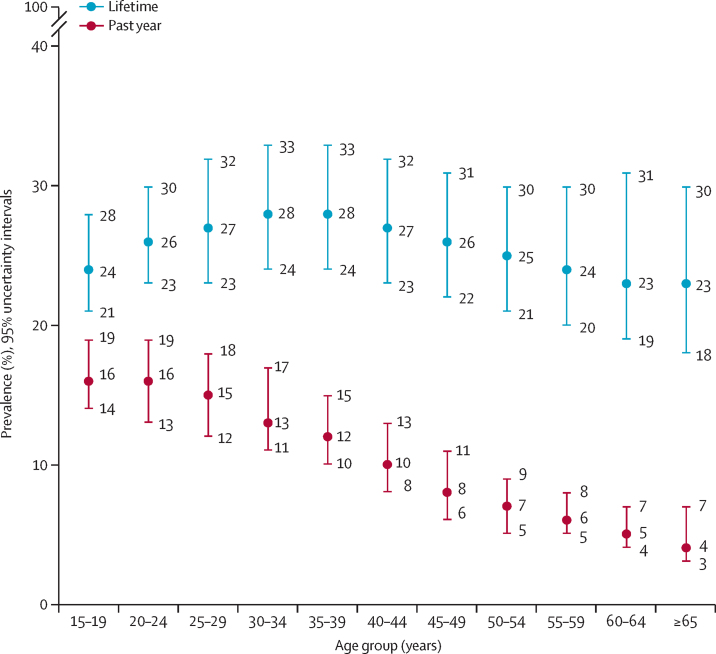
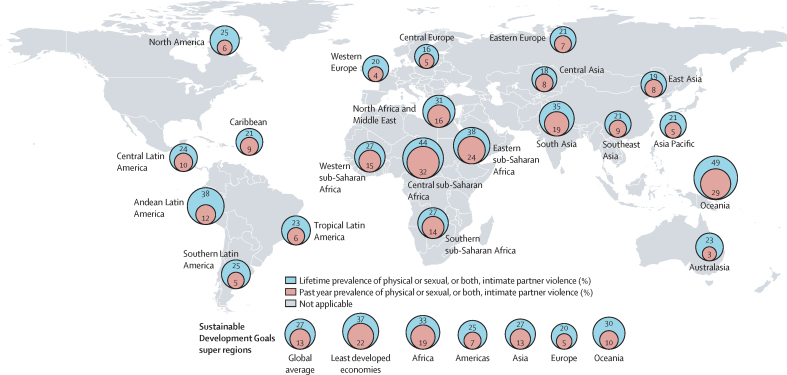
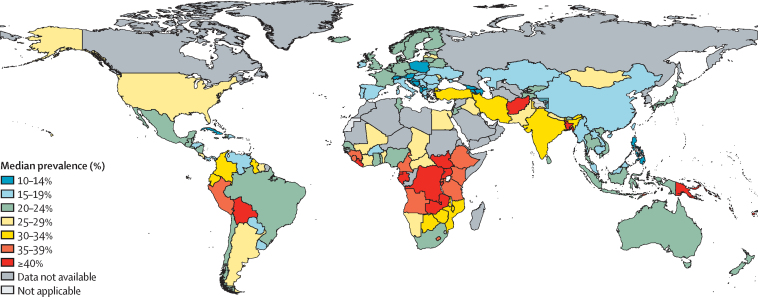
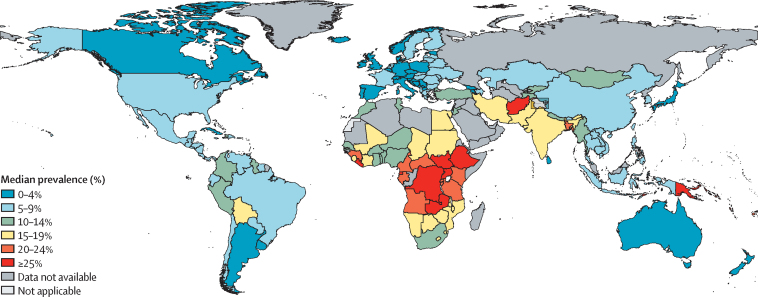
BACKGROUND: Intimate partner violence against women is a global public health problem with many short-term and long-term effects on the physical and mental health of women and their children. The Sustainable Development Goals (SDGs) call for its elimination in target 5.2. To monitor governments' progress towards SDG target 5.2, this study aimed to provide global, regional, and country baseline estimates of physical or sexual, or both, violence against women by male intimate partners. METHODS: This study developed global, regional, and country estimates, based on data from the WHO Global Database on Prevalence of Violence Against Women. These data were identified through a systematic literature review searching MEDLINE, Global Health, Embase, Social Policy, and Web of Science, and comprehensive searches of national statistics and other websites. A country consultation process identified additional studies. Included studies were conducted between 2000 and 2018, representative at the national or sub-national level, included women aged 15 years or older, and used act-based measures of physical or sexual, or both, intimate partner violence. Non-population-based data, including administrative data, studies not generalisable to the whole population, studies with outcomes that only provided the combined prevalence of physical or sexual, or both, intimate partner violence with other forms of violence, and studies with insufficient data to allow extrapolation or imputation were excluded. We developed a Bayesian multilevel model to jointly estimate lifetime and past year intimate partner violence by age, year, and country. This framework adjusted for heterogeneous age groups and differences in outcome definition, and weighted surveys depending on whether they were nationally or sub-nationally representative. This study is registered with PROSPERO (number CRD42017054100). FINDINGS: The database comprises 366 eligible studies, capturing the responses of 2 million women. Data were obtained from 161 countries and areas, covering 90% of the global population of women and girls (15 years or older). Globally, 27% (uncertainty interval [UI] 23-31%) of ever-partnered women aged 15-49 years are estimated to have experienced physical or sexual, or both, intimate partner violence in their lifetime, with 13% (10-16%) experiencing it in the past year before they were surveyed. This violence starts early, affecting adolescent girls and young women, with 24% (UI 21-28%) of women aged 15-19 years and 26% (23-30%) of women aged 19-24 years having already experienced this violence at least once since the age of 15 years. Regional variations exist, with low-income countries reporting higher lifetime and, even more pronouncedly, higher past year prevalence compared with high-income countries. INTERPRETATION: These findings show that intimate partner violence against women was already highly prevalent across the globe before the COVID-19 pandemic. Governments are not on track to meet the SDG targets on the elimination of violence against women and girls, despite robust evidence that intimate partner violence can be prevented. There is an urgent need to invest in effective multisectoral interventions, strengthen the public health response to intimate partner violence, and ensure it is addressed in post-COVID-19 reconstruction efforts. FUNDING: UK Department for International Development through the UN Women-WHO Joint Programme on Strengthening Violence against Women Data, and UNDP-UN Population Fund-UNICEF-WHO-World Bank Special Programme of Research, Development, and Research Training in Human Reproduction, a cosponsored programme executed by WHO.
Overview
The claims and statistics of this paper haven’t been checked yet.
Free: it reads the open-access text and checks the first 5 claims that cite a source we can check. Create a free account to check every claim.
Integrity signals
Registry
Cites
Statistics
Figures
Verification
Claims the paper makes
The claims and statistics of this paper haven’t been checked yet.
Free: it reads the open-access text and checks the first 5 claims that cite a source we can check. Create a free account to check every claim.
Claims other papers make about this one
Each is checked against this paper’s own text: does it say what the citing paper says it does?
The source backs part of the claim, not all of it — or backs it for a different population, condition or comparison.
In the citing paper
“These findings directly contrast another WHO study that estimated a lifetime prevalence between 21 and 25 per cent in high-income countries (Sardinha et al., 2022).”
From The Intergenerational Transmission of Emotional Intimate Partner Violence: a Systematic Review and Meta-Analysis (2025) · cites this paper as Sardinha et al., 2022
Experimental — accuracy not yet measuredThe source backs part of the claim, not all of it — or backs it for a different population, condition or comparison.
In the citing paper
“Lower global estimates were also highlighted by a recent study (L. Sardinha et al., 2022) where 26% of ever-partnered women aged 15 years and older were estimated to have experienced physical or sexual IPV, or both, at least once in their lifetime.”
From Global Prevalence and Mental Health Outcomes of Intimate Partner Violence Among Women: A Systematic Review and Meta-Analysis (2024) · cites this paper as L. Sardinha et al., 2022
Experimental — accuracy not yet measuredThe cited source says what the claim attributes to it.
In the citing paper
“Sardinha and colleagues’ study also reported much lower global rates of past year experience of physical or sexual violence, or both, by a partner among ever partnered women aged 15–49 years.”
From Global Prevalence and Mental Health Outcomes of Intimate Partner Violence Among Women: A Systematic Review and Meta-Analysis (2024) · cites this paper as L. Sardinha et al., 2022
The cited source says what the claim attributes to it.
In the citing paper
“Neither of these studies examined psychological IPV.”
From Global Prevalence and Mental Health Outcomes of Intimate Partner Violence Among Women: A Systematic Review and Meta-Analysis (2024) · cites this paper as L. Sardinha et al., 2022
Self-check
Percentages, sums and reported differences re-computed from the paper’s own numbers.
The self-check needs the paper’s full text.
Citations
Cites
The world report on violence and health
Krug, E. G., Mercy, J. A., Dahlberg, L. L., & Zwi, A. B. (2002) · The Lancet · doi:10.1016/s0140-6736(02)11133-0 · Cited by 9,110
Vos, T., Barber, R. M., Bell, B., Bertozzi-Villa, A., Biryukov, S., Bolliger, I., Charlson, F., Davis, A., Degenhardt, L., Dicker, D., et al. (2015) · The Lancet · doi:10.1016/s0140-6736(15)60692-4 · Cited by 6,414
Guidelines for accurate and transparent health estimates reporting: the GATHER statement
Stevens, G. A., Alkema, L., Black, R. E., Boerma, J. T., Collins, G. S., Ezzati, M., Grove, J. T., Hogan, D. R., Hogan, M. C., Horton, R., et al. (2016) · The Lancet · doi:10.1016/s0140-6736(16)30388-9 · Cited by 1,798
The Global Prevalence of Intimate Partner Violence Against Women
Devries, K. M., Mak, J. Y. T., García-Moreno, C., Petzold, M., Child, J. C., Falder, G., Lim, S., Bacchus, L. J., Engell, R. E., Rosenfeld, L., et al. (2013) · Science · doi:10.1126/science.1240937 · Cited by 1,460
The global prevalence of intimate partner homicide: a systematic review
Stöckl, H., Devries, K., Rotstein, A., Abrahams, N., Campbell, J., Watts, C., & Moreno, C. G. (2013) · The Lancet · doi:10.1016/s0140-6736(13)61030-2 · Cited by 955
Self-citationViolence against women during covid-19 pandemic restrictions
Roesch, E., Amin, A., Gupta, J., & García-Moreno, C. (2020) · BMJ · doi:10.1136/bmj.m1712 · Cited by 511
Self-citationAddressing violence against women: a call to action
García-Moreno, C., Zimmerman, C., Morris-Gehring, A., Heise, L., Amin, A., Abrahams, N., Montoya, O., Bhate-Deosthali, P., Kilonzo, N., & Watts, C. (2015) · The Lancet · doi:10.1016/s0140-6736(14)61830-4 · Cited by 483
Self-citationBacchus, L. J., Ranganathan, M., Watts, C., & Devries, K. (2018) · BMJ Open · doi:10.1136/bmjopen-2017-019995 · Cited by 464
Hamadani, J. D., Hasan, M. I., Baldi, A. J., Hossain, S. J., Shiraji, S., Bhuiyan, M. S. A., Mehrin, S. F., Fisher, J., Tofail, F., Tipu, S. M. M. U., et al. (2020) · The Lancet Global Health · doi:10.1016/s2214-109x(20)30366-1 · Cited by 463
Guidelines for accurate and transparent health estimates reporting: the GATHER statement
Stevens, G. A., Alkema, L., Black, R. E., Boerma, J. T., Collins, G. S., Ezzati, M., Grove, J. T., Hogan, D. R., Hogan, M. C., Horton, R., et al. (2016) · PLOS Medicine · doi:10.1371/journal.pmed.1002056 · Cited by 424
Research works printed but not linked: 2
- Flaxman AD Vos T Murray CJL An integrative metaregression framework for descriptive epidemiology 2015 University of Washington Press Seattle
- Jewkes R Willan S Heise L Effective design and implementation elements in interventions to prevent violence against women and girls https://www.whatworks.co.za/documents/publications/373-intervention-report19-02-20/file January, 2020 PMC8621962 34831885
Cited by
Items 301–400 of 999
Ezenwoko, A. Z., Abubakar, A. U., Inoh, E. E., Abubakar, B. G., Azees, A. S., Ekanem, A. M., & Udofia, E. A. (2023) · Journal of Community Medicine and Primary Health Care · doi:10.4314/jcmphc.v35i1.1 · Cited by 6
Benedetti, N., & Queralt, S. (2023) · Revista de llengua i dret · doi:10.58992/rld.i79.2023.3857 · Cited by 10
Dziewa, A., & Glowacz, F. (2023) · Current Psychology · doi:10.1007/s12144-023-05149-0 · Cited by 6
Scott, S. B., Pulice-Farrow, L., Do, Q. A., Brunett, K. M., & Balsam, K. F. (2023) · LGBT Health · doi:10.1089/lgbt.2023.0112 · Cited by 12
Lu, C., Georgousopoulou, E. N., Baloch, S., Walton‐Sonda, D., Hegarty, K. L., Sethna, F., & Brown, N. A. T. (2023) · Australian and New Zealand Journal of Obstetrics and Gynaecology · doi:10.1111/ajo.13747 · Cited by 11
“3,22 The WHO has furthermore identified the antenatal clinic setting as the most optimal location for enquiry or screening of IPV.”
BackgroundCombined use of cocaine and alcohol: A violent cocktail? A systematic review
van Amsterdam, J., & van den Brink, W. (2023) · Journal of Forensic and Legal Medicine · doi:10.1016/j.jflm.2023.102597 · Cited by 16
Baeza, M. J., Santis, J. P. D., Cianelli, R., Metheny, N., Villegas, N., & Iriarte, E. (2023) · Hispanic Health Care International · doi:10.1177/15404153231210858 · Cited by 6
“…that researchers and healthcare providers in Spanish-speaking countries in Central and South America, where IPV is a signi fi cant public health issue (Sardinha et al., 2022), should interpret the available literature cautiously and use it as a basis for conducting population-speci fi c studies.”
Gram, L., Paradkar, S., Singh, C., Suryavanshi, A., Cislaghi, B., Osrin, D., & Daruwalla, N. (2024) · World Development · doi:10.1016/j.worlddev.2024.106602 · Cited by 11
“Globally, 27 % of women have experienced physical or sexual intimate partner violence in their lifetime (Sardinha et al., 2022).”
Villalba, K., Latorre-Garcia, W., & Attonito, J. M. (2024) · Journal of Interpersonal Violence · doi:10.1177/08862605241253574 · Cited by 10
“This is consistent with previous literature showing that exposure to IPV increases the risk of mental health problems, establishing a link between IPV and depression (Devries et al., 2014; Guček & Selič, 2018; Lehrer et al., 2006; Lövestad et al., 2017; Sardinha et al., 2022).”
Collins, A., Maselko, J., Hagaman, A. K., Bates, L. M., Haight, S. C., Kachoria, A. G., Gupta, S., Bhalotra, S. R., Sikander, S., & Bibi, A. (2024) · Disability and health journal · doi:10.1016/j.dhjo.2024.101673 · Cited by 7
Wynter, K. H., Francis, L. M., Borgkvist, A., Dixson, B. J. W., D’Souza, L., Duursma, E., May, C. D., Sher, L., & StGeorge, J. M. (2024) · Trauma Violence & Abuse · doi:10.1177/15248380241277270 · Cited by 9
“A recent meta-analysis of the global prevalence of IPV ( N = 366 studies) estimated that 27% of women aged 15 to 49 who had ever had a partner, had experienced physical and/or sexual IPV during their lifetime, and 13% had experienced IPV during the past year (Sardinha et al., 2022).”
Davies, R. L., Rice, K., & Rock, A. J. (2025) · Journal of Family Violence · doi:10.1007/s10896-025-00824-1 · Cited by 8
Yakubovich, A. R., Boucher, L. M., Dodd, Z., Gerhardt, A., & Shastri, P. (2025) · BMC Public Health · doi:10.1186/s12889-025-22721-4 · Cited by 7
“The most common victims of this violence are women, while gender expansive people are also disproportionately affected [4–6].”
Doyle, K., Bhatnagar, I., Karamage, E., Tuyisingize, J. P., Muhimpundu, C., Nyiransabimana, A. M. Y., Cyiza, F. R., Rutayisire, F., Ngayaboshya, S., & Mavhu, W. M. (2025) · Frontiers in Reproductive Health · doi:10.3389/frph.2025.1602136 · Cited by 6
Manifold, B. M. (2022) · Medico-Legal Journal · doi:10.1177/00258172221111919 · Cited by 6
Allan‐Blitz, L., Olson, R. M., & Tran, Q. (2023) · JAMA Network Open · doi:10.1001/jamanetworkopen.2022.53552 · Cited by 12
The Questionnaire of Intention to Help in VAW Cases (QIHVC): Development and preliminary results
Pérez, V. A. F., Sánchez-Prada, A., Fiol, E. B., Álvarez, C. D., Vázquez-González, L. I., & Nardi-Rodríguez, A. (2023) · Frontiers in Psychology · doi:10.3389/fpsyg.2023.1153678 · Cited by 6
Oğuztüzün, Ç., Koyutürk, M., & Karakurt, G. (2023) · Psychosocial Intervention · doi:10.5093/pi2023a6 · Cited by 11
“According to World Health Organization (WHO), at least one out of every three women around the world has been beaten, coerced into sex, or otherwise abused in her lifetime (Gibbs et al., 2020; Sardinha et al., 2022; WHO, 2013, 2021).”
Intimate Partner Violence and Business: Exploring the Boundaries of Ethical Enquiry
Karam, C. M., Greenwood, M., Kauzlarich, L., Kelly, A. O., & Wilcox, T. P. (2023) · Journal of Business Ethics · doi:10.1007/s10551-023-05462-5 · Cited by 9
“This research, coupled with the rise of gender-based violence (GBV) in the wake of the COVID-19 pandemic (Wood et al., 2022), demonstrates the pervasiveness and intractability of IPV phenomena across countries, cultures, and government systems (Sardinha et al., 2022).”
Examining the Psychometric Properties of the Revised Scale of Economic Abuse among Iranian Women
Salimi, H., Hosseinkhani, A., Beeble, M. L., & Samavi, S. A. (2023) · Journal of Interpersonal Violence · doi:10.1177/08862605231190667 · Cited by 8
“Intimate partner violence (IPV) against women is a pervasive social issue impacting victims all across the globe (Devries et al., 2013; Elghossain et al., 2019; Sardinha et al., 2022).”
BackgroundCaswell, R. J., Hodson, J. A., Bradbury‐Jones, C., & Ross, J. D. C. (2023) · BMJ Open · doi:10.1136/bmjopen-2023-073204 · Cited by 6
Is intimate partner violence declining in low-income and middle-income countries?
Raj, A. (2023) · The Lancet Global Health · doi:10.1016/s2214-109x(23)00471-0 · Cited by 7
Makate, M., & Nyamuranga, C. (2023) · Economics & Human Biology · doi:10.1016/j.ehb.2023.101345 · Cited by 10
Juwono, S., Anato, J. L. F., Kirschbaum, A. L., Metheny, N., Dvořáková, M., Skakoon‐Sparling, S., Moore, D. M., Grace, D., Hart, T. A., Lambert, G., et al. (2024) · LGBT Health · doi:10.1089/lgbt.2023.0265 · Cited by 10
“5) Median relationship duration, months (IQR)e 27 (6-72) 24 (4-62) 26 (15-41) 30 (9-71) 24 (12-60) 32 (7-87) 17 (9-25)”
Self-citationMathematical Model Analysis on the Diffusion of Violence
Terefe, B. B. (2022) · International Journal of Mathematics and Mathematical Sciences · doi:10.1155/2022/4776222 · Cited by 8
Bourey, C., Heise, L., Tol, W. A., & Greene, M. C. (2022) · Journal of Interpersonal Violence · doi:10.1177/08862605221134645 · Cited by 7
“More than one quarter of ever-partnered women aged 15 to 49 years old experience physical or sexual violence perpetrated by an intimate partner during their lifetime (Sardinha et al., 2022).”
BackgroundPuig-Amores, I., Gordillo, I. C., & Parra, G. M.-M. (2022) · International Journal of Environmental Research and Public Health · doi:10.3390/ijerph192215340 · Cited by 13
Overview of Child Violence in the Family in Padang Indonesia
Neherta, M., Fajria, L., & Mansur, A. R. (2024) · Indian Journal of Public Health · doi:10.4103/ijph.ijph_48_23 · Cited by 11
Turner, E., Kelly, S. A., Eldred, E., Bouzanis, K., Gatuguta, A., Balliet, M., Lees, S. S., & Devries, K. M. (2024) · PLoS ONE · doi:10.1371/journal.pone.0304240 · Cited by 13
Economic dimensions of violence against women: policy interventions needed
Miah, M. R. A., & Sifat, R. I. (2024) · Journal of Social and Economic Development · doi:10.1007/s40847-024-00368-y · Cited by 7
“Violence against women (VAW) is one of the most common global health concerns that significantly affect women’s health and wellness (Sardinha et al. 2022).”
Oldac, B., Üstünel, A. Ö., & Erdem, G. (2025) · Current Psychology · doi:10.1007/s12144-024-07251-3 · Cited by 9
“Similarly, a large-scale global study has found that the lifetime prevalence of exposure to violence is highest for women aged between 19 and 24 years old, with an estimate of 27% (Sardinha et al., 2022).”
Detection of Victimization Patterns and Risk of Gender Violence Through Machine Learning Algorithms
Bernal-Monroy, E. R., Castañeda-Monroy, E. D., Ramos, R. R. R., Bastidas, S. E. C., Barrera, J., Palacios-Yampuezan, T. M., Gustin, O. L. G., Tobar-Torres, C. F., & Villada, Z. R. C. (2025) · Informatics · doi:10.3390/informatics12010021 · Cited by 6
“Historically, the impact and type of violence have differed depending on gender, with violence against women presenting the most alarming statistics [1,2].”
Gender-based economic violence and the exploitation of women: A deep dive
Saraç, E., & ODABAŞ, D. (2025) · World Journal of Psychiatry · doi:10.5498/wjp.v15.i3.103725 · Cited by 11
Domestic violence in pregnancy: a systematic review of clinical guidelines
Babazadeh, R., Sharifi, F., & Barez, M. A. (2025) · BMC Pregnancy and Childbirth · doi:10.1186/s12884-025-07459-6 · Cited by 8
“Domestic violence is a significant social and public health problem, which globally affects more than one-third of all women [1, 2].”
Socio-economic determinants of intimate-partner physical violence among women in South Africa
Mabena, K. M. E., Tsabedze, W. F., & Mazibuko, X. (2025) · Frontiers in Psychology · doi:10.3389/fpsyg.2025.1499263 · Cited by 9
Mannell, J. (2025) · Violence Against Women · doi:10.1177/10778012251338414 · Cited by 6
“…at 39.6% of women experiencing physical, sexual, and/or emotional forms of violence by an intimate partner in their lifetime (Samoa Bureau of Statistics, 2020), placing the country well above the global average of one in four women that experience violence globally (Sardinha et al., 2022).”
InfluentialGracia, E., López‐Quílez, A., Marco, M., Escobar-Hernández, P., & Lila, M. (2025) · Social Science & Medicine · doi:10.1016/j.socscimed.2025.118241 · Cited by 5
Callanan, F., Bradshaw, C., Tuohy, T., Noonan, M., Murphy, S., & Grealish, A. (2025) · PLoS ONE · doi:10.1371/journal.pone.0327253 · Cited by 6
Salarfard, M., Mahmoudinia, M., Rahimi, M., & Roudsari, R. L. (2025) · BMC Psychology · doi:10.1186/s40359-025-03430-4 · Cited by 14
“Psychological stress related to infertility disrupts marital intimacy, lowers self-esteem, and lowers the frequency of sexual activity [13].”
Kohli, A., Doyle, K., Uysal, J., Ojamuge, D., Karamage, E., & Lundgren, R. (2025) · BMC Public Health · doi:10.1186/s12889-025-24883-7 · Cited by 5
“The two most common forms of violence experienced by women and children occur within the home: intimate partner violence (IPV) and violent discipline by parents or caregivers [1, 2].”
Alkan, Ö., & KILINÇ, A. (2025) · Archives of Psychiatric Nursing · doi:10.1016/j.apnu.2025.151993 · Cited by 6
Gracia, E., López‐Quílez, A., Marco, M., Escobar-Hernández, P., & Lila, M. (2025) · Cities · doi:10.1016/j.cities.2025.106506 · Cited by 6
Akbary, M. F., Taqaddausi, M. T., Han, L., & Jiang, Q. (2025) · Journal of Interpersonal Violence · doi:10.1177/08862605251398457 · Cited by 7
Fernqvist, S., Flinkfeldt, M., & Tegler, H. (2023) · Violence Against Women · doi:10.1177/10778012231185538 · Cited by 14
Amarsanaa, K., Kovács, M. E., & Rácz, J. (2023) · Acta Psychologica · doi:10.1016/j.actpsy.2023.104118 · Cited by 9
Women's Safety and Empowerment Using AI Tools
Gandi, P. L., Aher, P. G., & Chowdhary, S. (2024) · Advances in computational intelligence and robotics book series · doi:10.4018/979-8-3693-3406-5.ch016 · Cited by 11
Bazo‐Alvarez, J. C., Copez-Lonzoy, A. J. E., Ipanaqué-Zapata, M., Bazalar-Palacios, J., Rivera, E. L., & Flores, E. C. (2024) · BMC Public Health · doi:10.1186/s12889-024-18467-0 · Cited by 11
“…factors, etc.) in our knowledge, the structural and contextual mechanisms (e.g. community-level risk factors and widespread poverty in the indigenous population and inequities) still need to be further identified, especially in environments with a high-prevalence of VAW such as Peru [7, 8, 13, 14].”
BackgroundReyal, H. P., Perera, M. N., & Guruge, G. N. D. (2024) · BMC Public Health · doi:10.1186/s12889-024-18893-0 · Cited by 15
“Despite all these recommendations, many countries have not adopted sound mechanisms to address IPV, and the few adopted mechanisms to reduce IPV have not been effectively disseminated [2].”
BackgroundInfluentialWenigmann, M., Weiß, J., & Heidelberg, R. (2024) · Journal of Criminal Justice · doi:10.1016/j.jcrimjus.2024.102214 · Cited by 8
Scott, S. C., Brameier, D. T., Tryggedsson, I., Suneja, N., Stenquist, D. S., Weaver, M. J., & Keudell, A. G. V. (2024) · Injury · doi:10.1016/j.injury.2024.111800 · Cited by 5
Utumatwishima, J. N., Mogren, I., Elfving, K., Umubyeyi, A., Mansourian, A., & Krantz, G. (2024) · Global Health Action · doi:10.1080/16549716.2024.2414527 · Cited by 8
“[15].”
Dusing, G. J., Essue, B. M., O'Campo, P. J., & Metheny, N. (2025) · Health Policy · doi:10.1016/j.healthpol.2025.105282 · Cited by 7
Romero‐Martínez, Á., Sarrate‐Costa, C., & Moya‐Albiol, L. (2025) · Journal of Psychiatric Research · doi:10.1016/j.jpsychires.2025.03.058 · Cited by 5
Harris, S., Kodila, Z. N., Salberg, S., Sgro, M., Vlassopoulos, E., Li, C. N., Smith, M. J., Shultz, S. R., Yamakawa, G. R., Noel, M. E., et al. (2025) · Neurotherapeutics · doi:10.1016/j.neurot.2025.e00598 · Cited by 5
“IPV is the most common form of violence in fl icted against women, affecting approximately 1/3 of women globally [10,11].”
Almegewly, W. H., Hawamdah, S., Moussa, F. L., Dator, W. L., Alonezi, A., & Al‐Eissa, M. A. (2022) · Healthcare · doi:10.3390/healthcare10081430 · Cited by 8
“approximately 27% of women aged 15–49 years have experienced physical or sexual, or both, intimate partner violence [3].”
BackgroundLee, J. Y., June, K. J., Khang, Y., Kim, Y., & Cho, H. (2022) · International Journal of Gynecology & Obstetrics · doi:10.1002/ijgo.14622 · Cited by 5
Kesehatan Reproduksi Dan Kesehatan Wanita
Rizky, A. (2023) · Repository Alungcipta · doi:10.59000/ra.v1i1.3 · Cited by 5
Intimate Partner Violence and Women’s Mental Health Across the Life Course: A Clinical Review
Rowther, A. A., Berry, O. O., & Fitelson, E. M. (2023) · Advances in Psychiatry and Behavioral Health · doi:10.1016/j.ypsc.2023.03.004 · Cited by 7
Development and Validation of a Prediction Tool for Reoffending Risk in Domestic Violence
Yu, R., Molero, Y., Lichtenstein, P., Larsson, H., Prescott-Mayling, L., Howard, L. M., & Fazel, S. (2023) · JAMA Network Open · doi:10.1001/jamanetworkopen.2023.25494 · Cited by 9
Giraldo‐Rodríguez, L., & Agudelo‐Botero, M. (2023) · Journal of Elder Abuse & Neglect · doi:10.1080/08946566.2023.2297224 · Cited by 5
“These objectives call for an end to violence against girls and women (regardless of their age), as well as the elimination of all forms of discrimination (Sardinha et al., 2022).”
BackgroundBabcock, J. C., Kini, S., Godfrey, D. A., & Rodriguez, L. M. (2024) · Psychosocial Intervention · doi:10.5093/pi2024a2 · Cited by 9
Suarez, A., & Анатольевна, Я. В. (2024) · BMC Pregnancy and Childbirth · doi:10.1186/s12884-024-06369-3 · Cited by 7
“Third, contrary to global reports of 20–30% lifelong prevalence of physical, sexual, and child abuse among women [1–3], in our sample the estimates varied between 7 and 16.5% for all types of traumatic experiences.”
InfluentialUnspeakable and hidden: intimate partner sexual violence against married women in Pakistan
Tayyab, F., & Sadaf, F. (2024) · Journal of Gender Studies · doi:10.1080/09589236.2024.2349913 · Cited by 5
“Evidence shows that women suffer sexual violence alongside physical and other forms of abuse and sometimes it occurs in isolation (Marshall & Holtzworth-Munroe, 2002; Sardinha et al., 2022).”
Lei, J., Lai, H., Zhong, S., Zhu, X., & Lu, D. (2024) · Journal of Multidisciplinary Healthcare · doi:10.2147/jmdh.s461895 · Cited by 6
Mojahed, A., Mack, J. T., Staudt, A., Weise, V., Shiva, L., Chandra, P. S., & Garthus‐Niegel, S. (2024) · PLoS ONE · doi:10.1371/journal.pone.0306103 · Cited by 9
Kuchukhidze, S., Walters, M. K., Panagiotoglou, D., Boily, M., Diabaté, S., Russell, W. A., Stöckl, H., Sardinha, L., Mbofana, F., Wanyenze, R. K., et al. (2024) · The Lancet HIV · doi:10.1016/s2352-3018(24)00148-6 · Cited by 5
Self-citationTrejo, B., Michael, Y. L., Roux, A. V. D., Sánchez, B. N., Sun, N., Stöckl, H., Vidaña‐Pérez, D., Correa-Salazar, C., Ortigoza, A. F., Friche, A. A. D. L., et al. (2024) · BMJ Public Health · doi:10.1136/bmjph-2024-000985 · Cited by 6
Self-citationAlemu, T. G., Tamir, T. T., Workneh, B. S., Mekonen, E. G., Ali, M. S., Zegeye, A. F., Wassie, M., Kassie, A. T., Tekeba, B., Gonete, A. T., et al. (2024) · Frontiers in Global Women s Health · doi:10.3389/fgwh.2024.1425176 · Cited by 7
Negussie, Y. M., Seifu, B. L., Asnake, A. A., Fente, B. M., Melkam, M., Bezie, M. M., Asmare, Z. A., & Asebe, H. A. (2024) · BMC Public Health · doi:10.1186/s12889-024-20132-5 · Cited by 7
“Estimates suggest that 27% of women aged 15–49 who have been in relationships have encountered physical, sexual, or both forms of intimate partner violence at some point in their lives [4].”
BackgroundCompliance with mandatory reporting of intimate partner violence among professionals in Norway
Nordby, C., Douglas, K. S., Vølstad, A. G., Brevik, T. B., Bjørkly, S. K., & Vatnar, S. K. B. (2025) · BMC Public Health · doi:10.1186/s12889-025-22637-z · Cited by 5
“Intimate partner violence (IPV) is a serious public health issue that places people’s lives at risk [36], United Nations Women [UN Women] & United Nations Office on Drugs and Crime [UNODC], [43]).”
Himawan, K. K., Sutanto, S. H., Pratiwi, P. C., & Eriksson, L. (2024) · The Family Journal · doi:10.1177/10664807231225221 · Cited by 10
“This fi nding obviously re fl ects the high and global prevalence of abusive relationships in society (Sardinha et al., 2022).”
Ugly side of the beautiful game: the football world cup and domestic violence
Forsdike, K., Hooker, L., & Laslett, A. (2022) · BMJ · doi:10.1136/bmj.o3021 · Cited by 5
Alcohol Prohibition and Intimate Partner Violence: Evidence from an Indian State
Dixit, M., & Mukherjee, S. (2025) · Economic Development and Cultural Change · doi:10.1086/734542 · Cited by 11
Amor Romántico y Violencia Contra las Mujeres en la Pareja: Mitos y Realidades
Pérez, V. A. F. (2025) · APUNTES DE PSICOLOGÍA · doi:10.70478/apuntes.psi.2025.43.06 · Cited by 9
The influence of socioeconomic and cultural factors on emotional violence in gender-based abuse
Patel, P., Xavier, A. F., Longchar, S., & Shrestha, S. (2025) · Global Public Health · doi:10.1080/17441692.2025.2514522 · Cited by 7
“The root causes of GBV are complex and multifaceted, often stemming from systemic inequalities, cultural norms, and power imbalances, and are notably prevalent in emerging nations (Decker et al., 2015; Sardinha et al., 2022).”
Instruments to Assess Bidirectional Intimate Partner Violence: A Systematic Review
Cunha, O. S., Sousa, M., Faria, S. S., Pinto, A. F., & Machado, A. (2025) · Trauma Violence & Abuse · doi:10.1177/15248380251358230 · Cited by 5
“It represents a significant public health issue, affecting millions each year (Sardinha et al., 2022) and leading to serious consequences for victims and their families (Centers for Disease Control and Prevention, 2022; Machado & Farinha, 2023; Stubbs & Szoeke, 2022).”
Barakati, T., Mathur, M. S., Dave, M., Farook, M. I., Holmes, S., Golkari, A., Korszun, A., Alshammari, M. S. A., & Coulthard, P. (2026) · BMC Health Services Research · doi:10.1186/s12913-025-13709-2 · Cited by 9
“Approximately 26–28% of women aged 20–44 years report experiencing DV, and 10–16% report having been subjected to sexual violence by a current or former partner [10, 11].”
Tadesse, G., Nakie, G., Tinsae, T., Fentahun, S., Andualem, F., Kelebie, M. A., Segon, T., Kibralew, G., & Rtbey, G. (2026) · Archives of Public Health · doi:10.1186/s13690-026-01881-8 · Cited by 5
Kassa, Z. Y., Hadra, N., & Hailu, D. (2023) · Journal of Migration and Health · doi:10.1016/j.jmh.2023.100154 · Cited by 8
Ziaei, S., Antu, J. F., Mamun, M. A., Parvin, K., & Naved, R. T. (2023) · Journal of Interpersonal Violence · doi:10.1177/08862605231188062 · Cited by 5
“Results of SAFE, a cluster randomized controlled trial for addressing IPV in Dhaka slums through gender transformative group sessions with females and males and promotion of activism highlights the importance of a better understanding of experiences and correlates of VAW and the needs of the females at different life…”
BackgroundKuchukhidze, S., Panagiotoglou, D., Boily, M., Diabaté, S., Eaton, J. W., Stöckl, H., Mbofana, F., Wanyenze, R. K., & Maheu‐Giroux, M. (2023) · PLOS Global Public Health · doi:10.1371/journal.pgph.0002146 · Cited by 6
“IPV has serious short and long-term physical and mental health consequences, including injury, depression, anxiety, unwanted pregnancies, and sexually transmitted infections [1].”
BackgroundInfluentialSelf-citationKaul, A., Chavendera, D. D., Saunders, K. R. K., & Paphitis, S. A. (2023) · Journal of Interpersonal Violence · doi:10.1177/08862605231207617 · Cited by 15
“Domestic and sexual violence are known to affect women more commonly than men, with 31% of women globally having experienced some form of physical and/or sexual violence (Sardinha et al., 2022).”
BackgroundDimbuene, Z. T., Ahinkorah, B. O., & Amugsi, D. A. (2024) · PLoS ONE · doi:10.1371/journal.pone.0302627 · Cited by 4
Exploring the nature, causes and consequences of school-based violence in Cameroon
Achuo, E. D., & Dinga, G. D. (2024) · International Journal of Educational Development · doi:10.1016/j.ijedudev.2024.103080 · Cited by 10
Cénat, J. M., Amédée, L. M., Onesi, O., Darius, W. P., Barara, R., Villarreal, D. G., Farahi, S. M. M. M., Labelle, P., & Hébert, M. (2024) · Trauma Violence & Abuse · doi:10.1177/15248380241271345 · Cited by 8
“Indeed, it is widely recognized in the scientific literature that young people are particularly at risk of experiencing sexual IPV (Niolon et al., 2015; Sanz-Barbero et al., 2019; Sardinha et al., 2022; Smith et al., 2018).”
InfluentialGray, A. L., Mills, J. F., & Forth, A. E. (2024) · Criminal Justice and Behavior · doi:10.1177/00938548241280397 · Cited by 4
“I ntimate partner violence (IPV) is a widespread public safety concern that affects women and young girls worldwide (Sardinha et al., 2022).”
Paradkar, S., Singh, C., Suryavanshi, A., Tiwari, A., Cislaghi, B., Daruwalla, N., Osrin, D., & Gram, L. (2024) · Women s Studies International Forum · doi:10.1016/j.wsif.2024.102997 · Cited by 7
“VAW is widespread, with 27 % of women globally having experienced physical or sexual intimate partner violence in their lifetime (Sardinha et al., 2022).”
Pacheco, Y. O., & Lebarbenchon, E. (2024) · International Journal of Social Psychiatry · doi:10.1177/00207640241294201 · Cited by 6
“It encompasses physical, psychological, sexual, economic, or controlling behaviors in heterosexual or same-sex relationships by current or former partners (Sardinha et al., 2022).”
Periyasamy, C., Narayanan, G., & Ezhumalai, S. (2025) · Indian Journal of Psychiatry · doi:10.4103/indianjpsychiatry.indianjpsychiatry_641_24 · Cited by 5
Blanco-Pardo, N., Fernández, M. V. C., Abal-Buceta, S., & Simo, D. F. (2025) · Journal of Interpersonal Violence · doi:10.1177/08862605251331562 · Cited by 5
Richardson, R., Raj, A., Downs, K., Bergenfeld, I., Wiltshire, C., Dimitrova, A., & Benmarhnia, T. (2025) · SSM - Population Health · doi:10.1016/j.ssmph.2025.101837 · Cited by 8
“(Sardinha et al., 2022).”
Alhalal, E., & Alhalal, A. (2025) · BMC Nursing · doi:10.1186/s12912-025-03702-9 · Cited by 6
“The prevalence of intimate partner violence among women in the Middle East is estimated at 31% [13], ranging from 6 to 59% in the Arab area [14] and from 34.3 to 57.7% in Saudi Arabia [15].”
InfluentialIntroduction and evaluation of a clinical compulsory elective course on domestic violence
Juszczyk, P., Sondern, L., & Pfleiderer, B. (2022) · PubMed Central · doi:10.3205/zma001577 · Cited by 4
Tsega, N. T., Belay, D. G., Aragaw, F. M., Asratie, M. H., Gashaw, M., & Endalew, M. (2022) · BMC Women s Health · doi:10.1186/s12905-022-02143-9 · Cited by 4
“Globally, WHO estimated that 24% and 26% of women aged 15–19 and 20–24 years experienced lifetime IPV, respectively [17].”
BackgroundHuang, W., Zhang, F., Sun, X., Yu, Q., Huang, J., Su, Y., & Lan, Y. (2023) · Frontiers in Psychology · doi:10.3389/fpsyg.2022.1038428 · Cited by 12
“It constitutes a major global problem as many people, especially women, are affected throughout the world, and it was estimated that 27% (uncertainty interval: 23–31%) and 13% (10–16%) of women aged 15–49 years have experienced lifetime and past-year IPV, respectively (Sardinha et al., 2022).”
BackgroundInfluentialFraser, C. A., Saxton, M. D., & Jaffe, P. G. (2023) · Journal of Family Violence · doi:10.1007/s10896-023-00521-x · Cited by 7
“Although there have been advancements in legislation, education, and awareness around this social and human rights issue, DV continues to be seen as a public health problem with many consequences to the physical and mental health of women and their children across the globe (Sardinha et al, 2022).”
Asegu, K. A., Dessie, A. M., Tilahun, T., Dagnew, G. W., & Anley, D. T. (2023) · BMC Psychiatry · doi:10.1186/s12888-023-05002-5 · Cited by 8
“Violence against women (VAW) is a global public health problem [4], attributing to 197 per 1,000 deaths in 2013 alone [5], and continued being high before the COVID-19 pandemic [6].”
BackgroundIraola, É., Ménard, J.-P., Baranne, M., Cudonnec, J., Buresi, I., & Chariot, P. (2024) · European Journal of Obstetrics & Gynecology and Reproductive Biology · doi:10.1016/j.ejogrb.2024.02.055 · Cited by 12
Walker, N., Peden, A. E., Bestman, A., Baffsky, R., Willoughby, M., Ma, T., Moeller, H., Torok, M. H., Peden, M. M., Ivers, R., et al. (2024) · Injury Prevention · doi:10.1136/ip-2023-045090 · Cited by 7
“16 In comparison the interventions in all gender-based violence reviews were exclusively set in LMICs.”
Hutchinson, P., Beaudoin, C. E., Meekers, D., Omoluabi, E., & Akinyemi, A. I. (2024) · Journal of Interpersonal Violence · doi:10.1177/08862605241265408 · Cited by 5
“The WHO estimates that about 13% of women of reproductive age in Nigeria have experienced sexual violence within the last 12 months (Sardinha et al., 2022; World Health Organization, 2021).”
Metadata
- Authors
- Sardinha, L., Maheu-Giroux, M., Stöckl, H., Meyer, S. R., & García-Moreno, C.
- Affiliations
- World Health Organization (CH)
- London School of Hygiene & Tropical Medicine (GB)
- Venue
- The Lancet
- Publisher
- Elsevier BV
- Published
- 2022-02
- Volume
- 399
- Issue
- 10327
- Pages
- 803-813
- ISSN
- 0099-5355 (ISSN-L)
- 0140-6736
- PMC
- PMC8885817
- OpenAlex
- W4212796598
- Cited by
- 1,328
- References
- 20
- Citations by year
- 2026: 295 · 2025: 366 · 2024: 341 · 2023: 246 · 2022: 79
- FWCI
- 197.93
- Type
- journal article
- Language
- en
- Open access
- hybrid
- doi.org
- Licence
- cc-by-nc-nd
- www.elsevier.com/tdm/userlicense/1.0/ (tdm)
- www.elsevier.com/legal/tdmrep-license (tdm)
- creativecommons.org/licenses/by-nc-nd/3.0/igo/ (vor)
- Locations
- The Lancet (publishedVersion, cc-by-nc-nd)
- PubMed Central (publishedVersion, cc-by-nc-nd)
- PubMed (publishedVersion)
- Funders
- World Health Organization
- Topics
- Social Sciences › Health › Intimate Partner and Family Violence
- Health Sciences › Medicine › Geriatrics and Gerontology › Elder Abuse and Neglect
- Social Sciences › Sociology and Political Science › Gender, Violence, Rights in Latin America
- Keywords
- intimate partner violence, violence against women, physical violence, sexual violence, lifetime prevalence, global prevalence estimates, Bayesian hierarchical model, adolescent girls, young women, country-level estimates, gender-based violence
- MeSH terms
- Intimate Partner Violence, Sustainable Development, COVID-19, Adolescent, Adult, Female, Humans, Male, Public Health, Risk Factors, Sexual Partners, Global Health, World Health Organization, Prevalence, Databases, Factual, Young Adult
About these checks
Registry, retraction, Cites and statistics results are computed, not judged, with one exception: a printed reference that no index lists is read once by a model before it counts as a citation error. Claims are extracted by a model and kept only when their quote appears verbatim in the text; each cited source is then checked, with a model’s help, for whether it says what the claim relies on. Those verdicts can be wrong — read the claim’s quote and the cited source before relying on one.
Statistics and arithmetic are recomputed, not judged.
Confidence bands are shown only for fields calibrated on our annotated test set. None is calibrated yet, so no band is shown.
What counts as a claim ›How we measure confidence ›How we check this ›
Are you an author, or do you see a problem with this page? Request a review
Data sources
Bibliographic data: Semantic Scholar, OpenAlex, Crossref.
Contains information from the Semantic Scholar Academic Graph Datasets, made available under the ODC Attribution License (ODC-BY 1.0).
Semantic Scholar’s data is described in: Kinney, R., et al. (2023). The Semantic Scholar Open Data Platform. arXiv:2301.10140.
