

Global, regional, and national prevalence estimates of physical or sexual, or both, intimate partner violence against women in 2018
Open accessThe DOI matches its Crossref record; 20 of the 20 references it cites were found in a registry or an index.
Abstract
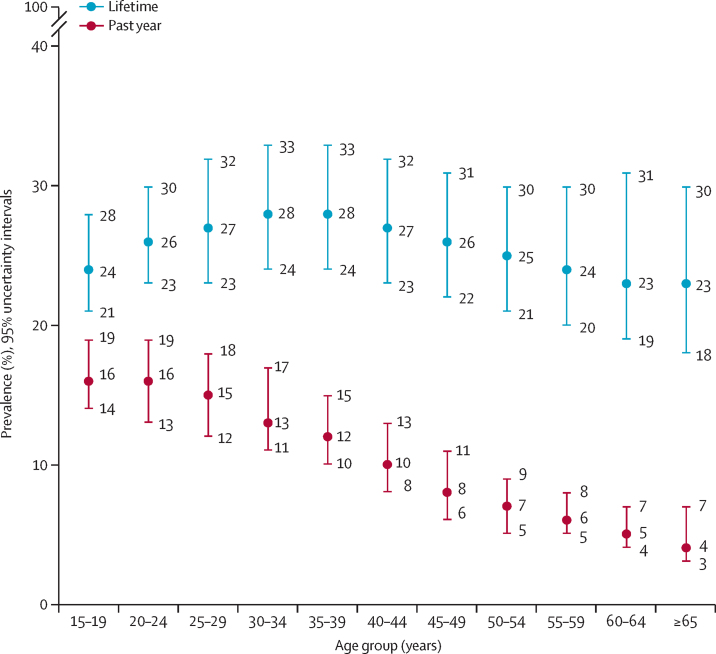
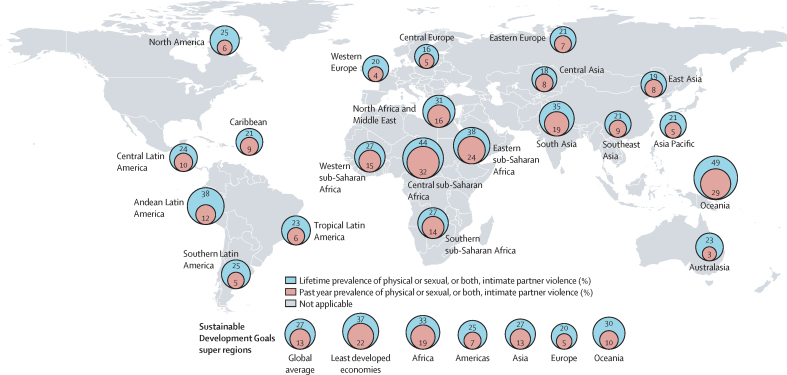
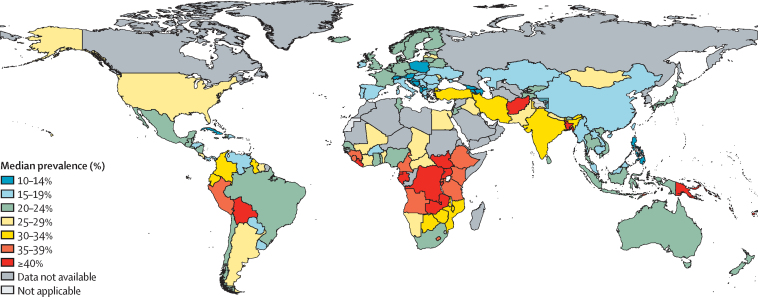
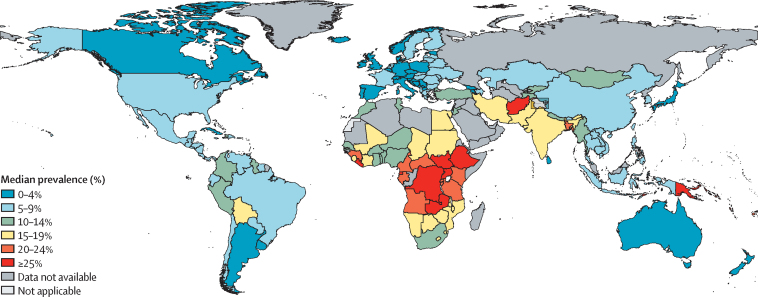
BACKGROUND: Intimate partner violence against women is a global public health problem with many short-term and long-term effects on the physical and mental health of women and their children. The Sustainable Development Goals (SDGs) call for its elimination in target 5.2. To monitor governments' progress towards SDG target 5.2, this study aimed to provide global, regional, and country baseline estimates of physical or sexual, or both, violence against women by male intimate partners. METHODS: This study developed global, regional, and country estimates, based on data from the WHO Global Database on Prevalence of Violence Against Women. These data were identified through a systematic literature review searching MEDLINE, Global Health, Embase, Social Policy, and Web of Science, and comprehensive searches of national statistics and other websites. A country consultation process identified additional studies. Included studies were conducted between 2000 and 2018, representative at the national or sub-national level, included women aged 15 years or older, and used act-based measures of physical or sexual, or both, intimate partner violence. Non-population-based data, including administrative data, studies not generalisable to the whole population, studies with outcomes that only provided the combined prevalence of physical or sexual, or both, intimate partner violence with other forms of violence, and studies with insufficient data to allow extrapolation or imputation were excluded. We developed a Bayesian multilevel model to jointly estimate lifetime and past year intimate partner violence by age, year, and country. This framework adjusted for heterogeneous age groups and differences in outcome definition, and weighted surveys depending on whether they were nationally or sub-nationally representative. This study is registered with PROSPERO (number CRD42017054100). FINDINGS: The database comprises 366 eligible studies, capturing the responses of 2 million women. Data were obtained from 161 countries and areas, covering 90% of the global population of women and girls (15 years or older). Globally, 27% (uncertainty interval [UI] 23-31%) of ever-partnered women aged 15-49 years are estimated to have experienced physical or sexual, or both, intimate partner violence in their lifetime, with 13% (10-16%) experiencing it in the past year before they were surveyed. This violence starts early, affecting adolescent girls and young women, with 24% (UI 21-28%) of women aged 15-19 years and 26% (23-30%) of women aged 19-24 years having already experienced this violence at least once since the age of 15 years. Regional variations exist, with low-income countries reporting higher lifetime and, even more pronouncedly, higher past year prevalence compared with high-income countries. INTERPRETATION: These findings show that intimate partner violence against women was already highly prevalent across the globe before the COVID-19 pandemic. Governments are not on track to meet the SDG targets on the elimination of violence against women and girls, despite robust evidence that intimate partner violence can be prevented. There is an urgent need to invest in effective multisectoral interventions, strengthen the public health response to intimate partner violence, and ensure it is addressed in post-COVID-19 reconstruction efforts. FUNDING: UK Department for International Development through the UN Women-WHO Joint Programme on Strengthening Violence against Women Data, and UNDP-UN Population Fund-UNICEF-WHO-World Bank Special Programme of Research, Development, and Research Training in Human Reproduction, a cosponsored programme executed by WHO.
Overview
The claims and statistics of this paper haven’t been checked yet.
Free: it reads the open-access text and checks the first 5 claims that cite a source we can check. Create a free account to check every claim.
Integrity signals
Registry
Cites
Statistics
Figures
Verification
Claims the paper makes
The claims and statistics of this paper haven’t been checked yet.
Free: it reads the open-access text and checks the first 5 claims that cite a source we can check. Create a free account to check every claim.
Claims other papers make about this one
Each is checked against this paper’s own text: does it say what the citing paper says it does?
The source backs part of the claim, not all of it — or backs it for a different population, condition or comparison.
In the citing paper
“These findings directly contrast another WHO study that estimated a lifetime prevalence between 21 and 25 per cent in high-income countries (Sardinha et al., 2022).”
From The Intergenerational Transmission of Emotional Intimate Partner Violence: a Systematic Review and Meta-Analysis (2025) · cites this paper as Sardinha et al., 2022
Experimental — accuracy not yet measuredThe source backs part of the claim, not all of it — or backs it for a different population, condition or comparison.
In the citing paper
“Lower global estimates were also highlighted by a recent study (L. Sardinha et al., 2022) where 26% of ever-partnered women aged 15 years and older were estimated to have experienced physical or sexual IPV, or both, at least once in their lifetime.”
From Global Prevalence and Mental Health Outcomes of Intimate Partner Violence Among Women: A Systematic Review and Meta-Analysis (2024) · cites this paper as L. Sardinha et al., 2022
Experimental — accuracy not yet measuredThe cited source says what the claim attributes to it.
In the citing paper
“Sardinha and colleagues’ study also reported much lower global rates of past year experience of physical or sexual violence, or both, by a partner among ever partnered women aged 15–49 years.”
From Global Prevalence and Mental Health Outcomes of Intimate Partner Violence Among Women: A Systematic Review and Meta-Analysis (2024) · cites this paper as L. Sardinha et al., 2022
The cited source says what the claim attributes to it.
In the citing paper
“Neither of these studies examined psychological IPV.”
From Global Prevalence and Mental Health Outcomes of Intimate Partner Violence Among Women: A Systematic Review and Meta-Analysis (2024) · cites this paper as L. Sardinha et al., 2022
Self-check
Percentages, sums and reported differences re-computed from the paper’s own numbers.
The self-check needs the paper’s full text.
Citations
Cites
The world report on violence and health
Krug, E. G., Mercy, J. A., Dahlberg, L. L., & Zwi, A. B. (2002) · The Lancet · doi:10.1016/s0140-6736(02)11133-0 · Cited by 9,110
Vos, T., Barber, R. M., Bell, B., Bertozzi-Villa, A., Biryukov, S., Bolliger, I., Charlson, F., Davis, A., Degenhardt, L., Dicker, D., et al. (2015) · The Lancet · doi:10.1016/s0140-6736(15)60692-4 · Cited by 6,414
Guidelines for accurate and transparent health estimates reporting: the GATHER statement
Stevens, G. A., Alkema, L., Black, R. E., Boerma, J. T., Collins, G. S., Ezzati, M., Grove, J. T., Hogan, D. R., Hogan, M. C., Horton, R., et al. (2016) · The Lancet · doi:10.1016/s0140-6736(16)30388-9 · Cited by 1,798
The Global Prevalence of Intimate Partner Violence Against Women
Devries, K. M., Mak, J. Y. T., García-Moreno, C., Petzold, M., Child, J. C., Falder, G., Lim, S., Bacchus, L. J., Engell, R. E., Rosenfeld, L., et al. (2013) · Science · doi:10.1126/science.1240937 · Cited by 1,460
The global prevalence of intimate partner homicide: a systematic review
Stöckl, H., Devries, K., Rotstein, A., Abrahams, N., Campbell, J., Watts, C., & Moreno, C. G. (2013) · The Lancet · doi:10.1016/s0140-6736(13)61030-2 · Cited by 955
Self-citationViolence against women during covid-19 pandemic restrictions
Roesch, E., Amin, A., Gupta, J., & García-Moreno, C. (2020) · BMJ · doi:10.1136/bmj.m1712 · Cited by 511
Self-citationAddressing violence against women: a call to action
García-Moreno, C., Zimmerman, C., Morris-Gehring, A., Heise, L., Amin, A., Abrahams, N., Montoya, O., Bhate-Deosthali, P., Kilonzo, N., & Watts, C. (2015) · The Lancet · doi:10.1016/s0140-6736(14)61830-4 · Cited by 483
Self-citationBacchus, L. J., Ranganathan, M., Watts, C., & Devries, K. (2018) · BMJ Open · doi:10.1136/bmjopen-2017-019995 · Cited by 464
Hamadani, J. D., Hasan, M. I., Baldi, A. J., Hossain, S. J., Shiraji, S., Bhuiyan, M. S. A., Mehrin, S. F., Fisher, J., Tofail, F., Tipu, S. M. M. U., et al. (2020) · The Lancet Global Health · doi:10.1016/s2214-109x(20)30366-1 · Cited by 463
Guidelines for accurate and transparent health estimates reporting: the GATHER statement
Stevens, G. A., Alkema, L., Black, R. E., Boerma, J. T., Collins, G. S., Ezzati, M., Grove, J. T., Hogan, D. R., Hogan, M. C., Horton, R., et al. (2016) · PLOS Medicine · doi:10.1371/journal.pmed.1002056 · Cited by 424
Research works printed but not linked: 2
- Flaxman AD Vos T Murray CJL An integrative metaregression framework for descriptive epidemiology 2015 University of Washington Press Seattle
- Jewkes R Willan S Heise L Effective design and implementation elements in interventions to prevent violence against women and girls https://www.whatworks.co.za/documents/publications/373-intervention-report19-02-20/file January, 2020 PMC8621962 34831885
Cited by
Items 501–600 of 999
Reproductive Health and Domestic Violence: An Evidence Based Study from District Gujrat (Pakistan)
Afzal, A., Adil, F., & Hasan, S. T. (2024) · Journal of Asian Development Studies · doi:10.62345/jads.2024.13.3.8 · Cited by 2
Intimate Partner Violence and Mental Health Outcomes in South Asia
Kanougiya, S., & Shrivastava, S. (2024) · Springer eBooks · doi:10.1007/978-981-19-9265-0_18-2 · Cited by 4
Romantic Functioning in the Aftermath of Adult Sexual Assault: A Scoping Review
Fava, D., Zweben, D., & Gust, L. (2024) · Trauma Violence & Abuse · doi:10.1177/15248380241291078 · Cited by 4
“Sexual assault is a pervasive global issue, affecting almost one in three women worldwide (Li et al., 2023; Sardinha et al., 2022), with emerging studies indicating troubling levels of sexual assault among male populations (Mclean, 2013; Thomas & Kopel, 2023).”
Farjamfar, M., Hamzehgardeshi, Z., Keramat, A., Yunesian, M., & Malary, M. (2024) · Heliyon · doi:10.1016/j.heliyon.2024.e40798 · Cited by 2
Prevalence of Partner Abuse, Emotional Abuse, and Control: A 10-Year Retrospective
Carney, M. M., & Barner, J. R. (2024) · Partner Abuse · doi:10.1891/pa-2024-0041 · Cited by 3
Epidemiology of Trauma and Trauma-Related Disorders in Children and Adolescents
Mangelsdorf, S. N., Alisic, E., & Hitchcock, C. (2024) · Springer eBooks · doi:10.1007/978-3-031-77215-3_2 · Cited by 3
Lago, A. D. S., Gomes, N. P., de Oliveira, J. F., Suto, C. S. S., & Virgens, I. D. R. (2025) · Revista Brasileira de Segurança Pública · doi:10.31060/rbsp.2025.v19.n1.1983 · Cited by 2
Are women with disabilities more at risk of intimate partner violence?
Hervé, J., Theiss, K., & Mitra, S. (2025) · Social Forces · doi:10.1093/sf/soaf023 · Cited by 5
Yan, X., Wu, D., Li, R.-J., Wu, Y., Hu, X., Wang, X., Huang, K. J., Zhu, T., Zhu, Q., Fang, L., et al. (2025) · Journal of Affective Disorders · doi:10.1016/j.jad.2025.03.108 · Cited by 3
Marshall, R. A., Merritt, N., Stranges, T. N., Bartlett, S., Sawyer, S., & van Donkelaar, P. (2025) · BMC Women s Health · doi:10.1186/s12905-025-03753-9 · Cited by 2
“Given the global life-time prevalence of IPV among women of one in three and a 12-month prevalence of one in ten [2, 3], as well as the cyclic and escalating nature of IPV [1, 4], the implications for the general population when applying the incidence rates remain dire.”
Allen‐Leap, M., Taft, A., Young, F., Hooker, L., & Hegarty, K. L. (2025) · Australian Journal of Primary Health · doi:10.1071/py24210 · Cited by 2
Dimbuene, Z. T., Ahinkorah, B. O., & Amugsi, D. A. (2025) · Reproductive Health · doi:10.1186/s12978-025-02037-7 · Cited by 3
“It is estimated that approximately 736 million women world-wide have experienced lifetime IPV, and this varies by countries and regions [6].”
Seivwright, A. N., Lester, L., & Flatau, P. (2025) · Australian Social Work · doi:10.1080/0312407x.2025.2501262 · Cited by 2
“Intimate partner violence (IPV), that involves a current or former spouse perpetrating physical violence, sexual violence, stalking, and/or psychological abuse including coercion (Centers for Disease Control, 2021) is a particularly common form of FDV (Sardinha et al., 2022).”
Intergenerational Transmission of Domestic Violence in Peruvian Families: A Qualitative Study
Velásquez, F. V., Mazeyra, L., Quintanilla, A., & Vargas, L. F. R. (2025) · Social Sciences · doi:10.3390/socsci14070399 · Cited by 7
Taft, A., Young, F., Hegarty, K. L., Yelland, J. S., Mazza, D., Boyle, D. I., Norman, R., García‐Moreno, C., Nguyen, C. D., Li, X., et al. (2025) · BMC Family Practice · doi:10.1186/s12875-025-02890-2 · Cited by 2
“Domestic violence and abuse (DVA) is a chronic global epidemic [1].”
Self-citationRamírez, A., Burgos‐Benavides, L., Díez, J. H., Sinchi-Sinchi, H., Alfaro-Urquiola, A. L., Medina-Maldonado, V., & Rodríguez‐Díaz, F. J. (2025) · Psicologia Reflexão e Crítica · doi:10.1186/s41155-025-00359-w · Cited by 3
“Intimate partner violence (IPV) is a widespread social and health problem affecting millions of people world-wide (Ince-Yenilmez 2022; Sardinha et al., 2022).”
Violence against women and its association with education levels in Mexico
Mosiño, A., & Rojas, C. Q. (2025) · International Journal of Educational Development · doi:10.1016/j.ijedudev.2025.103379 · Cited by 2
Day, N. J. S., Kealy, D., Biberdzic, M., Green, A., Denmeade, G., & Grenyer, B. F. S. (2025) · Personality and Mental Health · doi:10.1002/pmh.70038 · Cited by 2
Kilander, H., Lyssarides, C., Fredlund, C., Lindenfalk, B., Fristedt, S., & Nordin, A. M. M. (2025) · International Journal of Integrated Care · doi:10.5334/ijic.8995 · Cited by 5
Hisasue, T., Kruse, M., Hietamäki, J., Raitanen, J. A., Martikainen, V., Suokas, K., Rissanen, P., & Pirkola, S. P. (2025) · International Journal of Social Psychiatry · doi:10.1177/00207640251379256 · Cited by 3
“Approximately 27% of ever-part-nered women aged 15 to 49 years have experienced physical and/or sexual violence from an intimate partner in their lifetime (Sardinha et al., 2022).”
Sexual harassment and abuse in the equine sector
Johansson, S., Sølvberg, N., Strandbu, Å., Broms, L., & Hedenborg, S. (2025) · International Review for the Sociology of Sport · doi:10.1177/10126902251384141 · Cited by 2
Antilla, J. M., Buckenmeyer, A. C., DiClemente, L. M., & Carlin, M. (2025) · International Journal of Environmental Research and Public Health · doi:10.3390/ijerph22111613 · Cited by 2
“Rates of IPV are estimated to be higher in low-and middle-income countries compared to high-income countries [2].”
Bawuah, A., Sarfo, M., Nkansah, J. O., & Ameyaw, E. K. (2025) · BMC Women s Health · doi:10.1186/s12905-025-03935-5 · Cited by 3
“DVAW represents one of the most pervasive and severe types of violence [8–10].”
Alemu, S. S., Tura, M. R., Wondie, W. T., Egu, L. M., Olkaba, B. F., Zerihun, E., Regassa, B. T., Amena, N., Wedajo, L. F., & Bekele, G. G. (2025) · BMC Public Health · doi:10.1186/s12889-025-24907-2 · Cited by 4
“%) of women aged 15–49 who have ever been in a relationship have suffered intimate partner violence at some point in their lives, either sexually or physically [7, 8].”
Banda, L. O. L., Mwaene, E., Banda, C. V., & Banda, J. T. (2025) · BMC Public Health · doi:10.1186/s12889-025-25190-x · Cited by 7
“Intimate partner violence (IPV) remains a pervasive and entrenched issue in Kiribati [1], where approximately 53% of women report experiencing physical or sexual IPV, substantially above global averages [2].”
Ferreira, S., Barbosa, M., Roberto, M. S., Fernandes, S., Pires, R., & Querido, L. (2025) · Trauma Violence & Abuse · doi:10.1177/15248380251381820 · Cited by 3
“Global estimates suggest that around 26% of women have experienced physical and/or sexual IPV, and 32.8% psychological IPV, though actual rates may be higher due to underreporting linked to stigma, methodological limitations, and cultural context (Sardinha et al., 2022; White et al., 2024).”
InfluentialBöhret, I., Pillai, V. S., & Steinert, J. (2025) · Trauma Violence & Abuse · doi:10.1177/15248380251383915 · Cited by 5
“Recent systematic reviews on the prevention of different forms of IPV have occasionally included economic violence as an outcome measure.”
InfluentialPrego-Meleiro, P., Pastor‐Moreno, G., Recalde-Esnoz, I., & Sordo, L. (2026) · JMIR Public Health and Surveillance · doi:10.2196/80110 · Cited by 5
“Drug-facilitated sexual assault (DFSA) is a specific form of sexual violence in which perpetrators take advantage of individuals who are incapacitated by psychoactive substances, including alcohol, illicit drugs, or medications, consumed either voluntarily or involuntarily [1,3].”
Armah‐Ansah, E. K., Adejumo, S. A., Ezekobe, E. E., Jalili, A., Ahmed, S., Oko-Oboh, E., Budu, E., & Omenka, C. O. (2025) · BMC Public Health · doi:10.1186/s12889-025-25220-8 · Cited by 9
“Hence, IPV in any form is a major public health issue affecting Nigerian women, and these findings are consistent with previous studies indicating that high IPV prevalence is shaped by multidimensional factors [1, 2, 7, 78].”
Lowe, H., Prost, A., Rose‐Clarke, K., & Morrison, J. (2026) · International Journal of Qualitative Methods · doi:10.1177/16094069261416766 · Cited by 1
Mannell, J., Lowe, H., Tanielu, H., Isaako, P. E., Tevaga, P., Apelu, L., Alisi-Fesili, F., & Copas, A. J. (2026) · Health Policy and Planning · doi:10.1093/heapol/czag009 · Cited by 3
“Globally, one quarter of women will experience violence in their lifetime, and in some regions of the world, this figure is closer to one in two (Mannell et al. 2022 , Sardinha et al. 2022 ).”
The Hidden Roots of Interpersonal Aggressiveness: Dependency, Jealousy, and Revenge
Papa, C., Uvelli, A., Matos, M., Floridi, M., Franquillo, A. C., Perdighe, C., Mancini, F., & Pugliese, E. (2026) · Victims & Offenders · doi:10.1080/15564886.2026.2652379 · Cited by 3
Zhang, Y., Fang, J., & Krishnakumar, A. (2026) · Prevention Science · doi:10.1007/s11121-026-01923-1 · Cited by 2
“Globally, 1 in 3 women between the ages of 15–49 years report physical and/or sexual violence from a current or former intimate partner (Sardinha et al., 2022).”
Silveira‐Moriyama, L., Bruno, M. K., Schneider, S. A., Ganos, C., Williams, L., Munhoz, R. P., Pringsheim, T. M., Alcalay, R. N., Subramanian, I., & Lang, A. E. (2026) · Movement Disorders · doi:10.1002/mds.70315 · Cited by 2
Chen, S., Ma, N., Kong, Y., Chen, Z., Lou, S. L., Jin, S., Karoli, P., Appiah, G. B., Niyi, J. L., Phiri, M., et al. (2026) · Nature Health · doi:10.1038/s44360-026-00169-z · Cited by 2
“A comprehensive examination of the association between male child marriage and IPV—considering both perpetration against and victimization by women—is essential, particularly in LMICs where male child marriage remains relatively common.”
InfluentialViolencia hacia las mujeres: ¿es igual en todos los rangos de edad?
Arroyo, M. C., & Sánchez-Castellano, C. (2022) · Revista de Investigación y Educación en Ciencias de la Salud (RIECS) · doi:10.37536/riecs.2022.7.1.310 · Cited by 2
Exposure to Violence and the Link with Asthma
Han, Y., Suglia, S. F., & Celedon, J. C. (2022) · Springer eBooks · doi:10.1007/978-3-030-98711-4_44-1 · Cited by 2
Gündoğmuş, A. G., Bulut, S. D., Koçyiğit, Y., Şafak, Y., & Haksar, L. W. (2023) · Journal of Clinical Psychiatry · doi:10.5505/kpd.2023.93708 · Cited by 4
“It has many adverse effects on physical and mental health (2).”
InfluentialThe Health Care Provider’s Role in Addressing Adolescent Relationship Abuse
Jarvis, L. R., & Randell, K. A. (2023) · Pediatric Clinics of North America · doi:10.1016/j.pcl.2023.06.006 · Cited by 3
Effects of domestic violence on antenatal depression: meta-analysis
Salsabilla, D. A., Riestiyowati, M. A., Putri, T. A., & Ismail, N. M. (2023) · Jurnal Cakrawala Promkes · doi:10.12928/promkes.v5i2.7701 · Cited by 3
“The research results of Sardinha et al. (2022) show that in 2018 globally, it was projected that 27% of women aged 15 to 49 who had ever been in a relationship had ever been the victim of physical, sexual, or both forms of intimate partner abuse.”
BackgroundInfluentialMatheson, K., Wornovitzky, D., Landry, J., & Anisman, H. (2023) · Frontiers in Psychology · doi:10.3389/fpsyg.2023.1286139 · Cited by 4
“It was estimated that more than 25% of women 15–49 years of age had experienced physical or sexual abuse at some time and 13% had experienced violence in the preceding year (Sardinha et al., 2022).”
BackgroundMurvartian, L., García‐Martínez, J., & Saavedra, J. (2023) · Acción Psicológica · doi:10.5944/ap.20.1.34106 · Cited by 2
Boxall, H., Meyer, S., Bartels, L., & Fitz‐Gibbon, K. (2023) · Springer eBooks · doi:10.1007/978-3-031-41574-6_22 · Cited by 3
Self-citationNelson, E.-U. E., & Ireland, L. (2023) · Journal of Gender-Based Violence · doi:10.1332/23986808y2023d000000012 · Cited by 3
Cárdenas, M. L. B., Inostroza, C., Sáez-Delgado, F., & Araujo, L. E. I. (2023) · Salud Ciencia y Tecnología · doi:10.56294/saludcyt2023598 · Cited by 7
Pathological narcissism, psychic pain and sadistic tendencies: the mediating effect of ego strength
Khodarahimi, S., Ahmadi, F., Nemati, F., Khavasi, S., Bougar, M. R., & Mazraeh, N. (2024) · Current Psychology · doi:10.1007/s12144-024-05640-2 · Cited by 3
“Overall, the results of epidemiological studies on 160 countries and regions showed that globally, 27% of women aged 15 to 49 have experienced domestic violence from an intimate partner during their lifetime (Sardinha et al., 2022).”
Wood, S. N., Perrin, N., Akumu, I., Asira, B., Clough, A., Glass, N., Campbell, J., & Decker, M. (2024) · Global Health: Science and Practice Journal · doi:10.9745/ghsp-d-23-00116 · Cited by 1
Aronoff, J. E., Koning, S. M., Adair, L. S., Lee, N. R., Carba, D. B., Kuzawa, C. W., & McDade, T. W. (2024) · American Journal of Human Biology · doi:10.1002/ajhb.24053 · Cited by 2
“IPV is a highly prevalent social stressor in this population, as the estimated prevalence is 44% for the Central Visayas region where Cebu is located, compared to a recent global estimate of 27% (National Statistics Office & ICF Macro, 2009; Sardinha et al., 2022).”
The Association between Intimate Partner Violence and Female Syrian Refugees’ Mental Health
ElBarazi, A. S. (2024) · Indian Journal of Social Psychiatry · doi:10.4103/ijsp.ijsp_120_23 · Cited by 4
substance use and recidivism of intimate partner violence in Peru: A cross-sectional study.
Román-Lazarte, V., Moncada–Mapelli, E., Galeas-Torre, M. K., Roman, L. Á., & Marcelo-Armas, M. L. (2024) · Health Psychology Research · doi:10.52965/001c.93976 · Cited by 2
Intimate Partner Violence Among Rwandan Women With HIV: A Cross-Sectional Study
Hatoum, S., Mukamana, D., Gishoma, D., Kayiranga, D., Pan, W., & Relf, M. V. (2024) · Journal of the Association of Nurses in AIDS Care · doi:10.1097/jnc.0000000000000467 · Cited by 3
“Sardinha et al. (2022) estimated that the highest age group at risk for IPV is young women between the ages of 15 and 19 years.”
BackgroundResultInfluentialAloyce, D., Stöckl, H., Mosha, N. R., Malibwa, D., Sichalwe, S., Hashim, R., Ayieko, P., Kapiga, S., & Mshana, G. H. (2024) · Journal of Public Health · doi:10.1007/s10389-024-02262-7 · Cited by 3
“Globally, one in four women experience physical and/or sexual IPV during their lifetime (Sardinha et al. 2022).”
Self-citationGeographic pattern of the prevalence of intimate partner violence against women in Zanjan (Iran)
Karamitanha, F., Ahmadi, F., & Abadi, V. F. (2024) · Frontiers in Psychology · doi:10.3389/fpsyg.2024.1347077 · Cited by 2
Groves, A. K., Gebrekristos, L. T., Stoner, M. C. D., Gómez-Olivé, F. X., Kahn, K., & Pettifor, A. E. (2024) · Social Science & Medicine · doi:10.1016/j.socscimed.2024.116948 · Cited by 4
Grimes, K. E. L., Ebasone, P. V., Dzudié, A., Nash, D., Pence, B. W., Wainberg, M. L., Yotebieng, M., Ajeh, R. A., & Parcesepe, A. M. (2024) · PLoS ONE · doi:10.1371/journal.pone.0304114 · Cited by 3
Spatial clustering of domestic violence attitudes toward women in Ghana
Richardsen, C., Ba, D. M., Ssentongo, A. E., & Ssentongo, P. (2024) · PLOS Global Public Health · doi:10.1371/journal.pgph.0003261 · Cited by 2
de Mola, C. L., Coll, C. V. N., Meireles, D. L., Camuno, D., Castro, Y., Martins‐Silva, T., Carpena, M. X., Blumenberg, C., Martins, R. C., Costa, F. D. S., et al. (2024) · Violence Against Women · doi:10.1177/10778012241257249 · Cited by 2
“(Sardinha et al., 2022).”
InfluentialHIGHNESS OR ABUSIVENESS: EXPLORING ALCOHOL AND INTIMATE PARTNER VIOLENCE DYNAMICS IN NIGERIA
Saheed, R. O., Saliman, S. T., & Olajumoke, A.-L. M. (2024) · Gusau Journal of Sociology · doi:10.57233/gujos.v4i2.11 · Cited by 4
“It is 14% in Azerbaijan, 18% in Portugal, 20% in Norway, and 26% in America (WHO, 2021; Sardinha et al., 2022).”
BackgroundDOMESTIC VIOLENCE AGAINST WOMEN: EXPERIENCES OF PRIMARY HEALTH CARE PROFESSIONALS
Rodrigues, P. S., Araujo, L. F., Vernasque, J. R. D. S., de Souza, A. P., Alarcon, M. F. S., Higa, E. D. F. R., & Marín, M. J. S. (2024) · Texto & Contexto - Enfermagem · doi:10.1590/1980-265x-tce-2023-0403en · Cited by 6
Hamedanian, F. (2024) · Women · doi:10.3390/women4030020 · Cited by 2
Faith and Intimate Partner Violence in Rural South Africa
Ramos, T., Muvhango, L., & Ranganathan, M. (2024) · Journal of Psychology and Theology · doi:10.1177/00916471241270584 · Cited by 4
“Young South African women were found to depend on church as a communal space to discuss personal challenges and receive support with regard to their mental and emotional well-being (Perera & Swartz, 2021).”
InfluentialDo, H. T. T., & Sukontamarn, P. (2024) · Journal of Population Research · doi:10.1007/s12546-024-09350-1 · Cited by 2
“The incidence of intimate partner violence (physical or sexual, or both) is high in many regions worldwide, particularly in low-income and middle-income regions with institutionalized norms of male preference (Krause et al., 2016; Sardinha et al., 2022).”
Mayrhofer, A. M., Alderson, H., Sarma, K., Jackson, C., Olive, P., Toma, M., Mansuri, N., Waterfield, A., Crossen, S., Parker, D., et al. (2024) · Journal of Family Violence · doi:10.1007/s10896-024-00755-3 · Cited by 2
“Globally, an estimated 1 in 3 women are affected (Sardinha et al., 2022; World Health Organisation, 2018).”
Adel, M., & Chung, J. M. (2024) · European Journal of Personality · doi:10.1177/08902070241272347 · Cited by 2
Salehi, M., & Ghahari, S. (2024) · Heliyon · doi:10.1016/j.heliyon.2024.e39953 · Cited by 2
Louie, Y. M., & Vasil, S. (2024) · Journal of Gender-Based Violence · doi:10.1332/23986808y2024d000000052 · Cited by 2
Bailhache, M., El-Khoury, F., Leproux, O., Chazelas, E., Gomajee, R., van der Waerden, J. E. B., Galéra, C., Charles, M.-A. A., & Melchior, M. (2024) · Child Abuse & Neglect · doi:10.1016/j.chiabu.2024.107185 · Cited by 3
Gilbar, O., Cohen, L., Smethurst, M. A., Creech, S. K., Azaria-Mizrachi, Z., Ben-Gal, N., & Taft, C. T. (2024) · Contemporary Clinical Trials · doi:10.1016/j.cct.2024.107775 · Cited by 2
Gambetta, V., & Imperiale, S. V. (2024) · International journal of law, crime and justice · doi:10.1016/j.ijlcj.2024.100720 · Cited by 5
Physical violence and its associations: Insights from nationally representative data in India
Monisha Mary, P., Jacob, A. M., & Shetty, A. K. (2025) · Women s Health · doi:10.1177/17455057241310633 · Cited by 3
“46 According to the WHO, Global Database on Prevalence of Violence Against Women 47 provided global estimates showing that the lifetime prevalence of IPV among ever-partnered women aged 15 years and older is 26%, with regional variations such as 49% in Oceania, 44% in central sub-Saharan Africa, and 35% in South Asia.”
Eliminating gender-based violence can unlock the solutions to ending all violence
O’Leary, P., & Tsui, M. (2025) · International Social Work · doi:10.1177/00208728241309149 · Cited by 2
Ocular Injuries and Intimate Partner Violence: A Review of the Literature
Baldwin, G. E., & Miller, J. B. (2025) · Clinical ophthalmology · doi:10.2147/opth.s489585 · Cited by 2
Bal, M. D., & Aşcı, Ö. (2024) · Preventive Care In Nursing and Midwifery Journal · doi:10.61186/pcnm.14.3.43 · Cited by 2
Tayim, N., Ayasrah, M. N., Ahmed, M., & Abdelrahman, R. M. (2025) · Clinical Psychology & Psychotherapy · doi:10.1002/cpp.70037 · Cited by 4
Rivera, E., & Monteiro, A. L. (2025) · Psychiatry Psychology and Law · doi:10.1080/13218719.2024.2441800 · Cited by 2
“The UK and Peru both face reporting barriers (Cripe et al., 2015; Evans & Feder, 2016), but distinct cultural and legal factors contribute to different IPV prevalence and reporting patterns (Sardinha et al., 2022).”
What does intimate partner violence mean for women with breast cancer? Experiences of Iranian women
Sheikhnezhad, L., Hassankhani, H., Sawin, E. M., Sanaat, Z., & Sahebihagh, M. H. (2025) · BMC Cancer · doi:10.1186/s12885-024-12815-4 · Cited by 3
Mutair, A. S. A., Saha, C., Alhassan, L., Albahrani, H., Alkhamis, N. A., Sultan, H. K. A., Daniyal, M., & Elgamri, A. I. (2025) · BMC Public Health · doi:10.1186/s12889-025-22537-2 · Cited by 4
“…associated with BMI ( p < 0.001) and negatively correlated with income of the women [ p = 0.042, r = -0.118), CT was significantly associated with BMI ( p = < 0.001) and education ( p < 0.001) of the women; women with higher education reported more CT (mean score = 1.93 ± 0.61) [Table 5].”
InfluentialScreening for coercive control with refugee women accessing settlement services
Spence, N., Spangaro, J., Cameron, J., Hegarty, K., Hasan, H., Koziol-mclain, J., Mcmahon, T., Walsh, J., & Zwi, A. (2025) · BMC Public Health · doi:10.1186/s12889-025-22886-y · Cited by 2
“Intimate partner violence (IPV), defined as behaviour by an intimate partner that causes physical, sexual and psychological harm, is estimated to impact one in three women worldwide with devastating consequences for their health, safety and human rights [1, 2].”
Bolarinwa, O. A., Odimegwu, C. O., Mohammed, A., Gayawan, E., & Phiri, M. (2025) · Discover Social Science and Health · doi:10.1007/s44155-025-00238-w · Cited by 4
“Sexual violence against women is highly pervasive worldwide and remains a major problem of public health concern [1], despite the global efforts to eliminate all forms of violence against women as enshrined in the Sustainable Development Goals (SDG), target 5.2 [2].”
InfluentialBrambilla, R., Mshana, G. H., Mosha, N. R., Gibbs, A., Malibwa, D., Kapiga, S., & Stöckl, H. (2025) · BMC Public Health · doi:10.1186/s12889-025-23248-4 · Cited by 2
“Whereas the most recent estimates of the population-prevalence of IPV against women include data from 366 eligible studies from 161 countries [4], the equivalent for NPSV only encompasses 227 studies from 137 countries [5].”
Self-citationAnalysis of IPV success treatment from an AI approach
Wynhoven, I. M. B., & Córdova, C. (2025) · PLoS ONE · doi:10.1371/journal.pone.0323945 · Cited by 2
“This suggests that IPV is also present in relationships between young people [14,42], and it may decrease as women grow older [43].”
Falb, K., Blackwell, A., Balanchander, M., Bourey, C., Yuan, C. T., & Decker, M. R. (2025) · Trauma Violence & Abuse · doi:10.1177/15248380251340640 · Cited by 4
“…(LMICs), especially those affected by fragility and armed conflict, bear a disproportionate burden compared to high-income countries (Cerna-Turoff et al., 2021; Ma et al., 2023; Sardinha et al., 2022), prompting growing research on effective prevention and response interventions in these settings.”
Kaya, E., & Firat, M. Ö. (2025) · Eskişehir Türk Dünyası Uygulama ve Araştırma Merkezi Halk Sağlığı Dergisi · doi:10.35232/estudamhsd.1590031 · Cited by 3
Lu, M., Owusu‐Addo, E., Yoshikawa, M., Mensah, H., & Fry, D. A. (2025) · Aggression and Violent Behavior · doi:10.1016/j.avb.2025.102068 · Cited by 5
Nobels, A., Biebuyck, M., & Keygnaert, I. (2025) · Aging & Mental Health · doi:10.1080/13607863.2025.2534120 · Cited by 4
“Research has demonstrated its high prevalence among people of all ages, including older adults (Krahé et al., 2015; Nobels et al., 2021a; Sardinha et al., 2022; Schapansky et al., 2021).”
Early Identification of Multiple Victims in a Family: Family-Based Computation of Prevalence
Chen, Q., & Chan, K. L. (2025) · Journal of Interpersonal Violence · doi:10.1177/08862605251353501 · Cited by 5
“Recent data indicate that approximately 27% of women globally experience IPV (Sardinha et al., 2022).”
InfluentialAsghar, K., Christofides, N. J., Falb, K., Jones, N., & Meinck, F. (2025) · Child Abuse & Neglect · doi:10.1016/j.chiabu.2025.107637 · Cited by 3
Economic deprivation and intimate partner violence in Germany
Minkus, L., & Abramowski, R. (2025) · PLoS ONE · doi:10.1371/journal.pone.0329930 · Cited by 2
“…of a systematic review and meta-analysis of 366 studies from over 160 countries show that, globally, 27% of women aged 15–49 who have ever been in a relationship have experienced physical or sexual violence – or both – from a current or former partner at some point during their lifetime [2].”
Phiri-Sithole, L., Seedat, M., & Bangdiwala, S. I. (2025) · South African Journal of Psychology · doi:10.1177/00812463251357410 · Cited by 2
“…forms of IPV, worsened by structural factors such as poverty and gender inequality, create complex barriers to health care access and adherence for PLWH. Globally, IPV consistently predicts poor ART adherence, particularly in the Global South (Hatcher et al., 2019; Sardinha et al., 2022).”
Childhood Maltreatment and Young Adult IPV: Longitudinal Evidence From a National Sample
Chen, Y. C., Zhao, L., & Maguire‐Jack, K. (2025) · Journal of Interpersonal Violence · doi:10.1177/08862605251365655 · Cited by 2
“Young adulthood is a vulnerable period for individuals who have experienced IPV or maltreatment, as early trauma can disrupt the developmental process, increasing the likelihood of engaging in or experiencing IPV in adulthood (Sardinha et al., 2022).”
Chiapanecas transitando colectivamente hacia una vida libre de violencia: desafíos y aprendizajes
Gómez, M. C. (2023) · Revista CoPaLa Construyendo Paz Latinoamericana · doi:10.35600/25008870.2023.18.0292 · Cited by 2
BONEA, G.-V., & Buligescu, B. (2022) · Journal of Community Positive Practices · doi:10.35782/jcpp.2022.1.03 · Cited by 6
Darling, A., Ullman, E. A., Novak, V., Doyle, M., & Dubosh, N. M. (2022) · Advances in Medical Education and Practice · doi:10.2147/amep.s365450 · Cited by 2
Intimate Partner Violence Screening Instruments: A Protocol for a COSMIN-Based Systematic Review
Li, Y., Zhou, K., Tang, S., & Chen, J. (2023) · International Journal of Environmental Research and Public Health · doi:10.3390/ijerph20021541 · Cited by 3
“The World Health Organization reported [9] that 27% of women aged 15–49 have experienced physical and/or sexual violence from their partners, and 13% of women have experienced such events in the past 12 months.”
BackgroundExperiences with domestic violence pertetrators in Serbia: From a practitioners's
Ljubičić, M. M. (2023) · Socioloski pregled · doi:10.5937/socpreg57-40101 · Cited by 2
Karakurt, G., Yılmaz, S., Kumari, M., Gao, K., & Koyutürk, M. (2023) · PubMed Central · Cited by 3
Bougar, M. R., Nourimoghadam, S., Soroushvala, A., Khodarahimi, S., Abdi, M., Sadeghi, M., & Mazraeh, N. (2023) · Current Psychology · doi:10.1007/s12144-023-04912-7 · Cited by 2
Roozbahani, S., Dolatian, M., Mahmoodi, Z., Zandifar, A., Majd, H. A., & Shams, J. (2023) · Iranian Journal of Psychiatry and Behavioral Sciences · doi:10.5812/ijpbs-130911 · Cited by 2
Castellanos‐Torres, E., Sanz‐Barbero, B., Vives‐Cases, C., & CIBER Program of Violence and Young People team (2023) · PLoS ONE · doi:10.1371/journal.pone.0289402 · Cited by 3
“In the young and adolescent population, last 12-month SV reaches 24% (21%-28%) in women aged 15–29 years and 26% (23%-30%) in women aged 19–24 years [3].”
BackgroundGris, J., Nikolaeva, M. G., Khizroeva, J. K., Bitsadze, V. O., Makatsariya, A. D., Ripart, S., & Pérez‐Martin, A. (2023) · Journal of Thrombosis and Haemostasis · doi:10.1016/j.jtha.2023.08.011 · Cited by 2
Metadata
- Authors
- Sardinha, L., Maheu-Giroux, M., Stöckl, H., Meyer, S. R., & García-Moreno, C.
- Affiliations
- World Health Organization (CH)
- London School of Hygiene & Tropical Medicine (GB)
- Venue
- The Lancet
- Publisher
- Elsevier BV
- Published
- 2022-02
- Volume
- 399
- Issue
- 10327
- Pages
- 803-813
- ISSN
- 0099-5355 (ISSN-L)
- 0140-6736
- PMC
- PMC8885817
- OpenAlex
- W4212796598
- Cited by
- 1,328
- References
- 20
- Citations by year
- 2026: 295 · 2025: 366 · 2024: 341 · 2023: 246 · 2022: 79
- FWCI
- 197.93
- Type
- journal article
- Language
- en
- Open access
- hybrid
- doi.org
- Licence
- cc-by-nc-nd
- www.elsevier.com/tdm/userlicense/1.0/ (tdm)
- www.elsevier.com/legal/tdmrep-license (tdm)
- creativecommons.org/licenses/by-nc-nd/3.0/igo/ (vor)
- Locations
- The Lancet (publishedVersion, cc-by-nc-nd)
- PubMed Central (publishedVersion, cc-by-nc-nd)
- PubMed (publishedVersion)
- Funders
- World Health Organization
- Topics
- Social Sciences › Health › Intimate Partner and Family Violence
- Health Sciences › Medicine › Geriatrics and Gerontology › Elder Abuse and Neglect
- Social Sciences › Sociology and Political Science › Gender, Violence, Rights in Latin America
- Keywords
- intimate partner violence, violence against women, physical violence, sexual violence, lifetime prevalence, global prevalence estimates, Bayesian hierarchical model, adolescent girls, young women, country-level estimates, gender-based violence
- MeSH terms
- Intimate Partner Violence, Sustainable Development, COVID-19, Adolescent, Adult, Female, Humans, Male, Public Health, Risk Factors, Sexual Partners, Global Health, World Health Organization, Prevalence, Databases, Factual, Young Adult
About these checks
Registry, retraction, Cites and statistics results are computed, not judged, with one exception: a printed reference that no index lists is read once by a model before it counts as a citation error. Claims are extracted by a model and kept only when their quote appears verbatim in the text; each cited source is then checked, with a model’s help, for whether it says what the claim relies on. Those verdicts can be wrong — read the claim’s quote and the cited source before relying on one.
Statistics and arithmetic are recomputed, not judged.
Confidence bands are shown only for fields calibrated on our annotated test set. None is calibrated yet, so no band is shown.
What counts as a claim ›How we measure confidence ›How we check this ›
Are you an author, or do you see a problem with this page? Request a review
Data sources
Bibliographic data: Semantic Scholar, OpenAlex, Crossref.
Contains information from the Semantic Scholar Academic Graph Datasets, made available under the ODC Attribution License (ODC-BY 1.0).
Semantic Scholar’s data is described in: Kinney, R., et al. (2023). The Semantic Scholar Open Data Platform. arXiv:2301.10140.
