

Global, regional, and national prevalence estimates of physical or sexual, or both, intimate partner violence against women in 2018
Open accessThe DOI matches its Crossref record; 20 of the 20 references it cites were found in a registry or an index.
Abstract
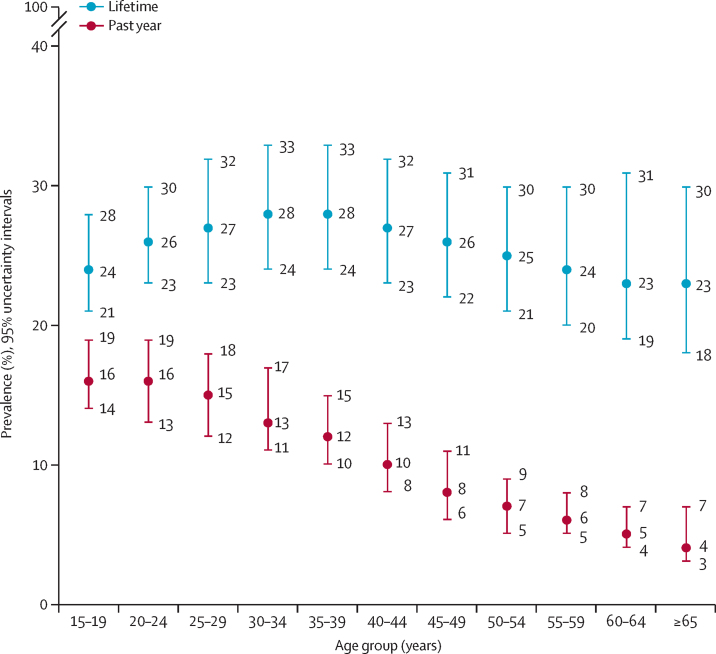
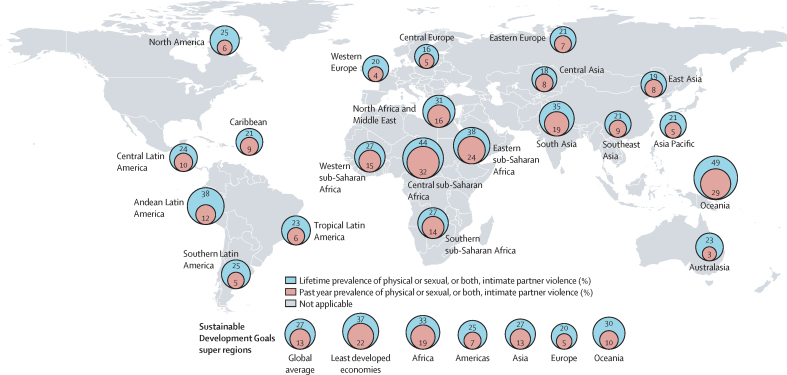
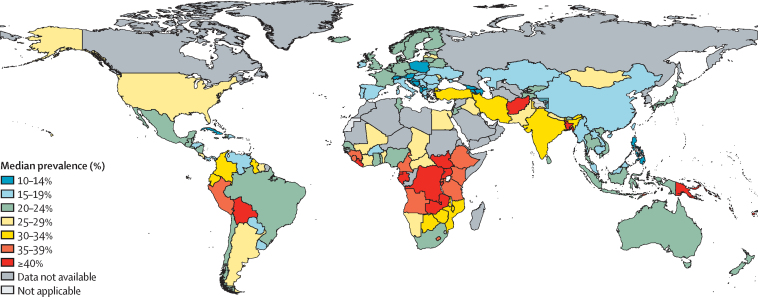
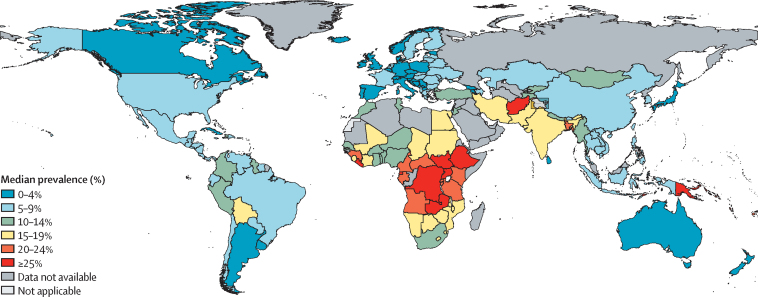
BACKGROUND: Intimate partner violence against women is a global public health problem with many short-term and long-term effects on the physical and mental health of women and their children. The Sustainable Development Goals (SDGs) call for its elimination in target 5.2. To monitor governments' progress towards SDG target 5.2, this study aimed to provide global, regional, and country baseline estimates of physical or sexual, or both, violence against women by male intimate partners. METHODS: This study developed global, regional, and country estimates, based on data from the WHO Global Database on Prevalence of Violence Against Women. These data were identified through a systematic literature review searching MEDLINE, Global Health, Embase, Social Policy, and Web of Science, and comprehensive searches of national statistics and other websites. A country consultation process identified additional studies. Included studies were conducted between 2000 and 2018, representative at the national or sub-national level, included women aged 15 years or older, and used act-based measures of physical or sexual, or both, intimate partner violence. Non-population-based data, including administrative data, studies not generalisable to the whole population, studies with outcomes that only provided the combined prevalence of physical or sexual, or both, intimate partner violence with other forms of violence, and studies with insufficient data to allow extrapolation or imputation were excluded. We developed a Bayesian multilevel model to jointly estimate lifetime and past year intimate partner violence by age, year, and country. This framework adjusted for heterogeneous age groups and differences in outcome definition, and weighted surveys depending on whether they were nationally or sub-nationally representative. This study is registered with PROSPERO (number CRD42017054100). FINDINGS: The database comprises 366 eligible studies, capturing the responses of 2 million women. Data were obtained from 161 countries and areas, covering 90% of the global population of women and girls (15 years or older). Globally, 27% (uncertainty interval [UI] 23-31%) of ever-partnered women aged 15-49 years are estimated to have experienced physical or sexual, or both, intimate partner violence in their lifetime, with 13% (10-16%) experiencing it in the past year before they were surveyed. This violence starts early, affecting adolescent girls and young women, with 24% (UI 21-28%) of women aged 15-19 years and 26% (23-30%) of women aged 19-24 years having already experienced this violence at least once since the age of 15 years. Regional variations exist, with low-income countries reporting higher lifetime and, even more pronouncedly, higher past year prevalence compared with high-income countries. INTERPRETATION: These findings show that intimate partner violence against women was already highly prevalent across the globe before the COVID-19 pandemic. Governments are not on track to meet the SDG targets on the elimination of violence against women and girls, despite robust evidence that intimate partner violence can be prevented. There is an urgent need to invest in effective multisectoral interventions, strengthen the public health response to intimate partner violence, and ensure it is addressed in post-COVID-19 reconstruction efforts. FUNDING: UK Department for International Development through the UN Women-WHO Joint Programme on Strengthening Violence against Women Data, and UNDP-UN Population Fund-UNICEF-WHO-World Bank Special Programme of Research, Development, and Research Training in Human Reproduction, a cosponsored programme executed by WHO.
Overview
The claims and statistics of this paper haven’t been checked yet.
Free: it reads the open-access text and checks the first 5 claims that cite a source we can check. Create a free account to check every claim.
Integrity signals
Registry
Cites
Statistics
Figures
Verification
Claims the paper makes
The claims and statistics of this paper haven’t been checked yet.
Free: it reads the open-access text and checks the first 5 claims that cite a source we can check. Create a free account to check every claim.
Claims other papers make about this one
Each is checked against this paper’s own text: does it say what the citing paper says it does?
The source backs part of the claim, not all of it — or backs it for a different population, condition or comparison.
In the citing paper
“These findings directly contrast another WHO study that estimated a lifetime prevalence between 21 and 25 per cent in high-income countries (Sardinha et al., 2022).”
From The Intergenerational Transmission of Emotional Intimate Partner Violence: a Systematic Review and Meta-Analysis (2025) · cites this paper as Sardinha et al., 2022
Experimental — accuracy not yet measuredThe source backs part of the claim, not all of it — or backs it for a different population, condition or comparison.
In the citing paper
“Lower global estimates were also highlighted by a recent study (L. Sardinha et al., 2022) where 26% of ever-partnered women aged 15 years and older were estimated to have experienced physical or sexual IPV, or both, at least once in their lifetime.”
From Global Prevalence and Mental Health Outcomes of Intimate Partner Violence Among Women: A Systematic Review and Meta-Analysis (2024) · cites this paper as L. Sardinha et al., 2022
Experimental — accuracy not yet measuredThe cited source says what the claim attributes to it.
In the citing paper
“Sardinha and colleagues’ study also reported much lower global rates of past year experience of physical or sexual violence, or both, by a partner among ever partnered women aged 15–49 years.”
From Global Prevalence and Mental Health Outcomes of Intimate Partner Violence Among Women: A Systematic Review and Meta-Analysis (2024) · cites this paper as L. Sardinha et al., 2022
The cited source says what the claim attributes to it.
In the citing paper
“Neither of these studies examined psychological IPV.”
From Global Prevalence and Mental Health Outcomes of Intimate Partner Violence Among Women: A Systematic Review and Meta-Analysis (2024) · cites this paper as L. Sardinha et al., 2022
Self-check
Percentages, sums and reported differences re-computed from the paper’s own numbers.
The self-check needs the paper’s full text.
Citations
Cites
The world report on violence and health
Krug, E. G., Mercy, J. A., Dahlberg, L. L., & Zwi, A. B. (2002) · The Lancet · doi:10.1016/s0140-6736(02)11133-0 · Cited by 9,110
Vos, T., Barber, R. M., Bell, B., Bertozzi-Villa, A., Biryukov, S., Bolliger, I., Charlson, F., Davis, A., Degenhardt, L., Dicker, D., et al. (2015) · The Lancet · doi:10.1016/s0140-6736(15)60692-4 · Cited by 6,414
Guidelines for accurate and transparent health estimates reporting: the GATHER statement
Stevens, G. A., Alkema, L., Black, R. E., Boerma, J. T., Collins, G. S., Ezzati, M., Grove, J. T., Hogan, D. R., Hogan, M. C., Horton, R., et al. (2016) · The Lancet · doi:10.1016/s0140-6736(16)30388-9 · Cited by 1,798
The Global Prevalence of Intimate Partner Violence Against Women
Devries, K. M., Mak, J. Y. T., García-Moreno, C., Petzold, M., Child, J. C., Falder, G., Lim, S., Bacchus, L. J., Engell, R. E., Rosenfeld, L., et al. (2013) · Science · doi:10.1126/science.1240937 · Cited by 1,460
The global prevalence of intimate partner homicide: a systematic review
Stöckl, H., Devries, K., Rotstein, A., Abrahams, N., Campbell, J., Watts, C., & Moreno, C. G. (2013) · The Lancet · doi:10.1016/s0140-6736(13)61030-2 · Cited by 955
Self-citationViolence against women during covid-19 pandemic restrictions
Roesch, E., Amin, A., Gupta, J., & García-Moreno, C. (2020) · BMJ · doi:10.1136/bmj.m1712 · Cited by 511
Self-citationAddressing violence against women: a call to action
García-Moreno, C., Zimmerman, C., Morris-Gehring, A., Heise, L., Amin, A., Abrahams, N., Montoya, O., Bhate-Deosthali, P., Kilonzo, N., & Watts, C. (2015) · The Lancet · doi:10.1016/s0140-6736(14)61830-4 · Cited by 483
Self-citationBacchus, L. J., Ranganathan, M., Watts, C., & Devries, K. (2018) · BMJ Open · doi:10.1136/bmjopen-2017-019995 · Cited by 464
Hamadani, J. D., Hasan, M. I., Baldi, A. J., Hossain, S. J., Shiraji, S., Bhuiyan, M. S. A., Mehrin, S. F., Fisher, J., Tofail, F., Tipu, S. M. M. U., et al. (2020) · The Lancet Global Health · doi:10.1016/s2214-109x(20)30366-1 · Cited by 463
Guidelines for accurate and transparent health estimates reporting: the GATHER statement
Stevens, G. A., Alkema, L., Black, R. E., Boerma, J. T., Collins, G. S., Ezzati, M., Grove, J. T., Hogan, D. R., Hogan, M. C., Horton, R., et al. (2016) · PLOS Medicine · doi:10.1371/journal.pmed.1002056 · Cited by 424
Research works printed but not linked: 2
- Flaxman AD Vos T Murray CJL An integrative metaregression framework for descriptive epidemiology 2015 University of Washington Press Seattle
- Jewkes R Willan S Heise L Effective design and implementation elements in interventions to prevent violence against women and girls https://www.whatworks.co.za/documents/publications/373-intervention-report19-02-20/file January, 2020 PMC8621962 34831885
Cited by
Items 401–500 of 999
Pérez‐Aronsson, A., Inge, E., Alanbari, H., Alsalamah, I., Ghannoum, M., Mohammad, Z. A., Metso, F. J., Holmqvist, F., Belachew, J., Filén, T., et al. (2024) · Health Expectations · doi:10.1111/hex.14177 · Cited by 4
“Although GBV occurs in all societal groups [4], it is rooted in gender norms and power inequities; consideration is needed of how intersecting systems of oppression shape experiences of GBV and create barriers to meaningful support [8].”
BackgroundOkyere, J., Ayebeng, C., Boateng, E. N. K., Assie, R. A. A., Odoi, A., Dzirasah, K. D., Ankomahene, B., & Dickson, K. S. (2024) · PLoS ONE · doi:10.1371/journal.pone.0309173 · Cited by 6
Abela, K. R., Saunders, K. R. K., Nagel, K., MacMillan, H. L., & Kimber, M. (2024) · Journal of Family Violence · doi:10.1007/s10896-024-00746-4 · Cited by 5
“Notably, relative to other North American countries, Canada has comparatively lower rates of past-year physical and sexual IPV (Sardinha et al., 2022).”
Andreasen, K., Rasch, V., Dokkedahl, S. B., Schei, B., & Linde, D. S. (2024) · Sexual & Reproductive Healthcare · doi:10.1016/j.srhc.2024.101046 · Cited by 7
Intimate partner violence and eating disorders: a systematic review
Bretaña, I., Mendia, J., Gorriti, V. D., & Rotaetxe, O. (2025) · Current Psychology · doi:10.1007/s12144-024-07164-1 · Cited by 8
“It was also found that approximately one in four women and one in ten men have experienced IPV in their lifetime (Sardinha et al., 2022 ).”
Adolescent Domestic Abuse and Its Consequences: A Rapid Systematic Review
Weir, R., Adisa, O., Blom, N., Hadjimatheou, K., Lamarre, F., Carlisle, S., & Barrow-Grint, K. (2025) · Journal of Family Violence · doi:10.1007/s10896-025-00813-4 · Cited by 14
“1 More recently, a global study from 2022 found that an average of 24% of women and girls aged 15–19 years have experienced abuse in a relationship (Sardinha et al., 2022).”
Erdenebaatar, O., Lee, S., Whiting, J. B., & Johnson, L. N. (2025) · Contemporary Family Therapy · doi:10.1007/s10591-025-09741-3 · Cited by 7
“Globally, 27% of ever-partnered women aged 15–49 have experienced physical and/or sexual intimate partner violence in their lifetime, with 13% experiencing it in the past year (Sardinha et al., 2022).”
Increase in intimate partner violence during the COVID19 lockdown in uganda: a household survey
Kitutu, F. E., Olum, R., Nakamanya, S. K., Nakisita, O., Clarke, S. E., & Hutchinson, E. (2025) · BMC Public Health · doi:10.1186/s12889-025-24023-1 · Cited by 4
“The most common form of intimate partner violence experienced was emotional violence (39.9%), significantly higher among women than men (41.7% vs. 34.5%, p = 0.013).”
InfluentialDheensa, S., & Feder, G. S. (2022) · BMJ Open · doi:10.1136/bmjopen-2021-057022 · Cited by 7
Lye, M.-S., Zarghami, M., Charati, J. Y., & Abdollahi, F. (2023) · Oman Medical Journal · doi:10.5001/omj.2023.51 · Cited by 4
Personal Traits of the People Who Help: The Case of Bystanders to Violence against Women
Sánchez-Prada, A., Álvarez, C. D., Fiol, E. B., Ferreiro-Basurto, V., & Pérez, V. A. F. (2022) · International Journal of Environmental Research and Public Health · doi:10.3390/ijerph192013544 · Cited by 10
“Among the different types of emergency situations, our study focuses on violence against women (VAW) for two main reasons: First of all, VAW and, specifically, physical and sexual violence perpetrated by a partner or any other man constitutes a serious social and health problem of immense proportions [6,7], which lead…”
BackgroundMélo, T. R., de Araújo, L. B., Rosa, J. D. C., Arantes, M. P., Israel, V. L., & Signorelli, M. C. (2023) · Health Services Insights · doi:10.1177/11786329231157550 · Cited by 6
Carney, J. R., Gallo, P. A., Espinoza, V., Yataco, L., & Miller‐Graff, L. E. (2023) · Journal of Family Violence · doi:10.1007/s10896-023-00526-6 · Cited by 5
“Globally, around 27% of women face IPV in their lifetimes (Sardinha et al., 2022) and the risk for IPV study used thematic analysis (Braun & Clarke, 2006) to analyze qualitative focus group data gathered from health-care providers and pregnant women in Lima, Peru.”
Pereira, A. L., Akaligaung, A. J., Aborigo, R., Peterman, A., Palermo, T., & Barrington, C. (2023) · SSM - Qualitative Research in Health · doi:10.1016/j.ssmqr.2023.100275 · Cited by 4
“A primary example of this gap is assessing women’s experience of intimate partner violence (IPV), a pervasive global issue, underpinned by harmful hegemonic masculinities and norms that support male dominance over women (Sardinha et al., 2022).”
BackgroundMelaku, G., Abebe, M., Mulat, S. S., Kebede, S. S., & Getahun, S. B. (2023) · Journal of Multidisciplinary Healthcare · doi:10.2147/jmdh.s419473 · Cited by 4
Life-time experience of violence as a risk factor for symptomatic endometriosis
Goeckenjan, M., Darkovski, J. V., Gabrys, M., Mickan, F., Wimberger, P., & Lenkiewicz, N. E. (2023) · Journal of Psychosomatic Obstetrics & Gynecology · doi:10.1080/0167482x.2023.2240007 · Cited by 5
“A WHO study published in 2018 included data from 2 million women of 161 countries [16]: 27% of women had experienced intimate partner violence, 13% in the last years.”
MethodNegotiating practices of female students in a maritime university
Pedroso, J. E., & Palencia, H. G. I. (2023) · Australian Journal of Maritime & Ocean Affairs · doi:10.1080/18366503.2023.2271256 · Cited by 4
Maviso, M. K., & Kalembo, F. W. (2024) · BMJ Open · doi:10.1136/bmjopen-2023-075424 · Cited by 6
Treiber, K. (2024) · Journal of Contemporary Criminal Justice · doi:10.1177/10439862241245882 · Cited by 6
Alcohol Consumption and Intimate Partner Violence: Evidence from a recent policy in IndiaPreprint
Dixit, M., & Mukherjee, S. (2023) · SSRN Electronic Journal · doi:10.2139/ssrn.4316324 · Cited by 4
Measuring Norms and Enumerator Effects: Survey Method MattersPreprint
Álvarez-Aragón, P., & Champeaux, H. (2024) · SSRN Electronic Journal · doi:10.2139/ssrn.4693068 · Cited by 4
Romero‐Martínez, Á., Robles, M. B., Cerdá-Alberich, L., Aparici, F., Martí‐Bonmatí, L., Sarrate‐Costa, C., Lila, M., & Moya‐Albiol, L. (2024) · Social Cognitive and Affective Neuroscience · doi:10.1093/scan/nsae046 · Cited by 5
“…there has been a growing recognition of the importance for clinicians and scholars to join efforts to drastically reduce the number of women who are victims of violence perpe-trated by their male partners, known as intimate partner violence (IPV) (Sardinha et al. 2022, Lila and Gilchrist 2023).”
BackgroundViews On Gender-Based Violence And Femicide: Implications For Policy And Practice Interventions
Mofokeng, J. T., & Simelane, N. N. (2024) · Innovation journal of social sciences and economic review. · doi:10.36923/ijsser.v26i2.243 · Cited by 3
Engmann, S. T., Lamptey, R., Lawson, H. J. O., & Ofori-Amankwah, G. (2024) · PLoS ONE · doi:10.1371/journal.pone.0310169 · Cited by 4
Guermazi, F., Tabib, F., Cherif, F., Masmoudi, R., Mnif, D., Féki, I., Baati, I., & Masmoudi, J. (2024) · Social Sciences · doi:10.3390/socsci13100503 · Cited by 14
de Boer, K., Mackelprang, J. L., Nedeljkovic, M., Meyer, D., & Iyer, R. (2024) · JMIR Research Protocols · doi:10.2196/54966 · Cited by 6
“Recent estimates suggest that globally 27% of women aged between 15 and 49 years old have experienced intimate partner violence [5].”
Waila, J. M., Mitiro, D. O., Wilson, M. L., Horstick, O., & Musyimi, C. W. (2024) · Journal of Interpersonal Violence · doi:10.1177/08862605241299451 · Cited by 5
“This skewed focus is evident in global, regional, and national violence estimates (García-Moreno et al., 2013; Sardinha et al., 2022) as well as fundamental international and regional legal frameworks, widely ratified by states, shaping domestic laws, and policies (African Union, 2003; Hester &…”
Stewart-Tufescu, A., Kurbatfinski, S., Ross, K. M., Pohl, C., Graham, I. D., & Letourneau, N. L. (2025) · Child Protection and Practice · doi:10.1016/j.chipro.2025.100116 · Cited by 6
Shreemoyee, S., Roychowdhury, P., & Dhamija, G. (2025) · PLoS ONE · doi:10.1371/journal.pone.0318350 · Cited by 11
“However, these studies either exhibit a certain degree of obsolescence [3,10,13–15] or have relied on data sourced exclusively from particular states or regions within India [16–18].”
Nemeth, J. M., Decker, C., Ramirez, R., Montgomery, L., Hinton, A. M., Duhaney, S., Smith, R., Glasser, A., Bowman, A. (., Kulow, E., et al. (2025) · Brain Sciences · doi:10.3390/brainsci15050524 · Cited by 3
“However, there is a wide variation in the IPV prevalence dependent on country or region—with a range of 16% in southern Europe to 40% or higher in Central Africa and parts of Oceania [5].”
Demissie, K. A., Geberu, D. M., Teshale, G., Jejaw, M., Tiruneh, M. G., Tafere, T. Z., Hagos, A., & Baffa, L. D. (2025) · Frontiers in Sociology · doi:10.3389/fsoc.2025.1514917 · Cited by 5
Moshi, F. V., Nakamura, K., Tashiro, Y., Miyashita, A., Sato, H., & Ohnishi, M. (2025) · Journal of Rural Medicine · doi:10.2185/jrm.2024-047 · Cited by 3
Vara-Horna, A., & Rodríguez-Espartal, N. (2025) · Behavioral Sciences · doi:10.3390/bs15070941 · Cited by 4
“These studies have aimed to identify the causes and consequences of this phenomenon and develop effective strategies for its prevention and eradication (Martín-Fernández et al., 2019; Sardinha et al., 2022).”
Seery, R., Graham‐Wisener, L., & Wells, D. L. (2025) · Animals · doi:10.3390/ani15152240 · Cited by 4
“Interestingly, a connection deficit phenomenon is currently being experienced in society [40], with symptoms of increased loneliness and social isolation [40,41], depression [42], internet addiction [43] and societal violence [44,45].”
de Ribera, O. S., Trajtenberg, N., & Robinson, A. L. (2025) · International Journal of Comparative and Applied Criminal Justice · doi:10.1080/01924036.2025.2544834 · Cited by 3
“While IPV is a global health issue, women in low-middle income countries face higher risk of victimisation (Sardinha et al., 2022), particularly when it comes to lethal violence or femicide (Whittington et al., 2023).”
Sexual violence against women with disabilities: intersection between race/color and vulnerability
Caluaco, H. G. D. F., Hino, P., Fernandes, F. S. L., Siqueira, L. D., Caldas, J. M. P., Vieira, E. W. R., & Fernandes, H. (2025) · BMC Public Health · doi:10.1186/s12889-025-24251-5 · Cited by 3
“In this context, there is violence against women (VAW), which is rooted in gender inequality reinforced by patriarchy and machismo and is also a serious violation of human rights and is considered a public health problem given the impact it has on women’s lives [2].”
Rafin, R., Airoldi, G., Rao, N., & Raj, A. (2025) · Statistical Journal of the IAOS · doi:10.1177/18747655251371109 · Cited by 4
“66,67 These rates are unacceptably high, but they are far from capturing the entirety of women and girls’ experiences of gender-based violence since they do not include one of the most pervasive forms of everyday violence: sexual harassment.”
Dahouri, A., Hosseinzadeh, M., & Sahebihagh, M. H. (2026) · BMC Cancer · doi:10.1186/s12885-026-15604-3 · Cited by 5
“Third, cultural and regional factors may shape both patient willingness to disclose sexual concerns and healthcare providers’ readiness to assess them, thus affecting prevalence rates across populations [90–92].”
Al-Masaeid, M. (2026) · Journal of Economic Studies · doi:10.1108/jes-11-2025-0873 · Cited by 4
La interseccionalidad en el acceso a la justicia para mujeres víctimas de violencias
Oviedo, C. (2022) · Revista Llapanchikpaq Justicia · doi:10.51197/lj.v4i4.594 · Cited by 3
Fornari, L. F., & da Fonseca, R. M. G. S. (2023) · Escola Anna Nery · doi:10.1590/2177-9465-ean-2022-0317pt · Cited by 3
Gendered Family Violence among Migrants Seeking International Protection: A Life Course Perspective
Weitzman, A., Swindle, J., & Camacho, G. B. (2023) · Social Forces · doi:10.1093/sf/soad111 · Cited by 3
ATENÇÃO PRIMÁRIA À SAÚDE DIANTE DA VIOLÊNCIA CONTRA A MULHER: REVISÃO INTEGRATIVA
dos Santos, G. G. R., Rezende, K. T. A., Santos, I. F., Chirelli, M. Q., Tonhom, S. F. D. R., & Cardoso, C. P. (2023) · New Trends in Qualitative Research · doi:10.36367/ntqr.18.2023.e904 · Cited by 3
Choi, H., & Bauhoff, S. (2023) · PLoS ONE · doi:10.1371/journal.pone.0288144 · Cited by 3
Nipa, S. I., Islam, A., Disha, F. A., & Raigangar, V. L. (2024) · Journal of Women s & Pelvic Health Physical Therapy · doi:10.1097/jwh.0000000000000296 · Cited by 3
Ola, B. E. (2024) · Violence Against Women · doi:10.1177/10778012241238238 · Cited by 3
“As expected, endorsement rates of wife-beating (a form of physical IPVAW) are particularly high among the countries on the continent (Cools & Kotsadam, 2017; Hindin et al., 2008; Sardinha et al., 2022; Uthman et al., 2011).”
BackgroundEvans, D. P., Pawcio, J., Wyckoff, K., & Wilkers, L. T. (2024) · Frontiers in Public Health · doi:10.3389/fpubh.2024.1332779 · Cited by 5
Munguía, J. A. T. (2024) · Journal of Computational Social Science · doi:10.1007/s42001-024-00292-5 · Cited by 6
Attitudes of women towards intimate partner violence in Guyana: A cross-sectional analytical study
Joseph, G., Vidaletti, L. P., Husbands, C., Edwards, L., James, M. K., Branas, C. C., & Morrison, C. N. (2024) · PLoS ONE · doi:10.1371/journal.pone.0303902 · Cited by 4
Yost, M. T., Blair, K. J., Poppens, M. J., Mallahi, M., Dang, L. E., Oke, R. A., Carvalho, M., Etoundi-Mballa, G. A., Hubbard, A., Ngamby, M. K., et al. (2024) · PLOS Global Public Health · doi:10.1371/journal.pgph.0003408 · Cited by 3
Kibret, Y. S., Mengesha, E. W., Gedef, G. M., & Asresie, M. B. (2024) · International Journal of Africa Nursing Sciences · doi:10.1016/j.ijans.2024.100757 · Cited by 6
Salimi, H., Abadi, F., Beeble, M. L., & Mohammadi, K. (2024) · Feminist Criminology · doi:10.1177/15570851241274867 · Cited by 3
“Globally, it is estimated that approximately 27% of women have been physically or sexually victimized by an intimate partner at some point during their lifetimes (Sardinha et al., 2022; WHO, 2021).”
D’Cruz, C., Hammond, M. D., & Dixon, L. (2024) · Journal of Interpersonal Violence · doi:10.1177/08862605241270045 · Cited by 3
“Many interventions have been developed to help the estimated 27% of women worldwide who have experienced IPA and/or sexual violence in their lifetime (Sardinha et al., 2022).”
Pebole, M. M., Beck, B. M., Mahoney, C. T., & Iverson, K. M. (2024) · Brain Sciences · doi:10.3390/brainsci14101008 · Cited by 3
“Intimate partner violence (IPV) against women, defined as physical, psychological, and/or sexual violence from a current or past partner is a worldwide public health issue [1,2].”
BackgroundMcGray, T. L., Upshaw, B. E., Dodge, B., & Koss, M. P. (2024) · Sexual and Gender Diversity in Social Services · doi:10.1080/29933021.2024.2428276 · Cited by 5
Bacchus, L., Pereira, S., Joudeh, N., Kalichman, B. D., Samita, K. C., Siriwardhana, P., Silva, T., d’Oliveira, A. F. P. L., Rishal, P., Shrestha, S., et al. (2024) · SSM - Health Systems · doi:10.1016/j.ssmhs.2024.100042 · Cited by 6
Rowh, A., Zhang, X., Nguyen, B. L., & Jack, S. P. D. (2024) · American Journal of Preventive Medicine · doi:10.1016/j.amepre.2024.11.021 · Cited by 5
Spence, N., Spangaro, J., Man, N. W. Y., Cameron, J., Hegarty, K. L., Koziol‐McLain, J., McMahon, T., Perry-Indermaur, A., Toole‐Anstey, C., Walsh, J., et al. (2024) · PLoS ONE · doi:10.1371/journal.pone.0315061 · Cited by 4
Honarvar, S., & Sullivan, S. M. (2025) · Preventive Medicine Reports · doi:10.1016/j.pmedr.2025.102992 · Cited by 4
“…and socioeconomic disadvantage) (Mallik et al., 2006; Mason et al., 2012; Beckie et al., 2015; Vaccarino and Bremner, 2017; Suglia et al., 2018; Sardinha et al., 2022; Almeida et al., 2023; Ebong et al., 2024), and younger women tend to have a greater prevalence of stress-related psychiatric…”
Belay, A. S., Yilak, G., Kassie, A., Abza, L. F., Emrie, A. A., Ayele, M., Tilahun, B. D., & Lake, E. S. (2025) · BMJ Public Health · doi:10.1136/bmjph-2024-001161 · Cited by 5
Identifying and Responding to Intimate Partner Violence in Australian Refugee Settlement Services
Spangaro, J., Walsh, J., Spence, N., Man, N. N. N., Hegarty, K. L., Koziol‐McLain, J., Cameron, J., Toole‐Anstey, C., Zwi, A. B., McMahon, T., et al. (2024) · BMC Women s Health · doi:10.1007/s10896-024-00791-z · Cited by 10
Maternity care experiences of women with a BMI> 35 kg/m2: An interpretive phenomenological analysis
Nugent, R., Costa, C. M. D., Callaway, L. K., & Kearney, L. N. (2025) · Women and Birth · doi:10.1016/j.wombi.2025.101900 · Cited by 4
Park, Y., Song, J., Wood, B. M., Gallegos, T., & Childress, S. (2025) · Violence Against Women · doi:10.1177/10778012251338388 · Cited by 5
“On a global scale, in 2018, approximately 492 million ever-partnered women between the ages of 15 to 49 were documented to experience intimate partner violence in the form of physical or sexual, or both at least once in their lifetime (Sardinha et al., 2022).”
Bergenfeld, I., Clark, C. J., Bengtson, A. M., & Haardöerfer, R. (2025) · Assessment · doi:10.1177/10731911251340847 · Cited by 4
“Globally, an estimated 27% of women and girls 15 and older have experienced physical and/or sexual IPV at some point in their lives (Sardinha et al., 2022).”
InfluentialCrivatu, I. M., Barbin, A., Horvath, M. A. H., Davies, K., & Spence, R. (2025) · Criminal Justice and Behavior · doi:10.1177/00938548251343816 · Cited by 3
“In some respects, our findings contradict previous research (e.g., Sardinha et al., 2022) highlighting the high propensity of sexual offending in IPV.”
Sun, M., Allen, J., Baker, T. L., Spitz, G., Xavier, S., Lee, N. T., Mychasiuk, R., Spencer, S. J., McDonald, S. J., Wright, D. K., et al. (2025) · Experimental Neurology · doi:10.1016/j.expneurol.2025.115368 · Cited by 3
Messner, W. (2025) · World Development · doi:10.1016/j.worlddev.2025.107121 · Cited by 8
Cooke, K., Ridgway, K., Pecora, L. A., Westrupp, E. M., Hedley, D., Hooley, M., & Stokes, M. A. (2025) · Trauma Violence & Abuse · doi:10.1177/15248380251357618 · Cited by 5
“…reflected in general population literature, whereby women and gender minorities experience elevated psychological harms (e.g., PTSD, depression, and suicidal thoughts and behavior) associated with multiple forms of violence exposure (Brown & Herman, 2015; Johns et al., 2019; Sardinha et al., 2022).”
Babatope, A. E., Ibirongbe, D. O., Adewumi, I. P., Ajisafe, D. O., Fadipe, O. A., Popoola, G. O., Adepoju, K. O., & Okunlola, O. A. (2025) · BMC Public Health · doi:10.1186/s12889-025-24123-y · Cited by 6
“[30], likely reflects structural gaps—such as weak enforcement of protective laws, normalization of violence, and socio-cultural silence around domestic abuse in Nigeria [31].”
Himawan, K. K. (2022) · Jurnal Psikologi Ulayat · doi:10.24854/jpu712 · Cited by 3
A Laboratory Test of Alcohol-Related Intimate Partner Aggression: Expectancies Are Not to Blame
Watkins, L. E., Patton, S. C., & DiLillo, D. (2023) · Substance Use & Misuse · doi:10.1080/10826084.2023.2188422 · Cited by 4
“Intimate partner aggression (IPA) is a significant global and national issue with 27% of ever-partnered women in the world (Sardinha et al., 2022) and one in three individuals in the U.S. (Smith et al., 2015) experiencing IPA in their lifetime.”
Nguyen, T. A., Mohsin, M., Moussa, B., Fisher, J., Nadar, N., Hassoun, F., Khalil, B., Youssef, M., Krishna, Y., Kalucy, M., et al. (2023) · Women · doi:10.3390/women3020020 · Cited by 5
“According to the World Health Organization (WHO), one-third of women worldwide have been subjected to IPV in their lifetime [19], with the highest rate observed in regions of Oceania and Sub-Saharan Africa (29–32%) and the lowest reported in central Europe (16%) [20].”
BackgroundMen in Dating: Exploring Indonesian Men’s Experience in Dating Relationships
Himawan, K. K., & Pratiwi, P. C. (2023) · Springer eBooks · doi:10.1007/978-981-99-2613-8_7 · Cited by 3
Chandra, R. K., Srivastava, S., Mukherjee, S., Singh, A., & Patel, J. K. (2023) · Victims & Offenders · doi:10.1080/15564886.2023.2218358 · Cited by 3
“Women who have experienced IPV also shown signs of mental distress ranging from fearfulness, sleep disorders, depression, post-traumatic stress disorder, as well as suicides (Sardinha et al., 2022).”
Development and Validation of an Educational Module on Intimate Partner Violence for Young Adults
Hazaha, H. S., Ismail, T. A. T., Ghazali, A. K., Daud, A., & Sulaiman, Z. (2023) · IIUM Medical Journal Malaysia · doi:10.31436/imjm.v22i3.2289 · Cited by 6
Educación para la paz: Reflexiones desde la literacidad crítica
Leyton, E. C. (2023) · Revista CoPaLa Construyendo Paz Latinoamericana · doi:10.35600/25008870.2023.18.0284 · Cited by 3
Raihen, M. N., Tabassum, F., Akter, S., & Sardar, M. N. (2023) · Journal of Humanities and Social Sciences Studies · doi:10.32996/jhsss.2023.5.8.3 · Cited by 3
“…to be the perpetrator, and women are more likely to be hurt from the IPV (Morse 1995; Archer 2000; Umubyeyi 2014), 27% of women experience Intimate partner violence before the age of 50, one in every seven women faced IPV in the last 2000 to 2018 worldwide (Sardinha et al., 2022; Patra 2018).”
Intimate Partner Violence and Head Trauma
Lindsey, H. M., Menefee, D. S., Dams-O’Connor, K., Marshall, A. D., Merkley, T. L., Wilde, E. A., Keleher, F., & Esopenko, C. (2023) · Springer eBooks · doi:10.1007/978-3-031-31547-3_9 · Cited by 3
Ola, B. E., & Smith, P. M. (2023) · Journal of Family Violence · doi:10.1007/s10896-023-00607-6 · Cited by 4
Men’s Narratives of Sexual Intimate Partner Violence in Urban Mwanza, Northwestern Tanzania
Mchome, Z., Mshana, G. H., Malibwa, D., Aloyce, D., Dwarumpudi, A., Peter, E., Kapiga, S., & Stöckl, H. (2023) · Sexual Abuse · doi:10.1177/10790632231213831 · Cited by 6
“Intimate partner violence, particularly sexual intimate partner violence and its effects on women, has generated a much deserved attention across the world (Sardinha et al., 2022).”
BackgroundSelf-citationAker, S., & Kartal, Y. A. (2023) · Journal of Human Sciences · doi:10.14687/jhs.v20i4.6442 · Cited by 3
Pispira, J., Cevasco, J., & Silva, M. L. (2024) · Elsevier eBooks · doi:10.1016/b978-0-443-13437-1.00019-7 · Cited by 4
Gender, Sexism, and Police Attitudes Toward Policing Intimate Partner Violence in China
Yao, Y., Xia, C., & Zhu, Z. (2024) · Violence Against Women · doi:10.1177/10778012241236668 · Cited by 3
Theories of Relational Health in Interpersonal Violence Research: A Scoping Review
Miller, E. K., Gillani, B., & O’Donnell, K. A. (2024) · Families in Society The Journal of Contemporary Social Services · doi:10.1177/10443894241227650 · Cited by 5
“In contrast, poor relational health is marked by a lack of healthy relationships, the presence of abuse or maltreatment, and low connected-ness (Hambrick et al., 2019; Sardinha et al., 2022).”
Debowska, A., Inglot, G., Piasek, R., Sokol, G., Horeczy, B., Hales, G. K., & Boduszek, D. (2024) · Journal of Interpersonal Violence · doi:10.1177/08862605241258998 · Cited by 3
“As demonstrated above, the prevalence of IPV differs by region (Devries et al., 2013; Sardinha et al., 2022) and so the field would benefit from research using samples from a wider range of cultural settings.”
Nardi-Rodríguez, A., Sánchez-Prada, A., Álvarez, C. D., Bosch-Fiol, E., Vázquez-González, L. I., & Pérez, V. A. F. (2024) · PLoS ONE · doi:10.1371/journal.pone.0307274 · Cited by 4
Intimate Partner Violence and Mental Health Outcomes in South Asia
Kanougiya, S., & Shrivastava, S. (2024) · Springer eBooks · doi:10.1007/978-981-19-9265-0_18-1 · Cited by 4
Marshall, R. A., Kool, I. J., Stranges, T. N., Sawyer, S., & van Donkelaar, P. (2024) · Journal of Family Violence · doi:10.1007/s10896-024-00732-w · Cited by 4
“Globally, a lifetime history of physical IPV is reported among one in three women, and a 12-month history among one in ten (Sardinha et al., 2022).”
Chakraborty, A., & Jungari, S. B. (2024) · Global Social Welfare · doi:10.1007/s40609-024-00360-8 · Cited by 5
“%) aged 15 to 49 globally who have faced physical or sexual intimate partner violence (IPV) in their lifetimes (Sardinha et al., 2022).”
Ruijne, R. E., Zarchev, M. G., Henrichs, J., Garofalo, C., Bogaerts, S., Mulder, C. L., & Kamperman, A. M. (2024) · Frontiers in Psychiatry · doi:10.3389/fpsyt.2024.1509982 · Cited by 5
“Experiencing DVA, whether as a victim or perpetrator, is associated with serious consequences for the physical and mental health of both individuals and families (3 – 6).”
Fernandes, D., Meeûs, M., & Coene, G. (2025) · Violence Against Women · doi:10.1177/10778012241307335 · Cited by 3
“of women around the world experience some form of sexual violence (Sardinha et al., 2022).”
Global variation in the assessment of psychological trauma in pregnancy
Wall, K. M., Penner, F., Goldman, L. W., Shin, J. Y., Novak, E., Lowell, A. F., Day, M., Papa, L., Wright, D., Givrad, S., et al. (2025) · Cambridge Prisms Global Mental Health · doi:10.1017/gmh.2024.152 · Cited by 3
“Moreover, a recent review of global rates of IPV among women aged 15 – 49 years suggests that prevalence rates vary by region: for example, 32% of women in sub-Saharan Africa report experiencing IPV, as compared with 3% of women in Australasia (Sardinha et al., 2022).”
Lokot, M., Sultana, N., Hidrobo, M., Ahmed, A., Hoddinott, J. F., Rakshit, D., Roy, S., & Ranganathan, M. (2025) · Social Science & Medicine · doi:10.1016/j.socscimed.2025.117901 · Cited by 8
Orígenes del deporte moderno en El Salvador (1895-1921)
Gaitán, C. U. (2006) · Americanae (AECID Library) · Cited by 2
Fseifes, M., & Etowa, J. B. (2023) · Women · doi:10.3390/women3040039 · Cited by 3
Basat, O., & Başpınar, M. M. (2022) · Ankara Medical Journal · doi:10.5505/amj.2022.11298 · Cited by 2
Berry, O. O., Kaufman, P., Weiss, M., Fitelson, E. M., & Monk, C. E. (2023) · Medicine Science and the Law · doi:10.1177/00258024231195496 · Cited by 3
Ibrahim, H., Goessmann, K., Neuner, F., & Iffland, B. (2024) · BMC Women s Health · doi:10.1186/s12905-024-03156-2 · Cited by 3
“With 36% of participants reporting IPV in the past year, the results of our study are nearly four times higher than what a recent global review based on WHO data estimated - about 10% of women aged 15 and older experienced violence from an intimate male partner in the past year [49].”
ResultÖzdemir, R., Karamelikli, E., SATIOĞLU, M. A., AKINCI, M., & Çamur, Z. (2024) · The Turkish Journal of Geriatrics · doi:10.29400/tjgeri.2024.393 · Cited by 3
Pirkle, C. M., Vélez, M. P., Sentell, T. L., Bassani, D. G., Domingues, M. R., & da Câmara, S. M. A. (2024) · Annals of Human Biology · doi:10.1080/03014460.2024.2390829 · Cited by 3
“Globally, 27% of ever-partnered women aged 15–49 are estimated to have experienced physical or sexual, or both, or intimate partner violence, with the violence disproportionately affecting adolescent girls and young women (Sardinha et al. 2022).”
Metadata
- Authors
- Sardinha, L., Maheu-Giroux, M., Stöckl, H., Meyer, S. R., & García-Moreno, C.
- Affiliations
- World Health Organization (CH)
- London School of Hygiene & Tropical Medicine (GB)
- Venue
- The Lancet
- Publisher
- Elsevier BV
- Published
- 2022-02
- Volume
- 399
- Issue
- 10327
- Pages
- 803-813
- ISSN
- 0099-5355 (ISSN-L)
- 0140-6736
- PMC
- PMC8885817
- OpenAlex
- W4212796598
- Cited by
- 1,328
- References
- 20
- Citations by year
- 2026: 295 · 2025: 366 · 2024: 341 · 2023: 246 · 2022: 79
- FWCI
- 197.93
- Type
- journal article
- Language
- en
- Open access
- hybrid
- doi.org
- Licence
- cc-by-nc-nd
- www.elsevier.com/tdm/userlicense/1.0/ (tdm)
- www.elsevier.com/legal/tdmrep-license (tdm)
- creativecommons.org/licenses/by-nc-nd/3.0/igo/ (vor)
- Locations
- The Lancet (publishedVersion, cc-by-nc-nd)
- PubMed Central (publishedVersion, cc-by-nc-nd)
- PubMed (publishedVersion)
- Funders
- World Health Organization
- Topics
- Social Sciences › Health › Intimate Partner and Family Violence
- Health Sciences › Medicine › Geriatrics and Gerontology › Elder Abuse and Neglect
- Social Sciences › Sociology and Political Science › Gender, Violence, Rights in Latin America
- Keywords
- intimate partner violence, violence against women, physical violence, sexual violence, lifetime prevalence, global prevalence estimates, Bayesian hierarchical model, adolescent girls, young women, country-level estimates, gender-based violence
- MeSH terms
- Intimate Partner Violence, Sustainable Development, COVID-19, Adolescent, Adult, Female, Humans, Male, Public Health, Risk Factors, Sexual Partners, Global Health, World Health Organization, Prevalence, Databases, Factual, Young Adult
About these checks
Registry, retraction, Cites and statistics results are computed, not judged, with one exception: a printed reference that no index lists is read once by a model before it counts as a citation error. Claims are extracted by a model and kept only when their quote appears verbatim in the text; each cited source is then checked, with a model’s help, for whether it says what the claim relies on. Those verdicts can be wrong — read the claim’s quote and the cited source before relying on one.
Statistics and arithmetic are recomputed, not judged.
Confidence bands are shown only for fields calibrated on our annotated test set. None is calibrated yet, so no band is shown.
What counts as a claim ›How we measure confidence ›How we check this ›
Are you an author, or do you see a problem with this page? Request a review
Data sources
Bibliographic data: Semantic Scholar, OpenAlex, Crossref.
Contains information from the Semantic Scholar Academic Graph Datasets, made available under the ODC Attribution License (ODC-BY 1.0).
Semantic Scholar’s data is described in: Kinney, R., et al. (2023). The Semantic Scholar Open Data Platform. arXiv:2301.10140.
