

The adolescent brain and age-related behavioral manifestations
The DOI matches its Crossref record; 641 of the 652 references it cites were found in a registry or an index.
Abstract
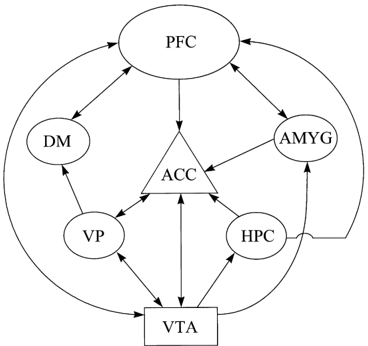
To successfully negotiate the developmental transition between youth and adulthood, adolescents must maneuver this often stressful period while acquiring skills necessary for independence. Certain behavioral features, including age-related increases in social behavior and risk-taking/novelty-seeking, are common among adolescents of diverse mammalian species and may aid in this process. Reduced positive incentive values from stimuli may lead adolescents to pursue new appetitive reinforcers through drug use and other risk-taking behaviors, with their relative insensitivity to drugs supporting comparatively greater per occasion use. Pubertal increases in gonadal hormones are a hallmark of adolescence, although there is little evidence for a simple association of these hormones with behavioral change during adolescence. Prominent developmental transformations are seen in prefrontal cortex and limbic brain regions of adolescents across a variety of species, alterations that include an apparent shift in the balance between mesocortical and mesolimbic dopamine systems. Developmental changes in these stressor-sensitive regions, which are critical for attributing incentive salience to drugs and other stimuli, likely contribute to the unique characteristics of adolescence.
Overview
The claims and statistics of this paper haven’t been checked yet.
Free: it reads the open-access text and checks the first 5 claims that cite a source we can check. Create a free account to check every claim.
Integrity signals
Registry
Cites
Statistics
Figures
Verification
Claims the paper makes
The claims and statistics of this paper haven’t been checked yet.
Free: it reads the open-access text and checks the first 5 claims that cite a source we can check. Create a free account to check every claim.
Claims other papers make about this one
Each is checked against this paper’s own text: does it say what the citing paper says it does?
The cited source doesn’t support the claim as written.
In the citing paper
“An accumulation of evidence suggests an increase in incentive motivation from childhood to adolescence and a decline from adolescence into adulthood (Luciana, Wahlstrom, Porter, & Collins, 2012; Steinberg, 2010).”
From Incentive Motivation, Cognitive Control, and the Adolescent Brain: Is It Time for a Paradigm Shift? (2012) · cites this paper as Spear, 2000
Checked by a reasoning model — may be wrong.
Experimental — accuracy not yet measuredThe source backs part of the claim, not all of it — or backs it for a different population, condition or comparison.
In the citing paper
“However, it should be noted that the time frame of adoles cence in rodents is very short, i.e. from postnatal day 25 -42 (Spear, 2000), which challenges the use of self-administration protocols as they require longer training periods and access to nicotine than forced exposure protocols.”
From Age-dependent Effects of Tobacco Smoke and Nicotine on Cognition and the Brain: A Systematic Review of the Human and Animal Literature Comparing Adolescents and Adults. (2023) · cites this paper as Spear, 2000
Experimental — accuracy not yet measuredThe source backs part of the claim, not all of it — or backs it for a different population, condition or comparison.
In the citing paper
“Thereby, brain development may be responsible for characteristic adolescent traits—uncontrollable mood swings, impulsivity, risk taking, and peer-directed social interactions (Orr and Ingersoll 1995; Spear 2000; Galvan et al. 2007).”
From Short- and Long-Term Consequences of Nicotine Exposure during Adolescence for Prefrontal Cortex Neuronal Network Function (2012) · cites this paper as Spear 2000
Experimental — accuracy not yet measuredThe source backs part of the claim, not all of it — or backs it for a different population, condition or comparison.
In the citing paper
“Compared with adults, adolescents are generally more motivated by rewards, are less averse to risks, and are more easily influenced by peers (Spear 2000; Steinberg 2005; Galvan et al. 2006).”
From Short- and Long-Term Consequences of Nicotine Exposure during Adolescence for Prefrontal Cortex Neuronal Network Function (2012) · cites this paper as Spear 2000
Experimental — accuracy not yet measuredThe source backs part of the claim, not all of it — or backs it for a different population, condition or comparison.
In the citing paper
“Structural and functional MRI data show earlier maturation of reward systems and much slower development of prefrontal cognitive control (Spear 2000; Chambers et al. 2003; Casey et al. 2005; Ernst et al. 2005; Ernst and Fudge 2009).”
From Short- and Long-Term Consequences of Nicotine Exposure during Adolescence for Prefrontal Cortex Neuronal Network Function (2012) · cites this paper as Spear 2000
Experimental — accuracy not yet measured
32 more claims about this paper
Create a free account to see every claim other papers make about this one.
Self-check
Percentages, sums and reported differences re-computed from the paper’s own numbers.
The self-check needs the paper’s full text.
Citations
Cites
Adolescence-limited and life-course-persistent antisocial behavior: a developmental taxonomy
Moffitt, T. E. (1993) · Psychological Review · doi:10.1037/0033-295x.100.4.674 · Cited by 9,987 · cited 3×
“Hence, it perhaps should not be surprising that along with increases in sensation and novelty seeking during adolescence [24,342,369], an increase in drug use is seen as well.”
The Physiology of Reproduction
(1988) · Annals of Internal Medicine · doi:10.7326/0003-4819-109-2-176_1 · Cited by 7,861
Brain development during childhood and adolescence: a longitudinal MRI study
Giedd, J. N., Blumenthal, J., Jeffries, N. O., Castellanos, F. X., Liu, H., Zijdenbos, A., Paus, T., Evans, A. C., & Rapoport, J. L. (1999) · Nature Neuroscience · doi:10.1038/13158 · Cited by 5,552 · cited 2×
“[197] Giedd JN, Blumenthal J, Jeffries NO, Castellanos FX, Liu H, Zijdenbos A, Paus T, Evans AC, Rapoport JL.”
Negative affectivity: the disposition to experience aversive emotional states
Watson, D., & Clark, L. A. (1984) · Psychological Bulletin · doi:10.1037/0033-2909.96.3.465 · Cited by 4,636 · cited 1×
“Although high negative affectivity does not necessarily imply a lack of ability to experience pleasurable experiences [579], in addition to greater negative affect adolescents also appear to experience and expect to experience positive situations as less pleasurable than other aged individuals.”
Predictive reward signal of dopamine neurons
Schultz, W. (1998) · Journal of Neurophysiology · doi:10.1152/jn.1998.80.1.1 · Cited by 4,564
What is the role of dopamine in reward: hedonic impact, reward learning, or incentive salience?
Berridge, K. C., & Robinson, T. E. (1998) · Brain Research Reviews · doi:10.1016/s0165-0173(98)00019-8 · Cited by 4,127
At the Threshold: The Developing Adolescent
Feldman, S. S., & Elliott, G. R. (1990) · Cited by 3,229
Protecting Adolescents From Harm: Findings From the National Longitudinal Study on Adolescent Health
Resnick, M. D. (1997) · JAMA · doi:10.1001/jama.1997.03550100049038 · Cited by 2,846 · cited 2×
“[460] Resnick MD, Bearman PS, Blum RW, Bauman KE, Harris KM, Jones J, Tabor J, Beuhring T, Sieving RE, Shew M, Ireland M,”
Handbook of Psychopharmacology
(1988) · Springer eBooks · doi:10.1007/978-1-4613-0933-8 · Cited by 2,746
The Concepts of Stress and Stress System Disorders: Overview of Physical and Behavioral Homeostasis
Chrousos, G. P. (1992) · JAMA · doi:10.1001/jama.1992.03480090092034 · Cited by 2,689 · cited 1×
“Growth hormone release is inhibited as is activity of the hypothalamo–pituitary–gonadal (HPG) axis, whereas activation of these hormonal systems is central to the adolescent growth spurt and the physiological changes associated with sexual maturation [85,142].”
Research works printed but not linked: 31
- [68] Byne W, Davis KL. The role of prefrontal cortex in the dopaminer- 20. gic dysregulation of schizophrenia. Biological Psychiatry 1999;45:657-9. -
- [87] Chugani HT. Neuroimaging of developmental nonlinearity and developmental pathologies. In: Thatcher RW, Lyon GR, Rumsey J, Krasnegor N, editors. Developmental neuroimaging: mapping the development of brain and behavior, San Diego, CA: Academic Press, 1996. p. 187-95. -
- [101] Cords M, Aureli F. Patterns of reconciliation among juvenile longtailed macaques. In: Pereira ME, Fairbanks LA, editors. Juvenile primates, New York, NY: Oxford University Press, 1993 (p. 27184, 367-415). -
- [105] Crockett CM, Pope TR. Consequences of sex differences in dispersal for juvenile red howler monkeys. In: Pereira ME, Fairbanks LA, editors. Juvenile primates, New York, NY: Oxford University Press, 1993 (p. 104-18, 367-415). -
- [130] de Waal FBM. Codevelopment of dominance relations and affiliative bonds in rhesus monkeys. In: Pereira ME, Fairbanks LA, editors. Juvenile primates, New York, NY: Oxford University Press, 1993 (p. 259-70, 367-415). -
- [162] Fagen R. Primate juveniles and primate play. In: Pereira ME, Fairbanks LA, editors. Juvenile primates, New York, NY: Oxford University Press, 1993 (p. 182-96, 367-415). -
- [165] Fairbanks LA. Juvenile vervet monkeys: establishing relationships and practicing skills for the future. In: Pereira ME, Fairbanks LA, editors. Juvenile primates, New York, NY: Oxford University Press, 1993 (p. 211-27, 367-415). -
- [166] Fairbanks LA, Pereira ME. Juvenile primates: dimensions for future research. In: Pereira ME, Fairbanks LA, editors. Juvenile primates, New York, NY: Oxford University Press, 1993 (p. 359-66, 367415). -
- [188] Gandia A, Bolufer P, Rodriguez A, Antonio P. Salivary cortisol increases with age in children. Journal of Clinical Chemistry and Clinical Biochemistry 1990;28:655. -
- [265] Kagan J, Moss H. Birth to maturity. New York, NY: Wiley, 1962. -
- [283] Kennedy GC. Ontogeny of mechanisms controlling food and water intake. In: Code CF, editor. Handbook of physiology: alimentary canal, Food and water intake, vol. 1. Washington, DC: American Physiological Society, 1967. p. 337-52 (Section 6). -
- [331] Lipska BK, Weinberger DR. Cortical regulation of the mesolimbic dopamine system: implications for schizophrenia. In: Kalivas PW, Barnes CD, editors. Limbic motor circuits and neuropsychiatry, Boca Raton, FL: CRC Press, 1993. p. 329-49. -
- [352] McCord J. Problem behaviors. In: Feldman SS, Elliott GR, editors. At the threshold: the developing adolescent, Cambridge, MA: Harvard University Press, 1990. p. 414-30. -
- [365] Millstein SG. Perceptual, attributional, and affective processes in perceptions of vulnerability through the life span. In: Bell NJ, Bell RW,editors. Adolescent risk taking, Newbury Park, CA: Sage Publications, 1993. p. 55-65. -
- [370] Mogenson GJ, Brudzynski SM, Wu M, Yang CR, Yim CCY. From motivation to action: a review of dopaminergic regulation of limbic ! nucleus accumbens ! ventral pallidum ! pedunculopontine nucleus circuitries involved in limbic-motor integration. In: Kalivas PW, Barnes CD, editors. Limbic motor circuits and neuropsychiatry, Boca Raton, FL: CRC Press, 1993. p. 193-236. -
- [386] O'Brien TG, Robinson JG. Stability of social relationships in female wedge-capped capuchin monkeys. In: Pereira ME, Fairbanks LA, editors. Juvenile primates, New York, NY: Oxford University Press, 1993 (p. 197-210, 367-415). -
- [404] Pereira ME. Juvenility in animals. In: Pereira ME, Fairbanks LA, editors. Juvenile primates, New York, NY: Oxford University Press, 1993 (p. 17-27, 367-415). -
- [405] Pereira ME. Agonistic interaction, dominance relation, and ontogenetic trajectories in ringtailed lemurs. In: Pereira ME, Fairbanks LA, editors. Juvenile primates, New York, NY: Oxford University Press, 1993 (p. 285-305, 367-415). -
- [407] Pereira ME, Fairbanks LA. What are juvenile primates all about?. In: Pereira ME, Fairbanks LA, editors. Juvenile primates, New York, NY: Oxford University Press, 1993 (p. 3-12, 367-415). -
- [408] Pereira ME, Fairbanks LA. Juvenile primates. New York, NY: Oxford University Press, 1993. -
- [414] Petersen AC, Taylor B. The biological approach to adolescence: biological change and psychological adaptation. In: Adelson J, editor. Handbook of adolescent psychology, New York, NY: Wiley, 1980. p. 117-55. -
- [447] Rachal JV, Guess LL, Hubbard RL, Maisto SA. Alcohol misuse by adolescents. Alcohol Health and Research World 1982;6:61-8. -
- [449] Rajpurohit LS, Sommer V. Juvenile male emigration from natal onemale troops in Hanuman langurs. In: Pereira ME, Fairbanks LA, editors. Juvenile primates, New York, NY: Oxford University Press, 1993 (p. 86-103, 367-415). -
- [483] Savin-Williams RC, Weisfeld GE. An ethological perspective on - adolescence. In: Adams GR, Montemayor R, Gullotta TP, editors. Biology of adolescent behavior and development, Newbury Park, CA: Sage Publications, 1989. p. 249-74. -
- [499] Simmons RG, Burgeson R, Reef MJ. Cumulative change at entry to adolescence. In: Gunnar MR, Collins WA, editors. Development during the transition to adolescence, vol. 21. Hillsdale, NJ: Lawrence Erlbaum Associates, 1988. p. 123-50. -
- [568] van Noordwijk MA, Hemelrijk CK, Herremans LAM, Sterck EHM. Spatial position and behavioral sex differences in juvenile longtailed macaques. In: Pereira ME, Fairbanks LA, editors. Juvenile primates, New York, NY: Oxford University Press, 1993 (p. 7785, 367-415). -
- [570] Vik P, Brown SA. Life events and substance abuse during adolescence. In: Miller TW, editor. Children of trauma, Madison, CT: International Universities Press, 1998. p. 179-204. -
- [581] Watts DP, Pusey AE. Behavior of juvenile and adolescent great apes. 21. In: Pereira ME, Fairbanks LA, editors. Juvenile primates, New York, NY: Oxford University Press, 1993 (p. 148-167, 367-415). -
- [584] Weinberger DR. Schizophrenia as a neurodevelopmental disorder. In: Hirsch SR, Weinberger DR, editors. Schizophrenia, Oxford, UK: Blackwell Science Ltd, 1995. p. 293-323. -
- [601] Worthman CM. Biocultural interactions in human development. In: Pereira ME, Fairbanks LA, editors. Juvenile primates, New York, NY: Oxford University Press, 1993 (p. 339-58, 367-415). -
- [606] Yurgelun-Todd D. Brain and psyche seminar. Whitehead Institute for Biomedical Research, Cambridge, MA, June 11, 1998. -
Cited by
Items 801–900 of 1,225
Behavioral Characterization of the Effects of Cannabis Smoke and Anandamide in Rats
Bruijnzeel, A. W., Qi, X., Guzhva, L. V., Wall, S., Deng, J. V., Gold, M. S., Febo, M., & Setlow, B. (2016) · PLOS ONE · doi:10.1371/journal.pone.0153327 · Cited by 87
“Therefore, the rats had reached adulthood when the smoke exposure sessions started [33].”
BackgroundBaker, K. D., Loughman, A., Spencer, S. J., & Reichelt, A. C. (2017) · Neuroscience & Biobehavioral Reviews · doi:10.1016/j.neubiorev.2017.10.014 · Cited by 85
“In rats, adolescence begins around P28 and ends at approximately P50–55 when rats are reproductively mature, signaling the transition into adulthood (Schneider, 2013; Spear, 2000).”
BackgroundParajuli, J., & Prangthip, P. (2025) · Current Nutrition Reports · doi:10.1007/s13668-025-00706-4 · Cited by 106
“Adolescents begin to form peer-based relationships and engage in experimentation, exploration, and risk-taking behaviors [3, 4].”
Development of relational reasoning during adolescence
Dumontheil, I., Houlton, R., Christoff, K., & Blakemore, S. (2010) · Developmental Science · doi:10.1111/j.1467-7687.2010.01014.x · Cited by 88
“…Dosenbach, Church, Miezin, Barch, Raichle, Petersen & Schlaggar, 2008), changes in the balance between mesocortical and mesolimbic systems (see Spear, 2000, for review), or else reflect the maturation of the neurotransmitter systems (Insel, Miller & Gelhard, 1990; Tseng & O'Donnell, 2005,…”
BackgroundAdolescent and adult female rats differ in sensitivity to nicotine's activity effects
ELLIOTT, B., Faraday, M. M., PHILLIPS, J., & Grunberg, N. E. (2005) · Pharmacology Biochemistry and Behavior · doi:10.1016/j.pbb.2005.01.019 · Cited by 106
ALLOY, L. B., ABRAMSON, L. Y., WALSHAW, P. D., KEYSER, J., & GERSTEIN, R. K. (2006) · Development and Psychopathology · doi:10.1017/s0954579406060524 · Cited by 91
“…models, the stress responsiveness of cortical receptors for GABA, an inhibitory neurotransmitter, increase during adolescence ~Kellogg, Awatramani, & Piekut, 1998!. Similarly, dopaminergic function, important in mediating reward behavior, increases in the PFC during adolescence ~Spear, 2000!.”
BackgroundInfluentialNicotine Withdrawal in Adolescent and Adult Rats
O'DELL, L. E., BRUIJNZEEL, A. W., GHOZLAND, S., MARKOU, A., & KOOB, G. F. (2004) · Annals of the New York Academy of Sciences · doi:10.1196/annals.1308.022 · Cited by 90
Risher, M., Fleming, R. L., Risher, W. C., Miller, K. M., Klein, R. C., Wills, T., Acheson, S. K., Moore, S. D., Wilson, W. A., Eroglu, C., et al. (2015) · Alcoholism: Clinical and Experimental Research · doi:10.1111/acer.12725 · Cited by 104
“While it has become clear that adolescents respond differently than adults to the acute effects of ethanol (EtOH) on learning, sedation, and motor function (Little et al., 1996;Markwiese et al., 1998; Spear, 2000), the enduring consequences of repeatedEtOH exposure during this developmental period have only recently b…”
Sex‐dependent effects of nicotine on the developing brain
Cross, S. J., Linker, K. E., & Leslie, F. M. (2017) · Journal of Neuroscience Research · doi:10.1002/jnr.23878 · Cited by 104
Piontkewitz, Y., Bernstein, H., Dobrowolny, H., Bogerts, B., Weiner, I., & Keilhoff, G. (2011) · Brain Behavior and Immunity · doi:10.1016/j.bbi.2011.11.004 · Cited by 104
Zhu, F., Zheng, Y., Ding, Y.-Q., Liu, Y., Zhang, X., Wu, R., Guo, X., & Zhao, J. (2014) · PLoS ONE · doi:10.1371/journal.pone.0093966 · Cited by 93
“Behavioral examinations were performed on the next day (P56) after the last injection, which corresponds to late adolescence/young adult stage [14].”
Juvenile Obesity Enhances Emotional Memory and Amygdala Plasticity through Glucocorticoids
Boitard, C., Maroun, M., Tantot, F., Cavaroc, A., Sauvant, J., Marchand, A., Layé, S., Capuron, L., Darnaudery, M., Castanon, N., et al. (2015) · The Journal of Neuroscience · doi:10.1523/jneurosci.3122-14.2015 · Cited by 89
“This is particularly worrisome since adolescence is a period of neurobehavioral shaping required for lifelong cognitive processing (Spear, 2000) that is particularly sensitive to environmental challenges, like excessive food intake (Andersen, 2003; Vendruscolo et al., 2010).”
BackgroundMethodInfluentialChanges in hypothalamic–pituitary–adrenal stress responsiveness before and after puberty in rats
Klein, Z. A., & Romeo, R. D. (2013) · Hormones and Behavior · doi:10.1016/j.yhbeh.2013.01.012 · Cited by 106
“…domains, these periods of maturation can also be accompanied by the onset of various psychological and physiological disorders, such as anxiety, depression, schizophrenia, and drug abuse (Andersen, 2003; Conger and Petersen, 1984; Costello et al., 2003; Patton and Viner, 2007; Spear, 2000).”
Reaching adolescents who drink harmfully: Fitting intervention to developmental reality
Masterman, P. W., & Kelly, A. B. (2003) · Journal of Substance Abuse Treatment · doi:10.1016/s0740-5472(03)00047-3 · Cited by 96
“Consequently, experimentation with alcohol may provide the opportunity to explore new behaviours in an effort to relinquish childhood patterns and to experiment with potential adult roles (Spear, 2000b).”
BackgroundEmotional tagging—A simple hypothesis in a complex reality
Bergado, J. A., Lucas, M., & Richter‐Levin, G. (2011) · Progress in Neurobiology · doi:10.1016/j.pneurobio.2011.03.004 · Cited by 105
Acute Effects of Ethanol on Behavior of Adolescent Rats: Role of Social Context
Varlinskaya, E. I., Spear, L. P., & Spear, N. E. (2001) · Alcoholism: Clinical and Experimental Research · doi:10.1097/00000374-200103000-00009 · Cited by 100
Self-citationEvolving a More Nurturing Society to Prevent Adverse Childhood Experiences
Biglan, A., Ryzin, M. J. V., & Hawkins, J. D. (2017) · Academic Pediatrics · doi:10.1016/j.acap.2017.04.002 · Cited by 105
Wenninger, H., Krasnova, H., & Buxmann, P. (2019) · European Journal of Information Systems · doi:10.1080/0960085x.2018.1496883 · Cited by 83
“Indeed, transitioning from childhood to adulthood, adolescents undergo a series of changes in the brain regions responsible for emotional processing (e.g. Winslow & Insel, 2004), and which prepare them for future sepa-rateness from their immediate family (Spear, 2000).”
BackgroundCocaine differentially alters behavior and neurochemistry in periadolescent versus adult rats
Collins, S. L., & Izenwasser, S. (2002) · Developmental Brain Research · doi:10.1016/s0165-3806(02)00471-6 · Cited by 103
Arg Kinase Regulates Prefrontal Dendritic Spine Refinement and Cocaine-Induced Plasticity
Gourley, S. L., Olevska, A., Warren, M. S., Taylor, J. R., & Koleske, A. J. (2012) · The Journal of Neuroscience · doi:10.1523/jneurosci.2730-11.2012 · Cited by 98
“These processes are hypothesized to optimize decision-making capacity (Spear, 2000), while disruption by environmental and/or genetic influences may confer vulnerability to typically adolescent-onset psychiatric disorders including drug addiction and schizophrenia (Lewis, 1997; Chambers et al.,…”
BackgroundInfluentialKlein, L. C., Stine, M. M., Vandenbergh, D. J., Whetzel, C. A., & Kamens, H. M. (2004) · Pharmacology Biochemistry and Behavior · doi:10.1016/j.pbb.2004.01.005 · Cited by 104
The impact of social isolation on HPA axis function, anxiety-like behaviors, and ethanol drinking
Butler, T. R., Ariwodola, O. J., & Weiner, J. L. (2014) · Frontiers in Integrative Neuroscience · doi:10.3389/fnint.2013.00102 · Cited by 84
“*p < 0.05 post-LFS vs. baseline and drug application. critical developmental period for social behaviors, brain function (Spear, 2000), and stress responsivity during adulthood (Romeo et al., 2006).”
BackgroundInfluentialVarlinskaya, E. I., & Spear, L. P. (2006) · Developmental Psychobiology · doi:10.1002/dev.20124 · Cited by 101
Self-citationSlikker, W., Xu, Z. A., Levin, E. D., & Slotkin, T. A. (2005) · Critical Reviews in Toxicology · doi:10.1080/10408440591007421 · Cited by 94
“…of behavioral responses also occurs during this time, reflected in the fact that adolescent animals respond to a variety of psychoactive drugs and other toxicants differently than adults or younger animals (Spear and Brake, 1983; Zawia and Harry, 1993; Markwiese et al., 1998; Spear, 2000).”
BackgroundArp, J. M., ter Horst, J. P., Loi, M., den Blaauwen, J. L., Bangert, E., Fernández, G., Joëls, M., Oitzl, M. S., & Krugers, H. J. (2016) · Neurobiology of Learning and Memory · doi:10.1016/j.nlm.2016.05.009 · Cited by 103
“…targeting of these receptors at adolescence, a critical developmental period when activation of glucocorticoid receptors may determine individual variation in behavior later in life (Bazak et al., 2009; Brydges et al., 2014; Spear 2000, 2004; Veenit, Cordero, Tzanoulinou, & Sandi, 2013).”
The impact of junk foods on the adolescent brain
Reichelt, A. C., & Rank, M. M. (2017) · Birth Defects Research · doi:10.1002/bdr2.1173 · Cited by 102
“As shown in Figure 1, the immature PFC limits behavioral regulation and the developing mesocorticolimbic dopamine “reward” system increases the sensitivity to the rewarding properties of palatable foods and drinks (Spear, 2000; Wilmouth & Spear, 2009).”
BackgroundInfluentialPerez, M. F., White, F. J., & Hu, X.-T. (2006) · Journal of Neurophysiology · doi:10.1152/jn.00254.2006 · Cited by 102
“All procedures were in strict accordance with the Guide for the Care and Use of Laboratory Animals (1996) and were approved by our Institutional Animal Care and Use Committee.”
MethodLlorente, R., Arranz, L., Marco, E. M., Moreno, E., Puerto, M., Guaza, C., la Fuente, M. D., & Viveros, M. (2007) · Psychoneuroendocrinology · doi:10.1016/j.psyneuen.2007.04.002 · Cited by 107
“Behavioural testing took place during the adolescent period (Spear, 2000; Adriani and Laviola, 2004).”
Watt, M. J., Weber, M. A., Davies, S. R., & Forster, G. L. (2017) · Progress in Neuro-Psychopharmacology and Biological Psychiatry · doi:10.1016/j.pnpbp.2017.06.015 · Cited by 93
Baker, K. D., Gray, A. R., & Richardson, R. (2017) · Behavioral Neuroscience · doi:10.1037/bne0000203 · Cited by 90
Sociability deficits after prenatal exposure to valproic acid are rescued by early social enrichment
Campolongo, M., Kazlauskas, N., Falasco, G., Urrutia, L., Salgueiro, N. D., Höcht, C., & Depino, A. M. (2018) · Molecular Autism · doi:10.1186/s13229-018-0221-9 · Cited by 102
“Although we cannot claim a specific critical period of development for this effect, previous work suggests adolescence (approximately from PD21 to PD42) as a critical period for the establishment of social behaviors [reviewed in [46]].”
BackgroundMarco, E. M., Adriani, W., Llorente, R., Laviola, G., & Viveros, M. (2008) · Neuroscience & Biobehavioral Reviews · doi:10.1016/j.neubiorev.2008.03.008 · Cited by 107
Black, Y. D., Maclaren, F. R., Naydenov, A. V., Carlezon, W. A., Baxter, M. G., & Konradi, C. (2006) · The Journal of Neuroscience · doi:10.1523/jneurosci.2391-06.2006 · Cited by 91
“…such studies are invaluable for our understanding of the PFC and addiction-related behaviors, they do not specifically address the consequences of drug exposure on the developing adolescent brain, which is in the final stages of synapse formation and pruning (Casey et al., 2000; Spear, 2000).”
BackgroundWegener, N., & Koch, M. (2008) · Brain Research · doi:10.1016/j.brainres.2008.11.081 · Cited by 105
Prevention of depression among Icelandic adolescents
Arnarson, E. Ö., & Craighead, W. E. (2009) · Behaviour Research and Therapy · doi:10.1016/j.brat.2009.03.011 · Cited by 106
Self-organizing individual differences in brain development
Lewis, M. D. (2005) · Developmental Review · doi:10.1016/j.dr.2005.10.006 · Cited by 105
Behavioral and Neural Representation of Emotional Facial Expressions Across the Lifespan
Somerville, L. H., Fani, N., & McClure-Tone, E. B. (2011) · Developmental Neuropsychology · doi:10.1080/87565641.2010.549865 · Cited by 86
“It has been proposed that adolescence is characterized by heightened psychosocial stress relative to childhood and adulthood (Spear, 2000).”
BackgroundInfluentialWhy we should consider sex (and study sex differences) in addiction research
Sanchis‐Segura, C., & Becker, J. B. (2016) · Addiction Biology · doi:10.1111/adb.12382 · Cited by 90
“2010) and, probably, non-gonadal (i.e. adrenal; Spear, 2000) steroids’”
BackgroundAdolescent sleep patterns in humans and laboratory animals
Hagenauer, M. H., & Lee, T. M. (2013) · Hormones and Behavior · doi:10.1016/j.yhbeh.2013.01.013 · Cited by 101
“If we presume that many of the physiological events associated with puberty and adolescence are not events specific to humans but instead represent common changes necessary for achieving sexual maturity and independent life across mammalian species (Sisk and Zehr, 2005; Spear, 2000), many of the changes in sleep obser…”
InfluentialTheory of Mind and conduct problems in children: Deficits in reading the “emotions of the eyes”
Sharp, C. (2008) · Cognition and Emotion · doi:10.1080/02699930701667586 · Cited by 101
“Moreover, adolescence is associated with significant changes in brain regions that underlie social behaviour (Spear, 2000).”
BackgroundAdolescents take positive risks, too
Duell, N., & Steinberg, L. D. (2021) · Developmental Review · doi:10.1016/j.dr.2021.100984 · Cited by 103
Llorente‐Berzal, A., Fuentes, S., Gagliano, H., López‐Gallardo, M., Armario, A., Viveros, M., & Nadal, R. (2011) · Addiction Biology · doi:10.1111/j.1369-1600.2011.00318.x · Cited by 88
“In general, there are important maturational changes in several brain areas important for cognition, emotion, motivation and reactivity to stress such as the prefrontal cortex and limbic brain structures (see Spear 2000; Ernst, Romeo & Andersen 2009 for a revision).”
BackgroundThe adolescent brain: Insights from functional neuroimaging research
Ernst, M., & Mueller, S. C. (2008) · Developmental Neurobiology · doi:10.1002/dneu.20615 · Cited by 87
“An attractive hypothesis is that of an imbalance between cognitive and emotional processing networks, mediated by a developmental shift in the balance between mesolimbic/striatal and mesocortical dopamine systems during adolescence (Spear, 2000; Andersen, 2003).”
BackgroundTsoory, M., Guterman, A., & Richter‐Levin, G. (2007) · Neuropsychopharmacology · doi:10.1038/sj.npp.1301397 · Cited by 102
“During the adolescent period (21–42 days), substantial maturational processes occur in the rat limbic system, including in the hippocampus and amygdala-based neurocircuits (for a review, see Spear, 2000).”
BackgroundInfluentialCannabis, Cannabinoids and Schizophrenia: Integration of the Evidence
Cohen, M., Solowij, N., & Carr, V. (2008) · Australian & New Zealand Journal of Psychiatry · doi:10.1080/00048670801961156 · Cited by 90
Gomes, F. V., & Grace, A. A. (2016) · Schizophrenia Bulletin · doi:10.1093/schbul/sbw156 · Cited by 101
Rat animal models for screening medications to treat alcohol use disorders
Bell, R. L., Hauser, S. R., Liang, T., Sari, Y., Maldonado‐Devincci, A. M., & Rodd, Z. A. (2017) · Neuropharmacology · doi:10.1016/j.neuropharm.2017.02.004 · Cited by 102
“These putative time periods (Table 1 adapted from Bell et al., 2013, 2014) have been based on neurobiological, sexual, foraging, and social characteristics that have been evolutionarily conserved across species (e.g., Spear, 2000, 2010).”
BackgroundRodd, Z. A., Bell, R. L., Kuc, K. A., Murphy, J. M., McBride, W. J., Lumeng, L., & Li, T. (2002) · Alcoholism Clinical and Experimental Research · doi:10.1097/00000374-200211000-00005 · Cited by 101
Adams, J., Barone, S., LaMantia, A., Philen, R. M., Rice, D. C., SPEAR, L. P., & Susser, E. (2000) · Environmental Health Perspectives · doi:10.1289/ehp.00108s3535 · Cited by 101
Self-citationHow does the teenage brain work?
Powell, K. (2006) · Nature · doi:10.1038/442865a · Cited by 102
Whittle, S., Yap, M. B. H., Yücel, M., Fornito, A., Simmons, J. G., Barrett, A., Sheeber, L., & Allen, N. B. (2008) · Proceedings of the National Academy of Sciences · doi:10.1073/pnas.0709815105 · Cited by 100
The onset of puberty: effects on the psychophysiology of defensive and appetitive motivation
Quevedo, K. M., Benning, S. D., Gunnar, M. R., & Dahl, R. E. (2009) · Development and Psychopathology · doi:10.1017/s0954579409000030 · Cited by 100
“Similarly, human adolescents show increased use of psychoactive drugs, and they engage in more extravagant and reckless behavior, hazardous driving, and unprotected sex when compared to adults (Spear, 2000).”
BackgroundInfluentialGunn, R. L., & Smith, G. T. (2010) · Psychology of Addictive Behaviors · doi:10.1037/a0020334 · Cited by 100
NMDA receptor hypofunction for schizophrenia revisited: perspectives from epigenetic mechanisms
Snyder, M. A., & Gao, W. (2019) · Schizophrenia Research · doi:10.1016/j.schres.2019.03.010 · Cited by 80
“The NMDAR subunit shift marks the transition from juvenile to “adult” neural processing (Dumas, 2005; Henson et al., 2010) and the switch makes the NMDARs extremely vulnerable to genetic and environmental risk factors (Brenhouse et al., 2008; Spear, 2000).”
BackgroundRelationship between Sleep Problems and Self-Injury: A Systematic Review
Khazaie, H., Zakiei, A., McCall, W. V., Noori, K., Rostampour, M., Bahmani, D. S., & Brand, S. (2020) · Behavioral Sleep Medicine · doi:10.1080/15402002.2020.1822360 · Cited by 101
“And fourth, following Yoo et al. (2007) individuals with insomnia showed an unstable and disrupted interplay and connection between the medial-prefrontal cortex (MPFC) and its inhibitory and top-down control of the amygdala and adjacent mesolimbic structures, leading to less functional emotional responses and to a low…”
BackgroundInfluentialDivergent stress-induced neuroendocrine and behavioral responses prior to puberty
Lui, P., Padow, V. A., Franco, D., Hall, B. S., Park, B., Klein, Z. A., & Romeo, R. D. (2012) · Physiology & Behavior · doi:10.1016/j.physbeh.2012.06.011 · Cited by 84
“Though the specific age span that delineates pubertal development in themale rat is unclear, animals prior to 30 days of age are largely considered prepubertal, while animals after 70 days of age are considered reproductively mature adults [29,30].”
BackgroundVarlinskaya, E. I., Truxell, E., & Spear, L. P. (2014) · Alcohol · doi:10.1016/j.alcohol.2014.01.012 · Cited by 92
“These brain regions undergo substantial remodeling during adolescence (Crews, He, & Hodge, 2007; Doremus-Fitzwater et al., 2009; Ernst & Fudge, 2009; Spear, 2000, 2004; Sturman & Moghaddam, 2011) and hence, it would not be surprising if some of these regions are among those vulnerable to disruption…”
BackgroundSelf-citationAlpár, A., Marzo, V. D., & Harkany, T. (2015) · Biological Psychiatry · doi:10.1016/j.biopsych.2015.09.009 · Cited by 101
“Although difficulties exist to delineate its precise time window, adolescence broadly covers the period between the nonreproductive and reproductive stages in humans between 11 and 18 years of age (133).”
BackgroundMika, A., Day, H. E. W., Martinez, A., Rumian, N. L., Greenwood, B. N., Chichlowski, M., Berg, B. M., & Fleshner, M. (2017) · European Journal of Neuroscience · doi:10.1111/ejn.13444 · Cited by 88
“Notably, prebiotics may be more effective in early life (Chen et al., 2015; Mudd et al., 2016; Waworuntu et al., 2016; Williams et al., 2016), when the developing brain (Spear, 2000) and microbiota (Agans et al., 2011; Yatsunenko et al., 2012; Ringel-Kulka et al., 2013) are more plastic.”
BackgroundBehavioral Mechanisms Underlying Nicotine Reinforcement
Rupprecht, L. E., Smith, T. T., Schassburger, R. L., Buffalari, D. M., Sved, A. F., & Donny, E. C. (2015) · Current topics in behavioral neurosciences · doi:10.1007/978-3-319-13482-6_2 · Cited by 101
Slotkin, T. A., & Seidler, F. J. (2006) · Reproductive Toxicology · doi:10.1016/j.reprotox.2006.07.010 · Cited by 102
Metabotropic glutamate receptor 5 in the pathology and treatment of schizophrenia
Matosin, N., & Newell, K. A. (2012) · Neuroscience & Biobehavioral Reviews · doi:10.1016/j.neubiorev.2012.12.005 · Cited by 101
“It has been shown that dopamine and glutamate systems mature during this time period and assaults during this phase may result in effects to brain maturation, potentially causing severe abnormalities in the adult brain, leading to schizophrenia (Spear, 2000).”
BackgroundWu, M., Minkowicz, S., Dumrongprechachan, V., Hamilton, P., & Kozorovitskiy, Y. (2021) · Biological Psychiatry · doi:10.1016/j.biopsych.2020.12.022 · Cited by 95
“Because DA tone in the mPFC changes through the life span (79 – 82), the variance in ketamine ’ s antidepressant ef fi cacy [e.g., low ef fi cacy and more transient effects for geriatric depression (83)] may be partially explained by the age-related alterations in cortical DA tone.”
BackgroundCognitive, emotional and neurochemical effects of repeated maternal separation in adolescent rats
Li, M., Xue, X., Shao, S., Shao, F., & Wang, W. (2013) · Brain Research · doi:10.1016/j.brainres.2013.04.026 · Cited by 104
Fatemi, S. H., Folsom, T. D., Reutiman, T. J., Abu-Odeh, D., Mori, S., Huang, H., & Oishi, K. (2009) · Schizophrenia Research · doi:10.1016/j.schres.2009.04.014 · Cited by 86
“. may lead to genesis of schizophrenia (Suvisaari et al., 1999; Limosin et al., 2003; Fatemi, 2005, 2008; Brown, 2006) and autism (Spear, 2000, 2004; Arndt et al., 2005; Libbey et al., 2005).”
BackgroundGomez, F., Manalo, S., & Dallman, M. F. (2004) · Endocrinology · doi:10.1210/en.2003-0565 · Cited by 92
Repeated daily restraint stress induces adaptive behavioural changes in both adult and juvenile mice
Sadler, A., & Bailey, S. (2016) · Physiology & Behavior · doi:10.1016/j.physbeh.2016.09.014 · Cited by 100
Striatum processes reward differently in adolescents versus adults
Sturman, D. A., & Moghaddam, B. (2012) · Proceedings of the National Academy of Sciences · doi:10.1073/pnas.1114137109 · Cited by 98
“36]; or latency from the instrumental poke to the entry into the food trough [F(1, 1) = 0.”
BackgroundInfluentialPrior Record Enhancements at Sentencing: Unsettled Justifications and Unsettling Consequences
Hester, R., Frase, R. S., Roberts, J. V., & Mitchell, K. L. (2018) · Crime and Justice · doi:10.1086/695400 · Cited by 98
Wiley, J. L., O’Connell, M. M., Tokarz, M. E., & Wright, M. J. (2006) · Journal of Pharmacology and Experimental Therapeutics · doi:10.1124/jpet.106.108126 · Cited by 99
“Importantly, characteristic patterns of adolescent behavior, such as increased risk-taking and in- creased social interaction with peers that have been observed cross-species occur in the rat from approximately postnatal day (PN) 28 to 42 (PN28–PN42) (Spear, 2000).”
BackgroundHiguera‐Matas, A., Soto‐Montenegro, M. L., Olmo, N. D., Miguéns, M., Torres, I., Vaquero, J. J., Sánchez, J. C., García-Lecumberri, C., Desco, M., & Ambrosio, E. (2007) · Neuropsychopharmacology · doi:10.1038/sj.npp.1301467 · Cited by 102
“In the present work, we chronically injected male and female rats with the cannabinoid agonist CP in the peripubertal stage (P28-P38) of adolescence (Spear, 2000) and their food and cocaine self-administration behavior in adulthood was examined.”
MethodHow Elephants are Opening Doors: Developmental Neuroethology, Attachment and Social Context
Bradshaw, G. A., & Schore, A. N. (2007) · Ethology · doi:10.1111/j.1439-0310.2007.01333.x · Cited by 80
“This all-male developmental phase is coincident with a second phase of major mammalian brain re-organization (Spear 2000).”
BackgroundAdolescent neurodevelopment and substance use: receptor expression and behavioral consequences
Thorpe, H. H. A., Hamidullah, S., Jenkins, B. W., & Khokhar, J. Y. (2020) · Pharmacology & Therapeutics · doi:10.1016/j.pharmthera.2019.107431 · Cited by 97
Altered brain response to drinking glucose and fructose in obese adolescents
Jastreboff, A. M., Sinha, R., Arora, J., Giannini, C., Kubat, J., Malik, S., Van Name, M. A., Santoro, N., Savoye, M., Duran, E. J., et al. (2016) · Diabetes · doi:10.2337/db15-1216 · Cited by 97
Corbett, B. A., Vandekar, S., Muscatello, R. A., & Tanguturi, Y. C. (2020) · Autism Research · doi:10.1002/aur.2406 · Cited by 98
“Alternatively, puberty refers to biological maturation contributing to significant changes in morphology, cognition, emotion regulation, and physiological stress [e.g., Chrousos, Torpy, & Gold, 1998; Spear, 2000; Steinberg, 2005].”
BackgroundInfluentialLopez, M. F., & Laber, K. (2015) · Physiology & Behavior · doi:10.1016/j.physbeh.2014.11.012 · Cited by 87
“In rodents, chronic stress during early developmental periods induces many behavioral changes, including altered anxiety responses, locomotor activity, and aggressive behaviors (Hefner and Holmes, 2007; Spear 2000, 2004).”
InfluentialChassin, L., Dmitrieva, J., Modecki, K. L., Steinberg, L. D., Cauffman, E. E., Piquero, A. R., Knight, G. P., & Losoya, S. H. (2010) · Psychology of Addictive Behaviors · doi:10.1037/a0017692 · Cited by 99
“…to alcohol and drugs during adolescence may produce negative effects on adolescent neurobiological development and on the development of psychosocial maturity (Brown et al., 2008; Spear, 2000; Squeglia et al., 2009), as well as ripple effects on multiple life-course domains (Odgers et al., 2008).”
BackgroundXu, X., Dong, T., Hong, X., Chen, L., & Xie, L. (2011) · Neuropharmacology · doi:10.1016/j.neuropharm.2011.04.027 · Cited by 97
Revised reinforcement sensitivity theory and laboratory assessment of BIS and BAS in children
Colder, C. R., Trucco, E. M., Lopez, H. I., Hawk, L. W., Read, J. P., Lengua, L. J., Weiczorek, W. F., & Eiden, R. D. (2011) · Journal of Research in Personality · doi:10.1016/j.jrp.2011.01.005 · Cited by 98
“Moreover, maturation and shifting environmental demands are believed to lead to developmental changes in temperament and personality (Rothbart & Bates, 1998), and there is evidence that reinforcement sensitivities temporarily shift during adolescence (Giedd, 2004; Spear, 2000).”
BackgroundO’Dell, L. E., Torres, O. V., Natividad, L. A., & Tejeda, H. A. (2006) · Neurotoxicology and Teratology · doi:10.1016/j.ntt.2006.11.003 · Cited by 97
Haaker, J., Maren, S., Andreatta, M., Merz, C. J., Richter, J., Richter, S. H., Drexler, S. M., Lange, M. D., Jüngling, K., Nees, F., et al. (2019) · Neuroscience & Biobehavioral Reviews · doi:10.1016/j.neubiorev.2019.09.020 · Cited by 101
“…(i.e., 2–6 months postpartum), which corresponds to the typical age of participants in human fear conditioning studies (i.e., 21–25 years; cf. Lonsdorf and Merz, 2017; Sengupta, 2012; Spear, 2000; see www.translatingtime.org/translate for a tool to translate age between different species).”
Ethanol‐induced conditioned taste aversion in male Sprague‐Dawley rats: impact of age and stress
Anderson, R. I., Varlinskaya, E. I., & Spear, L. P. (2010) · Alcoholism: Clinical and Experimental Research · doi:10.1111/j.1530-0277.2010.01307.x · Cited by 96
“Human adolescents are confronted with a number of social and environmental challenges that are potentially stressful (Buchanan et al., 1992; Spear, 2000), and drinking to cope with problems is associated with extensive alcohol use in adolescence (Cooper et al.”
BackgroundInfluentialSelf-citationAndrzejewski, M. E., Schochet, T. L., Feit, E. C., Harris, R., Mckee, B. L., & Kelley, A. E. (2011) · Behavioral Neuroscience · doi:10.1037/a0022038 · Cited by 96
Hedonic sensitivity in adolescent and adult rats: Taste reactivity and voluntary sucrose consumption
Wilmouth, C. E., & Spear, L. P. (2009) · Pharmacology Biochemistry and Behavior · doi:10.1016/j.pbb.2009.02.009 · Cited by 96
“: +1 607 777 . lsevier Inc. rewards in an attempt to compensate for an attenuated sensitivity to hedonic stimuli (Spear, 2000).”
Self-citationHill, R. A., Wu, Y. W. C., Kwek, P., & Buuse, M. V. D. (2012) · Journal of Neuroendocrinology · doi:10.1111/j.1365-2826.2012.02277.x · Cited by 96
Symptoms of Anxiety and Depression in Young Athletes Using the Hospital Anxiety and Depression Scale
Weber, S., Puta, C., Lesinski, M., Gabriel, B., Steidten, T., Bär, K.-J., Herbsleb, M., Granacher, U., & Gabriel, H. H. W. (2018) · Frontiers in Physiology · doi:10.3389/fphys.2018.00182 · Cited by 76
“These may lead to an imbalance in their emotional homeostasis and therefore to the development of anxiety or depression (Spear, 2000).”
BackgroundDo sleep-deprived adolescents make less-healthy food choices?
Kruger, A. K., Reither, E. N., Peppard, P. E., Krueger, P. M., & Hale, L. E. (2014) · British Journal Of Nutrition · doi:10.1017/s0007114514000130 · Cited by 97
López-Caneda, E., Cadaveira, F., Crego, A., Doallo, S., Corral, M., Gómez-Suárez, A., & Rodríguez Holguín, S. (2013) · Alcohol and Alcoholism · doi:10.1093/alcalc/agt046 · Cited by 80
State-of-the-Art Office-Based Interventions to Eliminate Youth Tobacco Use: The Past Decade
Pbert, L., Farber, H., Horn, K., Lando, H. A., Muramoto, M., O’Loughlin, J., Tanski, S., Wellman, R. J., Winickoff, J. P., & Klein, J. D. (2015) · Pediatrics · doi:10.1542/peds.2014-2037 · Cited by 78
Kinship and Nonrelative Foster Care: The Effect of Placement Type on Child Well-Being
Font, S. A. (2014) · Child Development · doi:10.1111/cdev.12241 · Cited by 95
“This may be especially pertinent for adolescents, whose developmental status increases their likelihood of experiencing conflict with caregivers and participating in high-risk behaviors (Lupien et al., 2009; Spear, 2000).”
BackgroundTóth-Király, I., Morin, A. J. S., Hietajärvi, L., & Salmela-Aro, K. (2021) · Child Development · doi:10.1111/cdev.13525 · Cited by 95
Age-related differences in impulsivity among adolescent and adult Sprague-Dawley rats.
Doremus-Fitzwater, T. L., Barreto, M., & Spear, L. P. (2012) · Behavioral Neuroscience · doi:10.1037/a0029697 · Cited by 82
“…in brain dopaminergic and serotonergic systems have also been reported during adolescence (for review see Crews, He, & Hodge, 2007; Doremus-Fitzwater, Varlinskaya, & Spear, 2009; Spear, 2000) and may contribute to increased expression of impulsive-like behavior in this developmental stage.”
BackgroundSelf-citationDoremus-Fitzwater, T. L., Gano, A., Paniccia, J. E., & Deak, T. (2015) · Physiology & Behavior · doi:10.1016/j.physbeh.2015.02.032 · Cited by 88
“For example, using an animal model of adolescence (for review see [27]), studies have shown that adolescent rodents are less sensitive to many consequences of ethanol exposure, including the sedative/hypnotic [28], motor impairing [29], hangover [30], aversive [31], and social inhibitory [32] effects.”
MethodMood variability and cigarette smoking escalation among adolescents.
Weinstein, S. M., Mermelstein, R., Shiffman, S., & Flay, B. (2008) · Psychology of Addictive Behaviors · doi:10.1037/0893-164x.22.4.504 · Cited by 93
“Adolescence is a period of refinement of affect regulation systems (Kovacs et al., 2006; Spear, 2000), and maladaptive affect regulation during this period may confer risk for substance use.”
BackgroundPsychiatric vulnerability: Suggestions from animal models and role of neurotrophins
Alleva, E., & Francia, N. (2008) · Neuroscience & Biobehavioral Reviews · doi:10.1016/j.neubiorev.2008.09.004 · Cited by 95
Acute prenatal exposure to ethanol and social behavior: Effects of age, sex, and timing of exposure
Mooney, S. M., & Varlinskaya, E. I. (2011) · Behavioural Brain Research · doi:10.1016/j.bbr.2010.08.014 · Cited by 90
Evren, C., Dalbudak, E., Evren, B., & Demirci, A. Ç. (2014) · PubMed · Cited by 95
Long-term risk preference and suboptimal decision making following adolescent alcohol use
Nasrallah, N. A., Yang, T. W. H., & Bernstein, I. L. (2009) · Proceedings of the National Academy of Sciences · doi:10.1073/pnas.0906629106 · Cited by 94
“In contrast, the preference of alcohol-exposed animals for the large, uncertain lever was significantly greater than the prediction of the risk-neutral model [75%: t (10) 7.”
BackgroundMethodCastellanos-Ryan, N., Parent, S., Vitaro, F., Tremblay, R. E., & Séguin, J. R. (2013) · Journal of Abnormal Psychology · doi:10.1037/a0033133 · Cited by 94
“Animal studies also indicate that increases in reward seeking coincide with the onset of pubertal development (e.g., Spear, 2000).”
BackgroundPremoli, M., Pietropaolo, S., Wöhr, M., Simola, N., & Bonini, S. A. (2023) · European Journal of Neuroscience · doi:10.1111/ejn.15957 · Cited by 96
“This age is indeed a well-known sensitive period for brain and behavioral plasticity in the mouse species as well as in humans (Spear, 2000).”
Background
Metadata
- Authors
- Spear, L. P.
- Affiliations
- Binghamton University (US)
- Corresponding author
- Spear, L.P.
- ORCID
- Spear, L.P.
- Venue
- Neuroscience & Biobehavioral Reviews
- Publisher
- Elsevier BV
- Published
- 2000-06
- Volume
- 24
- Issue
- 4
- Pages
- 417-463
- ISSN
- 0149-7634 (ISSN-L)
- OpenAlex
- W1985645068
- Semantic Scholar
- 60797b83231d26d3ef631a666f4595e45ecb79cd
- Cited by
- 5,433
- References
- 652
- Citations by year
- 2026: 136 · 2025: 191 · 2024: 205 · 2023: 187 · 2022: 216 · 2021: 286 · 2020: 246 · 2019: 247 · 2018: 258 · 2017: 283 · 2016: 325 · 2015: 301 · 2014: 330 · 2013: 361 · 2012: 249
- FWCI
- 17.02
- Type
- journal article
- Language
- en
- Open access
- closed
- Licence
- www.elsevier.com/tdm/userlicense/1.0/ (tdm)
- Locations
- Neuroscience & Biobehavioral Reviews (publishedVersion)
- PubMed (publishedVersion)
- Funders
- National Institutes of Health (5k02da000140-09, 5r01aa010228-05)
- National Institute on Alcohol Abuse and Alcoholism (R01AA10228, R01AA012150, AA12150)
- National Institute on Drug Abuse (K02DA00140)
- Topics
- Life Sciences › Neuroscience › Cellular and Molecular Neuroscience › Neurotransmitter Receptor Influence on Behavior
- Life Sciences › Neuroscience › Cognitive Neuroscience › Neural and Behavioral Psychology Studies
- Health Sciences › Medicine › Epidemiology › Substance Abuse Treatment and Outcomes
- Keywords
- adolescent brain development, risk-taking, novelty seeking, social behavior, incentive salience, drug use, prefrontal cortex maturation, limbic system, mesolimbic dopamine system, mesocortical dopamine system, cross-species comparison
- MeSH terms
- Psychology, Adolescent, Aging, Animals, Behavior, Brain, Humans
About these checks
Registry, retraction, Cites and statistics results are computed, not judged, with one exception: a printed reference that no index lists is read once by a model before it counts as a citation error. Claims are extracted by a model and kept only when their quote appears verbatim in the text; each cited source is then checked, with a model’s help, for whether it says what the claim relies on. Those verdicts can be wrong — read the claim’s quote and the cited source before relying on one.
Statistics and arithmetic are recomputed, not judged.
Confidence bands are shown only for fields calibrated on our annotated test set. None is calibrated yet, so no band is shown.
What counts as a claim ›How we measure confidence ›How we check this ›
Are you an author, or do you see a problem with this page? Request a review
Data sources
Bibliographic data: Semantic Scholar, OpenAlex, Crossref.
Contains information from the Semantic Scholar Academic Graph Datasets, made available under the ODC Attribution License (ODC-BY 1.0).
Semantic Scholar’s data is described in: Kinney, R., et al. (2023). The Semantic Scholar Open Data Platform. arXiv:2301.10140.
