

The adolescent brain and age-related behavioral manifestations
The DOI matches its Crossref record; 641 of the 652 references it cites were found in a registry or an index.
Abstract
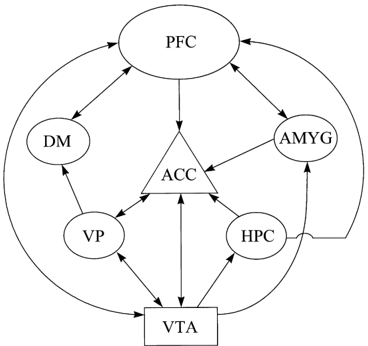
To successfully negotiate the developmental transition between youth and adulthood, adolescents must maneuver this often stressful period while acquiring skills necessary for independence. Certain behavioral features, including age-related increases in social behavior and risk-taking/novelty-seeking, are common among adolescents of diverse mammalian species and may aid in this process. Reduced positive incentive values from stimuli may lead adolescents to pursue new appetitive reinforcers through drug use and other risk-taking behaviors, with their relative insensitivity to drugs supporting comparatively greater per occasion use. Pubertal increases in gonadal hormones are a hallmark of adolescence, although there is little evidence for a simple association of these hormones with behavioral change during adolescence. Prominent developmental transformations are seen in prefrontal cortex and limbic brain regions of adolescents across a variety of species, alterations that include an apparent shift in the balance between mesocortical and mesolimbic dopamine systems. Developmental changes in these stressor-sensitive regions, which are critical for attributing incentive salience to drugs and other stimuli, likely contribute to the unique characteristics of adolescence.
Overview
The claims and statistics of this paper haven’t been checked yet.
Free: it reads the open-access text and checks the first 5 claims that cite a source we can check. Create a free account to check every claim.
Integrity signals
Registry
Cites
Statistics
Figures
Verification
Claims the paper makes
The claims and statistics of this paper haven’t been checked yet.
Free: it reads the open-access text and checks the first 5 claims that cite a source we can check. Create a free account to check every claim.
Claims other papers make about this one
Each is checked against this paper’s own text: does it say what the citing paper says it does?
The cited source doesn’t support the claim as written.
In the citing paper
“An accumulation of evidence suggests an increase in incentive motivation from childhood to adolescence and a decline from adolescence into adulthood (Luciana, Wahlstrom, Porter, & Collins, 2012; Steinberg, 2010).”
From Incentive Motivation, Cognitive Control, and the Adolescent Brain: Is It Time for a Paradigm Shift? (2012) · cites this paper as Spear, 2000
Checked by a reasoning model — may be wrong.
Experimental — accuracy not yet measuredThe source backs part of the claim, not all of it — or backs it for a different population, condition or comparison.
In the citing paper
“However, it should be noted that the time frame of adoles cence in rodents is very short, i.e. from postnatal day 25 -42 (Spear, 2000), which challenges the use of self-administration protocols as they require longer training periods and access to nicotine than forced exposure protocols.”
From Age-dependent Effects of Tobacco Smoke and Nicotine on Cognition and the Brain: A Systematic Review of the Human and Animal Literature Comparing Adolescents and Adults. (2023) · cites this paper as Spear, 2000
Experimental — accuracy not yet measuredThe source backs part of the claim, not all of it — or backs it for a different population, condition or comparison.
In the citing paper
“Thereby, brain development may be responsible for characteristic adolescent traits—uncontrollable mood swings, impulsivity, risk taking, and peer-directed social interactions (Orr and Ingersoll 1995; Spear 2000; Galvan et al. 2007).”
From Short- and Long-Term Consequences of Nicotine Exposure during Adolescence for Prefrontal Cortex Neuronal Network Function (2012) · cites this paper as Spear 2000
Experimental — accuracy not yet measuredThe source backs part of the claim, not all of it — or backs it for a different population, condition or comparison.
In the citing paper
“Compared with adults, adolescents are generally more motivated by rewards, are less averse to risks, and are more easily influenced by peers (Spear 2000; Steinberg 2005; Galvan et al. 2006).”
From Short- and Long-Term Consequences of Nicotine Exposure during Adolescence for Prefrontal Cortex Neuronal Network Function (2012) · cites this paper as Spear 2000
Experimental — accuracy not yet measuredThe source backs part of the claim, not all of it — or backs it for a different population, condition or comparison.
In the citing paper
“Structural and functional MRI data show earlier maturation of reward systems and much slower development of prefrontal cognitive control (Spear 2000; Chambers et al. 2003; Casey et al. 2005; Ernst et al. 2005; Ernst and Fudge 2009).”
From Short- and Long-Term Consequences of Nicotine Exposure during Adolescence for Prefrontal Cortex Neuronal Network Function (2012) · cites this paper as Spear 2000
Experimental — accuracy not yet measured
32 more claims about this paper
Create a free account to see every claim other papers make about this one.
Self-check
Percentages, sums and reported differences re-computed from the paper’s own numbers.
The self-check needs the paper’s full text.
Citations
Cites
Adolescence-limited and life-course-persistent antisocial behavior: a developmental taxonomy
Moffitt, T. E. (1993) · Psychological Review · doi:10.1037/0033-295x.100.4.674 · Cited by 9,987 · cited 3×
“Hence, it perhaps should not be surprising that along with increases in sensation and novelty seeking during adolescence [24,342,369], an increase in drug use is seen as well.”
The Physiology of Reproduction
(1988) · Annals of Internal Medicine · doi:10.7326/0003-4819-109-2-176_1 · Cited by 7,861
Brain development during childhood and adolescence: a longitudinal MRI study
Giedd, J. N., Blumenthal, J., Jeffries, N. O., Castellanos, F. X., Liu, H., Zijdenbos, A., Paus, T., Evans, A. C., & Rapoport, J. L. (1999) · Nature Neuroscience · doi:10.1038/13158 · Cited by 5,552 · cited 2×
“[197] Giedd JN, Blumenthal J, Jeffries NO, Castellanos FX, Liu H, Zijdenbos A, Paus T, Evans AC, Rapoport JL.”
Negative affectivity: the disposition to experience aversive emotional states
Watson, D., & Clark, L. A. (1984) · Psychological Bulletin · doi:10.1037/0033-2909.96.3.465 · Cited by 4,636 · cited 1×
“Although high negative affectivity does not necessarily imply a lack of ability to experience pleasurable experiences [579], in addition to greater negative affect adolescents also appear to experience and expect to experience positive situations as less pleasurable than other aged individuals.”
Predictive reward signal of dopamine neurons
Schultz, W. (1998) · Journal of Neurophysiology · doi:10.1152/jn.1998.80.1.1 · Cited by 4,564
What is the role of dopamine in reward: hedonic impact, reward learning, or incentive salience?
Berridge, K. C., & Robinson, T. E. (1998) · Brain Research Reviews · doi:10.1016/s0165-0173(98)00019-8 · Cited by 4,127
At the Threshold: The Developing Adolescent
Feldman, S. S., & Elliott, G. R. (1990) · Cited by 3,229
Protecting Adolescents From Harm: Findings From the National Longitudinal Study on Adolescent Health
Resnick, M. D. (1997) · JAMA · doi:10.1001/jama.1997.03550100049038 · Cited by 2,846 · cited 2×
“[460] Resnick MD, Bearman PS, Blum RW, Bauman KE, Harris KM, Jones J, Tabor J, Beuhring T, Sieving RE, Shew M, Ireland M,”
Handbook of Psychopharmacology
(1988) · Springer eBooks · doi:10.1007/978-1-4613-0933-8 · Cited by 2,746
The Concepts of Stress and Stress System Disorders: Overview of Physical and Behavioral Homeostasis
Chrousos, G. P. (1992) · JAMA · doi:10.1001/jama.1992.03480090092034 · Cited by 2,689 · cited 1×
“Growth hormone release is inhibited as is activity of the hypothalamo–pituitary–gonadal (HPG) axis, whereas activation of these hormonal systems is central to the adolescent growth spurt and the physiological changes associated with sexual maturation [85,142].”
Research works printed but not linked: 31
- [68] Byne W, Davis KL. The role of prefrontal cortex in the dopaminer- 20. gic dysregulation of schizophrenia. Biological Psychiatry 1999;45:657-9. -
- [87] Chugani HT. Neuroimaging of developmental nonlinearity and developmental pathologies. In: Thatcher RW, Lyon GR, Rumsey J, Krasnegor N, editors. Developmental neuroimaging: mapping the development of brain and behavior, San Diego, CA: Academic Press, 1996. p. 187-95. -
- [101] Cords M, Aureli F. Patterns of reconciliation among juvenile longtailed macaques. In: Pereira ME, Fairbanks LA, editors. Juvenile primates, New York, NY: Oxford University Press, 1993 (p. 27184, 367-415). -
- [105] Crockett CM, Pope TR. Consequences of sex differences in dispersal for juvenile red howler monkeys. In: Pereira ME, Fairbanks LA, editors. Juvenile primates, New York, NY: Oxford University Press, 1993 (p. 104-18, 367-415). -
- [130] de Waal FBM. Codevelopment of dominance relations and affiliative bonds in rhesus monkeys. In: Pereira ME, Fairbanks LA, editors. Juvenile primates, New York, NY: Oxford University Press, 1993 (p. 259-70, 367-415). -
- [162] Fagen R. Primate juveniles and primate play. In: Pereira ME, Fairbanks LA, editors. Juvenile primates, New York, NY: Oxford University Press, 1993 (p. 182-96, 367-415). -
- [165] Fairbanks LA. Juvenile vervet monkeys: establishing relationships and practicing skills for the future. In: Pereira ME, Fairbanks LA, editors. Juvenile primates, New York, NY: Oxford University Press, 1993 (p. 211-27, 367-415). -
- [166] Fairbanks LA, Pereira ME. Juvenile primates: dimensions for future research. In: Pereira ME, Fairbanks LA, editors. Juvenile primates, New York, NY: Oxford University Press, 1993 (p. 359-66, 367415). -
- [188] Gandia A, Bolufer P, Rodriguez A, Antonio P. Salivary cortisol increases with age in children. Journal of Clinical Chemistry and Clinical Biochemistry 1990;28:655. -
- [265] Kagan J, Moss H. Birth to maturity. New York, NY: Wiley, 1962. -
- [283] Kennedy GC. Ontogeny of mechanisms controlling food and water intake. In: Code CF, editor. Handbook of physiology: alimentary canal, Food and water intake, vol. 1. Washington, DC: American Physiological Society, 1967. p. 337-52 (Section 6). -
- [331] Lipska BK, Weinberger DR. Cortical regulation of the mesolimbic dopamine system: implications for schizophrenia. In: Kalivas PW, Barnes CD, editors. Limbic motor circuits and neuropsychiatry, Boca Raton, FL: CRC Press, 1993. p. 329-49. -
- [352] McCord J. Problem behaviors. In: Feldman SS, Elliott GR, editors. At the threshold: the developing adolescent, Cambridge, MA: Harvard University Press, 1990. p. 414-30. -
- [365] Millstein SG. Perceptual, attributional, and affective processes in perceptions of vulnerability through the life span. In: Bell NJ, Bell RW,editors. Adolescent risk taking, Newbury Park, CA: Sage Publications, 1993. p. 55-65. -
- [370] Mogenson GJ, Brudzynski SM, Wu M, Yang CR, Yim CCY. From motivation to action: a review of dopaminergic regulation of limbic ! nucleus accumbens ! ventral pallidum ! pedunculopontine nucleus circuitries involved in limbic-motor integration. In: Kalivas PW, Barnes CD, editors. Limbic motor circuits and neuropsychiatry, Boca Raton, FL: CRC Press, 1993. p. 193-236. -
- [386] O'Brien TG, Robinson JG. Stability of social relationships in female wedge-capped capuchin monkeys. In: Pereira ME, Fairbanks LA, editors. Juvenile primates, New York, NY: Oxford University Press, 1993 (p. 197-210, 367-415). -
- [404] Pereira ME. Juvenility in animals. In: Pereira ME, Fairbanks LA, editors. Juvenile primates, New York, NY: Oxford University Press, 1993 (p. 17-27, 367-415). -
- [405] Pereira ME. Agonistic interaction, dominance relation, and ontogenetic trajectories in ringtailed lemurs. In: Pereira ME, Fairbanks LA, editors. Juvenile primates, New York, NY: Oxford University Press, 1993 (p. 285-305, 367-415). -
- [407] Pereira ME, Fairbanks LA. What are juvenile primates all about?. In: Pereira ME, Fairbanks LA, editors. Juvenile primates, New York, NY: Oxford University Press, 1993 (p. 3-12, 367-415). -
- [408] Pereira ME, Fairbanks LA. Juvenile primates. New York, NY: Oxford University Press, 1993. -
- [414] Petersen AC, Taylor B. The biological approach to adolescence: biological change and psychological adaptation. In: Adelson J, editor. Handbook of adolescent psychology, New York, NY: Wiley, 1980. p. 117-55. -
- [447] Rachal JV, Guess LL, Hubbard RL, Maisto SA. Alcohol misuse by adolescents. Alcohol Health and Research World 1982;6:61-8. -
- [449] Rajpurohit LS, Sommer V. Juvenile male emigration from natal onemale troops in Hanuman langurs. In: Pereira ME, Fairbanks LA, editors. Juvenile primates, New York, NY: Oxford University Press, 1993 (p. 86-103, 367-415). -
- [483] Savin-Williams RC, Weisfeld GE. An ethological perspective on - adolescence. In: Adams GR, Montemayor R, Gullotta TP, editors. Biology of adolescent behavior and development, Newbury Park, CA: Sage Publications, 1989. p. 249-74. -
- [499] Simmons RG, Burgeson R, Reef MJ. Cumulative change at entry to adolescence. In: Gunnar MR, Collins WA, editors. Development during the transition to adolescence, vol. 21. Hillsdale, NJ: Lawrence Erlbaum Associates, 1988. p. 123-50. -
- [568] van Noordwijk MA, Hemelrijk CK, Herremans LAM, Sterck EHM. Spatial position and behavioral sex differences in juvenile longtailed macaques. In: Pereira ME, Fairbanks LA, editors. Juvenile primates, New York, NY: Oxford University Press, 1993 (p. 7785, 367-415). -
- [570] Vik P, Brown SA. Life events and substance abuse during adolescence. In: Miller TW, editor. Children of trauma, Madison, CT: International Universities Press, 1998. p. 179-204. -
- [581] Watts DP, Pusey AE. Behavior of juvenile and adolescent great apes. 21. In: Pereira ME, Fairbanks LA, editors. Juvenile primates, New York, NY: Oxford University Press, 1993 (p. 148-167, 367-415). -
- [584] Weinberger DR. Schizophrenia as a neurodevelopmental disorder. In: Hirsch SR, Weinberger DR, editors. Schizophrenia, Oxford, UK: Blackwell Science Ltd, 1995. p. 293-323. -
- [601] Worthman CM. Biocultural interactions in human development. In: Pereira ME, Fairbanks LA, editors. Juvenile primates, New York, NY: Oxford University Press, 1993 (p. 339-58, 367-415). -
- [606] Yurgelun-Todd D. Brain and psyche seminar. Whitehead Institute for Biomedical Research, Cambridge, MA, June 11, 1998. -
Cited by
Items 701–800 of 1,225
Inhibitory Control Deficits in Childhood and Risk for Substance Use Disorders: A Review
Ivanov, I., Schulz, K. P., London, E. D., & Newcorn, J. H. (2008) · The American Journal of Drug and Alcohol Abuse · doi:10.1080/00952990802013334 · Cited by 101
“In a comprehensive review of the literature, Spear (60) described an array of risk-related biobehavioral characteristics (e.”
BackgroundInfluentialRodd‐Henricks, Z. A., Bell, R. L., Kuc, K. A., Murphy, J. M., McBride, W. J., Lumeng, L., & Li, T. (2002) · Alcoholism: Clinical and Experimental Research · doi:10.1111/j.1530-0277.2002.tb02465.x · Cited by 110
“Both scientists issued a call for research to examine the effects of alcohol during the “sensitive period” of neurodevelopment that occurs during adolescence (Spear, 2000; Witt, 1994).”
BackgroundSantesso, D. L., Dzyundzyak, A., & Segalowitz, S. J. (2011) · Psychophysiology · doi:10.1111/j.1469-8986.2011.01229.x · Cited by 101
An investigation of the behavioral actions of ethanol across adolescence in mice
Hefner, K. R., & Holmes, A. (2007) · Psychopharmacology · doi:10.1007/s00213-006-0646-2 · Cited by 119
“Rodent models provide a valuable approach to studying the ontogeny of behavioral processes and brain systems mediating addictions such as alcoholism (Laviola et al. 2003; Lovinger and Crabbe 2005; Spear 2000).”
BackgroundResultPubertal development of the understanding of social emotions: Implications for education
Burnett, S., Thompson, S., Bird, G., & Blakemore, S.-J. (2011) · Learning and Individual Differences · doi:10.1016/j.lindif.2010.05.007 · Cited by 92
Warner, T. D., Behnke, M., Eyler, F. D., Padgett, K., Leonard, C., Hou, W., Garvan, C. W., Schmalfuss, I. M., & Blackband, S. J. (2006) · Pediatrics · doi:10.1542/peds.2006-0003 · Cited by 114
Wiley, J. L., & Burston, J. J. (2014) · Neuroscience Letters · doi:10.1016/j.neulet.2014.05.057 · Cited by 98
“Like humans, rodents and other mammals undergo physical and behavioral changes around the time of puberty, which occur in the rat from approximately postnatal (PN) day 28 to 42 [7].”
BackgroundBüchel, C., Peters, J., Banaschewski, T., Bokde, A. L. W., Bromberg, U., Conrod, P. J., Flor, H., Papadopoulos, D., Garavan, H., Gowland, P., et al. (2017) · Nature Communications · doi:10.1038/ncomms14140 · Cited by 118
Pandolfo, P., Machado, N. J., Köfalvi, A., Takahashi, R. N., & Cunha, R. A. (2013) · European Neuropsychopharmacology · doi:10.1016/j.euroneuro.2012.04.011 · Cited by 118
“Rats were considered adolescent at days 24 to 45 post-natal (Spear, 2000).”
Renard, J., Rosen, L. G., Loureiro, M., De Oliveira, C., Schmid, S., Rushlow, W. J., & Laviolette, S. R. (2016) · Cerebral Cortex · doi:10.1093/cercor/bhv335 · Cited by 118
Neurobehavioral adaptations to methylphenidate: The issue of early adolescent exposure
Marco, E. M., Adriani, W., Ruocco, L. A., Canese, R., Sadile, A. G., & Laviola, G. (2011) · Neuroscience & Biobehavioral Reviews · doi:10.1016/j.neubiorev.2011.02.011 · Cited by 119
Ladouceur, C. D. (2012) · Frontiers in Integrative Neuroscience · doi:10.3389/fnint.2012.00065 · Cited by 104
“…and is believed to have adaptive value in Frontiers in Integrative Neuroscience www.frontiersin.org August 2012 | Volume 6 | Article 65 | 4 preparing the individual to survive away from parental caretakers by encouraging the adolescent to develop new bonds and explore novel areas (Spear, 2000).”
BackgroundInfluentialZimmermann, K., Richardson, R., & Baker, K. (2019) · Brain Sciences · doi:10.3390/brainsci9030065 · Cited by 101
“Postnatal development represents a particularly dynamic period of synapse and spine formation and elimination in the cortex across species [29,30].”
BackgroundGender-based violence against adolescent girls in humanitarian settings: a review of the evidence
Stark, L., Seff, I., & Reis, C. (2020) · The Lancet Child & Adolescent Health · doi:10.1016/s2352-4642(20)30245-5 · Cited by 120
The Family Ecology of Adolescence: A Dynamic Systems Perspective on Normative Development
Granic, I., Dishion, T. J., & Hollenstein, T. (2006) · Wiley eBooks · doi:10.1002/9780470756607.ch4 · Cited by 118
“Neuroscientific evidence has emerged that suggests that the brain undergoes massive reorganizations during adolescence, particularly in the prefrontal cortex and limbic regions (for a review, see Spear, 2000).”
BackgroundStrong, M. N., Yoneyama, N., Fretwell, A. M., Snelling, C., Tanchuck, M. A., & Finn, D. A. (2010) · Hormones and Behavior · doi:10.1016/j.yhbeh.2009.10.008 · Cited by 109
“This age range was chosen, based on Spear (2000), where postnatal days 28–42 were defined as the prototypical adolescent period based on neurobehavioral changes.”
Vetreno, R. P., Broadwater, M., Liu, W., Spear, L. P., & Crews, F. T. (2014) · PLoS ONE · doi:10.1371/journal.pone.0113421 · Cited by 97
“[2,3], including the cholinergic system [2].”
BackgroundSelf-citationThe Developing Brain and Adolescent-Typical Behavior Patterns: An Evolutionary Approach
Spear, L. (2007) · Adolescent Psychopathology and the Developing Brain · doi:10.1093/acprof:oso/9780195306255.003.0001 · Cited by 88
Self-citationPeach, H. D., & Gaultney, J. F. (2013) · Journal of Adolescent Health · doi:10.1016/j.jadohealth.2013.03.012 · Cited by 117
Functional MRI evidence for inefficient attentional control in adolescent chronic cannabis abuse
Abdullaev, Y. G., Posner, M. I., Nunnally, R. L., & Dishion, T. J. (2010) · Behavioural Brain Research · doi:10.1016/j.bbr.2010.06.023 · Cited by 119
Adolescents' Media Exposure May Increase Their Cyberbullying Behavior: A Longitudinal Study
den Hamer, A. H., & Konijn, E. A. (2015) · Journal of Adolescent Health · doi:10.1016/j.jadohealth.2014.09.016 · Cited by 120
Ohannessian, C. M., & Reyes, A. D. L. (2014) · Parenting · doi:10.1080/15295192.2014.870009 · Cited by 118
“During adolescence, numerous changes take place within the individual, including pubertal development, advances in cognitive development, and identity development (Smetana, Campione-Barr, & Metzger, 2006; Spear, 2000).”
BackgroundByrnes, J. J., Babb, J. A., Scanlan, V. F., & Byrnes, E. M. (2011) · Behavioural Brain Research · doi:10.1016/j.bbr.2010.11.059 · Cited by 111
“In the rodent, this developmental stage has been both narrowly and broadly defined [8].”
BackgroundVendruscolo, L. F., Gueye, A. B., Darnaudéry, M., Ahmed, S. H., & Cador, M. (2010) · PLoS ONE · doi:10.1371/journal.pone.0009296 · Cited by 97
“From a developmental standpoint, this is a period characterized by marked physical and emotional maturational changes and therefore is highly susceptible to environmental influences [7–9].”
BackgroundMethodCarlezon, W. A., & Konradi, C. L. (2004) · Neuropharmacology · doi:10.1016/j.neuropharm.2004.06.021 · Cited by 121
“Humans and rats are born at different times in brain development, and development proceeds at vastly different paces between species (see Spear, 2000).”
BackgroundInfluentialThe emergence of consequential thought: evidence from neuroscience
Zeki, S., Goodenough, O. R., Baird, A. A., & Fugelsang, J. A. (2004) · Philosophical Transactions of the Royal Society of London. Series B: Biological Sciences · doi:10.1098/rstb.2004.1549 · Cited by 102
Psychobiology of childhood maltreatment: effects of allostatic load?
Grassi-Oliveira, R., Ashy, M., & Stein, L. M. (2008) · Revista Brasileira de Psiquiatria · doi:10.1590/s1516-44462008000100012 · Cited by 116
Toledo-Rodriguez, M., & Sandi, C. (2007) · Neural Plasticity · doi:10.1155/2007/71203 · Cited by 106
“These changes in the prefrontal cortex together with the above mentioned changes of the limbic brain and the connectivity between the prefrontal cortex and the amygdala lead to a shift in the balance between mesocortical and mesolimbic dopaminergic systems [15].”
BackgroundWang, H., & Gao, W. (2010) · The Journal of Physiology · doi:10.1113/jphysiol.2010.187591 · Cited by 109
“The CP-AMPAR change in adolescence is important because this period is marked by profound neuropsychological changes and by the onset of schizophrenia and other psychiatric disorders (Lewis, 1997; Spear, 2000).”
BackgroundMethodInfluentialBergström, M., Modin, B., Fransson, E., Rajmil, L., Berlin, M., Gustafsson, P. A., & Hjern, A. (2013) · BMC Public Health · doi:10.1186/1471-2458-13-868 · Cited by 81
“Adolescents are also more prone to risk behaviours than younger peers [42] and, as a result, they may benefit from living with two parents who set boundaries.”
BackgroundShumake, J., Barrett, D. W., & Gonzalez-Lima, F. (2005) · Behavioural Brain Research · doi:10.1016/j.bbr.2005.06.016 · Cited by 116
Effects of Development on Olanzapine-Associated Adverse Events
Woods, S. W., Martin, A., SPECTOR, S. G., & McGlashan, T. H. (2002) · Journal of the American Academy of Child & Adolescent Psychiatry · doi:10.1097/00004583-200212000-00015 · Cited by 116
Sullivan, R., Wilson, D. A., Feldon, J., Yee, B. K., Meyer, U., Richter‐Levin, G., Avi, A., Michael, T., Gruss, M., Bock, J., et al. (2006) · Developmental Psychobiology · doi:10.1002/dev.20170 · Cited by 99
“The Juvenile period, a life period not widely targeted before, is suggested to be of relevance to human childhood (Spear, 2000).”
Striatal dopamine sensitization to d-amphetamine in periadolescent but not in adult rats
Laviola, G., Pascucci, T., & Pieretti, S. (2001) · Pharmacology Biochemistry and Behavior · doi:10.1016/s0091-3057(00)00430-5 · Cited by 115
Assessment of adolescent neurotoxicity: Rationale and methodological considerations
SPEAR, L. P. (2006) · Neurotoxicology and Teratology · doi:10.1016/j.ntt.2006.11.006 · Cited by 117
Self-citationGobinath, A. R., Mahmoud, R., & Galea, L. A. M. (2015) · Frontiers in Neuroscience · doi:10.3389/fnins.2014.00420 · Cited by 104
“One of the most potent elements of early life stress is the quality of parental care (Ladd et al., 2000).”
BackgroundInfluence of Alcohol Use on Neural Response to Go/No-Go Task in College Drinkers
Ahmadi, A., Pearlson, G. D., Meda, S. A., Dager, A. D., Potenza, M. N., Rosen, R., Austad, C. S., Raskin, S. A., Fallahi, C. R., Tennen, H. A., et al. (2013) · Neuropsychopharmacology · doi:10.1038/npp.2013.119 · Cited by 115
“Specific brain regions (eg, DLPFC and hippocampus) and white matter tracts may be particularly vulnerable to such effects and considerably more so in developing brains of adolescents and young adults (Spear, 2000; Tomlinson et al, 2004).”
BackgroundDifferences in Emotion Regulation Difficulties Across Types of Eating Disorders During Adolescence
Weinbach, N., Sher, H., & Bohon, C. (2017) · Research on Child and Adolescent Psychopathology · doi:10.1007/s10802-017-0365-7 · Cited by 117
Coming of age in the frontal cortex: The role of puberty in cortical maturation
Delevich, K., Klinger, M., Okada, N. J., & Wilbrecht, L. (2021) · Seminars in Cell & Developmental Biology · doi:10.1016/j.semcdb.2021.04.021 · Cited by 82
Female Rats Display Enhanced Rewarding Effects of Ethanol That Are Hormone Dependent
Torres, O. V., Walker, E. M., Beas, B. S., & O'Dell, L. E. (2014) · Alcoholism: Clinical and Experimental Research · doi:10.1111/acer.12213 · Cited by 108
“These might include cholinergic and/or amino acid systems that have been shown to promote drug use in adolescent rats (Spear 2000; Trauth et al. 2000).”
BackgroundResultVidal, J., de Bie, J., Granneman, R. A., Wallinga, A. E., Koolhaas, J. M., & Buwalda, B. (2007) · Physiology & Behavior · doi:10.1016/j.physbeh.2007.06.004 · Cited by 115
“Adolescence has been defined as an important period for developing social competences required for adult life and it has been characterized by changes at distinct neurobiological levels [1].”
BackgroundDesarrollo cerebral y asunción de riesgos durante la adolescencia
Delgado, A. O. (2007) · APUNTES DE PSICOLOGÍA · doi:10.55414/kjxy0g38 · Cited by 128
Reyes, A. D. L., Ohannessian, C. M., & Laird, R. D. (2015) · Journal of Child and Family Studies · doi:10.1007/s10826-015-0275-7 · Cited by 114
Llorente, R., Miguel-Blanco, C., Aisa, B., Lachize, S., Borcel, E., Meijer, O. C., Ramirez, M. J., De Kloet, E. R., & Viveros, M. P. (2011) · Journal of Neuroendocrinology · doi:10.1111/j.1365-2826.2011.02109.x · Cited by 104
Poor Sleep Quality Predicts Deficient Emotion Information Processing over Time in Early Adolescence
Soffer-Dudek, N., Sadeh, A., Dahl, R. E., & Rosenblat-Stein, S. (2011) · Sleep · doi:10.5665/sleep.1386 · Cited by 96
Brand, S., Kalak, N., Gerber, M., Clough, P. J., Lemola, S., Sadeghi Bahmani, D., Pühse, U., & Holsboer-Trachsler, E. (2017) · Journal of Sports Sciences · doi:10.1080/02640414.2016.1167936 · Cited by 96
“Likewise, though highly speculative, we believe that specific changes in brain structure and function might be responsible for the gender differences observed in the present study with respect to PA, sS and PF, including CEB and MT (Pinyerd & Zipf, 2005; Spear, 2000).”
BackgroundMechanisms and genetic factors underlying co-use of nicotine and alcohol or other drugs of abuse
Cross, S. J., Lotfipour, S., & Leslie, F. M. (2017) · The American Journal of Drug and Alcohol Abuse · doi:10.1080/00952990.2016.1209512 · Cited by 99
“This developmental period is conservatively estimated to last from 12 to 18 years in humans and postnatal (P) days 28–42 in rodents (28), although the boundaries may extend beyond these ages (33–36).”
The emergence of gonadal hormone influences on dopaminergic function during puberty
Kuhn, C., Johnson, M., Thomae, A., Luo, B., Simon, S. A., Zhou, G., & Walker, Q. D. (2010) · Hormones and Behavior · doi:10.1016/j.yhbeh.2009.10.015 · Cited by 113
“A dramatic rise in all of these dopaminergic markers occurs between two to three weeks postnatally, just before adolescence, but maturation continues until at least PN60.”
BackgroundInfluentialA brain motivated to play: insights into the neurobiology of playfulness
Siviy, S. M. (2016) · Behaviour · doi:10.1163/1568539x-00003349 · Cited by 113
Short-term and long-term consequences of early versus late physical maturation in adolescents
Weichold, K., Silbereisen, R. K., & Schmitt-Rodermund, E. (2003) · Gender Differences at Puberty · doi:10.1017/cbo9780511489716.013 · Cited by 100
Adolescent but Not Adult Rats Exhibit Ethanol‐Mediated Appetitive Second‐Order Conditioning
Pautassi, R. M., Myers, M., Spear, L. P., Molina, J. C., & Spear, N. E. (2008) · Alcoholism: Clinical and Experimental Research · doi:10.1111/j.1530-0277.2008.00789.x · Cited by 99
“In other words, developing animals integrate, associate, and functionally equate CS of different sensory modalities and transfer motivational information between them (Kraebel and Spear, 2000; Molina et al., 1991).”
InfluentialSelf-citationAcquisition of nicotine self-administration in adolescent rats given prolonged access to the drug
Chen, H., Matta, S. G., & Sharp, B. M. (2007) · Neuropsychopharmacology · doi:10.1038/sj.npp.1301135 · Cited by 112
“For example, a significant reduction in cortical synapses takes place during adolescence, yielding a net increase of inhibitory inputs to the adult cortex (Spear, 2000).”
InfluentialStressful Events and Temperament Change during Early and Middle Adolescence: The TRAILS Study
Laceulle, O. M., Nederhof, E., Karreman, A., Ormel, J., & van Aken, M. A. G. (2012) · European Journal of Personality · doi:10.1002/per.832 · Cited by 112
“These changes, in combination with the increased brain plasticity typical for adolescence, raises the question if, and to what extent, adolescence can be seen as a window of vulnerability and opportunity (Spear, 2000; Spear, 2009).”
BackgroundEnhanced striatal sensitivity to aversive reinforcement in adolescents versus adults
Galván, A., & McGlennen, K. M. (2013) · Journal of Cognitive Neuroscience · doi:10.1162/jocn_a_00326 · Cited by 111
“Adolescence is a developmental period of heightened learning and plasticity (Spear, 2000).”
BackgroundHermes, G., Li, N., Duman, C., & Duman, R. (2011) · Physiology & Behavior · doi:10.1016/j.physbeh.2010.12.019 · Cited by 111
“Rat behaviors that emerge from an adversely manipulated, truncated, or isolated juvenile period result in a phenotype similar to human psychiatric illness with impairments in social skills [11].”
BackgroundKlapwijk, E. T., Goddings, A.-L., Burnett Heyes, S., Bird, G., Viner, R. M., & Blakemore, S.-J. (2013) · Hormones and Behavior · doi:10.1016/j.yhbeh.2013.03.012 · Cited by 100
Lieberman, O. J., McGuirt, A. F., Mosharov, E. V., Pigulevskiy, I., Hobson, B. D., Choi, S., Frier, M. D., Santini, E., Borgkvist, A., & Sulzer, D. (2018) · Neuron · doi:10.1016/j.neuron.2018.06.044 · Cited by 112
“Perturbations of basal ganglia development are suggested to enhance susceptibility to drug use and neuropsychiatric disease later in life (Spear, 2000).”
Cannizzaro, C., Plescia, F., Martire, M., Gagliano, M., Cannizzaro, G., Mantia, G., & Cannizzaro, E. (2006) · Behavioural Brain Research · doi:10.1016/j.bbr.2005.12.010 · Cited by 118
Alcohol during adolescence selectively alters immediate and long-term behavior and neurochemistry
Maldonado-Devincci, A. M., Badanich, K. A., & Kirstein, C. L. (2010) · Alcohol · doi:10.1016/j.alcohol.2009.09.035 · Cited by 88
“In a comprehensive review, Spear (2000) argues that adolescence cannot be defined based solely on the characteristics associated with puberty and sexual maturation, but rather, that adolescence is a period of ‘soft events’ that should be viewed as a time of transitions that cannot be clearly…”
BackgroundPreventing adolescent stress-induced cognitive and microbiome changes by diet
Provensi, G., Schmidt, S. D., Boehme, M., Bastiaanssen, T. F. S., Rani, B., Costa, A., Busca, K., Fouhy, F., Strain, C., Stanton, C., et al. (2019) · Proceedings of the National Academy of Sciences · doi:10.1073/pnas.1820832116 · Cited by 110
“In the stressed rats fed with enriched diet (SED rats), the enriched diet fully prevented the stress-induced impairment of object discrimination [objects: F(1,30) = 59.”
BackgroundInfluentialBehavioural and neuroendocrine effects of cannabinoids in critical developmental periods
Viveros, M. P., Llorente, R., Moreno, E., & Marco, E. M. (2005) · Behavioural Pharmacology · doi:10.1097/00008877-200509000-00007 · Cited by 101
“development characterized by special neurobehavioural plasticity and specific neurobiological and behavioural features (Laviola et al., 1999; Spear, 2000; Adriani and Laviola, 2004).”
BackgroundInfluentialCompton, W. M., Jones, C. M., Baldwin, G. T., Harding, F. M., Blanco, C., & Wargo, E. M. (2019) · American Journal of Public Health · doi:10.2105/ajph.2019.305020 · Cited by 111
Hygiene and other early childhood influences on the subsequent function of the immune system
Rook, G. A. W., Lowry, C. A., & Raison, C. L. (2015) · Brain Research · doi:10.1016/j.brainres.2014.04.004 · Cited by 109
“As adolescence in rodents is considered to be approximately postnatal days 28–42 (P28–42), the timing of this early critical period corresponds to human mid-adolescence (Spear, 2000).”
The effects of estradiol on mood and behavior in human female adolescents: a systematic review
Balzer, B. W. R., Duke, S., Hawke, C. I., & Steinbeck, K. S. (2015) · European Journal of Pediatrics · doi:10.1007/s00431-014-2475-3 · Cited by 109
Caudate responses to reward anticipation associated with delay discounting behavior in healthy youth
Benningfield, M. M., Blackford, J. U., Ellsworth, M. E., Samanez-Larkin, G. R., Martin, P. R., Cowan, R. L., & Zald, D. H. (2014) · Developmental Cognitive Neuroscience · doi:10.1016/j.dcn.2013.10.009 · Cited by 103
“…notification of reward outcome. nitive Neuroscience 7 (2014) 43–52 Adolescents are consistently more likely than children or adults to engage in risky behavior, raising the question of whether they have adequate cognitive capacity to weigh options and make advantageous decisions (Steinberg, 2007).”
BackgroundMicrobiome Gut-Brain-Axis: Impact on Brain Development and Mental Health
Ramadan, Y. N., Alqifari, S. F., Alshehri, K., Alhowiti, A., Mirghani, H. O., Alrasheed, T., Aljohani, F., Alghamdi, A. M., & Hetta, H. F. (2025) · Molecular Neurobiology · doi:10.1007/s12035-025-04846-0 · Cited by 111
“[161–164].”
Harte-Hargrove, L. C., MacLusky, N. J., & Scharfman, H. E. (2013) · Neuroscience · doi:10.1016/j.neuroscience.2012.12.029 · Cited by 101
Genetic, personality, and environmental predictors of drug use in adolescents
Conner, B. T., Hellemann, G. S., Ritchie, T. L., & Noble, E. P. (2009) · Journal of Substance Abuse Treatment · doi:10.1016/j.jsat.2009.07.004 · Cited by 109
“As children enter the critical developmental period of adolescence, there is a significant increase in their risk-taking behavior, including experimenting with alcohol and drugs (Arnett, 1992; Spear, 2000; Steinberg, 2008).”
Ovarian hormones after postnatal day 20 reduce neuron number in the rat primary visual cortex
Nuñez, J. L., Sodhi, J., & Juraska, J. M. (2002) · Journal of Neurobiology · doi:10.1002/neu.10092 · Cited by 102
“There is evidence of adolescence-related changes in the human cerebral cortex and limbic system (reviewed in Spear, 2000 ).”
BackgroundMateos, B., Borcel, E., Loriga, R., Luesu, W., Bini, V, Llorente, R., Castelli, M., & Viveros, M.-P. (2011) · Journal of Psychopharmacology · doi:10.1177/0269881110370503 · Cited by 108
“…(notably the endocannabinoid system (Rodriguez de Fonseca et al., 1993; Wenger et al., 2002)) and functions are still taking place and, therefore, adolescents are particularly vulnerable to the consequences of psychoactive drugs exposure (Adriani and Laviola, 2004; Crews et al., 2007; Spear, 2000).”
BackgroundTracing the development of psychosis and its prevention: what can be learned from animal models
Piontkewitz, Y., Arad, M., & Weiner, I. (2012) · Neuropharmacology · doi:10.1016/j.neuropharm.2011.04.019 · Cited by 108
“Certainly the normal brain undergoes dramatic changes during the period we assess between adolescence and adulthood (Marco et al., 2010; Spear, 2000; Walker and Bollini, 2002) including reduction in dendritic arborization, axon myelination and synaptic pruning (Andersen et al.”
InfluentialTambour, S., Brown, L. L., & Crabbe, J. C. (2008) · Alcoholism: Clinical and Experimental Research · doi:10.1111/j.1530-0277.2008.00798.x · Cited by 105
Maxwell, M. A., & Cole, D. A. (2009) · Clinical Psychology Review · doi:10.1016/j.cpr.2009.01.007 · Cited by 109
Jacobus, J., Squeglia, L. M., Meruelo, A. D., Castro, N., Brumback, T., Giedd, J. N., & Tapert, S. F. (2015) · Developmental Cognitive Neuroscience · doi:10.1016/j.dcn.2015.04.006 · Cited by 98
“…neural transformations (e.g., maturing neural circuitry, cortical thinning and fiber projections) leave the adolescent brain more susceptible to potential neurotoxic effects of substances (Brown et al., 2000; Spear, 2000; Spear and Varlinskaya, 2005; Squeglia et al., 2009; Tapert et al., 2002).”
BackgroundPiper, B. J., & Meyer, J. S. (2004) · Pharmacology Biochemistry and Behavior · doi:10.1016/j.pbb.2004.10.001 · Cited by 108
Heller, A. S., & Casey, B. J. (2016) · Developmental Science · doi:10.1111/desc.12373 · Cited by 92
The ontogeny of anxiety‐like behavior in rats from adolescence to adulthood
Lynn, D. A., & Brown, G. R. (2010) · Developmental Psychobiology · doi:10.1002/dev.20468 · Cited by 94
“Keywords: adolescence; anxiety; rats; open field; elevated plus-maze; sex differences”
BackgroundDevelopmental Neurotoxicity of Organophosphates
Slotkin, T. A. (2006) · Elsevier eBooks · doi:10.1016/b978-012088523-7/50022-3 · Cited by 109
Individual Differences and Adolescent Psychosocial Development
Ellis, L. (2002) · Scholars' Bank (University of Oregon) · Cited by 111
Harrell, C. S., Burgado, J., Kelly, S. D., Johnson, Z. P., & Neigh, G. N. (2015) · Psychoneuroendocrinology · doi:10.1016/j.psyneuen.2015.08.025 · Cited by 107
“While adolescence is difficult to define precisely in rats as in humans, it is accepted that infancy and “childhood” end at weaning (PND21-23) and that adulthood begins at PND60 (Spear, 2000, McCormick and Mathews, 2007).”
Maturation of the human striatal dopamine system revealed by PET and quantitative MRI
Larsen, B., Olafsson, V., Calabro, F., Laymon, C., Tervo-Clemmens, B., Campbell, E., Minhas, D., Montez, D., Price, J., & Luna, B. (2020) · Nature Communications · doi:10.1038/s41467-020-14693-3 · Cited by 107
de Bruin, E. I., Zijlstra, B. J. H., & Bögels, S. M. (2013) · Mindfulness · doi:10.1007/s12671-013-0196-8 · Cited by 107
Barnum, C. J., Pace, T. W., Hu, F., Neigh, G. N., & Tansey, M. G. (2012) · Journal of Neuroinflammation · doi:10.1186/1742-2094-9-9 · Cited by 107
“While there is no consensus as to when adolescence begins and ends, it has been described in rodents to encompass days P20 thru P55+ [17].”
BackgroundHoneycutt, J. A., Demaestri, C., Peterzell, S., Silveri, M. M., Cai, X., Kulkarni, P., Cunningham, M. G., Ferris, C. F., & Brenhouse, H. C. (2020) · eLife · doi:10.7554/elife.52651 · Cited by 90
“It is possible that reversal of the innervation seen at earlier time points may be due to pruning mechanisms (Koss et al., 2014) that typically occur in adolescence, and these mechanisms may serve to mediate excess innervation (Rakic et al., 1994; Spear, 2000; Riccomagno and Kolodkin, 2015).”
BackgroundDevelopmental psychobiology and response to threats: relevance to trauma in children and adolescents
Pine, D. S. (2003) · Biological Psychiatry · doi:10.1016/s0006-3223(03)00112-4 · Cited by 108
“Studies in nonhuman primates have also found evidence of an adolescent shift in dopamine input from striatal to PFC regions (Spear 2000).”
BackgroundDaily patterns of ethanol drinking in peri-adolescent and adult alcohol-preferring (P) rats
Bell, R. L., Rodd, Z. A., Sable, H. J. K., Schultz, J. A., Hsu, C. C., Lumeng, L., Murphy, J. M., & McBride, W. J. (2006) · Pharmacology Biochemistry and Behavior · doi:10.1016/j.pbb.2005.12.004 · Cited by 107
Moretti, M. M., & Craig, S. G. (2012) · Child Abuse & Neglect · doi:10.1016/j.chiabu.2012.09.015 · Cited by 111
“Such a view is congruent with growing evidence that dolescence is a unique and complex developmental transition involving neurobiological, cognitive and socio-emotional hifts (Ernst & Fudge, 2009; Moretti & Peled, 2004; Spear, 2000).”
BackgroundSchultz, V., Stern, R. A., Tripodis, Y., Stamm, J. M., Wróbel, P., Lepage, C., Weir, I. R., Guenette, J. P., Chua, A. S., Alosco, M. L., et al. (2017) · Journal of Neurotrauma · doi:10.1089/neu.2017.5145 · Cited by 108
“during puberty are possibly selective and involve competitive elimination processes.(66,67) These processes include the downsizing”
BackgroundAnxiety in Older Adolescents at the Time of COVID-19
Smirni, P., Lavanco, G., & Smirni, D. (2020) · Journal of Clinical Medicine · doi:10.3390/jcm9103064 · Cited by 106
Nicotine and cannabinoids: parallels, contrasts and interactions
VIVEROS, M., MARCO, E., & FILE, S. (2006) · Neuroscience & Biobehavioral Reviews · doi:10.1016/j.neubiorev.2006.08.002 · Cited by 106
Dopamine neurons in the ventral tegmental area fire faster in adolescent rats than in adults
McCutcheon, J. E., Conrad, K. L., Carr, S. B., Ford, K. A., McGehee, D. S., & Marinelli, M. (2012) · Journal of Neurophysiology · doi:10.1152/jn.00077.2012 · Cited by 106
“Present address of J. E. McCutcheon: Department of Psychology, University of Illinois at Chicago, Chicago, IL. Present address of S. B. Carr: University of Colorado Hospital, Denver, CO.”
BackgroundInfluentialJacobson‐Pick, S., & Richter‐Levin, G. (2010) · Behavioural Brain Research · doi:10.1016/j.bbr.2010.05.036 · Cited by 106
Ait-Bali, Y., Ba-M’hamed, S., & Bennis, M. (2017) · Frontiers in Behavioral Neuroscience · doi:10.3389/fnbeh.2017.00146 · Cited by 108
“In humans and rodents, adolescence is a time of extensive neural reorganization/pruning, in which long-term deleterious effects due to drug and environmental factor exposures are greater than at later times in life (Spear, 2000; Mendola et al., 2002).”
BackgroundAlcohol's effects on adolescents.
SPEAR, L. P. (2002) · PubMed Central · Cited by 107
Self-citationGlial cell morphological and density changes through the lifespan of rhesus macaques
Robillard, K. N., Lee, K. M., Chiu, K. B., & MacLean, A. G. (2016) · Brain, Behavior, and Immunity · doi:10.1016/j.bbi.2016.01.006 · Cited by 103
“Importantly, primates are unique in having a distinct adolescent phase of development after puberty, but before true adulthood (Goldman-Rakic, 1987; Spear, 2000; Verrico et al., 2011).”
BackgroundInfluentialReichelt, A. C. (2016) · Frontiers in Behavioral Neuroscience · doi:10.3389/fnbeh.2016.00189 · Cited by 92
“In rodents, including mice and rats, adolescence, comprising the pubertal period, extends across postnatal days (P) 28–42, however functional alterations occur into late adolescence (P56) including maturation of the rodent homolog of the primate PFC and changes in frontostriatal dopamine signaling (Spear, 2000; Caball…”
BackgroundInfluentialMcCormick, C. M., Robarts, D., Gleason, E., & Kelsey, J. E. (2004) · Hormones and Behavior · doi:10.1016/j.yhbeh.2004.05.004 · Cited by 105
Stanwood, G. (2004) · Current Opinion in Pharmacology · doi:10.1016/j.coph.2003.09.003 · Cited by 105
White matter integrity, substance use, and risk taking in adolescence.
Jacobus, J., Thayer, R. E., Trim, R. S., Bava, S., Frank, L. R., & Tapert, S. F. (2013) · Psychology of Addictive Behaviors · doi:10.1037/a0028235 · Cited by 92
Effects of stress across the lifespan
Koenig, J. I., Walker, C.-D., Romeo, R. D., & Lupien, S. J. (2011) · Stress · doi:10.3109/10253890.2011.604879 · Cited by 85
Metadata
- Authors
- Spear, L. P.
- Affiliations
- Binghamton University (US)
- Corresponding author
- Spear, L.P.
- ORCID
- Spear, L.P.
- Venue
- Neuroscience & Biobehavioral Reviews
- Publisher
- Elsevier BV
- Published
- 2000-06
- Volume
- 24
- Issue
- 4
- Pages
- 417-463
- ISSN
- 0149-7634 (ISSN-L)
- OpenAlex
- W1985645068
- Semantic Scholar
- 60797b83231d26d3ef631a666f4595e45ecb79cd
- Cited by
- 5,433
- References
- 652
- Citations by year
- 2026: 136 · 2025: 191 · 2024: 205 · 2023: 187 · 2022: 216 · 2021: 286 · 2020: 246 · 2019: 247 · 2018: 258 · 2017: 283 · 2016: 325 · 2015: 301 · 2014: 330 · 2013: 361 · 2012: 249
- FWCI
- 17.02
- Type
- journal article
- Language
- en
- Open access
- closed
- Licence
- www.elsevier.com/tdm/userlicense/1.0/ (tdm)
- Locations
- Neuroscience & Biobehavioral Reviews (publishedVersion)
- PubMed (publishedVersion)
- Funders
- National Institutes of Health (5k02da000140-09, 5r01aa010228-05)
- National Institute on Alcohol Abuse and Alcoholism (R01AA10228, R01AA012150, AA12150)
- National Institute on Drug Abuse (K02DA00140)
- Topics
- Life Sciences › Neuroscience › Cellular and Molecular Neuroscience › Neurotransmitter Receptor Influence on Behavior
- Life Sciences › Neuroscience › Cognitive Neuroscience › Neural and Behavioral Psychology Studies
- Health Sciences › Medicine › Epidemiology › Substance Abuse Treatment and Outcomes
- Keywords
- adolescent brain development, risk-taking, novelty seeking, social behavior, incentive salience, drug use, prefrontal cortex maturation, limbic system, mesolimbic dopamine system, mesocortical dopamine system, cross-species comparison
- MeSH terms
- Psychology, Adolescent, Aging, Animals, Behavior, Brain, Humans
About these checks
Registry, retraction, Cites and statistics results are computed, not judged, with one exception: a printed reference that no index lists is read once by a model before it counts as a citation error. Claims are extracted by a model and kept only when their quote appears verbatim in the text; each cited source is then checked, with a model’s help, for whether it says what the claim relies on. Those verdicts can be wrong — read the claim’s quote and the cited source before relying on one.
Statistics and arithmetic are recomputed, not judged.
Confidence bands are shown only for fields calibrated on our annotated test set. None is calibrated yet, so no band is shown.
What counts as a claim ›How we measure confidence ›How we check this ›
Are you an author, or do you see a problem with this page? Request a review
Data sources
Bibliographic data: Semantic Scholar, OpenAlex, Crossref.
Contains information from the Semantic Scholar Academic Graph Datasets, made available under the ODC Attribution License (ODC-BY 1.0).
Semantic Scholar’s data is described in: Kinney, R., et al. (2023). The Semantic Scholar Open Data Platform. arXiv:2301.10140.
