

The adolescent brain and age-related behavioral manifestations
The DOI matches its Crossref record; 641 of the 652 references it cites were found in a registry or an index.
Abstract
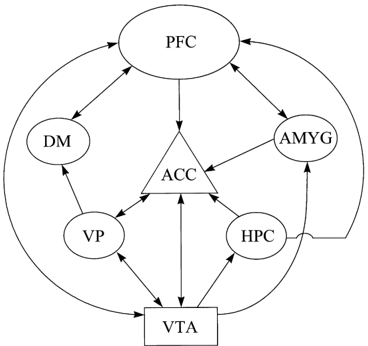
To successfully negotiate the developmental transition between youth and adulthood, adolescents must maneuver this often stressful period while acquiring skills necessary for independence. Certain behavioral features, including age-related increases in social behavior and risk-taking/novelty-seeking, are common among adolescents of diverse mammalian species and may aid in this process. Reduced positive incentive values from stimuli may lead adolescents to pursue new appetitive reinforcers through drug use and other risk-taking behaviors, with their relative insensitivity to drugs supporting comparatively greater per occasion use. Pubertal increases in gonadal hormones are a hallmark of adolescence, although there is little evidence for a simple association of these hormones with behavioral change during adolescence. Prominent developmental transformations are seen in prefrontal cortex and limbic brain regions of adolescents across a variety of species, alterations that include an apparent shift in the balance between mesocortical and mesolimbic dopamine systems. Developmental changes in these stressor-sensitive regions, which are critical for attributing incentive salience to drugs and other stimuli, likely contribute to the unique characteristics of adolescence.
Overview
The claims and statistics of this paper haven’t been checked yet.
Free: it reads the open-access text and checks the first 5 claims that cite a source we can check. Create a free account to check every claim.
Integrity signals
Registry
Cites
Statistics
Figures
Verification
Claims the paper makes
The claims and statistics of this paper haven’t been checked yet.
Free: it reads the open-access text and checks the first 5 claims that cite a source we can check. Create a free account to check every claim.
Claims other papers make about this one
Each is checked against this paper’s own text: does it say what the citing paper says it does?
The cited source doesn’t support the claim as written.
In the citing paper
“An accumulation of evidence suggests an increase in incentive motivation from childhood to adolescence and a decline from adolescence into adulthood (Luciana, Wahlstrom, Porter, & Collins, 2012; Steinberg, 2010).”
From Incentive Motivation, Cognitive Control, and the Adolescent Brain: Is It Time for a Paradigm Shift? (2012) · cites this paper as Spear, 2000
Checked by a reasoning model — may be wrong.
Experimental — accuracy not yet measuredThe source backs part of the claim, not all of it — or backs it for a different population, condition or comparison.
In the citing paper
“However, it should be noted that the time frame of adoles cence in rodents is very short, i.e. from postnatal day 25 -42 (Spear, 2000), which challenges the use of self-administration protocols as they require longer training periods and access to nicotine than forced exposure protocols.”
From Age-dependent Effects of Tobacco Smoke and Nicotine on Cognition and the Brain: A Systematic Review of the Human and Animal Literature Comparing Adolescents and Adults. (2023) · cites this paper as Spear, 2000
Experimental — accuracy not yet measuredThe source backs part of the claim, not all of it — or backs it for a different population, condition or comparison.
In the citing paper
“Thereby, brain development may be responsible for characteristic adolescent traits—uncontrollable mood swings, impulsivity, risk taking, and peer-directed social interactions (Orr and Ingersoll 1995; Spear 2000; Galvan et al. 2007).”
From Short- and Long-Term Consequences of Nicotine Exposure during Adolescence for Prefrontal Cortex Neuronal Network Function (2012) · cites this paper as Spear 2000
Experimental — accuracy not yet measuredThe source backs part of the claim, not all of it — or backs it for a different population, condition or comparison.
In the citing paper
“Compared with adults, adolescents are generally more motivated by rewards, are less averse to risks, and are more easily influenced by peers (Spear 2000; Steinberg 2005; Galvan et al. 2006).”
From Short- and Long-Term Consequences of Nicotine Exposure during Adolescence for Prefrontal Cortex Neuronal Network Function (2012) · cites this paper as Spear 2000
Experimental — accuracy not yet measuredThe source backs part of the claim, not all of it — or backs it for a different population, condition or comparison.
In the citing paper
“Structural and functional MRI data show earlier maturation of reward systems and much slower development of prefrontal cognitive control (Spear 2000; Chambers et al. 2003; Casey et al. 2005; Ernst et al. 2005; Ernst and Fudge 2009).”
From Short- and Long-Term Consequences of Nicotine Exposure during Adolescence for Prefrontal Cortex Neuronal Network Function (2012) · cites this paper as Spear 2000
Experimental — accuracy not yet measured
32 more claims about this paper
Create a free account to see every claim other papers make about this one.
Self-check
Percentages, sums and reported differences re-computed from the paper’s own numbers.
The self-check needs the paper’s full text.
Citations
Cites
Adolescence-limited and life-course-persistent antisocial behavior: a developmental taxonomy
Moffitt, T. E. (1993) · Psychological Review · doi:10.1037/0033-295x.100.4.674 · Cited by 9,987 · cited 3×
“Hence, it perhaps should not be surprising that along with increases in sensation and novelty seeking during adolescence [24,342,369], an increase in drug use is seen as well.”
The Physiology of Reproduction
(1988) · Annals of Internal Medicine · doi:10.7326/0003-4819-109-2-176_1 · Cited by 7,861
Brain development during childhood and adolescence: a longitudinal MRI study
Giedd, J. N., Blumenthal, J., Jeffries, N. O., Castellanos, F. X., Liu, H., Zijdenbos, A., Paus, T., Evans, A. C., & Rapoport, J. L. (1999) · Nature Neuroscience · doi:10.1038/13158 · Cited by 5,552 · cited 2×
“[197] Giedd JN, Blumenthal J, Jeffries NO, Castellanos FX, Liu H, Zijdenbos A, Paus T, Evans AC, Rapoport JL.”
Negative affectivity: the disposition to experience aversive emotional states
Watson, D., & Clark, L. A. (1984) · Psychological Bulletin · doi:10.1037/0033-2909.96.3.465 · Cited by 4,636 · cited 1×
“Although high negative affectivity does not necessarily imply a lack of ability to experience pleasurable experiences [579], in addition to greater negative affect adolescents also appear to experience and expect to experience positive situations as less pleasurable than other aged individuals.”
Predictive reward signal of dopamine neurons
Schultz, W. (1998) · Journal of Neurophysiology · doi:10.1152/jn.1998.80.1.1 · Cited by 4,564
What is the role of dopamine in reward: hedonic impact, reward learning, or incentive salience?
Berridge, K. C., & Robinson, T. E. (1998) · Brain Research Reviews · doi:10.1016/s0165-0173(98)00019-8 · Cited by 4,127
At the Threshold: The Developing Adolescent
Feldman, S. S., & Elliott, G. R. (1990) · Cited by 3,229
Protecting Adolescents From Harm: Findings From the National Longitudinal Study on Adolescent Health
Resnick, M. D. (1997) · JAMA · doi:10.1001/jama.1997.03550100049038 · Cited by 2,846 · cited 2×
“[460] Resnick MD, Bearman PS, Blum RW, Bauman KE, Harris KM, Jones J, Tabor J, Beuhring T, Sieving RE, Shew M, Ireland M,”
Handbook of Psychopharmacology
(1988) · Springer eBooks · doi:10.1007/978-1-4613-0933-8 · Cited by 2,746
The Concepts of Stress and Stress System Disorders: Overview of Physical and Behavioral Homeostasis
Chrousos, G. P. (1992) · JAMA · doi:10.1001/jama.1992.03480090092034 · Cited by 2,689 · cited 1×
“Growth hormone release is inhibited as is activity of the hypothalamo–pituitary–gonadal (HPG) axis, whereas activation of these hormonal systems is central to the adolescent growth spurt and the physiological changes associated with sexual maturation [85,142].”
Research works printed but not linked: 31
- [68] Byne W, Davis KL. The role of prefrontal cortex in the dopaminer- 20. gic dysregulation of schizophrenia. Biological Psychiatry 1999;45:657-9. -
- [87] Chugani HT. Neuroimaging of developmental nonlinearity and developmental pathologies. In: Thatcher RW, Lyon GR, Rumsey J, Krasnegor N, editors. Developmental neuroimaging: mapping the development of brain and behavior, San Diego, CA: Academic Press, 1996. p. 187-95. -
- [101] Cords M, Aureli F. Patterns of reconciliation among juvenile longtailed macaques. In: Pereira ME, Fairbanks LA, editors. Juvenile primates, New York, NY: Oxford University Press, 1993 (p. 27184, 367-415). -
- [105] Crockett CM, Pope TR. Consequences of sex differences in dispersal for juvenile red howler monkeys. In: Pereira ME, Fairbanks LA, editors. Juvenile primates, New York, NY: Oxford University Press, 1993 (p. 104-18, 367-415). -
- [130] de Waal FBM. Codevelopment of dominance relations and affiliative bonds in rhesus monkeys. In: Pereira ME, Fairbanks LA, editors. Juvenile primates, New York, NY: Oxford University Press, 1993 (p. 259-70, 367-415). -
- [162] Fagen R. Primate juveniles and primate play. In: Pereira ME, Fairbanks LA, editors. Juvenile primates, New York, NY: Oxford University Press, 1993 (p. 182-96, 367-415). -
- [165] Fairbanks LA. Juvenile vervet monkeys: establishing relationships and practicing skills for the future. In: Pereira ME, Fairbanks LA, editors. Juvenile primates, New York, NY: Oxford University Press, 1993 (p. 211-27, 367-415). -
- [166] Fairbanks LA, Pereira ME. Juvenile primates: dimensions for future research. In: Pereira ME, Fairbanks LA, editors. Juvenile primates, New York, NY: Oxford University Press, 1993 (p. 359-66, 367415). -
- [188] Gandia A, Bolufer P, Rodriguez A, Antonio P. Salivary cortisol increases with age in children. Journal of Clinical Chemistry and Clinical Biochemistry 1990;28:655. -
- [265] Kagan J, Moss H. Birth to maturity. New York, NY: Wiley, 1962. -
- [283] Kennedy GC. Ontogeny of mechanisms controlling food and water intake. In: Code CF, editor. Handbook of physiology: alimentary canal, Food and water intake, vol. 1. Washington, DC: American Physiological Society, 1967. p. 337-52 (Section 6). -
- [331] Lipska BK, Weinberger DR. Cortical regulation of the mesolimbic dopamine system: implications for schizophrenia. In: Kalivas PW, Barnes CD, editors. Limbic motor circuits and neuropsychiatry, Boca Raton, FL: CRC Press, 1993. p. 329-49. -
- [352] McCord J. Problem behaviors. In: Feldman SS, Elliott GR, editors. At the threshold: the developing adolescent, Cambridge, MA: Harvard University Press, 1990. p. 414-30. -
- [365] Millstein SG. Perceptual, attributional, and affective processes in perceptions of vulnerability through the life span. In: Bell NJ, Bell RW,editors. Adolescent risk taking, Newbury Park, CA: Sage Publications, 1993. p. 55-65. -
- [370] Mogenson GJ, Brudzynski SM, Wu M, Yang CR, Yim CCY. From motivation to action: a review of dopaminergic regulation of limbic ! nucleus accumbens ! ventral pallidum ! pedunculopontine nucleus circuitries involved in limbic-motor integration. In: Kalivas PW, Barnes CD, editors. Limbic motor circuits and neuropsychiatry, Boca Raton, FL: CRC Press, 1993. p. 193-236. -
- [386] O'Brien TG, Robinson JG. Stability of social relationships in female wedge-capped capuchin monkeys. In: Pereira ME, Fairbanks LA, editors. Juvenile primates, New York, NY: Oxford University Press, 1993 (p. 197-210, 367-415). -
- [404] Pereira ME. Juvenility in animals. In: Pereira ME, Fairbanks LA, editors. Juvenile primates, New York, NY: Oxford University Press, 1993 (p. 17-27, 367-415). -
- [405] Pereira ME. Agonistic interaction, dominance relation, and ontogenetic trajectories in ringtailed lemurs. In: Pereira ME, Fairbanks LA, editors. Juvenile primates, New York, NY: Oxford University Press, 1993 (p. 285-305, 367-415). -
- [407] Pereira ME, Fairbanks LA. What are juvenile primates all about?. In: Pereira ME, Fairbanks LA, editors. Juvenile primates, New York, NY: Oxford University Press, 1993 (p. 3-12, 367-415). -
- [408] Pereira ME, Fairbanks LA. Juvenile primates. New York, NY: Oxford University Press, 1993. -
- [414] Petersen AC, Taylor B. The biological approach to adolescence: biological change and psychological adaptation. In: Adelson J, editor. Handbook of adolescent psychology, New York, NY: Wiley, 1980. p. 117-55. -
- [447] Rachal JV, Guess LL, Hubbard RL, Maisto SA. Alcohol misuse by adolescents. Alcohol Health and Research World 1982;6:61-8. -
- [449] Rajpurohit LS, Sommer V. Juvenile male emigration from natal onemale troops in Hanuman langurs. In: Pereira ME, Fairbanks LA, editors. Juvenile primates, New York, NY: Oxford University Press, 1993 (p. 86-103, 367-415). -
- [483] Savin-Williams RC, Weisfeld GE. An ethological perspective on - adolescence. In: Adams GR, Montemayor R, Gullotta TP, editors. Biology of adolescent behavior and development, Newbury Park, CA: Sage Publications, 1989. p. 249-74. -
- [499] Simmons RG, Burgeson R, Reef MJ. Cumulative change at entry to adolescence. In: Gunnar MR, Collins WA, editors. Development during the transition to adolescence, vol. 21. Hillsdale, NJ: Lawrence Erlbaum Associates, 1988. p. 123-50. -
- [568] van Noordwijk MA, Hemelrijk CK, Herremans LAM, Sterck EHM. Spatial position and behavioral sex differences in juvenile longtailed macaques. In: Pereira ME, Fairbanks LA, editors. Juvenile primates, New York, NY: Oxford University Press, 1993 (p. 7785, 367-415). -
- [570] Vik P, Brown SA. Life events and substance abuse during adolescence. In: Miller TW, editor. Children of trauma, Madison, CT: International Universities Press, 1998. p. 179-204. -
- [581] Watts DP, Pusey AE. Behavior of juvenile and adolescent great apes. 21. In: Pereira ME, Fairbanks LA, editors. Juvenile primates, New York, NY: Oxford University Press, 1993 (p. 148-167, 367-415). -
- [584] Weinberger DR. Schizophrenia as a neurodevelopmental disorder. In: Hirsch SR, Weinberger DR, editors. Schizophrenia, Oxford, UK: Blackwell Science Ltd, 1995. p. 293-323. -
- [601] Worthman CM. Biocultural interactions in human development. In: Pereira ME, Fairbanks LA, editors. Juvenile primates, New York, NY: Oxford University Press, 1993 (p. 339-58, 367-415). -
- [606] Yurgelun-Todd D. Brain and psyche seminar. Whitehead Institute for Biomedical Research, Cambridge, MA, June 11, 1998. -
Cited by
Items 901–1,000 of 1,225
Chuhma, N., Choi, W. Y., Mingote, S., & Rayport, S. (2009) · Neuroscience · doi:10.1016/j.neuroscience.2009.08.057 · Cited by 83
Performance of heavy marijuana-smoking adolescents on a laboratory measure of motivation
Lane, S. D., Cherek, D. R., Pietras, C. J., & Steinberg, J. L. (2004) · Addictive Behaviors · doi:10.1016/j.addbeh.2004.08.026 · Cited by 98
Adjusting behavior to changing environmental demands with development
Lourenco, F., & Casey, B. J. (2013) · Neuroscience & Biobehavioral Reviews · doi:10.1016/j.neubiorev.2013.03.003 · Cited by 67
“Several species, from rodents to primates to birds (Spear, 2000), experience a developmental period of adolescence, which is characterized by increased novelty seeking, seeking out same-age peers and fighting with parents, all of which help the adolescent transition from the home territory and…”
BackgroundTeachers' Views on the Impact of Classroom Management on Student Responsibility
Roache, J., & Lewis, R. (2011) · Australian Journal of Education · doi:10.1177/000494411105500204 · Cited by 94
Alderman, E. M., Johnston, B. D., COMMITTEE ON ADOLESCENCE, COUNCIL ON INJURY, V., Breuner, C., Grubb, L. K., Powers, M., Upadhya, K., Wallace, S., Hoffman, B. D., et al. (2018) · Pediatrics · doi:10.1542/peds.2018-2163 · Cited by 86
Renard, J., Vitalis, T., Rame, M., Krebs, M., Lenkei, Z., Pen, G. L., & Jay, T. M. (2015) · European Neuropsychopharmacology · doi:10.1016/j.euroneuro.2015.11.005 · Cited by 95
“The age span chosen extends beyond the prototypic adolescent period (P28–42), which starts around 10 days before puberty and ends a few days after (Spear, 2000), to reach late adolescence on the border to young adulthood (Andersen, 2003).”
BackgroundSchochet, T. L., Kelley, A. E., & Landry, C. F. (2005) · Neuroscience · doi:10.1016/j.neuroscience.2005.05.057 · Cited by 93
“…that plasticity mechanisms with regard to drug exposure are different in adult and adolescent brains is intriguing, given there are differences in the behavioral response to nicotine and other drugs of abuse in adolescent and adult rats (Spear, 2000;Vastola et al., 2002;Belluzzi et al., 2004).”
Smoking impacts on prefrontal attentional network function in young adult brains
Musso, F., Bettermann, F., Vucurevic, G., Stoeter, P., Konrad, A., & Winterer, G. (2007) · Psychopharmacology · doi:10.1007/s00213-006-0499-8 · Cited by 93
“The rationale behind this suggestion are ongoing maturational processes of brain development during adolescence which reach well into young adulthood (Braak et al. 2000; Sowell et al. 1999, 2001; Spear 2000) and which may render a subject particularly vulnerable to the neurotoxic effects of nicotine.”
BackgroundEarly life stress and substance use disorders: The critical role of adolescent substance use
Kirsch, D. E., & Lippard, E. (2022) · Pharmacology Biochemistry and Behavior · doi:10.1016/j.pbb.2022.173360 · Cited by 94
Chronic methamphetamine exposure produces a delayed, long‐lasting memory deficit
North, A., Swant, J., Salvatore, M. F., Gamble‐George, J., Prins, P., Butler, B., Mittal, M. K., Heltsley, R. M., Clark, J. T., & Khoshbouei, H. (2013) · Synapse · doi:10.1002/syn.21635 · Cited by 94
Steroid hormones, stress and the adolescent brain: A comparative perspective
Brown, G. R., & Spencer, K. A. (2012) · Neuroscience · doi:10.1016/j.neuroscience.2012.12.016 · Cited by 97
“While 2 most research has focused on the effects of steroid hormone exposure during prenatal or early 3 postnatal life, adolescence has been hypothesised to be another highly sensitive period of neural 4 development (Spear, 2000; Romeo et al., 2002; Andersen, 2003; Sisk and Zehr, 2005; 5 McCormick and Mathews, 2010).”
Interaction between isolation rearing and social development on exploratory behavior in male rats
Arakawa, H. (2005) · Behavioural Processes · doi:10.1016/j.beproc.2005.07.002 · Cited by 93
Wright, L., Hébert, K. E., & Perrot-Sinal, T. S. (2007) · Psychoneuroendocrinology · doi:10.1016/j.psyneuen.2007.10.009 · Cited by 95
Ehlers, C. L., Liu, W., Wills, D. N., & Crews, F. T. (2013) · Neuroscience · doi:10.1016/j.neuroscience.2013.03.058 · Cited by 83
“…Adolescent; alcohol exposure; neurogenesis; forced swim test; open field conflict; startle 1.0 INTRODUCTION Adolescence is a period of cognitive, emotional, and social maturation suggested to encompass the entire second decade of life in humans (10–20 yrs) (Spear, 2000; Dahl and Spear, 2004).”
InfluentialAge at First Intoxication and Alcohol Use Disorders in Southwest California Indians
Ehlers, C. L., Slutske, W. S., Gilder, D. A., Lau, P., & Wilhelmsen, K. C. (2006) · Alcoholism: Clinical and Experimental Research · doi:10.1111/j.1530-0277.2006.00222.x · Cited by 87
Parada, M., Corral, M., Caamaño-Isorna, F., Mota, N., Crego, A., Holguín, S. R., & Cadaveira, F. (2011) · Alcoholism: Clinical and Experimental Research · doi:10.1111/j.1530-0277.2011.01484.x · Cited by 74
“During adolescence, understood to be the period spanning the second decade of life, important structural and functional changes take place in the nervous system, especially in the prefrontal cortex and the mesolimbic regions (Crews et al., 2007; Lenroot and Giedd, 2006; Spear, 2000; YurgelunTodd, 2007).”
BackgroundRichetto, J., Calabrese, F., Meyer, U., & Riva, M. A. (2013) · Brain Behavior and Immunity · doi:10.1016/j.bbi.2013.07.006 · Cited by 95
“The pubescent and adult stages were defined based on the gradual attainment of sexual maturity and age-specific behavioral discontinuities from younger to older animals (Spear, 2000).”
Effects of a ketogenic diet on ADHD-like behavior in dogs with idiopathic epilepsy
Packer, R. M. A., Law, T. H., Davies, E. S., Zanghi, B. M., Pan, Y., & Volk, H. A. (2016) · Epilepsy & Behavior · doi:10.1016/j.yebeh.2015.11.014 · Cited by 94
“Fast rats appear to 90 retain more juvenile like features [15], with impulsivity, distractibility and reduced fear than 91 typically shown in juvenile mammals [16].”
BackgroundWeissman, D. G., Schriber, R. A., Fassbender, C., Atherton, O. E., Krafft, C. E., Robins, R. W., Hastings, P. D., & Guyer, A. E. (2015) · Developmental Cognitive Neuroscience · doi:10.1016/j.dcn.2015.07.002 · Cited by 93
“From childhood to dulthood, negative connectivity increases overall as neural regions ecome more specialized and as the regulatory influence of regions uch as the prefrontal cortex (PFC) gains more control (Fox et al., 005; Stevens et al., 2009).”
Processes of Risk and Resilience During Adolescence
Compas, B. E., & Reeslund, K. L. (2009) · Wiley eBooks · doi:10.1002/9780470479193.adlpsy001017 · Cited by 94
Ontogeny of memory: an update on 40 years of work on infantile amnesia
Madsen, H. B., & Kim, J. H. (2016) · Behavioural Brain Research · doi:10.1016/j.bbr.2015.07.030 · Cited by 92
“Since the seminal review by Spear (2000), rodent adolescence has been broadly defined to be P28 – P60, an age range utilised by many preclinical studies of anxiety and addiction [61-64].”
BackgroundThe Teenage Brain: Cognitive Control and Motivation
Luna, B., Paulsen, D. J., Padmanabhan, A., & Geier, C. (2013) · Current Directions in Psychological Science · doi:10.1177/0963721413478416 · Cited by 92
“Keywords prefrontal; antisaccade; inhibition; dopamine; oculomotor INTRODUCTION Adolescence is associated with normative increases in novelty and sensation seeking (Dahl, 2004; Spear, 2000).”
Spaeth, M., Weichold, K., & Silbereisen, R. K. (2015) · Developmental Psychology · doi:10.1037/a0039480 · Cited by 92
“More specifically, early adolescents have a heightened inclination to strive for sensations and immediate rewards due to rapid brain growth and neural transformations during puberty (Spear, 2000).”
Murphy, M. L. M., Slavich, G. M., Rohleder, N., & Miller, G. E. (2013) · Clinical Psychological Science · doi:10.1177/2167702612455743 · Cited by 92
“In addition, adolescence is a time when individuals begin assigning greater value to their status within peer social networks and reduce their involvement with family (Larson & Richards, 1991; Spear, 2000).”
BackgroundTestosterone enhances risk tolerance without altering motor impulsivity in male rats
Cooper, S., Goings, S. P., Kim, J. Y., & Wood, R. I. (2013) · Psychoneuroendocrinology · doi:10.1016/j.psyneuen.2013.11.017 · Cited by 92
“Rats were received at 5 weeks of age, and were 6 weeks of age when injections began, at the end of adolescence as defined by Spear (2000).”
Adolescent sleep and the foundations of prefrontal cortical development and dysfunction
Anastasiades, P. G., de Vivo, L., Bellesi, M., & Jones, M. W. (2022) · Progress in Neurobiology · doi:10.1016/j.pneurobio.2022.102338 · Cited by 84
“Adolescence is characterised by shifting social relationships, increased emotional reactivity, risk taking and greater propensity for drug and alcohol abuse (Blakemore and Mills, 2014; Larsen and Luna, 2018; Spear, 2000).”
Age and sex differences in reward behavior in adolescent and adult rats
Hammerslag, L. R., & Gulley, J. M. (2014) · Developmental Psychobiology · doi:10.1002/dev.21127 · Cited by 85
“Similar changes in behavior have been noted in rodent models of this stage of development, where adolescence has been conservatively defined as beginning around postnatal day (P) 28 and extending to P42 (Spear, 2000) or perhaps as late as P60 (Brenhouse & Andersen, 2011; Corresponding author: Joshua M. Gulley, Ph.D.,…”
BackgroundInfluentialRyu, V., Yoo, S. B., Kang, D. W., Lee, J.-H., & Jahng, J. W. (2009) · Brain Research · doi:10.1016/j.brainres.2009.08.006 · Cited by 93
Renard, J., Krebs, M., Jay, T. M., & Pen, G. L. (2012) · Psychopharmacology · doi:10.1007/s00213-012-2865-z · Cited by 94
“This period of maturation also involves the rearrangement of neurotransmitter system such as the glutamate, GABA, dopamine and endocannabinoid systems, and these changes are believed to support the emergence of adult cognitive processes (Andersen 2003; Spear 2000).”
BackgroundXiao, H., Wang, W., Xue, X., Shao, F., & Li, N. (2011) · Brain Research Bulletin · doi:10.1016/j.brainresbull.2011.07.008 · Cited by 93
Long‐Term Neurobehavioral Effects of Alcohol or Nicotine Exposure in Adolescent Animal Models
SLAWECKI, C. J., THORSELL, A., & EHLERS, C. L. (2004) · Annals of the New York Academy of Sciences · doi:10.1196/annals.1308.062 · Cited by 82
Chan, T., Kyere, K., Davis, B. R., Shemyakin, A., Kabitzke, P. A., Shair, H. N., Barr, G. A., & Wiedenmayer, C. P. (2011) · The Journal of Neuroscience · doi:10.1523/jneurosci.5216-10.2011 · Cited by 77
“This transition is facilitated by increased motivation for exploration, novelty seeking, and risk taking (Spear, 2000) but increases vulnerability to predation (Caro, 2005).”
BackgroundZimmermann, G., Quartier, V., Bernard, M., Salamin, V., & Maggiori, C. (2007) · L Encéphale · doi:10.1016/j.encep.2006.12.006 · Cited by 95
Social cognition in 22q11.2 microdeletion syndrome: Relevance to psychosis?
Jalbrzikowski, M., Carter, C., Şentürk, D., Chow, C. C., Hopkins, J. M., Green, M. F., Galván, A., Cannon, T. D., & Bearden, C. E. (2012) · Schizophrenia Research · doi:10.1016/j.schres.2012.10.007 · Cited by 93
“, spending significantly more time with same-aged peers), increasing concern with others' perceptions, and increasing independence (Spear, 2000).”
BackgroundEarly life exposure to obesogenic diets and learning and memory dysfunction
Noble, E. E., & Kanoski, S. E. (2016) · Current Opinion in Behavioral Sciences · doi:10.1016/j.cobeha.2015.11.014 · Cited by 83
How to study sex differences in addiction using animal models
Carroll, M. E., & Lynch, W. J. (2016) · Addiction Biology · doi:10.1111/adb.12400 · Cited by 93
“Differences in the rewarding and aversive aspects of drugs of abuse in adolescents versus adults in both animals and humans have been previously reviewed (Spear 2000, 2009, 2011; Schramm-Sapyta et al. 2011).”
BackgroundVarlinskaya, E. I., Hosová, D., Towner, T. T., Werner, D. F., & SPEAR, L. P. (2019) · Behavioural Brain Research · doi:10.1016/j.bbr.2019.112292 · Cited by 93
“In rats, a conservative age range during which both males and females exhibit adolescent-typical neurobehavioral characteristics initially was characterized as P28–42 [22, 23].”
BackgroundSelf-citationGarner, B., Wood, S. J., Pantelis, C., & van den Buuse, M. (2006) · Behavioural Brain Research · doi:10.1016/j.bbr.2006.10.020 · Cited by 94
“, pnd 56–76) corresponds to the post-pubertal/young adult period in the rat [55].”
BackgroundDevelopment of Error‐Monitoring Event‐Related Potentials in Adolescents
DAVIES, P. L., SEGALOWITZ, S. J., & GAVIN, W. J. (2004) · Annals of the New York Academy of Sciences · doi:10.1196/annals.1308.039 · Cited by 78
Adolescent Neurodevelopment and Psychopathology
Walker, E. F. (2002) · Current Directions in Psychological Science · doi:10.1111/1467-8721.00161 · Cited by 80
“Interest in social activities and interpersonal awareness also increases (Spear, 2000).”
BackgroundResultBerns, G. S., Moore, S., & Capra, C. M. (2009) · PLoS ONE · doi:10.1371/journal.pone.0006773 · Cited by 91
“mature than children [2].”
Gomes, F. V., Zhu, X., & Grace, A. A. (2020) · Molecular Psychiatry · doi:10.1038/s41380-019-0514-1 · Cited by 91
Hasler, B. P., Martin, C. S., Wood, D. S., Rosario, B., & Clark, D. B. (2014) · Alcoholism: Clinical and Experimental Research · doi:10.1111/acer.12474 · Cited by 91
“Specifically, alcohol may be more stimulating (increasing onset latency to sleep) in the evening, and adolescents appear to be relatively less subject to alcohol’s sedating properties (Spear, 2000).”
Backgroundvan Hasselt, F. N., Tieskens, J. M., Trezza, V., Krugers, H. J., Vanderschuren, L. J. M. J., & Joëls, M. (2012) · Physiology & Behavior · doi:10.1016/j.physbeh.2011.12.007 · Cited by 91
“The animals were tested on PND35, which is considered to fall well into the age span that covers adolescence in the rat and is associated with high levels of social play behavior [28,30–32].”
BackgroundPuberty, Developmental Processes, and Health Interventions
Viner, R., Allen, N. B., & Patton, G. C. (2017) · World Bank, Washington, DC eBooks · doi:10.1596/978-1-4648-0423-6_ch9 · Cited by 91
“Specifically, increases are evident in both dopaminergic connectivity to the prefrontal cortex (Kalsbeek and others 1988; Verney and others 1982) and the density of dopamine transporters (Spear 2000).”
BackgroundUsing a Developmental Ecology Framework to Align Fear Neurobiology Across Species
Callaghan, B., Meyer, H., Opendak, M., Van Tieghem, M., Harmon, C., Li, A., Lee, F. S., Sullivan, R. M., & Tottenham, N. (2019) · Annual Review of Clinical Psychology · doi:10.1146/annurev-clinpsy-050718-095727 · Cited by 79
“In humans, the beginning of this stage of development roughly coincides with the onset of puberty and continues until full sexual maturation (much like in the rodent) and the attainment of adult roles and responsibilities (Spear 2000), corresponding to the ages of approximately 11 to 17 years.”
BackgroundExecutive function and mothering: Challenges faced by teenage mothers
Chico, E., Gonzalez, A., Ali, N., Steiner, M., & Fleming, A. S. (2014) · Developmental Psychobiology · doi:10.1002/dev.21185 · Cited by 79
“, task-shifting), working memory capacity, response inhibition, and a gradual shift from relatively concrete to increasingly abstract thinking (Anderson, Anderson, & Garth, 2001; Conklin, Luciana, Hooper, & Yager, 2007; Huizinga, Dolan, & Van der Molen, 2006; Klenberg, Korkman, & Lahti-Nuttila, 2001; Luciana & Nelson,…”
Enhanced behavioral response to repeated-dose cocaine in adolescent rats
Caster, J. M., Walker, Q. D., & Kuhn, C. M. (2005) · Psychopharmacology · doi:10.1007/s00213-005-0159-4 · Cited by 93
“Dopamine systems, which mediate the rewarding effects of addictive drugs (Kelley 1999; Kelley et al. 2004), undergo significant development and reorganization during adolescence (Spear 2000).”
InfluentialThe neurotoxicity of amphetamines during the adolescent period
Gomes, A., Costa, V. M., Feio‐Azevedo, R., Bastos, M. D. L., Carvalho, F. D., & Capela, J. P. (2014) · International Journal of Developmental Neuroscience · doi:10.1016/j.ijdevneu.2014.12.001 · Cited by 92
“The prevalence of amphetamines usage is higher in adolescents and young adults (EMCDDA, 2014), and therefore there is an increased need to perform more studies regarding the consequences of exposure to these drugs during the adolescent period (Spear, 2000).”
Vulnerability Factors for Anxiety Disorders in Children and Adolescents
Merikangas, K. R. (2005) · Child and Adolescent Psychiatric Clinics of North America · doi:10.1016/j.chc.2005.06.005 · Cited by 98
“The developmental perspective is critical in light of different levels of neural response to experience at different stages of development [185].”
BackgroundUnconscious processing of facial affect in children and adolescents
Killgore, W. D. S., & Yurgelun-Todd, D. A. (2007) · Social Neuroscience · doi:10.1080/17470910701214186 · Cited by 82
“Though speculative, this would be consistent with other findings that suggest that adolescents are more prone to negative affective states such as depressed mood relative to younger children or adults (Larson & Asmussen, 1991 ; Spear, 2000 ) and are more focused on social and interpersonal issues (Kloep, 1999 ; Nelson…”
BackgroundResultWang, Y., Wu, A. M. S., & Lau, J. T. F. (2016) · BMC Public Health · doi:10.1186/s12889-016-2947-7 · Cited by 72
“Furthermore, peer influence is one of the strongest determinants of risk behaviors among adolescents [41–45], as they tend to respond strongly to social reward and conformity [46].”
BackgroundOppositional Defiant Disorder and Conduct Disorder: A Review Of The Past 10 Years, Part II
Burke, J. D., Loeber, R., & Birmaher, B. (2004) · Focus · doi:10.1176/foc.2.4.558 · Cited by 84
Adolescent and adult male rats differ in sensitivity to nicotine's activity effects
Faraday, M. M., Elliott, B. M., Phillips, J. M., & Grunberg, N. E. (2003) · Pharmacology Biochemistry and Behavior · doi:10.1016/s0091-3057(03)00024-8 · Cited by 91
Adolescent Vulnerabilities to Chronic Alcohol or Nicotine Exposure: Findings From Rodent Models
Barron, S., White, A., Swartzwelder, H. S., Bell, R. L., Rodd, Z. A., Slawecki, C. J., Ehlers, C. L., Levin, E. D., Rezvani, A. H., & Spear, L. P. (2005) · Alcoholism: Clinical and Experimental Research · doi:10.1097/01.alc.0000179220.79356.e5 · Cited by 90
Self-citationBrielmaier, J. M., McDonald, C. G., & Smith, R. F. (2007) · Neurotoxicology and Teratology · doi:10.1016/j.ntt.2006.09.023 · Cited by 90
Developmental differences in posterior mesofrontal cortex recruitment by risky rewards
Bjork, J. M., Smith, A. R., Danube, C. L., & Hommer, D. W. (2007) · The Journal of Neuroscience · doi:10.1523/jneurosci.5469-06.2007 · Cited by 90
“Adolescents are risk takers (Baumrind, 1987; Shedler and Block, 1990; Spear, 2000) who suffer elevated mortality from behavioral causes (Centers for Disease Control and Prevention; www.”
BackgroundPeartree, N. A., Hood, L. E., Thiel, K. J., Sanabria, F., Pentkowski, N. S., Chandler, K. N., & Neisewander, J. L. (2012) · Physiology & Behavior · doi:10.1016/j.physbeh.2011.10.001 · Cited by 90
“Social interaction is a hallmark feature of normal development during adolescence that enables appropriate social behavior in adulthood [1-6].”
BackgroundMethodGender differences in the left inferior frontal gyrus in normal children
Blanton, R. E., Levitt, J. G., Peterson, J. R., Fadale, D., Sporty, M. L., Lee, M., To, D., Mormino, E. C., Thompson, P. M., McCracken, J. T., et al. (2004) · NeuroImage · doi:10.1016/j.neuroimage.2004.01.010 · Cited by 90
Oginsky, M. F., Maust, J. D., Corthell, J. T., & Ferrario, C. R. (2015) · Psychopharmacology · doi:10.1007/s00213-015-4157-x · Cited by 90
“The classification of adult and adolescent age ranges was made based on previous studies (Kasanetz and Manzoni 2009; Spear 2000).”
Moore, E. M., Mariani, J. N., Linsenbardt, D. N., Melón, L. C., & Boehm, S. L. (2010) · Alcoholism: Clinical and Experimental Research · doi:10.1111/j.1530-0277.2009.01143.x · Cited by 82
“…rats have been documented to display reduced sensitivity to the sedative/hypnotic (Little et al., 1996; Silveri and Spear, 1998; Silveri and Spear, 1999), motor impairing (White et al., 2002), hypothermic (Silveri and Spear, 2000), and anxiolytic (Varlinskaya and Spear, 2002) effects of ethanol.”
BackgroundInfluentialPaulsen, D. J., Platt, M. L., Huettel, S. A., & Brannon, E. M. (2012) · Frontiers in Psychology · doi:10.3389/fpsyg.2012.00313 · Cited by 93
“Several lines of research have found novelty-seeking to be particularly elevated during adolescence (see Spear, 2000, for review).”
BackgroundRioux, C., Ryan, N. C., Parent, S., & Séguin, J. R. (2016) · Developmental Review · doi:10.1016/j.dr.2016.03.003 · Cited by 91
“Furthermore, plasticity has also been observed in adolescence, with important neurobiological changes occurring during this period (Spear, 2000, 2013; Steinberg, 2008).”
BackgroundYohn, N. L., & Blendy, J. A. (2017) · Neuropsychopharmacology · doi:10.1038/npp.2017.11 · Cited by 86
“The developing nervous system in particular undergoes heightened remodeling in response to the environment (Spear, 2000).”
BackgroundNormative development of ventral striatal resting state connectivity in humans
Fareri, D. S., Gabard-Durnam, L., Goff, B., Flannery, J., Gee, D. G., Lumian, D. S., Caldera, C., & Tottenham, N. (2015) · NeuroImage · doi:10.1016/j.neuroimage.2015.06.022 · Cited by 87
“…development (i.e., novelty-seeking, risk-taking, sexual behavior) during the transitions to adulthood (Casey et al., 2010; Schulz et al., 2009a,b; Spear, 2000), we examined changes in testosterone levels as one possible mechanism underlying significant age-related changes in ventral striatal…”
BackgroundPoor sleep is related to lower emotional competence among adolescents
Brand, S., Kirov, R., Kalak, N., Gerber, M., Schmidt, N. B., Lemola, S., Correll, C. U., & Holsboer-Trachsler, E. (2016) · Behavioral Sleep Medicine · doi:10.1080/15402002.2015.1048450 · Cited by 89
Sciolino, N. R., Bortolato, M., Eisenstein, S. A., Fu, J., Oveisi, F., Hohmann, A. G., & Piomelli, D. (2010) · Neuroscience · doi:10.1016/j.neuroscience.2010.04.007 · Cited by 89
“During adolescence, key neurotransmitter systems (e.g., endocannabinoid, glutamate, dopamine) undergo maturation (Spear, 2000, Galve-Roperh et al., 2009) and positive events may either facilitate future adaptations (Boyce and Ellis, 2005) or counteract consequences of negative events (Laviola et…”
BackgroundSchneider, P., Bindila, L., Schmahl, C., Bohus, M., Meyer-Lindenberg, A., Lutz, B., Spanagel, R., & Schneider, M. (2016) · Frontiers in Behavioral Neuroscience · doi:10.3389/fnbeh.2016.00203 · Cited by 89
“ORIGINAL RESEARCH published: 20 October 2016 doi: 10.3389/fnbeh.2016.00203 Adverse Social Experiences in Adolescent Rats Result in Enduring Effects on Social Competence, Pain Sensitivity and Endocannabinoid Signaling Peggy Schneider 1,2, Laura Bindila 3, Christian Schmahl 4, Martin Bohus 5,6, Andreas Meyer-Lindenberg…”
BackgroundInfluentialPhysical activity and brain development
Gomes da Silva, S., & Arida, R. M. (2015) · Expert Review of Neurotherapeutics · doi:10.1586/14737175.2015.1077115 · Cited by 89
“Important changes occur concomitantly in the morphological and functional restructuring of neurons, synapses and neural circuits [12,49,50].”
BackgroundThe Neuroscience of Adolescence
Galván, A. (2017) · Cambridge University Press eBooks · doi:10.1017/9781316106143 · Cited by 91
Kopra, E. I., Ferris, J., WINSTOCK, A. R., Young, A. H., & Rucker, J. (2022) · Journal of Psychopharmacology · doi:10.1177/02698811221084063 · Cited by 91
“…potential explanations for the association including lower risk-averseness and higher impulsivity that could link to more risky drug use behaviours (Spear, 2000; Steinberg et al., 2008), as well as relative difficulty of emotional regulation in some younger people (Carstensen et al., 2011;…”
BackgroundBehavioral endophenotypes of drug addiction: Etiological insights from neuroimaging studies
Jupp, B., & Dalley, J. W. (2013) · Neuropharmacology · doi:10.1016/j.neuropharm.2013.05.041 · Cited by 91
“observed during adolescence (Arnett, 1992; Spear, 2000) a period which is also associated with enhanced drug use and addiction) and during different stages of the addiction cycle”
BackgroundThe effects of abused drugs on adolescent development of corticolimbic circuitry and behavior
Gulley, J. M., & Juraska, J. M. (2013) · Neuroscience · doi:10.1016/j.neuroscience.2013.05.026 · Cited by 73
“A significant reduction in CRH immunoreactive cells in the central nucleus of the amygdala has also been found in rats that self-administered alcohol from P27 through sacrifice at P42 (Allen et al., 2011).”
BackgroundInfluentialSlotkin, T. A., Tate, C. A., Cousins, M. M., & Seidler, F. J. (2005) · Neuropsychopharmacology · doi:10.1038/sj.npp.1300988 · Cited by 90
“The nicotine exposure period thus spans the recognized boundaries of adolescence in the rat, as typified by endocrine, pubertal, and behavioral parameters (Spear, 2000).”
Windle, M. T., & Zucker, R. A. (2010) · PubMed Central · Cited by 90
Adolescent Substance Use and Aggression: A Review
Doran, N., Luczak, S. E., Bekman, N., Koutsenok, I., & Brown, S. A. (2012) · Criminal Justice and Behavior · doi:10.1177/0093854812437022 · Cited by 66
“…and specialization, via synaptic refinement and myelination (Yakovlev & Lecours, 1967), and changes in prefrontal and limbic systems thought to contribute to normative adolescent impulsivity, risk-taking, and substance use (Casey, Jones, & Hare, 2008; Chambers & Potenza, 2003; Spear, 2000).”
BackgroundComparative Pharmacokinetics of Δ9-Tetrahydrocannabinol in Adolescent and Adult Male Mice
Torrens, A., Vozella, V., Huff, H., McNeil, B., Ahmed, F., Ghidini, A., Mahler, S. V., Huestis, M. A., Das, A., & Piomelli, D. (2020) · The Journal of Pharmacology and Experimental Therapeutics · doi:10.1124/jpet.120.265892 · Cited by 88
“Brain networks controlling human emotion and cognition are still actively developing during adolescence (Spear, 2000; Steinberg, 2005), and this plastic state makes them particularly sensitive to disruption by cannabinoid agents and other insults (Lubman et al.”
Disrupted social development enhances the motivation for cocaine in rats
Baarendse, P. J. J., Limpens, J. H. W., & Vanderschuren, L. J. M. J. (2014) · Psychopharmacology · doi:10.1007/s00213-013-3362-8 · Cited by 87
“To that aim, we socially isolated rats from postnatal day (PND) 21–42, a time period that is comparable to childhood and early adolescence in humans (McCutcheon and Marinelli 2009; Spear 2000), followed by re-socialization for 6 weeks.”
Role of central amygdala neuronal ensembles in incubation of nicotine craving
Funk, D., Coen, K., Tamadon, S., Hope, B. T., Shaham, Y., & Lê, A. D. (2016) · The Journal of Neuroscience · doi:10.1523/jneurosci.1505-16.2016 · Cited by 87
“The first is that the adolescent phase in rats is 30–40 d, whereas this phase in humans lasts for several years (Spear, 2000; McCutcheon and Marinelli, 2009).”
BackgroundAdolescents are more vulnerable to cocaine addiction: behavioral and electrophysiological evidence
Wong, W. C., Ford, K. A., Pagels, N. E., McCutcheon, J. E., & Marinelli, M. (2013) · The Journal of Neuroscience · doi:10.1523/jneurosci.1371-12.2013 · Cited by 87
“The adolescent brain undergoes extensive organizational and functional changes, including changes in the mesolimbic dopamine system (Andersen et al., 1997; Spear, 2000; Wahlstrom et al., 2010).”
Kendig, M. D., Boakes, R. A., Rooney, K. B., & Corbit, L. H. (2013) · Physiology & Behavior · doi:10.1016/j.physbeh.2013.08.012 · Cited by 87
“Importantly, adolescence is also characterized by structural refinement to frontal and limbic brain systems involved in higher-order cognition [22,23], and a temporary spike in the activity of the dopaminergic system [24].”
BackgroundAge and sex differences in impulsive action in rats: the role of dopamine and glutamate
Burton, C. L., & Fletcher, P. J. (2012) · Behavioural Brain Research · doi:10.1016/j.bbr.2012.01.046 · Cited by 87
“In fact progression from drug use to abuse and ddiction may occur more rapidly during adolescence [5,6] and ndings from animal models suggest that adolescents may have an ncreased vulnerability to the effects of recreational drugs such as he psychostimulants cocaine, amphetamine and nicotine [2,7,8].”
BackgroundInfluentialDevelopmental imaging genetics: Linking dopamine function to adolescent behavior
Padmanabhan, A., & Luna, B. (2014) · Brain and Cognition · doi:10.1016/j.bandc.2013.09.011 · Cited by 87
“The literature spanning the development of DA function and implications for adolescent behavior has been reviewed in depth elsewhere (Chambers et al., 2003; Luciana, Wahlstrom, et al., 2012; O’Donnell, 2010; Spear, 2000; Wahlstrom, Collins, et al., 2010; Wahlstrom, White, et al., 2010) and is summarized below.”
InfluentialTzanoulinou, S., Riccio, O., de Boer, M. W., & Sandi, C. (2014) · Translational Psychiatry · doi:10.1038/tp.2014.54 · Cited by 87
Adriani, W., Deroche-Gamonet, V., Le Moal, M., Laviola, G., & Piazza, P. V. V. (2006) · Psychopharmacology · doi:10.1007/s00213-005-0125-1 · Cited by 86
“Recent research has suggested that, within the same subject, vulnerability may also vary with age (Spear 2000; Laviola et al. 2003; Tirelli et al. 2003).”
InfluentialPubertal exposure to estrogenic chemicals affects behavior in juvenile and adult male rats
Della Seta, D., Minder, I., Belloni, V., Aloisi, A. M., Dessì-Fulgheri, F., & Farabollini, F. (2006) · Hormones and Behavior · doi:10.1016/j.yhbeh.2006.03.015 · Cited by 86
“Pubertymay be considered as part of the ontogenetic period, the climax of a continuum of neuroendocrine events, leading to sexual maturation, in which the responsiveness to estradiol dramatically changes (Pilgrim and Hutchison, 1994; Spear, 2000; Romeo, 2003); in the rat, the prototypic age range has been established…”
BackgroundAge-related influence of contingencies on a saccade task
Jazbec, S., Hardin, M. G., Schroth, E., McClure, E., Pine, D. S., & Ernst, M. (2006) · Experimental Brain Research · doi:10.1007/s00221-006-0520-9 · Cited by 85
“Adolescents show more risky behaviors compared to adults or children, especially when faced with situations holding some promise for instant satisfaction (Arnett, 1992; Spear, 2000).”
InfluentialBordeleau, M., Lacabanne, C., Fernández de Cossío, L., Vernoux, N., Savage, J. C., González-Ibáñez, F., & Tremblay, M.-È. (2020) · Journal of Neuroinflammation · doi:10.1186/s12974-020-01914-1 · Cited by 85
“The measurements were made at P30, which corresponds to early adolescence [48].”
BackgroundNeural correlates of emotional intelligence in adolescent children
KILLGORE, W. D. S., & YURGELUN-TODD, D. A. (2007) · Cognitive, Affective, & Behavioral Neuroscience · doi:10.3758/cabn.7.2.140 · Cited by 85
“Copyright 2007 Psychonomic Society, Inc. 140 The transition from childhood to adulthood involves dramatic changes in physical, cognitive, social, and emotional functioning (Spear, 2000).”
BackgroundCellular activation in limbic brain systems during social play behaviour in rats
van Kerkhof, L. W. M., Trezza, V., Mulder, T., Gao, P., Voorn, P., & Vanderschuren, L. J. M. J. (2013) · Brain Structure and Function · doi:10.1007/s00429-013-0558-y · Cited by 83
“In particular, there are profound changes in social behaviour, including increased complexity of the social repertoire and a remarkable increase in peer–peer interactions (Blakemore 2008; Crone and Dahl 2012; Nelson et al. 2005; Spear 2000).”
Philpot, R. M., Wecker, L., & Kirstein, C. L. (2009) · International Journal of Developmental Neuroscience · doi:10.1016/j.ijdevneu.2009.08.009 · Cited by 83
“…encompasses approximately postnatal day (PND) 28 to 42 based on the appearance of a growth spurt, pruning of excitatory synapses, and behavioral transitions characteristic of adolescence (increased peer interaction, play, and exploratory behavior in the wild) (for review see Spear, 2000).”
BackgroundCaballero, A., Orozco, A., & Tseng, K. Y. (2021) · Seminars in Cell & Developmental Biology · doi:10.1016/j.semcdb.2021.02.008 · Cited by 83
Life stress in adolescence predicts early adult reward-related brain function and alcohol dependence
Casement, M. D., Shaw, D. S., Sitnick, S. L., Musselman, S. C., & Forbes, E. E. (2015) · Social Cognitive and Affective Neuroscience · doi:10.1093/scan/nsu061 · Cited by 82
“, 1994) and rodents (Spear, 2000; Lupien et al., 2009) indicates that adolescents are more susceptible to the effects of stressors than children or adults.”
BackgroundWang, P.-W., Liu, T.-L., Ko, C.-H., Lin, H.-C., Huang, M.-F., Yeh, Y.-C., & Yen, C.-F. (2014) · Comprehensive Psychiatry · doi:10.1016/j.comppsych.2013.09.006 · Cited by 82
A psychobiological framework of the substrates that mediate nicotine use during adolescence
O'Dell, L. E. (2009) · Neuropharmacology · doi:10.1016/j.neuropharm.2008.07.039 · Cited by 81
“Consistent with this, Wilmouth and Spear (2006) demonstrated that during nicotine withdrawal the affective and physical effects of withdrawal were stronger in adults whereas cognitive deficits were more pronounced in adolescent rats.”
Strain and sex alter effects of stress and nicotine on feeding, body weight, and HPA axis hormones
FARADAY, M., BLAKEMAN, K., & GRUNBERG, N. (2005) · Pharmacology Biochemistry and Behavior · doi:10.1016/j.pbb.2005.01.015 · Cited by 81
Adolescent Development of Forebrain Stimulant Responsiveness: Insights from Animal Studies
LESLIE, F. M., LOUGHLIN, S. E., WANG, R., PEREZ, L., LOTFIPOUR, S., & BELLUZZIA, J. D. (2004) · Annals of the New York Academy of Sciences · doi:10.1196/annals.1308.018 · Cited by 81
Sensitive periods in affective development: nonlinear maturation of fear learning
Hartley, C. A., & Lee, F. S. (2015) · Neuropsychopharmacology · doi:10.1038/npp.2014.179 · Cited by 80
“Spear LP (2000). The adolescent brain and age-related behavioral manifestations.”
BackgroundInfluentialIncreased nicotine self-administration following prenatal exposure in female rats
LEVIN, E., LAWRENCE, S., PETRO, A., HORTON, K., SEIDLER, F., & SLOTKIN, T. (2006) · Pharmacology Biochemistry and Behavior · doi:10.1016/j.pbb.2006.11.006 · Cited by 80
Nicotine alters limbic function in adolescent rat by a 5-HT1A receptor mechanism
Dao, J. M., McQuown, S. C., Loughlin, S. E., Belluzzi, J. D., & Leslie, F. M. (2011) · Neuropsychopharmacology · doi:10.1038/npp.2011.8 · Cited by 79
“Both human and rodent adolescents experience similar social and psychological changes, with the emergence of novelty seeking, risk taking, and peer association behaviors, that are thought to facilitate the transition to independence and autonomy (Spear, 2000).”
Influential
Metadata
- Authors
- Spear, L. P.
- Affiliations
- Binghamton University (US)
- Corresponding author
- Spear, L.P.
- ORCID
- Spear, L.P.
- Venue
- Neuroscience & Biobehavioral Reviews
- Publisher
- Elsevier BV
- Published
- 2000-06
- Volume
- 24
- Issue
- 4
- Pages
- 417-463
- ISSN
- 0149-7634 (ISSN-L)
- OpenAlex
- W1985645068
- Semantic Scholar
- 60797b83231d26d3ef631a666f4595e45ecb79cd
- Cited by
- 5,433
- References
- 652
- Citations by year
- 2026: 136 · 2025: 191 · 2024: 205 · 2023: 187 · 2022: 216 · 2021: 286 · 2020: 246 · 2019: 247 · 2018: 258 · 2017: 283 · 2016: 325 · 2015: 301 · 2014: 330 · 2013: 361 · 2012: 249
- FWCI
- 17.02
- Type
- journal article
- Language
- en
- Open access
- closed
- Licence
- www.elsevier.com/tdm/userlicense/1.0/ (tdm)
- Locations
- Neuroscience & Biobehavioral Reviews (publishedVersion)
- PubMed (publishedVersion)
- Funders
- National Institutes of Health (5k02da000140-09, 5r01aa010228-05)
- National Institute on Alcohol Abuse and Alcoholism (R01AA10228, R01AA012150, AA12150)
- National Institute on Drug Abuse (K02DA00140)
- Topics
- Life Sciences › Neuroscience › Cellular and Molecular Neuroscience › Neurotransmitter Receptor Influence on Behavior
- Life Sciences › Neuroscience › Cognitive Neuroscience › Neural and Behavioral Psychology Studies
- Health Sciences › Medicine › Epidemiology › Substance Abuse Treatment and Outcomes
- Keywords
- adolescent brain development, risk-taking, novelty seeking, social behavior, incentive salience, drug use, prefrontal cortex maturation, limbic system, mesolimbic dopamine system, mesocortical dopamine system, cross-species comparison
- MeSH terms
- Psychology, Adolescent, Aging, Animals, Behavior, Brain, Humans
About these checks
Registry, retraction, Cites and statistics results are computed, not judged, with one exception: a printed reference that no index lists is read once by a model before it counts as a citation error. Claims are extracted by a model and kept only when their quote appears verbatim in the text; each cited source is then checked, with a model’s help, for whether it says what the claim relies on. Those verdicts can be wrong — read the claim’s quote and the cited source before relying on one.
Statistics and arithmetic are recomputed, not judged.
Confidence bands are shown only for fields calibrated on our annotated test set. None is calibrated yet, so no band is shown.
What counts as a claim ›How we measure confidence ›How we check this ›
Are you an author, or do you see a problem with this page? Request a review
Data sources
Bibliographic data: Semantic Scholar, OpenAlex, Crossref.
Contains information from the Semantic Scholar Academic Graph Datasets, made available under the ODC Attribution License (ODC-BY 1.0).
Semantic Scholar’s data is described in: Kinney, R., et al. (2023). The Semantic Scholar Open Data Platform. arXiv:2301.10140.
