

The adolescent brain and age-related behavioral manifestations
The DOI matches its Crossref record; 641 of the 652 references it cites were found in a registry or an index.
Abstract
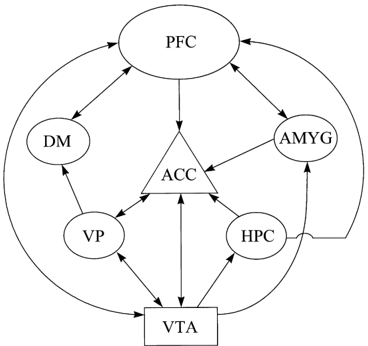
To successfully negotiate the developmental transition between youth and adulthood, adolescents must maneuver this often stressful period while acquiring skills necessary for independence. Certain behavioral features, including age-related increases in social behavior and risk-taking/novelty-seeking, are common among adolescents of diverse mammalian species and may aid in this process. Reduced positive incentive values from stimuli may lead adolescents to pursue new appetitive reinforcers through drug use and other risk-taking behaviors, with their relative insensitivity to drugs supporting comparatively greater per occasion use. Pubertal increases in gonadal hormones are a hallmark of adolescence, although there is little evidence for a simple association of these hormones with behavioral change during adolescence. Prominent developmental transformations are seen in prefrontal cortex and limbic brain regions of adolescents across a variety of species, alterations that include an apparent shift in the balance between mesocortical and mesolimbic dopamine systems. Developmental changes in these stressor-sensitive regions, which are critical for attributing incentive salience to drugs and other stimuli, likely contribute to the unique characteristics of adolescence.
Overview
The claims and statistics of this paper haven’t been checked yet.
Free: it reads the open-access text and checks the first 5 claims that cite a source we can check. Create a free account to check every claim.
Integrity signals
Registry
Cites
Statistics
Figures
Verification
Claims the paper makes
The claims and statistics of this paper haven’t been checked yet.
Free: it reads the open-access text and checks the first 5 claims that cite a source we can check. Create a free account to check every claim.
Claims other papers make about this one
Each is checked against this paper’s own text: does it say what the citing paper says it does?
The cited source doesn’t support the claim as written.
In the citing paper
“An accumulation of evidence suggests an increase in incentive motivation from childhood to adolescence and a decline from adolescence into adulthood (Luciana, Wahlstrom, Porter, & Collins, 2012; Steinberg, 2010).”
From Incentive Motivation, Cognitive Control, and the Adolescent Brain: Is It Time for a Paradigm Shift? (2012) · cites this paper as Spear, 2000
Checked by a reasoning model — may be wrong.
Experimental — accuracy not yet measuredThe source backs part of the claim, not all of it — or backs it for a different population, condition or comparison.
In the citing paper
“However, it should be noted that the time frame of adoles cence in rodents is very short, i.e. from postnatal day 25 -42 (Spear, 2000), which challenges the use of self-administration protocols as they require longer training periods and access to nicotine than forced exposure protocols.”
From Age-dependent Effects of Tobacco Smoke and Nicotine on Cognition and the Brain: A Systematic Review of the Human and Animal Literature Comparing Adolescents and Adults. (2023) · cites this paper as Spear, 2000
Experimental — accuracy not yet measuredThe source backs part of the claim, not all of it — or backs it for a different population, condition or comparison.
In the citing paper
“Thereby, brain development may be responsible for characteristic adolescent traits—uncontrollable mood swings, impulsivity, risk taking, and peer-directed social interactions (Orr and Ingersoll 1995; Spear 2000; Galvan et al. 2007).”
From Short- and Long-Term Consequences of Nicotine Exposure during Adolescence for Prefrontal Cortex Neuronal Network Function (2012) · cites this paper as Spear 2000
Experimental — accuracy not yet measuredThe source backs part of the claim, not all of it — or backs it for a different population, condition or comparison.
In the citing paper
“Compared with adults, adolescents are generally more motivated by rewards, are less averse to risks, and are more easily influenced by peers (Spear 2000; Steinberg 2005; Galvan et al. 2006).”
From Short- and Long-Term Consequences of Nicotine Exposure during Adolescence for Prefrontal Cortex Neuronal Network Function (2012) · cites this paper as Spear 2000
Experimental — accuracy not yet measuredThe source backs part of the claim, not all of it — or backs it for a different population, condition or comparison.
In the citing paper
“Structural and functional MRI data show earlier maturation of reward systems and much slower development of prefrontal cognitive control (Spear 2000; Chambers et al. 2003; Casey et al. 2005; Ernst et al. 2005; Ernst and Fudge 2009).”
From Short- and Long-Term Consequences of Nicotine Exposure during Adolescence for Prefrontal Cortex Neuronal Network Function (2012) · cites this paper as Spear 2000
Experimental — accuracy not yet measured
32 more claims about this paper
Create a free account to see every claim other papers make about this one.
Self-check
Percentages, sums and reported differences re-computed from the paper’s own numbers.
The self-check needs the paper’s full text.
Citations
Cites
Adolescence-limited and life-course-persistent antisocial behavior: a developmental taxonomy
Moffitt, T. E. (1993) · Psychological Review · doi:10.1037/0033-295x.100.4.674 · Cited by 9,987 · cited 3×
“Hence, it perhaps should not be surprising that along with increases in sensation and novelty seeking during adolescence [24,342,369], an increase in drug use is seen as well.”
The Physiology of Reproduction
(1988) · Annals of Internal Medicine · doi:10.7326/0003-4819-109-2-176_1 · Cited by 7,861
Brain development during childhood and adolescence: a longitudinal MRI study
Giedd, J. N., Blumenthal, J., Jeffries, N. O., Castellanos, F. X., Liu, H., Zijdenbos, A., Paus, T., Evans, A. C., & Rapoport, J. L. (1999) · Nature Neuroscience · doi:10.1038/13158 · Cited by 5,552 · cited 2×
“[197] Giedd JN, Blumenthal J, Jeffries NO, Castellanos FX, Liu H, Zijdenbos A, Paus T, Evans AC, Rapoport JL.”
Negative affectivity: the disposition to experience aversive emotional states
Watson, D., & Clark, L. A. (1984) · Psychological Bulletin · doi:10.1037/0033-2909.96.3.465 · Cited by 4,636 · cited 1×
“Although high negative affectivity does not necessarily imply a lack of ability to experience pleasurable experiences [579], in addition to greater negative affect adolescents also appear to experience and expect to experience positive situations as less pleasurable than other aged individuals.”
Predictive reward signal of dopamine neurons
Schultz, W. (1998) · Journal of Neurophysiology · doi:10.1152/jn.1998.80.1.1 · Cited by 4,564
What is the role of dopamine in reward: hedonic impact, reward learning, or incentive salience?
Berridge, K. C., & Robinson, T. E. (1998) · Brain Research Reviews · doi:10.1016/s0165-0173(98)00019-8 · Cited by 4,127
At the Threshold: The Developing Adolescent
Feldman, S. S., & Elliott, G. R. (1990) · Cited by 3,229
Protecting Adolescents From Harm: Findings From the National Longitudinal Study on Adolescent Health
Resnick, M. D. (1997) · JAMA · doi:10.1001/jama.1997.03550100049038 · Cited by 2,846 · cited 2×
“[460] Resnick MD, Bearman PS, Blum RW, Bauman KE, Harris KM, Jones J, Tabor J, Beuhring T, Sieving RE, Shew M, Ireland M,”
Handbook of Psychopharmacology
(1988) · Springer eBooks · doi:10.1007/978-1-4613-0933-8 · Cited by 2,746
The Concepts of Stress and Stress System Disorders: Overview of Physical and Behavioral Homeostasis
Chrousos, G. P. (1992) · JAMA · doi:10.1001/jama.1992.03480090092034 · Cited by 2,689 · cited 1×
“Growth hormone release is inhibited as is activity of the hypothalamo–pituitary–gonadal (HPG) axis, whereas activation of these hormonal systems is central to the adolescent growth spurt and the physiological changes associated with sexual maturation [85,142].”
Research works printed but not linked: 31
- [68] Byne W, Davis KL. The role of prefrontal cortex in the dopaminer- 20. gic dysregulation of schizophrenia. Biological Psychiatry 1999;45:657-9. -
- [87] Chugani HT. Neuroimaging of developmental nonlinearity and developmental pathologies. In: Thatcher RW, Lyon GR, Rumsey J, Krasnegor N, editors. Developmental neuroimaging: mapping the development of brain and behavior, San Diego, CA: Academic Press, 1996. p. 187-95. -
- [101] Cords M, Aureli F. Patterns of reconciliation among juvenile longtailed macaques. In: Pereira ME, Fairbanks LA, editors. Juvenile primates, New York, NY: Oxford University Press, 1993 (p. 27184, 367-415). -
- [105] Crockett CM, Pope TR. Consequences of sex differences in dispersal for juvenile red howler monkeys. In: Pereira ME, Fairbanks LA, editors. Juvenile primates, New York, NY: Oxford University Press, 1993 (p. 104-18, 367-415). -
- [130] de Waal FBM. Codevelopment of dominance relations and affiliative bonds in rhesus monkeys. In: Pereira ME, Fairbanks LA, editors. Juvenile primates, New York, NY: Oxford University Press, 1993 (p. 259-70, 367-415). -
- [162] Fagen R. Primate juveniles and primate play. In: Pereira ME, Fairbanks LA, editors. Juvenile primates, New York, NY: Oxford University Press, 1993 (p. 182-96, 367-415). -
- [165] Fairbanks LA. Juvenile vervet monkeys: establishing relationships and practicing skills for the future. In: Pereira ME, Fairbanks LA, editors. Juvenile primates, New York, NY: Oxford University Press, 1993 (p. 211-27, 367-415). -
- [166] Fairbanks LA, Pereira ME. Juvenile primates: dimensions for future research. In: Pereira ME, Fairbanks LA, editors. Juvenile primates, New York, NY: Oxford University Press, 1993 (p. 359-66, 367415). -
- [188] Gandia A, Bolufer P, Rodriguez A, Antonio P. Salivary cortisol increases with age in children. Journal of Clinical Chemistry and Clinical Biochemistry 1990;28:655. -
- [265] Kagan J, Moss H. Birth to maturity. New York, NY: Wiley, 1962. -
- [283] Kennedy GC. Ontogeny of mechanisms controlling food and water intake. In: Code CF, editor. Handbook of physiology: alimentary canal, Food and water intake, vol. 1. Washington, DC: American Physiological Society, 1967. p. 337-52 (Section 6). -
- [331] Lipska BK, Weinberger DR. Cortical regulation of the mesolimbic dopamine system: implications for schizophrenia. In: Kalivas PW, Barnes CD, editors. Limbic motor circuits and neuropsychiatry, Boca Raton, FL: CRC Press, 1993. p. 329-49. -
- [352] McCord J. Problem behaviors. In: Feldman SS, Elliott GR, editors. At the threshold: the developing adolescent, Cambridge, MA: Harvard University Press, 1990. p. 414-30. -
- [365] Millstein SG. Perceptual, attributional, and affective processes in perceptions of vulnerability through the life span. In: Bell NJ, Bell RW,editors. Adolescent risk taking, Newbury Park, CA: Sage Publications, 1993. p. 55-65. -
- [370] Mogenson GJ, Brudzynski SM, Wu M, Yang CR, Yim CCY. From motivation to action: a review of dopaminergic regulation of limbic ! nucleus accumbens ! ventral pallidum ! pedunculopontine nucleus circuitries involved in limbic-motor integration. In: Kalivas PW, Barnes CD, editors. Limbic motor circuits and neuropsychiatry, Boca Raton, FL: CRC Press, 1993. p. 193-236. -
- [386] O'Brien TG, Robinson JG. Stability of social relationships in female wedge-capped capuchin monkeys. In: Pereira ME, Fairbanks LA, editors. Juvenile primates, New York, NY: Oxford University Press, 1993 (p. 197-210, 367-415). -
- [404] Pereira ME. Juvenility in animals. In: Pereira ME, Fairbanks LA, editors. Juvenile primates, New York, NY: Oxford University Press, 1993 (p. 17-27, 367-415). -
- [405] Pereira ME. Agonistic interaction, dominance relation, and ontogenetic trajectories in ringtailed lemurs. In: Pereira ME, Fairbanks LA, editors. Juvenile primates, New York, NY: Oxford University Press, 1993 (p. 285-305, 367-415). -
- [407] Pereira ME, Fairbanks LA. What are juvenile primates all about?. In: Pereira ME, Fairbanks LA, editors. Juvenile primates, New York, NY: Oxford University Press, 1993 (p. 3-12, 367-415). -
- [408] Pereira ME, Fairbanks LA. Juvenile primates. New York, NY: Oxford University Press, 1993. -
- [414] Petersen AC, Taylor B. The biological approach to adolescence: biological change and psychological adaptation. In: Adelson J, editor. Handbook of adolescent psychology, New York, NY: Wiley, 1980. p. 117-55. -
- [447] Rachal JV, Guess LL, Hubbard RL, Maisto SA. Alcohol misuse by adolescents. Alcohol Health and Research World 1982;6:61-8. -
- [449] Rajpurohit LS, Sommer V. Juvenile male emigration from natal onemale troops in Hanuman langurs. In: Pereira ME, Fairbanks LA, editors. Juvenile primates, New York, NY: Oxford University Press, 1993 (p. 86-103, 367-415). -
- [483] Savin-Williams RC, Weisfeld GE. An ethological perspective on - adolescence. In: Adams GR, Montemayor R, Gullotta TP, editors. Biology of adolescent behavior and development, Newbury Park, CA: Sage Publications, 1989. p. 249-74. -
- [499] Simmons RG, Burgeson R, Reef MJ. Cumulative change at entry to adolescence. In: Gunnar MR, Collins WA, editors. Development during the transition to adolescence, vol. 21. Hillsdale, NJ: Lawrence Erlbaum Associates, 1988. p. 123-50. -
- [568] van Noordwijk MA, Hemelrijk CK, Herremans LAM, Sterck EHM. Spatial position and behavioral sex differences in juvenile longtailed macaques. In: Pereira ME, Fairbanks LA, editors. Juvenile primates, New York, NY: Oxford University Press, 1993 (p. 7785, 367-415). -
- [570] Vik P, Brown SA. Life events and substance abuse during adolescence. In: Miller TW, editor. Children of trauma, Madison, CT: International Universities Press, 1998. p. 179-204. -
- [581] Watts DP, Pusey AE. Behavior of juvenile and adolescent great apes. 21. In: Pereira ME, Fairbanks LA, editors. Juvenile primates, New York, NY: Oxford University Press, 1993 (p. 148-167, 367-415). -
- [584] Weinberger DR. Schizophrenia as a neurodevelopmental disorder. In: Hirsch SR, Weinberger DR, editors. Schizophrenia, Oxford, UK: Blackwell Science Ltd, 1995. p. 293-323. -
- [601] Worthman CM. Biocultural interactions in human development. In: Pereira ME, Fairbanks LA, editors. Juvenile primates, New York, NY: Oxford University Press, 1993 (p. 339-58, 367-415). -
- [606] Yurgelun-Todd D. Brain and psyche seminar. Whitehead Institute for Biomedical Research, Cambridge, MA, June 11, 1998. -
Cited by
Items 601–700 of 1,225
Messer, L. H., Tanenbaum, M. L., Cook, P. F., Wong, J. J., Hanes, S. J., Driscoll, K. A., & Hood, K. K. (2020) · Diabetes Technology & Therapeutics · doi:10.1089/dia.2019.0509 · Cited by 127
Ecstasy: Are animal data consistent between species and can they translate to humans?
Easton, N., & Marsden, C. A. (2006) · Journal of Psychopharmacology · doi:10.1177/0269881106061153 · Cited by 126
Qouta, S., Punamäki, R., Miller, T., & El‐Sarraj, E. (2008) · Aggressive Behavior · doi:10.1002/ab.20236 · Cited by 115
The long-term cognitive consequences of adolescent exposure to recreational drugs of abuse
Mooney-Leber, S. M., & Gould, T. J. (2018) · Learning & Memory · doi:10.1101/lm.046672.117 · Cited by 140
“Spear LP. 2000.”
Longitudinal Changes in Prefrontal Cortex Activation Underlie Declines in Adolescent Risk Taking
Qu, Y., Galvan, A., Fuligni, A. J., Lieberman, M. D., & Telzer, E. H. (2015) · Journal of Neuroscience · doi:10.1523/jneurosci.1553-15.2015 · Cited by 122
“In humans, rodents, and primates, adolescent youth exhibit an increase in risk taking (Spear, 2000; Laviola et al., 2003).”
BackgroundThe regulation of emotions in adolescents: Age differences and emotion-specific patterns
Theurel, A., & Gentaz, E. (2018) · PLOS ONE · doi:10.1371/journal.pone.0195501 · Cited by 139
Adolescents and androgens, receptors and rewards
Sato, S. M., Schulz, K. M., Sisk, C. L., & Wood, R. I. (2008) · Hormones and Behavior · doi:10.1016/j.yhbeh.2008.01.010 · Cited by 144
“As any developmental biologist knows, periods of rapid developmental change signal heightened sensitivity and vulnerability to both experiencedependent change and to adverse consequences of perturbation and insult, and there is no reason to think that human adolescent brain development is any exception (Andersen, 2003…”
BackgroundGorey, C., Kuhns, L., Smaragdi, E., Kroon, E., & Cousijn, J. (2019) · European Archives of Psychiatry and Clinical Neuroscience · doi:10.1007/s00406-019-00981-7 · Cited by 119
Maternal high-fat diet alters anxiety behavior and glucocorticoid signaling in adolescent offspring
Sasaki, A., Vega, W. D., Sivanathan, S., St-Cyr, S., & McGowan, P. O. (2014) · Neuroscience · doi:10.1016/j.neuroscience.2014.04.012 · Cited by 139
“It is known that the developing adolescent brain differs from the adult brain in terms of structure and function (Vazquez, 1998; Spear, 2000).”
Reward sensitivity for a palatable food reward peaks during pubertal developmental in rats
Friemel (2010) · Frontiers in Behavioral Neuroscience · doi:10.3389/fnbeh.2010.00039 · Cited by 117
Tomasi, D. G., & Volkow, N. D. (2021) · Molecular Psychiatry · doi:10.1038/s41380-021-01130-0 · Cited by 139
Repeated Ketamine Exposure Induces an Enduring Resilient Phenotype in Adolescent and Adult Rats
Parise, E. M., Alcantara, L. F., Warren, B. L., Wright, K. N., Hadad, R., Sial, O. K., Kroeck, K. G., Iñiguez, S. D., & Bolaños-Guzmán, C. A. (2013) · Biological Psychiatry · doi:10.1016/j.biopsych.2013.04.027 · Cited by 125
“, age of exposure) that often emerge when manipulating the nervous system during maturational stages before adulthood (35,36,38), and more detailed studies are needed to assess these phenomena.”
Animal models of periadolescent substance abuse
Smith, R. F. (2003) · Neurotoxicology and Teratology · doi:10.1016/s0892-0362(02)00349-5 · Cited by 139
Adolescent Impulsivity: Findings From a Community Sample
d’Acremont, M., & der Linden, M. V. (2005) · Journal of Youth and Adolescence · doi:10.1007/s10964-005-7260-1 · Cited by 138
“Adolescence is associated with major brain and behavioral changes (Spear, 2000).”
BackgroundExploited Vulnerability: Legal and Psychological Perspectives on Child Sex Trafficking Victims
Reid, J. A., & Jones, S. (2011) · Victims & Offenders · doi:10.1080/15564886.2011.557327 · Cited by 141
“The frontal lobes are among the last regions of the brain that are fully formed, and the prefrontal cortex is precisely the area of the brain that is undergoing the most change during adolescence (Spear, 2000).”
BackgroundBehavioral Alterations in Reward System Function
GUYER, A. E., KAUFMAN, J., HODGDON, H. B., MASTEN, C. L., JAZBEC, S., PINE, D. S., & ERNST, M. (2006) · Journal of the American Academy of Child & Adolescent Psychiatry · doi:10.1097/01.chi.0000227882.50404.11 · Cited by 137
“Despite inherent differences in conceptualizing reward-related behavioral responses in human and animal samples, preclinical studies provide opportunities to replicate and extend findings in human populations (Spear, 2000).”
Annual research review: on the developmental neuropsychology of substance use disorders
J. Conrod, P., & Nikolaou, K. (2016) · Journal of Child Psychology and Psychiatry · doi:10.1111/jcpp.12516 · Cited by 137
“Differences across studies in the age groups studied both at baseline and at follow-up periods are important given the proposed neurodevelopmental trajectory of the PFC and related top-down functions (Casey & Jones, 2010; Spear, 2000; Vink et al., 2014).”
BackgroundInfluentialMesocorticolimbic Dopamine Pathways Across Adolescence: Diversity in Development
Reynolds, L. M., & Flores, C. (2021) · Frontiers in Neural Circuits · doi:10.3389/fncir.2021.735625 · Cited by 137
Pietropaolo, S., Branchi, I., Cirulli, F., Chiarotti, F., Aloe, L., & Alleva, E. (2004) · Physiology & Behavior · doi:10.1016/j.physbeh.2004.02.022 · Cited by 137
Testimony and interrogation of minors: Assumptions about maturity and morality.
Kostelnik, J. O., Reppucci, N. D., & Meyer, J. R. (2006) · American Psychologist · doi:10.1037/0003-066x.61.4.286 · Cited by 143
Rodd-Henricks, Z. A., Bell, R. L., Kuc, K. A., Murphy, J. M., McBride, W. J., Lumeng, L., & Li, T.-K. (2002) · Alcoholism: Clinical & Experimental Research · doi:10.1097/00000374-200211000-00006 · Cited by 111
The Influence of Sex Steroids on Structural Brain Maturation in Adolescence
Koolschijn, P. C. M. P., Peper, J. S., & Crone, E. A. (2014) · PLoS ONE · doi:10.1371/journal.pone.0083929 · Cited by 123
“This process is termed gonadarche, and is followed by the activation of the growth axis leading to well known growth spurts and changes in body composition in puberty [1,4,5].”
Stavropoulos, V., Kuss, D. J., Griffiths, M. D., Wilson, P., & Motti-Stefanidi, F. (2017) · Addictive Behaviors · doi:10.1016/j.addbeh.2015.09.001 · Cited by 111
Circadian Misalignment, Reward‐Related Brain Function, and Adolescent Alcohol Involvement
Hasler, B. P., & Clark, D. B. (2013) · Alcoholism: Clinical and Experimental Research · doi:10.1111/acer.12003 · Cited by 120
“Consonant with the hypothesis that adolescents’ relative insensitivity to reward may drive reward-seeking through alcohol (Spear, 2000), we speculate that evening-type adolescents may be insensitive to typical rewards, and thus have a propensity to pursue the more intense reward experiences of alcohol and other drug u…”
BackgroundInfluentialPlace Conditioning: Age-Related Changes in the Rewarding and Aversive Effects of Alcohol
Philpot, R. M., Badanich, K. A., & Kirstein, C. L. (2003) · Alcoholism: Clinical & Experimental Research · doi:10.1097/01.alc.0000060530.71596.d1 · Cited by 127
Individual vulnerability to addiction
Swendsen, J., & Le Moal, M. (2011) · Annals of the New York Academy of Sciences · doi:10.1111/j.1749-6632.2010.05894.x · Cited by 108
Gillies, G. E., Virdee, K., McArthur, S., & Dalley, J. W. (2014) · Neuroscience · doi:10.1016/j.neuroscience.2014.05.033 · Cited by 119
“The mesocortical dopaminergic system most notably continues to develop into young adulthood (Spear, 2000), but detailed knowledge of adolescent sexual differentiation of this pathway is lacking.”
BackgroundBrand, S., Gerber, M., Kalak, N., Kirov, R., Lemola, S., Clough, P., Pühse, U., & Holsboer‐Trachsler, E. (2013) · Journal of Adolescent Health · doi:10.1016/j.jadohealth.2013.07.017 · Cited by 135
Rubinow, M. J., & Juraska, J. M. (2009) · Journal of Comparative Neurology · doi:10.1002/cne.21924 · Cited by 119
“In rats, the adolescent period stretches roughly from postnatal day 28 (P28) to P42 (Spear, 2000).”
BackgroundInhibitory Control During Emotional Distraction Across Adolescence and Early Adulthood
Cohen-Gilbert, J. E., & Thomas, K. M. (2013) · Child Development · doi:10.1111/cdev.12085 · Cited by 134
“This task is made more difficult by motivational and affective changes that begin early in the second decade of life (Arnett, 1999; Dahl, 2001; Romeo, 2003; Spear, 2000; Steinberg et al., 2006).”
BackgroundHammerslag, L. R., & Gulley, J. M. (2016) · Behavioural Brain Research · doi:10.1016/j.bbr.2015.04.008 · Cited by 107
“This increase n sensation-seeking relative to inhibitory control is also thought o contribute to adolescent drug experimentation [7,20,22,23].”
BackgroundNeurobiological signatures associated with alcohol and drug use in the human adolescent brain
Silveri, M. M., Dager, A. D., Cohen-Gilbert, J. E., & Sneider, J. T. (2016) · Neuroscience & Biobehavioral Reviews · doi:10.1016/j.neubiorev.2016.06.042 · Cited by 116
“Introduction Adolescence is an age period, typically spanning the second ecade of life, characterized by physiological and social maturation hat occurs along with significant structural, functional and neurohemical brain changes (Paus, 2005; Spear, 2000).”
BackgroundDir, A. L., Bell, R. L., Adams, Z. W., & Hulvershorn, L. A. (2017) · Frontiers in Psychiatry · doi:10.3389/fpsyt.2017.00289 · Cited by 134
Adolescent brain development, risk-taking and vulnerability to addiction
Dayan, J., Bernard, A., Olliac, B., Mailhes, A.-S., & Kermarrec, S. (2010) · Journal of Physiology-Paris · doi:10.1016/j.jphysparis.2010.08.007 · Cited by 134
“They base their conclusions on animal studies (Laviola et al., 1999) and imaging studies (Spear, 2000, 2002; Ernst et al., 2005; Galvan et al., 2006, 2007).”
BackgroundEpigenetic control of neurobehavioural plasticity: the role of neurotrophins
Branchi, I., Francia, N., & Alleva, E. (2004) · Behavioural Pharmacology · doi:10.1097/00008877-200409000-00006 · Cited by 133
“Adolescence – in the mouse and rat species, ranging between PND 28 and 42 (Spear, 2000) – has been reported to be a highly sensitive period for environmental stimulation.”
BackgroundThe netrin receptor DCC is required in the pubertal organization of mesocortical dopamine circuitry
Manitt, C., Mimee, A., Eng, C., Pokinko, M., Stroh, T., Cooper, H. M., Kolb, B., & Flores, C. (2011) · Journal of Neuroscience · doi:10.1523/jneurosci.0606-11.2011 · Cited by 133
“The pubertal changes in the normal organization of mPFC DA circuitry are associated with an increase in the activity of DA neurons projecting to this region (for review, see Spear, 2000).”
BackgroundModeling risk factors for nicotine and other drug abuse in the preclinical laboratory
Carroll, M. E., Anker, J. J., & Perry, J. L. (2009) · Drug and Alcohol Dependence · doi:10.1016/j.drugalcdep.2008.11.011 · Cited by 133
Researching the pathophysiology of pediatric bipolar disorder
Leibenluft, E., Charney, D. S., & Pine, D. S. (2003) · Biological Psychiatry · doi:10.1016/s0006-3223(03)00069-6 · Cited by 133
“Across a range of mammalian species, adolescence is associated with an increase in efforts to procure naturally occurring rewards, as well as robust changes in sensitivity to drugs of abuse (Spear 2000).”
BackgroundLasting synaptic changes underlie attention deficits caused by nicotine exposure during adolescence
Counotte, D. S., Goriounova, N. A., Li, K. W., Loos, M., van der Schors, R. C., Schetters, D., Schoffelmeer, A. N. M., Smit, A. B., Mansvelder, H. D., Pattij, T., et al. (2011) · Nature Neuroscience · doi:10.1038/nn.2770 · Cited by 132
Spear, L. P., & Varlinskaya, E. I. (2010) · Developmental Psychobiology · doi:10.1002/dev.20457 · Cited by 120
“, & Spear, L. P. (2005). Factors influencing elevated ethanol consumption in adolescent relative to adult rats.”
InfluentialSelf-citationMusic evoked emotionsaredifferent–more often aesthetic than utilitarian
Scherer, K. R., & Zentner, M. R. (2008) · Behavioral and Brain Sciences · doi:10.1017/s0140525x08005505 · Cited by 135
Striatum on the anxiety map: Small detours into adolescence
Lago, T., Davis, A., Grillon, C., & Ernst, M. (2017) · Brain Research · doi:10.1016/j.brainres.2016.06.006 · Cited by 124
“These comprise increases in axon myelination and synaptic pruning, and declines in energy utilization (for reviews Richards et al. (2012) and Spear (2000)), together resulting in heightened efficiency of brain function (for review Ernst and Mueller (2008)).”
BackgroundAbush, H., & Akirav, I. (2012) · PLoS ONE · doi:10.1371/journal.pone.0031731 · Cited by 112
“It is difficult to define the time course of adolescence, with no single event signaling its onset or termination [19].”
BackgroundSynergistic interaction between nicotine and social rewards in adolescent male rats
Thiel, K. J., Sanabria, F., & Neisewander, J. L. (2009) · Psychopharmacology · doi:10.1007/s00213-009-1470-2 · Cited by 131
“Social cues are highly salient to adolescents (Vanderschuren et al. 1997; Spear 2000).”
Cannabis and the developing brain: Insights from behavior
Trezza, V., Cuomo, V., & Vanderschuren, L. J. M. J. (2008) · European Journal of Pharmacology · doi:10.1016/j.ejphar.2008.01.058 · Cited by 131
“The CNS develops over a long period of time extending from the embryonic stage through adolescence until adulthood, with both synaptogenesis and myelination continuing from the perinatal period through puberty in both animals and humans (Spear, 2000).”
Klump, K. L., Keel, P. K., Sisk, C., & Burt, S. A. (2010) · Psychological Medicine · doi:10.1017/s0033291709992236 · Cited by 114
“Animal data show that genes and gonadal hormones influence the pattern and timing of changes in brain structure and function during puberty (Primus & Kellogg, 1991 ; Spear, 2000 ; Nunez et al. 2002 ; Zehr et al. 2006 ; Ahmed et al. 2008).”
BackgroundDysfunctional serotonergic neuron-astrocyte signaling in depressive-like states
González-Arias, C., Sánchez-Ruiz, A., Esparza, J., Sánchez-Puelles, C., Arancibia, L., Ramírez-Franco, J., Gobbo, D., Kirchhoff, F., & Perea, G. (2023) · Molecular Psychiatry · doi:10.1038/s41380-023-02269-8 · Cited by 113
Micha, R., Rogers, P. J., & Nelson, M. (2011) · British Journal of Nutrition · doi:10.1017/s0007114511002303 · Cited by 104
“The tests were administered in the same order for each participant for both visits, as follows: word generation task (1); immediate word recall (2); Stroop task (3); matrices (4); number search task (5); serial sevens (6); delayed word recall (7).”
BackgroundMethodRecent binge drinking predicts smaller cerebellar volumes in adolescents
Lisdahl, K. M., Thayer, R., Squeglia, L. M., McQueeny, T. M., & Tapert, S. F. (2013) · Psychiatry Research: Neuroimaging · doi:10.1016/j.pscychresns.2012.07.009 · Cited by 109
Pubertal neurodevelopment and the emergence of psychotic symptoms
Walker, E. F., & Bollini, A. M. (2002) · Schizophrenia Research · doi:10.1016/s0920-9964(01)00347-4 · Cited by 131
“Risk taking, interest in social activities, and awareness of interpersonal issues also increase (Spear, 2000).”
BackgroundResultInfluentialReynolds, L. M., Pokinko, M., Torres-Berrío, A., Cuesta, S., Lambert, L. C., Del Cid Pellitero, E., Wodzinski, M., Manitt, C., Krimpenfort, P., Kolb, B., et al. (2018) · Biological Psychiatry · doi:10.1016/j.biopsych.2017.06.009 · Cited by 129
Kulis, S., Nieri, T. A., Yabiku, S. T., Stromwall, L. K., & Marsiglia, F. F. (2006) · Prevention Science · doi:10.1007/s11121-006-0052-3 · Cited by 129
“In addition, the prominent transformations identified in the prefrontal cortex and limbic dopamine projection brain regions of adolescents across a variety of species have been associated with increased drug use (Spear, 2000).”
BackgroundSelective breeding for differential saccharin intake as an animal model of drug abuse
Carroll, M. E., Morgan, A. D., Anker, J. J., Perry, J. L., & Dess, N. K. (2008) · Behavioural Pharmacology · doi:10.1097/fbp.0b013e32830c3632 · Cited by 119
Ait-Bali, Y., Kaikai, N.-E., Ba-M’hamed, S., & Bennis, M. (2019) · Toxicology · doi:10.1016/j.tox.2019.01.010 · Cited by 129
Melendez, R. I. (2011) · Alcoholism: Clinical and Experimental Research · doi:10.1111/j.1530-0277.2010.01383.x · Cited by 120
“Testing began when mice were at 4 and 10 weeks of age, which approximates human adolescence and adulthood, respectively (Spear, 2000).”
BackgroundInfluentialBrunell, S. C., & Spear, L. P. (2005) · Alcoholism Clinical and Experimental Research · doi:10.1097/01.alc.0000179382.64752.13 · Cited by 128
Self-citationZamberletti, E., Gabaglio, M., Prini, P., Rubino, T., & Parolaro, D. (2015) · European Neuropsychopharmacology · doi:10.1016/j.euroneuro.2015.09.021 · Cited by 128
“Prominent neuronal modifications occur in brain regions such as the prefrontal cortex (PFC) and limbic areas (Spear, 2000) and are believed to support the emergence of adult behavior and cognitive functions (Spear, 2000; Andersen, 2003).”
BackgroundSex differences in white matter development during adolescence: A DTI study
Wang, Y., Adamson, C., Yuan, W., Altaye, M., Rajagopal, A., Byars, A. W., & Holland, S. K. (2012) · Brain Research · doi:10.1016/j.brainres.2012.08.038 · Cited by 108
“Introduction Adolescence is a complex transitional time period composed of physical maturation, cognitive development, emotional and social behavioral changes (Blakemore and Choudhury, 2006; Casey et al., 2008; Spear, 2000).”
BackgroundReinstatement of cocaine seeking induced by drugs, cues, and stress in adolescent and adult rats
Anker, J. J., & Carroll, M. E. (2010) · Psychopharmacology · doi:10.1007/s00213-009-1721-2 · Cited by 114
“Adult male rats weighed 450–500 g at the beginning of the study, and adolescent rats weighed 70–90 g. Male rats are considered adults on PN day60 (Ojeda et al. 1980; Spear 2000a, b); thus, adolescence was defined as PN days21 to 60.”
Schwarz, J. M., & Bilbo, S. D. (2013) · The Journal of Neuroscience · doi:10.1523/jneurosci.2516-12.2013 · Cited by 115
“The brain continues to undergo developmental changes throughout adolescence and early adulthood (Spear, 2000).”
Backgroundvan den Bos, E., de Rooij, M., Miers, A. C., Bokhorst, C. L., & Westenberg, P. M. (2014) · Child Development · doi:10.1111/cdev.12118 · Cited by 116
“The onset of puberty is marked by gonadarche: the biological process of activating the gonads (Blakemore, Burnett, & Dahl, 2010; Spear, 2000; Walker et al., 2004).”
BackgroundResultInfluentialStress during Adolescence Increases Novelty Seeking and Risk-Taking Behavior in Male and Female Rats
Toledo-Rodriguez, M., & Sandi, C. (2011) · Frontiers in Behavioral Neuroscience · doi:10.3389/fnbeh.2011.00017 · Cited by 126
Synaptic regulation of affective behaviors; role of BDNF
Ninan, I. (2014) · Neuropharmacology · doi:10.1016/j.neuropharm.2013.04.011 · Cited by 111
“linear development of cortical synapses (Giedd et al., 1999; Gogtay et al., 2004; Kaufman et al., 2006; Kilb, 2012; Pattwell et al., 2012b; Spear, 2000).”
Wiener, L., Shaw Weaver, M., Sansom Daly, U. M., & Bell, C. J. (2015) · Clinical Oncology in Adolescents and Young Adults · doi:10.2147/coaya.s49176 · Cited by 99
“Insight into behavior such as nonadherence to medication, risk-taking, or questioning of authority within the context of AYA identity can help in trainee interactions with AYAs.(40) Younger AYAs often have a sense of immortality, which is sometimes reflected in their inconsistent treatment compliance.”
InfluentialNeurodevelopmental changes in verbal working memory load-dependency: An fMRI investigation
O’Hare, E. D., Lu, L. H., Houston, S. M., Bookheimer, S. Y., & Sowell, E. R. (2008) · NeuroImage · doi:10.1016/j.neuroimage.2008.05.057 · Cited by 128
“Because there is no definitive age range that defines adolescence (reviewed in Spear, 2000), we used age groupings roughly similar to those used in previous reports (Sowell et al., 2003) in an effort to equate the numbers of subjects in each group and to allow for comparability across studies.”
Accelerated longitudinal cortical thinning in adolescence
Zhou, D., Lebel, C. A., Treit, S., Evans, A. C., & Beaulieu, C. (2014) · NeuroImage · doi:10.1016/j.neuroimage.2014.10.005 · Cited by 127
“This pattern of cortical change is coincident with sharp transitions in physical, behavioral, emotional and social development during adolescence (Spear, 2000; Ernst and Korelitz, 2009), albeit these were not measured in the cohort of our current study.”
Development of neural systems for processing social exclusion from childhood to adolescence
Bolling, D. Z., Pitskel, N. B., Deen, B., Crowley, M. J., Mayes, L. C., & Pelphrey, K. A. (2011) · Developmental Science · doi:10.1111/j.1467-7687.2011.01087.x · Cited by 125
“During this period, as relationships of primary importance shift from parents to peers, interactions with peers become especially salient (Spear, 2000; Steinberg & Morris, 2001).”
Doremus-Fitzwater, T. L., & Spear, L. P. (2016) · Neuroscience & Biobehavioral Reviews · doi:10.1016/j.neubiorev.2016.08.015 · Cited by 125
“…(as reviewed below), as well as marked transformations in reward-relevant neural regions and related neurocircuitry, with similarity in these fundamental neural alterations again evident between human adolescents and laboratory animals (for reviews see Spear, 2000; 2011; Wahlstrom et al., 2010).”
BackgroundInfluentialSelf-citationManitt, C., Eng, C., Pokinko, M., Ryan, R. T., Torres-Berrío, A., Lopez, J. P., Yogendran, S. V., Daubaras, M. J. J., Grant, A., Schmidt, E. R. E., et al. (2013) · Translational Psychiatry · doi:10.1038/tp.2013.105 · Cited by 125
Loss of Environmental Enrichment Increases Vulnerability to Cocaine Addiction
Nader, J., Chauvet, C., Rawas, R. E., Favot, L., Jaber, M., Thiriet, N., & Solinas, M. (2012) · Neuropsychopharmacology · doi:10.1038/npp.2012.2 · Cited by 125
“Therefore, these results support the hypothesis that adolescence and young adulthood represent critical periods of development during which external factors and environmental conditions may have a great impact on the vulnerability to drugs (Ernst et al, 2009; Marco et al, 2011; Spear, 2000).”
ResultSex differences in the behavioral sequelae of chronic ethanol exposure
Jury, N. J., DiBerto, J. F., Kash, T. L., & Holmes, A. (2017) · Alcohol · doi:10.1016/j.alcohol.2016.07.007 · Cited by 115
“…and neural responses to ethanol when compared to adults (e.g., Crews, Braun, Hoplight, Switzer, & Knapp, 2000; Hefner & Holmes, 2007; Lancaster et al., 1996; Melón, Wray, Moore, & Boehm, 2013; Varlinskaya, Truxell, & Spear, 2015), some of which vary as a function of sex (reviewed in Spear, 2000).”
BackgroundThe neuropsychiatry of inborn errors of metabolism
Walterfang, M., Bonnot, O., Mocellin, R., & Velakoulis, D. (2013) · Journal of Inherited Metabolic Disease · doi:10.1007/s10545-013-9618-y · Cited by 130
“Similarly, monoaminergic depletion or reduced turnover can occur in a number of metabolic disorders, such as AIP (Meyer et al 1998), MSUD (Zinnanti et al 2009), or in untreated PKU (de Groot et al 2010).”
InfluentialPuberty, hormones, and sex differences in alcohol abuse and dependence
Witt, E. D. (2007) · Neurotoxicology and Teratology · doi:10.1016/j.ntt.2006.10.013 · Cited by 112
Meyer, U., Spoerri, E., Yee, B. K., Schwarz, M. J., & Feldon, J. (2010) · Schizophrenia Bulletin · doi:10.1093/schbul/sbn131 · Cited by 115
“However, this possibility is not at all surprising because prodromal-based pharmacological intervention in humans is often initiated during periadolescence or early adolescence, which represents a time window of significant ongoing brain development and maturation.(43)”
BackgroundGiovanoli, S., Notter, T., Richetto, J., Labouesse, M. A., Vuillermot, S., Riva, M. A., & Meyer, U. (2015) · Journal of Neuroinflammation · doi:10.1186/s12974-015-0437-y · Cited by 124
“tainment of sexual maturity and age-specific behavioral discontinuities from younger to older animals [37]; and the aged stage was defined based on previous normative”
Pellis, S. M. (2002) · Archives of Sexual Behavior · doi:10.1023/a:1014070916047 · Cited by 124
“In this case, however, the difference is likely due to the increased quantities of circulating gonadal hormones acting on neural tissue that had been sexually differentiated earlier in development (e.g., Hays, 1981, although see Spear, 2000 ).”
BackgroundDiurnal patterns of salivary cortisol across the adolescent period in healthy females.
Oskis, A., Loveday, C., Hucklebridge, F., Thorn, L., & Clow, A. (2009) · Psychoneuroendocrinology · doi:10.1016/j.psyneuen.2008.09.009 · Cited by 118
“This idea is physiologically plausible, as a number of studies have demonstrated the importance of gonadal hormones in both neurobehavioural maturation and stress-induced HPA reactivity during adolescence (e.g. Primus and Kellogg, 1990; Graber and Brooks-Gunn, 1996; Spear, 2000; Di Luigi et al., 2006).”
BackgroundResultInfluentialShort- and Long-Term Functional Consequences of Fluoxetine Exposure During Adolescence in Male Rats
Iñiguez, S. D., Warren, B. L., & Bolaños-Guzmán, C. A. (2010) · Biological Psychiatry · doi:10.1016/j.biopsych.2009.12.033 · Cited by 106
“The age at the start and duration of the experimental manipulations in adolescent rats (PD35–PD49) was selected because it roughly approximates adolescence in humans (33,35,38).”
MethodWhite, A. M., Bae, J. G., Truesdale, M. C., Ahmad, S., Wilson, W. A., & Swartzwelder, H. S. (2002) · Alcoholism: Clinical and Experimental Research · doi:10.1097/00000374-200207000-00004 · Cited by 119
Adolescent Rats Exposed to Repeated Ethanol Treatment Show Lingering Behavioral Impairments
Sircar, R., & Sircar, D. (2005) · Alcoholism: Clinical & Experimental Research · doi:10.1097/01.alc.0000175012.77756.d9 · Cited by 116
Shram, M. J., Funk, D. R., Li, Z., & Lê, A. D. (2007) · Neuropsychopharmacology · doi:10.1038/sj.npp.1301454 · Cited by 124
“contributing to vulnerability to drugs, including nicotine, during this ontogenetic period (Spear, 2000).”
BackgroundInfluentialIncentive Motivation, Cognitive Control, and the Adolescent Brain: Is It Time for a Paradigm Shift?
Luciana, M., & Collins, P. F. (2012) · Child Development Perspectives · doi:10.1111/j.1750-8606.2012.00252.x · Cited by 123
“Finally, IM declines after adolescence, as indicated by animal evidence (Spear, 2000), as well as by behavioral self-reports (Harden & Tucker-Drob, 2011; Steinberg et al., 2009; Urosevic et al., 2012 and by the aforementioned fMRI studies, which demonstrate decreased activity in reward structures,…”
BackgroundSleep and circadian contributions to adolescent alcohol use disorder
Hasler, B. P., Soehner, A. M., & Clark, D. B. (2015) · Alcohol · doi:10.1016/j.alcohol.2014.06.010 · Cited by 123
Wall, V. L., Fischer, E. K., & Bland, S. T. (2012) · Physiology & Behavior · doi:10.1016/j.physbeh.2012.09.002 · Cited by 123
“Experimentation took place after 4 weeks of either isolation (ISO) or group (Group) rearing, between days P49 and P52, a period corresponding to late adolescence [26].”
Predictable chronic mild stress in adolescence increases resilience in adulthood
Suo, L., Zhao, L., Si, J., Liu, J., Zhu, W., Chai, B., Zhang, Y., Feng, J., Ding, Z., Luo, Y., et al. (2013) · Neuropsychopharmacology · doi:10.1038/npp.2013.67 · Cited by 122
“Stressful events during early life were associated with later non-adaptive behaviors (Spear, 2000) and represented a significant risk factor for the development of mental disorders in later life (Heim and Nemeroff, 2001).”
BackgroundInfluentialRusso, E., Citraro, R., Donato, G., Camastra, C., Iuliano, R., Cuzzocrea, S., Constanti, A., & Sarro, G. D. (2012) · Neuropharmacology · doi:10.1016/j.neuropharm.2012.09.019 · Cited by 123
“Overall, we believe that chronic inhibition of mTOR, starting treatment early in life (P45: an age where rats can still be considered adolescent; Spear, 2000) might inhibit physiological hippocampal development, leading to pro-depressive behavior (for review on antidepressants and hippocampal…”
Heritability and Longitudinal Stability of Impulsivity in Adolescence
Niv, S., Tuvblad, C., Raine, A., Wang, P., & Baker, L. A. (2012) · Behavior Genetics · doi:10.1007/s10519-011-9518-6 · Cited by 100
“One form of impulsivity—risk-taking—appears to increase during adolescence compared to children and adults (Irwin 1989; Spear 2000; Trimpop et al. 1999; Galvan et al. 2007).”
BackgroundThe impact of early-onset cannabis use on functional brain correlates of working memory
Becker, B., Wagner, D. R., Gouzoulis‐Mayfrank, E., Spuentrup, E., & Daumann, J. (2010) · Progress in Neuro-Psychopharmacology and Biological Psychiatry · doi:10.1016/j.pnpbp.2010.03.032 · Cited by 123
The HR/LR model: further evidence as an animal model of sensation seeking
Blanchard, M. M., Mendelsohn, D., & Stamp, J. A. (2009) · Neuroscience & Biobehavioral Reviews · doi:10.1016/j.neubiorev.2009.05.009 · Cited by 121
“while progressively declining over time (Spear, 2000; Zuckerman, 1994).”
BackgroundMother–child attachment, emotion regulation, and anxiety symptoms in middle childhood
BRUMARIU, L. E., KERNS, K. A., & SEIBERT, A. (2012) · Personal Relationships · doi:10.1111/j.1475-6811.2011.01379.x · Cited by 121
Adolescent Risk Taking, Cocaine Self-Administration, and Striatal Dopamine Signaling
Mitchell, M. R., Weiss, V. G., Beas, B. S., Morgan, D., Bizon, J. L., & Setlow, B. (2013) · Neuropsychopharmacology · doi:10.1038/npp.2013.295 · Cited by 122
van Endert, T. S. (2021) · PLoS ONE · doi:10.1371/journal.pone.0253058 · Cited by 122
“These developments have added momentum to the debate about the addiction potential of digital devices—especially for children, who are particularly at risk of developing addictive behaviors [4].”
BackgroundAdvances in nonhuman primate alcohol abuse and alcoholism research
Grant, K. A., & Bennett, A. J. (2003) · Pharmacology & Therapeutics · doi:10.1016/j.pharmthera.2003.08.004 · Cited by 121
“Discrete age points for the onset and end of adolescence in nonhuman primates as in other species are the subject of some debate (Spear, 2000) and vary across species.”
BackgroundDistinctive stress effects on learning during puberty
Hodes, G. E., & Shors, T. J. (2005) · Hormones and Behavior · doi:10.1016/j.yhbeh.2005.02.008 · Cited by 123
“Anatomically , these changes induce secondary sexual characteristics and behaviorally they alter peer interaction and risk taking behavior (Laviola et al., 2002; Spear, 2000a,b).”
Adolescent nicotine induces persisting changes in development of neural connectivity.
Smith, R. F., McDonald, C. G., Bergstrom, H. C., Ehlinger, D. G., & Brielmaier, J. M. (2015) · Neuroscience & Biobehavioral Reviews · doi:10.1016/j.neubiorev.2015.05.019 · Cited by 120
Activin in the Brain Modulates Anxiety-Related Behavior and Adult Neurogenesis
Ageta, H., Murayama, A., Migishima, R., Kida, S., Tsuchida, K., Yokoyama, M., & Inokuchi, K. (2008) · PLoS ONE · doi:10.1371/journal.pone.0001869 · Cited by 108
“In open field tests, the amount of time spent in the center of the field is strongly correlated with an animal’s level of anxiety, a characteristic called risk-taking behavior [25,26].”
BackgroundNylander, I., & Roman, E. (2013) · Psychopharmacology · doi:10.1007/s00213-013-3217-3 · Cited by 99
“…2005; Garcia-Burgos et al. 2009; Lancaster et al. 1996; Vetter et al. 2007), and there may be other factors, for example behavioural, neuronal and hormonal factors (Spear 2000; Vanderschuren et al. 1997), which are more important determinants for ethanol consumption than the early-life conditions.”
BackgroundAdult vs. adolescent rats differ in biobehavioral responses to chronic nicotine administration
Faraday, M. M., Elliott, B. M., & Grunberg, N. E. (2001) · Pharmacology Biochemistry and Behavior · doi:10.1016/s0091-3057(01)00642-6 · Cited by 120
Hong, S., Flashner, B., Chiu, M., ver Hoeve, E., Luz, S., & Bhatnagar, S. (2012) · Physiology & Behavior · doi:10.1016/j.physbeh.2011.08.036 · Cited by 106
“mature spermatids in seminiferous tubules are observed [27].”
BackgroundBingham, B., McFadden, K., Zhang, X., Bhatnagar, S., Beck, S., & Valentino, R. (2011) · Neuropsychopharmacology · doi:10.1038/npp.2010.229 · Cited by 111
“Adolescence is characterized by an increase in child-parent conflict, search for autonomy, and a shift in social interaction from familial to peer relationships (Panksepp, 1981; Spear, 2000).”
Influential
Metadata
- Authors
- Spear, L. P.
- Affiliations
- Binghamton University (US)
- Corresponding author
- Spear, L.P.
- ORCID
- Spear, L.P.
- Venue
- Neuroscience & Biobehavioral Reviews
- Publisher
- Elsevier BV
- Published
- 2000-06
- Volume
- 24
- Issue
- 4
- Pages
- 417-463
- ISSN
- 0149-7634 (ISSN-L)
- OpenAlex
- W1985645068
- Semantic Scholar
- 60797b83231d26d3ef631a666f4595e45ecb79cd
- Cited by
- 5,433
- References
- 652
- Citations by year
- 2026: 136 · 2025: 191 · 2024: 205 · 2023: 187 · 2022: 216 · 2021: 286 · 2020: 246 · 2019: 247 · 2018: 258 · 2017: 283 · 2016: 325 · 2015: 301 · 2014: 330 · 2013: 361 · 2012: 249
- FWCI
- 17.02
- Type
- journal article
- Language
- en
- Open access
- closed
- Licence
- www.elsevier.com/tdm/userlicense/1.0/ (tdm)
- Locations
- Neuroscience & Biobehavioral Reviews (publishedVersion)
- PubMed (publishedVersion)
- Funders
- National Institutes of Health (5k02da000140-09, 5r01aa010228-05)
- National Institute on Alcohol Abuse and Alcoholism (R01AA10228, R01AA012150, AA12150)
- National Institute on Drug Abuse (K02DA00140)
- Topics
- Life Sciences › Neuroscience › Cellular and Molecular Neuroscience › Neurotransmitter Receptor Influence on Behavior
- Life Sciences › Neuroscience › Cognitive Neuroscience › Neural and Behavioral Psychology Studies
- Health Sciences › Medicine › Epidemiology › Substance Abuse Treatment and Outcomes
- Keywords
- adolescent brain development, risk-taking, novelty seeking, social behavior, incentive salience, drug use, prefrontal cortex maturation, limbic system, mesolimbic dopamine system, mesocortical dopamine system, cross-species comparison
- MeSH terms
- Psychology, Adolescent, Aging, Animals, Behavior, Brain, Humans
About these checks
Registry, retraction, Cites and statistics results are computed, not judged, with one exception: a printed reference that no index lists is read once by a model before it counts as a citation error. Claims are extracted by a model and kept only when their quote appears verbatim in the text; each cited source is then checked, with a model’s help, for whether it says what the claim relies on. Those verdicts can be wrong — read the claim’s quote and the cited source before relying on one.
Statistics and arithmetic are recomputed, not judged.
Confidence bands are shown only for fields calibrated on our annotated test set. None is calibrated yet, so no band is shown.
What counts as a claim ›How we measure confidence ›How we check this ›
Are you an author, or do you see a problem with this page? Request a review
Data sources
Bibliographic data: Semantic Scholar, OpenAlex, Crossref.
Contains information from the Semantic Scholar Academic Graph Datasets, made available under the ODC Attribution License (ODC-BY 1.0).
Semantic Scholar’s data is described in: Kinney, R., et al. (2023). The Semantic Scholar Open Data Platform. arXiv:2301.10140.
