

Global, regional, and national burden of multiple sclerosis 1990-2016: a systematic analysis for the Global Burden of Disease Study 2016
Open accessThe DOI matches its Crossref record; 55 of the 57 references it cites were found in a registry or an index; 5 of the 21 sources its claims cite were checked for support.
Abstract
BACKGROUND: Multiple sclerosis is the most common inflammatory neurological disease in young adults. The Global Burden of Diseases, Injuries, and Risk Factors Study (GBD) provides a systematic method of quantifying various effects of a given condition by demographic variables and geography. In this systematic analysis, we quantified the global burden of multiple sclerosis and its relationship with country development level. METHODS: We assessed the epidemiology of multiple sclerosis from 1990 to 2016. Epidemiological outcomes for multiple sclerosis were modelled with DisMod-MR version 2.1, a Bayesian meta-regression framework widely used in GBD epidemiological modelling. Assessment of multiple sclerosis as the cause of death was based on 13 110 site-years of vital registration data analysed in the GBD's cause of death ensemble modelling module, which is designed to choose the optimum combination of mathematical models and predictive covariates based on out-of-sample predictive validity testing. Data on prevalence and deaths are summarised in the indicator, disability-adjusted life-years (DALYs), which was calculated as the sum of years of life lost (YLLs) and years of life lived with a disability. We used the Socio-demographic Index, a composite indicator of income per person, years of education, and fertility, to assess relations with development level. FINDINGS: In 2016, there were 2 221 188 prevalent cases of multiple sclerosis (95% uncertainty interval [UI] 2 033 866-2 436 858) globally, which corresponded to a 10·4% (9·1 to 11·8) increase in the age-standardised prevalence since 1990. The highest age-standardised multiple sclerosis prevalence estimates per 100 000 population were in high-income North America (164·6, 95% UI, 153·2 to 177·1), western Europe (127·0, 115·4 to 139·6), and Australasia (91·1, 81·5 to 101·7), and the lowest were in eastern sub-Saharan Africa (3·3, 2·9-3·8), central sub-Saharan African (2·8, 2·4 to 3·1), and Oceania (2·0, 1·71 to 2·29). There were 18 932 deaths due to multiple sclerosis (95% UI 16 577 to 21 033) and 1 151 478 DALYs (968 605 to 1 345 776) due to multiple sclerosis in 2016. Globally, age-standardised death rates decreased significantly (change -11·5%, 95% UI -35·4 to -4·7), whereas the change in age-standardised DALYs was not significant (-4·2%, -16·4 to 0·8). YLLs due to premature death were greatest in the sixth decade of life (22·05, 95% UI 19·08 to 25·34). Changes in age-standardised DALYs assessed with the Socio-demographic Index between 1990 and 2016 were variable. INTERPRETATION: Multiple sclerosis is not common but is a potentially severe cause of neurological disability throughout adult life. Prevalence has increased substantially in many regions since 1990. These findings will be useful for resource allocation and planning in health services. Many regions worldwide have few or no epidemiological data on multiple sclerosis, and more studies are needed to make more accurate estimates. FUNDING: Bill & Melinda Gates Foundation.
Overview
CoChat Summary
TL;DR
This GBD 2016 systematic analysis estimated the global burden of multiple sclerosis from 1990 to 2016, finding 2,221,188 prevalent cases in 2016 and a 10.4% increase in age-standardised prevalence since 1990. Burden varied widely by geography and Socio-demographic Index, with the highest prevalence in high-income North America and the lowest in sub-Saharan Africa and Oceania.
Key findings
- In 2016, there were 2,221,188 prevalent cases of multiple sclerosis (95% UI 2,033,866–2,436,858), corresponding to 30.1 cases per 100,000 population; age-standardised prevalence increased by 10.4% (95% UI 9.1–11.8) between 1990 and 2016.
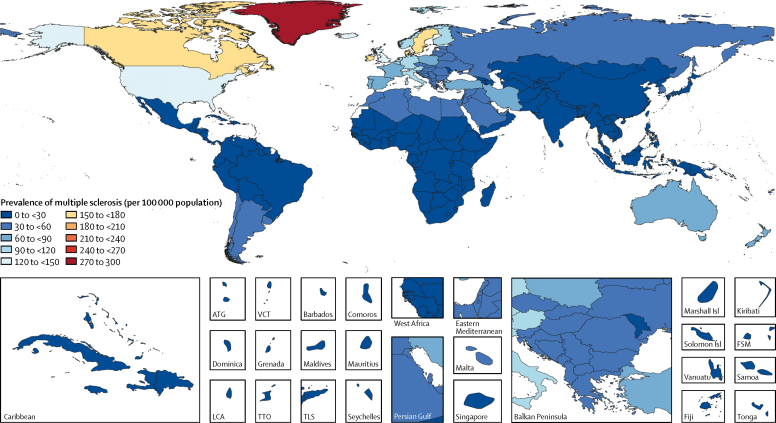
- The highest age-standardised prevalence estimates per 100,000 were in high-income North America (164.6, 95% UI 153.2–177.1), western Europe (127.0, 115.4–139.6), and Australasia (91.1, 81.5–101.7); the lowest were in eastern sub-Saharan Africa (3.3, 2.9–3.8), central sub-Saharan Africa (2.8, 2.4–3.1), and Oceania (2.0, 1.71–2.29).
- There were 18,932 deaths (95% UI 16,577–21,033) and 1,151,478 DALYs (968,605–1,345,776) due to multiple sclerosis in 2016; the global age-standardised death rate decreased significantly (−11.5%, 95% UI −35.4 to −4.7), whereas the change in age-standardised DALYs was not significant (−4.2%, −16.4 to 0.8).
- Smoking accounted for 99,076 DALYs (95% UI 62,164–140,650), or 8.6% (5.6–11.7) of global multiple sclerosis DALYs; prevalence increased with latitude (coefficient 1.03 per degree, 95% UI 1.03–1.04).
Methods
- GBD 2016 systematic analysis: mortality was modelled with CODEm using 13,110 site-years of vital registration data and predictive covariates; prevalence and incidence were modelled with DisMod-MR 2.1 using 167 unique sources (129 prevalence, 65 incidence) covering 13 of 21 GBD world regions, plus US medical claims data.
- Severity was classified into mild, moderate, severe, and asymptomatic states based on the Expanded Disability Status Scale; YLDs were derived from prevalence multiplied by disability weights and corrected for comorbidity; YLLs were calculated from deaths and remaining life expectancy; DALYs were the sum of YLLs and YLDs, with uncertainty propagated through 1,000 draws.
- The Socio-demographic Index was used to assess development level; smoking was the only environmental risk judged to have sufficient evidence for a causal relationship with multiple sclerosis, with population-attributable fractions estimated from exposure and relative risk data.
Limitations
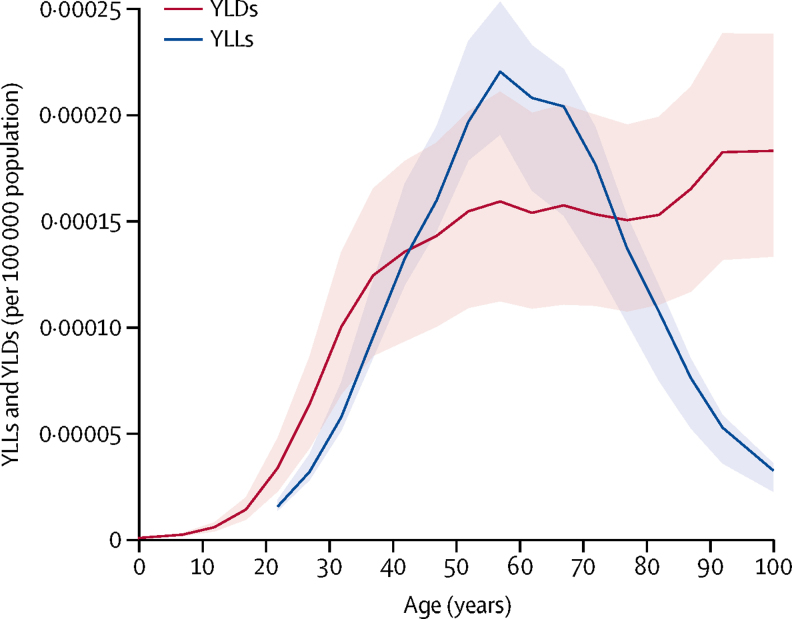
- Stated in the paper: data are absent or extremely sparse for many regions, including Latin America, sub-Saharan Africa, and Asia; the models used to predict prevalence, DALYs, and YLLs might lead to unusual changes in segments of the data, such as rapid prevalence increases in women older than 80 years and the YLD curve, which should be viewed with caution; underdiagnosis in less-developed countries cannot be excluded.
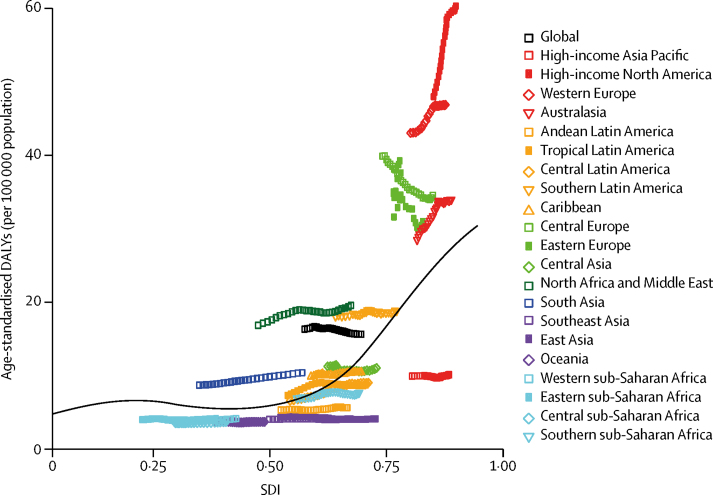
- Stated in the paper: there is a lack of robust predictive covariates for multiple sclerosis; including both SDI and latitude might have underestimated the effect of latitude because of collinearity, and inclusion of SDI might have spuriously led to increasing prevalence estimates over time; latitude remains a proxy and uncertain predictor, and measurement error cannot be excluded.
- Evident from the text: many country estimates rely on modelled predictions where no data were available; for example, the Greenland estimate was based on one small study of fewer than 2,000 inhabitants in which no cases were found between 1950 and 1974, and the uncertainty around that estimate is wide.
Model-written summary. Check it against the paper before relying on it.
Integrity signals
Registry
Cites
Statistics
Figures
Verification
Claims the paper makes
4 Valid · 1 Not valid · 12 Not checked · 85 Own results and interpretations
The cited sources support only part of this claim — read each source’s verdict below.
In the paper
“Geographical location before onset of multiple sclerosis remains a risk factor for acquisition.28”
§ Global, regional, and national burden of multiple sclerosis 1990–2016: a systematic analysis for the Global Burden of Disease Study 2016 > Discussion
What the sources say
- Partly supportedcites [28] Simpson S Blizzard L Otahal P Latitude is significantly associated with the prevalence of multiple sclerosis. A meta-analysis J Neurol Neurosurg Psychiatry 82 2011 1132 1141 21478203 sourceExperimental — accuracy not yet measured
The Global analyses section reports a significant association between latitude and MS prevalence, supporting a geographical pattern. But the paper does not establish that a person's location before onset is itself a risk factor for acquiring MS; it analyses population prevalence rather than individuals' pre-onset locations or acquisition risk. No page number was available in our copy. (LLM, conf=0.85)
plainstates a cause- Asserted: passes — The authors put it forward as true.
- Checkable: passes — It can be checked against evidence.
- Load-bearing: unclear — It is unclear whether the paper’s conclusions depend on it.
- Based: passes — The paper gives a reason why it holds.
- Partly supported
A result the paper states — it cites no source for it, so there is none to check. The quote shows it is in the paper.
In the paper
“YLDs begin to increase steeply early in the second decade of life.”
§ Global, regional, and national burden of multiple sclerosis 1990–2016: a systematic analysis for the Global Burden of Disease Study 2016 > Discussion
plainstates a cause- Asserted: passes — The authors put it forward as true.
- Checkable: passes — It can be checked against evidence.
- Load-bearing: unclear — It is unclear whether the paper’s conclusions depend on it.
- Based: passes — The paper gives a reason why it holds.
A result the paper reports from its own data — it cites no other source for it, so there is none to check. The quote shows it is in the paper.
In the paper
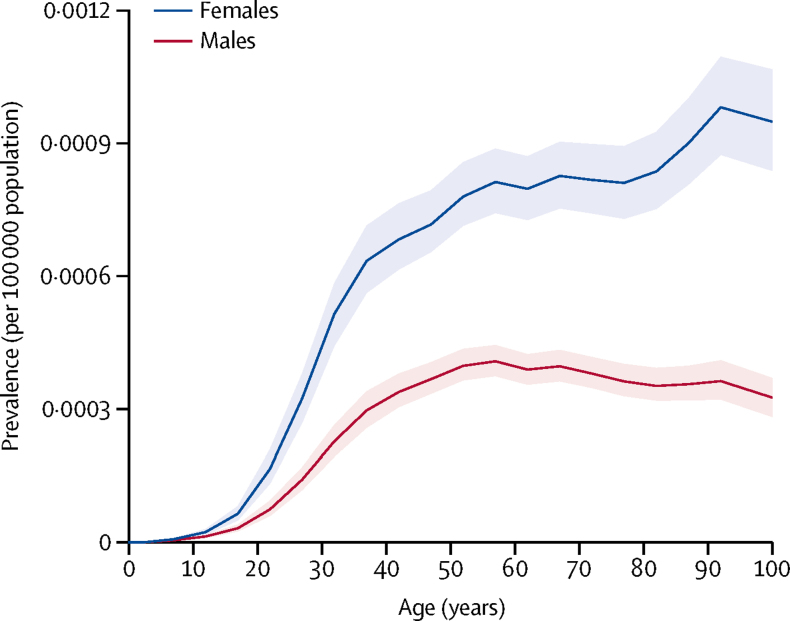
“The global prevalence of multiple sclerosis differs substantially by sex (figure 2).”
- Also stated in: § Discussion · plain
“Prevalence of multiple sclerosis differed substantially over the adult life of women and men.”
§ Global, regional, and national burden of multiple sclerosis 1990–2016: a systematic analysis for the Global Burden of Disease Study 2016 > Results
plainstates an association- Asserted: passes — The authors put it forward as true.
- Checkable: passes — It can be checked against evidence.
- Load-bearing: unclear — It is unclear whether the paper’s conclusions depend on it.
- Based: passes — The paper gives a reason why it holds.
- Also stated in: § Discussion · plain
A result the paper reports from its own data — it cites no other source for it, so there is none to check. The quote shows it is in the paper.
In the paper
“whereas the change in age-standardised DALYs was not significant (−4·2%, −16·4 to 0·8)”
- Also stated in: § Results · plain
“−4·2% (−16·4 to 0·8)”
§ Global, regional, and national burden of multiple sclerosis 1990–2016: a systematic analysis for the Global Burden of Disease Study 2016 > Abstract > Findings
plain- Asserted: passes — The authors put it forward as true.
- Checkable: passes — It can be checked against evidence.
- Load-bearing: unclear — It is unclear whether the paper’s conclusions depend on it.
- Based: passes — The paper gives a reason why it holds.
- Also stated in: § Results · plain
A result the paper reports from its own data — it cites no other source for it, so there is none to check. The quote shows it is in the paper.
In the paper
“In that year, prevalence was 10·4% higher than in 1990.”
§ Global, regional, and national burden of multiple sclerosis 1990–2016: a systematic analysis for the Global Burden of Disease Study 2016 > Discussion
plain- Asserted: passes — The authors put it forward as true.
- Checkable: passes — It can be checked against evidence.
- Load-bearing: unclear — It is unclear whether the paper’s conclusions depend on it.
- Based: passes — The paper gives a reason why it holds.
51 more claims
Create a free account to see all 102 claims and to verify the 1 reference still open.
- It may state two separate claims as one. 26
- Probably not a substantial claim. 29
Claims other papers make about this one
Each is checked against this paper’s own text: does it say what the citing paper says it does?
The cited source says what the claim attributes to it.
In the citing paper
“These 4 common UMNDs result in a significant decline in physical function5,7,8,17,18 and often develop secondary complications that affect their quality of life (QOL), including cognitive impairment,19–21 fatigue,22 chronic pain,23,24 depression,25–27 and anxiety.25–27”
From Feasibility, Acceptability, and Efficacy of Mindfulness Training in People With Upper Motor Neuron Disorders: A Systematic Review (2022) · cites this paper as [17]
Self-check
Percentages, sums and reported differences re-computed from the paper’s own numbers.
Each contradiction between two passages listed here was confirmed by an independent check.
Rated minor: it would not touch a result — a value no result rests on, a p-value that stays on the same side of the significance level, or a conflict that is clerical, resolved elsewhere in the paper, or outside its own findings.
In the paper
§ Global, regional, and national burden of multiple sclerosis 1990–2016: a systematic analysis for the Global Burden of Disease Study 2016 > Results
“Most deaths occurred in high SDI countries (10 021 95% UI 7358–10 873)”
§ Global, regional, and national burden of multiple sclerosis 1990–2016: a systematic analysis for the Global Burden of Disease Study 2016 > Results
“| High SDI | High SDI | 10 021 (7385 to 10 873) |”
Citations
Cites
Rating neurologic impairment in multiple sclerosis: An expanded disability status scale (EDSS)
Kurtzke, J. F. (1983) · Neurology · doi:10.1212/wnl.33.11.1444 · Cited by 15,011
Vos, T., Abajobir, A. A., Abate, K. H., Abbafati, C., Abbas, K. M., Abd-Allah, F., Abdulkader, R. S., Abdulle, A. M., Abebo, T. A., Abera, S. F., et al. (2017) · The Lancet · doi:10.1016/s0140-6736(17)32154-2 · Cited by 13,220
Self-citationDiagnosis of multiple sclerosis: 2017 revisions of the McDonald criteria
Thompson, A. J., Banwell, B. L., Barkhof, F., Carroll, W. M., Coetzee, T., Comi, G., Correale, J., Fazekas, F., Filippi, M., Freedman, M. S., et al. (2018) · The Lancet Neurology · doi:10.1016/s1474-4422(17)30470-2 · Cited by 9,476
Forouzanfar, M. H., Afshin, A., Alexander, L. T., Anderson, H. R., Bhutta, Z. A., Biryukov, S., Brauer, M., Burnett, R., Cercy, K., Charlson, F. J., et al. (2016) · The Lancet · doi:10.1016/s0140-6736(16)31679-8 · Cited by 7,698
Self-citationNew diagnostic criteria for multiple sclerosis: Guidelines for research protocols
Poser, C. M., Paty, D. W., Scheinberg, L., McDonald, W. I., Davis, F. A., Ebers, G. C., Johnson, K. P., Sibley, W. A., Silberberg, D. H., & Tourtellotte, W. W. (1983) · Annals of Neurology · doi:10.1002/ana.410130302 · Cited by 7,384
Vos, T., Allen, C., Arora, M., Barber, R. M., Bhutta, Z. A., Brown, A., Carter, A., Casey, D. C., Charlson, F. J., Chen, A. Z., et al. (2016) · The Lancet · doi:10.1016/s0140-6736(16)31678-6 · Cited by 7,253
Self-citationFeigin, V. L., Nichols, E., Alam, T., Bannick, M. S., Beghi, E., Blake, N., Culpepper, W. J., Dorsey, E. R., Elbaz, A., Ellenbogen, R. G., et al. (2019) · The Lancet Neurology · doi:10.1016/s1474-4422(18)30499-x · Cited by 5,644
Self-citationFood, nutrition, physical activity, and the prevention of cancer: a global perspective
(2008) · Choice Reviews Online · doi:10.5860/choice.45-5024 · Cited by 5,350
Diagnostic criteria for multiple sclerosis: 2005 revisions to the “McDonald Criteria”
Polman, C. H., Reingold, S. C., Edan, G., Filippi, M., Hartung, H., Kappos, L., Lublin, F. D., Metz, L. M., McFarland, H. F., O'Connor, P. W., et al. (2005) · Annals of Neurology · doi:10.1002/ana.20703 · Cited by 5,017
Reich, D. S., Lucchinetti, C. F., & Calabresi, P. A. (2018) · New England Journal of Medicine · doi:10.1056/nejmra1401483 · Cited by 2,491
Cited by
Items 301–400 of 1,078
Khakban, A., Llorian, E. R., Michaux, K. D., Patten, S. B., Traboulsee, A. L., Oh, J., Lynd, L. D., & on behalf of CanProCo Study Group (2022) · Neurology · doi:10.1212/wnl.0000000000201645 · Cited by 23
Diagnostic and prognostic value of the RUNXOR/RUNX1 axis in multiple sclerosis
Haridy, S. F. A., Shahin, N. N., Shabayek, M. I., Selim, M. M., Abdelhafez, M. A., & Motawi, T. K. (2023) · Neurobiology of Disease · doi:10.1016/j.nbd.2023.106032 · Cited by 19
“(3, 4) In Egypt, the prevalence of MS has alarmingly doubled from approximately 30,000 patients in 2016 to 60,000 in 2020.(5, 6)”
BackgroundEpidemiology of familial multiple sclerosis: A population-based study in Tehran during 1999–2018
Salehi, Z., Almasi‐Hashiani, A., Sahraian, M. A., & Eskandarieh, S. (2020) · Multiple Sclerosis and Related Disorders · doi:10.1016/j.msard.2020.102178 · Cited by 16
Use of geographical information systems in multiple sclerosis research: A systematic scoping review
Hashtarkhani, S., Tabatabaei‐Jafari, H., Kiani, B., Furst, M. A., Salvador‐Carulla, L., & Bagheri, N. (2021) · Multiple Sclerosis and Related Disorders · doi:10.1016/j.msard.2021.102909 · Cited by 18
“MS prevalence data was extracted from the Global Burden of Disease study (GBD) of MS published in 2019 (3).”
BackgroundMethodInfluentialSleep counts! Role and impact of sleep in the multimodal management of multiple sclerosis
Mogavero, M. P., Lanza, G., Bruni, O., DelRosso, L. M., Ferri, R., & Ferini‐Strambi, L. (2023) · Journal of Neurology · doi:10.1007/s00415-023-11655-9 · Cited by 16
“2 million people with MS worldwide, with a prevalence of approximately 30 cases per 100,000 inhabitants, with a continuously increasing rate in recent decades [1].”
BackgroundThe association between multiple sclerosis and migraine: A meta-analysis
Mohammadi, M., Kankam, S. B., Salehi, S., Mohamadi, M., Mohammadi, A., Firoozabadi, S. R. D., Shaygannejad, V., & Mirmosayyeb, O. (2023) · Multiple Sclerosis and Related Disorders · doi:10.1016/j.msard.2023.104954 · Cited by 17
Macular Ganglion Cell-Inner Plexiform Layer as a Marker of Cognitive and Sensory Function in Midlife
Merten, N., Paulsen, A. J., Pinto, A. A., Chen, Y., Dillard, L. K., Fischer, M., Huang, G.-H., Klein, R., Schubert, C. R., & Cruickshanks, K. J. (2020) · The Journals of Gerontology Series A · doi:10.1093/gerona/glaa135 · Cited by 17
Zhao, P., Ji, J., Liu, X., Zhao, H., Xue, B., Jin, L.-Y., Fan, Y., Zhao, W., & Wang, L. (2020) · Oxidative Medicine and Cellular Longevity · doi:10.1155/2020/7895293 · Cited by 16
Hajibabaei, M., Kajbaf, M. B., Esmaeili, M., Harirchian, M. H., & Montazeri, A. (2020) · Iranian Journal of Psychiatry · doi:10.18502/ijps.v15i4.4298 · Cited by 20
Tella, S. D., Isernia, S., Pagliari, C., Jonsdottir, J., Castiglioni, C., Gindri, P., Gramigna, C., Canobbio, S., Salza, M., Molteni, F., et al. (2021) · Frontiers in Neurology · doi:10.3389/fneur.2020.618330 · Cited by 20
Bond, J., Nielsen, T., & Hodges, L. D. (2021) · International Journal of Environmental Research and Public Health · doi:10.3390/ijerph18052366 · Cited by 17
Holz, A., Riefflin, M., Heesen, C., Riemann-Lorenz, K., Obi, N., & Becher, H. (2022) · Neuroepidemiology · doi:10.1159/000526895 · Cited by 20
Rufino, R. D. A., Pereira-Rufino, L. D. S., Vissoto, T. C. S., Kerkis, I., Neves, A. D. C., & da Silva, M. C. P. (2022) · Neurodegenerative Diseases · doi:10.1159/000528036 · Cited by 18
Bessing, B., Honan, C. A., van der Mei, I. A. F., Taylor, B. V., & Claflin, S. B. (2020) · Multiple Sclerosis Journal · doi:10.1177/1352458520929626 · Cited by 20
The contribution of thymic tolerance to central nervous system autoimmunity
Alberti, P., & Handel, A. E. (2020) · Seminars in Immunopathology · doi:10.1007/s00281-020-00822-z · Cited by 20
Multiple Sclerosis in sub-Saharan Africa – a scoping review
Heine, M., Maartens, D. D., Hanekom, S. D., & Derman, W. E. (2020) · Multiple Sclerosis and Related Disorders · doi:10.1016/j.msard.2020.102133 · Cited by 19
Prevalence and incidence of multiple sclerosis in Ardabil, Northwest of Iran
Molazadeh, N., Mohebi, F., Altafi, D., & Sahraian, M. A. (2020) · Multiple Sclerosis and Related Disorders · doi:10.1016/j.msard.2020.102605 · Cited by 18
Assessment of Multiple Sclerosis Awareness and Knowledge among the Community of Jeddah, Saudi Arabia
Farran, E., Waggas, D. S., Alkhunani, T. A., Almuwallad, S. A., & Aljohani, R. A. (2021) · Journal of Neurosciences in Rural Practice · doi:10.1055/s-0041-1734009 · Cited by 19
Ghareghani, M., Farhadi, Z., Rivest, S., & Zibara, K. (2022) · Frontiers in Immunology · doi:10.3389/fimmu.2022.862316 · Cited by 17
Li, M., Zhou, N., Duan, S., Zhong, H., Jiang, R., & Ni, Y. (2022) · BMJ Open · doi:10.1136/bmjopen-2022-066335 · Cited by 15
Rehan, S. T., Khan, Z., Shuja, S. H., Salman, A., Hussain, H. U., Abbasi, M. S., Razak, S., Cheema, H. A., Swed, S., & Surani, S. (2023) · Brain and Behavior · doi:10.1002/brb3.3024 · Cited by 19
Associations between socioeconomic status and stroke in American adults: A population-based study
Fan, J., Ma, W., Liu, J., Li, W., Wang, W., Gu, J., & Zhou, B. (2023) · Preventive Medicine Reports · doi:10.1016/j.pmedr.2023.102354 · Cited by 16
Systematic review of fatigue severity in ME/CFS patients: insights from randomized controlled trials
Park, J., Park, B., Lee, J., Lee, E., Ahn, Y., & Son, C. (2024) · Journal of Translational Medicine · doi:10.1186/s12967-024-05349-7 · Cited by 19
“This disorder affects approximately 1% of the global population across all ages, races, and ethnic backgrounds [2].”
BackgroundKaufmann, M., Puhan, M. A., Salmen, A., Kamm, C. P., Manjaly, Z., Calabrese, P., Schippling, S., Müller, S., Kühle, J., Pot, C., et al. (2020) · Frontiers in Neurology · doi:10.3389/fneur.2020.00156 · Cited by 15
Multiple Sclerosis: Shall We Target CD33?
Siokas, V., Tsouris, Z., Aloizou, A., Bakirtzis, C., Liampas, I., Koutsis, G., Anagnostouli, M. C., Bogdanos, D. P., Grigoriadis, N., Hadjigeorgiou, G. M., et al. (2020) · Genes · doi:10.3390/genes11111334 · Cited by 18
Redox Imbalance in CD4+ T Cells of Relapsing-Remitting Multiple Sclerosis Patients
Tavassolifar, M. J., Moghadasi, A. N., Esmaeili, B., Sadatpour, O., Vodjgani, M., & Izad, M. H. (2020) · Oxidative Medicine and Cellular Longevity · doi:10.1155/2020/8860813 · Cited by 19
“Whereas MS prevalence has an increasing trend in the world, disease prevention and management could reduce its socioeconomic impact [2].”
BackgroundSaposnik, G., Andhavarapu, S., Fernández, Ó., Kim, H. J., Wiendl, H., Foss, M. M., Zuo, F., Havrdová, E., Celius, E. G., Cáceres, F., et al. (2021) · Multiple Sclerosis and Related Disorders · doi:10.1016/j.msard.2021.103389 · Cited by 15
Debus, J. L., Bachmann, P., Frahm, N., Mashhadiakbar, P., Langhorst, S. E., Streckenbach, B., Baldt, J., Heidler, F., Hecker, M., & Zettl, U. K. (2022) · Therapeutic Advances in Chronic Disease · doi:10.1177/20406223221108391 · Cited by 21
Maternal education has significant influence on progression in multiple sclerosis
Flemmen, H. Ø., Simonsen, C. S., Broch, L., Brunborg, C., Berg‐Hansen, P., Moen, S. M., Kersten, H., & Celius, E. G. (2021) · Multiple Sclerosis and Related Disorders · doi:10.1016/j.msard.2021.103052 · Cited by 16
Multiple Sclerosis and Other Acquired Demyelinating Diseases of the Central Nervous System
Kornberg, M. D., & Calabresi, P. A. (2024) · Cold Spring Harbor Perspectives in Biology · doi:10.1101/cshperspect.a041374 · Cited by 18
Rahimi, H., Mehrpooya, N., Vagharseyyedin, S. A., & Bahrami‐Taghanaki, H. (2020) · Journal of Advances in Medical and Biomedical Research · doi:10.30699/jambs.28.130.276 · Cited by 15
Affinito, G., Palladino, R., Carotenuto, A., Caliendo, D., Lanzillo, R., Fumo, M. G., Giordana, R., Gennaro, M. D., Iodice, C., Macrì, P., et al. (2023) · Multiple Sclerosis and Related Disorders · doi:10.1016/j.msard.2023.104585 · Cited by 15
Pétrin, J., Marrie, R. A., Devonshire, V. A., Jichici, D., Hrebicek, O., Metz, L. M., Morrow, S. A., Oh, J., Smyth, P. S., & Donkers, S. J. (2023) · Frontiers in Neurology · doi:10.3389/fneur.2023.1101521 · Cited by 18
Geiger, L., Orsi, G., Cseh, T., Gombos, K., Illés, Z., & Czéh, B. (2023) · Frontiers in Molecular Neuroscience · doi:10.3389/fnmol.2023.1173212 · Cited by 14
Amin, M., Nakamura, K., & Ontaneda, D. (2023) · Multiple Sclerosis and Related Disorders · doi:10.1016/j.msard.2023.105420 · Cited by 16
Peters, S., Bouma, F., Hoek, G., Janssen, N., & Vermeulen, R. (2024) · Environmental Research · doi:10.1016/j.envres.2024.119552 · Cited by 18
Neuroinflammation at single cell level: What is new?
Brandão, W. N., de Oliveira, M. G., Andreoni, R., Nakaya, H. I., Farias, A. S., & Peron, J. P. S. (2020) · Journal of Leukocyte Biology · doi:10.1002/jlb.3mr0620-035r · Cited by 15
Costa, V. M., Capela, J. P., Sousa, J. R., Eleutério, R. P., Rodrigues, P. D. S., Dores‐Sousa, J. L., Carvalho, R. A., Bastos, M. D. L., Duarte, J. A., Remião, F., et al. (2020) · Archives of Toxicology · doi:10.1007/s00204-020-02874-4 · Cited by 14
Asha, M. Z., Al-Asaad, Y., & Khalil, S. F. H. (2021) · IBRO Neuroscience Reports · doi:10.1016/j.ibneur.2021.08.003 · Cited by 15
Sharma, K., Chaudhary, D. P., Beard, K., Srivastava, S., Khalid, S. H., & Sriwastava, S. (2022) · Multiple Sclerosis and Related Disorders · doi:10.1016/j.msard.2022.103675 · Cited by 15
Flemmen, H. Ø., Simonsen, C. S., Broch, L., Brunborg, C., Berg‐Hansen, P., Moen, S. M., Kersten, H., & Celius, E. G. (2022) · Multiple Sclerosis and Related Disorders · doi:10.1016/j.msard.2022.103759 · Cited by 14
Müller, J., Rosa, F. L., Beaumont, J., Tsagkas, C., Rahmanzadeh, R., Weigel, M., Cuadra, M. B., Gambarota, G., & Granziera, C. (2022) · Investigative Radiology · doi:10.1097/rli.0000000000000877 · Cited by 16
Horjus, J., van Mourik-Banda, T., Heerings, M. A. P., Hakobjan, M., Witte, W. D., Heersema, D. J., Jansen, A. J., Strijbis, E. M. M., de Jong, B. A., Slettenaar, A. E. J., et al. (2022) · International Journal of Molecular Sciences · doi:10.3390/ijms231911461 · Cited by 18
Peterson, S. R., Ali, S., Shrode, R. L., & Mangalam, A. K. (2023) · ImmunoHorizons · doi:10.4049/immunohorizons.2300008 · Cited by 16
Sharifa, M., Ghosh, T., Daher, O. A., Bhusal, P., Alaameri, Y. A., Naz, J., Ekhator, C., Bellegarde, S. B., Bisharat, P., Vaghani, V., et al. (2023) · Cureus · doi:10.7759/cureus.47058 · Cited by 22
“The prevalence of MS is also influenced by geographic variables, race, and ethnicity [3,4].”
Background“Begging the Question”—Does Toxocara Infection/Exposure Associate with Multiple Sclerosis-Risk?
Taghipour, A., Rostami, A., Esfandyari, S., Aghapour, S., Nicoletti, A. S. Q., & Gasser, R. B. (2020) · Pathogens · doi:10.3390/pathogens9110938 · Cited by 14
“According to the Global Burden of Disease Study [4], MS contributes to >1.”
MethodInfluentialAwareness of Saudi community toward multiple sclerosis in Qassim Region, Saudi Arabia
Alhamdan, N., Alotaibi, E. A., Almutairi, M. A., Almutairi, M. G., Alotaibi, O., Al-Mozeri, M. A., Al-Masaud, W. K., & Al-Batanony, M. A. (2021) · Neurosciences · doi:10.17712/nsj.2021.1.20200115 · Cited by 15
Early depressive symptoms and disability accrual in Multiple Sclerosis: a UK MS Register study
Jacobs, B. M., Daruwalla, C., McKeon, M. O., Al-Najjar, R., Simcock-Davies, A., Tuite-Dalton, K., Brown, J. W. L., Dobson, R., Rodgers, J., & Middleton, R. (2023) · Scientific Reports · doi:10.1038/s41598-023-34545-6 · Cited by 13
Chan, C. T., & Garikipati, K. K. (2023) · European Journal of Physiotherapy · doi:10.1080/21679169.2023.2217438 · Cited by 16
Clinical and demographic characteristics of late-onset multiple sclerosis: LOMS-TR study
Sıvacı, A. Ö., Seferoğlu, M., Çınar, B. P., Uzunköprü, C., Beckmann, Y. Y., Doğan, İ. G., Tezer, D. Ç., Tunç, A., Ethemoğlu, Ö., Gümüş, H., et al. (2024) · Multiple Sclerosis and Related Disorders · doi:10.1016/j.msard.2024.105469 · Cited by 14
Ma, X., Liao, Z., Tan, H., Wang, K., Feng, C., Xing, P., Zhang, X., Hua, J., Jiang, P., Peng, S., et al. (2024) · EClinicalMedicine · doi:10.1016/j.eclinm.2024.102757 · Cited by 14
“This discrepancy may be attributed to the fact that the average age of MS onset is around 30 years old, 20 which is much younger than the age range of participants in our study (40 – 60).”
BackgroundPlow, M. A., Packer, T. L., Mathiowetz, V. G., Preissner, K., Ghahari, S., Sattar, A., Béthoux, F., & Finlayson, M. L. (2020) · BMJ Open · doi:10.1136/bmjopen-2019-035470 · Cited by 13
Vaccination in multiple sclerosis ‑ Challenging practices (Review)
Sîrbu, C. A., Florea, A., Ghinescu, M. C., Axelerad, A. D., Sirbu, A. M., Bratu, O. G., & Radu, F. I. (2020) · Experimental and Therapeutic Medicine · doi:10.3892/etm.2020.9347 · Cited by 15
Boyко, A., Therapontos, C., Horáková, D., Szilasiová, J., Kalniņa, J., Kolontareva, J., Gross‐Paju, K., Selmaj, K. W., Sereikė, I., Milo, R., et al. (2021) · Multiple Sclerosis and Related Disorders · doi:10.1016/j.msard.2021.102778 · Cited by 16
Imprinted Genes and Multiple Sclerosis: What Do We Know?
Baulina, N., Сергеевич, К. И., & Favorova, O. O. (2021) · International Journal of Molecular Sciences · doi:10.3390/ijms22031346 · Cited by 18
Paudel, S., Nepal, G., Guragain, S., Shah, S., Paudel, B. S., Ojha, R., Rajbhandari, R., Karn, R., & Gajurel, B. P. (2021) · Cureus · doi:10.7759/cureus.13968 · Cited by 17
Zhou, R., Zeng, Q., Yang, H., Xu, Y., Tan, G., Liu, H., Wang, L., Zhou, H., Zhang, M., Feng, J., et al. (2021) · Frontiers in Neurology · doi:10.3389/fneur.2021.651511 · Cited by 14
Learmonth, Y. C., Pilutti, L. A., Herring, M. P., Motl, R. W., Chan, B., & Metse, A. P. (2021) · Systematic Reviews · doi:10.1186/s13643-021-01751-0 · Cited by 14
Obesity and Adipose Tissue-derived Cytokines in the Pathogenesis of Multiple Sclerosis
Daryabor, G., Amirghofran, Z., Gholijani, N., & Bemani, P. (2022) · Endocrine Metabolic & Immune Disorders - Drug Targets · doi:10.2174/1871530322666220215110041 · Cited by 16
Oxidative stress-related risk of the multiple sclerosis development
Vasić, M., Topić, A., Marković, B. D., Milinković, N., & Dinčić, E. (2022) · Journal of Medical Biochemistry · doi:10.5937/jomb0-37546 · Cited by 13
Hedström, A. K., Stenberg, E., Spelman, T. D., Forsberg, L., Näslund, E. B., & Hillert, J. A. (2022) · Multiple Sclerosis Journal · doi:10.1177/13524585221107095 · Cited by 13
Jakhmola, S., Sk, M. F., Chatterjee, A., Jain, K., Kar, P., & Jha, H. C. (2022) · Computers in Biology and Medicine · doi:10.1016/j.compbiomed.2022.105856 · Cited by 17
Multimodal-neuroimaging machine-learning analysis of motor disability in multiple sclerosis
Bučková, B. R., Mareš, J., Škoch, A., Kopál, J., Tintěra, J., Dineen, R. A., Řasová, K., & Hlinka, J. (2022) · Brain Imaging and Behavior · doi:10.1007/s11682-022-00737-3 · Cited by 14
Alterations in Lymphocytic Metabolism—An Emerging Hallmark of MS Pathophysiology?
Greeck, V. B., Williams, S. K., Haas, J., Wildemann, B., & Fairless, R. (2023) · International Journal of Molecular Sciences · doi:10.3390/ijms24032094 · Cited by 15
“The prevalence of MS is steadily increasing with around three million people affected worldwide in 2020, predominantly women [2,3].”
BackgroundRisk factors for death by acute ischaemic stroke in patients from West-Pomerania, Poland
Wańkowicz, P., Gołąb-Janowska, M., & Nowacki, P. (2020) · Neurologia i Neurochirurgia Polska · doi:10.5603/pjnns.a2020.0018 · Cited by 15
“In Poland, it is widely believed that the outlook for IS patients is gradually improving due to the development of a network of stroke wards and other dedicated hospital units throughout the country, which is confirmed by the GBD 2016 Stroke Collaborators study [3].”
BackgroundPrognostication and contemporary management of clinically isolated syndrome
Allen, C. M., Mowry, E. M., Tintoré, M., & Evangelou, N. (2020) · Journal of Neurology Neurosurgery & Psychiatry · doi:10.1136/jnnp-2020-323087 · Cited by 18
A comparative study of teriflunomide and dimethyl fumarate within the Swedish MS Registry
Hillert, J. A., Tsai, J. A., Nouhi, M., Glaser, A., & Spelman, T. D. (2021) · Multiple Sclerosis Journal · doi:10.1177/13524585211019649 · Cited by 13
Pinilla-Monsalve, G. D., Aguilar, J. P. V., Machado-Noguera, B., Gutierrez, J. A., Cabezas-Vargas, Z., & Bejarano-Hernández, J. (2021) · Salud UIS · doi:10.18273/saluduis.53.e:21 · Cited by 28
Predicting Multiple Sclerosis: Challenges and Opportunities
Hone, L., Giovannoni, G., Dobson, R., & Jacobs, B. M. (2022) · Frontiers in Neurology · doi:10.3389/fneur.2021.761973 · Cited by 18
Meek, C., das Nair, R., Evangelou, N., Middleton, R., Tuite-Dalton, K., & Moghaddam, N. (2022) · Multiple Sclerosis and Related Disorders · doi:10.1016/j.msard.2022.104154 · Cited by 12
Bonomi, S., Jin, S., Culpepper, W. J., & Wallin, M. T. (2021) · Multiple Sclerosis and Related Disorders · doi:10.1016/j.msard.2021.102885 · Cited by 13
Self-citationBurden of multiple sclerosis in Iran from 1990 to 2017
Fattahi, N., Moghaddam, S. S., Mohebi, F., Rezaei, N., Masinaei, M., Fateh, S. M., Hassanlouei, E. S., Manoochehri, F., Fattahi, E., Sahraian, M. A., et al. (2021) · BMC Neurology · doi:10.1186/s12883-021-02431-1 · Cited by 15
“Furthermore, timely and advanced health care in developed countries can lead to an increase in the survival of patients and thus an increase in the ASPR of the disease [4, 6].”
BackgroundSelf-citationvan Straalen, J. W., de Roock, S., Giancane, G., Alexeeva, E. I., Košková, E., Mesa-del-Castillo, P., Zulian, F., Civino, A., Montin, D., Wulffraat, N. M., et al. (2022) · Pediatric Rheumatology · doi:10.1186/s12969-022-00762-y · Cited by 17
New views on the complex interplay between degeneration and autoimmunity in multiple sclerosis
Stys, P. K., Tsutsui, S., Gafson, A., Hart, B. A. ‘., Belachew, S. M., & Geurts, J. J. G. (2024) · Frontiers in Cellular Neuroscience · doi:10.3389/fncel.2024.1426231 · Cited by 15
Assessing measurement invariance of MSQOL-54 across Italian and English versions
Giordano, A., Testa, S., Bassi, M., Cilia, S., Bertolotto, A., Quartuccio, M. E., Pietrolongo, E., Falautano, M., Grobberio, M., Niccolai, C., et al. (2019) · Quality of Life Research · doi:10.1007/s11136-019-02352-0 · Cited by 12
Vitamin D and the NLRP3 Inflammasome
Tunbridge, M. J., & Gois, P. H. F. (2020) · Applied Sciences · doi:10.3390/app10238462 · Cited by 14
Liu, W., Zhuang, X., & Zhang, L. (2021) · Frontiers in Neurology · doi:10.3389/fneur.2021.606594 · Cited by 13
Zang, Y., Zhu, Z., Shi, M., Wang, A., Xie, X., Xu, T., Peng, Y., Yang, P., Li, Q., Ju, Z., et al. (2021) · Journal of Epidemiology & Community Health · doi:10.1136/jech-2021-216481 · Cited by 12
Physical and Mental Health Comorbidities Among Adults With Multiple Sclerosis
Peterson, M. D., Lin, P., Kamdar, N. S., Marsack‐Topolewski, C. N., & Mahmoudi, E. (2021) · Mayo Clinic Proceedings Innovations Quality & Outcomes · doi:10.1016/j.mayocpiqo.2021.11.004 · Cited by 13
Haker, M., Peper, J., Haagen, M., Heesen, C., & Rahn, A. C. (2022) · International Journal of MS Care · doi:10.7224/1537-2073.2021-075 · Cited by 13
Multiple sclerosis and computational biology (Review)
Diakou, I., Papakonstantinou, E., Papageorgiou, L., Pierouli, K., Dragoumani, K., Spandidos, D. A., Bacopoulou, F., Chrousos, G. P., Goulielmos, G., Eliopoulos, E., et al. (2022) · Biomedical Reports · doi:10.3892/br.2022.1579 · Cited by 12
Association between multiple sclerosis and epilepsy: A systematic review and meta-analysis
Kuntz, S., Wu, A. S., Matheson, E. N., Vyas, I., & Vyas, M. V. (2022) · Multiple Sclerosis and Related Disorders · doi:10.1016/j.msard.2022.104421 · Cited by 12
Late-onset multiple sclerosis in Iran: A report on demographic and disease characteristics
Ghadiri, F., Sahraian, M. A., Razazian, N., Ashtari, F., Poursadeghfard, M., Nabavi, S. M., Navardi, S., Baghbanian, S. M., Shaygannejad, V., Harirchian, M. H., et al. (2022) · Multiple Sclerosis and Related Disorders · doi:10.1016/j.msard.2022.104493 · Cited by 14
An Interpretable Machine Learning Model to Predict Cortical Atrophy in Multiple Sclerosis
Conti, A., Treaba, C. A., Mehndiratta, A., Barletta, V. T., Mainero, C., & Toschi, N. (2023) · Brain Sciences · doi:10.3390/brainsci13020198 · Cited by 12
“Introduction Multiple sclerosis (MS) is a chronic, immune-mediated disease of the central nervous system and the leading cause of nontraumatic neurological disability in young adults in the Western world [1].”
BackgroundRuiz‐Sánchez, F. J., Martins, M. D. R., Losa‐Iglesias, M. E., Vallejo, R., Gómez-Salgado, J. C., Morales, C. R., Jiménez‐Cebrián, A. M., & López‐López, D. (2023) · International Journal of Public Health · doi:10.3389/ijph.2023.1605593 · Cited by 12
MRI features and disability in multiple sclerosis: A systematic review and meta-analysis
Nabizadeh, F., Zafari, R., Mohamadi, M., Maleki, T., Fallahi, M. S., & Rafiei, N. (2024) · Journal of Neuroradiology · doi:10.1016/j.neurad.2023.11.007 · Cited by 16
A cross-sectional study of alexithymia in patients with relapse remitting form of multiple sclerosis
Stojanov, J., & Stojanov, A. (2020) · Journal of Postgraduate Medicine · doi:10.4103/jpgm.jpgm_499_19 · Cited by 12
“[1,2] The prevalence of MS in the whole of Europe is 127/100,000.[3]”
BackgroundLong noncoding RNA GAS8-AS1: A novel biomarker in human diseases
Li, G., Zhang, T., Huang, K., Zhu, Y., Xu, K., Gu, J., Huang, S., Gu, C., Zhan, R., & Shen, J. G. (2021) · Biomedicine & Pharmacotherapy · doi:10.1016/j.biopha.2021.111572 · Cited by 12
Citicoline: A Candidate for Adjunct Treatment of Multiple Sclerosis
Grieb, P., Świątkiewicz, M., Kamińska, A., Jünemann, A., Ręjdak, R., & Rejdak, K. (2021) · Pharmaceuticals · doi:10.3390/ph14040326 · Cited by 13
“Multiple sclerosis (MS) is a chronic inflammatory and demyelinating disease of the central nervous system (CNS), affecting between 2 and 2.5 million people throughout the world, mostly in the Northern Hemisphere [1].”
BackgroundInfluentialUtilization of Multiple Sclerosis Therapies in the Middle East Over a Decade: 2009–2018
Moradi, N., Sharmin, S., Malpas, C. B., Özakbaş, S., Shaygannejad, V., Terzi, M., Boz, C., Yamout, B., Türkoğlu, R., Karabudak, R., et al. (2021) · CNS Drugs · doi:10.1007/s40263-021-00833-w · Cited by 13
Kohs, T. C. L., Fallon, M. E., Oseas, E., Healy, L. D., Tucker, E. I., Gailani, D., McCarty, O. J. T., Vandenbark, A. A., Offner, H., & Verbout, N. G. (2023) · Metabolic Brain Disease · doi:10.1007/s11011-023-01251-1 · Cited by 12
Amezcua, L., Livingston, T., Hayward, B., Zhou, J., & Williams, M. J. (2023) · Multiple Sclerosis and Related Disorders · doi:10.1016/j.msard.2023.104866 · Cited by 12
Kamari, M., Siqueira, V. A. A. A., Bakare, J. O., & Sebastião, É. (2024) · Rehabilitation Research and Practice · doi:10.1155/2024/2020263 · Cited by 24
“Several studies have explored the e ff ects of exergames combined with VR on pwMS, yielding promising results: (a) improved balance and physical function [16] and (b) increased motivation and adherence [24, 29] and dual-task training [11, 31, 32].”
BackgroundResultNeuronal somatic mutations are increased in multiple sclerosis lesions
Motyer, A., Jackson, S., Yang, B., Harliwong, I., Tian, W., Shiu, W., Shao, Y., Wang, B., McLean, C., Barnett, M. H., et al. (2025) · Nature Neuroscience · doi:10.1038/s41593-025-01895-5 · Cited by 16
Sun, Y., Wang, G., Li, S., Jiang, Y., Liu, Y., Gao, Y., Yuan, Y., & Nie, H. (2025) · International Journal of Molecular Sciences · doi:10.3390/ijms26083677 · Cited by 13
“Multiple sclerosis (MS), a chronic inflammatory disease characterized by inflammation and demyelination of CNS, affects more than 2.3 million people globally [1].”
InfluentialMeca‐Lallana, V., Prefasi, D., Alabarcez, W., Hernández, T., García-Vaz, F., Portaña, A., Gomis, D., Téllez, N., García-Bernáldez, C., Mauriño, J., et al. (2020) · Frontiers in Neurology · doi:10.3389/fneur.2020.00900 · Cited by 12
Demographic and clinical characterization of multiple sclerosis in Mexico: The REMEMBer study
Bertado-Cortés, B., Venzor-Mendoza, C., Rubio-Ordoñez, D., Pérez-Pérez, J. R., Novelo-Manzano, L. A., Villamil-Osorio, L. V., Jiménez-Ortega, M. D. J., Villalpando-Gueich, M. D. L. L., Sánchez-Rosales, N. A., & García-Talavera, V. (2020) · Multiple Sclerosis and Related Disorders · doi:10.1016/j.msard.2020.102575 · Cited by 16
Correlation between vitamin D and alterations in MRI among patients with multiple sclerosis
Piędel, F., Rocka, A. A., Piwek, M., Jasielski, P. P., Petit, V., & Rejdak, K. (2020) · Annals of Agricultural and Environmental Medicine · doi:10.26444/aaem/127062 · Cited by 12
“5 million individuals with MS globally [1].”
Lezhnyova, V., Martynova, E. V., Khaiboullin, T. I., Urbanowicz, R. A., Khaiboullina, S. F., & Rizvanov, A. A. (2020) · Biology · doi:10.3390/biology9120464 · Cited by 13
Unbiased examination of genome-wide human endogenous retrovirus transcripts in MS brain lesions
Elkjaer, M. L., Frisch, T., Tonazzolli, A., Röttger, R., Reynolds, R., Baumbach, J., & Illés, Z. (2021) · Multiple Sclerosis Journal · doi:10.1177/1352458520987269 · Cited by 11
Metadata
- Authors
- Wallin, M. T., Culpepper, W. J., Nichols, E., Bhutta, Z. A., Gebrehiwot, T. T., Hay, S. I., Khalil, I. A., Krohn, K. J., Liang, X., Naghavi, M., Mokdad, A. H., Nixon, M. R., Reiner, R. C., Sartorius, B., Smith, M., Topor-Madry, R., Werdecker, A., Vos, T., Feigin, V. L., & Murray, C. J. L.
- Affiliations
- United States Department of Veterans Affairs (US)
- University of Maryland, Baltimore (US)
- George Washington University (US)
- ORCID
- Venue
- The Lancet Neurology
- Publisher
- Elsevier BV
- Published
- 2019-03
- Volume
- 18
- Issue
- 3
- Pages
- 269-285
- ISSN
- 1474-4422 (ISSN-L)
- PMC
- PMC6372756
- OpenAlex
- W2914720734
- Semantic Scholar
- 0b99adcd5f03f05530e9c57347dd9401bccca9b2
- Cited by
- 1,134
- References
- 57
- Citations by year
- 2026: 100 · 2025: 122 · 2024: 145 · 2023: 178 · 2022: 181 · 2021: 202 · 2020: 167 · 2019: 36
- FWCI
- 97.66
- Type
- journal article
- Language
- en
- Open access
- hybrid
- doi.org
- Licence
- cc-by
- www.elsevier.com/tdm/userlicense/1.0/ (tdm)
- www.elsevier.com/legal/tdmrep-license (tdm)
- creativecommons.org/licenses/by/4.0/ (vor)
- Locations
- The Lancet Neurology (publishedVersion, cc-by)
- Europe PMC (PubMed Central) (publishedVersion, other-oa)
- PubMed Central (publishedVersion, cc-by)
- PubMed (publishedVersion)
- Tuwhera (Auckland University of Technology) (publishedVersion, other-oa)
- LSHTM Research Online (London School of Hygiene and Tropical Medicine) (acceptedVersion)
- Tuwhera (Auckland University of Technology) (submittedVersion, cc-by)
- Funders
- Bill and Melinda Gates Foundation
- Topics
- Health Sciences › Medicine › Clinical Neurology › Multiple Sclerosis Research Studies
- Social Sciences › Economics, Econometrics and Finance › Economics and Econometrics › Health Systems, Economic Evaluations, Quality of Life
- Health Sciences › Health Professions › Physical Therapy, Sports Therapy and Rehabilitation › Musculoskeletal pain and rehabilitation
- Keywords
- multiple sclerosis, disease burden, disability-adjusted life years, years of life lost, years lived with disability, socio-demographic index, country development level, global epidemiology, neurological disorders, Global Burden of Disease Study 2016, vital registration data, sub-Saharan Africa
- MeSH terms
- Global Burden of Disease, Bayes Theorem, Cause of Death, Female, Humans, Life Expectancy, Male, Multiple Sclerosis, Risk Factors, Global Health, Prevalence, Quality-Adjusted Life Years
About these checks
Registry, retraction, Cites and statistics results are computed, not judged, with one exception: a printed reference that no index lists is read once by a model before it counts as a citation error. Claims are extracted by a model and kept only when their quote appears verbatim in the text; each cited source is then checked, with a model’s help, for whether it says what the claim relies on. Those verdicts can be wrong — read the claim’s quote and the cited source before relying on one.
The claim verdicts this report counts are experimental: their accuracy is not yet measured.
A language model drew the claims from the paper on 2026-10-22, under version 3 of the claim definition (model deepseek-v4.1-flash, prompt extract-v3).
A second model labelled each claim on 2026-10-22 (model jev-1.13-20260917, definition revision gold-guideline-v0.2).
Cited sources are checked with a language model’s help (gpt-6-sol).
Statistics and arithmetic are recomputed, not judged.
Confidence bands are shown only for fields calibrated on our annotated test set. None is calibrated yet, so no band is shown.
What counts as a claim ›How we measure confidence ›How we check this ›
Are you an author, or do you see a problem with this page? Request a review
Data sources
Bibliographic data: Semantic Scholar, OpenAlex, Crossref.
Contains information from the Semantic Scholar Academic Graph Datasets, made available under the ODC Attribution License (ODC-BY 1.0).
Semantic Scholar’s data is described in: Kinney, R., et al. (2023). The Semantic Scholar Open Data Platform. arXiv:2301.10140.
