

Global, regional, and national burden of multiple sclerosis 1990-2016: a systematic analysis for the Global Burden of Disease Study 2016
Open accessThe DOI matches its Crossref record; 55 of the 57 references it cites were found in a registry or an index; 5 of the 21 sources its claims cite were checked for support.
Abstract
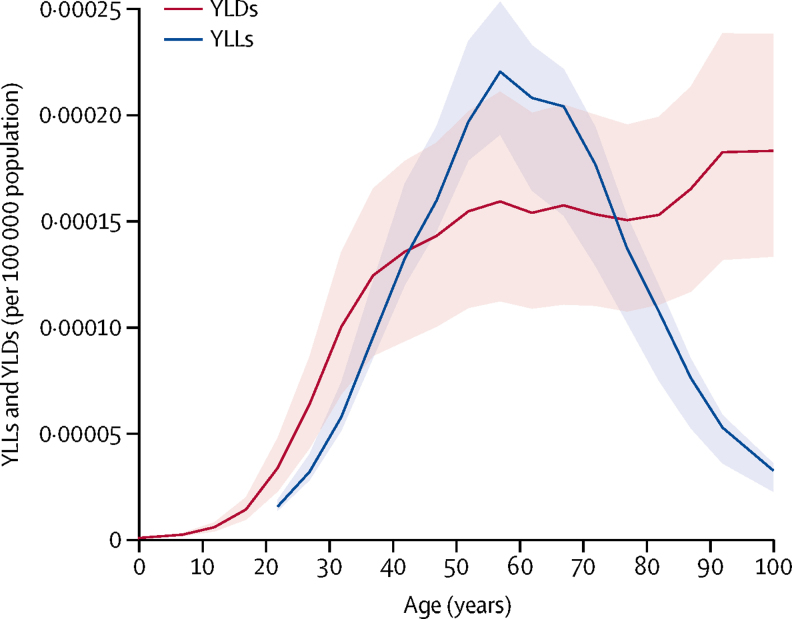
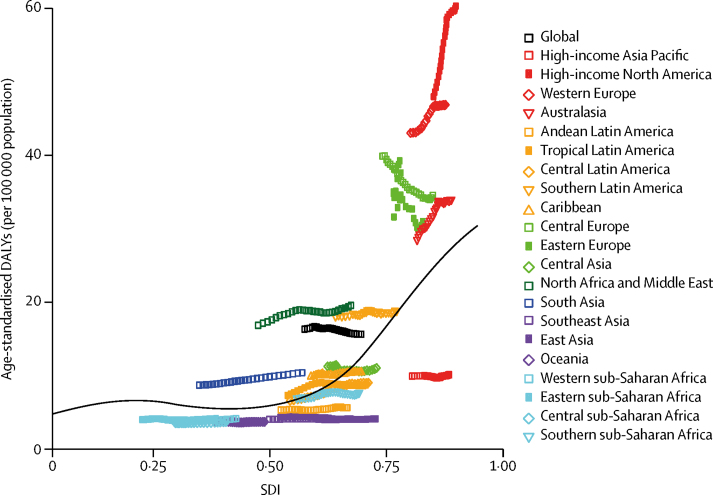
BACKGROUND: Multiple sclerosis is the most common inflammatory neurological disease in young adults. The Global Burden of Diseases, Injuries, and Risk Factors Study (GBD) provides a systematic method of quantifying various effects of a given condition by demographic variables and geography. In this systematic analysis, we quantified the global burden of multiple sclerosis and its relationship with country development level. METHODS: We assessed the epidemiology of multiple sclerosis from 1990 to 2016. Epidemiological outcomes for multiple sclerosis were modelled with DisMod-MR version 2.1, a Bayesian meta-regression framework widely used in GBD epidemiological modelling. Assessment of multiple sclerosis as the cause of death was based on 13 110 site-years of vital registration data analysed in the GBD's cause of death ensemble modelling module, which is designed to choose the optimum combination of mathematical models and predictive covariates based on out-of-sample predictive validity testing. Data on prevalence and deaths are summarised in the indicator, disability-adjusted life-years (DALYs), which was calculated as the sum of years of life lost (YLLs) and years of life lived with a disability. We used the Socio-demographic Index, a composite indicator of income per person, years of education, and fertility, to assess relations with development level. FINDINGS: In 2016, there were 2 221 188 prevalent cases of multiple sclerosis (95% uncertainty interval [UI] 2 033 866-2 436 858) globally, which corresponded to a 10·4% (9·1 to 11·8) increase in the age-standardised prevalence since 1990. The highest age-standardised multiple sclerosis prevalence estimates per 100 000 population were in high-income North America (164·6, 95% UI, 153·2 to 177·1), western Europe (127·0, 115·4 to 139·6), and Australasia (91·1, 81·5 to 101·7), and the lowest were in eastern sub-Saharan Africa (3·3, 2·9-3·8), central sub-Saharan African (2·8, 2·4 to 3·1), and Oceania (2·0, 1·71 to 2·29). There were 18 932 deaths due to multiple sclerosis (95% UI 16 577 to 21 033) and 1 151 478 DALYs (968 605 to 1 345 776) due to multiple sclerosis in 2016. Globally, age-standardised death rates decreased significantly (change -11·5%, 95% UI -35·4 to -4·7), whereas the change in age-standardised DALYs was not significant (-4·2%, -16·4 to 0·8). YLLs due to premature death were greatest in the sixth decade of life (22·05, 95% UI 19·08 to 25·34). Changes in age-standardised DALYs assessed with the Socio-demographic Index between 1990 and 2016 were variable. INTERPRETATION: Multiple sclerosis is not common but is a potentially severe cause of neurological disability throughout adult life. Prevalence has increased substantially in many regions since 1990. These findings will be useful for resource allocation and planning in health services. Many regions worldwide have few or no epidemiological data on multiple sclerosis, and more studies are needed to make more accurate estimates. FUNDING: Bill & Melinda Gates Foundation.
Overview
CoChat Summary
TL;DR
This GBD 2016 systematic analysis estimated the global burden of multiple sclerosis from 1990 to 2016, finding 2,221,188 prevalent cases in 2016 and a 10.4% increase in age-standardised prevalence since 1990. Burden varied widely by geography and Socio-demographic Index, with the highest prevalence in high-income North America and the lowest in sub-Saharan Africa and Oceania.
Key findings
- In 2016, there were 2,221,188 prevalent cases of multiple sclerosis (95% UI 2,033,866–2,436,858), corresponding to 30.1 cases per 100,000 population; age-standardised prevalence increased by 10.4% (95% UI 9.1–11.8) between 1990 and 2016.
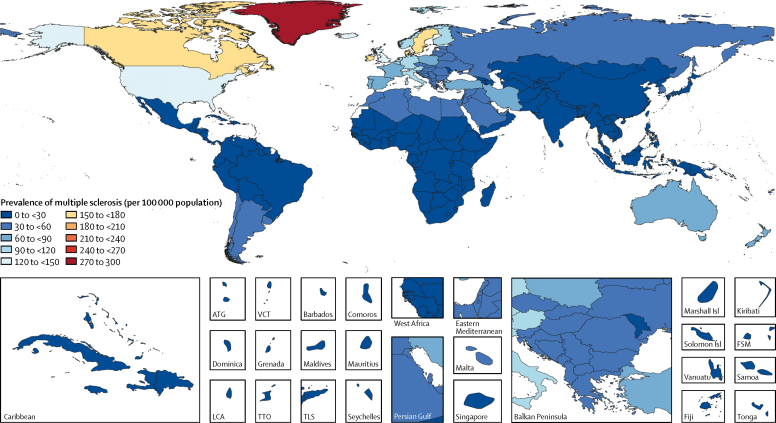
- The highest age-standardised prevalence estimates per 100,000 were in high-income North America (164.6, 95% UI 153.2–177.1), western Europe (127.0, 115.4–139.6), and Australasia (91.1, 81.5–101.7); the lowest were in eastern sub-Saharan Africa (3.3, 2.9–3.8), central sub-Saharan Africa (2.8, 2.4–3.1), and Oceania (2.0, 1.71–2.29).
- There were 18,932 deaths (95% UI 16,577–21,033) and 1,151,478 DALYs (968,605–1,345,776) due to multiple sclerosis in 2016; the global age-standardised death rate decreased significantly (−11.5%, 95% UI −35.4 to −4.7), whereas the change in age-standardised DALYs was not significant (−4.2%, −16.4 to 0.8).
- Smoking accounted for 99,076 DALYs (95% UI 62,164–140,650), or 8.6% (5.6–11.7) of global multiple sclerosis DALYs; prevalence increased with latitude (coefficient 1.03 per degree, 95% UI 1.03–1.04).
Methods
- GBD 2016 systematic analysis: mortality was modelled with CODEm using 13,110 site-years of vital registration data and predictive covariates; prevalence and incidence were modelled with DisMod-MR 2.1 using 167 unique sources (129 prevalence, 65 incidence) covering 13 of 21 GBD world regions, plus US medical claims data.
- Severity was classified into mild, moderate, severe, and asymptomatic states based on the Expanded Disability Status Scale; YLDs were derived from prevalence multiplied by disability weights and corrected for comorbidity; YLLs were calculated from deaths and remaining life expectancy; DALYs were the sum of YLLs and YLDs, with uncertainty propagated through 1,000 draws.
- The Socio-demographic Index was used to assess development level; smoking was the only environmental risk judged to have sufficient evidence for a causal relationship with multiple sclerosis, with population-attributable fractions estimated from exposure and relative risk data.
Limitations
- Stated in the paper: data are absent or extremely sparse for many regions, including Latin America, sub-Saharan Africa, and Asia; the models used to predict prevalence, DALYs, and YLLs might lead to unusual changes in segments of the data, such as rapid prevalence increases in women older than 80 years and the YLD curve, which should be viewed with caution; underdiagnosis in less-developed countries cannot be excluded.
- Stated in the paper: there is a lack of robust predictive covariates for multiple sclerosis; including both SDI and latitude might have underestimated the effect of latitude because of collinearity, and inclusion of SDI might have spuriously led to increasing prevalence estimates over time; latitude remains a proxy and uncertain predictor, and measurement error cannot be excluded.
- Evident from the text: many country estimates rely on modelled predictions where no data were available; for example, the Greenland estimate was based on one small study of fewer than 2,000 inhabitants in which no cases were found between 1950 and 1974, and the uncertainty around that estimate is wide.
Model-written summary. Check it against the paper before relying on it.
Integrity signals
Registry
Cites
Statistics
Figures
Verification
Claims the paper makes
4 Valid · 1 Not valid · 12 Not checked · 85 Own results and interpretations
The cited sources support only part of this claim — read each source’s verdict below.
In the paper
“Geographical location before onset of multiple sclerosis remains a risk factor for acquisition.28”
§ Global, regional, and national burden of multiple sclerosis 1990–2016: a systematic analysis for the Global Burden of Disease Study 2016 > Discussion
What the sources say
- Partly supportedcites [28] Simpson S Blizzard L Otahal P Latitude is significantly associated with the prevalence of multiple sclerosis. A meta-analysis J Neurol Neurosurg Psychiatry 82 2011 1132 1141 21478203 sourceExperimental — accuracy not yet measured
The Global analyses section reports a significant association between latitude and MS prevalence, supporting a geographical pattern. But the paper does not establish that a person's location before onset is itself a risk factor for acquiring MS; it analyses population prevalence rather than individuals' pre-onset locations or acquisition risk. No page number was available in our copy. (LLM, conf=0.85)
plainstates a cause- Asserted: passes — The authors put it forward as true.
- Checkable: passes — It can be checked against evidence.
- Load-bearing: unclear — It is unclear whether the paper’s conclusions depend on it.
- Based: passes — The paper gives a reason why it holds.
- Partly supported
A result the paper states — it cites no source for it, so there is none to check. The quote shows it is in the paper.
In the paper
“YLDs begin to increase steeply early in the second decade of life.”
§ Global, regional, and national burden of multiple sclerosis 1990–2016: a systematic analysis for the Global Burden of Disease Study 2016 > Discussion
plainstates a cause- Asserted: passes — The authors put it forward as true.
- Checkable: passes — It can be checked against evidence.
- Load-bearing: unclear — It is unclear whether the paper’s conclusions depend on it.
- Based: passes — The paper gives a reason why it holds.
A result the paper reports from its own data — it cites no other source for it, so there is none to check. The quote shows it is in the paper.
In the paper
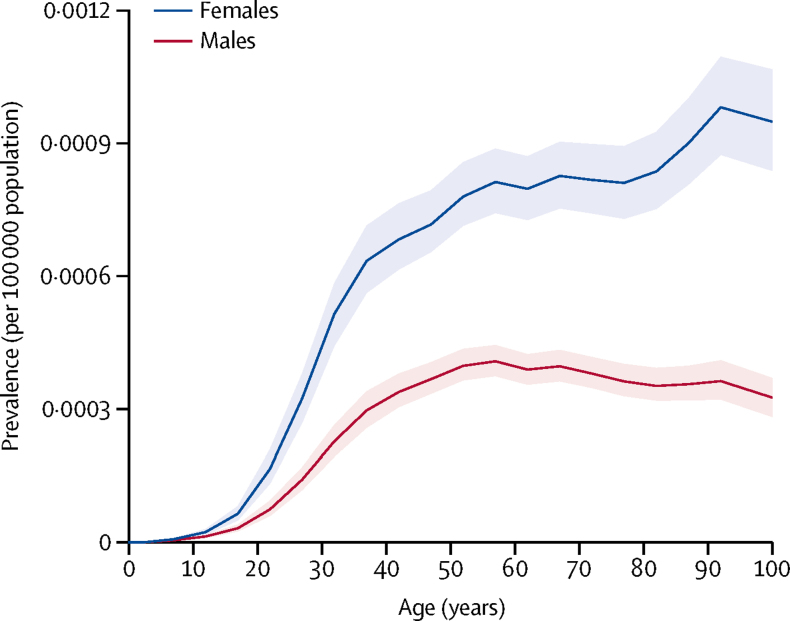
“The global prevalence of multiple sclerosis differs substantially by sex (figure 2).”
- Also stated in: § Discussion · plain
“Prevalence of multiple sclerosis differed substantially over the adult life of women and men.”
§ Global, regional, and national burden of multiple sclerosis 1990–2016: a systematic analysis for the Global Burden of Disease Study 2016 > Results
plainstates an association- Asserted: passes — The authors put it forward as true.
- Checkable: passes — It can be checked against evidence.
- Load-bearing: unclear — It is unclear whether the paper’s conclusions depend on it.
- Based: passes — The paper gives a reason why it holds.
- Also stated in: § Discussion · plain
A result the paper reports from its own data — it cites no other source for it, so there is none to check. The quote shows it is in the paper.
In the paper
“whereas the change in age-standardised DALYs was not significant (−4·2%, −16·4 to 0·8)”
- Also stated in: § Results · plain
“−4·2% (−16·4 to 0·8)”
§ Global, regional, and national burden of multiple sclerosis 1990–2016: a systematic analysis for the Global Burden of Disease Study 2016 > Abstract > Findings
plain- Asserted: passes — The authors put it forward as true.
- Checkable: passes — It can be checked against evidence.
- Load-bearing: unclear — It is unclear whether the paper’s conclusions depend on it.
- Based: passes — The paper gives a reason why it holds.
- Also stated in: § Results · plain
A result the paper reports from its own data — it cites no other source for it, so there is none to check. The quote shows it is in the paper.
In the paper
“In that year, prevalence was 10·4% higher than in 1990.”
§ Global, regional, and national burden of multiple sclerosis 1990–2016: a systematic analysis for the Global Burden of Disease Study 2016 > Discussion
plain- Asserted: passes — The authors put it forward as true.
- Checkable: passes — It can be checked against evidence.
- Load-bearing: unclear — It is unclear whether the paper’s conclusions depend on it.
- Based: passes — The paper gives a reason why it holds.
51 more claims
Create a free account to see all 102 claims and to verify the 1 reference still open.
- It may state two separate claims as one. 26
- Probably not a substantial claim. 29
Claims other papers make about this one
Each is checked against this paper’s own text: does it say what the citing paper says it does?
The cited source says what the claim attributes to it.
In the citing paper
“These 4 common UMNDs result in a significant decline in physical function5,7,8,17,18 and often develop secondary complications that affect their quality of life (QOL), including cognitive impairment,19–21 fatigue,22 chronic pain,23,24 depression,25–27 and anxiety.25–27”
From Feasibility, Acceptability, and Efficacy of Mindfulness Training in People With Upper Motor Neuron Disorders: A Systematic Review (2022) · cites this paper as [17]
Self-check
Percentages, sums and reported differences re-computed from the paper’s own numbers.
Each contradiction between two passages listed here was confirmed by an independent check.
Rated minor: it would not touch a result — a value no result rests on, a p-value that stays on the same side of the significance level, or a conflict that is clerical, resolved elsewhere in the paper, or outside its own findings.
In the paper
§ Global, regional, and national burden of multiple sclerosis 1990–2016: a systematic analysis for the Global Burden of Disease Study 2016 > Results
“Most deaths occurred in high SDI countries (10 021 95% UI 7358–10 873)”
§ Global, regional, and national burden of multiple sclerosis 1990–2016: a systematic analysis for the Global Burden of Disease Study 2016 > Results
“| High SDI | High SDI | 10 021 (7385 to 10 873) |”
Citations
Cites
Rating neurologic impairment in multiple sclerosis: An expanded disability status scale (EDSS)
Kurtzke, J. F. (1983) · Neurology · doi:10.1212/wnl.33.11.1444 · Cited by 15,011
Vos, T., Abajobir, A. A., Abate, K. H., Abbafati, C., Abbas, K. M., Abd-Allah, F., Abdulkader, R. S., Abdulle, A. M., Abebo, T. A., Abera, S. F., et al. (2017) · The Lancet · doi:10.1016/s0140-6736(17)32154-2 · Cited by 13,220
Self-citationDiagnosis of multiple sclerosis: 2017 revisions of the McDonald criteria
Thompson, A. J., Banwell, B. L., Barkhof, F., Carroll, W. M., Coetzee, T., Comi, G., Correale, J., Fazekas, F., Filippi, M., Freedman, M. S., et al. (2018) · The Lancet Neurology · doi:10.1016/s1474-4422(17)30470-2 · Cited by 9,476
Forouzanfar, M. H., Afshin, A., Alexander, L. T., Anderson, H. R., Bhutta, Z. A., Biryukov, S., Brauer, M., Burnett, R., Cercy, K., Charlson, F. J., et al. (2016) · The Lancet · doi:10.1016/s0140-6736(16)31679-8 · Cited by 7,698
Self-citationNew diagnostic criteria for multiple sclerosis: Guidelines for research protocols
Poser, C. M., Paty, D. W., Scheinberg, L., McDonald, W. I., Davis, F. A., Ebers, G. C., Johnson, K. P., Sibley, W. A., Silberberg, D. H., & Tourtellotte, W. W. (1983) · Annals of Neurology · doi:10.1002/ana.410130302 · Cited by 7,384
Vos, T., Allen, C., Arora, M., Barber, R. M., Bhutta, Z. A., Brown, A., Carter, A., Casey, D. C., Charlson, F. J., Chen, A. Z., et al. (2016) · The Lancet · doi:10.1016/s0140-6736(16)31678-6 · Cited by 7,253
Self-citationFeigin, V. L., Nichols, E., Alam, T., Bannick, M. S., Beghi, E., Blake, N., Culpepper, W. J., Dorsey, E. R., Elbaz, A., Ellenbogen, R. G., et al. (2019) · The Lancet Neurology · doi:10.1016/s1474-4422(18)30499-x · Cited by 5,644
Self-citationFood, nutrition, physical activity, and the prevention of cancer: a global perspective
(2008) · Choice Reviews Online · doi:10.5860/choice.45-5024 · Cited by 5,350
Diagnostic criteria for multiple sclerosis: 2005 revisions to the “McDonald Criteria”
Polman, C. H., Reingold, S. C., Edan, G., Filippi, M., Hartung, H., Kappos, L., Lublin, F. D., Metz, L. M., McFarland, H. F., O'Connor, P. W., et al. (2005) · Annals of Neurology · doi:10.1002/ana.20703 · Cited by 5,017
Reich, D. S., Lucchinetti, C. F., & Calabresi, P. A. (2018) · New England Journal of Medicine · doi:10.1056/nejmra1401483 · Cited by 2,491
Cited by
Items 701–800 of 1,078
Wills, V., Ferraro, F., & Faghy, M. A. (2024) · Postgraduate Medicine · doi:10.1080/00325481.2024.2441105 · Cited by 5
“Although muscle strength increased, increases in FVC were moderate, and effects on functional ability were negligible [36].”
Ashrafi, S., Barekatain, M., Rajabi, F., Mortazavi, S., Yazdi, N., & Shariat, A. (2025) · Archives of Neuroscience · doi:10.5812/ans-147080 · Cited by 3
Prevalence and incidence of multiple sclerosis in Bulgaria
Nikolova, A., Milanov, I. G., & Kmetska, K. (2025) · Frontiers in Neurology · doi:10.3389/fneur.2025.1513390 · Cited by 6
The Multiple Sclerosis Centers of Excellence: A Model of Excellence in the VA.
Cameron, M. H., Haselkorn, J. K., & Wallin, M. T. (2020) · PubMed Central · Cited by 3
Self-citationThe evolution of multiple sclerosis in Spain over the last decade from the patient's perspective
Campos‐Lucas, F. J., Fernández-Fernández, Ó., Monge-Martín, D., Torres, E. M., Carrascal, P., & Martínez, F. C. (2021) · Multiple Sclerosis and Related Disorders · doi:10.1016/j.msard.2021.103355 · Cited by 3
Epidemiological investigation of multiple sclerosis and related medical utilisation in Taiwan
Liao, C.-M., Kuo, W.-Y., Kung, P., Chuan, C.-H., & Tsai, W. (2022) · Multiple Sclerosis Journal · doi:10.1177/13524585211061341 · Cited by 3
Haider, S., Goenka, A., Mahmeen, M., Sunny, S., Phan, T., Mehdi, S. A., Hassan, D. M., & Weber, E. (2022) · Frontiers in Public Health · doi:10.3389/fpubh.2022.862384 · Cited by 4
Abdallah, Z., Mohammed, A., Rabee, S., & Abdelwahab, A. A. (2022) · Minia Scientific Nursing Journal · doi:10.21608/msnj.2022.128947.1021 · Cited by 9
Abdollahpour, I., Salimi, Y., Nedjat, S., Nazemipour, M., Mansournia, M. A., & Weinstock‐Guttman, B. (2022) · Nutritional Neuroscience · doi:10.1080/1028415x.2022.2143606 · Cited by 3
“Multiple sclerosis (MS) is a neurodegenerative in fl am-matory disease and potentially known as a common cause of neurological disability throughout adult life [1].”
BackgroundQuality of life in patients with multiple sclerosis
Hudáková, A., Majerníková, Ľ., & Obročníková, A. (2023) · Kontakt · doi:10.32725/kont.2023.031 · Cited by 3
Digital Biomarkers in the Assessment of Mobility in Individuals with Multiple Sclerosis
de Queiroz, R. S., Alves, J. H., & Sasaki, J. E. (2023) · Sclerosis · doi:10.3390/sclerosis1030014 · Cited by 6
“The global prevalence of multiple sclerosis has increased over the years, with around 2.8 million people affected worldwide, according to the World Health Organization in 2023 [3], representing a significant increase from the estimate of 2.2 million in 2016 [4].”
BackgroundInfluentialHeadache and Other Pain Syndromes in Multiple Sclerosis: A Narrative Review
Sîrbu, C. A., Rotaru, A., Antochi, F. A., Pleșa, A., Manole, A. M., & Roceanu, A. M. (2024) · Life · doi:10.3390/life14010087 · Cited by 4
“It affects around 2.2 million people worldwide, mostly young adults [1].”
BackgroundInfluentialIncidence of Multiple Sclerosis in Uruguay: A Prospective Population-Based Study
Rocha, V., Sorondo, N., Gómez, F., Castro, L., Ontaneda, D., & Ketzoian, C. N. (2024) · Neuroepidemiology · doi:10.1159/000538221 · Cited by 3
“While these results are consistent with the increasing trend in the MS incidence observed both regionally [10, 13, 24] and worldwide [22, 25, 26], the magnitude of the increase in this brief period may be also associated with methodological differences across the two studies.”
Diagnosis of multiple sclerosis: challenges and opportunities
Wallin, M. T. (2024) · The Lancet Neurology · doi:10.1016/s1474-4422(24)00368-5 · Cited by 3
Self-citationRiemann-Lorenz, K., Zai, S. S., Daubmann, A., Pöttgen, J., & Heesen, C. (2024) · Nutrients · doi:10.3390/nu16234043 · Cited by 4
“Multiple sclerosis (MS) is a chronic inflammatory and neurodegenerative disease causing disability in early adulthood [1].”
Lack of Association between BDNF rs6265 and Multiple Sclerosis: A Case–Control Study
Liampas, I., Tsirelis, D., Dastamani, M., Pariou, S.-I., Papasavva, M., Katsarou, M., Tsolakou, A., Tsatsakis, A. M., Bogdanos, D. P., Drakoulis, N., et al. (2024) · Journal of Molecular Neuroscience · doi:10.1007/s12031-024-02301-8 · Cited by 3
Short term real-world Fingolimod efficacy and safety in Emirati patients with multiple sclerosis
Ceccarelli, A., Mifsud, V. A., Abusamra, E., & Hussain, S. I. (2019) · Journal of Clinical Neuroscience · doi:10.1016/j.jocn.2019.11.010 · Cited by 3
Association of infections with multiple sclerosis in Gulf Cooperation Council countries: a review
Wutayd, O. A. (2019) · Journal of International Medical Research · doi:10.1177/0300060519884151 · Cited by 3
“8 cases per 100,000 and Oceania with 2 cases per 100,000.(78) Countries neighboring the Gulf region, such as Iran and Turkey, have an MS prevalence of 74.”
BackgroundExercise training and cognition in multiple sclerosis: The GET Smart trial protocol
Bombardier, C. H., Motl, R. W., Benedict, R. H. B., Temkin, N. R., Qian, P., Alexander, K. S., Evans, A., Thomas, A., Toms, K., Carey, C. M., et al. (2021) · Contemporary Clinical Trials · doi:10.1016/j.cct.2021.106331 · Cited by 4
Azathioprine for people with multiple sclerosis
Nonino, F., Baldin, E., Ridley, B., Casetta, I., Iuliano, G., & Filippini, G. (2021) · Cochrane Database of Systematic Reviews · doi:10.1002/14651858.cd015005 · Cited by 3
Sherani, H. K., Hasan, M., & Mumtaz, H. (2021) · Cureus · doi:10.7759/cureus.19576 · Cited by 4
Prasetya, M., Adidharma, P., Sulistyanto, A., Inoue, T., & Arham, A. (2022) · Frontiers in Surgery · doi:10.3389/fsurg.2021.747463 · Cited by 3
“8 Female sex—n (%) 59 (59%) Ethnicity—n (%) Javanese 39 (39) Betawi 17 (17) Sundanese 17 (17) Bataknese 7 (7) Others 20 (20) Educational level—n (%) Bachelor’s/master’s degree 13 (13) Associate degree 10 (10) High school graduate 55 (55) Less than a high school diploma 19 (19) Illiterate 3 (3) Marital status—n (%) Mar…”
BackgroundLooking Beyond Physical Disability: Cognitive Impairment in Persons With Multiple Sclerosis
Lott, S., Koszalinski, R. S., Hurt, M., & Harris, R. F. (2022) · Rehabilitation Nursing · doi:10.1097/rnj.0000000000000382 · Cited by 3
Alsomali, N., Amer, K. A., Almutairi, A. A., Almasoudi, R. M., Alkhonizy, S. W., Faqih, H. H., Alkhamis, H. A., & AlGarni, H. M. (2022) · Cureus · doi:10.7759/cureus.32781 · Cited by 3
ÇINKIR, U., Bir, L. S., Tekin, S., Karagülmez, A. M., Çiçek, E. A., & Şenol, H. (2023) · Medicine · doi:10.1097/md.0000000000032621 · Cited by 3
The Efficiency of Learning Media in Building Student Character
Yves, C., Murat, R., & Justine, K. (2023) · World Psychology · doi:10.55849/wp.v2i1.401 · Cited by 3
“Researchers use analysis from informants so that researchers can understand what really happened (Wallin et al., 2019).”
BackgroundAbou-El-Enien, T., & El-Feky, S. F. (2015) · Zenodo (CERN European Organization for Nuclear Research) · doi:10.5281/zenodo.32246 · Cited by 3
Free circulating miRNA as a potential diagnostic marker in multiple sclerosis (review)
Omarova, М. А., Kozin, M. S., & Boyko, A. N. (2022) · Neurology neuropsychiatry Psychosomatics · doi:10.14412/2074-2711-2022-1s-29-33 · Cited by 3
Llufriú, S., Agüera, E., Costa‐Frossard, L., Galán, V., Landete, L., Lourido, D., Meca-Lallana, J. E., Moral, E., Bravo-Rodríguez, F. A., Koren, L., et al. (2023) · Neurología (English Edition) · doi:10.1016/j.nrleng.2021.01.009 · Cited by 3
MULTIPEL SKLEROSIS PROGRESIF SEKUNDER, GEJALA KLINIS, DIAGNOSIS, DAN TATA LAKSANA
Estiasari, R., Devianca, N., Maharani, K., & Imran, D. (2020) · Majalah Kedokteran Neurosains Perhimpunan Dokter Spesialis Saraf Indonesia · doi:10.52386/neurona.v37i3.166 · Cited by 3
Recognizing migraine in patients with multiple sclerosis improves the quality of health care
Sá, M. J. (2019) · Arquivos de Neuro-Psiquiatria · doi:10.1590/0004-282x20190101 · Cited by 3
Ontaneda, D., & Cohen, J. A. (2020) · JAMA Neurology · doi:10.1001/jamaneurol.2020.0519 · Cited by 3
Advanced Polymeric Nanoparticles for the Treatment of Neurodegenerative Diseases
Ferrão, R., & Rai, A. (2024) · Wiley eBooks · doi:10.1002/9783527837021.ch27 · Cited by 3
Li, D., Xu, Z., Chen, Y., Wang, J., Sun, L. N., Yang, H., Zhang, X., Li, S., Xu, W., & Wang, Y. (2024) · SSRN Electronic Journal · doi:10.2139/ssrn.5017941 · Cited by 3
de Jesus, V. E. A., Ribeiro, M. D. C. R., Lana, R. D. C., Schaper, F. C., Amaral, J. S., Azevedo, S. G., Vieira, R. G. K., & Aguiar, L. T. (2024) · Multiple Sclerosis and Related Disorders · doi:10.1016/j.msard.2024.105674 · Cited by 2
Maraffi, I., Mallucci, G., Disanto, G., Sacco, R., Tiberti, M., Gobbi, C., & Zecca, C. (2024) · Journal of Clinical Medicine · doi:10.3390/jcm13102780 · Cited by 2
“Medications represent a significant and escalating component of the high costs associated with multiple sclerosis (MS) care [1].”
BackgroundРАСПРОСТРАНЕННОСТЬ И ЗАБОЛЕВАЕМОСТЬ РАССЕЯННОГО СКЛЕРОЗА В ГОРОДЕ БАКУ (РЕСПУБЛИКА АЗЕРБАЙДЖАН)
Guliyeva, A. I. (2024) · The Bulletin of Contemporary Clinical Medicine · doi:10.20969/vskm.2024.17(3).22-28 · Cited by 2
Alnawajha, A., Endharti, A. T., Santoso, S., & Santosaningsih, D. (2024) · Journal of Tropical Life Science · doi:10.11594/jtls.14.02.18 · Cited by 2
Osteoarthritis in People with Multiple Sclerosis: A Systematic Review and Meta-Analysis
Giannopapas, V., Smyrni, V., Kitsos, D. K., Stasi, S., Chasiotis, A. K., Moschovos, C., Papagiannopoulou, G., Stavrogianni, K., Kosmidou, M. S., Bakalidou, D., et al. (2024) · Journal of Clinical Medicine · doi:10.3390/jcm13175015 · Cited by 2
“It is characterized by progressive neural degeneration and neuroinflammation causing a wide range of sensory, motor, cognitive, and psychological disturbances [1].”
BackgroundThe global burden of cancer attributable to dietary factors from 1990 to 2019
Xie, J., & Zhao, J. (2025) · Public Health Nutrition · doi:10.1017/s1368980024002489 · Cited by 2
“The data utilized in this study is sourced from the 2019 GDB database, which collected demographic and epidemiological information on quantifiable cancers attributed to dietary factors across 204 countries and 21 regions between 1990 and 2019 (14) .”
Taccardi, D., Gowdy, H. G. M., Li, V. W., Wing, A. C., Baharnoori, M., Finlayson, M. L., & Ghasemlou, N. (2025) · BMJ Open · doi:10.1136/bmjopen-2024-095357 · Cited by 2
Multiple sclerosis in China: the current state of diagnosis and management
Jia, D., Shi, F., & Jiang, W. (2025) · Current Opinion in Neurology · doi:10.1097/wco.0000000000001359 · Cited by 2
Mehrizi, R., Kiani, I., Golestani, A., Ghamkhar, L., Effatpanah, M., & Karami, H. (2025) · Neuroepidemiology · doi:10.1159/000545463 · Cited by 2
“Compared to high-income super region, where the prevalence rate of multiple sclerosis is 3.6 per 100,000, NAME has substantially less prevalence rate for multiple sclerosis, estimated at 1.8, which has been proposed to be caused by closeness to equator [25].”
InfluentialMultiple Sclerosis in the Greenlandic population. A nationwide cohort study
Nielsen, N. M., Andersson, M., Magyari, M., Koch‐Henriksen, N., Stenager, E., & Koch, A. (2025) · Multiple Sclerosis and Related Disorders · doi:10.1016/j.msard.2025.106543 · Cited by 3
Relationship between brain atrophy and disability in a multi-site multiple sclerosis registry
Nguyen, A., Horáková, D., Havrdová, E., Barnett, M. H., Sormani, M. P., Stefano, N. D., Battaglini, M., Vaněčková, M., LUI, E. H., Gaillard, F., et al. (2025) · BMJ Neurology Open · doi:10.1136/bmjno-2025-001126 · Cited by 4
Pinto, L. I. G., Adamo, A. M., & Mathieu, P. (2025) · BioFactors · doi:10.1002/biof.70051 · Cited by 2
“Multiple sclerosis (MS) is an immune-mediated demyelinating disease that affects young adults [11].”
Physiotherapy management of multiple sclerosis
Learmonth, Y. C. (2025) · Journal of physiotherapy · doi:10.1016/j.jphys.2025.11.008 · Cited by 4
Paybast, S., Jameie, M., Tajabadi, Z., Looha, M. A., Basti, F. A., Amanollahi, M., Amani, K., Mousavi, M., Mohammadianinejad, S. E., & Harirchian, M. H. (2026) · Multiple Sclerosis and Related Disorders · doi:10.1016/j.msard.2026.106998 · Cited by 2
Experience in designing an electronic multiple sclerosis registry
Kochergin, I. A., Abramova, A. A., & Zakharova, M. N. (2020) · S S Korsakov Journal of Neurology and Psychiatry · doi:10.17116/jnevro202012007277 · Cited by 2
Microbial agents as triggers of developing multiple sclerosis
Lapshtaeva, A. V., Abrosimova, Y. G., Eremkina, T., & Kostina, Y. (2021) · Russian Journal of Infection and Immunity · doi:10.15789/2220-7619-maa-1656 · Cited by 2
Neuman, R. M., & Fey, N. P. (2022) · International Conference on Rehabilitation Robotics · doi:10.1109/icorr55369.2022.9896601 · Cited by 2
"ARE MULTIPLE SCLEROSIS PATIENTS PROTECTED AGAINST SOME TYPES OF CANCER?"
", Vasile, M., Dumitru, R., Caloianu, I., Manole, A. M., Pleşa, C., & Sîrbu, C. A. (2022) · Archives of the Balkan Medical Union · doi:10.31688/abmu.2022.57.3.07 · Cited by 2
Kontaxis, S., Laporta, E., Pagès, E. G., Guerrero, A. I., Zabalza, A., Martinis, M., Lucia, R., Simblett, S. K., Weyer, J., Hotopf, M. H., et al. (2023) · Frontiers in Physiology · doi:10.3389/fphys.2023.1145818 · Cited by 4
“8 million people in 2020) together with the relatively young onset age (between 20 and 40 years) have a significant impact on personal and societal costs (Wallin et al., 2019; Walton et al., 2020).”
BackgroundKalkowski, L., Walczak, P., Mycko, M. P., & Małysz‐Cymborska, I. (2023) · Medicinal Research Reviews · doi:10.1002/med.21973 · Cited by 2
“Currently, over 2 million people worldwide live with a diagnosed MS.(1) There are”
BackgroundShah, S., Kothari, C. S., Bhalodi, K., & Patel, M. (2023) · Separation Science Plus · doi:10.1002/sscp.202300171 · Cited by 2
Javier-Ormazábal, A., González-Platas, M., Jiménez, A., Herrero, P., & Lapuente‐Hernández, D. (2023) · Healthcare · doi:10.3390/healthcare12010010 · Cited by 4
“This condition can include a great variety of neurological manifestations such as optic neuritis, diplopia, sensory loss, spasticity, limb weakness, gait ataxia, loss of bladder control and cognitive dysfunction, amongst others [2].”
BackgroundShaygannejad, V., Ashtari, F., Saeidi, M., Moghadam, N. B., Langroodi, H. G., Baghbanian, S. M., Abolfazli, R., Ghiasian, M., Ayromlou, H., Asadollahzadeh, E., et al. (2024) · Multiple Sclerosis and Related Disorders · doi:10.1016/j.msard.2024.105839 · Cited by 5
Liu, X., Zhang, X., Chang, T., Zhao, Z., Zhang, Y., Yang, X., & Lü, M. (2024) · Ecotoxicology and Environmental Safety · doi:10.1016/j.ecoenv.2024.116960 · Cited by 3
Li, X., Ding, Z., Qi, S., Wang, P., Wang, J., & Zhou, J. (2024) · Brain Sciences · doi:10.3390/brainsci14080833 · Cited by 2
“The disease poses a significant burden to patients and families [10].”
BackgroundBioelectronic Medicines-A Novel Approach of Therapeutics in Current Epoch
Kumar, A., Ashawat, M. S., Pandit, V. R., & Kumar, P. (2024) · Current Pharmaceutical Design · doi:10.2174/0113816128326489240827100537 · Cited by 2
Cardiovascular hemodynamic response to peak exercise in individuals with multiple sclerosis
Hibner, B. A., Lima, N. S., Sherman, S. R., Motl, R. W., Chirinos, J. A., Phillips, S. A., Clifford, P. S., Reder, A. T., Baynard, T., & Fernhall, B. (2024) · Physiological Reports · doi:10.14814/phy2.70150 · Cited by 2
Mirmosayyeb, O., Weinstock‐Guttman, B., Zivadinov, R., & Jakimovski, D. (2025) · Journal of Neurology · doi:10.1007/s00415-024-12866-4 · Cited by 2
“People with MS (pwMS) may experience symptoms ranging from visual problems to disturbances of motor function, sensory perception, and cognitive impairment [2, 3].”
Martín, C. S., Beltrán, R., Pardo, L., Soto, M., Matus-Rosas, P., Quezada-Scholz, V. E., Pino, P., Osma, J., & Carlos Guevara, O. (2025) · Clinical Case Studies · doi:10.1177/15346501251324920 · Cited by 3
Implementing a new clinical service – what’s your elevator pitch?
Sureshkumar, A., Scandiffio, J., Luong, D., Munce, S., Lai, N., Feng, G., Bayley, M. T., Oh, J., Kastner, M., Furlan, A. D., et al. (2025) · BMC Health Services Research · doi:10.1186/s12913-025-12633-9 · Cited by 3
“MS is a chronic neurodegenerative condition [10] that is a leading cause of disability in adults globally [9].”
Tendencias de la mortalidad por esclerosis múltiple en España de 1981 a 2020
Cayuela, L., de Albóniga-Chindurza, A., Gómez-Enjuto, S., Lapeña-Motilva, J., de la Maza, S. S., García, A. G., & Cayuela, A. (2025) · Neurología · doi:10.1016/j.nrl.2023.06.014 · Cited by 2
“En los países desarrollados es la principal causa de discapacidad no traumática en adultos jóvenes 2 . varios países 3,4 , entre ellos Espa˜na 5 , que se ha atribuido 6 7,8 enfermedad son el objetivo clave del análisis edad-periodo-cohorte (A-P-C), que se utiliza desde hace tiempo en la…”
Antunes, L., Santos, R. P., Carvalho, J. V., Christo, P. P., Villar-Delfino, P. H., & Volpe, C. M. O. (2025) · Journal of Molecular and Clinical Medicine · doi:10.31083/jmcm26902 · Cited by 3
García‐Muñoz, C., Cortés-Vega, M.-D., Hernández‐Rodríguez, J., Palomo‐Carrión, R., Martín‐Valero, R., & Casuso-Holgado, M. J. (2021) · BMJ Open · doi:10.1136/bmjopen-2020-046510 · Cited by 2
Najjari, K., Abolhasani, M., Talebpour, M., Mahmoudabadi, H. Z., Moghadasi, A. N., & Fattahi, M. R. (2021) · Obesity Surgery · doi:10.1007/s11695-021-05624-2 · Cited by 2
Newsome, S. D., Scott, T. F. M., Arnold, D. L., Altincatal, A., & Naylor, M. L. (2021) · Multiple Sclerosis and Related Disorders · doi:10.1016/j.msard.2021.103367 · Cited by 2
“5 1 INTRODUCTION Multiple sclerosis (MS) is a chronic inflammatory demyelinating disorder of the central nervous system affecting more than 2 million people worldwide (Wallin et al., 2019).”
BackgroundMartinez, J., Gordon, T. M., & Strath, S. J. (2021) · doi:10.33696/rehabilitation.3.022 · Cited by 2
Cannizzaro, M., Ferrè, L., Clarelli, F., Giordano, A., Sangalli, F., Colombo, B., Comı, G., Moiola, L., Martinelli, V., Filippi, M., et al. (2022) · Journal of Neurology · doi:10.1007/s00415-022-11227-3 · Cited by 2
Dai, Z., Wu, X., Jing, C., Zhang, L., Robinson, N., Tang, J., & Liao, X. (2022) · European Journal of Integrative Medicine · doi:10.1016/j.eujim.2022.102220 · Cited by 3
Serum Evaluation of Helicobacter pylori in Patients with Multiple Sclerosis
Meshkat, M., Behjati, Y., Bakhshi, M., Meshkat, Z., Mehr, M. Y., Boostani, R., Saeidi, M., Khoshakhlagh, M., Chechaklou, A. H., Najjari, M., et al. (2023) · Archives of Neuroscience · doi:10.5812/ans-133607 · Cited by 3
Cost-utility analysis of multiple sclerosis rehabilitation in Iran
Daroudi, R., Mousavi, M. T., Shirazikhah, M., Zarei, M. A., Hendi, H., Joghataei, F., & Darvishi, A. (2023) · Expert Review of Pharmacoeconomics & Outcomes Research · doi:10.1080/14737167.2023.2251689 · Cited by 3
“Based on the available evidence, 18932 people died in the world due to MS in 2016, and the number of disability-adjusted life years (DALYs) was estimated at 115,148 units [16].”
BackgroundRencontres Internationales Santé Environnement – RISE, S., & Zjukovskaja, C. K. (2023) · Health Risk Analysis · doi:10.21668/health.risk/2023.3.14 · Cited by 1
Jia, Y., Qiao, X., Zhao, J., Li, H., Hu, S., & Hu, M. (2023) · Neuroscience Bulletin · doi:10.1007/s12264-023-01135-5 · Cited by 2
“Global MS incidence (2.1 per 100,000 person-years) and prevalence (30.1 per 100,000) have increased in recent years, and its prevalence is notably higher in Western countries, ranging from ~30 to 200 cases per 100,000 [2].”
BackgroundInfluentialSmoking and multiple sclerosis risk in black people: A nested case-control study
Schoeps, V. A., Cortese, M., Munger, K. L., Mancuso, J. D., Niebuhr, D. W., Peng, X., Ascherio, A., & Bjørnevik, K. (2023) · Multiple Sclerosis and Related Disorders · doi:10.1016/j.msard.2023.105375 · Cited by 4
Alelyani, M., Gameraddin, M. B., Alshahrani, R., Alaslami, W., Sarhan, R., Alghamdi, S. K., Alkhathami, A. G., Salih, S., Gareeballah, A., Hamad, Z., et al. (2024) · Medicine · doi:10.1097/md.0000000000038369 · Cited by 3
Global Equity in Neurological Practice
Saylor, D. R., Akinyemi, R., Asukile, M. T., Chomba, M., Cornejo‐Olivas, M., Crooms, C., Komolafe, M. A., Nichols, M. G., Ogunniyi, A. O., Vora, N., et al. (2024) · Springer eBooks · doi:10.1007/978-3-031-62727-9_19 · Cited by 2
Sureshkumar, A., Luong, D., Munce, S., Bayley, M. T., Kastner, M., Scandiffio, J., Lai, N., Feng, G., Oh, J., Furlan, A. D., et al. (2025) · Disability and Rehabilitation · doi:10.1080/09638288.2025.2492312 · Cited by 3
“The stressful nature of MS and common symptoms independently have adverse impacts on quality of life [5–7].”
Multiple Sclerosis in the Emirati Population: Onset Disease Characterization by MR Imaging
Ahmed, M., Mir, R., Shakra, M., & Fardan, S. A. (2019) · Multiple Sclerosis International · doi:10.1155/2019/7460213 · Cited by 4
“e basic demographics of the patients, in terms of younger age of onset (average about 26 years) and a higher female ratio (F : M-2 : 1), was comparable to the global trend across the literature [2].”
ResultViswanathan, S. (2020) · The Lancet Regional Health - Western Pacific · doi:10.1016/j.lanwpc.2020.100039 · Cited by 2
Wijeratne, T., & Carroll, W. M. (2021) · Canadian Journal of Neurological Sciences / Journal Canadien des Sciences Neurologiques · doi:10.1017/cjn.2021.147 · Cited by 2
“The 2018 Global Burden of Neurological Disease analysis suggests the doubling of MS in many parts of the world, highlighting these concerns.(5)”
BackgroundAn Unusual Case of Isolated Acute Aphasia in Multiple Sclerosis
Saeed, H., Jawed, Q., Noori, M. A. M., Waqar, S. H. B., & Rehan, A. (2021) · Cureus · doi:10.7759/cureus.18278 · Cited by 2
Vithoulkas, G. (2021) · Journal of Medicine and Life · doi:10.25122/jml-2021-0375 · Cited by 2
Transcriptional regulatory network associated with multiple sclerosis pathogenesis
Cheok, Y. Y., Abdullah, S., & Wong, W. F. (2023) · Elsevier eBooks · doi:10.1016/b978-0-323-99521-4.00018-0 · Cited by 2
Noun, H., Atat, R., Hatem, G., Ajrouche, R., Nahas, S., El-Hajj, M., Zein, S., & Awada, S. (2023) · Palliative Medicine in Practice · doi:10.5603/pmpi.a2023.0008 · Cited by 2
Campo-Prieto, P., Carral, J. M. C., & Fuentes, G. R. (2023) · Sclerosis · doi:10.3390/sclerosis1020009 · Cited by 2
“[7], assumes an increase in the prevalence of 30% following the same methodology as was used for the 2013 data [5,9], and reflects the importance of health and healthcare costs that this increase may entail.”
BackgroundMethodInfluentialMultiple sclerosis disease-modifying drug use by immigrants: a real-world study
Graf, J., Ng, H. S., Zhu, F., Zhao, Y., Wijnands, J. M. A., Evans, C. D., Fisk, J. D., Marrie, R. A., & Tremlett, H. L. (2023) · Scientific Reports · doi:10.1038/s41598-023-46313-7 · Cited by 2
Barzegar, M., Allahdadian, S., Mirmosayyeb, O., Azarbayejani, R., Badihian, S., Nehzat, N., Daryanavardi, S., Barzegar, S., & Shaygannejad, V. (2020) · Psychology Health & Medicine · doi:10.1080/13548506.2020.1859564 · Cited by 2
“5–4 and 3–164 per 100,000 population, respectively (Hor et al., 2020; Wallin et al., 2019).”
BackgroundInfluentialThadchanamoorthy, V., & Dayasiri, K. C. (2021) · Cureus · doi:10.7759/cureus.13963 · Cited by 2
Sanni, A. A., Lynall, R. C., Backus, D. A., & McCully, K. K. (2021) · Medical Research Archives · doi:10.18103/mra.v9i3.2331 · Cited by 2
Ethnicity and multiple sclerosis - moving beyond preconceptions
Jacobs, B., & Dobson, R. (2021) · Advances in Clinical Neuroscience & Rehabilitation · doi:10.47795/dqjp9663 · Cited by 2
Pivotal Trials in Multiple Sclerosis: Similarities Prove Not to Be Useful
Avolio, C., & Centonze, D. (2021) · Neurology and Therapy · doi:10.1007/s40120-021-00291-y · Cited by 2
World Brain Day 2021: Global campaign to stop multiple sclerosis
Wijeratne, T., & Carroll, W. M. (2021) · Multiple Sclerosis Journal · doi:10.1177/13524585211030147 · Cited by 2
Wijeratne, T., Jones, E., Grisold, W., & Carroll, W. M. (2022) · Neurology Clinical Practice · doi:10.1212/cpj.0000000000001151 · Cited by 2
Motyer, A., Jackson, S., Yang, B., Harliwong, I., Tian, W., Shiu, W., Shao, Y., Wang, B., McLean, C., Barnett, M. H., et al. (2022) · bioRxiv (Cold Spring Harbor Laboratory) · doi:10.1101/2022.04.30.490132 · Cited by 3
Editorial: Aging in multiple sclerosis: from childhood to old age, in women and men
Lugaresi, A., Jokubaitis, V., & Krysko, K. M. (2024) · Frontiers in Neurology · doi:10.3389/fneur.2024.1368420 · Cited by 2
Comorbidity in a sample of Egyptian patients with multiple sclerosis
Elsheshiny, A. H., & Rashad, M. H. (2021) · Al-Azhar Assiut Medical Journal · doi:10.4103/azmj.azmj_69_20 · Cited by 1
Mantovani, L. G., Cortesi, P. A., Cardillo, A., Santoni, L., & Prosperini, L. (2022) · Farmeconomia Health economics and therapeutic pathways · doi:10.7175/fe.v23i1.1510 · Cited by 1
“MS onset can occur at any age of life, but is mostly observed in young adults, aged between 20 and 40 years old [4,5].”
Background
Metadata
- Authors
- Wallin, M. T., Culpepper, W. J., Nichols, E., Bhutta, Z. A., Gebrehiwot, T. T., Hay, S. I., Khalil, I. A., Krohn, K. J., Liang, X., Naghavi, M., Mokdad, A. H., Nixon, M. R., Reiner, R. C., Sartorius, B., Smith, M., Topor-Madry, R., Werdecker, A., Vos, T., Feigin, V. L., & Murray, C. J. L.
- Affiliations
- United States Department of Veterans Affairs (US)
- University of Maryland, Baltimore (US)
- George Washington University (US)
- ORCID
- Venue
- The Lancet Neurology
- Publisher
- Elsevier BV
- Published
- 2019-03
- Volume
- 18
- Issue
- 3
- Pages
- 269-285
- ISSN
- 1474-4422 (ISSN-L)
- PMC
- PMC6372756
- OpenAlex
- W2914720734
- Semantic Scholar
- 0b99adcd5f03f05530e9c57347dd9401bccca9b2
- Cited by
- 1,134
- References
- 57
- Citations by year
- 2026: 100 · 2025: 122 · 2024: 145 · 2023: 178 · 2022: 181 · 2021: 202 · 2020: 167 · 2019: 36
- FWCI
- 97.66
- Type
- journal article
- Language
- en
- Open access
- hybrid
- doi.org
- Licence
- cc-by
- www.elsevier.com/tdm/userlicense/1.0/ (tdm)
- www.elsevier.com/legal/tdmrep-license (tdm)
- creativecommons.org/licenses/by/4.0/ (vor)
- Locations
- The Lancet Neurology (publishedVersion, cc-by)
- Europe PMC (PubMed Central) (publishedVersion, other-oa)
- PubMed Central (publishedVersion, cc-by)
- PubMed (publishedVersion)
- Tuwhera (Auckland University of Technology) (publishedVersion, other-oa)
- LSHTM Research Online (London School of Hygiene and Tropical Medicine) (acceptedVersion)
- Tuwhera (Auckland University of Technology) (submittedVersion, cc-by)
- Funders
- Bill and Melinda Gates Foundation
- Topics
- Health Sciences › Medicine › Clinical Neurology › Multiple Sclerosis Research Studies
- Social Sciences › Economics, Econometrics and Finance › Economics and Econometrics › Health Systems, Economic Evaluations, Quality of Life
- Health Sciences › Health Professions › Physical Therapy, Sports Therapy and Rehabilitation › Musculoskeletal pain and rehabilitation
- Keywords
- multiple sclerosis, disease burden, disability-adjusted life years, years of life lost, years lived with disability, socio-demographic index, country development level, global epidemiology, neurological disorders, Global Burden of Disease Study 2016, vital registration data, sub-Saharan Africa
- MeSH terms
- Global Burden of Disease, Bayes Theorem, Cause of Death, Female, Humans, Life Expectancy, Male, Multiple Sclerosis, Risk Factors, Global Health, Prevalence, Quality-Adjusted Life Years
About these checks
Registry, retraction, Cites and statistics results are computed, not judged, with one exception: a printed reference that no index lists is read once by a model before it counts as a citation error. Claims are extracted by a model and kept only when their quote appears verbatim in the text; each cited source is then checked, with a model’s help, for whether it says what the claim relies on. Those verdicts can be wrong — read the claim’s quote and the cited source before relying on one.
The claim verdicts this report counts are experimental: their accuracy is not yet measured.
A language model drew the claims from the paper on 2026-10-22, under version 3 of the claim definition (model deepseek-v4.1-flash, prompt extract-v3).
A second model labelled each claim on 2026-10-22 (model jev-1.13-20260917, definition revision gold-guideline-v0.2).
Cited sources are checked with a language model’s help (gpt-6-sol).
Statistics and arithmetic are recomputed, not judged.
Confidence bands are shown only for fields calibrated on our annotated test set. None is calibrated yet, so no band is shown.
What counts as a claim ›How we measure confidence ›How we check this ›
Are you an author, or do you see a problem with this page? Request a review
Data sources
Bibliographic data: Semantic Scholar, OpenAlex, Crossref.
Contains information from the Semantic Scholar Academic Graph Datasets, made available under the ODC Attribution License (ODC-BY 1.0).
Semantic Scholar’s data is described in: Kinney, R., et al. (2023). The Semantic Scholar Open Data Platform. arXiv:2301.10140.
