

The DOI matches its Crossref record; 120 of the 120 references it cites were found in a registry or an index.
BCL-2 family proteins: changing partners in the dance towards death
Open accessAbstract
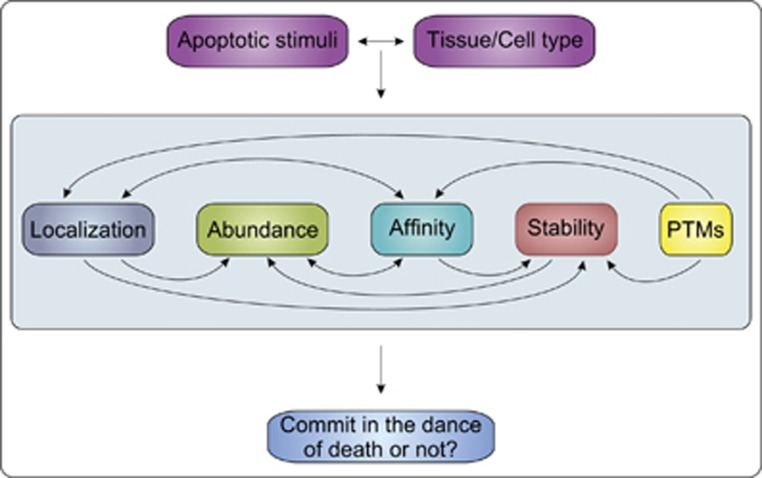
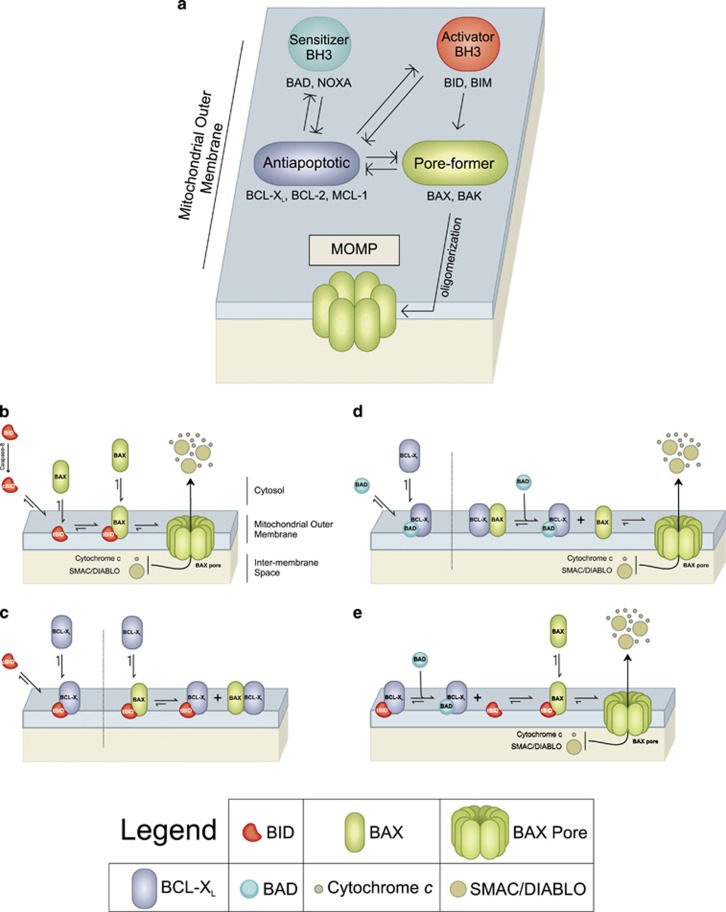
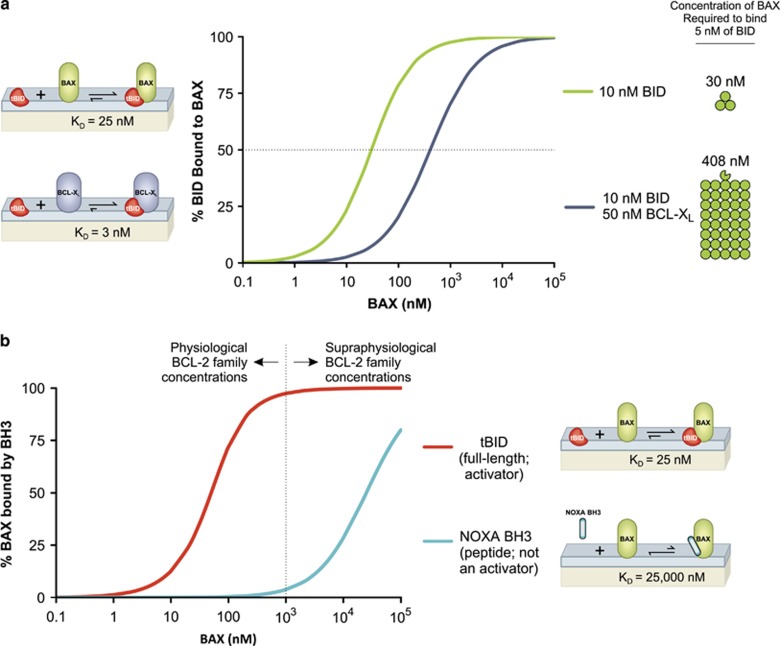
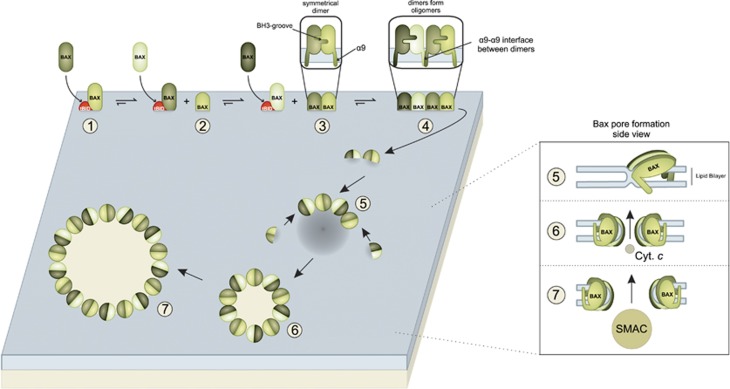
The BCL-2 family of proteins controls cell death primarily by direct binding interactions that regulate mitochondrial outer membrane permeabilization (MOMP) leading to the irreversible release of intermembrane space proteins, subsequent caspase activation and apoptosis. The affinities and relative abundance of the BCL-2 family proteins dictate the predominate interactions between anti-apoptotic and pro-apoptotic BCL-2 family proteins that regulate MOMP. We highlight the core mechanisms of BCL-2 family regulation of MOMP with an emphasis on how the interactions between the BCL-2 family proteins govern cell fate. We address the critical importance of both the concentration and affinities of BCL-2 family proteins and show how differences in either can greatly change the outcome. Further, we explain the importance of using full-length BCL-2 family proteins (versus truncated versions or peptides) to parse out the core mechanisms of MOMP regulation by the BCL-2 family. Finally, we discuss how post-translational modifications and differing intracellular localizations alter the mechanisms of apoptosis regulation by BCL-2 family proteins. Successful therapeutic intervention of MOMP regulation in human disease requires an understanding of the factors that mediate the major binding interactions between BCL-2 family proteins in cells.
Overview
The claims and statistics of this paper haven’t been checked yet.
Run the check — free, no account needed. It reads the open-access text and checks the sources it cites.
Integrity signals
Registry
Cites
Statistics
Figures
Verification
Claims the paper makes
The claims and statistics of this paper haven’t been checked yet.
Run the check — free, no account needed. It reads the open-access text and checks the sources it cites.
Claims other papers make about this one
Each is checked against this paper’s own text: does it say what the citing paper says it does?
In the citing paper
“Bcl-2 family plays a crucial role in the endogenous apoptosis signal transduction pathway by regulating the mitochondrial/cytochrome C-mediated apoptosis process.356,357”
From Recent advances in targeting the “undruggable” proteins: from drug discovery to clinical trials (2023) · cites this paper as [357]
Self-check
Percentages, sums and reported differences re-computed from the paper’s own numbers.
The self-check needs the paper’s full text.
Citations
Cites
ABT-199, a potent and selective BCL-2 inhibitor, achieves antitumor activity while sparing platelets
Souers, A. J., Leverson, J. D., Boghaert, E. R., Ackler, S. L., Catron, N. D., Chen, J., Dayton, B. D., Ding, H., Enschede, S. H., Fairbrother, W. J., et al. (2013) · Nature Medicine · doi:10.1038/nm.3048 · Cited by 3,058
Caspase Functions in Cell Death and DiseasePreprint
McIlwain, D. R., Berger, T., & Mak, T. W. (2013) · Cold Spring Harbor Perspectives in Biology · doi:10.1101/cshperspect.a008656 · Cited by 2,702
Mitochondria and cell death: outer membrane permeabilization and beyond
Tait, S. W. G., & Green, D. R. (2010) · Nature Reviews Molecular Cell Biology · doi:10.1038/nrm2952 · Cited by 2,593
ABT-263: A Potent and Orally Bioavailable Bcl-2 Family Inhibitor
Tse, C., Shoemaker, A. R., Adickes, J., Anderson, M. G., Chen, J., Jin, S., Johnson, E. F., Marsh, K. C., Mitten, M. J., Nimmer, P., et al. (2008) · Cancer Research · doi:10.1158/0008-5472.can-07-5836 · Cited by 1,992
Chen, L., Willis, S. N., Wei, A., Smith, B. J., Fletcher, J. I., Hinds, M. G., Colman, P. M., Day, C. L., Adams, J. M., & Huang, D. C. S. (2005) · Molecular Cell · doi:10.1016/j.molcel.2004.12.030 · Cited by 1,816
Bid, Bax, and Lipids Cooperate to Form Supramolecular Openings in the Outer Mitochondrial Membrane
Kuwana, T., Mackey, M. R., Perkins, G. A., Ellisman, M. H., Latterich, M., Schneiter, R., Green, D. R., & Newmeyer, D. D. (2002) · Cell · doi:10.1016/s0092-8674(02)01036-x · Cited by 1,513
Structure of Bcl-x L -Bak Peptide Complex: Recognition Between Regulators of Apoptosis
Sattler, M., Liang, H., Nettesheim, D., Meadows, R. P., Harlan, J. E., Eberstadt, M., Yoon, H. S., Shuker, S. B., Chang, B. S., Minn, A. J., et al. (1997) · Science · doi:10.1126/science.275.5302.983 · Cited by 1,476
BAX and BAK Regulation of Endoplasmic Reticulum Ca 2+ : A Control Point for Apoptosis
Scorrano, L., Oakes, S. A., Opferman, J. T., Cheng, E. H. Y., Sorcinelli, M. D., Pozzan, T., & Korsmeyer, S. J. (2003) · Science · doi:10.1126/science.1081208 · Cited by 1,387
Activation of Apoptosis in Vivo by a Hydrocarbon-Stapled BH3 Helix
Walensky, L. D., Kung, A. L., Escher, I., Malia, T. J., Barbuto, S., Wright, R. D., Wagner, G., Verdine, G. L., & Korsmeyer, S. J. (2004) · Science · doi:10.1126/science.1099191 · Cited by 1,349
Certo, M. V., Moore, V. D. G., Nishino, M., Wei, G., Korsmeyer, S. J., Armstrong, S. A., & Letai, A. G. (2006) · Cancer Cell · doi:10.1016/j.ccr.2006.03.027 · Cited by 1,278
Kuwana, T., Bouchier-Hayes, L., Chipuk, J. E., Bonzon, C., Sullivan, B. A., Green, D. R., & Newmeyer, D. D. (2005) · Molecular Cell · doi:10.1016/j.molcel.2005.02.003 · Cited by 1,185
Apoptosis Initiated When BH3 Ligands Engage Multiple Bcl-2 Homologs, Not Bax or Bak
Willis, S. N., Fletcher, J. I., Kaufmann, T., van Delft, M. F., Chen, L., Czabotar, P. E., Ierino, H., Lee, E. F., Fairlie, W. D., Bouillet, P., et al. (2007) · Science · doi:10.1126/science.1133289 · Cited by 1,146
Suzuki, M., Youle, R. J., & Tjandra, N. (2000) · Cell · doi:10.1016/s0092-8674(00)00167-7 · Cited by 1,104
The coordinate release of cytochrome c during apoptosis is rapid, complete and kinetically invariant
Goldstein, J. C., Waterhouse, N. J., Juin, P. P., Evan, G. I., & Green, D. R. (2000) · Nature Cell Biology · doi:10.1038/35004029 · Cited by 1,073
The MCL1 inhibitor S63845 is tolerable and effective in diverse cancer models
Kotschy, A., Szlavik, Z., Murray, J., Davidson, J., Maragno, A. L., Le Toumelin-Braizat, G., Chanrion, M., Kelly, G. L., Gong, J.-N., Moujalled, D. M., et al. (2016) · Nature · doi:10.1038/nature19830 · Cited by 1,047
Yamamoto, K., Ichijo, H., & Korsmeyer, S. J. (1999) · Molecular and Cellular Biology · doi:10.1128/mcb.19.12.8469 · Cited by 1,003
Bcl-2/Bax: a rheostat that regulates an anti-oxidant pathway and cell death.
Korsmeyer, S. J., Shutter, J. R., Novack, D. V., Merry, D. E., & Oltvai, Z. N. (1993) · PubMed · Cited by 865
Thirty years of BCL-2: translating cell death discoveries into novel cancer therapies
Delbridge, A. R. D., Grabow, S., Strasser, A., & Vaux, D. L. (2016) · Nature Reviews Cancer · doi:10.1038/nrc.2015.17 · Cited by 752
Conformation of the Bax C‐terminus regulates subcellular location and cell death
Nechushtan, A., Smith, C. L., Hsu, Y., & Youle, R. J. (1999) · The EMBO Journal · doi:10.1093/emboj/18.9.2330 · Cited by 732
Mechanisms of Action of Bcl-2 Family Proteins
Shamas-Din, A., Kale, J., Leber, B., & Andrews, D. W. (2013) · Cold Spring Harbor Perspectives in Biology · doi:10.1101/cshperspect.a008714 · Cited by 705
Self-citationBAX activation is initiated at a novel interaction site
Gavathiotis, E., Suzuki, M., Davis, M. L., Pitter, K., Bird, G. H., Katz, S. G., Tu, H.-C., Kim, H., Cheng, E. H.-Y., Tjandra, N., et al. (2008) · Nature · doi:10.1038/nature07396 · Cited by 700
Puthalakath, H., Villunger, A., O'Reilly, L. A., Beaumont, J. G., Coultas, L., Cheney, R. E., Huang, D. C. S., & Strasser, A. (2001) · Science · doi:10.1126/science.1062257 · Cited by 656
Eskes, R., Antonsson, B., Osen-Sand, A., Montessuit, S., Richter, C., Sadoul, R., Mazzei, G., Nichols, A., & Martinou, J.-C. (1998) · The Journal of Cell Biology · doi:10.1083/jcb.143.1.217 · Cited by 651
Stepwise Activation of BAX and BAK by tBID, BIM, and PUMA Initiates Mitochondrial Apoptosis
Kim, H., Tu, H.-C., Ren, D., Takeuchi, O., Jeffers, J. R., Zambetti, G. P., Hsieh, J. J.-D., & Cheng, E. H.-Y. (2009) · Molecular Cell · doi:10.1016/j.molcel.2009.09.030 · Cited by 600
A Unified Model of Mammalian BCL-2 Protein Family Interactions at the Mitochondria
Llambi, F., Moldoveanu, T., Tait, S. W. G., Bouchier-Hayes, L., Temirov, J., McCormick, L. L., Dillon, C. P., & Green, D. R. (2011) · Molecular Cell · doi:10.1016/j.molcel.2011.10.001 · Cited by 596
Nonionic Detergents Induce Dimerization among Members of the Bcl-2 Family
Hsu, Y., & Youle, R. J. (1997) · Journal of Biological Chemistry · doi:10.1074/jbc.272.21.13829 · Cited by 591
Czabotar, P. E., Westphal, D., Dewson, G., Ma, S., Hockings, C., Fairlie, W. D., Lee, E. F., Yao, S., Robin, A. Y., Smith, B. J., et al. (2013) · Cell · doi:10.1016/j.cell.2012.12.031 · Cited by 573
Lovell, J. F., Billen, L. P., Bindner, S., Shamas‐Din, A., Fradin, C., Leber, B. F., & Andrews, D. W. (2008) · Cell · doi:10.1016/j.cell.2008.11.010 · Cited by 564
Self-citationBH3-only proteins in apoptosis and beyond: an overview
Lomonosova, E. E., & Chinnadurai, G. (2008) · Oncogene · doi:10.1038/onc.2009.39 · Cited by 482
Cardiolipin provides specificity for targeting of tBid to mitochondria
Lutter, M. L., Fang, M., Luo, X., Nishijima, M., Xie, X., & Wang, X. (2000) · Nature Cell Biology · doi:10.1038/35036395 · Cited by 472
Solution structure of the antiapoptotic protein bcl-2
Petros, A. M., Medek, A., Nettesheim, D. G., Kim, D. H., Yoon, H. S., Swift, K. M., Matayoshi, E. D., Oltersdorf, T., & Fesik, S. W. (2001) · Proceedings of the National Academy of Sciences · doi:10.1073/pnas.041619798 · Cited by 471
Ruvolo, P. P., Deng, X., Carr, B. K., & May, W. S. (1998) · Journal of Biological Chemistry · doi:10.1074/jbc.273.39.25436 · Cited by 452
Chipuk, J. E., McStay, G. P., Bharti, A., Kuwana, T., Clarke, C. J., Siskind, L. J., Obeid, L. M., & Green, D. R. (2012) · Cell · doi:10.1016/j.cell.2012.01.038 · Cited by 436
Caspase Functions in Cell Death and Disease: Figure 1.Preprint
McIlwain, D. R., Berger, T., & Mak, T. W. (2015) · Cold Spring Harbor Perspectives in Biology · doi:10.1101/cshperspect.a026716 · Cited by 431
Petros, A. M., Nettesheim, D. G., Wang, Y., Olejniczak, E. T., Meadows, R. P., Mack, J. C., Swift, K. M., Matayoshi, E. D., Zhang, H., Thompson, C. B., et al. (2000) · Protein Science · doi:10.1110/ps.9.12.2528 · Cited by 413
×Phosphorylation of Bax Ser184 by Akt Regulates Its Activity and Apoptosis in Neutrophils
Gardai, S. J., Hildeman, D. A., Frankel, S., Whitlock, B. B., Frasch, S. C., Borregaard, N., Marrack, P., Bratton, D. L., & Henson, P. M. (2004) · Journal of Biological Chemistry · doi:10.1074/jbc.m400063200 · Cited by 402
BH3-only proteins: Orchestrators of apoptosis
Shamas‐Din, A., Brahmbhatt, H., Leber, B. F., & Andrews, D. W. (2010) · Biochimica et Biophysica Acta (BBA) - Molecular Cell Research · doi:10.1016/j.bbamcr.2010.11.024 · Cited by 394
Self-citationBax forms multispanning monomers that oligomerize to permeabilize membranes during apoptosis
Annis, M. G., Soucie, E. L., Dlugosz, P. J., Cruz-Aguado, J. A., Penn, L. Z., Leber, B. F., & Andrews, D. W. (2005) · The EMBO Journal · doi:10.1038/sj.emboj.7600675 · Cited by 388
Self-citationA Stapled BID BH3 Helix Directly Binds and Activates BAX
Walensky, L. D., Pitter, K., Morash, J., Oh, K. J., Barbuto, S., Fisher, J., Smith, E., Verdine, G. L., & Korsmeyer, S. J. (2006) · Molecular Cell · doi:10.1016/j.molcel.2006.08.020 · Cited by 383
Embedded together: The life and death consequences of interaction of the Bcl-2 family with membranes
Leber, B. F., Lin, J., & Andrews, D. W. (2007) · APOPTOSIS · doi:10.1007/s10495-007-0746-4 · Cited by 378
Self-citationWang, Z. (1995) · FEBS Letters · doi:10.1016/0014-5793(95)00062-e · Cited by 374
Linseman, D. A., Butts, B. D., Precht, T. A., Phelps, R. A., Le, S. S., Laessig, T. A., Bouchard, R. J., Florez‐McClure, M. L., & Heidenreich, K. A. (2004) · Journal of Neuroscience · doi:10.1523/jneurosci.2057-04.2004 · Cited by 370
Acquired resistance to ABT-737 in lymphoma cells that up-regulate MCL-1 and BFL-1
Yecies, D. W., Carlson, N. E., Deng, J., & Letai, A. G. (2010) · Blood · doi:10.1182/blood-2009-07-233304 · Cited by 362
O'Neill, K. L., Huang, K., Zhang, J., Chen, Y., & Luo, X. (2016) · Genes & Development · doi:10.1101/gad.276725.115 · Cited by 323
Bcl-XL Inhibits Membrane Permeabilization by Competing with Bax
Billen, L. P., Kokoski, C., Lovell, J. F., Leber, B. F., & Andrews, D. W. (2008) · PLoS Biology · doi:10.1371/journal.pbio.0060147 · Cited by 312
Self-citationKu, B., Liang, C., Jung, J. U., & Oh, B. (2010) · Cell Research · doi:10.1038/cr.2010.149 · Cited by 310
Rehm, M., Düßmann, H., Jänicke, R. U., Tavaré, J. M., Kögel, D., & Prehn, J. H. M. (2002) · Journal of Biological Chemistry · doi:10.1074/jbc.m110789200 · Cited by 305
Bax assembly into rings and arcs in apoptotic mitochondria is linked to membrane pores
Salvador‐Gallego, R., Mund, M., Cosentino, K., Schneider, J., Unsay, J., Schraermeyer, U., Engelhardt, J., Ries, J., & García‐Sáez, A. J. (2016) · The EMBO Journal · doi:10.15252/embj.201593384 · Cited by 296
Modeling a Snap-Action, Variable-Delay Switch Controlling Extrinsic Cell Death
Albeck, J. G., Burke, J. M., Spencer, S. L., Lauffenburger, D. A., & Sorger, P. K. (2008) · PLoS Biology · doi:10.1371/journal.pbio.0060299 · Cited by 290
Billen, L. P., Shamas‐Din, A., & Andrews, D. W. (2008) · Oncogene · doi:10.1038/onc.2009.47 · Cited by 277
Self-citationBad Is a BH3 Domain-Containing Protein That Forms an Inactivating Dimer with Bcl-X L
Kelekar, A., Chang, B. S., Harlan, J. E., Fesik, S. W., & Thompson, C. B. (1997) · Molecular and Cellular Biology · doi:10.1128/mcb.17.12.7040 · Cited by 273
Sarosiek, K. A., Chi, X., Bachman, J. A., Sims, J. J., Montero, J., Patel, L., Flanagan, A., Andrews, D. W., Sorger, P. K., & Letai, A. G. (2013) · Molecular Cell · doi:10.1016/j.molcel.2013.08.048 · Cited by 252
Self-citationSurvival function of ERK1/2 as IL-3-activated, staurosporine-resistant Bcl2 kinases.
Deng, X., Ruvolo, P., Carr, B. K., & May, W. (2000) · Proceedings of the National Academy of Sciences of the United States of America · doi:10.1073/pnas.97.4.1578 · Cited by 244
Programming biological models in Python using PySB
Lopez, C. F., Muhlich, J. L., Bachman, J. A., & Sorger, P. K. (2013) · Molecular Systems Biology · doi:10.1038/msb.2013.1 · Cited by 231
The BCL-2 family of proteins and mitochondrial outer membrane permeabilisation
Birkinshaw, R. W., & Czabotar, P. E. (2017) · Seminars in Cell & Developmental Biology · doi:10.1016/j.semcdb.2017.04.001 · Cited by 229
Structural Model of Active Bax at the Membrane
Bleicken, S., Jeschke, G., Stegmueller, C., Salvador-Gallego, R., García-Sáez, A. J., & Bordignon, E. (2014) · Molecular Cell · doi:10.1016/j.molcel.2014.09.022 · Cited by 227
Bak Activation for Apoptosis Involves Oligomerization of Dimers via Their α6 Helices
Dewson, G., Kratina, T., Czabotar, P. E., Day, C. L., Adams, J. M., & Kluck, R. M. (2009) · Molecular Cell · doi:10.1016/j.molcel.2009.11.008 · Cited by 220
Yethon, J. A., Epand, R. F., Leber, B. F., Epand, R. M., & Andrews, D. W. (2003) · Journal of Biological Chemistry · doi:10.1074/jbc.m306289200 · Cited by 203
Self-citationBID-induced structural changes in BAK promote apoptosis
Moldoveanu, T., Grace, C. R., Llambi, F., Nourse, A., Fitzgerald, P., Gehring, K., Kriwacki, R. W., & Green, D. R. (2013) · Nature Structural & Molecular Biology · doi:10.1038/nsmb.2563 · Cited by 201
Moore, V. D. G., & Letai, A. G. (2012) · Cancer Letters · doi:10.1016/j.canlet.2011.12.021 · Cited by 201
Bax and Bak Pores: Are We Closing the Circle?
Cosentino, K., & García‐Sáez, A. J. (2016) · Trends in Cell Biology · doi:10.1016/j.tcb.2016.11.004 · Cited by 197
Bax dimerizes via a symmetric BH3:groove interface during apoptosis
Dewson, G., Ma, S., Frederick, P., Hockings, C., Tan, I., Kratina, T., & Kluck, R. M. (2012) · Cell Death & Differentiation · doi:10.1038/cdd.2011.138 · Cited by 189
The multidomain proapoptotic molecules Bax and Bak are directly activated by heat
Pagliari, L. J., Kuwana, T., Bonzon, C., Newmeyer, D. D., Tu, S. S., Beere, H. M., & Green, D. R. (2005) · Proceedings of the National Academy of Sciences · doi:10.1073/pnas.0506712102 · Cited by 185
The role of BH3-only protein Bim extends beyond inhibiting Bcl-2–like prosurvival proteins
Mérino, D., Giam, M., Hughes, P., Siggs, O. M., Heger, K., O’Reilly, L. A., Adams, J. M., Strasser, A., Lee, E. F., Fairlie, W. D., et al. (2009) · The Journal of Cell Biology · doi:10.1083/jcb.200905153 · Cited by 185
Subburaj, Y., Cosentino, K., Axmann, M., Pedrueza-Villalmanzo, E., Hermann, E., Bleicken, S., Spatz, J., & García-Sáez, A. J. (2015) · Nature Communications · doi:10.1038/ncomms9042 · Cited by 181
Molecular Details of Bax Activation, Oligomerization, and Membrane Insertion
Bleicken, S., Classen, M., Padmavathi, P. V. L., Ishikawa, T., Zeth, K., Steinhoff, H., & Bordignon, E. (2009) · Journal of Biological Chemistry · doi:10.1074/jbc.m109.081539 · Cited by 176
Still embedded together binding to membranes regulates Bcl-2 protein interactions
Leber, B. F., Lin, J., & Andrews, D. W. (2010) · Oncogene · doi:10.1038/onc.2010.283 · Cited by 167
Self-citationBH3 Domains other than Bim and Bid Can Directly Activate Bax/Bak
Du, H., Wolf, J., Schafer, B., Moldoveanu, T., Chipuk, J. E., & Kuwana, T. (2010) · Journal of Biological Chemistry · doi:10.1074/jbc.m110.167148 · Cited by 165
Mcl-1 is critical for survival in a subgroup of non-small-cell lung cancer cell lines
Zhang, H., Guttikonda, S. R., Roberts, L., Uziel, T., Semizarov, D., Elmore, S. W., Leverson, J. D., & Lam, L. T. (2010) · Oncogene · doi:10.1038/onc.2010.559 · Cited by 164
Setoguchi, K., Otera, H., & Mihara, K. (2006) · The EMBO Journal · doi:10.1038/sj.emboj.7601438 · Cited by 163
Kim, T., Zhao, Y., Ding, W., Shin, J. N., He, X., Seo, Y.-W., Chen, J., Rabinowich, H., Amoscato, A. A., & Yin, X. (2004) · Molecular Biology of the Cell · doi:10.1091/mbc.e03-12-0864 · Cited by 163
Li, C., Wang, X., Vais, H., Thompson, C. B., Foskett, J. K., & White, C. (2007) · Proceedings of the National Academy of Sciences · doi:10.1073/pnas.0702489104 · Cited by 162
Brouwer, J. M., Westphal, D., Dewson, G., Robin, A. Y., Uren, R. T., Bartolo, R., Thompson, G. V., Colman, P. M., Kluck, R. M., & Czabotar, P. E. (2014) · Molecular Cell · doi:10.1016/j.molcel.2014.07.016 · Cited by 161
Deng, X., Gao, F., Flagg, T. O., & May, W. S. (2003) · Proceedings of the National Academy of Sciences · doi:10.1073/pnas.2533920100 · Cited by 161
Dai, H., Smith, A., Meng, X. W., Schneider, P. A., Pang, Y.-P., & Kaufmann, S. H. (2011) · Journal of Cell Biology · doi:10.1083/jcb.201102027 · Cited by 159
Proapoptotic Bax and Bak Proteins Form Stable Protein-permeable Pores of Tunable Size
Bleicken, S., Landeta, O., Landajuela, A., Basáñez, G., & García‐Sáez, A. J. (2013) · Journal of Biological Chemistry · doi:10.1074/jbc.m113.512087 · Cited by 153
LI, R., Moudgil, T. L., Ross, H. J., & Hu, H. (2005) · Cell Death and Differentiation · doi:10.1038/sj.cdd.4401554 · Cited by 139
Determinants of BH3 Binding Specificity for Mcl-1 versus Bcl-xL
Dutta, S., Gullà, S. V., Chen, T. S., Fire, E., Grant, R. A., & Keating, A. E. (2010) · Journal of Molecular Biology · doi:10.1016/j.jmb.2010.03.058 · Cited by 139
Westphal, D., Dewson, G., Menard, M. J., Frederick, P., Iyer, S., Bartolo, R. C., Gibson, L., Czabotar, P. E., Smith, B. J., Adams, J. M., et al. (2014) · Proceedings of the National Academy of Sciences · doi:10.1073/pnas.1415142111 · Cited by 124
Mcl1 haploinsufficiency protects mice from Myc-induced acute myeloid leukemia
Xiang, Z., Luo, H., Payton, J. E., Cain, J., Ley, T. J., Opferman, J. T., & Tomasson, M. H. (2010) · Journal of Clinical Investigation · doi:10.1172/jci39964 · Cited by 120
Vantieghem, A., Xu, Y. J., Assefa, Z., Piette, J. G., Vandenheede, J. R., Merlevede, W. J., de Witte, P. A. M., & Agostinis, P. (2002) · Journal of Biological Chemistry · doi:10.1074/jbc.m204348200 · Cited by 119
Czabotar, P. E., Lee, E. F., Thompson, G. V., Wardak, A. Z., Fairlie, W. D., & Colman, P. M. (2011) · Journal of Biological Chemistry · doi:10.1074/jbc.m110.161281 · Cited by 118
Chami, M., Prandini, A., Campanella, M., Pinton, P., Szabadkai, G., Reed, J. C., & Rizzuto, R. (2004) · Journal of Biological Chemistry · doi:10.1074/jbc.m409663200 · Cited by 115
Regulation of Bcl-2 Family Proteins by Posttranslational Modifications
Letai, A. G., & Kütük, Ö. (2008) · Current Molecular Medicine · doi:10.2174/156652408783769599 · Cited by 108
An Autoinhibited Dimeric Form of BAX Regulates the BAX Activation Pathway
Garner, T. P., Reyna, D. E., Priyadarshi, A., Chen, H.-C., Li, S., Wu, Y., Ganesan, Y. T., Malashkevich, V. N., Cheng, E. H., & Gavathiotis, E. (2016) · Molecular Cell · doi:10.1016/j.molcel.2016.06.010 · Cited by 108
tBid Undergoes Multiple Conformational Changes at the Membrane Required for Bax Activation
Shamas‐Din, A., Bindner, S., Zhu, W., Zaltsman, Y., Campbell, C. J. V., Gross, A., Leber, B. F., Andrews, D. W., & Fradin, C. (2013) · Journal of Biological Chemistry · doi:10.1074/jbc.m113.482109 · Cited by 106
Self-citationAranovich, A., Liu, Q., Collins, T., Geng, F., Dixit, S., Leber, B. F., & Andrews, D. W. (2012) · Molecular Cell · doi:10.1016/j.molcel.2012.01.030 · Cited by 103
Self-citationNoxa/Bcl-2 Protein Interactions Contribute to Bortezomib Resistance in Human Lymphoid Cells
Smith, A. J., Dai, H., Correia, C., Takahashi, R., Lee, S. H., Schmitz, I., & Kaufmann, S. H. (2011) · Journal of Biological Chemistry · doi:10.1074/jbc.m110.189092 · Cited by 98
Niu, X., Brahmbhatt, H., Mergenthaler, P., Zhang, Z., Sang, J., Daude, M., Ehlert, F. G. R., Diederich, W. E., Wong, E., Zhu, W., et al. (2017) · Cell chemical biology · doi:10.1016/j.chembiol.2017.03.011 · Cited by 96
Self-citationHockings, C., Anwari, K., Ninnis, R. L., Brouwer, J. M., O’Hely, M., Evangelista, M., Hinds, M. G., Czabotar, P. E., Lee, E. F., Fairlie, W. D., et al. (2015) · Cell Death and Disease · doi:10.1038/cddis.2015.105 · Cited by 95
BH3‐in‐groove dimerization initiates and helix 9 dimerization expands Bax pore assembly in membranes
Zhang, Z., Subramaniam, S., Kale, J., Liao, C., Huang, B., Brahmbhatt, H., Condon, S. G., Lapolla, S. M., Hays, F. A., Ding, J., et al. (2016) · The EMBO Journal · doi:10.15252/embj.201591552 · Cited by 93
Self-citationDrugs targeting Bcl-2 family members as an emerging strategy in cancer
Leber, B. F., Geng, F., Kale, J., & Andrews, D. W. (2010) · Expert Reviews in Molecular Medicine · doi:10.1017/s1462399410001572 · Cited by 89
Self-citationWeber, A., Paschen, S. A., Heger, K., Wilfling, F., Frankenberg, T., Bauerschmitt, H., Seiffert, B. M., Kirschnek, S., Wagner, H., & Häcker, G. A. (2007) · The Journal of Cell Biology · doi:10.1083/jcb.200610148 · Cited by 86
Oh, K. J., Barbuto, S., Pitter, K. L., Morash, J. G., Walensky, L. D., & Korsmeyer, S. J. (2006) · Journal of Biological Chemistry · doi:10.1074/jbc.m602341200 · Cited by 83
Polster, B. M., Basáñez, G., Young, M., Suzuki, M., & Fiskum, G. M. (2003) · Journal of Neuroscience · doi:10.1523/jneurosci.23-07-02735.2003 · Cited by 82
Geng, F., Tang, L., Li, Y., Yang, L., Choi, K., Kazim, A. L., & Zhang, Y. (2011) · Journal of Biological Chemistry · doi:10.1074/jbc.m111.278127 · Cited by 79
Wilfling, F., Weber, A., Potthoff, S., Vögtle, F. ‐., Meisinger, C., Paschen, S. A., & Häcker, G. A. (2012) · Cell Death and Differentiation · doi:10.1038/cdd.2012.9 · Cited by 79
Ding, J., Mooers, B. H. M., Zhang, Z., Kale, J., Falcone, D., Mcnichol, J., Huang, B., Zhang, X. C., Xing, C., Andrews, D. W., et al. (2014) · Journal of Biological Chemistry · doi:10.1074/jbc.m114.552562 · Cited by 76
Self-citationRegulating cell death at, on, and in membranes
Chi, X., Kale, J., Leber, B. F., & Andrews, D. W. (2014) · Biochimica et Biophysica Acta (BBA) - Molecular Cell Research · doi:10.1016/j.bbamcr.2014.06.002 · Cited by 75
Self-citationApoptotic Regulation by MCL-1 through Heterodimerization
Liu, Q., Moldoveanu, T., Sprules, T. J., Matta‐Camacho, E., Mansur‐Azzam, N., & Gehring, K. (2010) · Journal of Biological Chemistry · doi:10.1074/jbc.m110.105452 · Cited by 74
Robin, A. Y., Kumar, K. K., Westphal, D., Wardak, A. Z., Thompson, G. V., Dewson, G., Colman, P. M., & Czabotar, P. E. (2015) · Cell Death and Disease · doi:10.1038/cddis.2015.141 · Cited by 73
Distinct lipid effects on tBid and Bim activation of membrane permeabilization by pro-apoptotic Bax
Shamas‐Din, A., Bindner, S., Chi, X., Leber, B. F., Andrews, D. W., & Fradin, C. (2015) · Biochemical Journal · doi:10.1042/bj20141291 · Cited by 69
Self-citationPécot, J., Maillet, L., Pen, J. L., Vuillier, C., Trécesson, S. D. C., Fétiveau, A., Sarosiek, K. A., Bock, F. J., Braun, F., Letai, A. G., et al. (2016) · Cell Reports · doi:10.1016/j.celrep.2016.11.064 · Cited by 68
Bcl-2 proteins bid and bax form a network to permeabilize the mitochondria at the onset of apoptosis
Gahl, R. F., Dwivedi, P., & Tjandra, N. (2016) · Cell Death and Disease · doi:10.1038/cddis.2016.320 · Cited by 67
Lewis, A., Hayashi, T., Su, T.-P., & Betenbaugh, M. J. (2014) · Journal of Bioenergetics and Biomembranes · doi:10.1007/s10863-013-9527-7 · Cited by 66
Visual and functional demonstration of growing Bax-induced pores in mitochondrial outer membranes
Gillies, L. A., Du, H., Peters, B., Knudson, C. M., Newmeyer, D. D., & Kuwana, T. (2014) · Molecular Biology of the Cell · doi:10.1091/mbc.e13-11-0638 · Cited by 60
Williams, A., Hayashi, T., Wolozny, D., Yin, B., Su, T., Betenbaugh, M. J., & Su, T. (2016) · Journal of Bioenergetics and Biomembranes · doi:10.1007/s10863-016-9664-x · Cited by 58
Identification of an activation site in Bak and mitochondrial Bax triggered by antibodies
Iyer, S., Anwari, K., Alsop, A. E., Yuen, W. S., Huang, D. C. S., Carroll, J., Smith, N. A., Smith, B. J., Dewson, G., & Kluck, R. M. (2016) · Nature Communications · doi:10.1038/ncomms11734 · Cited by 57
Assembly of Bak homodimers into higher order homooligomers in the mitochondrial apoptotic pore
Mandal, T., Shin, S., Aluvila, S., Chen, H., Grieve, C., Choe, J., Cheng, E. H. Y., Hustedt, E. J., & Oh, K. J. (2016) · Scientific Reports · doi:10.1038/srep30763 · Cited by 57
Pro-apoptotic Bax molecules densely populate the edges of membrane pores
Kuwana, T., Olson, N. H., Kiosses, W. B., Peters, B., & Newmeyer, D. D. (2016) · Scientific Reports · doi:10.1038/srep27299 · Cited by 50
Impact of pH on Bax α conformation, oligomerisation and mitochondrial integration
Cartron, P., Oliver, L., Mayat, E., Méflah, K., & Vallette, F. M. (2004) · FEBS Letters · doi:10.1016/j.febslet.2004.10.080 · Cited by 46
Allosteric sensitization of proapoptotic BAX
Pritz, J. R., Wachter, F., Lee, S., Luccarelli, J., Wales, T. E., Cohen, D. T., Coote, P. W., Heffron, G. J., Engen, J. R., Massefski, W. W., et al. (2017) · Nature Chemical Biology · doi:10.1038/nchembio.2433 · Cited by 46
Grabow, S., Delbridge, A. R. D., Valente, L. J., & Strasser, A. (2014) · Blood · doi:10.1182/blood-2014-09-601567 · Cited by 44
The selective BH4-domain biology of Bcl-2-family members: IP3Rs and beyond
Monaco, G., Vervliet, T., Akl, H., & Bultynck, G. (2012) · Cellular and Molecular Life Sciences · doi:10.1007/s00018-012-1118-y · Cited by 40
Liu, Q., Leber, B. F., & Andrews, D. W. (2012) · Cell Cycle · doi:10.4161/cc.21462 · Cited by 39
Self-citationSmall molecules reveal an alternative mechanism of Bax activation
Brahmbhatt, H., Uehling, D., Al‐awar, R., Leber, B. F., & Andrews, D. W. (2016) · Biochemical Journal · doi:10.1042/bcj20160118 · Cited by 35
Self-citationSatsoura, D., Kučerka, N., Shivakumar, S., Pencer, J., Griffiths, C., Leber, B. F., Andrews, D. W., Katsaras, J., & Fradin, C. (2011) · Biochimica et Biophysica Acta (BBA) - Biomembranes · doi:10.1016/j.bbamem.2011.10.007 · Cited by 32
Self-citationWieckowski, M. R., Vyssokikh, M. Y., Dymkowska, D., Antonsson, B. E., Brdiczka, D. G., & Wojtczak, L. (2001) · FEBS Letters · doi:10.1016/s0014-5793(01)02858-7 · Cited by 24
An Autoinhibited Dimeric Form of BAX Regulates the BAX Activation Pathway
Garner, T. P., Reyna, D. E., Priyadarshi, A., Chen, H., Li, S., Wu, Y., Ganesan, Y. T., Malashkevich, V. N., Cheng, E. H. Y., & Gavathiotis, E. (2016) · Molecular Cell · doi:10.1016/j.molcel.2016.10.005 · Cited by 19
Cheng, C., Liu, Y., Balasis, M. E., Garner, T. P., Li, J., Simmons, N., Berndt, N., Song, H., Pan, L., Qin, Y., et al. (2014) · Marine Drugs · doi:10.3390/md12084311 · Cited by 15
Cited by
Sorted by citations
Targeting apoptosis in cancer therapy
Carneiro, B. A., & El‐Deiry, W. S. (2020) · Nature Reviews Clinical Oncology · doi:10.1038/s41571-020-0341-y · Cited by 2,676
Regulation of apoptosis in health and disease: the balancing act of BCL-2 family proteins
Singh, R., Letai, A., & Sarosiek, K. (2019) · Nature Reviews Molecular Cell Biology · doi:10.1038/s41580-018-0089-8 · Cited by 2,111
ERK signalling: A master regulator of cell behaviour, life and fate
Lavoie, H., Gagnon, J., & Therrien, M. (2020) · Nature Reviews Molecular Cell Biology · doi:10.1038/s41580-020-0255-7 · Cited by 1,185
BCL-2 family isoforms in apoptosis and cancer
Warren, C., Wong‐Brown, M. W., & Bowden, N. A. (2019) · Cell Death and Disease · doi:10.1038/s41419-019-1407-6 · Cited by 717
Cellular mechanotransduction in health and diseases: from molecular mechanism to therapeutic targets
Di, X., Gao, X., Peng, L., Ai, J., Jin, X., Qi, S., Li, H., Wang, K., & Luo, D. (2023) · Signal Transduction and Targeted Therapy · doi:10.1038/s41392-023-01501-9 · Cited by 715
Metadata
- Authors
- Kale, J., Osterlund, E. J., & Andrews, D. W.
- Affiliations
- Sunnybrook Hospital (CA)
- University of Toronto (CA)
- Corresponding author
- Andrews, David W
- Venue
- Cell Death & Differentiation
- Published
- 2017-11-17
- Volume
- 25
- Issue
- 1
- Pages
- 65-80
- ISSN
- 1350-9047 (ISSN-L)
- 1476-5403
- PMC
- PMC5729540
- OpenAlex
- W2769631482
- Cited by
- 1,574
- References
- 120
- Citations by year
- 2026: 123 · 2025: 189 · 2024: 225 · 2023: 231 · 2022: 242 · 2021: 228 · 2020: 155 · 2019: 123 · 2018: 52 · 2017: 3
- FWCI
- 8.52
- Type
- journal article
- Language
- en
- Open access
- hybrid
- doi.org
- Licence
- Locations
- Cell Death and Differentiation (publishedVersion, cc-by-nc-sa)
- PubMed Central (publishedVersion, cc-by-nc-sa)
- PubMed (publishedVersion)
- Funders
- Canadian Institutes of Health Research ((FDN143312))
- Topics
- Life Sciences › Biochemistry, Genetics and Molecular Biology › Molecular Biology › Cell death mechanisms and regulation
- Life Sciences › Biochemistry, Genetics and Molecular Biology › Molecular Biology › Mitochondrial Function and Pathology
- Health Sciences › Medicine › Oncology › Cancer-related Molecular Pathways
- Keywords
- Bcl-2 family proteins, mitochondrial outer membrane permeabilization, apoptosis, anti-apoptotic proteins, pro-apoptotic proteins, protein-protein interaction, binding affinity, protein concentration, post-translational modification, subcellular localization, caspase activation, cell fate regulation
- MeSH terms
- Cell Membrane Permeability, Protein Processing, Post-Translational, Apoptosis, Proto-Oncogene Proteins c-bcl-2, bcl-2 Homologous Antagonist-Killer Protein, Apoptosis Regulatory Proteins, bcl-2-Associated X Protein, Mitochondrial Membranes
About these checks
Registry, retraction, Cites and statistics results are computed, not judged, with one exception: a printed reference that no index lists is read once by a model before it counts as a citation error. Claims are extracted by a model and kept only when their quote appears verbatim in the text; each cited source is then checked, with a model’s help, for whether it says what the claim relies on. Those verdicts can be wrong — read the claim’s quote and the cited source before relying on one.
Statistics and arithmetic are recomputed, not judged.
Confidence bands are shown only for fields calibrated on our annotated test set. None is calibrated yet, so no band is shown.
What counts as a claim ›How we measure confidence ›How we check this ›
Are you an author, or do you see a problem with this page? Request a review
