

Survival trade-offs in plant roots during colonization by closely related beneficial and pathogenic fungi
Open accessThe DOI matches its Crossref record; 72 of the 72 references it cites were found in a registry or an index.
Abstract
The sessile nature of plants forced them to evolve mechanisms to prioritize their responses to simultaneous stresses, including colonization by microbes or nutrient starvation. Here, we compare the genomes of a beneficial root endophyte, Colletotrichum tofieldiae and its pathogenic relative C. incanum , and examine the transcriptomes of both fungi and their plant host Arabidopsis during phosphate starvation. Although the two species diverged only 8.8 million years ago and have similar gene arsenals, we identify genomic signatures indicative of an evolutionary transition from pathogenic to beneficial lifestyles, including a narrowed repertoire of secreted effector proteins, expanded families of chitin-binding and secondary metabolism-related proteins, and limited activation of pathogenicity-related genes in planta . We show that beneficial responses are prioritized in C. tofieldiae -colonized roots under phosphate-deficient conditions, whereas defense responses are activated under phosphate-sufficient conditions. These immune responses are retained in phosphate-starved roots colonized by pathogenic C. incanum , illustrating the ability of plants to maximize survival in response to conflicting stresses.
Overview
The claims and statistics of this paper haven’t been checked yet.
Free: it reads the open-access text and checks the first 5 claims that cite a source we can check. Create a free account to check every claim.
Integrity signals
Registry
Cites
Statistics
Figures
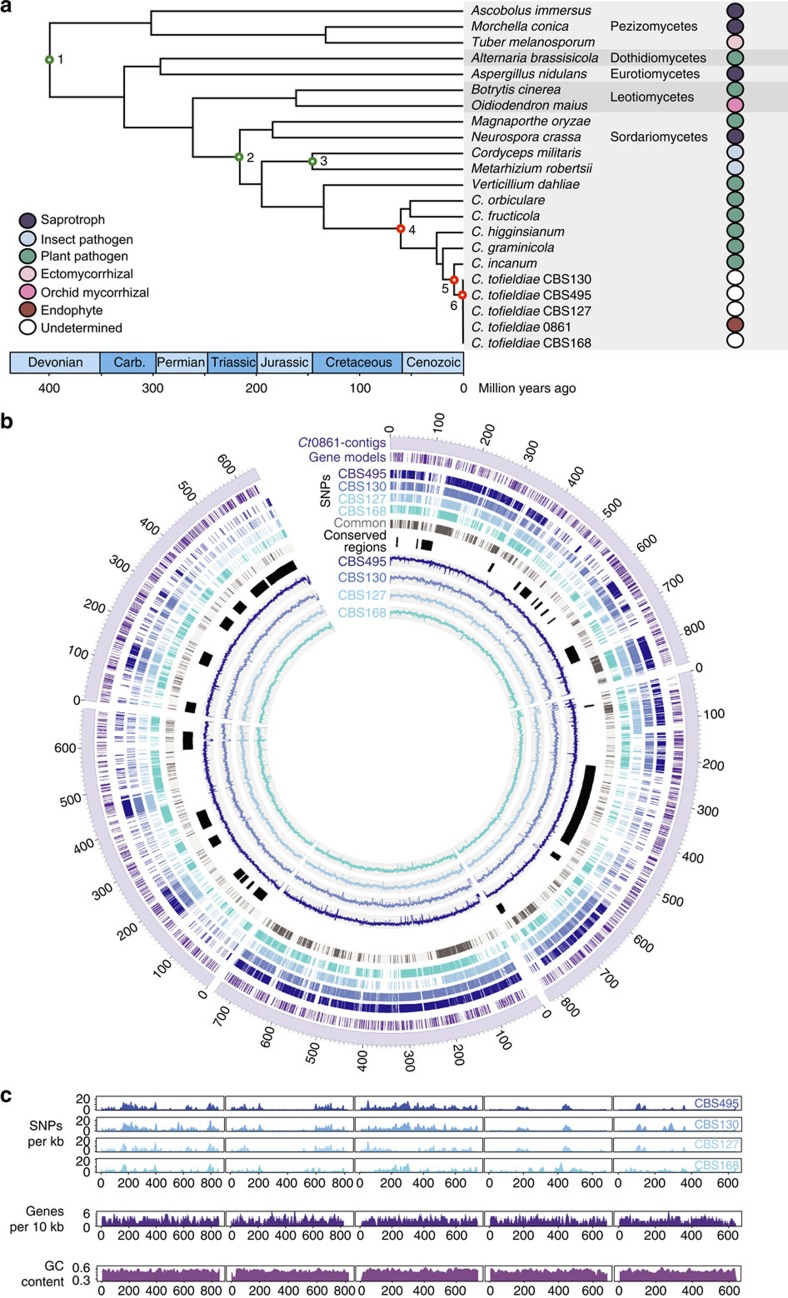
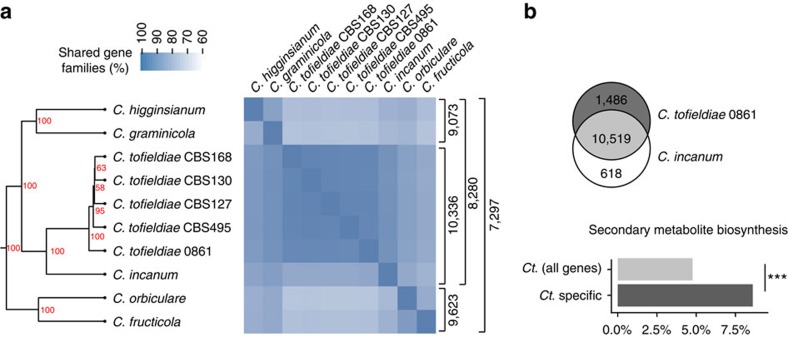
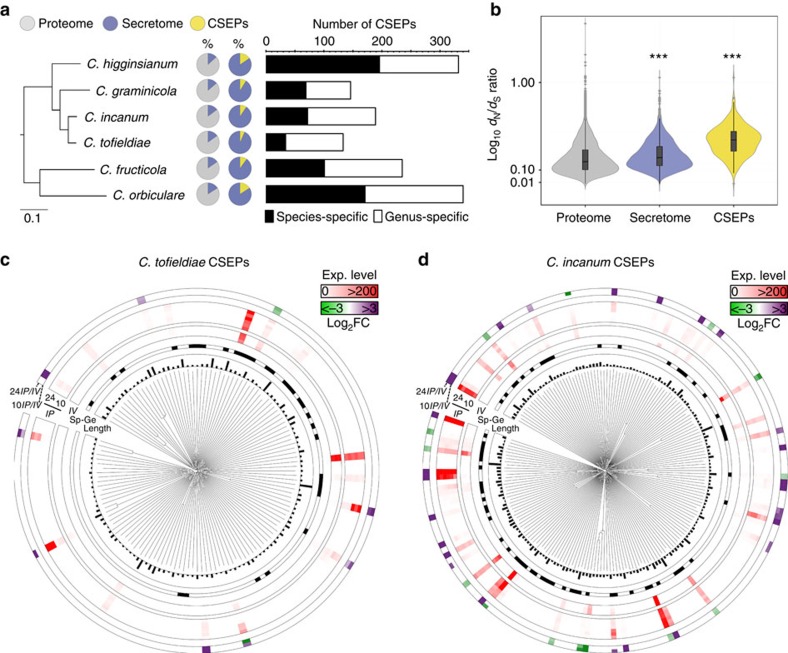
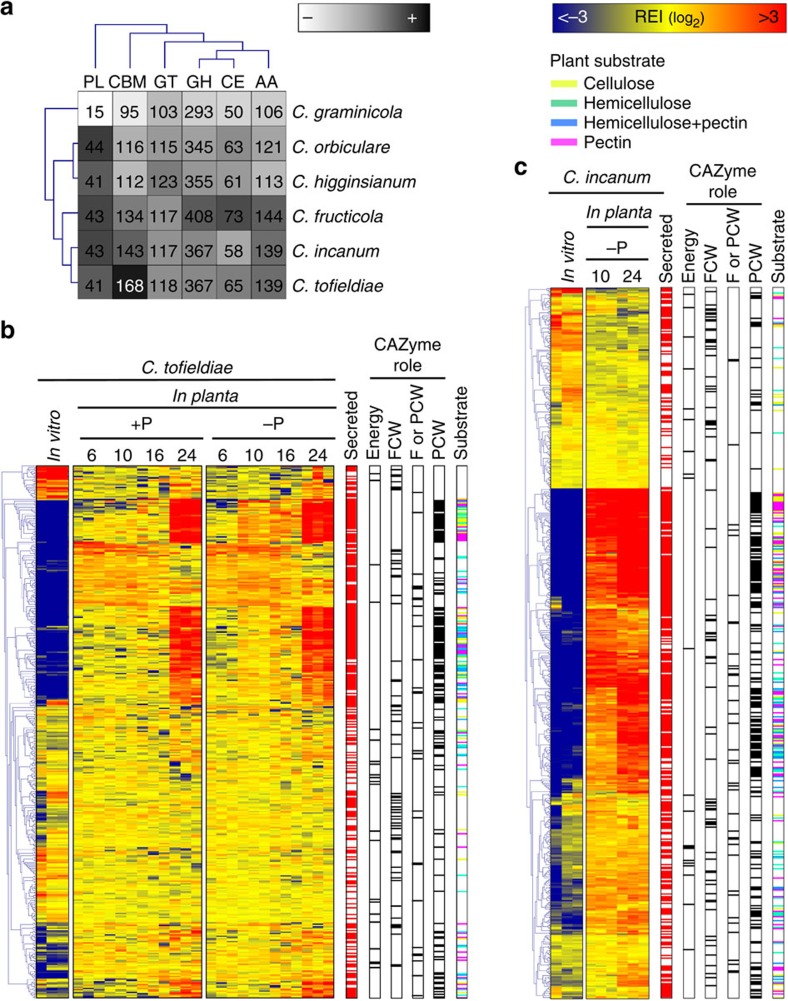
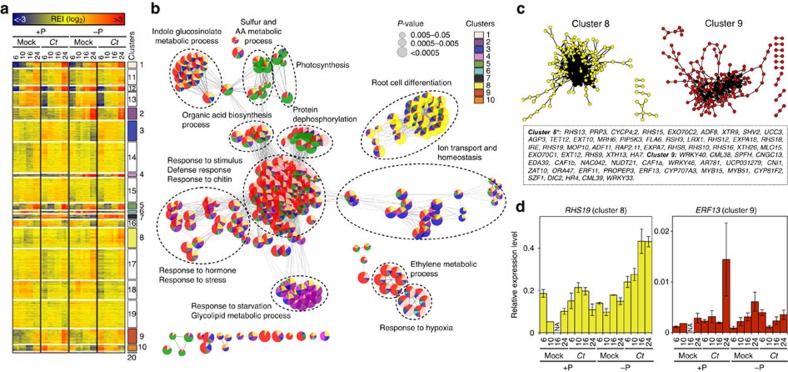
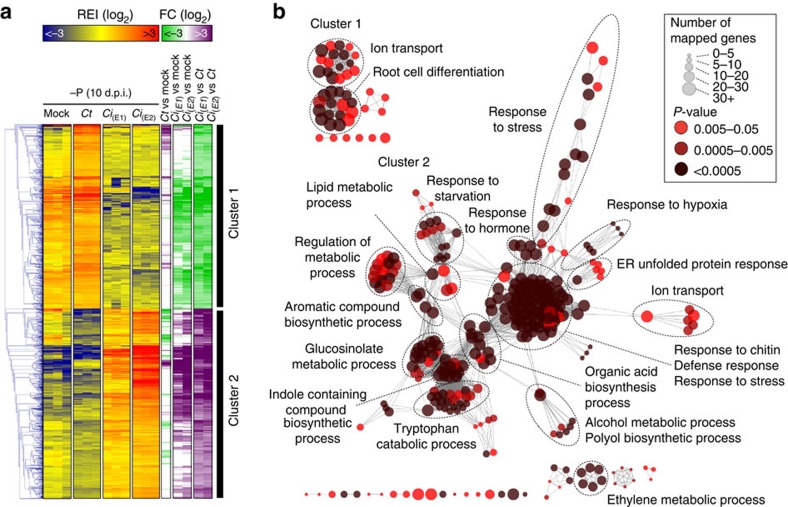
Verification
Claims the paper makes
The claims and statistics of this paper haven’t been checked yet.
Free: it reads the open-access text and checks the first 5 claims that cite a source we can check. Create a free account to check every claim.
Claims other papers make about this one
Each is checked against this paper’s own text: does it say what the citing paper says it does?
The source backs part of the claim, not all of it — or backs it for a different population, condition or comparison.
In the citing paper
“Comparative analyses of these genomes have revealed that Colletotrichum species may tailor their plant cell wall degrading enzymes and proteinases according to their lifestyle (O'Connell et al. 2012, Baroncelli et al. 2016, Hacquard et al. 2016).”
From Colletotrichum: lifestyles, biology, morpho-species, species complexes and accepted species (2021) · cites this paper as Hacquard et al. 2016
Experimental — accuracy not yet measured
Self-check
Percentages, sums and reported differences re-computed from the paper’s own numbers.
The self-check needs the paper’s full text.
Citations
Cites
The Sequence Alignment/Map format and SAMtools
Li, H., Handsaker, B., Wysoker, A., Fennell, T., Ruan, J., Homer, N., Marth, G., Abecasis, G., Durbin, R., & 1000 Genome Project Data Processing Subgroup (2009) · Bioinformatics · doi:10.1093/bioinformatics/btp352 · Cited by 62,041
Fast gapped-read alignment with Bowtie 2
Langmead, B., & Salzberg, S. L. (2012) · Nature Methods · doi:10.1038/nmeth.1923 · Cited by 56,400
Cytoscape: A software Environment for integrated models of biomolecular interaction networks
Shannon, P., Markiel, A., Ozier, O., Baliga, N. S., Wang, J. T., Ramage, D., Amin, N., Schwikowski, B., & Ideker, T. (2003) · Genome Research · doi:10.1101/gr.1239303 · Cited by 51,888
Robinson, M. D., McCarthy, D. J., & Smyth, G. K. (2010) · Bioinformatics · doi:10.1093/bioinformatics/btp616 · Cited by 41,364
A new mathematical model for relative quantification in real-time RT-PCR
Pfaffl, M. W. (2001) · Nucleic Acids Research · doi:10.1093/nar/29.9.e45 · Cited by 34,610
SPAdes: A New Genome Assembly Algorithm and Its Applications to Single-Cell Sequencing
Bankevich, A., Nurk, S., Antipov, D., Gurevich, A. A., Dvorkin, M., Kulikov, A. S., Lesin, V. M., Nikolenko, S. I., Pham, S., Prjibelski, A. D., et al. (2012) · Journal of Computational Biology · doi:10.1089/cmb.2012.0021 · Cited by 25,987
HTSeq—a Python framework to work with high-throughput sequencing data
Anders, S., Pyl, P. T., & Huber, W. (2015) · Bioinformatics · doi:10.1093/bioinformatics/btu638 · Cited by 21,464
Full-length transcriptome assembly from RNA-Seq data without a reference genome
Grabherr, M. G., Haas, B. J., Yassour, M., Levin, J. Z., Thompson, D. A., Amit, I., Adiconis, X., Fan, L., Raychowdhury, R., Zeng, Q., et al. (2011) · Nature Biotechnology · doi:10.1038/nbt.1883 · Cited by 21,039
Fast, scalable generation of high‐quality protein multiple sequence alignments using Clustal Omega
Sievers, F., Wilm, A., Dineen, D., Gibson, T. J., Karplus, K., Li, W., Lopez, R., McWilliam, H., Remmert, M., Söding, J., et al. (2011) · Molecular Systems Biology · doi:10.1038/msb.2011.75 · Cited by 15,355
Kim, D., Pertea, G., Trapnell, C., Pimentel, H., Kelley, R., & Salzberg, S. L. (2013) · Genome Biology · doi:10.1186/gb-2013-14-4-r36 · Cited by 12,668
Conesa, A., Götz, S., García-Gómez, J. M., Terol, J., Talón, M., & Robles, M. (2005) · Bioinformatics · doi:10.1093/bioinformatics/bti610 · Cited by 11,495
Circos: An information aesthetic for comparative genomics
Krzywinski, M., Schein, J., Birol, İ., Connors, J., Gascoyne, R., Horsman, D., Jones, S. J., & Marra, M. A. (2009) · Genome Research · doi:10.1101/gr.092759.109 · Cited by 10,964
Velvet: Algorithms for de novo short read assembly using de Bruijn graphs
Zerbino, D. R., & Birney, E. (2008) · Genome Research · doi:10.1101/gr.074492.107 · Cited by 9,491
The carbohydrate-active enzymes database (CAZy) in 2013
Lombard, V., Golaconda Ramulu, H., Drula, E., Coutinho, P. M., & Henrissat, B. (2014) · Nucleic Acids Research · doi:10.1093/nar/gkt1178 · Cited by 6,333
Self-citationBindea, G., Mlecnik, B., Hackl, H., Charoentong, P., Tosolini, M., Kirilovsky, A., Fridman, W.-H., Pagès, F., Trajanoski, Z., & Galon, J. (2009) · Bioinformatics · doi:10.1093/bioinformatics/btp101 · Cited by 6,280
OrthoMCL: Identification of Ortholog Groups for Eukaryotic Genomes
Li, L., Stoeckert, C. J., & Roos, D. S. (2003) · Genome Research · doi:10.1101/gr.1224503 · Cited by 5,707
Versatile and open software for comparing large genomes
Kurtz, S., Phillippy, A., Delcher, A. L., Smoot, M., Shumway, M., Antonescu, C., & Salzberg, S. L. (2004) · Genome Biology · doi:10.1186/gb-2004-5-2-r12 · Cited by 5,254
WoLF PSORT: protein localization predictor
Horton, P., Park, K.-J., Obayashi, T., Fujita, N., Harada, H., Adams-Collier, C. J., & Nakai, K. (2007) · Nucleic Acids Research · doi:10.1093/nar/gkm259 · Cited by 4,127
Repbase Update, a database of eukaryotic repetitive elements
Jurka, J., Kapitonov, V. V., Pavlicek, A., Klonowski, P., Kohany, O., & Walichiewicz, J. (2005) · Cytogenetic and Genome Research · doi:10.1159/000084979 · Cited by 3,370
PAL2NAL: robust conversion of protein sequence alignments into the corresponding codon alignments
Suyama, M., Torrents, D., & Bork, P. (2006) · Nucleic Acids Research · doi:10.1093/nar/gkl315 · Cited by 3,318
Interactive Tree Of Life (iTOL): an online tool for phylogenetic tree display and annotation
Letunic, I., & Bork, P. (2007) · Bioinformatics · doi:10.1093/bioinformatics/btl529 · Cited by 3,299
Korf, I. (2004) · BMC Bioinformatics · doi:10.1186/1471-2105-5-59 · Cited by 3,192
Fungal endophytes: diversity and functional roles
Rodriguez, R. J., White Jr, J. F., Arnold, A. E., & Redman, R. S. (2009) · New Phytologist · doi:10.1111/j.1469-8137.2009.02773.x · Cited by 2,990
Automated generation of heuristics for biological sequence comparison
Slater, G. S. C., & Birney, E. (2005) · BMC Bioinformatics · doi:10.1186/1471-2105-6-31 · Cited by 2,933
AUGUSTUS: ab initio prediction of alternative transcripts
Stanke, M., Keller, O., Gunduz, I., Hayes, A., Waack, S., & Morgenstern, B. (2006) · Nucleic Acids Research · doi:10.1093/nar/gkl200 · Cited by 2,829
Protein homology detection by HMM–HMM comparison
Söding, J. (2005) · Bioinformatics · doi:10.1093/bioinformatics/bti125 · Cited by 2,423
Genome-Wide Analysis of the ERF Gene Family in Arabidopsis and Rice
Nakano, T., Suzuki, K., Fujimura, T., & Shinshi, H. (2006) · Plant Physiology · doi:10.1104/pp.105.073783 · Cited by 2,288
CEGMA: a pipeline to accurately annotate core genes in eukaryotic genomes
Parra, G., Bradnam, K., & Korf, I. (2007) · Bioinformatics · doi:10.1093/bioinformatics/btm071 · Cited by 2,184
Holt, C., & Yandell, M. (2011) · BMC Bioinformatics · doi:10.1186/1471-2105-12-491 · Cited by 2,118
Sanderson, M. J. (2003) · Bioinformatics · doi:10.1093/bioinformatics/19.2.301 · Cited by 1,906
Genesis: cluster analysis of microarray data
Sturn, A., Quackenbush, J., & Trajanoski, Z. (2002) · Bioinformatics · doi:10.1093/bioinformatics/18.1.207 · Cited by 1,761
Use of within-array replicate spots for assessing differential expression in microarray experiments
Smyth, G. K., Michaud, J., & Scott, H. S. (2005) · Bioinformatics · doi:10.1093/bioinformatics/bti270 · Cited by 1,405
Mechanisms underlying beneficial plant–fungus interactions in mycorrhizal symbiosis
Bonfante, P., & Genre, A. (2010) · Nature Communications · doi:10.1038/ncomms1046 · Cited by 1,346
The Role of WRKY Transcription Factors in Plant Immunity
Pandey, S. P., & Somssich, I. E. (2009) · Plant Physiology · doi:10.1104/pp.109.138990 · Cited by 1,277
Fungal Effectors and Plant Susceptibility
Lo Presti, L., Lanver, D., Schweizer, G., Tanaka, S., Liang, L., Tollot, M., Zuccaro, A., Reissmann, S., & Kahmann, R. (2015) · Annual Review of Plant Biology · doi:10.1146/annurev-arplant-043014-114623 · Cited by 1,249
Glucosinolate Metabolites Required for an Arabidopsis Innate Immune Response
Clay, N. K., Adio, A. M., Denoux, C., Jander, G., & Ausubel, F. M. (2009) · Science · doi:10.1126/science.1164627 · Cited by 1,098
Mycorrhizal Genomics Initiative Consortium, Kohler, A., Kuo, A., Nagy, L. G., Morin, E., Barry, K. W., Buscot, F., Canbäck, B., Choi, C., Cichocki, N., et al. (2015) · Nature Genetics · doi:10.1038/ng.3223 · Cited by 1,060
Self-citationChevreux, B., Pfisterer, T., Drescher, B., Driesel, A. J., Müller, W. E. G., Wetter, T., & Suhai, S. (2004) · Genome Research · doi:10.1101/gr.1917404 · Cited by 1,050
O'Connell, R. J., Thon, M. R., Hacquard, S., Amyotte, S. G., Kleemann, J., Torres, M. F., Damm, U., Buiate, E. A., Epstein, L., Alkan, N., et al. (2012) · Nature Genetics · doi:10.1038/ng.2372 · Cited by 1,047 · cited 1×
“It was recently shown that the ectomycorrhizal lifestyle arose independently multiple times during evolution and that the transition was associated with (1) convergent loss of genes encoding PCWDEs present in their saprotrophic ancestors and (2) the repeated evolution of lineage-specific ‘toolkits’ of mycorrhiza-induc…”
BackgroundSelf-citationGene prediction in novel fungal genomes using an ab initio algorithm with unsupervised training
Ter-Hovhannisyan, V., Lomsadze, A., Chernoff, Y. O., & Borodovsky, M. (2008) · Genome Research · doi:10.1101/gr.081612.108 · Cited by 1,026
A Glucosinolate Metabolism Pathway in Living Plant Cells Mediates Broad-Spectrum Antifungal Defense
Bednarek, P., Piślewska-Bednarek, M., Svatoš, A., Schneider, B., Doubský, J., Mansurova, M., Humphry, M., Consonni, C., Panstruga, R., Sanchez-Vallet, A., et al. (2009) · Science · doi:10.1126/science.1163732 · Cited by 998
Self-citationMEROPS: the peptidase database
Rawlings, N. D., Barrett, A. J., & Bateman, A. (2010) · Nucleic Acids Research · doi:10.1093/nar/gkp971 · Cited by 971
MEROPS: the peptidase database
Rawlings, N. D., & Barrett, A. J. (1999) · Nucleic Acids Research · doi:10.1093/nar/27.1.325 · Cited by 793
PILER: identification and classification of genomic repeats
Edgar, R. C., & Myers, E. W. (2005) · Bioinformatics · doi:10.1093/bioinformatics/bti1003 · Cited by 718
Périgord black truffle genome uncovers evolutionary origins and mechanisms of symbiosis
Martin, F., Kohler, A., Murat, C., Balestrini, R., Coutinho, P. M., Jaillon, O., Montanini, B., Morin, E., Noel, B., Percudani, R., et al. (2010) · Nature · doi:10.1038/nature08867 · Cited by 659
Self-citationeggNOG v4.0: nested orthology inference across 3686 organisms
Powell, S., Forslund, K., Szklarczyk, D., Trachana, K., Roth, A., Huerta-Cepas, J., Gabaldón, T., Rattei, T., Creevey, C., Kuhn, M., et al. (2014) · Nucleic Acids Research · doi:10.1093/nar/gkt1253 · Cited by 652
Hiruma, K., Gerlach, N., Sacristán, S., Nakano, R. T., Hacquard, S., Kracher, B., Neumann, U., Ramírez, D., Bucher, M., O’Connell, R. J., et al. (2016) · Cell · doi:10.1016/j.cell.2016.02.028 · Cited by 652
Self-citationTranscriptome Responses to Combinations of Stresses in Arabidopsis
Rasmussen, S., Barah, P., Suarez-Rodriguez, M. C., Bressendorff, S., Friis, P., Costantino, P., Bones, A. M., Nielsen, H. B., & Mundy, J. (2013) · Plant Physiology · doi:10.1104/pp.112.210773 · Cited by 566
Zuccaro, A., Lahrmann, U., Güldener, U., Langen, G., Pfiffi, S., Biedenkopf, D., Wong, P., Samans, B., Grimm, C., Basiewicz, M., et al. (2011) · PLoS Pathogens · doi:10.1371/journal.ppat.1002290 · Cited by 439
Colletotrichum - names in current use
Hyde, K. D., Cai, L., Cannon, P. F., Crouch, J. A., Crous, P. W., Damm, U., Goodwin, P. H., Chen, H., Johnston, P. R., Jones, E. B. G., et al. (2009) · Fungal Diversity · Cited by 420
Self-citationREAPR: a universal tool for genome assembly evaluation
Hunt, M., Kikuchi, T., Sanders, M., Newbold, C., Berriman, M., & Otto, T. D. (2013) · Genome Biology · doi:10.1186/gb-2013-14-5-r47 · Cited by 405
Gigolashvili, T., Berger, B., Mock, H., Müller, C., Weisshaar, B., & Flügge, U. (2007) · The Plant Journal · doi:10.1111/j.1365-313x.2007.03099.x · Cited by 395
Gan, P., Ikeda, K., Irieda, H., Narusaka, M., O'Connell, R. J., Narusaka, Y., Takano, Y., Kubo, Y., & Shirasu, K. (2013) · New Phytologist · doi:10.1111/nph.12085 · Cited by 379
Self-citationComparative Phylogenomics Uncovers the Impact of Symbiotic Associations on Host Genome Evolution
Delaux, P.-M., Varala, K., Edger, P. P., Coruzzi, G. M., Pires, J. C., & Ané, J.-M. (2014) · PLoS Genetics · doi:10.1371/journal.pgen.1004487 · Cited by 290
Genetic Conversion of a Fungal Plant Pathogen to a Nonpathogenic, Endophytic Mutualist
Freeman, S., & Rodriguez, R. J. (1993) · Science · doi:10.1126/science.260.5104.75 · Cited by 257
PANT, B., PANT, P., ERBAN, A., HUHMAN, D., KOPKA, J., & SCHEIBLE, W. (2015) · Plant, Cell & Environment · doi:10.1111/pce.12378 · Cited by 239
What lies beneath: belowground defense strategies in plants
De Coninck, B., Timmermans, P., Vos, C., Cammue, B. P. A., & Kazan, K. (2015) · Trends in Plant Science · doi:10.1016/j.tplants.2014.09.007 · Cited by 228
Won, S.-K., Lee, Y.-J., Lee, H.-Y., Heo, Y.-K., Cho, M., & Cho, H.-T. (2009) · Plant Physiology · doi:10.1104/pp.109.140905 · Cited by 213
Stukenbrock, E. H., Christiansen, F. B., Hansen, T. T., Dutheil, J. Y., & Schierup, M. H. (2012) · Proceedings of the National Academy of Sciences · doi:10.1073/pnas.1201403109 · Cited by 186
Clearcut: a fast implementation of relaxed neighbor joining
Sheneman, L., Evans, J., & Foster, J. A. (2006) · Bioinformatics · doi:10.1093/bioinformatics/btl478 · Cited by 185
Hacquard, S., Kracher, B., Maekawa, T., Vernaldi, S., Schulze-Lefert, P., & Ver Loren van Themaat, E. (2013) · Proceedings of the National Academy of Sciences · doi:10.1073/pnas.1306807110 · Cited by 165
Self-citationLahrmann, U., Strehmel, N., Langen, G., Frerigmann, H., Leson, L., Ding, Y., Scheel, D., Herklotz, S., Hilbert, M., & Zuccaro, A. (2015) · New Phytologist · doi:10.1111/nph.13411 · Cited by 150
Root Infection and Systemic Colonization of Maize by Colletotrichum graminicola
Sukno, S. A., García, V. M., Shaw, B. D., & Thon, M. R. (2008) · Applied and Environmental Microbiology · doi:10.1128/aem.01165-07 · Cited by 134
Self-citationXu, X., Su, Z.-Z., Wang, C., Kubicek, C. P., Feng, X., Mao, L., Wang, J., Chen, C., Lin, F., & Zhang, C. (2014) · Scientific Reports · doi:10.1038/srep05783 · Cited by 101
Bruce, A., Smith, S. E., & Tester, M. A. (1994) · New Phytologist · doi:10.1111/j.1469-8137.1994.tb03968.x · Cited by 99
Götz, M., Nirenberg, H., Krause, S., Wolters, H., Draeger, S., Buchner, A., Lottmann, J., Berg, G., & Smalla, K. (2006) · FEMS Microbiology Ecology · doi:10.1111/j.1574-6941.2006.00169.x · Cited by 88
Broad compatibility in fungal root symbioses
Zuccaro, A., Lahrmann, U., & Langen, G. (2014) · Current Opinion in Plant Biology · doi:10.1016/j.pbi.2014.05.013 · Cited by 87
The endophytic mycobiota of Arabidopsis thaliana
García, E., Alonso, Á., Platas, G., & Sacristán, S. (2012) · Fungal Diversity · doi:10.1007/s13225-012-0219-0 · Cited by 73
Self-citationRoot-associated fungi of Arabidopsis thaliana and Microthlaspi perfoliatum
Keim, J., Mishra, B., Sharma, R., Ploch, S., & Thines, M. (2014) · Fungal Diversity · doi:10.1007/s13225-014-0289-2 · Cited by 52
Cohen, O., & Pupko, T. (2011) · Genome Biology and Evolution · doi:10.1093/gbe/evr101 · Cited by 51
Detecting Patches of Protein Sites of Influenza A Viruses under Positive Selection
Tusche, C., Steinbrück, L., & McHardy, A. C. (2012) · Molecular Biology and Evolution · doi:10.1093/molbev/mss095 · Cited by 38
Self-citationAnthracnose of Japanese radish caused by Colletotrichum dematium
Sato, T., Taturo, M. U. T. A., Imamura, Y., Nojima, H., Moriwaki, J., & Yaguchi, Y. (2005) · Journal of General Plant Pathology · doi:10.1007/s10327-005-0214-3 · Cited by 26
Cited by
Plant–microbiome interactions: from community assembly to plant health
Trivedi, P., Leach, J. E., Tringe, S. G., Sa, T., & Singh, B. K. (2020) · Nature Reviews Microbiology · doi:10.1038/s41579-020-0412-1 · Cited by 3,904
Microbial Interkingdom Interactions in Roots Promote Arabidopsis Survival
Durán, P., Thiergart, T., Garrido-Oter, R., Agler, M., Kemen, E., Schulze-Lefert, P., & Hacquard, S. (2018) · Cell · doi:10.1016/j.cell.2018.10.020 · Cited by 1,037
Self-citationRoot microbiota drive direct integration of phosphate stress and immunity
Castrillo, G., Teixeira, P. J. P. L., Paredes, S. H., Law, T. F., de Lorenzo, L., Feltcher, M. E., Finkel, O. M., Breakfield, N. W., Mieczkowski, P., Jones, C. D., et al. (2017) · Nature · doi:10.1038/nature21417 · Cited by 956
The Plant Microbiota: Systems-Level Insights and Perspectives
Müller, D. B., Vogel, C., Bai, Y., & Vorholt, J. A. (2016) · Annual Review of Genetics · doi:10.1146/annurev-genet-120215-034952 · Cited by 846
Understanding and exploiting plant beneficial microbes
Finkel, O. M., Castrillo, G., Herrera Paredes, S., Salas González, I., & Dangl, J. L. (2017) · Current Opinion in Plant Biology · doi:10.1016/j.pbi.2017.04.018 · Cited by 721
Metadata
- Authors
- Hacquard, S., Kracher, B., Hiruma, K., Münch, P. C., Garrido-Oter, R., Thon, M. R., Weimann, A., Damm, U., Dallery, J.-F., Hainaut, M., Henrissat, B., Lespinet, O., Sacristán, S., Ver Loren van Themaat, E., Kemen, E., McHardy, A. C., Schulze-Lefert, P., & O’Connell, R. J.
- Affiliations
- Max Planck Institute for Plant Breeding Research (DE)
- German Center for Infection Research (DE)
- Universidad de Salamanca (ES)
- Helmholtz Centre for Infection Research (DE)
- Westerdijk Fungal Biodiversity Institute (NL)
- AgroParisTech (FR)
- Centre National de la Recherche Scientifique (FR)
- Université Paris-Sud (FR)
- Centre for Plant Biotechnology and Genomics (ES)
- Cluster of Excellence on Plant Sciences (DE)
- Corresponding author
- O’Connell, Richard J.
- ORCID
- Venue
- Nature Communications
- Published
- 2016-05-06
- Volume
- 7
- Issue
- 1
- Pages
- 11362-11362
- ISSN
- 2041-1723 (ISSN-L)
- PMC
- PMC4859067
- OpenAlex
- W2345756881
- Semantic Scholar
- 8564dfb4dfba2b4cb298cd2ff1e9c11171df1652
- Cited by
- 278
- References
- 72
- Citations by year
- 2026: 18 · 2025: 33 · 2024: 21 · 2023: 27 · 2022: 26 · 2021: 40 · 2020: 27 · 2019: 22 · 2018: 24 · 2017: 27 · 2016: 13
- FWCI
- 33.57
- Type
- journal article
- Language
- en
- Update notices
- erratum (2016-09-29)
- Open access
- gold
- doi.org
- Licence
- cc-by
- creativecommons.org/licenses/by/4.0 (tdm)
- creativecommons.org/licenses/by/4.0 (vor)
- Locations
- Nature Communications (publishedVersion, cc-by)
- Europe PMC (PubMed Central) (publishedVersion, cc-by)
- PubMed Central (publishedVersion, cc-by)
- KNAW Research Portal (The Royal Netherlands Academy of Arts and Sciences) (publishedVersion, other-oa)
- PubMed (publishedVersion)
- Kölner Universitäts PublikationsServer (Universität zu Köln) (publishedVersion)
- UPM Digital Archive (Technical University of Madrid) (acceptedVersion, cc-by-nc-nd)
- HAL (submittedVersion, cc-by)
- HAL (submittedVersion, other-oa)
- MPG.PuRe (Max Planck Society) (submittedVersion, other-oa)
- Data Archiving and Networked Services (DANS) (submittedVersion, other-oa)
- HAL (submittedVersion)
- RePEc: Research Papers in Economics (submittedVersion)
- DOAJ (DOAJ: Directory of Open Access Journals) (submittedVersion, cc-by-sa)
- Open access LMU (Ludwid Maxmilian's Universitat Munchen) (submittedVersion)
- Max Planck Digital Library (submittedVersion, other-oa)
- Hispana (submittedVersion, cc-by-nc-nd)
- HZI (Helmholtz Centre for Infection Research) (submittedVersion, cc-by-nc-sa)
- Funders
- Aix-Marseille Université
- Deutsches Zentrum für Infektionsforschung
- Deutsche Forschungsgemeinschaft
- Agence Nationale de la Recherche (ANR-12-CHEX-0008, ANR-12)
- Koninklijke Nederlandse Akademie van Wetenschappen
- Max-Planck-Gesellschaft
- Japan Society for the Promotion of Science
- Topics
- Life Sciences › Agricultural and Biological Sciences › Plant Science › Plant-Microbe Interactions and Immunity
- Life Sciences › Agricultural and Biological Sciences › Ecology, Evolution, Behavior and Systematics › Plant and fungal interactions
- Life Sciences › Agricultural and Biological Sciences › Plant Science › Mycorrhizal Fungi and Plant Interactions
- Keywords
- root endophytes, plant-fungal interactions, pathogenicity evolution, phosphate limitation, Arabidopsis thaliana, secreted effector proteins, chitin-binding protein, secondary metabolism, plant immunity, root transcriptome, fungal genome evolution
- MeSH terms
- Chitin, Phosphates, Starvation, Symbiosis, Genome, Fungal, Arabidopsis, Plant Roots, Colletotrichum, Endophytes
About these checks
Registry, retraction, Cites and statistics results are computed, not judged, with one exception: a printed reference that no index lists is read once by a model before it counts as a citation error. Claims are extracted by a model and kept only when their quote appears verbatim in the text; each cited source is then checked, with a model’s help, for whether it says what the claim relies on. Those verdicts can be wrong — read the claim’s quote and the cited source before relying on one.
Statistics and arithmetic are recomputed, not judged.
Confidence bands are shown only for fields calibrated on our annotated test set. None is calibrated yet, so no band is shown.
What counts as a claim ›How we measure confidence ›How we check this ›
Are you an author, or do you see a problem with this page? Request a review
Data sources
Bibliographic data: Semantic Scholar, OpenAlex, Crossref.
Contains information from the Semantic Scholar Academic Graph Datasets, made available under the ODC Attribution License (ODC-BY 1.0).
Semantic Scholar’s data is described in: Kinney, R., et al. (2023). The Semantic Scholar Open Data Platform. arXiv:2301.10140.
