

Age at onset of mental disorders worldwide: large-scale meta-analysis of 192 epidemiological studies
Open accessThe DOI matches its Crossref record; 67 of the 67 references it cites were found in a registry or an index.
Abstract
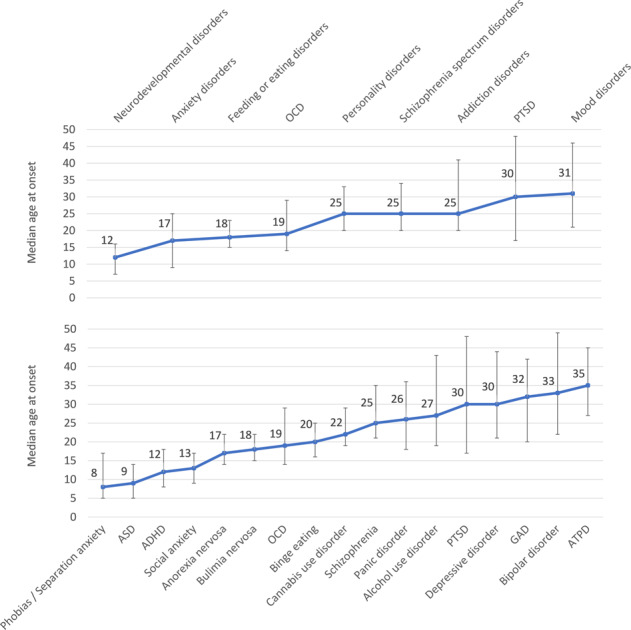
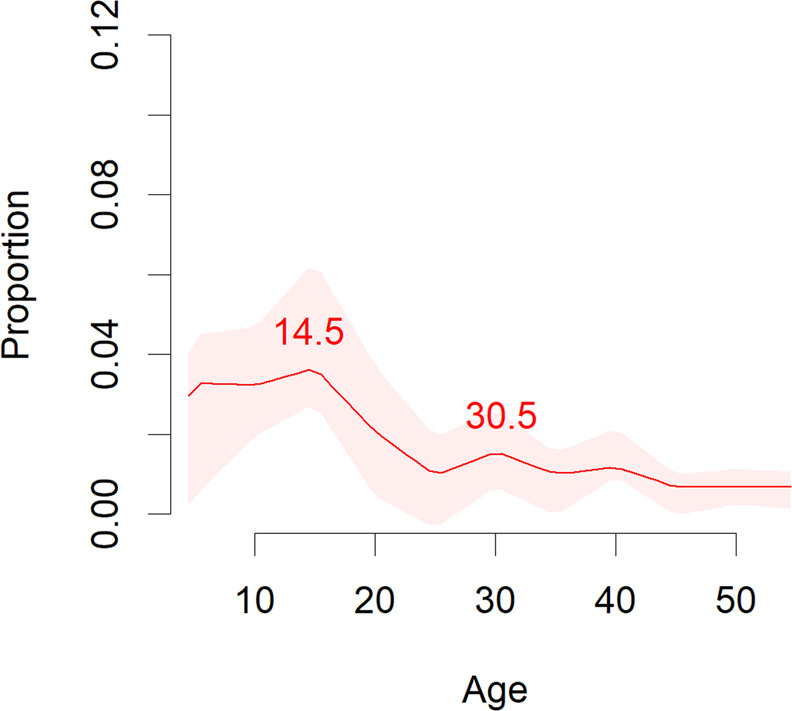
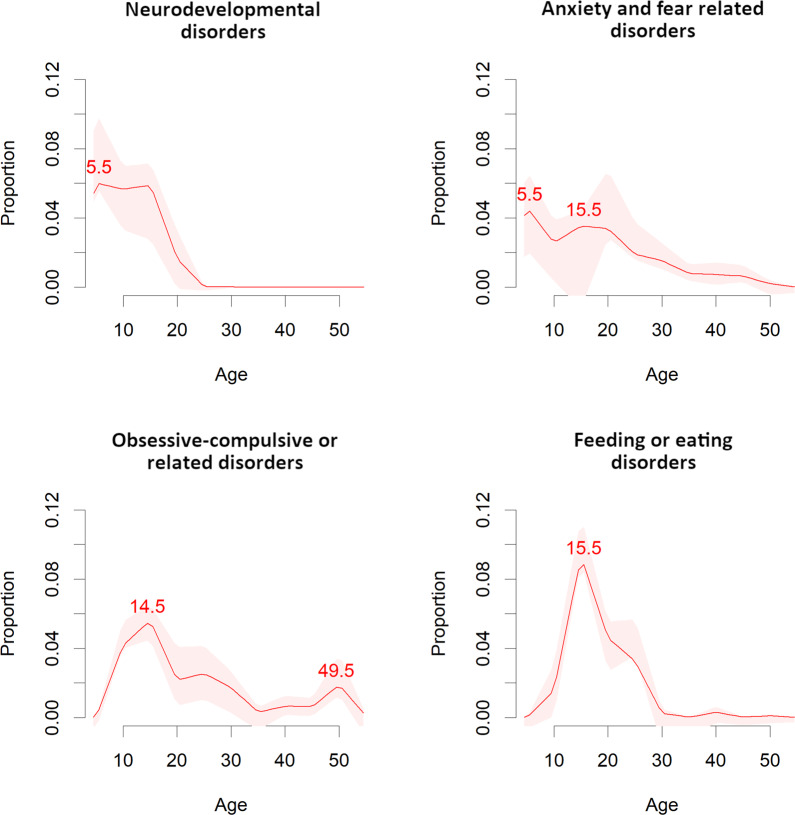
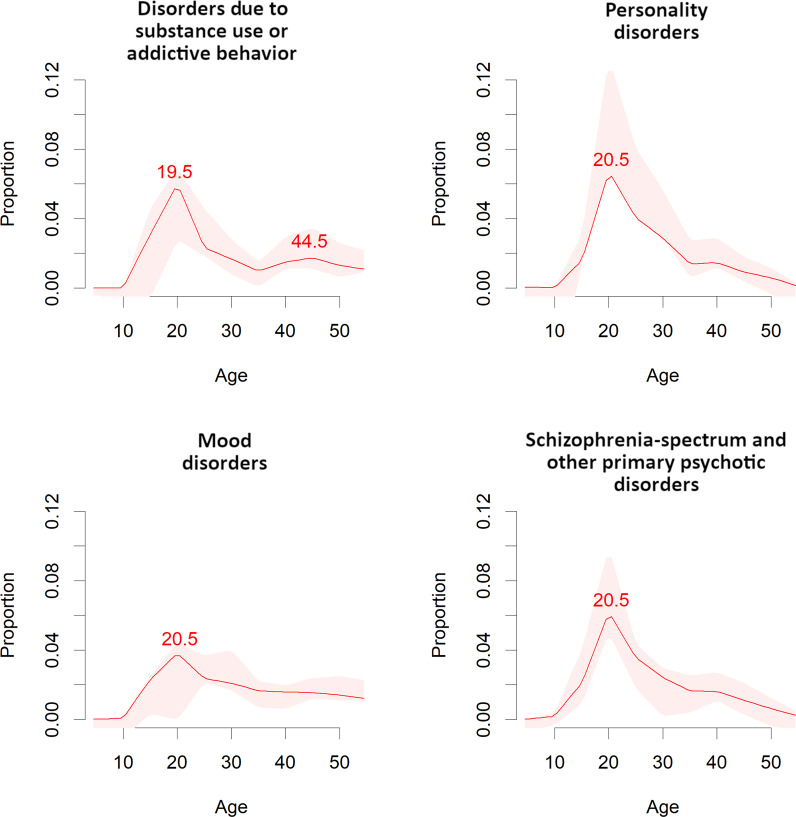
Promotion of good mental health, prevention, and early intervention before/at the onset of mental disorders improve outcomes. However, the range and peak ages at onset for mental disorders are not fully established. To provide robust, global epidemiological estimates of age at onset for mental disorders, we conducted a PRISMA/MOOSE-compliant systematic review with meta-analysis of birth cohort/cross-sectional/cohort studies, representative of the general population, reporting age at onset for any ICD/DSM-mental disorders, identified in PubMed/Web of Science (up to 16/05/2020) (PROSPERO:CRD42019143015). Co-primary outcomes were the proportion of individuals with onset of mental disorders before age 14, 18, 25, and peak age at onset, for any mental disorder and across International Classification of Diseases 11 diagnostic blocks. Median age at onset of specific disorders was additionally investigated. Across 192 studies ( n = 708,561) included, the proportion of individuals with onset of any mental disorders before the ages of 14, 18, 25 were 34.6%, 48.4%, 62.5%, and peak age was 14.5 years ( k = 14, median = 18, interquartile range (IQR) = 11–34). For diagnostic blocks, the proportion of individuals with onset of disorder before the age of 14, 18, 25 and peak age were as follows: neurodevelopmental disorders: 61.5%, 83.2%, 95.8%, 5.5 years ( k = 21, median=12, IQR = 7–16), anxiety/fear-related disorders: 38.1%, 51.8%, 73.3%, 5.5 years ( k = 73, median = 17, IQR = 9–25), obsessive-compulsive/related disorders: 24.6%, 45.1%, 64.0%, 14.5 years ( k = 20, median = 19, IQR = 14–29), feeding/eating disorders/problems: 15.8%, 48.1%, 82.4%, 15.5 years ( k = 11, median = 18, IQR = 15–23), conditions specifically associated with stress disorders: 16.9%, 27.6%, 43.1%, 15.5 years ( k = 16, median = 30, IQR = 17–48), substance use disorders/addictive behaviours: 2.9%, 15.2%, 48.8%, 19.5 years ( k = 58, median = 25, IQR = 20–41), schizophrenia-spectrum disorders/primary psychotic states: 3%, 12.3%, 47.8%, 20.5 years ( k = 36, median = 25, IQR = 20–34), personality disorders/related traits: 1.9%, 9.6%, 47.7%, 20.5 years ( k = 6, median = 25, IQR = 20–33), and mood disorders: 2.5%, 11.5%, 34.5%, 20.5 years ( k = 79, median = 31, IQR = 21–46). No significant difference emerged by sex, or definition of age of onset. Median age at onset for specific mental disorders mapped on a time continuum, from phobias/separation anxiety/autism spectrum disorder/attention deficit hyperactivity disorder/social anxiety (8-13 years) to anorexia nervosa/bulimia nervosa/obsessive-compulsive/binge eating/cannabis use disorders (17-22 years), followed by schizophrenia, personality, panic and alcohol use disorders (25-27 years), and finally post-traumatic/depressive/generalized anxiety/bipolar/acute and transient psychotic disorders (30-35 years), with overlap among groups and no significant clustering. These results inform the timing of good mental health promotion/preventive/early intervention, updating the current mental health system structured around a child/adult service schism at age 18.
Overview
The claims and statistics of this paper haven’t been checked yet.
Free: it reads the open-access text and checks the first 5 claims that cite a source we can check. Create a free account to check every claim.
Integrity signals
Registry
Cites
Statistics
Figures
Verification
Claims the paper makes
The claims and statistics of this paper haven’t been checked yet.
Free: it reads the open-access text and checks the first 5 claims that cite a source we can check. Create a free account to check every claim.
Claims other papers make about this one
Each is checked against this paper’s own text: does it say what the citing paper says it does?
The cited source doesn’t support the claim as written.
In the citing paper
“all major syndromes constituting approximately 75% of mental disorders begin before the age of 25 years [9, 10]”
From Towards a youth mental health paradigm: a perspective and roadmap (2023) · cites this paper as [9]
Checked by a reasoning model — may be wrong.
Experimental — accuracy not yet measuredThe source backs part of the claim, not all of it — or backs it for a different population, condition or comparison.
In the citing paper
“Most mental disorders have a typical onset between 12 and 25 years of age, highlighting the importance of this period for the pathogenesis, diagnosis, and treatment of mental ill-health.”
From Towards a youth mental health paradigm: a perspective and roadmap (2023) · cites this paper as [9]
Experimental — accuracy not yet measuredThe source backs part of the claim, not all of it — or backs it for a different population, condition or comparison.
In the citing paper
“the peak incidence of mental disorders during youth [9, 10]”
From Towards a youth mental health paradigm: a perspective and roadmap (2023) · cites this paper as [9]
Experimental — accuracy not yet measuredThe source backs part of the claim, not all of it — or backs it for a different population, condition or comparison.
In the citing paper
“the large unmet need in young people that has recently dramatically accelerated [9]”
From Towards a youth mental health paradigm: a perspective and roadmap (2023) · cites this paper as [9]
Experimental — accuracy not yet measuredThe source backs part of the claim, not all of it — or backs it for a different population, condition or comparison.
In the citing paper
“Relative to adolescents and adults, emerging adults experience the highest incidence and prevalence of substance use disorders (SUDs) and comorbid mental health disorders (2-4).”
From Initial insights from a quality improvement initiative to develop an evidence-informed young adult substance use program (2022) · cites this paper as [4]
Experimental — accuracy not yet measured
14 more claims about this paper
Create a free account to see every claim other papers make about this one.
Self-check
Percentages, sums and reported differences re-computed from the paper’s own numbers.
The self-check needs the paper’s full text.
Citations
Cites
Preferred Reporting Items for Systematic Reviews and Meta-Analyses: the PRISMA statement
Moher, D., Liberati, A., Tetzlaff, J., Altman, D. G., & for the PRISMA Group (2009) · BMJ · doi:10.1136/bmj.b2535 · Cited by 83,823
Preferred Reporting Items for Systematic Reviews and Meta-Analyses: The PRISMA Statement
Moher, D., Liberati, A., Tetzlaff, J., Altman, D. G., & The PRISMA Group (2009) · PLoS Medicine · doi:10.1371/journal.pmed.1000097 · Cited by 64,042 · cited 1×
“We performed a systematic review adhering to the preferred reporting items for systematic reviews and meta-analyses (PRISMA) recommendations [31] (e-Table 1) and the meta-analysis of observational studies in epidemiology (MOOSE) guidelines (e-Table 2) [32].”
MethodPreferred reporting items for systematic reviews and meta-analyses: the PRISMA Statement.
(2009) · PubMed Central · Cited by 44,859
Preferred reporting items for systematic reviews and meta-analyses: The PRISMA statement
Moher, D., Liberati, A., Tetzlaff, J., Altman, D. G., & the PRISMA Group* (2009) · Annals of Internal Medicine · doi:10.7326/0003-4819-151-4-200908180-00135 · Cited by 37,554
Dermyshi, E., Wang, Y., Yan, C., Hong, W., Qiu, G., Gong, X., & Zhang, T. (2017) · Neonatology · doi:10.1159/000454668 · Cited by 24,451
Meta-analysis of Observational Studies in Epidemiology<SUBTITLE>A Proposal for Reporting</SUBTITLE>
Stroup, D. F. (2000) · JAMA · doi:10.1001/jama.283.15.2008 · Cited by 20,623
Bootstrap Methods and their Application
Davison, A. C., & Hinkley, D. V. (1997) · doi:10.1017/cbo9780511802843 · Cited by 7,350
Bootstrap Methods and Their Application
Loughin, T. M., Davison, A. C., & Hinkley, D. V. (1999) · Journal of the American Statistical Association · doi:10.2307/2669707 · Cited by 5,418
Why do many psychiatric disorders emerge during adolescence?
Paus, T., Keshavan, M., & Giedd, J. N. (2008) · Nature Reviews Neuroscience · doi:10.1038/nrn2513 · Cited by 3,123 · cited 2×
“The meta-epidemiologic results of this work show that mental disorders have onset when dramatic biological changes in the brain occur, from childhood, through adolescence, to adulthood, that involves grey-matter density, cerebral metabolic rate, synaptic density, white matter growth and myelination [41].”
BackgroundWalker, E. R., McGee, R. E., & Druss, B. G. (2015) · JAMA Psychiatry · doi:10.1001/jamapsychiatry.2014.2502 · Cited by 2,976
Research works printed but not linked: 1
- McGorry PD Hartmann JA Spooner R Nelson B Beyond the "at risk mental state" concept: transitioning to transdiagnostic psychiatry World Psychiatry 2018 17 133 42 29856558 PMC5980504 · DOI · Paper page
Cited by
Items 301–400 of 1,015
Hyam, L., Richards, K. L., Allen, K. L., & Schmidt, U. H. (2022) · International Journal of Eating Disorders · doi:10.1002/eat.23836 · Cited by 35
Ethnoracial Variation in Risk for Psychotic Experiences
DeVylder, J., Anglin, D. M., Munson, M. R., Nishida, A., Oh, H. Y., Marsh, J. J., Narita, Z. C., Bareis, N., & Fedina, L. (2022) · Schizophrenia Bulletin · doi:10.1093/schbul/sbac171 · Cited by 33
Chireh, B., Essien, S. K., Novik, N., & Ankrah, M. (2023) · Journal of Affective Disorders Reports · doi:10.1016/j.jadr.2023.100508 · Cited by 43
Hehr, A., Huntley, E. D., & Marusak, H. A. (2023) · Journal of Adolescent Health · doi:10.1016/j.jadohealth.2023.01.010 · Cited by 37
Bataineh, B. S., Wilkinson, A. V., Sumbe, A., Clendennen, S. L., Chen, B., Messiah, S. E., & Harrell, M. B. (2023) · Nicotine & Tobacco Research · doi:10.1093/ntr/ntad058 · Cited by 37
Walton, E., Baltramonaityte, V., Calhoun, V. D., Heijmans, B. T., Thompson, P. M., & Cecil, C. A. M. (2023) · Molecular Psychiatry · doi:10.1038/s41380-023-02067-2 · Cited by 40
“As many of these disorders have early origins (e.g. with roughly one third of people developing mental illnesses before the age of 14 and one half before the age of 18 [3]), it is particularly important to understand these processes from a developmental perspective.”
BackgroundMarquez, J., Humphrey, N., Black, L., Cutts, M., & Khanna, D. (2023) · BMC Public Health · doi:10.1186/s12889-023-16992-y · Cited by 35
“Adoles-cence is also the time when the prevalence of significant mental health difficulties increases markedly [18], and the majority of lifetime cases of mental ill health manifest by the age of 24, with a peak age of onset of 14.5 years [19].”
BackgroundInfluentialRead, A., Lutgens, D., & MALLA, A. K. (2022) · The Canadian Journal of Psychiatry · doi:10.1177/07067437221128168 · Cited by 33
Bidirectional Associations Between Asthma and Types of Mental Disorders
Liu, X., Plana‐Ripoll, O., McGrath, J. J., Petersen, L. V., Dharmage, S. C., & Momen, N. C. (2022) · The Journal of Allergy and Clinical Immunology In Practice · doi:10.1016/j.jaip.2022.11.027 · Cited by 39
Kerr, D., Levy, N. S., Bae, H. T., Boustead, A. E., & Martins, S. S. (2023) · American Journal of Preventive Medicine · doi:10.1016/j.amepre.2023.06.009 · Cited by 36
Dülsen, P., & Baumeister, H. (2024) · European Child & Adolescent Psychiatry · doi:10.1007/s00787-024-02404-y · Cited by 37
Kelleher, I. (2025) · Journal of Child Psychology and Psychiatry · doi:10.1111/jcpp.14088 · Cited by 35
“Research suggests that about 12% of psychotic disorders and 8% of schizophrenia cases have onset prior to age 18 (Solmi et al., 2022).”
Compassion as a transdiagnostic target to reduce mental health symptoms and promote well-being
Kirby, J. N. (2025) · Nature Reviews Psychology · doi:10.1038/s44159-025-00422-4 · Cited by 34
“In parallel with this shift from compassionate to competitive motive dominance, adolescence is also a key period for the onset of mental health disorders 117 .”
Freeman, J., Strauss, P., Hamilton, S. L., Pugh, C., Browne, K., Caren, S., Harris, C., Millett, L., Smith, W., & Lin, A. P. (2022) · International Journal of Environmental Research and Public Health · doi:10.3390/ijerph19031377 · Cited by 32
Educational attainment and mortality in schizophrenia
Tesli, M., Degerud, E., Plana‐Ripoll, O., Gustavson, K., Torvik, F. A., Ystrøm, E., Ask, H., Tesli, N., Høye, A., Stoltenberg, C., et al. (2022) · Acta Psychiatrica Scandinavica · doi:10.1111/acps.13407 · Cited by 35
Factors associated with anxiety disorder comorbidity
Davies, M. R., Glen, K., Mundy, J., ter Kuile, A., Adey, B. N., Armour, C., Assary, E., Coleman, J. R. I., Goldsmith, K., Hirsch, C. R., et al. (2022) · Journal of Affective Disorders · doi:10.1016/j.jad.2022.11.051 · Cited by 36
Smout, S., Gardner, L. A., Newton, N. C., & Champion, K. E. (2023) · Australian and New Zealand Journal of Public Health · doi:10.1016/j.anzjph.2022.100010 · Cited by 33
Developmentally appropriate mental health literacy content for school-aged children and adolescents
Kågström, A., Juríková, L., & Guerrero, Z. (2023) · Cambridge Prisms Global Mental Health · doi:10.1017/gmh.2023.16 · Cited by 46
Well-being among university students in the post-COVID-19 era: a cross-country survey
Bersia, M., Charrier, L., Zanaga, G., Gaspar, T., Moreno-Maldonado, C., Grimaldi, P., Koumantakis, E., Dalmasso, P., & Comoretto, R. I. (2024) · Scientific Reports · doi:10.1038/s41598-024-69141-9 · Cited by 31
A Mental Health Pandemic? Assessing the Impact of COVID-19 on Young People’s Mental Health
Lloyd, K., Schubotz, D., Roche, R. R., Manzi, J., & McKnight, M. (2023) · International Journal of Environmental Research and Public Health · doi:10.3390/ijerph20166550 · Cited by 33
“Firstly, the quantitative analysis provided data on the predictors of mental health among a large sample of young people aged 16 years—an age at which the onset of all mental health disorders is at their peak [72].”
MethodSouilm, N. (2023) · BMC Complementary Medicine and Therapies · doi:10.1186/s12906-023-04191-6 · Cited by 31
“In line with this, a meta-analysis reported that the peak age at start of SUD was 19.5 years [29].”
ResultInfluentialLi, J., Chan, E. A., Li, M., Lam, Y. P., Wong, A. Y. L., Cheung, J. P. Y., & Li, Y. (2024) · Journal of Pediatric Nursing · doi:10.1016/j.pedn.2024.01.004 · Cited by 34
Kushwah, J. S., Gupta, M., Shrivastava, S. R., Saxena, N., Saini, R., & Boopathi, S. (2024) · Advances in medical technologies and clinical practice book series · doi:10.4018/979-8-3693-3555-0.ch005 · Cited by 34
Exploring causal mechanisms of psychosis risk
Oliver, D., Chesney, E., Cullen, A. E., Davies, C., Englund, A., Gifford, G., Kerins, S., Lalousis, P. A., Logeswaran, Y., Merritt, K., et al. (2024) · Neuroscience & Biobehavioral Reviews · doi:10.1016/j.neubiorev.2024.105699 · Cited by 36
Self-citationVita, G., Tavella, A., Ostuzzi, G., Tedeschi, F., Prisco, M. D., Segarra, R., Solmi, M., Barbui, C., & Correll, C. U. (2024) · Therapeutic Advances in Psychopharmacology · doi:10.1177/20451253241257062 · Cited by 35
Self-citationFute, A. Z., Oubibi, M., Sun, B., Zhou, Y., Bassiri, M., & Chen, G. (2024) · SAGE Open · doi:10.1177/21582440241255176 · Cited by 32
“Being a parent entails a unique opportunity of supporting adolescents throughout their growth period (Solmi et al., 2022), a support that can be exhibited through the parenting styles adopted (Khaleque, 2013), the styles which are proximal and influential toward adolescents’ well-being (Sameroff,…”
Li, Y., Zhang, J., Zheng, X., Lu, W., Guo, J., Chen, F., & Liu, C. (2024) · Frontiers in Endocrinology · doi:10.3389/fendo.2024.1399580 · Cited by 46
“Based on global estimate, approximately 280 million people are affected by depression, with its prevalence rises signi fi cantly during adolescence (43, 44).”
Filia, K., Teo, S. M., Brennan, N., Freeburn, T., Baker, D., Browne, V., Watson, A., Menssink, J. M., Prasad, A., Killackey, E. J., et al. (2025) · Epidemiology and Psychiatric Sciences · doi:10.1017/s2045796024000878 · Cited by 37
Kuzik, N., Duncan, M. J., Beshara, N., MacDonald, M., Silva, D. A. S., & Tremblay, M. S. (2025) · Journal of Activity Sedentary and Sleep Behaviors · doi:10.1186/s44167-025-00076-w · Cited by 32
Illingworth, G., Mansfield, K. L., Espie, C. A., Fazel, M. S., & Waite, F. (2022) · SLEEP Advances · doi:10.1093/sleepadvances/zpab021 · Cited by 34
“[16] Strikingly, a recent epidemiological meta-analysis including 192 studies across the globe, found that for a third of individuals, the onset of first mental illness occurs before 14 years of age and before 18 years in almost half of all individuals.[22] Preventative approaches and early interventions for mental he…”
BackgroundBirrell, L., Furneaux-Bate, A., Debenham, J., Spallek, S., Newton, N. C., & Chapman, C. (2022) · JMIR Formative Research · doi:10.2196/36068 · Cited by 32
“Mental health and substance use problems are common in the general population and increase across childhood and adolescence [1].”
BackgroundCurrie, G., Finlay, B., Seth, A., Roth, C. G., Elsabbagh, M., Hudon, A., Hunt, M. R., Jodoin, S., Lach, L., Lencucha, R., et al. (2022) · International Journal of Qualitative Studies on Health and Well-Being · doi:10.1080/17482631.2022.2136090 · Cited by 36
“Before the pandemic, children with NDDs had a disproportionately higher incidence of mental health challenges than the general population (Solmi et al., 2021).”
BackgroundCreswell, C., Chessell, C., & Halliday, G. (2022) · Behavioural and Cognitive Psychotherapy · doi:10.1017/s1352465822000546 · Cited by 39
Patient-reported outcome measures used to improve youth mental health services: a systematic review
Bajgain, K. T., Amarbayan, M. M., Wittevrongel, K., McCabe, E., Naqvi, S. F., Tang, K. L., Aghajafari, F., Zwicker, J. D., & Santana, M. (2023) · Journal of Patient-Reported Outcomes · doi:10.1186/s41687-023-00556-0 · Cited by 32
“Often serious problems we come across in adulthood such as depression, substance misuse, family violence, and criminality have roots that start much earlier in life, typically with serious childhood behavior and emotional disorders [5].”
BackgroundLyu, N., Zhao, Q., Fu, B., Li, J., Wang, H., Yang, F., Liu, S., Huang, J., Zhang, X., Zhang, L., et al. (2023) · BMC Psychiatry · doi:10.1186/s12888-023-04846-1 · Cited by 34
“6%) [34] and the age of onset ranged from 21 to 33 years [35, 36].”
BackgroundGermani, A., Lopez, A., Martini, E., Cicchella, S., Fortuna, A. M. D., Dragone, M., Pizzini, B., Troisi, G., & Picione, R. D. L. (2023) · International Journal of Environmental Research and Public Health · doi:10.3390/ijerph20146431 · Cited by 33
Vijayakumar, N., & Whittle, S. (2023) · Clinical Psychology Review · doi:10.1016/j.cpr.2023.102282 · Cited by 31
The diagnosis and treatment of anorexia nervosa in childhood and adolescence
Hebebrand, J., Gradl-Dietsch, G., Peters, T., Correll, C. U., & Haas, V. K. (2024) · Deutsches Ärzteblatt international · doi:10.3238/arztebl.m2023.0248 · Cited by 47
Self-citationSimpson, A., Teague, S. J., Kramer, B., Lin, A. P., Thornton, A., Budden, T., Furzer, B. J., Jeftic, I., Dimmock, J. A., Rosenberg, M., et al. (2024) · Health Psychology Review · doi:10.1080/17437199.2024.2391787 · Cited by 34
Bülow, A., Boele, S., Lougheed, J. P., Denissen, J. J. A., van Roekel, E., & Keijsers, L. (2025) · Journal of Psychopathology and Clinical Science · doi:10.1037/abn0000987 · Cited by 37
Casella, C. B., Kousoulis, A. A., Kohrt, B. A., Bantjes, J. R., Kieling, C., Cuijpers, P. J., Kline, S., Kotsis, K. T., Polanczyk, G. V., Stein, D. J., et al. (2025) · The Lancet Global Health · doi:10.1016/s2214-109x(24)00563-1 · Cited by 36
Walder, N., Frey, A., Berger, T., & Schmidt, S. J. (2025) · Journal of Medical Internet Research · doi:10.2196/67067 · Cited by 37
“The age range of 0 to 25 years was selected to reflect current theories in child and adolescent psychiatry [75,76] and epidemiological evidence indicating that the onset of SAD often occurs within this age range [6].”
Socio-emotional competencies for sustainable development: An exploratory review
Arbués, E., Abad-Villaverde, B., Costa-París, A., Balaguer, Á., Conesa-Lareo, M.-D., & Beltramo, C. (2025) · Education Sciences · doi:10.3390/educsci15070831 · Cited by 18
Study of Early Onset Schizophrenia: Associations of GRIN2A and GRIN2B Polymorphisms
Poltavskaya, E. G., Fedorenko, O. Y., Kornetova, E. G., LOONEN, A. J. M., Корнетов, А. Н., Bokhan, N. A., & Ivanova, S. А. (2021) · Life · doi:10.3390/life11100997 · Cited by 34
“Promotion of good mental health, prevention, and early intervention before/at the onset of mental disorders improve outcomes [38].”
BackgroundThe gut microbiome and child mental health: A population-based study
Kraaij, R., Schuurmans, I. K., Radjabzadeh, D., Tiemeier, H. W., Dinan, T. G., Uitterlinden, A. G., Hillegers, M. H. J., Jaddoe, V. W. V., Duijts, L., Moll, H. A., et al. (2022) · Brain Behavior and Immunity · doi:10.1016/j.bbi.2022.12.006 · Cited by 31
Sanghvi, D. E., Zainal, N. H., & Newman, M. G. (2023) · Journal of Anxiety Disorders · doi:10.1016/j.janxdis.2023.102673 · Cited by 34
Li, B., Allebeck, P., Burstöm, B., Danielsson, A., Degenhardt, L. J., Eikemo, T. A., Ferrari, A. J., Knudsen, A. K., Lundin, A., Manhica, H., et al. (2023) · International Journal of Methods in Psychiatric Research · doi:10.1002/mpr.1964 · Cited by 36
“At the same time, many mental disorders have an early age of onset (Solmi et al., 2022), but risk to mental disorders manifests themselves at all stages in life (Chen et al., 2018; Lynch et al., 2021; Ramos & Stanely, 2020).”
BackgroundFiliatreau, L. M., Tutlam, N. T., Brathwaite, R., Byansi, W., Namuwonge, F., Mwebembezi, A., Bahar, O. S., Nabunya, P., Neilands, T. B., Cavazos‐Rehg, P. A., et al. (2023) · Journal of Adolescent Health · doi:10.1016/j.jadohealth.2022.11.250 · Cited by 32
Lee, Y. Y., Skeen, S., Meléndez‐Torres, G. J., Laurenzi, C. A., van Ommeren, M., Fleischmann, A., Servili, C., Mihalopoulos, C., & Chisholm, D. (2023) · Epidemiology and Psychiatric Sciences · doi:10.1017/s204579602300029x · Cited by 33
Bugaeva, P., Arkusha, I. A., Bikaev, R., Kamenskiy, I., Pokrovskaya, A., El-Taravi, Y., Caso, V., Аведисова, А. С., Chu, D. K., Genuneit, J., et al. (2023) · BMC Medicine · doi:10.1186/s12916-023-03071-7 · Cited by 37
Zhang, E., Chen, J., Liu, Y., Li, H., Li, Y., Kuwahara, K., & Xiang, M. (2024) · Journal of Affective Disorders · doi:10.1016/j.jad.2024.02.032 · Cited by 31
Jiménez‐López, E., Mesas, A. E., Visier‐Alfonso, M. E., Pascual‐Morena, C., Martínez‐Vizcaíno, V., Herrera-Gutiérrez, E., & López‐Gil, J. F. (2024) · European Child & Adolescent Psychiatry · doi:10.1007/s00787-023-02351-0 · Cited by 31
Ragnhildstveit, A., Tuteja, N., Seli, P., Smart, L., Uzun, N., Bass, L. C., Miranda, A. C., Ford, T. J., & Neufeld, S. (2024) · Journal of Eating Disorders · doi:10.1186/s40337-024-00984-3 · Cited by 37
Milatz, F., Klotsche, J., Niewerth, M., Sengler, C., Windschall, D., Kallinich, T., Dressler, F., Trauzeddel, R., Holl, R. W., Foeldvari, I., et al. (2024) · Arthritis Research & Therapy · doi:10.1186/s13075-024-03312-x · Cited by 33
“In about half of mental disorders, symptoms appear well before the age of 18 [4].”
BackgroundSmout, S., Champion, K. E., O’Dean, S., Teesson, M., Gardner, L. A., & Newton, N. C. (2024) · Nature Mental Health · doi:10.1038/s44220-024-00246-w · Cited by 32
Aguirre, P., Michelini, Y., Bravo, A. J., Pautassi, R. M., & Pilatti, A. (2024) · PLoS ONE · doi:10.1371/journal.pone.0306146 · Cited by 34
“Emerging adulthood, the transitional period from adolescence to young adulthood, involves social and economic instability [1] and is associated with increased vulnerability for the development of mental health problems [2].”
BackgroundVita, G., Nöhles, V. B., Ostuzzi, G., Barbui, C., Tedeschi, F., Heuer, F. H., Keller, A., DelBello, M. P., Welge, J. A., Blom, T. J., et al. (2024) · Journal of the American Academy of Child & Adolescent Psychiatry · doi:10.1016/j.jaac.2024.07.920 · Cited by 31
Self-citationRakovski, C., Lalli, M., Gu, J., Hobson, M., Wollenhaupt-Aguiar, B., Minuzzi, L., Kapczinski, F. P., Cardoso, T. D. A., & Frey, B. N. (2024) · Neuroscience & Biobehavioral Reviews · doi:10.1016/j.neubiorev.2024.105873 · Cited by 35
Leveraging ultra-high field (7T) MRI in psychiatric research
Calabro, F. J., Parr, A. C., Sydnor, V. J., Hetherington, H. P., Prasad, K. M. R., Ibrahim, T. S., Sarpal, D. K., Famalette, A., Verma, P., & Luna, B. (2024) · Neuropsychopharmacology · doi:10.1038/s41386-024-01980-6 · Cited by 33
Zoellner, F., Erhart, M., Napp, A.-K., Reiss, F., Devine, J., Kaman, A., & Ravens‐Sieberer, U. (2024) · European Child & Adolescent Psychiatry · doi:10.1007/s00787-024-02604-6 · Cited by 32
Hu, Z., Cui, E., Chen, B., & Zhang, M. (2025) · Frontiers in Medicine · doi:10.3389/fmed.2025.1529191 · Cited by 42
A computational approach to understanding effort-based decision-making in depression
Valton, V., Mkrtchian, A., Moses-Payne, M. E., Gray, A., Kieslich, K., VanUrk, S., Samborska, V., Halahakoon, D. C., Manohar, S., Dayan, P., et al. (2025) · Psychological Medicine · doi:10.1017/s0033291725101967 · Cited by 38
“…relatives we tested were not at elevated risk for depression but were instead actually resilient: depression often presents early in life and our REL sample was older (mean age ~ 26) than the peak onset of depressive symptoms (Lewinsohn, Clarke, Seeley, & Rohde, 1994; Solmi et al., 2022).”
InfluentialStevens, G. W. J. M., Büyükcan-Tetik, A., Maes, M., Weinberg, D., Vermeulen, S., Visser, K., & Finkenauer, C. (2022) · Stress and Health · doi:10.1002/smi.3179 · Cited by 30
Theurel, A., Witt, A., & Shankland, R. (2022) · International Journal of Environmental Research and Public Health · doi:10.3390/ijerph191610442 · Cited by 34
“Adolescence and early adulthood are considered to be the peak age for the onset of mental health disorders; three-quarters of adults with a diagnosable mental health problem will have experienced symptoms of poor mental health before the age of 25 [2].”
BackgroundPelizza, L., Leuci, E., Quattrone, E., Paulillo, G., & Pellegrini, P. (2023) · Early Intervention in Psychiatry · doi:10.1111/eip.13399 · Cited by 31
“…targeting the transitional age (12– 25 years) should be a clinical priority in EIP service planning (Pelizza, Garlassi, et al., 2020), as it was reported that approximately 15% of psychotic disorders occur before the age of 18 and 50% before 25, with a peak onset at 20 years (Solmi et al., 2021).”
BackgroundInfluentialde Pablo, G. S., Cabras, A., Pereira, J. F., Santos, H. C., de Diego, H., Catalán, A., González-Pinto, A. M., Birmaher, B. B., Correll, C. U., & Fusar‐Poli, P. (2023) · Journal of Affective Disorders · doi:10.1016/j.jad.2023.01.045 · Cited by 35
Self-citationFoster, S., Estévez-Lamorte, N., Walitza, S., & Mohler‐Kuo, M. (2023) · International Journal of Environmental Research and Public Health · doi:10.3390/ijerph20032598 · Cited by 31
Dollinger, M., Ajjawi, R., Finneran, R., & O’Shea, S. (2023) · Disability & Society · doi:10.1080/09687599.2023.2209276 · Cited by 29
“This is particularly relevant in the higher education sector, where many students are young adults, who as a cohort report a higher incidence of mental health conditions (Price 2023; Solmi et al. 2022).”
The genetic basis of onset age in schizophrenia: evidence and models
Zhan, N., Sham, P. C., So, H., & Lui, S. S. Y. (2023) · Frontiers in Genetics · doi:10.3389/fgene.2023.1163361 · Cited by 34
“Males have been found to have earlier AAO than females (Venkatesh et al., 2008; Eranti et al., 2013; Solmi et al., 2021), and females were found to have a second peak in their late 40–50 s, approximating the usual menopausal age (Li et al.”
BackgroundMadonsela, S. G., Ware, L. J., Scott, M., & Watermeyer, J. (2023) · South African Journal of Psychology · doi:10.1177/00812463231186260 · Cited by 31
“Approximately three-quarters of mental disorders that occur across the lifespan have their first onset during adolescence (Solmi et al., 2022).”
BackgroundWu, H., Yang, A., Lau, E. S. H., Zhang, X., Fan, B., Shi, M., Huang, C., Ronald, C. W., Kong, A. P. S., Chow, E., et al. (2023) · PLoS Medicine · doi:10.1371/journal.pmed.1004261 · Cited by 31
“Although type 2 diabetes is not common in young age, the incidence of most mental health disorders peaks in adolescents and young adulthood, with more than 60% of incident cases of all types of mental health disorders occurring before the age of 25 years worldwide [28].”
BackgroundYang, R., Zhao, Y., Tan, Z., Lai, J., Chen, J., Zhang, X., Sun, J., Chen, L., Lu, K., Cao, L., et al. (2023) · Frontiers in Human Neuroscience · doi:10.3389/fnhum.2023.1192544 · Cited by 33
Villegas-Frei, M. G., Jubin, J., Bucher, C. O., & Bachmann, A. O. (2024) · BMC Public Health · doi:10.1186/s12889-024-17692-x · Cited by 31
“However, epidemiological studies have shown that this population is living through a particularly delicate period in life, particularly with regard to mental health [8–10].”
BackgroundGaiser, C., Berthet, P., Kia, S. M., Frens, M. A., Beckmann, C. F., Muetzel, R. L., & Marquand, A. F. (2024) · Human Brain Mapping · doi:10.1002/hbm.26565 · Cited by 26
Chae, W. R., Kohring, C., Rohde, C., Köhler‐Forsberg, O., Otte, C., & Holstiege, J. (2024) · BMJ Open Diabetes Research & Care · doi:10.1136/bmjdrc-2023-003903 · Cited by 32
Cosío‐Guirado, R., Tapia‐Medina, M. G., Kaya, C., Peró, M., Villuendas‐González, E. R., & Guàrdia‐Olmos, J. (2024) · Developmental Cognitive Neuroscience · doi:10.1016/j.dcn.2024.101438 · Cited by 31
Cannabis use disorder: from neurobiology to treatment
Foll, B. L., Tang, V. M., Rueda, S., Trick, L., & Boileau, I. (2024) · Journal of Clinical Investigation · doi:10.1172/jci172887 · Cited by 28
Adolescent sleep and its disruption in depression and anxiety
Chai, R., & Bian, W.-J. (2024) · Frontiers in Neuroscience · doi:10.3389/fnins.2024.1479420 · Cited by 31
Gleeson, J., Ludwig, K., Stiles, B. J., Piantella, S., McNab, C., Cotton, S., Fraser, M. I., Álvarez‐Jiménez, M., Watson, A., Fraser, E. R., et al. (2025) · Schizophrenia Research · doi:10.1016/j.schres.2025.01.006 · Cited by 32
Meldahl, L. G., Krijger, L., Andvik, M. M., Cardenas, N. E., Cuddeford, O., Duerto, S., Game, J. R., Ibenfeldt, M., Mustafa, M., Tong, M., et al. (2022) · Health Expectations · doi:10.1111/hex.13600 · Cited by 28
“One in seven adolescents experiences a mental health disorder between the age of 10 and 19 years,(1) increasing to one in five in the age group from 14 to 25 years.(2) Adolescence is not defined by a standard age range.”
BackgroundNewton, N. C., Debenham, J., Slade, T. N., Smout, A., Grummitt, L. R., Sunderland, M., Barrett, E. L., Champion, K. E., Chapman, C., Kelly, E. V., et al. (2022) · JAMA Network Open · doi:10.1001/jamanetworkopen.2022.42544 · Cited by 31
Schlief, M., Stefanidou, T., Wright, T., Levy, G., Pitman, A., & Lewis, G. (2023) · Nature Human Behaviour · doi:10.1038/s41562-023-01521-z · Cited by 33
“Inclusive curricula (1) Positive LGBTQ+ representation/role models (2) Avoiding ‘deficit and at-risk’ narratives (3) Education on LGBTQ+ issues (4) Implementation at an early age Increased understanding of experiences of LGBTQ+ people, including bullying → acceptance and normalization of being LGBTQ+ and improved scho…”
InfluentialAir pollution and age-dependent changes in emotional behavior across early adolescence in the U.S.
Campbell, C. E., Cotter, D. L., Bottenhorn, K. L., Burnor, E., Ahmadi, H., Gauderman, W. J., Cardenas‐Iniguez, C., Hackman, D. A., McConnell, R., Berhane, K. T., et al. (2023) · Environmental Research · doi:10.1016/j.envres.2023.117390 · Cited by 30
A collaborative realist review of remote measurement technologies for depression in young people
Walsh, A. E. L., Naughton, G., Sharpe, T., Zajkowska, Z., Malys, M. K., van Heerden, A. C., & Mondelli, V. (2024) · Nature Human Behaviour · doi:10.1038/s41562-023-01793-5 · Cited by 31
Air pollution from biomass burning disrupts early adolescent cortical microarchitecture development
Bottenhorn, K. L., Sukumaran, K., Cardenas‐Iniguez, C., Habre, R., Schwartz, J. D., Chen, J., & Herting, M. M. (2024) · Environment International · doi:10.1016/j.envint.2024.108769 · Cited by 31
“Adolescence is a time of heightened vulnerability to psychopathology, with peak incidence around 14 years of age ( 135 ).”
Nyholmer, M., Wronski, M., Hog, L., Kuja‐Halkola, R., Lichtenstein, P., Lundström, S., Larsson, H., Taylor, M. J., Bulik, C. M., & Dinkler, L. (2025) · Journal of Child Psychology and Psychiatry · doi:10.1111/jcpp.14134 · Cited by 29
“The lower prevalence of depression in ARFID than in other eating disorders may partly reflect the younger age of affected individuals, as mood disorders typically emerge later than anxiety disorders (Solmi et al., 2022).”
Factors associated with onset-age in major affective disorders
Miola, A., Tondo, L., Salvatore, P., & Baldessarini, R. J. (2022) · Acta Psychiatrica Scandinavica · doi:10.1111/acps.13497 · Cited by 27
“33 years) in one worldwide study.(8) In BD, in particular, OA may not follow a simple unimodal distribution, but instead can yield bimodal10–12 or trimodal distributions.”
BackgroundSanabria, G., Greene, K. Y., Tran, J. T., Gilyard, S., DiGiovanni, L., Emmanuel, P. J., Sanders, L. J., Kosyluk, K., & Galea, J. T. (2023) · Journal of Technology in Behavioral Science · doi:10.1007/s41347-023-00315-4 · Cited by 25
“In a recent meta-analysis, the median age of onset across all mental disorders was between 14.5 and 18 years (Solmi et al., 2022).”
MethodInfluentialBesana, F., Civardi, S. C., Mazzoni, F., Miacca, G. C., Arienti, V., Rocchetti, M., Politi, P., Martiadis, V., Brondino, N., & Olivola, M. (2024) · Clinics and Practice · doi:10.3390/clinpract14040099 · Cited by 27
“In this context, psychotic disorders stand out as a notable area of focus, given their tendency to initiate during the stages of adolescence and early adulthood [2].”
BackgroundSelf-citationSubramaniam, M., Vaingankar, J. A., Tan, B., Abdin, E., Chang, S. H. S., Tan, Y., Samari, E., Archana, S., Chua, Y., Lee, J., et al. (2025) · Asian Journal of Psychiatry · doi:10.1016/j.ajp.2025.104405 · Cited by 28
López, M. O., & Gómez‐Baya, D. (2025) · Children · doi:10.3390/children12060665 · Cited by 32
“This proportion increases to 48.8% by the age of 18 and further rises to 62.5% by the age of 25 [6].”
InfluentialZhang, X., Mori, Y., Abio, A., Kafami, Z., Gilbert, S., Grimland, M., Bezborodovs, N., Yunus, W. M. A. W. M., Silwal, S., Westerlund, M., et al. (2025) · BMJ Global Health · doi:10.1136/bmjgh-2025-019267 · Cited by 32
Adolescent circadian patterns link with psychiatric problems: A multimodal approach
Kuula, L., Halonen, R., Lipsanen, J. O., & Pesonen, A. (2022) · Journal of Psychiatric Research · doi:10.1016/j.jpsychires.2022.03.056 · Cited by 29
Convergence and Divergence of Rare Genetic Disorders on Brain Phenotypes: A Review
Raznahan, A., Won, H., Glahn, D. C., & Jacquemont, S. (2022) · JAMA Psychiatry · doi:10.1001/jamapsychiatry.2022.1450 · Cited by 33
Mori, R., Uchino, T., Mizuno, M., Yamaguchi, T., Katagiri, N., & Nemoto, T. (2022) · Journal of Personalized Medicine · doi:10.3390/jpm12081281 · Cited by 31
“5 years [24]; therefore, ideally, by this age at the latest, appropriate changes in help-seeking behaviour should have been achieved.”
BackgroundAldridge‐Waddon, L., Hiles, C., Spence, V., & Hotton, M. (2023) · Journal of Voice · doi:10.1016/j.jvoice.2023.09.012 · Cited by 29
Taylor, J. H., Bermúdez-Gómez, J., Zhou, M., Gómez, Ó., Ganz-Leary, C., Palacios, C., Huque, Z. M., Barzilay, R., Goldsmith, D. R., & Gur, R. E. (2023) · Brain Behavior and Immunity · doi:10.1016/j.bbi.2023.12.019 · Cited by 28
“TPDs are most commonly diagnosed between ages 20 and 34 years old (Solmi et al., 2022) and are characterized by hallucinations, delusions, and impaired functioning.”
Nedungadi, P., Shah, S. M., Stokes, M. A., Nair, V. K., Moorkoth, A., & Raman, R. (2024) · Frontiers in Psychiatry · doi:10.3389/fpsyt.2023.1294254 · Cited by 31
“(103) studied the timing of onset for mental disorders, advocating for mental health promotion and prevention, aligning with SDG 3 (Health and Wellbeing).”
BackgroundCourbet, O., Daviot, Q., Kalamarides, V., Habib, M., & Villemonteix, T. (2024) · Research on Child and Adolescent Psychopathology · doi:10.1007/s10802-024-01220-x · Cited by 31
Diez‐Canseco, F., Carbonel, A., Bernabé‐Ortiz, A., Olivar, N., Gómez–Restrepo, C., Toyama, M., Uribe-Restrepo, J. M., Brusco, L. I., Hidalgo-Padilla, L., Ramirez-Meneses, D., et al. (2024) · Frontiers in Psychology · doi:10.3389/fpsyg.2024.1466378 · Cited by 32
Metadata
- Authors
- Solmi, M., Radua, J., Olivola, M., Croce, E., Soardo, L., Salazar de Pablo, G., Il Shin, J., Kirkbride, J. B., Jones, P., Kim, J. H., Kim, J. Y., Carvalho, A. F., Seeman, M. V., Correll, C. U., & Fusar-Poli, P.
- Affiliations
- University of Padua (IT)
- King's College London (GB)
- University of Ferrara (IT)
- University of Pavia (IT)
- University College London (GB)
- National Health Service (GB)
- Yonsei University (KR)
- University of Toronto (CA)
- Feinstein Institute for Medical Research (US)
- ORCID
- Venue
- Molecular Psychiatry
- Published
- 2021-06-02
- Volume
- 27
- Issue
- 1
- Pages
- 281-295
- ISSN
- 1359-4184 (ISSN-L)
- 1476-5578
- PMC
- PMC8960395
- OpenAlex
- W3164324796
- Cited by
- 3,835
- References
- 67
- Citations by year
- 2026: 925 · 2025: 1030 · 2024: 865 · 2023: 638 · 2022: 325 · 2021: 48
- FWCI
- 73.42
- Type
- journal article
- Language
- en
- Open access
- hybrid
- doi.org
- Licence
- cc-by
- creativecommons.org/licenses/by/4.0 (tdm)
- creativecommons.org/licenses/by/4.0 (vor)
- Locations
- Molecular Psychiatry (publishedVersion, cc-by)
- PubMed Central (publishedVersion, cc-by)
- PubMed (publishedVersion)
- UCL Discovery (University College London) (submittedVersion)
- Research Portal (King's College London) (submittedVersion, other-oa)
- Apollo (University of Cambridge) (submittedVersion)
- Apollo (University of Cambridge) (submittedVersion, cc-by)
- Apollo
- Deakin Research Online (Deakin University) (cc-by)
- Funders
- Fundación Alicia Koplowitz (PI19/00394)
- Wellcome Trust
- National Institute for Health and Care Research
- University College London
- European Commission (CPII19/00009)
- Instituto de Salud Carlos III ((CPII19/00009), PI19/00394)
- European Regional Development Fund (PI19/00394, CPII19/00009)
- European Social Fund (CPII19/00009, PI19/00394)
- Topics
- Health Sciences › Medicine › Psychiatry and Mental health › Mental Health Treatment and Access
- Social Sciences › Psychology › Clinical Psychology › Child and Adolescent Psychosocial and Emotional Development
- Health Sciences › Medicine › Psychiatry and Mental health › Schizophrenia research and treatment
- Keywords
- age of onset, mental illness, child psychopathology, adolescent mental disorders, neurodevelopmental disorders, anxiety disorders, obsessive-compulsive disorder, eating disorders, substance use disorders, mood disorders, psychosis, bipolar disorder, depression, schizophrenia spectrum disorders, psychosis spectrum disorders, early intervention, mental health promotion, global prevalence estimates
- MeSH terms
- Autism Spectrum Disorder, Alcoholism, Mental Disorders, Cross-Sectional Studies, Humans, Obsessive-Compulsive Disorder, Comorbidity, Prevalence, Age of Onset
About these checks
Registry, retraction, Cites and statistics results are computed, not judged, with one exception: a printed reference that no index lists is read once by a model before it counts as a citation error. Claims are extracted by a model and kept only when their quote appears verbatim in the text; each cited source is then checked, with a model’s help, for whether it says what the claim relies on. Those verdicts can be wrong — read the claim’s quote and the cited source before relying on one.
Statistics and arithmetic are recomputed, not judged.
Confidence bands are shown only for fields calibrated on our annotated test set. None is calibrated yet, so no band is shown.
What counts as a claim ›How we measure confidence ›How we check this ›
Are you an author, or do you see a problem with this page? Request a review
Data sources
Bibliographic data: Semantic Scholar, OpenAlex, Crossref.
Contains information from the Semantic Scholar Academic Graph Datasets, made available under the ODC Attribution License (ODC-BY 1.0).
Semantic Scholar’s data is described in: Kinney, R., et al. (2023). The Semantic Scholar Open Data Platform. arXiv:2301.10140.
