

Age at onset of mental disorders worldwide: large-scale meta-analysis of 192 epidemiological studies
Open accessThe DOI matches its Crossref record; 67 of the 67 references it cites were found in a registry or an index.
Abstract
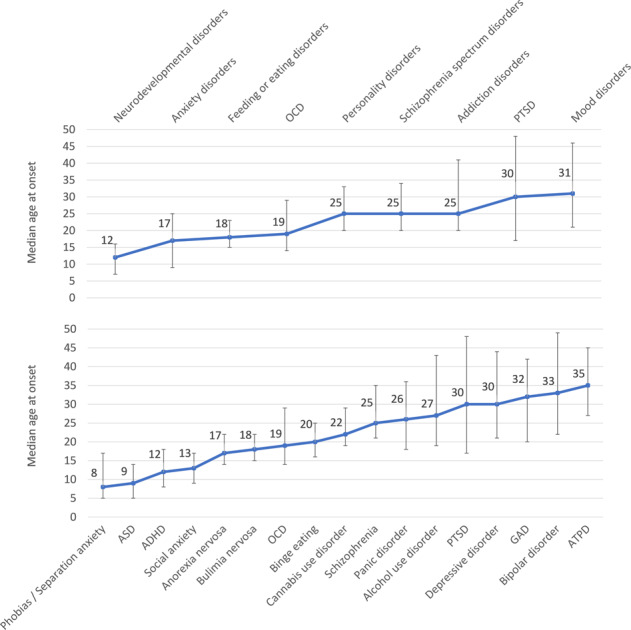
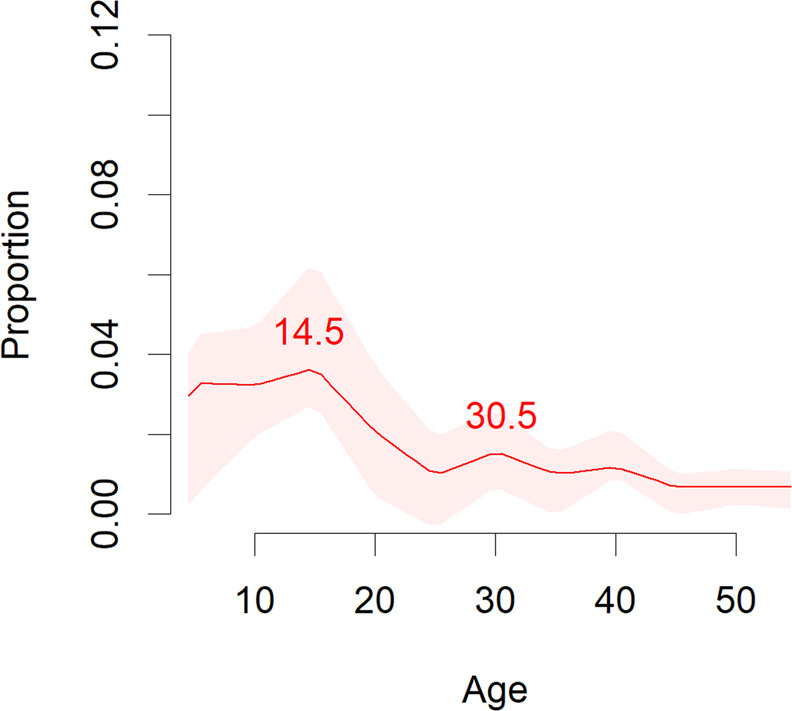
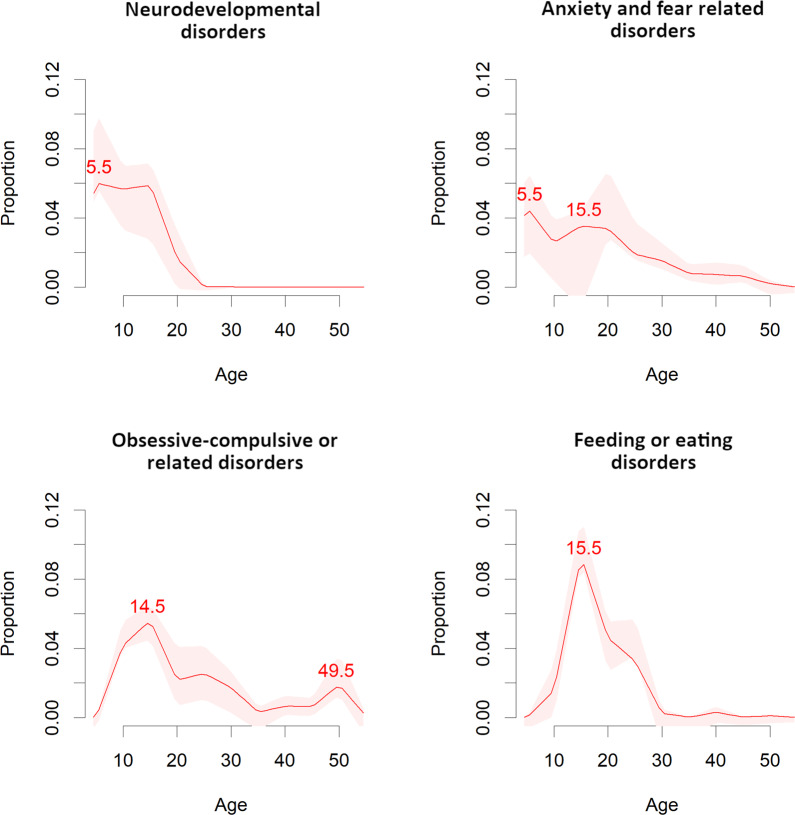
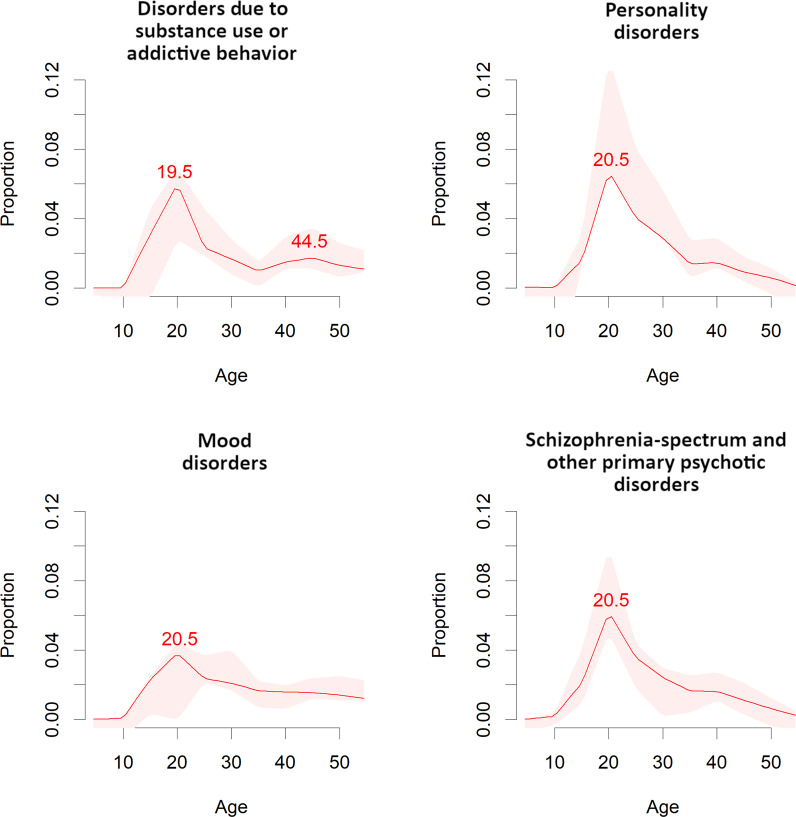
Promotion of good mental health, prevention, and early intervention before/at the onset of mental disorders improve outcomes. However, the range and peak ages at onset for mental disorders are not fully established. To provide robust, global epidemiological estimates of age at onset for mental disorders, we conducted a PRISMA/MOOSE-compliant systematic review with meta-analysis of birth cohort/cross-sectional/cohort studies, representative of the general population, reporting age at onset for any ICD/DSM-mental disorders, identified in PubMed/Web of Science (up to 16/05/2020) (PROSPERO:CRD42019143015). Co-primary outcomes were the proportion of individuals with onset of mental disorders before age 14, 18, 25, and peak age at onset, for any mental disorder and across International Classification of Diseases 11 diagnostic blocks. Median age at onset of specific disorders was additionally investigated. Across 192 studies ( n = 708,561) included, the proportion of individuals with onset of any mental disorders before the ages of 14, 18, 25 were 34.6%, 48.4%, 62.5%, and peak age was 14.5 years ( k = 14, median = 18, interquartile range (IQR) = 11–34). For diagnostic blocks, the proportion of individuals with onset of disorder before the age of 14, 18, 25 and peak age were as follows: neurodevelopmental disorders: 61.5%, 83.2%, 95.8%, 5.5 years ( k = 21, median=12, IQR = 7–16), anxiety/fear-related disorders: 38.1%, 51.8%, 73.3%, 5.5 years ( k = 73, median = 17, IQR = 9–25), obsessive-compulsive/related disorders: 24.6%, 45.1%, 64.0%, 14.5 years ( k = 20, median = 19, IQR = 14–29), feeding/eating disorders/problems: 15.8%, 48.1%, 82.4%, 15.5 years ( k = 11, median = 18, IQR = 15–23), conditions specifically associated with stress disorders: 16.9%, 27.6%, 43.1%, 15.5 years ( k = 16, median = 30, IQR = 17–48), substance use disorders/addictive behaviours: 2.9%, 15.2%, 48.8%, 19.5 years ( k = 58, median = 25, IQR = 20–41), schizophrenia-spectrum disorders/primary psychotic states: 3%, 12.3%, 47.8%, 20.5 years ( k = 36, median = 25, IQR = 20–34), personality disorders/related traits: 1.9%, 9.6%, 47.7%, 20.5 years ( k = 6, median = 25, IQR = 20–33), and mood disorders: 2.5%, 11.5%, 34.5%, 20.5 years ( k = 79, median = 31, IQR = 21–46). No significant difference emerged by sex, or definition of age of onset. Median age at onset for specific mental disorders mapped on a time continuum, from phobias/separation anxiety/autism spectrum disorder/attention deficit hyperactivity disorder/social anxiety (8-13 years) to anorexia nervosa/bulimia nervosa/obsessive-compulsive/binge eating/cannabis use disorders (17-22 years), followed by schizophrenia, personality, panic and alcohol use disorders (25-27 years), and finally post-traumatic/depressive/generalized anxiety/bipolar/acute and transient psychotic disorders (30-35 years), with overlap among groups and no significant clustering. These results inform the timing of good mental health promotion/preventive/early intervention, updating the current mental health system structured around a child/adult service schism at age 18.
Overview
The claims and statistics of this paper haven’t been checked yet.
Free: it reads the open-access text and checks the first 5 claims that cite a source we can check. Create a free account to check every claim.
Integrity signals
Registry
Cites
Statistics
Figures
Verification
Claims the paper makes
The claims and statistics of this paper haven’t been checked yet.
Free: it reads the open-access text and checks the first 5 claims that cite a source we can check. Create a free account to check every claim.
Claims other papers make about this one
Each is checked against this paper’s own text: does it say what the citing paper says it does?
The cited source doesn’t support the claim as written.
In the citing paper
“all major syndromes constituting approximately 75% of mental disorders begin before the age of 25 years [9, 10]”
From Towards a youth mental health paradigm: a perspective and roadmap (2023) · cites this paper as [9]
Checked by a reasoning model — may be wrong.
Experimental — accuracy not yet measuredThe source backs part of the claim, not all of it — or backs it for a different population, condition or comparison.
In the citing paper
“Most mental disorders have a typical onset between 12 and 25 years of age, highlighting the importance of this period for the pathogenesis, diagnosis, and treatment of mental ill-health.”
From Towards a youth mental health paradigm: a perspective and roadmap (2023) · cites this paper as [9]
Experimental — accuracy not yet measuredThe source backs part of the claim, not all of it — or backs it for a different population, condition or comparison.
In the citing paper
“the peak incidence of mental disorders during youth [9, 10]”
From Towards a youth mental health paradigm: a perspective and roadmap (2023) · cites this paper as [9]
Experimental — accuracy not yet measuredThe source backs part of the claim, not all of it — or backs it for a different population, condition or comparison.
In the citing paper
“the large unmet need in young people that has recently dramatically accelerated [9]”
From Towards a youth mental health paradigm: a perspective and roadmap (2023) · cites this paper as [9]
Experimental — accuracy not yet measuredThe source backs part of the claim, not all of it — or backs it for a different population, condition or comparison.
In the citing paper
“Relative to adolescents and adults, emerging adults experience the highest incidence and prevalence of substance use disorders (SUDs) and comorbid mental health disorders (2-4).”
From Initial insights from a quality improvement initiative to develop an evidence-informed young adult substance use program (2022) · cites this paper as [4]
Experimental — accuracy not yet measured
14 more claims about this paper
Create a free account to see every claim other papers make about this one.
Self-check
Percentages, sums and reported differences re-computed from the paper’s own numbers.
The self-check needs the paper’s full text.
Citations
Cites
Preferred Reporting Items for Systematic Reviews and Meta-Analyses: the PRISMA statement
Moher, D., Liberati, A., Tetzlaff, J., Altman, D. G., & for the PRISMA Group (2009) · BMJ · doi:10.1136/bmj.b2535 · Cited by 83,823
Preferred Reporting Items for Systematic Reviews and Meta-Analyses: The PRISMA Statement
Moher, D., Liberati, A., Tetzlaff, J., Altman, D. G., & The PRISMA Group (2009) · PLoS Medicine · doi:10.1371/journal.pmed.1000097 · Cited by 64,042 · cited 1×
“We performed a systematic review adhering to the preferred reporting items for systematic reviews and meta-analyses (PRISMA) recommendations [31] (e-Table 1) and the meta-analysis of observational studies in epidemiology (MOOSE) guidelines (e-Table 2) [32].”
MethodPreferred reporting items for systematic reviews and meta-analyses: the PRISMA Statement.
(2009) · PubMed Central · Cited by 44,859
Preferred reporting items for systematic reviews and meta-analyses: The PRISMA statement
Moher, D., Liberati, A., Tetzlaff, J., Altman, D. G., & the PRISMA Group* (2009) · Annals of Internal Medicine · doi:10.7326/0003-4819-151-4-200908180-00135 · Cited by 37,554
Dermyshi, E., Wang, Y., Yan, C., Hong, W., Qiu, G., Gong, X., & Zhang, T. (2017) · Neonatology · doi:10.1159/000454668 · Cited by 24,451
Meta-analysis of Observational Studies in Epidemiology<SUBTITLE>A Proposal for Reporting</SUBTITLE>
Stroup, D. F. (2000) · JAMA · doi:10.1001/jama.283.15.2008 · Cited by 20,623
Bootstrap Methods and their Application
Davison, A. C., & Hinkley, D. V. (1997) · doi:10.1017/cbo9780511802843 · Cited by 7,350
Bootstrap Methods and Their Application
Loughin, T. M., Davison, A. C., & Hinkley, D. V. (1999) · Journal of the American Statistical Association · doi:10.2307/2669707 · Cited by 5,418
Why do many psychiatric disorders emerge during adolescence?
Paus, T., Keshavan, M., & Giedd, J. N. (2008) · Nature Reviews Neuroscience · doi:10.1038/nrn2513 · Cited by 3,123 · cited 2×
“The meta-epidemiologic results of this work show that mental disorders have onset when dramatic biological changes in the brain occur, from childhood, through adolescence, to adulthood, that involves grey-matter density, cerebral metabolic rate, synaptic density, white matter growth and myelination [41].”
BackgroundWalker, E. R., McGee, R. E., & Druss, B. G. (2015) · JAMA Psychiatry · doi:10.1001/jamapsychiatry.2014.2502 · Cited by 2,976
Research works printed but not linked: 1
- McGorry PD Hartmann JA Spooner R Nelson B Beyond the "at risk mental state" concept: transitioning to transdiagnostic psychiatry World Psychiatry 2018 17 133 42 29856558 PMC5980504 · DOI · Paper page
Cited by
Items 701–800 of 1,015
Alpay, E. H., Redican, E., Hyland, P., & Shevlin, M. E. (2023) · Acta Psychologica · doi:10.1016/j.actpsy.2023.103988 · Cited by 15
Personal and family factors for emotional distress in adolescents with chronic disease
Postigo‐Zegarra, S., Schoeps, K., Pérez‐Marín, M., Lacomba‐Trejo, L., & Valero‐Moreno, S. (2024) · Frontiers in Psychology · doi:10.3389/fpsyg.2023.1304683 · Cited by 17
de Filippis, R., Aguglia, A., Costanza, A., Benatti, B., Placenti, V., Vai, E., Bruno, E., Berardis, D. D., Dell’Osso, B. M., Albert, U., et al. (2024) · Journal of Clinical Medicine · doi:10.3390/jcm13051230 · Cited by 22
“…from the existing evidence that the majority of cases initially labeled as ‘comorbid’ BD-OCD may be, in fact, instances of BD, with OC symptoms emerging as epiphenomena of BD during depressive or manic mood episodes [126], although this currently represents more of a hypothesis than evidence.”
BackgroundLageborn, C. T., Zhou, M., Boman, M., Sjölander, A., Larsson, H., D'Onofrio, B. M., Pettersson, E., Lichtenstein, P., & Landén, M. (2024) · Journal of Child Psychology and Psychiatry · doi:10.1111/jcpp.13982 · Cited by 16
Schuurmans, I. K., Dunn, E. C., & Lussier, A. A. (2024) · American Journal of Epidemiology · doi:10.1093/aje/kwae072 · Cited by 16
Connor, J. P., Manthey, J., Hall, W., & Stjepanović, D. (2024) · European Archives of Psychiatry and Clinical Neuroscience · doi:10.1007/s00406-024-01829-5 · Cited by 17
Mental health in the virtual world: Challenges and opportunities in the metaverse era
del Hoyo, Y. L., Elices, M., & García‐Campayo, J. (2024) · World Journal of Clinical Cases · doi:10.12998/wjcc.v12.i17.2939 · Cited by 17
Inequitable access to mental healthcare for socially excluded adolescents
Filia, K., Teo, S. M., Brennan, N., Freeburn, T., Baker, D. G., Browne, V., Ziou, M., Menssink, J. M., Watson, A., Brown, E., et al. (2024) · International Journal of Social Psychiatry · doi:10.1177/00207640241262703 · Cited by 16
Mapping the neurodevelopmental predictors of psychopathology
Jirsaraie, R. J., Gataviņš, M. M., Pines, A. R., Kandala, S., Bijsterbosch, J. D., Marek, S. A., Bogdan, R., Barch, D. M., & Sotiras, A. (2024) · Molecular Psychiatry · doi:10.1038/s41380-024-02682-7 · Cited by 16
Chiang, S., & Bai, S. (2024) · Research on Child and Adolescent Psychopathology · doi:10.1007/s10802-024-01241-6 · Cited by 16
Chang, A. R., Rastogi, R., Woolverton, G. A., Chen, J. A., Stevens, C., Reisner, S. L., & Liu, C. H. (2024) · Psychiatry Research · doi:10.1016/j.psychres.2024.116173 · Cited by 15
Coping with climate anxiety: impacts on functioning in Australian adolescents
Crandon, T., Scott, J. G., Charlson, F., & Thomas, H. J. (2024) · Australian Psychologist · doi:10.1080/00050067.2024.2404987 · Cited by 18
Personality Traits and Mental Health: Considering the Role of Age
Kang, W., & Malvaso, A. (2024) · Psychology International · doi:10.3390/psycholint6040052 · Cited by 14
Ma, Y., Yang, C., Zhang, C., Sun, Y., Yao, X., Liu, X., Li, X., Wang, H., Wang, H., Wang, T., et al. (2024) · Molecular Psychiatry · doi:10.1038/s41380-024-02845-6 · Cited by 16
“The fi rst episodes of several psychiatric disorders often occur in adolescence, and this phenomenon is associated with various genetic and environmental risk factors [1, 2].”
Morales-Sanhueza, J., & Parra, G. M.-M. (2024) · Psychiatry International · doi:10.3390/psychiatryint5040065 · Cited by 17
Trompeter, N., Duffy, F., Peebles, I., Wadhera, E., Chambers, K., Sharpe, H., Maloney, E., Nicholls, D., Schmidt, U. H., Serpell, L., et al. (2025) · BMJ Public Health · doi:10.1136/bmjph-2023-000862 · Cited by 16
An Argument for More High‐Quality Research Focused on Mental Health in the Post‐Secondary Context
Byrom, N., Pointon‐Haas, J., Upsher, R. J., Iorfino, F., McKenna, S., McCann, E., Priestley, M. J., Slack, H. R., & Cleverley, K. (2025) · Early Intervention in Psychiatry · doi:10.1111/eip.70002 · Cited by 15
Exploring Youth Perspectives on Digital Mental Health Platforms: Qualitative Descriptive Study
Daniel, S., Volcko, L., Bassi, E. M., Hews‐Girard, J., Bright, K. S., Barker, M., Norman, L., Pintson, K., Henry, G., Soufi, S., et al. (2025) · JMIR Human Factors · doi:10.2196/69907 · Cited by 16
Gender differences in mental health among late adolescents: A cross-lagged panel network analysis
Zhu, K., & Xue, S. (2025) · Journal of Affective Disorders · doi:10.1016/j.jad.2025.119595 · Cited by 16
Robustly measuring multimorbidity using disparate linked datasets
Prigge, R., Fleetwood, K., Jackson, C., Mercer, S. W., Kelly, P. A., Sudlow, C. L. M., Norrie, J. D., Morales, D. R., Smıth, D. J., & Guthrie, B. (2025) · Communications Medicine · doi:10.1038/s43856-025-00995-4 · Cited by 18
“Fourth, hospital and cancer registry data are constrained to an 8-year look-back to ensure consistency across these data sources and countries, but may therefore underestimate hospital recording of conditions which are incident earlier in adulthood (e.g. severe mental health conditions) 26 .”
Wahdi, A. E., Astrini, Y. P., Setyawan, A., Fine, S. L., Ramaiya, A., Li, M., Wado, Y. D., Loi, V. M., Maravilla, J. C., Scott, J. G., et al. (2025) · Child and Adolescent Psychiatry and Mental Health · doi:10.1186/s13034-025-00924-2 · Cited by 21
Lian, Y., Liu, S.-H., Zhang, D., Qiao, D., Zhang, Z.-Z., Mi, G., Liu, Z., & Wu, X.-C. (2025) · Journal of Eating Disorders · doi:10.1186/s40337-025-01325-8 · Cited by 11
“College students are particularly vulnerable to EDs and subclinical EDs [7, 8].”
Dynamic neuro-immune regulation of psychiatric risk loci in human neurons
Townsley, K. G., Lee, S. H., Williams, S., Cartwright, S., Cohen, S., Sen, A., Jia, M., Young, H. E., Dobbyn, L., Deans, M., et al. (2026) · Nature Communications · doi:10.1038/s41467-026-77114-x · Cited by 18
Zettl, M., Akın, Z., Back, S. N., Taubner, S., Goth, K., Zehetmair, C., Nikendei, C., & Bertsch, K. (2022) · Frontiers in Psychiatry · doi:10.3389/fpsyt.2021.798152 · Cited by 17
Davies, J., Dinyarian, C., Wheeler, A. L., Dale, C., & Cleverley, K. (2022) · Journal of Head Trauma Rehabilitation · doi:10.1097/htr.0000000000000780 · Cited by 16
Latham, R. M., Arseneault, L., Alexandrescu, B., Baldoza, S. M., Carter, A., Moffitt, T. E., Newbury, J. B., & Fisher, H. L. (2022) · Social Psychiatry and Psychiatric Epidemiology · doi:10.1007/s00127-022-02343-6 · Cited by 15
“At the same time, adolescence and the transition to adulthood is a high-risk period for the onset of a variety of common psychiatric disorders [4, 5] that for many will signal the start of recurrent mental illness throughout adulthood [6].”
BackgroundPfeiffer, S., Kircher, A., Schlatt, L., & In‐Albon, T. (2022) · Die Psychotherapie · doi:10.1007/s00278-022-00624-8 · Cited by 14
Chang, S. E., Lenartowicz, A., Hellemann, G. S., Uddin, L. Q., & Bearden, C. E. (2022) · Biological Psychiatry Global Open Science · doi:10.1016/j.bpsgos.2022.11.003 · Cited by 17
“Because the ABCD Study will continue to collect data prospectively on participants through late adolescence, future work could examine IIV as a predictor of altered trajectories of cognitive development and mental health outcomes (8).”
BackgroundJENKINS, J. H., Sánchez, G., Miller, E. A., Allande, N. I. S., Urano, G., & Pryor, A. J. (2022) · International Journal of Social Psychiatry · doi:10.1177/00207640221140282 · Cited by 16
“Second, current reports of the age of onset of mental disorder range from over one-third of cases before age 14 (Solmi et al., 2022) to approximately half of all cases by age 14 (Revet & Kennedy, 2022).”
BackgroundSanto, T., Gisev, N., Campbell, G., Nelson, E. C., & Degenhardt, L. J. (2022) · Drug and Alcohol Dependence · doi:10.1016/j.drugalcdep.2022.109734 · Cited by 16
Phoa, P. K. A., Razak, A. A., Kuay, H. S., Ghazali, A. K., Rahman, A. A., Husain, M., Bakar, R. S., & Gani, F. A. (2023) · International Journal of Environmental Research and Public Health · doi:10.3390/ijerph20010825 · Cited by 19
Australian Youth Resilience and Help-Seeking during COVID-19: A Cross-Sectional Study
Grové, C., Marinucci, A., & Montagni, I. (2023) · Behavioral Sciences · doi:10.3390/bs13020121 · Cited by 14
“Mental illness affects young people [1], and the rate of poor mental health is constantly increasing worldwide [2,3].”
BackgroundFekih‐Romdhane, F., Malaeb, D. N., Loch, A. A., Farah, N., Stambouli, M., Cheour, M., Obeïd, S., & Hallit, S. R. (2023) · International Journal of Mental Health and Addiction · doi:10.1007/s11469-023-01028-8 · Cited by 16
“Adolescence and young adulthood is a period of proneness to smartphone addiction (Tossell et al., 2015), as well as emergence of a broad range of psychopathology, including SI and psychosis (Solmi et al., 2022).”
Watch out! A path from anxiety to anorexia nervosa through biased attention?
Radix, A. K., Sfärlea, A., Rinck, M., Becker, E. S., Platt, B., Schulte‐Körne, G., & Legenbauer, T. (2023) · European Eating Disorders Review · doi:10.1002/erv.2994 · Cited by 15
Electronic health records identify timely trends in childhood mental health conditions
Elia, J., PAJER, K. A., Prasad, R., Pumariega, A. J., Maltenfort, M., Utidjian, L., Shenkman, E. A., Kelleher, K. J., Rao, S., Margolis, P. A., et al. (2023) · Child and Adolescent Psychiatry and Mental Health · doi:10.1186/s13034-023-00650-7 · Cited by 18
“As would be expected, higher median ages of onset are reported for any disorder (18 years; IQR 11–34) and across all disorders, in a meta-analysis of worldwide epidemiological studies across the lifespan [51].”
BackgroundBailey, S., Newton, N. C., Perry, Y., Lin, A. P., Grummitt, L. R., & Barrett, E. L. (2023) · Australian & New Zealand Journal of Psychiatry · doi:10.1177/00048674231202427 · Cited by 18
Ringwald, W. R., Kaurin, A., Lawson, K. M., Wright, A. G. C., & Robins, R. W. (2024) · Journal of Personality and Social Psychology · doi:10.1037/pspp0000487 · Cited by 21
Kraft, D., Alnæs, D., & Kaufmann, T. (2023) · Nature Communications · doi:10.1038/s41467-023-41839-w · Cited by 16
Vivas-Fernández, M., López, L. J. G., Piqueras, J. A., Fernández, L. E., Muela-Martínez, J. A., Jiménez-Vázquez, D., Díaz-Castela, M. D. M., & Ehrenreich, J. T. (2023) · Child Psychiatry & Human Development · doi:10.1007/s10578-023-01638-2 · Cited by 18
Understanding the Dynamics of the Developing Adolescent Brain Through Team Science
Zanolie, K., Ma, I., Bos, M. G. N., Schreuders, E., Vandenbroucke, A. R. E., van Hoorn, J., van Duijvenvoorde, A. C. K., Wierenga, L. M., Crone, E. A., & Güroğlu, B. (2022) · Frontiers in Integrative Neuroscience · doi:10.3389/fnint.2022.827097 · Cited by 16
Burley, J., & McAloon, J. (2024) · Journal of Contextual Behavioral Science · doi:10.1016/j.jcbs.2023.11.003 · Cited by 13
Use of Social Media, Satisfaction with Body Image, and the Risk of Manifesting Eating Disorders
Arjona, Á., Monserrat, M., & Checa, J. C. (2024) · Social Sciences · doi:10.3390/socsci13020105 · Cited by 13
“First, they are higher than those shown in other prevalence studies with respect to the age group (Salas 2017; Solmi et al. 2022; Véliz et al. 2019).”
Role of inflammation in short sleep duration across childhood and psychosis in young adulthood
Morales-Muñoz, I., Marwaha, S., Upthegrove, R., & Cropley, V. (2024) · JAMA Psychiatry · doi:10.1001/jamapsychiatry.2024.0796 · Cited by 13
Müller, V., Mellor, D., & Pikó, B. F. (2024) · Learning Disabilities Research & Practice · doi:10.1177/09388982241271511 · Cited by 13
Liao, P., Vajdic, C. M., Reppermund, S., Cvejic, R. C., Watkins, T. R., Srasuebkul, P., & Trollor, J. N. (2022) · PLoS ONE · doi:10.1371/journal.pone.0272439 · Cited by 13
“depression and anxiety) are more likely to be diagnosed during young adulthood [35].”
BackgroundPredictors of illicit substance abuse/dependence during young adulthood: A machine learning approach
Rakovski, C., Ballester, P. L., Montezano, B. B., Souza, L. D. D. M., Jansen, K., da Silva, R. A., Mondin, T. C., Moreira, F. P., Boni, R. B. D., Frey, B. N., et al. (2022) · Journal of Psychiatric Research · doi:10.1016/j.jpsychires.2022.11.030 · Cited by 14
Herbert, C. (2023) · Current Psychology · doi:10.1007/s12144-022-04121-8 · Cited by 14
“…of mental disorders is concerned, MDD is among the most frequent mental health conditions worldwide with an ever increasing earlier onset during the lifespan; first episodes of mood disorders are expected to appear at the age of 20.5 years (e.g., Solmi et al., 2022; Polanczyk et al., 2015).”
BackgroundInfluentialIshimaru, D., Adachi, H., Mizumoto, T., Erdélyi, V., Nagahara, H., Shirai, S., Takemura, H., Takemura, N., Alizadeh, M., Teruo Higashino, Y., et al. (2023) · Frontiers in Psychiatry · doi:10.3389/fpsyt.2023.1184156 · Cited by 13
New cut-off points of PHQ-9 and its variants, in Costa Rica: a nationwide observational study
González-Sánchez, A., Moreno, R. O., Barahona, G. V., Vargas, E. C., Arias‐LeClaire, H., & Vicente‐Galindo, P. (2023) · Scientific Reports · doi:10.1038/s41598-023-41560-0 · Cited by 13
Young Adults with Type 1 Diabetes
Mathias, P., Corathers, S. D., Carreon, S. A., Hilliard, M. E., Papadakis, J. L., Weissberg-Benchell, J. A., Raymond, J. K., Pyatak, E. A., & Agarwal, S. (2023) · Endocrinology and Metabolism Clinics of North America · doi:10.1016/j.ecl.2023.09.001 · Cited by 13
Liebrand, M., Katsarakis, A., Josi, J., Diezig, S., Michel, C., Schultze‐Lutter, F., Rochas, V., Mancini, V., Kaess, M., Hubl, D., et al. (2023) · Schizophrenia Research · doi:10.1016/j.schres.2023.11.014 · Cited by 16
“As introduced above, psychotic disorders emerge early in life, with a substantial proportion of patients being affected before reaching adult-hood (Solmi et al., 2021).”
BackgroundInfluentialLived experiences: Growing up with a seriously mentally ill parent
Shestiperov, A., Grinstein‐Cohen, O., Lindell, D. F., Irani, E., & Kagan, I. (2024) · Journal of Nursing Scholarship · doi:10.1111/jnu.12955 · Cited by 13
Zainal, N. H., Soh, C. P., & Doren, N. V. (2024) · Journal of Affective Disorders · doi:10.1016/j.jad.2024.04.068 · Cited by 14
Causier, C., Johns, L., Radež, J., Hassan, H., Maughan, D. L., & Waite, F. (2024) · Journal of Cross-Cultural Psychology · doi:10.1177/00220221241236944 · Cited by 17
“…that 62.5% of all mental health problems, and 75% of severe mental health problems (SMHPs) are diagnosed by the age of 25 (Kim-Cohen et al., 2003; Solmi et al., 2021); this age period is therefore important for identifying and addressing SMHPs. SMHPs, also referred to as severe mental illness…”
BackgroundInfluentialCorrell, C. U., Arango, C., Fagiolini, A. M., Giordano, G. M., Leucht, S., & de Pablo, G. S. (2024) · Neuropsychiatric Disease and Treatment · doi:10.2147/ndt.s459450 · Cited by 10
Self-citationAssociation between depression and incident dementia: Longitudinal findings from the share study
Veronese, N., Smith, L., Koyanagi, A., Soysal, P., Mueller, C., Errera, C. M., Vassallo, G., Vernuccio, L., Catanese, G., Solmi, M., et al. (2024) · International Journal of Geriatric Psychiatry · doi:10.1002/gps.6121 · Cited by 14
Self-citationFudolig, M. I., Bloomfield, L. S. P., Price, M., Bird, Y. M., Hidalgo, J. E., Kim, J. N., Llorin, J., Lovato, J. L., McGinnis, E. W., McGinnis, R. S., et al. (2024) · Digital Biomarkers · doi:10.1159/000539487 · Cited by 17
Self-citationBailey, S., Newton, N. C., Perry, Y., Davies, C., Lin, A. P., Marino, J. L., Skinner, S. R., Bock, S. G., Nguyen, H. T., Mitrou, F., et al. (2024) · Social Psychiatry and Psychiatric Epidemiology · doi:10.1007/s00127-024-02714-1 · Cited by 13
The prevalence, characteristics, and psychological wellbeing of unpaid carers in the United Kingdom
Redican, E., Meade, R., Harrison, C., McBride, O., Butter, S., Murphy, J., & Shevlin, M. E. (2024) · Social Psychiatry and Psychiatric Epidemiology · doi:10.1007/s00127-024-02745-8 · Cited by 13
Interoceptive brain network mechanisms of mindfulness-based training in healthy adolescents
Tymofiyeva, O., Sipes, B. S., Luks, T. L., Hamlat, E. J., Samson, T. E., Hoffmann, T. J., Glidden, D. V., Jakary, A., Li, Y., Ngan, T., et al. (2024) · Frontiers in Psychology · doi:10.3389/fpsyg.2024.1410319 · Cited by 15
Epidemiology of Mental Health Challenges in Children and Adolescents
Farrell, A. H., Szatmári, P., & Vaillancourt, T. (2024) · Pediatric Clinics of North America · doi:10.1016/j.pcl.2024.07.009 · Cited by 15
Cruciani, G., Fontana, A., Benzi, I. M. A., Sideli, L., Parolin, L. A. L., Muzi, L., & Carone, N. (2024) · European Journal of Investigation in Health Psychology and Education · doi:10.3390/ejihpe14090167 · Cited by 14
“Notably, the late teens and 20s are the typical period of onset for several mental disorders, including eating, personality, and psychotic disorders [14].”
BackgroundInfluentialOwn depression, partner's depression, and childlessness: A nationwide register-based study
Kailaheimo-Lönnqvist, S., Moustgaard, H., Martikainen, P., & Myrskylä, M. (2024) · Social Science & Medicine · doi:10.1016/j.socscimed.2024.117356 · Cited by 17
Bromley, K., Sacks, D. D., Boyes, A., Driver, C., & Hermens, D. F. (2024) · Frontiers in Psychiatry · doi:10.3389/fpsyt.2024.1413268 · Cited by 13
Steare, T., Evans-Lacko, S. E., Araya, M., Cueto, S., Dang, H.-A. H., Revathi, E., Garman, E., Lewis, G., Rose‐Clarke, K., & Patalay, P. (2024) · The Lancet Psychiatry · doi:10.1016/s2215-0366(24)00255-4 · Cited by 14
Policy implications of the 2020–22 Australian study of mental health and wellbeing
Teesson, M., Whiteford, H., Bower, M., Smout, S., Burgess, P. M., Harris, M., Pirkis, J., Diminic, S., Baillie, A., Slade, T. N., et al. (2024) · Australian & New Zealand Journal of Psychiatry · doi:10.1177/00048674241292961 · Cited by 15
Anhedonia in Youth and the Role of Internet-Related Behavior: A Systematic Review
Cangelosi, G., Biondini, F., Sguanci, M. E., Nguyen, C. T. T., Ferrara, G., Diamanti, O., Palomares, S. M., Mancin, S., & Petrelli, F. (2024) · Psychiatry International · doi:10.3390/psychiatryint6010001 · Cited by 15
Luttinen, J., Watroba, A., Niemelä, M., Miettunen, J., & Ruotsalainen, H. (2025) · Journal of Affective Disorders · doi:10.1016/j.jad.2025.02.002 · Cited by 13
Muscularity Concerns and Disordered Eating Symptoms in Adult Women: A Network Analysis
Jürgensen, V., Halbeisen, G., Lehe, M. S., & Paslakis, G. (2025) · European eating disorders review · doi:10.1002/erv.3192 · Cited by 13
“Given their severe consequences and low onset age (Solmi et al. 2022), it is essential to deepen our understanding of disordered eating presentation and to enhance early ED detection and people's access to care.”
Pellegrini, L., Giobelli, S., Burato, S., Salvo, G. D., Maina, G., & Albert, U. (2025) · Journal of Affective Disorders · doi:10.1016/j.jad.2025.03.090 · Cited by 16
Maddox, R., Berry, K., & Wan, M. W. (2025) · Current Psychology · doi:10.1007/s12144-025-07727-w · Cited by 17
Remskar, M., Ainsworth, B., Maynard, O., Malkowski, O. S., Birch, A., Burd, A., Caretu, T.-C., Assaad, L. E., Christodoulou-Tsiaoukkas, A., Menon, A., et al. (2025) · Mental health and physical activity · doi:10.1016/j.mhpa.2025.100680 · Cited by 13
Çil, M. A., Carikci, S., Pourdeh, E. F., & Jahrami, H. (2025) · Eating and Weight Disorders - Studies on Anorexia Bulimia and Obesity · doi:10.1007/s40519-025-01774-9 · Cited by 14
Neurotrophins in Neurodevelopmental Disorders: A Narrative Review of the Literature
Panvino, F., Paparella, R., Tarani, F., Lombardi, C., Ferraguti, G., Pisani, F., Fiore, M., Pancheva, R., Ardizzone, I., & Tarani, L. (2025) · International Journal of Molecular Sciences · doi:10.3390/ijms26178335 · Cited by 17
“NDDs typically manifest during early childhood and can persist throughout life with a steady course [1,3].”
Promoting Mental Health Literacy of 13–16-Year-Old Students: A Systematic Review
Asplund, A., Kummel, M., Laaksonen, C., Erjavec, K., Sakellari, Ε., Santala, E., & Korhonen, J. (2025) · International Journal of Environmental Research and Public Health · doi:10.3390/ijerph22101578 · Cited by 15
“According to a recent meta-analysis, a significant proportion, approximately one-third, of mental health disorder symptoms appear before the age of 14 [6].”
Correll, C. U., Fusar‐Poli, P., Leucht, S., Karow, A., Marić, N. P., Moreno, C., Nordentoft, M., & Raballo, A. (2022) · Neuropsychiatric Disease and Treatment · doi:10.2147/ndt.s345066 · Cited by 14
Self-citationPost-acute college student satisfaction with telepsychiatry during the COVID-19 pandemic
Michaels, T. I., Singal, S., Marcy, P., Hauser, M., Braider, L., Guinart, D., & Kane, J. M. (2022) · Journal of Psychiatric Research · doi:10.1016/j.jpsychires.2022.03.035 · Cited by 16
Hannerz, H., Burr, H., Nielsen, M. L., Garde, A. H., & Flyvholm, M. (2022) · International Archives of Occupational and Environmental Health · doi:10.1007/s00420-022-01936-7 · Cited by 16
“The case definition included, however, phobic anxiety disorders (ICD-10: F40), which often manifest themselves already in childhood or adolescence (Kessler et al. 2007; Solmi et al. 2022).”
BackgroundHarris-Lane, L. M., Drakes, D. H., Donnan, J. R., Rowe, E. C., Bishop, L. D., & Harris, N. (2022) · Journal of Adolescent Health · doi:10.1016/j.jadohealth.2022.10.008 · Cited by 13
Safiri, S., Noori, M., Nejadghaderi, S. A., Mousavi, S. E., Karamzad, N., Sullman, M. J. M., Pirotta, S., Collins, G. S., Abdollahi, M., & Kolahi, A. (2022) · Journal of Eating Disorders · doi:10.1186/s40337-022-00718-3 · Cited by 16
Robberegt, S. J., Kooiman, B., Albers, C. J., Nauta, M. H., Bockting, C., & Stikkelbroek, Y. A. J. (2022) · BMJ Open · doi:10.1136/bmjopen-2021-058560 · Cited by 13
Jennen, L., Mazereel, V., Vansteelandt, K., Menne‐Lothmann, C., Decoster, J., Derom, C. A., Thiery, E. W., Rutten, B. P. F., Jacobs, N., van Os, J., et al. (2022) · Mental health and physical activity · doi:10.1016/j.mhpa.2022.100499 · Cited by 15
White, S. W., Schall, C. M., Santos, J. D., Maddox, B. B., Hillier, A. J., Klinger, L. G., & Pugliese, C. E. (2023) · Autism in Adulthood · doi:10.1089/aut.2022.0106 · Cited by 16
Reddy, P. V., Talukdar, P. M., Subbanna, M., Bhargav, P. H., Arasappa, R., Venkatasubramanian, G., Muralidharan, K., & Debnath, M. (2023) · Clinical Psychopharmacology and Neuroscience · doi:10.9758/cpn.2023.21.2.313 · Cited by 14
“The patients with MDD in the current study had an age of onset of around 29 years which is in line with other epidemiological studies, where the mean age of onset was reported to be around 30 years [24].”
ResultCharacterising depression trajectories in young people at high familial risk of depression
Weavers, B., Riglin, L., Martin, J., Anney, R., Collishaw, S., Heron, J. E., Thapar, A., Thapar, A., & Rice, F. J. (2023) · Journal of Affective Disorders · doi:10.1016/j.jad.2023.05.063 · Cited by 14
Goulter, N., Cooke, E. M., & Zheng, Y. (2023) · Research on Child and Adolescent Psychopathology · doi:10.1007/s10802-023-01077-6 · Cited by 14
Mazreku, G., Birkhölzer, M., Coşğun, S., Kerber, A., Schmeck, K., & Goth, K. (2023) · Children · doi:10.3390/children10071186 · Cited by 15
“There are no psychiatric disorders that only occur in special developmental phases [6].”
BackgroundLv, Y., Wen, L., Hu, W.-J., Deng, C., Ren, H.-W., Bao, Y.-N., Su, B.-W., Gao, P., Man, Z.-Y., Luo, Y.-Y., et al. (2023) · Metabolic brain disease · doi:10.1007/s11011-023-01271-x · Cited by 12
Frank, B., Arnold, S., Jaite, C., & Correll, C. U. (2023) · Journal of Eating Disorders · doi:10.1186/s40337-023-00862-4 · Cited by 16
“Anorexia nervosa (AN) is a severe mental illness that affects mostly females [1–3], has typically an adolescent-onset [2, 4], and has one of the highest mortality rates among psychiatric diseases [5, 6].”
BackgroundSelf-citationYoon, L., Keenan, K. E., Hipwell, A. E., Forbes, E. E., & Guyer, A. E. (2023) · Developmental Cognitive Neuroscience · doi:10.1016/j.dcn.2023.101320 · Cited by 13
“In turn, such knowledge can inform new specificity for the content of clinical interventions to mitigate rumination-related mental health issues that often emerge among girls during adolescence and young adulthood (Solmi et al., 2021).”
BackgroundSocial support for young people with eating disorders—An integrative review
Ramjan, L. M., Smith, B. W., Miskovic‐Wheatley, J., Pathrose, S. P., & Hay, P. (2024) · International Journal of Mental Health Nursing · doi:10.1111/inm.13363 · Cited by 15
Anderson, K. K., Le, B., & Edwards, J. (2022) · Schizophrenia Bulletin · doi:10.1093/schbul/sbac021 · Cited by 15
Denissoff, A., Mustonen, A., Alakokkare, A., Scott, J. G., Sami, M. B., Miettunen, J., & Niemelä, S. (2022) · Addiction · doi:10.1111/add.15881 · Cited by 13
“Bipolar disorder is a severe mental disorder which frequently first presents in early adulthood [1], and is associated with significant morbidity [2] and reduced life expectancy [3].”
BackgroundMajuri, T., Alakokkare, A., Haapea, M., Nordström, T., Miettunen, J., Jääskeläinen, E., & Ala‐Mursula, L. (2022) · Social Psychiatry and Psychiatric Epidemiology · doi:10.1007/s00127-022-02327-6 · Cited by 13
“Compared to SZ, age at onset of OP is generally higher [27], as in our sample.”
Novel approaches for the prevention of emotional problems in young people
López, L. J. G. (2023) · Journal of Anxiety Disorders · doi:10.1016/j.janxdis.2023.102797 · Cited by 13
Ishay, G. H., Zisman‐Ilani, Y., & Roe, D. (2023) · Early Intervention in Psychiatry · doi:10.1111/eip.13347 · Cited by 12
“…and young adults aged 12–25 years (hereafter referred to as ‘youth’) often are vulnerable to developing psychiatric symptoms (Patel et al., 2018; Solmi et al., 2021) associated with psychological distress, poor social functioning (de Girolamo et al., 2012; Hamilton et al., 2011) and mental…”
BackgroundParsons, C. E., & Young, K. S. (2022) · Sleep Health · doi:10.1016/j.sleh.2022.05.008 · Cited by 14
Impacto de la COVID-19 en la salud mental en el Perú
Feijoo, J. F. R. (2023) · Revista Iberoamericana de Bioética · doi:10.14422/rib.i21.y2023.004 · Cited by 12
Funk, J., Kopf‐Beck, J., Watkins, E. R., & Ehring, T. W. (2023) · Trials · doi:10.1186/s13063-023-07295-z · Cited by 16
Stress and Coping Mechanism among Students Residing in Private School Hostels
Shrestha, R., Timalsina, S., Shakya, R., Shrestha, N., Kotera, Y., Hashemy, T., & Ozaki, A. (2023) · Mental Illness · doi:10.1155/2023/6535583 · Cited by 15
Metadata
- Authors
- Solmi, M., Radua, J., Olivola, M., Croce, E., Soardo, L., Salazar de Pablo, G., Il Shin, J., Kirkbride, J. B., Jones, P., Kim, J. H., Kim, J. Y., Carvalho, A. F., Seeman, M. V., Correll, C. U., & Fusar-Poli, P.
- Affiliations
- University of Padua (IT)
- King's College London (GB)
- University of Ferrara (IT)
- University of Pavia (IT)
- University College London (GB)
- National Health Service (GB)
- Yonsei University (KR)
- University of Toronto (CA)
- Feinstein Institute for Medical Research (US)
- ORCID
- Venue
- Molecular Psychiatry
- Published
- 2021-06-02
- Volume
- 27
- Issue
- 1
- Pages
- 281-295
- ISSN
- 1359-4184 (ISSN-L)
- 1476-5578
- PMC
- PMC8960395
- OpenAlex
- W3164324796
- Cited by
- 3,835
- References
- 67
- Citations by year
- 2026: 925 · 2025: 1030 · 2024: 865 · 2023: 638 · 2022: 325 · 2021: 48
- FWCI
- 73.42
- Type
- journal article
- Language
- en
- Open access
- hybrid
- doi.org
- Licence
- cc-by
- creativecommons.org/licenses/by/4.0 (tdm)
- creativecommons.org/licenses/by/4.0 (vor)
- Locations
- Molecular Psychiatry (publishedVersion, cc-by)
- PubMed Central (publishedVersion, cc-by)
- PubMed (publishedVersion)
- UCL Discovery (University College London) (submittedVersion)
- Research Portal (King's College London) (submittedVersion, other-oa)
- Apollo (University of Cambridge) (submittedVersion)
- Apollo (University of Cambridge) (submittedVersion, cc-by)
- Apollo
- Deakin Research Online (Deakin University) (cc-by)
- Funders
- Fundación Alicia Koplowitz (PI19/00394)
- Wellcome Trust
- National Institute for Health and Care Research
- University College London
- European Commission (CPII19/00009)
- Instituto de Salud Carlos III ((CPII19/00009), PI19/00394)
- European Regional Development Fund (PI19/00394, CPII19/00009)
- European Social Fund (CPII19/00009, PI19/00394)
- Topics
- Health Sciences › Medicine › Psychiatry and Mental health › Mental Health Treatment and Access
- Social Sciences › Psychology › Clinical Psychology › Child and Adolescent Psychosocial and Emotional Development
- Health Sciences › Medicine › Psychiatry and Mental health › Schizophrenia research and treatment
- Keywords
- age of onset, mental illness, child psychopathology, adolescent mental disorders, neurodevelopmental disorders, anxiety disorders, obsessive-compulsive disorder, eating disorders, substance use disorders, mood disorders, psychosis, bipolar disorder, depression, schizophrenia spectrum disorders, psychosis spectrum disorders, early intervention, mental health promotion, global prevalence estimates
- MeSH terms
- Autism Spectrum Disorder, Alcoholism, Mental Disorders, Cross-Sectional Studies, Humans, Obsessive-Compulsive Disorder, Comorbidity, Prevalence, Age of Onset
About these checks
Registry, retraction, Cites and statistics results are computed, not judged, with one exception: a printed reference that no index lists is read once by a model before it counts as a citation error. Claims are extracted by a model and kept only when their quote appears verbatim in the text; each cited source is then checked, with a model’s help, for whether it says what the claim relies on. Those verdicts can be wrong — read the claim’s quote and the cited source before relying on one.
Statistics and arithmetic are recomputed, not judged.
Confidence bands are shown only for fields calibrated on our annotated test set. None is calibrated yet, so no band is shown.
What counts as a claim ›How we measure confidence ›How we check this ›
Are you an author, or do you see a problem with this page? Request a review
Data sources
Bibliographic data: Semantic Scholar, OpenAlex, Crossref.
Contains information from the Semantic Scholar Academic Graph Datasets, made available under the ODC Attribution License (ODC-BY 1.0).
Semantic Scholar’s data is described in: Kinney, R., et al. (2023). The Semantic Scholar Open Data Platform. arXiv:2301.10140.
