

Age at onset of mental disorders worldwide: large-scale meta-analysis of 192 epidemiological studies
Open accessThe DOI matches its Crossref record; 67 of the 67 references it cites were found in a registry or an index.
Abstract
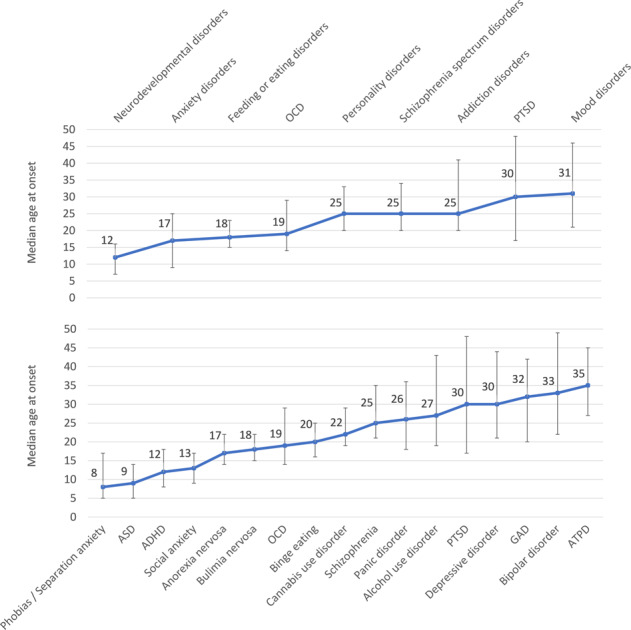
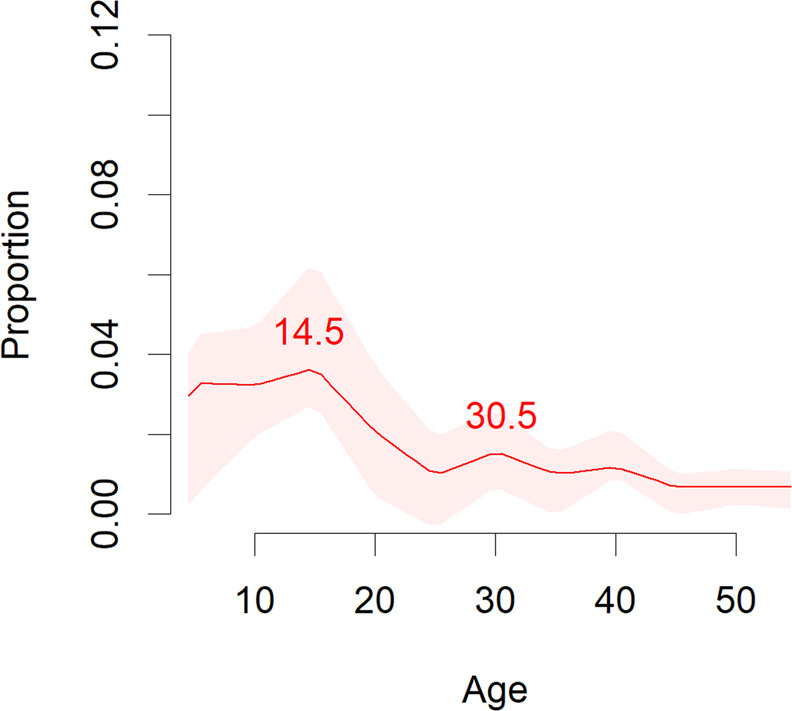
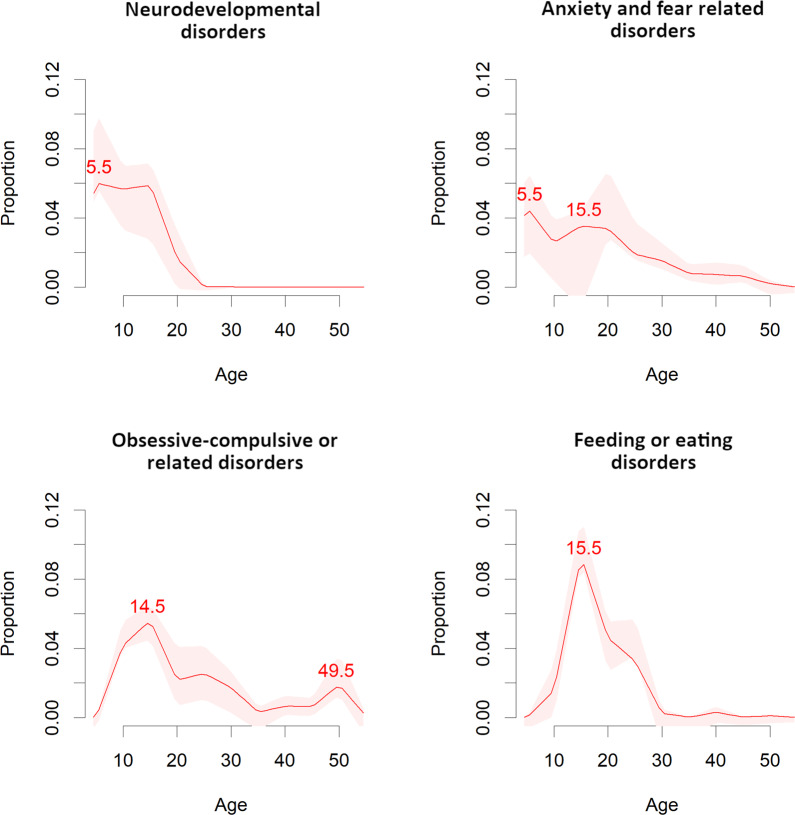
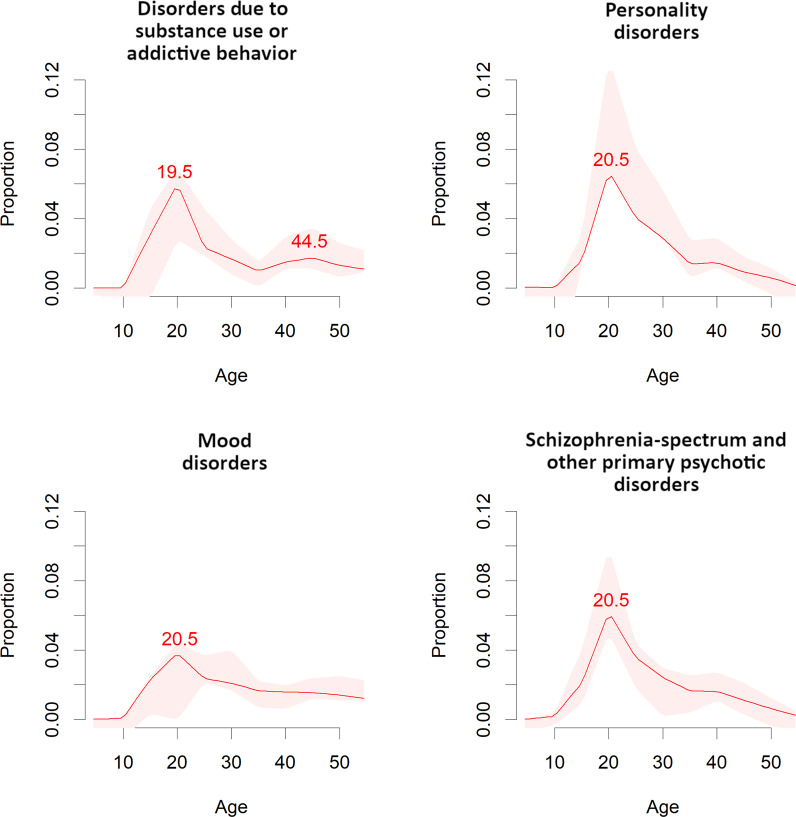
Promotion of good mental health, prevention, and early intervention before/at the onset of mental disorders improve outcomes. However, the range and peak ages at onset for mental disorders are not fully established. To provide robust, global epidemiological estimates of age at onset for mental disorders, we conducted a PRISMA/MOOSE-compliant systematic review with meta-analysis of birth cohort/cross-sectional/cohort studies, representative of the general population, reporting age at onset for any ICD/DSM-mental disorders, identified in PubMed/Web of Science (up to 16/05/2020) (PROSPERO:CRD42019143015). Co-primary outcomes were the proportion of individuals with onset of mental disorders before age 14, 18, 25, and peak age at onset, for any mental disorder and across International Classification of Diseases 11 diagnostic blocks. Median age at onset of specific disorders was additionally investigated. Across 192 studies ( n = 708,561) included, the proportion of individuals with onset of any mental disorders before the ages of 14, 18, 25 were 34.6%, 48.4%, 62.5%, and peak age was 14.5 years ( k = 14, median = 18, interquartile range (IQR) = 11–34). For diagnostic blocks, the proportion of individuals with onset of disorder before the age of 14, 18, 25 and peak age were as follows: neurodevelopmental disorders: 61.5%, 83.2%, 95.8%, 5.5 years ( k = 21, median=12, IQR = 7–16), anxiety/fear-related disorders: 38.1%, 51.8%, 73.3%, 5.5 years ( k = 73, median = 17, IQR = 9–25), obsessive-compulsive/related disorders: 24.6%, 45.1%, 64.0%, 14.5 years ( k = 20, median = 19, IQR = 14–29), feeding/eating disorders/problems: 15.8%, 48.1%, 82.4%, 15.5 years ( k = 11, median = 18, IQR = 15–23), conditions specifically associated with stress disorders: 16.9%, 27.6%, 43.1%, 15.5 years ( k = 16, median = 30, IQR = 17–48), substance use disorders/addictive behaviours: 2.9%, 15.2%, 48.8%, 19.5 years ( k = 58, median = 25, IQR = 20–41), schizophrenia-spectrum disorders/primary psychotic states: 3%, 12.3%, 47.8%, 20.5 years ( k = 36, median = 25, IQR = 20–34), personality disorders/related traits: 1.9%, 9.6%, 47.7%, 20.5 years ( k = 6, median = 25, IQR = 20–33), and mood disorders: 2.5%, 11.5%, 34.5%, 20.5 years ( k = 79, median = 31, IQR = 21–46). No significant difference emerged by sex, or definition of age of onset. Median age at onset for specific mental disorders mapped on a time continuum, from phobias/separation anxiety/autism spectrum disorder/attention deficit hyperactivity disorder/social anxiety (8-13 years) to anorexia nervosa/bulimia nervosa/obsessive-compulsive/binge eating/cannabis use disorders (17-22 years), followed by schizophrenia, personality, panic and alcohol use disorders (25-27 years), and finally post-traumatic/depressive/generalized anxiety/bipolar/acute and transient psychotic disorders (30-35 years), with overlap among groups and no significant clustering. These results inform the timing of good mental health promotion/preventive/early intervention, updating the current mental health system structured around a child/adult service schism at age 18.
Overview
The claims and statistics of this paper haven’t been checked yet.
Free: it reads the open-access text and checks the first 5 claims that cite a source we can check. Create a free account to check every claim.
Integrity signals
Registry
Cites
Statistics
Figures
Verification
Claims the paper makes
The claims and statistics of this paper haven’t been checked yet.
Free: it reads the open-access text and checks the first 5 claims that cite a source we can check. Create a free account to check every claim.
Claims other papers make about this one
Each is checked against this paper’s own text: does it say what the citing paper says it does?
The cited source doesn’t support the claim as written.
In the citing paper
“all major syndromes constituting approximately 75% of mental disorders begin before the age of 25 years [9, 10]”
From Towards a youth mental health paradigm: a perspective and roadmap (2023) · cites this paper as [9]
Checked by a reasoning model — may be wrong.
Experimental — accuracy not yet measuredThe source backs part of the claim, not all of it — or backs it for a different population, condition or comparison.
In the citing paper
“Most mental disorders have a typical onset between 12 and 25 years of age, highlighting the importance of this period for the pathogenesis, diagnosis, and treatment of mental ill-health.”
From Towards a youth mental health paradigm: a perspective and roadmap (2023) · cites this paper as [9]
Experimental — accuracy not yet measuredThe source backs part of the claim, not all of it — or backs it for a different population, condition or comparison.
In the citing paper
“the peak incidence of mental disorders during youth [9, 10]”
From Towards a youth mental health paradigm: a perspective and roadmap (2023) · cites this paper as [9]
Experimental — accuracy not yet measuredThe source backs part of the claim, not all of it — or backs it for a different population, condition or comparison.
In the citing paper
“the large unmet need in young people that has recently dramatically accelerated [9]”
From Towards a youth mental health paradigm: a perspective and roadmap (2023) · cites this paper as [9]
Experimental — accuracy not yet measuredThe source backs part of the claim, not all of it — or backs it for a different population, condition or comparison.
In the citing paper
“Relative to adolescents and adults, emerging adults experience the highest incidence and prevalence of substance use disorders (SUDs) and comorbid mental health disorders (2-4).”
From Initial insights from a quality improvement initiative to develop an evidence-informed young adult substance use program (2022) · cites this paper as [4]
Experimental — accuracy not yet measured
14 more claims about this paper
Create a free account to see every claim other papers make about this one.
Self-check
Percentages, sums and reported differences re-computed from the paper’s own numbers.
The self-check needs the paper’s full text.
Citations
Cites
Preferred Reporting Items for Systematic Reviews and Meta-Analyses: the PRISMA statement
Moher, D., Liberati, A., Tetzlaff, J., Altman, D. G., & for the PRISMA Group (2009) · BMJ · doi:10.1136/bmj.b2535 · Cited by 83,823
Preferred Reporting Items for Systematic Reviews and Meta-Analyses: The PRISMA Statement
Moher, D., Liberati, A., Tetzlaff, J., Altman, D. G., & The PRISMA Group (2009) · PLoS Medicine · doi:10.1371/journal.pmed.1000097 · Cited by 64,042 · cited 1×
“We performed a systematic review adhering to the preferred reporting items for systematic reviews and meta-analyses (PRISMA) recommendations [31] (e-Table 1) and the meta-analysis of observational studies in epidemiology (MOOSE) guidelines (e-Table 2) [32].”
MethodPreferred reporting items for systematic reviews and meta-analyses: the PRISMA Statement.
(2009) · PubMed Central · Cited by 44,859
Preferred reporting items for systematic reviews and meta-analyses: The PRISMA statement
Moher, D., Liberati, A., Tetzlaff, J., Altman, D. G., & the PRISMA Group* (2009) · Annals of Internal Medicine · doi:10.7326/0003-4819-151-4-200908180-00135 · Cited by 37,554
Dermyshi, E., Wang, Y., Yan, C., Hong, W., Qiu, G., Gong, X., & Zhang, T. (2017) · Neonatology · doi:10.1159/000454668 · Cited by 24,451
Meta-analysis of Observational Studies in Epidemiology<SUBTITLE>A Proposal for Reporting</SUBTITLE>
Stroup, D. F. (2000) · JAMA · doi:10.1001/jama.283.15.2008 · Cited by 20,623
Bootstrap Methods and their Application
Davison, A. C., & Hinkley, D. V. (1997) · doi:10.1017/cbo9780511802843 · Cited by 7,350
Bootstrap Methods and Their Application
Loughin, T. M., Davison, A. C., & Hinkley, D. V. (1999) · Journal of the American Statistical Association · doi:10.2307/2669707 · Cited by 5,418
Why do many psychiatric disorders emerge during adolescence?
Paus, T., Keshavan, M., & Giedd, J. N. (2008) · Nature Reviews Neuroscience · doi:10.1038/nrn2513 · Cited by 3,123 · cited 2×
“The meta-epidemiologic results of this work show that mental disorders have onset when dramatic biological changes in the brain occur, from childhood, through adolescence, to adulthood, that involves grey-matter density, cerebral metabolic rate, synaptic density, white matter growth and myelination [41].”
BackgroundWalker, E. R., McGee, R. E., & Druss, B. G. (2015) · JAMA Psychiatry · doi:10.1001/jamapsychiatry.2014.2502 · Cited by 2,976
Research works printed but not linked: 1
- McGorry PD Hartmann JA Spooner R Nelson B Beyond the "at risk mental state" concept: transitioning to transdiagnostic psychiatry World Psychiatry 2018 17 133 42 29856558 PMC5980504 · DOI · Paper page
Cited by
Items 901–1,000 of 1,015
Sandra, D. A., Segal, Z. V., Majoo, S., Sistanis, A., Burke, M. J., & Inzlicht, M. (2025) · Psychological Medicine · doi:10.1017/s0033291725101979 · Cited by 11
Universal digital mental health interventions for children and youth: a scoping review
Pierdomenico, K. D., Bucsea, O., Leguia, A., Hashemi, H., Lovegrove, A., Cribbie, R. A., & Riddell, R. P. (2025) · Frontiers in Digital Health · doi:10.3389/fdgth.2025.1665975 · Cited by 12
ITAlian Partnership for Psychosis Prevention (ITAPP): improving the mental health of young people
Fusar‐Poli, P., Minichino, A., Brambilla, P., Raballo, A., Bertolino, A., Borgatti, R., Mensi, M. M., Ferro, A., & Galderisi, S. (2021) · European Psychiatry · doi:10.1192/j.eurpsy.2021.2232 · Cited by 13
Self-citationImportin α3 (KPNA3) Deficiency Augments Effortful Reward-Seeking Behavior in Mice
Aomine, Y., Sakurai, K., Macpherson, T., Ozawa, T., Miyamoto, Y., Yoneda, Y., Oka, M., & Hikida, T. (2022) · Frontiers in Neuroscience · doi:10.3389/fnins.2022.905991 · Cited by 15
Thomas, E. C., Read, H., Neumann, N., Zagorac, S., Taylor, C., Kramer, I., Fisher, R. M., & DeAngelis, T. M. (2022) · Early Intervention in Psychiatry · doi:10.1111/eip.13359 · Cited by 11
“The period of emerging adulthood is also one of relatively high risk for the onset of serious mental illnesses, including psychotic disorders (Solmi et al., 2021).”
BackgroundColetro, H. N., Mendonça, R. D. D., Meireles, A. L., Machado-Coelho, G. L. L., & de Menezes, M. C. (2022) · Frontiers in Nutrition · doi:10.3389/fnut.2022.1042425 · Cited by 12
Mapping the implementation and challenges of clinical services for psychosis prevention in England
Estradé, A., Spencer, T. J., Micheli, A. D., Murguia, S., Provenzani, U., McGuire, P. K., & Fusar‐Poli, P. (2023) · Frontiers in Psychiatry · doi:10.3389/fpsyt.2022.945505 · Cited by 11
Self-citationGiannotta, F., Nilsson, K. W., Åslund, C., & Larm, P. (2023) · Mental health and physical activity · doi:10.1016/j.mhpa.2023.100536 · Cited by 11
Roach, A., Sureshkumar, D. S., Elliot, K., Hidalgo-Padilla, L., van Loggerenberg, F., Hounsell, L., Jakaite, Z., Esnal, F., Donaghy, J., Bird, V., et al. (2023) · BMJ Open · doi:10.1136/bmjopen-2023-072093 · Cited by 12
“A protocol for this review was developed a priori and registered on PROSPERO and is available in online supplemental material 2.”
MethodDepression and Substance Use Among Brazilian University Students During the COVID-19 Pandemic
Júnior, E. B. C., Noivo, I. S., Gouvea, T. C. C., Fernandes, M. N. D. F., & Gherardi‐Donato, E. C. D. S. (2023) · Journal of Psychoactive Drugs · doi:10.1080/02791072.2023.2244499 · Cited by 13
“When analyzing its incidence in the population, current studies reveal that mental disorders are more likely to occur in early adulthood (Solmi et al. 2021), something that coincides with the beginning of academic life or before it.”
Wang, N., & Donaldson, C. D. (2023) · Addictive Behaviors · doi:10.1016/j.addbeh.2023.107830 · Cited by 11
Grocott, B. B., Battaglini, A. M., Jopling, E. N., Tracy, A., Rnic, K., Sánchez-López, Á., & LeMoult, J. (2023) · Journal of Adolescence · doi:10.1002/jad.12231 · Cited by 12
“This is especially concerning given that approximately one‐ quarter of individuals with depression first experience symptoms in adolescence (Solmi et al., 2021).”
A Latent Profile Analysis of Lie-Telling to Parents and Friends during Adolescence
Dykstra, V. W., Willoughby, T., & Evans, A. D. (2023) · Journal of Youth and Adolescence · doi:10.1007/s10964-023-01834-2 · Cited by 15
Jing, H., Zhang, C., Yan, H., Li, X., Liang, J., Liang, W., Ou, Y., Wu, W., Guo, H., Deng, W., et al. (2023) · Frontiers in Neuroscience · doi:10.3389/fnins.2023.1243168 · Cited by 11
Yu, B., von Soest, T., & Nes, R. B. (2023) · Research on Child and Adolescent Psychopathology · doi:10.1007/s10802-023-01123-3 · Cited by 11
“…2014; Trotta et al., 2020), including personality and genetic Adolescence constitutes the primary period of risk for the emergence of mental health problems (Hoare et al., 2019), with the onset of more than half of all lifetime cases of mental disorders occurring at this stage (Solmi et al., 2021).”
Raveau, M. P., Goñi, J., Rodríguez, J. F., Paiva-Mack, I., Barriga, F., Hermosilla, M., Fuentes-Bravo, C., & Eyheramendy, S. (2023) · npj Mental Health Research · doi:10.1038/s44184-023-00039-6 · Cited by 14
“Moreover, this scenario has shown the need to rethink and drastically improve public health services for the future 5,6 .”
BackgroundFortea, A., Fortea, L., Gómez-Ramiro, M., Fico, G., Giménez‐Palomo, A., Sagué‐Vilavella, M., Pons-Cabrera, M. T., Vázquez, M., Baldaquí, N., Colomer, L., et al. (2023) · Revista de Psiquiatría y Salud Mental · doi:10.1016/j.sjpmh.2023.09.003 · Cited by 14
Work characteristics and emotional exhaustion among young workers: a latent class analysis
van Veen, M., Schelvis, R. M. C., Hoekstra, T., Bongers, P. M., Boot, C. R. L., & Hengel, K. M. O. (2023) · BMJ Open · doi:10.1136/bmjopen-2023-074386 · Cited by 13
Johnston, C. R., Quarmley, M., Nelson, B. D., Helion, C., Murty, V. P., & Jarcho, J. M. (2023) · Proceedings of the National Academy of Sciences · doi:10.1073/pnas.2308593120 · Cited by 12
“While the incidence of social anxiety symptoms peaks in adolescence (51), persistence in early adulthood is associated with more intractable symptoms and comorbidity with depression (52–54).”
BackgroundCasares, M. Á., Díez-Gómez, A., Pérez‐Albéniz, A., & Fonseca‐Pedrero, E. (2023) · Revista de Psicodidáctica · doi:10.1016/j.psicod.2023.11.002 · Cited by 18
Vidal, C., Simon, K. M., Brooks, C., White, J., & Hinckley, J. D. (2024) · Drug and Alcohol Dependence Reports · doi:10.1016/j.dadr.2023.100216 · Cited by 12
A neuroinflammatory compulsivity model of anorexia nervosa (NICAN)
Brooks, S. J., Dahl, K., Dudley-Jones, R., & Schiöth, H. B. (2024) · Neuroscience & Biobehavioral Reviews · doi:10.1016/j.neubiorev.2024.105580 · Cited by 12
“AN commonly begins during adolescence when individuals are most vulnerable to anxiety disorders (Solmi et al., 2022; Slavich et al., 2020; Xie et al., 2021).”
BackgroundLemmer, D., Moessner, M., Arnaud, N., Baumeister, H., Mutter, A., Klemm, S.-L., König, E., Plener, P. L., Rummel‐Kluge, C., Thomasius, R., et al. (2024) · Journal of Medical Internet Research · doi:10.2196/54478 · Cited by 11
Xiao, Y., Ahmad, S. F., Irshad, M., Guo, H., Mahmoud, H. A., Awwad, E. M., & Khan, Y. (2024) · Humanities and Social Sciences Communications · doi:10.1057/s41599-024-02643-z · Cited by 12
Kuehne, C., Phillips, M. D., Moody, S. C., Bryson, C., Campbell, I. C., Conde, P., Cummins, N., Desrivières, S., Dineley, J., Dobson, R., et al. (2024) · BMC Psychiatry · doi:10.1186/s12888-024-05841-w · Cited by 13
Depressive and Anxious Symptoms in Spanish Adolescents: Normative Data for the PHQ-9 and GAD-7
García, M. D. L. A. C., Díez-Gómez, A., Pérez‐Albéniz, A., Lucas‐Molina, B., & Fonseca‐Pedrero, E. (2024) · Clínica y Salud · doi:10.5093/clysa2024a13 · Cited by 15
Stangeland, H., Aakvaag, H. F., Baumann‐Larsen, M., Wentzel‐Larsen, T., Berg, A. O., Zwart, J., Storheim, K., Dyb, G. A., & Stensland, S. Ø. (2024) · The British Journal of Psychiatry · doi:10.1192/bjp.2024.98 · Cited by 11
Gao, C. X., Telford, N. R., Filia, K., Menssink, J. M., Albrecht, S., McGorry, P. D., Hamilton, M. P., Wang, M., Gan, D., Dwyer, D., et al. (2024) · Epidemiology and Psychiatric Sciences · doi:10.1017/s2045796024000386 · Cited by 12
Sharma, M., Perera, C., Ipince, A., Bakrania, S., Shokraneh, F., Idele, P., Anthony, D. S., & Banati, P. (2022) · Campbell Systematic Reviews · doi:10.1002/cl2.1221 · Cited by 14
“Lastly, most mental health conditions originate early in life, with 50% arising before the age of 14% and 75% by the mid‐20s (Kessler et al., 2010; Solmi et al., 2021).”
BackgroundDetecting and managing non‐suicidal self‐damaging behaviors
Turner, B. J. (2022) · World Psychiatry · doi:10.1002/wps.21022 · Cited by 11
Cheong, W. S., Degeras, D. K., Suliman, K. R., Selvaraju, M., & Subramaniam, K. (2022) · Journal of Public Mental Health · doi:10.1108/jpmh-12-2021-0152 · Cited by 13
Vitamin D and depressive symptoms in an early adolescent cohort
Wang, G., Yuan, M., Chang, J.-J., Li, Y., Blum, R. W., & Su, P. (2022) · Psychological Medicine · doi:10.1017/s0033291722003117 · Cited by 11
Stefana, A., Fusar‐Poli, P., Gnisci, C., Vieta, E., & Youngstrom, E. A. (2022) · International Journal of Environmental Research and Public Health · doi:10.3390/ijerph192215403 · Cited by 12
Self-citationMattoni, M., Smith, D. V., & Olino, T. M. (2023) · Network Neuroscience · doi:10.1162/netn_a_00306 · Cited by 11
“The study of reward networks in adolescence is an important extension as adolescence is a key risk period for the onset of multiple mental disorders such as depression (Costello et al., 2011; Solmi et al., 2021) and substance use problems (Grant & Dawson, 1998; Poudel & Gautam, 2017), which are in part characterized b…”
Howie, C., Shevlin, M. E., Shannon, C., Davidson, G., Bunting, L., Grant, A., McBride, O., McCartan, C. J., Murphy, J., Nolan, E., et al. (2023) · Schizophrenia Research · doi:10.1016/j.schres.2023.10.013 · Cited by 12
Interventions for selective prevention of emotional problems in adolescents: a systematic review
Vivas-Fernández, M., López, L. J. G., & David, J.-V. (2024) · Revista de Psicología Clínica con Niños y Adolescentes · doi:10.21134/rpcna.2024.11.2.1 · Cited by 14
“Adolescence is a key stage in the bio-psycho-social development of individuals (Solmi et al., 2022).”
BackgroundBuglio, G. L., Boldrini, T., Polari, A. R., Fiorentino, F., Nelson, B., Solmi, M., Lingiardi, V., & Tanzilli, A. (2024) · Frontiers in Psychology · doi:10.3389/fpsyg.2024.1381864 · Cited by 11
“Adolescence and young adulthood are crucial developmental periods and, given 62.5% of mental disorders have an onset before age 25 (Solmi et al., 2022), are an important setting for the provision of early intervention strategies.”
BackgroundInfluentialSelf-citationMaternal psychological distress and children’s adjustment problems: Mediation by household chaos.
Oliver, B. R., & Midouhas, E. (2023) · Journal of Family Psychology · doi:10.1037/fam0001143 · Cited by 13
Felipe, J. J. G., Cleofas, J. V., & Pua, J. S. L. C. (2023) · The Family Journal · doi:10.1177/10664807231205578 · Cited by 10
“Moreover, Solmi et al. (2021) posit that the median ages of onset of many mental disorders, such as personality and substance use disorders, are within the years spent in university.”
BackgroundIannattone, S., Schuiringa, H. D., Aleva, A., Koster, N., van Aken, M. A. G., Hessels, C. J., van der Heijden, P. T., & Laceulle, O. M. (2024) · Journal of Youth and Adolescence · doi:10.1007/s10964-024-01971-2 · Cited by 12
‘What happens then?’: A 6‐month follow‐up on students accessing a university counselling service
Bani, M., Zorzi, F., Russo, S., Ardenghi, S., Rampoldi, G., & Strepparava, M. G. (2024) · Counselling and Psychotherapy Research · doi:10.1002/capr.12756 · Cited by 12
Brown, F. L., Lee, C., Servili, C., Willhoite, A., van Ommeren, M., Hijazi, Z., Kieselbach, B. S., & Skeen, S. (2024) · Cambridge Prisms Global Mental Health · doi:10.1017/gmh.2024.57 · Cited by 17
Validating cognitive screening in young people with first‐episode psychosis: The CogScreen protocol
Stainton, A., Bryce, S., Rattray, A., Pert, A., Zbukvic, I., Fisher, E., Anderson, D., Bowden, S. C., Chakma, S., Cheng, N., et al. (2024) · Early Intervention in Psychiatry · doi:10.1111/eip.13558 · Cited by 10
Evolutionary innovations in the primate dopaminergic system
Doll, H. M., Risgaard, R. D., Thurston, H., Chen, R. J., & Sousa, A. M. M. (2024) · Current Opinion in Genetics & Development · doi:10.1016/j.gde.2024.102236 · Cited by 11
Bailey, S., Lin, A. P., Cook, A. G., Winter, S., Watson, V., Toussaint, D. W., Barrett, E. L., Newton, N. C., Perry, Y., Grummitt, L. R., et al. (2024) · Community Mental Health Journal · doi:10.1007/s10597-024-01342-y · Cited by 10
Putra, I. G. N. E., Daly, M., & Robinson, E. (2024) · Obesity · doi:10.1002/oby.24147 · Cited by 11
Frearson, G., Olivares, J. D. O., Catalán, A., Aymerich, C., & de Pablo, G. S. (2024) · Child and Adolescent Mental Health · doi:10.1111/camh.12755 · Cited by 11
Chaudhary, V., Walia, G. K., Devi, N. K., Shekhawat, L. S., & Saraswathy, K. N. (2025) · Child Abuse & Neglect · doi:10.1016/j.chiabu.2025.107255 · Cited by 11
Sabbah, S. G., & Northoff, G. (2025) · Neuroscience & Biobehavioral Reviews · doi:10.1016/j.neubiorev.2025.106034 · Cited by 13
Healy, C., Lång, U., O’Hare, K., Metsälä, J., O’Connor, K., Lockhart, E., Byrne, N., Veijola, J. M., Kajantie, E., Ramsay, H., et al. (2025) · Psychological Medicine · doi:10.1017/s0033291724003568 · Cited by 11
Burke, C., Taylor, G. M. J., Freeman, T. P., Sallis, H., Wootton, R. E., Munafo, M. R., Dardani, C., & Khouja, J. N. (2025) · Addiction · doi:10.1111/add.70001 · Cited by 12
Kuhlman, K. R., Tan, E. N., Cole, S. W., & Rao, U. (2025) · Brain Behavior and Immunity · doi:10.1016/j.bbi.2025.03.004 · Cited by 11
Lekamge, R. B., Jain, R., Sheen, J., Solanki, P., Zhou, Y., Romero, L., Barry, M. M., Chen, L., Karim, M. N., & Ilić, D. (2025) · Campbell Systematic Reviews · doi:10.1002/cl2.70024 · Cited by 16
“This developmental period has been associated with a heightened susceptibility to poor mental health and risk behaviour outcomes (Solmi et al. 2022; WHO and UNICEF 2021).”
Tagliaferri, S. D., Han, L. K. M., Khetan, M., Nguyen, J., Markulev, C., Rice, S., Cotton, S., Berk, M., Byrne, E. M., Rickwood, D., et al. (2025) · Journal of the American Academy of Child & Adolescent Psychiatry · doi:10.1016/j.jaac.2025.03.019 · Cited by 15
Self-reported knowledge, attitude and mental health status of in-school adolescents in Nigeria
Olowe, A. O., Tshabalala, A. M., & Bruce, J. C. (2025) · African Journal of Primary Health Care & Family Medicine · doi:10.4102/phcfm.v17i1.4858 · Cited by 11
Piguet, C., Celen, Z., Meuleman, B., Schilliger, Z., Smith, M. M., Mendola, E., Pham, E., Jouabli, S., Ivanova, V., Murray, R. J., et al. (2025) · Depression and Anxiety · doi:10.1155/da/2679049 · Cited by 13
“These changes lead to heightened sensitivity to stress, which in turn increases vulnerability to psychiatric disorders [6 – 8], with a peak age of onset at 14.5 [9].”
InfluentialRoest, A. M., de Vries, Y. A., Pozuelo, J. R., Petukhova, M. V., Lee, S., Sampson, N. A., Albor, Y., AlHadi, A. N., Alonso, J., Al-Saud, N. K., et al. (2025) · Psychiatry Research · doi:10.1016/j.psychres.2025.116605 · Cited by 11
“The finding of only few significant associations between the sub stance use disorders with the onset and persistence of other disorders may reflect their typically later onset relative to other disorders, specifically ADHD and anxiety disorders (Solmi et al., 2022).”
Polygenic Risk, Psychopathology, and Personalized Functional Brain Network Topography in Adolescence
Sun, K. Y., Schmitt, J. E., Moore, T. M., Barzilay, R., Almasy, L. A., Schultz, L. M., Mackey, A. P., Kafadar, E., Sha, Z., Seidlitz, J., et al. (2025) · JAMA Psychiatry · doi:10.1001/jamapsychiatry.2025.1258 · Cited by 13
Townend, S., Staginnus, M., Gao, Y., Alexander, N., Arolt, V., Banaschewski, T., Beesdo-Baum, K., Bellgrove, M. A., Benegal, V., Blair, J., et al. (2025) · Biological Psychiatry · doi:10.1016/j.biopsych.2025.08.003 · Cited by 20
Emotion Regulation and Mental Health in Young Elite Athletes
Regborn, F., Holmström, S., Svensson, M., & Sjögren, M. (2025) · Sports · doi:10.3390/sports13090284 · Cited by 12
“This is especially concerning since adolescence is a critical period for the onset of many psychiatric disorders [8].”
Hasking, P. A., Kiekens, G., Petukhova, M. V., Albor, Y., AlHadi, A. N., Alonso, J., Al-Saud, N. K., Altwaijri, Y. A., Andersson, C. R., Atwoli, L., et al. (2025) · Psychological Medicine · doi:10.1017/s0033291725100688 · Cited by 10
Polygenic architecture of brain structure and function, behaviors, and psychopathologies in children
Joo, Y. Y., Kim, B., Kim, G., Lee, E., Seo, J., & Cha, J. (2025) · Nature Communications · doi:10.1038/s41467-025-63312-6 · Cited by 12
“Recent studies have cast doubt on the prognostic value of PGS for psychopathologies in adults 49 – 51 , also in children, where psychiatric symptoms are not yet fully developed 52 .”
The Mental Health of Sporting Officials: A Systematic Review and Meta-analysis
Lindsay, R. S., Walton, C. C., Kittel, A. B., McNeil, D. G., Larkin, P., Spittle, M., & Cosh, S. (2025) · Sports Medicine · doi:10.1007/s40279-025-02315-1 · Cited by 14
Mental health of university students: a cross-sectional study from Qatar
Al-Jayyousi, G. F., Shraim, M., O’Hara, L., Zolezzi, M., Al‐Wattary, N., El‐Awaisi, A., Hajj, M. S. E., Mukhalalati, B., Rahim, H. F. A., & Hassan, D. A. (2025) · Scientific Reports · doi:10.1038/s41598-025-20202-7 · Cited by 10
“…were prevalent, with one in nine students reporting ever being diagnosed with anorexia, one in nine with bulimia, and more than a third reporting engaging in binge eating in 28 and the median age of onset for anorexia nervosa, bulimia nervosa, and binge eating disorder is 17 to 22 years 5 .”
InfluentialWerneck, A. O., Liang, C., Smith, L., Aldisi, D. A., Al‐Daghri, N. M., Baca, A., Zou, L., Yu, Q., Kuang, J., Zhang, Z., et al. (2025) · Child and Adolescent Mental Health · doi:10.1111/camh.70048 · Cited by 10
“It is worth noting that adolescence is a critical transitional stage, with most mental disorders having their onset during this period (Solmi et al., 2022).”
Self-citationSchuch, F. B., Waclawoscky, A., Tornquist, D., Oyeyemi, A. L., Sadarangani, K. P., Takano, K., Teychenne, M. J., Balanzá‐Martínez, V., O'Neil, A., Romain, A. J., et al. (2026) · BMJ Open · doi:10.1136/bmjopen-2024-085006 · Cited by 14
Self-citationAmeringen, M. V., Fineberg, N. A., Ravindran, A. V., Arnold, P. D., Beaulieu, S., Brakoulias, V., Brietzke, E. M., Dowlati, Y., Drummond, L. M., Ferretti, C. J., et al. (2026) · Journal of Psychiatric Research · doi:10.1016/j.jpsychires.2025.12.039 · Cited by 15
Mares, L., & Fuller, M. (2026) · Journal of Affective Disorders · doi:10.1016/j.jad.2026.121288 · Cited by 10
Ross, F., Dommett, E. J., & Byrom, N. (2026) · npj Mental Health Research · doi:10.1038/s44184-026-00196-4 · Cited by 13
Delaney, S., Hidalgo, A. P. C., White, T. J. H., Haneuse, S., Ressler, K. J., Tiemeier, H. W., & Kubzansky, L. D. (2021) · Developmental Cognitive Neuroscience · doi:10.1016/j.dcn.2021.101033 · Cited by 8
Khoubaeva, D., Dimick, M. K., Roane, J. L., Timmins, V. H., Mitchell, R. H. B., & Goldstein, B. I. (2022) · The Journal of Clinical Psychiatry · doi:10.4088/jcp.21r14201 · Cited by 11
Subgrouping school-aged children on the autism spectrum based on co-occurring psychiatric symptoms
Piergies, A. M. H., Hirota, T., Monden, R., & Zheng, S. (2022) · Research in Autism · doi:10.1016/j.rasd.2022.101983 · Cited by 10
Suleri, A., White, T. J. H., Blok, E., Cecil, C. A. M., Reiss, I. K. M., Jaddoe, V. W. V., Gigase, F. A. J., Hillegers, M. H. J., de Witte, L. D., Bergink, V., et al. (2023) · Journal of the American Academy of Child & Adolescent Psychiatry · doi:10.1016/j.jaac.2023.06.009 · Cited by 11
Lynch, S. J., Chapman, C., Sunderland, M., Slade, T. N., Teesson, M., Conrod, P., & Newton, N. C. (2023) · Preventive Medicine · doi:10.1016/j.ypmed.2023.107595 · Cited by 10
Vercammen, A., Yatirajula, S. K., Daniel, M., Maharaj, S. B., Campbell, M., GREAVES, N. S., Guinto, R., Aruta, J. J. B. R., Peñamante, C. A., Wray, B., et al. (2023) · Challenges · doi:10.3390/challe14030034 · Cited by 12
“The first reason is that the adolescent and early adult years are also key periods of vulnerability for the development of mental health conditions [16].”
BackgroundLeahy, A. A., Diallo, T., Eather, N., Duncan, M. J., Smith, J. J., Morgan, P. J., & Lubans, D. R. (2023) · Scandinavian Journal of Medicine and Science in Sports · doi:10.1111/sms.14463 · Cited by 12
Gallo, M. T., Brivio, P., Dolci, B., Fumagalli, F., & Calabrese, F. (2023) · Brain Behavior and Immunity · doi:10.1016/j.bbi.2023.08.016 · Cited by 12
Zeka, F., Clemmensen, L., Arnfred, B. T., Nordentoft, M., & Glenthøj, L. B. (2023) · BMJ Open · doi:10.1136/bmjopen-2023-071927 · Cited by 11
“3 4 SAD has an early age of onset (mean 14.5 years) compared with other psychiatric disorders 5 as well as a high degree of comorbidity with other psychiatric disorders that are typically preceded by an SAD, 6–8 suggesting that SAD may be a predisposition and a risk factor for development of other…”
BackgroundInfluentialKnowles, C., Paradis, K. F., Breslin, G., Shannon, S., & Carlin, A. (2023) · European Journal of Public Health · doi:10.1093/eurpub/ckad122 · Cited by 10
Nakhid, D., Patel, D., McMorris, C. A., Gibbard, W. B., Tortorelli, C., Pei, J. R., & Lebel, C. A. (2023) · Alcoholism Clinical and Experimental Research · doi:10.1111/acer.15181 · Cited by 11
Muscle Quality Index is inversely associated with psychosocial variables among Chilean adolescents
Barahona-Fuentes, G. D. F., Ojeda, Á. H., Romero, G., Delgado‐Floody, P., Jerez‐Mayorga, D., Yeomans‐Cabrera, M., & Ríos, L. J. C. (2023) · BMC Public Health · doi:10.1186/s12889-023-16978-w · Cited by 11
“Indeed, a recent meta-analysis showed that the first psychosocial disorders appear in adolescence, shortly before the age of 14 [7].”
BackgroundBaune, B. T. (2023) · Current Medical Research and Opinion · doi:10.1080/03007995.2023.2287612 · Cited by 10
Kim, S., Kim, M., Kim, J., & Hong, S. (2023) · Psychiatry Research · doi:10.1016/j.psychres.2023.115634 · Cited by 13
Self-citationCasares, M. Á., Díez-Gómez, A., Pérez‐Albéniz, A., & Fonseca‐Pedrero, E. (2023) · Revista de Psicodidáctica (English ed ) · doi:10.1016/j.psicoe.2023.12.003 · Cited by 12
Fekih‐Romdhane, F., Ghrissi, F., Stambouli, M., Hakiri, A., Loch, A. A., Cheour, M., & Hallit, S. R. (2024) · BMC Psychiatry · doi:10.1186/s12888-023-05472-7 · Cited by 11
“This age group is the peak time of onset for both risky gambling behavior [61, 62] and psychotic disorders [63].”
BackgroundTimko, C. A., Schnabel, J., & Orloff, N. C. (2024) · International Journal of Eating Disorders · doi:10.1002/eat.24164 · Cited by 11
Murray, E. T., Keating, A., Cameron, C., Benchekroun, R., Whewall, S., Booker, C. L., & Jivraj, S. (2024) · Health & Place · doi:10.1016/j.healthplace.2024.103239 · Cited by 10
“It is however known that a third of mental disorders begin before the age of 14 years (Solmi et al., 2022).”
BackgroundYan, J., Jelsma, E. B., Wang, Y., Zhang, Y., Zhao, Z., Cham, H., Alegria, M. M., & Yip, T. (2024) · Journal of the American Academy of Child & Adolescent Psychiatry · doi:10.1016/j.jaac.2024.03.020 · Cited by 12
Marini, A., Farmakopoulou, I., Dritsas, I., & Gkintoni, E. (2024) · Healthcare · doi:10.3390/healthcare12151515 · Cited by 13
Tariq, A., Gray, E., Gregory, A. M., & Chan, S. W. Y. (2024) · Wellcome Open Research · doi:10.12688/wellcomeopenres.22685.1 · Cited by 14
Solmi, M., Fabiano, N., Clarke, A. E., Fung, S. G., Tanuseputro, P., Knoll, G. A., Myran, D. T., Bugeja, A. L., Sood, M. M., & Hundemer, G. L. (2024) · The Lancet Psychiatry · doi:10.1016/s2215-0366(24)00244-x · Cited by 12
Self-citationFast Track Intervention Effects and Mechanisms of Action Through Established Adulthood
McCabe, G., Godwin, J. W., Rothenberg, W. A., Goulter, N., Lansford, J. E., Bierman, K. L., Coie, J. D., Crowley, D. M., Dodge, K. A., Greenberg, M. T., et al. (2024) · Prevention Science · doi:10.1007/s11121-024-01736-0 · Cited by 10
Habgood, E., Gandhi, S., Smith, R., Hearps, S. J. C., Hiscock, H., Oberklaid, F., Raniti, M. B., & Darling, S. J. (2024) · The Australian Educational Researcher · doi:10.1007/s13384-024-00774-5 · Cited by 11
Suicidal Behavior, Mental Health, and Stressful Life Events Among Adolescents
López-Fernández, F. J., Moreno-Amador, B., Falcó, R., Soto‐Sanz, V., Marzo, J. C., Ibáñez, M. I., Cervin, M., & Piqueras, J. A. (2024) · Psicothema · doi:10.7334/psicothema2023.126 · Cited by 12
Ródenas‐Perea, G., Pérez‐Esteban, A., Pérez‐Albéniz, A., Al‐Halabí, S., & Fonseca‐Pedrero, E. (2024) · Early Intervention in Psychiatry · doi:10.1111/eip.13636 · Cited by 11
Aumer, T., & Vögele, C. (2025) · European Journal of Health Psychology · doi:10.1027/2512-8442/a000168 · Cited by 11
Mwaka, E., Bazzeketa, D., Mirembe, J., Emoru, R. D., Twimukye, A., & Kivumbi, A. (2025) · Digital Health · doi:10.1177/20552076251321698 · Cited by 12
Stratakis, K., Todorović, J., Mirković, M., Nešić, D., Tesanovic, T., & Terzić-Šupić, Z. (2025) · Scientific Reports · doi:10.1038/s41598-025-90544-9 · Cited by 10
Valeria, S., Francesco, T., Sonia, A., Laura, V. P., Luca, C., Marcello, S., Roberta, L., Patrizia, P., Arnau, B. G., Roberto, F., et al. (2024) · Pharmacological Research · doi:10.1016/j.phrs.2024.107536 · Cited by 8
Deniz, E., Humphrey, N., Demkowicz, O., Lereya, S. T., & Deighton, J. (2025) · Development and Psychopathology · doi:10.1017/s0954579424001275 · Cited by 8
“Half of all lifetime cases begin in adolescence, with a peak age of onset of 14.5 years (Solmi et al., 2021).”
Influential
Metadata
- Authors
- Solmi, M., Radua, J., Olivola, M., Croce, E., Soardo, L., Salazar de Pablo, G., Il Shin, J., Kirkbride, J. B., Jones, P., Kim, J. H., Kim, J. Y., Carvalho, A. F., Seeman, M. V., Correll, C. U., & Fusar-Poli, P.
- Affiliations
- University of Padua (IT)
- King's College London (GB)
- University of Ferrara (IT)
- University of Pavia (IT)
- University College London (GB)
- National Health Service (GB)
- Yonsei University (KR)
- University of Toronto (CA)
- Feinstein Institute for Medical Research (US)
- ORCID
- Venue
- Molecular Psychiatry
- Published
- 2021-06-02
- Volume
- 27
- Issue
- 1
- Pages
- 281-295
- ISSN
- 1359-4184 (ISSN-L)
- 1476-5578
- PMC
- PMC8960395
- OpenAlex
- W3164324796
- Cited by
- 3,835
- References
- 67
- Citations by year
- 2026: 925 · 2025: 1030 · 2024: 865 · 2023: 638 · 2022: 325 · 2021: 48
- FWCI
- 73.42
- Type
- journal article
- Language
- en
- Open access
- hybrid
- doi.org
- Licence
- cc-by
- creativecommons.org/licenses/by/4.0 (tdm)
- creativecommons.org/licenses/by/4.0 (vor)
- Locations
- Molecular Psychiatry (publishedVersion, cc-by)
- PubMed Central (publishedVersion, cc-by)
- PubMed (publishedVersion)
- UCL Discovery (University College London) (submittedVersion)
- Research Portal (King's College London) (submittedVersion, other-oa)
- Apollo (University of Cambridge) (submittedVersion)
- Apollo (University of Cambridge) (submittedVersion, cc-by)
- Apollo
- Deakin Research Online (Deakin University) (cc-by)
- Funders
- Fundación Alicia Koplowitz (PI19/00394)
- Wellcome Trust
- National Institute for Health and Care Research
- University College London
- European Commission (CPII19/00009)
- Instituto de Salud Carlos III ((CPII19/00009), PI19/00394)
- European Regional Development Fund (PI19/00394, CPII19/00009)
- European Social Fund (CPII19/00009, PI19/00394)
- Topics
- Health Sciences › Medicine › Psychiatry and Mental health › Mental Health Treatment and Access
- Social Sciences › Psychology › Clinical Psychology › Child and Adolescent Psychosocial and Emotional Development
- Health Sciences › Medicine › Psychiatry and Mental health › Schizophrenia research and treatment
- Keywords
- age of onset, mental illness, child psychopathology, adolescent mental disorders, neurodevelopmental disorders, anxiety disorders, obsessive-compulsive disorder, eating disorders, substance use disorders, mood disorders, psychosis, bipolar disorder, depression, schizophrenia spectrum disorders, psychosis spectrum disorders, early intervention, mental health promotion, global prevalence estimates
- MeSH terms
- Autism Spectrum Disorder, Alcoholism, Mental Disorders, Cross-Sectional Studies, Humans, Obsessive-Compulsive Disorder, Comorbidity, Prevalence, Age of Onset
About these checks
Registry, retraction, Cites and statistics results are computed, not judged, with one exception: a printed reference that no index lists is read once by a model before it counts as a citation error. Claims are extracted by a model and kept only when their quote appears verbatim in the text; each cited source is then checked, with a model’s help, for whether it says what the claim relies on. Those verdicts can be wrong — read the claim’s quote and the cited source before relying on one.
Statistics and arithmetic are recomputed, not judged.
Confidence bands are shown only for fields calibrated on our annotated test set. None is calibrated yet, so no band is shown.
What counts as a claim ›How we measure confidence ›How we check this ›
Are you an author, or do you see a problem with this page? Request a review
Data sources
Bibliographic data: Semantic Scholar, OpenAlex, Crossref.
Contains information from the Semantic Scholar Academic Graph Datasets, made available under the ODC Attribution License (ODC-BY 1.0).
Semantic Scholar’s data is described in: Kinney, R., et al. (2023). The Semantic Scholar Open Data Platform. arXiv:2301.10140.
