

Age at onset of mental disorders worldwide: large-scale meta-analysis of 192 epidemiological studies
Open accessThe DOI matches its Crossref record; 67 of the 67 references it cites were found in a registry or an index.
Abstract
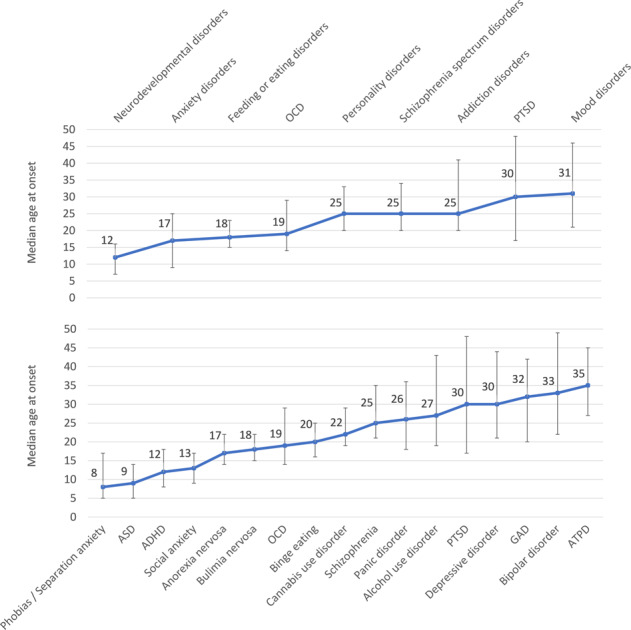
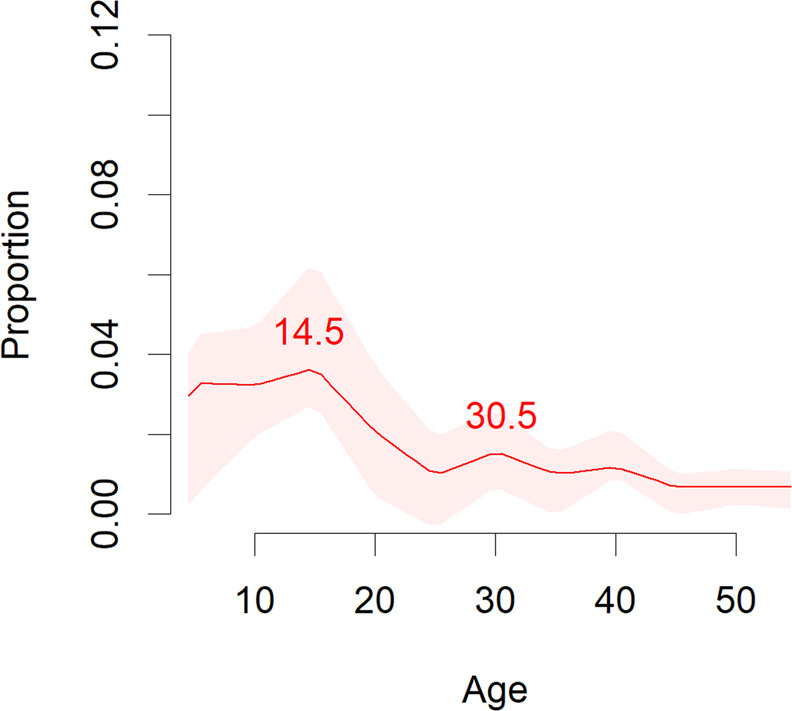
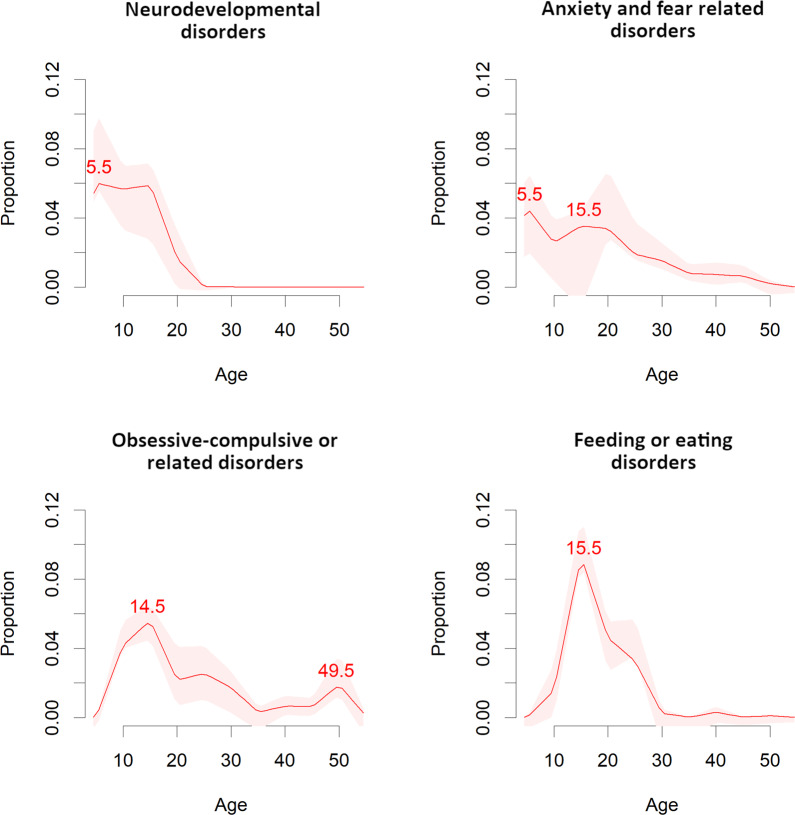
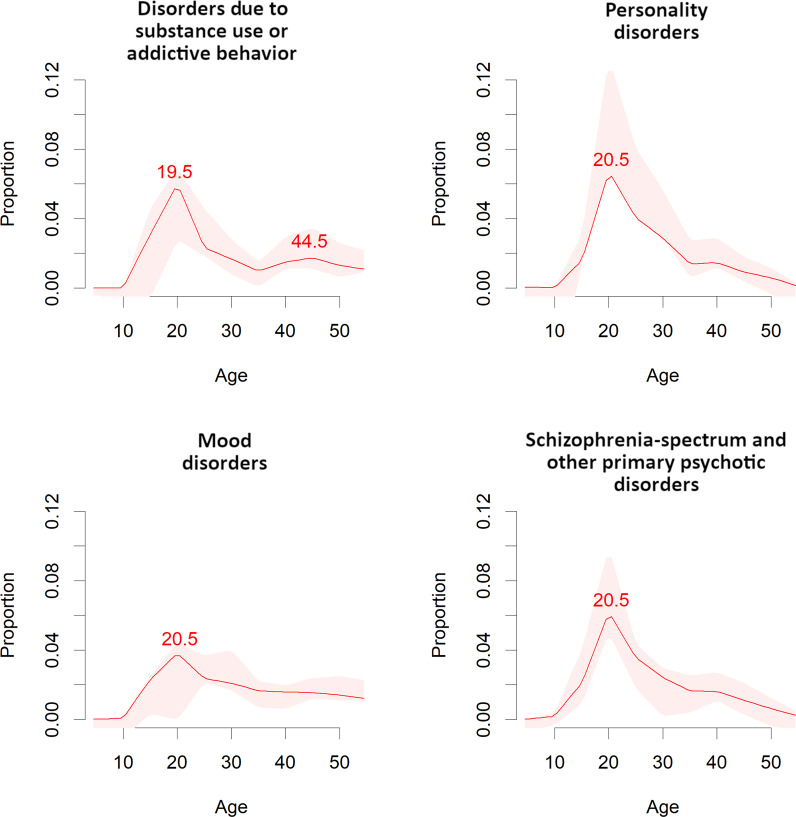
Promotion of good mental health, prevention, and early intervention before/at the onset of mental disorders improve outcomes. However, the range and peak ages at onset for mental disorders are not fully established. To provide robust, global epidemiological estimates of age at onset for mental disorders, we conducted a PRISMA/MOOSE-compliant systematic review with meta-analysis of birth cohort/cross-sectional/cohort studies, representative of the general population, reporting age at onset for any ICD/DSM-mental disorders, identified in PubMed/Web of Science (up to 16/05/2020) (PROSPERO:CRD42019143015). Co-primary outcomes were the proportion of individuals with onset of mental disorders before age 14, 18, 25, and peak age at onset, for any mental disorder and across International Classification of Diseases 11 diagnostic blocks. Median age at onset of specific disorders was additionally investigated. Across 192 studies ( n = 708,561) included, the proportion of individuals with onset of any mental disorders before the ages of 14, 18, 25 were 34.6%, 48.4%, 62.5%, and peak age was 14.5 years ( k = 14, median = 18, interquartile range (IQR) = 11–34). For diagnostic blocks, the proportion of individuals with onset of disorder before the age of 14, 18, 25 and peak age were as follows: neurodevelopmental disorders: 61.5%, 83.2%, 95.8%, 5.5 years ( k = 21, median=12, IQR = 7–16), anxiety/fear-related disorders: 38.1%, 51.8%, 73.3%, 5.5 years ( k = 73, median = 17, IQR = 9–25), obsessive-compulsive/related disorders: 24.6%, 45.1%, 64.0%, 14.5 years ( k = 20, median = 19, IQR = 14–29), feeding/eating disorders/problems: 15.8%, 48.1%, 82.4%, 15.5 years ( k = 11, median = 18, IQR = 15–23), conditions specifically associated with stress disorders: 16.9%, 27.6%, 43.1%, 15.5 years ( k = 16, median = 30, IQR = 17–48), substance use disorders/addictive behaviours: 2.9%, 15.2%, 48.8%, 19.5 years ( k = 58, median = 25, IQR = 20–41), schizophrenia-spectrum disorders/primary psychotic states: 3%, 12.3%, 47.8%, 20.5 years ( k = 36, median = 25, IQR = 20–34), personality disorders/related traits: 1.9%, 9.6%, 47.7%, 20.5 years ( k = 6, median = 25, IQR = 20–33), and mood disorders: 2.5%, 11.5%, 34.5%, 20.5 years ( k = 79, median = 31, IQR = 21–46). No significant difference emerged by sex, or definition of age of onset. Median age at onset for specific mental disorders mapped on a time continuum, from phobias/separation anxiety/autism spectrum disorder/attention deficit hyperactivity disorder/social anxiety (8-13 years) to anorexia nervosa/bulimia nervosa/obsessive-compulsive/binge eating/cannabis use disorders (17-22 years), followed by schizophrenia, personality, panic and alcohol use disorders (25-27 years), and finally post-traumatic/depressive/generalized anxiety/bipolar/acute and transient psychotic disorders (30-35 years), with overlap among groups and no significant clustering. These results inform the timing of good mental health promotion/preventive/early intervention, updating the current mental health system structured around a child/adult service schism at age 18.
Overview
The claims and statistics of this paper haven’t been checked yet.
Free: it reads the open-access text and checks the first 5 claims that cite a source we can check. Create a free account to check every claim.
Integrity signals
Registry
Cites
Statistics
Figures
Verification
Claims the paper makes
The claims and statistics of this paper haven’t been checked yet.
Free: it reads the open-access text and checks the first 5 claims that cite a source we can check. Create a free account to check every claim.
Claims other papers make about this one
Each is checked against this paper’s own text: does it say what the citing paper says it does?
The cited source doesn’t support the claim as written.
In the citing paper
“all major syndromes constituting approximately 75% of mental disorders begin before the age of 25 years [9, 10]”
From Towards a youth mental health paradigm: a perspective and roadmap (2023) · cites this paper as [9]
Checked by a reasoning model — may be wrong.
Experimental — accuracy not yet measuredThe source backs part of the claim, not all of it — or backs it for a different population, condition or comparison.
In the citing paper
“Most mental disorders have a typical onset between 12 and 25 years of age, highlighting the importance of this period for the pathogenesis, diagnosis, and treatment of mental ill-health.”
From Towards a youth mental health paradigm: a perspective and roadmap (2023) · cites this paper as [9]
Experimental — accuracy not yet measuredThe source backs part of the claim, not all of it — or backs it for a different population, condition or comparison.
In the citing paper
“the peak incidence of mental disorders during youth [9, 10]”
From Towards a youth mental health paradigm: a perspective and roadmap (2023) · cites this paper as [9]
Experimental — accuracy not yet measuredThe source backs part of the claim, not all of it — or backs it for a different population, condition or comparison.
In the citing paper
“the large unmet need in young people that has recently dramatically accelerated [9]”
From Towards a youth mental health paradigm: a perspective and roadmap (2023) · cites this paper as [9]
Experimental — accuracy not yet measuredThe source backs part of the claim, not all of it — or backs it for a different population, condition or comparison.
In the citing paper
“Relative to adolescents and adults, emerging adults experience the highest incidence and prevalence of substance use disorders (SUDs) and comorbid mental health disorders (2-4).”
From Initial insights from a quality improvement initiative to develop an evidence-informed young adult substance use program (2022) · cites this paper as [4]
Experimental — accuracy not yet measured
14 more claims about this paper
Create a free account to see every claim other papers make about this one.
Self-check
Percentages, sums and reported differences re-computed from the paper’s own numbers.
The self-check needs the paper’s full text.
Citations
Cites
Preferred Reporting Items for Systematic Reviews and Meta-Analyses: the PRISMA statement
Moher, D., Liberati, A., Tetzlaff, J., Altman, D. G., & for the PRISMA Group (2009) · BMJ · doi:10.1136/bmj.b2535 · Cited by 83,823
Preferred Reporting Items for Systematic Reviews and Meta-Analyses: The PRISMA Statement
Moher, D., Liberati, A., Tetzlaff, J., Altman, D. G., & The PRISMA Group (2009) · PLoS Medicine · doi:10.1371/journal.pmed.1000097 · Cited by 64,042 · cited 1×
“We performed a systematic review adhering to the preferred reporting items for systematic reviews and meta-analyses (PRISMA) recommendations [31] (e-Table 1) and the meta-analysis of observational studies in epidemiology (MOOSE) guidelines (e-Table 2) [32].”
MethodPreferred reporting items for systematic reviews and meta-analyses: the PRISMA Statement.
(2009) · PubMed Central · Cited by 44,859
Preferred reporting items for systematic reviews and meta-analyses: The PRISMA statement
Moher, D., Liberati, A., Tetzlaff, J., Altman, D. G., & the PRISMA Group* (2009) · Annals of Internal Medicine · doi:10.7326/0003-4819-151-4-200908180-00135 · Cited by 37,554
Dermyshi, E., Wang, Y., Yan, C., Hong, W., Qiu, G., Gong, X., & Zhang, T. (2017) · Neonatology · doi:10.1159/000454668 · Cited by 24,451
Meta-analysis of Observational Studies in Epidemiology<SUBTITLE>A Proposal for Reporting</SUBTITLE>
Stroup, D. F. (2000) · JAMA · doi:10.1001/jama.283.15.2008 · Cited by 20,623
Bootstrap Methods and their Application
Davison, A. C., & Hinkley, D. V. (1997) · doi:10.1017/cbo9780511802843 · Cited by 7,350
Bootstrap Methods and Their Application
Loughin, T. M., Davison, A. C., & Hinkley, D. V. (1999) · Journal of the American Statistical Association · doi:10.2307/2669707 · Cited by 5,418
Why do many psychiatric disorders emerge during adolescence?
Paus, T., Keshavan, M., & Giedd, J. N. (2008) · Nature Reviews Neuroscience · doi:10.1038/nrn2513 · Cited by 3,123 · cited 2×
“The meta-epidemiologic results of this work show that mental disorders have onset when dramatic biological changes in the brain occur, from childhood, through adolescence, to adulthood, that involves grey-matter density, cerebral metabolic rate, synaptic density, white matter growth and myelination [41].”
BackgroundWalker, E. R., McGee, R. E., & Druss, B. G. (2015) · JAMA Psychiatry · doi:10.1001/jamapsychiatry.2014.2502 · Cited by 2,976
Research works printed but not linked: 1
- McGorry PD Hartmann JA Spooner R Nelson B Beyond the "at risk mental state" concept: transitioning to transdiagnostic psychiatry World Psychiatry 2018 17 133 42 29856558 PMC5980504 · DOI · Paper page
Cited by
Items 101–200 of 1,015
Hughes, L., Taylor, R. M., Beckett, A. E., Lindner, O. C., Martin, A., McCulloch, J., Morgan, S. J., Soanes, L., Uddin, R., & Stark, D. (2024) · Cancers · doi:10.3390/cancers16071332 · Cited by 82
“Evidence suggests that over 60% of mental health disorders present before the age of 25 [75] and we, therefore, may not have captured the effect of biographical disruption occurring at this fragile time of their development, given our participants trended towards young adulthood.”
BackgroundMental Health Among Elite Youth Athletes: A Narrative Overview to Advance Research and Practice
Walton, C. C., Purcell, R., Henderson, J. L., Kim, J., Kerr, G., Frost, J., Gwyther, K., Pilkington, V., Rice, S., & Tamminen, K. A. (2024) · Sports Health: A Multidisciplinary Approach · doi:10.1177/19417381231219230 · Cited by 74
Self-citationGroves, C. I., Huong, C., Porter, C. D., Summerville, B., Swafford, I., Witham, B., Hayward, M., KWAN, M. Y. W., & Brown, D. M. Y. (2024) · Journal of Activity Sedentary and Sleep Behaviors · doi:10.1186/s44167-024-00048-6 · Cited by 82
Wang, Z., Dou, Y., Yang, X. C., Guo, X., Ma, X., Zhou, B., & Zhang, W. (2025) · Translational Psychiatry · doi:10.1038/s41398-025-03623-w · Cited by 91
Air and Noise Pollution Exposure in Early Life and Mental Health From Adolescence to Young Adulthood
Newbury, J. B., Heron, J. E., Kirkbride, J. B., Fisher, H. L., Bakolis, I., Boyd, A., Thomas, R., & Zammit, S. (2024) · JAMA Network Open · doi:10.1001/jamanetworkopen.2024.12169 · Cited by 85
Self-citationBergeron, M. F., Côté, J., Cumming, S. P., Purcell, R., Armstrong, N., Basilico, L., Burrows, K., Charrin, J.-B., Felix, A., Groesswang, H., et al. (2024) · British Journal of Sports Medicine · doi:10.1136/bjsports-2024-108186 · Cited by 73
Connolly, S. E., Constable, H. L., & Mullally, S. L. (2023) · Frontiers in Psychiatry · doi:10.3389/fpsyt.2023.1237052 · Cited by 72
Identification and treatment of individuals with childhood-onset and early-onset schizophrenia
Correll, C. U., Arango, C., Fagerlund, B., Galderisi, S., Kas, M. J., & Leucht, S. (2024) · European Neuropsychopharmacology · doi:10.1016/j.euroneuro.2024.02.005 · Cited by 82
Self-citationHow social media affects teen mental health: a missing link
Orben, A., & Blakemore, S.-J. (2023) · Nature · doi:10.1038/d41586-023-00402-9 · Cited by 71
Asymmetry in the Central Nervous System: A Clinical Neuroscience Perspective
Mundorf, A., Peterburs, J., & Ocklenburg, S. (2021) · Frontiers in Systems Neuroscience · doi:10.3389/fnsys.2021.733898 · Cited by 80
Efstathiou, M., Kakaidi, V., Tsitsas, G. D., Mantzoukas, S., Gouva, M., & Dragioti, E. (2025) · International Journal of Nursing Studies · doi:10.1016/j.ijnurstu.2025.104993 · Cited by 81
Person–environment transactions differentiate personality and psychopathology
Hopwood, C. J., Wright, A. G. C., & Bleidorn, W. (2022) · Nature Reviews Psychology · doi:10.1038/s44159-021-00004-0 · Cited by 82
Marlow, M., Skeen, S., Grieve, C. M., Carvajal-Vélez, L., Åhs, J. W., Kohrt, B. A., Requejo, J. H., Stewart, J., Henry, J., Goldstone, D., et al. (2022) · Journal of Adolescent Health · doi:10.1016/j.jadohealth.2022.09.013 · Cited by 73
“Adolescence is a particularly vulnerable period for mental health, with almost half of all mental disorders developing before the age of 18 years [1].”
BackgroundPollard, J., Reardon, T. C., Williams, C., Creswell, C., Ford, T. J., Gray, A. M., Roberts, N. W., Stallard, P. N., Ukoumunne, O. C., & Violato, M. (2023) · JCPP Advances · doi:10.1002/jcv2.12149 · Cited by 78
“Many common anxiety disorders are first experienced during childhood or adolescence (Solmi et al., 2021), with at least one in every 15 children affected at any one time (Polanczyk et al., 2015).”
BackgroundBear, H. A., Ayala‐Nunes, L., Ramos, G., Manchanda, T., Fernandes, B., Chabursky, S., Walper, S., Watkins, E. R., & Fazel, M. S. (2024) · Journal of Medical Internet Research · doi:10.2196/48964 · Cited by 79
Li, J., Li, Y., Hu, Y., Ma, C. F., Mei, X., Chan, E. A., & Yorke, J. (2025) · Worldviews on Evidence-Based Nursing · doi:10.1111/wvn.70059 · Cited by 87
“lifelong effects on individuals' well-being and social functioning (Solmi et al. 2022).”
Climate Change and Substance-Use Behaviors: A Risk-Pathways Framework
Vergunst, F., Berry, H. L., Minor, K., & Chadi, N. (2023) · Perspectives on Psychological Science · doi:10.1177/17456916221132739 · Cited by 63
Young People’s Mental Health Changes, Risk, and Resilience During the COVID-19 Pandemic
Montero‐Marín, J., Hinze, V., Mansfield, K. L., Slaghekke, Y., Blakemore, S., Byford, S., Dalgleish, T., Greenberg, M. T., Viner, R., Ukoumunne, O. C., et al. (2023) · JAMA Network Open · doi:10.1001/jamanetworkopen.2023.35016 · Cited by 82
Estradé, A., Onwumere, J., Venables, J., Gilardi, L., Cabrera, A., Rico, J., Hoque, A., Otaiku, J., Hunter, N., Kéri, P., et al. (2023) · Psychopathology · doi:10.1159/000528513 · Cited by 68
Self-citationHo, P. T. N., Bich, T. H. P., Tong, T., Bramer, W. M., Hofman, A., Lubans, D. R., Vernooij, M. W., & Rodríguez‐Ayllón, M. (2023) · Sports Medicine · doi:10.1007/s40279-023-01895-0 · Cited by 72
Luo, D., Dashti, S. G., Sawyer, S. M., & Vijayakumar, N. (2024) · EClinicalMedicine · doi:10.1016/j.eclinm.2024.102828 · Cited by 76
“1,2 Understanding whether the biological processes of puberty, speci fi cally rising pubertal hormones, are causally involved in the emergence of these mental health problem can inform our knowledge of risk mechanisms and potentially identify the timing and nature of intervention targets for these…”
BackgroundHerzog, L. E., Wang, L., Yu, E., Choi, S., Farsi, Z., Song, B. J., Pan, J. Q., & Sheng, M. (2023) · Translational Psychiatry · doi:10.1038/s41398-023-02393-7 · Cited by 66
Sensitivity and specificity in affective and social learning in adolescence
Towner, E., Chierchia, G., & Blakemore, S. (2023) · Trends in Cognitive Sciences · doi:10.1016/j.tics.2023.04.002 · Cited by 71
“5 years is the peak age of onset across all mental health conditions [10].”
BackgroundBorsini, A., Giacobbe, J., Mandal, G., & Boldrini, M. (2023) · Molecular Psychiatry · doi:10.1038/s41380-023-02229-2 · Cited by 76
“Other studies using social instability [40, 41], social defeat [47, 50] and using Ki67 as a marker of cells in any phase of mitosis except G0, found either a decrease, increase or no change in the expression of this marker, and no changes in recognition [49, 50, 54].”
BackgroundInfluentialMarquez, J., Francis-Hew, L., & Humphrey, N. (2023) · Child and Adolescent Psychiatry and Mental Health · doi:10.1186/s13034-023-00687-8 · Cited by 82
Lockhart, C. L., Bright, J. K., Ahmadzadeh, Y. I., Breen, G. D., Bristow, S., Boyd, A., Downs, J. M., Hotopf, M. H., Palaiologou, E., Rimfeld, K., et al. (2023) · JCPP Advances · doi:10.1002/jcv2.12154 · Cited by 77
Two years COVID-19 pandemic: Development of university students' mental health 2020–2022
Kohls, E., Guenthner, L., Baldofski, S., Brock, T., Schuhr, J., & Rummel‐Kluge, C. (2023) · Frontiers in Psychiatry · doi:10.3389/fpsyt.2023.1122256 · Cited by 78
“Even before the onset of the COVID-19 pandemic, young adults and especially university students were considered to be a vulnerable group for mental disorders, with reports of one in five students suffering from mental health issues (1, 2).”
BackgroundArmitage, J. M., Collishaw, S., & Sellers, R. (2024) · Discover Social Science and Health · doi:10.1007/s44155-024-00076-2 · Cited by 76
“Common mental health disorders typically have their origins in the child and adolescent years [2, 3], and collectively, are projected to cost the global economy an”
BackgroundLeucht, S., Siafis, S., McGrath, J. J., McGorry, P. D., Howes, O. D., Tamminga, C. A., Carr, R., Bighelli, I., Schneider‐Thoma, J., Priller, J., et al. (2025) · Nature Reviews Disease Primers · doi:10.1038/s41572-025-00667-6 · Cited by 82
“The peak age of onset for schizophrenia is reported to be the early 20s 21,22 ; however, some studies have identified a smaller, second peak in women around the time of menopause 23 .”
Kokka, I., Mourikis, I., & Bacopoulou, F. (2023) · Children · doi:10.3390/children10020285 · Cited by 75
Fried, E. I., Rieble, C., & Proppert, R. K. K. (2023) · Clinical Psychology in Europe · doi:10.32872/cpe.10075 · Cited by 72
Yao, H., Li, K., Li, C., Hu, S., Huang, Z., Chen, J., & Xu, Y. (2024) · BMC Psychiatry · doi:10.1186/s12888-024-06239-4 · Cited by 75
Risk Factors for Problematic Social Media Use in Youth: A Systematic Review of Longitudinal Studies
Pazdur, M., Tutus, D., & Haag, A. (2025) · Adolescent Research Review · doi:10.1007/s40894-025-00264-4 · Cited by 87
Adolescents’ real-time social and affective experiences of online and face-to-face interactions
Achterhof, R., Kirtley, O. J., Schneider, M., Hagemann, N., Hermans, K. S. F. M., Hiekkaranta, A. P., Lecei, A., Lafit, G., & Myin-Germeys, I. (2022) · Computers in Human Behavior · doi:10.1016/j.chb.2021.107159 · Cited by 62
Lång, U., Ramsay, H., Yates, K., Veijola, J., Gyllenberg, D., Clarke, M. C., Leacy, F. P., Gissler, M., & Kelleher, I. (2022) · World Psychiatry · doi:10.1002/wps.21009 · Cited by 68
Solmi, M., Chen, C., Dauré, C., Buot, A., Ljuslin, M., Verroust, V., Mallet, L., Khazaal, Y., Rothen, S., Thorens, G., et al. (2022) · European Neuropsychopharmacology · doi:10.1016/j.euroneuro.2022.09.004 · Cited by 66
Self-citationWang, H., Song, Y., Ma, J., Ma, S., Shen, L., Huang, Y., Thangaraju, P., Basharat, Z., Hu, Y., Lin, Y., et al. (2023) · The Lancet Child & Adolescent Health · doi:10.1016/s2352-4642(23)00148-7 · Cited by 70
Radünz, M., Ali, K., & Wade, T. D. (2022) · International Journal of Eating Disorders · doi:10.1002/eat.23845 · Cited by 61
Ediz, Ç., & YANIK, D. (2023) · International Journal of Social Psychiatry · doi:10.1177/00207640231206060 · Cited by 69
“Due to their rapid cognitive development rates, adolescents are more vulnerable to mental health and stress factors, making them more sensitive to the impacts of climate crisis (Ebi et al., 2007; Solmi et al., 2022).”
BackgroundReorganization of adolescent prefrontal cortex circuitry is required for mouse cognitive maturation
Pöpplau, J. A., Schwarze, T., Dorofeikova, M., Pochinok, I., Günther, A., Marquardt, A., & Hanganu‐Opatz, I. L. (2023) · Neuron · doi:10.1016/j.neuron.2023.10.024 · Cited by 67
“Here, we address this knowledge gap by combining chronic extracellular monitoring of prefrontal activity and optogenetic manipulations with in-depth morphological assessments in mice during late development (i.e., postnatal day [P]16–60).”
Saboor, S., Medina, A., & Marciano, L. (2024) · JMIR Mental Health · doi:10.2196/56045 · Cited by 68
“By contrast, interventions that used smartphone delivery, such as the hope intervention, showcased the adaptability and accessibility of digital platforms, making well-being practices more integrated into daily routines [64].”
BackgroundKlaufus, L. H., Verlinden, E., van der Wal, M. F., Cuijpers, P. J., Chinapaw, M. J. M., & Smit, F. (2022) · BMC Psychiatry · doi:10.1186/s12888-022-03868-5 · Cited by 62
“Disease burden of, for example, dependence of alcohol, tobacco, or cannabis usually develops in late adolescence and increases at an accelerated pace in older ages when the adverse effects of substance use become more pronounced [3].”
BackgroundInfluentialLadwig, G., Tanck, J. A., Quittkat, H. L., & Vocks, S. (2024) · Body Image · doi:10.1016/j.bodyim.2024.101749 · Cited by 89
Bell, I., Marx, W., Nguyen, K., Grace, S., Gleeson, J., & Álvarez‐Jiménez, M. (2022) · Psychological Medicine · doi:10.1017/s0033291722003373 · Cited by 64
Fusar‐Poli, P., Estradé, A., Esposito, C. M., Rosfort, R., Basadonne, I., Mancini, M., Stanghellini, G., Otaiku, J., Olanrele, O., Allen, L., et al. (2024) · World Psychiatry · doi:10.1002/wps.21189 · Cited by 65
Self-citationAli, K., Radünz, M., McLean, S. A., O’Shea, A. E., Mavrangelos, T., Fassnacht, D. B., & Hart, L. (2024) · International Journal of Eating Disorders · doi:10.1002/eat.24306 · Cited by 64
Rapee, R. M., Magson, N. R., Forbes, M. K., Richardson, C. E., Johnco, C. J., Oar, E. L., & Fardouly, J. (2022) · Behaviour Research and Therapy · doi:10.1016/j.brat.2022.104126 · Cited by 62
Plana‐Ripoll, O., Weye, N., Knudsen, A. K., Hakulinen, C. A., Madsen, K. B., Christensen, M. K., Agerbo, E., Laursen, T. M., Nordentoft, M., Timmermann, A., et al. (2022) · The Lancet Psychiatry · doi:10.1016/s2215-0366(22)00376-5 · Cited by 57
Wang, J., Cao, Y., Hou, W., Bi, D., Yin, F., Gao, Y., Huang, D., Li, Y., Cao, Z., Yan, Y., et al. (2023) · Translational Psychiatry · doi:10.1038/s41398-023-02307-7 · Cited by 64
Purpose in life as an asset for well-being and a protective factor against depression in adolescents
Barcaccia, B., Couyoumdjian, A., Consiglio, M. D., Papa, C., Cancellieri, U. G., & Cervin, M. (2023) · Frontiers in Psychology · doi:10.3389/fpsyg.2023.1250279 · Cited by 66
“Considering that most mental disorders typically begin during adolescence (Jones, 2013; Solmi et al., 2022), this is a crucial period for prevention of mental health conditions and promotion of well-being.”
BackgroundMicroglia-neuron interactions in schizophrenia
Hartmann, S.-M., Heider, J., Wüst, R., Fallgatter, A. J., & Volkmer, H. (2024) · Frontiers in Cellular Neuroscience · doi:10.3389/fncel.2024.1345349 · Cited by 67
Hlynsson, J. I., & Carlbring, P. (2024) · Frontiers in Psychology · doi:10.3389/fpsyg.2024.1259997 · Cited by 63
Mental health and well-being of elite youth athletes: a scoping review
Gwyther, K., Pilkington, V., Bailey, A. P., Mountjoy, M. L., Bergeron, M. F., Rice, S., & Purcell, R. (2024) · British Journal of Sports Medicine · doi:10.1136/bjsports-2024-108244 · Cited by 63
Mental disorders at the beginning of adolescence: Prevalence estimates in a sample aged 11-14 years
Scheiner, C., Grashoff, J., Kleindienst, N., & Buerger, A. (2022) · Public Health in Practice · doi:10.1016/j.puhip.2022.100348 · Cited by 65
Yang, M.-B., Si, S., Zhang, K., Xi, M., & Zhang, W. (2024) · PsyCh Journal · doi:10.1002/pchj.756 · Cited by 59
Starting young to protect elite athletes’ mental health
Purcell, R., Henderson, J. L., Tamminen, K. A., Frost, J., Gwyther, K., Kerr, G. A., Kim, J., Pilkington, V., Rice, S., & Walton, C. C. (2023) · British Journal of Sports Medicine · doi:10.1136/bjsports-2022-106352 · Cited by 56
Self-citationMental health of young Australians: dealing with a public health crisis
McGorry, P. D., Coghill, D., & Berk, M. (2023) · Medical Journal of Australia · doi:10.5694/mja2.52047 · Cited by 53
Trompeter, N., Testa, A. M., Raney, J. H., Jackson, D. B., Al-Shoaibi, A. A. A., Ganson, K. T., Shao, I. Y., & Nagata, J. M. (2023) · Journal of Youth and Adolescence · doi:10.1007/s10964-023-01907-2 · Cited by 57
“The developmental trajectory from childhood to early adulthood is a crucial period, as it is vulnerable to the establishment of several health-related risk factors and development of mental health problems (Solmi et al., 2021).”
BackgroundBoer, M., Cosma, A. P., Twenge, J. M., Inchley, J., Klanšček, H. J., & Stevens, G. W. J. M. (2023) · Journal of Youth and Adolescence · doi:10.1007/s10964-023-01800-y · Cited by 60
Viljoen, D., King, E., Harris, S., Hollyman, J., Costello, K., Galvin, E., Stock, M., Schmidt, U. H., Downs, J. L., Sekar, M., et al. (2023) · BJPsych Bulletin · doi:10.1192/bjb.2023.57 · Cited by 57
“21 There has been some minor investment in programmes for 18-to 25-year-olds in recent years, particularly fi rst-episode rapid early intervention for eating disorders (FREED).”
BackgroundTrajectories of Inflammation in Youth and Risk of Mental and Cardiometabolic Disorders in Adulthood
Palmer, E. R., Morales‐Muñoz, I., Perry, B. I., Marwaha, S., Warwick, E., Rogers, J. C., & Upthegrove, R. (2024) · Brain Behavior and Immunity · doi:10.1001/jamapsychiatry.2024.2193 · Cited by 55
Liu, Y., Ren, Y., Liu, C., Chen, X., Li, D., Peng, J., Tan, L., & Ma, Q. (2025) · Psychological Medicine · doi:10.1017/s0033291725000649 · Cited by 65
Kirtley, O. J., Achterhof, R., Hagemann, N., Hermans, K. S. F. M., Hiekkaranta, A. P., Lecei, A., Boets, B., Henquet, C., Kasanova, Z., Schneider, M., et al. (2021) · PsyArXiv (OSF Preprints) · doi:10.31234/osf.io/jp2fk · Cited by 58
Wang, R., Cai, Y., Lu, W., Zhang, R., Shao, R., Yau, S., Stubbs, B., McIntyre, R. S., Su, K., Xu, G., et al. (2022) · Psychiatry Research · doi:10.1016/j.psychres.2022.115005 · Cited by 53
Robinson, T., Condell, J. V., Ramsey, E., & Leavey, G. (2023) · International Journal of Environmental Research and Public Health · doi:10.3390/ijerph20032636 · Cited by 56
“Early intervention is economically attractive, especially at younger ages [3,5,9].”
BackgroundTeo, S. M., Gao, C. X., Brennan, N., Fava, N., Simmons, M. B., Baker, D., Zbukvic, I., Rickwood, D., Brown, E., Smith, C. L., et al. (2023) · Journal of Environmental Psychology · doi:10.1016/j.jenvp.2023.102209 · Cited by 62
Mkhize, M., van der Westhuizen, C., & Sorsdahl, K. R. (2024) · Comprehensive Psychiatry · doi:10.1016/j.comppsych.2024.152469 · Cited by 58
Long-term impact of digital media on brain development in children
Nivins, S., Sauce, B., Liebherr, M., Judd, N., & Klingberg, T. (2024) · Scientific Reports · doi:10.1038/s41598-024-63566-y · Cited by 60
“If the negative developmental trend for the cerebellum persists, it might be of significant concern, particularly considering that adolescence serves as the period when many psychiatric disorders have their onset 31,32 .”
BackgroundKasturi, S., Oguoma, V. M., Grant, J. B., Niyonsenga, T., & Mohanty, I. (2023) · International Journal of Environmental Research and Public Health · doi:10.3390/ijerph20010800 · Cited by 50
“Studies estimating prevalence of depression and anxiety among young people in UK [70] USA [71] and China [72] have concluded that place of dwelling (rural-urban) does not affect prevalence of depression, consistent with the findings of our meta-analysis.”
Result“Late-onset” ADHD symptoms in young adulthood: Is this ADHD?
Riglin, L., Wootton, R. E., Livingston, L. A., Agnew‐Blais, J. C., Arseneault, L., Blakey, R., Agha, S. S., Langley, K., Collishaw, S., O’Donovan, M. C., et al. (2022) · Journal of Attention Disorders · doi:10.1177/10870547211066486 · Cited by 53
“Substance use also typically onsets in adolescence or early adulthood (Solmi et al., 2021) and can share some features with ADHD (e.”
BackgroundGenetics of age-at-onset in major depression
Harder, A., Nguyen, T.-D., Pasman, J. A., Mosing, M. A., Hägg, S., & Lu, Y. (2022) · Translational Psychiatry · doi:10.1038/s41398-022-01888-z · Cited by 58
Gonsalves, P. P., Nair, R., Roy, M., Pal, S., & Michelson, D. (2023) · Administration and Policy in Mental Health and Mental Health Services Research · doi:10.1007/s10488-023-01253-2 · Cited by 58
“Anxiety and depression are the most prevalent mental health problems globally and affect one in five people, with peak onset occurring during adolescence and early adulthood (WHO), W.H.O. 2021; Solmi, 2021).”
BackgroundJunus, A., Hsu, Y., Wong, C. L. H., & YIP, P. S. F. (2023) · Journal of Psychiatric Research · doi:10.1016/j.jpsychires.2023.02.038 · Cited by 60
A Neuroecosocial Perspective on Adolescent Development
Choudhury, S., Pi‐Sunyer, B. P., & Blakemore, S. (2023) · Annual Review of Developmental Psychology · doi:10.1146/annurev-devpsych-120321-011511 · Cited by 61
Sivertsen, B., Knudsen, A. K., Kirkøen, B., Skogen, J. C., Lagerstrøm, B. O., Lønning, K.-J., Kessler, R. C., & Reneflot, A. (2023) · The Lancet Regional Health - Europe · doi:10.1016/j.lanepe.2023.100732 · Cited by 60
Recommendations for a Better Understanding of Sex and Gender in the Neuroscience of Mental Health
Wierenga, L. M., Ruigrok, A. N. V., Aksnes, E. R., Barth, C., Beck, D., Burke, S., Crestol, A., van Drunen, L., Ferrara, M., Galea, L. A. M., et al. (2023) · Biological Psychiatry Global Open Science · doi:10.1016/j.bpsgos.2023.100283 · Cited by 54
Potential mechanisms underlying the association between feeding and eating disorders and autism
Adams, K. L., Mandy, W., Catmur, C., & Bird, G. (2024) · Neuroscience & Biobehavioral Reviews · doi:10.1016/j.neubiorev.2024.105717 · Cited by 55
Kim, S., Park, J., Lee, H., Lee, H., Woo, S., Kwon, R., Kim, S., Koyanagi, A., Smith, L., Rahmati, M., et al. (2024) · World Journal of Pediatrics · doi:10.1007/s12519-024-00828-9 · Cited by 57
Environmental and neurodevelopmental contributors to youth mental illness
Whittle, S., Zhang, L., & Rakesh, D. (2024) · Neuropsychopharmacology · doi:10.1038/s41386-024-01926-y · Cited by 59
Benrimoh, D. A., Dlugunovych, V., Wright, A. C., Phalen, P. L., Funaro, M. C., Ferrara, M., Powers, A. R., Woods, S. W., Gülöksüz, S., Yung, A. R., et al. (2024) · Molecular Psychiatry · doi:10.1038/s41380-024-02415-w · Cited by 56
Sleep and Mental Health Problems in Children and Adolescents
Morales‐Muñoz, I., & Gregory, A. M. (2023) · Sleep Medicine Clinics · doi:10.1016/j.jsmc.2023.01.006 · Cited by 51
Pelc, A., Winiarska, M., Polak-Szczybyło, E., Godula, J., & Stępień, A. E. (2023) · Nutrients · doi:10.3390/nu15071603 · Cited by 53
Petak, A., & Maričić, J. (2025) · International Journal of Environmental Research and Public Health · doi:10.3390/ijerph22071001 · Cited by 50
Digital Media Use and Child Health and Development: A Systematic Review and Meta-Analysis
Teague, S. J., Somoray, K., Shatte, A. B. R., Miller, D., Moss, K., Crawford, A., Wildman, H., Kayal, D., & Hutchinson, D. C. S. (2026) · Archives of Pediatrics and Adolescent Medicine · doi:10.1001/jamapediatrics.2026.0085 · Cited by 63
Ribeiro, W. S., Grande, A. J., Hoffmann, M. S., Ziebold, C., McDaid, D., Fry, A., Peixoto, C., de Miranda, C. T., King, D., Tomasi, C. D., et al. (2022) · Comprehensive Psychiatry · doi:10.1016/j.comppsych.2022.152358 · Cited by 44
Paul, E., Jessup, B., & Barnett, T. (2023) · Australian Journal of Rural Health · doi:10.1111/ajr.12961 · Cited by 49
Yu, R., Perera, C., Sharma, M., Ipince, A., Bakrania, S., Shokraneh, F., Sepulveda, J. S. M., & Anthony, D. S. (2023) · Campbell Systematic Reviews · doi:10.1002/cl2.1349 · Cited by 55
Gao, X., & Liu, Z. (2024) · Annals of General Psychiatry · doi:10.1186/s12991-024-00492-3 · Cited by 50
“Among other things, mental health vulnerability during adolescence has been supported by research, revealing that almost half of all mental health issues commence before the age of 18 [6].”
BackgroundHu, F., Liu, P., Jia, Y., Ge, M., Shen, L.-T., Xia, X., & Chen, H. (2024) · Psychology Health & Medicine · doi:10.1080/13548506.2024.2424998 · Cited by 64
“…living with HIV, and females exhibited higher prevalence of depression, anxiety, suicidal ideation, and PTSD compared to males, consistent with findings from previous studies (Blazer et al., 1994; Hu et al., 2023; Jones, 2013; Merikangas et al., 2010; Racine et al., 2021; Solmi et al., 2022).”
Liu, Y., Peng, J., Ding, J., Wang, J., Jin, C., Xu, L., Zhang, T., & Liu, P. (2025) · BMC Pediatrics · doi:10.1186/s12887-024-05348-z · Cited by 50
New diagnosis in psychiatry: beyond heuristics
McGorry, P. D., Hickie, I. B., Kotov, R., Schmaal, L., Wood, S. J., Allan, S. M., Altınbaş, K., Boyce, N., Bringmann, L. F., Caspi, A., et al. (2025) · Psychological Medicine · doi:10.1017/s003329172400223x · Cited by 56
Childhood Lifestyle Behaviors and Mental Health Symptoms in Adolescence
Haapala, E. A., Leppänen, M. H., Kosola, S. K., Appelqvist‐Schmidlechner, K., Kraav, S., Jussila, J. J., Tolmunen, T., Lubans, D. R., Eloranta, A., Schwab, U., et al. (2025) · JAMA Network Open · doi:10.1001/jamanetworkopen.2024.60012 · Cited by 58
Creswell, C., Taylor, L., Giles, S., Howitt, S., Radley, L., Whitaker, E., Brooks, E., Knight, F., Raymont, V., Hill, C., et al. (2024) · The Lancet Psychiatry · doi:10.1016/s2215-0366(23)00429-7 · Cited by 45
Fekih‐Romdhane, F., Pandi-Perumal, S. R., Conus, P., Krebs, M., Cheour, M., Seeman, M. V., & Jahrami, H. (2022) · Acta Psychiatrica Scandinavica · doi:10.1111/acps.13494 · Cited by 54
Self-citationSex Differences in the Developmental Trajectories of Autism Spectrum Disorder
McFayden, T. C., Putnam, O. C., Grzadzinski, R., & Harrop, C. (2023) · Current Developmental Disorders Reports · doi:10.1007/s40474-023-00270-y · Cited by 52
“The convergence of mental health concerns during childhood and adolescence [87] opens the door for diagnostic overshadowing, a process in which a previous diagnosis may mask other symptoms, thus delaying access to a diagnosis or treatment [88].”
BackgroundLiu, W., Zhang, Y., Chen, J., Li, X., Huang, Y., Zhao, F., Chen, F., Qu, P., & Li, Y. (2025) · Frontiers in Public Health · doi:10.3389/fpubh.2025.1635801 · Cited by 65
Hart, L., Morgan, A. J., Rossetto, A., Kelly, C. M., Gregg, K. J., Gross, M., Johnson, C. L., & Jorm, A. F. (2022) · BMC Public Health · doi:10.1186/s12889-022-13554-6 · Cited by 49
“Even though approximately half of all mental illnesses experienced across the lifespan present by midadolescence [3, 4], few adolescents receive treatment [5].”
BackgroundSmith, K., Hardy, A., Vinnikova, A., Blease, C., Milligan, L., Hidalgo‐Mazzei, D., Lambe, S., Marzano, L., Uhlhaas, P. J., Ostinelli, E. G., et al. (2024) · JMIR Mental Health · doi:10.2196/57155 · Cited by 51
Haapala, E. A., Leppänen, M. H., Skog, H., Lubans, D. R., Viitasalo, A., Lintu, N., Jalanko, P., Määttä, S., & Lakka, T. A. (2024) · Sports Medicine · doi:10.1007/s40279-024-02107-z · Cited by 52
Liu, D., Yu, M., Zhang, X., Cui, J., & Yang, H. (2024) · BMC Psychiatry · doi:10.1186/s12888-024-05982-y · Cited by 49
“This indicates that adolescents might in a delicate state of mental health, making them highly vulnerable to anxiety and depression [49].”
Background
Metadata
- Authors
- Solmi, M., Radua, J., Olivola, M., Croce, E., Soardo, L., Salazar de Pablo, G., Il Shin, J., Kirkbride, J. B., Jones, P., Kim, J. H., Kim, J. Y., Carvalho, A. F., Seeman, M. V., Correll, C. U., & Fusar-Poli, P.
- Affiliations
- University of Padua (IT)
- King's College London (GB)
- University of Ferrara (IT)
- University of Pavia (IT)
- University College London (GB)
- National Health Service (GB)
- Yonsei University (KR)
- University of Toronto (CA)
- Feinstein Institute for Medical Research (US)
- ORCID
- Venue
- Molecular Psychiatry
- Published
- 2021-06-02
- Volume
- 27
- Issue
- 1
- Pages
- 281-295
- ISSN
- 1359-4184 (ISSN-L)
- 1476-5578
- PMC
- PMC8960395
- OpenAlex
- W3164324796
- Cited by
- 3,835
- References
- 67
- Citations by year
- 2026: 925 · 2025: 1030 · 2024: 865 · 2023: 638 · 2022: 325 · 2021: 48
- FWCI
- 73.42
- Type
- journal article
- Language
- en
- Open access
- hybrid
- doi.org
- Licence
- cc-by
- creativecommons.org/licenses/by/4.0 (tdm)
- creativecommons.org/licenses/by/4.0 (vor)
- Locations
- Molecular Psychiatry (publishedVersion, cc-by)
- PubMed Central (publishedVersion, cc-by)
- PubMed (publishedVersion)
- UCL Discovery (University College London) (submittedVersion)
- Research Portal (King's College London) (submittedVersion, other-oa)
- Apollo (University of Cambridge) (submittedVersion)
- Apollo (University of Cambridge) (submittedVersion, cc-by)
- Apollo
- Deakin Research Online (Deakin University) (cc-by)
- Funders
- Fundación Alicia Koplowitz (PI19/00394)
- Wellcome Trust
- National Institute for Health and Care Research
- University College London
- European Commission (CPII19/00009)
- Instituto de Salud Carlos III ((CPII19/00009), PI19/00394)
- European Regional Development Fund (PI19/00394, CPII19/00009)
- European Social Fund (CPII19/00009, PI19/00394)
- Topics
- Health Sciences › Medicine › Psychiatry and Mental health › Mental Health Treatment and Access
- Social Sciences › Psychology › Clinical Psychology › Child and Adolescent Psychosocial and Emotional Development
- Health Sciences › Medicine › Psychiatry and Mental health › Schizophrenia research and treatment
- Keywords
- age of onset, mental illness, child psychopathology, adolescent mental disorders, neurodevelopmental disorders, anxiety disorders, obsessive-compulsive disorder, eating disorders, substance use disorders, mood disorders, psychosis, bipolar disorder, depression, schizophrenia spectrum disorders, psychosis spectrum disorders, early intervention, mental health promotion, global prevalence estimates
- MeSH terms
- Autism Spectrum Disorder, Alcoholism, Mental Disorders, Cross-Sectional Studies, Humans, Obsessive-Compulsive Disorder, Comorbidity, Prevalence, Age of Onset
About these checks
Registry, retraction, Cites and statistics results are computed, not judged, with one exception: a printed reference that no index lists is read once by a model before it counts as a citation error. Claims are extracted by a model and kept only when their quote appears verbatim in the text; each cited source is then checked, with a model’s help, for whether it says what the claim relies on. Those verdicts can be wrong — read the claim’s quote and the cited source before relying on one.
Statistics and arithmetic are recomputed, not judged.
Confidence bands are shown only for fields calibrated on our annotated test set. None is calibrated yet, so no band is shown.
What counts as a claim ›How we measure confidence ›How we check this ›
Are you an author, or do you see a problem with this page? Request a review
Data sources
Bibliographic data: Semantic Scholar, OpenAlex, Crossref.
Contains information from the Semantic Scholar Academic Graph Datasets, made available under the ODC Attribution License (ODC-BY 1.0).
Semantic Scholar’s data is described in: Kinney, R., et al. (2023). The Semantic Scholar Open Data Platform. arXiv:2301.10140.
