

Age at onset of mental disorders worldwide: large-scale meta-analysis of 192 epidemiological studies
Open accessThe DOI matches its Crossref record; 67 of the 67 references it cites were found in a registry or an index.
Abstract
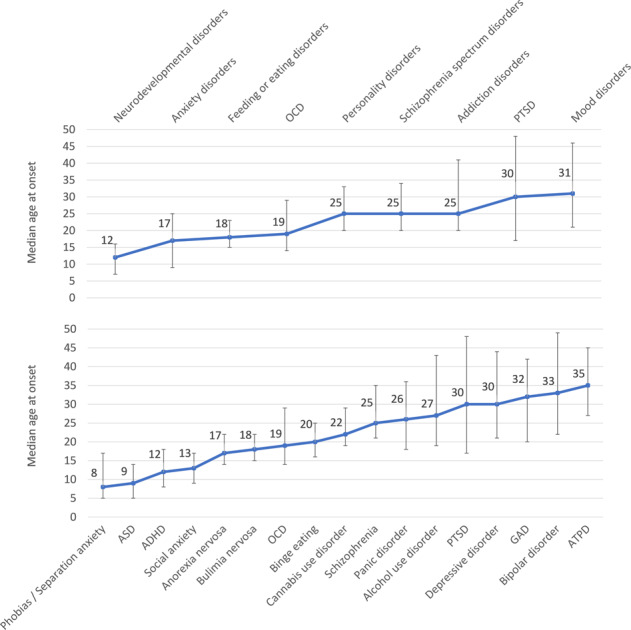
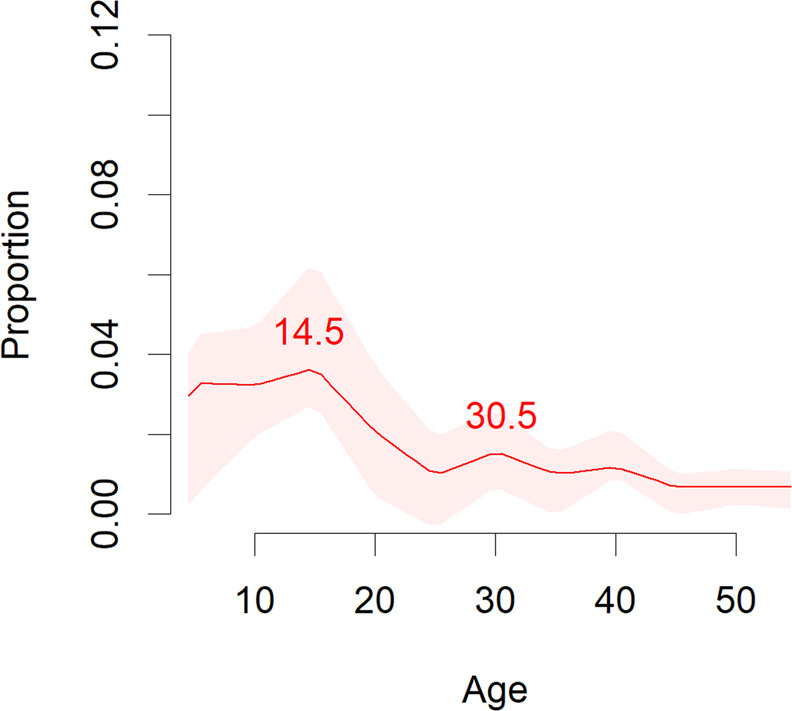
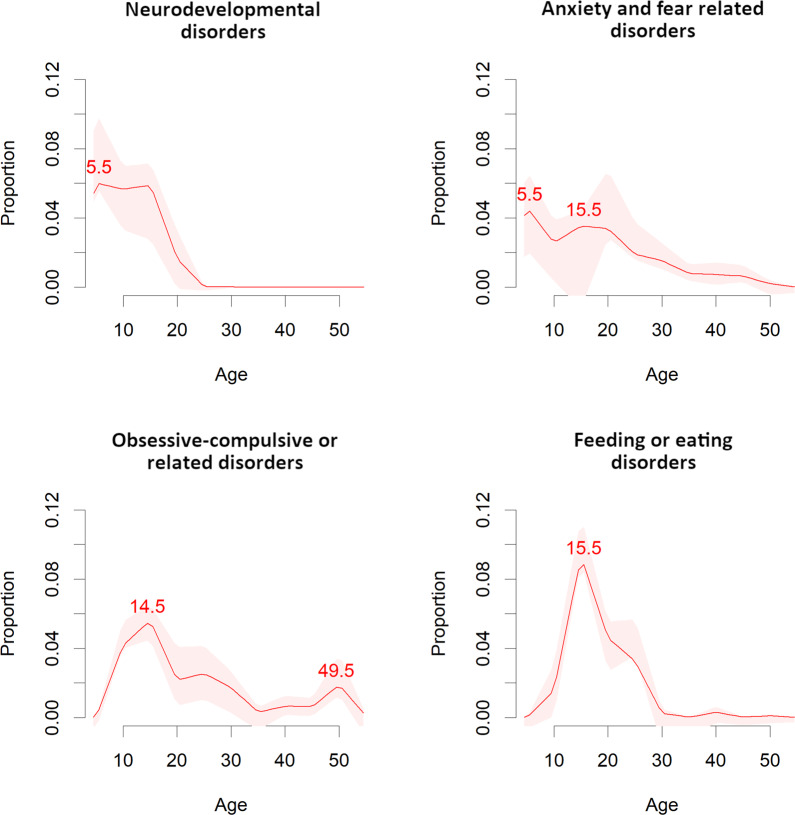
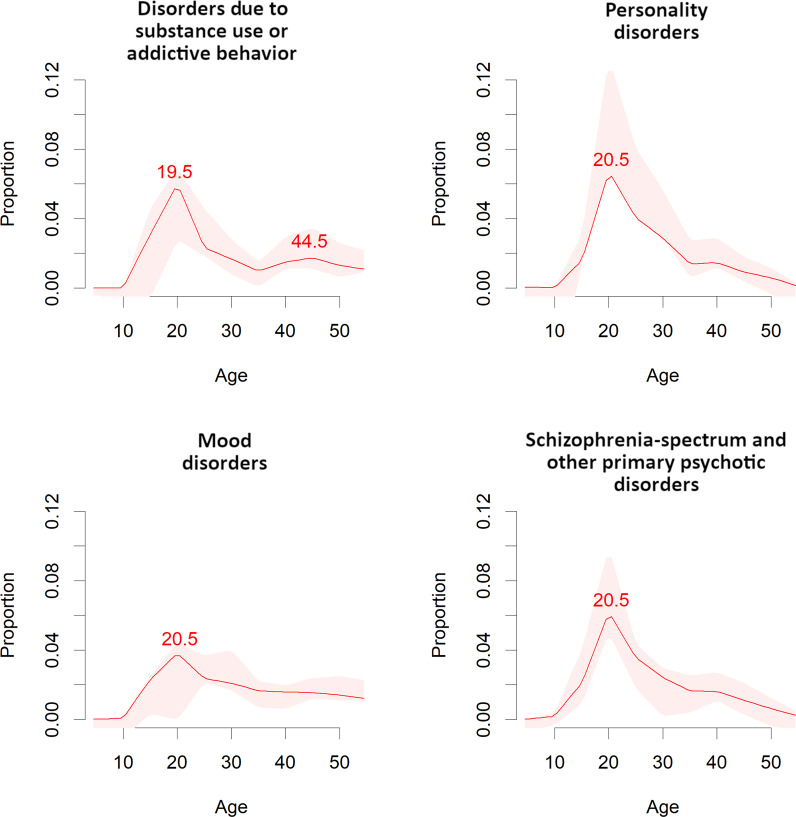
Promotion of good mental health, prevention, and early intervention before/at the onset of mental disorders improve outcomes. However, the range and peak ages at onset for mental disorders are not fully established. To provide robust, global epidemiological estimates of age at onset for mental disorders, we conducted a PRISMA/MOOSE-compliant systematic review with meta-analysis of birth cohort/cross-sectional/cohort studies, representative of the general population, reporting age at onset for any ICD/DSM-mental disorders, identified in PubMed/Web of Science (up to 16/05/2020) (PROSPERO:CRD42019143015). Co-primary outcomes were the proportion of individuals with onset of mental disorders before age 14, 18, 25, and peak age at onset, for any mental disorder and across International Classification of Diseases 11 diagnostic blocks. Median age at onset of specific disorders was additionally investigated. Across 192 studies ( n = 708,561) included, the proportion of individuals with onset of any mental disorders before the ages of 14, 18, 25 were 34.6%, 48.4%, 62.5%, and peak age was 14.5 years ( k = 14, median = 18, interquartile range (IQR) = 11–34). For diagnostic blocks, the proportion of individuals with onset of disorder before the age of 14, 18, 25 and peak age were as follows: neurodevelopmental disorders: 61.5%, 83.2%, 95.8%, 5.5 years ( k = 21, median=12, IQR = 7–16), anxiety/fear-related disorders: 38.1%, 51.8%, 73.3%, 5.5 years ( k = 73, median = 17, IQR = 9–25), obsessive-compulsive/related disorders: 24.6%, 45.1%, 64.0%, 14.5 years ( k = 20, median = 19, IQR = 14–29), feeding/eating disorders/problems: 15.8%, 48.1%, 82.4%, 15.5 years ( k = 11, median = 18, IQR = 15–23), conditions specifically associated with stress disorders: 16.9%, 27.6%, 43.1%, 15.5 years ( k = 16, median = 30, IQR = 17–48), substance use disorders/addictive behaviours: 2.9%, 15.2%, 48.8%, 19.5 years ( k = 58, median = 25, IQR = 20–41), schizophrenia-spectrum disorders/primary psychotic states: 3%, 12.3%, 47.8%, 20.5 years ( k = 36, median = 25, IQR = 20–34), personality disorders/related traits: 1.9%, 9.6%, 47.7%, 20.5 years ( k = 6, median = 25, IQR = 20–33), and mood disorders: 2.5%, 11.5%, 34.5%, 20.5 years ( k = 79, median = 31, IQR = 21–46). No significant difference emerged by sex, or definition of age of onset. Median age at onset for specific mental disorders mapped on a time continuum, from phobias/separation anxiety/autism spectrum disorder/attention deficit hyperactivity disorder/social anxiety (8-13 years) to anorexia nervosa/bulimia nervosa/obsessive-compulsive/binge eating/cannabis use disorders (17-22 years), followed by schizophrenia, personality, panic and alcohol use disorders (25-27 years), and finally post-traumatic/depressive/generalized anxiety/bipolar/acute and transient psychotic disorders (30-35 years), with overlap among groups and no significant clustering. These results inform the timing of good mental health promotion/preventive/early intervention, updating the current mental health system structured around a child/adult service schism at age 18.
Overview
The claims and statistics of this paper haven’t been checked yet.
Free: it reads the open-access text and checks the first 5 claims that cite a source we can check. Create a free account to check every claim.
Integrity signals
Registry
Cites
Statistics
Figures
Verification
Claims the paper makes
The claims and statistics of this paper haven’t been checked yet.
Free: it reads the open-access text and checks the first 5 claims that cite a source we can check. Create a free account to check every claim.
Claims other papers make about this one
Each is checked against this paper’s own text: does it say what the citing paper says it does?
The cited source doesn’t support the claim as written.
In the citing paper
“all major syndromes constituting approximately 75% of mental disorders begin before the age of 25 years [9, 10]”
From Towards a youth mental health paradigm: a perspective and roadmap (2023) · cites this paper as [9]
Checked by a reasoning model — may be wrong.
Experimental — accuracy not yet measuredThe source backs part of the claim, not all of it — or backs it for a different population, condition or comparison.
In the citing paper
“Most mental disorders have a typical onset between 12 and 25 years of age, highlighting the importance of this period for the pathogenesis, diagnosis, and treatment of mental ill-health.”
From Towards a youth mental health paradigm: a perspective and roadmap (2023) · cites this paper as [9]
Experimental — accuracy not yet measuredThe source backs part of the claim, not all of it — or backs it for a different population, condition or comparison.
In the citing paper
“the peak incidence of mental disorders during youth [9, 10]”
From Towards a youth mental health paradigm: a perspective and roadmap (2023) · cites this paper as [9]
Experimental — accuracy not yet measuredThe source backs part of the claim, not all of it — or backs it for a different population, condition or comparison.
In the citing paper
“the large unmet need in young people that has recently dramatically accelerated [9]”
From Towards a youth mental health paradigm: a perspective and roadmap (2023) · cites this paper as [9]
Experimental — accuracy not yet measuredThe source backs part of the claim, not all of it — or backs it for a different population, condition or comparison.
In the citing paper
“Relative to adolescents and adults, emerging adults experience the highest incidence and prevalence of substance use disorders (SUDs) and comorbid mental health disorders (2-4).”
From Initial insights from a quality improvement initiative to develop an evidence-informed young adult substance use program (2022) · cites this paper as [4]
Experimental — accuracy not yet measured
14 more claims about this paper
Create a free account to see every claim other papers make about this one.
Self-check
Percentages, sums and reported differences re-computed from the paper’s own numbers.
The self-check needs the paper’s full text.
Citations
Cites
Preferred Reporting Items for Systematic Reviews and Meta-Analyses: the PRISMA statement
Moher, D., Liberati, A., Tetzlaff, J., Altman, D. G., & for the PRISMA Group (2009) · BMJ · doi:10.1136/bmj.b2535 · Cited by 83,823
Preferred Reporting Items for Systematic Reviews and Meta-Analyses: The PRISMA Statement
Moher, D., Liberati, A., Tetzlaff, J., Altman, D. G., & The PRISMA Group (2009) · PLoS Medicine · doi:10.1371/journal.pmed.1000097 · Cited by 64,042 · cited 1×
“We performed a systematic review adhering to the preferred reporting items for systematic reviews and meta-analyses (PRISMA) recommendations [31] (e-Table 1) and the meta-analysis of observational studies in epidemiology (MOOSE) guidelines (e-Table 2) [32].”
MethodPreferred reporting items for systematic reviews and meta-analyses: the PRISMA Statement.
(2009) · PubMed Central · Cited by 44,859
Preferred reporting items for systematic reviews and meta-analyses: The PRISMA statement
Moher, D., Liberati, A., Tetzlaff, J., Altman, D. G., & the PRISMA Group* (2009) · Annals of Internal Medicine · doi:10.7326/0003-4819-151-4-200908180-00135 · Cited by 37,554
Dermyshi, E., Wang, Y., Yan, C., Hong, W., Qiu, G., Gong, X., & Zhang, T. (2017) · Neonatology · doi:10.1159/000454668 · Cited by 24,451
Meta-analysis of Observational Studies in Epidemiology<SUBTITLE>A Proposal for Reporting</SUBTITLE>
Stroup, D. F. (2000) · JAMA · doi:10.1001/jama.283.15.2008 · Cited by 20,623
Bootstrap Methods and their Application
Davison, A. C., & Hinkley, D. V. (1997) · doi:10.1017/cbo9780511802843 · Cited by 7,350
Bootstrap Methods and Their Application
Loughin, T. M., Davison, A. C., & Hinkley, D. V. (1999) · Journal of the American Statistical Association · doi:10.2307/2669707 · Cited by 5,418
Why do many psychiatric disorders emerge during adolescence?
Paus, T., Keshavan, M., & Giedd, J. N. (2008) · Nature Reviews Neuroscience · doi:10.1038/nrn2513 · Cited by 3,123 · cited 2×
“The meta-epidemiologic results of this work show that mental disorders have onset when dramatic biological changes in the brain occur, from childhood, through adolescence, to adulthood, that involves grey-matter density, cerebral metabolic rate, synaptic density, white matter growth and myelination [41].”
BackgroundWalker, E. R., McGee, R. E., & Druss, B. G. (2015) · JAMA Psychiatry · doi:10.1001/jamapsychiatry.2014.2502 · Cited by 2,976
Research works printed but not linked: 1
- McGorry PD Hartmann JA Spooner R Nelson B Beyond the "at risk mental state" concept: transitioning to transdiagnostic psychiatry World Psychiatry 2018 17 133 42 29856558 PMC5980504 · DOI · Paper page
Cited by
Items 401–500 of 1,015
Seekles, M. L., Twagira, F., Alam, A. M., & Obasi, A. I. N. (2023) · BMJ Public Health · doi:10.1136/bmjph-2023-000037 · Cited by 27
Yuan, D., Li, Q., Zhan, N., Zhang, L., Wang, J., Liu, M., & Geng, F. (2023) · European Child & Adolescent Psychiatry · doi:10.1007/s00787-023-02345-y · Cited by 27
“On one hand, specific psychiatric problems (e.g., sleep disturbances) might be more sensitive to the fluctuations of hormone levels; on the other hand, irregularity may occur during the sensitive period of onset anxiety [49], which would trigger anxiety easily.”
Wang, X., Wu, Y., Tian, Y.-R., Hu, H., Zhao, Y. F., Xue, B., Sun, Z., Wei, A., Xie, F., & Qian, L. (2024) · Cell & Bioscience · doi:10.1186/s13578-024-01229-1 · Cited by 28
The process of co‐design for a new anxiety intervention for autistic children
Cullingham, T., Rennard, U., Creswell, C., Milton, D. E. M., Buckle, K. L., Godber, L., Gordon, K., Larkin, M., & Green, J. (2024) · JCPP Advances · doi:10.1002/jcv2.12255 · Cited by 30
“They have an early onset (Solmi et al., 2022) et al., 2020), true co ‐ production of such an adaptation has not to our knowledge been reported.”
Cheng, Q., Mills-Webb, K., Marquez, J., & Humphrey, N. (2025) · Journal of Youth and Adolescence · doi:10.1007/s10964-024-02131-2 · Cited by 30
Yu, L., Ge, Y., Ansari, S., Imran, M. A., & Ahmad, W. (2025) · Sensors · doi:10.3390/s25154763 · Cited by 35
The Prevalence and Sociodemographic Correlates of Social Anxiety Disorder: A Focused National Survey
Ambusaidi, A., Al‐Huseini, S., Alshaqsi, H., AlGhafri, M., Chan, M. F., Al‐Sibani, N., Al‐Adawi, S., & Qoronfleh, M. W. (2022) · Chronic Stress · doi:10.1177/24705470221081215 · Cited by 28
Glowacki, K., Whyte, M., Weinstein, J., Marchand, K., Barbic, D., Scheuermeyer, F. X., Mathias, S., & Barbic, S. P. (2022) · BMC Health Services Research · doi:10.1186/s12913-022-07990-8 · Cited by 29
Vickers, M. L., Choi, Y. K., Eriksson, L., Polyakova-Nelson, Y., Jokovic, Z., Parker, S., Moudgil, V., Dean, J. A., Debattista, J., & Scott, J. G. (2022) · Schizophrenia Bulletin · doi:10.1093/schbul/sbac114 · Cited by 26
Fernández‐Cabello, S., Alnæs, D., van der Meer, D., Dahl, A., Holm, M. C., Kjelkenes, R., Maximov, I. I., Norbom, L. B., Pedersen, M. L., Voldsbekk, I., et al. (2022) · NeuroImage · doi:10.1016/j.neuroimage.2022.119611 · Cited by 31
“disorders have their peak onset during late childhood and adolescence (Solmi et al., 2021), a period that coincides with tremendous biological, cognitive and behavioral changes and”
BackgroundPrior, K., Ross, K., Conroy, C., Barrett, E. L., Bock, S. G., Boyle, J. T., Snijder, M., Teesson, M., & Chapman, C. (2022) · Mental Health & Prevention · doi:10.1016/j.mhp.2022.200251 · Cited by 27
Sfärlea, A., Radix, A. K., Schulte‐Körne, G., Legenbauer, T., & Platt, B. (2022) · Research on Child and Adolescent Psychopathology · doi:10.1007/s10802-022-00993-3 · Cited by 27
Green, I., Reardon, T. C., Button, R., Williamson, V., Halliday, G., Hill, C., Larkin, M., Sniehotta, F. F., Ukoumunne, O. C., Ford, T. J., et al. (2022) · Child and Adolescent Mental Health · doi:10.1111/camh.12612 · Cited by 29
Casañas, R., Castellví, P., Gil, J.-J., Torres-Torres, M., Barón, J., Teixidó, M., Sampietro, H. M., López, M. D., Fernández, R., de Oraa, R. S. M., et al. (2022) · BMC Public Health · doi:10.1186/s12889-022-14558-y · Cited by 31
Victoria‐Montesinos, D., Jiménez‐López, E., Mesas, A. E., López‐Bueno, R., Garrido‐Miguel, M., Gutiérrez‐Espinoza, H., Smith, L., & López‐Gil, J. F. (2023) · Clinical Nutrition · doi:10.1016/j.clnu.2023.01.020 · Cited by 26
Frajerman, A., Chevance, A., Chaumette, B., & Morvan, Y. (2023) · Psychiatry Research · doi:10.1016/j.psychres.2023.115263 · Cited by 29
Speidel, R., Wong, T. K. Y., Al‐Janaideh, R., Colasante, T., & Malti, T. (2023) · Pilot and Feasibility Studies · doi:10.1186/s40814-023-01357-4 · Cited by 31
“Supporting positive mental health outcomes from an early age is a public health priority because an estimated 50% of adult mental health challenges have their onset before age 18 [4].”
BackgroundDigitale Mediennutzung und psychische Gesundheit bei Adoleszenten – eine narrative Übersicht
Paschke, K., & Thomasius, R. (2024) · Bundesgesundheitsblatt - Gesundheitsforschung - Gesundheitsschutz · doi:10.1007/s00103-024-03848-y · Cited by 27
Awareness of Mental Health Issues in Malaysian Construction Industry
Esa, M. B., Muniandy, P., & Noor, N. A. S. M. (2024) · Journal of Health and Quality of Life · doi:10.37934/hqol.1.1.2148 · Cited by 28
“…that are prevalent worldwide include bipolar disorder, persistent depressive disorder (dysthymia), generalized anxiety disorder (GAD), major depressive disorder (MDD), obsessive-compulsive disorder (OCD), post-traumatic stress disorder (PTSD), schizophrenia, and social anxiety disorder [26].”
BackgroundKong, L., Nivins, S., Chen, X., Liang, Y., Gissler, M., & Lavebratt, C. (2024) · European Child & Adolescent Psychiatry · doi:10.1007/s00787-024-02489-5 · Cited by 29
“First, the follow-up time did not allow detection of all cases with late-onset psychiatric disorders ( Table 1 ) [49].”
A systematic review of eating disorders and family functioning.
Rienecke, R., Trotter, X., & Jenkins, P. E. (2024) · Clinical Psychology Review · doi:10.1016/j.cpr.2024.102462 · Cited by 25
Li, J., Zhou, Z., Hao, S., & Zang, L. (2024) · European Journal of Applied Physiology · doi:10.1007/s00421-024-05688-9 · Cited by 30
“…has shown that college students between the ages of 18 and 25 face the highest risk of experiencing a mental health problem for the first time (Solmi et al. 2022); as a result the percentage of college students experiencing mental problems continues to rise each year, with one 9-year study…”
Kambeitz, J. P., & Meyer‐Lindenberg, A. (2025) · npj Digital Medicine · doi:10.1038/s41746-024-01422-z · Cited by 26
Bala, R., Handley, D., Gillett, A. C., Green, H., Bowden, J., Wood, A. R., Barroso, I., Lewis, C. M., & Tyrrell, J. (2025) · Molecular Psychiatry · doi:10.1038/s41380-025-03083-0 · Cited by 31
Lewis, C. P., Klimes‐Dougan, B., Croarkin, P. E., & Cullen, K. R. (2025) · Neuropsychopharmacology · doi:10.1038/s41386-025-02168-2 · Cited by 34
Supporting Mental Health in Youth Sport: Introducing a Toolkit for Coaches, Clubs, and Organisations
Walton, C. C., Carberry, S., Wilson, M., Purcell, R., OLIVE, L. S., Vella, S. A., & Rice, S. (2021) · International Sport Coaching Journal · doi:10.1123/iscj.2021-0042 · Cited by 28
Arango, C., Buitelaar, J. K., Correll, C. U., Díaz‐Caneja, C. M., Figueira, M. L., Fleischhacker, W. W., Marcotulli, D., Parellada, M., & Vitiello, B. (2022) · European Neuropsychopharmacology · doi:10.1016/j.euroneuro.2022.04.005 · Cited by 30
Self-citationKambanis, P. E., Harshman, S. G., Kuhnle, M. C., Kahn, D. L., Dreier, M. J., Hauser, K. P., Slattery, M. J., Becker, K. R., Breithaupt, L. E., Misra, M., et al. (2022) · International Journal of Eating Disorders · doi:10.1002/eat.23777 · Cited by 27
The Intergenerational Transmission of Mental and Physical Health in the United Kingdom
Bencsik, P., Halliday, T. J., & Mazumder, B. (2021) · Journal of Health Economics · doi:10.1016/j.jhealeco.2023.102805 · Cited by 35
A systematic review: Solutions to problems caused by age transition between eating disorder services
Wade, T. D. (2022) · European Eating Disorders Review · doi:10.1002/erv.2945 · Cited by 28
Cullen, A. E., Labad, J., Oliver, D., Al‐Diwani, A., Minichino, A., & Fusar‐Poli, P. (2023) · Current Neuropharmacology · doi:10.2174/1570159x21666230322145049 · Cited by 31
Self-citationIftimovici, A., Marchi, A., Férat, V., Pruvost‐Robieux, E., Guinard, E., Morin, V., Elandaloussi, Y., d'Halluin, A., Krebs, M., Chaumette, B., et al. (2023) · European Psychiatry · doi:10.1192/j.eurpsy.2023.2414 · Cited by 25
“Psychosis affects approximately 3% of the population, usually in adolescence or early adulthood [1], with major functional, social, and occupational impact.”
BackgroundImpact and centrality of attention dysregulation on cognition, anxiety, and low mood in adolescents
Roberts, C., Sahakian, B. J., Chen, S., Sallie, S. N., Walker, C., White, S. R., Weber, J., Skandali, N., Robbins, T. W., & Murray, G. K. (2023) · Scientific Reports · doi:10.1038/s41598-023-34399-y · Cited by 27
Longitudinal Associations Between White Matter Microstructure and Psychiatric Symptoms in Youth
Dall’Aglio, L., Xu, B., Tiemeier, H. W., & Muetzel, R. L. (2023) · Journal of the American Academy of Child & Adolescent Psychiatry · doi:10.1016/j.jaac.2023.04.019 · Cited by 28
Lemke, T., Hökby, S., Wasserman, D., Carli, V., & Hadlaczky, G. (2023) · PLoS ONE · doi:10.1371/journal.pone.0293580 · Cited by 31
Morris‐Perez, P., Abenavoli, R. M., Benzekri, A., Rosenbach‐Jordan, S., & Boccieri, G. R. (2023) · Child Policy Nexus · doi:10.1002/sop2.30 · Cited by 31
Webb, H., Griffiths, M., & Schmidt, U. H. (2024) · Journal of Eating Disorders · doi:10.1186/s40337-024-01061-5 · Cited by 28
“ED onset is typically during late adolescence and early adulthood [2].”
BackgroundBolinski, F., Kleiboer, A., Neijenhuijs, K., Karyotaki, E., Wiers, R., de Koning, L., Jacobi, C., Zarski, A.-C., Weisel, K. K., Cuijpers, P., et al. (2022) · Journal of Medical Internet Research · doi:10.2196/40892 · Cited by 24
“Offering transdiagnostic prevention programs for depression and anxiety to college and university students (henceforth denoted as students) is relevant for a number of reasons: these conditions are highly comorbid [1,2] and often emerge during the time individuals enter tertiary education [3-6].”
The relationship between university student help-seeking intentions and well-being outcomes
McCabe, M., Byrne, M. L., Gullifer, J., & Cornish, K. M. (2024) · Frontiers in Psychiatry · doi:10.3389/fpsyt.2024.1407689 · Cited by 26
Trompeter, N., Dârvariu, Ş., Brieva‐Toloza, A. V., Opitz, M., Rabelo‐da‐Ponte, F. D., Sharpe, H., Desrivières, S., Schmidt, U. H., & Micali, N. (2024) · European Child & Adolescent Psychiatry · doi:10.1007/s00787-024-02601-9 · Cited by 29
“While anxiety disorders typically have an onset in childhood, eating disorder frequently develop in adolescence or early adulthood [19].”
Gere, B., & Salimi, N. (2025) · American Journal of Men s Health · doi:10.1177/15579883251318214 · Cited by 25
Rakesh, D., Flournoy, J. C., & McLaughlin, K. A. (2025) · JCPP Advances · doi:10.1002/jcv2.70001 · Cited by 28
Generalised anxiety and panic symptoms in the German National Cohort (NAKO)
Erhardt, A., Gelbrich, G., Klinger-König, J., Streit, F., Kleineidam, L., Riedel-Heller, S. G., NAKO Investigators, Schmidt, B., Schmiedek, F., Wagner, M., et al. (2022) · The World Journal of Biological Psychiatry · doi:10.1080/15622975.2021.2011409 · Cited by 29
“Anxiety disorders develop early in life with a median age of onset of 17 years and high onset risk until 30 years of age and thus affect patients in critical phases of their academic, professional and personal development (Solmi et al. 2021).”
BackgroundRaman, S., Hyland, P., & Coogan, A. N. (2022) · Psychiatry Research · doi:10.1016/j.psychres.2022.114533 · Cited by 27
Buglio, G. L., Pontillo, M., Cerasti, E., Polari, A. R., Lomoriello, A. S., Vicari, S., Lingiardi, V., Boldrini, T., & Solmi, M. (2022) · Frontiers in Psychiatry · doi:10.3389/fpsyt.2022.1016154 · Cited by 26
“Indeed, the typical age of psychosis onset is older than that of the present sample (81).”
BackgroundSelf-citationThe course of attention-deficit/hyperactivity disorder through midlife
Grevet, E. H., Bandeira, C. E., Vitola, E. S., Tavares, M. E., Breda, V., Zeni, G. D., Teche, S. P., Picon, F. A., Salgado, C. A. I., Karam, R. G., et al. (2022) · European Archives of Psychiatry and Clinical Neuroscience · doi:10.1007/s00406-022-01531-4 · Cited by 29
“Sampling differences, mainly comorbidities development, that tend to manifest in older ages and sex ratio might be responsible for higher symptom stability in adults in middle age [49].”
Ge, R., Sassi, R. B., Yatham, L. N., & Frangou, S. (2022) · Molecular Psychiatry · doi:10.1038/s41380-022-01925-9 · Cited by 24
Lee, Y. J., Chahal, R., & Gotlib, I. H. (2023) · Development and Psychopathology · doi:10.1017/s0954579423000111 · Cited by 26
Black, L., Humphrey, N., Panayiotou, M., & Marquez, J. (2023) · Assessment · doi:10.1177/10731911231158623 · Cited by 25
Premenstrual disorders and gender differences in adolescent mental health
Li, Y., Jiang, J., Halldorsdottir, T., Zhu, H., Bertone‐Johnson, E. R., Valdimarsdóttir, U. A., Zhou, X., Zhang, W., & Lu, D. (2023) · Journal of Affective Disorders · doi:10.1016/j.jad.2023.08.009 · Cited by 27
Fekih‐Romdhane, F., Lamloum, E., Loch, A. A., Cherif, W., Cheour, M., & Hallit, S. R. (2023) · BMC Psychiatry · doi:10.1186/s12888-023-05363-x · Cited by 31
James, A. A., & O’Shaughnessy, K. L. (2023) · Frontiers in Toxicology · doi:10.3389/ftox.2023.1290119 · Cited by 30
Herzberg, M. P., Nielsen, A. N., Luby, J. L., & Sylvester, C. M. (2024) · Neuropsychopharmacology · doi:10.1038/s41386-024-01947-7 · Cited by 29
Biomarkers for Psychosis: Are We There Yet? Umbrella Review of 1478 Biomarkers
Fuentes‐Claramonte, P., Estradé, A., Solanes, A., Ramella‐Cravaro, V., García‐León, M. Á., de Diego-Adeliño, J., Molins, C., Fung, E., Valentí, M., Anmella, G., et al. (2024) · Schizophrenia Bulletin Open · doi:10.1093/schizbullopen/sgae018 · Cited by 28
“This umbrella review aims to comprehensively synthesize the evidence of association between peripheral, electrophysiological, neuroimaging, neuropathological, and other biomarkers and diagnosis of psychotic disorders.”
BackgroundSelf-citationNurturing self-compassionate performers
Walton, C. C., Osborne, M. S., Gilbert, P., & Kirby, J. N. (2022) · Australian Psychologist · doi:10.1080/00050067.2022.2033952 · Cited by 25
“…training and education or in the early phases of their career, given young people already appear to be disproportionately suffering the greatest mental health burden both during the pandemic (Jones et al., 2020; Rossell et al., 2021) and otherwise (Patel et al., 2007; Solmi et al., 2021).”
BackgroundFilia, K. M., Teo, S. M., Brennan, N., Freeburn, T., Baker, D., Browne, V., Watson, A. E., Prasad, A., Killackey, E., McGorry, P., et al. (2023) · doi:10.31234/osf.io/4zgcy · Cited by 24
Gleeson, J., McGuckian, T. B., Fernandez, D. K., Fraser, M. I., Pepe, A., Taskis, R., Alvarez-Jimenez, M., Farhall, J., & Gumley, A. I. (2023) · Clinical Psychology Review · doi:10.1016/j.cpr.2023.102357 · Cited by 27
“Schizophrenia spectrum disorders, which affect around 20 million people globally (James et al., 2018), most often have their onset by age 20 (Solmi et al., 2022).”
Destrée, L., McGorry, P. D., Chanen, A. M., Ratheesh, A., Davey, C. G., Polari, A. R., Amminger, G. P., Yuen, H. P., Hartmann, J., Dwyer, D., et al. (2024) · Psychiatry Research · doi:10.1016/j.psychres.2024.115745 · Cited by 30
“It is possible that the upper age range of 25 in this study may have contributed to the low transition rate to psychosis, as the onset age range for psychosis extends beyond the age of 25 (Solmi et al., 2022).”
Family-based interventions versus standard care for people with schizophrenia
Chien, W. T., Ma, D. C. F., Bressington, D. T., & Mou, H. (2024) · Cochrane Database of Systematic Reviews · doi:10.1002/14651858.cd013541.pub2 · Cited by 40
Relationships Between Experiences of Autonomy and Well(Ill)-Being for K-12 Youth: A Meta-Analysis
Vite, A., Patall, E. A., & Chen, M. (2024) · Educational Psychology Review · doi:10.1007/s10648-024-09967-x · Cited by 35
“A recent meta-analysis with over 700,000 participants found that, worldwide, the average onset of mental health disorders is 14.5 years old (Solmi et al., 2021).”
InfluentialMartin, F., Dahmash, D. T., Wicker, S., Glover, S., Duncan, C., Anastassiou, A., Docherty, L., & Halligan, S. L. (2025) · BMJ Mental Health · doi:10.1136/bmjment-2024-301518 · Cited by 26
Fu, C., Chien, W. T., Zhang, Y., & Lam, S. K. K. (2025) · European Child & Adolescent Psychiatry · doi:10.1007/s00787-025-02741-6 · Cited by 26
“Alarmingly, global statistics indicate that 10% to 20% of adolescents experience some level of mental health problems [7, 8].”
Suokas, K., Niemi, R., Gutvilig, M., McGrath, J. J., Komulainen, K., Suvisaari, J., Elovainio, M. J., Lumme, S., Pirkola, S. P., & Hakulinen, C. A. (2025) · Epidemiology and Psychiatric Sciences · doi:10.1017/s2045796025100061 · Cited by 28
Macroeconomic income inequality, brain structure and function, and mental health
Rakesh, D., Tsomokos, D. I., Vargas, T., Pickett, K. E., & Patel, V. (2025) · Nature Mental Health · doi:10.1038/s44220-025-00508-1 · Cited by 25
Prevalence and incidence of psychotic disorders in 22q11.2 deletion syndrome: a meta-analysis
Provenzani, U., Damiani, S., Bersano, I., Singh, S., Moschillo, A., Accinni, T., Brondino, N., Oliver, D., & Fusar‐Poli, P. (2022) · International Review of Psychiatry · doi:10.1080/09540261.2022.2123273 · Cited by 26
Self-citationRaeside, R., Spielman, K., Maguire, S., Mihrshahi, S., Steinbeck, K. S., Kang, M. S., Laranjo, L., Hyun, K. K., Redfern, J., Partridge, S. R., et al. (2022) · BMC Public Health · doi:10.1186/s12889-022-14183-9 · Cited by 24
“Similarly, the period of adolescence is the highest risk developmental stage for the onset of mental illness [17].”
BackgroundMorales‐Hidalgo, P., Voltas, N., Hernández‐Martínez, C., & Canals, J. (2023) · Research in Developmental Disabilities · doi:10.1016/j.ridd.2023.104454 · Cited by 27
Harris, A. (2023) · Internal medicine journal (Print) · doi:10.1111/imj.16068 · Cited by 16
‘Doing well’ and ‘being well’—secondary school teachers’ perspectives
Wilson, R., Sellman, E. M., & Joseph, S. (2023) · British Educational Research Journal · doi:10.1002/berj.3878 · Cited by 24
Alfaro-González, S., Garrido‐Miguel, M., Martínez‐Vizcaíno, V., & López‐Gil, J. F. (2023) · Nutrients · doi:10.3390/nu15132905 · Cited by 25
Lekkas, D., Gyorda, J. A., Price, G. D., & Jacobson, N. C. (2023) · Behaviour Research and Therapy · doi:10.1016/j.brat.2023.104382 · Cited by 26
Jin, J., Han, W., Yang, T., Xu, Z., Zhang, J., Cao, R., Wang, Y., Wang, J., Hu, X., Gu, T., et al. (2023) · The Science of The Total Environment · doi:10.1016/j.scitotenv.2023.166004 · Cited by 23
Grave, R. D., Sartirana, M., Grave, A. D., & Calugi, S. (2023) · European Eating Disorders Review · doi:10.1002/erv.3019 · Cited by 24
Zhou, R., Foo, J. C., Nishida, A., Ogawa, S., Togo, F., & Sasaki, T. (2023) · European Child & Adolescent Psychiatry · doi:10.1007/s00787-023-02299-1 · Cited by 24
Creutzberg, K. C., Begni, V., Orso, R., Lumertz, F. S., Wearick‐Silva, L. E., Tractenberg, S. G., Marizzoni, M., Cattaneo, A., Grassi‐Oliveira, R., & Riva, M. A. (2023) · Translational Psychiatry · doi:10.1038/s41398-023-02653-6 · Cited by 27
“Interestingly, the onset of stress-induced conditions, peaks between mid and late adolescence and become fully manifest during the transition from adolescence to adulthood [17 – 19].”
Backgroundde Lima, E. S., Preece, C., Potter, K., Goddard, E., Edbrooke-Childs, J. H., Hobbs, T., & Fonagy, P. (2023) · Research Involvement and Engagement · doi:10.1186/s40900-023-00510-w · Cited by 24
“These groups included older young people [6, 36], those across gender identities and experiencing various norms and relations [6, 37, 38], those from socially disadvantaged backgrounds [6, 39], care experienced [40, 41], individuals with learning difficulties [42, 43], those with pre-existing…”
BackgroundOvarian tumors in the pediatric population: An update
Ergun-Longmire, B., & Greydanus, D. E. (2024) · Disease-a-Month · doi:10.1016/j.disamonth.2024.101691 · Cited by 23
Lau, S. S. S., Fong, J. W. L., van Rijsbergen, N. J., McGuire, L., Ho, C. C. Y., Cheng, M. C. H., & Tse, D. (2024) · The Lancet Planetary Health · doi:10.1016/s2542-5196(24)00097-4 · Cited by 30
A scoping review of life skills development and transfer in emerging adults
Tanious, R., Gérain, P., Jacquet, W., & Hoof, E. V. (2023) · Frontiers in Psychology · doi:10.3389/fpsyg.2023.1275094 · Cited by 27
Generation Scotland: an update on Scotland’s longitudinal family health study
Milbourn, H., McCartney, D. L., Richmond, A., Campbell, A., Flaig, R., Robertson, S., Fawns‐Ritchie, C., Hayward, C., Marioni, R. E., McIntosh, A. M., et al. (2024) · BMJ Open · doi:10.1136/bmjopen-2024-084719 · Cited by 27
Wang, S., Chong, Z. Y., Zhang, C., & Xu, W. (2024) · Depression and Anxiety · doi:10.1155/da/6205475 · Cited by 27
Multimodal neural correlates of childhood psychopathology
Royer, J., Kebets, V., Piguet, C., Chen, J., Ooi, L. Q. R., Kirschner, M., Siffredi, V., Mišić, B., Yeo, B. T. T., & Bernhardt, B. C. (2024) · eLife · doi:10.7554/elife.87992 · Cited by 26
“Indeed, about 35% of mental illnesses begin prior to age 14 ( Solmi et al., 2022 ), motivating efforts to identify vulnerability markers of psychopathology early on Lynch et al., 2021 .”
Keiller, E., Tjasink, M., Bourne, J., Ougrin, D., Carr, C. E., & Lau, J. Y. F. (2023) · JCPP Advances · doi:10.1002/jcv2.12145 · Cited by 29
Preventing comorbidity between distress and suicidality: a network analysis
Junus, A., & YIP, P. S. F. (2023) · npj Mental Health Research · doi:10.1038/s44184-023-00022-1 · Cited by 25
Hart, L., Jorm, A. F., Johnson, C. L., Tully, L. A., Austen, E., Gregg, K. J., & Morgan, A. J. (2023) · World Psychiatry · doi:10.1002/wps.21099 · Cited by 22
Porru, F., Schuring, M., Hoogendijk, W. J. G., Burdorf, A., & Robroek, S. J. (2023) · Journal of Epidemiology & Community Health · doi:10.1136/jech-2022-219487 · Cited by 30
Childhood Adversity and Emerging Psychotic Experiences: A Network Perspective
Qiao, Z., Lafit, G., Lecei, A., Achterhof, R., Kirtley, O. J., Hiekkaranta, A. P., Hagemann, N., Hermans, K. S. F. M., Boets, B., Reininghaus, U., et al. (2023) · Schizophrenia Bulletin · doi:10.1093/schbul/sbad079 · Cited by 25
Halladay, J. E., Slade, T. N., Chapman, C., Mewton, L. R., O’Dean, S., Visontay, R., Baillie, A., Teesson, M., & Sunderland, M. (2023) · Psychiatry Research · doi:10.1016/j.psychres.2023.115356 · Cited by 22
This is the place: a multi-level analysis of neighbourhood correlates of adolescent wellbeing
Marquez, J., Humphrey, N., Black, L., & Wozmirska, S. (2023) · Social Psychiatry and Psychiatric Epidemiology · doi:10.1007/s00127-023-02531-y · Cited by 22
“First, subjective wellbeing starts to decline in the transition from childhood [2]; furthermore, the majority of lifetime cases of mental ill health begin in adolescence, with a peak age of onset of 14.5 years [3].”
BackgroundInfluentialLongitudinal study of childhood sleep trajectories and adolescent mental health problems
Touchette, É., Fréchette‐Boilard, G., Petit, D., Geoffroy, M., Pennestri, M., Côté, S. M., Tremblay, R. E., Petitclerc, A., Boivin, M., & Montplaisir, J. Y. (2024) · SLEEP Advances · doi:10.1093/sleepadvances/zpae013 · Cited by 25
“A large-scale meta-analysis of 192 epidemiological studies reported that the peak age for presenting the greatest proportion of any mental health problems in adolescence was 14.5 years [2].”
BackgroundInfluentialA transdiagnostic prodrome for severe mental disorders: an electronic health record study
Arribas, M., Oliver, D., Patel, R., Kornblum, D., Shetty, H., Damiani, S., Krakowski, K., Provenzani, U., Stahl, D. R., Koutsouleris, N., et al. (2024) · Molecular Psychiatry · doi:10.1038/s41380-024-02533-5 · Cited by 27
“These fi ndings support proposals to develop transdiagnostic preventive services for SMD in secondary mental healthcare.”
BackgroundSelf-citationSmout, S., Champion, K. E., O’Dean, S., Halladay, J. E., Gardner, L. A., & Newton, N. C. (2024) · International Journal of Mental Health and Addiction · doi:10.1007/s11469-024-01350-9 · Cited by 27
Golovina, K., Elovainio, M., & Hakulinen, C. (2023) · American Journal of Obstetrics and Gynecology · doi:10.1016/j.ajog.2022.10.016 · Cited by 21
Cavelti, M., Ruppen, N. A., Sele, S., Moessner, M., Bauer, S., Becker, K., Krämer, J., Eschenbeck, H., Rummel‐Kluge, C., Thomasius, R., et al. (2024) · European Child & Adolescent Psychiatry · doi:10.1007/s00787-024-02568-7 · Cited by 23
Bailey, M., Fairchild, G. F., Hammerton, G., Bauer, A., Carpena, M. X., Murray, J., Santos, I. S., Barros, A. J. D., Tovo‐Rodrigues, L., Danese, A., et al. (2025) · The Lancet Global Health · doi:10.1016/s2214-109x(24)00452-2 · Cited by 24
“…were only evident in relation to trauma up to age 18 years and not trauma up to age 15 years, possibly because mood disorders have a later age of onset than anxiety and conduct–oppositional disorders, 28 or because parents and caregivers are less aware of their child’s emotional problems.”
East‐Richard, C., Cayouette, A., Allott, K., Anderson, E. L., Haesebaert, F., Cella, M., & Cellard, C. (2025) · Early Intervention in Psychiatry · doi:10.1111/eip.70016 · Cited by 249
Demetriou, C. (2025) · International Journal of Developmental Science · doi:10.1177/2192001x251326198 · Cited by 27
Brinsley, J., Schmidt, M., Curtis, R., Simpson, C. E. M., Edwards, J. K., Eglitis, E., Gosse, G., Broad, M., Jardine, B., Taddeo, E., et al. (2025) · Scientific Reports · doi:10.1038/s41598-025-01053-8 · Cited by 25
White matter micro- and macrostructure brain charts for the human lifespan
Kim, M. E., Gao, C., Ramadass, K., Newlin, N. R., Kanakaraj, P., Bogdanov, S., Rudravaram, G., Archer, D. B., Hohman, T. J., Jefferson, A. L., et al. (2026) · Nature · doi:10.1038/s41586-026-10454-2 · Cited by 39
“Pink boxes denote the age range for clinical disorders in the dataset; black boxes denote literature diagnostic ranges 22 ; blue tapered bars indicate transcriptomic development windows 23 .”
The pandemic and social experience: For whom did discrimination and social isolation increase?
Fuller‐Rowell, T. E., Nichols, O. I., El‐Sheikh, M., Burrow, A. L., Ong, A. D., & Ryff, C. D. (2022) · Cultural Diversity & Ethnic Minority Psychology · doi:10.1037/cdp0000561 · Cited by 24
Metadata
- Authors
- Solmi, M., Radua, J., Olivola, M., Croce, E., Soardo, L., Salazar de Pablo, G., Il Shin, J., Kirkbride, J. B., Jones, P., Kim, J. H., Kim, J. Y., Carvalho, A. F., Seeman, M. V., Correll, C. U., & Fusar-Poli, P.
- Affiliations
- University of Padua (IT)
- King's College London (GB)
- University of Ferrara (IT)
- University of Pavia (IT)
- University College London (GB)
- National Health Service (GB)
- Yonsei University (KR)
- University of Toronto (CA)
- Feinstein Institute for Medical Research (US)
- ORCID
- Venue
- Molecular Psychiatry
- Published
- 2021-06-02
- Volume
- 27
- Issue
- 1
- Pages
- 281-295
- ISSN
- 1359-4184 (ISSN-L)
- 1476-5578
- PMC
- PMC8960395
- OpenAlex
- W3164324796
- Cited by
- 3,835
- References
- 67
- Citations by year
- 2026: 925 · 2025: 1030 · 2024: 865 · 2023: 638 · 2022: 325 · 2021: 48
- FWCI
- 73.42
- Type
- journal article
- Language
- en
- Open access
- hybrid
- doi.org
- Licence
- cc-by
- creativecommons.org/licenses/by/4.0 (tdm)
- creativecommons.org/licenses/by/4.0 (vor)
- Locations
- Molecular Psychiatry (publishedVersion, cc-by)
- PubMed Central (publishedVersion, cc-by)
- PubMed (publishedVersion)
- UCL Discovery (University College London) (submittedVersion)
- Research Portal (King's College London) (submittedVersion, other-oa)
- Apollo (University of Cambridge) (submittedVersion)
- Apollo (University of Cambridge) (submittedVersion, cc-by)
- Apollo
- Deakin Research Online (Deakin University) (cc-by)
- Funders
- Fundación Alicia Koplowitz (PI19/00394)
- Wellcome Trust
- National Institute for Health and Care Research
- University College London
- European Commission (CPII19/00009)
- Instituto de Salud Carlos III ((CPII19/00009), PI19/00394)
- European Regional Development Fund (PI19/00394, CPII19/00009)
- European Social Fund (CPII19/00009, PI19/00394)
- Topics
- Health Sciences › Medicine › Psychiatry and Mental health › Mental Health Treatment and Access
- Social Sciences › Psychology › Clinical Psychology › Child and Adolescent Psychosocial and Emotional Development
- Health Sciences › Medicine › Psychiatry and Mental health › Schizophrenia research and treatment
- Keywords
- age of onset, mental illness, child psychopathology, adolescent mental disorders, neurodevelopmental disorders, anxiety disorders, obsessive-compulsive disorder, eating disorders, substance use disorders, mood disorders, psychosis, bipolar disorder, depression, schizophrenia spectrum disorders, psychosis spectrum disorders, early intervention, mental health promotion, global prevalence estimates
- MeSH terms
- Autism Spectrum Disorder, Alcoholism, Mental Disorders, Cross-Sectional Studies, Humans, Obsessive-Compulsive Disorder, Comorbidity, Prevalence, Age of Onset
About these checks
Registry, retraction, Cites and statistics results are computed, not judged, with one exception: a printed reference that no index lists is read once by a model before it counts as a citation error. Claims are extracted by a model and kept only when their quote appears verbatim in the text; each cited source is then checked, with a model’s help, for whether it says what the claim relies on. Those verdicts can be wrong — read the claim’s quote and the cited source before relying on one.
Statistics and arithmetic are recomputed, not judged.
Confidence bands are shown only for fields calibrated on our annotated test set. None is calibrated yet, so no band is shown.
What counts as a claim ›How we measure confidence ›How we check this ›
Are you an author, or do you see a problem with this page? Request a review
Data sources
Bibliographic data: Semantic Scholar, OpenAlex, Crossref.
Contains information from the Semantic Scholar Academic Graph Datasets, made available under the ODC Attribution License (ODC-BY 1.0).
Semantic Scholar’s data is described in: Kinney, R., et al. (2023). The Semantic Scholar Open Data Platform. arXiv:2301.10140.
