

Age at onset of mental disorders worldwide: large-scale meta-analysis of 192 epidemiological studies
Open accessThe DOI matches its Crossref record; 67 of the 67 references it cites were found in a registry or an index.
Abstract
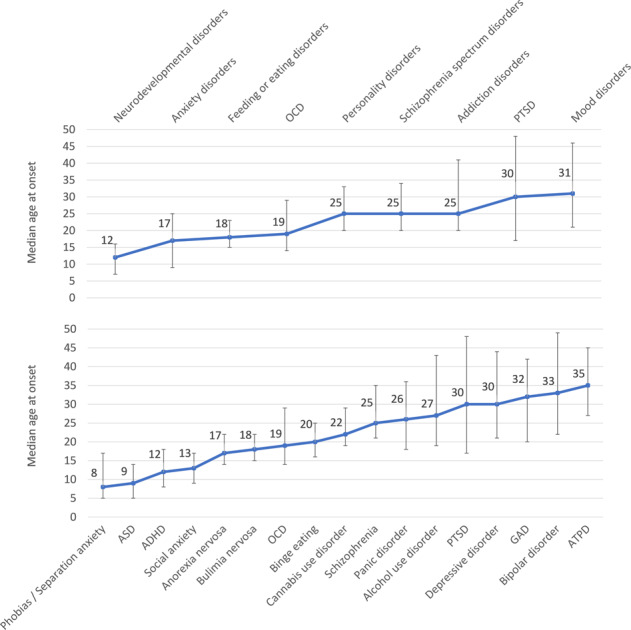
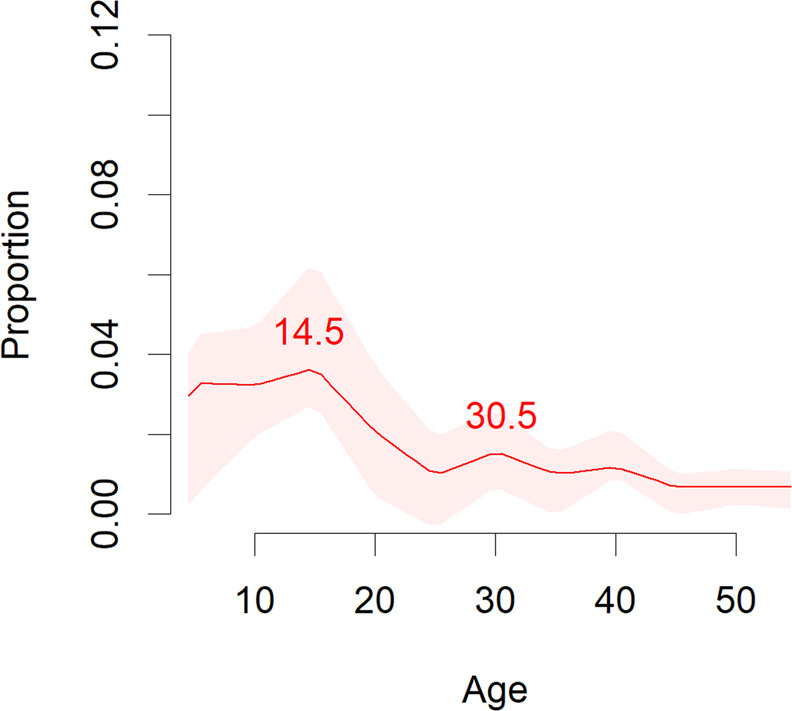
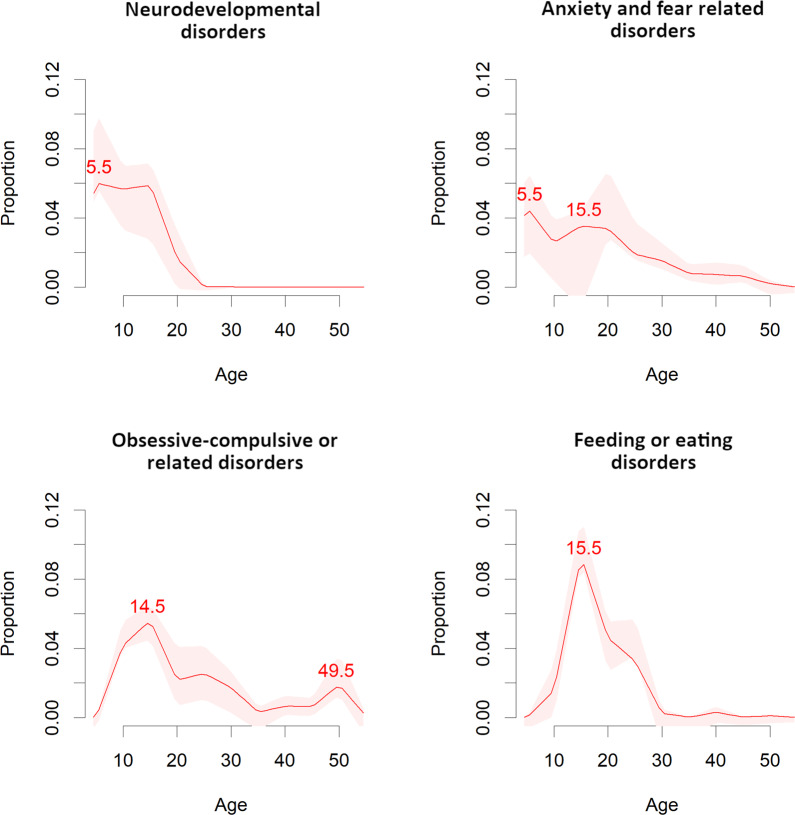
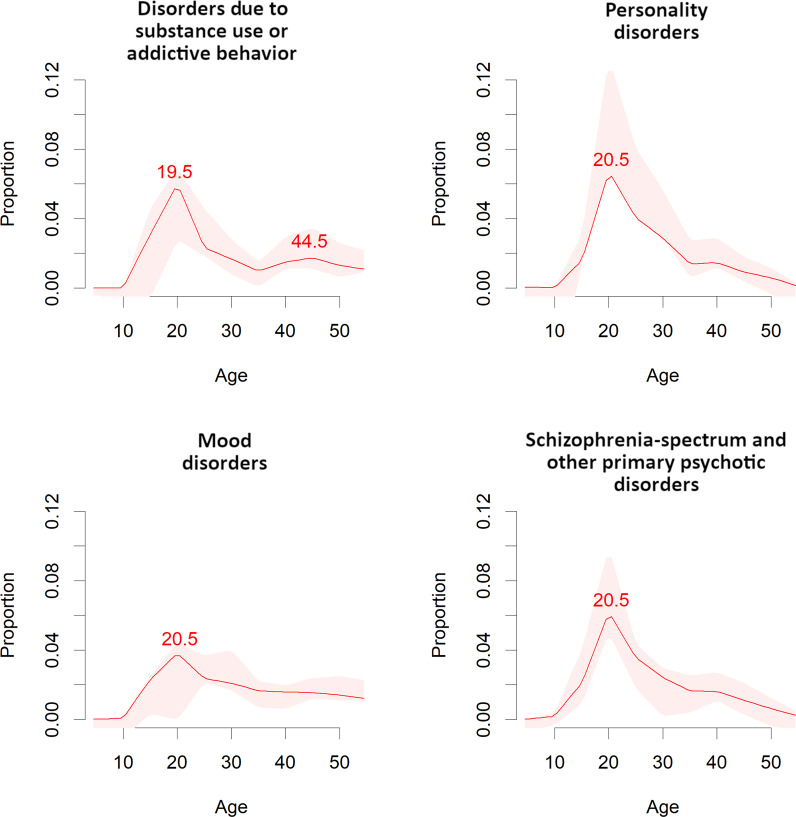
Promotion of good mental health, prevention, and early intervention before/at the onset of mental disorders improve outcomes. However, the range and peak ages at onset for mental disorders are not fully established. To provide robust, global epidemiological estimates of age at onset for mental disorders, we conducted a PRISMA/MOOSE-compliant systematic review with meta-analysis of birth cohort/cross-sectional/cohort studies, representative of the general population, reporting age at onset for any ICD/DSM-mental disorders, identified in PubMed/Web of Science (up to 16/05/2020) (PROSPERO:CRD42019143015). Co-primary outcomes were the proportion of individuals with onset of mental disorders before age 14, 18, 25, and peak age at onset, for any mental disorder and across International Classification of Diseases 11 diagnostic blocks. Median age at onset of specific disorders was additionally investigated. Across 192 studies ( n = 708,561) included, the proportion of individuals with onset of any mental disorders before the ages of 14, 18, 25 were 34.6%, 48.4%, 62.5%, and peak age was 14.5 years ( k = 14, median = 18, interquartile range (IQR) = 11–34). For diagnostic blocks, the proportion of individuals with onset of disorder before the age of 14, 18, 25 and peak age were as follows: neurodevelopmental disorders: 61.5%, 83.2%, 95.8%, 5.5 years ( k = 21, median=12, IQR = 7–16), anxiety/fear-related disorders: 38.1%, 51.8%, 73.3%, 5.5 years ( k = 73, median = 17, IQR = 9–25), obsessive-compulsive/related disorders: 24.6%, 45.1%, 64.0%, 14.5 years ( k = 20, median = 19, IQR = 14–29), feeding/eating disorders/problems: 15.8%, 48.1%, 82.4%, 15.5 years ( k = 11, median = 18, IQR = 15–23), conditions specifically associated with stress disorders: 16.9%, 27.6%, 43.1%, 15.5 years ( k = 16, median = 30, IQR = 17–48), substance use disorders/addictive behaviours: 2.9%, 15.2%, 48.8%, 19.5 years ( k = 58, median = 25, IQR = 20–41), schizophrenia-spectrum disorders/primary psychotic states: 3%, 12.3%, 47.8%, 20.5 years ( k = 36, median = 25, IQR = 20–34), personality disorders/related traits: 1.9%, 9.6%, 47.7%, 20.5 years ( k = 6, median = 25, IQR = 20–33), and mood disorders: 2.5%, 11.5%, 34.5%, 20.5 years ( k = 79, median = 31, IQR = 21–46). No significant difference emerged by sex, or definition of age of onset. Median age at onset for specific mental disorders mapped on a time continuum, from phobias/separation anxiety/autism spectrum disorder/attention deficit hyperactivity disorder/social anxiety (8-13 years) to anorexia nervosa/bulimia nervosa/obsessive-compulsive/binge eating/cannabis use disorders (17-22 years), followed by schizophrenia, personality, panic and alcohol use disorders (25-27 years), and finally post-traumatic/depressive/generalized anxiety/bipolar/acute and transient psychotic disorders (30-35 years), with overlap among groups and no significant clustering. These results inform the timing of good mental health promotion/preventive/early intervention, updating the current mental health system structured around a child/adult service schism at age 18.
Overview
The claims and statistics of this paper haven’t been checked yet.
Free: it reads the open-access text and checks the first 5 claims that cite a source we can check. Create a free account to check every claim.
Integrity signals
Registry
Cites
Statistics
Figures
Verification
Claims the paper makes
The claims and statistics of this paper haven’t been checked yet.
Free: it reads the open-access text and checks the first 5 claims that cite a source we can check. Create a free account to check every claim.
Claims other papers make about this one
Each is checked against this paper’s own text: does it say what the citing paper says it does?
The cited source doesn’t support the claim as written.
In the citing paper
“all major syndromes constituting approximately 75% of mental disorders begin before the age of 25 years [9, 10]”
From Towards a youth mental health paradigm: a perspective and roadmap (2023) · cites this paper as [9]
Checked by a reasoning model — may be wrong.
Experimental — accuracy not yet measuredThe source backs part of the claim, not all of it — or backs it for a different population, condition or comparison.
In the citing paper
“Most mental disorders have a typical onset between 12 and 25 years of age, highlighting the importance of this period for the pathogenesis, diagnosis, and treatment of mental ill-health.”
From Towards a youth mental health paradigm: a perspective and roadmap (2023) · cites this paper as [9]
Experimental — accuracy not yet measuredThe source backs part of the claim, not all of it — or backs it for a different population, condition or comparison.
In the citing paper
“the peak incidence of mental disorders during youth [9, 10]”
From Towards a youth mental health paradigm: a perspective and roadmap (2023) · cites this paper as [9]
Experimental — accuracy not yet measuredThe source backs part of the claim, not all of it — or backs it for a different population, condition or comparison.
In the citing paper
“the large unmet need in young people that has recently dramatically accelerated [9]”
From Towards a youth mental health paradigm: a perspective and roadmap (2023) · cites this paper as [9]
Experimental — accuracy not yet measuredThe source backs part of the claim, not all of it — or backs it for a different population, condition or comparison.
In the citing paper
“Relative to adolescents and adults, emerging adults experience the highest incidence and prevalence of substance use disorders (SUDs) and comorbid mental health disorders (2-4).”
From Initial insights from a quality improvement initiative to develop an evidence-informed young adult substance use program (2022) · cites this paper as [4]
Experimental — accuracy not yet measured
14 more claims about this paper
Create a free account to see every claim other papers make about this one.
Self-check
Percentages, sums and reported differences re-computed from the paper’s own numbers.
The self-check needs the paper’s full text.
Citations
Cites
Preferred Reporting Items for Systematic Reviews and Meta-Analyses: the PRISMA statement
Moher, D., Liberati, A., Tetzlaff, J., Altman, D. G., & for the PRISMA Group (2009) · BMJ · doi:10.1136/bmj.b2535 · Cited by 83,823
Preferred Reporting Items for Systematic Reviews and Meta-Analyses: The PRISMA Statement
Moher, D., Liberati, A., Tetzlaff, J., Altman, D. G., & The PRISMA Group (2009) · PLoS Medicine · doi:10.1371/journal.pmed.1000097 · Cited by 64,042 · cited 1×
“We performed a systematic review adhering to the preferred reporting items for systematic reviews and meta-analyses (PRISMA) recommendations [31] (e-Table 1) and the meta-analysis of observational studies in epidemiology (MOOSE) guidelines (e-Table 2) [32].”
MethodPreferred reporting items for systematic reviews and meta-analyses: the PRISMA Statement.
(2009) · PubMed Central · Cited by 44,859
Preferred reporting items for systematic reviews and meta-analyses: The PRISMA statement
Moher, D., Liberati, A., Tetzlaff, J., Altman, D. G., & the PRISMA Group* (2009) · Annals of Internal Medicine · doi:10.7326/0003-4819-151-4-200908180-00135 · Cited by 37,554
Dermyshi, E., Wang, Y., Yan, C., Hong, W., Qiu, G., Gong, X., & Zhang, T. (2017) · Neonatology · doi:10.1159/000454668 · Cited by 24,451
Meta-analysis of Observational Studies in Epidemiology<SUBTITLE>A Proposal for Reporting</SUBTITLE>
Stroup, D. F. (2000) · JAMA · doi:10.1001/jama.283.15.2008 · Cited by 20,623
Bootstrap Methods and their Application
Davison, A. C., & Hinkley, D. V. (1997) · doi:10.1017/cbo9780511802843 · Cited by 7,350
Bootstrap Methods and Their Application
Loughin, T. M., Davison, A. C., & Hinkley, D. V. (1999) · Journal of the American Statistical Association · doi:10.2307/2669707 · Cited by 5,418
Why do many psychiatric disorders emerge during adolescence?
Paus, T., Keshavan, M., & Giedd, J. N. (2008) · Nature Reviews Neuroscience · doi:10.1038/nrn2513 · Cited by 3,123 · cited 2×
“The meta-epidemiologic results of this work show that mental disorders have onset when dramatic biological changes in the brain occur, from childhood, through adolescence, to adulthood, that involves grey-matter density, cerebral metabolic rate, synaptic density, white matter growth and myelination [41].”
BackgroundWalker, E. R., McGee, R. E., & Druss, B. G. (2015) · JAMA Psychiatry · doi:10.1001/jamapsychiatry.2014.2502 · Cited by 2,976
Research works printed but not linked: 1
- McGorry PD Hartmann JA Spooner R Nelson B Beyond the "at risk mental state" concept: transitioning to transdiagnostic psychiatry World Psychiatry 2018 17 133 42 29856558 PMC5980504 · DOI · Paper page
Cited by
Items 801–900 of 1,015
Adhikari, S., Ma, J., Shakya, S., Brøndbo, P. H., Handegård, B. H., & Javo, A. C. (2023) · PLoS ONE · doi:10.1371/journal.pone.0287305 · Cited by 14
Slotnick, M. J., Ansari, S., Parnarouskis, L., Gearhardt, A. N., Wolfson, J. A., & Leung, C. W. (2023) · American Journal of Health Promotion · doi:10.1177/08901171231224102 · Cited by 14
Preliminary study: cognitive behavioural therapy for insomnia in adolescents with anorexia nervosa
Crevits, L., Silva, C., & Bat‐Pitault, F. (2024) · Eating and Weight Disorders - Studies on Anorexia Bulimia and Obesity · doi:10.1007/s40519-023-01634-4 · Cited by 16
Wang, X., Song, S., Dong, N., Lv, R., He, Y., Zhao, Y., & Yue, H. (2024) · Journal of Psychosomatic Research · doi:10.1016/j.jpsychores.2024.111620 · Cited by 12
Austin, L., Browne, R. K., Carreiro, M., Larson, A. G., Khreizat, I., DeJonckheere, M. J., & Schwartz, S. E. O. (2024) · Youth & Society · doi:10.1177/0044118x241237236 · Cited by 13
Boonstra, A., Leijdesdorff, S. M. J., Street, C., Holme, I., van Bodegom, L. S., Franić, T., Appleton, R., Tah, P., Tuomainen, H., Tomljenović, H., et al. (2024) · Irish Journal of Psychological Medicine · doi:10.1017/ipm.2024.5 · Cited by 15
Lunsford‐Avery, J. R., Falls, A., Cary, S., & Duke, N. N. (2024) · Current Sleep Medicine Reports · doi:10.1007/s40675-024-00300-0 · Cited by 13
“…disorders in early childhood (i.e., autism spectrum disorder, ASD; attention deficit/hyperactivity disorder, ADHD), to the proliferation of anxiety disorders in middle childhood, to the emergence of mood disorders, suicidal ideation, and psychosis, frequently occurring during adolescence [3].”
Anker, E. A., Sture, S. E. B., Hystad, S. W., & Kodal, A. (2024) · Frontiers in Psychiatry · doi:10.3389/fpsyt.2024.1254050 · Cited by 12
Wang, J., Wang, T., & Cheng, Y. (2024) · Child Abuse & Neglect · doi:10.1016/j.chiabu.2024.106888 · Cited by 13
Suleri, A., Creasey, N., Walton, E., Muetzel, R. L., Felix, J. F., Duijts, L., Bergink, V., & Cecil, C. A. M. (2024) · Brain Behavior and Immunity · doi:10.1016/j.bbi.2024.08.053 · Cited by 13
“However, existing studies have mostly been conducted in adult populations, even though more than half of psychiatric disorders typically develop before the age of 18 years (Solmi et al., 2022).”
Topaz, E., Perl, L., Raphael, I., Sheppes, T., Erez, G., Israeli, G., Segev‐Becker, A., Oren, A., & Shechner, T. (2024) · Psychiatry Research · doi:10.1016/j.psychres.2024.116175 · Cited by 12
Hlynsson, J. I., Sjöberg, A., Ström, L., & Carlbring, P. (2024) · Cognitive Behaviour Therapy · doi:10.1080/16506073.2024.2402992 · Cited by 13
König, L., Schröder, R., Hamer, T., & Suhr, R. (2024) · Frontiers in Psychology · doi:10.3389/fpsyg.2024.1464651 · Cited by 14
Online anti-stigma interventions for mental health help-seeking in young people: A systematic review
Williams, L., Bartik, W. J., & Cosh, S. (2024) · Journal of Affective Disorders Reports · doi:10.1016/j.jadr.2024.100841 · Cited by 12
Ji, H., Wang, Y., & Lü, W. (2024) · Psychophysiology · doi:10.1111/psyp.14688 · Cited by 12
Li, K., Qian, L., Zhang, C., Li, R., Zeng, J., Xue, C., & Deng, W. (2024) · Journal of Psychiatric Research · doi:10.1016/j.jpsychires.2024.09.043 · Cited by 15
Shen, B., Lu, R., Lv, M., Chen, J., Li, J., Long, J., Cai, H., Su, L., & Gong, Z. (2024) · Environmental Pollution · doi:10.1016/j.envpol.2024.125179 · Cited by 17
The First Psychotic Episode: Clinical, Diagnostic Aspects, and Therapeutic Approaches
Chinarev, V. А., Chelyabinsk, R. F., & Malinina, E. V. (2024) · Doctor Ru · doi:10.31550/1727-2378-2024-23-7-102-112 · Cited by 13
Pfau, E. A., Alagic, A., & Slavin, S. J. (2024) · Journal of Chemical Education · doi:10.1021/acs.jchemed.4c00791 · Cited by 14
Petro, N. M., Picci, G., Webert, L. K., Schantell, M. D., Son, J. J., Ward, T. W., McDonald, K. M., Livermore, C. L., Killanin, A. D., Rice, D. L., et al. (2024) · Developmental Cognitive Neuroscience · doi:10.1016/j.dcn.2024.101479 · Cited by 16
Ghelfi, L., Mongan, D., Susai, S. R., Föcking, M., Cotter, D., & Cannon, M. D. (2024) · Brain Behavior and Immunity · doi:10.1016/j.bbi.2024.11.035 · Cited by 13
Green, J. E., Wrobel, A. L., Todd, E., Marx, W., Berk, M., Lotfaliany, M., Castle, D. J., Cryan, J. F., Athan, E., Hair, C., et al. (2024) · The British Journal of Psychiatry · doi:10.1192/bjp.2024.121 · Cited by 19
Morneau‐Vaillancourt, G., Palaiologou, E., Polderman, T. J. C., & Eley, T. C. (2024) · Journal of Child Psychology and Psychiatry · doi:10.1111/jcpp.14099 · Cited by 16
“Between 25% and 50% of youths experience at least one psychiatric disorder during adolescence, and approximately 60% of psychiatric disorders emerge before the age of 25 years (Auerbach et al., 2018; Caspi et al., 2020; Merikangas et al., 2010; Silva et al., 2020; Solmi et al., 2022).”
Wentholt, W. G. M., Meurs, E. H. A., Janssen, L. H. C., van Houtum, L. A. E. M., Wever, M. C. M., Tollenaar, M. S., Alink, L. R. A., & Elzinga, B. M. (2025) · Journal of Research on Adolescence · doi:10.1111/jora.70003 · Cited by 8
The impact of universal mental health screening on stigma in primary schools
Songco, A., Francis, D. A., McDermott, E. A., Lim, C. Y. S., Allsop, A., Croguennec, J., Sicouri, G., Mackinnon, A. J., & Hudson, J. L. (2025) · Child and Adolescent Psychiatry and Mental Health · doi:10.1186/s13034-024-00854-5 · Cited by 13
MacSweeney, N., Thomson, P., von Soest, T., Tamnes, C. K., & Rakesh, D. (2025) · Journal of Child Psychology and Psychiatry · doi:10.1111/jcpp.14139 · Cited by 15
“Second, the peak age of onset for mood and anxiety-related disorders tends to occur later in adolescence ( > 15 years), although some anxiety disorders can have an onset in mid-childhood (Solmi et al., 2022).”
Vulnerability and psychosocial impacts of extreme weather events among young people in Australia
Ziou, M., Gan, D. Z. Q., Boon, B., Teo, S. M., Menssink, J. M., Yu, W., Smith, C. L., Patrick, R., Gunasiri, H., Fava, N., et al. (2025) · Environmental Research · doi:10.1016/j.envres.2025.121385 · Cited by 13
Allegrini, A. G., Hannigan, L. J., Frach, L., Barkhuizen, W., Baldwin, J. R., Andreassen, O. A., Bragantini, D., Hegemann, L. E., Havdahl, A., & Pingault, J. (2025) · Nature Communications · doi:10.1038/s41467-025-57694-w · Cited by 16
“Emotional and behavioural dif fi culties onset during childhood or adolescence for most individuals 1 .”
Romero, R. H., van der Meulen, K., Granizo, L., del Barrio, C., Puyol, P., Lara, L., & Olmos, R. (2025) · Psychosocial Intervention · doi:10.5093/pi2025a10 · Cited by 14
Keyan, D., Hall, J., Jordan, S., Watts, S., Au, T. M., Dawson, K. S., Sway, R. A., Crawford, J., Sorsdahl, K. R., Luitel, N. P., et al. (2025) · Frontiers in Digital Health · doi:10.3389/fdgth.2025.1528580 · Cited by 13
“Digitally delivered interventions have the potential to overcome many structural and psychosocial barriers to mental health care.”
Nosè, M., Muriago, G., Turrini, G., Tedeschi, F., Forlani, O., Sartori, R., Badino, M., & Barbui, C. (2025) · Journal of Medical Internet Research · doi:10.2196/69031 · Cited by 18
Neuroimaging insights into adolescent depression risk and development
MacSweeney, N., Toenders, Y. J., & Tamnes, C. K. (2025) · Nature Mental Health · doi:10.1038/s44220-025-00453-z · Cited by 14
Generalized anxiety disorder: epidemiology, burden, and comorbid depression
Druet‐Cabanac, A., Azzi, J., Lucchino, M., Simon, V., Offredo, L., Brière, J., & Hood, S. D. (2025) · Current Medical Research and Opinion · doi:10.1080/03007995.2025.2529974 · Cited by 13
“GAD typically occurs in late adulthood, with a median age at onset of approximately 32 years old, and appears to be more common in women 17,24,25 .”
D’Souza, F., & Smyth, L. (2025) · Mindfulness · doi:10.1007/s12671-025-02627-3 · Cited by 17
Naumoska, T., Zafirovski, K., & Hanna, F. S. (2025) · Children · doi:10.3390/children12070953 · Cited by 15
Plana‐Ripoll, O., Momen, N. C., Gallego-Alabanda, D., Chen, D., Hansen, S. N., Melis, G. G., Pedersen, C. B., & Agerbo, E. (2025) · Epidemiology · doi:10.1097/ede.0000000000001905 · Cited by 14
Anxiety in young university students: the mediating role of sense of coherence and self-esteem
da-Silva-Domingues, H., Moral, P. Á. P., & Casado, R. D. P. (2025) · BMC Public Health · doi:10.1186/s12889-025-24646-4 · Cited by 13
Wanniarachchi, V. U., Greenhalgh, C., & Warren, J. (2025) · Internet Interventions · doi:10.1016/j.invent.2025.100884 · Cited by 14
Tsang, R. S. M., Stow, D., Kwong, A. S. F., Donnelly, N. A., Fraser, H., Barroso, I., Holmans, P., Owen, M. J., Wood, M. L., Kirov, G., et al. (2025) · Molecular Psychiatry · doi:10.1038/s41380-025-03311-7 · Cited by 16
“[1] Half of all lifetime cases of common mental disorders including depression and anxiety start by 14 years and 75% by 24 years.”
Age of onset of self-harm in children and adolescents: a scoping review
Wiggin, D. A., Dhálaigh, D. N., McMahon, E. M., McNicholas, F., & Griffin, E. (2025) · Child and Adolescent Psychiatry and Mental Health · doi:10.1186/s13034-025-00982-6 · Cited by 14
Parallel Pathways, Divergent Outcomes: Adipose Tissue–Neural Crosstalk in Depression and Obesity
Prodaniuc, A., Amălinei, C., Căruntu, I.-D., Riscanu, L., & Grigoraş, A. (2025) · Journal of Clinical Medicine · doi:10.3390/jcm14238307 · Cited by 13
Ayton, A. K., Ibrahim, A., Solmi, M., Bulik, C. M., van Furth, E. F., Mehler, P. S., Bauschka, M., & Guarda, Á. S. (2025) · International Journal of Law and Psychiatry · doi:10.1016/j.ijlp.2025.102179 · Cited by 12
Self-citationPrins, K., Huisman, M., McLuskey, A., Mies, R., Karels, B., Delhanty, P. J. D., & Visser, J. A. (2022) · American Journal of Physiology-Endocrinology and Metabolism · doi:10.1152/ajpendo.00432.2021 · Cited by 12
Dysmaturational Longitudinal Epigenetic Aging During Transition to Psychosis
Iftimovici, A., Kébir, O., Jiao, C., He, Q., Krebs, M., & Chaumette, B. (2022) · Schizophrenia Bulletin Open · doi:10.1093/schizbullopen/sgac030 · Cited by 12
“…gene variation may affect longitudinal brain trajectories in psychosis, 9 and that adolescence and early adulthood, time frames with the highest incidence of psychosis, 10 are also critical periods of interaction between genetic vulnerability, environmental stress, puberty, and hormonal factors.”
BackgroundChildhood adversity increases risk of psychotic experiences in patients with substance use disorder
Bórquez, I., Núñez, J. V., Dupré, S., Undurraga, E. A., Crossley, N. A., & Undurraga, J. P. (2022) · Psychiatry Research · doi:10.1016/j.psychres.2022.114733 · Cited by 13
The Impact of Foehn Wind on Mental Distress among Patients in a Swiss Psychiatric Hospital
Mikutta, C. A., Pervilhac, C., Znoj, H., Federspiel, A., & Müller, T. (2022) · International Journal of Environmental Research and Public Health · doi:10.3390/ijerph191710831 · Cited by 13
Conceptualising Wellbeing for Australian Aboriginal LGBTQA+ Young People
Liddelow‐Hunt, S., Lin, A. P., Hill, J. H. L., Daglas, K., Hill, B., Perry, Y., Wilson, M., & Uink, B. N. (2023) · Youth · doi:10.3390/youth3010005 · Cited by 16
Connolly, M. L., Bowden, S. C., Pascoe, M. C., & Dam, N. T. V. (2023) · Sports Medicine - Open · doi:10.1186/s40798-023-00555-x · Cited by 13
“Furthermore, early adulthood is also a common time for the onset of mental disorders, with recent estimates of median ages of onset of anxiety and mood disorders being 17 and 31, respectively [8].”
BackgroundPhillips, A., Halligan, S. L., Denne, M., Hamilton-Giachritsis, C. E., Macleod, J., Wilkins, D., & Hiller, R. M. (2023) · JCPP Advances · doi:10.1002/jcv2.12161 · Cited by 14
“Many have experienced significant adversity, including child maltreatment, often over many years (Solmi et al., 2021).”
BackgroundChild-focused climate change and health content in medical schools and pediatric residencies
Goshua, A., Gomez, J., Erny, B. C., Gisondi, M. A., Patel, L. H., Sampath, V., Sheffield, P. E., & Nadeau, K. C. (2023) · Pediatric Research · doi:10.1038/s41390-023-02600-7 · Cited by 16
“34 Furthermore, children disproportionately carry the burden of psychiatric disorders, with nearly 50% of teens aged 13 – 18 in the United States who meet the criteria for a psychiatric diagnosis.”
Orgilés, M., Morales, A., Fernández‐Martínez, I., Méndez, X., & Espada, J. P. (2023) · Journal of Affective Disorders · doi:10.1016/j.jad.2023.06.004 · Cited by 12
Savaglio, M., Yap, M. B. H., Smith, T., Vincent, A., & Skouteris, H. (2023) · Child and Adolescent Psychiatry and Mental Health · doi:10.1186/s13034-023-00621-y · Cited by 13
Setiaman, N., Mesman, E., van Haren, N. E. M., & Hillegers, M. H. J. (2023) · Bipolar Disorders · doi:10.1111/bdi.13351 · Cited by 13
“Additionally, the risk for developing psychopathology is high during adolescence 7 and prodromal symptoms start even earlier.”
BackgroundPeltola, J., Kaipainen, K., Keinonen, K., Kiuru, N. H., & Turunen, M. (2023) · ACM Conference on Conversational User Interfaces (CUI) · doi:10.1145/3571884.3597142 · Cited by 16
Fekih‐Romdhane, F., Stambouli, M., Malaeb, D. N., Farah, N., Cheour, M., Obeïd, S., & Hallit, S. R. (2023) · BMC Psychiatry · doi:10.1186/s12888-023-05019-w · Cited by 15
Balbuena, L., Peters, E. M., & Speed, D. (2023) · Acta Psychiatrica Scandinavica · doi:10.1111/acps.13601 · Cited by 17
“29 The implication of our result is that there is a one-off, irreversible prevention opportunity to educate adolescents about the harms of smoking for mental health.”
BackgroundLiu, J., Guo, H., Yang, J., Xiao, Y., Cai, A., Zhao, T., Womer, F. Y., Zhao, P., Zheng, J., Zhang, X., et al. (2023) · CNS Neuroscience & Therapeutics · doi:10.1111/cns.14427 · Cited by 15
Shah, M., Baird, S., Seager, J. E., Avuwadah, B., Hicks, J. H., Sabarwal, S., & Vyas, A. N. (2023) · The Journal of Human Resources · doi:10.3368/jhr.1222-12707r2 · Cited by 19
Suleri, A., Rommel, A., Neumann, A., Luo, M., Hillegers, M. H. J., de Witte, L. D., Bergink, V., & Cecil, C. A. M. (2023) · Journal of Child Psychology and Psychiatry · doi:10.1111/jcpp.13923 · Cited by 12
Said, O., Filiz, E. S., Stringer, D., Applewhite, B., Kellermann, V., Mutwalli, H., Bektas, S., Akkese, M. N., Kumar, A., Carter, B., et al. (2024) · European Eating Disorders Review · doi:10.1002/erv.3060 · Cited by 12
Monteleone, A. M., Marchetto, C., Cascino, G., Criscuolo, M., Carfagno, M., Castiglioni, M. C., Caramadre, A. M., Barone, E., & Zanna, V. (2024) · Family Process · doi:10.1111/famp.12983 · Cited by 15
Villadsen, A., Johnson, E., Cookson, R., & Johnson, M. (2024) · Journal of Prevention and Health Promotion · doi:10.1177/26320770231204993 · Cited by 15
Dispositional Mindfulness and Neural Activity in Youth: A Systematic Review
Celen, Z., Merglen, A., Saccaro, L. F., & Piguet, C. (2024) · Mindfulness · doi:10.1007/s12671-024-02333-6 · Cited by 12
Multiple marginalization, discrimination, and disordered eating among youth aged 10–11
Boswell, R. G., Launius, K. N., & Lydecker, J. A. (2024) · International Journal of Eating Disorders · doi:10.1002/eat.24211 · Cited by 12
Guo, J., Wu, J., Wang, L., Liu, H., Wu, X., Yang, H., Li, W., Wang, H., Bu, B., Yang, C., et al. (2024) · Therapeutic Advances in Neurological Disorders · doi:10.1177/17562864241239117 · Cited by 12
The Impact of COVID-19 Pandemic on Obsession and Compulsion Symptoms in Saudi Arabia
Alhujaili, N. A., Alghamdi, A. A., Talib, T. A., Alhaqbani, M., Alfelali, M., & Alghamdi, W. (2021) · Cureus · doi:10.7759/cureus.20021 · Cited by 12
“We predicted that the age group between 18-30 would screen positive for OCD more than other age groups [28].”
BackgroundHampsey, E., Meszaros, M., Skirrow, C., Strawbridge, R., Taylor, R. H., Chok, L., Aarsland, D., Al‐Chalabi, A., Chaudhuri, К. R., Weston, J., et al. (2022) · BMJ Open · doi:10.1136/bmjopen-2022-061193 · Cited by 12
Herpertz‐Dahlmann, B., & Schmidt, U. H. (2022) · European Eating Disorders Review · doi:10.1002/erv.2951 · Cited by 12
Preventing eating disorders and disordered eating in genetically vulnerable, high‐risk families
Levine, M. P., & Sadeh‐Sharvit, S. (2022) · International Journal of Eating Disorders · doi:10.1002/eat.23887 · Cited by 18
Corponi, F., Antoine Lefrere, A., Leboyer, M., Bellivier, F., Godin, O., Loftus, J., Courtet, P., Dubertret, C., Haffen, É., Llorca, P., et al. (2023) · Psychological Medicine · doi:10.1017/s003329172300020x · Cited by 12
“1 % based on a meta-analytical literature review (Solmi et al., 2021).”
BackgroundChild and Adolescent Psychiatry: New Concepts and New Strategies for the Future
Guerrero, A. P. S., Beresin, E. V., Balon, R., Louie, A. K., Aggarwal, R., Morreale, M. K., Coverdale, J., & Brenner, A. M. (2022) · Academic Psychiatry · doi:10.1007/s40596-022-01596-2 · Cited by 12
Towards mental health as a human right: The key role of lived experience
Gaynor, L. M., & Editors, O. B. O. T. P. M. (2023) · PLoS Medicine · doi:10.1371/journal.pmed.1004307 · Cited by 12
“The onset of approximately 60% of mental health conditions before the age of 25 years [12] also necessitates an urgent rethink around efforts towards prevention, especially in adolescents and young adults.”
BackgroundBrodeur, S., Oliver, D., Ahmed, M. S., Radua, J., Venables, J., Gao, Y., Gigante, V., Veneziano, G., Vinci, G., Chesney, E., et al. (2024) · Neuroscience & Biobehavioral Reviews · doi:10.1016/j.neubiorev.2024.105669 · Cited by 11
Self-citationWittevrongel, E., van Winkel, R., Jackers, M., Colman, L., Versyck, M., Camp, E., Everaert, G., Vrijens, M., Baeyens, D., & Danckaerts, M. (2023) · Health Expectations · doi:10.1111/hex.13832 · Cited by 12
How Anxious and Stressed Are Emerging Adults? The Role of Mindfulness and Intolerance of Uncertainty
Nekić, M. (2023) · Psych · doi:10.3390/psych5040068 · Cited by 13
O’Brien, A., Hamilton, S., Humphrey, N., Qualter, P., Boehnke, J. R., Santos, J., Demkowicz, O., Panayiotou, M., Thompson, A., Lau, J. Y. F., et al. (2023) · Trials · doi:10.1186/s13063-023-07688-0 · Cited by 12
Krokstad, M. A., Sund, E. R., Rangul, V., Bauman, A. E., Olsson, C. A., & Bjerkeset, O. A. (2024) · European Child & Adolescent Psychiatry · doi:10.1007/s00787-024-02373-2 · Cited by 13
Gao, Q., Niu, L., Wang, W., Zhao, S., Xiao, J., & Lin, D. (2024) · Research on Child and Adolescent Psychopathology · doi:10.1007/s10802-024-01195-9 · Cited by 12
“%) meet the criteria for at least one mental disorder by age 14 years (Solmi et al., 2022).”
Gallop, L., Westwood, S. J., Hemmings, A., Lewis, Y. D., Campbell, I. C., & Schmidt, U. H. (2024) · European Child & Adolescent Psychiatry · doi:10.1007/s00787-024-02475-x · Cited by 13
“Over 60% of all mental health disorders emerge before the age of 25 [6] which coincides with extensive age-related changes in brain organisation and function, making it a period of vulnerability and opportunity for early inter - vention of mental health issues in CYP [ 7 ].”
Nordmo, M., Kleppestø, T. H., Reme, B., Sunde, H. F., von Soest, T., & Torvik, F. A. (2024) · JCPP Advances · doi:10.1002/jcv2.12239 · Cited by 11
“Most mental disorders have their first onset in these years (Solmi et al., 2022) and can have a host of adverse influences on adolescent development and school performance.”
BackgroundPostma, M. R., Vrancken, S., Daemen, M., der Meulen, I. H.-V., Volbragt, N., Delespaul, P., de Haan, L., van der Pluijm, M., Breedvelt, J., van der Gaag, M., et al. (2024) · BMC Public Health · doi:10.1186/s12889-024-19143-z · Cited by 11
Dynamic Functional Connectivity Correlates of Trait Mindfulness in Early Adolescence
Treves, I. N., Marusak, H. A., Decker, A. L., Kucyi, A., Hubbard, N. A., Bauer, C. C. C., Leonard, J., Grotzinger, H., Giebler, M. A., Torres, Y. C., et al. (2024) · Biological Psychiatry Global Open Science · doi:10.1016/j.bpsgos.2024.100367 · Cited by 11
Fekih‐Romdhane, F., Houissa, L., Loch, A. A., Cheour, M., & Hallit, S. R. (2024) · Child and Adolescent Psychiatry and Mental Health · doi:10.1186/s13034-024-00825-w · Cited by 13
“Adolescence represents the peak age of emergence of mental illness [48], as well of PEs, and is therefore a critical period for inquiry into factors that pose a risk to mental health.”
BackgroundCollins, G., Kovac, K., Rigney, G., Benveniste, T., Gerace, A., Dittman, C. K., & Vincent, G. E. (2024) · Journal of Psychologists and Counsellors in Schools · doi:10.1177/20556365241298071 · Cited by 12
de Pablo, G. S., Pérez-Rodríguez, V., Olivares, J. D. O., Camacho‐Rubio, J., Sharma, A., Catalán, A., Breedvelt, J., Aymerich, C., Pop, M., Moreno, C., et al. (2025) · European Psychiatry · doi:10.1192/j.eurpsy.2024.1814 · Cited by 12
“A large-scale meta-analysis of epidemiological studies including youth and adult studies estimated that the global peak age at onset of BD is 19.5 years [7].”
InfluentialSelf-citationZhou, S., Creswell, C., Košir, U., & Reardon, T. C. (2025) · Clinical Psychology Review · doi:10.1016/j.cpr.2025.102548 · Cited by 13
López‐Gil, J. F., Solmi, M., García‐Hermoso, A., Vancampfort, D., Fabiano, N., Schuch, F. B., Stubss, B., Smith, L., Torous, J. B., & Firth, J. (2025) · European Child & Adolescent Psychiatry · doi:10.1007/s00787-025-02663-3 · Cited by 11
“Approximately half of all mental disorders begin before the age of 18 years [6].”
Self-citationRen, Y., Qi, D., Sun, N., Chang, Y., Mu, Y., Tian, X., Zhang, J., Wu, S., Luo, J., Yang, L., et al. (2025) · Journal of Affective Disorders · doi:10.1016/j.jad.2025.03.071 · Cited by 12
Korenblum, C., Taylor, R. M., Fern, L. A., Hough, R. E., & Wickramasinghe, B. (2025) · Cancers · doi:10.3390/cancers17071196 · Cited by 14
“Nearly three-quarters of adult mental health problems are thought to start during this pivotal life stage [23].”
Chua, Y. W., Schlüter, D. K., Pearce, A., Sharp, H. M., & Taylor-Robinson, D. C. (2025) · Social Science & Medicine · doi:10.1016/j.socscimed.2025.118159 · Cited by 11
O’Hare, K., Lång, U., Healy, C., Kougianou, I., Talukder, A., Murray, R. M., Lawrie, S. M., John, A. M., & Kelleher, I. (2025) · The British Journal of Psychiatry · doi:10.1192/bjp.2025.48 · Cited by 12
Weiss, E. M., Harder, M., Staggl, S., Holzner, B., Dresen, V., & Canazei, M. (2025) · BMC Public Health · doi:10.1186/s12889-025-23399-4 · Cited by 12
Wang, S., Wu, M., Wei, J., Xia, W., Luo, Z., & Tian, L. (2025) · General Hospital Psychiatry · doi:10.1016/j.genhosppsych.2025.07.017 · Cited by 13
Shwab, E. K., Pathak, G. A., Harvey, J., Belloy, M. E., Fischer, C. E., Lutz, M. W., Scholz, S. W., Cook, N., Reid, D. M., Chen, J., et al. (2025) · Alzheimer s & Dementia · doi:10.1002/alz.70549 · Cited by 18
Shekhar, A., Saurombe, M. D., & Joseph, R. M. (2025) · Frontiers in Public Health · doi:10.3389/fpubh.2025.1627464 · Cited by 12
Correll, C. U. (2025) · CNS Spectrums · doi:10.1017/s1092852925100503 · Cited by 15
Self-citationFamily Socioeconomic Position and Eating Disorder Symptoms Across Adolescence
Hahn, J. S., Flouri, E., Harrison, A., Lewis, G., & Solmi, F. (2025) · JAMA Network Open · doi:10.1001/jamanetworkopen.2025.27934 · Cited by 11
Kolisnyk, L., & Mehlsen, M. Y. (2025) · European Journal of Psychotraumatology · doi:10.1080/20008066.2025.2543616 · Cited by 11
“These factors made higher education students particularly prone to mental health disorders during this pandemic, being the high-risk age group for developing mental illness (Bogardus et al., 2022; Gon-zalez et al., 2020; Solmi et al., 2021; Webber et al., 2023).”
Sun, S., Chen, Q., Li, G., Yang, H., Cai, W., Hu, Y., Zhang, Y., Yang, X., Liu, Y., Zhang, L., et al. (2025) · European Archives of Psychiatry and Clinical Neuroscience · doi:10.1007/s00406-025-02115-8 · Cited by 15
Querdasi, F. R., Uy, J. P., Labus, J. S., Xu, J. Y., Karnani, N., Tan, A. P., Broekman, B. F. P., Gluckman, P. D., Chong, Y. S., Chen, H. Y., et al. (2025) · Nature Communications · doi:10.1038/s41467-025-64988-6 · Cited by 11
“Given the younger age of this sample, which precedes the median age of onset for disorders such as anxiety (11 years) and depression (30 years), examining subthreshold symptoms may offer valuable insights into early indicators of risk and future outcomes 67 .”
Metadata
- Authors
- Solmi, M., Radua, J., Olivola, M., Croce, E., Soardo, L., Salazar de Pablo, G., Il Shin, J., Kirkbride, J. B., Jones, P., Kim, J. H., Kim, J. Y., Carvalho, A. F., Seeman, M. V., Correll, C. U., & Fusar-Poli, P.
- Affiliations
- University of Padua (IT)
- King's College London (GB)
- University of Ferrara (IT)
- University of Pavia (IT)
- University College London (GB)
- National Health Service (GB)
- Yonsei University (KR)
- University of Toronto (CA)
- Feinstein Institute for Medical Research (US)
- ORCID
- Venue
- Molecular Psychiatry
- Published
- 2021-06-02
- Volume
- 27
- Issue
- 1
- Pages
- 281-295
- ISSN
- 1359-4184 (ISSN-L)
- 1476-5578
- PMC
- PMC8960395
- OpenAlex
- W3164324796
- Cited by
- 3,835
- References
- 67
- Citations by year
- 2026: 925 · 2025: 1030 · 2024: 865 · 2023: 638 · 2022: 325 · 2021: 48
- FWCI
- 73.42
- Type
- journal article
- Language
- en
- Open access
- hybrid
- doi.org
- Licence
- cc-by
- creativecommons.org/licenses/by/4.0 (tdm)
- creativecommons.org/licenses/by/4.0 (vor)
- Locations
- Molecular Psychiatry (publishedVersion, cc-by)
- PubMed Central (publishedVersion, cc-by)
- PubMed (publishedVersion)
- UCL Discovery (University College London) (submittedVersion)
- Research Portal (King's College London) (submittedVersion, other-oa)
- Apollo (University of Cambridge) (submittedVersion)
- Apollo (University of Cambridge) (submittedVersion, cc-by)
- Apollo
- Deakin Research Online (Deakin University) (cc-by)
- Funders
- Fundación Alicia Koplowitz (PI19/00394)
- Wellcome Trust
- National Institute for Health and Care Research
- University College London
- European Commission (CPII19/00009)
- Instituto de Salud Carlos III ((CPII19/00009), PI19/00394)
- European Regional Development Fund (PI19/00394, CPII19/00009)
- European Social Fund (CPII19/00009, PI19/00394)
- Topics
- Health Sciences › Medicine › Psychiatry and Mental health › Mental Health Treatment and Access
- Social Sciences › Psychology › Clinical Psychology › Child and Adolescent Psychosocial and Emotional Development
- Health Sciences › Medicine › Psychiatry and Mental health › Schizophrenia research and treatment
- Keywords
- age of onset, mental illness, child psychopathology, adolescent mental disorders, neurodevelopmental disorders, anxiety disorders, obsessive-compulsive disorder, eating disorders, substance use disorders, mood disorders, psychosis, bipolar disorder, depression, schizophrenia spectrum disorders, psychosis spectrum disorders, early intervention, mental health promotion, global prevalence estimates
- MeSH terms
- Autism Spectrum Disorder, Alcoholism, Mental Disorders, Cross-Sectional Studies, Humans, Obsessive-Compulsive Disorder, Comorbidity, Prevalence, Age of Onset
About these checks
Registry, retraction, Cites and statistics results are computed, not judged, with one exception: a printed reference that no index lists is read once by a model before it counts as a citation error. Claims are extracted by a model and kept only when their quote appears verbatim in the text; each cited source is then checked, with a model’s help, for whether it says what the claim relies on. Those verdicts can be wrong — read the claim’s quote and the cited source before relying on one.
Statistics and arithmetic are recomputed, not judged.
Confidence bands are shown only for fields calibrated on our annotated test set. None is calibrated yet, so no band is shown.
What counts as a claim ›How we measure confidence ›How we check this ›
Are you an author, or do you see a problem with this page? Request a review
Data sources
Bibliographic data: Semantic Scholar, OpenAlex, Crossref.
Contains information from the Semantic Scholar Academic Graph Datasets, made available under the ODC Attribution License (ODC-BY 1.0).
Semantic Scholar’s data is described in: Kinney, R., et al. (2023). The Semantic Scholar Open Data Platform. arXiv:2301.10140.
