

Age at onset of mental disorders worldwide: large-scale meta-analysis of 192 epidemiological studies
Open accessThe DOI matches its Crossref record; 67 of the 67 references it cites were found in a registry or an index.
Abstract
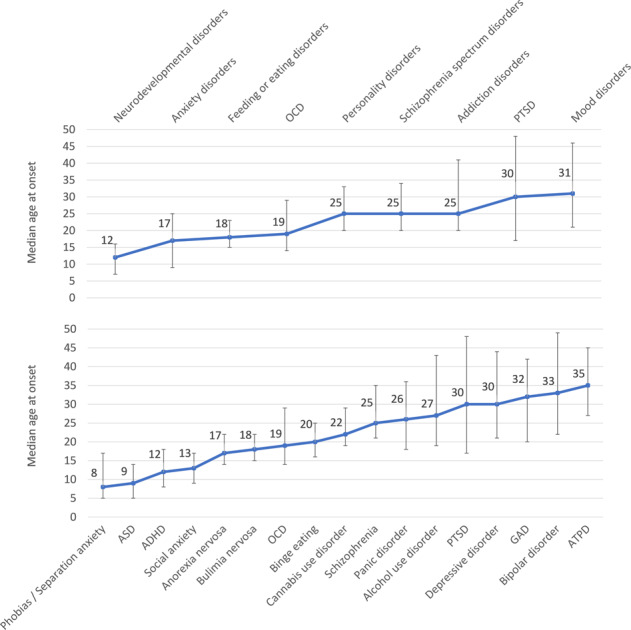
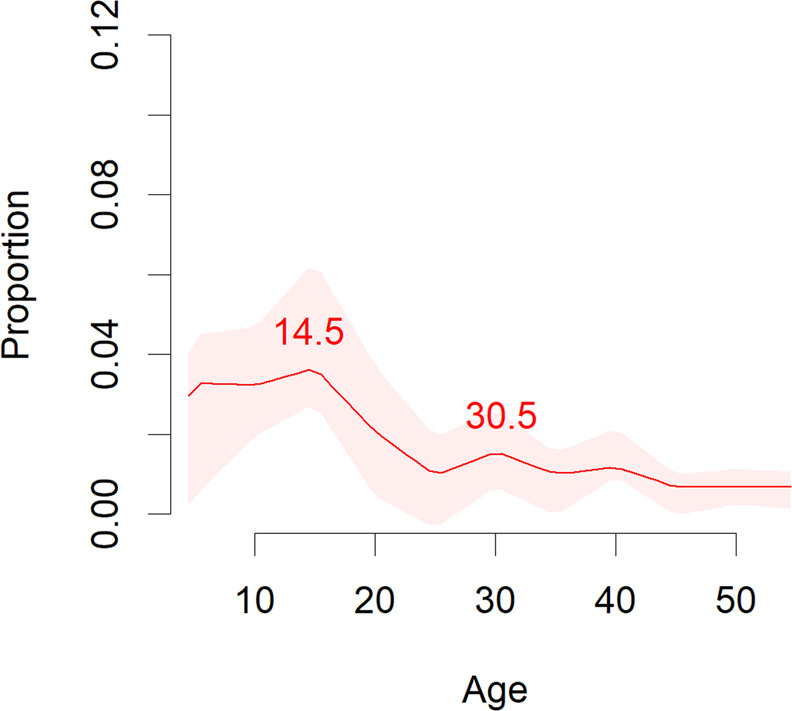
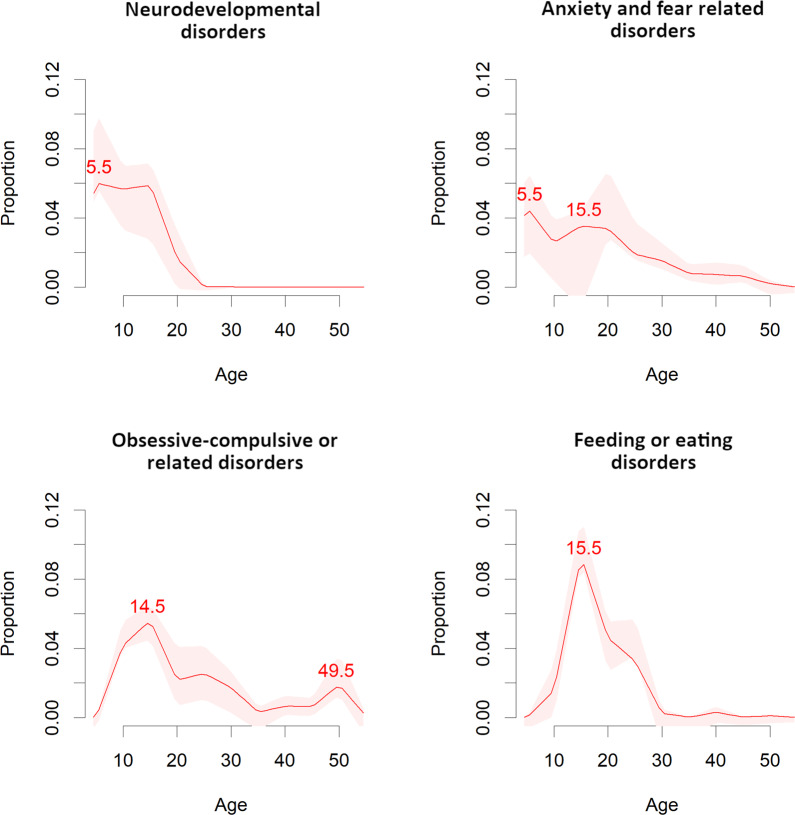
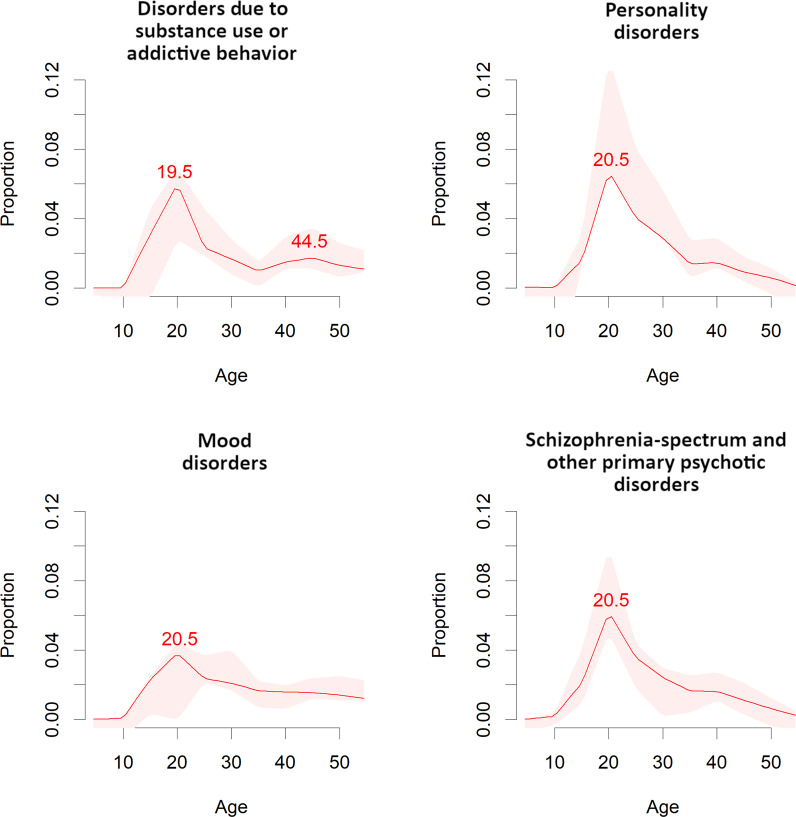
Promotion of good mental health, prevention, and early intervention before/at the onset of mental disorders improve outcomes. However, the range and peak ages at onset for mental disorders are not fully established. To provide robust, global epidemiological estimates of age at onset for mental disorders, we conducted a PRISMA/MOOSE-compliant systematic review with meta-analysis of birth cohort/cross-sectional/cohort studies, representative of the general population, reporting age at onset for any ICD/DSM-mental disorders, identified in PubMed/Web of Science (up to 16/05/2020) (PROSPERO:CRD42019143015). Co-primary outcomes were the proportion of individuals with onset of mental disorders before age 14, 18, 25, and peak age at onset, for any mental disorder and across International Classification of Diseases 11 diagnostic blocks. Median age at onset of specific disorders was additionally investigated. Across 192 studies ( n = 708,561) included, the proportion of individuals with onset of any mental disorders before the ages of 14, 18, 25 were 34.6%, 48.4%, 62.5%, and peak age was 14.5 years ( k = 14, median = 18, interquartile range (IQR) = 11–34). For diagnostic blocks, the proportion of individuals with onset of disorder before the age of 14, 18, 25 and peak age were as follows: neurodevelopmental disorders: 61.5%, 83.2%, 95.8%, 5.5 years ( k = 21, median=12, IQR = 7–16), anxiety/fear-related disorders: 38.1%, 51.8%, 73.3%, 5.5 years ( k = 73, median = 17, IQR = 9–25), obsessive-compulsive/related disorders: 24.6%, 45.1%, 64.0%, 14.5 years ( k = 20, median = 19, IQR = 14–29), feeding/eating disorders/problems: 15.8%, 48.1%, 82.4%, 15.5 years ( k = 11, median = 18, IQR = 15–23), conditions specifically associated with stress disorders: 16.9%, 27.6%, 43.1%, 15.5 years ( k = 16, median = 30, IQR = 17–48), substance use disorders/addictive behaviours: 2.9%, 15.2%, 48.8%, 19.5 years ( k = 58, median = 25, IQR = 20–41), schizophrenia-spectrum disorders/primary psychotic states: 3%, 12.3%, 47.8%, 20.5 years ( k = 36, median = 25, IQR = 20–34), personality disorders/related traits: 1.9%, 9.6%, 47.7%, 20.5 years ( k = 6, median = 25, IQR = 20–33), and mood disorders: 2.5%, 11.5%, 34.5%, 20.5 years ( k = 79, median = 31, IQR = 21–46). No significant difference emerged by sex, or definition of age of onset. Median age at onset for specific mental disorders mapped on a time continuum, from phobias/separation anxiety/autism spectrum disorder/attention deficit hyperactivity disorder/social anxiety (8-13 years) to anorexia nervosa/bulimia nervosa/obsessive-compulsive/binge eating/cannabis use disorders (17-22 years), followed by schizophrenia, personality, panic and alcohol use disorders (25-27 years), and finally post-traumatic/depressive/generalized anxiety/bipolar/acute and transient psychotic disorders (30-35 years), with overlap among groups and no significant clustering. These results inform the timing of good mental health promotion/preventive/early intervention, updating the current mental health system structured around a child/adult service schism at age 18.
Overview
The claims and statistics of this paper haven’t been checked yet.
Free: it reads the open-access text and checks the first 5 claims that cite a source we can check. Create a free account to check every claim.
Integrity signals
Registry
Cites
Statistics
Figures
Verification
Claims the paper makes
The claims and statistics of this paper haven’t been checked yet.
Free: it reads the open-access text and checks the first 5 claims that cite a source we can check. Create a free account to check every claim.
Claims other papers make about this one
Each is checked against this paper’s own text: does it say what the citing paper says it does?
The cited source doesn’t support the claim as written.
In the citing paper
“all major syndromes constituting approximately 75% of mental disorders begin before the age of 25 years [9, 10]”
From Towards a youth mental health paradigm: a perspective and roadmap (2023) · cites this paper as [9]
Checked by a reasoning model — may be wrong.
Experimental — accuracy not yet measuredThe source backs part of the claim, not all of it — or backs it for a different population, condition or comparison.
In the citing paper
“Most mental disorders have a typical onset between 12 and 25 years of age, highlighting the importance of this period for the pathogenesis, diagnosis, and treatment of mental ill-health.”
From Towards a youth mental health paradigm: a perspective and roadmap (2023) · cites this paper as [9]
Experimental — accuracy not yet measuredThe source backs part of the claim, not all of it — or backs it for a different population, condition or comparison.
In the citing paper
“the peak incidence of mental disorders during youth [9, 10]”
From Towards a youth mental health paradigm: a perspective and roadmap (2023) · cites this paper as [9]
Experimental — accuracy not yet measuredThe source backs part of the claim, not all of it — or backs it for a different population, condition or comparison.
In the citing paper
“the large unmet need in young people that has recently dramatically accelerated [9]”
From Towards a youth mental health paradigm: a perspective and roadmap (2023) · cites this paper as [9]
Experimental — accuracy not yet measuredThe source backs part of the claim, not all of it — or backs it for a different population, condition or comparison.
In the citing paper
“Relative to adolescents and adults, emerging adults experience the highest incidence and prevalence of substance use disorders (SUDs) and comorbid mental health disorders (2-4).”
From Initial insights from a quality improvement initiative to develop an evidence-informed young adult substance use program (2022) · cites this paper as [4]
Experimental — accuracy not yet measured
14 more claims about this paper
Create a free account to see every claim other papers make about this one.
Self-check
Percentages, sums and reported differences re-computed from the paper’s own numbers.
The self-check needs the paper’s full text.
Citations
Cites
Preferred Reporting Items for Systematic Reviews and Meta-Analyses: the PRISMA statement
Moher, D., Liberati, A., Tetzlaff, J., Altman, D. G., & for the PRISMA Group (2009) · BMJ · doi:10.1136/bmj.b2535 · Cited by 83,823
Preferred Reporting Items for Systematic Reviews and Meta-Analyses: The PRISMA Statement
Moher, D., Liberati, A., Tetzlaff, J., Altman, D. G., & The PRISMA Group (2009) · PLoS Medicine · doi:10.1371/journal.pmed.1000097 · Cited by 64,042 · cited 1×
“We performed a systematic review adhering to the preferred reporting items for systematic reviews and meta-analyses (PRISMA) recommendations [31] (e-Table 1) and the meta-analysis of observational studies in epidemiology (MOOSE) guidelines (e-Table 2) [32].”
MethodPreferred reporting items for systematic reviews and meta-analyses: the PRISMA Statement.
(2009) · PubMed Central · Cited by 44,859
Preferred reporting items for systematic reviews and meta-analyses: The PRISMA statement
Moher, D., Liberati, A., Tetzlaff, J., Altman, D. G., & the PRISMA Group* (2009) · Annals of Internal Medicine · doi:10.7326/0003-4819-151-4-200908180-00135 · Cited by 37,554
Dermyshi, E., Wang, Y., Yan, C., Hong, W., Qiu, G., Gong, X., & Zhang, T. (2017) · Neonatology · doi:10.1159/000454668 · Cited by 24,451
Meta-analysis of Observational Studies in Epidemiology<SUBTITLE>A Proposal for Reporting</SUBTITLE>
Stroup, D. F. (2000) · JAMA · doi:10.1001/jama.283.15.2008 · Cited by 20,623
Bootstrap Methods and their Application
Davison, A. C., & Hinkley, D. V. (1997) · doi:10.1017/cbo9780511802843 · Cited by 7,350
Bootstrap Methods and Their Application
Loughin, T. M., Davison, A. C., & Hinkley, D. V. (1999) · Journal of the American Statistical Association · doi:10.2307/2669707 · Cited by 5,418
Why do many psychiatric disorders emerge during adolescence?
Paus, T., Keshavan, M., & Giedd, J. N. (2008) · Nature Reviews Neuroscience · doi:10.1038/nrn2513 · Cited by 3,123 · cited 2×
“The meta-epidemiologic results of this work show that mental disorders have onset when dramatic biological changes in the brain occur, from childhood, through adolescence, to adulthood, that involves grey-matter density, cerebral metabolic rate, synaptic density, white matter growth and myelination [41].”
BackgroundWalker, E. R., McGee, R. E., & Druss, B. G. (2015) · JAMA Psychiatry · doi:10.1001/jamapsychiatry.2014.2502 · Cited by 2,976
Research works printed but not linked: 1
- McGorry PD Hartmann JA Spooner R Nelson B Beyond the "at risk mental state" concept: transitioning to transdiagnostic psychiatry World Psychiatry 2018 17 133 42 29856558 PMC5980504 · DOI · Paper page
Cited by
Items 201–300 of 1,015
Sex differences in schizophrenia: symptomatology, treatment efficacy and adverse effects
Moniem, I., & Kafetzopoulos, V. (2025) · Frontiers in Psychiatry · doi:10.3389/fpsyt.2025.1594334 · Cited by 64
“…months or years of subtle symptoms before psychosis), some studies suggest men exhibit more negative symptoms (apathy, blunted affect) and unusual behavior, whereas women prodromally may experience more mood symptoms (e.g., anxiety, mild depression) or nonspeci fi c physical complaints (67, 68).”
Ranta, K., Aalto‐Setälä, T., Heikkinen, T., & Kiviruusu, O. H. (2023) · Social Psychiatry and Psychiatric Epidemiology · doi:10.1007/s00127-023-02466-4 · Cited by 48
Kayrouz, R., Karin, E., Staples, L., Dear, B. F., Nielssen, O. B., & Titov, N. (2025) · BMC Psychiatry · doi:10.1186/s12888-025-06848-7 · Cited by 54
Fleming, T. M., Ball, J., Bavin, L. M., Rodriguez, C. R., Peiris-John, R. J., Crengle, S. M., Sutcliffe, K., Lewycka, S. O., Archer, D. J., & Clark, T. C. (2022) · Journal of the Royal Society of New Zealand · doi:10.1080/03036758.2022.2072349 · Cited by 47
“(Solmi et al. 2022), and behaviours in adolescence, such as involvement in sports,”
BackgroundBaranger, D. A. A., Paul, S. E., Colbert, S. M. C., Karcher, N. R., Johnson, E. C., Hatoum, A. S., & Bogdan, R. (2022) · JAMA Pediatrics · doi:10.1001/jamapediatrics.2022.3191 · Cited by 42
Cervin, M. (2022) · Research on Child and Adolescent Psychopathology · doi:10.1007/s10802-022-00962-w · Cited by 49
“Age of onset for OCD and AD is most common before adulthood (Solmi et al., 2021), making research with children and adolescents important.”
BackgroundRedican, E., McBride, O., Bunting, L., Murphy, J., & Shevlin, M. E. (2022) · British Journal of Psychology · doi:10.1111/bjop.12607 · Cited by 44
“More than half of mental health disorders have their age of onset prior to eighteen years (Solmi et al., 2021), with mental health disorders representing a significant contributor to the global burden of disease (Rehm & Shield, 2019).”
BackgroundLyall, L. M., Sangha, N., Zhu, X., Lyall, D. M., Ward, J., Strawbridge, R. J., Cullen, B., & Smıth, D. J. (2023) · Journal of Affective Disorders · doi:10.1016/j.jad.2023.04.138 · Cited by 47
Duagi, D., Carter, B., Farrelly, M., Lisk, S. C., Shearer, J., Byford, S., James, K., & Brown, J. S. L. (2024) · EClinicalMedicine · doi:10.1016/j.eclinm.2023.102382 · Cited by 47
“15,23 Given that the age of onset for anxiety disorders is before adolescence, 68 most interventions are delivered for younger children.”
BackgroundNechyporenko, A. S., Frohme, M., Strelchuk, Y., Omelchenko, V., Gargin, V. V., Ishchenko, L., & Alekseeva, V. V. (2024) · Applied Sciences · doi:10.3390/app142411997 · Cited by 43
Fekih‐Romdhane, F., Jahrami, H., Away, R., Trabelsi, K., Pandi-Perumal, S. R., Seeman, M. V., Hallit, S. R., & Cheour, M. (2023) · BMC Psychiatry · doi:10.1186/s12888-023-04563-9 · Cited by 56
“Rationale and objectives of the present study Exploring the interplay between behavioral addictions, psychological distress, and psychosis in young adults is relevant, given that this age group represents people at the peak of the onset of this psychopathology [66].”
BackgroundSelf-citationBauer, A., Fairchild, G., Hammerton, G., Murray, J., Santos, I. S., Tovo Rodrigues, L., Munhoz, T. N., Barros, A. J. D., Matijasevich, A., & Halligan, S. L. (2022) · The Lancet Psychiatry · doi:10.1016/s2215-0366(22)00337-6 · Cited by 41
Hemispheric asymmetries in mental disorders: evidence from rodent studies
Mundorf, A., & Ocklenburg, S. (2023) · Journal of Neural Transmission · doi:10.1007/s00702-023-02610-z · Cited by 42
“More studies are needed that include several developmental stages, especially in light of increasingly earlier ages of onset for mental disorders (Solmi et al. 2021).”
BackgroundUnderstanding patch foraging strategies across development
Lloyd, A., Viding, E. M., McKay, R., & Furl, N. (2023) · Trends in Cognitive Sciences · doi:10.1016/j.tics.2023.07.004 · Cited by 46
“This dearth of evidence is notable, as adolescence is a period during which we see the onset of the majority of psychopathology [16].”
Goodwin, J., Behan, L., & O’Brien, N. (2021) · Journal of Child and Adolescent Mental Health · doi:10.2989/17280583.2023.2229876 · Cited by 40
Kajastus, K., Haravuori, H., Kiviruusu, O. H., MARTTUNEN, M. J., & Ranta, K. (2023) · Journal of Adolescence · doi:10.1002/jad.12275 · Cited by 47
Amanvermez, Y., Karyotaki, E., Cuijpers, P. J., Čihařová, M., Bruffaerts, R., Kessler, R. C., Klein, A. M., Wiers, R. W. H. J., & de Wit, L. M. (2023) · Anxiety Stress & Coping · doi:10.1080/10615806.2023.2280701 · Cited by 51
“The fi rst onset of common mental health disorders, including depressive and anxiety disorders, substance use disorders, or eating disorders typically occurs between 17 and 25 years of age (Mcgorry et al., 2011; Solmi et al., 2021).”
BackgroundComparing interventions for early psychosis: a systematic review and component network meta-analysis
Williams, R. C., Ostinelli, E. G., Agorinya, J., Minichino, A., Crescenzo, F. D., Maughan, D. L., Puntis, S., Cliffe, C., Kurtulmuş, A., Lennox, B., et al. (2024) · EClinicalMedicine · doi:10.1016/j.eclinm.2024.102537 · Cited by 47
“1,2 The incidence of a ‘ fi rst episode of psychosis ’ has been estimated at around 50 in 100,000 people each year, 3 with symptoms typically emerging during early adult-hood, 4 while the lifetime prevalence for any psychotic disorder is around four percent.”
BackgroundPublic health measures related to the transmissibility of suicide
Pirkis, J., Bantjes, J. R., Gould, M. S., Niederkrotenthaler, T., Robinson, J., Sinyor, M., Ueda, M., & Hawton, K. (2024) · The Lancet Public Health · doi:10.1016/s2468-2667(24)00153-1 · Cited by 44
Risk of Incident Psychosis and Mania With Prescription Amphetamines
Moran, L. V., Skinner, J. P., Shinn, A. K., Nielsen, K., Rao, V., Taylor, S. T., Cohen, T. R., Erkol, C., Merchant, J. T., Mujica, C. A., et al. (2024) · American Journal of Psychiatry · doi:10.1176/appi.ajp.20230329 · Cited by 45
Cherewick, M., Lama, R., Rai, R. P., Dukpa, C., Mukhia, D., Giri, P., & Matergia, M. (2024) · PLOS Global Public Health · doi:10.1371/journal.pgph.0003904 · Cited by 49
Hospitalization risks associated with floods in a multi-country study
Yang, Z., Huang, W., McKenzie, J. E., Xu, R., Yu, P., Wu, Y. Y., Liu, Y., Wen, B., Zhang, Y., Yu, W., et al. (2025) · Nature Water · doi:10.1038/s44221-025-00425-8 · Cited by 53
Wainberg, M., Jacobs, G. R., Voineskos, A. N., & Tripathy, S. J. (2022) · Molecular Psychiatry · doi:10.1038/s41380-022-01522-w · Cited by 45
“Our results suggest that major depression, despite being diagnosed relatively late (median age at diagnosis = 30 years [1]), may manifest earlier than these other disorders—at least prodromally —and thus may be an especially suitable target for early intervention [57, 58].”
BackgroundPsychotic-like experiences from adolescence to adulthood: A longitudinal study
Isaksson, J., Angenfelt, M., Frick, M. A., Olofsdotter, S., & Vadlin, S. (2022) · Schizophrenia Research · doi:10.1016/j.schres.2022.07.010 · Cited by 46
“Since early interventions before or at the first onset has the potential to alter the course of the disorders and improve future outcomes (Solmi et al., 2021), it is important to examine PLEs in adolescents and to elucidate the stability of PLEs into adulthood.”
BackgroundRichards, K. L., Hyam, L., Allen, K. L., Glennon, D., Di Clemente, G., Semple, A., Jackson, A., Belli, S. R., Dodge, E., Kilonzo, C., et al. (2023) · Early Intervention in Psychiatry · doi:10.1111/eip.13317 · Cited by 40
“The increased proportion of patients with AN appears to be largely driven by the onset of COVID-19, which is in keeping with other reports of increased rates of AN presentations during the pandemic (Haripersad et al., 2021; Taquet et al., 2021).”
ResultSantini, Z. I., Ekholm, O., Koyanagi, A., Stewart-Brown, S., Meilstrup, C., Nielsen, L., Fusar-Poli, P., Koushede, V., & Thygesen, L. C. (2022) · Mental Health & Prevention · doi:10.1016/j.mhp.2022.200233 · Cited by 40
“There is a pressing need to identify factors that can prevent the onset or recurrence of CMDs in the general population (Solmi et al., 2021; Herrman et al., 2022).”
BackgroundSelf-citationThe Paradox of Wealthy Nations’ Low Adolescent Life Satisfaction
Rudolf, R., & Bethmann, D. (2022) · Journal of Happiness Studies · doi:10.1007/s10902-022-00595-2 · Cited by 47
Wong, S. M. Y., Chen, E. Y. H., Suen, Y. N., Wong, C. S. M., Chang, W. C., Chan, S. K. W., McGorry, P. D., Morgan, C., van Os, J., McDaid, D., et al. (2023) · The Lancet Regional Health - Western Pacific · doi:10.1016/j.lanwpc.2023.100881 · Cited by 47
Self-citationUsing Electronic Health Records to Facilitate Precision Psychiatry
Oliver, D., Arribas, M., Perry, B. I., Whiting, D., Blackman, G., Krakowski, K., Seyedsalehi, A., Osimo, E. F., Griffiths, S. L., Stahl, D. R., et al. (2024) · Biological Psychiatry · doi:10.1016/j.biopsych.2024.02.1006 · Cited by 43
“The average age of psychosis onset is 20.5 years (45).”
InfluentialSelf-citationPsychological flexibility and cognitive-affective processes in young adults’ daily lives
Westhoff, M., Heshmati, S., Siepe, B. S., Vogelbacher, C., Ciarrochi, J., Hayes, S. C., & Hofmann, S. G. (2024) · Scientific Reports · doi:10.1038/s41598-024-58598-3 · Cited by 44
Unmet need for mental health care among adolescents in Asia and Europe
Mori, Y., Sourander, A., Mishina, K. E., Ståhlberg, T., Klomek, A. B., Kolaitis, G. A., Kaneko, H., Li, L., Huong, M. N., Praharaj, S. K., et al. (2024) · European Child & Adolescent Psychiatry · doi:10.1007/s00787-024-02472-0 · Cited by 45
Wanniarachchi, V. U., Greenhalgh, C., Choi, A., & Warren, J. (2025) · Frontiers in Digital Health · doi:10.3389/fdgth.2025.1500220 · Cited by 46
“Consequently, depression and anxiety have become the primary contributors to disability in youth (9).”
Acute mental health benefits of urban nature
Li, Y., Mao, Y. K., Mandle, L., Rydström, A., Remme, R. P., Lan, X., Wu, T., Song, C., Lu, Y., Nadeau, K. C., et al. (2025) · Nature Cities · doi:10.1038/s44284-025-00286-y · Cited by 52
“35).”
General psychopathology and its social correlates in the daily lives of youth
Achterhof, R., Kirtley, O. J., Schneider, M., Hagemann, N., Hermans, K. S. F. M., Hiekkaranta, A. P., Lecei, A., Decoster, J., Derom, C. A., Binder, M. D., et al. (2022) · Journal of Affective Disorders · doi:10.1016/j.jad.2022.04.147 · Cited by 43
Köck, P., Meyer, M., Elsner, J., Dürsteler, K. M., Vogel, M., & Walter, M. (2022) · Frontiers in Psychiatry · doi:10.3389/fpsyt.2022.827658 · Cited by 43
Mesarič, K. K., Damjanac, Ž., Debeljak, T., & Kodrič, J. (2023) · European Eating Disorders Review · doi:10.1002/erv.3028 · Cited by 43
Psychopharmacology in children and adolescents: unmet needs and opportunities
Cortese, S., Purper‐Ouakil, D., Apter, A., Arango, C., Baeza, I., Banaschewski, T., Buitelaar, J. K., Castro‐Fornieles, J., Coghill, D., Cohen, D., et al. (2023) · The Lancet Psychiatry · doi:10.1016/s2215-0366(23)00345-0 · Cited by 44
Self-citationGowatch, L. C., Evanski, J. M., Ely, S. L., Zundel, C. G., Bhogal, A., Carpenter, C., Shampine, M. M., O’Mara, E., Mazurka, R., Barcelona, J., et al. (2024) · Cannabis and Cannabinoid Research · doi:10.1089/can.2023.0246 · Cited by 43
Cyberbullying through the lens of trauma: an empirical examination of US youth
Hinduja, S., & Patchin, J. W. (2025) · BMC Public Health · doi:10.1186/s12889-025-22692-6 · Cited by 46
Gkintoni, E., Vantarakis, A., & Gourzis, P. (2025) · Medicina · doi:10.3390/medicina61061003 · Cited by 43
Mental Health Disorder Trends in Denmark According to Age, Calendar Period, and Birth Cohort
Momen, N. C., Beck, C., Lousdal, M. L., Agerbo, E., McGrath, J. J., Pedersen, C. B., Nordentoft, M., & Plana-Ripoll, O. (2025) · JAMA Psychiatry · doi:10.1001/jamapsychiatry.2024.3723 · Cited by 38
Kjellenberg, K., Ekblom, O., Ahlen, J., Helgadóttir, B., & Nyberg, G. (2022) · BMJ Open · doi:10.1136/bmjopen-2022-061929 · Cited by 38
Development of top-down cortical propagations in youth
Pines, A. R., Keller, A. S., Larsen, B., Bertolero, M. A., Ashourvan, A., Bassett, D. S., Cieslak, M., Covitz, S. C., Fan, Y., Feczko, E., et al. (2023) · Neuron · doi:10.1016/j.neuron.2023.01.014 · Cited by 44
Profiling intra- and inter-individual differences in brain development across early adolescence
Bottenhorn, K. L., Cardenas‐Iniguez, C., Mills, K. L., Laird, A. R., & Herting, M. M. (2023) · NeuroImage · doi:10.1016/j.neuroimage.2023.120287 · Cited by 44
Psychometric validation of the Arabic version of the GAD-7 among Lebanese adolescents
Khoury-Malhame, M. E., Hallit, S. R., Sánchez‐Ruiz, M., Hajj, S. E., & Doumit, R. (2025) · PLoS ONE · doi:10.1371/journal.pone.0329627 · Cited by 43
“This is in line with previous literature reviews documenting on one hand the increased levels of anxiety in females as compared to males, [51,55] and on the other, the versatile applicability of GAD-7 scales to both males and females irrespective of the scores and of the manifestation of gender…”
Luccarelli, J., Kalinich, M., Fernandez-Robles, C. G., Fricchione, G. L., & Beach, S. R. (2022) · Frontiers in Psychiatry · doi:10.3389/fpsyt.2022.878173 · Cited by 42
Epigenetics applied to child and adolescent mental health: Progress, challenges and opportunities
Cecil, C. A. M., Neumann, A., & Walton, E. (2022) · JCPP Advances · doi:10.1002/jcv2.12133 · Cited by 41
“Half of mental illnesses are established before the age of 18 years, often manifesting first in childhood as emotional, behavioural and neurodevelopmental problems (Solmi et al., 2022).”
BackgroundFekih‐Romdhane, F., Sawma, T., Obeïd, S., & Hallit, S. R. (2023) · BMC Psychology · doi:10.1186/s40359-023-01040-6 · Cited by 39
“SE effects are particularly impactful during late adolescence and early adulthood, where individuals are at an age of acquiring knowledge, developing of new competences, and expanding social roles; but also at a peak age of onset for mental disorders [12].”
BackgroundWerner‐Seidler, A., Maston, K., Calear, A. L., Batterham, P. J., Larsen, M. E., Torok, M., O’Dea, B., Huckvale, K., Beames, J. R., Brown, L., et al. (2023) · International Journal of Methods in Psychiatric Research · doi:10.1002/mpr.1954 · Cited by 37
Verhoog, S., Eijgermans, D. G. M., Fang, Y., Bramer, W. M., Raat, H., & Jansen, W. (2022) · European Child & Adolescent Psychiatry · doi:10.1007/s00787-022-02077-5 · Cited by 41
Mongan, D., Susai, S. R., Föcking, M., Byrne, J. F., Zammit, S., Cannon, M. D., & Cotter, D. (2023) · Brain Behavior and Immunity · doi:10.1016/j.bbi.2023.03.025 · Cited by 38
Yang, W., Sun, R., Wang, C., Chen, J., Zhang, C., Yu, J., & Liu, H. (2023) · BMC Psychiatry · doi:10.1186/s12888-023-04972-w · Cited by 41
Maurer, J., Meyrose, A., Kaman, A., Mauz, E., Ravens‐Sieberer, U., & Reiß, F. (2023) · Child Psychiatry & Human Development · doi:10.1007/s10578-023-01582-1 · Cited by 43
Vijayakumar, N., Youssef, G. J., Bereznicki, H. G. K., Dehestani, N., Silk, T. J., & Whittle, S. (2023) · Journal of Adolescent Health · doi:10.1016/j.jadohealth.2023.06.025 · Cited by 40
Depression and lifestyle among university students: A one-year follow-up study
Roldán-Espínola, L., Serra, P. R., Roca, M., García-Toro, M., Coronado-Simsic, V., Castro, A., Navarra‐Ventura, G., Vilagut, G., Alayo, I., Ballester, L., et al. (2024) · The European Journal of Psychiatry · doi:10.1016/j.ejpsy.2024.100250 · Cited by 43
Wen, J., Antoniades, M., Yang, Z., Hwang, G., Skampardoni, I., Wang, R., & Davatzikos, C. A. (2024) · Biological Psychiatry · doi:10.1016/j.biopsych.2024.04.017 · Cited by 43
Genetic Architectures of Adolescent Depression Trajectories in 2 Longitudinal Population Cohorts
Grimes, P. Z., Adams, M. J., Thng, G., Edmondson-Stait, A. J., Lu, Y., McIntosh, A. M., Cullen, B., Larsson, H., Whalley, H. C., & Kwong, A. S. F. (2024) · JAMA Psychiatry · doi:10.1001/jamapsychiatry.2024.0983 · Cited by 42
Beames, J. R., Han, J., Shvetcov, A., Zheng, W. Y., Slade, A., Dabash, O., Rosenberg, J., O’Dea, B., Kasthurirathne, S. N., Hoon, L., et al. (2024) · Heliyon · doi:10.1016/j.heliyon.2024.e35472 · Cited by 49
“The most common psychological disorders in young people are anxiety and depressive disorders [3,4], with 73.3 % of anxiety disorders and 36.9 % of mood disorders emerging by 25 years-of-age [5].”
InfluentialImpact of Positive Childhood Experiences (PCEs): A Systematic Review of Longitudinal Studies
Kallapiran, K., Suetani, S., Cobham, V. E., Eapen, V., & Scott, J. G. (2025) · Child Psychiatry & Human Development · doi:10.1007/s10578-024-01807-x · Cited by 48
“However, adolescence is a critical period of development, with the peak age and median age of onset of mental disorders being 14.5 years and 18 years, respectively [28].”
InfluentialLatest clinical frontiers related to autism diagnostic strategies
Cortese, S., Bellato, A., Gabellone, A., Marzulli, L., Matera, E., Parlatini, V., Petruzzelli, M. G., Persico, A. M., Delorme, R., Fusar‐Poli, P., et al. (2025) · Cell Reports Medicine · doi:10.1016/j.xcrm.2024.101916 · Cited by 48
Self-citationTian, J., Yan, N., Hu, X., Tian, S., Wang, Y., Mackay, L. E., Luo, Y., Wang, Y., Wang, Y., Liu, Y., et al. (2025) · General Psychiatry · doi:10.1136/gpsych-2025-102278 · Cited by 48
Mental Well-Being: 2010–2018 Trends among Italian Adolescents
Bersia, M., Berchialla, P., Charrier, L., Lemma, P., Borraccino, A., Nardone, P., Pierannunzio, D., Ciardullo, S., Comoretto, R. I., & Dalmasso, P. (2022) · International Journal of Environmental Research and Public Health · doi:10.3390/ijerph19020863 · Cited by 41
Eckert, M., Efe, Z., Guenthner, L., Baldofski, S., Kühne, K., Wundrack, R., Thomas, J., Saee, S., Kohls, E., & Rummel‐Kluge, C. (2022) · Internet Interventions · doi:10.1016/j.invent.2022.100508 · Cited by 42
Fonseca‐Pedrero, E., Pérez‐Albéniz, A., Al‐Halabí, S., Lucas‐Molina, B., Sierra, J. O., Díez-Gómez, A., Pérez‐Sáenz, J., Inchausti, F., Valero-García, A. V., García, A. G., et al. (2023) · Clínica y Salud · doi:10.5093/clysa2023a3 · Cited by 40
Derks, I. P. M., Nas, Z., Harris, H. A., Kininmonth, A. R., Treasure, J. L., Jansen, P. W., & Llewellyn, C. H. (2024) · The Lancet Child & Adolescent Health · doi:10.1016/s2352-4642(23)00342-5 · Cited by 41
“37 This implies that some adolescents included in this study did not experience eating disorder symptoms at this age but might develop these symptoms later.”
BackgroundJi, X., Guo, X., Soh, K. L., Japar, S., & He, L. (2024) · Nursing and Health Sciences · doi:10.1111/nhs.13113 · Cited by 42
Solmi, M., Dragioti, E., Croatto, G., Raduà, J., Borgwardt, S., Carvalho, A. F., Demurtas, J., Mosina, A., Kurotschka, P. K., Thompson, T., et al. (2021) · Frontiers in Psychiatry · doi:10.3389/fpsyt.2021.679379 · Cited by 42
Self-citationMeda, N., Pardini, S., Rigobello, P., Visioli, F., & Novara, C. (2023) · Epidemiology and Psychiatric Sciences · doi:10.1017/s2045796023000550 · Cited by 41
“…Disease Study also evidenced that disability-adjusted life-years are at their highest in young adulthood (GBD 2019 Mental Disorders Collaborators, 2022), in line with epidemiological findings indicating this period of life as the typical age of onset of most mental disorders (Solmi et al., 2022).”
BackgroundCardoso, T. D. A., Kochhar, S., Torous, J. B., & Morton, E. E. (2024) · JMIR Mental Health · doi:10.2196/58631 · Cited by 40
“BD usually manifests in early adulthood, with the median age at onset found to be 33 years of age and a peak age at onset of 19.5 years of age [2].”
BackgroundInfluentialDemkowicz, O., Panayiotou, M., Qualter, P., & Humphrey, N. (2023) · Development and Psychopathology · doi:10.1017/s0954579422001407 · Cited by 41
“Evidence indicates that 75% of lifetime case of mental health disorders begin by age 24 (Kessler et al., 2005), with a peak age-of-onset of 14.5 years (Solmi et al., 2021).”
BackgroundInfluentialYoon, C. Y., Mai, D., Kinariwala, K., Ledoux, T. A., Betts, R., & Johnston, C. A. (2023) · Frontiers in Psychology · doi:10.3389/fpsyg.2023.1221816 · Cited by 36
“Considering that eating disorder onset tends to peak during young adulthood, the majority of studies examining eating behaviors have focused on either adolescents or young adults (Hudson et al., 2007; Kessler et al., 2013; Solmi et al., 2022).”
BackgroundChildhood trauma and somatic and mental illness in adulthood—findings of the NAKO health study
Klinger-König, J., Erhardt, A., Streit, F., Völker, M. P., Schulze, M. B., Keil, T., Fricke, J., Castell, S., Klett-Tammen, C. J., Pischon, T., et al. (2024) · Deutsches Ärzteblatt international · doi:10.3238/arztebl.m2023.0225 · Cited by 51
A Narrative Review of Early Intervention for Eating Disorders: Barriers and Facilitators
Mills, R., Hyam, L., & Schmidt, U. (2023) · Adolescent Health, Medicine and Therapeutics · doi:10.2147/ahmt.s415698 · Cited by 26
Sheng, X., Liang, K., Li, K., Chi, X., & Fan, H. (2024) · Frontiers in Psychology · doi:10.3389/fpsyg.2024.1365310 · Cited by 37
“Meanwhile, it is paramount not to overlook their mental well-being, given that almost 50% of psychiatric illnesses manifest prior to turning 18 (Solmi et al., 2022).”
BackgroundLevkovich, I., Yatzkar, U., & Shenaar‐Golan, V. (2025) · Children · doi:10.3390/children12060683 · Cited by 44
“Epidemiological data indicate that approximately 15% to 20% of youth are affected by anxiety disorders and 10% to 15% by depressive disorders prior to reaching adulthood [1,2].”
Mental health of children and young people in the WHO Europe region
Tarasenko, A., Josy, G., Minnis, H., Hall, J., Danese, A., Lau, J. Y. F., Cortese, S., Stringaris, A. K., Redlich, C., & Ougrin, D. (2025) · The Lancet Regional Health - Europe · doi:10.1016/j.lanepe.2025.101459 · Cited by 46
Correlates of suicidality in young people with depressive disorders: A systematic review
Moller, C. I., Davey, C. G., Badcock, P. B., Wrobel, A. L., Cao, A., Murrihy, S., Sharmin, S., & Cotton, S. (2022) · Australian & New Zealand Journal of Psychiatry · doi:10.1177/00048674221086498 · Cited by 37
“Email: carl.moller@orygen.org.au Australian & New Zealand Journal of Psychiatry, 56(8) Mid-adolescence to young adulthood is a particularly vulnerable period for the onset of mental disorders (Bilsen, 2018; Gore et al., 2011; Solmi et al., 2021).”
BackgroundGarcia-Lopez, L.-J., Jimenez-Vazquez, D., Muela-Martinez, J.-A., Piqueras, J. A., Espinosa-Fernandez, L., Canals-Sans, J., Vivas-Fernandez, M., Morales-Hidalgo, P., Diaz-Castela, M.-M., Rivera, M., et al. (2024) · Current Psychology · doi:10.1007/s12144-023-05421-3 · Cited by 34
State of Ireland's mental health: findings from a nationally representative survey
Hyland, P., Vallières, F., Shevlin, M. E., Bentall, R. P., Butter, S., Hartman, T. K., Karatzias, T., Martínez, A. P., McBride, O., Murphy, J., et al. (2022) · Epidemiology and Psychiatric Sciences · doi:10.1017/s2045796022000312 · Cited by 38
Umbrella Review: Atlas of the Meta-Analytical Evidence of Early-Onset Psychosis
de Pablo, G. S., Rodríguez, V., Besana, F., Civardi, S. C., Arienti, V., Maraña, L., Andrés-Camazón, P., Catalán, A., Rogdaki, M., Abbott, C., et al. (2024) · Journal of the American Academy of Child & Adolescent Psychiatry · doi:10.1016/j.jaac.2023.10.016 · Cited by 43
Self-citationKeller, A. S., Moore, T. M., Luo, A. C., Visoki, E., Gataviņš, M. M., Shetty, A., Cui, Z., Fan, Y., Feczko, E., Houghton, A., et al. (2024) · Developmental Cognitive Neuroscience · doi:10.1016/j.dcn.2024.101370 · Cited by 43
Adults with Perinatally Acquired HIV; Emerging Clinical Outcomes and Data Gaps
Henderson, M., Fidler, S. J., & Foster, C. (2024) · Tropical Medicine and Infectious Disease · doi:10.3390/tropicalmed9040074 · Cited by 39
“Mental health disorders are associated with a reduction in quality of life, with their on-set peaking in adolescence and young adulthood, including for those living with HIV [48].”
BackgroundClarkin, J., Heywood, C., & Robinson, L. J. (2024) · Mental Health & Prevention · doi:10.1016/j.mhp.2024.200361 · Cited by 35
An Approach to Providing Timely Mental Health Services to Diverse Youth Populations
Iyer, S. N., Boksa, P., Joober, R., Shah, J. L., Fuhrer, R., Andersson, N., Lal, S., D’Andrea, G., Morrison, N., Noel, V. A., et al. (2025) · JAMA Psychiatry · doi:10.1001/jamapsychiatry.2024.4880 · Cited by 39
Sanders, B., D'Andrea, D., Collins, M., Rees, E., Steward, T. G. J., Zhu, Y., Chapman, G., Legge, S., Pardiñas, A., Harwood, A., et al. (2022) · Nature Communications · doi:10.1038/s41467-021-27601-0 · Cited by 25
Public health primary prevention implemented by clinical high-risk services for psychosis
Estradé, A., de Pablo, G. S., Zanotti, A., Wood, S., Fisher, H. L., & Fusar‐Poli, P. (2022) · Translational Psychiatry · doi:10.1038/s41398-022-01805-4 · Cited by 38
Self-citationRobberegt, S. J., Brouwer, M. E., Kooiman, B., Stikkelbroek, Y. A. J., Nauta, M. H., & Bockting, C. (2022) · Journal of the American Academy of Child & Adolescent Psychiatry · doi:10.1016/j.jaac.2022.04.014 · Cited by 40
Duriez, P., Goueslard, K., Treasure, J. L., Quantin, C., & Jollant, F. (2023) · International Journal of Eating Disorders · doi:10.1002/eat.23974 · Cited by 35
Zbukvic, I., McKay, S., Cooke, S., Anderson, R., Pilkington, V., McGillivray, L., Bailey, A. P., Purcell, R., & Tye, M. (2023) · Adolescent Research Review · doi:10.1007/s40894-023-00211-1 · Cited by 40
Hutchesson, M., Whatnall, M. C., Fenton, S., Ashton, L., Patterson, A. J., Smith, J. J., Duncan, M. J., KAY‐LAMBKIN, F. J., & Burrows, T. L. (2023) · Journal of American College Health · doi:10.1080/07448481.2023.2201865 · Cited by 41
Lloyd, A., Broadbent, A., Brooks, E., Bulsara, K., Donoghue, K., Saijaf, R., Sampson, K. N., Thomson, A. C., Fearon, P. R. M., & Lawrence, P. J. (2023) · BJPsych Open · doi:10.1192/bjo.2023.545 · Cited by 37
“1 A significant proportion of these common mental health problems emerge before or during adolescence (51.8% for anxiety disorders and 11.5% for mood disorders 2 ).”
InfluentialFor Whom and What Does Cognitive Reappraisal Help? A Prospective Study
Dawel, A., Mewton, P., Gulliver, A., Farrer, L. M., Calear, A. L., Newman, E. J., & Cherbuin, N. (2023) · Cognitive Therapy and Research · doi:10.1007/s10608-023-10407-3 · Cited by 42
Laurenzi, C. A., Toit, S. D., Mawoyo, T. L., Luitel, N. P., Jordans, M. J. D., Pradhan, I., van der Westhuizen, C., Meléndez‐Torres, G. J., Hawkins, J. L., Moore, G. F., et al. (2023) · SSM - Mental Health · doi:10.1016/j.ssmmh.2023.100289 · Cited by 37
Beck, C., Pedersen, C. B., Plana‐Ripoll, O., Dalsgaard, S., Debost, J.-C., Laursen, T. M., Musliner, K. L., Mortensen, P. B., Pedersen, M. G., Petersen, L. V., et al. (2024) · Acta Psychiatrica Scandinavica · doi:10.1111/acps.13682 · Cited by 36
“3,23,24 While the incidence and absolute risk vary between the sexes across the lifespan, it is noteworthy that (a) the peak incidence rates are broadly comparable in males and females, and (b) the median AOO (the preferred measure of central tendency for the non-Gaussian distributions seen in…”
BackgroundResultBerthet, P., Haatveit, B. C., Kjelkenes, R., Worker, A., Kia, S. M., Wolfers, T., Rutherford, S. E., Alnæs, D., Dinga, R., Pedersen, M. L., et al. (2024) · Schizophrenia Bulletin · doi:10.1093/schbul/sbae107 · Cited by 38
Huff, N. R., Dunderdale, L., Kellogg, A. J., & Isbell, L. M. (2024) · Clinical Psychology Review · doi:10.1016/j.cpr.2024.102504 · Cited by 36
A framework for understanding adverse adolescent experiences
Pollmann, A., Bates, K. E., & Fuhrmann, D. (2025) · Nature Human Behaviour · doi:10.1038/s41562-024-02098-x · Cited by 48
“%) of mental health conditions first arise before the age of 18 and 62.5% before the age of 25, with a peak onset at 14.5 years old 61 (Fig.”
InfluentialWang, X.-Y., Wang, Z.-W., Jiang, D.-L., Liu, C., Xing, W., Yuan, Z.-T., Cui, L., Wu, S., & Ren, L. (2025) · BMC Psychiatry · doi:10.1186/s12888-025-06675-w · Cited by 42
Wendt, F. R., Garcia‐Argibay, M., Cabrera‐Mendoza, B., Valdimarsdóttir, U. A., Gelernter, J. E., Stein, M. B., Nivard, M. G., Maihofer, A. X., Maihofer, A. X., Choi, K. W., et al. (2022) · Biological Psychiatry · doi:10.1016/j.biopsych.2022.08.012 · Cited by 38
Liu, S., Leone, M., Ludvigsson, J. F., Lichtenstein, P., Guðbjörnsdóttir, S., Landén, M., Bergen, S. E., Taylor, M. J., Larsson, H., Kuja‐Halkola, R., et al. (2022) · Diabetes Care · doi:10.2337/dc22-1053 · Cited by 37
“We excluded individuals who received any of the diagnoses before age 5 years because clinical diagnoses of these psychiatric disorders made at that young age are rare and can be phenotypically different from the diagnoses made at a later age (23).”
Background
Metadata
- Authors
- Solmi, M., Radua, J., Olivola, M., Croce, E., Soardo, L., Salazar de Pablo, G., Il Shin, J., Kirkbride, J. B., Jones, P., Kim, J. H., Kim, J. Y., Carvalho, A. F., Seeman, M. V., Correll, C. U., & Fusar-Poli, P.
- Affiliations
- University of Padua (IT)
- King's College London (GB)
- University of Ferrara (IT)
- University of Pavia (IT)
- University College London (GB)
- National Health Service (GB)
- Yonsei University (KR)
- University of Toronto (CA)
- Feinstein Institute for Medical Research (US)
- ORCID
- Venue
- Molecular Psychiatry
- Published
- 2021-06-02
- Volume
- 27
- Issue
- 1
- Pages
- 281-295
- ISSN
- 1359-4184 (ISSN-L)
- 1476-5578
- PMC
- PMC8960395
- OpenAlex
- W3164324796
- Cited by
- 3,835
- References
- 67
- Citations by year
- 2026: 925 · 2025: 1030 · 2024: 865 · 2023: 638 · 2022: 325 · 2021: 48
- FWCI
- 73.42
- Type
- journal article
- Language
- en
- Open access
- hybrid
- doi.org
- Licence
- cc-by
- creativecommons.org/licenses/by/4.0 (tdm)
- creativecommons.org/licenses/by/4.0 (vor)
- Locations
- Molecular Psychiatry (publishedVersion, cc-by)
- PubMed Central (publishedVersion, cc-by)
- PubMed (publishedVersion)
- UCL Discovery (University College London) (submittedVersion)
- Research Portal (King's College London) (submittedVersion, other-oa)
- Apollo (University of Cambridge) (submittedVersion)
- Apollo (University of Cambridge) (submittedVersion, cc-by)
- Apollo
- Deakin Research Online (Deakin University) (cc-by)
- Funders
- Fundación Alicia Koplowitz (PI19/00394)
- Wellcome Trust
- National Institute for Health and Care Research
- University College London
- European Commission (CPII19/00009)
- Instituto de Salud Carlos III ((CPII19/00009), PI19/00394)
- European Regional Development Fund (PI19/00394, CPII19/00009)
- European Social Fund (CPII19/00009, PI19/00394)
- Topics
- Health Sciences › Medicine › Psychiatry and Mental health › Mental Health Treatment and Access
- Social Sciences › Psychology › Clinical Psychology › Child and Adolescent Psychosocial and Emotional Development
- Health Sciences › Medicine › Psychiatry and Mental health › Schizophrenia research and treatment
- Keywords
- age of onset, mental illness, child psychopathology, adolescent mental disorders, neurodevelopmental disorders, anxiety disorders, obsessive-compulsive disorder, eating disorders, substance use disorders, mood disorders, psychosis, bipolar disorder, depression, schizophrenia spectrum disorders, psychosis spectrum disorders, early intervention, mental health promotion, global prevalence estimates
- MeSH terms
- Autism Spectrum Disorder, Alcoholism, Mental Disorders, Cross-Sectional Studies, Humans, Obsessive-Compulsive Disorder, Comorbidity, Prevalence, Age of Onset
About these checks
Registry, retraction, Cites and statistics results are computed, not judged, with one exception: a printed reference that no index lists is read once by a model before it counts as a citation error. Claims are extracted by a model and kept only when their quote appears verbatim in the text; each cited source is then checked, with a model’s help, for whether it says what the claim relies on. Those verdicts can be wrong — read the claim’s quote and the cited source before relying on one.
Statistics and arithmetic are recomputed, not judged.
Confidence bands are shown only for fields calibrated on our annotated test set. None is calibrated yet, so no band is shown.
What counts as a claim ›How we measure confidence ›How we check this ›
Are you an author, or do you see a problem with this page? Request a review
Data sources
Bibliographic data: Semantic Scholar, OpenAlex, Crossref.
Contains information from the Semantic Scholar Academic Graph Datasets, made available under the ODC Attribution License (ODC-BY 1.0).
Semantic Scholar’s data is described in: Kinney, R., et al. (2023). The Semantic Scholar Open Data Platform. arXiv:2301.10140.
