

Mitophagy in Alzheimer’s disease: Molecular defects and therapeutic approaches
Open accessThe DOI matches its Crossref record; 115 of the 115 references it cites were found in a registry or an index.
Abstract
Mitochondrial dysfunctions are central players in Alzheimer’s disease (AD). In addition, impairments in mitophagy, the process of selective mitochondrial degradation by autophagy leading to a gradual accumulation of defective mitochondria, have also been reported to occur in AD. We provide an updated overview of the recent discoveries and advancements on mitophagic molecular dysfunctions in AD-derived fluids and cells as well as in AD brains. We discuss studies using AD cellular and animal models that have unraveled the contribution of relevant AD-related proteins (Tau, Aβ, APP-derived fragments and APOE) in mitophagy failure. In accordance with the important role of impaired mitophagy in AD, we report on various therapeutic strategies aiming at stimulating mitophagy in AD and we summarize the benefits of these potential therapeutic strategies in human clinical trials.
Overview
The claims and statistics of this paper haven’t been checked yet.
Free: it reads the open-access text and checks the first 5 claims that cite a source we can check. Create a free account to check every claim.
Integrity signals
Registry
Cites
Statistics
Figures
Verification
Claims the paper makes
The claims and statistics of this paper haven’t been checked yet.
Free: it reads the open-access text and checks the first 5 claims that cite a source we can check. Create a free account to check every claim.
Claims other papers make about this one
Each is checked against this paper’s own text: does it say what the citing paper says it does?
The cited source says what the claim attributes to it.
In the citing paper
“PINK1/parkin cascades related to Aβ, APP-CTFs, tau, and the APOE4 isoform could lead to the accumulation of damaged mitochondria.306”
From Recent advances in Alzheimer's disease: Mechanisms, clinical trials and new drug development strategies. (2024) · cites this paper as [306]
The cited source says what the claim attributes to it.
In the citing paper
“in vitro studies have indicated that this mitochondrial dysfunction partly results from a blockade of mitophagy owing to APOE4-mediated lysosomal dysfunction, which leads to an accumulation of damaged and dysfunctional mitochondrial in APOE4 carriers167–169.”
From Multifaceted roles of APOE in Alzheimer disease (2024) · cites this paper as [168]
Self-check
Percentages, sums and reported differences re-computed from the paper’s own numbers.
The self-check needs the paper’s full text.
Citations
Cites
The Cellular Phase of Alzheimer’s Disease
De Strooper, B., & Karran, E. (2016) · Cell · doi:10.1016/j.cell.2015.12.056 · Cited by 1,990
The Amyloid-β Pathway in Alzheimer’s Disease
Hampel, H., Hardy, J., Blennow, K., Chen, C., Perry, G., Kim, S. H., Villemagne, V. L., Aisen, P., Vendruscolo, M., Iwatsubo, T., et al. (2021) · Molecular Psychiatry · doi:10.1038/s41380-021-01249-0 · Cited by 1,952 · cited 1×
“Familial AD (FAD) form is linked to monogenic mutations in the Amyloid Precursor Protein (APP) gene and in Presenilin 1 (PSEN1) and Presenilin 2 (PSEN2) genes, with the latter two encoding the catalytic core of the γ-secretase complex [3].”
Masters, C. L., Bateman, R., Blennow, K., Rowe, C. C., Sperling, R. A., & Cummings, J. L. (2015) · Nature Reviews Disease Primers · doi:10.1038/nrdp.2015.56 · Cited by 1,853 · cited 1×
“Major clinical symptoms of the disease are a decline of cognition and memory capacities attributed in sporadic AD (SAD) to environmental and/or genetic susceptibility factors, the first discovered being the Apolipoprotein (APOE) gene [2].”
Fang, E. F., Hou, Y., Palikaras, K., Adriaanse, B. A., Kerr, J. S., Yang, B., Lautrup, S., Hasan-Olive, M. M., Caponio, D., Dan, X., et al. (2019) · Nature Neuroscience · doi:10.1038/s41593-018-0332-9 · Cited by 1,740 · cited 11×
“ND TEM ↑ Number of damaged mitochondria [16]”
InfluentialInduction of autophagy by spermidine promotes longevity
Eisenberg, T., Knauer, H., Schauer, A., Büttner, S., Ruckenstuhl, C., Carmona-Gutierrez, D., Ring, J., Schroeder, S., Magnes, C., Antonacci, L., et al. (2009) · Nature Cell Biology · doi:10.1038/ncb1975 · Cited by 1,680 · cited 1×
“_Spermidine is a small and natural organic molecule known to prolong lifespan of yeast, flies, nematodes and mice by upregulating autophagy [85, 86].”
Mitochondrial abnormalities in Alzheimer's disease
Hirai, K., Aliev, G., Nunomura, A., Fujioka, H., Russell, R. L., Atwood, C. S., Johnson, A. B., Kress, Y., Vinters, H. V., Tabaton, M., et al. (2001) · The Journal of Neuroscience · doi:10.1523/jneurosci.21-09-03017.2001 · Cited by 1,367 · cited 1×
“This was suggested by the accumulation of mitDNA and proteins in the cytoplasm, as well as in autophagic vacuoles (AVs) in AD neurons featuring increased oxidative damages [10].”
Lee, J.-H., Yu, W. H., Kumar, A., Lee, S., Mohan, P. S., Peterhoff, C. M., Wolfe, D. M., Martinez-Vicente, M., Massey, A. C., Sovak, G., et al. (2010) · Cell · doi:10.1016/j.cell.2010.05.008 · Cited by 1,212
Ryu, D., Mouchiroud, L., Andreux, P. A., Katsyuba, E., Moullan, N., Nicolet-dit-Félix, A. A., Williams, E. G., Jha, P., Lo Sasso, G., Huzard, D., et al. (2016) · Nature Medicine · doi:10.1038/nm.4132 · Cited by 1,105 · cited 1×
“Pharmacological strategies _Urolithin A (UA), derived from ellagitannins polyphenols, is known to induce beneficial effects on mitochondrial homeostasis and functions through the stimulation of mitophagy in nematodes and mammals [67].”
ApoE-Directed Therapeutics Rapidly Clear β-Amyloid and Reverse Deficits in AD Mouse Models
Cramer, P. E., Cirrito, J. R., Wesson, D. W., Lee, C. Y. D., Karlo, J. C., Zinn, A. E., Casali, B. T., Restivo, J. L., Goebel, W. D., James, M. J., et al. (2012) · Science · doi:10.1126/science.1217697 · Cited by 1,050
Mitophagy and Alzheimer’s Disease: Cellular and Molecular Mechanisms
Kerr, J. S., Adriaanse, B. A., Greig, N. H., Mattson, M. P., Cader, M. Z., Bohr, V. A., & Fang, E. F. (2017) · Trends in Neurosciences · doi:10.1016/j.tins.2017.01.002 · Cited by 870 · cited 1×
“mimicking familial forms of AD and in the brains of SAD patients, have then led to the hypothesis that impaired mitophagy is an important aspect of the disease, and could lie both upstream and downstream of Aβ and Tau in a vicious circle ultimately causing synaptic dysfunctions and cognitive deficits [9].”
Mitochondria and Mitochondrial Cascades in Alzheimer’s disease
Swerdlow, R. H. (2018) · Journal of Alzheimer’s Disease · doi:10.3233/jad-170585 · Cited by 850
Upregulated function of mitochondria‐associated ER membranes in Alzheimer disease
Area‐Gomez, E., del Carmen Lara Castillo, M., Tambini, M. D., Guardia‐Laguarta, C., de Groof, A. J. C., Madra, M., Ikenouchi, J., Umeda, M., Bird, T. D., Sturley, S. L., et al. (2012) · The EMBO Journal · doi:10.1038/emboj.2012.202 · Cited by 638 · cited 1×
“It is noteworthy that an increase number of ER and mitochondria contact sites was reported in AD study models and human brains [50, 56].”
Enhancing mitochondrial proteostasis reduces amyloid-β proteotoxicity
Sorrentino, V., Romani, M., Mouchiroud, L., Beck, J. S., Zhang, H., D’Amico, D., Moullan, N., Potenza, F., Schmid, A. W., Rietsch, S., et al. (2017) · Nature · doi:10.1038/nature25143 · Cited by 630 · cited 2×
“NR also reduced cortical Aβ deposits, enhanced PINK1, LC3, and OXPHOS protein mRNA levels, and improved cognitive functions in APP/PS1 mice [71].”
Qin, W., Yang, T., Ho, L., Zhao, Z., Wang, J., Chen, L., Zhao, W., Thiyagarajan, M., MacGrogan, D., Rodgers, J. T., et al. (2006) · Journal of Biological Chemistry · doi:10.1074/jbc.m602909200 · Cited by 626 · cited 1×
“In AD mice models, CR up-regulated SIRT1 and NAD levels [110], reduced hippocampal Aβ and Tau load [111, 112] and ameliorated behavioral deficits [112].”
Bharath, L. P., Agrawal, M., McCambridge, G., Nicholas, D. A., Hasturk, H., Liu, J., Jiang, K., Liu, R., Guo, Z., Deeney, J., et al. (2020) · Cell Metabolism · doi:10.1016/j.cmet.2020.04.015 · Cited by 614
Andreux, P. A., Blanco-Bose, W., Ryu, D., Burdet, F., Ibberson, M., Aebischer, P., Auwerx, J., Singh, A., & Rinsch, C. (2019) · Nature Metabolism · doi:10.1038/s42255-019-0073-4 · Cited by 590 · cited 1×
“The first human clinical trial of UA (500mg and 1000 mg for 4 weeks) in healthy sedentary elderly individuals demonstrated its safety and its benefit by modulating mitochondrial gene expression (NCT02655393) [68].”
Halagappa, V. K. M., Guo, Z., Pearson, M., Matsuoka, Y., Cutler, R. G., LaFerla, F. M., & Mattson, M. P. (2007) · Neurobiology of Disease · doi:10.1016/j.nbd.2006.12.019 · Cited by 580 · cited 1×
“In AD mice models, CR up-regulated SIRT1 and NAD levels [110], reduced hippocampal Aβ and Tau load [111, 112] and ameliorated behavioral deficits [112].”
Ashrafi, G., Schlehe, J. S., LaVoie, M. J., & Schwarz, T. L. (2014) · Journal of Cell Biology · doi:10.1083/jcb.201401070 · Cited by 502 · cited 1×
“Axonal mitochondrial quality control may also occur in a Parkin-dependent or -independent manner thereby providing rapid neuroprotection against stress conditions or early neurodegenerative disease stages [5, 6].”
Spermidine and resveratrol induce autophagy by distinct pathways converging on the acetylproteome
Morselli, E., Mariño, G., Bennetzen, M. V., Eisenberg, T., Megalou, E., Schroeder, S., Cabrera, S., Bénit, P., Rustin, P., Criollo, A., et al. (2011) · Journal of Cell Biology · doi:10.1083/jcb.201008167 · Cited by 499 · cited 1×
“_Spermidine is a small and natural organic molecule known to prolong lifespan of yeast, flies, nematodes and mice by upregulating autophagy [85, 86].”
McLelland, G.-L., Goiran, T., Yi, W., Dorval, G., Chen, C. X., Lauinger, N. D., Krahn, A. I., Valimehr, S., Rakovic, A., Rouiller, I., et al. (2018) · eLife · doi:10.7554/elife.32866 · Cited by 381 · cited 1×
“Next, Parkin-dependent and PINK1 phosphoubiquitination of the ER-mitochondria tether MFN2 uncouples mitochondria and permits its engulfment and mitophagic degradation [55].”
Biguanide metformin acts on tau phosphorylation via mTOR/protein phosphatase 2A (PP2A) signaling
Kickstein, E., Krauss, S., Thornhill, P., Rutschow, D., Zeller, R., Sharkey, J., Williamson, R., Fuchs, M., Köhler, A., Glossmann, H., et al. (2010) · Proceedings of the National Academy of Sciences · doi:10.1073/pnas.0912793107 · Cited by 380 · cited 1×
“In AD preclinical studies, MET reduced Tau phosphorylation in murine primary neurons expressing hTau via the activation of the PP2A phosphatase [98], and prevented amyloid plaques formation, cognitive impairment A.”
Metformin treatment prevents amyloid plaque deposition and memory impairment in APP/PS1 mice
Ou, Z., Kong, X., Sun, X., He, X., Zhang, L., Gong, Z., Huang, J., Xu, B., Long, D., Li, J., et al. (2018) · Brain, Behavior, and Immunity · doi:10.1016/j.bbi.2017.12.009 · Cited by 368 · cited 1×
“and chronic neuroinflammation in APP/PS1 mice [99].”
Gelmetti, V., De Rosa, P., Torosantucci, L., Marini, E. S., Romagnoli, A., Di Rienzo, M., Arena, G., Vignone, D., Fimia, G. M., & Valente, E. M. (2017) · Autophagy · doi:10.1080/15548627.2016.1277309 · Cited by 350 · cited 1×
“Upon mitophagy induction, PINK1 and Bcl-1 re-localize in MAMs to promote phagosome formation [54].”
Koenig, A. M., Mechanic-Hamilton, D., Xie, S. X., Combs, M. F., Cappola, A. R., Xie, L., Detre, J. A., Wolk, D. A., & Arnold, S. E. (2017) · Alzheimer Disease & Associated Disorders · doi:10.1097/wad.0000000000000202 · Cited by 350 · cited 1×
“A short clinical trial (8 weeks) in AD patients with a high-dose oral administration of MET demonstrated both the presence of MET in the CSF, and the improvement of executive functions, learning, memory and attention (NCT01965756) [100].”
Xie, C., Zhuang, X.-X., Niu, Z., Ai, R., Lautrup, S., Zheng, S., Jiang, Y., Han, R., Gupta, T. S., Cao, S., et al. (2022) · Nature Biomedical Engineering · doi:10.1038/s41551-021-00819-5 · Cited by 336 · cited 4×
“Kaempferol and Rhapontigenin restored memory deficits in both Tau and Aβ AD study models [91].”
InfluentialProgress to Improve Oral Bioavailability and Beneficial Effects of Resveratrol
Chimento, A., De Amicis, F., Sirianni, R., Sinicropi, M. S., Puoci, F., Casaburi, I., Saturnino, C., & Pezzi, V. (2019) · International Journal of Molecular Sciences · doi:10.3390/ijms20061381 · Cited by 310 · cited 1×
“Nevertheless, this molecule has a major clinical drawback, since it is metabolically unstable and thus offers a poor bioavailability [78].”
PINK1 signalling rescues amyloid pathology and mitochondrial dysfunction in Alzheimer’s disease
Du, F., Yu, Q., Yan, S., Hu, G., Lue, L.-F., Walker, D. G., Wu, L., Yan, S. F., Tieu, K., & Yan, S. S. (2017) · Brain · doi:10.1093/brain/awx258 · Cited by 306 · cited 7×
“Interestingly, our laboratory also reported defective mitophagy in a cohort of human SAD brains (Braak stage IV-VI) supported by an increase of LC3-II/I ratio and of p62 and a reduction of PINK1 and of Parkin levels in mitochondria-enriched fraction [18].”
InfluentialKwart, D., Gregg, A., Scheckel, C., Murphy, E. A., Paquet, D., Duffield, M., Fak, J., Olsen, O., Darnell, R. B., & Tessier-Lavigne, M. (2019) · Neuron · doi:10.1016/j.neuron.2019.07.010 · Cited by 304
Campbell, J. M., Stephenson, M. D., de Courten, B., Chapman, I., Bellman, S. M., & Aromataris, E. (2018) · Journal of Alzheimer s Disease · doi:10.3233/jad-180263 · Cited by 292 · cited 1×
“Accordingly, a meta-analysis also concluded that the incidence of both dementia and cognitive impairments were significantly lower in MET-treated diabetics [103].”
Parkin-mediated mitophagy in mutant hAPP neurons and Alzheimer's disease patient brains
Ye, X., Sun, X., Starovoytov, V., & Cai, Q. (2015) · Human Molecular Genetics · doi:10.1093/hmg/ddv056 · Cited by 274 · cited 6×
“Accordingly, these observations were consolidated by the report of a defective fusion of mitophagosomes with lysosomes [16] and an accumulation of damaged mitochondria in AVs [17] in AD brains.”
InfluentialDisease-associated tau impairs mitophagy by inhibiting Parkin translocation to mitochondria
Cummins, N., Tweedie, A., Zuryn, S., Bertran‐Gonzalez, J., & Götz, J. (2019) · The EMBO Journal · doi:10.15252/embj.201899360 · Cited by 267 · cited 3×
“Authors noticed that mitophagy blockade was not due to a change in the ΔΨmit but to an aberrant interaction between the projection domain of Tau protein and Parkin, impairing its translocation to damaged mitochondria [31].”
Vaillant-Beuchot, L., Mary, A., Pardossi-Piquard, R., Bourgeois, A., Lauritzen, I., Eysert, F., Kinoshita, P. F., Cazareth, J., Badot, C., Fragaki, K., et al. (2021) · Acta Neuropathologica · doi:10.1007/s00401-020-02234-7 · Cited by 263
Self-citationTang, Q., Zheng, G., Feng, Z., Chen, Y., Lou, Y., Wang, C., Zhang, X., Zhang, Y., Xu, H., Shang, P., et al. (2017) · Cell Death & Disease · doi:10.1038/cddis.2017.453 · Cited by 261 · cited 1×
“It protects mitochondria from oxidative stress via a BNIP3-induced mitophagy [73, 74].”
The multifaceted nature of amyloid precursor protein and its proteolytic fragments: friends and foes
Nhan, H. S., Chiang, K., & Koo, E. H. (2015) · Acta Neuropathologica · doi:10.1007/s00401-014-1347-2 · Cited by 256 · cited 1×
“1) defining enhanced Aβ production and decreased clearance as the major triggers of AD development [4].”
Neuroprotective effects of resveratrol in Alzheimer disease pathology
Rege, S. D., Geetha, T., Griffin, G. D., Broderick, T. L., & Babu, J. R. (2014) · Frontiers in Aging Neuroscience · doi:10.3389/fnagi.2014.00218 · Cited by 243 · cited 2×
“It displays several beneficial effects in the context of AD [76].”
Pera, M., Larrea, D., Guardia‐Laguarta, C., Montesinos, J., Velasco, K. R., Agrawal, R. R., Xu, Y., Chan, R. B., Di Paolo, G., Mehler, M. F., et al. (2017) · The EMBO Journal · doi:10.15252/embj.201796797 · Cited by 234
Lauritzen, I., Pardossi-Piquard, R., Bourgeois, A., Pagnotta, S., Biferi, M.-G., Barkats, M., Lacor, P., Klein, W., Bauer, C., & Checler, F. (2016) · Acta Neuropathologica · doi:10.1007/s00401-016-1577-6 · Cited by 219 · cited 2×
“C99 and C83 SH-SY5Y APPswe ± γ-sec inhibitor WB ↑ LC3-II protein ↑ Phagophores number [45]”
Self-citationWang, H., Jiang, T., Li, W., Gao, N., & Zhang, T. (2018) · Toxicology Letters · doi:10.1016/j.toxlet.2017.10.021 · Cited by 210 · cited 3×
“Aβ1-42 PC12 cells (5 μM, 24 h) WB & RT-qPCR ↑ Bcl-1 & ↑ Parkin mRNA & protein ↑ Mitophagy initiation [34]”
InfluentialLauritzen, I., Pardossi-Piquard, R., Bauer, C., Brigham, E., Abraham, J.-D., Ranaldi, S., Fraser, P., St-George-Hyslop, P., Le Thuc, O., Espin, V., et al. (2012) · The Journal of Neuroscience · doi:10.1523/jneurosci.2775-12.2012 · Cited by 201
Self-citationCen, X., Chen, Y., Xu, X., Wu, R., He, F., Zhao, Q., Sun, Q., Yi, C., Wu, J., Najafov, A., et al. (2020) · Nature Communications · doi:10.1038/s41467-020-19547-6 · Cited by 194 · cited 2×
“UMI-77 normalized mitochondrial morphology and induced mitophagy in APP/PS1 mice [90] triggering a rescue of learning and memory capacities, a reduction of the amyloid pathology and of neuroinflammation [90].”
Coffey, E. E., Beckel, J. M., Laties, A. M., & Mitchell, C. H. (2014) · Neuroscience · doi:10.1016/j.neuroscience.2014.01.001 · Cited by 189
Diabetes and Alzheimer's Disease: Mechanisms and Nutritional Aspects
Lee, H. J., Seo, H. I., Cha, H. Y., Yang, Y. J., Kwon, S. H., & Yang, S. J. (2018) · Clinical Nutrition Research · doi:10.7762/cnr.2018.7.4.229 · Cited by 189 · cited 15×
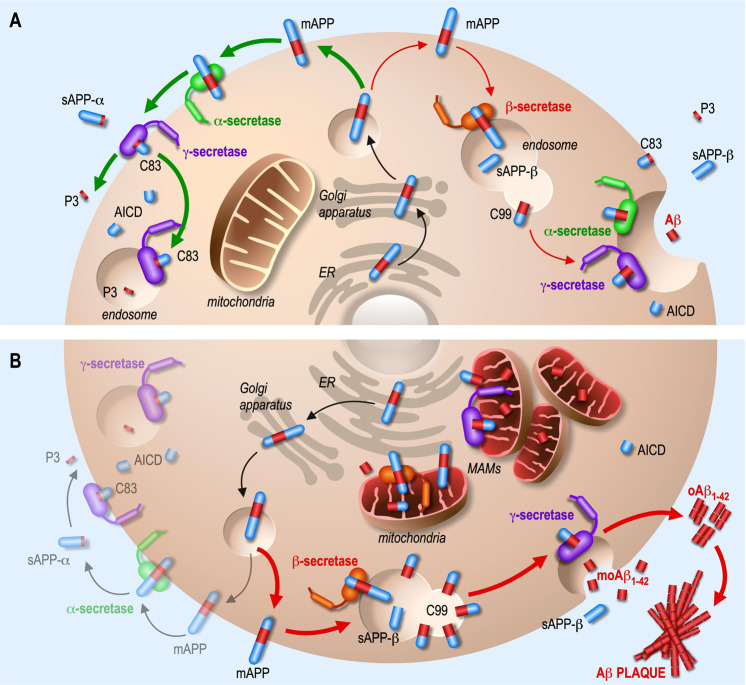
“✉email: mchami@ipmc.cnrs.fr www.nature.com/mpMolecular Psychiatry 1 2 3 4 5 6 7 8 9 0 () ;,: mimicking familial forms of AD and in the brains of SAD patients, have then led to the hypothesis that impaired mitophagy is an important aspect of the disease, and could lie both upstream and downstream of Aβ and Tau in a vic…”
InfluentialDietary flavonols and risk of Alzheimer dementia
Holland, T. M., Agarwal, P., Wang, Y., Leurgans, S. E., Bennett, D. A., Booth, S. L., & Morris, M. C. (2020) · Neurology · doi:10.1212/wnl.0000000000008981 · Cited by 187
PARK2 enhancement is able to compensate mitophagy alterations found in sporadic Alzheimer's disease
Martín-Maestro, P., Gargini, R., Perry, G., Avila, J., & García-Escudero, V. (2016) · Human Molecular Genetics · doi:10.1093/hmg/ddv616 · Cited by 184 · cited 7×
“Parkin overexpression also ameliorates mitochondrial functions through a recovery of ΔΨmit [12].”
InfluentialLin, M.-Y., Cheng, X.-T., Tammineni, P., Xie, Y., Zhou, B., Cai, Q., & Sheng, Z.-H. (2017) · Neuron · doi:10.1016/j.neuron.2017.04.004 · Cited by 182
Neuroprotective Role of Trans-Resveratrol in a Murine Model of Familial Alzheimer's Disease
Porquet, D., Griñán-Ferré, C., Ferrer, I., Camins, A., Sanfeliu, C., del Valle, J., & Pallàs, M. (2014) · Journal of Alzheimer’s Disease · doi:10.3233/jad-140444 · Cited by 177 · cited 1×
“Long-term oral administration of resveratrol in APP/PS1 mice improved memory as well as mitochondrial functions, activated SIRT1 and AMPK pathways and reduced Aβ load [77].”
Hu, Y., Li, X.-C., Wang, Z.-H., Luo, Y., Zhang, X., Liu, X.-P., Feng, Q., Wang, Q., Yue, Z., Chen, Z., et al. (2016) · Oncotarget · doi:10.18632/oncotarget.7861 · Cited by 172 · cited 9×
“However, other studies rather reported an inhibitory effect on mitophagy triggered by full-length human wild-type Tau accumulation [11, 31].”
InfluentialTammineni, P., Ye, X., Feng, T., Aikal, D., & Cai, Q. (2017) · eLife · doi:10.7554/elife.21776 · Cited by 169 · cited 4×
“In neurons, the adaptor protein Snapin participates, with the motor protein Dynein, in the retrograde transport of distant mitophagosome to the soma, to complete mitophagic degradation [38].”
InfluentialKoo, J., Kang, E., Oh, Y.-S., Yang, D.-S., & Cho, J. (2016) · Experimental Neurology · doi:10.1016/j.expneurol.2016.11.014 · Cited by 166
Wirth, M., Benson, G., Schwarz, C., Köbe, T., Grittner, U., Schmitz, D., Sigrist, S. J., Bohlken, J., Stekovic, S., Madeo, F., et al. (2018) · Cortex · doi:10.1016/j.cortex.2018.09.014 · Cited by 162
The physiology of the β‐amyloid precursor protein intracellular domain AICD
Pardossi‐Piquard, R., & Checler, F. (2012) · Journal of Neurochemistry · doi:10.1111/j.1471-4159.2011.07475.x · Cited by 159 · cited 1×
“1) transcriptionally controls the expression of key genes implicated in AD [40].”
Self-citationLocalization and Processing of the Amyloid-β Protein Precursor in Mitochondria-Associated Membranes
Del Prete, D., Suski, J. M., Oulès, B., Debayle, D., Gay, A. S., Lacas-Gervais, S., Bussiere, R., Bauer, C., Pinton, P., Paterlini-Bréchot, P., et al. (2016) · Journal of Alzheimer's Disease · doi:10.3233/jad-160953 · Cited by 159 · cited 1×
“It is noteworthy that an increase number of ER and mitochondria contact sites was reported in AD study models and human brains [50, 56].”
Self-citationHung, C. O. Y., & Livesey, F. J. (2018) · Cell Reports · doi:10.1016/j.celrep.2018.11.095 · Cited by 159
Mitochondria-Associated ER Membranes – The Origin Site of Autophagy
Yang, M., Li, C., Yang, S., Xiao, Y., Xiong, X., Chen, W., Zhao, H., Zhang, Q., Han, Y., & Sun, L. (2020) · Frontiers in Cell and Developmental Biology · doi:10.3389/fcell.2020.00595 · Cited by 154 · cited 1×
“Of most interest, MAMs have been described as an important hotspot for mitophagy [53].”
Zhu, L., Yuan, Y., Yuan, L., Li, L., Liu, F., Liu, J., Chen, Y., Lu, Y., & Cheng, J. (2020) · Theranostics · doi:10.7150/thno.44051 · Cited by 151
Revilla, S., Sunol, C. E., García‐Mesa, Y., Giménez‐Llort, L., Sanfeliu, C., & Cristòfol, R. M. (2014) · Neuropharmacology · doi:10.1016/j.neuropharm.2014.01.037 · Cited by 140
Mitophagy and NAD+ inhibit Alzheimer disease
Fang, E. F. (2019) · Autophagy · doi:10.1080/15548627.2019.1596497 · Cited by 140
Slower Dynamics and Aged Mitochondria in Sporadic Alzheimer’s Disease
Martín-Maestro, P., Gargini, R., García, E., Perry, G., Avila, J., & García-Escudero, V. (2017) · Oxidative Medicine and Cellular Longevity · doi:10.1155/2017/9302761 · Cited by 135 · cited 4×
“In addition, Martín-Maestro et al. also observed in AD-affected brains a downregulation of the expression of various proteins known to participate to autophagy and mitophagy processes, namely Optineurin (OPTN), ATG5, ATG12, Beclin-1 (Bcl-1), PI3K class III, ULK1, AMBRA1, BNIP3, BNIP3L, FUNDC1, VDAC1, and VCP/P97 [14].”
InfluentialPreclinical and clinical evidence of NAD+ precursors in health, disease, and ageing
Reiten, O. K., Wilvang, M. A., Mitchell, S. J., Hu, Z., & Fang, E. F. (2021) · Mechanisms of Ageing and Development · doi:10.1016/j.mad.2021.111567 · Cited by 133
Chen, J.-L., Luo, C., Pu, D., Zhang, G.-Q., Zhao, Y.-X., Sun, Y., Zhao, K.-X., Liao, Z.-Y., Lv, A.-K., Zhu, S.-Y., et al. (2019) · Experimental Neurology · doi:10.1016/j.expneurol.2018.09.008 · Cited by 130 · cited 1×
“It was demonstrated that MET stimulated the autophagic clearance of pTau in vitro in HT22 cells incubated with high glucose and in vivo in the hippocampus of diabetic mice, thereby rescuing their cognitive impairments [97].”
Corsetti, V., Florenzano, F., Atlante, A., Bobba, A., Ciotti, M. T., Natale, F., Della Valle, F., Borreca, A., Manca, A., Meli, G., et al. (2015) · Human Molecular Genetics · doi:10.1093/hmg/ddv059 · Cited by 129
Altered mitochondrial dynamics and function in APOE4-expressing astrocytes
Schmukler, E., Solomon, S., Simonovitch, S., Goldshmit, Y., Wolfson, E., Michaelson, D. M., & Pinkas-Kramarski, R. (2020) · Cell Death & Disease · doi:10.1038/s41419-020-02776-4 · Cited by 125 · cited 2×
“A recent study reported that APOE4 expressing astrocytes showed impaired mitochondrial function and exhibited reduced fission and mitophagy characterized by reduced active Parkin and LC3-II proteins, accumulated p62 and by defective ubiquitination and proteasomal/lysosomal degradation of mitochondrial dynamic proteins…”
Apolipoprotein E4 inhibits autophagy gene products through direct, specific binding to CLEAR motifs
Parcon, P. A., Balasubramaniam, M., Ayyadevara, S., Jones, R. A., Liu, L., Shmookler Reis, R. J., Barger, S. W., Mrak, R. E., & Griffin, W. S. T. (2018) · Alzheimer's & Dementia · doi:10.1016/j.jalz.2017.07.754 · Cited by 122 · cited 7×
“Comparison of APOE genotypes indicated a larger accumulation of mitochondrial and aggregated proteins in glioblastoma T98G cells expressing APOE4 vs APOE3 [58].”
InfluentialMartín-Maestro, P., Gargini, R., A. Sproul, A., García, E., Antón, L. C., Noggle, S., Arancio, O., Avila, J., & García-Escudero, V. (2017) · Frontiers in Molecular Neuroscience · doi:10.3389/fnmol.2017.00291 · Cited by 120 · cited 3×
“However, unlike SAD fibroblasts, Parkin levels were increased in FAD PS1(A246E) fibroblasts, compared with non-isogenic controls [21].”
The Alzheimer's disease-associated C99 fragment of APP regulates cellular cholesterol trafficking
Montesinos, J., Pera, M., Larrea, D., Guardia‐Laguarta, C., Agrawal, R. R., Velasco, K. R., Yun, T. D., Stavrovskaya, I. G., Xu, Y., Koo, S. Y., et al. (2020) · The EMBO Journal · doi:10.15252/embj.2019103791 · Cited by 119
Kobro-Flatmoen, A., Lagartos-Donate, M. J., Aman, Y., Edison, P., Witter, M. P., & Fang, E. F. (2021) · Ageing Research Reviews · doi:10.1016/j.arr.2021.101307 · Cited by 119 · cited 2×
“These alterations are likely to be amplified by Aβ and contribute to pTau accumulation during the prodromal stages of AD [7].”
ATM mediates spermidine-induced mitophagy via PINK1 and Parkin regulation in human fibroblasts
Qi, Y., Qiu, Q., Gu, X., Tian, Y., & Zhang, Y. (2016) · Scientific Reports · doi:10.1038/srep24700 · Cited by 119 · cited 1×
“It also stimulates the PINK1/ Parkin mitophagy pathway in human fibroblasts [87].”
Roca-Agujetas, V., Barbero-Camps, E., de Dios, C., Podlesniy, P., Abadin, X., Morales, A., Marí, M., Trullàs, R., & Colell, A. (2021) · Molecular Neurodegeneration · doi:10.1186/s13024-021-00435-6 · Cited by 111 · cited 8×
“High cholesterol SH-SY5Y cells treated with oAβ1-42 IF ↑ CYC- LC3-II colocalization ↓ CYC-LAMP2 colocalization ↑ Mitophagosomes number ↓ Mitolysosomes number [63]”
InfluentialCastellazzi, M., Patergnani, S., Donadio, M., Giorgi, C., Bonora, M., Bosi, C., Brombo, G., Pugliatti, M., Seripa, D., Zuliani, G., et al. (2019) · Scientific Reports · doi:10.1038/s41598-019-56614-5 · Cited by 108 · cited 2×
“Serum ELISA ↓ Parkin & ATG5 proteins ND [26]”
Lee, S.-I., Jeong, W., Lim, H., Cho, S., Lee, H., Jang, Y., Cho, J., Bae, S., Lin, Y.-T., Tsai, L.-H., et al. (2021) · Stem Cell Reports · doi:10.1016/j.stemcr.2021.07.017 · Cited by 105 · cited 1×
“In addition, it should be noted that the APOEε4 SAD risk factor is also associated with increased cholesterol plasma levels, atherosclerosis, and oversupply of cholesterol to neurons [62].”
The effect of fasting or calorie restriction on mitophagy induction: A literature review
Mehrabani, S., Bagherniya, M., Askari, G., Read, M. I., & Sahebkar, A. (2020) · Journal of Cachexia Sarcopenia and Muscle · doi:10.1002/jcsm.12611 · Cited by 103 · cited 1×
“Caloric restriction (CR) is a strong activator of mitophagy [109].”
Metformin restores parkin-mediated mitophagy, suppressed by cytosolic p53
Song, Y., Lee, W., Lee, Y.-H., Kang, E., Cha, B.-S., & Lee, B.-W. (2016) · International Journal of Molecular Sciences · doi:10.3390/ijms17010122 · Cited by 98
Metformin and the Risk of Dementia in Type 2 Diabetes Patients
Chin-Hsiao, T. (2019) · Aging and disease · doi:10.14336/ad.2017.1202 · Cited by 98 · cited 1×
“Of most interest, T2DM patients treated with MET show a lower risk of dementia compared to untreated T2DM patients [102].”
Reduction of β-amyloid and γ-secretase by calorie restriction in female Tg2576 mice
Schafer, M. J., Alldred, M. J., Lee, S. H., Calhoun, M. E., Petkova, E., Mathews, P. M., & Ginsberg, S. D. (2015) · Neurobiology of Aging · doi:10.1016/j.neurobiolaging.2014.10.043 · Cited by 97
Mitophagy regulates integrity of mitochondria at synapses and is critical for synaptic maintenance
Han, S., Jeong, Y. Y., Sheshadri, P., Su, X., & Cai, Q. (2020) · EMBO reports · doi:10.15252/embr.201949801 · Cited by 97 · cited 2×
“Deficiency of Snapin in wild type murine brains recapitulates AD synaptic defects by abolishing Snapin-mediated retrograde transport and causing presynaptic mitophagic stress [38, 64].”
Wang, Z., Lu, M., Zhang, Y., Ji, W., Lei, L., Wang, W., Fang, L., Wang, L., Yu, F., Wang, J., et al. (2019) · Aging Cell · doi:10.1111/acel.12860 · Cited by 95
Aβ1-42 monomers or oligomers have different effects on autophagy and apoptosis
Guglielmotto, M., Monteleone, D., Piras, A., Valsecchi, V., Tropiano, M., Ariano, S., Fornaro, M., Vercelli, A., Puyal, J., Arancio, O., et al. (2014) · Autophagy · doi:10.4161/auto.30001 · Cited by 87 · cited 2×
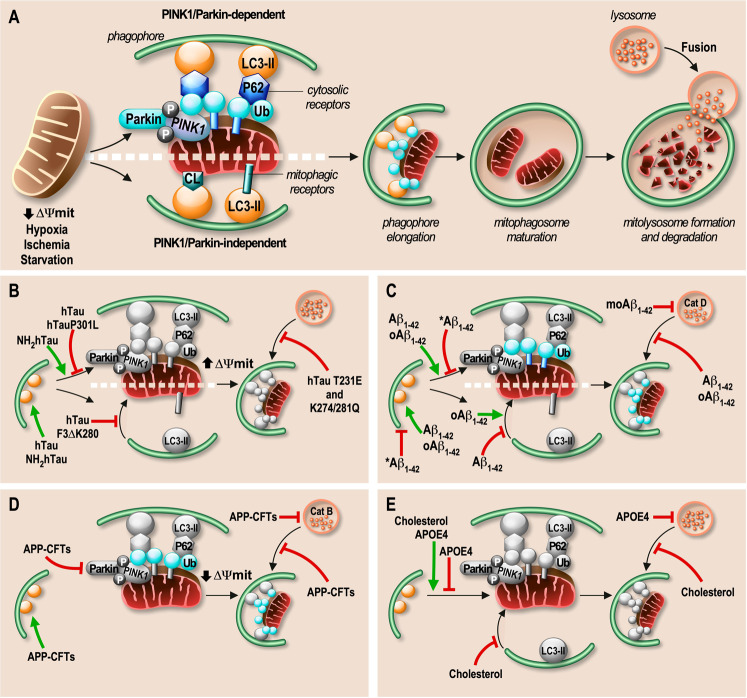
“This was evidenced by the accumulation of p62 and of autophagosomes and by reduced lysosomal activity [39] (Fig.”
AD-linked, toxic NH2 human tau affects the quality control of mitochondria in neurons
Amadoro, G., Corsetti, V., Florenzano, F., Atlante, A., Ciotti, M. T., Mongiardi, M. P., Bussani, R., Nicolin, V., Nori, S. L., Campanella, M., et al. (2014) · Neurobiology of Disease · doi:10.1016/j.nbd.2013.10.018 · Cited by 85 · cited 3×
“It was reported that the neurotoxic 20–22 kDa NH2-Tau fragment (NH2hTau), mapping between 26 and 230 amino acids of the longest human tau isoform, harmfully stimulates mitochondrial degradation by mitophagy [29].”
InfluentialC99 selectively accumulates in vulnerable neurons in Alzheimer's disease
Pulina, M. V., Hopkins, M., Haroutunian, V., Greengard, P., & Bustos, V. (2020) · Alzheimer's & Dementia · doi:10.1016/j.jalz.2019.09.002 · Cited by 85
Yang, X., Zhang, M., Dai, Y., Sun, Y., Aman, Y., Xu, Y., Yu, P., Zheng, Y., Yang, J., & Zhu, X. (2020) · Aging · doi:10.18632/aging.103578 · Cited by 83
Martín-Maestro, P., Sproul, A. A., Martínez, H., Paquet, D., Gerges, M., Noggle, S., & Starkov, A. A. (2019) · Molecular Neurobiology · doi:10.1007/s12035-019-01665-y · Cited by 79 · cited 4×
“iPSC-derived neural stem cells (iNSC) Knocked-in (KI) for PS1(M146L) also harbor a downregulation of autophagy characterized by decreased LC3 level and ULK1 activation, accumulation of p62 and reduced TFEB (transcription factor EB, a master gene for lysososmal biogenesis) expression and LAMP1 levels reflecting decreas…”
InfluentialZhang, L., Fang, Y., Zhao, X., Zheng, Y., Ma, Y., Li, S., Huang, Z., & Li, L. (2021) · Molecular Therapy — Nucleic Acids · doi:10.1016/j.omtn.2021.02.010 · Cited by 79 · cited 3×
“Corroborating the latter study, an increase in PINK1, Parkin, LC3-II, and Bcl-1 expressions associated with mitochondrial dysfunction, reflected by reduced ΔΨmit and of ATP level and enhanced ROSmit production, was observed in murine embryonic hippocampal neurons after 72 h of treatment [35].”
InfluentialHan, Y., Wang, N., Kang, J., & Fang, Y. (2020) · Metabolic Brain Disease · doi:10.1007/s11011-020-00587-2 · Cited by 77 · cited 3×
“Another study rather described that β-Asarone improved learning and memory in rats injected with Aβ1-42 by promoting mitophagy [37].”
InfluentialAPOE2 orchestrated differences in transcriptomic and lipidomic profiles of postmortem AD brain
Lefterov, I., Wolfe, C. M., Fitz, N. F., Nam, K. N., Letronne, F., Biedrzycki, R. J., Kofler, J., Han, X., Wang, J., Schug, J., et al. (2019) · Alzheimer's Research & Therapy · doi:10.1186/s13195-019-0558-0 · Cited by 74 · cited 1×
“Comparative transcriptomic analyses of human post-mortem brains indeed revealed that APOEε2/ε3 carriers, compared to APOEε3/ε4 and APOEε4/ε4 carriers, displayed upregulated MAP1LC3B, p62/ SQSTM1, NBR1, OPTN, and BNIP3 transcription [59].”
Zhao, N., Xia, J., & Xu, B. (2021) · Journal of Sport and Health Science · doi:10.1016/j.jshs.2020.08.009 · Cited by 74
β-Asarone Inhibits Amyloid-β by Promoting Autophagy in a Cell Model of Alzheimer's Disease
Wang, N., Wang, H., Li, L., Li, Y., & Zhang, R. (2020) · Frontiers in Pharmacology · doi:10.3389/fphar.2019.01529 · Cited by 72 · cited 3×
“_β-Asarone, the main effector of Acorus tatarinowii Schott herbal medicine activated autophagy and mitophagy and alleviated Aβ1-42 cytotoxicity in vitro [33].”
InfluentialKwart, D., Gregg, A., Scheckel, C., Murphy, E. A., Paquet, D., Duffield, M., Fak, J., Olsen, O., Darnell, R. B., & Tessier-Lavigne, M. (2019) · Neuron · doi:10.1016/j.neuron.2019.11.010 · Cited by 70
Zheng, Y., Zhang, X., & Chen, Z. (2019) · CNS Neuroscience & Therapeutics · doi:10.1111/cns.13122 · Cited by 69 · cited 1×
“anterograde and retrograde transport) [65] rescued damaged mitochondrial morphology and motility and mitigated oAβmediated mitophagy [66].”
Trehalose against Alzheimer's Disease: Insights into a Potential Therapy
Khalifeh, M., Read, M. I., Barreto, G. E., & Sahebkar, A. (2020) · BioEssays · doi:10.1002/bies.201900195 · Cited by 69 · cited 1×
“Trehalose administration in vivo showed neuroprotective benefits in different AD mouse models [75].”
Bourgeois, A., Lauritzen, I., Lorivel, T., Bauer, C., Checler, F., & Pardossi-Piquard, R. (2018) · Neurobiology of Aging · doi:10.1016/j.neurobiolaging.2018.06.038 · Cited by 68
Self-citationZhao, N., Yan, Q.-W., Xia, J., Zhang, X., Li, B., Yin, L., & Xu, B. (2020) · Neurochemical Research · doi:10.1007/s11064-020-03003-4 · Cited by 68 · cited 1×
“Moreover, in APP/PS1 mice, PE increased mitophagy and ameliorated learning and memory capacities, Aβ burden, synaptic activity, and mitochondrial structural and functional alterations [108].”
Goiran, T., Duplan, E., Chami, M., Bourgeois, A., El Manaa, W., Rouland, L., Dunys, J., Lauritzen, I., You, H., Stambolic, V., et al. (2018) · Biological Psychiatry · doi:10.1016/j.biopsych.2017.04.011 · Cited by 67
Self-citationAman, Y., Frank, J., Lautrup, S., Matysek, A., Niu, Z., Yang, G., Shi, L., Bergersen, L. H., Storm‐Mathisen, J., Rasmussen, L. J., et al. (2019) · Mechanisms of Ageing and Development · doi:10.1016/j.mad.2019.111194 · Cited by 67
Gao, Y., Li, J., Li, J., Hu, C., Zhang, L., Yan, J., Li, L., & Zhang, L. (2020) · Biochemical Pharmacology · doi:10.1016/j.bcp.2020.113997 · Cited by 64 · cited 1×
“This beneficial effect seems to occur by targeting autophagy and mitophagy through the AMPK/PINK1/Parkin cascade [82].”
Prevention and Treatment of Alzheimer’s Disease: Biological Mechanisms of Exercise
McGurran, H., Glenn, J. M., Madero, E. N., & Bott, N. T. (2019) · Journal of Alzheimer’s Disease · doi:10.3233/jad-180958 · Cited by 63 · cited 1×
“Lifestyle strategies Physical exercise (PE) is already used in the context of several metabolic or mental disorders and has been reported to be beneficial in the context of AD [104], even though the precise mechanism remained unknown.”
Guha, S. K., Fischer, S., Johnson, G. V. W., & Nehrke, K. W. (2020) · Molecular Neurodegeneration · doi:10.1186/s13024-020-00410-7 · Cited by 62 · cited 3×
“elegans IHC ± PQT ↓ Mitolysosomes number ↓ Mitolysosomes formation [32]”
InfluentialWatzlawik, J. O., Hou, X., Fricova, D., Ramnarine, C., Barodia, S. K., Gendron, T. F., Heckman, M. G., DeTure, M., Siuda, J., Wszolek, Z. K., et al. (2021) · Autophagy · doi:10.1080/15548627.2020.1834712 · Cited by 60 · cited 2×
“ELISA ↑ p-S65-Ub protein ↑ Mitochondria tagged for degradation [28]”
The Effects of APOE4 on Mitochondrial Dynamics and Proteins in vivo
Simonovitch, S., Schmukler, E., Masliah, E., Pinkas-Kramarski, R., & Michaelson, D. M. (2019) · Journal of Alzheimer's Disease · doi:10.3233/jad-190074 · Cited by 59 · cited 4×
“The investigation of the underlying molecular mechanisms further indicated an initiation of mitophagy reflected by a reduction of cleaved PINK1, a sign of reduced ΔΨmit, and by elevated Parkin levels in APOE4 mice [60].”
InfluentialIs γ-secretase a beneficial inactivating enzyme of the toxic APP C-terminal fragment C99?
Checler, F., Afram, E., Pardossi-Piquard, R., & Lauritzen, I. (2021) · Journal of Biological Chemistry · doi:10.1016/j.jbc.2021.100489 · Cited by 59 · cited 1×
“Accordingly, C99 accumulation was found to occur in several AD transgenic mice models and in APP KI mice harboring single or several APP FAD mutations [43].”
Self-citationArmand-Ugon, M., Ansoleaga, B., Berjaoui, S., & Ferrer, I. (2017) · Current Alzheimer Research · doi:10.2174/1567205014666170505095921 · Cited by 57 · cited 2×
“Mitochondrial impairment occurs prior to pathological stage associated with AD [7, 8] and thus may act as a “risk factor” of AD.”
Wang, H., Zhang, T., Ge, X., Chen, J., Zhao, Y., & Fu, J. (2020) · Life Sciences · doi:10.1016/j.lfs.2020.117322 · Cited by 55 · cited 4×
“The conclusion of a defective mitophagy linked to oAβ1–42 application was strengthened by the observation of an accumulation of both autophagosomes and mitochondria [36].”
InfluentialApoE4 attenuates autophagy via FoxO3a repression in the brain
Sohn, H.-Y., Kim, S.-I., Park, J.-Y., Park, S.-H., Koh, Y. H., Kim, J., & Jo, C. (2021) · Scientific Reports · doi:10.1038/s41598-021-97117-6 · Cited by 54 · cited 3×
“Bearers of APOEε4 allele WB ↓ FOXO3a protein ↑ pS253 / tot FOXO3a ratio ↓ FOXO3a activity [15]”
InfluentialAccumulation of APP-CTF induces mitophagy dysfunction in the iNSCs model of Alzheimer’s disease
Lee, S.-E., Kwon, D., Shin, N., Kong, D., Kim, N. G., Kim, H.-Y., Kim, M.-J., Choi, S. W., & Kang, K.-S. (2022) · Cell Death Discovery · doi:10.1038/s41420-021-00796-3 · Cited by 53 · cited 3×
“Interestingly, the pharmacological inhibition of the γsecretase in AD-iNSC also worsened the mitochondrial and mitophagy dysfunctions, similarly to the effect of the PS1/PS2 double knockout-iNSC [57].”
Phase II Clinical Trial of Nicotinamide for the Treatment of Mild to Moderate Alzheimer's Disease
Phelan, M. J. (2017) · Journal of Geriatric Medicine and Gerontology · doi:10.23937/2469-5858/1510021 · Cited by 52 · cited 1×
“However, Nicotinamide failed to improve cognitive functions in a small clinical trial of patients with mild to moderate AD [72].”
Moradi-Afrapoli, F., Oufir, M., Walter, F. R., Deli, M. A., Smieško, M., Zabela, V., Butterweck, V., & Hamburger, M. O. (2016) · Journal of Pharmaceutical and Biomedical Analysis · doi:10.1016/j.jpba.2016.05.039 · Cited by 51
Sun, C., Qiu, X., Wang, Y., Liu, J., Li, Q., Jiang, H., Li, S., & Song, C. (2020) · Neuroscience Letters · doi:10.1016/j.neulet.2020.135192 · Cited by 46 · cited 2×
“Melatonin treatment also down-regulated APP processing and improved spatial learning and memory defects [84].”
Duplan, E., Sevalle, J., Viotti, J., Goiran, T., Bauer, C., Renbaum, P., Levy-Lahad, E., Gautier, C. A., Corti, O., Leroudier, N., et al. (2013) · Journal of Molecular Cell Biology · doi:10.1093/jmcb/mjt003 · Cited by 45 · cited 3×
“Interestingly, the pharmacological inhibition of the γsecretase in AD-iNSC also worsened the mitochondrial and mitophagy dysfunctions, similarly to the effect of the PS1/PS2 double knockout-iNSC [57].”
Self-citationBhansali, S., Bhansali, A., & Dhawan, V. (2020) · Annals of the New York Academy of Sciences · doi:10.1111/nyas.14141 · Cited by 44
Zhang, L., & Chen, J. (2018) · Oxidative Medicine and Cellular Longevity · doi:10.1155/2018/3641960 · Cited by 40 · cited 1×
“_Tetrahydroxy stilbene glycoside is extracted from the traditional Chinese medicinal herb Polygonum multiflorum and was described to harbor neuroprotective effects in AD [81].”
Deng, M., Huang, L., & Zhong, X. (2020) · Molecular Medicine Reports · doi:10.3892/mmr.2020.11026 · Cited by 34 · cited 1×
“Studies in vivo reported that β-Asarone had beneficial effects against Aβ-related pathology through the inhibition of autophagy in APP/PS1 mice [83] and decreased Aβ1–42 brain levels.”
Pakpian, N., Phopin, K., Kitidee, K., Govitrapong, P., & Wongchitrat, P. (2020) · Current Alzheimer Research · doi:10.2174/1567205017666201006162538 · Cited by 30 · cited 2×
“Plasma RT-qPCR ↑ PINK1 & LC3 mRNA ↓ Parkin mRNA ND [27]”
Targretin Improves Cognitive and Biological Markers in a Patient with Alzheimer’s Disease
Pierrot, N., Lhommel, R., Quenon, L., Hanseeuw, B., Dricot, L., Sindic, C., Maloteaux, J.-M., Octavea, J.-N., & Ivanoiu, A. (2015) · Journal of Alzheimer's Disease · doi:10.3233/jad-150405 · Cited by 29 · cited 1×
“Bexarotene enhanced Aβ clearance, improved cognitive deficits in APP/PS1 mice [79], and reduced Tau levels in the CSF and the memory deficit in a patient with mild AD [80].”
Amyloid-beta oligomers induce Parkin-mediated mitophagy by reducing Miro1
Kam, M. K., Lee, D. G., Kim, B., Huh, J., Lee, H. J., Park, Y., & Lee, D. (2020) · Biochemical Journal · doi:10.1042/bcj20200488 · Cited by 29 · cited 1×
“anterograde and retrograde transport) [65] rescued damaged mitochondrial morphology and motility and mitigated oAβmediated mitophagy [66].”
Drabik, K., Malińska, D., Piecyk, K., Dębska–Vielhaber, G., Vielhaber, S., Duszyński, J., & Szczepanowska, J. (2021) · Antioxidants · doi:10.3390/antiox10060938 · Cited by 25 · cited 3×
“Other studies demonstrated that SAD fibroblasts feature “aged mitochondria” and harbor an impaired capacity of degrading them [14, 20].”
Du, F., Yu, Q., & Yan, S. S. (2021) · Journal of Alzheimer's Disease · doi:10.3233/jad-210095 · Cited by 22 · cited 2×
“Neuronal cybrids WB ↓ PINK1 protein ↓ PINK1/Parkin activation [25]”
Cited by
Zhang, J., Zhang, Y., Wang, J., Xia, Y., Zhang, J., & Chen, L. (2024) · Signal Transduction and Targeted Therapy · doi:10.1038/s41392-024-01911-3 · Cited by 1,138
“306 The accumulation of A β and increased p-tau, synaptic dysfunction, in turn, negatively regulate mitophagic activity, accelerating the pathological progression of AD.”
BackgroundFree radicals and their impact on health and antioxidant defenses: a review
Chandimali, N., Bak, S. G., Park, E. H., Lim, H.-J., Won, Y.-S., Kim, E.-K., Park, S.-I., & Lee, S. J. (2025) · Cell Death Discovery · doi:10.1038/s41420-024-02278-8 · Cited by 669
“Additionally, mitochondrial DNA mutations and reduced mitophagy exacerbate mitochondrial dysfunction and contribute to the progression of AD [158].”
Updates in Alzheimer's disease: from basic research to diagnosis and therapies
Liu, E., Zhang, Y., & Wang, J.-Z. (2024) · Translational Neurodegeneration · doi:10.1186/s40035-024-00432-x · Cited by 199
“Simultaneously, the mitochondrial membrane potential is increased with impaired energy production and inhibition of mitophagy [319–321].”
BackgroundMitochondrial dysfunction in Alzheimer’s disease
D’Alessandro, M. C. B., Kanaan, S., Geller, M., Praticò, D., & Daher, J. P. L. (2025) · Ageing Research Reviews · doi:10.1016/j.arr.2025.102713 · Cited by 192
Multifaceted roles of APOE in Alzheimer disease
Jackson, R. J., Hyman, B. T., & Serrano-Pozo, A. (2024) · Nature Reviews Neurology · doi:10.1038/s41582-024-00988-2 · Cited by 193
Metadata
- Authors
- Mary, A., Eysert, F., Checler, F., & Chami, M.
- Affiliations
- Centre National de la Recherche Scientifique (FR)
- Corresponding author
- Chami, Mounia
- Venue
- Molecular Psychiatry
- Published
- 2022-06-03
- Volume
- 28
- Issue
- 1
- Pages
- 202-216
- ISSN
- 1359-4184 (ISSN-L)
- 1476-5578
- PMC
- PMC9812780
- OpenAlex
- W4281929193
- Cited by
- 244
- References
- 113
- Citations by year
- 2026: 56 · 2025: 92 · 2024: 55 · 2023: 34 · 2022: 7
- FWCI
- 7.45
- Type
- journal article
- Language
- en
- Open access
- hybrid
- doi.org
- Licence
- cc-by
- creativecommons.org/licenses/by/4.0 (tdm)
- creativecommons.org/licenses/by/4.0 (vor)
- Locations
- Molecular Psychiatry (publishedVersion, cc-by)
- PubMed Central (publishedVersion, cc-by)
- PubMed (publishedVersion)
- Open Repository and Bibliography (University of Luxembourg) (submittedVersion, other-oa)
- Funders
- Fondation Vaincre Alzheimer
- LABEX (excellence laboratory, program investment for the future) DISTALZ
- Topics
- Life Sciences › Biochemistry, Genetics and Molecular Biology › Cell Biology › Autophagy in Disease and Therapy
- Life Sciences › Neuroscience › Cellular and Molecular Neuroscience › Alzheimer's disease research and treatments
- Life Sciences › Biochemistry, Genetics and Molecular Biology › Molecular Biology › Mitochondrial Function and Pathology
- Keywords
- mitophagy, Alzheimer's disease, mitochondrial dysfunction, autophagy, tau protein, amyloid-beta, apolipoprotein E, treatment options, clinical trials
- MeSH terms
- Alzheimer Disease, Animals, Autophagy, Disease Models, Animal, Humans, Mitochondria, Amyloid beta-Peptides, Mitophagy
About these checks
Registry, retraction, Cites and statistics results are computed, not judged, with one exception: a printed reference that no index lists is read once by a model before it counts as a citation error. Claims are extracted by a model and kept only when their quote appears verbatim in the text; each cited source is then checked, with a model’s help, for whether it says what the claim relies on. Those verdicts can be wrong — read the claim’s quote and the cited source before relying on one.
Statistics and arithmetic are recomputed, not judged.
Confidence bands are shown only for fields calibrated on our annotated test set. None is calibrated yet, so no band is shown.
What counts as a claim ›How we measure confidence ›How we check this ›
Are you an author, or do you see a problem with this page? Request a review
Data sources
Bibliographic data: Semantic Scholar, OpenAlex, Crossref.
Contains information from the Semantic Scholar Academic Graph Datasets, made available under the ODC Attribution License (ODC-BY 1.0).
Semantic Scholar’s data is described in: Kinney, R., et al. (2023). The Semantic Scholar Open Data Platform. arXiv:2301.10140.
