

Targeting epigenetic regulators for cancer therapy: mechanisms and advances in clinical trials
Open accessThe DOI matches its Crossref record; 675 of the 676 references it cites were found in a registry or an index.
Abstract
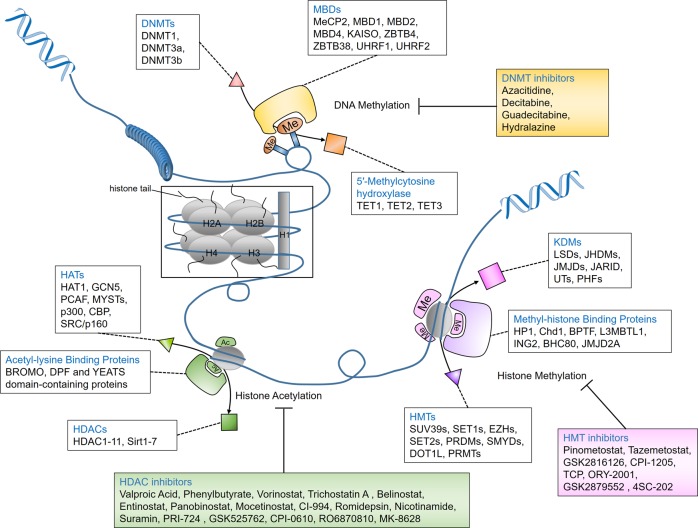
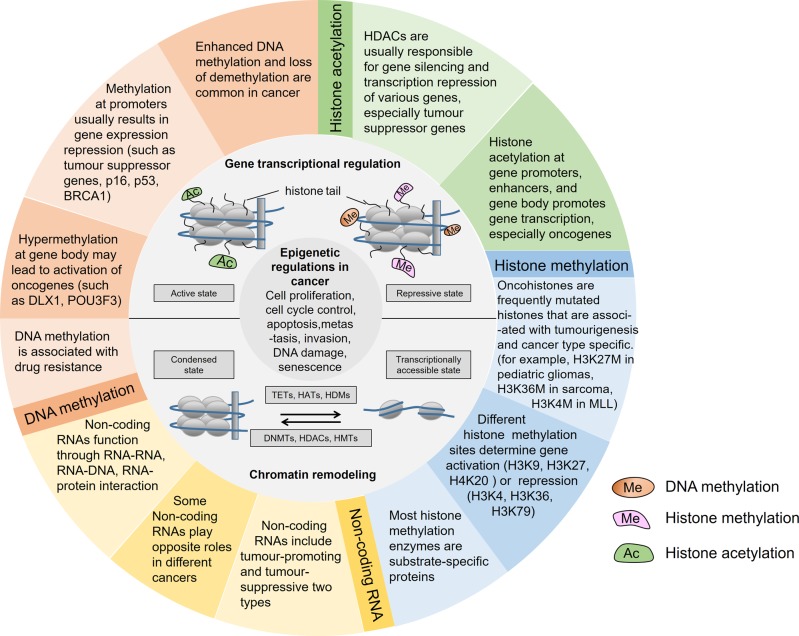
Epigenetic alternations concern heritable yet reversible changes in histone or DNA modifications that regulate gene activity beyond the underlying sequence. Epigenetic dysregulation is often linked to human disease, notably cancer. With the development of various drugs targeting epigenetic regulators, epigenetic-targeted therapy has been applied in the treatment of hematological malignancies and has exhibited viable therapeutic potential for solid tumors in preclinical and clinical trials. In this review, we summarize the aberrant functions of enzymes in DNA methylation, histone acetylation and histone methylation during tumor progression and highlight the development of inhibitors of or drugs targeted at epigenetic enzymes.
Overview
The claims and statistics of this paper haven’t been checked yet.
Free: it reads the open-access text and checks the first 5 claims that cite a source we can check. Create a free account to check every claim.
Integrity signals
Registry
Cites
Statistics
Figures
Verification
Claims the paper makes
The claims and statistics of this paper haven’t been checked yet.
Free: it reads the open-access text and checks the first 5 claims that cite a source we can check. Create a free account to check every claim.
Claims other papers make about this one
Each is checked against this paper’s own text: does it say what the citing paper says it does?
The check wasn’t confident either way, so it gives no verdict — never disputed.
In the citing paper
“Simvastatin, a cholesterol-lowering drug, displays anti-tumor effects in GBM by inducing apoptosis and inhibiting cell migration and invasion30.”
From Multi-omics analysis identifies glioblastoma dependency on H3K9me3 methyltransferase activity (2025) · cites this paper as [30]
Experimental — accuracy not yet measured
Self-check
Percentages, sums and reported differences re-computed from the paper’s own numbers.
The self-check needs the paper’s full text.
Citations
Cites
10 retracted
Expression of DNMT1 and DNMT3a Are Regulated by GLI1 in Human Pancreatic Cancer
He, S., Wang, F., Yang, L., Guo, C., Wan, R., Ke, A., Xu, L., Hu, G., Xu, X., Shen, J., et al. (2011) · PLoS ONE · doi:10.1371/journal.pone.0027684 · Cited by 88 · cited 1×
“cancer, the APC gene, encoding a regulator of cell junctions, is hypermethylated by DNMT overexpression.(29) During an analysis of colorectal disease methylation patterns, researchers found several genes that showed significant changes between precancerous diseases and cancers, including RUNX3, NEUROG1, CACNA1G, SFRP2…”
BackgroundRetractedcircZMYM2 Competed Endogenously with miR-335-5p to Regulate JMJD2C in Pancreatic Cancer
An, Y., Cai, H., Zhang, Y., Liu, S., Duan, Y., Sun, D., Chen, X., & He, X. (2018) · Cellular Physiology and Biochemistry · doi:10.1159/000495868 · Cited by 79
RetractedZhao, X., Zheng, F., Li, Y., Hao, J., Tang, Z., Tian, C., Yang, Q., Zhu, T., Diao, C., Zhang, C., et al. (2018) · Redox Biology · doi:10.1016/j.redox.2018.10.018 · Cited by 72
RetractedLi, T., Zheng, Q., An, J., Wu, M., Li, H., Gui, X., Pu, H., & Lu, D. (2016) · Molecular Therapy · doi:10.1038/mt.2015.208 · Cited by 56
RetractedHou, X., Gong, R., Zhan, J., Zhou, T., Ma, Y., Zhao, Y., Zhang, Y., Chen, G., Zhang, Z., Ma, S., et al. (2018) · BMC Cancer · doi:10.1186/s12885-018-4559-3 · Cited by 36
RetractedCai, M., Chen, Q., Shen, J., Lv, C., & Cai, L. (2018) · Journal of Cellular and Molecular Medicine · doi:10.1111/jcmm.13716 · Cited by 31
RetractedRETRACTED: Kaiso is expressed in lung cancer: Its expression and localization is affected by p120ctn
Dai, S., Wang, Y., Jiang, G., Zhang, P., Dong, X.-J., Wei, Q., Xu, H., Li, Q., Zhao, C., & Wang, E. (2009) · Lung Cancer · doi:10.1016/j.lungcan.2009.06.013 · Cited by 29
RetractedRETRACTED ARTICLE: TET2 inhibits tumorigenesis of breast cancer cells by regulating caspase-4
Zhu, X., & Li, S. (2018) · Scientific Reports · doi:10.1038/s41598-018-34462-z · Cited by 29
RetractedZhang, J., Liu, M., Liu, W., & Wang, W. (2019) · Artificial Cells Nanomedicine and Biotechnology · doi:10.1080/21691401.2019.1593857 · Cited by 13
RetractedSun, S., Zhang, Y., Zheng, J., Duan, B., Cui, J., Chen, Y., Deng, W., Ye, B., Liu, L., Chen, Y., et al. (2018) · Cell Death and Disease · doi:10.1038/s41419-018-0931-0 · Cited by 11
Retracted
Cited by
Items 201–300 of 997
Mechanisms and technologies in cancer epigenetics
Sherif, Z. A., Ogunwobi, O. O., & Ressom, H. W. (2025) · Frontiers in Oncology · doi:10.3389/fonc.2024.1513654 · Cited by 53
“Continued research is needed to better understand the speci fi c epigenetic alterations across different cancers and to develop more effective and targeted therapies (19, 216).”
Karimzadeh, M. R., Pourdavoud, P., Ehtesham, N., Qadbeigi, M., Asl, M. M., Alani, B., Mosallaei, M., & Pakzad, B. (2020) · Cancer Gene Therapy · doi:10.1038/s41417-020-00210-7 · Cited by 35
“carcinogenesis and tumor progression [87, 149, 150].”
BackgroundInfluentialmiR-770-5p regulates EMT and invasion in TNBC cells by targeting DNMT3A
Noyan, S., Andac-Ozketen, A., Gürdal, H., & Dedeoğlu, B. G. (2021) · Cellular Signalling · doi:10.1016/j.cellsig.2021.109996 · Cited by 34
Lin, Y., Li, S., Xiao, Z., Chen, S., Yang, L., Peng, Q., Li, H., Fu, J., Yu, X., & Zhang, L. (2021) · Pharmacological Research · doi:10.1016/j.phrs.2021.105787 · Cited by 35
Xu, C., Huang, K. K., Law, J. H., Chua, J. S., Sheng, T., Flores, N. M., Pizzi, M. P., Okabe, A., Tan, A. L. K., Zhu, F., et al. (2023) · Gut · doi:10.1136/gutjnl-2022-328332 · Cited by 39
Singh, D., Khan, M. A., & Siddique, H. R. (2023) · Epigenomics · doi:10.2217/epi-2023-0142 · Cited by 36
Nalbantoğlu, S., & Karadağ, A. (2021) · Journal of Pharmaceutical and Biomedical Analysis · doi:10.1016/j.jpba.2021.114031 · Cited by 39
Recent advancement of HDAC inhibitors against breast cancer
Mehmood, S. A., Sahu, K. K., Sengupta, S., Partap, S., Karpoormath, R. V., Kumar, B., & Kumar, D. (2023) · Medical Oncology · doi:10.1007/s12032-023-02058-x · Cited by 37
“Two enzymes that are involved in gene regulation are responsible for controlling the acetylation and deacetylation of lysine residues [85].”
BackgroundRavikumar, Y., Koonyosying, P., Srichairatanakool, S., Ponpandian, L. N., Kumaravelu, J., & Srichairatanakool, S. (2023) · Molecules · doi:10.3390/molecules28217266 · Cited by 34
Unveiling the resistance to therapies in pancreatic ductal adenocarcinoma
Shah, A., Ganguly, K., Rauth, S., Sheree, S. S., Khan, I., Ganti, A. K., Ponnusamy, M. P., Kumar, S., Jain, M., & Batra, S. K. (2024) · Drug Resistance Updates · doi:10.1016/j.drup.2024.101146 · Cited by 40
An updated patent review of BRD4 degraders
Ma, Z., Zhang, C., Bolinger, A. A., & Zhou, J. (2024) · Expert Opinion on Therapeutic Patents · doi:10.1080/13543776.2024.2400166 · Cited by 35
Epigenetic and metabolic regulation of macrophage responsiveness and memory
Daskalaki, M., Lapi, I., Hurst, A. E., Al-Qahtani, A. A., Vergadi, E., & Tsatsanis, C. (2025) · The Journal of Immunology · doi:10.1093/jimmun/vkaf135 · Cited by 46
Dual Targeting Strategies on Histone Deacetylase 6 (HDAC6) and Heat Shock Protein 90 (Hsp90)
Bonanni, D., Citarella, A., Moi, D., Pinzi, L., Bergamini, E., & Rastelli, G. (2021) · Current Medicinal Chemistry · doi:10.2174/0929867328666210902145102 · Cited by 35
Drug discovery for epigenetics targets
Holdgate, G. A., Bardelle, C., Lanne, A., Read, J. A., O’Donovan, D. H., Smith, J. M., Selmi, N., & Sheppard, R. J. (2021) · Drug Discovery Today · doi:10.1016/j.drudis.2021.10.020 · Cited by 37
Taylor‐Papadimitriou, J., & Burchell, J. (2022) · Cells · doi:10.3390/cells11071113 · Cited by 34
“The inhibitor Tazemetostat has been most widely used and has FDA approval for treatment of patients with two types of follicular lymphomas, which can show activating mutations of EZH2 [52,53].”
BackgroundZhang, Q., Chen, X., Cao, J., Yang, W., Wan, G., Feng, Q., Zhou, S., Yang, H., Wang, N., Liu, Z., et al. (2023) · Journal of Medicinal Chemistry · doi:10.1021/acs.jmedchem.2c01370 · Cited by 36
He, Y., Yu, X., Zhang, M., & Guo, W. (2021) · World Journal of Surgical Oncology · doi:10.1186/s12957-021-02342-y · Cited by 38
Stitzlein, L. M., Adams, J. T., Stitzlein, E., Dudley, R. W., & Chandra, J. (2024) · Journal of Experimental & Clinical Cancer Research · doi:10.1186/s13046-023-02923-7 · Cited by 35
“Epigenetic regulators, termed “writers” and “readers”, catalyze the reversible chemical modifications of histones and DNA [15].”
BackgroundEpigenetic Alterations Upstream and Downstream of p53 Signaling in Colorectal Carcinoma
Tomicic, M. T., Dawood, M., & Efferth, T. (2021) · Cancers · doi:10.3390/cancers13164072 · Cited by 36
“As a result, the histone-DNA architecture is stabilized leading to the inhibition of transcription process [8].”
BackgroundMason, L. D., Chava, S., Reddi, K. K., & Gupta, R. (2021) · Cancers · doi:10.3390/cancers13215516 · Cited by 33
“In particular, epigenetic regulators influence multiple aspects of tumorigenesis which includes regulating the expression of tumor suppressor genes and oncogenes, modulating signaling pathways resulting in enhanced cancer growth, invasion, and metastases [10].”
BackgroundA specific JMJD6 inhibitor potently suppresses multiple types of cancers both in vitro and in vivo
Xiao, R.-Q., Ran, T., Huang, Q.-X., Hu, G.-S., Fan, D.-M., Jia, Y., & Liu, W. (2022) · Proceedings of the National Academy of Sciences · doi:10.1073/pnas.2200753119 · Cited by 33
Chen, Z., Xiong, S., Li, J., Ou, L., Li, C., Tao, J., Jiang, Z., Fan, J., He, J., & Liang, W. (2020) · Translational Lung Cancer Research · doi:10.21037/tlcr.2020.03.13 · Cited by 32
“Never smoker 54 [45] 12 [10] 66 [56] Unknown 13 [11] 3 [3] 16 [13]”
The role of Ca2+-signaling in the regulation of epigenetic mechanisms
Hernández‐Oliveras, A., & Zarain‐Herzberg, Á. (2023) · Cell Calcium · doi:10.1016/j.ceca.2023.102836 · Cited by 33
Role of DNA methylation in cancer development and its clinical applications
Sonar, S., Nyahatkar, S., Kalele, K., & Adhikari, M. D. (2024) · Clinical and Translational Discovery · doi:10.1002/ctd2.279 · Cited by 34
Mitogen signaling strength and duration can control cell cycle decisions
Nussinov, R., Zhang, W., Liu, Y., & Jang, H. (2024) · Science Advances · doi:10.1126/sciadv.adm9211 · Cited by 37
“…failure of homeostatic mechanisms, and dysregulation of gene expression via chromatin dysregulation by epigenic mechanisms that do not involve a change in the nucleotide sequence ( 104 , 105 ), suggesting that even if not harboring mutations, a high expression level is a prevalent hallmark.”
Woźniak, E., Reszka, E., Jabłońska, E., Michałowicz, J., Huras, B., & Bukowska, B. (2021) · International Journal of Molecular Sciences · doi:10.3390/ijms22062966 · Cited by 34
Lee, K. K., Rishishwar, L., Ban, D., Nagar, S. D., Mariño‐Ramírez, L., McDonald, J. F., & Jordan, I. K. (2022) · Cancer Research · doi:10.1158/0008-5472.can-21-2105 · Cited by 36
“Yet these somatically inherited changes are reversible, unlike mutations, and present new opportunities for development of drugs that target epigenetic enzymes to modify these changes (41, 42).”
Karthika, C., Sureshkumar, R., Zehravi, M., Akter, R., Ali, F., Ramproshad, S., Mondal, B., Kundu, M. K., Dey, A., Rahman, M. H., et al. (2022) · Life · doi:10.3390/life12060811 · Cited by 30
“Even though these are the major differences between MRP and MDR1 P-gp in the drugs that they transport or interact with, the drugs on which these two proteins act are varied, and the inhibitors that modify their activities are also different [52].”
BackgroundNoncoding RNA as an influential epigenetic modulator with promising roles in cancer therapeutics
Roy, L., Chatterjee, O., Bose, D., Roy, A., & Chatterjee, S. (2023) · Drug Discovery Today · doi:10.1016/j.drudis.2023.103690 · Cited by 32
Malgulwar, P. B., Danussi, C., Dharmaiah, S., Johnson, W., Singh, A. K., Rai, K., Rao, A. U. K., & Huse, J. T. (2023) · Neuro-Oncology · doi:10.1093/neuonc/noad155 · Cited by 31
Aanniz, T., Bouyahya, A., Balahbib, A., Kadri, K. E., Khalid, A., Makeen, H. A., Alhazmi, H. A., Omari, N. E., Zaid, Y., Wong, R. S.-Y., et al. (2024) · Chemico-Biological Interactions · doi:10.1016/j.cbi.2024.110907 · Cited by 30
Oncogenic viruses rewire the epigenome in human cancer
Bautista, J., & López‐Cortés, A. (2025) · Frontiers in Cellular and Infection Microbiology · doi:10.3389/fcimb.2025.1617198 · Cited by 33
Novel molecular targets in gastric adenocarcinoma
Ramezankhani, R., Solhi, R., Es, H. A., Vosough, M., & Hassan, M. (2020) · Pharmacology & Therapeutics · doi:10.1016/j.pharmthera.2020.107714 · Cited by 37
Li, Y., Wu, Y., & Hu, Y. (2021) · Frontiers in Immunology · doi:10.3389/fimmu.2021.641883 · Cited by 34
The role of MOZ/KAT6A in hematological malignancies and advances in MOZ/KAT6A inhibitors
Su, J., Wang, X., Bai, Y., Sun, M., Yao, Y., & Duan, Y. (2021) · Pharmacological Research · doi:10.1016/j.phrs.2021.105930 · Cited by 31
Basha, N. J., & Basavarajaiah, S. M. (2022) · Chemical Biology & Drug Design · doi:10.1111/cbdd.14135 · Cited by 30
“For the past couple of years, these have shown significant inhibitory potential for cancer, inflammatory diseases, and other disorders (Dhuguru & Ghoneim, 2022; Cheng et al., 2019; Slaughter et al., 2021).”
BackgroundHeat-Shock Proteins in Leukemia and Lymphoma: Multitargets for Innovative Therapeutic Approaches
Gibouin, V. C., Durand, M., Quéré, R., Girodon, F., Garrido, C., & Jégo, G. (2023) · Cancers · doi:10.3390/cancers15030984 · Cited by 35
Epigenetic modification of gene expression in cancer cells by terahertz demethylation
Cheon, H., Hur, J. K., Hwang, W., Yang, H., & Son, J. (2023) · Scientific Reports · doi:10.1038/s41598-023-31828-w · Cited by 37
Histone 4 lysine 20 tri-methylation: a key epigenetic regulator in chromatin structure and disease
Agredo, A., & Kasinski, A. L. (2023) · Frontiers in Genetics · doi:10.3389/fgene.2023.1243395 · Cited by 35
“While progress has been achieved in utilizing epigenetic therapy to treat various hematological malignancies, further research and clinical trials are necessary to extend the application of these therapeutics to solid tumors and other diseases, primarily due to numerous challenges (Balch et al., 2009; Lin et al., 2009…”
BackgroundMetaboloepigenetics in cancer, immunity, and cardiovascular disease
Keating, S. T., & El‐Osta, A. (2022) · Cardiovascular Research · doi:10.1093/cvr/cvac058 · Cited by 30
Epigenetic regulation of breast cancer metastasis
Thakur, C., Qiu, Y., Pawar, A. S., & Chen, F. (2023) · Cancer and Metastasis Reviews · doi:10.1007/s10555-023-10146-7 · Cited by 38
“…and currently, six epigenetic drugs have been approved by the Food and Drug Administration (FDA) for clinical applications that include azacitidine, 5-Aza-2 ′ -deoxycytidine, SAHA (suberanilohydroxamic acid also called as vorinostat), romidepsin, belinostat, panobinostat, and chidamide [285].”
Re, V. D., Brisotto, G., Repetto, O., Zorzi, M. D., Caggiari, L., Zanussi, S., Alessandrini, L., Canzonieri, V., Miolo, G., Puglisi, F., et al. (2020) · International Journal of Molecular Sciences · doi:10.3390/ijms21249400 · Cited by 31
An Insight into miR-1290: An Oncogenic miRNA with Diagnostic Potential
Guz, M., Jeleniewicz, W., & Cybulski, M. (2022) · International Journal of Molecular Sciences · doi:10.3390/ijms23031234 · Cited by 32
“interfering RNAs (siRNAs), and microRNAs (miRNAs) that are directly involved in cancerogenesis or indirectly participate in this process by the regulation of other epigenetic events [10].”
BackgroundDvoriantchikova, G., Lypka, K. R., & Ivanov, D. (2022) · Frontiers in Genetics · doi:10.3389/fgene.2022.827274 · Cited by 30
“A vast amount of data obtained in recent years made it possible to confirm that many types of cancers are epigenetic diseases (Feinberg and Tycko, 2004; Herceg and Hainaut, 2007; Sharma et al., 2010; Issa, 2017; Cheng et al., 2019).”
BackgroundAnichini, A., Molla, A., Nicolini, G., Perotti, V., Sgambelluri, F., Covre, A., Fazio, C., Lofiego, M. F., Giacomo, A. M. D., Coral, S., et al. (2022) · Journal of Experimental & Clinical Cancer Research · doi:10.1186/s13046-022-02529-5 · Cited by 39
“Since the activity of epigenetic drugs is coupled to cell proliferation 171 [26], melanoma cells were treated twice with each drug (at T=24h and T=72h) and then evaluated 172”
MethodEmerging Role of Epigenetic Modifiers in Breast Cancer Pathogenesis and Therapeutic Response
Lee, R. S., Sad, K., Fawwal, D. V., & Spangle, J. M. (2023) · Cancers · doi:10.3390/cancers15154005 · Cited by 33
“A diverse array of acetylation events have been defined on histone H3 and H4 (including but not limited to H3K4 [51,52], H3K9 [53], H3K18 [54], H3K23 [55], H3K27 [56–58], H3K56 [59], H3K122 [60], H4K5 [61], H4K8 [62], H4K12 [62], and H4K16 [62]) [63], but their biological functions have not been well-characterized.”
BackgroundP300/CBP Regulates HIF-1–Dependent Sympathetic Activation and Hypertension by Intermittent Hypoxia
Wang, N., Su, X., Sams, D., Prabhakar, N. R., & Nanduri, J. (2024) · American Journal of Respiratory Cell and Molecular Biology · doi:10.1165/rcmb.2022-0481oc · Cited by 31
Karunasagara, S., Bayarkhangai, B., Shim, H.-W., Bae, H.-J., Lee, H., Taghizadeh, A., Ji, Y., Mandakhbayar, N., Kim, H. S., Hyun, J., et al. (2024) · Biomaterials · doi:10.1016/j.biomaterials.2024.122854 · Cited by 29
Krishna, N. H., Anchi, P., Manasa, K. L., Soni, J. P., Godugu, C., Shankaraiah, N., & Kamal, Ä. (2021) · Bioorganic Chemistry · doi:10.1016/j.bioorg.2021.105461 · Cited by 30
Heterochromatin Protein 1: A Multiplayer in Cancer Progression
Jeon, Y. H., Kim, G. W., Kim, S. Y., Yi, S. A., Yoo, J. H., Kim, J. Y., Lee, S. W., & Kwon, S. H. (2022) · Cancers · doi:10.3390/cancers14030763 · Cited by 32
“Recently, it has been discovered that epigenetic dysregulation is crucial for tumorigenesis [83].”
BackgroundTraumatic brain injury-associated epigenetic changes and the risk for neurodegenerative diseases
Smolen, P. D., Dash, P. K., & Redell, J. B. (2023) · Frontiers in Neuroscience · doi:10.3389/fnins.2023.1259405 · Cited by 29
Ghorbian, . (2025) · Hereditas · doi:10.1186/s41065-025-00564-8 · Cited by 45
“Moreover, epigenetic reprogramming is crucial in cancer progression, exemplified by hypoxia-induced methylation alterations, highlighting a complex interaction among various factors affecting cancer development [20–22].”
Apoptotic effects of valproic acid on miR-34a, miR-520h and HDAC1 gene in breast cancer
Injinari, N., Amini‐Farsani, Z., Yadollahi‐Farsani, M., & Teimori, H. (2021) · Life Sciences · doi:10.1016/j.lfs.2021.119027 · Cited by 27
Klicka, K., Grzywa, T. M., Klinke, A., Mielniczuk, A., & Wlodarski, P. K. (2021) · Cancers · doi:10.3390/cancers13143393 · Cited by 29
“Dysregulation of these mechanisms in cancer affects a variety of cellular responses [206].”
BackgroundIbrahim, T. S., Malebari, A. M., & Mohamed, M. F. A. (2021) · Pharmaceuticals · doi:10.3390/ph14111177 · Cited by 32
“The oppositely acting hi tone acetyltransferases (HATs) and histone dea etylases (HDACs) are of the best two recognized enzymes group involved in post tra slational histone modifications [10].”
BackgroundKirdeeva, Y., Fedorova, O., Daks, A. A., Barlev, N. A., & Shuvalov, O. Y. (2022) · Pharmaceuticals · doi:10.3390/ph15070868 · Cited by 37
Therapeutic Efficacy of Benzimidazole and Its Analogs: An Update
Basha, N. J. (2022) · Polycyclic aromatic compounds · doi:10.1080/10406638.2022.2118334 · Cited by 27
“Epigenetic regulators which cause DNA methylation, histone acetylation, and histone methylation have been considered a promising target in cancer therapy.(109) One such epigenetic regulator, G9a, an H3K9 methyltransferase that involves mono- and demethylation of histone H3 in euchromatin overexpressed in many human ca…”
BackgroundAcetyl-CoA: an interplay between metabolism and epigenetics in cancer
Hao, Y., Yi, Q., XiaoWu, X., WeiBo, C., GuangChen, Z., & XueMin, C. (2022) · Frontiers in Molecular Medicine · doi:10.3389/fmmed.2022.1044585 · Cited by 26
“In fact, epigenetic targeted therapy has shown viable therapeutic potential in cancer treatment and is not limited to the regulation of histone acetylation related enzymes, but also the development of new drugs for DNA methylation and histone methylation related enzymes (Cheng et al., 2019).”
BackgroundNutrigenetics and nutrigenomics—A personalized approach to nutrition
Ahluwalia, M. K. (2021) · Advances in genetics · doi:10.1016/bs.adgen.2021.08.005 · Cited by 31
Transcription Factors and Cancer: Approaches to Targeting
Shiah, J. V., Johnson, D. E., & Grandis, J. R. (2023) · The Cancer Journal · doi:10.1097/ppo.0000000000000639 · Cited by 29
“Dysregulation of these processes can lead to aberrant levels of transcription and has consequently been implicated in cancer; targeting regulators of epigenetic mechanisms and associated enzymes thus presents an additional strategy for countering elevated transcription factor activity.(40,41)”
BackgroundKumari, B., Kumari, U., Singh, D. K., Husain, G. M., Patel, D. K., Shakya, A., Singh, R. B., Modi, G. P., & Singh, G. K. (2024) · Endocrine Metabolic & Immune Disorders - Drug Targets · doi:10.2174/0118715303262653231120043819 · Cited by 30
Reprogramming of tumor-associated macrophages by metabolites generated from tumor microenvironment
Kim, S. W., Kim, C. W., Moon, Y.-A., & Kim, H. S. (2024) · Animal Cells and Systems · doi:10.1080/19768354.2024.2336249 · Cited by 31
“These alterations involve DNA methylation, post-translational modifications of histone proteins, chromatin remodeling, non-coding RNAs, and other chromatin components (Baylin and Jones 2016; Cheng et al. 2019).”
Translation of Epigenetics in Cell-Free DNA Liquid Biopsy Technology and Precision Oncology
Tan, W. Y., Nagabhyrava, S., Ang-Olson, O., Das, P., Ladel, L., Sailo, B., He, L., Sharma, A. R., & Ahuja, N. (2024) · Current Issues in Molecular Biology · doi:10.3390/cimb46070390 · Cited by 32
“Epigenetics is often referred to as reversible genomic mechanisms that influence gene expressions without altering the sequences of DNA [5].”
BackgroundSugandhi, V. V., Gadhave, D. G., Ugale, A. R., Kulkarni, N. N., Nangare, S., Patil, H. P., Rath, S., Saxena, R., Lavate, A., Patel, A. T., et al. (2025) · Ageing Research Reviews · doi:10.1016/j.arr.2025.102775 · Cited by 36
“However, there are limited studies exploring the therapeutic potential of targeting DNA methylation for the treatment of AD (Cheng et al., 2019).”
Calcium signaling and epigenetics: A key point to understand carcinogenesis
Izquierdo‐Torres, E., Hernández‐Oliveras, A., Fuentes-García, G., & Zarain‐Herzberg, Á. (2020) · Cell Calcium · doi:10.1016/j.ceca.2020.102285 · Cited by 30
Regulation of SIRT2 by Wnt/β-catenin signaling pathway in colorectal cancer cells
Li, C., Zhou, Y., Kim, J. T., Sengoku, T., Alstott, M. C., Weiss, H. L., Wang, Q., & Evers, B. M. (2021) · Biochimica et Biophysica Acta (BBA) - Molecular Cell Research · doi:10.1016/j.bbamcr.2021.118966 · Cited by 27
“Epigenetic alternations such as histone modifications play an important role in tumorigenesis [27].”
BackgroundEpigenetic Regulation of Cell-Fate Changes That Determine Adult Liver Regeneration After Injury
Aloia, L. (2021) · Frontiers in Cell and Developmental Biology · doi:10.3389/fcell.2021.643055 · Cited by 25
“Pharmacological interventions based on drugs targeting epigenetic activity have a huge potential for the development of therapeutic strategies in human disease and cancer (Cheng et al., 2019).”
BackgroundThymoquinone Is a Multitarget Single Epidrug That Inhibits the UHRF1 Protein Complex
Abdullah, O., Omran, Z., Hosawi, S. B. I., Hamiche, A., Bronner, C., & Alhosin, M. (2021) · Genes · doi:10.3390/genes12050622 · Cited by 30
Histone Acetyltransferases and Stem Cell Identity
He, R., Dantas, A. E., & Riabowol, K. T. (2021) · Cancers · doi:10.3390/cancers13102407 · Cited by 28
“Currently, there is a lack of KAT inhibitors in clinical trials, unlike inhibitors for the HDACs, which are involved in the opposing process of deacetylating histones [82].”
BackgroundEmerging epigenetic targets in rheumatoid arthritis
Barik, R. R., & Bhatt, L. K. (2021) · Rheumatology International · doi:10.1007/s00296-021-04951-y · Cited by 27
Casciello, F., Kelly, G., Ramarao-Milne, P., Kamal, N., Stewart, T. A., Mukhopadhyay, P., Kazakoff, S. H., Miranda, M. S., Kim, D., Davis, F. M., et al. (2022) · Cancer Research · doi:10.1158/0008-5472.can-21-2218 · Cited by 28
Tavares, M. O., Milan, T. M., Bighetti‐Trevisan, R. L., Leopoldino, A. M., & Almeida, L. O. (2022) · Journal of Oral Pathology and Medicine · doi:10.1111/jop.13326 · Cited by 26
Yedier-Bayram, O., Gokbayrak, B., Kayabölen, A., Aksu, A. C., Cavga, A. D., Cingöz, A., Kala, E. Y., Karabiyik, G., Günsay, R., Esin, B., et al. (2022) · Cell Death and Disease · doi:10.1038/s41419-022-05146-4 · Cited by 29
“To overcome these limitations, newer molecules are being developed and tested in clinical trials [20-23].”
BackgroundRafeeinia, A., Asadikaram, G., Moazed, V., & Darabi, M. K. (2022) · Gene · doi:10.1016/j.gene.2022.146976 · Cited by 31
Sehgal, P., & Chaturvedi, P. (2023) · Cancers · doi:10.3390/cancers15020466 · Cited by 30
Postwala, H., Shah, Y., Parekh, P. S., & Chorawala, M. R. (2023) · Medical Oncology · doi:10.1007/s12032-023-02201-8 · Cited by 26
“These agents have shown promising results in pre-clinical and early clinical studies, highlighting the potential of epigenetic-targeted therapies in CRC treatment [62].”
BackgroundPan-cancer landscape of epigenetic factor expression predicts tumor outcome
Cheng, M. W., Mitra, M., & Coller, H. A. (2023) · Communications Biology · doi:10.1038/s42003-023-05459-w · Cited by 30
“Manyepifactors, such as enzymes involved in DNA methylation, histone methylation, and histone acetylation have been suggested as targets for anti-cancer therapy 49 – 52 .”
Site-Specific DNA Demethylation as a Potential Target for Cancer Epigenetic Therapy
Neja, S. A. (2020) · Epigenetics Insights · doi:10.1177/2516865720964808 · Cited by 25
Perner, F., & Armstrong, S. A. (2020) · Cells · doi:10.3390/cells9122721 · Cited by 26
“A number of clinical trials evaluating Tazemetostat in different clinical settings in lymphoma and solid tumors are currently ongoing [83,111,140].”
BackgroundResultInfluentialCancer epigenetics: promises and pitfalls for cancer therapy
Skourti, E., & Dhillon, P. (2022) · FEBS Journal · doi:10.1111/febs.16395 · Cited by 25
27-Hydroxycholesterol, The Estrogen Receptor Modulator, Alters DNA Methylation in Breast Cancer
Vini, R., Rajavelu, A., & Sreeja, S. (2022) · Frontiers in Endocrinology · doi:10.3389/fendo.2022.783823 · Cited by 27
“Studies suggest that epigenetic changes, particularly DNA methylation, are highly deregulated in many cancer cells (10, 11).”
BackgroundGH and IGF1 in cancer therapy resistance
Basu, R., & Kopchick, J. J. (2023) · Endocrine Related Cancer · doi:10.1530/erc-22-0414 · Cited by 26
Deciphering Depression: Epigenetic Mechanisms and Treatment Strategies
Aljabali, A. A. A., Alkaraki, A. K., Gammoh, O., Tambuwala, M. M., Mishra, V. K., Mishra, Y., Hassan, S. S., & El‐Tanani, M. (2024) · Biology · doi:10.3390/biology13080638 · Cited by 33
“These advancements have provided a clearer understanding of the role of epigenetics in both development and disease [208,209].”
BackgroundSystems Human Immunology and AI: Immune Setpoint and Immune Health
Lei, Y., & Tsang, J. S. (2025) · Annual Review of Immunology · doi:10.1146/annurev-immunol-090122-042631 · Cited by 31
The epigenetic revolution in hematology: from benchside breakthroughs to clinical transformations
Esfahani, M. A., Servatian, N., Al-Athari, A. J. H., Khafaja, E. S. M., Seraji, H. R., & Samarkhazan, H. S. (2025) · Clinical and Experimental Medicine · doi:10.1007/s10238-025-01783-z · Cited by 24
“Epigenetic therapies aim to reverse epigenetic abnormalities, restore epigenetic balance, and return malignant cells to their normal state [65].”
Is the Proteome of Bronchoalveolar Lavage Extracellular Vesicles a Marker of Advanced Lung Cancer?
Carvalho, A. S., Moraes, M. C. S., Na, C. H., Fierro-Monti, I., Henriques, A. F. A., Zahedi, S., Bodo, C., Tranfield, E. M., Sousa, A. L., Farinho, A., et al. (2020) · Cancers · doi:10.3390/cancers12113450 · Cited by 27
“Various solid cancers overexpress DNMT3B transcripts including lung cancer, and DNMT3B is considered a potential therapeutic target [36].”
BackgroundViral Manipulation of the Host Epigenome as a Driver of Virus-Induced Oncogenesis
Soliman, S. H. A., Orlacchio, A., & Verginelli, F. (2021) · Microorganisms · doi:10.3390/microorganisms9061179 · Cited by 29
“The selective DOT1L inhibitor EPZ-5767 has been investigated in combination with cytarabine, daunorubicin and azacytidine in clinical trials for the treatment of ALL with MLL translocation [386,387].”
BackgroundDai, Q., & Ye, Y. (2022) · Frontiers in Cell and Developmental Biology · doi:10.3389/fcell.2022.793425 · Cited by 26
“The 40 histone acetylation-related regulators were retrieved from a review (Cheng et al., 2019), and they were shown in Supplementary Table S1.”
BackgroundMethodTargeting epigenetic alterations in cancer stem cells
Verona, F., Pantina, V. D., Modica, C., Lo Iacono, M., D’Accardo, C., Porcelli, G., Cricchio, D., Turdo, A., Gaggianesi, M., Franco, S. D., et al. (2022) · Frontiers in Molecular Medicine · doi:10.3389/fmmed.2022.1011882 · Cited by 30
“Many works have shown that epigenetic alteration are implicated in numerous steps during cancer initiation, being responsible for abnormal expression of oncogenes and tumor suppressor genes, thus leading to tumor transformation (Cheng et al., 2019).”
Buociková, V., Tyčiaková, S., Pilalis, E. D., Mastrokalou, C., Urbanova, M., Matúšková, M., Demková, L., Medova, V., Longhin, E., Rundén‐Pran, E., et al. (2022) · Frontiers in Pharmacology · doi:10.3389/fphar.2022.991751 · Cited by 28
“The common side effects of nucleoside analogs are mutagenic risk and genomic instability that could be avoided using non-nucleoside analogs (such as hydralazine, procainamide, RG108, and MG98) (Cheng et al., 2019).”
BackgroundRabitha, R., Shivani, S., Yahya, S., & Sudhandiran, G. (2023) · World Journal of Gastroenterology · doi:10.3748/wjg.v29.i16.2433 · Cited by 25
Shah, A. P., Choudhary, A., Jain, M., Perumal, S., Patel, V. P., Parmar, G. R., & Patel, A. D. (2024) · 3 Biotech · doi:10.1007/s13205-023-03912-5 · Cited by 26
“In this particular, acetylation of lysine residue of histone 3 and 4 has been attracted more for research Histone acetylation is regulated by the balance between histone acetyltransferases (HATs) and histone dea-cetylases (HDACs) (Lu et al. 2020; Cheng et al. 2019).”
Garg, P., Singhal, G., Pareek, S., Kulkarni, P., Horne, D., Nath, A., Salgia, R., & Singhal, S. S. (2024) · Biochimica et Biophysica Acta (BBA) - Reviews on Cancer · doi:10.1016/j.bbcan.2024.189233 · Cited by 45
Emerging role of N-acetyltransferase 10 in diseases: RNA ac4C modification and beyond
Jiao, L., Si, Y., Yuan, Y., Lei, X., Jiang, Q., Yang, L., Mao, W., Ying, B., Ma, L., & Sun, T. (2025) · Molecular Biomedicine · doi:10.1186/s43556-025-00286-3 · Cited by 25
Predicting the Prognosis of Esophageal Adenocarcinoma by a Pyroptosis-Related Gene Signature
Zeng, R., Huang, S., Qiu, X., Zhuo, Z., Wu, H., Jiang, L., Sha, W., & Chen, H. H. (2021) · Frontiers in Pharmacology · doi:10.3389/fphar.2021.767187 · Cited by 28
“Epigenetic regulation mechanisms, particularly DNA methylation, modify gene expression and regulate various cellular responses in cancer including proliferation, invasion, apoptosis, and senescence (Cheng et al., 2019).”
BackgroundPD-L1 small-molecule modulators: A new hope in epigenetic-based multidrug cancer therapy?
Zwergel, C., Fioravanti, R., & Mai, A. (2022) · Drug Discovery Today · doi:10.1016/j.drudis.2022.103435 · Cited by 24
Superenhancers as master gene regulators and novel therapeutic targets in brain tumors
Zhuang, H.-H., Qu, Q., Teng, X.-Q., Dai, Y.-H., & Qu, J. (2023) · Experimental & Molecular Medicine · doi:10.1038/s12276-023-00934-0 · Cited by 24
Role of epigenetics in OSCC: an understanding above genetics
Vatsa, P. P., Jindal, Y., Bhadwalkar, J., Chamoli, A., Upadhyay, V., & Mandoli, A. (2023) · Medical Oncology · doi:10.1007/s12032-023-01992-0 · Cited by 26
“Although a clear correspondence between the epigenetic modifications impelling dysregulation of gene expression and progression is not entirely established yet, hypermethylation and subsequent silencing of a variety of TSGs have been well recognized in OSCC [25, 26].”
BackgroundUnlocking the potential of targeting histone-modifying enzymes for treating IBD and CRC
Liang, B., Wang, Y., Xu, J., Shao, Y., & Xing, D. (2023) · Clinical Epigenetics · doi:10.1186/s13148-023-01562-1 · Cited by 26
“Aberrant histone modifications can lead to altered expression of proinflammatory cytokines and oncogenes, thus promoting inflammation and tumor growth [14, 89].”
BackgroundRole of NSD1 as potential therapeutic target in tumor
Yang, C., Wang, K., Liang, Q., Tian, T., & Zhong, Z. (2021) · Pharmacological Research · doi:10.1016/j.phrs.2021.105888 · Cited by 27
Metadata
- Authors
- Cheng, Y., He, C., Wang, M., Ma, X., Mo, F., Yang, S., Han, J., & Wei, X.
- Affiliations
- Sichuan University (CN)
- Corresponding author
- Wei, Xiawei
- Venue
- Signal Transduction and Targeted Therapy
- Published
- 2019-12-17
- Volume
- 4
- Issue
- 1
- Pages
- 62-62
- ISSN
- 2059-3635 (ISSN-L)
- PMC
- PMC6915746
- OpenAlex
- W2995898384
- Cited by
- 1,097
- References
- 676
- Citations by year
- 2026: 75 · 2025: 157 · 2024: 198 · 2023: 217 · 2022: 175 · 2021: 190 · 2020: 77
- FWCI
- 9.76
- Type
- journal article
- Language
- en
- Open access
- gold
- doi.org
- Licence
- cc-by
- creativecommons.org/licenses/by/4.0 (tdm)
- creativecommons.org/licenses/by/4.0 (vor)
- Locations
- Signal Transduction and Targeted Therapy (publishedVersion, cc-by)
- Europe PMC (PubMed Central) (publishedVersion, cc-by)
- PubMed Central (publishedVersion, cc-by)
- PubMed (publishedVersion)
- DOAJ (DOAJ: Directory of Open Access Journals) (submittedVersion)
- Funders
- National Natural Science Foundation of China (No. 81602950)
- National Key Research and Development Program of China
- Topics
- Life Sciences › Biochemistry, Genetics and Molecular Biology › Molecular Biology › Epigenetics and DNA Methylation
- Life Sciences › Biochemistry, Genetics and Molecular Biology › Molecular Biology › Histone Deacetylase Inhibitors Research
- Life Sciences › Biochemistry, Genetics and Molecular Biology › Molecular Biology › Chromatin Remodeling and Cancer
- Keywords
- epigenetic regulators, DNA methylation, histone acetylation, histone methylation, epigenetic enzymes, enzyme inhibitors, hematologic malignancies, solid tumors, tumor progression, clinical trials
About these checks
Registry, retraction, Cites and statistics results are computed, not judged, with one exception: a printed reference that no index lists is read once by a model before it counts as a citation error. Claims are extracted by a model and kept only when their quote appears verbatim in the text; each cited source is then checked, with a model’s help, for whether it says what the claim relies on. Those verdicts can be wrong — read the claim’s quote and the cited source before relying on one.
Statistics and arithmetic are recomputed, not judged.
Confidence bands are shown only for fields calibrated on our annotated test set. None is calibrated yet, so no band is shown.
What counts as a claim ›How we measure confidence ›How we check this ›
Are you an author, or do you see a problem with this page? Request a review
Data sources
Bibliographic data: Semantic Scholar, OpenAlex, Crossref.
Contains information from the Semantic Scholar Academic Graph Datasets, made available under the ODC Attribution License (ODC-BY 1.0).
Semantic Scholar’s data is described in: Kinney, R., et al. (2023). The Semantic Scholar Open Data Platform. arXiv:2301.10140.
