

Targeting epigenetic regulators for cancer therapy: mechanisms and advances in clinical trials
Open accessThe DOI matches its Crossref record; 675 of the 676 references it cites were found in a registry or an index.
Abstract
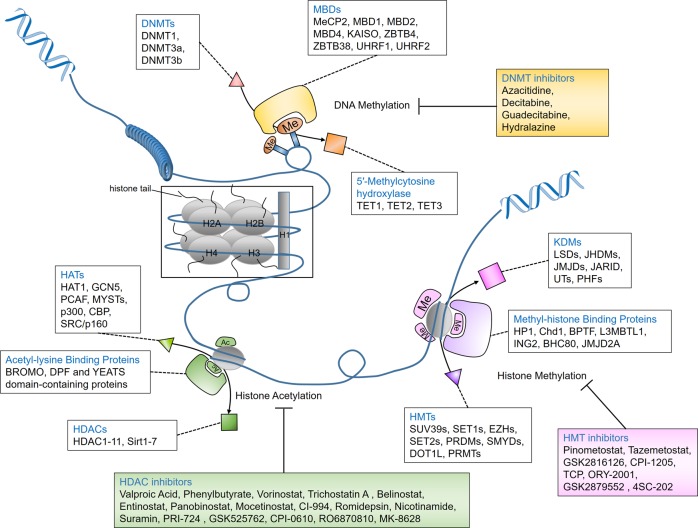
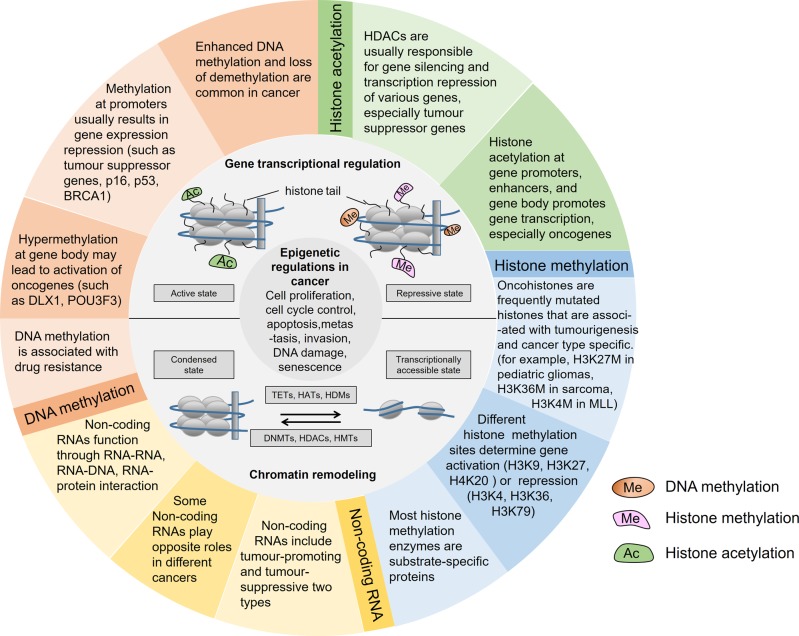
Epigenetic alternations concern heritable yet reversible changes in histone or DNA modifications that regulate gene activity beyond the underlying sequence. Epigenetic dysregulation is often linked to human disease, notably cancer. With the development of various drugs targeting epigenetic regulators, epigenetic-targeted therapy has been applied in the treatment of hematological malignancies and has exhibited viable therapeutic potential for solid tumors in preclinical and clinical trials. In this review, we summarize the aberrant functions of enzymes in DNA methylation, histone acetylation and histone methylation during tumor progression and highlight the development of inhibitors of or drugs targeted at epigenetic enzymes.
Overview
The claims and statistics of this paper haven’t been checked yet.
Free: it reads the open-access text and checks the first 5 claims that cite a source we can check. Create a free account to check every claim.
Integrity signals
Registry
Cites
Statistics
Figures
Verification
Claims the paper makes
The claims and statistics of this paper haven’t been checked yet.
Free: it reads the open-access text and checks the first 5 claims that cite a source we can check. Create a free account to check every claim.
Claims other papers make about this one
Each is checked against this paper’s own text: does it say what the citing paper says it does?
The check wasn’t confident either way, so it gives no verdict — never disputed.
In the citing paper
“Simvastatin, a cholesterol-lowering drug, displays anti-tumor effects in GBM by inducing apoptosis and inhibiting cell migration and invasion30.”
From Multi-omics analysis identifies glioblastoma dependency on H3K9me3 methyltransferase activity (2025) · cites this paper as [30]
Experimental — accuracy not yet measured
Self-check
Percentages, sums and reported differences re-computed from the paper’s own numbers.
The self-check needs the paper’s full text.
Citations
Cites
10 retracted
Expression of DNMT1 and DNMT3a Are Regulated by GLI1 in Human Pancreatic Cancer
He, S., Wang, F., Yang, L., Guo, C., Wan, R., Ke, A., Xu, L., Hu, G., Xu, X., Shen, J., et al. (2011) · PLoS ONE · doi:10.1371/journal.pone.0027684 · Cited by 88 · cited 1×
“cancer, the APC gene, encoding a regulator of cell junctions, is hypermethylated by DNMT overexpression.(29) During an analysis of colorectal disease methylation patterns, researchers found several genes that showed significant changes between precancerous diseases and cancers, including RUNX3, NEUROG1, CACNA1G, SFRP2…”
BackgroundRetractedcircZMYM2 Competed Endogenously with miR-335-5p to Regulate JMJD2C in Pancreatic Cancer
An, Y., Cai, H., Zhang, Y., Liu, S., Duan, Y., Sun, D., Chen, X., & He, X. (2018) · Cellular Physiology and Biochemistry · doi:10.1159/000495868 · Cited by 79
RetractedZhao, X., Zheng, F., Li, Y., Hao, J., Tang, Z., Tian, C., Yang, Q., Zhu, T., Diao, C., Zhang, C., et al. (2018) · Redox Biology · doi:10.1016/j.redox.2018.10.018 · Cited by 72
RetractedLi, T., Zheng, Q., An, J., Wu, M., Li, H., Gui, X., Pu, H., & Lu, D. (2016) · Molecular Therapy · doi:10.1038/mt.2015.208 · Cited by 56
RetractedHou, X., Gong, R., Zhan, J., Zhou, T., Ma, Y., Zhao, Y., Zhang, Y., Chen, G., Zhang, Z., Ma, S., et al. (2018) · BMC Cancer · doi:10.1186/s12885-018-4559-3 · Cited by 36
RetractedCai, M., Chen, Q., Shen, J., Lv, C., & Cai, L. (2018) · Journal of Cellular and Molecular Medicine · doi:10.1111/jcmm.13716 · Cited by 31
RetractedRETRACTED: Kaiso is expressed in lung cancer: Its expression and localization is affected by p120ctn
Dai, S., Wang, Y., Jiang, G., Zhang, P., Dong, X.-J., Wei, Q., Xu, H., Li, Q., Zhao, C., & Wang, E. (2009) · Lung Cancer · doi:10.1016/j.lungcan.2009.06.013 · Cited by 29
RetractedRETRACTED ARTICLE: TET2 inhibits tumorigenesis of breast cancer cells by regulating caspase-4
Zhu, X., & Li, S. (2018) · Scientific Reports · doi:10.1038/s41598-018-34462-z · Cited by 29
RetractedZhang, J., Liu, M., Liu, W., & Wang, W. (2019) · Artificial Cells Nanomedicine and Biotechnology · doi:10.1080/21691401.2019.1593857 · Cited by 13
RetractedSun, S., Zhang, Y., Zheng, J., Duan, B., Cui, J., Chen, Y., Deng, W., Ye, B., Liu, L., Chen, Y., et al. (2018) · Cell Death and Disease · doi:10.1038/s41419-018-0931-0 · Cited by 11
Retracted
Cited by
Small molecules in targeted cancer therapy: advances, challenges, and future perspectives
Zhong, L., Li, Y., Xiong, L., Wang, W., Wu, M., Yuan, T., Yang, W., Tian, C., Miao, Z., Wang, T., et al. (2021) · Signal Transduction and Targeted Therapy · doi:10.1038/s41392-021-00572-w · Cited by 1,696
Self-citationMetabolic reprogramming and epigenetic modifications on the path to cancer
Sun, L., Zhang, H., & Gao, P. (2022) · Protein & Cell · doi:10.1007/s13238-021-00846-7 · Cited by 770
“…SAM cycle inhibitors and other inhibitors or activators of epigenetic modulation in cancer, please see the excellent reviews by Falkenberg et al., Eckschlager et al., Wong et al. and Cheng et al. (Falkenberg and Johnstone, 2014; Eckschlager et al., 2017; Wong et al., 2017; Cheng et al., 2019).”
BackgroundTumor biomarkers for diagnosis, prognosis and targeted therapy
Zhou, Y., Tao, L., Qiu, J., Xu, J., Yang, X., Zhang, Y., Tian, X., Guan, X., Cen, X., & Zhao, Y. (2024) · Signal Transduction and Targeted Therapy · doi:10.1038/s41392-024-01823-2 · Cited by 720
Oxidative Stress: The Role of Antioxidant Phytochemicals in the Prevention and Treatment of Diseases
Muscolo, A., Mariateresa, O., Giulio, T., & Mariateresa, R. (2024) · International Journal of Molecular Sciences · doi:10.3390/ijms25063264 · Cited by 454
Milazzo, G., Mercatelli, D., Di Muzio, G., Triboli, L., De Rosa, P., Perini, G., & Giorgi, F. M. (2020) · Genes · doi:10.3390/genes11050556 · Cited by 423
“Sodium butyrate and phenyl butyrate compounds, often in combination with other drugs, were tested in a number of phase I–III clinical trials for different types of tumor such as: leukemia, lung cancer, lymphoma, multiple myeloma, and prostate cancer [232].”
BackgroundUnveiling the mechanisms and challenges of cancer drug resistance
Khan, S. U., Fatima, K., Aisha, S., & Malik, F. (2024) · Cell Communication and Signaling · doi:10.1186/s12964-023-01302-1 · Cited by 417
“The study of hereditary phenotypic variations without change in the DNA sequence is referred to as "epigenetics" and was initially introduced by Conrad Waddington (1940), who linked this term with gene and gene products [72].”
BackgroundThe language of chromatin modification in human cancers
Zhao, S., Allis, C. D., & Wang, G. G. (2021) · Nature Reviews Cancer · doi:10.1038/s41568-021-00357-x · Cited by 402
Epigenetic modulation of antitumor immunity for improved cancer immunotherapy
Dai, E., Zhu, Z., Wahed, S., Qu, Z., Storkus, W. J., & Guo, Z. S. (2021) · Molecular Cancer · doi:10.1186/s12943-021-01464-x · Cited by 328
“Key lysine and arginine methyltransferases in the cancer setting include EZH2, G9a, disruptor of telomeric silencing 1-like protein (DOT1L), and PRMTs 1 and 5 [39].”
BackgroundCancer epigenetics: from laboratory studies and clinical trials to precision medicine
Yu, X., Zhao, H., Wang, R., Chen, Y., Ouyang, X., Li, W., Sun, Y., & Peng, A. (2024) · Cell Death Discovery · doi:10.1038/s41420-024-01803-z · Cited by 287
“Different cells in tumor tissues exhibit variable epigenetic modi fi cation patterns throughout the genome or at individual genes; this suggests that there is epigenetic heterogeneity at the cellular level [67].”
Towards targeting of shared mechanisms of cancer metastasis and therapy resistance
Weiss, F., Lauffenburger, D., & Friedl, P. (2022) · Nature Reviews Cancer · doi:10.1038/s41568-021-00427-0 · Cited by 293
The Role of Inflammation in Cancer: Mechanisms of Tumor Initiation, Progression, and Metastasis
Nishida, A., & Andoh, A. (2025) · Cells · doi:10.3390/cells14070488 · Cited by 270
“While these responses can enhance tumor antigen presentation and stimulate antitumor immunity under certain conditions, they may also paradoxically support tumor survival and therapy resistance by activating prosurvival signaling pathways [21].”
Zeng, S., Huang, W., Zheng, X., cheng, L., Zhang, Z., Wang, J., & Shen, Z. (2021) · European Journal of Medicinal Chemistry · doi:10.1016/j.ejmech.2020.112981 · Cited by 245
Kitamura, N., Sento, S., Yoshizawa, Y., Sasabe, E., Kudo, Y., & Yamamoto, T. (2020) · International Journal of Molecular Sciences · doi:10.3390/ijms22010240 · Cited by 256
“The importance of drug epigenetic alternations concern heritable yet reversible changes in histone or DNA modifications that regulate gene activity beyond the underlying sequence, and epigenetic dysregulation is often related to human diseases, especially cancer [68].”
BackgroundBig data in basic and translational cancer research
Jiang, P., Sinha, S., Aldape, K., Hannenhalli, S., Sahinalp, C., & Ruppin, E. (2022) · Nature Reviews Cancer · doi:10.1038/s41568-022-00502-0 · Cited by 254
“However, epigenetic therapies, such as inhibitors that target histone deacetylases 87 , have a genome-wide effect and are typically combined with other treatments, and therefore current genomics assays may not readily evaluate their therapeutic efficacy.”
BackgroundLee, Y. T., Tan, Y. J., & Oon, C. E. (2023) · Acta Pharmaceutica Sinica B · doi:10.1016/j.apsb.2022.09.010 · Cited by 249
The Role of EREG/EGFR Pathway in Tumor Progression
Cheng, W.-L., Feng, P.-H., Lee, K.-Y., Chen, K.-Y., Sun, W.-L., Van Hiep, N., Luo, C.-S., & Wu, S.-M. (2021) · International Journal of Molecular Sciences · doi:10.3390/ijms222312828 · Cited by 239
Waarts, M. R., Stonestrom, A. J., Park, Y. C., & Levine, R. L. (2022) · Journal of Clinical Investigation · doi:10.1172/jci154943 · Cited by 230
Huang, Y.-H., Cai, K., Xu, P.-P., Wang, L., Huang, C.-X., Fang, Y., Cheng, S., Sun, X.-J., Liu, F., Huang, J.-Y., et al. (2021) · Signal Transduction and Targeted Therapy · doi:10.1038/s41392-020-00437-8 · Cited by 228
Epigenetics of glioblastoma multiforme: From molecular mechanisms to therapeutic approaches
Uddin, M. S., Mamun, A. A., Alghamdi, B. S., Tewari, D., Jeandet, P., Sarwar, M. S., & Ashraf, G. M. (2022) · Seminars in Cancer Biology · doi:10.1016/j.semcancer.2020.12.015 · Cited by 213
Wang, Y., Hu, J., Wu, S., Fleishman, J. S., Li, Y., Xu, Y., Zou, W., Wang, J., Feng, Y., Chen, J., et al. (2023) · Signal Transduction and Targeted Therapy · doi:10.1038/s41392-023-01720-0 · Cited by 209
Inflammation and DNA damage: cause, effect or both
Pezone, A., Olivieri, F., Napoli, M. V., Procopio, A., Avvedimento, E. V., & Gabrielli, A. (2023) · Nature Reviews Rheumatology · doi:10.1038/s41584-022-00905-1 · Cited by 212
Anticancer Activity of Natural and Synthetic Chalcones
Constantinescu, T., & Lungu, C. N. (2021) · International Journal of Molecular Sciences · doi:10.3390/ijms222111306 · Cited by 187
“For example, altered genetic information has been observed in cancer cells [4].”
BackgroundLinking cell mechanical memory and cancer metastasis
Cambria, E., Coughlin, M. F., Floryan, M. A., Offeddu, G. S., Shelton, S. E., & Kamm, R. D. (2024) · Nature Reviews Cancer · doi:10.1038/s41568-023-00656-5 · Cited by 183
Recent developments in epigenetic cancer therapeutics: clinical advancement and emerging trends
Nepali, K., & Liou, J.-P. (2021) · Journal of Biomedical Science · doi:10.1186/s12929-021-00721-x · Cited by 178
Mukha, A., Kahya, U., Linge, A., Chen, O., Löck, S., Lukiyanchuk, V., Richter, S., Alves, T. C., Peitzsch, M., Telychko, V., et al. (2021) · Theranostics · doi:10.7150/thno.58655 · Cited by 182
“Gln metabolism contributes to tumor cell reprogramming and regulation of CSCs α-KG is an essential co-factor in the regulation of the epigenetic enzymes, such as α-KG-dependent dioxygenases.”
BackgroundInfluentialExploring the promising potential of induced pluripotent stem cells in cancer research and therapy
Chehelgerdi, M., Behdarvand Dehkordi, F., Chehelgerdi, M., Kabiri, H., Salehian-Dehkordi, H., Abdolvand, M., Salmanizadeh, S., Rashidi, M., Niazmand, A., Ahmadi, S., et al. (2023) · Molecular Cancer · doi:10.1186/s12943-023-01873-0 · Cited by 175
Azwar, S., Seow, H. F., Abdullah, M., Faisal Jabar, M., & Mohtarrudin, N. (2021) · Biology · doi:10.3390/biology10090854 · Cited by 173
m6A modification in RNA: biogenesis, functions and roles in gliomas
Zhang, Y., Geng, X., Li, Q., Xu, J., Tan, Y., Xiao, M., Song, J., Liu, F., Fang, C., & Wang, H. (2020) · Journal of Experimental & Clinical Cancer Research · doi:10.1186/s13046-020-01706-8 · Cited by 163
RNA methylations in human cancers
Han, X., Wang, M., Zhao, Y.-L., Yang, Y., & Yang, Y.-G. (2021) · Seminars in Cancer Biology · doi:10.1016/j.semcancer.2020.11.007 · Cited by 162
Self-citationProgress in targeting PTEN/PI3K/Akt axis in glioblastoma therapy: Revisiting molecular interactions
Hashemi, M., Etemad, S., Rezaei, S., Ziaolhagh, S., Rajabi, R., Rahmanian, P., Abdi, S., Koohpar, Z. K., Rafiei, R., Raei, B., et al. (2023) · Biomedicine & Pharmacotherapy · doi:10.1016/j.biopha.2022.114204 · Cited by 167
Epigenetic modifications: Key players in cancer heterogeneity and drug resistance
Sadida, H. Q., Abdulla, A., Marzooqi, S. A., Hashem, S., Macha, M. A., Akil, A. S. A.-S., & Bhat, A. A. (2024) · Translational Oncology · doi:10.1016/j.tranon.2023.101821 · Cited by 151
“Histone modification inhibitors, especially histone deacetylase inhibitors (HDACs), offer precise epigenetic targeting and have shown efficacy in certain cancers in slowing cancer growth [131].”
BackgroundDrug Combination in Cancer Treatment—From Cocktails to Conjugated Combinations
Gilad, Y., Gellerman, G., Lonard, D. M., & O’Malley, B. W. (2021) · Cancers · doi:10.3390/cancers13040669 · Cited by 166
Methylation across the central dogma in health and diseases: new therapeutic strategies
Liu, R., Zhao, E., Yu, H., Yuan, C., Abbas, M. N., & Cui, H. (2023) · Signal Transduction and Targeted Therapy · doi:10.1038/s41392-023-01528-y · Cited by 165
MicroRNAs and Apoptosis in Colorectal Cancer
Wang, H. (2020) · International Journal of Molecular Sciences · doi:10.3390/ijms21155353 · Cited by 159
“It also involves apoptotic signaling and affects the chemotherapy response in CRC [22].”
BackgroundKumar, H., Gupta, N., Jain, R., Madhunapantula, S. V., Babu, C. S., Kesharwani, S. S., Dey, S., & Jain, V. K. (2023) · Journal of Advanced Research · doi:10.1016/j.jare.2023.02.005 · Cited by 153
“…tazemetostat, GSK2816126 and CPI-1205; HAT inhibitors, such as a -methylene- g-butyrolactones, isothiazolone, ICG-001 and PRI-724; and HDAC inhibitors, e.g., exemestane, panobinostat, romidepsin, suramin ORY-2001, GSK2879552 and 4SC-202, are under different phases of clinical trials [103].”
BackgroundNovel Approaches to Epigenetic Therapies: From Drug Combinations to Epigenetic Editing
Majchrzak‐Celińska, A., Szoszkiewicz, A., & Szoszkiewicz, M. (2021) · Genes · doi:10.3390/genes12020208 · Cited by 142
“Overexpression or enhanced catalytic activity of DNMT1, DNMT3a, and DNMT3b has been observed in multiple cancers, including acute myeloid leukemia (AML), chronic myeloid leukemia (CML), glioma, and breast, gastric, colorectal, hepatocellular, pancreatic, prostate, and lung cancers [20].”
BackgroundBouyahya, A., Mechchate, H., Oumeslakht, L., Zeouk, I., Aboulaghras, S., Balahbib, A., Zengin, G., Kamal, M. A., Gallo, M., Montesano, D., et al. (2022) · Biomolecules · doi:10.3390/biom12030367 · Cited by 147
Epigenetics of type 2 diabetes mellitus and weight change — a tool for precision medicine?
Ling, C., Bacos, K., & Rönn, T. (2022) · Nature Reviews Endocrinology · doi:10.1038/s41574-022-00671-w · Cited by 161
The Emerging Roles of RNA Modifications in Glioblastoma
Dong, Z., & Cui, H. (2020) · Cancers · doi:10.3390/cancers12030736 · Cited by 138
“Actually, some epigenetic drugs such as azacitidine, 5-aza-2′deoxycytidine, suberoylanilide hydroxamic acid (SAHA), romidepsin, belinostat, panobinostat, has been approved by the United States Food and Drug Administration (FDA) and chidamide has been approved by China FDA to treat some T-cell lymphoma or multiple myel…”
BackgroundType I IFNs promote cancer cell stemness by triggering the epigenetic regulator KDM1B
Musella, M., Guarracino, A., Manduca, N., Galassi, C., Ruggiero, E., Potenza, A., Maccafeo, E., Manic, G., Mattiello, L., Rehim, S. S. A., et al. (2022) · Nature Immunology · doi:10.1038/s41590-022-01290-3 · Cited by 129
Genotoxic therapy and resistance mechanism in gliomas
Lang, F., Liu, Y., Chou, F.-J., & Yang, C. (2021) · Pharmacology & Therapeutics · doi:10.1016/j.pharmthera.2021.107922 · Cited by 121
Tracking chromatin state changes using nanoscale photo-proximity labelling
Seath, C. P., Burton, A. J., Sun, X., Lee, G., Kleiner, R. E., MacMillan, D. W. C., & Muir, T. W. (2023) · Nature · doi:10.1038/s41586-023-05914-y · Cited by 121
Epigenetic and breast cancer therapy: Promising diagnostic and therapeutic applications
Sher, G., Salman, N. A., Khan, A. Q., Prabhu, K. S., Raza, A., Kuliński, M., Dermime, S., Haris, M., Junejo, K., & Shahab Uddin, M. S. (2020) · Seminars in Cancer Biology · doi:10.1016/j.semcancer.2020.08.009 · Cited by 124
The role of the extracellular matrix protein TGFBI in cancer
Corona, A. L., & Blobe, G. C. (2021) · Cellular Signalling · doi:10.1016/j.cellsig.2021.110028 · Cited by 110
Lanka, G., Begum, D., Banerjee, S., Adhikari, N., Yogeeswari, P., & Ghosh, B. (2023) · Computers in Biology and Medicine · doi:10.1016/j.compbiomed.2023.107481 · Cited by 112
Epigenetic drugs in cancer therapy
Suraweera, A., O'Byrne, K. J., & Richard, D. J. (2025) · Cancer and Metastasis Reviews · doi:10.1007/s10555-025-10253-7 · Cited by 140
“The term epigenetics was first coined in 1942 by Conrad Waddington to establish a connection between the genotype and phenotype [1, 2].”
CARM1-expressing ovarian cancer depends on the histone methyltransferase EZH2 activity
Karakashev, S. V., Zhu, H., Wu, S., Yokoyama, Y., Bitler, B. G., Park, P. H., Lee, J., Kossenkov, A. V., Gaonkar, K. S., Yan, H., et al. (2018) · Nature Communications · doi:10.1038/s41467-018-03031-3 · Cited by 107
When Oxidative Stress Meets Epigenetics: Implications in Cancer Development
García-Guede, Á., Vera, O., & de Cáceres, I. I. (2020) · Antioxidants · doi:10.3390/antiox9060468 · Cited by 117
Saleh, R., Toor, S. M., Nair, V. S., & Elkord, E. (2020) · Frontiers in Immunology · doi:10.3389/fimmu.2020.01469 · Cited by 121
Lauria, A., Monica, G. L., Bono, A., & Martorana, A. (2021) · European Journal of Medicinal Chemistry · doi:10.1016/j.ejmech.2021.113555 · Cited by 102
The emerging role of ISWI chromatin remodeling complexes in cancer
Li, Y., Gong, H., Wang, P., Zhu, Y., Peng, H., Cui, Y., Li, H., Liu, J., & Wang, Z. (2021) · Journal of Experimental & Clinical Cancer Research · doi:10.1186/s13046-021-02151-x · Cited by 123
Stress, diet, exercise: Common environmental factors and their impact on epigenetic age
Galkin, F., Kovalchuk, O., Koldasbayeva, D., Zhavoronkov, A. A., & Bischof, E. Y. (2023) · Ageing Research Reviews · doi:10.1016/j.arr.2023.101956 · Cited by 119
“For example, hypermethylation of the promoters of tumor suppressor genes has long been recognized as a driving force in multiple malignancies(Cheng et al., 2019; Herman et al., 1994; Yazici et al., 2020).”
BackgroundEpigenetic Mechanisms of Resistance to Immune Checkpoint Inhibitors
Perrier, A., Didelot, A., Laurent‐Puig, P., Blons, H., & Garinet, S. (2020) · Biomolecules · doi:10.3390/biom10071061 · Cited by 111
“Currently, the main options being considered are to target histones modulators, inhibit DNA methylation, specifically target miRNAs and the regulatory factors involved in the EMT [60].”
BackgroundTherapeutic potential of tucidinostat, a subtype-selective HDAC inhibitor, in cancer treatment
Sun, Y., Hong, J. H., Ning, Z., Pan, D., Fu, X., Lu, X., & Tan, J. (2022) · Frontiers in Pharmacology · doi:10.3389/fphar.2022.932914 · Cited by 94
“Several specific epigenetictargeted agents for modifiers with gain-of-function (GOF) mutations have already been approved for clinical cancer treatment, such as EZH2 inhibitors (Cheng et al., 2019).”
BackgroundTranscription and Translation Inhibitors in Cancer Treatment
Laham-Karam, N., Pinto, G., Poso, A., & Kokkonen, P. (2020) · Frontiers in Chemistry · doi:10.3389/fchem.2020.00276 · Cited by 95
“The enzymes responsible for the addition or removal of these modifications are then the first drug targets in this process (Cheng et al., 2019).”
BackgroundInfluentialThe Histone Code of Senescence
Paluvai, H., Di Giorgio, E., & Brancolini, C. (2020) · Cells · doi:10.3390/cells9020466 · Cited by 93
“The altered expression and activation of epigenetic regulators allows cancer cells to escape cell-cycle arrest and to proliferate even in the presence of high levels of oxidative and replication stress, perpetuating the accumulation of DNA damage from generation to generation [137].”
BackgroundEpigenetic regulation of energy metabolism in obesity
Gao, W., Liu, J.-L., Lu, X., & Yang, Q. (2021) · Journal of Molecular Cell Biology · doi:10.1093/jmcb/mjab043 · Cited by 92
“Several HMT and HDM inhibitors are currently in clinical trials for cancer treatment (Cheng et al., 2019 ).”
Wu, B.-K., Mei, S.-C., Chen, E. H., Zheng, Y., & Pan, D. (2022) · Nature Genetics · doi:10.1038/s41588-022-01119-7 · Cited by 90
Mondal, P., Natesh, J., Penta, D., & Meeran, S. M. (2020) · Seminars in Cancer Biology · doi:10.1016/j.semcancer.2020.12.006 · Cited by 96
Keyvani‐Ghamsari, S., Khorsandi, K., Rasul, A., & Zaman, M. K. (2021) · Clinical Epigenetics · doi:10.1186/s13148-021-01107-4 · Cited by 94
Chamseddine, A. N., Assi, T., Mir, O., & Chouaïb, S. (2021) · Pharmacology & Therapeutics · doi:10.1016/j.pharmthera.2021.107986 · Cited by 94
The roles of epigenetics in cancer progression and metastasis
Chen, J. F.-Y., & Yan, Q. (2021) · Biochemical Journal · doi:10.1042/bcj20210084 · Cited by 95
Recent updates on innovative approaches to overcome drug resistance for better outcomes in cancer
Sharma, M., Bakshi, A. K., Mittapelly, N., Gautam, S., Marwaha, D., Rai, N., Singh, N., Tiwari, P., Agarwal, N., Kumar, A., et al. (2022) · Journal of Controlled Release · doi:10.1016/j.jconrel.2022.04.007 · Cited by 84
Perspectives of nano-carrier drug delivery systems to overcome cancer drug resistance in the clinics
Ulldemolins, A., Seras‐Franzoso, J., Andrade, F., Rafael, D. F. D. S., Abasolo, I., Gener, P., & Schwartz, S. (2021) · Cancer Drug Resistance · doi:10.20517/cdr.2020.59 · Cited by 119
“The main mechanism that embraces cancer drug resistance phenotypes (including MDR, enhanced DNA repair, and impaired apoptosis) is the epigenetic cancer adaptation([20-23]).”
BackgroundPan, Z., Tan, C., Rao, L., Zhang, H., Zheng, Y., Liang, H., Ji, L., & Mao, Z. (2020) · Angewandte Chemie International Edition · doi:10.1002/anie.202008624 · Cited by 87
Pierozan, P., Cattani, D., & Karlsson, O. (2020) · Archives of Toxicology · doi:10.1007/s00204-020-02848-6 · Cited by 89
Davis, L., Recktenwald, M., Hutt, E., Fuller, S., Briggs, M., Goel, A., & Daringer, N. (2022) · Cancers · doi:10.3390/cancers14051259 · Cited by 83
Burbage, M., Rocañín-Arjó, A., Baudon, B., Arribas, Y. A., Merlotti, A., Rookhuizen, D. C., Heurtebise-Chrétien, S., Ye, M., Houy, A., Burgdorf, N., et al. (2023) · Science Immunology · doi:10.1126/sciimmunol.abm6360 · Cited by 97
Lung dendritic-cell metabolism underlies susceptibility to viral infection in diabetes
Nobs, S. P., Kolodziejczyk, A. A., Adler, L. N., Horesh, N., Botscharnikow, C., Herzog, E., Mohapatra, G., Hejndorf, S., Hodgetts, R. J., Spivak, I., et al. (2023) · Nature · doi:10.1038/s41586-023-06803-0 · Cited by 95
“To explore this possibility, we utilized the CUT&Tag epigenetic profiling of lysine 27 histone 3 modifications in DC from naïve WT and hyperglycaemic Akita mice.”
Epigenetic Regulation of microRNAs in Cancer: Shortening the Distance from Bench to Bedside
Pajares, M. J., Alemany-Cosme, E., Goñi, S., Bandrés, E., Palanca-Ballester, C., & Sandoval, J. (2021) · International Journal of Molecular Sciences · doi:10.3390/ijms22147350 · Cited by 97
“A wide range of epigenetic-based drugs are being tested in preclinical and clinical trials (for a review, see [151]).”
BackgroundIshiguro, K., Kitajima, H., Niinuma, T., Maruyama, R., Nishiyama, N., Ohtani, H., Sudo, G., Toyota, M., Sasaki, H., Yamamoto, E., et al. (2021) · Cell Death Discovery · doi:10.1038/s41420-020-00400-0 · Cited by 83
Pathological Role of HDAC8: Cancer and Beyond
Kim, J. Y., Cho, H., Yoo, J. H., Kim, G. W., Jeon, Y. H., Lee, S. W., & Kwon, S. H. (2022) · Cells · doi:10.3390/cells11193161 · Cited by 89
“Epigenetic treatments are particularly promising because epigenetic alterations are reversible by chemical drugs or gene therapy, reverting the pathological phenotypes to normal [2].”
BackgroundHigh-Dose Vitamin C for Cancer Therapy
Mussa, A., Idris, R. A. M., Ahmed, N., Ahmad, S., Murtadha, A. H., Din, T. A. D. A. T., Yean, C. Y., Rahman, W. F. W. A., Lazim, N. M., Uskoković, V., et al. (2022) · Pharmaceuticals · doi:10.3390/ph15060711 · Cited by 91
“These, in turn, affect several critical genes that have pivotal roles in epigenetic control, including the ten-eleven translocations (TET 1,2,3) and JMJC families, which are often altered or transcriptionally downregulated in hematological [176,177] and solid malignancies [178].”
BackgroundSingh, A. V., Bhardwaj, P., Laux, P., Pradeep, P., Busse, M., Luch, A., Hirose, A., Osgood, C. J., & Stacey, M. W. (2024) · Frontiers in Toxicology · doi:10.3389/ftox.2024.1461587 · Cited by 97
Cell-type-specific epigenetic effects of early life stress on the brain
Rahman, M. F., & McGowan, P. O. (2022) · Translational Psychiatry · doi:10.1038/s41398-022-02076-9 · Cited by 75
“This malleable quality of the epigenome may enable the identification of cell-specific epigenetic biomarkers of disease and aid in the development of targeted therapeutic approaches for neuropsychiatric or neurodevelopmental disorders, as is the case for certain cancers [142].”
BackgroundBET Proteins as Attractive Targets for Cancer Therapeutics
Sarnik, J., Popławski, T., & Tokarz, P. (2021) · International Journal of Molecular Sciences · doi:10.3390/ijms222011102 · Cited by 82
Targeting protein arginine methyltransferase 5 in cancers: Roles, inhibitors and mechanisms
Chen, Y., Shao, X., Zhao, X., Ji, Y., Liu, X., Li, P., Zhang, M., & Wang, Q. (2021) · Biomedicine & Pharmacotherapy · doi:10.1016/j.biopha.2021.112252 · Cited by 79
Current paradigms in epigenetic anticancer therapeutics and future challenges
Singh, M. P., Kumar, V., Sehrawat, N., Yadav, M. K., Chaudhary, M., Upadhyay, S. K., Kumar, S., Sharma, V., Kumar, S., Dilbaghi, N., et al. (2021) · Seminars in Cancer Biology · doi:10.1016/j.semcancer.2021.03.013 · Cited by 85
Sarno, F., Benincasa, G., List, M., Barabási, A.-L., Baumbach, J., Ciardiello, F., Filetti, S., Glass, K., Loscalzo, J., Marchese, C., et al. (2021) · Clinical Epigenetics · doi:10.1186/s13148-021-01047-z · Cited by 83
Novel epigenetic therapeutic strategies and targets in cancer
Babar, Q., Saeed, A., Tabish, T. A., Pricl, S., Townley, H. E., & Thorat, N. D. (2022) · Biochimica et Biophysica Acta (BBA) - Molecular Basis of Disease · doi:10.1016/j.bbadis.2022.166552 · Cited by 86
A global view of the human post-translational modification landscape
Kitamura, N., & Galligan, J. J. (2023) · Biochemical Journal · doi:10.1042/bcj20220251 · Cited by 88
Ultraviolet (UV) radiation: a double-edged sword in cancer development and therapy
Yu, Z.-W., Zheng, M. H., Fan, H., Liang, X., & Tang, Y. (2024) · Molecular Biomedicine · doi:10.1186/s43556-024-00209-8 · Cited by 97
Pierozan, P., Kosnik, M. B., & Karlsson, O. (2023) · Environment International · doi:10.1016/j.envint.2023.107746 · Cited by 81
Epigenetic Regulation in Oral Squamous Cell Carcinoma Microenvironment: A Comprehensive Review
Mesgari, H., Esmaelian, S., Nasiri, K., Ghasemzadeh, S., Doroudgar, P., & Payandeh, Z. (2023) · Cancers · doi:10.3390/cancers15235600 · Cited by 99
“Various HATs, including MYST1, TIP60, CBP/p300, and GCN5, are abnormally expressed in different cancers [461–463].”
BackgroundBeyond the Gut: The intratumoral microbiome's influence on tumorigenesis and treatment response
Zhang, H., Fu, L., Leiliang, X., Qu, C., Wu, W., Wen, R., Huang, N., He, Q., Cheng, Q., Liu, G., et al. (2024) · 癌症:英文版 · doi:10.1002/cac2.12597 · Cited by 78
“Epi-genetic regulation is closely relevant to human diseases, notably cancer [60].”
BackgroundSelf-citationMultilevel Mechanisms of Cancer Drug Resistance
Roszkowska, M. (2024) · International Journal of Molecular Sciences · doi:10.3390/ijms252212402 · Cited by 85
“Notably, combined epigenetic therapy approaches have improved outcomes by up to 45% in various cancer types [63].”
Epigenetics in Breast Cancer Therapy—New Strategies and Future Nanomedicine Perspectives
Buociková, V., Ríos-Mondragón, I., Pilalis, E. D., Chatziioannou, A. A., Miklikova, S., Mego, M., Pajuste, K., Ruciņš, M., Yamani, N. E., Longhin, E., et al. (2020) · Cancers · doi:10.3390/cancers12123622 · Cited by 77
Epigenetic genes and epilepsy — emerging mechanisms and clinical applications
Van Loo, K. M. J., Carvill, G. L., Becker, A. J., Conboy, K., Goldman, A. M., Kobow, K., Lopes-Cendes, I., Reid, C. A., van Vliet, E. A., & Henshall, D. C. (2022) · Nature Reviews Neurology · doi:10.1038/s41582-022-00693-y · Cited by 68
Patra, S., Praharaj, P. P., Klionsky, D. J., & Bhutia, S. K. (2021) · Drug Discovery Today · doi:10.1016/j.drudis.2021.08.004 · Cited by 71
Therapeutic potential of inhibiting histone 3 lysine 27 demethylases: a review of the literature
Abu‐Hanna, J., Patel, J. A., Anastasakis, E., Cohen, R., Clapp, L. H., Loizidou, M., & Eddama, M. M. R. (2022) · Clinical Epigenetics · doi:10.1186/s13148-022-01305-8 · Cited by 77
“By precisely regulating gene expression, epigenetics can determine the phenotype and fate of a given cell and, if dysregulated, can lead to inappropriate gene expression, giving rise to pathological cell behaviour [2].”
BackgroundInhibition of lysine acetyltransferase KAT6 in ER+HER2− metastatic breast cancer: a phase 1 trial
Mukohara, T., Park, Y. H., Sommerhalder, D., Yonemori, K., Hamilton, E. P., Kim, S., Kim, J. H., Iwata, H., Yamashita, T., Layman, R. M., et al. (2024) · Nature Medicine · doi:10.1038/s41591-024-03060-0 · Cited by 78
KMT2A: Umbrella Gene for Multiple Diseases
Castiglioni, S., Fede, E. D., Bernardelli, C., Lettieri, A., Parodi, C., Grazioli, P., Colombo, E. A., Ancona, S., Milani, D., Ottaviano, E., et al. (2022) · Genes · doi:10.3390/genes13030514 · Cited by 75
“Epigenetic modifications are fundamental for many biological processes; indeed, alterations of genes with this activity can lead to neurodevelopmental disorders or tumorigenesis, when germinal or somatic mutations respectively occur [102,103].”
BackgroundRegulation of antitumor immunity by inflammation-induced epigenetic alterations
Karin, M., & Shalapour, S. (2021) · Cellular and Molecular Immunology · doi:10.1038/s41423-021-00756-y · Cited by 72
“Table 1 provides a summary of ongoing clinical trials that combine histone modifiers and ICT [98, 99].”
BackgroundDNA repair as a shared hallmark in cancer and ageing
Clarke, T. L., & Mostoslavsky, R. (2022) · Molecular Oncology · doi:10.1002/1878-0261.13285 · Cited by 84
Mechanisms of immune modulation in the tumor microenvironment and implications for targeted therapy
Czajka‐Francuz, P., Prendes, M. J., Mankan, A. K., Quintana, Á., Pabla, S., Ramkissoon, S. H., Jensen, T. J., Peiró, S., Severson, E. A., Achyut, B. R., et al. (2023) · Frontiers in Oncology · doi:10.3389/fonc.2023.1200646 · Cited by 76
Peng, K., Su, G., Ji, J., Yang, X., Miao, M., Mo, P., Li, M., Xu, J., Li, W., & Yu, C. (2018) · Journal of Biological Chemistry · doi:10.1074/jbc.ra118.001730 · Cited by 67
A Multi-Omics Perspective of Quantitative Trait Loci in Precision Medicine
Ye, Y., Zhang, Z., Liu, Y., Diao, L., & Han, L. (2020) · Trends in Genetics · doi:10.1016/j.tig.2020.01.009 · Cited by 72
Role of Virus-Induced Host Cell Epigenetic Changes in Cancer
Pietropaolo, V., Prezioso, C., & Moens, U. L. (2021) · International Journal of Molecular Sciences · doi:10.3390/ijms22158346 · Cited by 67
Yin, N., Li, X., Zhang, X., Xue, S., Cao, Y., Niedermann, G., Lu, Y., & Xue, J. (2024) · Signal Transduction and Targeted Therapy · doi:10.1038/s41392-024-01826-z · Cited by 79
Wu, M., Zhao, Y., Zhang, C., & Pu, K. (2024) · ACS Nano · doi:10.1021/acsnano.4c09800 · Cited by 67
Metadata
- Authors
- Cheng, Y., He, C., Wang, M., Ma, X., Mo, F., Yang, S., Han, J., & Wei, X.
- Affiliations
- Sichuan University (CN)
- Corresponding author
- Wei, Xiawei
- Venue
- Signal Transduction and Targeted Therapy
- Published
- 2019-12-17
- Volume
- 4
- Issue
- 1
- Pages
- 62-62
- ISSN
- 2059-3635 (ISSN-L)
- PMC
- PMC6915746
- OpenAlex
- W2995898384
- Cited by
- 1,097
- References
- 676
- Citations by year
- 2026: 75 · 2025: 157 · 2024: 198 · 2023: 217 · 2022: 175 · 2021: 190 · 2020: 77
- FWCI
- 9.76
- Type
- journal article
- Language
- en
- Open access
- gold
- doi.org
- Licence
- cc-by
- creativecommons.org/licenses/by/4.0 (tdm)
- creativecommons.org/licenses/by/4.0 (vor)
- Locations
- Signal Transduction and Targeted Therapy (publishedVersion, cc-by)
- Europe PMC (PubMed Central) (publishedVersion, cc-by)
- PubMed Central (publishedVersion, cc-by)
- PubMed (publishedVersion)
- DOAJ (DOAJ: Directory of Open Access Journals) (submittedVersion)
- Funders
- National Natural Science Foundation of China (No. 81602950)
- National Key Research and Development Program of China
- Topics
- Life Sciences › Biochemistry, Genetics and Molecular Biology › Molecular Biology › Epigenetics and DNA Methylation
- Life Sciences › Biochemistry, Genetics and Molecular Biology › Molecular Biology › Histone Deacetylase Inhibitors Research
- Life Sciences › Biochemistry, Genetics and Molecular Biology › Molecular Biology › Chromatin Remodeling and Cancer
- Keywords
- epigenetic regulators, DNA methylation, histone acetylation, histone methylation, epigenetic enzymes, enzyme inhibitors, hematologic malignancies, solid tumors, tumor progression, clinical trials
About these checks
Registry, retraction, Cites and statistics results are computed, not judged, with one exception: a printed reference that no index lists is read once by a model before it counts as a citation error. Claims are extracted by a model and kept only when their quote appears verbatim in the text; each cited source is then checked, with a model’s help, for whether it says what the claim relies on. Those verdicts can be wrong — read the claim’s quote and the cited source before relying on one.
Statistics and arithmetic are recomputed, not judged.
Confidence bands are shown only for fields calibrated on our annotated test set. None is calibrated yet, so no band is shown.
What counts as a claim ›How we measure confidence ›How we check this ›
Are you an author, or do you see a problem with this page? Request a review
Data sources
Bibliographic data: Semantic Scholar, OpenAlex, Crossref.
Contains information from the Semantic Scholar Academic Graph Datasets, made available under the ODC Attribution License (ODC-BY 1.0).
Semantic Scholar’s data is described in: Kinney, R., et al. (2023). The Semantic Scholar Open Data Platform. arXiv:2301.10140.
