

Targeting epigenetic regulators for cancer therapy: mechanisms and advances in clinical trials
Open accessThe DOI matches its Crossref record; 675 of the 676 references it cites were found in a registry or an index.
Abstract
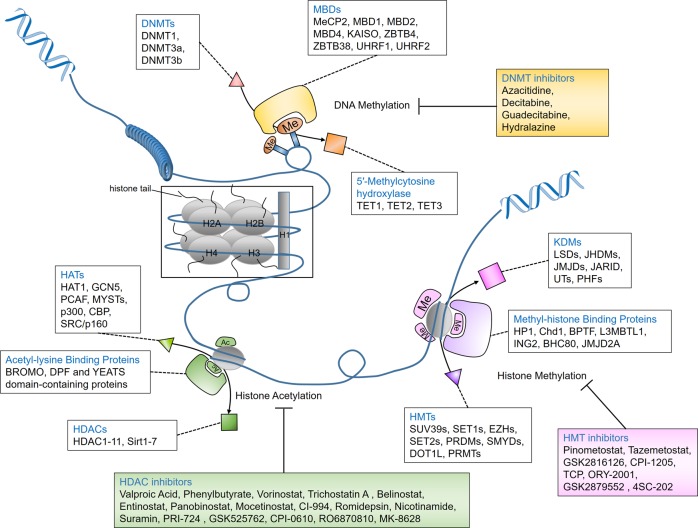
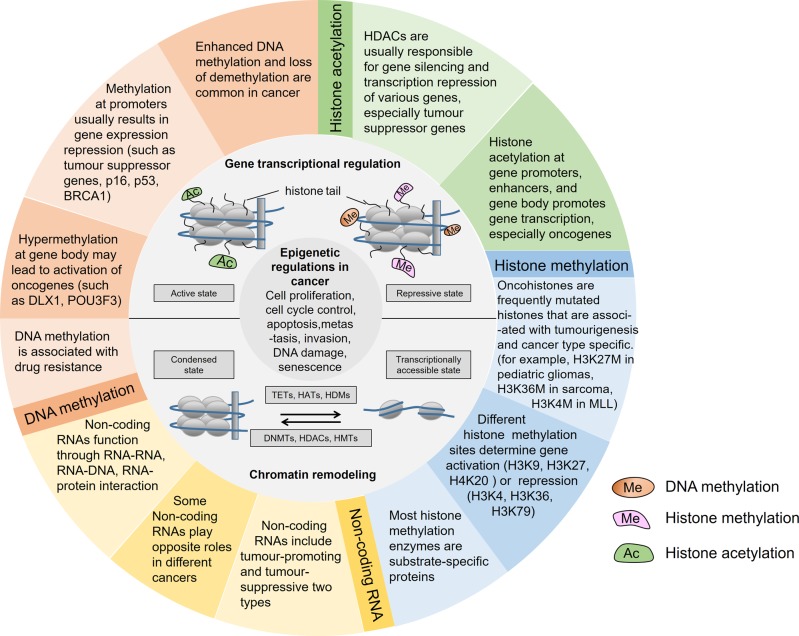
Epigenetic alternations concern heritable yet reversible changes in histone or DNA modifications that regulate gene activity beyond the underlying sequence. Epigenetic dysregulation is often linked to human disease, notably cancer. With the development of various drugs targeting epigenetic regulators, epigenetic-targeted therapy has been applied in the treatment of hematological malignancies and has exhibited viable therapeutic potential for solid tumors in preclinical and clinical trials. In this review, we summarize the aberrant functions of enzymes in DNA methylation, histone acetylation and histone methylation during tumor progression and highlight the development of inhibitors of or drugs targeted at epigenetic enzymes.
Overview
The claims and statistics of this paper haven’t been checked yet.
Free: it reads the open-access text and checks the first 5 claims that cite a source we can check. Create a free account to check every claim.
Integrity signals
Registry
Cites
Statistics
Figures
Verification
Claims the paper makes
The claims and statistics of this paper haven’t been checked yet.
Free: it reads the open-access text and checks the first 5 claims that cite a source we can check. Create a free account to check every claim.
Claims other papers make about this one
Each is checked against this paper’s own text: does it say what the citing paper says it does?
The check wasn’t confident either way, so it gives no verdict — never disputed.
In the citing paper
“Simvastatin, a cholesterol-lowering drug, displays anti-tumor effects in GBM by inducing apoptosis and inhibiting cell migration and invasion30.”
From Multi-omics analysis identifies glioblastoma dependency on H3K9me3 methyltransferase activity (2025) · cites this paper as [30]
Experimental — accuracy not yet measured
Self-check
Percentages, sums and reported differences re-computed from the paper’s own numbers.
The self-check needs the paper’s full text.
Citations
Cites
10 retracted
Expression of DNMT1 and DNMT3a Are Regulated by GLI1 in Human Pancreatic Cancer
He, S., Wang, F., Yang, L., Guo, C., Wan, R., Ke, A., Xu, L., Hu, G., Xu, X., Shen, J., et al. (2011) · PLoS ONE · doi:10.1371/journal.pone.0027684 · Cited by 88 · cited 1×
“cancer, the APC gene, encoding a regulator of cell junctions, is hypermethylated by DNMT overexpression.(29) During an analysis of colorectal disease methylation patterns, researchers found several genes that showed significant changes between precancerous diseases and cancers, including RUNX3, NEUROG1, CACNA1G, SFRP2…”
BackgroundRetractedcircZMYM2 Competed Endogenously with miR-335-5p to Regulate JMJD2C in Pancreatic Cancer
An, Y., Cai, H., Zhang, Y., Liu, S., Duan, Y., Sun, D., Chen, X., & He, X. (2018) · Cellular Physiology and Biochemistry · doi:10.1159/000495868 · Cited by 79
RetractedZhao, X., Zheng, F., Li, Y., Hao, J., Tang, Z., Tian, C., Yang, Q., Zhu, T., Diao, C., Zhang, C., et al. (2018) · Redox Biology · doi:10.1016/j.redox.2018.10.018 · Cited by 72
RetractedLi, T., Zheng, Q., An, J., Wu, M., Li, H., Gui, X., Pu, H., & Lu, D. (2016) · Molecular Therapy · doi:10.1038/mt.2015.208 · Cited by 56
RetractedHou, X., Gong, R., Zhan, J., Zhou, T., Ma, Y., Zhao, Y., Zhang, Y., Chen, G., Zhang, Z., Ma, S., et al. (2018) · BMC Cancer · doi:10.1186/s12885-018-4559-3 · Cited by 36
RetractedCai, M., Chen, Q., Shen, J., Lv, C., & Cai, L. (2018) · Journal of Cellular and Molecular Medicine · doi:10.1111/jcmm.13716 · Cited by 31
RetractedRETRACTED: Kaiso is expressed in lung cancer: Its expression and localization is affected by p120ctn
Dai, S., Wang, Y., Jiang, G., Zhang, P., Dong, X.-J., Wei, Q., Xu, H., Li, Q., Zhao, C., & Wang, E. (2009) · Lung Cancer · doi:10.1016/j.lungcan.2009.06.013 · Cited by 29
RetractedRETRACTED ARTICLE: TET2 inhibits tumorigenesis of breast cancer cells by regulating caspase-4
Zhu, X., & Li, S. (2018) · Scientific Reports · doi:10.1038/s41598-018-34462-z · Cited by 29
RetractedZhang, J., Liu, M., Liu, W., & Wang, W. (2019) · Artificial Cells Nanomedicine and Biotechnology · doi:10.1080/21691401.2019.1593857 · Cited by 13
RetractedSun, S., Zhang, Y., Zheng, J., Duan, B., Cui, J., Chen, Y., Deng, W., Ye, B., Liu, L., Chen, Y., et al. (2018) · Cell Death and Disease · doi:10.1038/s41419-018-0931-0 · Cited by 11
Retracted
Cited by
Items 701–800 of 997
Epigenetic therapeutic strategies in pancreatic cancer
Orlacchio, A., Muzyka, S., & Gonda, T. A. (2024) · International review of cytology · doi:10.1016/bs.ircmb.2023.10.002 · Cited by 5
Targeting Bromodomain-Containing Protein 9 in Human Uterine Fibroid Cells
Yang, Q., Falahati, A., Khosh, A., Vafaei, S., & Al-Hendy, A. A. (2024) · Reproductive Sciences · doi:10.1007/s43032-024-01608-6 · Cited by 4
“Abnormal actions of epigenetic effector proteins via altering their activities (mutations or protein level change) can cause epigenome disruption, leading to tumorigenesis, which is the consequence of the combined action of multiple epigenetic events [5].”
Chromatin reprogramming and transcriptional regulation orchestrate embryogenesis in hexaploid wheatPreprint
Zhao, L., Lin, X., Yang, Y., Bie, X., Zhang, H., Chen, J., Liu, X., Wang, H., Jiang, J., Fu, X., et al. (2022) · bioRxiv (Cold Spring Harbor Laboratory) · doi:10.1101/2022.01.21.477188 · Cited by 4
Editorial: Epigenetic and Transcriptional Dysregulations in Cancer and Therapeutic Opportunities
Ansari, R. A., & Abbas, A. (2022) · Frontiers in Genetics · doi:10.3389/fgene.2022.857380 · Cited by 4
“Epigenetic and transcriptional dysregulations also confer therapeutic vulnerabilities and remarkably, offer novel biomarkers and therapeutic targets (Gonda and Ramsay, 2015; Cheng et al., 2019; Lu et al., 2020; Vervoort et al., 2021).”
BackgroundGulhan, D., Viswanadham, V., Muyas, F., Jin, H., Foote, M. B., Lee, J. J.-K., Barras, D., Jung, Y. L., Ljungström, V., Rousseau, B., et al. (2024) · medRxiv · doi:10.1101/2024.01.19.24301236 · Cited by 8
“…with this, SBS54 exposure is enriched in coding regions compared to non-coding regions (Supplementary Figure 10), and for SBS54-high cell lines, drugs targeting chromatin histone acetylation/methylation and RNA polymerase-1 had significantly higher sensitivity 62,63 (Supplementary Figure 6b).”
BackgroundErwin, N., De, U., Xiao, Y., Wang, L., Maharjan, C. K., Pan, X., Awasthee, N., Zheng, G., Liao, D., Zhang, W., et al. (2024) · bioRxiv (Cold Spring Harbor Laboratory) · doi:10.1101/2024.08.25.609564 · Cited by 4
An anti-neoplastic tale of metformin through its transport
Bhati, F. K., & Bhat, M. K. (2024) · Life Sciences · doi:10.1016/j.lfs.2024.123060 · Cited by 3
Ganesan, I. P., & Kiyokawa, H. (2025) · Cancers · doi:10.3390/cancers17040626 · Cited by 4
Jeyaraman, N., Jeyaraman, M., Ramasubramanian, S., Ramasubramanian, S., Balaji, S., Muthu, S., Rajendran, R. L., & Gangadaran, P. (2025) · Pathology - Research and Practice · doi:10.1016/j.prp.2025.155908 · Cited by 4
A biochemical screening platform to target chromatin states using condensates as a tool
Hsieh, L. J., Lou, T., Gourdet, M. A., Wong, E., & Narlikar, G. J. (2025) · SLAS DISCOVERY · doi:10.1016/j.slasd.2025.100236 · Cited by 3
Chen, Y., Teng, R., Szántó, A., Kapopara, A., Bannerji, R., Ogier, J. R., & Mahalingam, D. (2025) · Clinical Pharmacology in Drug Development · doi:10.1002/cpdd.1543 · Cited by 3
Integrative Analysis Reveals the Prognostic Effects of Epigenetic Regulators in Bladder Cancer
Mekala, V. R., Lin, Y., Wang, X., Chowdhury, N., Lǐ, J., & Cheng, C. (2025) · Cancer Medicine · doi:10.1002/cam4.71057 · Cited by 3
Behrooz, A. B., Cordani, M., & Ghavami, S. (2025) · International review of cytology · doi:10.1016/bs.ircmb.2025.08.002 · Cited by 3
Alotaibi, G. (2025) · Frontiers in Pharmacology · doi:10.3389/fphar.2025.1628165 · Cited by 7
Menin-MLL1 complex cooperates with NF-Y to promote hepatocellular carcinoma survival
Dzama, M. M., Sokolowski, M., Kuhlers, P. C., Brinkman, J. A., Morris, J. P., & Raab, J. R. (2025) · Cell Reports · doi:10.1016/j.celrep.2025.116619 · Cited by 7
Viral mimicry acts as a tumor suppressor in colitis
Larsen, F., Jeong, W., Schep, D., Good, H. J., Shin, A. E., Zhang, L., Derouet, M., Wang, T. C., Castellani, C. A., Shooshtari, P., et al. (2026) · Nature Communications · doi:10.1038/s41467-026-68850-1 · Cited by 5
“There are currently numerous clinical trials examining the effect of epigenetic modi fi ers in cancer 72,73 .”
DNMT3A in cancer: from epigenetic writer to oncogenic driver
Dupas, T., Gautreau, E., Josianne, C., Raynal, N. J. ‐., & McGraw, S. (2026) · Clinical Epigenetics · doi:10.1186/s13148-026-02127-8 · Cited by 5
“Thus, DNA methylation has naturally emerged as a therapeutic target of choice, as illustrated by current hypomethylating anti-cancer treatments ( e.g., decitabine, azacytidine) and the numerous ongoing clinical studies [14, 16–18].”
Moore, L. L., & Houchen, C. W. (2023) · International Journal of Molecular Sciences · doi:10.3390/ijms242216407 · Cited by 3
“Cancer therapeutics has undergone a paradigm shift over the last few decades, moving from generalized cytotoxic agents toward more targeted therapies including those directed at the epigenome [119].”
BackgroundProgress in genome-inspired treatment decisions for multifocal lung adenocarcinoma
Powell, C., Saddoughi, S. A., & Wigle, D. A. (2023) · Expert Review of Respiratory Medicine · doi:10.1080/17476348.2023.2286277 · Cited by 3
Clinical role of NDRG2-based methylation status on survival pattern of glioblastoma
Swellam, M. M., Khalifa, M. K., Nageeb, A. M., El-Arab, L. E., El-Mahdy, M., El-Bahy, K., & Mahmoud, M. S. (2024) · International Journal of Immunopathology and Pharmacology · doi:10.1177/03946320241250294 · Cited by 3
Sinanian, M. M., Rahman, A., Elshazly, A. M., Neely, V. L., Nagarajan, B., Kellogg, G. E., Risinger, A. L., & Gewirtz, D. A. (2024) · International Journal of Molecular Sciences · doi:10.3390/ijms252111346 · Cited by 3
Fan, J., Chen, B., Wu, H., Liang, X., Shen, W., & Miao, X. (2024) · Frontiers in Immunology · doi:10.3389/fimmu.2024.1481753 · Cited by 3
Kgatle, M. M., Mbambara, S., Khoza, L., Fadebi, O. O., Mashamba-Thompson, T. P., & Sathekge, M. M. (2025) · Frontiers in Microbiology · doi:10.3389/fmicb.2025.1602497 · Cited by 6
Ghanbari, M., Haghi, M., Safaralizadeh, R., Baradaran, B., & Feizi, M. A. H. (2025) · Medical Oncology · doi:10.1007/s12032-025-03134-0 · Cited by 3
Histone Lysine-to-Methionine Mutation as Anticancer Drug Target
Yang, J., Qiu, Q., & Chen, L. (2020) · Advances in experimental medicine and biology · doi:10.1007/978-981-15-8104-5_7 · Cited by 5
Mullen, M., Tan, W. L. W., Rhee, J., & Wu, J. C. (2022) · Heart Failure Clinics · doi:10.1016/j.hfc.2022.02.009 · Cited by 4
Novel Insights into Epigenetic Control of Autophagy in Cancer
Parveen, S., Rizvi, S. F., Hasan, A., Afaq, U., & Mir, S. S. (2022) · OBM Genetics · doi:10.21926/obm.genet.2204170 · Cited by 4
Epigenetic reprogramming of cancer stem cells to tumor cells using ultrasmall gold nanoparticle
Verma, A. H., Ganesh, S., Venkatakrishnan, K., & Tan, B. (2022) · Applied Materials Today · doi:10.1016/j.apmt.2022.101725 · Cited by 4
Sun, B., Chen, H., Lao, J., Tan, C., Zhang, Y., Shao, Z., & Xu, D. (2023) · The Journal of Pathology Clinical Research · doi:10.1002/cjp2.335 · Cited by 4
“Epigenetic mutations have been reported to affect numerous facets of cancer, including chromatin packaging, programs of distinct cellular gene expression, and signal transduction, incurring enhanced cancer growth, invasion, and metastasis [30,31].”
BackgroundBatista, M. D. P., Roffé, M., Romero, I., López‐Guerrero, J. A., Illueca, C., López-Reig, R., da Costa, A. A. B. A., Brot, L. D., Molina, J. P., Barboza, L., et al. (2023) · BMC Cancer · doi:10.1186/s12885-023-11095-8 · Cited by 3
“As in other tumor types, ASH1L might be associated with OCCC biology, and since epigenetic regulators are considered important targets for cancer treatment, our observation opens a new research opportunity to define the role of ASH1L in OCCC [68].”
BackgroundOcker, M., & Neureiter, D. (2023) · Expert Opinion on Investigational Drugs · doi:10.1080/13543784.2023.2288075 · Cited by 3
“This is achieved by epigenetic modifications of chromatin that is recognized by epigenetic writers (e.g. histone methyltransferases, histone acetyltrans-ferases, DNA methyltransferases), easers (e.g. histone deacety-lases) and readers (e.g. bromodomain and extraterminal domain (BET) proteins) [5,6].”
BackgroundepidecodeR: a functional exploration tool for epigenetic and epitranscriptomic regulation
Joshi, K., & Wang, D. O. (2024) · Briefings in Bioinformatics · doi:10.1093/bib/bbad521 · Cited by 3
The silent guardian: unraveling the roles of H3K9me3 in genome maintenance
Li, Z., & Zhang, Z. (2024) · Genome Instability & Disease · doi:10.1007/s42764-024-00131-x · Cited by 3
“In fact, epigenetic reprogramming is regarded as one of the hallmarks of cancer and targeting the cancer epigenome has emerged as a promising anti-tumor approach (Cheng et al., 2019; Davalos & Esteller, 2023; Hanahan, 2022; Suva et al., 2013; Zhao et al., 2021).”
Blanchard, C., Gomeiz, A., Avery, K., Gazzah, E. E., Alsubaie, A. M., Sikaroodi, M., Chiari, Y., Ward, C., Sanchez, J., Espina, V. A., et al. (2024) · Cell Communication and Signaling · doi:10.1186/s12964-024-01742-3 · Cited by 4
Analysis of IDH and EGFR as biomarkers in glioblastoma multiforme: A case-control study
Al-Khatib, S., Al-Bzour, A. N., Almajali, M. N., Jarrad, T. A., AL-Eitan, L. N., & Abdo, N. M. (2024) · Heliyon · doi:10.1016/j.heliyon.2024.e35323 · Cited by 4
“Exploring new factors in the tumor ’ s gene expression and epigenetic patterns, which contribute to its molecular diversity and aggressiveness, could potentially enhance clinical outcomes [15].”
BackgroundPinzi, L., Belluti, S., Piccinini, I., Imbriano, C., & Rastelli, G. (2024) · Pharmaceuticals · doi:10.3390/ph17081072 · Cited by 4
“Histone deacetylases (HDACs) are a family of proteins primarily responsible for regulating the acetylation status of lysine residues in histone tails, thus acting as key epigenetic modulators in several biological processes [1,2].”
BackgroundDeciphering glioblastoma: Unveiling imaging markers for predicting MGMT promoter methylation status
Hexem, E., Taha, T. A.-E. A., Dhemesh, Y., Baqar, M. A., & Nada, A. (2024) · Current Problems in Cancer · doi:10.1016/j.currproblcancer.2024.101156 · Cited by 4
Jiang, C., Weng, X., Chen, Y., & Yang, J. (2024) · BMC Pharmacology and Toxicology · doi:10.1186/s40360-024-00807-w · Cited by 4
“Accumulating evidence suggests that epigenetic dysregulation is a hallmark of cancer and several epigenetic modifier inhibitors are currently undergoing clinical trials [3, 5].”
Phuengmaung, P., Saisorn, W., Boonmee, A., Benjaskulluecha, S., Amornphimoltham, P., Thim-uam, A., Palaga, T., & Leelahavanichkul, A. (2025) · International Immunology · doi:10.1093/intimm/dxaf035 · Cited by 4
Flores-Contreras, E. A., González-González, R. B., Gonzalez‐González, E., Parra‐Saldívar, R., & Iqbal, H. M. N. (2022) · Journal of Drug Delivery Science and Technology · doi:10.1016/j.jddst.2022.103924 · Cited by 3
Gregg, C. J. (2021) · Frontiers in Ecology and Evolution · doi:10.3389/fevo.2021.693781 · Cited by 4
Zhang, X., Yan, C., Chu, Z., Shi, L., Zheng, Y., Zhao, Q., Geng, S., & Guo, K. (2022) · The International Journal of Biochemistry & Cell Biology · doi:10.1016/j.biocel.2022.106190 · Cited by 3
DNA methylation aberrancy is a reliable prognostic tool in uveal melanomaPreprint
Šoltýsová, A., Dvorská, D., Kajabová, V. H., Pecimonova, M., Cepcekova, K., Ficek, A., Demková, L., Buociková, V., Babál, P., Juras, I., et al. (2023) · Research Square · doi:10.21203/rs.3.rs-2502537/v2 · Cited by 3
Rise of the Chromodomain Helicase DNA‐Binding (CHD) Chromatin Remodelling Machines
Alendar, A. (2023) · Wiley eBooks · doi:10.1002/9780470015902.a0029448 · Cited by 3
Epigenetic contributions to cancer: Exploring the role of glycation reactions
Khan, H., Rafi, Z., Khan, M. Y., Maarfi, F., Rehman, S., Kaur, K., Ahmad, M. K., Shahab, U., Ahmad, N., & Ahmad, S. (2024) · International review of cytology · doi:10.1016/bs.ircmb.2024.04.001 · Cited by 2
Pokharel, B., Ravikumar, Y., Rathinavel, L., Chewonarin, T., Pongpom, M., Tipsuwan, W., Koonyosying, P., & Srichairatanakool, S. (2024) · Molecules · doi:10.3390/molecules29112662 · Cited by 2
“The H-bond number slightly decreased in the TOP1-bound protein complex [47], while the lowest was found in the TOP2-protein complex [48].”
BackgroundTargeting SETDB1 in cancer and immune regulation: Potential therapeutic strategies in cancer
Pan, B., Lin, C., Lee, G. A., & Lin, H. (2025) · The Kaohsiung Journal of Medical Sciences · doi:10.1002/kjm2.12933 · Cited by 3
In Vivo Reprogramming Highlights Epigenetic Regulation That Shapes Cancer Hallmarks
Yamada, Y., Sankoda, N., & Yamada, Y. (2025) · Cancer Science · doi:10.1111/cas.70067 · Cited by 2
High-dose vitamin C blocks HOCl production by Myeloperoxidase: A potential therapeutic strategy
Peskin, A. V., Magon, N. J., & Bozonet, S. M. (2025) · Biochemical and Biophysical Research Communications · doi:10.1016/j.bbrc.2025.152213 · Cited by 2
Atypical neuroaxonal dystrophy in childhood related to PLA2G6: a French cohort
Menicucci, L., Mane, M., Roubertie, A., Boespflug‐Tanguy, O., Damaj, L., Delignières, A., Perrin, L., Rodriguez, D., Dorboz, I., Koenig, M., et al. (2025) · European Journal of Paediatric Neurology · doi:10.1016/j.ejpn.2025.07.011 · Cited by 2
Maurya, N., Meena, A., & Luqman, S. (2025) · Biochemical and Biophysical Research Communications · doi:10.1016/j.bbrc.2025.152381 · Cited by 4
Aghamiri, S. S., & Amin, R. (2025) · Kinases and Phosphatases · doi:10.3390/kinasesphosphatases3030018 · Cited by 2
Reviving p18INK4c: Harnessing a tumor suppressor for cancer treatment
Jerka, D., Bonowicz, K., Bai, Y., Reiter, R. J., Żuryń, A., & Gagat, M. (2025) · Biochemical and Biophysical Research Communications · doi:10.1016/j.bbrc.2025.152674 · Cited by 2
A Review on Emerging Insights and Novel Innovations in Quinoline Derivatives
Gupta, S., Verma, S., & Sahoo, N. K. (2025) · Current Organic Chemistry · doi:10.2174/0113852728389297250820192721 · Cited by 2
Soetomo, S. A., Sharp, M. F., & Crismani, W. (2025) · PLoS ONE · doi:10.1371/journal.pone.0332860 · Cited by 3
An Account of Acute Myeloid Leukemia Complicating Pregnancy and Literature Review
Nemeti, G. I., Jimbu, L., Mesaros, O., Goidescu, I. G., Moisa, C., Surcel, M., Goidescu, C. M., Borza, D. B., Cruciat, G., Rotar, I. C., et al. (2025) · Diagnostics · doi:10.3390/diagnostics15192540 · Cited by 2
Recent advances of DNA methylation in osteonecrosis of the femoral head
Zhou, T., Liu, H., Li, H., Zhang, Y., & Li, X. (2025) · Frontiers in Genetics · doi:10.3389/fgene.2025.1526852 · Cited by 2
“DNMT inhibitors (DNMTis), particularly nucleoside analogs like 5-Azacytidine and 5-Aza-2 ′ -deoxycytidine, exhibited clinical ef fi cacy for types of tumors by restoring normal methylation patterns (Cheng et al., 2019).”
John, K. A., Odibo, A. O., Soliman, A., Abayomi, M. A., Awah, F. M., & Barrah, V. U. (2025) · Cureus · doi:10.7759/cureus.95675 · Cited by 2
“Safety assays should include genomic profiling for off-target methylation or histone modification changes, as well as assessment of immune activation [47].”
Toyohara, Y., Sone, K., Kumegawa, K., Yamamoto, Y., Hachijo, R., Tanimoto, S., Inoue, F., Kukita, A., Taguchi, A., Ikemura, M., et al. (2025) · BMC Cancer · doi:10.1186/s12885-025-15267-6 · Cited by 3
“The aberrant regulation of histone modification is believed to contribute to cancer development [11, 12].”
Jha, M., Gangwar, T., Rajaram, N. R., Chauhan, S., Jha, A. K., Shrivastava, A., Pamidimarri, S. D. V. N., & Chauhan, S. (2026) · Cancer Chemotherapy and Pharmacology · doi:10.1007/s00280-025-04859-5 · Cited by 3
“The demethylation method is frequently carried out by the Ten-eleven translocation (TET) enzyme family, with the removal of methyl groups from DNA termed DNA demethylation [23].”
Loss of Ezh2 promotes M2-like macrophage polarization in hepatocellular carcinoma
Weerasopon, K., Boonmee, A., Kueanjinda, P., Wongprom, B., Pattarakankul, T., Sukdee, T., & Palaga, T. (2026) · iScience · doi:10.1016/j.isci.2026.115180 · Cited by 2
Targeting key epigenetic regulators in solid tumors: focus on EZH2, PRMT5, and BET inhibitors
Sánchez, I. H. D. C., Ruidiaz, M. A., Moreno, V., Long, H. W., & Cejas, P. (2026) · Cancer Treatment Reviews · doi:10.1016/j.ctrv.2026.103145 · Cited by 2
Zhao, D.-M., Yan, Z., Yu, Y., Zhang, Y., & Luan, Z.-Q. (2026) · Frontiers in Endocrinology · doi:10.3389/fendo.2026.1821507 · Cited by 5
Histone Modifying Enzymes as Targets for Therapeutic Intervention in Oesophageal Adenocarcinoma
Pickering, O. J., Breininger, S. P., Underwood, T., & Walters, Z. S. (2021) · Cancers · doi:10.3390/cancers13164084 · Cited by 2
“These dynamic modifications do not occur in isolation, meaning transcription activation and repression are controlled by the interplay of numerous HMEs, together with other epigenetic mechanisms, to influence chromatin structure and therefore, gene expression [29,30].”
BackgroundMetabolic regulation in urological tumors: Interplay with epigenetics and epitranscriptomics
Miranda‐Gonçalves, V., Guimarães‐Teixeira, C., Henrique, R., & Jerónimo, C. (2021) · Elsevier eBooks · doi:10.1016/b978-0-323-85652-2.00019-1 · Cited by 2
Flores-Contreras, E. A., Gonz醠ez-Gonz醠ez, E., Zaraz鷄-Ni駉, A. I., Garza-Treviño, E. N., Mart韓ez-Acu馻, N., Zomosa‐Signoret, V., Vidaltamayo, R., Mu駉z-Maldonado, G. E., Garza‐Guajardo, R., Garc韆-Sol韘, M. D. J., et al. (2021) · ONCOLOGIE · doi:10.32604/oncologie.2021.017786 · Cited by 4
Akyürek, E., Uysal, B., Gülden, G., & Taştan, C. (2021) · Gene Editing · doi:10.29228/genediting.54941 · Cited by 2
Epigenetic Regulators of NRF2: Exploring Therapeutic Opportunities in Cancer
Bhattacharjee, S. (2022) · Handbook of Oxidative Stress in Cancer: Therapeutic Aspects · doi:10.1007/978-981-16-1247-3_73-1 · Cited by 2
Current Strategies in Breast Cancer Therapy: Role of Epigenetics and Nanomedicine
Sengupta, P., Choudhury, H., Dutta, S., Jacob, S., Kesharwani, P., & Gorain, B. (2022) · Particle & Particle Systems Characterization · doi:10.1002/ppsc.202100276 · Cited by 2
Spatiotemporal Epigenetic Control of the Histone Gene Chromatin Landscape during the Cell Cycle
Fritz, A. J., Ghule, P. N., Toor, R. H., Dillac, L., Perelman, J., Boyd, J. R., Lian, J. B., Gordon, J. A. R., Frietze, S. E., van Wijnen, A. J., et al. (2022) · Critical Reviews in Eukaryotic Gene Expression · doi:10.1615/critreveukaryotgeneexpr.2022046190 · Cited by 4
Role of Transcription Factor BEND3 and Its Potential Effect on Cancer Progression
Naiyer, S., Dwivedi, L., Singh, N., Phulera, S., Mohan, V., & Kamran, M. Z. (2023) · Cancers · doi:10.3390/cancers15143685 · Cited by 2
“Histone methyl transferases such as mixed-lineage lymphoma (MLL1) and enhancer of zeste 2 (EZH2) and histone demethylases such as lysin-specific demethylase (LSD1) show elevated expression in various cancer types [39].”
BackgroundThapa, K., Khan, H., Grewal, A. K., Kanojia, N., Kaur, G., Sood, P., & Singh, T. G. (2023) · Current Pharmacology Reports · doi:10.1007/s40495-023-00345-9 · Cited by 3
“Moreover, it has been noted that HATs have the capacity to regulate gene expression by acetylating nonhistone proteins such as Smads, p53, SP1, and NF-κB [61, 62].”
BackgroundEpigenetic (De)regulation in Prostate Cancer
Xu, C., Zhao, S., & Cai, L. (2023) · Cancer treatment and research · doi:10.1007/978-3-031-45654-1_10 · Cited by 4
Enlightening epigenetics: optochemical tools illuminate the path
Su, K., & Vázquez, O. (2024) · Trends in Biochemical Sciences · doi:10.1016/j.tibs.2024.01.003 · Cited by 3
Exploring PD-1 methylation in oral cancer: A crucial frontier in immunotherapy
Prasad, M., Sekar, R., & Murugan, R. (2024) · Oral Oncology Reports · doi:10.1016/j.oor.2024.100252 · Cited by 2
Han, B., Ma, Y., Yang, P., Zhao, F., Zhu, H., Li, S., Yu, R., & Bao, S. (2024) · Aging · doi:10.18632/aging.205636 · Cited by 2
Landscape of m6A RNA methylation regulators in liver cancer and its therapeutic implications
Zhao, J., Li, G., Lu, X., Zhu, L.-R., & Gao, Q. (2024) · Frontiers in Pharmacology · doi:10.3389/fphar.2024.1376005 · Cited by 4
A Live‐Cell Epigenome Manipulation by Photo‐Stimuli‐Responsive Histone Methyltransferase Inhibitor
Wu, C.-S., Sun, X. S., Liu, L., & Cheng, L. (2024) · Advanced Science · doi:10.1002/advs.202404608 · Cited by 1
Palol, V. V., Waidha, K., Moovarkumudalvan, B., Baburajan, N. V., Saravanan, S. K., Lakshmanan, D., Subramanyam, V., & Chinnadurai, R. K. (2024) · Journal of Biomolecular Structure and Dynamics · doi:10.1080/07391102.2024.2425832 · Cited by 2
“Epigenetic regulators play a critical role in regulating gene expression without modifying DNA sequences, and are also involved in ovarian cancer tumorigenesis (Cheng et al., 2019).”
A novel histone acetylation-associated gene signature with prognostic value in Ewing sarcoma
Wu, A., Liu, F., Zhou, L., Jiang, R., Yu, S., Zhou, Z., Zhang, Q., Zhang, Q., Jiang, D., He, S., et al. (2024) · Discover Oncology · doi:10.1007/s12672-024-01689-4 · Cited by 2
““Writers” are a group of enzymes that transfer chemical groups to histones, while “erasers” are also a group of enzymes responsible for removing these chemical groups, and “readers” are proteins which could recognize the modified histones [35].”
Ku70 targets BRD3-MYC/Cyclin D1 axis to drive hepatocellular carcinoma progression
Sun, W., Cheng, J., Zhao, R., Xiang, Y., Li, Y., Yu, C., Deng, Y., Cai, G., Huang, H., Lei, Q., et al. (2024) · Experimental Cell Research · doi:10.1016/j.yexcr.2024.114404 · Cited by 3
DNA Methylation and Chromatin Regulators in Bladder Cancer
Schulz, W. A., & Hoffmann, M. J. (2024) · Springer eBooks · doi:10.1007/978-3-031-68505-7_10 · Cited by 3
Ruiz, A., Noreen, F., Meier, H., Buczak, K., Zorzato, F., & Treves, S. (2025) · Human Molecular Genetics · doi:10.1093/hmg/ddaf021 · Cited by 2
Pharmacological Mechanisms of Action of Phytochemicals in Cancer Prevention and Treatment
Puranik, N., Yadav, S. K., & Song, M. (2024) · Springer eBooks · doi:10.1007/978-981-97-8005-1_6 · Cited by 2
Chowdhury, D. R., Sen, D., Roy, S. J., Majumdar, S., & Debnath, S. (2025) · ChemistrySelect · doi:10.1002/slct.202500646 · Cited by 2
IPMK depletion influences genome-wide DNA methylation
Sin, Z., Kinnear, E., Doshi, R., Chatterjee, S., Derbel, H., Guha, P., & Liu, Q. (2025) · Biochemical and Biophysical Research Communications · doi:10.1016/j.bbrc.2025.151874 · Cited by 2
Han, Y., Wu, B., Tan, J., Wu, R., Wang, J., Ren, X., Zhang, Y., Gao, Z., & Xia, X. (2025) · Frontiers in Oncology · doi:10.3389/fonc.2025.1549477 · Cited by 3
Molecular interplay of ARID1A in gastrointestinal cancers
Athar, A., Ahmad, E., Bera, P., Nasar, M. A., Imtiyaz, K., Rizvi, M. M. A., & Saluja, S. S. (2025) · Medical Oncology · doi:10.1007/s12032-025-03014-7 · Cited by 3
“Mostly the regions that miRNAs typically target are often linked to cancer development and the miRNAs can be majorly classified as either tumor-promoting (oncomiRs) or tumor-suppressing miRNAs [108].”
ACTL6A depletion induces KLF4-mediated anti-tumorigenic effects in colorectal cancer
Yang, H.-J., Kim, E., Kim, Y., Cho, Y., Choi, Y. H., Song, S., & Kim, T.-Y. (2025) · Cell Death and Disease · doi:10.1038/s41419-025-07946-w · Cited by 5
“Epigenetic mechanisms, including histone modi fi cation, DNA methylation, and nucleosome remodeling, play a pivotal role in cell development and differentiation by regulating gene expression [1, 2].”
Tweaking the DNA of myeloid cells curbs cancer spread
Ghasemi, A., & Palma, M. D. (2020) · Nature · doi:10.1038/d41586-020-00481-y · Cited by 2
DNA methyltransferase inhibitors (DNMTis) as sensitizing agents to overcome chemoresistance
Liu, S., & Tan, J. Y. (2021) · Elsevier eBooks · doi:10.1016/b978-0-12-823684-0.00001-3 · Cited by 3
Combining Epigenetic and Immunotherapy in Cancer: Molecular Mechanisms
Meiliana, A., & Wijaya, A. (2023) · The Indonesian Biomedical Journal · doi:10.18585/inabj.v15i1.2062 · Cited by 3
“(143,144) By generating growth factors, such as epidermal growth factor (EGF) and fibroblast growth factor (FGF)-2; angiogenic factors, such as VEGF and matrix metallopeptidase (MMP)- 9; and inflammatory cytokines, such as tumor necrosis factor (TNF)- a and IL-1; M2 or repair-type cells encourage…”
BackgroundGene Editing and Gene Therapies in Cancer Treatment
Tripathi, G., Faiyaz, M., Hasan, Z., Khanam, A., & Husain, A. (2020) · Advances in medical diagnosis, treatment, and care (AMDTC) book series · doi:10.4018/978-1-7998-6530-8.ch005 · Cited by 2
Kořalková, P., Beličková, M., Kundrát, D., Merkerová, M. D., Krejčík, Z., Szikszai, K., Kaisrlikova, M., Veselá, J., Vyhlidalova, P., Stetka, J., et al. (2021) · Cancers · doi:10.3390/cancers13092161 · Cited by 2
“It seems that treatment strategies with HMAs should consider differences in HMA cell metabolism within individual patients’ groups ([19,20]) and may include effective combinations of HMAs with other new drugs with activity against MDS/AML ([21–26]; recent clinical trials are reviewed in [27,28]).”
BackgroundToward radiotheranostics in cancer stem cells: a promising initial step for tumour eradication
Ghaderi, F., Jokar, N., Gholamrezanezhad, A., Assadi, M., & Ahmadzadehfar, H. (2021) · Clinical and Translational Imaging · doi:10.1007/s40336-021-00444-x · Cited by 2
“remodeling, and RNA-based mechanisms [132].”
Auroy, L., & Louvel, S. (2022) · médecine/sciences · doi:10.1051/medsci/2022025 · Cited by 2
Epigenetics Analysis Using Artificial Intelligence in the Era of Precision Oncology
Hull, R., Ramagaga, S., Nkosi, N., Marina, R., Kabahuma, R. I., & Dlamini, Z. (2023) · Springer eBooks · doi:10.1007/978-3-031-21506-3_6 · Cited by 3
Plant polysaccharides for cancer theranostics
Kishore, C., Ji, V., Krishnan, S., Jeevanandam, J., Acquah, C., & Danquah, M. K. (2023) · Elsevier eBooks · doi:10.1016/b978-0-323-90780-4.00004-8 · Cited by 2
Jeong, S., Kim, H.-R., Shin, J.-H., Son, M., Lee, I., & Roe, J. (2023) · Molecular Therapy — Nucleic Acids · doi:10.1016/j.omtn.2023.04.023 · Cited by 2
“, histone deacetylases [HDACs], histone demethylases).(2,3) Historically,”
Sharma, N. K., Sarode, S. C., Bahot, A., & Sekar, G. (2023) · Epigenomics · doi:10.2217/epi-2023-0251 · Cited by 3
Metadata
- Authors
- Cheng, Y., He, C., Wang, M., Ma, X., Mo, F., Yang, S., Han, J., & Wei, X.
- Affiliations
- Sichuan University (CN)
- Corresponding author
- Wei, Xiawei
- Venue
- Signal Transduction and Targeted Therapy
- Published
- 2019-12-17
- Volume
- 4
- Issue
- 1
- Pages
- 62-62
- ISSN
- 2059-3635 (ISSN-L)
- PMC
- PMC6915746
- OpenAlex
- W2995898384
- Cited by
- 1,097
- References
- 676
- Citations by year
- 2026: 75 · 2025: 157 · 2024: 198 · 2023: 217 · 2022: 175 · 2021: 190 · 2020: 77
- FWCI
- 9.76
- Type
- journal article
- Language
- en
- Open access
- gold
- doi.org
- Licence
- cc-by
- creativecommons.org/licenses/by/4.0 (tdm)
- creativecommons.org/licenses/by/4.0 (vor)
- Locations
- Signal Transduction and Targeted Therapy (publishedVersion, cc-by)
- Europe PMC (PubMed Central) (publishedVersion, cc-by)
- PubMed Central (publishedVersion, cc-by)
- PubMed (publishedVersion)
- DOAJ (DOAJ: Directory of Open Access Journals) (submittedVersion)
- Funders
- National Natural Science Foundation of China (No. 81602950)
- National Key Research and Development Program of China
- Topics
- Life Sciences › Biochemistry, Genetics and Molecular Biology › Molecular Biology › Epigenetics and DNA Methylation
- Life Sciences › Biochemistry, Genetics and Molecular Biology › Molecular Biology › Histone Deacetylase Inhibitors Research
- Life Sciences › Biochemistry, Genetics and Molecular Biology › Molecular Biology › Chromatin Remodeling and Cancer
- Keywords
- epigenetic regulators, DNA methylation, histone acetylation, histone methylation, epigenetic enzymes, enzyme inhibitors, hematologic malignancies, solid tumors, tumor progression, clinical trials
About these checks
Registry, retraction, Cites and statistics results are computed, not judged, with one exception: a printed reference that no index lists is read once by a model before it counts as a citation error. Claims are extracted by a model and kept only when their quote appears verbatim in the text; each cited source is then checked, with a model’s help, for whether it says what the claim relies on. Those verdicts can be wrong — read the claim’s quote and the cited source before relying on one.
Statistics and arithmetic are recomputed, not judged.
Confidence bands are shown only for fields calibrated on our annotated test set. None is calibrated yet, so no band is shown.
What counts as a claim ›How we measure confidence ›How we check this ›
Are you an author, or do you see a problem with this page? Request a review
Data sources
Bibliographic data: Semantic Scholar, OpenAlex, Crossref.
Contains information from the Semantic Scholar Academic Graph Datasets, made available under the ODC Attribution License (ODC-BY 1.0).
Semantic Scholar’s data is described in: Kinney, R., et al. (2023). The Semantic Scholar Open Data Platform. arXiv:2301.10140.
