

Targeting epigenetic regulators for cancer therapy: mechanisms and advances in clinical trials
Open accessThe DOI matches its Crossref record; 675 of the 676 references it cites were found in a registry or an index.
Abstract
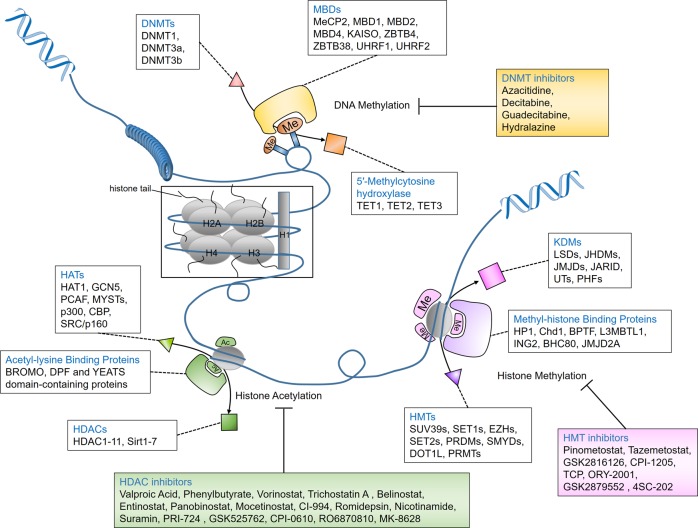
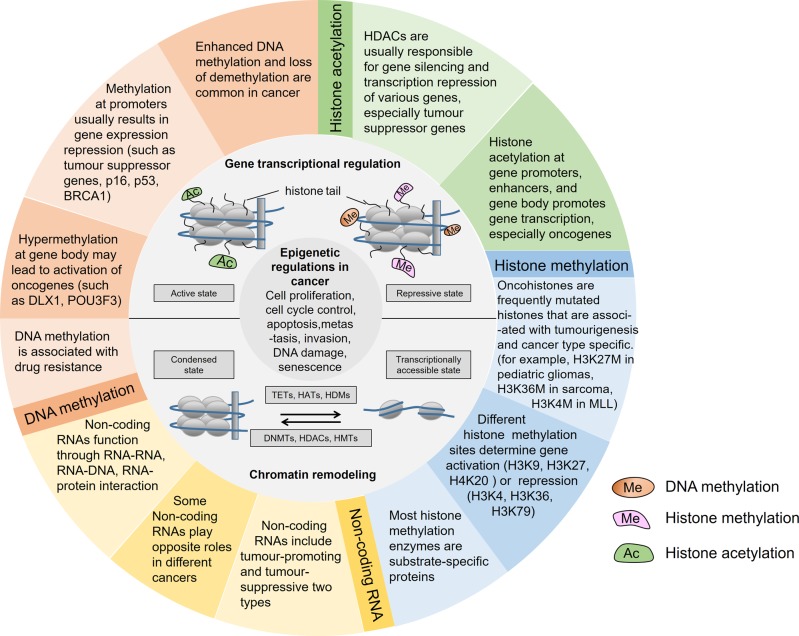
Epigenetic alternations concern heritable yet reversible changes in histone or DNA modifications that regulate gene activity beyond the underlying sequence. Epigenetic dysregulation is often linked to human disease, notably cancer. With the development of various drugs targeting epigenetic regulators, epigenetic-targeted therapy has been applied in the treatment of hematological malignancies and has exhibited viable therapeutic potential for solid tumors in preclinical and clinical trials. In this review, we summarize the aberrant functions of enzymes in DNA methylation, histone acetylation and histone methylation during tumor progression and highlight the development of inhibitors of or drugs targeted at epigenetic enzymes.
Overview
The claims and statistics of this paper haven’t been checked yet.
Free: it reads the open-access text and checks the first 5 claims that cite a source we can check. Create a free account to check every claim.
Integrity signals
Registry
Cites
Statistics
Figures
Verification
Claims the paper makes
The claims and statistics of this paper haven’t been checked yet.
Free: it reads the open-access text and checks the first 5 claims that cite a source we can check. Create a free account to check every claim.
Claims other papers make about this one
Each is checked against this paper’s own text: does it say what the citing paper says it does?
The check wasn’t confident either way, so it gives no verdict — never disputed.
In the citing paper
“Simvastatin, a cholesterol-lowering drug, displays anti-tumor effects in GBM by inducing apoptosis and inhibiting cell migration and invasion30.”
From Multi-omics analysis identifies glioblastoma dependency on H3K9me3 methyltransferase activity (2025) · cites this paper as [30]
Experimental — accuracy not yet measured
Self-check
Percentages, sums and reported differences re-computed from the paper’s own numbers.
The self-check needs the paper’s full text.
Citations
Cites
10 retracted
Expression of DNMT1 and DNMT3a Are Regulated by GLI1 in Human Pancreatic Cancer
He, S., Wang, F., Yang, L., Guo, C., Wan, R., Ke, A., Xu, L., Hu, G., Xu, X., Shen, J., et al. (2011) · PLoS ONE · doi:10.1371/journal.pone.0027684 · Cited by 88 · cited 1×
“cancer, the APC gene, encoding a regulator of cell junctions, is hypermethylated by DNMT overexpression.(29) During an analysis of colorectal disease methylation patterns, researchers found several genes that showed significant changes between precancerous diseases and cancers, including RUNX3, NEUROG1, CACNA1G, SFRP2…”
BackgroundRetractedcircZMYM2 Competed Endogenously with miR-335-5p to Regulate JMJD2C in Pancreatic Cancer
An, Y., Cai, H., Zhang, Y., Liu, S., Duan, Y., Sun, D., Chen, X., & He, X. (2018) · Cellular Physiology and Biochemistry · doi:10.1159/000495868 · Cited by 79
RetractedZhao, X., Zheng, F., Li, Y., Hao, J., Tang, Z., Tian, C., Yang, Q., Zhu, T., Diao, C., Zhang, C., et al. (2018) · Redox Biology · doi:10.1016/j.redox.2018.10.018 · Cited by 72
RetractedLi, T., Zheng, Q., An, J., Wu, M., Li, H., Gui, X., Pu, H., & Lu, D. (2016) · Molecular Therapy · doi:10.1038/mt.2015.208 · Cited by 56
RetractedHou, X., Gong, R., Zhan, J., Zhou, T., Ma, Y., Zhao, Y., Zhang, Y., Chen, G., Zhang, Z., Ma, S., et al. (2018) · BMC Cancer · doi:10.1186/s12885-018-4559-3 · Cited by 36
RetractedCai, M., Chen, Q., Shen, J., Lv, C., & Cai, L. (2018) · Journal of Cellular and Molecular Medicine · doi:10.1111/jcmm.13716 · Cited by 31
RetractedRETRACTED: Kaiso is expressed in lung cancer: Its expression and localization is affected by p120ctn
Dai, S., Wang, Y., Jiang, G., Zhang, P., Dong, X.-J., Wei, Q., Xu, H., Li, Q., Zhao, C., & Wang, E. (2009) · Lung Cancer · doi:10.1016/j.lungcan.2009.06.013 · Cited by 29
RetractedRETRACTED ARTICLE: TET2 inhibits tumorigenesis of breast cancer cells by regulating caspase-4
Zhu, X., & Li, S. (2018) · Scientific Reports · doi:10.1038/s41598-018-34462-z · Cited by 29
RetractedZhang, J., Liu, M., Liu, W., & Wang, W. (2019) · Artificial Cells Nanomedicine and Biotechnology · doi:10.1080/21691401.2019.1593857 · Cited by 13
RetractedSun, S., Zhang, Y., Zheng, J., Duan, B., Cui, J., Chen, Y., Deng, W., Ye, B., Liu, L., Chen, Y., et al. (2018) · Cell Death and Disease · doi:10.1038/s41419-018-0931-0 · Cited by 11
Retracted
Cited by
Items 401–500 of 997
Epigenetic Regulation in Gastroenteropancreatic Neuroendocrine Tumors
Crabtree, J. S. (2022) · Frontiers in Oncology · doi:10.3389/fonc.2022.901435 · Cited by 17
Targeting Histone Deacetylases to Modulate Graft-Versus-Host Disease and Graft-Versus-Leukemia
Kim, S., Santhanam, S., Lim, S., & Choi, J. (2020) · International Journal of Molecular Sciences · doi:10.3390/ijms21124281 · Cited by 14
Jiang, H., Ge, R., Chen, S., Huang, L.-Q., Mao, J., & Sheng, L. (2021) · Bioengineered · doi:10.1080/21655979.2021.2000244 · Cited by 14
“In recognition of their functional importance, additional epigenetic modulators, such as DNA methyltransferase inhibitors and histone deacetylase inhibitors, have been developed to enable restoration of expressions and functions of inappropriately silenced genes in cancers [49,50].”
BackgroundOptical Imaging of Epigenetic Modifications in Cancer: A Systematic Review
Du, Y., Zhang, P., Liu, W., & Tian, J. (2022) · Phenomics · doi:10.1007/s43657-021-00041-y · Cited by 18
“Currently, epigenetic modifications in cancer have attracted increasing attention, paving the way toward new directions for precision medicine strategies (Cheng et al. 2019; Miranda et al. 2019; Park and Han 2019).”
BackgroundEthnomedicinal, Pharmacological and Commercial Perspectives of Laccifer lacca Body Exudate (LBE)
(2022) · Letters in Applied NanoBioScience · doi:10.33263/lianbs121.021 · Cited by 18
“The flexibility in the epigenome technique provides an opportunity to manipulate gene expression [24].”
BackgroundLam‐ubol, A., & Phattarataratip, E. (2022) · Scientific Reports · doi:10.1038/s41598-022-19174-9 · Cited by 15
Grypari, I. M., Pappa, I., Παπαστεργίου, Θ., Zolota, V., Bravou, V., Melachrinou, M., Megalooikonomou, V., & Tzelepi, V. (2023) · PubMed · doi:10.14670/hh-18-513 · Cited by 17
“Selective inhibitors for some of these enzymes have already HI ST OL OG Y AN D HI ST OP AT HO LO GY (no n-e dit ed m an us cri pt) 5 been developed and are being tested in preclinical and clinical trials with promising results (Cheng et al., 2019).”
BackgroundFabrizio, F. P., Sparaneo, A., & Muscarella, L. A. (2023) · Frontiers in Oncology · doi:10.3389/fonc.2023.1137384 · Cited by 17
Zhang, X., Ma, L., & Wang, J. (2023) · Antioxidants and Redox Signaling · doi:10.1089/ars.2023.0253 · Cited by 16
“A common feature of epigenetic regulatory drugs, including histone modification regulators, is that they are more effective for hematological tumors and less effective for solid tumors (Cheng et al., 2019; Li and Seto, 2016).”
Salama, B. M., Helmy, M. W., Fouad, H. H., Shamaa, M. M., & Houssen, M. E. (2023) · Current Issues in Molecular Biology · doi:10.3390/cimb45070375 · Cited by 15
“Much more research interest has been paid to combining both approaches in the recent decade [35].”
BackgroundDrivers of cancer metastasis – Arise early and remain present
Dymerska, D., & Marusiak, A. A. (2023) · Biochimica et Biophysica Acta (BBA) - Reviews on Cancer · doi:10.1016/j.bbcan.2023.189060 · Cited by 18
Histone methylation and acetylation in cancer: mechanism, progression, and targets
Bu, S., Ye, T., Gao, H., Song, H., & Zhu, Y. (2024) · ONCOLOGIE · doi:10.1515/oncologie-2024-0324 · Cited by 17
The Potential of Tumor Debulking to Support Molecular Targeted Therapies
Oppel, F., Görner, M., & Sudhoff, H. H. (2020) · Frontiers in Oncology · doi:10.3389/fonc.2020.00801 · Cited by 15
Time course of DNA methylation in pain conditions: From experimental models to humans
Johansen, L. M., Gerra, M. C., & Arendt‐Nielsen, L. (2020) · European Journal of Pain · doi:10.1002/ejp.1674 · Cited by 14
“methylation targeting strategies is the lack of specificity and the risk of causing hypomethylation of the global genome (Cheng et al., 2019).”
BackgroundInfluentialHaematological malignancies implications during the times of the COVID‑19 pandemic (Review)
Papakonstantinou, E., Dragoumani, K., Efthimiadou, Α., Palaiogeorgou, A. M., Pierouli, K., Mitsis, Τ., Chrousos, G. P., Bacopoulou, F., & Vlachakis, D. P. (2021) · Oncology Letters · doi:10.3892/ol.2021.13117 · Cited by 18
“Furthermore, it has been reported that the combination of drugs targeting DNA methylation and histone modifications could be beneficial in the treatment of haemato‐ logical malignancies (60).”
BackgroundKunanopparat, A., Leelahavanichkul, A., Visitchanakun, P., Kueanjinda, P., Phuengmaung, P., Sae‐khow, K., Boonmee, A., Benjaskulluecha, S., Palaga, T., & Hirankarn, N. (2023) · International Journal of Molecular Sciences · doi:10.3390/ijms24065363 · Cited by 15
“Thus, the control of macrophage responses through the manipulations of epigenetics is interesting for controlling sepsis immune responses [13,45].”
BackgroundMitwally, N., Yousef, E. M., Aziz, A. A. A., & Taha, M. (2020) · International Journal of Molecular Sciences · doi:10.3390/ijms21155453 · Cited by 15
Han, Y., Li, S., Oyang, L., Cui, S., Zhang, W., Yang, W., Peng, M., Tan, S., Xia, L., Lin, J., et al. (2025) · Cellular Oncology · doi:10.1007/s13402-025-01086-1 · Cited by 19
“The dynamic balance of histone acetylation is primarily governed by histone acetyltransferases (HATs), such as p300/CBP, and histone deacetylases (HDACs) [ 121].”
Gut microbiota in gastric cancer: from pathogenesis to precision medicine
Huo, S., Lv, K., Han, L., Zhao, Y., & Jiang, J. (2025) · Frontiers in Microbiology · doi:10.3389/fmicb.2025.1606924 · Cited by 15
“Microbial metabolites exhibit context-dependent effects on the epigenome-microbiome axis: butyrate inhibits histone deacetylases (HDACs I/IIa) to upregulate CDKN1A/p21 and BAX (Cheng et al., 2019; Yao et al., 2024), hydrogen sulfide inhibits HDACs and DNMTs while activating NF-κ B through p65 persulfidation (Jones and…”
Das, L. (2023) · Scientific Reports · doi:10.1038/s41598-023-29712-8 · Cited by 14
Wang, Z., Li, Z., Zhang, B., Feng, J., Wang, Y., Zhang, B., Jin, H., Ding, L., Wang, N., & He, S. (2023) · Journal of Enzyme Inhibition and Medicinal Chemistry · doi:10.1080/14756366.2023.2206581 · Cited by 13
Saeed, R. A., Khan, M. I., Butt, M. S., & Faisal, M. N. (2023) · Frontiers in Nutrition · doi:10.3389/fnut.2023.1132356 · Cited by 13
Sae‐khow, K., Phuengmaung, P., Issara-Amphorn, J., Makjaroen, J., Visitchanakun, P., Boonmee, A., Benjaskulluecha, S., Palaga, T., & Leelahavanichkul, A. (2023) · International Journal of Molecular Sciences · doi:10.3390/ijms241210175 · Cited by 14
“Despite several active research areas, controlling macrophage responses through epigenetic manipulations is an exciting method for managing immune responses during sepsis [10,47].”
BackgroundOhnmacht, A. J., Rajamani, A., Avar, G., Kutkaite, G., Gonçalves, E., Saur, D., & Menden, M. P. (2023) · Communications Biology · doi:10.1038/s42003-023-05198-y · Cited by 14
Bridging tissue repair and epithelial carcinogenesis: epigenetic memory and field cancerization
Levron, C. L., Elettrico, L., Duval, C., Piacenti, G., Proserpio, V., & Donati, G. (2024) · Cell Death and Differentiation · doi:10.1038/s41418-023-01254-6 · Cited by 19
“Recent cancer genome projects highlight epigenetic dysregulation as a common feature of most tumours and epigenetic modi fi ers represent new targets for cancer therapy [5, 8 – 10].”
The Significance of Modified Histone H3 in Epithelial Dysplasia and Oral Cancer
Tachaveeraphong, W., & Phattarataratip, E. (2024) · International Dental Journal · doi:10.1016/j.identj.2024.01.011 · Cited by 16
“49 In addition, combined therapy involving several epigenetic events can act synergistically to help abrogate oncogenic gene expression and regain expression of tumour suppressor genes.”
BackgroundClinical Use of Molecular Biomarkers in Canine and Feline Oncology: Current and Future
Aupperle‐Lellbach, H., Kehl, A., de Brot, S., & van der Weyden, L. (2024) · Veterinary Sciences · doi:10.3390/vetsci11050199 · Cited by 25
“…which constitute the ‘cancer epigenome’, include changes in DNA methylation, histone modification, chromatin remodelling, and non-coding RNA regulation (reviewed in [3]), and can regulate gene activity/expression. a loss (deletion) of a nucleotide, or a gain (insertion) of a nucleotide.”
BackgroundDeng, C., Li, H., Zhang, L., Liu, Y., Li, Y., & Wang, J. (2024) · Bioinformatics · doi:10.1093/bioinformatics/btae257 · Cited by 16
Mishra, V., Singh, A., Korzinkin, M., Cheng, X., Wing, C., Sarkisova, V. A., Koppayi, A. L., Pogorelskaya, A., Glushchenko, O. E., Sundaresan, M., et al. (2025) · Journal of Experimental & Clinical Cancer Research · doi:10.1186/s13046-024-03270-x · Cited by 21
Baumann, A., Buribayev, Z., Wolkenhauer, O., Salybekov, A. A., & Wolfien, M. (2025) · Epigenomes · doi:10.3390/epigenomes9010005 · Cited by 20
“Their broad-spectrum activity, low toxicity profiles, and ability to target multiple epigenetic regulators make them promising candidates for cancer therapy [130].”
Lysine demethylase 6 (KDM6): A promising therapeutic target in autoimmune disorders and cancer
Nastaranpour, M., Damara, A., Grabbe, S., & Shahneh, F. Z. (2025) · Biomedicine & Pharmacotherapy · doi:10.1016/j.biopha.2025.118254 · Cited by 14
CD40 DNA hypermethylation in primary gastric tumors; as a novel diagnostic biomarker
Amini, M. A., Ghorban, K., Mokhtarzadeh, A., Dadmanesh, M., & Baradaran, B. (2020) · Life Sciences · doi:10.1016/j.lfs.2020.117774 · Cited by 14
Epigenetic silencing of ZIC4 contributes to cancer progression in hepatocellular carcinoma
Chen, W., Tang, D., Tang, D.-X., & Dai, Y. (2020) · Cell Death and Disease · doi:10.1038/s41419-020-03109-1 · Cited by 14
Control of Breast Cancer Pathogenesis by Histone Methylation and the Hairless Histone Demethylase
Trager, M. H., Sah, B., Chen, Z., & Liu, L. (2021) · Endocrinology · doi:10.1210/endocr/bqab088 · Cited by 14
“be either overexpressed or inactivated in different cancer types (51,52).”
BackgroundGuru, S. A., Sumi, M. P., Mir, R., Beg, M. M. A., Koner, B. C., & Saxena, A. (2022) · BMC Cancer · doi:10.1186/s12885-022-09481-9 · Cited by 13
“malignancies, hypermethylation of these genes (RASSF1 for example) has been implicated as initial events in carcinogenesis in general but rarely found in normal tissues, these genes have important roles in cell proliferation, cell cycle and apoptosis and as discussed above these processes affect imatinib response [19,…”
BackgroundEpigenetic adaptations in drug-tolerant tumor cells
Mani, N., Daiya, A., Chowdhury, R., Mukherjee, S., & Chowdhury, S. (2023) · Advances in cancer research · doi:10.1016/bs.acr.2022.12.006 · Cited by 15
Neo, S.-Y., Siew, Y.-Y., Yew, H.-C., He, Y., Poh, K.-L., Tsai, Y.-C., Ng, S.-L., Tan, W.-X., Chong, T.-I., Lim, C. S. E.-S., et al. (2023) · BMC Complementary Medicine and Therapies · doi:10.1186/s12906-023-03904-1 · Cited by 17
Sen, U., Nayak, A., Khurana, J., Sharma, D., & Gupta, A. K. (2020) · Antimicrobial Agents and Chemotherapy · doi:10.1128/aac.00953-20 · Cited by 15
“In addition, several small molecular compounds targeting HATs and HDACs are undergoing clinical trials (32).”
BackgroundChi, C., Taylor, K. E., Quach, H., Quach, D. L., Criswell, L. A., & Barcellos, L. F. (2021) · PLoS ONE · doi:10.1371/journal.pone.0248429 · Cited by 15
“Currently, epigenetic therapy has been most effective for hematological malignancies but not in solid tumors [26, 28].”
BackgroundInhibition of H3K27me3 Demethylases Promotes Plasmablast Formation
Kania, A. K., Guo, M., Scharer, C. D., & Boss, J. M. (2021) · ImmunoHorizons · doi:10.4049/immunohorizons.2000087 · Cited by 13
Ahuja, P., Yadav, R., Goyal, S., Yadav, C., Ranga, S., & Kadian, L. K. (2023) · Cell Biology and Toxicology · doi:10.1007/s10565-023-09818-5 · Cited by 13
“Several compounds are undergoing preclinical as well as clinical assessments which can reverse altered methylation patterns by inhibiting DNMTs irreversibly (Cheng et al. 2019).”
BackgroundTissue-Specific Tumour Suppressor and Oncogenic Activities of the Polycomb-like Protein MTF2
Ngubo, M., Moradi, F., Ito, C. Y., & Stanford, W. L. (2023) · Genes · doi:10.3390/genes14101879 · Cited by 18
“As a result, alterations to the epigenome can lead to developmental abnormalities, chronic diseases, and cancer [1–3].”
BackgroundInvolvement of CCCTC-binding factor in epigenetic regulation of cancer
Bose, S., Saha, S., Goswami, H., Shanmugam, G., & Sarkar, K. (2023) · Molecular Biology Reports · doi:10.1007/s11033-023-08879-3 · Cited by 14
“Considering the importance of epigenetics in affecting the functions of the cell, an improved understanding of both normal and pathological epigenetic processes can aid in the understanding of disease genesis and future therapeutic approaches, including cancer [2].”
BackgroundPaneth, A., Kaproń, B., Plech, T., Paduch, R., Trotsko, N., & Paneth, P. (2023) · International Journal of Molecular Sciences · doi:10.3390/ijms242417521 · Cited by 15
“In the complex and dynamic process of tumorigenesis, epigenetics—through DNA methylation, histone modification, chromatin remodeling, and noncoding RNA regulation—contribute significantly [15].”
BackgroundJiang, Q., Tang, Y.-J., Hu, Q.-L., Wang, B., Ruan, X.-Q., & Zhou, Q. (2024) · European Journal of Medicinal Chemistry · doi:10.1016/j.ejmech.2024.116315 · Cited by 13
McGrath, M. K., Abolhassani, A., Guy, L., Elshazly, A. M., Barrett, J. T., Mivechi, N. F., Gewirtz, D. A., & Schoenlein, P. V. (2024) · Frontiers in Endocrinology · doi:10.3389/fendo.2024.1298423 · Cited by 15
“The dysregulated transcription machinery in cancer cells is gaining traction as a potential targets in cancer biology, speci fi cally the potential incorporation of epigenetic regulators into therapy (181).”
BackgroundTherapeutic regulation of epigenetics in cancer treatment through drug delivery systems
Su, B., Li, S., Geng, S., Brambilla, D., Sun, R., Sun, T., & Jiang, C. (2024) · Nano Today · doi:10.1016/j.nantod.2024.102251 · Cited by 15
Zohourian, N., & Brown, J. A. L. (2024) · Epigenomics · doi:10.2217/epi-2023-0443 · Cited by 12
Kumar, R., & Gupta, R. (2024) · Frontiers in Oncology · doi:10.3389/fonc.2024.1456631 · Cited by 15
Landscape of targeted therapies for lung squamous cell carcinoma
Chen, Q., Zheng, X.-S., Cheng, W., & Li, J. (2024) · Frontiers in Oncology · doi:10.3389/fonc.2024.1467898 · Cited by 21
Fischer, F., Schliehe‐Diecks, J., Tu, J., Gangnus, T., Ho, Y. L., Hebeis, M., Avelar, L. A. A., Scharov, K., Watrin, T., Kemkes, M., et al. (2024) · Journal of Medicinal Chemistry · doi:10.1021/acs.jmedchem.4c02024 · Cited by 15
Alpha-linolenic acid-mediated epigenetic reprogramming of cervical cancer cell lines
Ulhe, A., Raina, P., Chaudhary, A., & Kaul-Ghanekar, R. (2025) · Epigenetics · doi:10.1080/15592294.2025.2451551 · Cited by 15
“The advancement of drugs targeting epigenetic regulators has enabled the application of epigenetic therapies in treating blood cancers and has shown promising therapeutic potential for solid tumors in both preclinical and clinical trials [15].”
CRISPR/Cas9-directed epigenetic editing in colorectal cancer
Gupta, M. K., Gouda, G., Moazzam‐Jazi, M., Vadde, R., Nagaraju, G. P., & El‐Rayes, B. F. (2025) · Biochimica et Biophysica Acta (BBA) - Reviews on Cancer · doi:10.1016/j.bbcan.2025.189338 · Cited by 14
Methylation of the NT5E Gene Is Associated with Poor Prognostic Factors in Breast Cancer
Jeong, Y. J., Oh, H. K., Choi, H. R., & Park, S. H. (2020) · Diagnostics · doi:10.3390/diagnostics10110939 · Cited by 12
“Our findings support that aberrant DNA methylation is involved in cancer development by inactivating or repressing gene transcription and affecting chromatin stability [15].”
BackgroundInfluentialThy, S., Hommel, A., Meneceur, S., Bartkowiak, A. L., Schulz, W. A., Niegisch, G., & Hoffmann, M. J. (2021) · Cancers · doi:10.3390/cancers13061376 · Cited by 12
“BETi have also been investigated in clinical trials for hematopoietic and solid cancers, albeit mainly as a mono-treatment [22].”
BackgroundPharmacological Approaches in Neurofibromatosis Type 1-Associated Nervous System Tumors
Rabab’h, O., Gharaibeh, A., Al-Ramadan, A., Ismail, M., & Shah, J. (2021) · Cancers · doi:10.3390/cancers13153880 · Cited by 15
“Epigenetic components have emerged as therapeutic targets for various cancers [100].”
BackgroundGenetic and immunologic features of recurrent stage I lung adenocarcinoma
Kratz, J. R., Li, J. Z., Tsui, J. L., Lee, J. C., Ding, V. W., Rao, A. A., Mann, M. J., Chan, V., Combes, A. J., Krummel, M. F., et al. (2021) · Scientific Reports · doi:10.1038/s41598-021-02946-0 · Cited by 15
Ye, L., Mao, X., Zhou, X.-B., Wang, Y., Xu, S.-W., He, S.-Q., Qian, Z., Zhang, X., Zhai, L.-J., Peng, J., et al. (2022) · World Journal of Gastrointestinal Oncology · doi:10.4251/wjgo.v14.i3.690 · Cited by 12
Histone Deacetylase 6 Inhibitor JS28 Prevents Pathological Gene Expression in Cardiac Myocytes
Ngo, V., Fleischmann, B. K., Jung, M., Hein, L., & Lother, A. (2022) · Journal of the American Heart Association · doi:10.1161/jaha.122.025857 · Cited by 14
Bacterial immunotherapy: is it a weapon in our arsenal in the fight against cancer?
Sharma, S., Sharma, H., & Gogoi, H. (2023) · Frontiers in Immunology · doi:10.3389/fimmu.2023.1277677 · Cited by 15
“Epigenetic modi fi cations such as DNA methylation, histone acetylation, and genetic mutations can lead to an altered gene expression and abnormal cell functionality (46 – 48).”
BackgroundUllah, M. F., Usmani, S. A., Shah, A., & Abuduhier, F. M. (2020) · Seminars in Cancer Biology · doi:10.1016/j.semcancer.2020.10.011 · Cited by 15
Rational Design and Development of HDAC Inhibitors for Breast Cancer Treatment
Mody, D., Bouckaert, J. M. J., Savvides, S. N., & Gupta, V. (2021) · Current Pharmaceutical Design · doi:10.2174/1381612827666210917143953 · Cited by 13
“either occur in the catalytic domain formed by four core proteins H2A, H2B, H3, and H4 (1013), or their unstructured N-terminal tail which are hotspots for PTMs (7).”
BackgroundInfluentialEpigenetic mechanisms in HCC immune landscape: Therapeutic implications
Fernández‐Barrena, M. G., Uriarte, I., Sarobe, P., & Avila, M. A. (2025) · Seminars in Immunology · doi:10.1016/j.smim.2025.101980 · Cited by 15
Human papillomavirus-mediated cervical cancer: epigenetic interplay and clinical implications
Sisodiya, S., Singh, P., Joshi, T., Aftab, M., Firdausi, N., Khan, A., Mishra, N., Khan, N. J., Tanwar, P., Gupta, V., et al. (2025) · Frontiers in Microbiology · doi:10.3389/fmicb.2025.1633283 · Cited by 18
“In cervical cancer, HDAC inhibitors can induce apoptosis and cell cycle arrest, downregulate HPV E6/E7 expression, upregulate tumor suppressor genes (e.g., p53 , p21 ), and enhance radiosensitivity and chemosensitivity of cervical cancer cells (Lourenco de Freitas et al., 2020; Cheng et al., 2019).”
Histone Demethylase Modulation: Epigenetic Strategy to Combat Cancer Progression
Srivastava, R., Singh, R., Jauhari, S., Lodhi, N., & Srivastava, R. (2023) · Epigenomes · doi:10.3390/epigenomes7020010 · Cited by 13
Al-Rawashde, F. A., Al-Sanabra, O. M., Alqaraleh, M., Jaradat, A. Q., Al-wajeeh, A. S., Johan, M. F., Taib, W. R. W., Ismail, I., & Al‐Jamal, H. A. N. (2023) · Pharmaceuticals · doi:10.3390/ph16060884 · Cited by 11
“A balanced expression of TET2, WT1, and DNMTs is necessary for regulating the process of DNA methylation [5].”
BackgroundLim, W., Hwang, I., Zhang, J., Chen, Z., Han, J., Jeon, J., Koo, B., Kim, S., Lee, J. E., Kim, Y., et al. (2023) · eLife · doi:10.7554/elife.88830 · Cited by 17
“In breast cancer, aberrations in histone modification such as acetylation have been shown to be important for tumor progression and have been proposed as a promising therapeutic target ( Cheng et al., 2019 ).”
BackgroundSelf-citationYang, Q., Vafaei, S., Falahati, A., Khosh, A., Bariani, M. V., Omran, M. M., Bai, T., Siblini, H., Ali, M. K., He, C., et al. (2024) · International Journal of Molecular Sciences · doi:10.3390/ijms25020905 · Cited by 11
“Epigenetic dysregulation is often linked to human disease, notably tumorigenesis, which is the consequence of the combined action of multiple epigenetic events [5].”
BackgroundSelf-citationConde-Torres, D., Blanco-González, A., Seco-González, A., Suárez-Lestón, F., Cabezón, A., Antelo-Riveiro, P., Piñeiro, Á., & García‐Fandiño, R. (2024) · Frontiers in Immunology · doi:10.3389/fimmu.2024.1320779 · Cited by 13
Oh, J. H., Kim, C. Y., Jeong, D. S., Kim, Y. C., Kim, M. H., & Cho, J. (2024) · International Journal of Biological Sciences · doi:10.7150/ijbs.88837 · Cited by 17
“Epigenetic modifications, such as DNA methylation and histone modifications, play important roles in various cellular processes during the development and progression of numerous cancers[36].”
BackgroundPapadaki, S., & Piperi, C. (2024) · International Journal of Molecular Sciences · doi:10.3390/ijms25052498 · Cited by 11
“…appealing target for intervention and drug development, with a range of different strategies aiming at writers (enzymes that establish epigenetic marks), erasers (enzymes that remove the marks) or even readers (enzymes that bind the marks and allow other molecular interactions to take place) [6,7].”
BackgroundKufrin, V., Seiler, A., Brilloff, S., Rothfuß, H., Küchler, S., Schäfer, S., Rahimian, E., Baumgarten, J., Ding, L., Buchholz, F., et al. (2025) · Cell Death and Differentiation · doi:10.1038/s41418-025-01479-7 · Cited by 14
“Both HAT inhibitors as well as HDAC inhibitors have been suggested as potent therapeutic options in preclinical models and clinical trials for various cancers, including CRC [53].”
Microglial phagocytosis in epilepsy: Mechanisms and impact
Barath, A. S., & Wu, L. (2025) · The Journal of Physiology · doi:10.1113/jp288573 · Cited by 18
“…new born neurons in the neurogenic niche: although they regulate aberrant neurogenesis by phagocytosing both apoptotic and viable new born neurons, they also promote neurogenesis and support the growth of immature neuronal projections (Abiega et al., 2016; Mo et al., 2019; Sierra et al., 2010).”
An, H. J., Kim, Y., Chang, S., Kim, H., Song, J., Park, H., & Choi, I. (2021) · Nature Communications · doi:10.1038/s41467-021-26224-9 · Cited by 16
Dysregulation of the miR-30a/BiP axis by cigarette smoking accelerates oral cancer progression
Chien, C., Chen, Y.-C., Lee, C., Wu, J.-R., Huang, T.-W., Huang, R., Cheng, W., Hsieh, A. C.-T., & Shieh, Y. (2021) · Cancer Cell International · doi:10.1186/s12935-021-02276-1 · Cited by 11
Zeinalzadeh, E., Yumashev, A. V., Rahman, H. S., Marofi, F., Shomali, N., Kafil, H. S., Solali, S., Sajjadi-Dokht, M., Vakili‐Samiani, S., Jarahian, M., et al. (2021) · Frontiers in Genetics · doi:10.3389/fgene.2021.703883 · Cited by 12
RetractedSu, J.-Q., Lai, P.-Y., Hu, P.-H., Hu, J., Chang, P.-K., Chen, C., Wu, J.-J., Lin, Y.-J., Sun, C., Yang, T., et al. (2022) · World Journal of Gastroenterology · doi:10.3748/wjg.v28.i8.825 · Cited by 13
Ma, X., Zhao, M., Wu, Z., Yao, J., Zhang, L., Wang, J., Hu, Z., Wei, L., & Chen, Z. (2022) · Frontiers in Oncology · doi:10.3389/fonc.2022.855570 · Cited by 11
Self-citationThe Expression of Histone Acetyltransferase KAT6A in Non-small Cell Lung Cancer
Partyńska, A., Piotrowska, A., Pawełczyk, K., Rzechonek, A., Ratajczak‐Wielgomas, K., Podhorska‐Okołów, M., & Dzięgiel, P. (2022) · Anticancer Research · doi:10.21873/anticanres.16080 · Cited by 12
“Their role is opposite to the role of histone acetyltransferases (HATs), i.e., they deacetylate histones (40).”
BackgroundWang, Y., Sharma, A., Ge, F., Chen, P., Yang, Y., Liu, H., Liu, H., Zhao, C., Mittal, L., Asthana, S., et al. (2023) · Frontiers in Oncology · doi:10.3389/fonc.2023.1157366 · Cited by 11
Requirement of WDR70 for POLE3-mediated DNA double-strand breaks repair
Mao, X., Wu, J., Zhang, Q., Zhang, S., Chen, X., Liu, X., Wei, M., Wan, X., Qiu, L., Zeng, M., et al. (2023) · Science Advances · doi:10.1126/sciadv.adh2358 · Cited by 11
Self-citationMaruca, A., Rocca, R., Catalano, R., Mesiti, F., Costa, G., Lanzillotta, D., Salatino, A., Ortuso, F., Trapasso, F., Alcaro, S., et al. (2020) · Molecules · doi:10.3390/molecules25235524 · Cited by 13
Ferreira, W. A. S., Vitiello, G. A. F., Medina, T. D. S., & de Oliveira, E. H. C. (2022) · Scientific Reports · doi:10.1038/s41598-022-10114-1 · Cited by 13
RAS and PP2A activities converge on epigenetic gene regulation
Aakula, A., Sharma, M., Tabaro, F., Nätkin, R., Kamila, J., Honkanen, H., Schapira, M., Arrowsmith, C. H., Nykter, M., & Westermarck, J. K. (2023) · Life Science Alliance · doi:10.26508/lsa.202301928 · Cited by 15
“Strategies to impact epigenetic gene regulation might therefore be useful in cancer prevention and therapy (Cheng et al, 2019; Quagliano et al, 2020).”
The Future of Epigenetics: Emerging Technologies and Clinical Applications
Iyer, K. A., Tenchov, R., Sasso, J. M., Thite, T., Deng, Y., & Zhou, Q. A. (2026) · ACS Pharmacology & Translational Science · doi:10.1021/acsptsci.5c00729 · Cited by 15
DNA methyltransferase inhibitors in oncology: clinical progress, limitations and future directions
Michael, D. C., & Mehdipour, P. (2026) · Epigenomics · doi:10.1080/17501911.2026.2637418 · Cited by 20
“These molecules guide chromatin modifiers, recruit protein complexes, and influence transcriptional and post-transcriptional processes, underscoring their integral role in the epigenetic control of gene expression [23,29].”
Ke, H., Ren, Z., Qi, J., Chen, S., Tseng, G. C., Ye, Z., & Ma, T. (2022) · Bioinformatics · doi:10.1093/bioinformatics/btac518 · Cited by 17
Ulhe, A., Sharma, N., Mahajan, A., Patil, R. B., Hegde, M. V., Bhalerao, S. S., & Mali, A. V. (2023) · Journal of Biomolecular Structure and Dynamics · doi:10.1080/07391102.2023.2293267 · Cited by 10
“Thus understanding how normal and abnormal processes of epigenetics influence the functioning of cells can also help to further understand the development and possible treatment for various types of diseases, including cancer (Cheng et al., 2019).”
InfluentialDual PI3K/mTOR Inhibitor BEZ235 combined with BMS-1166 Promoting Apoptosis in Colorectal Cancer
Liu, X., Xu, W., Li, L., Zhang, Z., Lü, M., & Xia, X. (2024) · International Journal of Medical Sciences · doi:10.7150/ijms.84320 · Cited by 10
“However, the development of CRC is a complex multifactorial, multistep, multistage progression, due to which the mortality rate remains high [5] .”
BackgroundAgrawal, T., Paul, D., Mishra, A., Arunkumar, G., Pal, S., & Rakshit, T. (2025) · JACS Au · doi:10.1021/jacsau.4c00991 · Cited by 13
Yao, X., Gao, C., Sun, C., Chen, Z., & Zhuang, J. (2025) · Drug Discovery Today · doi:10.1016/j.drudis.2025.104321 · Cited by 15
Epigenetic alterations in stem cell ageing—a promising target for age-reversing interventions?
Pouikli, A., & Tessarz, P. (2021) · Briefings in Functional Genomics · doi:10.1093/bfgp/elab010 · Cited by 11
“epigenetic interventions in various cancer types [82], before we start following such approaches to delay age-related decline in stem cell function, we should address several key-issues,”
BackgroundHałasa, M., Łuszczki, J. J., Dmoszyńska‐Graniczka, M., Baran, M. T., Okoń, E., Stepulak, A., & Wawruszak, A. (2021) · International Journal of Molecular Sciences · doi:10.3390/ijms22168573 · Cited by 12
“So far, no sirtuin inhibitor has been approved by the Food and Drug Administration (FDA) for treatment [39];”
BackgroundPrognostic Significance of Dysregulated Epigenomic and Chromatin Modifiers in Cervical Cancer
Paul, A. M., Pillai, M. R., & Kumar, R. (2021) · Cells · doi:10.3390/cells10102665 · Cited by 12
“Numerous molecules targeting HDACs and Sirtuin are undergoing attempted development as anticancer agents in different clinical trials for the treatment of cancers, including cervical cancer [21].”
BackgroundExpression Landscape and Functional Roles of HOXA4 and HOXA5 in Lung Adenocarcinoma
Gao, L., He, R., Huang, Z., Li, G., Zeng, J., Hou, J., Luo, J., Dang, Y., Zhou, H., Kong, J.-L., et al. (2022) · International Journal of Medical Sciences · doi:10.7150/ijms.70445 · Cited by 10
“The role of epigenetic regulators in tumor targeted therapy has been of critical interest [30].”
BackgroundChung, C. (2022) · Blood and Lymphatic Cancer Targets and Therapy · doi:10.2147/blctt.s282247 · Cited by 10
Zhang, W., Wang, H., Wang, T., Ding, D., Hou, J., Shi, Y., & Huang, Y. (2022) · Small · doi:10.1002/smll.202203325 · Cited by 10
Epigenetics in advanced renal cell carcinoma: Potential new targets
Molina‐Cerrillo, J., Santoni, M., Ruiz, Á., Massari, F., Pozas, J., Ortego, I., Gómez, V., Grande, E., & Alonso‐Gordoa, T. (2022) · Critical Reviews in Oncology/Hematology · doi:10.1016/j.critrevonc.2022.103857 · Cited by 10
Targeting the epigenome of cancer stem cells in pediatric nervous system tumors
Freire, N. H., Jaeger, M. D. C., de Farias, C. B., Nör, C., Souza, B. K., Gregianin, L. J., Brunetto, A. T., & Roesler, R. (2023) · Molecular and Cellular Biochemistry · doi:10.1007/s11010-022-04655-2 · Cited by 12
“…modulating these specific epigenetic regulators, only six epigenetic drugs are approved by the Food and Drug Administration (FDA): two DNMT inhibitors and four HDAC inhibitors, mainly for myelodysplastic syndrome (MDS), cutaneous T-cell lymphoma (CTCL), and peripheral T-cell lymphoma (PTCL) [104].”
BackgroundPhuengmaung, P., Khiewkamrop, P., Makjaroen, J., Issara-Amphorn, J., Boonmee, A., Benjaskulluecha, S., Ritprajak, P., Nita‐Lazar, A., Palaga, T., Hirankarn, N., et al. (2023) · International Journal of Molecular Sciences · doi:10.3390/ijms24108517 · Cited by 12
“Although Ezh2 impacts on sepsis are still inconclusive, Ezh2 is one of the upregulated genes in LPS-tolerant macrophages [52] which is improved by the Ezh2 inhibitor (enhanced TNF-α expression) [53] as an interesting control of macrophage through epigenetic manipulation [13,54].”
Background
Metadata
- Authors
- Cheng, Y., He, C., Wang, M., Ma, X., Mo, F., Yang, S., Han, J., & Wei, X.
- Affiliations
- Sichuan University (CN)
- Corresponding author
- Wei, Xiawei
- Venue
- Signal Transduction and Targeted Therapy
- Published
- 2019-12-17
- Volume
- 4
- Issue
- 1
- Pages
- 62-62
- ISSN
- 2059-3635 (ISSN-L)
- PMC
- PMC6915746
- OpenAlex
- W2995898384
- Cited by
- 1,097
- References
- 676
- Citations by year
- 2026: 75 · 2025: 157 · 2024: 198 · 2023: 217 · 2022: 175 · 2021: 190 · 2020: 77
- FWCI
- 9.76
- Type
- journal article
- Language
- en
- Open access
- gold
- doi.org
- Licence
- cc-by
- creativecommons.org/licenses/by/4.0 (tdm)
- creativecommons.org/licenses/by/4.0 (vor)
- Locations
- Signal Transduction and Targeted Therapy (publishedVersion, cc-by)
- Europe PMC (PubMed Central) (publishedVersion, cc-by)
- PubMed Central (publishedVersion, cc-by)
- PubMed (publishedVersion)
- DOAJ (DOAJ: Directory of Open Access Journals) (submittedVersion)
- Funders
- National Natural Science Foundation of China (No. 81602950)
- National Key Research and Development Program of China
- Topics
- Life Sciences › Biochemistry, Genetics and Molecular Biology › Molecular Biology › Epigenetics and DNA Methylation
- Life Sciences › Biochemistry, Genetics and Molecular Biology › Molecular Biology › Histone Deacetylase Inhibitors Research
- Life Sciences › Biochemistry, Genetics and Molecular Biology › Molecular Biology › Chromatin Remodeling and Cancer
- Keywords
- epigenetic regulators, DNA methylation, histone acetylation, histone methylation, epigenetic enzymes, enzyme inhibitors, hematologic malignancies, solid tumors, tumor progression, clinical trials
About these checks
Registry, retraction, Cites and statistics results are computed, not judged, with one exception: a printed reference that no index lists is read once by a model before it counts as a citation error. Claims are extracted by a model and kept only when their quote appears verbatim in the text; each cited source is then checked, with a model’s help, for whether it says what the claim relies on. Those verdicts can be wrong — read the claim’s quote and the cited source before relying on one.
Statistics and arithmetic are recomputed, not judged.
Confidence bands are shown only for fields calibrated on our annotated test set. None is calibrated yet, so no band is shown.
What counts as a claim ›How we measure confidence ›How we check this ›
Are you an author, or do you see a problem with this page? Request a review
Data sources
Bibliographic data: Semantic Scholar, OpenAlex, Crossref.
Contains information from the Semantic Scholar Academic Graph Datasets, made available under the ODC Attribution License (ODC-BY 1.0).
Semantic Scholar’s data is described in: Kinney, R., et al. (2023). The Semantic Scholar Open Data Platform. arXiv:2301.10140.
