

Targeting epigenetic regulators for cancer therapy: mechanisms and advances in clinical trials
Open accessThe DOI matches its Crossref record; 675 of the 676 references it cites were found in a registry or an index.
Abstract
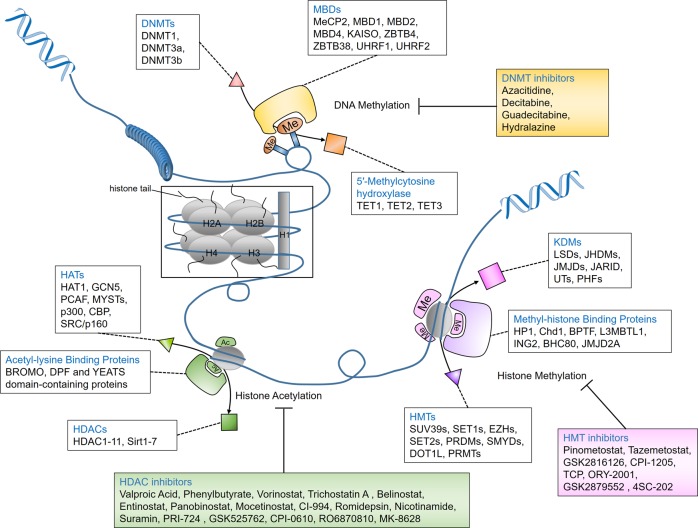
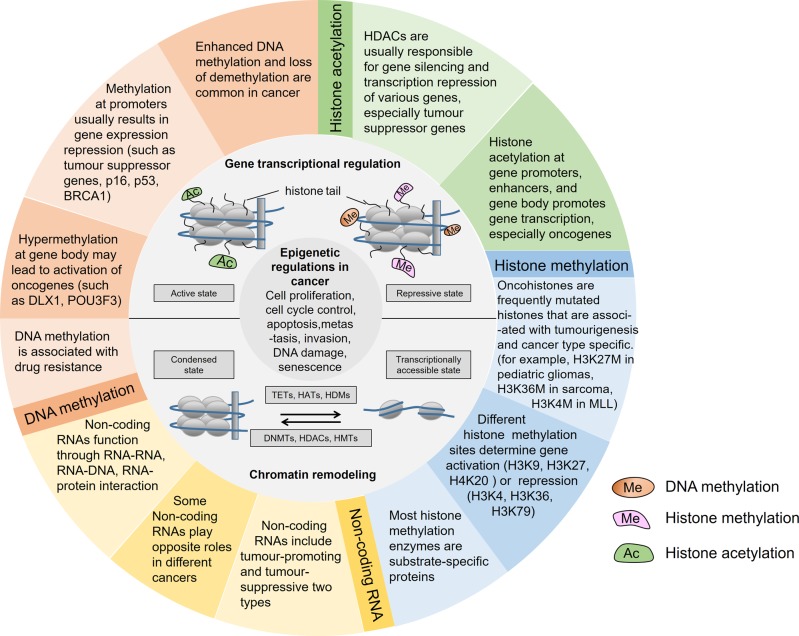
Epigenetic alternations concern heritable yet reversible changes in histone or DNA modifications that regulate gene activity beyond the underlying sequence. Epigenetic dysregulation is often linked to human disease, notably cancer. With the development of various drugs targeting epigenetic regulators, epigenetic-targeted therapy has been applied in the treatment of hematological malignancies and has exhibited viable therapeutic potential for solid tumors in preclinical and clinical trials. In this review, we summarize the aberrant functions of enzymes in DNA methylation, histone acetylation and histone methylation during tumor progression and highlight the development of inhibitors of or drugs targeted at epigenetic enzymes.
Overview
The claims and statistics of this paper haven’t been checked yet.
Free: it reads the open-access text and checks the first 5 claims that cite a source we can check. Create a free account to check every claim.
Integrity signals
Registry
Cites
Statistics
Figures
Verification
Claims the paper makes
The claims and statistics of this paper haven’t been checked yet.
Free: it reads the open-access text and checks the first 5 claims that cite a source we can check. Create a free account to check every claim.
Claims other papers make about this one
Each is checked against this paper’s own text: does it say what the citing paper says it does?
The check wasn’t confident either way, so it gives no verdict — never disputed.
In the citing paper
“Simvastatin, a cholesterol-lowering drug, displays anti-tumor effects in GBM by inducing apoptosis and inhibiting cell migration and invasion30.”
From Multi-omics analysis identifies glioblastoma dependency on H3K9me3 methyltransferase activity (2025) · cites this paper as [30]
Experimental — accuracy not yet measured
Self-check
Percentages, sums and reported differences re-computed from the paper’s own numbers.
The self-check needs the paper’s full text.
Citations
Cites
10 retracted
Expression of DNMT1 and DNMT3a Are Regulated by GLI1 in Human Pancreatic Cancer
He, S., Wang, F., Yang, L., Guo, C., Wan, R., Ke, A., Xu, L., Hu, G., Xu, X., Shen, J., et al. (2011) · PLoS ONE · doi:10.1371/journal.pone.0027684 · Cited by 88 · cited 1×
“cancer, the APC gene, encoding a regulator of cell junctions, is hypermethylated by DNMT overexpression.(29) During an analysis of colorectal disease methylation patterns, researchers found several genes that showed significant changes between precancerous diseases and cancers, including RUNX3, NEUROG1, CACNA1G, SFRP2…”
BackgroundRetractedcircZMYM2 Competed Endogenously with miR-335-5p to Regulate JMJD2C in Pancreatic Cancer
An, Y., Cai, H., Zhang, Y., Liu, S., Duan, Y., Sun, D., Chen, X., & He, X. (2018) · Cellular Physiology and Biochemistry · doi:10.1159/000495868 · Cited by 79
RetractedZhao, X., Zheng, F., Li, Y., Hao, J., Tang, Z., Tian, C., Yang, Q., Zhu, T., Diao, C., Zhang, C., et al. (2018) · Redox Biology · doi:10.1016/j.redox.2018.10.018 · Cited by 72
RetractedLi, T., Zheng, Q., An, J., Wu, M., Li, H., Gui, X., Pu, H., & Lu, D. (2016) · Molecular Therapy · doi:10.1038/mt.2015.208 · Cited by 56
RetractedHou, X., Gong, R., Zhan, J., Zhou, T., Ma, Y., Zhao, Y., Zhang, Y., Chen, G., Zhang, Z., Ma, S., et al. (2018) · BMC Cancer · doi:10.1186/s12885-018-4559-3 · Cited by 36
RetractedCai, M., Chen, Q., Shen, J., Lv, C., & Cai, L. (2018) · Journal of Cellular and Molecular Medicine · doi:10.1111/jcmm.13716 · Cited by 31
RetractedRETRACTED: Kaiso is expressed in lung cancer: Its expression and localization is affected by p120ctn
Dai, S., Wang, Y., Jiang, G., Zhang, P., Dong, X.-J., Wei, Q., Xu, H., Li, Q., Zhao, C., & Wang, E. (2009) · Lung Cancer · doi:10.1016/j.lungcan.2009.06.013 · Cited by 29
RetractedRETRACTED ARTICLE: TET2 inhibits tumorigenesis of breast cancer cells by regulating caspase-4
Zhu, X., & Li, S. (2018) · Scientific Reports · doi:10.1038/s41598-018-34462-z · Cited by 29
RetractedZhang, J., Liu, M., Liu, W., & Wang, W. (2019) · Artificial Cells Nanomedicine and Biotechnology · doi:10.1080/21691401.2019.1593857 · Cited by 13
RetractedSun, S., Zhang, Y., Zheng, J., Duan, B., Cui, J., Chen, Y., Deng, W., Ye, B., Liu, L., Chen, Y., et al. (2018) · Cell Death and Disease · doi:10.1038/s41419-018-0931-0 · Cited by 11
RetractedChromatin modifications and their function
Kouzarides, T. (2007) · Cell · doi:10.1016/j.cell.2007.02.005 · Cited by 10,883
Shrestha, S., & Offer, S. M. (2016) · Medical Epigenetics · doi:10.1159/000444713 · Cited by 8,914
MGMT Gene Silencing and Benefit from Temozolomide in Glioblastoma
Hegi, M. E., Diserens, A.-C., Gorlia, T., Hamou, M.-F., de Tribolet, N., Weller, M., Kros, J. M., Hainfellner, J. A., Mason, W., Mariani, L., et al. (2005) · New England Journal of Medicine · doi:10.1056/nejmoa043331 · Cited by 7,405 · cited 1×
“For example, MGMT (O-6-methylguanine DNA methyltransferase) hypermethylation is still the best independent predictor of response to BCNU (carmustine) and temozolomide in gliomas because hypermethylation of MGMT makes tumor cells more sensitive to treatments and is associated with regression of tumor and prolonged over…”
BackgroundOkano, M., Bell, D. W., Haber, D. A., & Li, E. (1999) · Cell · doi:10.1016/s0092-8674(00)81656-6 · Cited by 6,143 · cited 1×
“target unmethylated CpG dinucleotides and establish new DNA methylation patterns, but they have nonoverlapping functions during different developmental stages.(47,48) DNMT2 and DNMT3L are not regarded as catalytically active DNA methyltransferases.”
BackgroundFunctions of DNA methylation: islands, start sites, gene bodies and beyond
Jones, P. A. (2012) · Nature Reviews Genetics · doi:10.1038/nrg3230 · Cited by 6,061 · cited 1×
“This process often occurs in CpG-poor areas and causes a base transition from C to T.(34) The hypermethylation of specific CpG islands in cancer tissues is informative of mutations when the gene in normal tissues is unmethylated.”
BackgroundConversion of 5-Methylcytosine to 5-Hydroxymethylcytosine in Mammalian DNA by MLL Partner TET1
Tahiliani, M., Koh, K. P., Shen, Y., Pastor, W. A., Bandukwala, H., Brudno, Y., Agarwal, S., Iyer, L. M., Liu, D. R., Aravind, L., et al. (2009) · Science · doi:10.1126/science.1170116 · Cited by 5,836 · cited 1×
“TETs oxidize 5-mC in an iterative manner and catalyze the conversion of 5-mC to 5-hydroxymethylcytosine (5-hmC), which is a key intermediate in the demethylation process.(81) 5hmC, as a relatively stable intermediate substrate, is less prone to further oxidation by TET proteins than 5-mC.”
BackgroundSelective inhibition of BET bromodomains
Filippakopoulos, P., Qi, J., Picaud, S., Shen, Y., Smith, W. B., Fedorov, O., Morse, E. M., Keates, T., Hickman, T. T., Felletar, I., et al. (2010) · Nature · doi:10.1038/nature09504 · Cited by 4,262
Human microRNA genes are frequently located at fragile sites and genomic regions involved in cancers
Calin, G. A., Sevignani, C., Dumitru, C. D., Hyslop, T., Noch, E., Yendamuri, S., Shimizu, M., Rattan, S., Bullrich, F., Negrini, M., et al. (2004) · Proceedings of the National Academy of Sciences · doi:10.1073/pnas.0307323101 · Cited by 4,095
Lysine acetylation targets protein complexes and co-regulates major cellular functions
Choudhary, C., Kumar, C., Gnad, F., Nielsen, M. L., Rehman, M., Walther, T. C., Olsen, J. V., & Mann, M. (2009) · Science · doi:10.1126/science.1175371 · Cited by 4,040 · cited 14×
“In addition to those included in the five groups, some new synthetic compounds also act as inhibitors of HDACs.”
BackgroundInfluentialTargeted mutation of the DNA methyltransferase gene results in embryonic lethality
Li, E., Bestor, T. H., & Jaenisch, R. (1992) · Cell · doi:10.1016/0092-8674(92)90611-f · Cited by 3,984
Establishing, maintaining and modifying DNA methylation patterns in plants and animals
Law, J. A., & Jacobsen, S. E. (2010) · Nature Reviews Genetics · doi:10.1038/nrg2719 · Cited by 3,850 · cited 1×
“DNA-demethylating enzymes DNA methylation is a stable and highly conserved epigenetic modification of DNA in many organisms.(78) However, loss of 5-mC and DNA demethylation have been identified in different biologic processes.”
BackgroundTranscriptional silencing and longevity protein Sir2 is an NAD-dependent histone deacetylase
Imai, S.-I., Armstrong, C. M., Kaeberlein, M., & Guarente, L. (2000) · Nature · doi:10.1038/35001622 · Cited by 3,510 · cited 1×
“The catalytic mechanisms for these two families are different; classes I, II, and IV are Zn(2) -dependent HDACs, whereas sir2-like proteins (sirtuins) are nicotinamide adenine dinucleotide (NAD)-dependent HDACs and are also capable of mono-ADP-ribosyltransferase activity, another pattern of histone modification.(210)…”
BackgroundTet proteins can convert 5-methylcytosine to 5-formylcytosine and 5-carboxylcytosine
Ito, S., Shen, L., Dai, Q., Wu, S. C., Collins, L. B., Swenberg, J. A., He, C., & Zhang, Y. (2011) · Science · doi:10.1126/science.1210597 · Cited by 3,451 · cited 1×
“Stepwise oxidation of 5-hmC by TET proteins can yield two products: 5-formylcytosine (5-fC) and 5-carboxylcytosine (5caC).(83) These two molecules can be excised by thymine-DNA glycosylase (TDG) and eventually be repaired to unmodified C.”
BackgroundThe Polycomb complex PRC2 and its mark in life
Margueron, R., & Reinberg, D. (2011) · Nature · doi:10.1038/nature09784 · Cited by 3,347
Histone deacetylases (HDACs): characterization of the classical HDAC family
RUIJTER, A. J. M. D., GENNIP, A. H. V., CARON, H. N., KEMP, S., & KUILENBURG, A. B. P. V. (2003) · Biochemical Journal · doi:10.1042/bj20021321 · Cited by 3,114 · cited 1×
“The class IV protein shares sequence similarity with both class I and class II proteins.(207,208) Classes I, II, and IV are included in the histone deacetylase family, whereas class III HDACs belong to the Sir2 regulator family.”
BackgroundDNA methylation: roles in mammalian development
Smith, Z. D., & Meissner, A. (2013) · Nature Reviews Genetics · doi:10.1038/nrg3354 · Cited by 3,045
Bird, A. (2007) · Nature · doi:10.1038/nature05913 · Cited by 3,011 · cited 1×
“This phenomenon covers a wide range of cellular activities, such as cell growth, differentiation, and disease development, and is heritable.(3) Generally, epigenetic events involve DNA methylation, histone modification, the readout of these modifications, chromatin remodeling and the effects of noncoding RNA.”
BackgroundSelective recognition of methylated lysine 9 on histone H3 by the HP1 chromo domain
Bannister, A. J., Zegerman, P., Partridge, J. F., Miska, E. A., Thomas, J. O., Allshire, R. C., & Kouzarides, T. (2001) · Nature · doi:10.1038/35065138 · Cited by 2,903
A decade of exploring the cancer epigenome—biological and translational implications
Baylin, S. B., & Jones, P. A. (2011) · Nature Reviews Cancer · doi:10.1038/nrc3130 · Cited by 2,871 · cited 1×
“It is widely accepted that gene promoters, especially key tumor suppressor genes, are unmethylated in normal tissues and highly methylated in cancer tissues.(20) P16, a tumor suppressor encoded by CDKN2A, has been found to gain de novo methylation in ~20% of different primary neoplasms.”
BackgroundRegulation of chromatin structure by site-specific histone H3 methyltransferases
Rea, S., Eisenhaber, F., O'Carroll, D., Strahl, B. D., Sun, Z.-W., Schmid, M., Opravil, S., Mechtler, K., Ponting, C. P., Allis, C. D., et al. (2000) · Nature · doi:10.1038/35020506 · Cited by 2,845
Tet-Mediated Formation of 5-Carboxylcytosine and Its Excision by TDG in Mammalian DNA
He, Y.-F., Li, B.-Z., Li, Z., Liu, P., Wang, Y., Tang, Q., Ding, J., Jia, Y., Chen, Z., Li, L., et al. (2011) · Science · doi:10.1126/science.1210944 · Cited by 2,770 · cited 1×
“These two molecules can be excised by thymine-DNA glycosylase (TDG) and eventually be repaired to unmodified C.(84) DNA demethylation or restoration of the unmodified cytosine can also occur passively through replication-dependent dilution of 5mC.”
BackgroundSelf-citationhSIR2SIRT1 Functions as an NAD-Dependent p53 Deacetylase
Vaziri, H., Dessain, S. K., Eaton, E. N., Imai, S.-I., Frye, R. A., Pandita, T. K., Guarente, L., & Weinberg, R. A. (2001) · Cell · doi:10.1016/s0092-8674(01)00527-x · Cited by 2,659
Histone modifications at human enhancers reflect global cell-type-specific gene expression
Heintzman, N. D., Hon, G. C., Hawkins, R. D., Kheradpour, P., Stark, A., Harp, L. F., Ye, Z., Lee, L. K., Stuart, R. K., Ching, C. W., et al. (2009) · Nature · doi:10.1038/nature07829 · Cited by 2,533 · cited 1×
“H3K9ac and H3K9me3 are two common modifications at promoters.(160,161) Appropriate histone modifications are important in gene expression and human biology; otherwise, alterations in PTMs may be associated with tumorigenesis.”
BackgroundGenomic DNA methylation: the mark and its mediators.
Klose, R. J., & Bird, A. P. (2006) · Trends in Biochemical Sciences · doi:10.1016/j.tibs.2005.12.008 · Cited by 2,501
HDAC6 is a microtubule-associated deacetylase
Hubbert, C., Guardiola, A., Shao, R., Kawaguchi, Y., Ito, A., Nixon, A., Yoshida, M., Wang, X.-F., & Yao, T.-P. (2002) · Nature · doi:10.1038/417455a · Cited by 2,403
Ito, S., D’Alessio, A. C., Taranova, O. V., Hong, K., Sowers, L. C., & Zhang, Y. (2010) · Nature · doi:10.1038/nature09303 · Cited by 2,373 · cited 3×
“However, overexpression of only TET1 and TET2 can cause a global decrease of 5-mC.(18) Stepwise oxidation of 5-hmC by TET proteins can yield two products: 5-formylcytosine (5-fC) and 5-carboxylcytosine (5caC).”
BackgroundInfluentialCancer-epigenetics comes of age
Jones, P. A., & Laird, P. W. (1999) · Nature Genetics · doi:10.1038/5947 · Cited by 2,344
Inactivation of the DNA-Repair Gene MGMT and the Clinical Response of Gliomas to Alkylating Agents
Esteller, M., Garcia-Foncillas, J., Andion, E., Goodman, S. N., Hidalgo, O. F., Vanaclocha, V., Baylin, S. B., & Herman, J. G. (2000) · New England Journal of Medicine · doi:10.1056/nejm200011093431901 · Cited by 2,224 · cited 1×
“For example, MGMT (O-6-methylguanine DNA methyltransferase) hypermethylation is still the best independent predictor of response to BCNU (carmustine) and temozolomide in gliomas because hypermethylation of MGMT makes tumor cells more sensitive to treatments and is associated with regression of tumor and prolonged over…”
BackgroundHistone demethylation by a family of JmjC domain-containing proteins
Tsukada, Y.-I., Fang, J., Erdjument-Bromage, H., Warren, M. E., Borchers, C. H., Tempst, P., & Zhang, Y. (2006) · Nature · doi:10.1038/nature04433 · Cited by 2,163
Function and information content of DNA methylation
Schübeler, D. (2015) · Nature · doi:10.1038/nature14192 · Cited by 2,060 · cited 1×
“family via the transfer of a methyl group from S-adenosyl-Lmethionine (SAM) to cytosine.(44) There are five members of the DNMT family: DNMT1, DNMT2, DNMT3a, DNMT3b, and DNMT3L.”
BackgroundErasers of Histone Acetylation: The Histone Deacetylase Enzymes
Seto, E., & Yoshida, M. (2014) · Cold Spring Harbor Perspectives in Biology · doi:10.1101/cshperspect.a018713 · Cited by 1,989
Merlo, A., Herman, J. G., Mao, L., Lee, D. J., Gabrielson, E., Burger, P. C., Baylin, S. B., & Sidransky, D. (1995) · Nature Medicine · doi:10.1038/nm0795-686 · Cited by 1,986 · cited 1×
“P16, a tumor suppressor encoded by CDKN2A, has been found to gain de novo methylation in ~20% of different primary neoplasms.(21) Mutations in important and wellstudied tumor-suppressive genes, such as P53 and BRCA1, are frequently identified in multiple cancers.”
BackgroundFraga, M. F., Ballestar, E., Villar-Garea, A., Boix-Chornet, M., Espada, J., Schotta, G., Bonaldi, T., Haydon, C., Ropero, S., Petrie, K., et al. (2005) · Nature Genetics · doi:10.1038/ng1531 · Cited by 1,923 · cited 1×
“Generally, alterations in histone modifications occur at an early stage and accumulate during tumorigenesis.(163)”
BackgroundRNAi screen identifies Brd4 as a therapeutic target in acute myeloid leukaemia
Zuber, J., Shi, J., Wang, E., Rappaport, A. R., Herrmann, H., Sison, E. A., Magoon, D., Qi, J., Blatt, K., Wunderlich, M., et al. (2011) · Nature · doi:10.1038/nature10334 · Cited by 1,870
Yoshida, M., Kijima, M., Akita, M., & Beppu, T. (1990) · Journal of Biological Chemistry · doi:10.1016/s0021-9258(17)44885-x · Cited by 1,854
EZH2 inhibition as a therapeutic strategy for lymphoma with EZH2-activating mutations
McCabe, M. T., Ott, H. M., Ganji, G., Korenchuk, S., Thompson, C., Van Aller, G. S., Liu, Y., Graves, A. P., III, A. D. P., Diaz, E., et al. (2012) · Nature · doi:10.1038/nature11606 · Cited by 1,786
Mutation in TET2 in Myeloid Cancers
Delhommeau, F., Dupont, S., Valle, V. D., James, C., Trannoy, S., Massé, A., Kosmider, O., Le Couedic, J.-P., Robert, F., Alberdi, A., et al. (2009) · New England Journal of Medicine · doi:10.1056/nejmoa0810069 · Cited by 1,776 · cited 3×
“Analyses revealed that mutation or deficiency of TET2 occurred in ~15% of patients with myeloid cancers, including myelodysplastic syndrome (MDS), myeloproliferative disorders, and AML.86 In patients with CML, mutation of TET2 has been detected in ~50% of patients.87 Although TET2 mutations have been found in several…”
BackgroundLSD1 demethylates repressive histone marks to promote androgen-receptor-dependent transcription
Metzger, E., Wissmann, M., Yin, N., Müller, J. M., Schneider, R., Peters, A. H. F. M., Günther, T., Buettner, R., & Schüle, R. (2005) · Nature · doi:10.1038/nature04020 · Cited by 1,733
Structure and ligand of a histone acetyltransferase bromodomain
Dhalluin, C., Carlson, J. E., Zeng, L., He, C., Aggarwal, A. K., Zhou, M.-M., & Zhou, M.-M. (1999) · Nature · doi:10.1038/20974 · Cited by 1,732 · cited 2×
“Yaf9, ENL, AF9, Taf14, Sas5 (YEATS), and double PHD finger (DPF) have also been discovered to be acyl-lysine reader domains.(191,196) Human MOZ and DPF2 are two proteins containing the DPF domain.”
BackgroundSt. Jude Children's Research Hospital–Washington University Pediatric Cancer Genome Project (2012) · Nature Genetics · doi:10.1038/ng.1102 · Cited by 1,724
Structures of a histone deacetylase homologue bound to the TSA and SAHA inhibitors
Finnin, M. S., Donigian, J. R., Cohen, A., Richon, V. M., Rifkind, R. A., Marks, P. A., Breslow, R., & Pavletich, N. P. (1999) · Nature · doi:10.1038/43710 · Cited by 1,714
Fabbri, M., Garzon, R., Cimmino, A., Liu, Z., Zanesi, N., Callegari, E., Liu, S., Alder, H., Costinean, S., Fernandez-Cymering, C., et al. (2007) · Proceedings of the National Academy of Sciences · doi:10.1073/pnas.0707628104 · Cited by 1,673
Brownell, J. E., Zhou, J., Ranalli, T., Kobayashi, R., Edmondson, D. G., Roth, S. Y., & Allis, C. D. (1996) · Cell · doi:10.1016/s0092-8674(00)81063-6 · Cited by 1,640
Epigenetic gene silencing in cancer – a mechanism for early oncogenic pathway addiction?
Baylin, S. B., & Ohm, J. E. (2006) · Nature Reviews Cancer · doi:10.1038/nrc1799 · Cited by 1,639
DNMT3L connects unmethylated lysine 4 of histone H3 to de novo methylation of DNA
Ooi, S. K. T., Qiu, C., Bernstein, E., Li, K., Jia, D., Yang, Z., Erdjument-Bromage, H., Tempst, P., Lin, S.-P., Allis, C. D., et al. (2007) · Nature · doi:10.1038/nature05987 · Cited by 1,567
Kulis, M., & Esteller, M. (2010) · Advances in Genetics · doi:10.1016/b978-0-12-380866-0.60002-2 · Cited by 1,566 · cited 2×
“On the other hand, methylation of DNA can also be a barrier for certain transcription factors to bind to promoter sites such as AP-2, c-Myc, CREB/ATF, E2F, and NF-kB.(13) As for methyl-group binding proteins, many studies have investigated their roles in various cancers, but the mechanism underlying these alterations…”
BackgroundSuppression of inflammation by a synthetic histone mimic
Nicodeme, E., Jeffrey, K. L., Schaefer, U., Beinke, S., Dewell, S., Chung, C.-W., Chandwani, R., Marazzi, I., Wilson, P., Coste, H., et al. (2010) · Nature · doi:10.1038/nature09589 · Cited by 1,563
Christman, J. K. (2002) · Oncogene · doi:10.1038/sj.onc.1205699 · Cited by 1,525
Sirt5 Is a NAD-Dependent Protein Lysine Demalonylase and Desuccinylase
Du, J., Zhou, Y., Su, X., Yu, J. J., Khan, S., Jiang, H., Kim, J., Woo, J., Kim, J. H., Choi, B. H., et al. (2011) · Science · doi:10.1126/science.1207861 · Cited by 1,429
Saxonov, S., Berg, P., & Brutlag, D. L. (2006) · Proceedings of the National Academy of Sciences · doi:10.1073/pnas.0510310103 · Cited by 1,401 · cited 1×
“CpG islands traverse ~60% of human promoters, and methylation at these sites results in obvious transcriptional regression.(41) Meanwhile, among the ~28 million CpGs in the human genome in somatic cells, 60–80% are methylated in a symmetric manner and are frequently found in promoter regions.”
BackgroundFDA Approval Summary: Vorinostat for Treatment of Advanced Primary Cutaneous T-Cell Lymphoma
Mann, B. S., Johnson, J. R., Cohen, M. H., Justice, R., & Pazdur, R. (2007) · The Oncologist · doi:10.1634/theoncologist.12-10-1247 · Cited by 1,365
c-Myc Regulates Transcriptional Pause Release
Rahl, P. B., Lin, C. Y., Seila, A. C., Flynn, R. A., McCuine, S., Burge, C. B., Sharp, P. A., & Young, R. A. (2010) · Cell · doi:10.1016/j.cell.2010.03.030 · Cited by 1,279
Targeting bromodomains: epigenetic readers of lysine acetylation
Filippakopoulos, P., & Knapp, S. (2014) · Nature Reviews Drug Discovery · doi:10.1038/nrd4286 · Cited by 1,243
Kogo, R., Shimamura, T., Mimori, K., Kawahara, K., Imoto, S., Sudo, T., Tanaka, F., Shibata, K., Suzuki, A., Komune, S., et al. (2011) · Cancer Research · doi:10.1158/0008-5472.can-11-1021 · Cited by 1,238
Fang, M., Wang, Y., Ai, N., Hou, Z., Sun, Y., Lu, H., Welsh, W. J., & Yang, C. S. (2003) · PubMed · Cited by 1,201
Epigenetic reprogramming in mouse primordial germ cells
Hajkova, P., Erhardt, S., Lane, N., Haaf, T., El-Maarri, O., Reik, W., Walter, J., & Surani, M. A. (2002) · Mechanisms of Development · doi:10.1016/s0925-4773(02)00181-8 · Cited by 1,191 · cited 1×
“For example, DNA demethylation is important for primordial germ cells (PGCs) to gain pluripotent ability.(79,80) DNA demethylation is actively regulated by the TET protein family (teneleven translocation enzymes, TET1-3) via the removal of a methyl group from 5-mC.”
BackgroundEpigenetic Reprogramming in Plant and Animal Development
Feng, S., Jacobsen, S. E., & Reik, W. (2010) · Science · doi:10.1126/science.1190614 · Cited by 1,167 · cited 1×
“For example, DNA demethylation is important for primordial germ cells (PGCs) to gain pluripotent ability.(79,80) DNA demethylation is actively regulated by the TET protein family (teneleven translocation enzymes, TET1-3) via the removal of a methyl group from 5-mC.”
BackgroundRecruitment of P-TEFb for Stimulation of Transcriptional Elongation by the Bromodomain Protein Brd4
Yang, Z., Yik, J. H. N., Chen, R., He, N., Jang, M. K., Ozato, K., & Zhou, Q. (2005) · Molecular Cell · doi:10.1016/j.molcel.2005.06.029 · Cited by 1,138
Global histone modification patterns predict risk of prostate cancer recurrence
Seligson, D. B., Horvath, S., Shi, T., Yu, H., Tze, S., Grunstein, M., & Kurdistani, S. K. (2005) · Nature · doi:10.1038/nature03672 · Cited by 1,092 · cited 2×
“In tumor tissues, different tumor cells show various patterns of histone modification, genome-wide or in individual genes, indicating that epigenetic heterogeneity exists at a cellular level.(6) Likewise, using molecular biomarkers is thought to be a potential method to divide patients into different groups.”
BackgroundThe Inheritance of Epigenetic Defects
Holliday, R. (1987) · Science · doi:10.1126/science.3310230 · Cited by 1,082 · cited 1×
“Aberrant DNA methylation could be repaired via meiosis, but some patterns are still transmitted to offspring.(2) This phenomenon covers a wide range of cellular activities, such as cell growth, differentiation, and disease development, and is heritable.”
BackgroundWaddington, C. H. (2012) · International Journal of Epidemiology · doi:10.1093/ije/dyr184 · Cited by 1,082
Epigenetic inactivation of SFRP genes allows constitutive WNT signaling in colorectal cancer
Suzuki, H., Watkins, D. N., Jair, K.-W., Schuebel, K. E., Markowitz, S. D., Dong Chen, W., Pretlow, T. P., Yang, B., Akiyama, Y., van Engeland, M., et al. (2004) · Nature Genetics · doi:10.1038/ng1330 · Cited by 1,069 · cited 1×
“A possible reason is that many important signaling pathways are downregulated in colorectal cancer, and loss of MBD2 leads to reexpression of these genes.(62) Meanwhile, inhibition of MBD2 shows promising effects on suppression of the tumorigenesis of human lung cancer and colon cancer.”
BackgroundHaggarty, S. J., Koeller, K. M., Wong, J. C., Grozinger, C. M., & Schreiber, S. L. (2003) · Proceedings of the National Academy of Sciences · doi:10.1073/pnas.0430973100 · Cited by 1,066
Reversing DNA Methylation: Mechanisms, Genomics, and Biological Functions
Wu, H., & Zhang, Y. (2014) · Cell · doi:10.1016/j.cell.2013.12.019 · Cited by 1,065
Genomic Loss of microRNA-101 Leads to Overexpression of Histone Methyltransferase EZH2 in Cancer
Varambally, S., Cao, Q., Mani, R.-S., Shankar, S., Wang, X., Ateeq, B., Laxman, B., Cao, X., Jing, X., Ramnarayanan, K., et al. (2008) · Science · doi:10.1126/science.1165395 · Cited by 1,052
Histone Modifications and Cancer
Audia, J. E., & Campbell, R. M. (2016) · Cold Spring Harbor Perspectives in Biology · doi:10.1101/cshperspect.a019521 · Cited by 1,024 · cited 1×
“In addition to those mentioned and discussed above, histone modifications also include citrullination, ADP-ribosylation, deamination, formylation, O-GlcNAcylation, propionylation, butyrylation, crotonylation, and proline isomerization at over 60 amino acid residues.(157,158) In addition to conventional PTMs, novel PTM…”
BackgroundYao, T.-P., Oh, S. P., Fuchs, M., Zhou, N.-D., Ch'ng, L.-E., Newsome, D., Bronson, R. T., Li, E., Livingston, D. M., & Eckner, R. (1998) · Cell · doi:10.1016/s0092-8674(00)81165-4 · Cited by 1,014 · cited 1×
“Knockout of CBP/p300 is lethal for early embryonic mouse models.(171,172) The acetyl group transfer strategies for each HAT subfamily are different.”
BackgroundHuman PAD4 Regulates Histone Arginine Methylation Levels via Demethylimination
Wang, Y., Wysocka, J., Sayegh, J., Lee, Y.-H., Perlin, J. R., Leonelli, L., Sonbuchner, L. S., McDonald, C. H., Cook, R. G., Dou, Y., et al. (2004) · Science · doi:10.1126/science.1101400 · Cited by 1,010
Ramsahoye, B. H., Biniszkiewicz, D., Lyko, F., Clark, V., Bird, A. P., & Jaenisch, R. (2000) · Proceedings of the National Academy of Sciences · doi:10.1073/pnas.97.10.5237 · Cited by 970 · cited 1×
“Non-CpG methylation, such as methylation of CpA (adenine) and CpT (thymine), is not common and usually has restricted expression in mammals.(40) CpG islands traverse ~60% of human promoters, and methylation at these sites results in obvious transcriptional regression.”
BackgroundA selective jumonji H3K27 demethylase inhibitor modulates the proinflammatory macrophage response
Kruidenier, L., Chung, C.-W., Cheng, Z., Liddle, J., Che, K., Joberty, G., Bantscheff, M., Bountra, C., Bridges, A., Diallo, H., et al. (2012) · Nature · doi:10.1038/nature11262 · Cited by 950
ING2 PHD domain links histone H3 lysine 4 methylation to active gene repression
Shi, X., Hong, T., Walter, K. L., Ewalt, M., Michishita, E., Hung, T., Carney, D., Peña, P., Lan, F., Kaadige, M. R., et al. (2006) · Nature · doi:10.1038/nature04835 · Cited by 944
MicroRNAs en route to the clinic: progress in validating and targeting microRNAs for cancer therapy
Kasinski, A. L., & Slack, F. J. (2011) · Nature Reviews Cancer · doi:10.1038/nrc3166 · Cited by 936
Selective Killing of Mixed Lineage Leukemia Cells by a Potent Small-Molecule DOT1L Inhibitor
Daigle, S. R., Olhava, E. J., Therkelsen, C. A., Majer, C. R., Sneeringer, C. J., Song, J., Johnston, L. D., Scott, M. P., Smith, J. J., Xiao, Y., et al. (2011) · Cancer Cell · doi:10.1016/j.ccr.2011.06.009 · Cited by 923
Cancer Epigenetics: Tumor Heterogeneity, Plasticity of Stem-like States, and Drug Resistance
Easwaran, H., Tsai, H.-C., & Baylin, S. B. (2014) · Molecular Cell · doi:10.1016/j.molcel.2014.05.015 · Cited by 915
A class of hybrid polar inducers of transformed cell differentiation inhibits histone deacetylases
Richon, V. M., Emiliani, S., Verdin, E., Webb, Y., Breslow, R., Rifkind, R. A., & Marks, P. A. (1998) · Proceedings of the National Academy of Sciences · doi:10.1073/pnas.95.6.3003 · Cited by 914
Interplay between the Cancer Genome and Epigenome
Shen, H., & Laird, P. W. (2013) · Cell · doi:10.1016/j.cell.2013.03.008 · Cited by 910 · cited 1×
“Some of the alterations determine cell function and are involved in oncogenic transformation.(4) However, by reversing these mutations by drugs or gene therapy, the phenotype of cancer can revert to normal.”
BackgroundEpigenetic Codes for Heterochromatin Formation and Silencing
Richards, E. J., & Elgin, S. C. R. (2002) · Cell · doi:10.1016/s0092-8674(02)00644-x · Cited by 871
MLL-Rearranged Leukemia Is Dependent on Aberrant H3K79 Methylation by DOT1L
Bernt, K. M., Zhu, N., Sinha, A. U., Vempati, S., Faber, J., Krivtsov, A. V., Feng, Z., Punt, N., Daigle, A., Bullinger, L., et al. (2011) · Cancer Cell · doi:10.1016/j.ccr.2011.06.010 · Cited by 870
Robertson, K. D., Uzvolgyi, E., Liang, G., Talmadge, C., Sumegi, J., Gonzales, F. A., & Jones, P. A. (1999) · Nucleic Acids Research · doi:10.1093/nar/27.11.2291 · Cited by 853 · cited 1×
“Compared with DNMT1 and DNMT3a, DNMT3b was significantly overexpressed in tumor tissues.(50) Overexpression of DNMT1, DNMT3a, and DNMT3b has been observed in multiple cancers, including AML, CML, glioma, and breast, gastric, colorectal, hepatocellular, pancreatic, prostate, and lung cancers.”
BackgroundLee, W. H., Morton, R. A., Epstein, J. I., Brooks, J. D., Campbell, P. A., Bova, G. S., Hsieh, W. S., Isaacs, W. B., & Nelson, W. G. (1994) · Proceedings of the National Academy of Sciences · doi:10.1073/pnas.91.24.11733 · Cited by 838 · cited 1×
“One representative marker is glutathione Stransferase-π (GSTP1), which is still the most common alteration in human prostate cancer.(35) Recently, DNA methylation in cancer has generally been associated with drug resistance and predicting response to treatment.”
BackgroundBalasubramanyam, K., Varier, R. A., Altaf, M., Swaminathan, V., Siddappa, N. B., Ranga, U., & Kundu, T. K. (2004) · Journal of Biological Chemistry · doi:10.1074/jbc.m409024200 · Cited by 832
Wysocka, J., Swigut, T., Milne, T. A., Dou, Y., Zhang, X., Burlingame, A. L., Roeder, R. G., Brivanlou, A. H., & Allis, C. D. (2005) · Cell · doi:10.1016/j.cell.2005.03.036 · Cited by 821
Deacetylation of p53 modulates its effect on cell growth and apoptosis
Luo, J., Su, F., Chen, D., Shiloh, A., & Gu, W. (2000) · Nature · doi:10.1038/35042612 · Cited by 818
Regulation of p53 activity through lysine methylation
Chuikov, S., Kurash, J. K., Wilson, J. R., Xiao, B., Justin, N., Ivanov, G. S., McKinney, K., Tempst, P., Prives, C., Gamblin, S. J., et al. (2004) · Nature · doi:10.1038/nature03117 · Cited by 816
Cao, R., & Zhang, Y. (2004) · Molecular Cell · doi:10.1016/j.molcel.2004.06.020 · Cited by 812
DNA Methylation in Cancer and Aging
Klutstein, M., Nejman, D., Greenfield, R., & Cedar, H. (2016) · Cancer Research · doi:10.1158/0008-5472.can-15-3278 · Cited by 810 · cited 1×
“Of note, de novo methylation of DNA in cancer serves to prevent reactivation of repressed genes rather than inducing gene repression.(16) Because researchers have found that over 90% of genes undergoing de novo methylation in cancer are already in a repressed status in normal cells.”
BackgroundIssa, J.-P. J., Garcia-Manero, G., Giles, F. J., Mannari, R., Thomas, D., Faderl, S., Bayar, E., Lyons, J., Rosenfeld, C. S., Cortes, J., et al. (2004) · Blood · doi:10.1182/blood-2003-03-0687 · Cited by 809
Frye, R. A. (1999) · Biochemical and Biophysical Research Communications · doi:10.1006/bbrc.1999.0897 · Cited by 807 · cited 1×
“SIR2 and SIRT6 seem to have equal levels of both mono-ADP-ribosyltransferase and HDAC activities.(211,212) Moreover, after revealing the crystal structure of SIRT5, researchers found that SIRT5 is also a lysine desuccinylase and demalonylase.”
BackgroundLoss of 5-hydroxymethylcytosine is an epigenetic hallmark of melanoma
Lian, C. G., Xu, Y., Ceol, C., Wu, F., Larson, A., Dresser, K., Xu, W., Tan, L., Hu, Y., Zhan, Q., et al. (2012) · Cell · doi:10.1016/j.cell.2012.07.033 · Cited by 789
n-Butyrate causes histone modification in HeLa and Friend erythroleukaemia cells
RIGGS, M. G., WHITTAKER, R. G., NEUMANN, J. R., & INGRAM, V. M. (1977) · Nature · doi:10.1038/268462a0 · Cited by 787
HOTAIR is a negative prognostic factor and exhibits pro-oncogenic activity in pancreatic cancer
Kim, K., Jutooru, I., Chadalapaka, G., Johnson, G., Frank, J., Burghardt, R., Kim, S., & Safe, S. (2013) · Oncogene · doi:10.1038/onc.2012.193 · Cited by 782
Garzon, R., Liu, S., Fabbri, M., Liu, Z., Heaphy, C. E. A., Callegari, E., Schwind, S., Pang, J., Yu, J., Muthusamy, N., et al. (2009) · Blood · doi:10.1182/blood-2008-07-170589 · Cited by 781
A selective inhibitor of EZH2 blocks H3K27 methylation and kills mutant lymphoma cells
Knutson, S. K., Wigle, T. J., Warholic, N. M., Sneeringer, C. J., Allain, C. J., Klaus, C. R., Sacks, J. D., Raimondi, A., Majer, C. R., Song, J., et al. (2012) · Nature Chemical Biology · doi:10.1038/nchembio.1084 · Cited by 776
Borrow, J., Stanton, V. P., Andresen, J. M., Becher, R., Behm, F. G., Chaganti, R. S. K., Civin, C. I., Disteche, C., Dubé, I., Frischauf, A. M., et al. (1996) · Nature Genetics · doi:10.1038/ng0996-33 · Cited by 771 · cited 3×
“Analyses revealed that mutation or deficiency of TET2 occurred in ~15% of patients with myeloid cancers, including myelodysplastic syndrome (MDS), myeloproliferative disorders, and AML.86 In patients with CML, mutation of TET2 has been detected in ~50% of patients.87 Although TET2 mutations have been found in several…”
BackgroundBromodomain: an acetyl‐lysine binding domain
Zeng, L., & Zhou, M.-M. (2002) · FEBS Letters · doi:10.1016/s0014-5793(01)03309-9 · Cited by 746
JMJD6 Is a Histone Arginine Demethylase
Chang, B., Chen, Y., Zhao, Y., & Bruick, R. K. (2007) · Science · doi:10.1126/science.1145801 · Cited by 745
The putative oncogene GASC1 demethylates tri- and dimethylated lysine 9 on histone H3
Cloos, P. A. C., Christensen, J., Agger, K., Maiolica, A., Rappsilber, J., Antal, T., Hansen, K. H., & Helin, K. (2006) · Nature · doi:10.1038/nature04837 · Cited by 736
(2002) · PubMed · Cited by 732
Potent inhibition of DOT1L as treatment of MLL-fusion leukemia
Daigle, S. R., Olhava, E. J., Therkelsen, C. A., Basavapathruni, A., Jin, L., Boriack-Sjodin, P. A., Allain, C. J., Klaus, C. R., Raimondi, A., Scott, M. P., et al. (2013) · Blood · doi:10.1182/blood-2013-04-497644 · Cited by 722
Restoration of TET2 Function Blocks Aberrant Self-Renewal and Leukemia Progression
Cimmino, L., Dolgalev, I., Wang, Y., Yoshimi, A., Martin, G. H., Wang, J., Ng, V., Xia, B., Witkowski, M. T., Mitchell-Flack, M., et al. (2017) · Cell · doi:10.1016/j.cell.2017.07.032 · Cited by 707
Loss of genomic methylation causes p53-dependent apoptosis and epigenetic deregulation
Jackson-Grusby, L., Beard, C., Possemato, R., Tudor, M., Fambrough, D., Csankovszki, G., Dausman, J., Lee, P., Wilson, C., Lander, E., et al. (2001) · Nature Genetics · doi:10.1038/83730 · Cited by 694
LSD1 Is a Subunit of the NuRD Complex and Targets the Metastasis Programs in Breast Cancer
Wang, Y., Zhang, H., Chen, Y., Sun, Y., Yang, F., Yu, W., Liang, J., Sun, L., Yang, X., Shi, L., et al. (2009) · Cell · doi:10.1016/j.cell.2009.05.050 · Cited by 692
Sun, D., Luo, M., Jeong, M., Rodriguez, B., Xia, Z., Hannah, R., Wang, H., Le, T., Faull, K. F., Chen, R., et al. (2014) · Cell Stem Cell · doi:10.1016/j.stem.2014.03.002 · Cited by 686 · cited 1×
“Normal dynamic changes in DNA methylation and demethylation based on altered expression of enzymes have been known to be associated with aging.(11,12) However, inappropriate methylation of DNA can result in multiple diseases, including inflammatory diseases, precancerous lesions, and cancer.”
BackgroundAcquired mutations in TET2 are common in myelodysplastic syndromes
Langemeijer, S. M. C., Kuiper, R. P., Berends, M., Knops, R., Aslanyan, M. G., Massop, M., Stevens-Linders, E., van Hoogen, P., van Kessel, A. G., Raymakers, R. A. P., et al. (2009) · Nature Genetics · doi:10.1038/ng.391 · Cited by 680
Schenk, T., Chen, W. C., Göllner, S., Howell, L., Jin, L., Hebestreit, K., Klein, H.-U., Popescu, A. C., Burnett, A., Mills, K., et al. (2012) · Nature Medicine · doi:10.1038/nm.2661 · Cited by 672
Class II histone deacetylases: versatile regulators
Verdin, E., Dequiedt, F., & Kasler, H. G. (2003) · Trends in Genetics · doi:10.1016/s0168-9525(03)00073-8 · Cited by 664
(1996) · Europe PMC (PubMed Central) · Cited by 659
lncRNA-dependent mechanisms of androgen-receptor-regulated gene activation programs
Yang, L., Lin, C., Jin, C., Yang, J. C., Tanasa, B., Li, W., Merkurjev, D., Ohgi, K. A., Meng, D., Zhang, J., et al. (2013) · Nature · doi:10.1038/nature12451 · Cited by 657
5-Methylcytosine as an Endogenous Mutagen in the Human LDL Receptor and p53 Genes
Rideout, W. M., Coetzee, G. A., Olumi, A. F., & Jones, P. A. (1990) · Science · doi:10.1126/science.1697983 · Cited by 640
Writers and Readers of Histone Acetylation: Structure, Mechanism, and Inhibition
Marmorstein, R., & Zhou, M.-M. (2014) · Cold Spring Harbor Perspectives in Biology · doi:10.1101/cshperspect.a018762 · Cited by 638
Miranda, T. B., Cortez, C. C., Yoo, C. B., Liang, G., Abe, M., Kelly, T. K., Marquez, V. E., & Jones, P. A. (2009) · Molecular Cancer Therapeutics · doi:10.1158/1535-7163.mct-09-0013 · Cited by 596
DNA methylation affects the formation of active chromatin
Keshet, I., Lieman-Hurwitz, J., & Cedar, H. (1986) · Cell · doi:10.1016/0092-8674(86)90263-1 · Cited by 588 · cited 1×
“The precise mechanism by which DNA methylation affects chromatin structure unclear, but it is known that methyl-DNA is closely associated with a closed chromatin structure, which is relatively inactive.(19) Hypermethylation of promoters and hypomethylation of global DNA are quite common in cancer.”
BackgroundMutations truncating the EP300 acetylase in human cancers
Gayther, S. A., Batley, S. J., Linger, L., Bannister, A., Thorpe, K., Chin, S.-F., Daigo, Y., Russell, P., Wilson, A., Sowter, H. M., et al. (2000) · Nature Genetics · doi:10.1038/73536 · Cited by 587 · cited 1×
“Missense point mutations in p300 are found in colorectal adenocarcinoma, gastric adenocarcinoma and breast cancer with quite low incidences.(186,187) Rare inactivating mutations in CBP and PCAF have only been identified in cancer cell lines but not primary tumors.”
BackgroundYang, H., Liu, Y., Bai, F., Zhang, J.-Y., Ma, S.-H., Liu, J., Xu, Z.-D., Zhu, H.-G., Ling, Z.-Q., Ye, D., et al. (2013) · Oncogene · doi:10.1038/onc.2012.67 · Cited by 574 · cited 1×
“Compared with surrounding normal tissues, 5-hmC is significantly reduced in human breast, liver, lung, pancreatic, and prostate cancers with reduced expression of TET family proteins.(89) Deficiency of TET1 in prostate and breast cancer is associated with tumor cell invasion and breast xenograft tumor formation via th…”
BackgroundThe histone demethylase KDM1A sustains the oncogenic potential of MLL-AF9 leukemia stem cells
Harris, W. J., Huang, X., Lynch, J. T., Spencer, G. J., Hitchin, J. R., Li, Y., Ciceri, F., Blaser, J. G., Greystoke, B. F., Jordan, A. M., et al. (2012) · Cancer Cell · doi:10.1016/j.ccr.2012.03.014 · Cited by 566
Mouse Sir2 Homolog SIRT6 Is a Nuclear ADP-ribosyltransferase
Liszt, G., Ford, E., Kurtev, M., & Guarente, L. (2005) · Journal of Biological Chemistry · doi:10.1074/jbc.m413296200 · Cited by 548 · cited 1×
“SIR2 and SIRT6 seem to have equal levels of both mono-ADP-ribosyltransferase and HDAC activities.(211,212) Moreover, after revealing the crystal structure of SIRT5, researchers found that SIRT5 is also a lysine desuccinylase and demalonylase.”
BackgroundChase, A., & Cross, N. C. P. (2011) · Clinical Cancer Research · doi:10.1158/1078-0432.ccr-10-2156 · Cited by 548
Selective inhibition of Ezh2 by a small molecule inhibitor blocks tumor cells proliferation
Qi, W., Chan, H., Teng, L., Li, L., Chuai, S., Zhang, R., Zeng, J., Li, M., Fan, H., Lin, Y., et al. (2012) · Proceedings of the National Academy of Sciences · doi:10.1073/pnas.1210371110 · Cited by 547
Balasubramanyam, K., Altaf, M., Varier, R. A., Swaminathan, V., Ravindran, A., Sadhale, P. P., & Kundu, T. K. (2004) · Journal of Biological Chemistry · doi:10.1074/jbc.m402839200 · Cited by 546
Brueckner, B., Garcia Boy, R., Siedlecki, P., Musch, T., Kliem, H. C., Zielenkiewicz, P., Suhai, S., Wiessler, M., & Lyko, F. (2005) · Cancer Research · doi:10.1158/0008-5472.can-04-2957 · Cited by 545
The DNA methyltransferase-like protein DNMT3L stimulates de novo methylation by Dnmt3a
Chédin, F., Lieber, M. R., & Hsieh, C.-L. (2002) · Proceedings of the National Academy of Sciences · doi:10.1073/pnas.262443999 · Cited by 539 · cited 1×
“The DNA methyltransferase-like protein DNMT3L can modulate DNMT3a activity as a stimulatory factor.(49) During aberrant DNA methylation, DNMTs play an important role.”
BackgroundInhibition of DNA Methylation and Reactivation of Silenced Genes by Zebularine
Cheng, J. C., Matsen, C. B., Gonzales, F. A., Ye, W., Greer, S., Marquez, V. E., Jones, P. A., & Selker, E. U. (2003) · JNCI Journal of the National Cancer Institute · doi:10.1093/jnci/95.5.399 · Cited by 535
The p120 catenin partner Kaiso is a DNA methylation-dependent transcriptional repressor
Prokhortchouk, A., Hendrich, B., Jørgensen, H., Ruzov, A., Wilm, M., Georgiev, G., Bird, A., & Prokhortchouk, E. (2001) · Genes & Development · doi:10.1101/gad.198501 · Cited by 533 · cited 1×
“In the KAISO family, KAISO directly binds to p120, a protein with an alternative location in some cancer cells, and they together regulate cell adhesion and motility.(75,76) However, deficiency of ZBTB4 contributes to tumorigenesis(77) (Table 1).”
BackgroundDouble chromodomains cooperate to recognize the methylated histone H3 tail
Flanagan, J. F., Mi, L.-Z., Chruszcz, M., Cymborowski, M., Clines, K. L., Kim, Y., Minor, W., Rastinejad, F., & Khorasanizadeh, S. (2005) · Nature · doi:10.1038/nature04290 · Cited by 527
Knutson, S. K., Kawano, S., Minoshima, Y., Warholic, N. M., Huang, K.-C., Xiao, Y., Kadowaki, T., Uesugi, M., Kuznetsov, G., Kumar, N., et al. (2014) · Molecular Cancer Therapeutics · doi:10.1158/1535-7163.mct-13-0773 · Cited by 523
Small Molecule Modulators of Histone Acetyltransferase p300
Balasubramanyam, K., Swaminathan, V., Ranganathan, A., & Kundu, T. K. (2003) · Journal of Biological Chemistry · doi:10.1074/jbc.m301580200 · Cited by 515
Kijima, M., Yoshida, M., Sugita, K., Horinouchi, S., & Beppu, T. (1993) · Journal of Biological Chemistry · doi:10.1016/s0021-9258(18)41547-5 · Cited by 514
KDM1B is a histone H3K4 demethylase required to establish maternal genomic imprints
Ciccone, D. N., Su, H., Hevi, S., Gay, F., Lei, H., Bajko, J., Xu, G., Li, E., & Chen, T. (2009) · Nature · doi:10.1038/nature08315 · Cited by 514
Global Levels of Histone Modifications Predict Prognosis in Different Cancers
Seligson, D. B., Horvath, S., McBrian, M. A., Mah, V., Yu, H., Tze, S., Wang, Q., Chia, D., Goodglick, L., & Kurdistani, S. K. (2009) · The American Journal of Pathology · doi:10.2353/ajpath.2009.080874 · Cited by 508 · cited 3×
“Analysis of cancer cells reveals that they exhibit aberrant histone modifications at individual genes or globally at the single-nuclei level.(6,162) Understanding histone modification patterns in cancer cells can help us to predict and treat cancers.”
BackgroundStructure of Hdac3 Bound to Co-Repressor and Inositol Tetraphosphate
Watson, P. J., Fairall, L., Santos, G. M., & Schwabe, J. W. R. (2012) · Nature · doi:10.1038/nature10728 · Cited by 505 · cited 1×
“NCoR also interacts with HDAC1, HDAC2 and the class II deacetylases HDAC4, HDAC5, and HDAC7, but usually not in the form of a complex.(221,222) Deleted in breast cancer 1 (DBC1) and active regulator of SIRT1 (AROS) are two proteins that are able to bind to SIRT1, whereas their interactions present opposite functions.”
BackgroundTumors associated with p53 germline mutations: a synopsis of 91 families.
Kleihues, P., Schäuble, B., Hausen, A. Z., Estève, J., & Ohgaki, H. (1997) · Europe PMC (PubMed Central) · Cited by 488
Evidence for an instructive mechanism of de novo methylation in cancer cells
Keshet, I., Schlesinger, Y., Farkash, S., Rand, E., Hecht, M., Segal, E., Pikarski, E., Young, R. A., Niveleau, A., Cedar, H., et al. (2006) · Nature Genetics · doi:10.1038/ng1719 · Cited by 478 · cited 1×
“Because researchers have found that over 90% of genes undergoing de novo methylation in cancer are already in a repressed status in normal cells.(17) Nevertheless, aberrant DNA methylation is thought to serve as a hallmark in cancer development by inactivating gene transcription or repressing gene transcription and af…”
BackgroundA histone H3 methyltransferase controls epigenetic events required for meiotic prophase
Hayashi, K., Yoshida, K., & Matsui, Y. (2005) · Nature · doi:10.1038/nature04112 · Cited by 472
Balasubramanian, S., Ramos, J., Luo, W., Sirisawad, M., Verner, E., & Buggy, J. J. (2008) · Leukemia · doi:10.1038/leu.2008.9 · Cited by 458
Yildirim, O., Li, R., Hung, J.-H., Chen, P. B., Dong, X., Ee, L.-S., Weng, Z., Rando, O. J., & Fazzio, T. G. (2011) · Cell · doi:10.1016/j.cell.2011.11.054 · Cited by 450 · cited 7×
“These drugs are usually small molecular inhibitors and directly target catalytic sites rather than incorporating into DNA.”
BackgroundInfluentialDifferent Ezh2-Containing Complexes Target Methylation of Histone H1 or Nucleosomal Histone H3
Kuzmichev, A., Jenuwein, T., Tempst, P., & Reinberg, D. (2004) · Molecular Cell · doi:10.1016/s1097-2765(04)00185-6 · Cited by 449
The structural basis of protein acetylation by the p300/CBP transcriptional coactivator
Liu, X., Wang, L., Zhao, K., Thompson, P. R., Hwang, Y., Marmorstein, R., & Cole, P. A. (2008) · Nature · doi:10.1038/nature06546 · Cited by 448 · cited 1×
“Unlike the other two families, the p300/CBP HAT subfamily has two other potential conserved residues, a tyrosine and a tryptophan.(176) Generally, their catalytic mechanisms of acetyl group transfer can be divided into two groups.”
BackgroundSchulte, J. H., Lim, S., Schramm, A., Friedrichs, N., Koster, J., Versteeg, R., Ora, I., Pajtler, K., Klein-Hitpass, L., Kuhfittig-Kulle, S., et al. (2009) · Cancer Research · doi:10.1158/0008-5472.can-08-1735 · Cited by 445
Programming of DNA Methylation Patterns
Cedar, H., & Bergman, Y. (2012) · Annual Review of Biochemistry · doi:10.1146/annurev-biochem-052610-091920 · Cited by 442 · cited 2×
“After implantation, almost all CpGs experience de novo methylation except for those that are protected.(10) Normal dynamic changes in DNA methylation and demethylation based on altered expression of enzymes have been known to be associated with aging.”
BackgroundFrench, C. A., Ramirez, C. L., Kolmakova, J., Hickman, T. T., Cameron, M. J., Thyne, M. E., Kutok, J. L., Toretsky, J. A., Tadavarthy, A. K., Kees, U. R., et al. (2008) · Oncogene · doi:10.1038/sj.onc.1210852 · Cited by 441 · cited 1×
“Importantly, inhibition of BRD4NUT induces differentiation of NMC cells.(205) Moreover, BRD4 is required for the maintenance of AML with sustained expression of Myc(206) (Table 2).”
BackgroundMizuno, S.-I., Chijiwa, T., Okamura, T., Akashi, K., Fukumaki, Y., Niho, Y., & Sasaki, H. (2001) · Blood · doi:10.1182/blood.v97.5.1172 · Cited by 438 · cited 2×
“These three methyltransferases do not show significant changes in the chronic phase of chronic myeloid leukemia (CML), but they are significantly increased during progression to the acute phase in CML.(52,53) Notably, downregulation of DNMTs can also lead to tumorigenesis (Table 1).”
BackgroundRecognition of unmethylated histone H3 lysine 4 links BHC80 to LSD1-mediated gene repression
Lan, F., Collins, R. E., De Cegli, R., Alpatov, R., Horton, J. R., Shi, X., Gozani, O., Cheng, X., & Shi, Y. (2007) · Nature · doi:10.1038/nature06034 · Cited by 431
Min, J., Feng, Q., Li, Z., Zhang, Y., & Xu, R.-M. (2003) · Cell · doi:10.1016/s0092-8674(03)00114-4 · Cited by 428
Agger, K., Cloos, P. A. C., Rudkjær, L., Williams, K., Andersen, G., Christensen, J., & Helin, K. (2009) · Genes & Development · doi:10.1101/gad.510809 · Cited by 427
Approval Summary: Azacitidine for Treatment of Myelodysplastic Syndrome Subtypes
Kaminskas, E., Farrell, A., Abraham, S., Baird, A., Hsieh, L.-S., Lee, S.-L., Leighton, J. K., Patel, H., Rahman, A., Sridhara, R., et al. (2005) · Clinical Cancer Research · doi:10.1158/1078-0432.ccr-04-2135 · Cited by 423
Hydralazine and procainamide inhibit T cell DNA methylation and induce autoreactivity.
Cornacchia, E., Golbus, J., Maybaum, J., Strahler, J., Hanash, S., & Richardson, B. (1988) · The Journal of Immunology · doi:10.4049/jimmunol.140.7.2197 · Cited by 420
Lorsbach, R. B., Moore, J., Mathew, S., Raimondi, S. C., Mukatira, S. T., & Downing, J. R. (2003) · Leukemia · doi:10.1038/sj.leu.2402834 · Cited by 416 · cited 1×
“Researchers have found that in a small number of AML patients, TET1 is fused to MLL via the chromosome translocation t(10;11)(q22;q23).(85) Further studies found that TET2 was more widely expressed in different tissues than TET1 and TET3.”
BackgroundDependence of histone modifications and gene expression on DNA hypermethylation in cancer.
Fahrner, J. A., Eguchi, S., Herman, J. G., & Baylin, S. B. (2002) · PubMed · Cited by 399
Lau, O. D., Kundu, T. K., Soccio, R. E., Ait-Si-Ali, S., Khalil, E. M., Vassilev, A., Wolffe, A. P., Nakatani, Y., Roeder, R. G., & Cole, P. A. (2000) · Molecular Cell · doi:10.1016/s1097-2765(00)80452-9 · Cited by 394
Histone demethylases in development and disease
Pedersen, M. T., & Helin, K. (2010) · Trends in Cell Biology · doi:10.1016/j.tcb.2010.08.011 · Cited by 392
Histone H3K36 mutations promote sarcomagenesis through altered histone methylation landscape
Lu, C., Jain, S. U., Hoelper, D., Bechet, D., Molden, R. C., Ran, L., Murphy, D., Venneti, S., Hameed, M., Pawel, B. R., et al. (2016) · Science · doi:10.1126/science.aac7272 · Cited by 392
Kryczek, I., Lin, Y., Nagarsheth, N., Peng, D., Zhao, L., Zhao, E., Vatan, L., Szeliga, W., Dou, Y., Owens, S., et al. (2014) · Immunity · doi:10.1016/j.immuni.2014.03.010 · Cited by 389
Active Regulator of SIRT1 Cooperates with SIRT1 and Facilitates Suppression of p53 Activity
Kim, E.-J., Kho, J.-H., Kang, M.-R., & Um, S.-J. (2007) · Molecular Cell · doi:10.1016/j.molcel.2007.08.030 · Cited by 389
The role of human bromodomains in chromatin biology and gene transcription.
Sánchez, R., & Zhou, M. (2009) · PubMed · Cited by 388
Long noncoding RNAs: Novel insights into hepatocelluar carcinoma
He, Y., Meng, X.-M., Huang, C., Wu, B.-M., Zhang, L., Lv, X.-W., & Li, J. (2014) · Cancer Letters · doi:10.1016/j.canlet.2013.10.021 · Cited by 385
AF9 YEATS Domain Links Histone Acetylation to DOT1L-Mediated H3K79 Methylation
Li, Y., Wen, H., Xi, Y., Tanaka, K., Wang, H., Peng, D., Ren, Y., Jin, Q., Dent, S. Y. R., Li, W., et al. (2014) · Cell · doi:10.1016/j.cell.2014.09.049 · Cited by 382 · cited 1×
“Yaf9, ENL, AF9, Taf14, Sas5 (YEATS), and double PHD finger (DPF) have also been discovered to be acyl-lysine reader domains.(191,196) Human MOZ and DPF2 are two proteins containing the DPF domain.”
BackgroundFriedman, J. M., Liang, G., Liu, C.-C., Wolff, E. M., Tsai, Y. C., Ye, W., Zhou, X., & Jones, P. A. (2009) · Cancer Research · doi:10.1158/0008-5472.can-08-3114 · Cited by 382
The histone deacetylase-3 complex contains nuclear receptor corepressors
Wen, Y.-D., Perissi, V., Staszewski, L. M., Yang, W.-M., Krones, A., Glass, C. K., Rosenfeld, M. G., & Seto, E. (2000) · Proceedings of the National Academy of Sciences · doi:10.1073/pnas.97.13.7202 · Cited by 378 · cited 1×
“NCoR also interacts with HDAC1, HDAC2 and the class II deacetylases HDAC4, HDAC5, and HDAC7, but usually not in the form of a complex.(221,222) Deleted in breast cancer 1 (DBC1) and active regulator of SIRT1 (AROS) are two proteins that are able to bind to SIRT1, whereas their interactions present opposite functions.”
BackgroundZhao, X., Ueba, T., Christie, B. R., Barkho, B., McConnell, M. J., Nakashima, K., Lein, E. S., Eadie, B. D., Willhoite, A. R., Muotri, A. R., et al. (2003) · Proceedings of the National Academy of Sciences · doi:10.1073/pnas.1131928100 · Cited by 378 · cited 1×
“Furthermore, loss of MBD1 did not show any carcinogenic effect in MBD−/− mice.(60) Compared with MBD1, MBD2 shows more effect on tumorigenesis.”
BackgroundProcaine is a DNA-demethylating agent with growth-inhibitory effects in human cancer cells.
Villar‐Garea, A., Fraga, M. F., Espada, J., & Esteller, M. (2003) · PubMed · Cited by 373
Verma, S. K., Tian, X., LaFrance, L. V., Duquenne, C., Suarez, D. P., Newlander, K. A., Romeril, S. P., Burgess, J. L., Grant, S. W., Brackley, J. A., et al. (2012) · ACS Medicinal Chemistry Letters · doi:10.1021/ml3003346 · Cited by 371
Tenenhaus, C., Subramaniam, K., Dunn, M. A., & Seydoux, G. (2001) · Genes & Development · doi:10.1101/gad.876201 · Cited by 357
von Burstin, J., Eser, S., Paul, M. C., Seidler, B., Brandl, M., Messer, M., von Werder, A., Schmidt, A., Mages, J., Pagel, P., et al. (2009) · Gastroenterology · doi:10.1053/j.gastro.2009.04.004 · Cited by 356
Identification of a Gene Encoding a Yeast Histone H4 Acetyltransferase
Kleff, S., Andrulis, E. D., Anderson, C. W., & Sternglanz, R. (1995) · Journal of Biological Chemistry · doi:10.1074/jbc.270.42.24674 · Cited by 352
Migliori, V., Müller, J., Phalke, S., Low, D., Bezzi, M., Mok, W. C., Sahu, S. K., Gunaratne, J., Capasso, P., Bassi, C., et al. (2012) · Nature Structural & Molecular Biology · doi:10.1038/nsmb.2209 · Cited by 345
L3MBTL1, a Histone-Methylation-Dependent Chromatin Lock
Trojer, P., Li, G., Sims, R. J., Vaquero, A., Kalakonda, N., Boccuni, P., Lee, D., Erdjument-Bromage, H., Tempst, P., Nimer, S. D., et al. (2007) · Cell · doi:10.1016/j.cell.2007.03.048 · Cited by 342
PRDI-BF1 recruits the histone H3 methyltransferase G9a in transcriptional silencing
Győry, I., Wu, J., Fejér, G., Seto, E., & Wright, K. L. (2004) · Nature Immunology · doi:10.1038/ni1046 · Cited by 334
Enhanced CpG Mutability and Tumorigenesis in MBD4-Deficient Mice
Millar, C. B., Guy, J., Sansom, O. J., Selfridge, J., MacDougall, E., Hendrich, B., Keightley, P. D., Bishop, S. M., Clarke, A. R., & Bird, A. (2002) · Science · doi:10.1126/science.1073354 · Cited by 328 · cited 1×
“Knockout of MBD4 indeed increased tumorigenesis in APC-background mice, which makes MBD4 a tumor suppressor.(68) MBD4 is important in DNA damage repair, given the interaction between MBD4 and MMR.”
BackgroundAbdel-Wahab, O., Manshouri, T., Patel, J., Harris, K., Yao, J., Hedvat, C., Heguy, A., Bueso-Ramos, C., Kantarjian, H., Levine, R. L., et al. (2010) · Cancer Research · doi:10.1158/0008-5472.can-09-3783 · Cited by 326 · cited 1×
“Based on the phenomenon that mutation of TET2 was elevated in patients whose disease transformed from chronic myeloid malignancy to AML, researchers considered that TET2 loss was important for cells to regain the ability to self-renew.(88) The role of TET proteins has also been investigated in several solid tumors.”
BackgroundThe molecular biology of mixed lineage leukemia
Slany, R. K. (2009) · Haematologica · doi:10.3324/haematol.2008.002436 · Cited by 321
Andricovich, J., Perkail, S., Kai, Y., Casasanta, N., Peng, W., & Tzatsos, A. (2018) · Cancer Cell · doi:10.1016/j.ccell.2018.02.003 · Cited by 320
Vagin, V. V., Wohlschlegel, J., Qu, J., Jonsson, Z., Huang, X., Chuma, S., Girard, A., Sachidanandam, R., Hannon, G. J., & Aravin, A. A. (2009) · Genes & Development · doi:10.1101/gad.1814809 · Cited by 313
Piña, I. C., Gautschi, J. T., Wang, G.-Y.-S., Sanders, M. L., Schmitz, F. J., France, D., Cornell-Kennon, S., Sambucetti, L. C., Remiszewski, S. W., Perez, L. B., et al. (2003) · The Journal of Organic Chemistry · doi:10.1021/jo034248t · Cited by 311
UHRF1 Overexpression Drives DNA Hypomethylation and Hepatocellular Carcinoma
Mudbhary, R., Hoshida, Y., Chernyavskaya, Y., Jacob, V., Villanueva, A., Fiel, M. I., Chen, X., Kojima, K., Thung, S., Bronson, R. T., et al. (2014) · Cancer Cell · doi:10.1016/j.ccr.2014.01.003 · Cited by 309
Oike, Y. (1999) · Human Molecular Genetics · doi:10.1093/hmg/8.3.387 · Cited by 305 · cited 1×
“Knockout of CBP/p300 is lethal for early embryonic mouse models.(171,172) The acetyl group transfer strategies for each HAT subfamily are different.”
BackgroundEpigenetic mechanisms in tumorigenesis, tumor cell heterogeneity and drug resistance
Wilting, R. H., & Dannenberg, J.-H. (2012) · Drug Resistance Updates · doi:10.1016/j.drup.2012.01.008 · Cited by 303 · cited 1×
“Recently, DNA methylation in cancer has generally been associated with drug resistance and predicting response to treatment.(36) For example, MGMT (O-6-methylguanine DNA methyltransferase) hypermethylation is still the best independent predictor of response to BCNU (carmustine) and temozolomide in gliomas because hype…”
BackgroundWolf, S. F., Jolly, D. J., Lunnen, K. D., Friedmann, T., & Migeon, B. R. (1984) · Proceedings of the National Academy of Sciences · doi:10.1073/pnas.81.9.2806 · Cited by 298
Silencing of transgene transcription precedes methylation of promoter DNA and histone H3 lysine 9
Mutskov, V., & Felsenfeld, G. (2004) · The EMBO Journal · doi:10.1038/sj.emboj.7600013 · Cited by 296
Synthesis and Histone Deacetylase Inhibitory Activity of New Benzamide Derivatives
Suzuki, T., Ando, T., Tsuchiya, K., Fukazawa, N., Saito, A., Mariko, Y., Yamashita, T., & Nakanishi, O. (1999) · Journal of Medicinal Chemistry · doi:10.1021/jm980565u · Cited by 293
Esteller, M. (2002) · CancerSpectrum Knowledge Environment · doi:10.1093/jnci/94.1.26 · Cited by 293
A truncating mutation of HDAC2 in human cancers confers resistance to histone deacetylase inhibition
Ropero, S., Fraga, M. F., Ballestar, E., Hamelin, R., Yamamoto, H., Boix-Chornet, M., Caballero, R., Alaminos, M., Setien, F., Paz, M. F., et al. (2006) · Nature Genetics · doi:10.1038/ng1773 · Cited by 290
Stella safeguards the oocyte methylome by preventing de novo methylation mediated by DNMT1
Li, Y., Zhang, Z., Chen, J., Liu, W., Lai, W., Liu, B., Li, X., Liu, L., Xu, S., Dong, Q., et al. (2018) · Nature · doi:10.1038/s41586-018-0751-5 · Cited by 289 · cited 1×
“In a recent study, DNMT1 with Stella, a factor essential for female fertility, was responsible for the establishment of the oocyte methylome during early embryo development.(46) DNMT3a and DNMT3b are regarded as de novo methylation enzymes that Table 1.”
BackgroundSelf-citationMolecular Coupling of DNA Methylation and Histone Methylation
Hashimoto, H., Vertino, P. M., & Cheng, X. (2010) · Epigenomics · doi:10.2217/epi.10.44 · Cited by 286
The histone H3.3K36M mutation reprograms the epigenome of chondroblastomas
Fang, D., Gan, H., Lee, J.-H., Han, J., Wang, Z., Riester, S. M., Jin, L., Chen, J., Zhou, H., Wang, J., et al. (2016) · Science · doi:10.1126/science.aae0065 · Cited by 285
Self-citationFiskus, W., Sharma, S., Shah, B., Portier, B. P., Devaraj, S. G. T., Liu, K., Iyer, S. P., Bearss, D., & Bhalla, K. N. (2014) · Leukemia · doi:10.1038/leu.2014.119 · Cited by 284
Tumors in Rubinstein‐Taybi syndrome
Miller, R. W., & Rubinstein, J. H. (1995) · American Journal of Medical Genetics · doi:10.1002/ajmg.1320560125 · Cited by 283 · cited 1×
“Meanwhile, loss of another family member, p300, has also been associated with hematological malignancies.(179,180) Therefore, both CBP and p300 seem to function as tumor suppressors.”
Backgroundp300 gene alterations in colorectal and gastric carcinomas.
Muraoka, M., Konishi, M., Kikuchi‐Yanoshita, R., Tanaka, K., Shitara, N., Chong, J., Iwama∥, T., & Miyaki, M. (1996) · PubMed · Cited by 282
TET1 Suppresses Cancer Invasion by Activating the Tissue Inhibitors of Metalloproteinases
Hsu, C.-H., Peng, K.-L., Kang, M.-L., Chen, Y.-R., Yang, Y.-C., Tsai, C.-H., Chu, C.-S., Jeng, Y.-M., Chen, Y.-T., Lin, F.-M., et al. (2012) · Cell Reports · doi:10.1016/j.celrep.2012.08.030 · Cited by 281 · cited 1×
“3.(90) Loss of 5-hmC is an epigenetic hallmark of melanoma, and thus, introducing TET2 into melanoma cells results in suppression of tumor growth and increased survival in an animal model(91) (Table 1).”
BackgroundVangamudi, B., Paul, T. A., Shah, P. K., Kost-Alimova, M., Nottebaum, L., Shi, X., Zhan, Y., Leo, E., Mahadeshwar, H. S., Protopopov, A., et al. (2015) · Cancer Research · doi:10.1158/0008-5472.can-14-3798 · Cited by 281
Structural insight into substrate preference for TET-mediated oxidation
Hu, L., Lu, J., Cheng, J., Rao, Q., Li, Z., Hou, H., Lou, Z., Zhang, L., Li, W., Gong, W., et al. (2015) · Nature · doi:10.1038/nature15713 · Cited by 280 · cited 1×
“5hmC, as a relatively stable intermediate substrate, is less prone to further oxidation by TET proteins than 5-mC.(82) However, overexpression of only TET1 and TET2 can cause a global decrease of 5-mC.”
BackgroundSelf-citation
Cited by
Small molecules in targeted cancer therapy: advances, challenges, and future perspectives
Zhong, L., Li, Y., Xiong, L., Wang, W., Wu, M., Yuan, T., Yang, W., Tian, C., Miao, Z., Wang, T., et al. (2021) · Signal Transduction and Targeted Therapy · doi:10.1038/s41392-021-00572-w · Cited by 1,696
Self-citationMetabolic reprogramming and epigenetic modifications on the path to cancer
Sun, L., Zhang, H., & Gao, P. (2022) · Protein & Cell · doi:10.1007/s13238-021-00846-7 · Cited by 770
“…SAM cycle inhibitors and other inhibitors or activators of epigenetic modulation in cancer, please see the excellent reviews by Falkenberg et al., Eckschlager et al., Wong et al. and Cheng et al. (Falkenberg and Johnstone, 2014; Eckschlager et al., 2017; Wong et al., 2017; Cheng et al., 2019).”
BackgroundTumor biomarkers for diagnosis, prognosis and targeted therapy
Zhou, Y., Tao, L., Qiu, J., Xu, J., Yang, X., Zhang, Y., Tian, X., Guan, X., Cen, X., & Zhao, Y. (2024) · Signal Transduction and Targeted Therapy · doi:10.1038/s41392-024-01823-2 · Cited by 720
Oxidative Stress: The Role of Antioxidant Phytochemicals in the Prevention and Treatment of Diseases
Muscolo, A., Mariateresa, O., Giulio, T., & Mariateresa, R. (2024) · International Journal of Molecular Sciences · doi:10.3390/ijms25063264 · Cited by 454
Milazzo, G., Mercatelli, D., Di Muzio, G., Triboli, L., De Rosa, P., Perini, G., & Giorgi, F. M. (2020) · Genes · doi:10.3390/genes11050556 · Cited by 423
“Sodium butyrate and phenyl butyrate compounds, often in combination with other drugs, were tested in a number of phase I–III clinical trials for different types of tumor such as: leukemia, lung cancer, lymphoma, multiple myeloma, and prostate cancer [232].”
Background
Metadata
- Authors
- Cheng, Y., He, C., Wang, M., Ma, X., Mo, F., Yang, S., Han, J., & Wei, X.
- Affiliations
- Sichuan University (CN)
- Corresponding author
- Wei, Xiawei
- Venue
- Signal Transduction and Targeted Therapy
- Published
- 2019-12-17
- Volume
- 4
- Issue
- 1
- Pages
- 62-62
- ISSN
- 2059-3635 (ISSN-L)
- PMC
- PMC6915746
- OpenAlex
- W2995898384
- Cited by
- 1,097
- References
- 676
- Citations by year
- 2026: 75 · 2025: 157 · 2024: 198 · 2023: 217 · 2022: 175 · 2021: 190 · 2020: 77
- FWCI
- 9.76
- Type
- journal article
- Language
- en
- Open access
- gold
- doi.org
- Licence
- cc-by
- creativecommons.org/licenses/by/4.0 (tdm)
- creativecommons.org/licenses/by/4.0 (vor)
- Locations
- Signal Transduction and Targeted Therapy (publishedVersion, cc-by)
- Europe PMC (PubMed Central) (publishedVersion, cc-by)
- PubMed Central (publishedVersion, cc-by)
- PubMed (publishedVersion)
- DOAJ (DOAJ: Directory of Open Access Journals) (submittedVersion)
- Funders
- National Natural Science Foundation of China (No. 81602950)
- National Key Research and Development Program of China
- Topics
- Life Sciences › Biochemistry, Genetics and Molecular Biology › Molecular Biology › Epigenetics and DNA Methylation
- Life Sciences › Biochemistry, Genetics and Molecular Biology › Molecular Biology › Histone Deacetylase Inhibitors Research
- Life Sciences › Biochemistry, Genetics and Molecular Biology › Molecular Biology › Chromatin Remodeling and Cancer
- Keywords
- epigenetic regulators, DNA methylation, histone acetylation, histone methylation, epigenetic enzymes, enzyme inhibitors, hematologic malignancies, solid tumors, tumor progression, clinical trials
About these checks
Registry, retraction, Cites and statistics results are computed, not judged, with one exception: a printed reference that no index lists is read once by a model before it counts as a citation error. Claims are extracted by a model and kept only when their quote appears verbatim in the text; each cited source is then checked, with a model’s help, for whether it says what the claim relies on. Those verdicts can be wrong — read the claim’s quote and the cited source before relying on one.
Statistics and arithmetic are recomputed, not judged.
Confidence bands are shown only for fields calibrated on our annotated test set. None is calibrated yet, so no band is shown.
What counts as a claim ›How we measure confidence ›How we check this ›
Are you an author, or do you see a problem with this page? Request a review
Data sources
Bibliographic data: Semantic Scholar, OpenAlex, Crossref.
Contains information from the Semantic Scholar Academic Graph Datasets, made available under the ODC Attribution License (ODC-BY 1.0).
Semantic Scholar’s data is described in: Kinney, R., et al. (2023). The Semantic Scholar Open Data Platform. arXiv:2301.10140.
