

Targeting epigenetic regulators for cancer therapy: mechanisms and advances in clinical trials
Open accessThe DOI matches its Crossref record; 675 of the 676 references it cites were found in a registry or an index.
Abstract
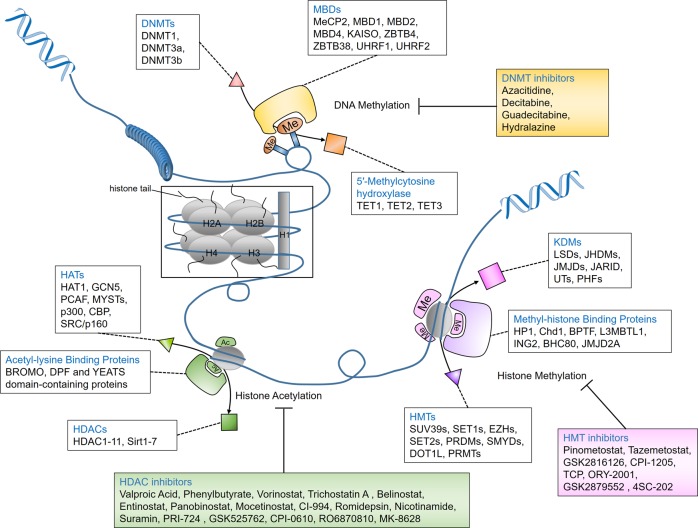
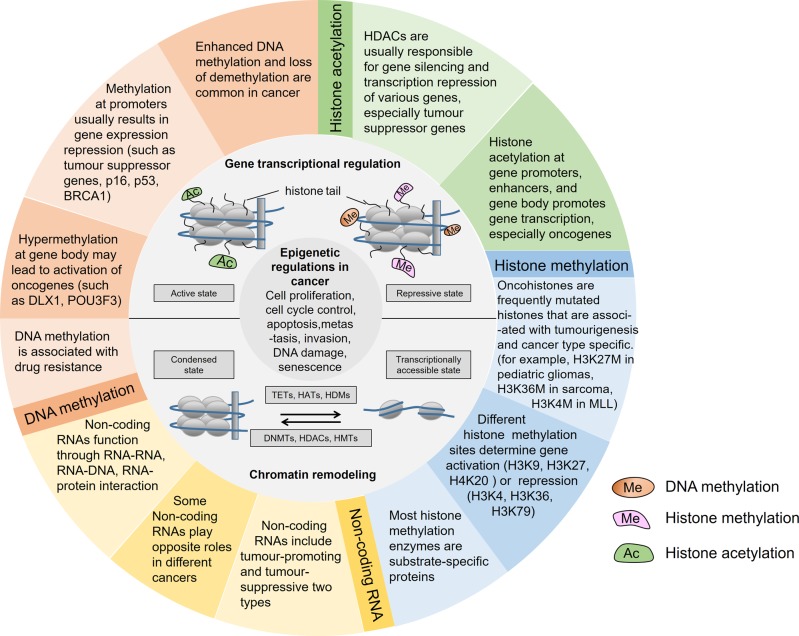
Epigenetic alternations concern heritable yet reversible changes in histone or DNA modifications that regulate gene activity beyond the underlying sequence. Epigenetic dysregulation is often linked to human disease, notably cancer. With the development of various drugs targeting epigenetic regulators, epigenetic-targeted therapy has been applied in the treatment of hematological malignancies and has exhibited viable therapeutic potential for solid tumors in preclinical and clinical trials. In this review, we summarize the aberrant functions of enzymes in DNA methylation, histone acetylation and histone methylation during tumor progression and highlight the development of inhibitors of or drugs targeted at epigenetic enzymes.
Overview
The claims and statistics of this paper haven’t been checked yet.
Free: it reads the open-access text and checks the first 5 claims that cite a source we can check. Create a free account to check every claim.
Integrity signals
Registry
Cites
Statistics
Figures
Verification
Claims the paper makes
The claims and statistics of this paper haven’t been checked yet.
Free: it reads the open-access text and checks the first 5 claims that cite a source we can check. Create a free account to check every claim.
Claims other papers make about this one
Each is checked against this paper’s own text: does it say what the citing paper says it does?
The check wasn’t confident either way, so it gives no verdict — never disputed.
In the citing paper
“Simvastatin, a cholesterol-lowering drug, displays anti-tumor effects in GBM by inducing apoptosis and inhibiting cell migration and invasion30.”
From Multi-omics analysis identifies glioblastoma dependency on H3K9me3 methyltransferase activity (2025) · cites this paper as [30]
Experimental — accuracy not yet measured
Self-check
Percentages, sums and reported differences re-computed from the paper’s own numbers.
The self-check needs the paper’s full text.
Citations
Cites
10 retracted
Expression of DNMT1 and DNMT3a Are Regulated by GLI1 in Human Pancreatic Cancer
He, S., Wang, F., Yang, L., Guo, C., Wan, R., Ke, A., Xu, L., Hu, G., Xu, X., Shen, J., et al. (2011) · PLoS ONE · doi:10.1371/journal.pone.0027684 · Cited by 88 · cited 1×
“cancer, the APC gene, encoding a regulator of cell junctions, is hypermethylated by DNMT overexpression.(29) During an analysis of colorectal disease methylation patterns, researchers found several genes that showed significant changes between precancerous diseases and cancers, including RUNX3, NEUROG1, CACNA1G, SFRP2…”
BackgroundRetractedcircZMYM2 Competed Endogenously with miR-335-5p to Regulate JMJD2C in Pancreatic Cancer
An, Y., Cai, H., Zhang, Y., Liu, S., Duan, Y., Sun, D., Chen, X., & He, X. (2018) · Cellular Physiology and Biochemistry · doi:10.1159/000495868 · Cited by 79
RetractedZhao, X., Zheng, F., Li, Y., Hao, J., Tang, Z., Tian, C., Yang, Q., Zhu, T., Diao, C., Zhang, C., et al. (2018) · Redox Biology · doi:10.1016/j.redox.2018.10.018 · Cited by 72
RetractedLi, T., Zheng, Q., An, J., Wu, M., Li, H., Gui, X., Pu, H., & Lu, D. (2016) · Molecular Therapy · doi:10.1038/mt.2015.208 · Cited by 56
RetractedHou, X., Gong, R., Zhan, J., Zhou, T., Ma, Y., Zhao, Y., Zhang, Y., Chen, G., Zhang, Z., Ma, S., et al. (2018) · BMC Cancer · doi:10.1186/s12885-018-4559-3 · Cited by 36
RetractedCai, M., Chen, Q., Shen, J., Lv, C., & Cai, L. (2018) · Journal of Cellular and Molecular Medicine · doi:10.1111/jcmm.13716 · Cited by 31
RetractedRETRACTED: Kaiso is expressed in lung cancer: Its expression and localization is affected by p120ctn
Dai, S., Wang, Y., Jiang, G., Zhang, P., Dong, X.-J., Wei, Q., Xu, H., Li, Q., Zhao, C., & Wang, E. (2009) · Lung Cancer · doi:10.1016/j.lungcan.2009.06.013 · Cited by 29
RetractedRETRACTED ARTICLE: TET2 inhibits tumorigenesis of breast cancer cells by regulating caspase-4
Zhu, X., & Li, S. (2018) · Scientific Reports · doi:10.1038/s41598-018-34462-z · Cited by 29
RetractedZhang, J., Liu, M., Liu, W., & Wang, W. (2019) · Artificial Cells Nanomedicine and Biotechnology · doi:10.1080/21691401.2019.1593857 · Cited by 13
RetractedSun, S., Zhang, Y., Zheng, J., Duan, B., Cui, J., Chen, Y., Deng, W., Ye, B., Liu, L., Chen, Y., et al. (2018) · Cell Death and Disease · doi:10.1038/s41419-018-0931-0 · Cited by 11
Retracted
Cited by
Items 601–700 of 997
Das, A., Giri, A. K., & Bhattacharjee, P. (2024) · Biochimica et Biophysica Acta (BBA) - Gene Regulatory Mechanisms · doi:10.1016/j.bbagrm.2024.195007 · Cited by 7
GLP and G9a histone methyltransferases as potential therapeutic targets for lymphoid neoplasms
Silva-Carvalho, A. É., Filiú-Braga, L. D. D. C., Bogéa, G. M. R., de Assis, A. J. B., Pittella-Silva, F., & Saldanha‐Araújo, F. (2024) · Cancer Cell International · doi:10.1186/s12935-024-03441-y · Cited by 7
“1 Protein structures of G9a and GLP. Crystal structure of GLP (PDB ID: 3FPD) and G9a (PDB: 208 J) with SAH bounded in green molecule inhibitors targeting their epigenetic activities as potential antineoplastic therapeutic tools [29, 30].”
BackgroundHypoxia, Stem Cells and Cancer Stem Cells
Manian, M., Taherian, M., Nickho, H., Nejad, A. E., & Shaverdi, S. (2024) · Stem cell biology and regenerative medicine · doi:10.1007/978-3-031-74842-4_3 · Cited by 8
Elucidating neuroepigenetic mechanisms to inform targeted therapeutics for brain disorders
Weekley, B. H., Ahmed, N. I., & Maze, I. S. (2025) · iScience · doi:10.1016/j.isci.2025.112092 · Cited by 7
“227,236 Increasing mechanistic insights into roles for epigenetic mod-ifiers in brain disorders, as well as the development of new drugs to target these chromatin regulatory proteins in brain, will require a deeper understanding of how these proteins and their complex structures contribute to…”
Chemical biology approaches to study histone interactors
Burton, A. J., Hamza, G. M., Zhang, A. X., & Muir, T. W. (2021) · Biochemical Society Transactions · doi:10.1042/bst20210772 · Cited by 6
Yang, B.-H., Lin, W.-Z., Chiang, Y., Chen, Y., Chung, C., Chien, W., & Shiau, C. (2022) · Frontiers in Oncology · doi:10.3389/fonc.2022.809014 · Cited by 6
“Drugs targeting epigenetic regulators have been tried clinically on some HN since 2004 (8).”
BackgroundInterplay between the Cannabinoid System and microRNAs in Cancer
Salamat, J. M., Abbott, K. L., Flannery, P. C., Ledbetter, E. L., & Pondugula, S. R. (2022) · ACS Omega · doi:10.1021/acsomega.2c00635 · Cited by 6
Lee, Y. T., Tan, Y. J., Mok, P. Y., Kaur, G., Sasidharan, S., Falasca, M., & Oon, C. E. (2022) · Toxicology and Applied Pharmacology · doi:10.1016/j.taap.2022.116039 · Cited by 6
Implications of Chromatin Modifier Mutations in Epigenetic Regulation of Bladder Cancer
Akman, B., & Erkek, S. (2022) · Exon Publications eBooks · doi:10.36255/exon-publications-urologic-cancers-bladder-cancer-epigenetics · Cited by 7
Rapid Single-Pot Assembly of Modular Chromatin Proteins for Epigenetic Engineering
Haynes, K. A., & Priode, J. H. (2022) · Methods in molecular biology · doi:10.1007/978-1-0716-2847-8_14 · Cited by 6
Folorunso, O. M., Bocca, B., Ruggieri, F., Frazzoli, C., Chijioke-Nwauche, I. N., & Orisakwe, O. E. (2023) · Journal of Environmental Science and Health Part A · doi:10.1080/10934529.2023.2185004 · Cited by 7
“Though the exact mechanism of epigenetic alterations of heavy metals is not fully known; increased expression of proto-oncogenes and silencing of tumor suppresser genes via intracellular ROS production are possible underlying causes.([10]) DNA methylation known to obstruct the expression of some tumor suppressors whic…”
BackgroundAlpoim‐Moreira, J., Szóstek-Mioduchowska, A. Z., Słyszewska, M., Rebordão, M. R., Skarzynski, D. J., & Ferreira-Dias, G. M. (2023) · Animals · doi:10.3390/ani13071212 · Cited by 10
“The most used epigenetic treatments aim to alter either DNA methylation or histone acetylation [24,25].”
MethodTherapeutic targeting approach on epithelial-mesenchymal plasticity to combat cancer metastasis
Mishra, A. B., & Nishank, S. S. (2023) · Medical Oncology · doi:10.1007/s12032-023-02049-y · Cited by 6
Yang, X., Gao, Y., Cao, F., & Wang, S. (2023) · International Journal of Molecular Sciences · doi:10.3390/ijms241310831 · Cited by 8
Epigenetic Priming and Development of New Combination Therapy Approaches
Meneceur, S., Grunewald, C. M., Niegisch, G., & Hoffmann, M. J. (2023) · Methods in molecular biology · doi:10.1007/978-1-0716-3291-8_16 · Cited by 6
Shi, M., Wei, Y., Guo, R., & Luo, F. (2024) · Journal of Inflammation Research · doi:10.2147/jir.s456132 · Cited by 7
Novel radiation and targeted therapy combinations for improving rectal cancer outcomes
Pennel, K. A. F., Dutton, L. R., Melissourgou-Syka, L., Roxburgh, C. S. D., Birch, J. L., & Edwards, J. (2024) · Expert Reviews in Molecular Medicine · doi:10.1017/erm.2024.15 · Cited by 7
“…advances in the understanding of epigenetic modifications are made, they become more closely linked to the initiation and progression of cancer, with key mechanisms including DNA methylation, histone acetylation and histone methylation, which are now accepted as a hallmark of cancer (Refs 26, 100).”
A Computational Approach for the Discovery of Novel DNA Methyltransferase Inhibitors
Kritsi, E., Christodoulou, P., Tsiaka, T., Georgiadis, P., & Zervoú, M. (2024) · Current Issues in Molecular Biology · doi:10.3390/cimb46040213 · Cited by 6
“The term epigenetics is defined as the heritable, reversible modulation of gene expression that occurs without changes in the underlying DNA sequence [1].”
BackgroundInvestigation of the changes in the expression levels of MOZ gene in colorectal cancer tissues
Mohammadi, K., Safaralizadeh, R., Feizi, M. A. H., Dastmalchi, N., & Moaddab, S. Y. (2018) · Journal of Gastrointestinal Oncology · doi:10.21037/jgo.2018.09.12 · Cited by 6
Anticipating response function in gene regulatory networks
Gautam, P., & Sinha, S. K. (2021) · Journal of The Royal Society Interface · doi:10.1098/rsif.2021.0206 · Cited by 7
Epigenetic Alterations in Pediatric Sleep Apnea
Cheung, E. C., Kay, M. W., & Schunke, K. J. (2021) · International Journal of Molecular Sciences · doi:10.3390/ijms22179523 · Cited by 6
“alyze these dynamic modifications are used for clinical management of some cancers [37]”
BackgroundMethodPharmacoepigenetics in type 2 diabetes: is it clinically relevant?
Ling, C. (2022) · Diabetologia · doi:10.1007/s00125-022-05681-x · Cited by 8
“1)? Andwhat are epigenetic therapies? Inhibitors of epigenetic enzymes, such as DNAmethyltransferase (DNMT) and histone deacetylase (HDAC) inhibitors, fall into the category of epigenetic therapies, and such drugs are currently in use, or in clinical trials, for treatment of different cancers [44].”
BackgroundTracking chromatin state changes using μ Map photo-proximity labelingPreprint
Seath, C. P., Burton, A. J., MacMillan, D. W. C., & Muir, T. W. (2021) · bioRxiv (Cold Spring Harbor Laboratory) · doi:10.1101/2021.09.28.462236 · Cited by 6
DNA and RNA Methylation in Rheumatoid Arthritis—A Narrative Review
Kiełbowski, K., Bakinowska, E., Gorący, A., Figiel, K., Judek, R., Rosik, J., Dec, P., Modrzejewski, A., & Pawlik, A. (2025) · Epigenomes · doi:10.3390/epigenomes9010002 · Cited by 9
“Targeting these enzymes can modulate epigenetic states, potentially reversing aberrant gene expression patterns associated with disease progression and improving clinical outcomes [55].”
Waterbury, A. L., Caroli, J., Zhang, O., Tuttle, P. R., Liu, C., Li, J., Park, J. S., Hoenig, S. M., Barone, M., Furui, A., et al. (2025) · Nature Communications · doi:10.1038/s41467-025-57477-3 · Cited by 7
“Chromatin modi fi ers often have pleotropic functions spanning both enzymatic and nonenzymatic functions, and pharmacologically modulating these activities selectively can be challenging 32 – 34 .”
Choudhary, A., Kumar, A., & Munshi, A. (2025) · Medical Oncology · doi:10.1007/s12032-025-02873-4 · Cited by 7
“…DNA demethylation-methylation, ubiq-uitylation, acetylation, chromatin remodeling, and noncoding RNAs, including lncRNAs, sno-RNA, pi-RNA, siRNAs, sn-RNA, tRFs, and microRNAs (miRNAs) are also found as significant genetic and epigenetic factors affecting the development of cancer including BC [13].”
Yang, H., Li, V., Park, S. J., Cheon, S. W., Lorant, A., Mazumder, A., Lee, J., Orlikova-Boyer, B., Cerella, C., Christov, C., et al. (2025) · Clinical Epigenetics · doi:10.1186/s13148-025-01921-0 · Cited by 5
“The modulation of epigenetic mechanisms plays an important role in cancer progression [5] and CML [6, 7].”
Sergi, B., Yuksel-Catal, N., Özcan, S. C., Syed, H., Duvvuri, U., Kiselyov, K. I., & Acilan, C. (2025) · Cell Death and Disease · doi:10.1038/s41419-025-07900-w · Cited by 5
“Epigenetic regulation drives gene expression changes that promote oncogenic transformation or drug resistance [3, 4].”
BackgroundThe role of epigenetics in cancer: From pathways to the clinic
Almalki, A. A. (2025) · Journal of Family Medicine and Primary Care · doi:10.4103/jfmpc.jfmpc_1287_24 · Cited by 7
“[5] Most of these heritable modifications occur during differentiation and are persistently maintained over several cell division cycles, enabling cells to exhibit different properties while still carrying the same genomic content.”
Cai, D., Li, Y., Sun, D., Zhang, Y., Bai, W., & Li, X. (2025) · Journal of Advanced Research · doi:10.1016/j.jare.2025.10.021 · Cited by 5
“Histone methylation occurs at the nitrogen atom of the side chain of lysine and arginine residues, resulting in mono-, di-, or trimethylated lysine residues and arginine residues with mono-methylation, asymmetric-or symmetric-dimethylation [74].”
Sutanto, H., Ahkami, A., Fetarayani, D., & Romadhon, P. Z. (2025) · Journal of the Egyptian National Cancer Institute · doi:10.1186/s43046-025-00333-8 · Cited by 10
“This leads to derepression of E2F target genes, re-expression of cyclins, and reversal of the senescent phenotype [93, 94].”
Unraveling the complexity of the histone code: implications for gene regulation and disease
Malone, K. L., Singh, A. K., Lignos, J. M., Cook, E. D., Phillips, M., Boyle, B. W., Kressy, I. A., Vulikh, M., Lathrop, A. K., McKay, K. T., et al. (2026) · Genome biology · doi:10.1186/s13059-026-04011-3 · Cited by 7
“Small-molecule inhibitors against epigenetic enzymes, including histone acetyltransferases (HATs), histone deacetylases (HDACs), histone methyltransferases (HMTs), lysine demethylases (KDMs), and ubiquitin ligases, are in various stages of clinical development [222, 229, 263, 264, 302].”
Zhu, Z., Zhou, Q., Guan, P., Sun, Y., & Li, G. (2023) · MedComm – Oncology · doi:10.1002/mog2.51 · Cited by 7
Predicting the effect of CRISPR-Cas9-based epigenome editing
Batra, S. S., Cabrera, A., Spence, J. P., Goell, J., Anand, S. S., Hilton, I. B., & Song, Y. S. (2026) · eLife · doi:10.7554/elife.92991.4 · Cited by 7
Targeting the chromatin structural changes of antitumor immunity
Li, N.-N., Lun, D., Gong, N., Meng, G., Du, X., Wang, H., Bao, X., Li, X., Song, J.-W., Ke-wei, H., et al. (2023) · Journal of Pharmaceutical Analysis · doi:10.1016/j.jpha.2023.11.012 · Cited by 6
“These unique enzymes can write or erase epigenetics, where they are termed “ writers ” or “ erasers, ” respectively [14].”
BackgroundKaczorowski, M., Lasota, J. P., Dudek, K. D., Małkiewicz, B., Miettinen, M., & Hałoń, A. (2024) · Journal of Clinical Medicine · doi:10.3390/jcm13061554 · Cited by 6
“Conversely, TET enzymes oxidize 5-methylcytosine to 5-hydroxymethylcytosine (5hmC), which can ultimately result in the restoration of unmethylated cytosine [12].”
InfluentialBaranová, I., Samec, M., Dvorská, D., Šťastný, I., Janíková, K., Kašubová, I., Horňáková, A., Lukáčová, E., Kapinová, A., Biringer, K., et al. (2024) · Scientific Reports · doi:10.1038/s41598-024-65580-6 · Cited by 7
Wu, M.-C., Yang, S., Fang, W.-K., Chen, T.-J., Wu, C.-Y., Hsu, Y.-J., Shen, C.-E., Cheng, Y., Hsieh, W.-C., Yuh, C., et al. (2025) · Cellular and Molecular Life Sciences · doi:10.1007/s00018-025-05693-x · Cited by 6
“Modifications of the proteins that package DNA, such as acetylation, methylation, and phosphorylation of histones, can impact gene expression [7, 8].”
Self-citationNaffaa, M. M., & Al-Ewaidat, O. A. (2025) · Exploration of Medicine · doi:10.37349/emed.2025.1001314 · Cited by 7
A Bioligical Perspective on the role of miR-206 in Colorectal cancer
Oryani, M. A., Al-mosawi, A. K. M., Javid, H., Tajaldini, M., & Karimi‐Shahri, M. (2025) · Gene · doi:10.1016/j.gene.2025.149552 · Cited by 7
Selenium Nanoparticles in Prostate Cancer: A Dual-Edged Sword of Therapeutic Potential and Toxicity
Karunakar, K. K., Cheriyan, B. V., Shakti, H., Kataria, K. R., Yabase, L., Jayaprakash, N., Devan, P., Kannan, M. S., & Kumar, M. (2025) · Biomedical Materials & Devices · doi:10.1007/s44174-025-00445-8 · Cited by 9
“They are a promising option in the developing field of prostate cancer treatments because of their capacity to alter DNA methylation, histone acetylation, and microRNA expression in addition to inhibiting androgen receptor activity and triggering oxidative apoptosis [85].”
Dicitore, A., Bacalini, M. G., Saronni, D., Gaudenzi, G., Cantone, M. C., Gelmini, G., Grassi, E., Gentilini, D., Borghi, M. O., Blasio, A. M. D., et al. (2021) · Neuroendocrinology · doi:10.1159/000518801 · Cited by 6
Thang, N. X., Yoo, S., La, H., Lee, H., Park, C., Park, K. S., & Hong, K. (2022) · Biomedicines · doi:10.3390/biomedicines10040748 · Cited by 7
“Genomic instability is mediated by aberrant DNA methylation and histone modifications, which are associated with the prognosis of ER+ breast cancer subtypes [19,24,79].”
BackgroundHu, X., Zhang, X.-C., Li, S.-T., & Hua, T. (2022) · Frontiers in Genetics · doi:10.3389/fgene.2022.934246 · Cited by 5
“In recent years, lncRNAs have attracted a lot of attention due to its broad spectrum of the content of biological effects in oncogenesis and tumor progression; with the development of diverse potential drugs targeting epigenetic regulators in preclinical and clinical trials (Cheng et al., 2019), the role of histone ac…”
BackgroundPriming therapy by targeting enhancer-initiated pathways in patient-derived pancreatic cancer cells
Fraunhoffer, N. A., Moreno-Vega, A. I., Abuelafia, A. M., Morvan, M., Lebarbier, É., Mary‐Huard, T., Zimmermann, M. T., Lomberk, G. A., Urrutia, R. A., Dusetti, N., et al. (2023) · EBioMedicine · doi:10.1016/j.ebiom.2023.104602 · Cited by 5
Histone Modifying Potential of Dietary Phytochemicals: Implications in Treating Breast Cancer
Laxmi, A., Garg, S. S., Singh, A., Prabhakar, P. K., & Gupta, J. (2023) · Current Pharmacology Reports · doi:10.1007/s40495-023-00338-8 · Cited by 7
“…the DNMTs and HDACs because many families of HDACs target different nuclear proteins like p53 and even non-nuclear proteins apart from the histones [241], although approval of HDAC inhibitors like SAHA and romidepsin laid the foundation for exploring HDAC inhibition as a possible approach for…”
BackgroundRETRACTED: On intelligent Prakriti assessment in Ayurveda: a comparative study
Majumder, S., Kutum, R., Khatua, D., Sekh, A. A., Kar, S., Mukerji, M., & Prasher, B. (2023) · Journal of Intelligent & Fuzzy Systems · doi:10.3233/jifs-220990 · Cited by 7
RetractedBarman, S., Bardhan, I., Padhan, J., & Sudhamalla, B. (2023) · Journal of Molecular Graphics and Modelling · doi:10.1016/j.jmgm.2023.108642 · Cited by 5
SAMD13 serves as a useful prognostic biomarker for hepatocellular carcinoma
Yoo, W., Kim, S., & Noh, K. (2023) · European journal of medical research · doi:10.1186/s40001-023-01347-5 · Cited by 5
Aziz, M., Sarfraz, M., Ibrahim, M. K., Ejaz, S. A., Zehra, T., Ogaly, H. A., Arafat, M., Al‐Zahrani, F. A. M., & Li, C. (2023) · PLoS ONE · doi:10.1371/journal.pone.0292455 · Cited by 5
Histone Acyl Code in Precision Oncology: Mechanistic Insights from Dietary and Metabolic Factors
Neja, S. A., Dashwood, W. M., Dashwood, R. H., & Rajendran, P. (2024) · Nutrients · doi:10.3390/nu16030396 · Cited by 7
“Other approaches include the development of HAT inhibitors and other histone acyl-modifying enzymes such as butyryltransferases, crotonyltransferases, and propionyltransferases [247].”
BackgroundMLLT6/ATF2 Axis Restrains Breast Cancer Progression by Driving DDIT3/4 Expression
Yu, Q. B., Zhao, J., Yang, A., & Li, X. (2024) · Molecular Cancer Research · doi:10.1158/1541-7786.mcr-23-0648 · Cited by 7
A hybrid approach for predicting transcription factors
Patiyal, S., Tiwari, P., Ghai, M., Dhapola, A., Dhall, A., & Raghava, G. P. S. (2024) · Frontiers in Bioinformatics · doi:10.3389/fbinf.2024.1425419 · Cited by 5
Ratre, P., Thareja, S., & Mishra, P. K. (2024) · International review of cytology · doi:10.1016/bs.ircmb.2024.10.003 · Cited by 7
Yu, X., Yang, H., Xue, B., Liu, T., Zhang, X., Xu, Y., Zhao, X., & Yue, X. (2025) · RSC Advances · doi:10.1039/d5ra01129a · Cited by 6
Differential regulation of LRRC37A2 in gastric cancer by DNA methylation
Wisnieski, F., Geraldis, J. C., Santos, L. C., Leal, M. F., Calcagno, D. Q., Gigek, C. O., Chen, E., Anauate, A. C., Artigiani, R., Demachki, S., et al. (2021) · Epigenetics · doi:10.1080/15592294.2021.1878724 · Cited by 5
“The understanding of epigenomic regulation has provided further evidence for the application of epigenetic drugs for solid tumour treatment [3], with several agents progressing to clinical trials with gastrointestinal cancer patients [3,4].”
BackgroundThe contributing factors of resistance or sensitivity to epigenetic drugs in the treatment of AML
Kelaye, S. K., Najafi, F., Kazemi, B., Foruzandeh, Z., Seif, F., Solali, S., & Alivand, M. R. (2022) · Clinical & Translational Oncology · doi:10.1007/s12094-022-02776-0 · Cited by 7
“For this reason, epigenetic abnormalities provide potential paths for targeted therapy whit the use of specific inhibitors such as histonemodifying proteins or stimulatory proteins or preservation of DNA methylation [8, 9].”
BackgroundCallahan, S. C., Kochat, V., Liu, Z., Raman, A. T., Divenko, M., Schulz, J., Terranova, C. J., Ghosh, A. K., Tang, M., Johnson, F. M., et al. (2022) · Frontiers in Cell and Developmental Biology · doi:10.3389/fcell.2022.936168 · Cited by 6
“Since BET inhibitors inherently rely on modulating the reader protein of H3K27ac-marked enhancers in target cells, understanding enhancer landscapes and their role in BET inhibitor response becomes an important first step in sorting patients into “favorable” or “unfavorable” groups (Stathis and Bertoni, 2018; Cheng et…”
BackgroundMethodMa, B., Pan, J., Hou, X., Li, C., Xiong, T., Gong, Y., & Song, F. (2022) · Mathematical Biosciences & Engineering · doi:10.3934/mbe.2022576 · Cited by 8
Qian, Y., Ao, M., Li, B., Kuang, Z., Wang, X., Cao, Y., Li, J., Qiu, Y., Guo, K., Fang, M., et al. (2022) · Bioorganic Chemistry · doi:10.1016/j.bioorg.2022.106119 · Cited by 5
Proteomics approaches in the identification of cancer biomarkers and drug discovery
Nisar, N., Mir, S. A., Kareem, O., & Pottoo, F. H. (2023) · Elsevier eBooks · doi:10.1016/b978-0-323-95072-5.00001-8 · Cited by 5
Epigenomics in Hurthle Cell Neoplasms: Filling in the Gaps Towards Clinical Application
Canberk, Ş., Lima, A. R., Pinto, M., Soares, P., & Máximo, V. (2021) · Frontiers in Endocrinology · doi:10.3389/fendo.2021.674666 · Cited by 8
“These results are in line with those previously published concerning 5– methylcytidine level in lung cancers cells (31, 32), breast carcinoma (33) or colorectal adenocarcinomas (34) where no differences where found in relation to the surrounding normal tissues (35).”
ResultInactivation of Epigenetic Regulators due to Mutations in Solid Tumors
Nemtsova, M. V., Mikhaylenko, D. S., Kuznetsova, E., Bykov, I. I., & Zamyatnin, A. A. (2020) · Biochemistry (Moscow) · doi:10.1134/s0006297920070020 · Cited by 5
Predicting the effect of CRISPR-Cas9-based epigenome editingPreprint
Batra, S. S., Cabrera, A., Spence, J. P., Goell, J., Anand, S. S., Hilton, I. B., & Song, Y. S. (2026) · eLife · doi:10.7554/elife.92991 · Cited by 11
Ramoni, D., & Montecucco, F. (2024) · World Journal of Gastroenterology · doi:10.3748/wjg.v30.i41.4503 · Cited by 6
Ellagic acid inhibits EZH2: a potential epigenetic therapeutic molecule for cancer
Nalla, K., Chatterjee, B., Poyya, J., Swain, A., Ghosh, K., Pan, A., Joshi, C. G., Manavathi, B., & Kanade, S. R. (2025) · Cancer Genetics · doi:10.1016/j.cancergen.2025.09.001 · Cited by 8
Targeting Kinase Suppressor of Ras 1 (KSR1) for Cancer Therapy
Moon, H., Park, H., Lee, S., Lee, S.-H., & Ro, S. W. (2025) · Pharmaceutics · doi:10.3390/pharmaceutics17101348 · Cited by 5
Lysine demethylases 6 A and 6B as epigenetic regulators in therapeutic resistance of cancer
Yang, L., Li, H., Zhao, Y., Qian, Z., Luo, G., Chen, X., & Yang, X. (2025) · Clinical Epigenetics · doi:10.1186/s13148-025-02010-y · Cited by 5
“Chromatin remodeling plays a pivotal role on determination of cell phenotype in homeostasis and pathological behaviors [2].”
Wang, Z., He, X., Zhang, X., Spiegel, J., Flynn, S. M., & Balasubramanian, S. (2026) · Nature Chemistry · doi:10.1038/s41557-026-02111-y · Cited by 8
“Interfering with DNA–protein interactions has therapeutic potential in diseases such as cancer, where dysregulation of these interactions contributes to disease progression 2–4 .”
Gallbladder Cancer: Epigenetic Landscape, Targeted Therapy, and Prospect of Epitherapy
Sharma, N., Tomar, A., & Tiwari, P. K. (2023) · Springer eBooks · doi:10.1007/978-981-19-6442-8_12 · Cited by 4
Advancing the Management of Skull Base Chondrosarcomas: A Systematic Review of Targeted Therapies
Agosti, E., Zeppieri, M., Antonietti, S., Ius, T., Fontanella, M. M., & Panciani, P. P. (2024) · Journal of Personalized Medicine · doi:10.3390/jpm14030261 · Cited by 7
“These include inhibitors targeting YAP/TAZ transcriptional co-activators, upstream Hippo pathway components, or cross-talk molecules that influence pathway activity.”
BackgroundInduced proximity labeling and editing for epigenetic research
Zhou, C., Wagner, S. A., & Liang, F. (2024) · Cell chemical biology · doi:10.1016/j.chembiol.2024.05.005 · Cited by 6
Munteanu, R. A., Moldovan, C. S., Țigu, A. B., Drulă, R., Feder, R., Magdo, L., Jurj, A. M., Ráduly, L., Budişan, L., Pîrlog, R., et al. (2024) · Medicine and Pharmacy Reports · doi:10.15386/mpr-2777 · Cited by 4
“Inhibitors that specifically target DNMTs have demonstrated potential in the reactivation of silenced tumor suppressor genes and the suppression of cancer cell proliferation [10].”
BackgroundAntoun, N. B., Mahmood, H.-T.-N. A., Walker, A. J., Modjtahedi, H., Grose, R. P., & Chioni, A. (2025) · International Journal of Molecular Sciences · doi:10.3390/ijms26051799 · Cited by 7
Onuščáková, M., Kauerová, T., Fialova, E., Pížová, H., Garaj, V., Kemka, M., Frecer, V., Kollár, P., & Bobáľ, P. (2025) · Archiv der Pharmazie · doi:10.1002/ardp.202400889 · Cited by 5
Chen, Z., Zhang, C., Shen, H., Xu, H., Huang, Y., Dong, R., Tang, X., Chai, S., Li, J., Xu, J., et al. (2025) · Acta Pharmaceutica Sinica B · doi:10.1016/j.apsb.2025.08.006 · Cited by 4
Breast cancer frontiers: mapping molecular signals, intelligent diagnostics, and adaptive therapies
Kumar, D., Choudhary, N., Kaur, S., & Kondaveeti, S. B. (2026) · Discover Oncology · doi:10.1007/s12672-026-04453-y · Cited by 5
Ördög, N., Borsos, B. N., Majoros, H., Újfaludi, Z., Pankotai-Bodó, G., Bankó, S., Sükösd, F., Kuthi, L., & Pankotai, T. (2022) · Translational Oncology · doi:10.1016/j.tranon.2022.101420 · Cited by 3
Aberrations of DNA methylation in cancer
Павловна, М. В., Usalka, O., Makus, J., Popova, V. G., Trapeznikova, E., Khayrieva, G., Sagitova, G. R., Михайловна, Ж. Е., Bukina, A. Y., Геннадиевна, Я. М., et al. (2022) · Advances in molecular oncology · doi:10.17650/2313-805x-2022-9-4-24-40 · Cited by 4
EpiCompare: R package for the comparison and quality control of epigenomic peak files
Choi, S., Schilder, B. M., Abbasova, L., Murphy, A. E., & Skene, N. (2023) · Bioinformatics Advances · doi:10.1093/bioadv/vbad049 · Cited by 4
Santos, M. E. D. S., Abreu, A. K. D. C., da Silva, F. W. M., Ferreira, E. B., dos Reis, P. E. D., & Ramos, D. D. A. R. (2023) · Head & Neck · doi:10.1002/hed.27597 · Cited by 5
“6 Therefore, there is an urgent need to determine the most relevant epigenetic alterations in HNSCC to identify diagnostic or prognostic biomarkers or targetable molecular alterations that can be used in clinical settings.”
BackgroundNutrition and Epigenetic Modifications During Pregnancy
Maugeri, A., Barchitta, M., Lio, R. M. S., Favara, G., & Agodi, A. (2024) · Epigenetics and human health · doi:10.1007/978-3-031-54215-2_5 · Cited by 6
Epigenetic regulation in liver regeneration
Li, Z., & Sun, X. (2024) · Life Sciences · doi:10.1016/j.lfs.2024.122924 · Cited by 5
Li, S., Liang, X., Shao, Q., Wang, G., Huang, Y., Wen, P., Jiang, D., & Zeng, X. (2024) · Frontiers in Pharmacology · doi:10.3389/fphar.2024.1465954 · Cited by 6
“Notably, targeted epigenetic therapy has gained wide acceptance in both preclinical and clinical trials for hematologic malignancies, signifying promising applications for treating solid tumors (Cheng et al., 2019).”
BackgroundInfluentialMolecular landscape of eyelid sebaceous gland carcinoma: A comprehensive review
Jayaraj, P., Ray, D., Goel, K., Singh, A., Kant, N., & Sen, S. (2024) · Indian Journal of Ophthalmology · doi:10.4103/ijo.ijo_167_24 · Cited by 7
“[60] Recent research has highlighted the impact of promoter methylation on key genes in SGC. Notably, the E‑cadherin gene, vital for cell adhesion and signaling, shows promoter methylation in 72% (25/36) of SGC cases.”
Prakash, S., Tyagi, P., Singh, P., Rajkumar, R., & Singh, A. P. (2024) · Current Cancer Drug Targets · doi:10.2174/0115680096331827240911165227 · Cited by 8
Engineering CRISPR for emerging therapeutic applications
Sun, X., & Liu, Z. (2024) · EngMedicine · doi:10.1016/j.engmed.2024.100035 · Cited by 5
Targeting mitochondrial RNAs enhances the efficacy of the DNA-demethylating agents
Tan, S., Kim, S., & Kim, Y. (2024) · Scientific Reports · doi:10.1038/s41598-024-80834-z · Cited by 6
DNA Methylation: Its Role and Interaction with Epigenetic Modifications in Cancer
Omari, N. E., Bakrim, S., Bakha, M., Balahbib, A., Bouyahya, A., Ardianto, C., Ming, L. C., & Ser, H. L. (2025) · Progress In Microbes & Molecular Biology · doi:10.36877/pmmb.a0000458 · Cited by 10
An Update and Translational Perspective in Genetics and Genomics of Breast Cancer
Umadevi, K., Priyanka, L. G., Clementina, R., Rao, E. S., Sundeep, D., & Kumari, S. (2025) · Current Breast Cancer Reports · doi:10.1007/s12609-024-00567-w · Cited by 5
“The aggressive nature of triple-negative breast cancers, characterized by the absence of the ER-α gene, is often due to the hypermethylation of its promoter rather than mutations or deletions, highlighting a resistance to hormone treatments and a propensity for aggressive growth [28].”
JQ1 Treatment and miR-21 Silencing Activate Apoptosis of CD44+ Oral Cancer Cells
Karišik, M. J., Lazarević, M. M., Mitić, D., Ajtić, O. M., Damante, G., & Milašin, J. (2025) · International Journal of Molecular Sciences · doi:10.3390/ijms26031241 · Cited by 6
“One noteworthy set of Readers, which influence chromatin structure and function either by recruiting other proteins or by blocking Writers and Erasers from accessing specific modifications, are bromodomain and extra-terminal (BET) proteins [10].”
Bashir, B., Sethi, P., Panda, S., Manikyam, H. K., Vishwas, S., Singh, S. K., Singh, K., Jain, D., Chaitanya, M., & Coutinho, H. D. M. (2025) · Cellular Signalling · doi:10.1016/j.cellsig.2025.111743 · Cited by 5
Georges, E., Ho, W., Iturritza, M. U., Eöry, L., Malysz, K., Sobhiafshar, U., Archibald, A. L., Macqueen, D. J., Shih, B. B.-J., Garrick, D., et al. (2025) · BMC Genomics · doi:10.1186/s12864-025-11415-1 · Cited by 4
“Other epigenetic regulator genes which can harbour driver mutations in AML ( DNMT3A , ASXL1 ) [37–39] were expressed at similar levels in all four cell lines (Supplementary Table 6).”
Zidan, A. M., Saad, E. A., Ibrahim, N., Hashem, M. H., Mahmoud, A., & Hemeida, A. A. (2021) · Heliyon · doi:10.1016/j.heliyon.2021.e06908 · Cited by 5
Epigenetics of epithelial to mesenchymal transition (EMT) in cancer
Satheesh, K. S. K., Rani, H., Jolly, M. K., & Mahadevan, V. (2021) · Elsevier eBooks · doi:10.1016/b978-0-323-85652-2.00001-4 · Cited by 5
Signaling Pathways Regulating the Expression of the Glioblastoma Invasion Factor TENM1
Carcelén, M., Velásquez, C., Vidal, V., Gutiérrez, O., & Fernández-Luna, J. L. (2022) · Biomedicines · doi:10.3390/biomedicines10051104 · Cited by 4
“CpG islands appear in about 60% of human promoters repressing their activation [78].”
BackgroundMac, M., DeVico, B. M., Raspanti, S. M., & Moody, C. A. (2023) · Journal of Virology · doi:10.1128/jvi.00201-23 · Cited by 5
“The targeting of deregulated epigenetic pathways is emerging as a promising therapy (84, 85).”
BackgroundKapinová, A., Mazuráková, A., Halášová, E., Daňková, Z., Büsselberg, D., Costigliola, V., Golubnitschaja, O., & Kubatka, P. (2023) · The EPMA Journal · doi:10.1007/s13167-023-00323-7 · Cited by 4
Павловна, М. В., Popova, V. G., Bukina, A. Y., Lylova, E. S., Usalka, O., Sagitova, G. R., Михайловна, Ж. Е., Makus, J., Trapeznikova, E., Belitsky, G. A., et al. (2023) · International Journal of Molecular Sciences · doi:10.3390/ijms241612874 · Cited by 5
“The reversibility of chromatin modifications is the main feature of the epigenetic regulation of transcription, which forms a background to the development of epigenetic anticancer therapy [6].”
BackgroundPergaris, A., Genaris, I., Stergiou, I. Ε., Klijanienko, J., Papadakos, S. P., & Theocharis, S. E. (2023) · Cancers · doi:10.3390/cancers15215165 · Cited by 4
Metadata
- Authors
- Cheng, Y., He, C., Wang, M., Ma, X., Mo, F., Yang, S., Han, J., & Wei, X.
- Affiliations
- Sichuan University (CN)
- Corresponding author
- Wei, Xiawei
- Venue
- Signal Transduction and Targeted Therapy
- Published
- 2019-12-17
- Volume
- 4
- Issue
- 1
- Pages
- 62-62
- ISSN
- 2059-3635 (ISSN-L)
- PMC
- PMC6915746
- OpenAlex
- W2995898384
- Cited by
- 1,097
- References
- 676
- Citations by year
- 2026: 75 · 2025: 157 · 2024: 198 · 2023: 217 · 2022: 175 · 2021: 190 · 2020: 77
- FWCI
- 9.76
- Type
- journal article
- Language
- en
- Open access
- gold
- doi.org
- Licence
- cc-by
- creativecommons.org/licenses/by/4.0 (tdm)
- creativecommons.org/licenses/by/4.0 (vor)
- Locations
- Signal Transduction and Targeted Therapy (publishedVersion, cc-by)
- Europe PMC (PubMed Central) (publishedVersion, cc-by)
- PubMed Central (publishedVersion, cc-by)
- PubMed (publishedVersion)
- DOAJ (DOAJ: Directory of Open Access Journals) (submittedVersion)
- Funders
- National Natural Science Foundation of China (No. 81602950)
- National Key Research and Development Program of China
- Topics
- Life Sciences › Biochemistry, Genetics and Molecular Biology › Molecular Biology › Epigenetics and DNA Methylation
- Life Sciences › Biochemistry, Genetics and Molecular Biology › Molecular Biology › Histone Deacetylase Inhibitors Research
- Life Sciences › Biochemistry, Genetics and Molecular Biology › Molecular Biology › Chromatin Remodeling and Cancer
- Keywords
- epigenetic regulators, DNA methylation, histone acetylation, histone methylation, epigenetic enzymes, enzyme inhibitors, hematologic malignancies, solid tumors, tumor progression, clinical trials
About these checks
Registry, retraction, Cites and statistics results are computed, not judged, with one exception: a printed reference that no index lists is read once by a model before it counts as a citation error. Claims are extracted by a model and kept only when their quote appears verbatim in the text; each cited source is then checked, with a model’s help, for whether it says what the claim relies on. Those verdicts can be wrong — read the claim’s quote and the cited source before relying on one.
Statistics and arithmetic are recomputed, not judged.
Confidence bands are shown only for fields calibrated on our annotated test set. None is calibrated yet, so no band is shown.
What counts as a claim ›How we measure confidence ›How we check this ›
Are you an author, or do you see a problem with this page? Request a review
Data sources
Bibliographic data: Semantic Scholar, OpenAlex, Crossref.
Contains information from the Semantic Scholar Academic Graph Datasets, made available under the ODC Attribution License (ODC-BY 1.0).
Semantic Scholar’s data is described in: Kinney, R., et al. (2023). The Semantic Scholar Open Data Platform. arXiv:2301.10140.
