

Targeting epigenetic regulators for cancer therapy: mechanisms and advances in clinical trials
Open accessThe DOI matches its Crossref record; 675 of the 676 references it cites were found in a registry or an index.
Abstract
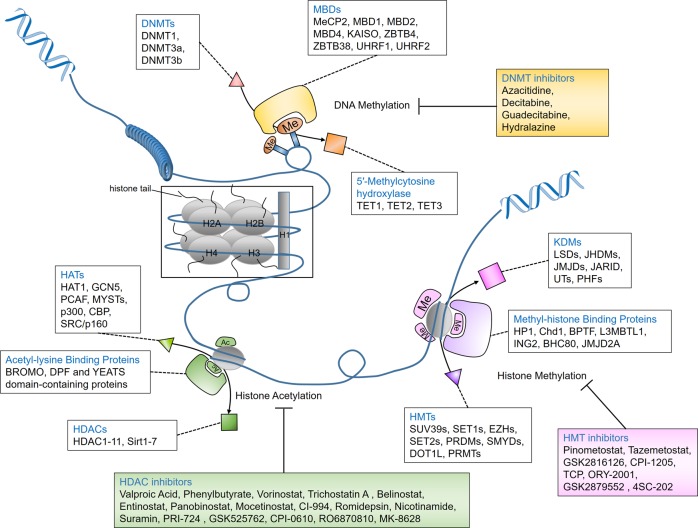
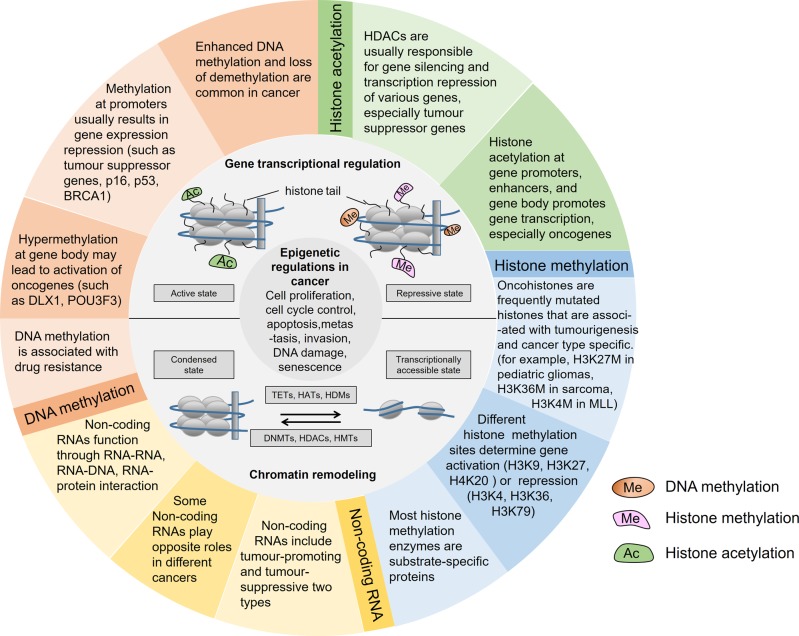
Epigenetic alternations concern heritable yet reversible changes in histone or DNA modifications that regulate gene activity beyond the underlying sequence. Epigenetic dysregulation is often linked to human disease, notably cancer. With the development of various drugs targeting epigenetic regulators, epigenetic-targeted therapy has been applied in the treatment of hematological malignancies and has exhibited viable therapeutic potential for solid tumors in preclinical and clinical trials. In this review, we summarize the aberrant functions of enzymes in DNA methylation, histone acetylation and histone methylation during tumor progression and highlight the development of inhibitors of or drugs targeted at epigenetic enzymes.
Overview
The claims and statistics of this paper haven’t been checked yet.
Free: it reads the open-access text and checks the first 5 claims that cite a source we can check. Create a free account to check every claim.
Integrity signals
Registry
Cites
Statistics
Figures
Verification
Claims the paper makes
The claims and statistics of this paper haven’t been checked yet.
Free: it reads the open-access text and checks the first 5 claims that cite a source we can check. Create a free account to check every claim.
Claims other papers make about this one
Each is checked against this paper’s own text: does it say what the citing paper says it does?
The check wasn’t confident either way, so it gives no verdict — never disputed.
In the citing paper
“Simvastatin, a cholesterol-lowering drug, displays anti-tumor effects in GBM by inducing apoptosis and inhibiting cell migration and invasion30.”
From Multi-omics analysis identifies glioblastoma dependency on H3K9me3 methyltransferase activity (2025) · cites this paper as [30]
Experimental — accuracy not yet measured
Self-check
Percentages, sums and reported differences re-computed from the paper’s own numbers.
The self-check needs the paper’s full text.
Citations
Cites
10 retracted
Expression of DNMT1 and DNMT3a Are Regulated by GLI1 in Human Pancreatic Cancer
He, S., Wang, F., Yang, L., Guo, C., Wan, R., Ke, A., Xu, L., Hu, G., Xu, X., Shen, J., et al. (2011) · PLoS ONE · doi:10.1371/journal.pone.0027684 · Cited by 88 · cited 1×
“cancer, the APC gene, encoding a regulator of cell junctions, is hypermethylated by DNMT overexpression.(29) During an analysis of colorectal disease methylation patterns, researchers found several genes that showed significant changes between precancerous diseases and cancers, including RUNX3, NEUROG1, CACNA1G, SFRP2…”
BackgroundRetractedcircZMYM2 Competed Endogenously with miR-335-5p to Regulate JMJD2C in Pancreatic Cancer
An, Y., Cai, H., Zhang, Y., Liu, S., Duan, Y., Sun, D., Chen, X., & He, X. (2018) · Cellular Physiology and Biochemistry · doi:10.1159/000495868 · Cited by 79
RetractedZhao, X., Zheng, F., Li, Y., Hao, J., Tang, Z., Tian, C., Yang, Q., Zhu, T., Diao, C., Zhang, C., et al. (2018) · Redox Biology · doi:10.1016/j.redox.2018.10.018 · Cited by 72
RetractedLi, T., Zheng, Q., An, J., Wu, M., Li, H., Gui, X., Pu, H., & Lu, D. (2016) · Molecular Therapy · doi:10.1038/mt.2015.208 · Cited by 56
RetractedHou, X., Gong, R., Zhan, J., Zhou, T., Ma, Y., Zhao, Y., Zhang, Y., Chen, G., Zhang, Z., Ma, S., et al. (2018) · BMC Cancer · doi:10.1186/s12885-018-4559-3 · Cited by 36
RetractedCai, M., Chen, Q., Shen, J., Lv, C., & Cai, L. (2018) · Journal of Cellular and Molecular Medicine · doi:10.1111/jcmm.13716 · Cited by 31
RetractedRETRACTED: Kaiso is expressed in lung cancer: Its expression and localization is affected by p120ctn
Dai, S., Wang, Y., Jiang, G., Zhang, P., Dong, X.-J., Wei, Q., Xu, H., Li, Q., Zhao, C., & Wang, E. (2009) · Lung Cancer · doi:10.1016/j.lungcan.2009.06.013 · Cited by 29
RetractedRETRACTED ARTICLE: TET2 inhibits tumorigenesis of breast cancer cells by regulating caspase-4
Zhu, X., & Li, S. (2018) · Scientific Reports · doi:10.1038/s41598-018-34462-z · Cited by 29
RetractedZhang, J., Liu, M., Liu, W., & Wang, W. (2019) · Artificial Cells Nanomedicine and Biotechnology · doi:10.1080/21691401.2019.1593857 · Cited by 13
RetractedSun, S., Zhang, Y., Zheng, J., Duan, B., Cui, J., Chen, Y., Deng, W., Ye, B., Liu, L., Chen, Y., et al. (2018) · Cell Death and Disease · doi:10.1038/s41419-018-0931-0 · Cited by 11
Retracted
Cited by
Items 501–600 of 997
Novel Methylation Patterns Predict Outcome in Uveal Melanoma
Ferrier, S. T., & Burnier, J. V. (2020) · Life · doi:10.3390/life10100248 · Cited by 11
“Given the promise that epigenetic-targeting agents have shown in many tumor types, either through targeting specific modifications directly or through targeting epigenetic regulators, the reversal of epigenetic alterations may be a promising avenue for preventing metastasis in UM [19,20].”
BackgroundRe-Sensitizing Tumor Cells to Cancer Drugs with Epigenetic Regulators
Rauscher, S., Greil, R., & Geisberger, R. (2021) · Current Cancer Drug Targets · doi:10.2174/1568009620666210108102723 · Cited by 11
What can clinical immunology learn from inborn errors of epigenetic regulators?
Camacho-Ordóñez, N., Ballestar, E., Timmers, H. T. M., & Grimbacher, B. (2021) · Journal of Allergy and Clinical Immunology · doi:10.1016/j.jaci.2021.01.035 · Cited by 13
Benefits and pitfalls: Epigenetic modulators in prostate cancer intervention
Upadhyay, N., Tilekar, K. N., Hess, J. D., Pokrovsky, V. S., Aguilera, R. J., & Ramaa, C. S. (2021) · Current Research in Chemical Biology · doi:10.1016/j.crchbi.2021.100006 · Cited by 13
Li, Y., Sun, B., Xu, L., Chen, L., & Ou, W. (2021) · International Journal of Molecular Sciences · doi:10.3390/ijms22147416 · Cited by 13
“MLL2 H3K4me1 Loss and deleterious mutations in NSCLC; Haematopoietic malignancies [23,24]”
BackgroundHuang, P., Zhang, B., Zhao, J., & Li, M. D. (2022) · Frontiers in Cell and Developmental Biology · doi:10.3389/fcell.2022.827657 · Cited by 17
“EZH2, EHMT2, and SMYD3 are vital epigenetic regulators that could be targeted for cancer therapy (Cheng et al., 2019).”
BackgroundDNA Methylation and Epigenetic Events Underlying Renal Cell Carcinomas
Tanvir, I., Hassan, A., & Albeladi, F. I. (2022) · Cureus · doi:10.7759/cureus.30743 · Cited by 14
“Mapping the differences between normal tissue and tumor cells will thus provide new information that can be used to identify functional regions or genes ("epigenetic driver genes") that respond to epigenetic changes and ultimately promote tumorigenesis [10].”
BackgroundModified Adenosines Sensitize Glioblastoma Cells to Temozolomide by Affecting DNA Methyltransferases
Proto, M., Fiore, D., Piscopo, C., Laezza, C., Bifulco, M., & Gazzerro, P. (2022) · Frontiers in Pharmacology · doi:10.3389/fphar.2022.815646 · Cited by 9
Saisorn, W., Phuengmaung, P., Issara-Amphorn, J., Makjaroen, J., Visitchanakun, P., Sae‐khow, K., Boonmee, A., Benjaskulluecha, S., Nita‐Lazar, A., Palaga, T., et al. (2023) · International Journal of Molecular Sciences · doi:10.3390/ijms241210139 · Cited by 9
“Despite several ongoing research topics, the control of macrophage responses through their manipulations on epigenetics is interesting for controlling immune responses during sepsis [13,49].”
BackgroundLong, Z., Wang, J., Qiu, S., Zhang, Y., Wu, S., Lei, X., Huang, Z., Chen, J., Yang, Y., Zhang, X., et al. (2023) · Pharmacological Research · doi:10.1016/j.phrs.2023.106973 · Cited by 10
Tecik, M., & Adan, A. (2024) · Current Treatment Options in Oncology · doi:10.1007/s11864-024-01202-7 · Cited by 11
“Epigenetics is commonly described as a genomic mechanism that exerts reversible effects on gene expression without changing DNA sequence [13].”
BackgroundBreast cancer epigenetics: current and evolving treatment
Purja, S., Nguyen, D. T., & Kim, E. Y. (2024) · Breast Cancer · doi:10.1007/s12282-024-01601-6 · Cited by 8
“To identify epigenetic agents, we first compiled all related epigenetic markers obtained from a review of previously published research articles on epigenetic targets [20, 21].”
Beyond the code: the role of histone methylation in cancer resistance and therapy
Noerenberg, D., & Damm, F. (2024) · Signal Transduction and Targeted Therapy · doi:10.1038/s41392-024-01878-1 · Cited by 9
Epigenetics of Dietary Phytochemicals in Cancer Prevention: Fact or Fiction
Chou, P. J., Peter, R. M., Shannar, A., Pan, Y., Dave, P. D., Xu, J., Sarwar, M. S., & Kong, A. T. (2024) · The Cancer Journal · doi:10.1097/ppo.0000000000000742 · Cited by 13
Cellular and molecular aspects of drug resistance in cancers
Shaik, R., Malik, M. S., Basavaraju, S., Qurban, J., Al-Subhi, F. M. M., Badampudi, S., Peddapaka, J., Shaik, A., Abd‐El‐Aziz, A., Moussa, Z., et al. (2024) · DARU Journal of Pharmaceutical Sciences · doi:10.1007/s40199-024-00545-8 · Cited by 15
“Resistance to chemotherapy, targeted treatments, and immunotherapies has been linked to miRNA dysregulation [164].”
Shaalan, F., Ballout, N., & Chamoun, W. T. (2025) · Cancer Medicine · doi:10.1002/cam4.70566 · Cited by 11
Karimi, A. H., Zeng, P. Y., Cecchini, M. J., Barrett, J. W., Pan, H., Ying, S., Le, N., Mymryk, J. S., Ailles, L., & Nichols, A. C. (2025) · European Thyroid Journal · doi:10.1530/etj-25-0057 · Cited by 18
“These mutations are enriched in advanced thyroid cancer and may play oncogenic roles through mechanisms such as epigenetically mediated dysregulations of transcriptional programs and DNA damage response (77, 78).”
Epigenetic mechanisms in non-small cell lung cancer therapy and chemoresistance
Xu, Y., Yang, M., Xu, Y., Han, J., & Zhu, Q. (2025) · Biochimica et Biophysica Acta (BBA) - Reviews on Cancer · doi:10.1016/j.bbcan.2025.189356 · Cited by 12
Self-citationErwin, N., De, U., Xiao, Y., Wang, L., Maharjan, C. K., Pan, X., Zuo, D., Awasthee, N., Zheng, G., Liao, D., et al. (2025) · Journal of Extracellular Vesicles · doi:10.1002/jev2.70211 · Cited by 16
“PROTAC enables the targeted degradation of HDACs, which enhances transcription of tumour suppressor genes, resulting in anti-tumour effects (Lo and Sukumar 2008, Cheng et al. 2019).”
What can we learn from DNA methylation studies in lupus?
Ferreté-Bonastre, A. G., Cortés-Hernández, J., & Ballestar, E. (2021) · Clinical Immunology · doi:10.1016/j.clim.2021.108920 · Cited by 10
Safaralizadeh, R., Eslahi, M., Nematbakhsh, N., Dastmalchi, N., & Teimourian, S. (2022) · CNS & Neurological Disorders - Drug Targets · doi:10.2174/1871527321666220119104649 · Cited by 9
Appiah, C. O., Singh, M., May, L., Bakshi, I., Vaidyanathan, A., Dent, P., Ginder, G. D., Grant, S., Bear, H. D., & Landry, J. W. (2023) · Advances in cancer research · doi:10.1016/bs.acr.2022.11.001 · Cited by 10
Murakami, S., White, S. M., McIntosh, A. T., Nguyen, C. D. K., & Yi, C. (2023) · Nature Communications · doi:10.1038/s41467-023-37147-y · Cited by 9
Chu, Y.-H., Huang, Y.-C., Chiu, P.-Y., Kuo, W., Pan, Y., Kuo, Y.-T., Wang, R., Kao, Y.-C., Wang, Y.-H., Lin, Y., et al. (2023) · iScience · doi:10.1016/j.isci.2023.106597 · Cited by 12
“Accordingly, targeting epigenetic abnormalities in cancer cells is considered an effective strategy in breast cancer therapy.(6) Many compounds have been developed to control epigenetic modification, including DNA methylation, histone methylation, and histone acetylation.”
BackgroundHesham, D., Mosaab, A., Amer, N., Al‐Shehaby, N., Magdeldin, S., Hassan, A., Georgiev, H., Elshoky, H. A., Rady, M., Abou‐Aisha, K., et al. (2024) · Scientific Reports · doi:10.1038/s41598-024-71188-7 · Cited by 10
“Epigenetic alterations can contribute to multiple aspects of cancer initiation and progression 8,32 , enabling cancer cells to maintain their fitness while evading a changing immune microenvironment 9,33 .”
Augmenting engineered T-cell strategies in solid cancers through epigenetic priming
Nielsen, A., Ormhøj, M., Traynor, S., & Gjerstorff, M. F. (2020) · Cancer Immunology Immunotherapy · doi:10.1007/s00262-020-02661-1 · Cited by 9
Thorough statistical analyses of breast cancer co-methylation patterns
Sun, S., Dammann, J., Lai, P., & Tian, C. (2022) · BMC Genomic Data · doi:10.1186/s12863-022-01046-w · Cited by 8
“With this mechanical dependence, DNA methylation and histone acetylation play key roles in regulating gene expression, and thus affecting cancer development [67, 68].”
BackgroundEpigenetic alterations fuel brain metastasis via regulating inflammatory cascade
Maurya, S. K., Rehman, A. U., Zaidi, M. A. A., Κhan, P., Gautam, S. K., Santamaria‐Barria, J. A., Siddiqui, J. A., Batra, S. K., & Nasser, M. W. (2022) · Seminars in Cell and Developmental Biology · doi:10.1016/j.semcdb.2022.11.001 · Cited by 13
Epigenetic mechanisms of liver tumor resistance to immunotherapy
Sanceau, J., & Gougèlet, A. (2021) · World Journal of Hepatology · doi:10.4254/wjh.v13.i9.979 · Cited by 10
Multi-omics analysis identifies glioblastoma dependency on H3K9me3 methyltransferase activity
Xie, Q., Du, Y., Ghosh, S., Rajendran, S., Cohen-Gadol, A. A., Baizabal, J.-M., Nephew, K. P., Han, L., & Shen, J. (2025) · NPJ Precision Oncology · doi:10.1038/s41698-025-00829-5 · Cited by 10
“Simvastatin, a cholesterol-lowering drug, displays anti-tumor effects in GBM by inducing apoptosis and inhibiting cell migration and invasion 30 .”
Identification of Lsd1-interacting non-coding RNAs as regulators of fly oogenesis
Shao, T.-L., Ting, R.-T., & Lee, M.-C. (2022) · Cell Reports · doi:10.1016/j.celrep.2022.111294 · Cited by 8
HDACi-dependent Microenvironmental Normalization Overcomes Tumor Burden–induced T-cell Exhaustion
Nguyen, A., Brown, D., Krishnan, R., Bastin, D. J., Deng, L., Chen, L., Salem, O., Walsh, S. R., Bramson, J. L., & Wan, Y. (2023) · Clinical Cancer Research · doi:10.1158/1078-0432.ccr-22-2181 · Cited by 10
Duan, Y., Zhao, Y., Li, Z., Liu, Z., Wang, M., Wang, X., Sun, M., Song, C., & Yao, Y. (2023) · European Journal of Medicinal Chemistry · doi:10.1016/j.ejmech.2023.115770 · Cited by 8
Self-citationTumor suppressive role of the epigenetic master regulator BRD3 in colorectal cancer
Hashimoto, M., Masuda, T., Nakano, Y., Tobo, T., Saito, H., Koike, K., Takahashi, J., Abe, T., Ando, Y., Ozato, Y., et al. (2024) · Cancer Science · doi:10.1111/cas.16129 · Cited by 10
An extensive overview of the role of lncRNAs generated from immune cells in the etiology of cancer
Luo, H., Jing, H., & Chen, W. (2024) · International Immunopharmacology · doi:10.1016/j.intimp.2024.112063 · Cited by 9
Mechanisms of Cancer Resistance to Various Therapies
Batool, A., Rashid, W., Fatima, K., & Khan, S. U. (2024) · Springer eBooks · doi:10.1007/978-981-97-1666-1_2 · Cited by 13
Suppression of double-stranded RNA sensing in cancer: molecular mechanisms and therapeutic potential
Young, A. A., Bohlin, H. E., Pierce, J. R., & Cottrell, K. A. (2024) · Biochemical Society Transactions · doi:10.1042/bst20230727 · Cited by 10
“DNA methylation of CpG dinucleotides by DNMTs has a well-established role in suppressing the expression of transposons, including retroelements that can produce endogenous immunogenic dsRNAs [27,70].”
BackgroundHistone lysine methylation modifiers controlled by protein stability
Park, S., Cho, J. H., Kim, J., & Kim, J. (2024) · Experimental & Molecular Medicine · doi:10.1038/s12276-024-01329-5 · Cited by 12
The role of epigenetic methylations in thyroid Cancer
Yu, X., Zhang, H., Zhang, H., Hou, C., Wang, X., Gu, P., Han, Y. K., Yang, Z., & Zou, W. (2024) · World Journal of Surgical Oncology · doi:10.1186/s12957-024-03568-2 · Cited by 11
“Drugs that regulate histone acetylation and methylation have already been tested in clinical trials for various cancers and hold significant promise for TC, particularly for patients in advanced stages or those who have developed resistance to standard treatments [124].”
BackgroundTargeting Epigenetic Dysregulations in Head and Neck Squamous Cell Carcinoma
Li, Y., & Lü, C. (2024) · Journal of Dental Research · doi:10.1177/00220345241297122 · Cited by 11
“Key epigenetic mechanisms implicated in cancer, such as DNA methylation and histone modifications, involve highly dynamic chromatin changes precisely regulated by their enzymes, rendering them potentially druggable targets in anticancer therapy (Cheng et al. 2019).”
“Aging and epigenetic implications in radiotherapy: The promise of BNCT”
Papulino, C., Crepaldi, M., Favale, G., Gaudio, N. D., Benedetti, R., Nebbioso, A., Grieco, M., Malavolta, M., Sabbatinelli, J., Capuano, A., et al. (2025) · Ageing Research Reviews · doi:10.1016/j.arr.2025.102786 · Cited by 9
“These changes, including DNA methylation, histone modification, chromatin remodeling, and non-coding RNA regulation, contribute to cancer onset, development, and progression by influencing gene expression patterns and genomic stability (Cheng et al., 2019).”
Hybrid quantum-classical unsupervised data clustering based on the self-organizing feature map
Lazarev, I. D., Narożniak, M., Byrnes, T., & Pyrkov, A. N. (2025) · Physical Review A · doi:10.1103/physreva.111.012416 · Cited by 11
“We perform unsupervised data clustering for three sets of paper abstracts from three different fields: quantum physics [84–86], medicine [87–89] and biology [90–92].”
Wang, H., Langlais, D., & Nijnik, A. (2023) · The International Journal of Biochemistry & Cell Biology · doi:10.1016/j.biocel.2023.106384 · Cited by 10
Omar, A., Govan, D., & Penny, C. B. (2023) · PLoS ONE · doi:10.1371/journal.pone.0289800 · Cited by 9
Epigenetic Modifiers in Cancer Metastasis
Hu, D., Zhao, T., Xu, C., Pan, X., Zhou, Z., & Wang, S. (2024) · Biomolecules · doi:10.3390/biom14080916 · Cited by 13
Ajayi, A. F., Oyovwi, M. O., Olatinwo, G. O., & Akano, O. P. (2024) · Molecular Biology Reports · doi:10.1007/s11033-024-09823-9 · Cited by 11
“Another potential approach is targeting epigenetic regulators like DNA methyltransferases and histone deacetylases using gene-editing tools like CRISPR-Cas9 [152].”
Teng, C., Tung, S., Lee, K., Lee, K.-F., Huang, W., Shen, C., Hsieh, M., Huang, C.-Y., Sheen, J., & Kuo, H. (2020) · Food and Chemical Toxicology · doi:10.1016/j.fct.2020.111856 · Cited by 8
Lavõgina, D., Laasfeld, T., Vardja, M., Lust, H., & Jaal, J. (2021) · Scientific Reports · doi:10.1038/s41598-021-99630-0 · Cited by 9
Ginnard, S., Winkler, A., Fritz, C. M., Bluhm, T., Kemmer, R., Gilliam, M., Butkevich, N., Abdrabbo, S., Bricker, K., Feiler, J., et al. (2021) · Proteins Structure Function and Bioinformatics · doi:10.1002/prot.26278 · Cited by 8
“In recent years, many of these reader domains have gained attention as novel therapeutic targets, as their aberrant binding to chromatin has been linked to the progression of various diseases including cancer.(6,7) Ubiquitin-like containing PHD and ring finger (UHRF)1 and UHRF2 belong to a family of reader proteins th…”
BackgroundRay, S. K., & Mukherjee, S. (2021) · Current Molecular Medicine · doi:10.2174/1566524021666211206092437 · Cited by 11
Leveraging modeling and simulation to optimize the therapeutic window for epigenetic modifier drugs
Walz, A., Vyver, A. J. V. D., Li, Y., Birtwistle, M. R., Krogan, N. J., & Bouhaddou, M. (2022) · Pharmacology & Therapeutics · doi:10.1016/j.pharmthera.2022.108162 · Cited by 8
Muresanu, C., & Егорович, Х. С. (2022) · DNA and Cell Biology · doi:10.1089/dna.2021.1118 · Cited by 11
“…lymphoma and multiple myeloma, but for various types of solid cancers (Ahuja et al. , 2014), the epigenetic therapy, per se , is less effective (Cheng et al. , 2019) and it should be applied according to the patient’s DNA methylation profile and histone modifications (Juergens et al. , 2011)…”
Structural and Functional Attributes of Microrchidia Family of Chromatin Remodelers
Chutani, N., Singh, A. K., Kadumuri, R. V., Pakala, S. B., & Chavali, S. (2022) · Journal of Molecular Biology · doi:10.1016/j.jmb.2022.167664 · Cited by 9
Emerging Approaches for Enabling RNAi Therapeutics
Mallick, A. M., Tripathi, A., Mishra, S., Mukherjee, A., Dutta, C., Chatterjee, A., & Roy, R. S. (2022) · Chemistry - An Asian Journal · doi:10.1002/asia.202200451 · Cited by 9
Norollahi, S. E., Vahidi, S., Shams, S., Keymoradzdeh, A., Soleymanpour, A., Solymanmanesh, N., Mirzajani, E., Jamkhaneh, V. B., & Samadani, A. A. (2023) · Hormone Molecular Biology and Clinical Investigation · doi:10.1515/hmbci-2022-0043 · Cited by 8
Epigenetic inhibitors and their role in cancer therapy
Abdelaziz, N., Therachiyil, L., Sadida, H. Q., Ali, A. M., Khan, O. S., Singh, M. K., Khan, A. Q., Akil, A. S. A.-S., Bhat, A. A., & Shahab Uddin, M. S. (2023) · International review of cytology · doi:10.1016/bs.ircmb.2023.04.005 · Cited by 11
Zhang, X., Huang, Y., Li, Q., Zhong, Y., Zhang, Y., Hu, J., Liu, R., & Luo, X. (2023) · Frontiers in Immunology · doi:10.3389/fimmu.2023.1265911 · Cited by 10
Saeed, A. M., & Al-Hamashi, A. A. (2023) · Iraqi Journal of Pharmaceutical Sciences · doi:10.31351/vol32isssuppl.pp188-203 · Cited by 8
The Interplay between Long Noncoding RNAs and Proteins of the Epigenetic Machinery in Ovarian Cancer
Calanca, N., Abildgaard, C., Rainho, C. A., & Rogatto, S. R. (2020) · Cancers · doi:10.3390/cancers12092701 · Cited by 12
“These molecules usually act in gene expression regulation by associating with lncRNAs and transcription factors [80,81].”
BackgroundChang, T.-Y., Nepali, K., Chen, Y., Yang, Y. S. H., Hsu, K., Yen, Y., Pan, S., Liou, J., & Lee, S. (2021) · Biomedicine & Pharmacotherapy · doi:10.1016/j.biopha.2021.111485 · Cited by 8
“These enzymes are deregulated in many types of cancers and often associated with poor prognosis [1,2].”
BackgroundWirawan, A. (2020) · Institutional Repositories DataBase (IRDB) · Cited by 8
Park, M., & Kim, J. W. (2024) · Toxicological Research · doi:10.1007/s43188-024-00233-4 · Cited by 8
Crosta, M. D., Ragone, F. C., Benedetti, R., D’Orazi, G., Montani, M. S. G., & Cirone, M. (2024) · International Journal of Molecular Sciences · doi:10.3390/ijms25137020 · Cited by 7
“…interaction between these epigenetic pathways has also been described, as DNA methylation can influence acetylation of histone and non-histone proteins, and acetylation can in turn influence DNA methylation, so that concomitantly targeting epigenetic changes increases their anti-cancer effect [25].”
BackgroundMechanisms underlying TRPV4-mediated regulation of miR-146a expression
Dutta, B., Mahanty, M., Kesavalu, L. N., & Rahaman, S. O. (2024) · Frontiers in Immunology · doi:10.3389/fimmu.2024.1437540 · Cited by 8
“Over recent decades, epigenetic modi fi cations including the role of miRs in various diseases have been recognized as key regulators of gene expression (36, 37).”
BackgroundLi, L., Fei, X., Wang, H., Chen, S., Xu, X., Ke, H., Zhou, Y., Hu, Y., He, C., Xie, C., et al. (2024) · Scientific Reports · doi:10.1038/s41598-024-78135-6 · Cited by 13
“SMPD5 encodes neutral sphingomyelinase 5 and localizes to both mitochondria and the endoplasmic reticulum 33 .”
BackgroundSelf-citationHuo, Z., Zhang, S., Su, G., Cai, Y., Chen, R., Jiang, M., Yang, D., Zhang, S., Xiong, Y., & Zhang, X. (2025) · International Journal of Molecular Sciences · doi:10.3390/ijms26020770 · Cited by 7
The role of lncRNAs in the interplay of signaling pathways and epigenetic mechanisms in glioma
Yildiz, C. B., Du, J., Mohan, K. N., Zimmer‐Bensch, G., & Abdolahi, S. (2025) · Epigenomics · doi:10.1080/17501911.2024.2442297 · Cited by 8
GADD45G operates as a pathological sensor orchestrating reactive gliosis and neurodegeneration
Shen, T., Tai, W., Jiang, D., Ma, S., Zhong, X., Zou, Y., & Zhang, C. (2025) · Neuron · doi:10.1016/j.neuron.2025.04.033 · Cited by 8
Gounder, M. M., Schöffski, P., Jones, R. L., Stacchiotti, S., Demetri, G. D., Cote, G. M., Agulnik, M., Chugh, R. K., Jahan, T. M., Gupta, A. A., et al. (2026) · Nature Communications · doi:10.1038/s41467-026-69708-2 · Cited by 9
“Therefore, drugs targeting epigenetic regulators are of high interest for cancer treatment development 4 .”
Ishikawa, R., Imai, A., Mima, M., Yamada, S., Takeuchi, K., Mochizuki, D., Shinmura, D., Kita, J., Nakagawa, T., Kurokawa, T., et al. (2022) · Current Problems in Cancer · doi:10.1016/j.currproblcancer.2021.100834 · Cited by 9
Nanoplatform to Investigate Tumor-Initiating Cancer Stem Cells: Breaking the Diagnostic Barrier
Dharmalingam, P., Venkatakrishnan, K., & Tan, B. (2022) · ACS Applied Materials & Interfaces · doi:10.1021/acsami.1c21998 · Cited by 7
Chava, S., Wajapeyee, N., Malvi, P., & Gupta, R. (2022) · iScience · doi:10.1016/j.isci.2022.104752 · Cited by 8
Deoxyribonucleic acid methylation driven aberrations in pancreatic cancer-related pathways
Bararia, A., Das, A. K., Mitra, S., Banerjee, S., Chatterjee, A., & Sikdar, N. (2023) · World Journal of Gastrointestinal Oncology · doi:10.4251/wjgo.v15.i9.1505 · Cited by 7
“These results demonstrate the importance of epigenetic regulation in the progression of PanCa[40].”
InfluentialWolffhardt, T. M., Ketzer, F., Telese, S., Wirth, T., & Ushmorov, A. (2023) · International Journal of Molecular Sciences · doi:10.3390/ijms242216472 · Cited by 6
“Interestingly, hematological malignancies harboring chromosomal rearrangements of the epigenetic effector histone methyltransferase KTM2A/MLL1 (MLLr) become addicted to MEN1 expression [2,3].”
BackgroundThe Reign of Follistatin in Tumors and Their Microenvironment: Implications for Drug Resistance
Sosa, J., Oyelakin, A., & Sinha, S. (2024) · Biology · doi:10.3390/biology13020130 · Cited by 9
“This knowledge is particularly significant given that chromatin-remodeling events are reversible and have become the focus of numerous ongoing clinical trials [144].”
BackgroundNovel milestones for early esophageal carcinoma: From bench to bed
Qi, J.-H., Huang, S.-L., & Jin, S. (2024) · World Journal of Gastrointestinal Oncology · doi:10.4251/wjgo.v16.i4.1104 · Cited by 9
“The control of transcriptional activation and repression is suggested to involve the interaction of various HMEs, in addition to other epigenetic mechanisms, which collectively influence chromatin organization and subsequent gene expression[45].”
Meneceur, S., Vos, C. E. D., Petzsch, P., Köhrer, K., Niegisch, G., & Hoffmann, M. J. (2024) · Journal of Cellular and Molecular Medicine · doi:10.1111/jcmm.18342 · Cited by 8
“28,29 33 Their synergistic effect with HDACi and other epigenetic regulators has been attributed to the ability of the latter to downregulate genes involved in DNA damage repair (such as BRCA ).”
BackgroundEpigenetic contribution to cancer
Quan, S., & Huang, H. (2024) · International review of cytology · doi:10.1016/bs.ircmb.2024.05.003 · Cited by 10
DNA methylation profile of inflammatory breast cancer and its impact on prognosis and outcome
Faldoni, F. L. C., Bizinelli, D., Souza, C. P., Santana, I. V. V., Marques, M. M. C., Rainho, C. A., Marchi, F. A., & Rogatto, S. R. (2024) · Clinical Epigenetics · doi:10.1186/s13148-024-01695-x · Cited by 11
“Another aspect is that DNA methylation has been associated with drug resistance, predicts response to treatment, and potentially controls the stemness phenotype [13].”
BackgroundHelal, I. M., Kamal, M. A., El‐Aziz, M. K. A., & Tayebi, H. M. E. (2024) · Expert Reviews in Molecular Medicine · doi:10.1017/erm.2024.9 · Cited by 12
“Epigenetics refers to changes in gene expression levels based on non-gene sequence changes such as DNA methylation, histone modifications, chromosomal remodelling and non-coding RNA (ncRNA) regulation (Refs 72, 73).”
BackgroundSenescence-Related LncRNAs: Pioneering Indicators for Ovarian Cancer Outcomes
Fan, S.-B., Xie, X., Wei, W., & Hua, T. (2024) · Phenomics · doi:10.1007/s43657-024-00163-z · Cited by 10
“This insight coincides with the burgeoning exploration of drugs targeting epigenetic modifiers, currently advancing through various stages of preclinical and clinical evaluation (Cheng et al. 2019).”
Targeting CD200 in Breast Cancer: Opportunities and Challenges in Immunotherapeutic Strategies
Baek, S., & Cui, K. (2024) · International Journal of Molecular Sciences · doi:10.3390/ijms26010115 · Cited by 7
Mitsuhashi, R., Sato, K., & Kawakami, H. (2025) · Epigenomes · doi:10.3390/epigenomes9010006 · Cited by 8
“The two FDA-approved DNMT inhibitors, 5-azacytidine and decitabine (5-aza-dC), and four approved HDAC inhibitors, vorinostat, romidepsin, panobinostat, and belinostat, have mainly been used in clinical trials and have demonstrated anti-tumor potential towards various cancers [10].”
Chang, S., Chan, T., Chen, T., Yang, C., Tsai, H.-H., Yeh, C.-F., Lee, S., & Lai, H.-Y. (2021) · Life · doi:10.3390/life11090912 · Cited by 7
“Nonetheless, histone methylation can either activate or suppress the transcription of genes determined by which amino acids are methylated and how many methyl groups are attached [7].”
BackgroundChantre-Justino, M., Pires, I. G. D. V., Figueiredo, M. C., Moreira, A. D. S., Alves, G., & Ornellas, M. H. (2021) · Human Pathology · doi:10.1016/j.humpath.2021.11.008 · Cited by 9
Current progress in bionanomaterials to modulate the epigenome
Rhodes, A. D. Y., Durán, J. A., & Oliva, N. (2022) · Biomaterials Science · doi:10.1039/d2bm01027e · Cited by 7
Rosario, S. R., Smith, R. J., Patnaik, S. K., Liu, S., Barbi, J. J., & Yendamuri, S. (2022) · Cancer & Metabolism · doi:10.1186/s40170-022-00292-x · Cited by 8
“Further, to elucidate potential impacts on histone acetylation, we applied a 43-transcript histone acetylation-related gene signature, comprised of a 40-gene signature [48] with the addition of SAT1, ACACA, and ASS1.”
MethodYeung, J., Fotiadis, N., Διαμαντόπουλος, Α., Tutt, A. N. J., Roxanis, I., & Bandula, S. (2023) · Journal of Vascular and Interventional Radiology · doi:10.1016/j.jvir.2023.03.012 · Cited by 10
The Promise of Epigenetics Research in the Treatment of Appendiceal Neoplasms
Ladel, L., Tan, W. Y., Jeyakanthan, T., Sailo, B., Sharma, A. R., & Ahuja, N. (2023) · Cells · doi:10.3390/cells12151962 · Cited by 8
“This field has become an area of intensive research for biomarker development and novel therapeutic strategies in the era of precision medicine [43].”
BackgroundBagheri, M., Lee, M. K., Muller, K. E., Miller, T. W., Pattabiraman, D. R., & Christensen, B. C. (2024) · Epigenomics · doi:10.2217/epi-2023-0339 · Cited by 8
SETDB1 as a cancer target: challenges and perspectives in drug design
Hassanie, H., Penteado, A. B., de Almeida, L. C., Calil, R. L., Emery, F. D. S., Costa-Lotufo, L. V., & Trossini, G. H. G. (2024) · RSC Medicinal Chemistry · doi:10.1039/d3md00366c · Cited by 7
Qin, J., Fu, J., & Chen, X. (2024) · The Journal of Gene Medicine · doi:10.1002/jgm.3678 · Cited by 7
“5 Therefore, comprehensive analysis of histone acetylation-related genes offers an opportunity to gain deeper insights into the molecular mechanisms underlying GBMLGG pathogenesis and potential therapeutic interventions.”
BackgroundPan, Z., Tan, C., Rao, L., Zhang, H., Zheng, Y., Liang, H., Ji, L., & Mao, Z. (2020) · Angewandte Chemie · doi:10.1002/ange.202008624 · Cited by 8
MED12 dysregulation: insights into cancer and therapeutic resistance
Bhole, R. P., Shinkar, J., Labhade, S., Karwa, P. N., & Kapare, H. S. (2025) · Naunyn-Schmiedeberg s Archives of Pharmacology · doi:10.1007/s00210-025-04006-0 · Cited by 6
“Suppression of MED12 has been associated with resistance to chemotherapy and targeted therapies in liver, melanoma, and colon cancers (Cheng et al. 2019).”
Epigenetic regulation of ferroptosis in gastrointestinal cancers (Review)
Gong, L., Wu, L., Zhao, S., Xiao, S., Chu, X., Zhang, Y., Li, F., Li, S., Yang, H., & Jiang, P. (2025) · International Journal of Molecular Medicine · doi:10.3892/ijmm.2025.5534 · Cited by 7
“Epigenetics refers to regulatory mechanisms that modify gene expression through DNA methylation, histone modifi‑ cations and ncRNAs without changing the underlying DNA sequence (77,78).”
Epigenetic regulation of immune cells in central nervous system: from steady state to pathology
Zhao, L., Schepp, C. L., Iskandar, M., Tao, Y., & Dey, M. (2025) · Neurochemistry International · doi:10.1016/j.neuint.2025.106005 · Cited by 7
Protein arginine methyltransferase 5 as a novel therapeutic target in solid tumors
Song, P., & Yang, F. (2025) · Genes & Diseases · doi:10.1016/j.gendis.2025.101796 · Cited by 11
Chou, P. J., Sarwar, M. S., Wang, L., Wu, R., Li, S. N., Hudlikar, R. R., Wang, Y., Su, X., & Kong, A. T. (2023) · Cancer Prevention Research · doi:10.1158/1940-6207.capr-22-0384 · Cited by 7
Disruption of mitochondrial oxidative phosphorylation by chidamide eradicates leukemic cells in AML
Wang, J., Xu, J., Long, Z., & Weng, J. (2023) · Clinical & Translational Oncology · doi:10.1007/s12094-023-03079-8 · Cited by 8
“Since histone acetylation aberration is an important epigenetic event that is mostly modulated by histone deacetylase (HDAC) activity, HDAC inhibition with HDAC inhibitors has been proven to be potent anti-tumor strategies for the treatment of multiple tumor types [7].”
BackgroundGuo, F., Yang, H., Bai, X., Li, J., Han, W., & Li, W. (2023) · Journal of Biomolecular Structure and Dynamics · doi:10.1080/07391102.2023.2278085 · Cited by 6
“…multifaceted facets of epigenetic regulation, one of paramount significance is the post-translational acetylation of lysine residues within histone tails, catalyzed by histone acetyltransferases, which subsequently triggers chromatin remodeling and transcriptional activation (Cheng et al., 2019).”
Metadata
- Authors
- Cheng, Y., He, C., Wang, M., Ma, X., Mo, F., Yang, S., Han, J., & Wei, X.
- Affiliations
- Sichuan University (CN)
- Corresponding author
- Wei, Xiawei
- Venue
- Signal Transduction and Targeted Therapy
- Published
- 2019-12-17
- Volume
- 4
- Issue
- 1
- Pages
- 62-62
- ISSN
- 2059-3635 (ISSN-L)
- PMC
- PMC6915746
- OpenAlex
- W2995898384
- Cited by
- 1,097
- References
- 676
- Citations by year
- 2026: 75 · 2025: 157 · 2024: 198 · 2023: 217 · 2022: 175 · 2021: 190 · 2020: 77
- FWCI
- 9.76
- Type
- journal article
- Language
- en
- Open access
- gold
- doi.org
- Licence
- cc-by
- creativecommons.org/licenses/by/4.0 (tdm)
- creativecommons.org/licenses/by/4.0 (vor)
- Locations
- Signal Transduction and Targeted Therapy (publishedVersion, cc-by)
- Europe PMC (PubMed Central) (publishedVersion, cc-by)
- PubMed Central (publishedVersion, cc-by)
- PubMed (publishedVersion)
- DOAJ (DOAJ: Directory of Open Access Journals) (submittedVersion)
- Funders
- National Natural Science Foundation of China (No. 81602950)
- National Key Research and Development Program of China
- Topics
- Life Sciences › Biochemistry, Genetics and Molecular Biology › Molecular Biology › Epigenetics and DNA Methylation
- Life Sciences › Biochemistry, Genetics and Molecular Biology › Molecular Biology › Histone Deacetylase Inhibitors Research
- Life Sciences › Biochemistry, Genetics and Molecular Biology › Molecular Biology › Chromatin Remodeling and Cancer
- Keywords
- epigenetic regulators, DNA methylation, histone acetylation, histone methylation, epigenetic enzymes, enzyme inhibitors, hematologic malignancies, solid tumors, tumor progression, clinical trials
About these checks
Registry, retraction, Cites and statistics results are computed, not judged, with one exception: a printed reference that no index lists is read once by a model before it counts as a citation error. Claims are extracted by a model and kept only when their quote appears verbatim in the text; each cited source is then checked, with a model’s help, for whether it says what the claim relies on. Those verdicts can be wrong — read the claim’s quote and the cited source before relying on one.
Statistics and arithmetic are recomputed, not judged.
Confidence bands are shown only for fields calibrated on our annotated test set. None is calibrated yet, so no band is shown.
What counts as a claim ›How we measure confidence ›How we check this ›
Are you an author, or do you see a problem with this page? Request a review
Data sources
Bibliographic data: Semantic Scholar, OpenAlex, Crossref.
Contains information from the Semantic Scholar Academic Graph Datasets, made available under the ODC Attribution License (ODC-BY 1.0).
Semantic Scholar’s data is described in: Kinney, R., et al. (2023). The Semantic Scholar Open Data Platform. arXiv:2301.10140.
