

Comprehensive review of targeted therapy for colorectal cancer
Open accessThe DOI matches its Crossref record; 521 of the 521 references it cites were found in a registry or an index.
Abstract
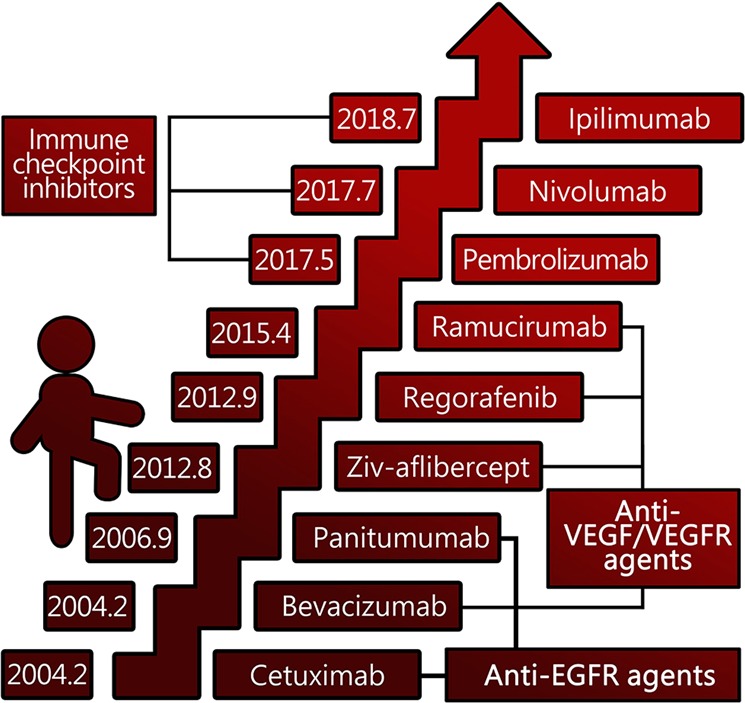
Colorectal cancer (CRC) is among the most lethal and prevalent malignancies in the world and was responsible for nearly 881,000 cancer-related deaths in 2018. Surgery and chemotherapy have long been the first choices for cancer patients. However, the prognosis of CRC has never been satisfying, especially for patients with metastatic lesions. Targeted therapy is a new optional approach that has successfully prolonged overall survival for CRC patients. Following successes with the anti-EGFR (epidermal growth factor receptor) agent cetuximab and the anti-angiogenesis agent bevacizumab, new agents blocking different critical pathways as well as immune checkpoints are emerging at an unprecedented rate. Guidelines worldwide are currently updating the recommended targeted drugs on the basis of the increasing number of high-quality clinical trials. This review provides an overview of existing CRC-targeted agents and their underlying mechanisms, as well as a discussion of their limitations and future trends.
Overview
The claims and statistics of this paper haven’t been checked yet.
Free: it reads the open-access text and checks the first 5 claims that cite a source we can check. Create a free account to check every claim.
Integrity signals
Registry
Cites
Statistics
Figures
Verification
Claims the paper makes
The claims and statistics of this paper haven’t been checked yet.
Free: it reads the open-access text and checks the first 5 claims that cite a source we can check. Create a free account to check every claim.
Claims other papers make about this one
Each is checked against this paper’s own text: does it say what the citing paper says it does?
The source backs part of the claim, not all of it — or backs it for a different population, condition or comparison.
In the citing paper
“The therapeutic landscape of metastatic colorectal cancer is moving toward biomarker-selected strategies. However, options are limited to agents directed at tumors carrying BRAF V600E mutations and to antibodies against programmed death 1 (PD-1) in patients with high microsatellite instability or mismatch-repair deficiency.13,26,27”
From Adagrasib with or without Cetuximab in Colorectal Cancer with Mutated KRAS G12C (2023) · cites this paper as [13]
Experimental — accuracy not yet measuredThe source backs part of the claim, not all of it — or backs it for a different population, condition or comparison.
In the citing paper
“Current first-line standard of care for KRAS G12C-positive CRC includes 5-FU-based chemotherapy with irinotecan, oxaliplatin and/or capecitabine, but is limited by low tumor-specific selectivity and systemic toxicity21.”
From Divarasib plus cetuximab in KRAS G12C-positive colorectal cancer: a phase 1b trial (2024) · cites this paper as [21]
Experimental — accuracy not yet measuredThe cited source says what the claim attributes to it.
In the citing paper
“Cetuximab is an anti-EGFR monoclonal antibody that is indicated for the treatment of RAS wild-type metastatic colorectal cancer, either as monotherapy or in combination with chemotherapy.13”
From Adagrasib with or without Cetuximab in Colorectal Cancer with Mutated KRAS G12C (2023) · cites this paper as [13]
The check wasn’t confident either way, so it gives no verdict — never disputed.
In the citing paper
“Currently, no therapies that specifically target KRAS G12C protein have been approved for the treatment of colorectal cancer.13,19”
From Adagrasib with or without Cetuximab in Colorectal Cancer with Mutated KRAS G12C (2023) · cites this paper as [13]
Experimental — accuracy not yet measuredIn the citing paper
“ROS-mediated DNA damage induces p53 phosphorylation, which in turn stabilizes p53, indispensable to counter tumorigenic growth and differentiation.68”
Self-check
Percentages, sums and reported differences re-computed from the paper’s own numbers.
The self-check needs the paper’s full text.
Citations
Cites
2 retracted
Lee, Y.-J., Karl, D. L., Maduekwe, U. N., Rothrock, C., Ryeom, S., D'Amore, P. A., & Yoon, S. S. (2010) · Cancer Research · doi:10.1158/0008-5472.can-10-1138 · Cited by 61
RetractedYang, S., Zhang, X., Qu, H., Qu, B., Yin, X., & Zhao, H. (2019) · Cancer Gene Therapy · doi:10.1038/s41417-019-0098-6 · Cited by 16 · cited 1×
“Similarly, an exciting antitumor performance of cabozantinib was observed in research based on CRC xenograft models and cell lines, while the results from CRC-focused clinical trials are awaited.(289,336,337) Merestinib, an inhibitor of MET, AXL (Axl receptor tyrosine kinase), TEK (tunica interna endothelial cell kina…”
BackgroundRetractedBray, F., Ferlay, J., Soerjomataram, I., Siegel, R. L., Torre, L. A., & Jemal, A. (2018) · CA: A Cancer Journal for Clinicians · doi:10.3322/caac.21492 · Cited by 84,109
PD-1 and PD-L1 Immune Checkpoint Blockade to Treat Breast Cancer
Hartkopf, A. D., Taran, F.-A., Wallwiener, M., Walter, C. B., Krämer, B., Grischke, E.-M., & Brucker, S. Y. (2016) · Breast Care · doi:10.1159/000453569 · Cited by 30,845
Siegel, R. L., Miller, K. D., & Jemal, A. (2019) · CA: A Cancer Journal for Clinicians · doi:10.3322/caac.21551 · Cited by 20,160
Adverse Renal Effects of Immune Checkpoint Inhibitors: A Narrative Review
Wanchoo, R., Karam, S., Uppal, N. N., Barta, V. S., Deray, G., Devoe, C., Launay-Vacher, V., Jhaveri, K. D., & on behalf of Cancer and Kidney International Network Workgroup on Immune Checkpoint Inhibitors (2017) · American Journal of Nephrology · doi:10.1159/000455014 · Cited by 15,256
Improved Survival with Ipilimumab in Patients with Metastatic Melanoma
Hodi, F. S., O'Day, S. J., McDermott, D. F., Weber, R. W., Sosman, J. A., Haanen, J. B., Gonzalez, R., Robert, C., Schadendorf, D., Hassel, J. C., et al. (2010) · New England Journal of Medicine · doi:10.1056/nejmoa1003466 · Cited by 15,155
Bevacizumab plus Irinotecan, Fluorouracil, and Leucovorin for Metastatic Colorectal Cancer
Hurwitz, H., Fehrenbacher, L., Novotny, W., Cartwright, T., Hainsworth, J., Heim, W., Berlin, J., Baron, A., Griffing, S., Holmgren, E., et al. (2004) · New England Journal of Medicine · doi:10.1056/nejmoa032691 · Cited by 10,968
Immunity, Inflammation, and Cancer
Grivennikov, S. I., Greten, F. R., & Karin, M. (2010) · Cell · doi:10.1016/j.cell.2010.01.025 · Cited by 10,755
Mutations of the BRAF gene in human cancer
Davies, H., Bignell, G. R., Cox, C., Stephens, P., Edkins, S., Clegg, S., Teague, J., Woffendin, H., Garnett, M. J., Bottomley, W., et al. (2002) · Nature · doi:10.1038/nature00766 · Cited by 10,674
Cited by
Items 701–800 of 1,000
Greene, M. W., Abraham, P., Kuhlers, P. C., Lipke, E. A., Heslin, M. J., Wijaya, S. T., & Odeniyi, I. A. (2022) · PLoS ONE · doi:10.1371/journal.pone.0268436 · Cited by 10
Genomic and transcriptomic analysis of Korean colorectal cancer patients
Jeon, S. A., Ha, Y. J., Kim, J.-H., Kim, J.-H., Kim, S.-K., Kim, S., Kim, S., & Kim, J. C. (2022) · Genes & Genomics · doi:10.1007/s13258-022-01275-4 · Cited by 14
“Various targets have been subsequently explored concerning personalized treatments, and these targeted therapies are regarded as a novel approach to improving individual survival outcomes in CRC patients (Xie et al. 2020).”
BackgroundKalinke, C., de Oliveira, P. R., Bonacin, J. A., & Janegitz, B. C. (2024) · Elsevier eBooks · doi:10.1016/b978-0-443-15380-8.00004-7 · Cited by 10
Lastraioli, E., Antonuzzo, L., Fantechi, B., Cerbo, L. D., Costanzo, A. D., Lavacchi, D., Armenio, M., Arcangeli, A., Castiglione, F., Messerini, L., et al. (2020) · Oncology Letters · doi:10.3892/ol.2020.12276 · Cited by 11
“Considering targeted therapy with biological agents, certain patients will respond to therapy, whereas others will not due to their genetic features (5).”
BackgroundNarayanan, S., Fan, Y., Gujarati, N. A., Teng, Q., Wang, J., Cai, C., Yang, Y., Chintalapati, A. J., Lei, Y., Korlipara, V. L., et al. (2021) · Cancers · doi:10.3390/cancers13184675 · Cited by 11
“Colorectal cancer (CRC) has been identified as a common form of cancer [13] and although the FOLFIRI regimen (folinic acid, 5-fluorouracil, and irinotecan) increases the survival rate of metastatic CRC patients, only approximately 50% of patients show an objective response because of resistance to the treatment [14].”
BackgroundKhan, S., Miles, G. J., Demetriou, C., Sidat, Z., Foreman, N., West, K., Karmokar, A., Howells, L. M., Pritchard, C. A., Thomas, A., et al. (2022) · Mutagenesis · doi:10.1093/mutage/geac020 · Cited by 10
“MMR status may also be carried out prior to adjuvant chemotherapy or in the metastatic setting if considering immunotherapy treatments [34].”
BackgroundThe Combination of ATM and Chk1 Inhibitors Induces Synthetic Lethality in Colorectal Cancer Cells
Tozaki, Y., Aoki, H., Kato, R., Toriuchi, K., Arame, S., Inoue, Y., Hayashi, H., Kubota, E., Kataoka, H., & Aoyama, M. (2023) · Cancers · doi:10.3390/cancers15030735 · Cited by 16
“The DDR detects damage and protects cells from genotoxicity by regulating the cell cycle and repairing DNA [2].”
BackgroundKramer, A., Alarcon, C. R., van den Broek, D. A., Vessies, D. C. L., Erve, I. V. ’., Meijer, G. A., Vink, G. R., Schuuring, E. M. D., Fijneman, R. J. A., Coupé, V. M. H., et al. (2024) · Molecular Oncology · doi:10.1002/1878-0261.13562 · Cited by 11
“As the field of personalized medicine evolves, the expectation is that more targeted therapies will become available for CRC as well in the coming years [42], and liquid biopsies testing will also become a minimally invasive option for the new clinical need of profiling the tumor of these patients.”
Glucagon Enhances Chemotherapy Efficacy By Inhibition of Tumor Vessels in Colorectal Cancer
Xu, Y., Ni, F., Sun, D., Peng, Y., Zhao, Y., Wu, X., Li, S., Qi, X., He, X., Li, M., et al. (2023) · Advanced Science · doi:10.1002/advs.202307271 · Cited by 18
BVES-AS1 suppresses the colorectal cancer progression via the miR-1269a/b-SVEP1-PI3K/AKT axis
Yang, J., Deng, Q., Chen, Z., Chen, Y., & Fu, Z. (2024) · Advances in Clinical and Experimental Medicine · doi:10.17219/acem/175050 · Cited by 9
Self-citationMolecular Mechanisms Associated with the Inhibitory Role of Long Chain n-3 PUFA in Colorectal Cancer
Jayathilake, A. G., Luwor, R. B., Nurgali, K., & Su, X. Q. (2024) · Integrative Cancer Therapies · doi:10.1177/15347354241243024 · Cited by 13
“3,21 Surgery might be curative only when the disease is diagnosed at its early stages.”
BackgroundBakkerus, L., Subtil, B., Bontkes, H. J., Gootjes, E. C., Reijm, M., Vullings, M., Verrijp, K. C. N., Bokhorst, J., Woortman, C., Nagtegaal, I. D., et al. (2024) · OncoImmunology · doi:10.1080/2162402x.2024.2361971 · Cited by 12
“2,3 However, treatment response and clinical outcome of patients vary greatly within these subtypes.”
BackgroundRosso, G., Mesiano, G., Dumontel, B., Carofiglio, M., Conte, M., Grattoni, A., & Cauda, V. (2024) · Cancer Nanotechnology · doi:10.1186/s12645-024-00281-3 · Cited by 11
“Nearly 25% of cases are diagnosed during advanced stages and metastatic CRC is still extremely lethal, showing a 5-year survival rate around 14% (Xie et al. 2020; Shin et al. 2023).”
BackgroundKubaichuk, K. I., Seitz, T., Bergmann, U., Glumoff, V., Mennerich, D., & Kietzmann, T. (2024) · Oncogenesis · doi:10.1038/s41389-024-00538-x · Cited by 12
Luo, J., Xu, S., Wang, J., He, L., & Li, Z. (2024) · International Journal of Biological Macromolecules · doi:10.1016/j.ijbiomac.2024.137135 · Cited by 12
Mittal, P., Battaglin, F., Baca, Y., Xiu, J., Farrell, A. P., Soni, S., Lo, J. H., Torres‐Gonzalez, L., Algaze, S. D., Jayachandran, P., et al. (2024) · International Journal of Cancer · doi:10.1002/ijc.35304 · Cited by 11
Tan, K. F., Chia, L. Y., Maki, M. A. A., Cheah, S., In, L. L. A., & Kumar, P. V. (2025) · Naunyn-Schmiedeberg s Archives of Pharmacology · doi:10.1007/s00210-025-03839-z · Cited by 9
“…(Partl et al. 2018), targeted therapy (Allen 2002), immunotherapy (Zhang et al. 2018), and hormonal therapy (Zhang et al. 2018), chemotherapy remains the cornerstone of treatment for the majority of CRC cases (Xie et al. 2020), especially metastatic CRC (Cervantes et al. 2023; Morris et al. 2023).”
Tong, R., Li, Y., Wang, J., Liu, C., Liu, Y., Li, R., & Wang, X. (2025) · Biochemical Genetics · doi:10.1007/s10528-025-11035-0 · Cited by 9
“Despite advancements in screening methods, surgical techniques, and therapeutic options, the prognosis for CRC patients, particularly those with advanced or metastatic disease, remains poor (Xie et al. 2020).”
Banu, H., Al-Shammari, E., Shahanawaz, S., Azam, F., Patel, M. B., Alarifi, N. A., Ahmad, M. F., Adnan, M., & Ashraf, S. A. (2025) · Pharmaceuticals · doi:10.3390/ph18040453 · Cited by 9
“While there has been some progress in the diagnosis and treatment of CRC, the prognosis for those patients who have advanced or metastatic disease remains poor despite these advances [2–4].”
Chia, S., Seow, J. J. W., da Silva, R. P., Suphavilai, C., Shirgaonkar, N., Murata‐Hori, M., Zhang, X., Yong, E. Y., Pan, J., Thangavelu, M. T., et al. (2025) · Cell Reports Medicine · doi:10.1016/j.xcrm.2025.102053 · Cited by 11
Gold nanoparticle-enabled doxorubicin delivery: Advancing targeted chemotherapy in cancer therapy
Aggarwal, R., Ahmed, A., Gowda, B. H. J., Gupta, G., Nasir, N., Wahab, S., Sheikh, A., & Kesharwani, P. (2025) · Inorganic Chemistry Communications · doi:10.1016/j.inoche.2025.114467 · Cited by 9
Lysosomes and LAMPs as Autophagy Drivers of Drug Resistance in Colorectal Cancer
Ivanova, T., Sbirkov, Y., Kazakova, M., & Sarafian, V. S. (2025) · Cells · doi:10.3390/cells14080574 · Cited by 9
“However, it is not well understood if different targeted therapies will elicit similar effects on autophagy with respect to promoting drug resistance [29].”
Shi, Y., Ba, Y., Wang, J., Xiong, J., Gu, K., Chen, Y., Zheng, Z., Wang, Z., Guo, W., Cheng, Y., et al. (2025) · Signal Transduction and Targeted Therapy · doi:10.1038/s41392-025-02229-4 · Cited by 12
“5,6 The CRYSTAL study validated the ef fi cacy and safety of cetuximab plus FOLFIRI as a fi rst-line regimen for mCRC in Caucasian populations.”
Self-citationAmino acid–modified chalcone derivatives with in vitro and in vivo efficacy against colon cancer
El-Haggar, R. S., Alsantali, R. I., Aboshanab, A. M., Alkabbani, M. A., Mansour, Y. E., Fatahala, S. S., & Masurier, N. (2025) · European Journal of Medicinal Chemistry · doi:10.1016/j.ejmech.2025.117963 · Cited by 9
CRCFound: A Colorectal Cancer CT Image Foundation Model Based on Self‐Supervised Learning
Yang, J., Cai, D., Liu, J., Zhuang, Z., Zhao, Y., Wang, F., Li, C., Hu, C., Gai, B., Chen, Y., et al. (2025) · Advanced Science · doi:10.1002/advs.202407339 · Cited by 13
Self-citationTatode, A., Chaudhary, A. A., Qutub, M., Trivedi, R., Umekar, M., Ali, M. A. M., & Premchandani, T. (2025) · Oncology Reviews · doi:10.3389/or.2025.1671235 · Cited by 10
Role of Her-2 in Gastrointestinal Tumours beyond Gastric Cancer: A Tool for Precision Medicine
Lengyel, C. G., Habeeb, B. S., Khan, S. Z., Bairi, K. E., Altuna, S. C., Hussain, S., Mazher, S. A., Trapani, D., & Petrillo, A. (2020) · Gastrointestinal Disorders · doi:10.3390/gidisord3010001 · Cited by 9
“Gastric and colon cancers spearhead the incidence and mortality of GI cancers, and account for the most data regarding the benefits reached with the incorporation of molecular diagnosis and target therapy in recent years [9,10].”
BackgroundWu, J., Huang, B., He, H., Lu, W., Wang, W., & Liu, H. (2021) · Chinese Medical Journal · doi:10.1097/cm9.0000000000001736 · Cited by 9
“The combined options of surgery, chemotherapy, and radiotherapy are the basic strategies of CRC treatment; a choice from among these options is made depending on the tumor size, location, and metastatic stages.([6,7]) Although the 5-year survival rate for CRC patients is over 60%, common chemotherapeutic drugs often l…”
BackgroundInfluentialKo, D., Kim, E., Shin, E., Nam, S. H., Yoon, J., Lee, J., Lee, Y., Park, S., Ha, K., Choi, S.-Y., et al. (2022) · Molecular Therapy — Oncolytics · doi:10.1016/j.omto.2022.01.006 · Cited by 10
Wrana, F., Dötzer, K., Prüfer, M., Werner, J., & Mayer, B. (2022) · Cancers · doi:10.3390/cancers14081939 · Cited by 10
“Cancers 2022, 14, 1939 7 of 15 Biomarker analysis showed most of the benign liver tissues positive for HGF-R, EGF-R, and Hsp90.”
BackgroundXu, J., Chen, K., Wei, Z., Wu, Z., Huang, X., Cai, M., Yuan, K., Huang, P., Zhang, J., & Wang, S. (2022) · Journal of Oncology · doi:10.1155/2022/3102743 · Cited by 9
“Recent study has shown that the focused therapeutic impact of STAD may be successfully increased by modifying the process of programmed tumor cell death [20].”
BackgroundYadav, P., Sharma, P., Chetlangia, N., Mayalagu, P., & Karunagaran, D. (2022) · Chemico-Biological Interactions · doi:10.1016/j.cbi.2022.110224 · Cited by 10
Dazio, G., Epistolio, S., Frattini, M., & Saletti, P. (2022) · Journal of Clinical Medicine · doi:10.3390/jcm11247523 · Cited by 11
“The Food and Drug Administration (FDA) and the European Medicines Agency (EMA) approved cetuximab in combination with IRI in 2004 [5], based on both the pivotal European randomized BOND study and two clinical trials conducted in the United States [14].”
BackgroundInfluentialWang, D., Wang, L., Zheng, L., Chen, J., Zhang, W., Zhou, W., Yang, X., Jiang, L., Jin, X., Yu, X., et al. (2023) · Advanced Healthcare Materials · doi:10.1002/adhm.202202989 · Cited by 9
Kim, S., Lee, K.-H., Choi, H.-J., Kim, E., Kang, S., Han, M., Jeon, H. J., Yun, M., Song, G., & Lee, H. J. (2023) · Cancers · doi:10.3390/cancers15041272 · Cited by 10
“However, repeated or long-term administration can induce side effects or drug resistance [3].”
BackgroundChai, R., Zhao, Y., Su, Z., & Liang, W. H. (2023) · Frontiers in Oncology · doi:10.3389/fonc.2023.1277084 · Cited by 10
An update on pharmacotherapies for colorectal cancer: 2023 and beyond
Zhu, M., & Benson, A. B. (2024) · Expert Opinion on Pharmacotherapy · doi:10.1080/14656566.2024.2304654 · Cited by 11
“Recently, there has been an increasing interest in understanding how the gut microbiome plays a role in the disease process of CRC [80].”
BackgroundRaikar, P., Dandagi, P. M., & Kumbar, V. (2024) · Journal of Drug Delivery Science and Technology · doi:10.1016/j.jddst.2024.105481 · Cited by 9
Wahoski, C. C., & Singh, B. (2024) · Cancers · doi:10.3390/cancers16132472 · Cited by 9
“EMT has also been shown to be a form of acquired resistance to EGFR small molecule inhibitors in lung cancer [157].”
BackgroundAhmad, M. S., Braoudaki, M., & Siddiqui, S. S. (2024) · PLoS ONE · doi:10.1371/journal.pone.0311212 · Cited by 11
Kermanizadeh, A., Jacobsen, N. R., Murphy, F. A., Powell, L. G., Parry, L., Zhang, H., & Möller, P. (2020) · Advanced Therapeutics · doi:10.1002/adtp.202000186 · Cited by 9
“cases of unresectable lesions or for patients who are intolerant to surgery, maximum shrinkage of the tumour and suppression of further tumour spread, and growth is the desired outcome, and radiotherapy and chemotherapy are the leading strategies for controlling disease in such patients [45].”
BackgroundConventional Chemotherapy Versus Targeted Therapy
Cavalcanti, I. D. L., & Soares, J. C. S. (2021) · Springer eBooks · doi:10.1007/978-3-030-68334-4_6 · Cited by 13
Yu, S., Li, L., Fan, K., Li, Y., & Gao, Y. (2021) · Frontiers in Oncology · doi:10.3389/fonc.2021.696713 · Cited by 11
“Apart from surgical resection and chemotherapy, adjuvant radiotherapy is another widely applied method in the treatment of CRC, which plays crucial roles in prolonging survival rates of patients with CRC (3, 4).”
MethodProske, A., Bossen, J., von Frieling, J., & Roeder, T. (2021) · Aging · doi:10.18632/aging.203692 · Cited by 10
“In CRC, like in most other cancers, specific mutations in oncogenes drive tumor progression.”
BackgroundInfluentialNunez, S. K., Young, C. D., Griffen, T. L., Ohandjo, A. Q., McKinney, L. P., Kopetz, S., & Lillard, J. W. (2021) · Cancers · doi:10.3390/cancers13225824 · Cited by 9
“The 555-overlapping CMS1 gene signature contains a plethora of G protein-coupled receptors (GPCRs), cytokines and integrins, listed in Figure 7, all of which are critical for EGFR activation.”
MethodInfluentialZeng, R., Wu, H., Qiu, X., Zhuo, Z., Sha, W., & Chen, H. H. (2022) · QJM · doi:10.1093/qjmed/hcab334 · Cited by 10
Ren, Y., Li, Y., Zhang, W., Yang, K. G., Li, J., Hu, Y., Zuo, Z.-G., Xu, C., Pan, Y., & Zhang, X. (2022) · Biochemical and Biophysical Research Communications · doi:10.1016/j.bbrc.2022.01.063 · Cited by 9
Simvastatin in the Treatment of Colorectal Cancer: A Review
Zang, H., Yang, W. L., & Tian, X. (2022) · Evidence-based Complementary and Alternative Medicine · doi:10.1155/2022/3827933 · Cited by 13
“,e main drug treatments for colorectal cancer are targeted drugs, bevacizumab and cetuximab [4].”
BackgroundRetractedContrast-Enhanced CT Texture Analysis in Colon Cancer: Correlation with Genetic Markers
Crimì, F., Zanon, C., Cabrelle, G., Luong, K. D., Albertoni, L., Bao, Q. R., Borsetto, M., Baratella, E., Capelli, G., Spolverato, G., et al. (2022) · Tomography · doi:10.3390/tomography8050184 · Cited by 10
“The recent guidelines indicate the usefulness of the genetic characterization of CRC as a predictive marker for the response to chemotherapy and targeted therapies, and as a prognostic indicator of the patient outcome [6].”
BackgroundHelisz, P., Dziubanek, G., Krupa-Kotara, K. H., Gwioździk, W., Grajek, M. K., & Głogowska‐Ligus, J. (2022) · Nutrients · doi:10.3390/nu14194185 · Cited by 10
“Any disruption of the immune response contributes to the process of carcinogenesis, as well as decreases the effectiveness of anti-cancer therapy [24,25].”
BackgroundYang, J., Gu, J., Shen, Y., Cao, L., Zhou, H., & Zhu, W. (2023) · Cancer Pathogenesis and Therapy · doi:10.1016/j.cpt.2023.02.001 · Cited by 11
“51 EGFR can play a regulatory role in fat metabolism in adult male mice, which is positively correlated with elevated cholesterol levels.”
BackgroundModulating Oral Delivery and Gastrointestinal Kinetics of Recombinant Proteins via Engineered Fungi
Heavey, M. K., & Anselmo, A. C. (2021) · The AAPS Journal · doi:10.1208/s12248-021-00606-9 · Cited by 10
“For example, the treatment of ulcerative colitis with punctate sites of inflammation (32) or in colorectal cancer where there exist specific tumor sites in the GI tract (33) could benefit from control over local therapeutic concentration.”
BackgroundGuo, Y., Lyu, T., Liu, S., Zhang, W., Zhou, Y., Zeng, C., & Wu, G. (2022) · Cancers · doi:10.3390/cancers14174144 · Cited by 9
“In the past decades, a deep understanding of molecular profiles has been more significant for selecting appropriate therapies for metastatic CRC patients [6].”
BackgroundMoaty, M. N. A. A., Kilany, Y. E., Awad, L. F., Soliman, S. M., Barakat, A., Ibrahim, N. A., Abu-Serie, M. M., Haukka, M., El-Yazbi, A. F., & Teleb, M. (2024) · ACS Omega · doi:10.1021/acsomega.4c00466 · Cited by 8
“5,6 Combination regimens have thus become common in the clinical practice of breast cancer management.”
BackgroundNavigating therapeutic prospects by modulating autophagy in colorectal cancer
Rajendran, D., & Oon, C. E. (2024) · Life Sciences · doi:10.1016/j.lfs.2024.123121 · Cited by 11
Tian, S. I. P., & Chen, M. (2024) · Frontiers in Oncology · doi:10.3389/fonc.2024.1460201 · Cited by 8
Kashif, M. (2025) · Computational Biology and Chemistry · doi:10.1016/j.compbiolchem.2025.108349 · Cited by 11
Therapeutic Colorectal Cancer Vaccines: Emerging Modalities and Translational Opportunities
Muthukutty, P., Woo, H. Y., & Yoo, S. Y. (2025) · Vaccines · doi:10.3390/vaccines13070689 · Cited by 8
“Targeted therapies have significantly improved survival outcomes in CRC. Agents such as the anti-EGFR monoclonal antibody cetuximab and the anti-angiogenic agent bevacizumab have shown considerable efficacy [207].”
InfluentialAREG and EREG Are Predictive Biomarkers of Response to EGFR Inhibition in Gastroesophageal Cancer
Conticelli, D., Volante, M., Pietrantonio, F., Orrù, C., Olivero, M., Nottegar, A., Borghi, F., Baiocchi, G. L., Crotti, G., Romario, U. F., et al. (2025) · Cancer Research · doi:10.1158/0008-5472.can-25-0073 · Cited by 10
“…tumors (4); (ii) In other tumors, such as colorectal cancer, EGFR targeting is effective in the absence of EGFR genetic alterations (such as amplification and/or mutation) due to functional receptor activation (5); (iii) EGFR inhibitors are guideline-recommended options in several tumor types (6).”
Liu, X., Yang, B., & Tang, D. (2025) · World Journal of Gastrointestinal Oncology · doi:10.4251/wjgo.v17.i10.109503 · Cited by 8
Molavand, M., Majidinia, M., & Yousefi, B. (2025) · IUBMB Life · doi:10.1002/iub.70074 · Cited by 10
Advanced oral therapies for colorectal cancer via nanomedicine and microbiota modulation
Wang, Y., Chen, C., Xiao, X. H., Kang, Y., He, J., Beloqui, A., & Xu, Y. (2025) · Advanced Drug Delivery Reviews · doi:10.1016/j.addr.2025.115741 · Cited by 10
SERPINE1 drives molecular synergies in colorectal cancer
Nuha, N., Higgins, S. P., Czekay, R., Higgins, C. E., Guo, L., Lee, H., & Higgins, P. J. (2025) · American Journal of Physiology-Cell Physiology · doi:10.1152/ajpcell.00759.2025 · Cited by 11
Xu, C., Li, T., Zhang, L., Zhang, Q., Cai, S., Fu, Q., & Zhang, S. (2026) · Neoplasia · doi:10.1016/j.neo.2025.101267 · Cited by 11
“In KRAS wild-type colo-rectal cancer with resectable liver metastases, adding cetuximab to preoperative chemotherapy improves R0 resection rates and 3-year overall survival relative to chemotherapy alone [26].”
Cruz, J., Suárez-Barrera, M., Rondón-Villarreal, P., Olarte-Diaz, A., Gúzman, F., Visser, L., & Rueda-Forero, N. J. (2021) · Bioscience Reports · doi:10.1042/bsr20211964 · Cited by 7
Gao, Y., Xu, Y., Gao, M., Huang, A., & Chi, P. (2021) · Journal of Gastrointestinal Oncology · doi:10.21037/jgo-21-821 · Cited by 8
“Even though the therapeutic effect of colon cancer has greatly improved with the development of medical technology, the prognosis of colon cancer is still poor (2).”
BackgroundXu, H., Liang, S., Hu, J., Liu, W.-T., Dong, Z., & Wei, S. (2022) · Molecular Biology Reports · doi:10.1007/s11033-021-06916-7 · Cited by 9
“Pharmacological molecules that selectively target the genes encoding cell cycle-related proteins provide an insightful perspective in CRC treatment [18].”
BackgroundKrill oil supplementation reduces the growth of CT-26 orthotopic tumours in Balb/c mice
Jayathilake, A. G., Kadife, E., Kuol, N., Luwor, R. B., Nurgali, K., & Su, X. Q. (2022) · BMC Complementary Medicine and Therapies · doi:10.1186/s12906-022-03521-4 · Cited by 8
Zhang, X., Hu, F., Zhu, B., Jiao, X., Li, Y., Wu, S., Ren, G., Li, J., Xie, Q., Pan, Y., et al. (2022) · Oncogene · doi:10.1038/s41388-022-02490-9 · Cited by 8
“And the malignant proliferation of secondary tumors in colorectal cancer can seriously destroy the normal function of organs, and then lead to poor patient prognosis [3, 4].”
BackgroundWu, Y., Li, W., Chen, X., Wang, H., Su, S., Xu, Y., Deng, X., Yang, T., Wei, M., Li, L., et al. (2023) · Frontiers in Immunology · doi:10.3389/fimmu.2023.1051506 · Cited by 9
“In addition, with advances in screening methods and treatment, the mortality rate of CRC in 2016 has declined by about half since the mid-1980s in the USA (40, 41).”
BackgroundGonzalez, Z., Carlsen, L., & El‐Deiry, W. S. (2023) · PubMed Central · Cited by 8
Tortora, F., Civita, E. L., Trivedi, P., Febbraio, F., Terracciano, D., & Cimmino, A. (2023) · International Journal of Molecular Sciences · doi:10.3390/ijms24054601 · Cited by 8
“Treatment of KIRP is a significant clinical challenge because of its advanced stage at diagnosis and grim outcome [41].”
BackgroundWeidle, U. H., & Nopora, A. (2023) · Cancer Genomics & Proteomics · doi:10.21873/cgp.20369 · Cited by 10
Fowler, M., Tobback, H., Karuri, A., & Fernández‐Ortega, P. (2023) · Supportive Care in Cancer · doi:10.1007/s00520-023-07579-9 · Cited by 9
Tumor-derived Immunoglobulin-like transcript 4 facilitates angiogenesis of colorectal cancer.
Liu, J., Zhang, F., He, J., Wang, S., Wang, L., Li, J., Shi, W., Han, Y., Gao, A., & Sun, Y. (2023) · PubMed Central · Cited by 8
Zhao, X., Chinnathambi, A., Alharbi, S. A., Nandakumar, N., & Raman, M. (2023) · Applied Biochemistry and Biotechnology · doi:10.1007/s12010-023-04612-9 · Cited by 9
“The 5-year survival rate of colon cancer patients remains low at 64%, even though there have been advances in treatment [5].”
Bhai, P. S., Turowec, J. P., Santos, S., Kerkhof, J., Pickard, L.-A., Foroutan, A., Breadner, D. A., Cecchini, M. J., Levy, M. A., Stuart, A., et al. (2023) · Frontiers in Oncology · doi:10.3389/fonc.2023.1208244 · Cited by 10
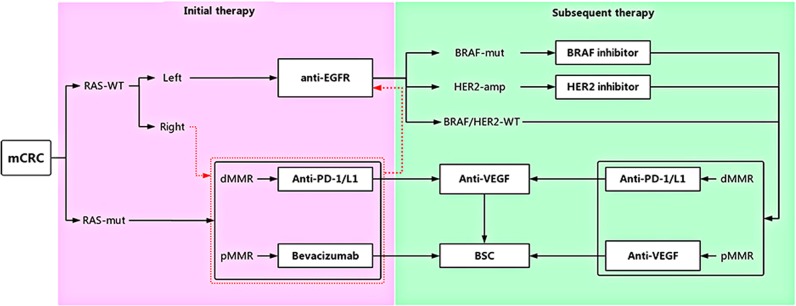
“Most recent National Comprehensive Cancer Network (NCCN) guidelines recommend to evaluate metastatic CRC patients for RAS, mismatch repair, BRAF, HER2, VEGF, and PD-1/PD-L1 status to choose the appropriate initial and subsequent therapy (6).”
BackgroundKobayashi, S., Kondo, N., Tomiyama, T., Nakamura, N., Masuda, M., Matsumoto, Y., Honzawa, Y., Tahara, T., Ikeura, T., Fukui, T., et al. (2023) · Cancer Immunology Immunotherapy · doi:10.1007/s00262-023-03517-0 · Cited by 8
“Although advances in metastatic or unresectable CRC treatments have improved the survival rate, the prognosis is still unfavorable [3].”
BackgroundShear wave elastography can stratify rectal cancer response to short-course radiation therapy
Mislati, R., Uccello, T. P., Lin, Z., Iliza, K. T., Toussaint, K. C., Gerber, S. A., & Doyley, M. M. (2023) · Scientific Reports · doi:10.1038/s41598-023-43383-5 · Cited by 9
Mazumder, K., Aktar, A., Ramasamy, S., Biswas, B., Kerr, P. G., & BLANCHARD, C. L. (2023) · Cells · doi:10.3390/cells12212557 · Cited by 9
“Therefore, it can be established from this study that lupin cultivars Mandelup and Jurien are capable of alleviating colorectal carcinoma cells by triggering the induction of apoptosis.”
BackgroundLi, Z., Liu, Y., Guo, P., & Wei, Y. (2023) · Aging · doi:10.18632/aging.205189 · Cited by 8
“However, the overall results of various targeted drugs currently used for the treatment of advanced CRC (such as the anti-EGFR agent cetuximab and the anti-angiogenesis agent bevacizumab) remain a challenge [7, 8].”
BackgroundAdjuvant Effect of Cinnamon Polyphenolic Components in Colorectal Cancer Cell Lines
Palmioli, A., Forcella, M. E., Oldani, M., Angotti, I., Sacco, G., Fusi, P. A., & Airoldi, C. (2023) · International Journal of Molecular Sciences · doi:10.3390/ijms242216117 · Cited by 8
“However, chemotherapy has several drawbacks, including potentially lethal side effects, systemic toxicity, unsatisfying response rate, unpredictable innate and acquired resistance, and low tumor-specific selectivity [3].”
BackgroundBajracharya, R., Baral, K. C., Lee, S., Song, J. H., & Han, H. (2023) · International Journal of Nanomedicine · doi:10.2147/ijn.s437860 · Cited by 9
“3,4 However, their therapeutic success is limited, requiring new therapeutic approaches and technologies to improve the current CRC chemotherapy.”
BackgroundYu, X., Lin, H., Li, J., & Wu, J. (2024) · Scientific Reports · doi:10.1038/s41598-023-49954-w · Cited by 9
Jiang, N., Li, S., Meng, L., Zhang, Y., Yu, C., Xiao, Y., & Liu, Y. (2024) · European Journal of Pharmacology · doi:10.1016/j.ejphar.2024.176372 · Cited by 8
Saadh, M. J., Mohamed, A. H., Almoyad, M. A. A., Allela, O. Q. B., Amin, A. H., Malquisto, A. A., Jin, W. T., Sârbu, I., AlShamsi, F., Elsaid, F. G., et al. (2024) · Cell Biochemistry and Function · doi:10.1002/cbf.3962 · Cited by 11
“18 Therefore, many efforts have been made to develop new treatment strategies, mostly based on targeted therapy.”
BackgroundN6-methyladenosine-dependent signaling in colorectal cancer: Functions and clinical potential
Liu, S., Liu, M., Li, Y., & Song, Q. (2024) · Critical Reviews in Oncology/Hematology · doi:10.1016/j.critrevonc.2024.104360 · Cited by 9
PPP2CA Inhibition Promotes Ferroptosis Sensitivity Through AMPK/SCD1 Pathway in Colorectal Cancer
Liang, X., Zhang, H., Shang, W., Wang, M., Li, J., Zhao, Y., & Fang, C. (2024) · Digestive Diseases and Sciences · doi:10.1007/s10620-024-08416-7 · Cited by 11
“However, the prognosis of patients with metastatic CRC is less favorable, such as resistance to chemotherapeutic agents and recurrence of metastases after surgery, thus more specific targeted drug therapy has received attention [30–32].”
Slaninová, V., Héron‐Milhavet, L., Robin, M., Jeanson, L., Aissanou, A., Kantar, D., Tosi, D., Bréhélin, L., Gongora, C., & Djiane, A. (2024) · BMC Cancer · doi:10.1186/s12885-024-12316-4 · Cited by 8
“Chem-otherapy is combined with targeted therapy including monoclonal antibodies against EGFR (e.g. cetuximab and panitumumab) or VEGF (bevacizumab), tyrosine kinase inhibitors (e.g. regorafenib), and immune checkpoint blockade agents for patients with MSI-High tumors (e.g. pembrolizumab; [63]).”
BackgroundReang, J., Sharma, V., Yadav, V., Tonk, R. K., Majeed, J., Sharma, A. K., & Sharma, P. C. (2024) · Medicinal Chemistry Research · doi:10.1007/s00044-024-03252-w · Cited by 10
Resistance Management for Cancer: Lessons from Farmers
Seyedi, S., Harris, V. K., Kapsetaki, S. E., Narayanan, S., Saha, D. K., Compton, Z. T., Yousefi, R., May, A., Fakir, E., Boddy, A. M., et al. (2024) · Cancer Research · doi:10.1158/0008-5472.can-23-3374 · Cited by 8
“We chose colo-rectal cancer because (i) it is common (125); (ii) it is difficult to manage the late stages of this disease (126); and (iii) there is a variety of drugs that can produce an initial response (127), and so could be rotated, or adjusted in an IPM-inspired protocol.”
PLGA-PEG Nanoparticles Loaded with Cdc42 Inhibitor for Colorectal Cancer Targeted Therapy
Kadyr, S., Zhuraliyeva, A., Yermekova, A., Makhambetova, A., Kaldybekov, D. B., Mun, E. A., Bulanin, D. S., Askarova, S., & Umbayev, B. A. (2024) · Pharmaceutics · doi:10.3390/pharmaceutics16101301 · Cited by 9
“The study of new targeted molecules that specifically interact with specific cell receptors or proteins and inhibit cancer cells’ growth, progression, and invasiveness is crucial for developing new effective anticancer therapies [5,6].”
Backgroundde Moraes, F. C. A., Rodrigues, A. L. S. D. O., Priantti, J. N., Limachi-Choque, J., & Burbano, R. M. R. (2024) · Journal of Gastrointestinal Cancer · doi:10.1007/s12029-024-01128-1 · Cited by 11
Emerging therapeutic strategies for Wnt-dependent colon cancer targeting macropinocytosis
Tejeda‐Muñoz, N., Binder, G., & Mei, K. (2024) · Cells and Development · doi:10.1016/j.cdev.2024.203974 · Cited by 9
Nonsuwan, P., Niwetbowornchai, N., Insawang, K., Kunwong, N., Srichan, K., Srisawat, C., Dana, P., Saengkrit, N., Nguyen, K. T., & Punnakitikashem, P. (2025) · Royal Society Open Science · doi:10.1098/rsos.241817 · Cited by 8
“Combining various drugs in cancer therapy addresses this resistance by reducing dose-limiting single-agent toxicity and enhancing treatment efficacy by leveraging the diverse functions of these drugs [5,7].”
Deciphering the Role of Intestinal Crypt Cell Populations in Resistance to Chemotherapy
Frau, C., Jamard, C., Delpouve, G., Guardia, G. D. A., Machon, C., Pilati, C., Nevé, C. L., Laurent‐Puig, P., Guitton, J., Galante, P. A. F., et al. (2021) · Cancer Research · doi:10.1158/0008-5472.can-20-2450 · Cited by 10
“7) orwith targeted therapies (anti VEGF or anti EGFR) in the case of metastasis (8).”
BackgroundHuang, Y., Lin, P., Su, W., Chan, R., Chen, P.-C., Lin, B., Shen, M.-R., Chen, S., & Yeh, Y. (2021) · Diagnostics · doi:10.3390/diagnostics11122308 · Cited by 9
Matching anticancer compounds and tumor cell lines by neural networks with ranking loss
Prasse, P., Iversen, P., Lienhard, M., Thedinga, K., Bauer, C., Herwig, R., & Scheffer, T. (2022) · NAR Genomics and Bioinformatics · doi:10.1093/nargab/lqab128 · Cited by 10
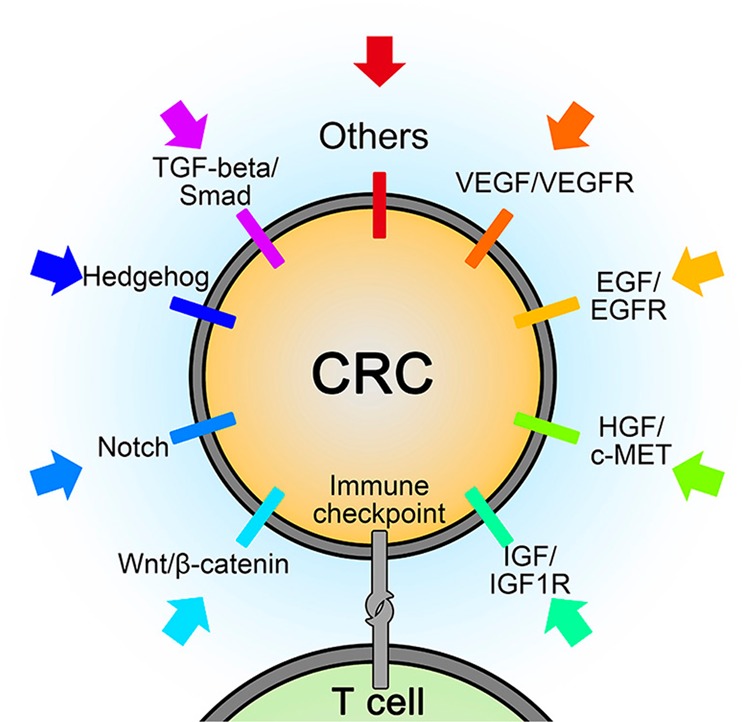
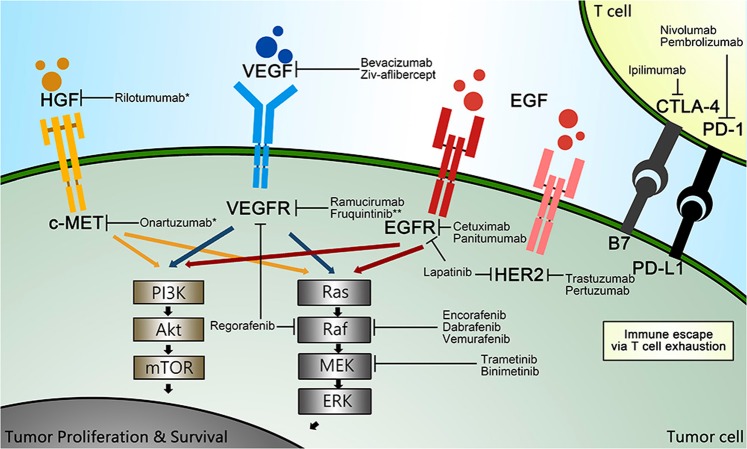
“As suggested by a recent review (32), targeted therapies for colon cancer can be classified into inhibitors of the EGF/EGFR-related pathways that target proliferation of the tumor cells, inhibitors of the VEGF/VEGFR-related pathways that target angiogenesis, and inhibitors of other growth factors such as HGF/c-MET pat…”
BackgroundMethodAlfonso, P. G., Lièvre, A., Loupakis, F., Tadmouri, A., Khan, S., Barcena, L., & Stintzing, S. (2022) · Critical Reviews in Oncology/Hematology · doi:10.1016/j.critrevonc.2022.103646 · Cited by 9
CircRNA circ-ATAD1 suppresses miR-618 maturation to participate in colorectal cancer
Cao, L., Dong, G., Li, H., & Dong, G. (2022) · BMC Gastroenterology · doi:10.1186/s12876-022-02183-3 · Cited by 8
“However, molecular target therapy is still under research and effective targets remain lacking [11].”
Background
Metadata
- Authors
- Xie, Y.-H., Chen, Y.-X., & Fang, J.-Y.
- Affiliations
- Shanghai Jiao Tong University (CN)
- Corresponding author
- Fang, Jing-Yuan
- ORCID
- Fang, Jing-Yuan
- Venue
- Signal Transduction and Targeted Therapy
- Published
- 2020-03-20
- Volume
- 5
- Issue
- 1
- Pages
- 22-22
- ISSN
- 2059-3635 (ISSN-L)
- PMC
- PMC7082344
- OpenAlex
- W3011481749
- Semantic Scholar
- 4980bbd78186d8dcd72cea78c224da6b545d763a
- Cited by
- 1,687
- References
- 521
- Citations by year
- 2026: 153 · 2025: 285 · 2024: 348 · 2023: 346 · 2022: 300 · 2021: 202 · 2020: 51
- FWCI
- 24.09
- Type
- journal article
- Language
- en
- Open access
- gold
- doi.org
- Licence
- cc-by
- creativecommons.org/licenses/by/4.0 (tdm)
- creativecommons.org/licenses/by/4.0 (vor)
- Locations
- Signal Transduction and Targeted Therapy (publishedVersion, cc-by)
- PubMed Central (publishedVersion, cc-by)
- PubMed (publishedVersion)
- Funders
- National Natural Science Foundation of China (81421001, 81530072)
- Topics
- Health Sciences › Medicine › Oncology › Colorectal Cancer Treatments and Studies
- Health Sciences › Medicine › Oncology › Colorectal Cancer Surgical Treatments
- Health Sciences › Medicine › Oncology › Pancreatic and Hepatic Oncology Research
- Keywords
- colorectal cancer, targeted therapy, metastatic colorectal cancer, anti-EGFR therapy, cetuximab, bevacizumab, angiogenesis inhibitors, immune checkpoint inhibitors, molecular pathways, drug mechanisms, treatment guidelines
- MeSH terms
- Bevacizumab, Cetuximab, Humans, Neoplasm Metastasis, Neovascularization, Pathologic, Colorectal Neoplasms, Molecular Targeted Therapy, ErbB Receptors
About these checks
Registry, retraction, Cites and statistics results are computed, not judged, with one exception: a printed reference that no index lists is read once by a model before it counts as a citation error. Claims are extracted by a model and kept only when their quote appears verbatim in the text; each cited source is then checked, with a model’s help, for whether it says what the claim relies on. Those verdicts can be wrong — read the claim’s quote and the cited source before relying on one.
Statistics and arithmetic are recomputed, not judged.
Confidence bands are shown only for fields calibrated on our annotated test set. None is calibrated yet, so no band is shown.
What counts as a claim ›How we measure confidence ›How we check this ›
Are you an author, or do you see a problem with this page? Request a review
Data sources
Bibliographic data: Semantic Scholar, OpenAlex, Crossref.
Contains information from the Semantic Scholar Academic Graph Datasets, made available under the ODC Attribution License (ODC-BY 1.0).
Semantic Scholar’s data is described in: Kinney, R., et al. (2023). The Semantic Scholar Open Data Platform. arXiv:2301.10140.
