

N,N-dimethyltryptamine compound found in the hallucinogenic tea ayahuasca, regulates adult neurogenesis in vitro and in vivo
Open accessThe DOI matches its Crossref record; 87 of the 87 references it cites were found in a registry or an index.
Abstract
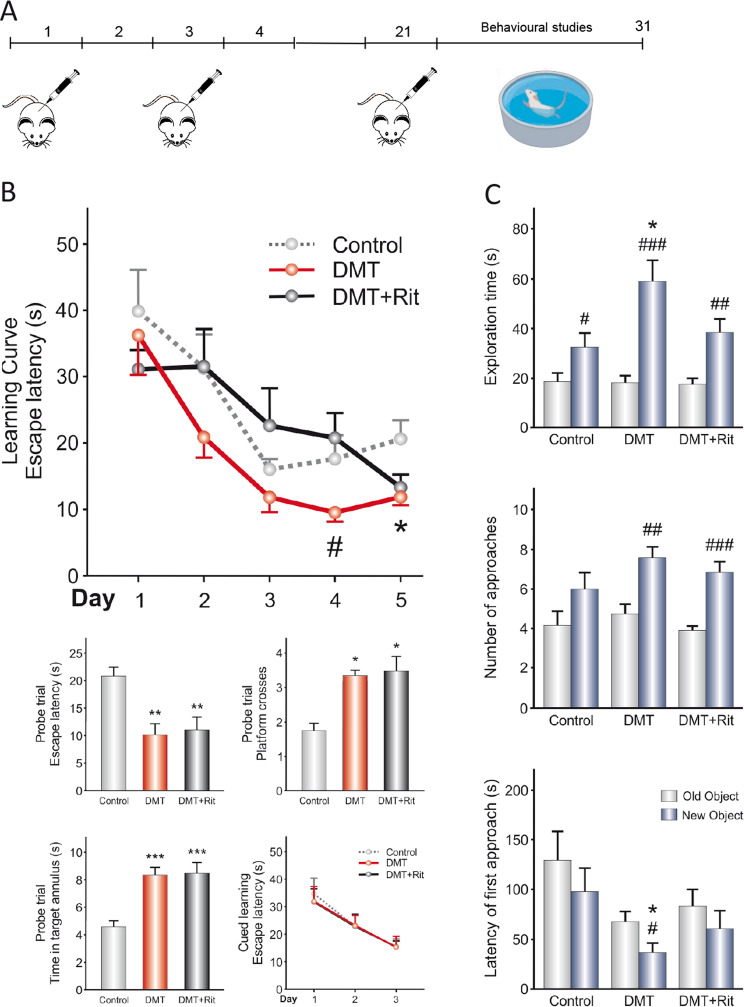
N,N-dimethyltryptamine (DMT) is a component of the ayahuasca brew traditionally used for ritual and therapeutic purposes across several South American countries. Here, we have examined, in vitro and vivo, the potential neurogenic effect of DMT. Our results demonstrate that DMT administration activates the main adult neurogenic niche, the subgranular zone of the dentate gyrus of the hippocampus, promoting newly generated neurons in the granular zone. Moreover, these mice performed better, compared to control non-treated animals, in memory tests, which suggest a functional relevance for the DMT-induced new production of neurons in the hippocampus. Interestingly, the neurogenic effect of DMT appears to involve signaling via sigma-1 receptor (S1R) activation since S1R antagonist blocked the neurogenic effect. Taken together, our results demonstrate that DMT treatment activates the subgranular neurogenic niche regulating the proliferation of neural stem cells, the migration of neuroblasts, and promoting the generation of new neurons in the hippocampus, therefore enhancing adult neurogenesis and improving spatial learning and memory tasks.
Overview
The claims and statistics of this paper haven’t been checked yet.
Free: it reads the open-access text and checks the first 5 claims that cite a source we can check. Create a free account to check every claim.
Integrity signals
Registry
Cites
Statistics
Figures
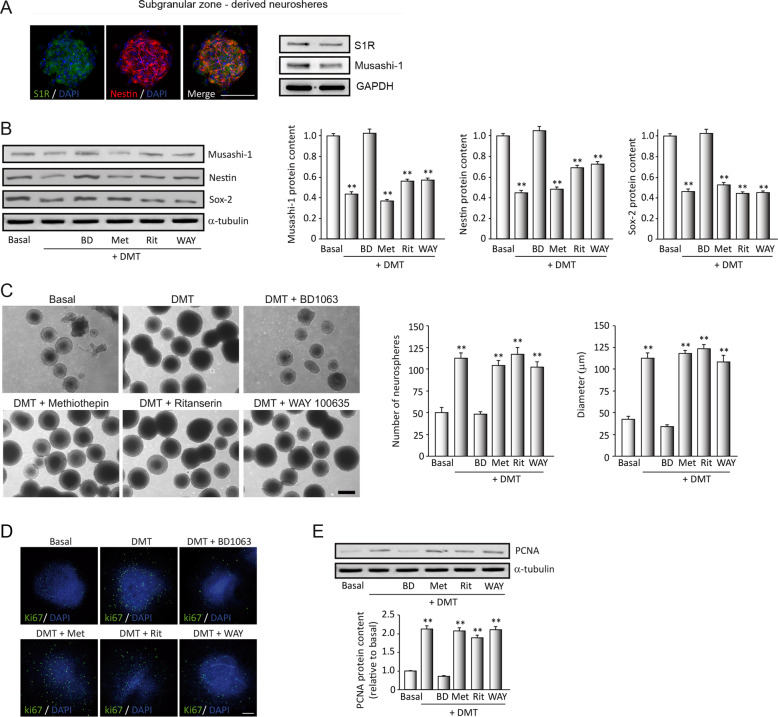
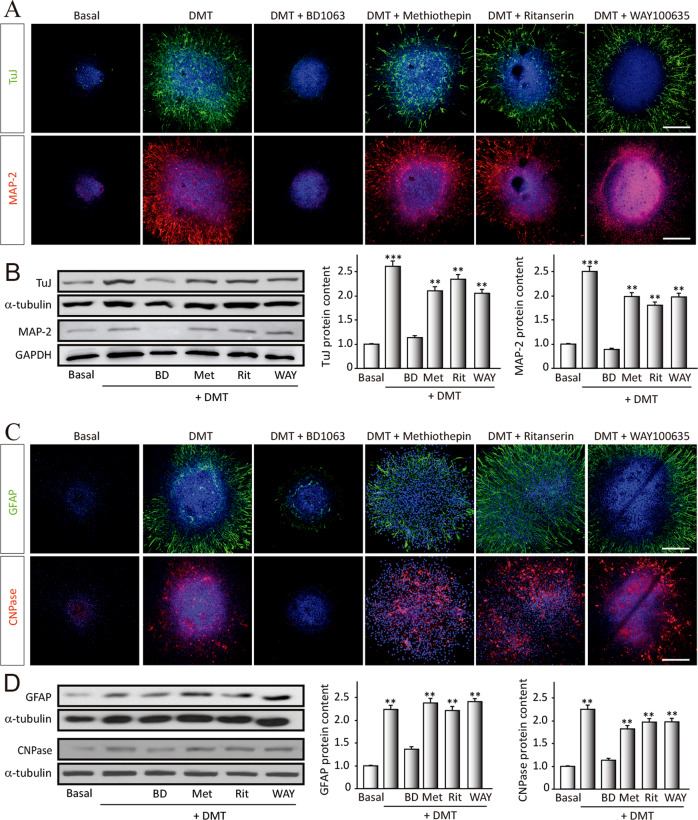
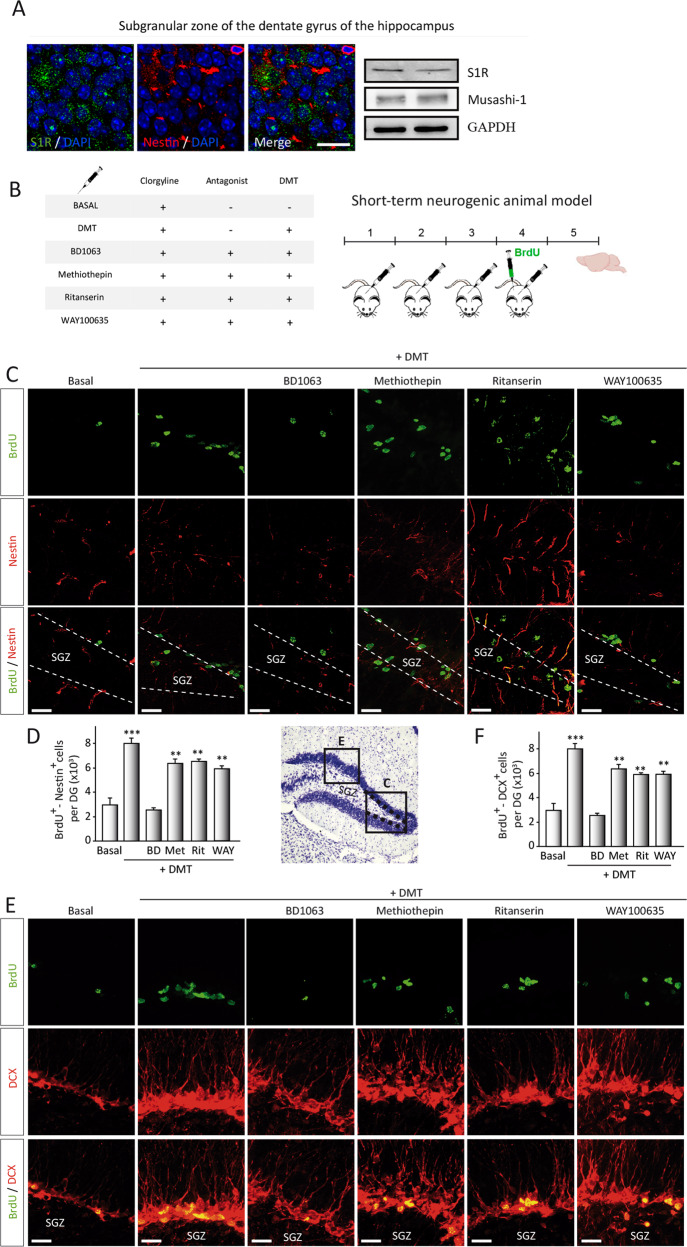
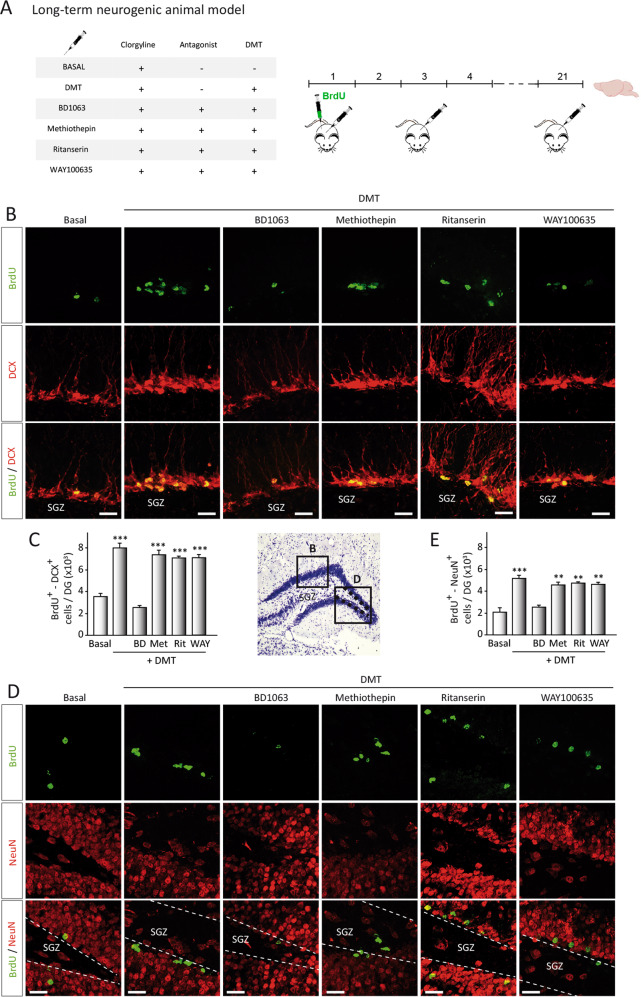
Verification
Claims the paper makes
The claims and statistics of this paper haven’t been checked yet.
Free: it reads the open-access text and checks the first 5 claims that cite a source we can check. Create a free account to check every claim.
Claims other papers make about this one
Each is checked against this paper’s own text: does it say what the citing paper says it does?
The source backs part of the claim, not all of it — or backs it for a different population, condition or comparison.
In the citing paper
“Repeated daily administration of DMT (1 μM, 7 days) to neural stem cells (n = 6) from adult mice's subgranular zone of the dentate gyrus showed stimulation of proliferation, and differentiation to neurons, astrocytes, and oligodendrocytes (41).”
From Psychedelics and Neuroplasticity: A Systematic Review Unraveling the Biological Underpinnings of Psychedelics. (2021) · cites this paper as [41]
Experimental — accuracy not yet measuredThe source backs part of the claim, not all of it — or backs it for a different population, condition or comparison.
In the citing paper
“Acute effects of repeated administration of DMT and ayahuasca were investigated in vitro, and suggest stimulation of neuroplasticity at a (sub)cellular level (41, 44).”
From Psychedelics and Neuroplasticity: A Systematic Review Unraveling the Biological Underpinnings of Psychedelics. (2021) · cites this paper as [41]
Experimental — accuracy not yet measuredThe source backs part of the claim, not all of it — or backs it for a different population, condition or comparison.
In the citing paper
“Short-term treatment (n = 5) resulted in BrdU+ cells in the hippocampus, indicating enhanced proliferation and migration of neuronal precursors”
From Psychedelics and Neuroplasticity: A Systematic Review Unraveling the Biological Underpinnings of Psychedelics. (2021) · cites this paper as [41]
Experimental — accuracy not yet measuredThe source backs part of the claim, not all of it — or backs it for a different population, condition or comparison.
In the citing paper
“in vitro, animal and human studies have demonstrated how harmine, tetrahydroharmine, harmaline (all three present in B. caapi) and dimethyltryptamine (present in P. viridis) stimulate adult neurogenesis and neuroplasticity, similarly to other serotoninergic psychedelic substances (40–43).”
From Ayahuasca-assisted meaning reconstruction therapy for grief: a non-randomized clinical trial protocol (2025) · cites this paper as [43]
Experimental — accuracy not yet measuredThe cited source says what the claim attributes to it.
In the citing paper
“Evidence from in vitro studies (n = 5) suggests that psychedelics stimulate molecular and cellular neuroplasticity (41–44, 53).”
From Psychedelics and Neuroplasticity: A Systematic Review Unraveling the Biological Underpinnings of Psychedelics. (2021) · cites this paper as [41]
4 more claims about this paper
Create a free account to see every claim other papers make about this one.
Self-check
Percentages, sums and reported differences re-computed from the paper’s own numbers.
The self-check needs the paper’s full text.
Citations
Cites
Fiji: an open-source platform for biological-image analysis
Schindelin, J., Arganda-Carreras, I., Frise, E., Kaynig, V., Longair, M., Pietzsch, T., Preibisch, S., Rueden, C., Saalfeld, S., Schmid, B., et al. (2012) · Nature Methods · doi:10.1038/nmeth.2019 · Cited by 66,890
Gage, F. H. (2000) · Science · doi:10.1126/science.287.5457.1433 · Cited by 4,786
Requirement of hippocampal neurogenesis for the behavioral effects of antidepressants
Santarelli, L., Saxe, M., Gross, C., Surget, A., Battaglia, F., Dulawa, S., Weisstaub, N., Lee, J., Duman, R., Arancio, O., et al. (2003) · Science · doi:10.1126/science.1083328 · Cited by 4,321
Autoradiographic and histological evidence of postnatal hippocampal neurogenesis in rats
Altman, J., & Das, G. D. (1965) · Journal of Comparative Neurology · doi:10.1002/cne.901240303 · Cited by 3,592
Ageing as a risk factor for neurodegenerative disease
Hou, Y., Dan, X., Babbar, M., Wei, Y., Hasselbalch, S. G., Croteau, D. L., & Bohr, V. A. (2019) · Nature Reviews Neurology · doi:10.1038/s41582-019-0244-7 · Cited by 3,310
Functional neurogenesis in the adult hippocampus
van Praag, H., Schinder, A. F., Christie, B. R., Toni, N., Palmer, T. D., & Gage, F. H. (2002) · Nature · doi:10.1038/4151030a · Cited by 2,853
ADULT NEUROGENESIS IN THE MAMMALIAN CENTRAL NERVOUS SYSTEM
Ming, G.-L., & Song, H. (2005) · Annual Review of Neuroscience · doi:10.1146/annurev.neuro.28.051804.101459 · Cited by 1,839
Moreno-Jiménez, E. P., Flor-García, M., Terreros-Roncal, J., Rábano, A., Cafini, F., Pallas-Bazarra, N., Ávila, J., & Llorens-Martín, M. (2019) · Nature Medicine · doi:10.1038/s41591-019-0375-9 · Cited by 1,577
Astroglia induce neurogenesis from adult neural stem cells
Song, H., Stevens, C. F., & Gage, F. H. (2002) · Nature · doi:10.1038/417039a · Cited by 1,452
Human Hippocampal Neurogenesis Persists throughout Aging
Boldrini, M., Fulmore, C. A., Tartt, A. N., Simeon, L. R., Pavlova, I., Poposka, V., Rosoklija, G. B., Stankov, A., Arango, V., Dwork, A. J., et al. (2018) · Cell Stem Cell · doi:10.1016/j.stem.2018.03.015 · Cited by 1,345
Cited by
Doss, M. K., Považan, M., Rosenberg, M. D., Sepeda, N. D., Davis, A. K., Finan, P. H., Smith, G. S., Pekar, J. J., Barker, P. B., Griffiths, R. R., et al. (2021) · Translational Psychiatry · doi:10.1038/s41398-021-01706-y · Cited by 356
Adverse effects of psychedelics: From anecdotes and misinformation to systematic science
Schlag, A. K., Aday, J., Salam, I., Neill, J. C., & Nutt, D. J. (2022) · Journal of Psychopharmacology · doi:10.1177/02698811211069100 · Cited by 325
Towards an understanding of psychedelic-induced neuroplasticity
Calder, A. E., & Hasler, G. (2023) · Neuropsychopharmacology · doi:10.1038/s41386-022-01389-z · Cited by 313
“By contrast, studies in mice using both DMT and 5-MeO-DMT observed increased neurogenesis [44, 45].”
BackgroundResultde Vos, C. M. H., Mason, N. L., & Kuypers, K. P. C. (2021) · Frontiers in Psychiatry · doi:10.3389/fpsyt.2021.724606 · Cited by 269
“In vitro studies using rodent cell lines include neuronal stem cells (NSCs) derived from the subgranular zone of the hippocampus of embryonic mice (41).”
BackgroundPsychedelics in Psychiatry: Neuroplastic, Immunomodulatory, and Neurotransmitter Mechanisms
Inserra, A., De Gregorio, D., & Gobbi, G. (2021) · Pharmacological Reviews · doi:10.1124/pharmrev.120.000056 · Cited by 232
Raval, N. R., Johansen, A., Donovan, L. L., Ros, N. F., Ozenne, B., Hansen, H. D., & Knudsen, G. M. (2021) · International Journal of Molecular Sciences · doi:10.3390/ijms22020835 · Cited by 200
Raval, N. R., Johansen, A., Donovan, L. L., Ros, N. F., Ozenne, B., Hansen, H. D., & Knudsen, G. M. (2020) · doi:10.20944/preprints202011.0742.v1 · Cited by 200
A non-hallucinogenic LSD analog with therapeutic potential for mood disorders
Lewis, V., Bonniwell, E. M., Lanham, J. K., Ghaffari, A., Sheshbaradaran, H., Cao, A. B., Calkins, M. M., Bautista-Carro, M. A., Arsenault, E., Telfer, A., et al. (2023) · Cell Reports · doi:10.1016/j.celrep.2023.112203 · Cited by 168
“101,102 These classic psy-chedelics share 5-HT 2A receptor agonism, considered to be a fundamental component in their antidepressant activity.”
BackgroundGregorio, D. D., Inserra, A., Enns, J. P., Markopoulos, A., Pileggi, M., Rahimy, Y. E., López-Canul, M., Comai, S., & Gobbi, G. (2022) · Neuropsychopharmacology · doi:10.1038/s41386-022-01301-9 · Cited by 103
“of DMT in the subgranular zone of the mouse dentate gyrus of the hippocampus accompanied by an enhancement of memory [58].”
BackgroundNeural Mechanisms and Psychology of Psychedelic Ego Dissolution
Stoliker, D., Egan, G. F., Friston, K. J., & Razi, A. (2022) · Pharmacological Reviews · doi:10.1124/pharmrev.121.000508 · Cited by 81
Kozłowska, U., Nichols, C. D., Wiatr, K., & Figiel, M. (2021) · Journal of Neurochemistry · doi:10.1111/jnc.15509 · Cited by 89
Novel antidepressant drugs: Beyond monoamine targets
Gonda, X., Döme, P., Neill, J. C., & Tarazi, F. I. (2021) · CNS Spectrums · doi:10.1017/s1092852921000791 · Cited by 91
Psychedelic‐inspired approaches for treating neurodegenerative disorders
Saeger, H. N., & Olson, D. E. (2021) · Journal of Neurochemistry · doi:10.1111/jnc.15544 · Cited by 74
Barker, S. A. (2022) · Psychopharmacology · doi:10.1007/s00213-022-06065-0 · Cited by 58
dos Santos, R. G., Bouso, J. C., Rocha, J. M., Rossi, G. N., & Hallak, J. E. (2021) · Risk Management and Healthcare Policy · doi:10.2147/rmhp.s300656 · Cited by 60
“The modulation of cortical 5-HT2A receptors and the subsequent increase in glutamatergic tone and the associated neuroplasticity are novel mechanisms of action.(7,41,60) The psychological effects of these drugs, which often include mystical experiences, increased empathy and sociality, ego dissolution, and increased a…”
Backgrounddos Santos, R. G., Hallak, J. E., Baker, G., & Dursun, S. (2021) · Journal of Psychopharmacology · doi:10.1177/0269881120986422 · Cited by 55
“Interestingly, a recent study involving experiments in vitro and in vivo showed that DMT promoted the generation of new neurons in the mouse hippocampus by a mechanism involving signaling via the sigma-1 receptor (S1R) (Morales-Garcia et al., 2020).”
BackgroundPerkins, D., Pagni, B. A., Sarris, J. J., Barbosa, P. C. R., & Chenhall, R. D. (2022) · Frontiers in Pharmacology · doi:10.3389/fphar.2022.884703 · Cited by 73
“For example, DMT and the three main alkaloids of ayahuasca–namely, harmine, tetrahydroharmine, harmaline, and the metabolite harmol–stimulate neurogenesis, spinogenesis, and synaptogenesis, providing a potential biological basis for some of ayahuasca’s therapeutic effects ((Morales-García et al., 2017; Ly et al., 2018…”
BackgroundExploring DMT: Endogenous role and therapeutic potential
Schimmelpfennig, J., & Jankowiak-Siuda, K. (2025) · Neuropharmacology · doi:10.1016/j.neuropharm.2025.110314 · Cited by 58
Magaraggia, I., Kuiperes, Z., & Schreiber, R. (2021) · Neurobiology of Learning and Memory · doi:10.1016/j.nlm.2021.107467 · Cited by 49
“…in rodents reported an association between the neuroplastic effects of psychedelics and increased performance in fear extinction and learning and memory tasks (Buchborn, Schröder, Höllt, & Grecksch, 2014; Cameron, Benson, Dunlap, & Olson, 2018; Catlow et al., 2013; Morales-Garcia et al., 2020).”
BackgroundAgnorelli, C., Spriggs, M. J., Godfrey, K., Sawicka, G., Bohl, B., Douglass, H. M., Fagiolini, A. M., Hashemi, P., Carhart-Harris, R. L., Nutt, D. J., et al. (2025) · Neuroscience & Biobehavioral Reviews · doi:10.1016/j.neubiorev.2025.106132 · Cited by 69
Cheng, D., Lei, Z., Chu, K., Lam, O. J. H., Chiang, C. Y., & Zhang, Z.-J. (2024) · Alzheimer s Research & Therapy · doi:10.1186/s13195-024-01462-3 · Cited by 53
Ayahuasca's therapeutic potential: What we know – and what not
Maia, L. O., Daldegan‐Bueno, D., Wießner, I., de Araújo, D. B., & Tófoli, L. F. (2022) · European Neuropsychopharmacology · doi:10.1016/j.euroneuro.2022.10.008 · Cited by 61
The Bright Side of Psychedelics: Latest Advances and Challenges in Neuropharmacology
Mastinu, A., Anyanwu, M., Carone, M., Abate, G., Bonini, S. A., Peron, G., Tirelli, E., Pucci, M., Ribaudo, G., Oselladore, E., et al. (2023) · International Journal of Molecular Sciences · doi:10.3390/ijms24021329 · Cited by 57
Kelley, D. P., Venable, K., Destouni, A., Billac, G., Ebenezer, P., Stadler, K., Nichols, C., Barker, S., & Francis, J. (2022) · ACS Chemical Neuroscience · doi:10.1021/acschemneuro.1c00660 · Cited by 42
Inserra, A., Campanale, A., Cheishvili, D., Dymov, S., Wong, A. H. Y., Marçal, N., Syme, R. A., Taylor, L., Gregorio, D. D., Kennedy, T. E., et al. (2022) · Progress in Neuro-Psychopharmacology and Biological Psychiatry · doi:10.1016/j.pnpbp.2022.110594 · Cited by 47
N,N‐dimethyltryptamine and Amazonian ayahuasca plant medicine
James, E., Keppler, J., Robertshaw, T. L., & Sessa, B. (2022) · Human Psychopharmacology Clinical and Experimental · doi:10.1002/hup.2835 · Cited by 58
Psychedelics for acquired brain injury: a review of molecular mechanisms and therapeutic potential
Allen, J., Dames, S., Foldi, C. J., & Shultz, S. R. (2024) · Molecular Psychiatry · doi:10.1038/s41380-023-02360-0 · Cited by 47
“Similarly, a single dose of 5-MeO-DMT and repeated doses of DMT stimulate the proliferation of dentate cells, and sigma-1 receptors are involved in the cellular differentiation of neurons, astrocytes, and oligodendrocytes [177, 178].”
Nootropic effects of LSD: Behavioral, molecular and computational evidence
Ornelas, I. M., da Silva, F. A. C., Wießner, I., Marcos, E., de Araújo, D. B., Goto‐Silva, L., Nascimento, J. M., Silva, S. R. B., Costa, M., Falchi-Carvalho, M., et al. (2022) · Experimental Neurology · doi:10.1016/j.expneurol.2022.114148 · Cited by 38
Dourron, H. M., Strauss, C. K., & Hendricks, P. S. (2022) · Pharmacological Reviews · doi:10.1124/pharmrev.121.000514 · Cited by 42
Egger, K., Aicher, H., Cumming, P. D., & Scheidegger, M. (2024) · Cellular and Molecular Life Sciences · doi:10.1007/s00018-024-05353-6 · Cited by 47
“DMT treatment enhanced performance in memory tests and spatial learning in adult mice, while promoting neurogenesis in the subgranular zone of the hippocampus in vitro (tested after 7 days) and in vivo (2 mg/kg repeated doses of DMT either daily over 4 days, or every other day for 21 days) [194].”
BackgroundFrom Stress to Synapse: The Neuronal Atrophy Pathway to Mood Dysregulation
Krasner, H., Ong, C. V., Hewitt, P., & Vida, T. A. (2025) · International Journal of Molecular Sciences · doi:10.3390/ijms26073219 · Cited by 42
Borbély, E., Varga, V. É., Szögi, T., Schuster, I., Bozsó, Z., Penke, B., & Fülöp, L. (2022) · International Journal of Molecular Sciences · doi:10.3390/ijms23052514 · Cited by 39
“However, the neuroprotective and neurogenesis stimulating effects of DMT and its analog, 5-methoxy-DMT, exerted via S1Rs, were also described in in vitro cell cultures and in a wild-type rodent model [44,46,49,54].”
BackgroundSignificance of mammalian N, N-dimethyltryptamine (DMT): A 60-year-old debate
Jiménez, J. H., & Bouso, J. C. (2022) · Journal of Psychopharmacology · doi:10.1177/02698811221104054 · Cited by 42
Rossi, G. N., Guerra, L. T. L., Baker, G. B., Dursun, S. M., Bouso, J. C., Hallak, J. E. C., & SANTOS, R. G. D. (2022) · Biomolecules · doi:10.3390/biom12111618 · Cited by 40
The Effects of Psychedelics on Neuronal Physiology
Hatzipantelis, C. J., & Olson, D. E. (2023) · Annual Review of Physiology · doi:10.1146/annurev-physiol-042022-020923 · Cited by 44
“Repeated (4-day) systemic injection of 5-MeO-DMT induced hippocampal neurogenesis that was blocked by a sigma-1 receptor antagonists, but not by 5-HT 2A R or 5-HT 1A R antagonists (112).”
The evolution of N, N-Dimethyltryptamine: from metabolic pathways to brain connectivity
Gupta, S., Bhatnagar, R. K., Gupta, D., Maharaj Kumari, K., & Chopra, A. (2025) · Psychopharmacology · doi:10.1007/s00213-025-06777-z · Cited by 32
“The administration of DMT upregulates the expression of brain-derived neurotrophic factor (BDNF), which affects synaptic and neuroplasticity (Morales-Garcia et al. 2020; Nardai et al. 2020).”
InfluentialA Comprehensive Review of the Current Status of the Cellular Neurobiology of Psychedelics
Banushi, B., & Polito, V. (2023) · Biology · doi:10.3390/biology12111380 · Cited by 37
Rush, B. R., Marcus, O., García, S., Loizaga-Velder, A. K., Loewinger, G. C., Spitalier, A., & Mendive, F. M. (2021) · Frontiers in Pharmacology · doi:10.3389/fphar.2021.659644 · Cited by 39
Animal Behavior in Psychedelic Research
Odland, A. U., Kristensen, J. L., & Andreasen, J. T. (2022) · Pharmacological Reviews · doi:10.1124/pharmrev.122.000590 · Cited by 32
The mechanistic divide in psychedelic neuroscience: An unbridgeable gap?
Barksdale, B. R., Doss, M. K., Fonzo, G. A., & Nemeroff, C. B. (2024) · Neurotherapeutics · doi:10.1016/j.neurot.2024.e00322 · Cited by 28
Werle, I., Nascimento, L. M. M., dos Santos, A. L. A., Soares, L. A., SANTOS, R. G. D., Hallak, J. E. C., & Bertoglio, L. J. (2024) · British Journal of Pharmacology · doi:10.1111/bph.16315 · Cited by 34
“Concurrent research is defining the temporal dynamics of AYA-enhanced neuroplasticity in rodents and humans (de Almeida et al., 2019; Kelley et al., 2022; Ly et al., 2018; Morales-Garcia et al., 2017; Morales-Garcia et al., 2020).”
BackgroundKohek, M., Ona, G., van Elk, M., Dos Santos, R. G., Hallak, J. E. C., Alcázar-Córcoles, M. Á., & Bouso, J. C. (2023) · Journal of Psychoactive Drugs · doi:10.1080/02791072.2022.2077155 · Cited by 24
“…Center for Ethnobotanical Education, Research & Service (ICEERS), C/ Sepúlveda 65, Bajos 2, 08015 Barcelona, Spain © 2022 Taylor & Francis Group, LLC been studied for the treatment of neurodegenerative disorders (Goulart da Silva, Daros, and de Bitencourt 2021; Morales-Garcia et al. 2020).”
BackgroundBedside to bench: the outlook for psychedelic research
Acero, V. P., Cribas, E. S., Browne, K. D., Rivellini, O. M., Burrell, J. C., O’Donnell, J. C., Das, S., & Cullen, D. K. (2023) · Frontiers in Pharmacology · doi:10.3389/fphar.2023.1240295 · Cited by 28
Werle, I., & Bertoglio, L. J. (2024) · Neuroscience & Biobehavioral Reviews · doi:10.1016/j.neubiorev.2024.105899 · Cited by 26
A Systematic Review on the Therapeutic Effects of Ayahuasca
Gonçalves, J., Luís, Â., Gallardo, E., & Duarte, A. P. (2023) · Plants · doi:10.3390/plants12132573 · Cited by 34
Nogueira, M., Golbert, D. C. F., de Menezes, R. S. T., de Almeida, R. N., Coelho, N. L. G., Siroky, A. N., Lima, T. Z., Maia, H., Leão, K. E., & Leão, R. N. (2024) · Molecular Psychiatry · doi:10.1038/s41380-024-02655-w · Cited by 26
Purnawati, S., Wrasiati, L. P., Lesmana, C. B. J., Megantara, S., & Lesmana, R. (2022) · Bali Medical Journal · doi:10.15562/bmj.v11i3.3526 · Cited by 21
How Psychedelics Modulate Multiple Memory Mechanisms in Posttraumatic Stress Disorder
Doss, M. K., DeMarco, A., Dunsmoor, J. E., Cisler, J. M., Fonzo, G. A., & Nemeroff, C. B. (2024) · Drugs · doi:10.1007/s40265-024-02106-4 · Cited by 27
The current state of ayahuasca research in animal models: A systematic review
Daldegan‐Bueno, D., Simionato, N. M., Favaro, V. M., & Maia, L. O. (2023) · Progress in Neuro-Psychopharmacology and Biological Psychiatry · doi:10.1016/j.pnpbp.2023.110738 · Cited by 23
Effects of psychedelics on neurogenesis and broader neuroplasticity: a systematic review
da Cruz, R. V. L., Leão, R. N., & Moulin, T. C. (2024) · Molecular Medicine · doi:10.1186/s10020-024-01013-4 · Cited by 22
“…of their specific type, tryptamines have the potential to enhance aspects of neuroplasticity (Catlow, Song, Paredes, Kirstein, & Sanchez-Ramos, 2013; Dunlap et al., 2020; Katchborian-Neto et al., 2020; Lima da Cruz et al., 2018; Ly et al., 2018; Marton et al., 2019; Morales-Garcia et al., 2020).”
Mind over matter: the microbial mindscapes of psychedelics and the gut-brain axis
Caspani, G., Ruffell, S., Tsang, W., Netzband, N., Rohani-Shukla, C., Swann, J. R., & Jefferies, W. A. (2024) · Pharmacological Research · doi:10.1016/j.phrs.2024.107338 · Cited by 21
“DMT and 5-MeO-DMT stimulated neurogenesis both in vitro and in vivo [108,131], while LSD and DOI had no significant effect in rats [89].”
de Camargo, R. W., Joaquim, L. D. S., Machado, R. S., Ramos, S. D. S., da Rosa, L. R., Júnior, L. R. D. N., Mathias, K., Maximiano, L., Strickert, Y. R., Nord, R., et al. (2024) · Molecular Neurobiology · doi:10.1007/s12035-024-04597-4 · Cited by 22
Armstrong, M., Castellanos, J. P., & Christie, D. (2024) · Frontiers in Pain Research · doi:10.3389/fpain.2024.1346053 · Cited by 24
Katolikova, N. V., Vaganova, A. N., Efimova, E. V., & Gainetdinov, R. R. (2022) · Cells · doi:10.3390/cells11111813 · Cited by 19
Evidence on the impairing effects of Ayahuasca on fear memory reconsolidation
Daneluz, D. M., Sohn, J. M. B., Silveira, G. D. O., Yonamine, M., & Stern, C. A. J. (2022) · Psychopharmacology · doi:10.1007/s00213-022-06217-2 · Cited by 22
Guglielmo, R., & Hasler, G. (2022) · Neuroscience & Biobehavioral Reviews · doi:10.1016/j.neubiorev.2022.104906 · Cited by 18
Rossi, G. N., Hallak, J. E. C., Baker, G. B., Dursun, S. M., & SANTOS, R. G. D. (2022) · European Archives of Psychiatry and Clinical Neuroscience · doi:10.1007/s00406-022-01460-2 · Cited by 16
Psychedelics and schizophrenia: a double-edged sword
Sapienza, J., Martini, F., Comai, S., Cavallaro, R., Spangaro, M., Gregorio, D. D., & Bosia, M. (2024) · Molecular Psychiatry · doi:10.1038/s41380-024-02743-x · Cited by 20
Ayahuasca: Pharmacology, Safety, and Therapeutic Effects
SANTOS, R. G. D., & Hallak, J. E. C. (2024) · Cambridge University Press eBooks · doi:10.1017/9781009585330.005 · Cited by 24
van den Berg, M., Magaraggia, I., Schreiber, R., Hillhouse, T. M., & Porter, J. H. (2022) · Psychopharmacology · doi:10.1007/s00213-022-06106-8 · Cited by 13
Natural psychedelics in the treatment of depression; a review focusing on neurotransmitters
Jahanabadi, S., Amiri, S., Karkeh-abadi, M., & Razmi, A. (2023) · Fitoterapia · doi:10.1016/j.fitote.2023.105620 · Cited by 16
Ren, P., Wang, J., Xu, M., Chen, H., Duan, J.-Y., & Li, Y. (2025) · Neurochemistry International · doi:10.1016/j.neuint.2025.105937 · Cited by 15
Fonseca, A. M., SANTOS, R. G. D., de Medeiros, L. S., Veiga, T. A. M., Cassas, F., Bruniera, C. P., Rossi, G. N., Bouso, J. C., Hallak, J. E. C., Santos, F. P., et al. (2024) · European Archives of Psychiatry and Clinical Neuroscience · doi:10.1007/s00406-024-01817-9 · Cited by 17
Roda, E., Luca, F. D., Priori, E. C., Ratto, D., Pinelli, S., Corradini, E., Mozzoni, P., Poli, D., Mazzini, G., Bottone, M. G., et al. (2023) · Biology · doi:10.3390/biology12091225 · Cited by 12
Beretta, E., Cuboni, G., & Deidda, G. (2025) · International Journal of Molecular Sciences · doi:10.3390/ijms26125508 · Cited by 12
Chaves, C., SANTOS, R. G. D., Dursun, S. M., Tusconi, M., Carta, M. G., Brietzke, E. M., & Hallak, J. E. C. (2024) · Frontiers in Psychiatry · doi:10.3389/fpsyt.2024.1485337 · Cited by 15
Echeverry, C., Pazos, M., Torres‐Pérez, M., & Prunell, G. (2024) · Neuroscience · doi:10.1016/j.neuroscience.2024.12.039 · Cited by 14
Colosimo, F. A., Borsellino, P., Krider, R. I., Márquez, R., & Vida, T. A. (2024) · Psychoactives · doi:10.3390/psychoactives3010007 · Cited by 11
van der Heijden, K. V., Zuiker, R. G. J. A., Otto, M. E., Bryan, C. F., Stewart, N., Stillwell, C., de Kam, M. L., van Leuken, M. B., van Gerven, J., & Jacobs, G. E. (2025) · Clinical and Translational Science · doi:10.1111/cts.70234 · Cited by 9
Ayahuasca reverses ischemic stroke-induced neuroinflammation and oxidative stress
Joaquim, L. D. S., da Rosa, L. R., Strickert, Y. R., Machado, R. S., Lanzzarin, E., Bernardes, G., Ramos, S. D. S., Júnior, L. R. D. N., Steiner, B., Farias, B., et al. (2025) · Behavioural Brain Research · doi:10.1016/j.bbr.2025.115521 · Cited by 10
Mahapatra, C., Naik, P., Swain, S. K., & Mohapatra, P. P. (2023) · BMC Genomics · doi:10.1186/s12864-023-09205-8 · Cited by 11
“In mammals, DMT is a natural endogenous ligand of the σR-1 receptor associated with several cellular functions, including neurogenesis [59].”
BackgroundCortical structural differences following repeated ayahuasca use hold molecular signatures
Mallaroni, P., Mason, N. L., Kloft, L., Reckweg, J. T., van Oorsouw, K. I. M., & Ramaekers, J. G. (2023) · Frontiers in Neuroscience · doi:10.3389/fnins.2023.1217079 · Cited by 9
Doss, M. K., Kloft, L., Mason, N. L., Mallaroni, P., Reckweg, J. T., van Oorsouw, K. I. M., Tupper, N., Otgaar, H., & Ramaekers, J. G. (2024) · Journal of Psychopharmacology · doi:10.1177/02698811241301216 · Cited by 11
“Nevertheless, DMT possesses a unique pharmacology including σ receptor activation that may induce hippocampal neurogenesis (Morales-Garcia et al., 2020) and therefore impact episodic memory.”
Barman, R., Saikia, J., Sarmah, P., Konwar, P., Kumar, M., Bora, P. K., Bhattacharyya, P., Saikia, S. P., Haldar, S., & Banik, D. (2023) · South African Journal of Botany · doi:10.1016/j.sajb.2023.06.030 · Cited by 8
Souza, A. C., Souza, B. C., França, A. S. C., Moradi, M., Souza, N. C., Leão, K. E., Tort, A. B. L., Leão, R. N., Lopes‐dos‐Santos, V., & Ribeiro, S. T. G. (2024) · Scientific Reports · doi:10.1038/s41598-024-61474-9 · Cited by 11
Novel extended-release transdermal formulations of the psychedelic N,N-dimethyltryptamine (DMT)
Witowski, C. G., Hess, M. R., Jones, N., Pellitteri-Hahn, M. C., Razidlo, J. A., Bhavsar, R., Beer, C., Gonzalez-Velazquez, N. M., Scarlett, C. O., Wenthur, C. J., et al. (2024) · European Journal of Pharmaceutical Sciences · doi:10.1016/j.ejps.2024.106803 · Cited by 10
Ayahuasca for the treatment of alcohol use disorder
Marinho, E. A. V., Serra, Y. A., Oliveira-Lima, A. J., Marcourakis, T., & Berro, L. F. (2024) · International review of neurobiology · doi:10.1016/bs.irn.2024.07.007 · Cited by 10
Sabucedo, P., Andión, O., Neimeyer, R. A., Soto-Angona, O., Javkin, J., Haro, J. M., Farré, M., & González, D. (2025) · Frontiers in Psychiatry · doi:10.3389/fpsyt.2024.1484736 · Cited by 6
Human pluripotent stem cells as a translational toolkit in psychedelic research in vitro
Salerno, J. A., & Rehen, S. K. (2024) · iScience · doi:10.1016/j.isci.2024.109631 · Cited by 7
“149,150 However, the influence of N , N -DMT on neurogenesis is still controversial since others have found that N , N -DMT-treated animals significantly lower the densities of progenitors and mature neurons in the subgranular zone neurogenic niche, possibly due to N , N -DMT’s higher affinity for…”
BackgroundPreliminary evidence of links between ayahuasca use and the corpus callosum
Simonsson, O., Bouso, J. C., Kurth, F., de Araújo, D. B., Gaser, C., Riba, J., & Eileen Luders, A. (2022) · Frontiers in Psychiatry · doi:10.3389/fpsyt.2022.1002455 · Cited by 6
Gold, N. D., Mallard, A. J., Hermann, J. C., Zeifman, R. J., Pagni, B. A., Bogenschutz, M. P., & Ross, S. (2023) · Journal of Palliative Medicine · doi:10.1089/jpm.2022.0604 · Cited by 6
“138,139 In addition, a recent animal study found that psilocybin rapidly increased dendritic spine density in the medial frontal cortex, with changes persisting for at least one month, 136 suggesting region-specific changes relevant to ALS.”
Myers, M. G., & Toal, C. B. (1995) · PubMed · Cited by 7
Jarné‐Ferrer, J., Pallàs, M., Griñán‐Ferré, C., & Bellver‐Sanchís, A. (2025) · Cells · doi:10.3390/cells14120934 · Cited by 7
The Therapeutic Effects of Classic Psychedelics in Alcohol Use Disorder
Pagni, B. A., Wong, J. M., & Bogenschutz, M. P. (2024) · Current Addiction Reports · doi:10.1007/s40429-024-00581-z · Cited by 8
Kim, S., Yang, S., Jung, J., Choi, J., Kang, M., & Joo, J. (2025) · Advanced Science · doi:10.1002/advs.202413786 · Cited by 10
Contreras‐Puentes, N., Amador, A. A., & Manzur-Villalobos, I. (2022) · Journal of Herbmed Pharmacology · doi:10.34172/jhp.2022.25 · Cited by 5
Dong, X., Chen, Y., Lu, J. J., Huang, S., & Pei, G. (2022) · Stem Cells · doi:10.1093/stmcls/sxac046 · Cited by 8
Androni, X., Boyd, R. J., Rosenberg, P. B., & Mahairaki, V. (2025) · Frontiers in Dementia · doi:10.3389/frdem.2025.1605051 · Cited by 4
The current state of ayahuasca research in animal models: A systematic reviewPreprint
Daldegan‐Bueno, D., Simionato, N. M., Favaro, V. M., & Maia, L. O. (2022) · doi:10.31234/osf.io/7s3b8 · Cited by 4
Vafaei, S., Mirzaie, V., Baghalishahi, M., Mousanejad, E., & Nematollahi‐Mahani, S. N. (2023) · Research Square · doi:10.21203/rs.3.rs-3563853/v1 · Cited by 6
Michael, P., Luke, D. P., & Robinson, O. C. (2025) · Frontiers in Psychology · doi:10.3389/fpsyg.2025.1532937 · Cited by 8
Soto-Angona, Ó., Andión, Ó., Sabucedo, P., Neimeyer, R. A., Haro, J. M., Javkin, J., Farré, M., & González, D. (2025) · Scientific Reports · doi:10.1038/s41598-025-13251-5 · Cited by 5
Clinical pharmacology of ayahuasca: potential applications and future considerations
Guerra, L. T. L., Dias, I. C. D. S., Hallak, J. E. C., & SANTOS, R. G. D. (2025) · Expert Review of Clinical Pharmacology · doi:10.1080/17512433.2025.2577726 · Cited by 3
“[30] DMT – Increases HPP neurogenesis and improved memory performance.”
Registered Clinical Trials of Ayahuasca and DMT : A Scoping Review
Stojanovic, T., Nilsson, K. W., Fredriksson, R., Schiöth, H. B., & Moulin, T. C. (2026) · Clinical Pharmacology & Therapeutics · doi:10.1002/cpt.70311 · Cited by 3
Psychedelics as novel therapeutic agents for chronic pain: mechanisms and future perspectives
Yasin, B., Mehta, S. M., Tewfik, G., & Bekker, A. (2024) · Exploration of neuroscience · doi:10.37349/en.2024.00058 · Cited by 4
Effects of ayahuasca on fear and anxiety: cross-talk between 5HT1A and 5HT2A receptors
Guerra, L. T. L., SANTOS, R. G. D., & Hallak, J. E. C. (2024) · Psychedelics. · doi:10.61373/pp024i.0037 · Cited by 3
Low, Z. X. B., Yong, S. J., AlRasheed, H. A., Al‐Subaie, M. F., Kaabi, N. A., Alfaresi, M. S., Albayat, H., Alotaibi, J., bshabshe, A. A. A. A., Alwashmi, A. S. S., et al. (2025) · Progress in Neuro-Psychopharmacology and Biological Psychiatry · doi:10.1016/j.pnpbp.2025.111279 · Cited by 4
Calleja‐Conde, J., Echeverry‐Alzate, V., Sanz-SanCristóbal, M., Alonso‐Gil, S., Giné, E., Bühler, K., López-Moreno, J. A., Perez-Castillo, A., & Morales-Garcia, J. A. (2026) · Experimental Neurology · doi:10.1016/j.expneurol.2026.115822 · Cited by 3
Self-citationSchimmelpfennig, J., & Jankowiak-Siuda, K. (2023) · Neuropsychiatria i Neuropsychologia · doi:10.5114/nan.2023.129068 · Cited by 2
Neuromodulatory mechanisms of N,N-dimethyltryptamine: a narrative review
Jiménez, J. H. (2023) · Brain Network and Modulation · doi:10.4103/2773-2398.386227 · Cited by 3
Metadata
- Authors
- Morales-Garcia, J. A., Calleja-Conde, J., Lopez-Moreno, J. A., Alonso-Gil, S., Sanz-SanCristobal, M., Riba, J., & Perez-Castillo, A.
- Affiliations
- Universidad Complutense de Madrid (ES)
- Corresponding author
- Morales-Garcia, Jose A.
- Venue
- Translational Psychiatry
- Published
- 2020-09-28
- Volume
- 10
- Issue
- 1
- Pages
- 331-331
- ISSN
- 2158-3188 (ISSN-L)
- PMC
- PMC7522265
- OpenAlex
- W3090852378
- Semantic Scholar
- b63ca56e33c732c8d941f367f9b98074bc039ae6
- Cited by
- 138
- References
- 87
- Citations by year
- 2026: 15 · 2025: 23 · 2024: 33 · 2023: 24 · 2022: 29 · 2021: 11 · 2020: 1
- FWCI
- 6.39
- Type
- journal article
- Language
- en
- Open access
- gold
- doi.org
- Licence
- cc-by
- creativecommons.org/licenses/by/4.0 (tdm)
- creativecommons.org/licenses/by/4.0 (vor)
- Locations
- Translational Psychiatry (publishedVersion, cc-by)
- PubMed Central (publishedVersion, cc-by)
- PubMed (publishedVersion)
- Research Publications (Maastricht University) (publishedVersion, cc-by)
- Research Publications (Maastricht University) (submittedVersion, other-oa)
- Funders
- Ministerio de Economía y Competitividad (SAF2017-85199-P)
- EC | European Regional Development Fund
- Topics
- Life Sciences › Neuroscience › Developmental Neuroscience › Neurogenesis and neuroplasticity mechanisms
- Social Sciences › Psychology › Clinical Psychology › Psychedelics and Drug Studies
- Life Sciences › Pharmacology, Toxicology and Pharmaceutics › Pharmacology › Pharmacological Receptor Mechanisms and Effects
- Keywords
- N,N-dimethyltryptamine, ayahuasca, adult neurogenesis, dentate gyrus, subgranular zone, sigma-1 receptor, neural stem cells, neuroblast migration, spatial learning and memory, hallucinogens
- MeSH terms
- Animals, N,N-Dimethyltryptamine, Tea, Banisteriopsis, Mice, Neurogenesis, Neural Stem Cells
About these checks
Registry, retraction, Cites and statistics results are computed, not judged, with one exception: a printed reference that no index lists is read once by a model before it counts as a citation error. Claims are extracted by a model and kept only when their quote appears verbatim in the text; each cited source is then checked, with a model’s help, for whether it says what the claim relies on. Those verdicts can be wrong — read the claim’s quote and the cited source before relying on one.
Statistics and arithmetic are recomputed, not judged.
Confidence bands are shown only for fields calibrated on our annotated test set. None is calibrated yet, so no band is shown.
What counts as a claim ›How we measure confidence ›How we check this ›
Are you an author, or do you see a problem with this page? Request a review
Data sources
Bibliographic data: Semantic Scholar, OpenAlex, Crossref.
Contains information from the Semantic Scholar Academic Graph Datasets, made available under the ODC Attribution License (ODC-BY 1.0).
Semantic Scholar’s data is described in: Kinney, R., et al. (2023). The Semantic Scholar Open Data Platform. arXiv:2301.10140.
