

N,N-dimethyltryptamine compound found in the hallucinogenic tea ayahuasca, regulates adult neurogenesis in vitro and in vivo
Open accessThe DOI matches its Crossref record; 87 of the 87 references it cites were found in a registry or an index.
Abstract
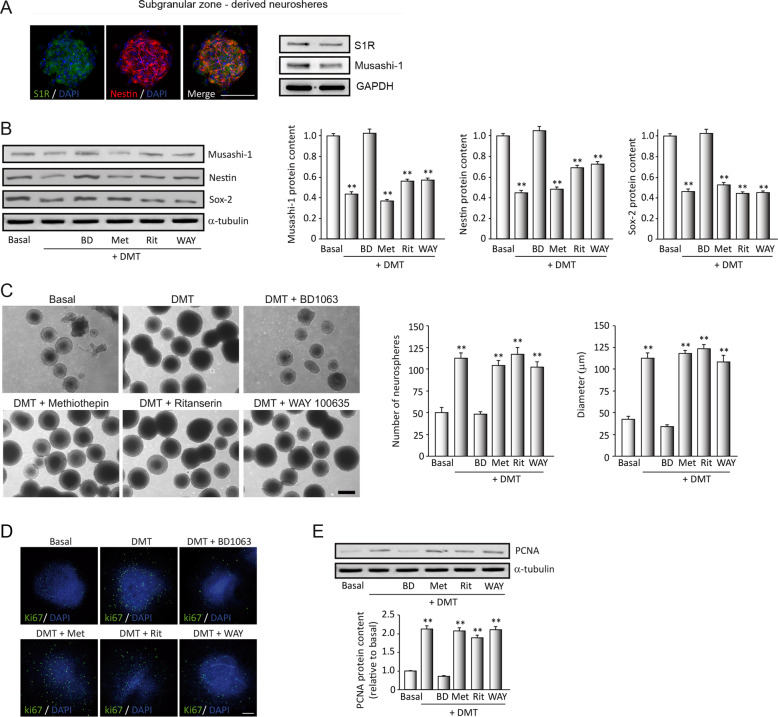
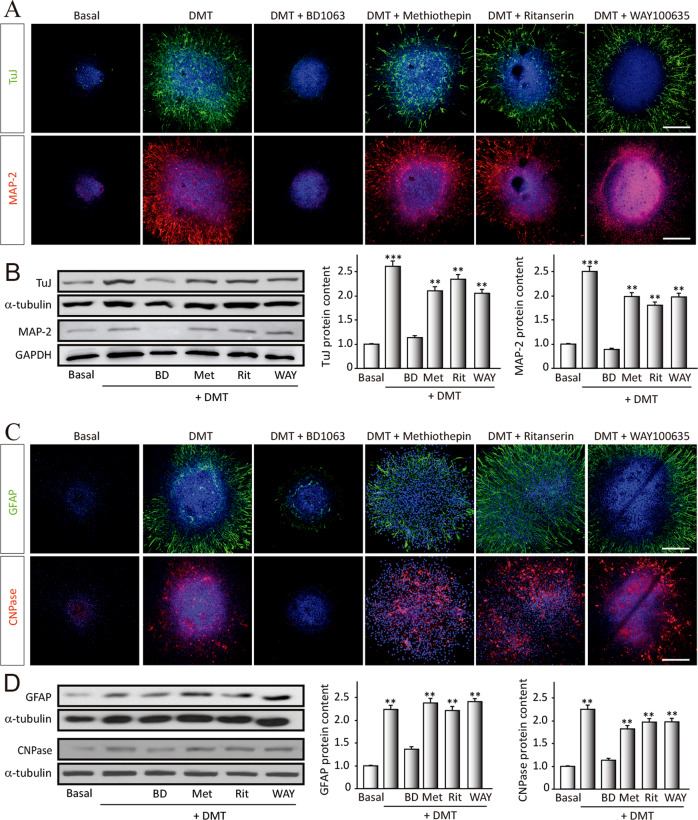
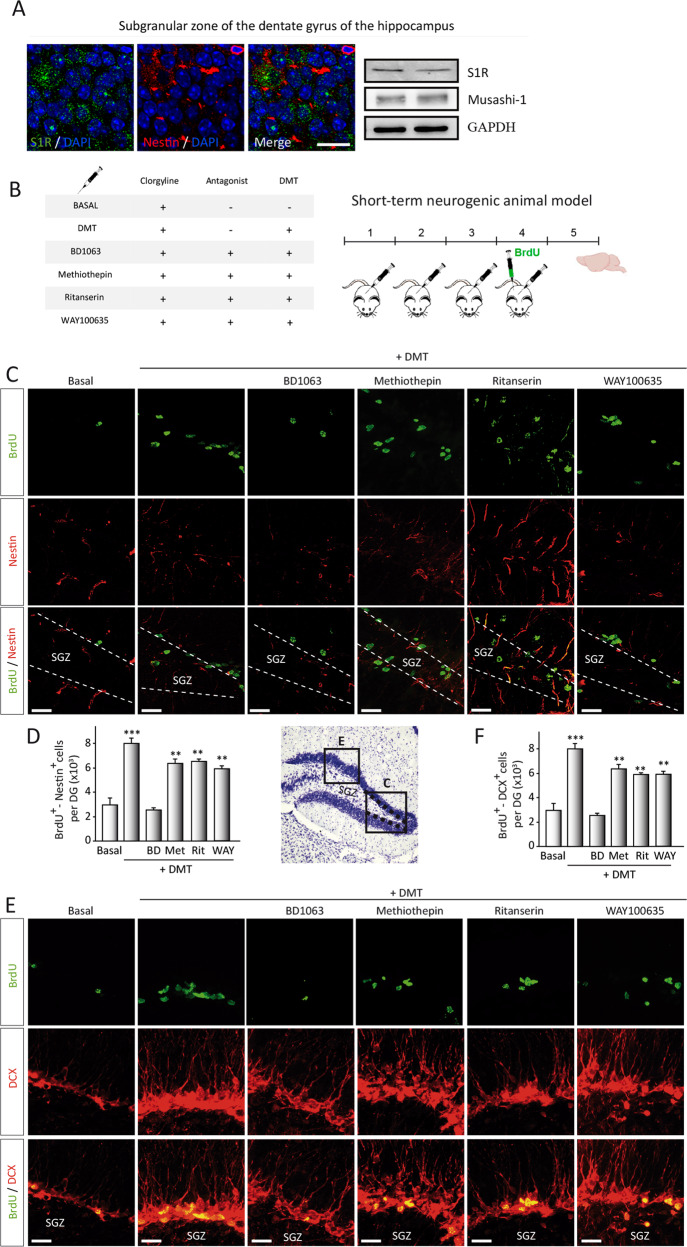
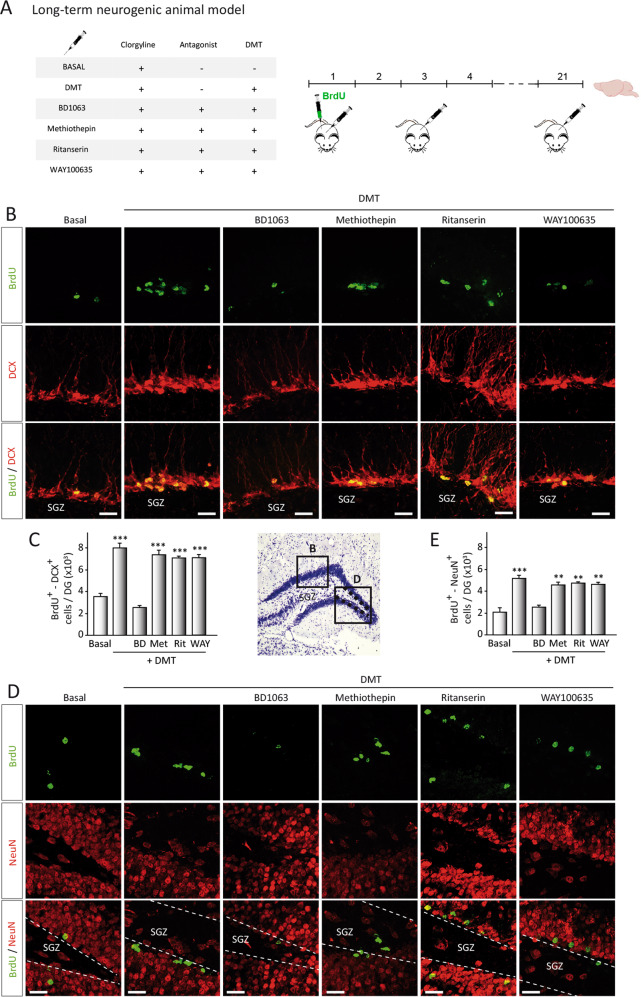
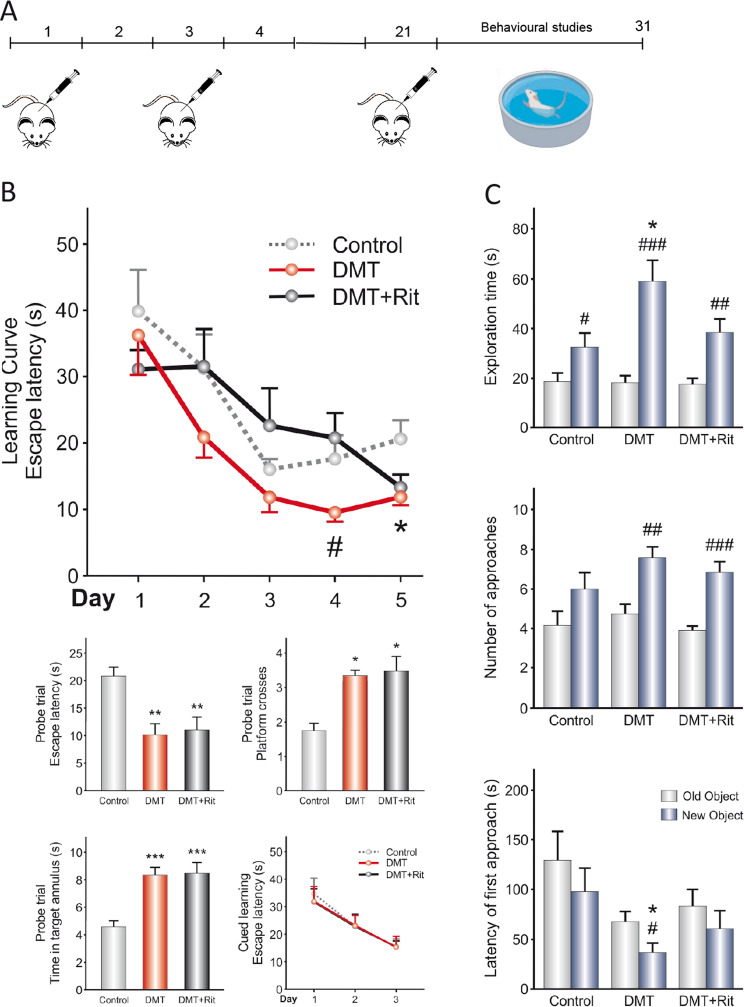
N,N-dimethyltryptamine (DMT) is a component of the ayahuasca brew traditionally used for ritual and therapeutic purposes across several South American countries. Here, we have examined, in vitro and vivo, the potential neurogenic effect of DMT. Our results demonstrate that DMT administration activates the main adult neurogenic niche, the subgranular zone of the dentate gyrus of the hippocampus, promoting newly generated neurons in the granular zone. Moreover, these mice performed better, compared to control non-treated animals, in memory tests, which suggest a functional relevance for the DMT-induced new production of neurons in the hippocampus. Interestingly, the neurogenic effect of DMT appears to involve signaling via sigma-1 receptor (S1R) activation since S1R antagonist blocked the neurogenic effect. Taken together, our results demonstrate that DMT treatment activates the subgranular neurogenic niche regulating the proliferation of neural stem cells, the migration of neuroblasts, and promoting the generation of new neurons in the hippocampus, therefore enhancing adult neurogenesis and improving spatial learning and memory tasks.
Overview
The claims and statistics of this paper haven’t been checked yet.
Free: it reads the open-access text and checks the first 5 claims that cite a source we can check. Create a free account to check every claim.
Integrity signals
Registry
Cites
Statistics
Figures
Verification
Claims the paper makes
The claims and statistics of this paper haven’t been checked yet.
Free: it reads the open-access text and checks the first 5 claims that cite a source we can check. Create a free account to check every claim.
Claims other papers make about this one
Each is checked against this paper’s own text: does it say what the citing paper says it does?
The source backs part of the claim, not all of it — or backs it for a different population, condition or comparison.
In the citing paper
“Repeated daily administration of DMT (1 μM, 7 days) to neural stem cells (n = 6) from adult mice's subgranular zone of the dentate gyrus showed stimulation of proliferation, and differentiation to neurons, astrocytes, and oligodendrocytes (41).”
From Psychedelics and Neuroplasticity: A Systematic Review Unraveling the Biological Underpinnings of Psychedelics. (2021) · cites this paper as [41]
Experimental — accuracy not yet measuredThe source backs part of the claim, not all of it — or backs it for a different population, condition or comparison.
In the citing paper
“Acute effects of repeated administration of DMT and ayahuasca were investigated in vitro, and suggest stimulation of neuroplasticity at a (sub)cellular level (41, 44).”
From Psychedelics and Neuroplasticity: A Systematic Review Unraveling the Biological Underpinnings of Psychedelics. (2021) · cites this paper as [41]
Experimental — accuracy not yet measuredThe source backs part of the claim, not all of it — or backs it for a different population, condition or comparison.
In the citing paper
“Short-term treatment (n = 5) resulted in BrdU+ cells in the hippocampus, indicating enhanced proliferation and migration of neuronal precursors”
From Psychedelics and Neuroplasticity: A Systematic Review Unraveling the Biological Underpinnings of Psychedelics. (2021) · cites this paper as [41]
Experimental — accuracy not yet measuredThe source backs part of the claim, not all of it — or backs it for a different population, condition or comparison.
In the citing paper
“in vitro, animal and human studies have demonstrated how harmine, tetrahydroharmine, harmaline (all three present in B. caapi) and dimethyltryptamine (present in P. viridis) stimulate adult neurogenesis and neuroplasticity, similarly to other serotoninergic psychedelic substances (40–43).”
From Ayahuasca-assisted meaning reconstruction therapy for grief: a non-randomized clinical trial protocol (2025) · cites this paper as [43]
Experimental — accuracy not yet measuredThe cited source says what the claim attributes to it.
In the citing paper
“Evidence from in vitro studies (n = 5) suggests that psychedelics stimulate molecular and cellular neuroplasticity (41–44, 53).”
From Psychedelics and Neuroplasticity: A Systematic Review Unraveling the Biological Underpinnings of Psychedelics. (2021) · cites this paper as [41]
4 more claims about this paper
Create a free account to see every claim other papers make about this one.
Self-check
Percentages, sums and reported differences re-computed from the paper’s own numbers.
The self-check needs the paper’s full text.
Citations
Cites
Fiji: an open-source platform for biological-image analysis
Schindelin, J., Arganda-Carreras, I., Frise, E., Kaynig, V., Longair, M., Pietzsch, T., Preibisch, S., Rueden, C., Saalfeld, S., Schmid, B., et al. (2012) · Nature Methods · doi:10.1038/nmeth.2019 · Cited by 66,890
Gage, F. H. (2000) · Science · doi:10.1126/science.287.5457.1433 · Cited by 4,786
Requirement of hippocampal neurogenesis for the behavioral effects of antidepressants
Santarelli, L., Saxe, M., Gross, C., Surget, A., Battaglia, F., Dulawa, S., Weisstaub, N., Lee, J., Duman, R., Arancio, O., et al. (2003) · Science · doi:10.1126/science.1083328 · Cited by 4,321
Autoradiographic and histological evidence of postnatal hippocampal neurogenesis in rats
Altman, J., & Das, G. D. (1965) · Journal of Comparative Neurology · doi:10.1002/cne.901240303 · Cited by 3,592
Ageing as a risk factor for neurodegenerative disease
Hou, Y., Dan, X., Babbar, M., Wei, Y., Hasselbalch, S. G., Croteau, D. L., & Bohr, V. A. (2019) · Nature Reviews Neurology · doi:10.1038/s41582-019-0244-7 · Cited by 3,310
Functional neurogenesis in the adult hippocampus
van Praag, H., Schinder, A. F., Christie, B. R., Toni, N., Palmer, T. D., & Gage, F. H. (2002) · Nature · doi:10.1038/4151030a · Cited by 2,853
ADULT NEUROGENESIS IN THE MAMMALIAN CENTRAL NERVOUS SYSTEM
Ming, G.-L., & Song, H. (2005) · Annual Review of Neuroscience · doi:10.1146/annurev.neuro.28.051804.101459 · Cited by 1,839
Moreno-Jiménez, E. P., Flor-García, M., Terreros-Roncal, J., Rábano, A., Cafini, F., Pallas-Bazarra, N., Ávila, J., & Llorens-Martín, M. (2019) · Nature Medicine · doi:10.1038/s41591-019-0375-9 · Cited by 1,577
Astroglia induce neurogenesis from adult neural stem cells
Song, H., Stevens, C. F., & Gage, F. H. (2002) · Nature · doi:10.1038/417039a · Cited by 1,452
Human Hippocampal Neurogenesis Persists throughout Aging
Boldrini, M., Fulmore, C. A., Tartt, A. N., Simeon, L. R., Pavlova, I., Poposka, V., Rosoklija, G. B., Stankov, A., Arango, V., Dwork, A. J., et al. (2018) · Cell Stem Cell · doi:10.1016/j.stem.2018.03.015 · Cited by 1,345
Alvarez-Buylla, A., & Lim, D. A. (2004) · Neuron · doi:10.1016/s0896-6273(04)00111-4 · Cited by 1,318
Psychedelics promote structural and functional neural plasticity
Ly, C., Greb, A. C., Cameron, L. P., Wong, J. M., Barragan, E. V., Wilson, P. C., Burbach, K. F., Soltanzadeh Zarandi, S., Sood, A., Paddy, M. R., et al. (2018) · Cell Reports · doi:10.1016/j.celrep.2018.05.022 · Cited by 1,207
A unified hypothesis on the lineage of neural stem cells
Alvarez-Buylla, A., García-Verdugo, J. M., & Tramontin, A. D. (2001) · Nature Reviews Neuroscience · doi:10.1038/35067582 · Cited by 996
Adult neurogenesis: from precursors to network and physiology
Abrous, D. N., Koehl, M., & Le Moal, M. (2005) · Physiological Reviews · doi:10.1152/physrev.00055.2003 · Cited by 971
Dopamine depletion impairs precursor cell proliferation in Parkinson disease
Höglinger, G. U., Rizk, P., Muriel, M. P., Duyckaerts, C., Oertel, W. H., Caille, I., & Hirsch, E. C. (2004) · Nature Neuroscience · doi:10.1038/nn1265 · Cited by 944
Kee, N., Teixeira, C. M., Wang, A. H., & Frankland, P. W. (2007) · Nature Neuroscience · doi:10.1038/nn1847 · Cited by 875
Continuation of neurogenesis in the hippocampus of the adult macaque monkey
Kornack, D. R., & Rakic, P. (1999) · Proceedings of the National Academy of Sciences · doi:10.1073/pnas.96.10.5768 · Cited by 778
Glial cells generate neurons: the role of the transcription factor Pax6
Heins, N., Malatesta, P., Cecconi, F., Nakafuku, M., Tucker, K. L., Hack, M. A., Chapouton, P., Barde, Y.-A., & Götz, M. (2002) · Nature Neuroscience · doi:10.1038/nn828 · Cited by 775
Drapeau, E., Mayo, W., Aurousseau, C., Le Moal, M., Piazza, P.-V., & Abrous, D. N. (2003) · Proceedings of the National Academy of Sciences · doi:10.1073/pnas.2334169100 · Cited by 656
Human Hippocampal Neurogenesis Persists in Aged Adults and Alzheimer’s Disease Patients
Tobin, M. K., Musaraca, K., Disouky, A., Shetti, A., Bheri, A., Honer, W. G., Kim, N., Dawe, R. J., Bennett, D. A., Arfanakis, K., et al. (2019) · Cell Stem Cell · doi:10.1016/j.stem.2019.05.003 · Cited by 603
Neurogenesis in the Adult Brain: New Strategies for Central Nervous System Diseases
Lie, D. C., Song, H., Colamarino, S. A., Ming, G.-L., & Gage, F. H. (2004) · Annual Review of Pharmacology and Toxicology · doi:10.1146/annurev.pharmtox.44.101802.121631 · Cited by 592
Hill, A. S., Sahay, A., & Hen, R. (2015) · Neuropsychopharmacology · doi:10.1038/npp.2015.85 · Cited by 557
Banasr, M., Hery, M., Printemps, R., & Daszuta, A. (2004) · Neuropsychopharmacology · doi:10.1038/sj.npp.1300320 · Cited by 539
The Hallucinogen N,N -Dimethyltryptamine (DMT) Is an Endogenous Sigma-1 Receptor Regulator
Fontanilla, D., Johannessen, M., Hajipour, A. R., Cozzi, N. V., Jackson, M. B., & Ruoho, A. E. (2009) · Science · doi:10.1126/science.1166127 · Cited by 535
Osório, F. D. L., Sanches, R. F., Macedo, L. R., dos Santos, R. G., Maia-de-Oliveira, J. P., Wichert-Ana, L., de Araujo, D. B., Riba, J., Crippa, J. A., & Hallak, J. E. (2015) · Revista Brasileira de Psiquiatria · doi:10.1590/1516-4446-2014-1496 · Cited by 488
Self-citationIn vivo reprogramming of astrocytes to neuroblasts in the adult brain
Niu, W., Zang, T., Zou, Y., Fang, S., Smith, D. K., Bachoo, R., & Zhang, C.-L. (2013) · Nature Cell Biology · doi:10.1038/ncb2843 · Cited by 482
Sanches, R. F., de Lima Osório, F., dos Santos, R. G., Macedo, L. R. H., Maia-de-Oliveira, J. P., Wichert-Ana, L., de Araujo, D. B., Riba, J., Crippa, J. A. S., & Hallak, J. E. C. (2016) · Journal of Clinical Psychopharmacology · doi:10.1097/jcp.0000000000000436 · Cited by 466
Directing Astroglia from the Cerebral Cortex into Subtype Specific Functional Neurons
Heinrich, C., Blum, R., Gascón, S., Masserdotti, G., Tripathi, P., Sánchez, R., Tiedt, S., Schroeder, T., Götz, M., & Berninger, B. (2010) · PLoS Biology · doi:10.1371/journal.pbio.1000373 · Cited by 465
Antidepressant-Induced Neurogenesis in the Hippocampus of Adult Nonhuman Primates
Perera, T. D., Coplan, J. D., Lisanby, S. H., Lipira, C. M., Arif, M., Carpio, C., Spitzer, G., Santarelli, L., Scharf, B., Hen, R., et al. (2007) · The Journal of Neuroscience · doi:10.1523/jneurosci.0237-07.2007 · Cited by 460
Neural stem and progenitor cells shorten S-phase on commitment to neuron production
Arai, Y., Pulvers, J. N., Haffner, C., Schilling, B., Nüsslein, I., Calegari, F., & Huttner, W. B. (2011) · Nature Communications · doi:10.1038/ncomms1155 · Cited by 371
Interaction between astrocytes and adult subventricular zone precursors stimulates neurogenesis
Lim, D. A., & Alvarez-Buylla, A. (1999) · Proceedings of the National Academy of Sciences · doi:10.1073/pnas.96.13.7526 · Cited by 362
Integration of New Neurons into Functional Neural Networks
Ramirez-Amaya, V., Marrone, D. F., Gage, F. H., Worley, P. F., & Barnes, C. A. (2006) · The Journal of Neuroscience · doi:10.1523/jneurosci.2195-06.2006 · Cited by 331
Riba, J., Rodríguez-Fornells, A., Urbano, G., Morte, A., Antonijoan, R., Montero, M., Callaway, J. C., & Barbanoj, M. J. (2001) · Psychopharmacology · doi:10.1007/s002130000606 · Cited by 303
Self-citation??-1 Receptor Ligands: Potential in the Treatment of Neuropsychiatric Disorders
Hayashi, T., & Su, T.-P. (2004) · CNS Drugs · doi:10.2165/00023210-200418050-00001 · Cited by 294
Micheli, L., Ceccarelli, M., D’Andrea, G., & Tirone, F. (2018) · Brain Research Bulletin · doi:10.1016/j.brainresbull.2018.09.002 · Cited by 288
Increased frontal and paralimbic activation following ayahuasca, the pan-amazonian inebriant
Riba, J., Romero, S., Grasa, E., Mena, E., Carrió, I., & Barbanoj, M. J. (2006) · Psychopharmacology · doi:10.1007/s00213-006-0358-7 · Cited by 241
Li, Y.-F., Cheng, Y.-F., Huang, Y., Conti, M., Wilson, S. P., O'Donnell, J. M., & Zhang, H.-T. (2011) · The Journal of Neuroscience · doi:10.1523/jneurosci.5236-10.2011 · Cited by 231
Bouso, J. C., Palhano-Fontes, F., Rodríguez-Fornells, A., Ribeiro, S., Sanches, R., Crippa, J. A. S., Hallak, J. E. C., de Araujo, D. B., & Riba, J. (2015) · European Neuropsychopharmacology · doi:10.1016/j.euroneuro.2015.01.008 · Cited by 218
Self-citationTrouche, S., Bontempi, B., Roullet, P., & Rampon, C. (2009) · Proceedings of the National Academy of Sciences · doi:10.1073/pnas.0811054106 · Cited by 193
Szabo, A., Kovacs, A., Frecska, E., & Rajnavolgyi, E. (2014) · PLoS ONE · doi:10.1371/journal.pone.0106533 · Cited by 191
Adult Neurogenesis and Psychiatric Disorders
Kang, E., Wen, Z., Song, H., Christian, K. M., & Ming, G.-L. (2016) · Cold Spring Harbor Perspectives in Biology · doi:10.1101/cshperspect.a019026 · Cited by 187
Psychotomimetic N -Methylated Tryptamines: Formation in Brain in vivo and in vitro
Saavedra, J. M., & Axelrod, J. (1972) · Science · doi:10.1126/science.175.4028.1365 · Cited by 186
Enzymatic formation of psychotomimetic metabolites from normally occurring compounds
Axelrod, J. (1961) · Science · doi:10.1126/science.134.3475.343 · Cited by 184
Novel Approaches for the Treatment of Alzheimer’s and Parkinson’s Disease
Van Bulck, M., Sierra-Magro, A., Alarcon-Gil, J., Perez-Castillo, A., & Morales-Garcia, J. A. (2019) · International Journal of Molecular Sciences · doi:10.3390/ijms20030719 · Cited by 178
Self-citationBarker, S. A. (2018) · Frontiers in Neuroscience · doi:10.3389/fnins.2018.00536 · Cited by 177
Morales-García, J. A., de la Fuente Revenga, M., Alonso-Gil, S., Rodríguez-Franco, M. I., Feilding, A., Perez-Castillo, A., & Riba, J. (2017) · Scientific Reports · doi:10.1038/s41598-017-05407-9 · Cited by 175
Shen, H.-W., Jiang, X.-L., C. Winter, J., & Yu, A.-M. (2010) · Current Drug Metabolism · doi:10.2174/138920010794233495 · Cited by 170
Sigma receptors [σRs]: biology in normal and diseased states
Rousseaux, C. G., & Greene, S. F. (2015) · Journal of Receptors and Signal Transduction · doi:10.3109/10799893.2015.1015737 · Cited by 169
Direct reprogramming of human astrocytes into neural stem cells and neurons
Corti, S., Nizzardo, M., Simone, C., Falcone, M., Donadoni, C., Salani, S., Rizzo, F., Nardini, M., Riboldi, G., Magri, F., et al. (2012) · Experimental Cell Research · doi:10.1016/j.yexcr.2012.02.040 · Cited by 158
Yan, C. H., Levesque, M., Claxton, S., Johnson, R. L., & Ang, S.-L. (2011) · The Journal of Neuroscience · doi:10.1523/jneurosci.1077-11.2011 · Cited by 144
Scopa, C., Marrocco, F., Latina, V., Ruggeri, F., Corvaglia, V., La Regina, F., Ammassari-Teule, M., Middei, S., Amadoro, G., Meli, G., et al. (2020) · Cell Death & Differentiation · doi:10.1038/s41418-019-0409-3 · Cited by 144
The role of adult neurogenesis in psychiatric and cognitive disorders
Apple, D. M., Fonseca, R. S., & Kokovay, E. (2017) · Brain Research · doi:10.1016/j.brainres.2016.01.023 · Cited by 140
Roles of sigma-1 receptors on mitochondrial functions relevant to neurodegenerative diseases
Weng, T.-Y., Tsai, S.-Y. A., & Su, T.-P. (2017) · Journal of Biomedical Science · doi:10.1186/s12929-017-0380-6 · Cited by 136
Wada, K., Arita, M., Nakajima, A., Katayama, K., Kudo, C., Kamisaki, Y., & Serhan, C. N. (2006) · The FASEB Journal · doi:10.1096/fj.06-5809com · Cited by 130
Cognition and depression: the effects of fluvoxamine, a sigma‐1 receptor agonist, reconsidered
Hindmarch, I., & Hashimoto, K. (2010) · Human Psychopharmacology: Clinical and Experimental · doi:10.1002/hup.1106 · Cited by 117
dos Santos, R. G., & Hallak, J. E. C. (2020) · Neuroscience & Biobehavioral Reviews · doi:10.1016/j.neubiorev.2019.12.001 · Cited by 111
When the Endogenous Hallucinogenic Trace Amine N,N-Dimethyltryptamine Meets the Sigma-1 Receptor
Su, T.-P., Hayashi, T., & Vaupel, D. B. (2009) · Science Signaling · doi:10.1126/scisignal.261pe12 · Cited by 110
Frecska, E., Szabo, A., Winkelman, M. J., Luna, L. E., & McKenna, D. J. (2013) · Journal of Neural Transmission · doi:10.1007/s00702-013-1024-y · Cited by 109
Biosynthesis and Extracellular Concentrations of N,N-dimethyltryptamine (DMT) in Mammalian Brain
Dean, J. G., Liu, T., Huff, S., Sheler, B., Barker, S. A., Strassman, R. J., Wang, M. M., & Borjigin, J. (2019) · Scientific Reports · doi:10.1038/s41598-019-45812-w · Cited by 107
Neurogenesis and antidepressant action
Park, S. (2019) · Cell and Tissue Research · doi:10.1007/s00441-019-03043-5 · Cited by 105
Hashimoto, K. (2009) · Central Nervous System Agents in Medicinal Chemistry · doi:10.2174/1871524910909030197 · Cited by 102
Soler, J., Elices, M., Dominguez-Clavé, E., Pascual, J. C., Feilding, A., Navarro-Gil, M., García-Campayo, J., & Riba, J. (2018) · Frontiers in Pharmacology · doi:10.3389/fphar.2018.00224 · Cited by 102
Chen, H.-L., & Panchision, D. M. (2007) · Stem Cells · doi:10.1634/stemcells.2006-0339 · Cited by 101
Sigma-1 Receptor Agonists as Therapeutic Drugs for Cognitive Impairment in Neuropsychiatric Diseases
Niitsu, T., Iyo, M., & Hashimoto, K. (2012) · Current Pharmaceutical Design · doi:10.2174/138161212799436476 · Cited by 99
Pixley, S. K. (1992) · Neuron · doi:10.1016/0896-6273(92)90139-5 · Cited by 97
Franzen, F., & Gross, H. (1965) · Nature · doi:10.1038/2061052a0 · Cited by 95
Moriguchi, S., Shinoda, Y., Yamamoto, Y., Sasaki, Y., Miyajima, K., Tagashira, H., & Fukunaga, K. (2013) · PLoS ONE · doi:10.1371/journal.pone.0060863 · Cited by 94
New World Tryptamine Hallucinogens and the Neuroscience of Ayahuasca
McKenna, D. J., & Riba, J. (2016) · Current topics in behavioral neurosciences · doi:10.1007/7854_2016_472 · Cited by 91
Lima da Cruz, R. V., Moulin, T. C., Petiz, L. L., & Leão, R. N. (2018) · Frontiers in Molecular Neuroscience · doi:10.3389/fnmol.2018.00312 · Cited by 84
Increase in neurogenesis and behavioural benefit after chronic fluoxetine treatment in Wistar rats
Marcussen, A. B., Flagstad, P., Kristjansen, P. E. G., Johansen, F. F., & Englund, U. (2007) · Acta Neurologica Scandinavica · doi:10.1111/j.1600-0404.2007.00910.x · Cited by 82
Adult hippocampal neurogenesis and antidepressants effects
Planchez, B., Surget, A., & Belzung, C. (2020) · Current Opinion in Pharmacology · doi:10.1016/j.coph.2019.11.009 · Cited by 72
Morais, M., Santos, P. A., Mateus-Pinheiro, A., Patrício, P., Pinto, L., Sousa, N., Pedroso, P., Almeida, S., Filipe, A., & Bessa, J. M. (2014) · Journal of Psychopharmacology · doi:10.1177/0269881114553646 · Cited by 70
Chen, S., Cai, Q., Shen, Y., Cai, X., & Lei, H. (2014) · International Journal of Developmental Neuroscience · doi:10.1016/j.ijdevneu.2014.08.002 · Cited by 67
Carbonaro, T. M., Eshleman, A. J., Forster, M. J., Cheng, K., Rice, K. C., & Gatch, M. B. (2015) · Psychopharmacology · doi:10.1007/s00213-014-3658-3 · Cited by 66
Sha, S., Qu, W., Li, L., Lu, Z., Chen, L., Yu, W., & Chen, L. (2013) · CNS Neuroscience & Therapeutics · doi:10.1111/cns.12129 · Cited by 66
SnapShot: Adult Hippocampal Neurogenesis
Vadodaria, K. C., & Gage, F. H. (2014) · Cell · doi:10.1016/j.cell.2014.02.029 · Cited by 63
Phosphodiesterase 7 Inhibition Induces Dopaminergic Neurogenesis in Hemiparkinsonian Rats
Morales-Garcia, J. A., Alonso‐Gil, S., Gil, C., Martínez, A., Santos, Á., & Pérez‐Castillo, A. (2015) · Stem Cells Translational Medicine · doi:10.5966/sctm.2014-0277 · Cited by 47
Self-citationSha, S., Hong, J., Qu, W., Lu, Z., Li, L., Yu, W., & Chen, L. (2015) · European Neuropsychopharmacology · doi:10.1016/j.euroneuro.2015.04.021 · Cited by 45
Silibinin exerts antidepressant effects by improving neurogenesis through BDNF/TrkB pathway
Li, Y.-J., Li, Y.-J., Yang, L.-D., Zhang, K., Zheng, K.-Y., Wei, X.-M., Yang, Q., Niu, W.-M., Zhao, M.-G., & Wu, Y.-M. (2018) · Behavioural Brain Research · doi:10.1016/j.bbr.2018.04.025 · Cited by 45
Duque, A., & Spector, R. (2019) · Brain Structure and Function · doi:10.1007/s00429-019-01917-6 · Cited by 45
Morales-Garcia, J. A., Echeverry-Alzate, V., Alonso-Gil, S., Sanz-SanCristobal, M., Lopez-Moreno, J. A., Gil, C., Martinez, A., Santos, A., & Perez-Castillo, A. (2017) · Stem Cells · doi:10.1002/stem.2480 · Cited by 40
Self-citationBressan, R. B., Melo, F. R., Almeida, P. A., Bittencourt, D. A., Visoni, S. B. C., Jeremias, T. D. S., Costa, A. P., Leal, R. B., & Trentin, A. G. (2014) · Experimental Cell Research · doi:10.1016/j.yexcr.2014.05.020 · Cited by 30
Stimulation of the Sigma-1 Receptor and the Effects on Neurogenesis and Depressive Behaviors in Mice
Fukunaga, K., & Moriguchi, S. (2017) · Advances in experimental medicine and biology · doi:10.1007/978-3-319-50174-1_14 · Cited by 30
Ontogeny of N,N-Dimethyltryptamine and related indolealkylamine levels in neonatal rats
Beaton, J. M., & Morris, P. E. (1984) · Mechanisms of Ageing and Development · doi:10.1016/0047-6374(84)90007-1 · Cited by 24
Indra, B., Tadano, T., Nakagawasai, O., Arai, Y., Yasuhara, H., Ohizumi, Y., & Kisara, K. (2002) · Life Sciences · doi:10.1016/s0024-3205(02)01562-x · Cited by 21
Repeated Clorgyline Treatment Inhibits Methamphetamine- induced Behavioral Sensitization in Mice
Kitanaka, N., Kitanaka, J., & Takemura, M. (2005) · Neurochemical Research · doi:10.1007/s11064-005-2679-z · Cited by 13
Kucharska–Mazur, J., Ratajczak, M. Z., & Samochowiec, J. (2019) · Advances in experimental medicine and biology · doi:10.1007/978-3-030-31206-0_8 · Cited by 4
Cited by
Doss, M. K., Považan, M., Rosenberg, M. D., Sepeda, N. D., Davis, A. K., Finan, P. H., Smith, G. S., Pekar, J. J., Barker, P. B., Griffiths, R. R., et al. (2021) · Translational Psychiatry · doi:10.1038/s41398-021-01706-y · Cited by 356
Adverse effects of psychedelics: From anecdotes and misinformation to systematic science
Schlag, A. K., Aday, J., Salam, I., Neill, J. C., & Nutt, D. J. (2022) · Journal of Psychopharmacology · doi:10.1177/02698811211069100 · Cited by 325
Towards an understanding of psychedelic-induced neuroplasticity
Calder, A. E., & Hasler, G. (2023) · Neuropsychopharmacology · doi:10.1038/s41386-022-01389-z · Cited by 313
“By contrast, studies in mice using both DMT and 5-MeO-DMT observed increased neurogenesis [44, 45].”
BackgroundResultde Vos, C. M. H., Mason, N. L., & Kuypers, K. P. C. (2021) · Frontiers in Psychiatry · doi:10.3389/fpsyt.2021.724606 · Cited by 269
“In vitro studies using rodent cell lines include neuronal stem cells (NSCs) derived from the subgranular zone of the hippocampus of embryonic mice (41).”
BackgroundPsychedelics in Psychiatry: Neuroplastic, Immunomodulatory, and Neurotransmitter Mechanisms
Inserra, A., De Gregorio, D., & Gobbi, G. (2021) · Pharmacological Reviews · doi:10.1124/pharmrev.120.000056 · Cited by 232
Metadata
- Authors
- Morales-Garcia, J. A., Calleja-Conde, J., Lopez-Moreno, J. A., Alonso-Gil, S., Sanz-SanCristobal, M., Riba, J., & Perez-Castillo, A.
- Affiliations
- Universidad Complutense de Madrid (ES)
- Corresponding author
- Morales-Garcia, Jose A.
- Venue
- Translational Psychiatry
- Published
- 2020-09-28
- Volume
- 10
- Issue
- 1
- Pages
- 331-331
- ISSN
- 2158-3188 (ISSN-L)
- PMC
- PMC7522265
- OpenAlex
- W3090852378
- Semantic Scholar
- b63ca56e33c732c8d941f367f9b98074bc039ae6
- Cited by
- 138
- References
- 87
- Citations by year
- 2026: 15 · 2025: 23 · 2024: 33 · 2023: 24 · 2022: 29 · 2021: 11 · 2020: 1
- FWCI
- 6.39
- Type
- journal article
- Language
- en
- Open access
- gold
- doi.org
- Licence
- cc-by
- creativecommons.org/licenses/by/4.0 (tdm)
- creativecommons.org/licenses/by/4.0 (vor)
- Locations
- Translational Psychiatry (publishedVersion, cc-by)
- PubMed Central (publishedVersion, cc-by)
- PubMed (publishedVersion)
- Research Publications (Maastricht University) (publishedVersion, cc-by)
- Research Publications (Maastricht University) (submittedVersion, other-oa)
- Funders
- Ministerio de Economía y Competitividad (SAF2017-85199-P)
- EC | European Regional Development Fund
- Topics
- Life Sciences › Neuroscience › Developmental Neuroscience › Neurogenesis and neuroplasticity mechanisms
- Social Sciences › Psychology › Clinical Psychology › Psychedelics and Drug Studies
- Life Sciences › Pharmacology, Toxicology and Pharmaceutics › Pharmacology › Pharmacological Receptor Mechanisms and Effects
- Keywords
- N,N-dimethyltryptamine, ayahuasca, adult neurogenesis, dentate gyrus, subgranular zone, sigma-1 receptor, neural stem cells, neuroblast migration, spatial learning and memory, hallucinogens
- MeSH terms
- Animals, N,N-Dimethyltryptamine, Tea, Banisteriopsis, Mice, Neurogenesis, Neural Stem Cells
About these checks
Registry, retraction, Cites and statistics results are computed, not judged, with one exception: a printed reference that no index lists is read once by a model before it counts as a citation error. Claims are extracted by a model and kept only when their quote appears verbatim in the text; each cited source is then checked, with a model’s help, for whether it says what the claim relies on. Those verdicts can be wrong — read the claim’s quote and the cited source before relying on one.
Statistics and arithmetic are recomputed, not judged.
Confidence bands are shown only for fields calibrated on our annotated test set. None is calibrated yet, so no band is shown.
What counts as a claim ›How we measure confidence ›How we check this ›
Are you an author, or do you see a problem with this page? Request a review
Data sources
Bibliographic data: Semantic Scholar, OpenAlex, Crossref.
Contains information from the Semantic Scholar Academic Graph Datasets, made available under the ODC Attribution License (ODC-BY 1.0).
Semantic Scholar’s data is described in: Kinney, R., et al. (2023). The Semantic Scholar Open Data Platform. arXiv:2301.10140.
