

Wnt/β-catenin signaling components and mechanisms in bone formation, homeostasis, and disease
Open accessThe DOI matches its Crossref record; 502 of the 503 references it cites were found in a registry or an index.
Abstract
Wnts are secreted, lipid-modified proteins that bind to different receptors on the cell surface to activate canonical or non-canonical Wnt signaling pathways, which control various biological processes throughout embryonic development and adult life. Aberrant Wnt signaling pathway underlies a wide range of human disease pathogeneses. In this review, we provide an update of Wnt/β-catenin signaling components and mechanisms in bone formation, homeostasis, and diseases. The Wnt proteins, receptors, activators, inhibitors, and the crosstalk of Wnt signaling pathways with other signaling pathways are summarized and discussed. We mainly review Wnt signaling functions in bone formation, homeostasis, and related diseases, and summarize mouse models carrying genetic modifications of Wnt signaling components. Moreover, the therapeutic strategies for treating bone diseases by targeting Wnt signaling, including the extracellular molecules, cytosol components, and nuclear components of Wnt signaling are reviewed. In summary, this paper reviews our current understanding of the mechanisms by which Wnt signaling regulates bone formation, homeostasis, and the efforts targeting Wnt signaling for treating bone diseases. Finally, the paper evaluates the important questions in Wnt signaling to be further explored based on the progress of new biological analytical technologies.
Overview
The claims and statistics of this paper haven’t been checked yet.
Free: it reads the open-access text and checks the first 5 claims that cite a source we can check. Create a free account to check every claim.
Integrity signals
Registry
Cites
Statistics
Figures
Verification
Claims the paper makes
The claims and statistics of this paper haven’t been checked yet.
Free: it reads the open-access text and checks the first 5 claims that cite a source we can check. Create a free account to check every claim.
Claims other papers make about this one
Each is checked against this paper’s own text: does it say what the citing paper says it does?
The source backs part of the claim, not all of it — or backs it for a different population, condition or comparison.
In the citing paper
“Genetic characterization of Wnt pathway components—particularly the osteocyte-derived Wnt inhibitor sclerostin—demonstrates that molecular and genotype-based stratification can predict individual therapeutic responses and guide precision selection of bone-anabolic interventions [149,150].”
From Interorgan Communications in Skeletal Pathophysiology: From Molecular Pathways to Multidisciplinary Therapies (2026) · cites this paper as [150]
Experimental — accuracy not yet measured
Self-check
Percentages, sums and reported differences re-computed from the paper’s own numbers.
The self-check needs the paper’s full text.
Citations
Cites
1 retracted
Peng, Z. Y., Lu, S., Lou, Z., Li, Z., Li, S., Yang, K., & Li, C. (2021) · Bioengineered · doi:10.1080/21655979.2021.1996015 · Cited by 21
RetractedWnt/β-catenin signaling and disease
Clevers, H., & Nusse, R. (2012) · Cell · doi:10.1016/j.cell.2012.05.012 · Cited by 5,554 · cited 2×
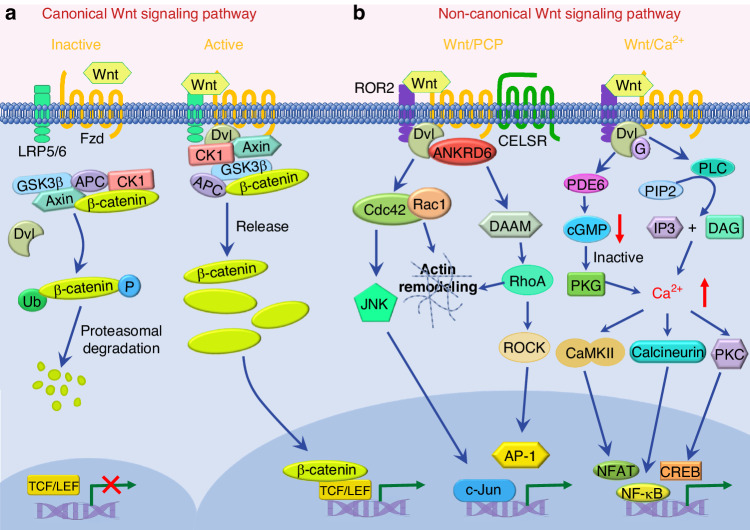
“1,2,19 In the canonical Wnt signaling pathway, β -catenin functions as a key transcriptional co-activator and transmits extracellular signals to activate the target genes (Fig.”
BackgroundStöckl, S., Göttl, C., Grifka, J., & Grässel, S. (2013) · Cellular Physiology and Biochemistry · doi:10.1159/000350089 · Cited by 4,656
Mutations affecting segment number and polarity in Drosophila
Nüsslein-Volhard, C., & Wieschaus, E. (1980) · Nature · doi:10.1038/287795a0 · Cited by 4,370
Wnt/β-Catenin Signaling, Disease, and Emerging Therapeutic Modalities
Nusse, R., & Clevers, H. (2017) · Cell · doi:10.1016/j.cell.2017.05.016 · Cited by 4,342
Osteoarthritis: A disease of the joint as an organ
Loeser, R. F., Goldring, S. R., Scanzello, C. R., & Goldring, M. B. (2012) · Arthritis & Rheumatism · doi:10.1002/art.34453 · Cited by 3,076 · cited 1×
“347 Wnts also play a key role in OA.”
BackgroundSpatially resolved, highly multiplexed RNA profiling in single cells
Chen, K. H., Boettiger, A. N., Moffitt, J. R., Wang, S., & Zhuang, X. (2015) · Science · doi:10.1126/science.aaa6090 · Cited by 2,969
Constitutive Transcriptional Activation by a β-Catenin-Tcf Complex in APC −/− Colon Carcinoma
Korinek, V., Barker, N., Morin, P. J., van Wichen, D., de Weger, R., Kinzler, K. W., Vogelstein, B., & Clevers, H. (1997) · Science · doi:10.1126/science.275.5307.1784 · Cited by 2,905
Identification of FAP Locus Genes from Chromosome 5q21
Kinzler, K. W., Nilbert, M. C., Su, L.-K., Vogelstein, B., Bryan, T. M., Levy, D. B., Smith, K. J., Preisinger, A. C., Hedge, P., McKechnie, D., et al. (1991) · Science · doi:10.1126/science.1651562 · Cited by 2,355
Wnt proteins are lipid-modified and can act as stem cell growth factors
Willert, K., Brown, J. D., Danenberg, E., Duncan, A. W., Weissman, I. L., Reya, T., Yates, J. R., & Nusse, R. (2003) · Nature · doi:10.1038/nature01611 · Cited by 2,257
Research works printed but not linked: 4
- Tu X Noncanonical Wnt signaling through G protein-linked PKCdelta activation promotes bone formation Dev. Cell 2007 12 113 127 10.1016/j.devcel.2006.11.003 17199045 PMC1861818 · DOI · Paper page
- Holmen SL Essential role of β-catenin in postnatal bone acquisition J. Biol. Chem. 2005 280 21162 21168 10.1074/jbc.M501900200 15802266 · DOI · Paper page
- Wei W Biphasic and dosage-dependent regulation of osteoclastogenesis by β-catenin Mol. Cell. Biol. 2011 31 4706 4719 10.1128/MCB.05980-11 21876000 PMC3232928 · DOI · Paper page
- Kramer I Osteocyte Wnt/β-catenin signaling is required for normal bone homeostasis Mol. Cell. Biol. 2010 30 3071 3085 10.1128/MCB.01428-09 20404086 PMC2876685 · DOI · Paper page
Cited by
Cell communication and relevant signaling pathways in osteogenesis–angiogenesis coupling
Shu-qing, L., Cai, X., Guo, J., Li, X., Li, W., Liu, Y., & Qi, M. (2025) · Bone Research · doi:10.1038/s41413-025-00417-0 · Cited by 189
The Future of Bone Repair: Emerging Technologies and Biomaterials in Bone Regeneration
Łuczak, J. W., Palusińska, M., Matak, D., Pietrzak, D., Nakielski, P., Lewicki, S., Grodzik, M., & Szymański, Ł. (2024) · International Journal of Molecular Sciences · doi:10.3390/ijms252312766 · Cited by 142
Advancing osteoarthritis research: The role of AI in clinical, imaging and omics fields
Ou, J., Zhang, J., Alswadeh, M., Zhu, Z., Tang, J., Sang, H., & Lu, K. (2025) · Bone Research · doi:10.1038/s41413-025-00423-2 · Cited by 61
“18 19 – 21 In this context, the engineering of bone/cartilage organoids has emerged as a novel platform for recapitulating the cellular and molecular environments of OA.”
Fang, X., Wang, Y., Chen, H., Yan, Z., Jin, S., Wu, Y., Shu, F., & Xiao, S. (2025) · MedComm · doi:10.1002/mco2.70381 · Cited by 99
“…translocates into the nucleus, where it forms complexes with T-cell factor/lymphoid enhancer factor (TCF/LEF) transcription factors, subsequently activating downstream genes involved in cell cycle progression (e.g., cyclin D1, c-myc), tissue remodeling (FGF20), and negative feedback (DKK1) [98].”
Signaling Pathways Driving MSC Osteogenesis: Mechanisms, Regulation, and Translational Applications
Wang, L., Ruan, M. Q., Bu, Q., & Zhao, C. (2025) · International Journal of Molecular Sciences · doi:10.3390/ijms26031311 · Cited by 71
Yin, L., Sun, C., Zhang, J., Li, Y., Wang, Y., Bai, L., & Lei, Z. (2025) · Frontiers in Cell and Developmental Biology · doi:10.3389/fcell.2025.1639430 · Cited by 57
Self-citationYou, Y., Xiang, T., Yang, C. H., Xiao, S., Tang, Y., Luo, G., Ling, Z., Luo, F., & Chen, Y. (2025) · Gut Microbes · doi:10.1080/19490976.2025.2545417 · Cited by 47
“141,142 This dysregulation of macrophage polarization was recognized as the fundamental mechanism responsible for the initiation of bone-related diseases, including OP, OA, and RA.”
Ankylosing spondylitis: From pathogenesis to therapy
Wei, Y., Zhang, S., Shao, F., & Sun, Y. (2024) · International Immunopharmacology · doi:10.1016/j.intimp.2024.113709 · Cited by 51
Epigenetic Regulation of Aging and its Rejuvenation
An, Y., Wang, Q., Gao, K., Zhang, C., Ouyang, Y., Li, R., Zhou, M., Wu, T., Zhou, L., Xie, Z., et al. (2025) · MedComm · doi:10.1002/mco2.70369 · Cited by 68
“Additionally, histone deacetylation (mediated by HDACs) suppresses Wnt/ β -catenin signaling, a crucial pathway for bone formation, while miRNA dysregulation (e.g., miR-214 upregulation) inhibits osteoblast activity [344, 345].”
Periodontal ligament stem cells in tissue remodeling: from mechanical forces to inflammatory signals
Zhao, Z., Chen, L., Zhu, S., Yu, H., Chen, Y., Song, J., Liu, Y., & He, D. (2025) · Stem Cell Research & Therapy · doi:10.1186/s13287-025-04777-6 · Cited by 41
“This pathway promotes PDLSC osteogenic differentiation [182], while simultaneously suppressing Wnt/β-catenin signaling through CaMKII and Nemo-like kinase (NLK)-mediated phosphorylation of TCF/LEF transcription factors, thereby inhibiting β-catenin-DNA binding [183].”
Research progress on sarcopenia in the musculoskeletal system
Mao, X., Lv, K., Qi, W., Cheng, W., Li, T., Sun, Y., Jin, H., Pan, H., & Wang, D. (2025) · Bone Research · doi:10.1038/s41413-025-00455-8 · Cited by 37
“145 In addition, The Wnt/ β -catenin signaling pathway plays a crucial role in skeletal muscle development, growth, and regeneration, while simultaneously suppressing intramuscular adipogenesis.”
β-Catenin: A Key Molecule in Osteoblast Differentiation
Wróbel, E., Wojdasiewicz, P., Mikulska, A., & Szukiewicz, D. (2025) · Biomolecules · doi:10.3390/biom15071043 · Cited by 38
“No-tably, β -catenin serves functions beyond its role in Wnt-mediated signaling [3–5].”
Zhao, H., Yu, F., & Wu, W. (2025) · Antioxidants · doi:10.3390/antiox14050605 · Cited by 37
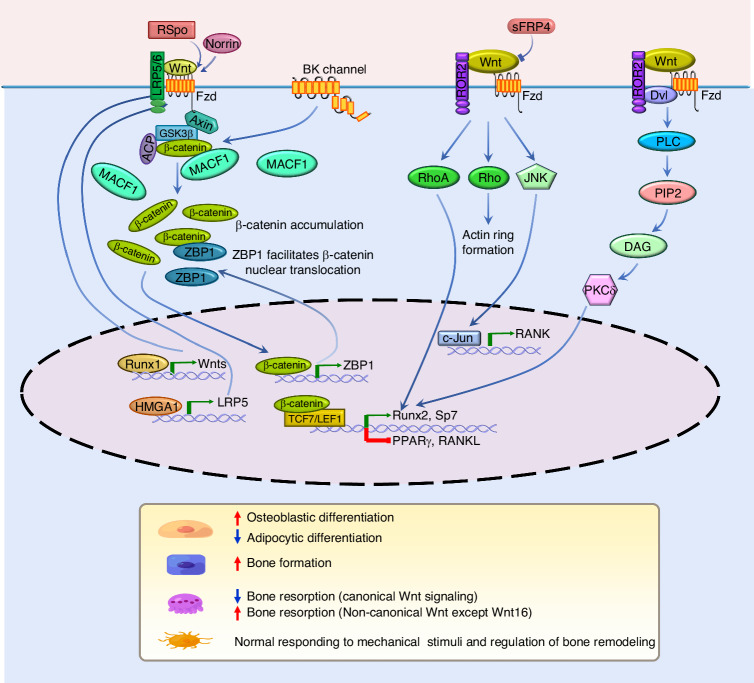
“The inhibition of the Wnt/ β -catenin signaling pathway causes decreased OPG and increased RANKL expression, which disrupts the balance of the OPG-RANKL-RANK pathway and exacerbates bone resorption [36].”
Mechanotransduction for therapeutic approaches: Cellular aging and rejuvenation
Han, H.-M., Kim, S.-Y., & Kim, D. (2025) · APL Bioengineering · doi:10.1063/5.0263236 · Cited by 39
Pandey, S., Anshu, T., Maharana, K. C., & Sinha, S. (2025) · Cytokine · doi:10.1016/j.cyto.2025.156957 · Cited by 31
Bioactive Compounds from Propolis on Bone Homeostasis: A Narrative Review
Bertolucci, V., Ninomiya, A. F., Longato, G. B., Kaneko, L. O., Nonose, N., Scariot, P. P. M., & Messias, L. H. D. (2025) · Antioxidants · doi:10.3390/antiox14010081 · Cited by 37
Chen, Y., Xiao, H., Liu, Z., Teng, F., Yang, A., Geng, B., Sheng, X., & Xia, Y. (2024) · Biomolecules · doi:10.3390/biom14080970 · Cited by 35
Sun, Y., Yao, X., Zhang, Y., Zhang, W., Zhu, C., Shen, C., Wang, Y., & Wang, X. (2025) · ACS Applied Materials & Interfaces · doi:10.1021/acsami.4c23069 · Cited by 27
Frizzled receptors: gatekeepers of Wnt signaling in development and disease
Martinez‐Marin, D., Stroman, G. C., Fulton, C. J., & Pruitt, K. (2025) · Frontiers in Cell and Developmental Biology · doi:10.3389/fcell.2025.1599355 · Cited by 28
The role of bone in whole-body energy metabolism
Lecka‐Czernik, B., Rosen, C. J., & Napoli, N. (2025) · Nature Reviews Endocrinology · doi:10.1038/s41574-025-01162-4 · Cited by 35
Li, S., Man, Z., Zuo, K., Zhang, L., Zhang, T., Xiao, G., Lu, Y., Li, W., & Li, N. (2025) · Bioactive Materials · doi:10.1016/j.bioactmat.2025.05.004 · Cited by 58
“…(NPs) have been identified as a potential candidate for bone repair [116], which could up-regulate autophagy by activating mammalian target of rapamycin (mTOR)/ULK1 and subsequently triggering the Wnt/ β -catenin pathway to boost the differentiation and mineralization of osteoblasts [117].”
Li, Q., Wang, J., & Zhao, C. (2024) · Biomedicines · doi:10.3390/biomedicines12102389 · Cited by 24
Zulfiqar, Z., Asif, M. A., Liu, M., Zhang, S., Rafieian-Naeini, H. R., Cui, Y., Liu, B., & Shi, Y. (2025) · Poultry Science · doi:10.1016/j.psj.2025.104925 · Cited by 18
Sharafi, M. H., Nazari, A., Cheraghi, M., Souri, F., & Bakhshesh, M. (2025) · Osteoporosis International · doi:10.1007/s00198-025-07553-7 · Cited by 24
Tian, K., Xiong, T., Zeng, D., Huang, Z., Liu, R., & Luo, F. (2025) · Redox Biology · doi:10.1016/j.redox.2025.103941 · Cited by 26
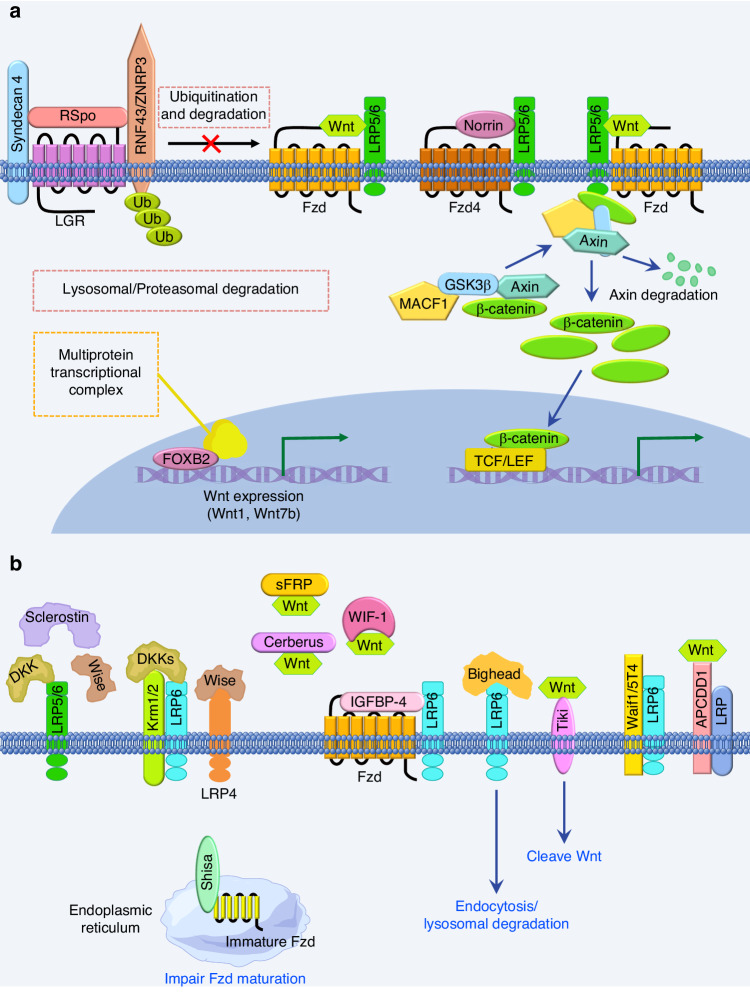
“1B) [12,39].”
Shen, C., Han, Y., Xiong, H., Wang, Y., Tan, Z., Wei, H., Ding, Q., Ma, L., Ding, C., & Zhao, T. (2025) · International Journal of Biological Macromolecules · doi:10.1016/j.ijbiomac.2024.139418 · Cited by 19
Addressing osteoblast senescence: Molecular pathways and the frontier of anti‐ageing treatments
Zhang, Z., Liu, P., Song, Y., Ma, L., Xu, Y., Lei, J., Tong, B., Zhu, D., Liang, H., Wang, H., et al. (2025) · Clinical and Translational Medicine · doi:10.1002/ctm2.70417 · Cited by 26
Osteocalcin and GPR158: linking bone and brain function
Li, J., Lou, S., & Bian, X. (2025) · Frontiers in Cell and Developmental Biology · doi:10.3389/fcell.2025.1564751 · Cited by 23
Li, H., Qi, F., Xiong, J., Pan, G., Gao, X., Chen, J., Ye, T., Zan, J., Xiong, W., Lin, C., et al. (2025) · Materials Today Chemistry · doi:10.1016/j.mtchem.2025.102807 · Cited by 16
Song, J., Xue, Q., Wang, H., Jin, R., Liu, X., Li, L., Liu, Y., Wang, D., & Hu, M. (2025) · Carbohydrate Polymers · doi:10.1016/j.carbpol.2025.124018 · Cited by 18
Manganese-based nanozymes for the dynamic regulation of the osteogenic microenvironment
Li, X., Shi, B., Lu, Y., Yu, Y., Yu, P., Zheng, Y., & Xia, D. (2025) · EBioMedicine · doi:10.1016/j.ebiom.2025.105958 · Cited by 17
“107,133 Secondly, Mn ions increase integrin affinity and amplify outside-in signalling via the integrin–FAK– ERK axis, augmenting osteoblast proliferation, spreading, adhesion and differentiation.”
Li, X., Li, Q., Tan, J., Yu, Y., Yuan, W., Liu, X., Zheng, Y., & Xia, D. (2025) · Acta Biomaterialia · doi:10.1016/j.actbio.2025.04.010 · Cited by 17
Osteonecrosis: A More Appropriate Term than Avascular Necrosis–Pathophysiologic Rationale
Cheng, E. Y., Mirzaei, A., Sugano, N., Hernigou, P., Jones, L. C., Koo, K., Drescher, W., Cui, Q., Sierra, R. J., Goodman, S. B., et al. (2025) · The Journal of Arthroplasty · doi:10.1016/j.arth.2025.05.064 · Cited by 19
Han, D. H., Liu, W., Gong, J., Ma, Y., & Sun, Z. (2025) · Frontiers in Bioengineering and Biotechnology · doi:10.3389/fbioe.2025.1568914 · Cited by 23
The epigenetic landscape of rheumatoid arthritis: Pathogenesis and drug therapeutic potentials
Huang, C., Liang, Y., Li, Y., Quan, W., Ouyang, L., & Zhang, J. (2025) · Acta Pharmaceutica Sinica B · doi:10.1016/j.apsb.2025.08.022 · Cited by 21
Self-citationComan, A., Tarţa, C., Marian, M., Popa, D. I., Olariu, S., Rosu, M., Uţu, D., Buleu, F. N., Macovei-Oprescu, A.-M., Novacescu, D., et al. (2025) · Journal of Clinical Medicine · doi:10.3390/jcm14197104 · Cited by 19
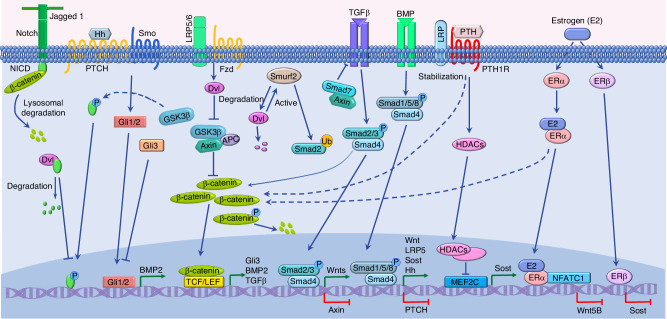
“PTH acutely downregulates sclerostin production, through PKA-mediated phosphorylation of cAMP-response element binding protein (CREB) and Myocyte Enhancer Factor 2 (MEF2), thereby enhancing Wnt signaling and promoting bone formation [78,79].”
Autism spectrum disorder and various mechanisms behind it
Rajabi, P., Noori, A. S., & Sargolzaei, J. (2024) · Pharmacology Biochemistry and Behavior · doi:10.1016/j.pbb.2024.173887 · Cited by 19
Huang, S., Wu, Y., Zhao, H., Song, K., Liu, Y., Mao, J., & Li, Q. (2025) · Journal of Advanced Research · doi:10.1016/j.jare.2025.06.011 · Cited by 25
A Review of the Relationship Between Insulin and Bone Health
Ravindran, S., Wong, S. K., Mohamad, N.-V., & Chin, K. (2025) · Biomedicines · doi:10.3390/biomedicines13061504 · Cited by 18
“The downregulation of β -catenin impairs osteoblast differentiation and shifts mesenchymal stem cells toward adipogenic lineages, increasing marrow fat and weakening bone [88].”
Phytochemicals in Bone Therapy: Exploring Natural Alternatives for Bone Health
Abdelnabi, H., & Mohsin, S. (2025) · International Journal of Nanomedicine · doi:10.2147/ijn.s524695 · Cited by 17
Bai, J., Xie, N., Hou, Y., Li, C., Gao, P., Qi, L., Nie, X., Yan, J., Zeng, Y., Zhang, Y., et al. (2025) · Phytomedicine · doi:10.1016/j.phymed.2025.157540 · Cited by 19
Mu, X., Yang, Y., Zhang, H., Song, H., Li, Y., Wei, C., Xu, L. L., Li, K., Liu, K., Han, F., et al. (2025) · ACS Applied Materials & Interfaces · doi:10.1021/acsami.5c02999 · Cited by 14
Self-citationNjie, R., Xu, S., Wu, T., Pi, J., Lin, S., Zhang, P., Wang, J., Dai, Q., Shen, H., Zhang, N., et al. (2025) · Journal of Cellular and Molecular Medicine · doi:10.1111/jcmm.70813 · Cited by 14
Liu, Y., Li, L., Zhan, X., Hong, S., Chang, S., Huang, G., Pan, S.-T., Liu, Y., Li, L., Zhan, X., et al. (2025) · Biomaterials Advances · doi:10.1016/j.bioadv.2025.214497 · Cited by 13
Wnt 3a-Modified Scaffolds Improve Nerve Regeneration by Boosting Schwann Cell Function
He, R., Yu, W., Yan, S., Chen, J., Guan, Y., Xiong, X., Liang, L., Guan, C., Liu, H., Ouyang, Y., et al. (2024) · ACS Applied Materials & Interfaces · doi:10.1021/acsami.4c15013 · Cited by 12
Targeting Wnt signaling in cancer drug resistance: Insights from pre-clinical and clinical research
Hushmandi, K., Alimohammadi, M., Heiat, M., Hashemi, M., Nabavi, N., Tabari, T., Raei, M., Aref, A. R., Farahani, N., Daneshi, S., et al. (2025) · Pathology - Research and Practice · doi:10.1016/j.prp.2025.155837 · Cited by 12
The true cost of phosphate control in chronic kidney disease
Rodelo‐Haad, C., Rodríguez-Ortiz, M. E., García-Sáez, R. M., Rivas-Domínguez, A., Jurado‐Montoya, D., Martín‐Malo, A., Rodríguez, M., de Mier, M. V. P.-R., & Muñoz-Castañeda, J. R. (2025) · Clinical Kidney Journal · doi:10.1093/ckj/sfae434 · Cited by 14
“Nonetheless, in the kidney, high phosphate levels activate the Wnt/ β -catenin pathway [8 , 68 ].”
Regulation of Skeletogenic Pathways by m6A RNA Modification: A Comprehensive Review
Ahi, E. P. (2025) · Calcified Tissue International · doi:10.1007/s00223-025-01367-9 · Cited by 18
Ouyang, L., He, X., Liao, Y., Zhou, X., Liao, J., Lin, Z., Xie, X., Hu, W., Zhang, W., Al-Smadi, F., et al. (2026) · Bone Research · doi:10.1038/s41413-025-00482-5 · Cited by 17
“32 Bone morphogenetic proteins (BMPs) comprise highly conserved soluble bone matrix glycoproteins with similar structures.”
Adaptive smart hydrogels driving precision bone healing in pathological contexts
Huang, H., Xiao, T., Li, Y., Ning, C., Tan, G., & Zhou, L. (2026) · Journal of Controlled Release · doi:10.1016/j.jconrel.2026.114617 · Cited by 13
Self-citationB-doped nano-hydroxyapatite facilitates proliferation and differentiation of osteoblasts
Kang, Q., Wang, W., Wu, S., & Hu, G. (2025) · Journal of Orthopaedic Surgery and Research · doi:10.1186/s13018-024-05414-3 · Cited by 11
The potential link between the development of Alzheimer’s disease and osteoporosis
Nasme, F., Behera, J., Tyagi, P., Debnath, N., Falcone, J. C., & Tyagi, N. (2025) · Biogerontology · doi:10.1007/s10522-024-10181-z · Cited by 15
“…estrogen receptors, ERα and Erβ, which is found mainly in osteocytes, osteoblasts, bone marrow-mesenchymal stem cells (BM-MSCs), and osteoclasts and activates Wingless integrated type-1 (Wnt)/β-catenin signalling pathway (Liedert et al. 2020; Syed et al. 2011; Khalid and Krum 2016; Hu et al. 2024).”
Magnesium-containing implants enhance bone healing: A mechanobiological perspective
Wen, Z., Lei, L., Zhang, H., Jin, Z., Shan, Z., Liu, W., Tong, W., Xu, J., & Qin, L. (2025) · Mechanobiology in Medicine · doi:10.1016/j.mbm.2025.100161 · Cited by 20
“137 After the binding between Wnt proteins and receptors or co-receptors, glycogen synthase kinase 3 β (GSK3 β ) and casein kinase 1 (CK1) are recruited to the cellular membrane for LRP phosphorylation, which releases β -catenin from the destruction complex for nucleic translocation and target gene…”
Chen, Z., Sun, Y., Zhu, P., Zhang, L., Yang, J., & Zhang, J. (2025) · Clinical Epigenetics · doi:10.1186/s13148-025-01990-1 · Cited by 15
“High-phosphate conditions inhibit GSK3β, leading to β-catenin accumulation and nuclear translocation, thereby activating Runx2 expression and driving arterial medial calcification (AMC)[36, 93].”
Zhang, Y., Liu, F., Yang, M., He, X., Wu, B. M., Li, J. J., Tao, H., Chen, Y., Chen, J., Guan, Q., et al. (2025) · Advanced Materials · doi:10.1002/adma.202502741 · Cited by 16
Zhang, H., Chen, S., Zhang, G., Wang, Y., Cui, Z., Chen, F., Du, Y., Gu, G., Bai, T., Lv, C., et al. (2025) · Chemical Engineering Journal · doi:10.1016/j.cej.2025.168177 · Cited by 11
Zhang, T., Lv, H., Jia, S., Wang, L., Liu, W., Ding, K., Du, X., Hou, G., Hou, Z., Zhang, Y., et al. (2025) · Bone Research · doi:10.1038/s41413-025-00459-4 · Cited by 14
“31 Previous studies have demonstrated that inactivation of Wnt/ β -catenin signaling inhibited chondrocyte hypertrophy and osteogenesis, while activation of it promoted osteoblastic differentiation of chondrocytes through BMP2.”
Self-citationWu, Z., Chen, J., Kong, F., Zhang, Y., Yi, J., Li, Y., Hu, M., & Wang, D. (2024) · International Journal of Biological Macromolecules · doi:10.1016/j.ijbiomac.2024.138350 · Cited by 9
Self-citationBone metastasis in endocrine-related cancer: unravelling invasion and destruction
Duong, H., Kafer, G. R., & Maugham, M. (2024) · Endocrine Related Cancer · doi:10.1530/erc-24-0294 · Cited by 17
Karoichan, A., Li, L., Agnes, C. J., Willie, B. M., & Tabrizian, M. (2025) · Advanced Functional Materials · doi:10.1002/adfm.202419562 · Cited by 9
Kotsifaki, A., Kalouda, G., Maroulaki, S., Foukas, A. F., & Armakolas, A. (2025) · Diseases · doi:10.3390/diseases13030075 · Cited by 10
“Wnt activates two major signaling cascades: the canonical Wnt/ β -catenin pathway and the non-canonical Wnt/Ca 2+ pathway [45].”
Duan, Y., Mi, X., Yu, Q., Zhu, Z., Gong, C., Hong, Y., Huang, H., He, S., Wang, L., Guo, Q., et al. (2025) · Advanced Functional Materials · doi:10.1002/adfm.202503987 · Cited by 12
Zhang, Z., Cao, F., Liang, D., Pan, M., Lu, W. W., Lyu, H., Xie, Y., Zhang, L., & Tang, P. (2025) · Journal of Orthopaedic Translation · doi:10.1016/j.jot.2025.04.018 · Cited by 12
Fang, K. (2024) · Ibrain · doi:10.1002/ibra.12185 · Cited by 10
“64 – 66 The noncanonical Wnt/PCP pathway is β ‐ catenin independent.”
Nguyen, V.-L., Lee, K.-B., & Moon, Y. J. (2025) · International Journal of Molecular Sciences · doi:10.3390/ijms26157060 · Cited by 13
“The involvement of these three tissues in key regulators such as Wnt [226,227], IGF-1/AKT [47,48,191], MAPK [228–230], and the calcineurin-NFAT pathway [231,232] highlights a multi-organ crosstalk mechanism.”
Kuo, Y.-C., Lee, Z.-H., Tsai, C.-H., Chen, C.-T., Lin, H.-M., & Chen, C. (2025) · Stem Cell Research & Therapy · doi:10.1186/s13287-025-04673-z · Cited by 8
Mendes, M. C., Martins, E. A. G., Chernozem, R. V., Chernozem, P. V., Custódio, C. A., Анатольевич, С. Р., Kholkin, A. L., Silva, A. S., & Mano, J. F. (2025) · ACS Nano · doi:10.1021/acsnano.5c10509 · Cited by 9
Wali, A. F., Talath, S., Babiker, R., El‐Tanani, M., Rangraze, I. R., Ibraheem, W., Al-Dhaheri, Y., Satyam, S. M., & El‐Tanani, Y. (2026) · Frontiers in Pharmacology · doi:10.3389/fphar.2026.1764550 · Cited by 10
Advances in osteosarcoma research: Pathogenesis and emerging therapeutic strategies
Yan, L. ‐., Dong, X., & Chen, S. (2026) · Critical Reviews in Oncology/Hematology · doi:10.1016/j.critrevonc.2026.105252 · Cited by 11
Samarkhanova, D., Zhabagin, M. K., & Nadirov, N. N. (2025) · Journal of Clinical Medicine · doi:10.3390/jcm14041113 · Cited by 9
Rogulska, O. Y., Vavrinova, E., Vacková, I., Havelkova, J., Gotvaldová, K., Abaffy, P., Kubinová, Š., Šíma, M., Rössner, P., Bačáková, L., et al. (2025) · Stem Cell Research & Therapy · doi:10.1186/s13287-025-04309-2 · Cited by 8
“The Wnt/β-catenin signalling is crucial for osteogenic differentiation of MSC [34, 35].”
Coman, A., Tarţa, C., Isaic, A., Marian, M., Olariu, S., Ardelean, A., Macovei-Oprescu, A.-M., Roland, F., Pupca, G., Latcu, S. C., et al. (2025) · Journal of Clinical Medicine · doi:10.3390/jcm14217849 · Cited by 8
Targeting Wnt signaling pathway with small-molecule therapeutics for treating osteoporosis
Ahamad, S., Saquib, M., Hussain, M. K., & Bhat, S. A. (2025) · Bioorganic Chemistry · doi:10.1016/j.bioorg.2025.108195 · Cited by 8
Wu, Y. J., Ding, T., Zhuang, P., Chen, Y., Zhang, Y., Chen, Z., Fan, M., Viitala, T., Wang, Z., Cui, W., et al. (2025) · Journal of Controlled Release · doi:10.1016/j.jconrel.2025.113978 · Cited by 6
Yuan, H., Li, B., Shao, X., Xi, Y., Cheng, S., Liu, A., & Zheng, B. (2025) · Nano Research · doi:10.26599/nr.2025.94907777 · Cited by 7
Zou, X., Fan, X., Xu, P., Yu, X., Luo, C., Kang, Z., Shen, X., Zheng, J., Wang, J., He, B., et al. (2025) · Biomaterials · doi:10.1016/j.biomaterials.2025.123835 · Cited by 9
Phytonanoparticles as novel drug carriers for enhanced osteogenesis and osseointegration
Suresh, N., Thomas, N. G., Mauramo, M. O., Waltimo, T., Sorsa, T. A., & Anil, S. (2025) · Discover Nano · doi:10.1186/s11671-024-04164-9 · Cited by 9
Targeted disruption of PRC1.1 complex enhances bone remodeling
Xing, L., Xu, J., Gong, M., Liu, Y., Li, X., Meng, L., Du, R., Zhou, Y., Ouyang, Z., Liu, X., et al. (2025) · Nature Communications · doi:10.1038/s41467-025-59638-w · Cited by 6
Zhou, H., Wen, P., Liu, Y., Ye, Z., Xiong, W., Liu, Y., Ding, H., Duan, X., Luo, Y., Qin, Q., et al. (2025) · Biomaterials · doi:10.1016/j.biomaterials.2025.123618 · Cited by 6
Crosstalk Between Wnt/β-Catenin and Hedgehog Supports Gli1+ Lineage Osteogenesis in Cranial Sutures
Sun, L., Wang, J., Chen, S., & He, Y. (2025) · International Journal of Molecular Sciences · doi:10.3390/ijms26083508 · Cited by 5
“Wnt/ β -catenin signaling orchestrates stem cell pluripotency and determines cellular differentiation fate during developmental processes [23,38].”
InfluentialEraković, M., Bekić, M., Đokić, J., Tomić, S., Vučević, D., Pavlović, L., Duka, M., Marković, M., Bokonjić, D., & Čolić, M. J. (2025) · International Journal of Molecular Sciences · doi:10.3390/ijms26094220 · Cited by 6
Caron, J., Ghanbariabdolmaleki, M., Marino, M., Qiu, C., Wang, B., Mak, M., & Wang, S. (2025) · Frontiers in Bioengineering and Biotechnology · doi:10.3389/fbioe.2025.1570518 · Cited by 7
Ryan, H., MILTHORPE, B. K., & Santos, J. (2025) · International Journal of Molecular Sciences · doi:10.3390/ijms26157494 · Cited by 7
“The hedgehog (Hh) pathway, activated by primary cilia, was also engaged, with all scaffolds except T expressing the core ciliary component IFT80 [34,35].”
Current Mechanobiological Pathways and Therapies Driving Spinal Health
Kumar, R., Sporn, K., Kaur, H., Khanna, A., Paladugu, P., Zaman, N., & Tavakkoli, A. (2025) · Bioengineering · doi:10.3390/bioengineering12080886 · Cited by 8
“In healthy spines, Wnt/ β -catenin balances ECM synthesis with degradation, supporting dynamic movement [42–44].”
Histone modifications: Unveiling the epigenetic enigma of degenerative skeletal diseases
Zhang, Y., Wang, J., Hua, D., Fan, C., He, W., Deng, Y., Tang, M., Geng, D., Wu, X., & Mao, H. (2025) · Journal of Orthopaedic Translation · doi:10.1016/j.jot.2025.08.013 · Cited by 11
“Wnt signaling is essential for bone homeostasis, promoting osteogenic differentiation of BMSCs while suppressing adipogenic and chondrogenic commitment [136].”
Hakimiha, N., Reyhani, N. B., Haddadi, A., & Aghayan, S. (2025) · Photodiagnosis and Photodynamic Therapy · doi:10.1016/j.pdpdt.2025.105238 · Cited by 6
Recent advances in biomimetic nanodelivery systems for the treatment of osteoporosis
Ren, Z., Xiao, W., Yang, T., Han, Y., Bai, L., Feng, L., Guo, J., & Liu, S. (2025) · Materials Today Bio · doi:10.1016/j.mtbio.2025.102373 · Cited by 11
“Binding of Wnt ligands to cell surface Frizzled receptors and LRP5/6 co-receptors activates intracellular Dishevelled proteins, which inhibits the phosphorylation and degradation of β -catenin [93].”
Ruan, X., Tang, Y., Zhang, K., Zhang, J., Qiu, L., Shi, Y., Zhen, X., Yu, S., Wei, L., Yang, H., et al. (2025) · Biomaterials · doi:10.1016/j.biomaterials.2025.123886 · Cited by 5
Terhaar, H., Duck, B., Collins, C., Grant, E., Pride, L. S., Zhang, D., Zineldin, E., Burrows, P. D., Javed, A., & Khass, M. (2025) · Current Osteoporosis Reports · doi:10.1007/s11914-025-00947-w · Cited by 6
Su, P., Ma, X., Yin, C., Shi, R., Chen, S., Yang, L., Qu, M., Jia, X., Yu, Q., Li, H., et al. (2025) · Aging Cell · doi:10.1111/acel.70306 · Cited by 5
Self-citationLiu, B., Chang, H., Li, P., Chang, H., Wang, X., & He, W. (2025) · Frontiers in Physiology · doi:10.3389/fphys.2025.1729997 · Cited by 5
“The resultant imbalance between bone resorption and formation accelerates bone loss (Hu et al., 2024).”
Qi, J., Wang, Y., Ma, H., Zhang, Z., Han, S. H., Song, A., Tu, F., Li, N., Bi, F., Sun, Y., et al. (2026) · ACS Applied Materials & Interfaces · doi:10.1021/acsami.5c21688 · Cited by 8
Li, M., Zhang, Q., Wang, Z., Gui, Z., Liu, J., Li, J., Jiang, M., Chang, Z., Han, Q., Yang, B., et al. (2026) · iMeta · doi:10.1002/imt2.70157 · Cited by 12
CFTR mutation is associated with bone differentiation abnormalities in cystic fibrosis
Dumortier, C., Frauenpreis, A., Hoarau, A., Ryan, A. L., Gangloff, S. C., Danopoulos, S., Velard, F., & Alam, D. A. (2025) · Journal of Cystic Fibrosis · doi:10.1016/j.jcf.2025.01.005 · Cited by 5
Fan, J., Wang, Y., Yang, H., Huang, S., Ma, Y., Guo, J., Jia, Y., Zhang, Y., Fan, Y., Xiao, D., et al. (2025) · Chemico-Biological Interactions · doi:10.1016/j.cbi.2025.111436 · Cited by 9
Protective role of irisin on bone in osteoporosis: a systematic review of rodent studies
Li, J., Fu, X., Shi, H., Jing, J., Zheng, Q., & Xu, Z. (2025) · Osteoporosis International · doi:10.1007/s00198-025-07470-9 · Cited by 7
Wang, J., Sun, L., Zhang, Y., Chen, S., & He, Y. (2025) · BMC Musculoskeletal Disorders · doi:10.1186/s12891-025-08765-y · Cited by 7
“Earlier studies have also demonstrated that the Wnt/β-catenin signaling pathway is essential for subchondral bone maintenance and function [22].”
Singh, G., Ronald Darwin, C., Panda, K. C., Afzal, S. A., Katiyar, S., Dhakar, R. C., & Mani, S. (2024) · Journal of Biomaterials Science Polymer Edition · doi:10.1080/09205063.2024.2445376 · Cited by 7
Zhang, C., Xie, E., Zhong, Z., Wang, F., Xie, S., Huang, S., Li, D., Sun, P., & Yu, B. (2025) · Composites Part B Engineering · doi:10.1016/j.compositesb.2025.112242 · Cited by 5
Dusim, G. A. H., Muhamad, F., & Lai, K. W. (2025) · Biomaterials Advances · doi:10.1016/j.bioadv.2025.214245 · Cited by 9
Metadata
- Authors
- Hu, L., Chen, W., Qian, A., & Li, Y.-P.
- Affiliations
- Northwestern Polytechnical University (CN)
- Tulane University (US)
- Corresponding author
- Qian, Airong
- Venue
- Bone Research
- Published
- 2024-07-10
- Volume
- 12
- Issue
- 1
- Pages
- 39-39
- ISSN
- 2095-4700 (ISSN-L)
- 2095-6231
- PMC
- PMC11237130
- OpenAlex
- W4400496274
- Cited by
- 359
- References
- 503
- Citations by year
- 2026: 188 · 2025: 155 · 2024: 16
- FWCI
- 14.61
- Type
- journal article
- Language
- en
- Open access
- gold
- doi.org
- Licence
- cc-by
- creativecommons.org/licenses/by/4.0 (tdm)
- creativecommons.org/licenses/by/4.0 (vor)
- Locations
- Bone Research (publishedVersion, cc-by)
- PubMed Central (publishedVersion, cc-by)
- PubMed (publishedVersion)
- DOAJ (DOAJ: Directory of Open Access Journals) (submittedVersion)
- Funders
- U.S. Department of Health & Human Services | NIH | National Institute of Arthritis and Musculoskeletal and Skin Diseases (AR075735, AR074954, AR070135)
- U.S. Department of Health & Human Services | NIH | National Institute of Dental and Craniofacial Research (DE028264, DE023813)
- National Natural Science Foundation of China (81772017, 82072106)
- Natural Science Basic Research Plan in Shaanxi Province of China
- U.S. Department of Health & Human Services | NIH | National Institute on Aging (AG056438)
- Topics
- Life Sciences › Biochemistry, Genetics and Molecular Biology › Molecular Biology › Wnt/β-catenin signaling in development and cancer
- Life Sciences › Biochemistry, Genetics and Molecular Biology › Molecular Biology › Bone Metabolism and Diseases
- Health Sciences › Medicine › Orthopedics and Sports Medicine › Bone health and osteoporosis research
- Keywords
- Wnt/β-catenin signaling, bone formation, bone homeostasis, bone disease, Wnt receptors, Wnt inhibitors, signaling crosstalk, mouse model
- MeSH terms
- Animals, Bone Diseases, Homeostasis, Humans, Osteogenesis, Wnt Proteins, beta Catenin, Wnt Signaling Pathway
About these checks
Registry, retraction, Cites and statistics results are computed, not judged, with one exception: a printed reference that no index lists is read once by a model before it counts as a citation error. Claims are extracted by a model and kept only when their quote appears verbatim in the text; each cited source is then checked, with a model’s help, for whether it says what the claim relies on. Those verdicts can be wrong — read the claim’s quote and the cited source before relying on one.
Statistics and arithmetic are recomputed, not judged.
Confidence bands are shown only for fields calibrated on our annotated test set. None is calibrated yet, so no band is shown.
What counts as a claim ›How we measure confidence ›How we check this ›
Are you an author, or do you see a problem with this page? Request a review
Data sources
Bibliographic data: Semantic Scholar, OpenAlex, Crossref.
Contains information from the Semantic Scholar Academic Graph Datasets, made available under the ODC Attribution License (ODC-BY 1.0).
Semantic Scholar’s data is described in: Kinney, R., et al. (2023). The Semantic Scholar Open Data Platform. arXiv:2301.10140.
