

Wnt/β-catenin signaling components and mechanisms in bone formation, homeostasis, and disease
Open accessThe DOI matches its Crossref record; 502 of the 503 references it cites were found in a registry or an index.
Abstract
Wnts are secreted, lipid-modified proteins that bind to different receptors on the cell surface to activate canonical or non-canonical Wnt signaling pathways, which control various biological processes throughout embryonic development and adult life. Aberrant Wnt signaling pathway underlies a wide range of human disease pathogeneses. In this review, we provide an update of Wnt/β-catenin signaling components and mechanisms in bone formation, homeostasis, and diseases. The Wnt proteins, receptors, activators, inhibitors, and the crosstalk of Wnt signaling pathways with other signaling pathways are summarized and discussed. We mainly review Wnt signaling functions in bone formation, homeostasis, and related diseases, and summarize mouse models carrying genetic modifications of Wnt signaling components. Moreover, the therapeutic strategies for treating bone diseases by targeting Wnt signaling, including the extracellular molecules, cytosol components, and nuclear components of Wnt signaling are reviewed. In summary, this paper reviews our current understanding of the mechanisms by which Wnt signaling regulates bone formation, homeostasis, and the efforts targeting Wnt signaling for treating bone diseases. Finally, the paper evaluates the important questions in Wnt signaling to be further explored based on the progress of new biological analytical technologies.
Overview
The claims and statistics of this paper haven’t been checked yet.
Free: it reads the open-access text and checks the first 5 claims that cite a source we can check. Create a free account to check every claim.
Integrity signals
Registry
Cites
Statistics
Figures
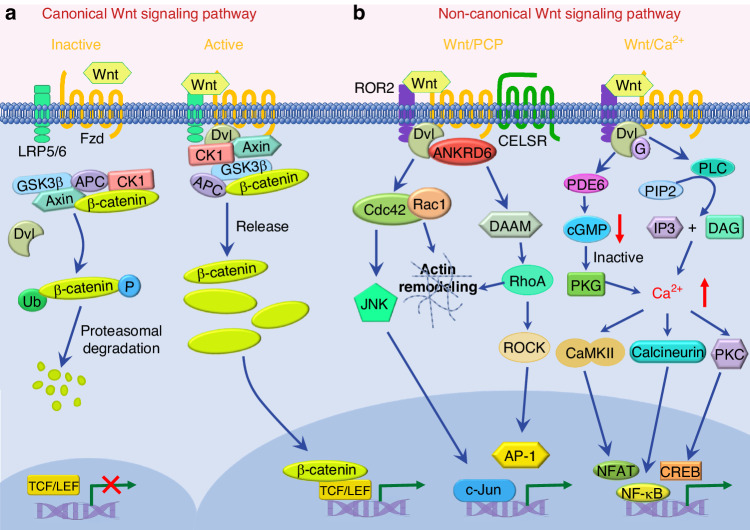
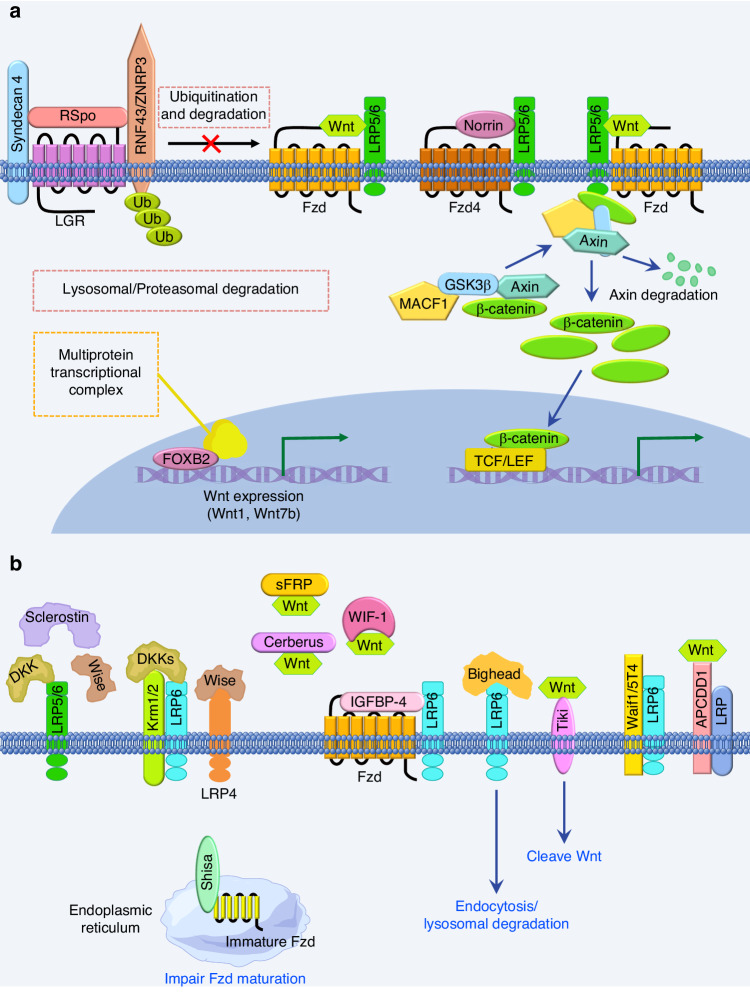
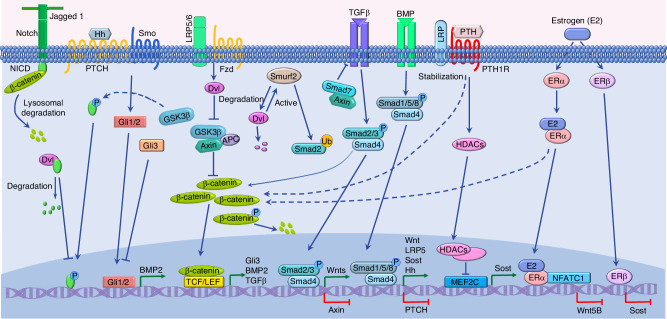
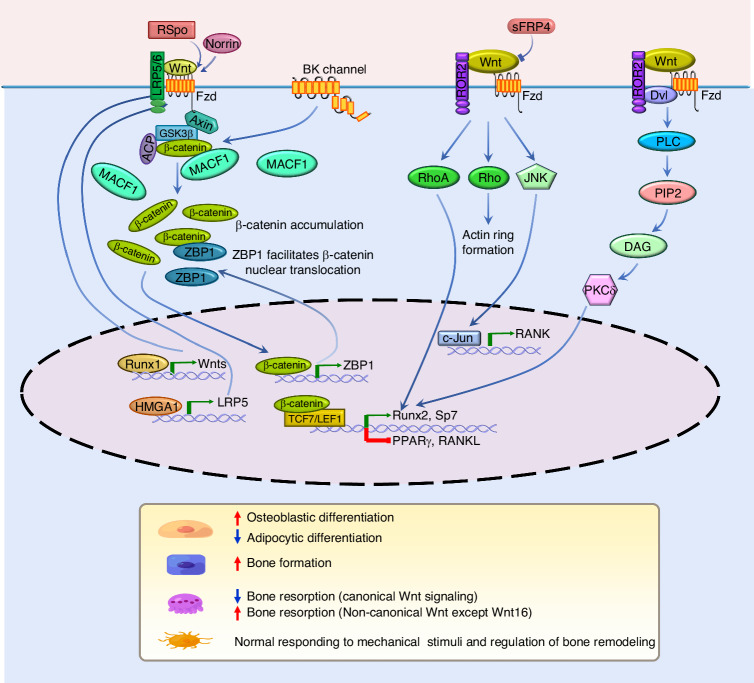
Verification
Claims the paper makes
The claims and statistics of this paper haven’t been checked yet.
Free: it reads the open-access text and checks the first 5 claims that cite a source we can check. Create a free account to check every claim.
Claims other papers make about this one
Each is checked against this paper’s own text: does it say what the citing paper says it does?
The source backs part of the claim, not all of it — or backs it for a different population, condition or comparison.
In the citing paper
“Genetic characterization of Wnt pathway components—particularly the osteocyte-derived Wnt inhibitor sclerostin—demonstrates that molecular and genotype-based stratification can predict individual therapeutic responses and guide precision selection of bone-anabolic interventions [149,150].”
From Interorgan Communications in Skeletal Pathophysiology: From Molecular Pathways to Multidisciplinary Therapies (2026) · cites this paper as [150]
Experimental — accuracy not yet measured
Self-check
Percentages, sums and reported differences re-computed from the paper’s own numbers.
The self-check needs the paper’s full text.
Citations
Cites
1 retracted
Peng, Z. Y., Lu, S., Lou, Z., Li, Z., Li, S., Yang, K., & Li, C. (2021) · Bioengineered · doi:10.1080/21655979.2021.1996015 · Cited by 21
RetractedWnt/β-catenin signaling and disease
Clevers, H., & Nusse, R. (2012) · Cell · doi:10.1016/j.cell.2012.05.012 · Cited by 5,554 · cited 2×
“1,2,19 In the canonical Wnt signaling pathway, β -catenin functions as a key transcriptional co-activator and transmits extracellular signals to activate the target genes (Fig.”
BackgroundStöckl, S., Göttl, C., Grifka, J., & Grässel, S. (2013) · Cellular Physiology and Biochemistry · doi:10.1159/000350089 · Cited by 4,656
Mutations affecting segment number and polarity in Drosophila
Nüsslein-Volhard, C., & Wieschaus, E. (1980) · Nature · doi:10.1038/287795a0 · Cited by 4,370
Wnt/β-Catenin Signaling, Disease, and Emerging Therapeutic Modalities
Nusse, R., & Clevers, H. (2017) · Cell · doi:10.1016/j.cell.2017.05.016 · Cited by 4,342
Osteoarthritis: A disease of the joint as an organ
Loeser, R. F., Goldring, S. R., Scanzello, C. R., & Goldring, M. B. (2012) · Arthritis & Rheumatism · doi:10.1002/art.34453 · Cited by 3,076 · cited 1×
“347 Wnts also play a key role in OA.”
BackgroundSpatially resolved, highly multiplexed RNA profiling in single cells
Chen, K. H., Boettiger, A. N., Moffitt, J. R., Wang, S., & Zhuang, X. (2015) · Science · doi:10.1126/science.aaa6090 · Cited by 2,969
Constitutive Transcriptional Activation by a β-Catenin-Tcf Complex in APC −/− Colon Carcinoma
Korinek, V., Barker, N., Morin, P. J., van Wichen, D., de Weger, R., Kinzler, K. W., Vogelstein, B., & Clevers, H. (1997) · Science · doi:10.1126/science.275.5307.1784 · Cited by 2,905
Identification of FAP Locus Genes from Chromosome 5q21
Kinzler, K. W., Nilbert, M. C., Su, L.-K., Vogelstein, B., Bryan, T. M., Levy, D. B., Smith, K. J., Preisinger, A. C., Hedge, P., McKechnie, D., et al. (1991) · Science · doi:10.1126/science.1651562 · Cited by 2,355
Wnt proteins are lipid-modified and can act as stem cell growth factors
Willert, K., Brown, J. D., Danenberg, E., Duncan, A. W., Weissman, I. L., Reya, T., Yates, J. R., & Nusse, R. (2003) · Nature · doi:10.1038/nature01611 · Cited by 2,257
Research works printed but not linked: 4
- Tu X Noncanonical Wnt signaling through G protein-linked PKCdelta activation promotes bone formation Dev. Cell 2007 12 113 127 10.1016/j.devcel.2006.11.003 17199045 PMC1861818 · DOI · Paper page
- Holmen SL Essential role of β-catenin in postnatal bone acquisition J. Biol. Chem. 2005 280 21162 21168 10.1074/jbc.M501900200 15802266 · DOI · Paper page
- Wei W Biphasic and dosage-dependent regulation of osteoclastogenesis by β-catenin Mol. Cell. Biol. 2011 31 4706 4719 10.1128/MCB.05980-11 21876000 PMC3232928 · DOI · Paper page
- Kramer I Osteocyte Wnt/β-catenin signaling is required for normal bone homeostasis Mol. Cell. Biol. 2010 30 3071 3085 10.1128/MCB.01428-09 20404086 PMC2876685 · DOI · Paper page
Cited by
Items 101–200 of 359
Xiu, Z., Gao, Z., & Luo, L. (2025) · Scientific Reports · doi:10.1038/s41598-025-10191-y · Cited by 5
Liu, Y., Ma, Y., Xue, C., & Li, X. (2025) · Medicine in Novel Technology and Devices · doi:10.1016/j.medntd.2025.100399 · Cited by 5
Osteosarcopenia: key molecular mechanisms and translational perspectives
Pu, Y., Teng, Y., Li, Y., Zhou, Y., Gao, M., Yan, Z., & Teng, Z. (2026) · Frontiers in Physiology · doi:10.3389/fphys.2025.1723522 · Cited by 8
Self-citationZhang, Y., Xu, L., Xu, H., Zhang, Y., Wang, L., Jiang, S., Sun, Y., & Yu, Y. (2026) · Frontiers in Nutrition · doi:10.3389/fnut.2025.1730053 · Cited by 8
In Vivo Models of Diabetes: Unravelling Molecular Pathways in Metabolic and Skeletal Complications
Hairi, H. A., Mustafa, N. H., Shuid, A. N., & Sadikan, M. Z. (2026) · Biomedicines · doi:10.3390/biomedicines14010243 · Cited by 5
Kuhn, M. R., Haffner‐Luntzer, M., Dieterich, S., Sachs, M., Rösch, G., Jenei‐Lanzl, Z., Reber, S. O., Ignatius, A. A., & Tschaffon, M. E. A. (2026) · JBMR Plus · doi:10.1093/jbmrpl/ziag021 · Cited by 4
Anand, S., Kumari, N., & Amruthavarshini, S. N. (2026) · Discover Neuroscience · doi:10.1186/s13064-026-00271-8 · Cited by 4
Porcupine inhibition enhances hypertrophic cartilage differentiation
Killinger, M., Szotkowská, T., Lusková, D., Zezula, N., Bryja, V., & Buchtová, M. (2025) · JBMR Plus · doi:10.1093/jbmrpl/ziaf048 · Cited by 4
“1,93 This pathway ensures a balance between cartilage formation and bone development, particularly in endochondral ossification.”
Bagheri, L., Javanbakht, M., Malekian, S., Ghahderijani, B. H., Taghipour, S., Tanha, F. D., Ranjkesh, M. H., Cegolon, L., & Zhao, S. G. (2025) · European Journal of Pharmacology · doi:10.1016/j.ejphar.2025.177607 · Cited by 5
Tong, J., Alzahrani, B., Kumar, S. S., Rampal, S., Ramasamy, R., Ma, Z., Wu, X., & Mok, P. L. (2025) · Scientific Reports · doi:10.1038/s41598-025-07642-x · Cited by 5
Modulation of Wnt/β‐Catenin Signaling by STAT3 Inhibition Restores Myogenic Capacity in Sarcopenia
Zhang, S., Tao, X., Fu, M., Li, Y., Tu, G., Zhang, D., & Yin, L. (2025) · International Journal of Rheumatic Diseases · doi:10.1111/1756-185x.70340 · Cited by 6
Self-citationMeesuk, L., Kheolamai, P., Tantrawatpan, C., Suwanprateeb, J., & Manochantr, S. (2025) · Scientific Reports · doi:10.1038/s41598-025-13093-1 · Cited by 4
Mesenchymal stem cell therapy in veterinary orthopaedics: Evidence from canine clinical medicine
Banu, S. A., Mamachan, M., El‐Husseiny, H. M., Golchin, A., & Sharun, K. (2025) · Veterinary Research Communications · doi:10.1007/s11259-025-10843-4 · Cited by 5
“The Wnt/β-catenin pathway is particu - larly important in promoting osteoblastogenesis by upregulating osteogenic regulators (Hu et al. 2024).”
M2-exo promote orthodontic bone remodeling via the MeCP2-TCF20-HDAC1 axis
Chen, M., Li, Y., Yang, Z.-J., Chen, M., Li, J., Bao, G., Ma, L., & Hu, J. (2025) · Stem Cell Research & Therapy · doi:10.1186/s13287-025-04633-7 · Cited by 4
“The Wnt signaling pathway serves as a pivotal mediator of mechano-immune crosstalk and plays an essential role in mechanically induced bone remodeling [43].”
Self-citationThe relationship between OPLL and metabolic disorders
Wang, J., Wei, Z., Kong, Q., Sun, Y., Zhang, Z., Yang, H., & Chen, X. (2025) · Bone Research · doi:10.1038/s41413-025-00446-9 · Cited by 8
The role of metabolic reprogramming in inflammatory bone diseases
Wang, Y., Zhou, L., & Zhang, L. (2025) · Biochemical Pharmacology · doi:10.1016/j.bcp.2025.117541 · Cited by 14
Targeting chemokine signaling networks for therapeutics in skeletal disorders
Gao, W., Gao, Z., Chen, Y., Wang, Y., Li, Y., Qian, Y., Lu, H., Ling, X., Xiao, H., Yang, P., et al. (2025) · Frontiers in Endocrinology · doi:10.3389/fendo.2025.1667440 · Cited by 4
Self-citationLu, Y., Ren, W., Li, Q., Zhao, Y., Zeng, R., Zhou, Y., Zhang, F., Zheng, Y., & Xia, D. (2026) · Acta Biomaterialia · doi:10.1016/j.actbio.2026.01.046 · Cited by 7
Li, H., Pan, H., & Feng, M. (2026) · Journal of Translational Medicine · doi:10.1186/s12967-025-07653-2 · Cited by 5
“The Wnt pathway also interacts with other pathways, like BMP and Notch, to regulate bone growth and repair [42].”
Wnt signaling pathway: Therapeutic target of natural products for cancer therapy
Fang, W., Luo, W., Hu, J., He, Z., Liu, X., Tang, X., Li, Y., Ming, T., Li, Y., He, Y., et al. (2026) · Pharmacology & Therapeutics · doi:10.1016/j.pharmthera.2026.109000 · Cited by 4
Self-citationYeon, S., Seto, S. W., Bhuyan, D. J., Chang, D., Li, C. G., & Low¹, M. (2026) · Current Atherosclerosis Reports · doi:10.1007/s11883-025-01377-w · Cited by 5
Gomes-Ferreira, P. H. S., Frigério, P. B., Duarte, N. D., de Moura, J., Monteiro, N. G., Fábris, A. L. D. S., & Okamoto, R. (2025) · Bioengineering · doi:10.3390/bioengineering12040358 · Cited by 4
“To confirm the therapeutic benefits of local Scl-Ab, further research is needed, including the evaluation of cellular mechanisms and implant surface characteristics.”
Liu, G., Lin, J., Chen, X., & Liu, R. (2025) · Frontiers in Bioengineering and Biotechnology · doi:10.3389/fbioe.2025.1521134 · Cited by 3
Early diagnosed Zaki syndrome: identification of two novel WLS variants and a literature review
Tian, A., Li, S., Liang, F., Yao, M., Mostafavi, N., Li, Y., Luo, X., & Zhang, C. (2025) · The Italian Journal of Pediatrics/Italian journal of pediatrics · doi:10.1186/s13052-025-02067-8 · Cited by 3
“The observed divergence in cranial and limb growth may reflect tissue-specific responsiveness to the Wnt/β-catenin pathway, which differentially regulates endochondral ossification in long bones and intramem-branous ossification in the skull [45–47].”
Self-citationHe, G., Li, J., Zhong, Y., Hua, J., Xu, J., Cui, L., & Cui, Y. (2025) · ACR Open Rheumatology · doi:10.1002/acr2.70075 · Cited by 4
“33,34 38 To further con fi rm whether the Wnt/ β -catenin signaling pathway contributes to GDF-15 – mediated osteogenic induction in AS fi broblasts, XAV939 and DKK-1, the Wnt/ β -catenin pathway inhibitors, were used.”
Gmitro, S., Larraza, A., Sotoudehbagha, P., Mata, A. A., Romero, A., Lovejoy, J., & Razavi, M. (2025) · Frontiers in Bioengineering and Biotechnology · doi:10.3389/fbioe.2025.1685918 · Cited by 4
Li, Y., Xia, Y., Feng, L., Chen, X., Dang, J., Xu, H., & Liu, Y. (2025) · Ecotoxicology and Environmental Safety · doi:10.1016/j.ecoenv.2025.119308 · Cited by 5
Self-citationXiao, H., Li, J., Huang, W., & Qin, Y. (2025) · Molecular Medicine Reports · doi:10.3892/mmr.2025.13760 · Cited by 4
“The canonical Wnt pathway is a well‑established and powerful promoter of osteoblast differentiation and bone formation (36).”
Bai, J., Qiu, X., Shan, H., Yao, Y., Tao, L., Lin, J., Wu, C., Jiang, F., Sheng, L., Tian, B., et al. (2025) · Journal of Bone and Mineral Research · doi:10.1093/jbmr/zjaf143 · Cited by 3
Wang, Y., Zhao, R., Zhao, W., Lin, F., & Liu, S. (2025) · ACS Biomaterials Science & Engineering · doi:10.1021/acsbiomaterials.5c00825 · Cited by 3
A Novel RANKL/RANK Inhibitor IMB-R38 Inhibits Osteoporosis Through Regulating Bone Metabolism
Zhang, Y., Wei, X., Sheng, R., Yang, G., Han, X., Wang, J., Liu, C., Li, S., Lei, L., Jiang, W., et al. (2025) · International Journal of Molecular Sciences · doi:10.3390/ijms262412151 · Cited by 4
“Osteoblast differentiation is promoted by canonical Wnt signaling via a mechanism whereby β -catenin/TCF1 directly activates the expression of Runx2 [28].”
Ma, Y., Zhang, W., Yang, Z., Hu, L., Lu, F., & Hu, Y. (2025) · Stem Cell Reviews and Reports · doi:10.1007/s12015-025-11035-y · Cited by 3
Self-citationLiu, C., Wu, X., Guo, Y., & Li, D. (2026) · Food Science & Nutrition · doi:10.1002/fsn3.71415 · Cited by 3
Aslani, S., Kalantary‐Charvadeh, A., Abbasalipourkabir, R., & Ziamajidi, N. (2026) · Experimental Cell Research · doi:10.1016/j.yexcr.2026.114921 · Cited by 4
Surboyo, M. D. C., Sirisereephap, K., & Maekawa, T. (2026) · Journal of Bone and Mineral Metabolism · doi:10.1007/s00774-026-01706-2 · Cited by 4
Immunomodulatory-osteogenic dual-functional nanofibers augment screw anchorage in osteoporotic bone
Jiang, W., Han, Z., Hou, F., Li, D., Wang, A., Shi, Y., Bao, P., Hua, X., Wu, L., Ye, T., et al. (2026) · Materials Today Bio · doi:10.1016/j.mtbio.2026.103007 · Cited by 3
“In contrast, canonical Wnt/ β -catenin signaling is essential for maintaining osteoblast commitment and bone mass, and its suppression is a well-recognized hallmark of osteoporotic bone, while restoration of Wnt activity improves bone microarchitecture and fracture resistance [29].”
Cross-species prediction reveals chromatin regions with increased accessibility in humans
Wang, L., Li, Y., Han, D., & Wang, Z. (2026) · Science Advances · doi:10.1126/sciadv.ady9169 · Cited by 5
“This SNV creates a binding site for FOSL2, and integration with Hi-C data reveals that this OCR physically contacts the promoter of GSK3B , a gene involved in glucose regulation and previously implicated with skeletal strength ( 63 , 64 ).”
Self-citationMechanisms of bone regeneration repair and potential and efficacy of small molecule drugs
Zhang, K., Li, H., Wang, T., Li, F., Xie, Z., Luo, H. W., Zhu, X., Kang, P., Kang, Q., Fei, Z., et al. (2025) · Biomedicine & Pharmacotherapy · doi:10.1016/j.biopha.2025.118070 · Cited by 7
Suh, H. N., Ji, J. Y., & Heo, J. S. (2025) · Journal of Functional Biomaterials · doi:10.3390/jfb16050177 · Cited by 3
Humulus lupulus Promoting Osteoblast Activity and Bone Integrity: Effects and Mechanisms
Wanionok, N. E., Colareda, G. A., & Fernández, J. M. (2025) · Biology · doi:10.3390/biology14050582 · Cited by 3
“Additionally, estrogens increase the production of OPG by osteoblasts and promote their bone-forming activity since they increase the synthesis of bone matrix components while reducing osteocytic and osteoblastic apoptosis [4,7,8].”
Li, H., Hu, F., Pan, X., Wang, Q., Liang, H., Lv, L., Li, J., Chang, Y., Xing, G., Xing, G., et al. (2025) · Small · doi:10.1002/smll.202505863 · Cited by 4
Photobiomodulation Meets Mechanotransduction: Immune-Stromal Crosstalk in Orthodontic Remodeling
Marković, J., & Čolić, M. J. (2025) · Biomedicines · doi:10.3390/biomedicines13102495 · Cited by 5
“…the master regulator, commits mesenchymal precursors to the osteoblast lineage, integrating bone morphogenic protein (BMP)/Smad and Wnt/ β -catenin inputs to induce osteogenic genes such as collagen type I alpha 1 chain (COL1A1), alkaline phosphatase (ALP), secreted phosphoprotein 1 (SPP1) [25].”
In Vitro Osteogenic Stimulation of Human Adipose-Derived MSCs on Biofunctional 3D-Printed Scaffolds
Munaò, S., D’Amora, U., Bauso, L. V., Ronca, A., Manini, P., Pezzella, A., Raucci, M. G., Ambrosio, L., & Calabrese, G. (2025) · Biomedicines · doi:10.3390/biomedicines13112755 · Cited by 5
“Mechanical signals generated at BSF-Eumel-rich interfaces enhance cytoskeletal tension, facilitating β -catenin nuclear translocation, a critical step in the transcription of osteogenic markers such as BGLAP and SPP1 [47].”
Cortés‐González, V., Rodríguez-Morales, M., Ataliotis, P., Mayer, C., Plaisancié, J., Chassaing, N., Lee, H., Rozet, J., Cavodeassi, F., & Fares‐Taie, L. (2024) · Human Genetics · doi:10.1007/s00439-024-02712-y · Cited by 4
Wang, X., Zhou, Z., Chai, X., Li, J., Wang, W., Pang, Z., Cheng, L., Cheng, C., Qiao, L., Pan, Y., et al. (2024) · Animals · doi:10.3390/ani15010036 · Cited by 3
Truchan, K., Zagrajczuk, B., Cholewa‐Kowalska, K., & Osyczka, A. M. (2025) · Journal of Biological Engineering · doi:10.1186/s13036-025-00491-2 · Cited by 4
“The Wnt/β-catenin signaling pathway is one of the key factors during skeletal development and fracture healing, as β-catenin deletion in mice results in osteopenia and prevents terminal differentiation of osteogenic progenitors into osteoblasts [80].”
Obeidat, A. M., Newton, M. D., Li, J., Hu, B., Ishihara, S., Lammlin, L., Junginger, L. M., Farrell, E. C., Wang, L., Ko, F. C., et al. (2026) · Arthritis & Rheumatology · doi:10.1002/art.70168 · Cited by 3
Zhang, W., Zhang, P., Zhan, J., Wei, X., Du, Y., Zhao, K., Zhu, L., Xie, R., Xie, H., Zhou, S., et al. (2026) · Current Molecular Medicine · doi:10.2174/0115665240370788250617070218 · Cited by 6
Crosstalk between hippo and Wnt pathways in intestinal stem cells regeneration
Li, Y., Hou, Y., He, Y., Cheng, K., Chen, Y., Li, Y., & Zhou, S. (2025) · Cellular Signalling · doi:10.1016/j.cellsig.2025.112023 · Cited by 3
Self-citationSharma, A. R., Kaushik, N. K., Acharya, T. R., Sharma, G., Kaushik, N., Jagga, S., Kim, J., Choi, E. H., & Lee, S. (2025) · ACS Applied Materials & Interfaces · doi:10.1021/acsami.5c14557 · Cited by 2
Shi, Z., & Liu, W. (2025) · World Journal of Stem Cells · doi:10.4252/wjsc.v17.i9.109662 · Cited by 2
Yin, M., Shi, H., Lv, C., Shi, L., Xie, L., Yu, G., & Xu, K. (2025) · Medicine Plus · doi:10.1016/j.medp.2025.100104 · Cited by 2
Zhang, L., Zhang, Y., Wan, Z., Yuan, X., Gao, Y., Song, R., Liu, X., Sang, J., Song, J., Wang, Y., et al. (2025) · Materials Today Bio · doi:10.1016/j.mtbio.2025.102620 · Cited by 5
“Activation of the Wnt signaling pathway is known to potentiate bone formation [42,43].”
Kang, Y., Li, N., Yu, Y., Wang, D., Zhao, T., Sun, L., Liu, C., & Tang, L. (2025) · Biology · doi:10.3390/biology15010055 · Cited by 2
“Moreover, estrogen deficiency downregulates the Wnt/ β -catenin—a canonical pro-osteogenic signal that promotes proliferation of osteoprogenitors, inhibits their apoptosis, and indirectly suppresses osteoclastogenesis by modulating the OPG/RANKL axis [51,52].”
Graphene Oxide–based Biomaterials in Sports Medicine
Xi, M., Wan, R., Luo, W., He, Y., Feng, X., Wang, T., Qiu, J., Chen, S., & Luo, Z. (2026) · BIO Integration · doi:10.15212/bioi-2025-0172 · Cited by 3
Zhang, J., Zhang, M., Ren, X., Li, M., Zhu, Y., Shou, D., & Zhang, Y. (2026) · International Journal of Nanomedicine · doi:10.2147/ijn.s582197 · Cited by 6
“44,48 On the other hand, by transferring molecules such as miR-223 or mimicking the function of OPG, they can inhibit the RANKL/RANK signaling pathway, effectively curbing the differentiation and activation of osteoclasts.”
Li, Y., Yu, W., Li, Y., Liu, K., Xu, W., Li, C., Li, Y., Li, Y., Tang, Z., Chang, Y., et al. (2026) · Research · doi:10.34133/research.1227 · Cited by 2
“Numerous gain-and loss-of-function studies in vivo have shown that both excessive activation and deficiency of pathway signaling can result in skeletal dysplasia and even early death [ 24 ].”
Self-citationSarkar, M. M., Gonsalves, N., Davarzani, A., Mitchell, E., Singh, A. M., Karumbaiah, L., & Stice, S. L. (2026) · Journal of Neuro-Oncology · doi:10.1007/s11060-026-05428-3 · Cited by 4
Puspita, R. M., Agustiningsih, D., & Purwanti, N. (2026) · Physiology International · doi:10.1556/2060.2026.00710 · Cited by 2
Molecular Mechanisms of Traditional Chinese Medicine in Treating Osteoarthritis
Lu, Y., Zhou, H., Luo, H., Hu, W., Hu, L., Xie, J., Wu, X., Li, B., Zhou, J., Fan, S., et al. (2026) · The American Journal of Chinese Medicine · doi:10.1142/s0192415x2650028x · Cited by 3
Self-citationJiang, F., Dong, B., Wang, Y., & Xiong, Y. (2026) · International Journal of Molecular Sciences · doi:10.3390/ijms27104322 · Cited by 3
“The differentiation and activity of osteoblasts are intricately regulated by immune cells, primarily through the canonical Wnt/ β -catenin signaling pathway [77].”
Liu, M., Gong, J., Liu, Y., Yu, J., Hu, Z., & Liu, Z. (2026) · Frontiers in Immunology · doi:10.3389/fimmu.2025.1719445 · Cited by 3
“Wnt signaling also inhibits osteoclast differentiation by regulating the expression of RANKL and OPG, such as activating Wnt signaling in osteoblasts to suppress RANKL expression and increase OPG expression, thereby inhibiting bone resorption (57, 58).”
From force to resorption: mechanotransduction, osteoclasts, prevention
Shen, F., Xia, X., Han, Y., Yu, M., & Ding, W. (2026) · Progress in Orthodontics · doi:10.1186/s40510-026-00625-2 · Cited by 3
“Likewise, pharmacological activation of Wnt/β-catenin signaling has demonstrated the dual capacity to inhibit osteoclast activity and enhance osteogenesis in multiple bone disease models, providing a rationale for its application in OIRR [105].”
Beyond the target: implications of Wnt pathway inhibitors on bone health
Nachef, C., Vanjak, A., Haÿ, E., Cohen-Solal, M. E., & Funck‐Brentano, T. (2026) · Journal of Molecular Medicine · doi:10.1007/s00109-026-02697-3 · Cited by 2
Su, Z., Tian, S., Song, R., Liu, Z., & Tong, X. (2026) · Animals · doi:10.3390/ani16132046 · Cited by 2
Redox signaling in development: An emerging frontier
Ulfig, A., & Jakob, U. (2026) · Developmental Cell · doi:10.1016/j.devcel.2026.07.005 · Cited by 2
Piezoelectricity bone repair: From passive scaffolds to active therapy
Liu, S., Hao, P., Zhao, W., Zhao, Y., Yan, L., & Zhou, Y. (2026) · Nano Energy · doi:10.1016/j.nanoen.2026.112264 · Cited by 2
Du, H., Tang, F., Ma, H., Xiong, Y., Lin, S., Yuan, Z., Wu, J., Xu, B., Xiao, L., & Lan, X. (2024) · The Journal of Steroid Biochemistry and Molecular Biology · doi:10.1016/j.jsbmb.2024.106669 · Cited by 2
Signaling Dynamics in Osteogenesis: Unraveling Therapeutic Targets for Bone Generation
Yang, X. D., Haga, C. L., & Phinney, D. G. (2025) · Current Drug Targets · doi:10.2174/0113894501359782241216082049 · Cited by 3
Afsharian, Y. P., Rahimnejad, M., Rabiee, S. M., Feizi, F., & Seitz, H. (2025) · Advanced Therapeutics · doi:10.1002/adtp.202400400 · Cited by 3
Agnes, C. J., Li, L., Bertrand, D. T., Murshed, M., Willie, B. M., & Tabrizian, M. (2025) · International Journal of Biological Macromolecules · doi:10.1016/j.ijbiomac.2025.140995 · Cited by 3
Ejiao as a preventive agent for osteoporosis - a scoping review of current evidence
Wang, Y., Chen, G., Ji, X., Wong, S. K., Ekeuku, S. O., & Chin, K. (2025) · Journal of Orthopaedic Surgery and Research · doi:10.1186/s13018-025-05759-3 · Cited by 5
Unlocking Wnt's weak spot: Glycosylated nanoalbumins to reignite immune responses in MSS-CRC
Wei, X. P., Zuo, M., Liang, Q., Zhang, S., Wang, J., Li, Z., Yang, W., Ma, F., He, W., & Liu, T. (2025) · Journal of Pharmaceutical Analysis · doi:10.1016/j.jpha.2025.101412 · Cited by 3
Gan, D., Qin, L., & Xiao, G. (2026) · Research · doi:10.34133/research.1319 · Cited by 1
“Genetic characterization of Wnt pathway components—particularly the osteocyte-derived Wnt inhibitor sclerostin—demonstrates that molecular and genotype-based stratification can predict individual therapeutic responses and guide precision selection of bone-anabolic interventions [ 149 , 150 ].”
Grimes, K., Ma, Z., & Adesida, A. B. (2025) · Regenerative medicine reports . · doi:10.4103/regenmed.regenmed-d-25-00010 · Cited by 1
One Wnt to lead them all: a Wnt1 primer
Lekven, A. C., Empie, S., & Saoud, R. (2025) · Differentiation · doi:10.1016/j.diff.2025.100884 · Cited by 1
Mei, W., Yu, J., Zhu, J., Deng, T., Deng, Y., Tong, Q., Liu, X. J., Yu, H., Zhou, R., & Liu, X. (2025) · BMC Complementary Medicine and Therapies · doi:10.1186/s12906-025-04982-z · Cited by 1
“Notably, this pathway may influence FLS proliferation or OB/OC balance in RA pathology in a variety of ways [40–42].”
Cortical bone loss in osteoporosis: the rabbit as a platform for drug discovery and testing
Wei, X., Harrison, K. D., Loundagin, L. L., & Cooper, D. M. L. (2025) · Expert Opinion on Drug Discovery · doi:10.1080/17460441.2025.2536045 · Cited by 1
“…many core pathways and genes involved in bone biology and physiology, for example, the RANK/RANKL/OPG pathway [43], Wnt signaling pathway [44], Runx genes [45], BMP genes [46], SOST genes [47], and PDGF-BB [48] genes, are highly conserved across mammalian species, which includes the…”
Tang, J., & Yang, K. (2025) · The FASEB Journal · doi:10.1096/fj.202501731r · Cited by 2
Okotel, M., & Huang, C. (2025) · Critical Reviews™ in Oncogenesis · doi:10.1615/critrevoncog.2025060830 · Cited by 1
Gao, Y., Shen, W., Xu, Z., Zhang, Y., Zhao, X., Zhang, H., Gao, X., & Jia, Z. (2025) · Ecotoxicology and Environmental Safety · doi:10.1016/j.ecoenv.2025.119363 · Cited by 1
Feng, S., Feng, Z., Deng, Z., Wei, Y., Lian, R., Jin, Y., Zhao, S., Jin, Y., Zhang, Z., & Zhao, L. (2025) · JCI Insight · doi:10.1172/jci.insight.191606 · Cited by 1
“Specifically, Aebp1 OsxCre mice showed an expanded Col10a1+ hypertrophic zone at P0 and persistent Safranin O-positive cartilage within marrow and secondary ossification centers at P3 and P21, indicating delayed endochondral ossification (Fig.”
Zhu, Y., Lou, Y., Zhang, M., Sun, J., Zhang, B., Ye, Y., Li, Z. Y., Lu, J., Wan, B., Wu, G., et al. (2025) · Biomaterials Advances · doi:10.1016/j.bioadv.2025.214618 · Cited by 1
Kim, J. E., Park, S., Lim, J. W., Jang, K., Park, B., Kim, H. B., Seonwoo, H., & Chung, J. H. (2025) · ACS Applied Bio Materials · doi:10.1021/acsabm.5c01573 · Cited by 2
Alkaline earth metal (Ca, Sr)-organic frameworks (MOFs) in orthopedic conditions management
Perivolaris, A., Galanakos, S., Xamonaki, N., & Pavlos, D. (2025) · Chemical Papers · doi:10.1007/s11696-025-04467-w · Cited by 1
Application and mechanism study of EMD-Gel composite scaffold in dental pulp tissue repair
Gui, L., Zhan, P., Zeng, Q., Liang, Z., Zou, J., Guo, J., & Lin, J. (2025) · Frontiers in Bioengineering and Biotechnology · doi:10.3389/fbioe.2025.1739495 · Cited by 1
Zhao, C., Dong, X., Zhu, H., Gong, L., Tong, E., Nie, R., & Meng, X. (2026) · Journal of Dentistry · doi:10.1016/j.jdent.2026.106346 · Cited by 1
Xiao, Y.-J., Zhang, Y., Mao, X., Yang, D., Liu, Y. N., Cheng, Y., Liu, X., Sun, C.-F., Sun, H., & Deng, C.-L. (2026) · Archives of Osteoporosis · doi:10.1007/s11657-025-01639-9 · Cited by 2
Salah, R. S., El‐Sayed, N. F., El‐Hussieny, M., Mansour, S. T., Othman, M., Fouad, M. A., Rashdan, H. R. M., Ewies, E. F., Gharib, H. S. A., & Elsayed, G. H. (2026) · RSC Advances · doi:10.1039/d5ra07584j · Cited by 1
Expanding roles of N-glycosylation in the endoplasmic reticulum
Ma, M., & Rohatgi, R. (2026) · Trends in Cell Biology · doi:10.1016/j.tcb.2025.12.001 · Cited by 2
Limosilactobacillus mucosae attenuates hyperlipidemic periodontitis via the gut-oral axis
Xu, J., Han, Z., Xue, Q., Wang, H., Song, J., Li, Y., Zhang, Y., Wang, D., & Hu, M. (2026) · Gut Microbes · doi:10.1080/19490976.2026.2617699 · Cited by 3
“69,70 This allows for the enhanced activity of osteogenic transcription factors such as RUNX2 and Osterix, ultimately shifting the RANKL/OPG ratio toward bone formation.”
Self-citationElevated TRPP2 promotes malignant behavior of head and neck cancer via enhancing exosome biogenesis
Bai, S., Sun, H., Xu, X., Wei, Y., Zhang, Y., Zhang, C., PENG, Q. C., Zhu, J., & Du, J. (2026) · Extracellular Vesicle · doi:10.1016/j.vesic.2026.100105 · Cited by 1
Wang, Y., Sun, L., Meng, L., Zhou, B., Zhang, D., Qian, W., Cui, L., Zhang, Q., Wang, O., Jiang, Y., et al. (2026) · Journal of Orthopaedic Translation · doi:10.1016/j.jot.2025.10.014 · Cited by 1
Ma, J.-Y., Zhou, X., Yao, Z.-H., Lu, X.-R., Zhu, X., Li, S.-D., & Qiu, J. D. (2026) · Colloids and Surfaces B Biointerfaces · doi:10.1016/j.colsurfb.2026.115555 · Cited by 1
Modulation of tocotrienol’s bone effects by osteocytes: a perspective
Zahanordin, N. N., Ng, P. H. O., & Chin, K. (2026) · Frontiers in Pharmacology · doi:10.3389/fphar.2026.1773544 · Cited by 2
“The concurrent reduction in both SOST and DKK1 represents a coordinated decrease in Wnt pathway inhibition, which would synergistically enhance osteoblast differentiation and activity (Hu et al., 2024).”
Ye, Q., Tao, Q., Long, X., Lou, F., Li, J., Li, X., Tan, D., & Xiao, J. (2026) · Stem Cell Research & Therapy · doi:10.1186/s13287-026-04935-4 · Cited by 3
“Impairment in the osteogenic differentiation of BMSCs is increasingly recognized as a fundamental contributor to the diminished bone formation observed in OP [10–12].”
Yin, H., Li, W., Liu, Y., & Zheng, Z. (2026) · Food Bioscience · doi:10.1016/j.fbio.2026.108540 · Cited by 1
Jia, Y., Yu, F., & Wu, W. (2026) · International Journal of Molecular Sciences · doi:10.3390/ijms27052185 · Cited by 1
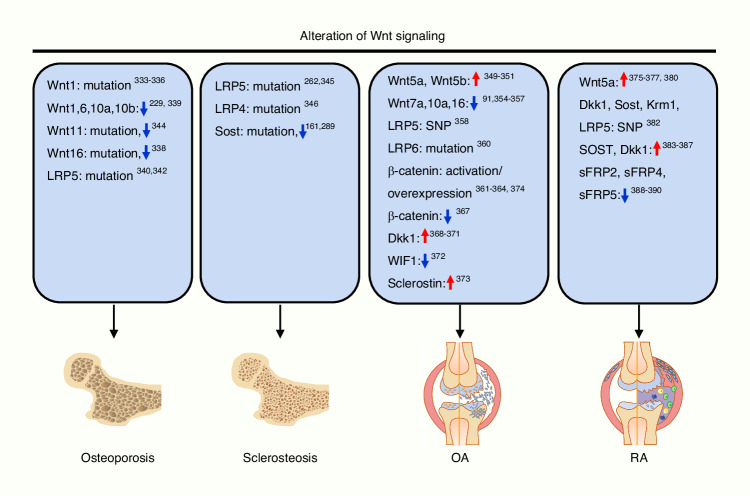
“Research has demonstrated that mutations in Wnt1 result in a reduction in β -catenin levels, thereby diminishing Wnt/ β -catenin signaling and ultimately leading to OP [58].”
Zhang, Z., Fu, Z., Chen, L., & Wu, B. (2026) · Acupuncture & Electro-Therapeutics Research · doi:10.1177/03601293261423938 · Cited by 1
Yu, M., Wang, X., Gu, X., Luan, J. Y., Huang, J., Sun, W., Yuan, X., Cao, S., Pan, J., Mao, T., et al. (2026) · Biochemical and Biophysical Research Communications · doi:10.1016/j.bbrc.2026.153598 · Cited by 2
Self-citation
Metadata
- Authors
- Hu, L., Chen, W., Qian, A., & Li, Y.-P.
- Affiliations
- Northwestern Polytechnical University (CN)
- Tulane University (US)
- Corresponding author
- Qian, Airong
- Venue
- Bone Research
- Published
- 2024-07-10
- Volume
- 12
- Issue
- 1
- Pages
- 39-39
- ISSN
- 2095-4700 (ISSN-L)
- 2095-6231
- PMC
- PMC11237130
- OpenAlex
- W4400496274
- Cited by
- 359
- References
- 503
- Citations by year
- 2026: 188 · 2025: 155 · 2024: 16
- FWCI
- 14.61
- Type
- journal article
- Language
- en
- Open access
- gold
- doi.org
- Licence
- cc-by
- creativecommons.org/licenses/by/4.0 (tdm)
- creativecommons.org/licenses/by/4.0 (vor)
- Locations
- Bone Research (publishedVersion, cc-by)
- PubMed Central (publishedVersion, cc-by)
- PubMed (publishedVersion)
- DOAJ (DOAJ: Directory of Open Access Journals) (submittedVersion)
- Funders
- U.S. Department of Health & Human Services | NIH | National Institute of Arthritis and Musculoskeletal and Skin Diseases (AR075735, AR074954, AR070135)
- U.S. Department of Health & Human Services | NIH | National Institute of Dental and Craniofacial Research (DE028264, DE023813)
- National Natural Science Foundation of China (81772017, 82072106)
- Natural Science Basic Research Plan in Shaanxi Province of China
- U.S. Department of Health & Human Services | NIH | National Institute on Aging (AG056438)
- Topics
- Life Sciences › Biochemistry, Genetics and Molecular Biology › Molecular Biology › Wnt/β-catenin signaling in development and cancer
- Life Sciences › Biochemistry, Genetics and Molecular Biology › Molecular Biology › Bone Metabolism and Diseases
- Health Sciences › Medicine › Orthopedics and Sports Medicine › Bone health and osteoporosis research
- Keywords
- Wnt/β-catenin signaling, bone formation, bone homeostasis, bone disease, Wnt receptors, Wnt inhibitors, signaling crosstalk, mouse model
- MeSH terms
- Animals, Bone Diseases, Homeostasis, Humans, Osteogenesis, Wnt Proteins, beta Catenin, Wnt Signaling Pathway
About these checks
Registry, retraction, Cites and statistics results are computed, not judged, with one exception: a printed reference that no index lists is read once by a model before it counts as a citation error. Claims are extracted by a model and kept only when their quote appears verbatim in the text; each cited source is then checked, with a model’s help, for whether it says what the claim relies on. Those verdicts can be wrong — read the claim’s quote and the cited source before relying on one.
Statistics and arithmetic are recomputed, not judged.
Confidence bands are shown only for fields calibrated on our annotated test set. None is calibrated yet, so no band is shown.
What counts as a claim ›How we measure confidence ›How we check this ›
Are you an author, or do you see a problem with this page? Request a review
Data sources
Bibliographic data: Semantic Scholar, OpenAlex, Crossref.
Contains information from the Semantic Scholar Academic Graph Datasets, made available under the ODC Attribution License (ODC-BY 1.0).
Semantic Scholar’s data is described in: Kinney, R., et al. (2023). The Semantic Scholar Open Data Platform. arXiv:2301.10140.
