

Wnt/β-catenin signaling components and mechanisms in bone formation, homeostasis, and disease
Open accessThe DOI matches its Crossref record; 502 of the 503 references it cites were found in a registry or an index.
Abstract
Wnts are secreted, lipid-modified proteins that bind to different receptors on the cell surface to activate canonical or non-canonical Wnt signaling pathways, which control various biological processes throughout embryonic development and adult life. Aberrant Wnt signaling pathway underlies a wide range of human disease pathogeneses. In this review, we provide an update of Wnt/β-catenin signaling components and mechanisms in bone formation, homeostasis, and diseases. The Wnt proteins, receptors, activators, inhibitors, and the crosstalk of Wnt signaling pathways with other signaling pathways are summarized and discussed. We mainly review Wnt signaling functions in bone formation, homeostasis, and related diseases, and summarize mouse models carrying genetic modifications of Wnt signaling components. Moreover, the therapeutic strategies for treating bone diseases by targeting Wnt signaling, including the extracellular molecules, cytosol components, and nuclear components of Wnt signaling are reviewed. In summary, this paper reviews our current understanding of the mechanisms by which Wnt signaling regulates bone formation, homeostasis, and the efforts targeting Wnt signaling for treating bone diseases. Finally, the paper evaluates the important questions in Wnt signaling to be further explored based on the progress of new biological analytical technologies.
Overview
The claims and statistics of this paper haven’t been checked yet.
Free: it reads the open-access text and checks the first 5 claims that cite a source we can check. Create a free account to check every claim.
Integrity signals
Registry
Cites
Statistics
Figures
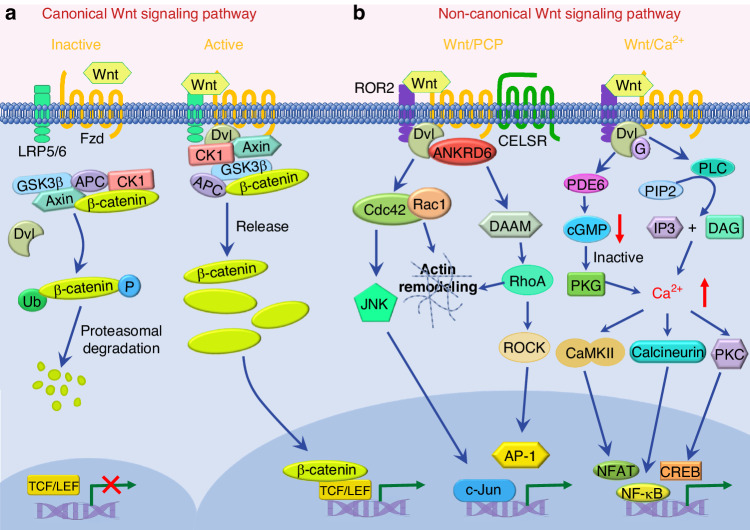
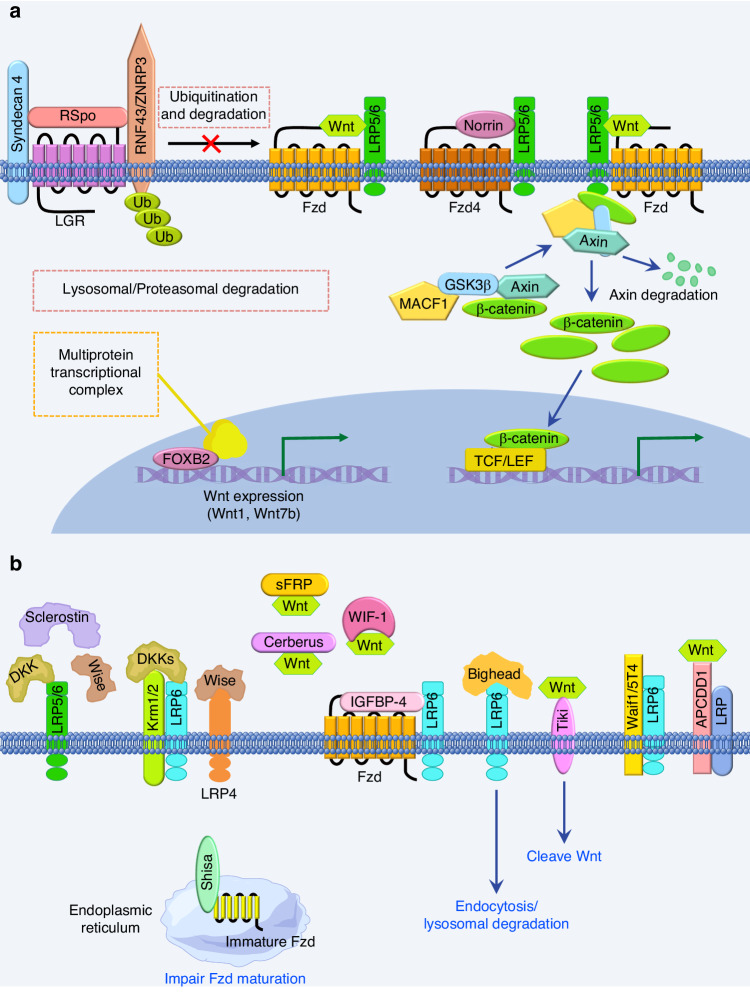
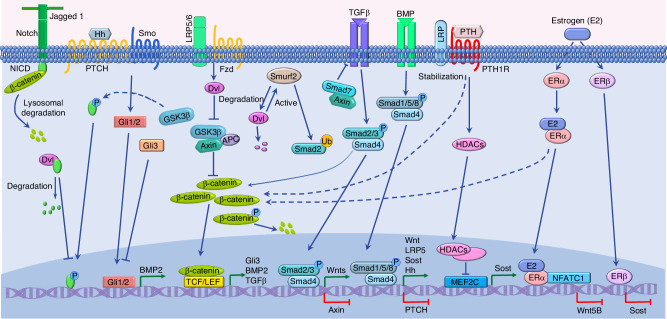
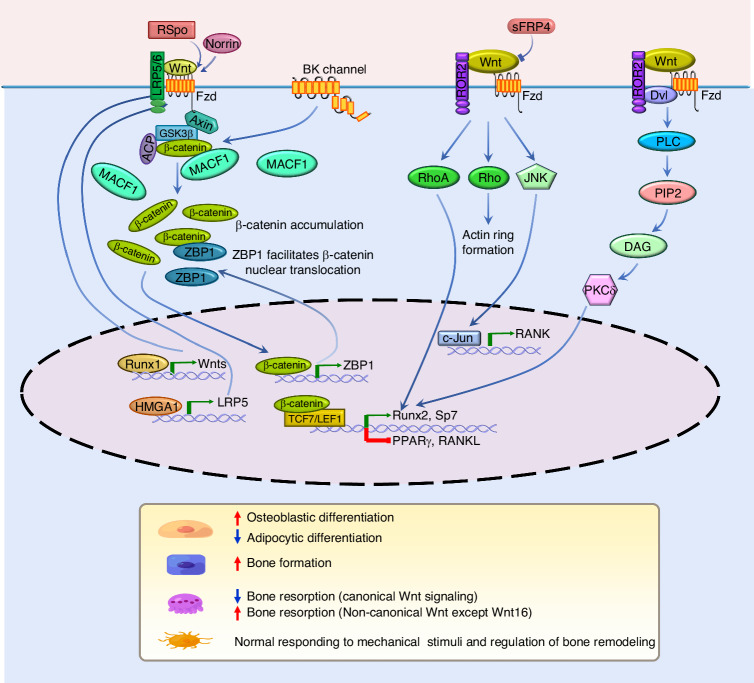
Verification
Claims the paper makes
The claims and statistics of this paper haven’t been checked yet.
Free: it reads the open-access text and checks the first 5 claims that cite a source we can check. Create a free account to check every claim.
Claims other papers make about this one
Each is checked against this paper’s own text: does it say what the citing paper says it does?
The source backs part of the claim, not all of it — or backs it for a different population, condition or comparison.
In the citing paper
“Genetic characterization of Wnt pathway components—particularly the osteocyte-derived Wnt inhibitor sclerostin—demonstrates that molecular and genotype-based stratification can predict individual therapeutic responses and guide precision selection of bone-anabolic interventions [149,150].”
From Interorgan Communications in Skeletal Pathophysiology: From Molecular Pathways to Multidisciplinary Therapies (2026) · cites this paper as [150]
Experimental — accuracy not yet measured
Self-check
Percentages, sums and reported differences re-computed from the paper’s own numbers.
The self-check needs the paper’s full text.
Citations
Cites
1 retracted
Peng, Z. Y., Lu, S., Lou, Z., Li, Z., Li, S., Yang, K., & Li, C. (2021) · Bioengineered · doi:10.1080/21655979.2021.1996015 · Cited by 21
RetractedWnt/β-catenin signaling and disease
Clevers, H., & Nusse, R. (2012) · Cell · doi:10.1016/j.cell.2012.05.012 · Cited by 5,554 · cited 2×
“1,2,19 In the canonical Wnt signaling pathway, β -catenin functions as a key transcriptional co-activator and transmits extracellular signals to activate the target genes (Fig.”
BackgroundStöckl, S., Göttl, C., Grifka, J., & Grässel, S. (2013) · Cellular Physiology and Biochemistry · doi:10.1159/000350089 · Cited by 4,656
Mutations affecting segment number and polarity in Drosophila
Nüsslein-Volhard, C., & Wieschaus, E. (1980) · Nature · doi:10.1038/287795a0 · Cited by 4,370
Wnt/β-Catenin Signaling, Disease, and Emerging Therapeutic Modalities
Nusse, R., & Clevers, H. (2017) · Cell · doi:10.1016/j.cell.2017.05.016 · Cited by 4,342
Osteoarthritis: A disease of the joint as an organ
Loeser, R. F., Goldring, S. R., Scanzello, C. R., & Goldring, M. B. (2012) · Arthritis & Rheumatism · doi:10.1002/art.34453 · Cited by 3,076 · cited 1×
“347 Wnts also play a key role in OA.”
BackgroundSpatially resolved, highly multiplexed RNA profiling in single cells
Chen, K. H., Boettiger, A. N., Moffitt, J. R., Wang, S., & Zhuang, X. (2015) · Science · doi:10.1126/science.aaa6090 · Cited by 2,969
Constitutive Transcriptional Activation by a β-Catenin-Tcf Complex in APC −/− Colon Carcinoma
Korinek, V., Barker, N., Morin, P. J., van Wichen, D., de Weger, R., Kinzler, K. W., Vogelstein, B., & Clevers, H. (1997) · Science · doi:10.1126/science.275.5307.1784 · Cited by 2,905
Identification of FAP Locus Genes from Chromosome 5q21
Kinzler, K. W., Nilbert, M. C., Su, L.-K., Vogelstein, B., Bryan, T. M., Levy, D. B., Smith, K. J., Preisinger, A. C., Hedge, P., McKechnie, D., et al. (1991) · Science · doi:10.1126/science.1651562 · Cited by 2,355
Wnt proteins are lipid-modified and can act as stem cell growth factors
Willert, K., Brown, J. D., Danenberg, E., Duncan, A. W., Weissman, I. L., Reya, T., Yates, J. R., & Nusse, R. (2003) · Nature · doi:10.1038/nature01611 · Cited by 2,257
Research works printed but not linked: 4
- Tu X Noncanonical Wnt signaling through G protein-linked PKCdelta activation promotes bone formation Dev. Cell 2007 12 113 127 10.1016/j.devcel.2006.11.003 17199045 PMC1861818 · DOI · Paper page
- Holmen SL Essential role of β-catenin in postnatal bone acquisition J. Biol. Chem. 2005 280 21162 21168 10.1074/jbc.M501900200 15802266 · DOI · Paper page
- Wei W Biphasic and dosage-dependent regulation of osteoclastogenesis by β-catenin Mol. Cell. Biol. 2011 31 4706 4719 10.1128/MCB.05980-11 21876000 PMC3232928 · DOI · Paper page
- Kramer I Osteocyte Wnt/β-catenin signaling is required for normal bone homeostasis Mol. Cell. Biol. 2010 30 3071 3085 10.1128/MCB.01428-09 20404086 PMC2876685 · DOI · Paper page
Cited by
Items 201–300 of 359
You, Y. J., Cheng, J., Wang, J., Zhao, D., Liang, P., Zhang, Z., Liu, C., & Zhou, W. (2026) · European journal of medical research · doi:10.1186/s40001-026-04219-w · Cited by 1
Impact of Quercetin on Bone-Related Diseases
Polak, P., DRĂGAN, M., Oniszczuk, A. W., Skurko, E., Kasprzak‐Drozd, K., Niziński, P., Oniszczuk, A., & Wojtunik‐Kulesza, K. A. (2026) · Applied Sciences · doi:10.3390/app16073151 · Cited by 1
Wang, S., Zhu, J., Zhang, H., Hu, S., Mei, J., 周初松, & Shi, B. (2026) · Frontiers in Immunology · doi:10.3389/fimmu.2026.1718471 · Cited by 1
Xiao, W., Liu, W., Wang, X., Zeng, Q., Tang, Y., Xia, M., Dong, L., Fei, S., Yue, W., Li, S., et al. (2026) · Frontiers in Pharmacology · doi:10.3389/fphar.2026.1779967 · Cited by 1
Dong, X., Zhao, Q., Zhang, W., Liu, J.-G., Zhang, X.-D., & Yi, R. (2026) · Biochemistry and Biophysics Reports · doi:10.1016/j.bbrep.2026.102561 · Cited by 2
“Better understanding of the physiological and pathological role of Wnt signaling and will make Wnt signaling a more suitable target for bone disease therapy [51].”
Song, W., Su, K.-J., Pan, Z., Zhang, Z., Yin, Q., Lin, W., Liu, L., Gong, Y., Liang, B., Cai, Y., et al. (2026) · PLoS Biology · doi:10.1371/journal.pbio.3003739 · Cited by 1
Xiao, D., Li, Y., Liu, B., Li, D., Wu, H., Liu, X., Zhai, Y., & Yu, H. Y. (2026) · Connective Tissue Research · doi:10.1080/03008207.2026.2650791 · Cited by 1
“32–34 It is plausible that these pathways are not fully normalized by SREBF2 knock-down, contributing to the incomplete recovery.”
Self-citationNotch Signalling Pathway in the Pathogenesis of Periodontitis: Research Progress
Shang, C., Zhang, C., & Hou, J. (2026) · International Dental Journal · doi:10.1016/j.identj.2026.109586 · Cited by 1
Wu, J., Liu, Y., Shi, K., Huang, H., & Qian, Z. (2026) · EngMedicine · doi:10.1016/j.engmed.2026.100138 · Cited by 2
Khan, I. M., Khan, S. U., Nassar, N., Khan, S., Shafiq, M., Saadeldin, I. M., Swelum, A. A., Cheng, M., & Wang, Z. (2026) · npj Biofilms and Microbiomes · doi:10.1038/s41522-026-00999-5 · Cited by 1
“Exosomes from 176 osteoblast activity via Wnt/ β ‑ catenin and BMP pathways 177 .”
Сигнальный путь Wnt и открытие лекарств. I. Фармакологические мишени
Степанович, Х. Ю., Zaitsev, S., Tiasto, V., Митяева, А. М., Шодунке, О. К., & Степанович, Б. И. (2026) · Clinical and Fundamental Medicine · doi:10.24866/3033-5485/2026-1/42-67 · Cited by 1
Xiong, J., Zheng, H., Zhang, Y., Xie, Z., Zheng, X., Sun, T., Zhou, Z., Li, Z., Cai, Z., Shi, S., et al. (2026) · Chemical Engineering Journal · doi:10.1016/j.cej.2026.177549 · Cited by 1
Basak, S., & Packirisamy, G. (2026) · Biomaterials Science · doi:10.1039/d5bm01552a · Cited by 1
Irisin Improves Endometrial Receptivity in Obese Rats Through the Wnt/β ‐Catenin Signaling Pathway
Zhou, L., Zhang, Y., ZHANG, X.-Z., Liu, X., & Li, C. (2026) · Journal of obstetrics and gynaecology research · doi:10.1111/jog.70348 · Cited by 1
“Thus, the Wnt signaling is in active status [27].”
Zhang, J., Wang, J., Chen, H., Zhang, R., Huang, T., Jiang, X., (405), W. Z., Fu, Q., He, Z., Wu, M., et al. (2026) · European Journal of Pharmacology · doi:10.1016/j.ejphar.2026.178974 · Cited by 1
Circulating Apelin-13, β-catenin and bone mineral density in postmenopausal women
Yao, Q., Ma, S. Q., Bao, X., & Li, Y. (2026) · Endocrine Connections · doi:10.1530/ec-25-0886 · Cited by 1
“…been shown to promote osteoblast differentiation and to be linked to Wnt/ β -catenin signaling, AMPK-mediated mitophagy, and BMD-related bone status (7, 8, 9, 10, 11). β -catenin is a key mediator of canonical Wnt signaling and plays an essential role in osteogenesis and bone homeostasis (12, 13).”
Self-citationEmami, A., & Oskouie, I. M. (2026) · Biotechnology and Bioengineering · doi:10.1002/bit.70315 · Cited by 1
Édouard, T., Capri, Y., Verloès, A., Amouroux, C., Bournez, M., Bretones, P., Coutant, R., Houang, M., Jager, J. A., Kerdanet, M. D., et al. (2026) · EClinicalMedicine · doi:10.1016/j.eclinm.2026.104114 · Cited by 1
“33 .”
Gong, Y., Zeng, W., Liao, Y., Xie, X., Qin, Z., Li, C., & Zhang, X. (2026) · Frontiers in Immunology · doi:10.3389/fimmu.2026.1926935 · Cited by 1
Chu, M., Wang, Y., Wang, Z., & Lv, S. (2026) · Animals · doi:10.3390/ani16162597 · Cited by 1
“Normocalcemia maintains active WNT/ β -catenin signaling to drive osteoblastic bone deposition [70].”
USP39 promote post-translational modifiers to stimulate the progress of cancer
Zhou, Y., Wang, F., Feng, S., Li, M., & Zhu, M. (2025) · Discover Oncology · doi:10.1007/s12672-025-02573-5 · Cited by 6
“Subsequently, free β-catenin is transported to the nucleus, where it acts as a co-activator of transcription factor Rac1 and T cell factor/ lymphoid enhancer-binding factor(TCF/LEF), regulating gene expression or leading to tumors [137].”
Shear stress inhibits adipocyte differentiation via downregulating lncRNA MALAT1Preprint
Caron, J., Marino, M., Wang, B., & Wang, S. (2025) · bioRxiv (Cold Spring Harbor Laboratory) · doi:10.1101/2025.01.20.633971 · Cited by 1
王, 秀. (2024) · Advances in Clinical Medicine · doi:10.12677/acm.2024.14102645
Fan, L., Zhang, L., Zhang, X., Wei, W., & Liu, Z. (2024) · Stem Cells International · doi:10.1155/sci/4397807 · Cited by 1
“…– related regulators, such as bone morphogenetic proteins (BMPs)/Smads [6], mitogen-activated protein kinase (MAPK)/p38 [7], and Wnt/ β -catenin [8], and tissue-speci fi c transcription factors runt-related transcription factor 2 (RUNX2) [9] and Osterix [10], are activated, increasing the…”
Dad, H., & Hansen, A. (2024) · annals of urologic oncology · doi:10.32948/auo.2024.12.25 · Cited by 2
Lu, Y., Zhang, C., Wu, B., Guo, J., Fan, D., Wang, G., Zhang, W., Lin, L., Xu, X., Du, X., et al. (2025) · Journal of Hazardous Materials · doi:10.1016/j.jhazmat.2025.137914
Wei, B., Gao, K., Wang, Y., Sun, B., Feng, Z., Zhang, C., Sun, C., & Liu, H. (2025) · Regenerative Engineering and Translational Medicine · doi:10.1007/s40883-025-00431-y
Tibial Mechanoadaptation in Male Mice is Modularised and Retained in Aging
de Souza, R. L., Monzem, S., & Pitsillides, A. A. (2025) · Journal of Bone Metabolism · doi:10.11005/jbm.24.817
“[25-28] Research has shown that deficient Wnt ligand signaling can delay skeletal ossification and osteoblast differentiation including decreased trabecular bone mass and consequently reduced bone formation .”
InfluentialLiu, P., Zhang, Z., Lin, X., Chen, Y., Sun, T., & Guo, W. (2025) · Journal of drug targeting · doi:10.1080/1061186x.2025.2546484
“Our data demonstrate that calpeptin-induced Dlx3 upregulation drives RUNX2 expression, thereby amplifying osteogenic gene networks. this mechanism diverges from Wnt/β-catenin-dependent pathways targeted by Romosozumab [44], offering a novel therapeutic axis with potentially fewer off-target effects.”
Racaku, M., Ferraresso, S., Babbucci, M., Blanco, A., Tsigenopoulos, C. S., Manousaki, T., Radojicic, J., Papadogiannis, V., Martínez, P., Bargelloni, L., et al. (2025) · Animals · doi:10.3390/ani15162445
Callahan, T. J., Shi, J., Cheng, K. J., Sauer, M. A., Pogorelov, T. V., & Capponi, S. (2025) · bioRxiv (Cold Spring Harbor Laboratory) · doi:10.1101/2025.08.18.670971
Ding, J., Dong, K., Niu, D., Qiu, W., Zhou, W., & Liu, Z. (2025) · International Journal of Dentistry · doi:10.1155/ijod/5566776 · Cited by 1
“Two well-characterized noncanonical pathways include the Wnt/planar cell polarity (PCP) pathway and the Wnt/Ca 2 + signaling pathway [8].”
Knockdown of ITGA2 Promotes Pyroptosis in Thyroid Cancer by Regulating the DNA Damage Response
Yan, L., Hua, D., Ying, R., Liu, X., Jiang, J. H., Liu, Z., & Feng, Y. (2025) · Frontiers in Bioscience-Landmark · doi:10.31083/fbl27946 · Cited by 1
Loss of Stat3 in Prx1 + Progenitors Impairs Molar Root Development
Feng, X., Luo, W., Yao, Y., Lin, L., Chan, L., Lu, J., Huang, Z., Feng, J., Zhao, L., Zhang, X., et al. (2025) · Advanced Biology · doi:10.1002/adbi.202500329 · Cited by 1
Zambrano, A. K., Guevara‐Ramírez, P., Cadena-Ullauri, S., Basantes, C., Nicola, S., Hidalgo, S., & Felix, M. L. (2025) · International Journal of Molecular Sciences · doi:10.3390/ijms26199300
“The CTNNB1 gene encodes the β -Catenin protein, which functions as a transcriptional co-activator [70].”
Special Issue: “Advances in Osteogenesis”
Fattore, A. D. (2025) · International Journal of Molecular Sciences · doi:10.3390/ijms26199602
“Advances in genomics and single-cell analysis have been important to understand the heterogeneity of osteogenic cells and their response to mechanical, hormonal, and inflammatory stimuli [4].”
Cao, Y., Qian, Z. R., Yang, Y., Jin, J., Deng, D. Y. B., Zhang, S., Xie, L., & Xiao, K. (2025) · The FASEB Journal · doi:10.1096/fj.202500609rr
“…to suppose that CXCR7 regulates Wnt/ β - catenin via interacting with CXCR4 and β - arrestin-1, filling the blank page of MSC regulation mechanism through the Wnt signaling pathway, which activation is crucial for cell fate decisions and MSC proliferation, motility, and migration [39, 40].”
Sengupta, M., Ghosh, B., & Das, M. (2025) · International Journal of Research in Medical Sciences · doi:10.18203/2320-6012.ijrms20253610
Li, Y., Wang, M., Li, S., Zhang, L., & Yang, F. (2026) · Revista Brasileira de Farmacognosia · doi:10.1007/s43450-026-00794-5
“Wnt activates the β-catenin-mediated signaling cascade to regulate bone metabolism (Hu et al. 2024).”
Self-citationEvaluating the prognostic value of Wnt signaling pathways in non-small cell lung cancer patients
Pancewicz, J., Golec, P., Sulewska, A., Charkiewicz, R., Niklińska, W., Chodorowski, P. M., & Kozlowski, M. (2025) · Advances in Medical Sciences · doi:10.1016/j.advms.2025.12.002
Rewiring of RNA–protein coupling in osteocytes in response to hyperglycemic levels of glucosePreprint
Marahleh, A., Rashad, S., Kanao, E., Fan, Z., Ohori, F., & Kitaura, H. (2025) · bioRxiv (Cold Spring Harbor Laboratory) · doi:10.64898/2025.12.25.696466
Pharmacological Strategies to Enhance Bone Graft Integration: Emerging Agents and Molecular Pathways
Attar, G. B. E., & Khan, M. A. (2025) · OBM Transplantation · doi:10.21926/obm.transplant.2504262 · Cited by 1
Wei, F., Ngo, C., Neal, C. J., Kolanthai, E., Schwartzman, J. D., Omer, M., Dore, J., Aziz, A., Jimenez‐Chavez, L., Pugazhendhi, A. S., et al. (2026) · Advanced Healthcare Materials · doi:10.1002/adhm.202503961
“This may be particularly important in the canonical Wnt/ β -catenin signaling cascade, which is essential for bone formation and homeostasis [109, 110].”
Li, Q., Li, J., Zhang, D., & Qiong, X. (2026) · Bone · doi:10.1016/j.bone.2026.117775
He, Y., Liu, T., Chen, L., Ge, Z., 常学锋, & Zou, D. (2026) · Frontiers in Cardiovascular Medicine · doi:10.3389/fcvm.2025.1676224
“Abnormal calcium metabolism in HF mainly manifests as two defects: (1) SR calcium reuptake disorder (reduced SERCA2a expression) and (2) mitochondrial calcium overload (dysfunctional MCU) (97, 98).”
Deren, K. A. Y. A., & Şemsi, R. (2026) · FUTURE BIOCHEMISTRY AND BIOSCIENCE · doi:10.48086/asd0089
Cai, Y., Dai, F., Li, H., Zeng, Y., Guo, P., & Zhang, T. (2026) · Frontiers in Nutrition · doi:10.3389/fnut.2026.1712489
Li, Y., Shi, S., Yang, D., Zhao, L., Chen, T., Xu, K., Liang, W., Chen, J., & Chang, J. (2026) · Journal of Orthopaedic Surgery and Research · doi:10.1186/s13018-025-06654-7
“Numerous studies have confirmed that canonical activation of the Wnt/β-catenin pathway is essential for osteoblastogenesis and bone formation [37].”
Self-citationYakovlev, A. A., Gaidar, E. V., Suspitsin, E. N., Korzun, P. R., & Kostik, M. M. (2026) · World Journal of Orthopedics · doi:10.5312/wjo.v17.i2.113473
Arias‐Acevedo, M., Patiño-González, E., Orozco, C. P. O., Arango-Varela, S. S., & Uribe, D. (2026) · Journal of Drug Delivery Science and Technology · doi:10.1016/j.jddst.2026.108110
Zhao, J., Wang, Z., Lu, L., Bu, G., Miao, Z., Zhang, Y., Guo, Y., Yang, Z., Ma, J., Jiao, J., et al. (2026) · Cell Reports Methods · doi:10.1016/j.crmeth.2025.101299
“38 Given the critical roles of BMP2 and DKK1 in osteogenesis, 39,40 we targeted these genes for precise orthogonal regulation.”
Ji, J., Qin, Y., Li, C., Fu, Y., Cui, J., & Cao, Q. (2026) · International Journal of General Medicine · doi:10.2147/ijgm.s578987 · Cited by 1
Zheng, Y., Park, C., Hwang, H., Kim, B.-H., Park, S. J., & Kang, I. (2026) · Frontiers in Nutrition · doi:10.3389/fnut.2026.1774605
“Osteoblastogenesis is coordinated by several intersecting signaling pathways, among which the Wnt/ β -catenin pathway plays a dominant role in osteogenesis (8, 9).”
Yuan, Z., Yang, M., Tao, R., Jin, C., Cheng, M., & Wang, D. (2026) · Nano Research · doi:10.26599/nr.2026.94908597
SPIN4-related X-linked overgrowth in a family
Põlluaas, L., Lilles, S., Peet, A., Jee, Y. H., Murumets, Ü., Ilisson, M., Lintrop, M., & Õunap, K. (2026) · European Journal of Medical Genetics · doi:10.1016/j.ejmg.2026.105073
Delyagin, W. M., Скворцова, Ю. В., Raimulla, E., & Kharitonova, N. (2026) · Vrach · doi:10.29296/25877305-2026-02-01
Ectodysplasin-A (EDA) Signaling Cross-Talk in Skeletogenesis
Ahi, E. P., Moustakas-Verho, J. E., & Singh, P. (2026) · Calcified Tissue International · doi:10.1007/s00223-026-01502-0 · Cited by 1
Liu, J., Ren, H. W., Zhang, S., & Yu, G. (2026) · Mammalian Genome · doi:10.1007/s00335-026-10208-5
Genetic recovery in an alpine climate-sensitive pika species during upward treeline shift
Chu, S.-J., Liu, N., Feijó, A., Wen, Z.-X., Ling, Y.-H., & Ge, D. (2026) · BMC Genomics · doi:10.1186/s12864-026-12742-7
Yang, Y., Lin, K., Zhou, Z., Liu, L., Liu, L., Liu, H., Mao, H., & Wang, X. (2026) · Journal of Functional Biomaterials · doi:10.3390/jfb17030153
“OPN maintains basal type I collagen expression levels by activating the TGF-β /Smad and Wnt/ β -catenin pathway, thereby ensuring extracellular matrix construction [22,23]. https://doi.org/10.3390/jfb17030153”
InfluentialStructure-guided design of icaritin-based scaffold modifications for enhanced osteoporotic therapy
Liu, R., Chen, Z.-K., Liu, H., Xu, Z., Yu, M., Hou, C.-C., Han, L., Lu, K., & Zeng, K. (2026) · Bioorganic Chemistry · doi:10.1016/j.bioorg.2026.109794
Effect of Lactate Metabolism on Hypoxia-induced Inflammation in the Oral Mucosa
Zhu, Y., Xu, K., Wei, Y., Gu, J., Cao, X.-Q., Yu, L.-H., Zhang, Z.-L., Wu, S.-Y., Chen, J., Jiao, K., et al. (2026) · Journal of Dentistry · doi:10.1016/j.jdent.2026.106664
Chen, X., Yang, S. S., Sakamuru, S., Sukhawanit, C., Wood, S., Ooka, M., Huang, R., & Xia, M. (2026) · Frontiers in Pharmacology · doi:10.3389/fphar.2026.1788041
“Aberrant Wnt signaling is strongly linked to a range of diseases, such as cancer, fibrosis, osteoporosis, metabolic disorders, and neurodegeneration (Liu et al., 2022; Hu et al., 2024; De Ferrari and Moon, 2006).”
Li, S., Siengdee, P., Hadlich, F., Trakooljul, N., Oster, M., Reyer, H., Wimmers, K., & Ponsuksili, S. (2026) · Epigenetics & Chromatin · doi:10.1186/s13072-026-00668-z
Dai, Q., Wang, Y., Wang, C., Yuan, W., Chen, Y., Zhu, M., Zhang, W., Wu, Z., & Shi, J. (2026) · Research Square · doi:10.21203/rs.3.rs-9282133/v1
Liu, Z., Chen, B., Han, W., Cheng, L., Li, X., Zhang, Y., Wang, D., Li, Y., Wang, Y., wang, X., et al. (2026) · Materials & Design · doi:10.1016/j.matdes.2026.115991
Self-citationXianling Gubao capsule alleviates osteoporosis: Modulation of gut-bone axis and Wnt signaling
Yu, A.-X., Liang, W.-H., Zhou, Y.-S., Li, P., Ji, J.-M., Zhang, F.-W., Yu, P., & Liu, J. (2026) · World Journal of Orthopedics · doi:10.5312/wjo.v17.i4.116046
Callahan, T. J., Shi, J., Cheng, K. J., Sauer, M. A., Pogorelov, T. V., & Capponi, S. (2026) · Communications Chemistry · doi:10.1038/s42004-026-02013-7 · Cited by 1
“Aberrant Wnt signaling is implicated in numerous human diseases 7 , including cancer 8 – 14 , neurodevelopmental and neurodegenerative disorders 15 – 17 , and bone diseases 18,19 .”
Craniofacial Fracture and Secretome: A Systematic Review
Oley, M. H., Oley, M. C., Suoth, S. C., Yong, H., Faruk, M., Sukarno, V., & Gunawan, D. F. (2026) · Plastic & Reconstructive Surgery Global Open · doi:10.1097/gox.0000000000007482
“33,34”
Singh, J., Singh, P. K., Amoli, R., Das, A., Kant, R., Mirza, A. A., & Saha, S. (2026) · Indian Journal of Clinical Biochemistry · doi:10.1007/s12291-026-01418-4
Alrashed, M. M., Tabassum, H., Aldisi, D. A., Alhussain, M. H., Arjumand, S., & Abulmeaty, M. M. A. (2026) · Biomedicines · doi:10.3390/biomedicines14050977
“Stabilized β -catenin translocates to the nucleus, activating transcription of genes governing neuronal survival, synaptic plasticity, antioxidant defense, and BDNF expression [32].”
Gong, J., Ma, Y., Huang, J., Yang, W., Wang, Y., & Sun, Y. (2026) · Pharmaceuticals · doi:10.3390/ph19050665
涂哲慧, Xu, C., Zhu, Y., Li, Y., & Xu, H. (2026) · Biochemical and Biophysical Research Communications · doi:10.1016/j.bbrc.2026.153864
Self-citationIngwersen, L.-C., Krebs, V., Sellin, M., Dargel, E., Bader, R., Jonitz‐Heincke, A., & Klinder, A. (2026) · European Journal of Cell Biology · doi:10.1016/j.ejcb.2026.151542
Chandini, S., Dey, D., Gulati, T., Mishra, A., & Adlakha, Y. K. (2026) · Molecular Neurobiology · doi:10.1007/s12035-026-05904-x · Cited by 1
Pyatin, V. F., & Maslova, O. (2026) · Frontiers in Endocrinology · doi:10.3389/fendo.2026.1776499
Gao, S., Li, S., Hu, Y., & Sheng, W. (2026) · Developmental Neurobiology · doi:10.1002/dneu.70040
“Wnt / β-catenin , as a classic molecular signaling pathway, plays a wide range of regulatory roles in tissue homeostasis and various diseases, including cell proliferation, survival, and differentiation (Hu et al. 2024 ; Zheng et al. 2025 ).”
Vo, H. H. T., Nguyen, T. V. H., Phan, M. P. T., & Vo, T. (2026) · Kidney and Dialysis · doi:10.3390/kidneydial6020035
“The Wnt/ β -catenin signaling pathway has emerged as a central regulatory axis governing osteoblast differentiation, bone formation, and skeletal homeostasis [3].”
Zhao, M., Yang, N., Han, Y., Huang, J., Xu, J., Wu, W., Gao, X., Ying, B., & Jia, S. (2026) · International Journal of Nanomedicine · doi:10.2147/ijn.s609918
“33,38 Gene set enrichment analysis (GSEA) revealed significant activation of Wnt signaling in GelMA– LDH tissues (Figure 7C), consistent with the observed enhancement of osteogenesis in vitro and in vivo.”
Design and applications of barrier membranes for guided bone regeneration
Liu, Y., Zhang, H., Zhang, L., Han, J., & Yang, J. (2026) · Bioactive Materials · doi:10.1016/j.bioactmat.2026.05.008 · Cited by 3
Taxi, W., Sun, J., Zhu, Y.-H., Zhang, T.-C., Guo, Y., Pan, Y.-L., Liu, M.-M., Chen, X., Zhang, C., Tong, K., et al. (2026) · World Journal of Stem Cells · doi:10.4252/wjsc.v18.i5.117045
Regional heterogeneity in phenotypic and genetic associations between bone and brain in humans
Zhao, L., Tang, Y., Zhao, W., Li, S., Chen, J., Ge, T., & Tu, Y. (2026) · Nature Communications · doi:10.1038/s41467-026-73428-y · Cited by 1
Huber, J., Longaker, M. T., & Quarto, N. (2026) · Stem Cells Translational Medicine · doi:10.1093/stcltm/szag026
Mahdavi, S. B., Niazmand, A., Javadirad, S.-M., Daniali, S. S., Mozafarian, N., Roudashti, S., Heidari‐Beni, M., Rafieian, M., Bemanalizadeh, M., Poursafa, P., et al. (2026) · Calcified Tissue International · doi:10.1007/s00223-026-01510-0
The biological basis of bone regeneration
Storbeck, M., Bucher, C. H., & Schmidt‐Bleek, K. (2026) · Elsevier eBooks · doi:10.1016/b978-0-443-32950-0.00007-7
Li, Z., Zhang, X., Chen, S., Meng, Q., Lv, Z., Niu, Z., Li, J. M., & Chen, X. (2026) · Future Pharmacology · doi:10.3390/futurepharmacol6020031
“…mono-ADP-ribosylhydrolase 2 ( Macrod2 ) inhibits glycogen synthase kinase 3 β (GSK3 β ) activity, leading to destabilization of β -catenin—the core effector of Wnt signaling—and attenuation of its downstream transcriptional activity, which ultimately suppresses osteoblast proliferation [24,25].”
Almosfer, M., Sabico, S., Wani, K., Khattak, M. N. K., Almarashad, I. S., Veronese, N., & Al‐Daghri, N. M. (2026) · Aging Clinical and Experimental Research · doi:10.1007/s40520-026-03423-2
Hao, J., Yan, F., Yu, Y., Zhang, T., Zhang, Y., Li, Z., Xu, H., & Jiang, X. (2026) · Bone · doi:10.1016/j.bone.2026.117955
The neuro–skeletal crosstalk: Mechanisms, clinical implications, and smart material interventions
Liu, W., Shen, X., He, Y., Ding, Z., Zhou, J., Guo, J., Lin, X., Zhang, L., Yuan, P., Wu, Y., et al. (2026) · Journal of Orthopaedic Translation · doi:10.1016/j.jot.2026.101130 · Cited by 2
“Conversely, NPY overexpression impairs osteoblast mineralization; this "dose – dependent inverse effect" may be attributable to receptor desensitization [19].”
Ge, X., Wei, W., & Wu, Y. (2026) · Biochemical Pharmacology · doi:10.1016/j.bcp.2026.118144
Causal genes for osteoporosis: Mendelian randomization analysis with multilayer xQTL data
Yu, F., Wan, X., & Qiu, J. (2026) · Medicine · doi:10.1097/md.0000000000049116
“[41] In addition, the PPI network supported these findings by revealing densely connected gene clusters, indicating cooperative regulation of osteoblast differentiation, matrix maturation, and bone turnover.”
ARHGEF3 deletion increase bone formation and suppresses bone resorption in adult mice
Chougule, A., Zhang, C., Denbow, J., Vinokurov, N., & Gardinier, J. D. (2026) · Journal of Bone and Mineral Research · doi:10.1093/jbmr/zjag099
Exploring cartilage development and disease models: applications of cartilage organoids
Xu, C., Dong, Q., Zhao, P., Lei, Y., Wong, V. K. W., Tam, M., Li, Z., Zha, Z., Pang, J., & Zhang, H. (2026) · Inflammation and Regeneration · doi:10.1186/s41232-026-00429-1
Kotolloshi, R., Berndt‐Paetz, M., Lerner, E., Najjar, G., Azoitei, A., Singh, K. P., Gupta, S. K., Wolkenhauer, O., Güneş, Ç., Huber, O., et al. (2026) · Molecular Oncology · doi:10.1002/1878-0261.70292
Yang, H., Tang, R., Ren, Y., Chen, Z., Zhan, T., Chen, K., & Fan, X. (2026) · Journal of Ethnopharmacology · doi:10.1016/j.jep.2026.122099
Han, J., Zhu, Z., Gao, S., Wu, B., Meng, M., Zhang, S., & Wang, D. (2026) · Cellular Signalling · doi:10.1016/j.cellsig.2026.112687
Russo, M., Conza, G., Lepre, C. C., Martin, G., Itro, A., Braile, A., Grossi, G., Tangredi, N., D’Amico, M., Hermenean, A. O., et al. (2026) · Cells · doi:10.3390/cells15121119 · Cited by 1
“Besides Wnt/ β -catenin and SOST signaling [88–91], Gal-1 and Gal-3 have recently emerged as regulators of osteoblast/osteoclast functions [24].”
Huang, L., Pan, Z., Bai, M., Guo, J., Xiao, J., & Gao, C. (2026) · Current Issues in Molecular Biology · doi:10.3390/cimb48070678
“…activity [50]; the MAPK pathway transduces extra-cellular signals via ERK and p38 axes to regulate osteoblast proliferation, differentiation and matrix synthesis [51–53]; and Wnt signaling activation at the protein level governs bone cell fate determination and skeletal development [54,55].”
Guo, H., Yu, C., Liu, H., Xie, K., & Chen, Z. (2026) · Journal of Radiation Research and Applied Sciences · doi:10.1016/j.jrras.2026.102549
Maruko, A., Oshima, K., Nishi, A., Kobayashi, Y., & Okada, N. (2026) · Bone Reports · doi:10.1016/j.bonr.2026.101936
Metadata
- Authors
- Hu, L., Chen, W., Qian, A., & Li, Y.-P.
- Affiliations
- Northwestern Polytechnical University (CN)
- Tulane University (US)
- Corresponding author
- Qian, Airong
- Venue
- Bone Research
- Published
- 2024-07-10
- Volume
- 12
- Issue
- 1
- Pages
- 39-39
- ISSN
- 2095-4700 (ISSN-L)
- 2095-6231
- PMC
- PMC11237130
- OpenAlex
- W4400496274
- Cited by
- 359
- References
- 503
- Citations by year
- 2026: 188 · 2025: 155 · 2024: 16
- FWCI
- 14.61
- Type
- journal article
- Language
- en
- Open access
- gold
- doi.org
- Licence
- cc-by
- creativecommons.org/licenses/by/4.0 (tdm)
- creativecommons.org/licenses/by/4.0 (vor)
- Locations
- Bone Research (publishedVersion, cc-by)
- PubMed Central (publishedVersion, cc-by)
- PubMed (publishedVersion)
- DOAJ (DOAJ: Directory of Open Access Journals) (submittedVersion)
- Funders
- U.S. Department of Health & Human Services | NIH | National Institute of Arthritis and Musculoskeletal and Skin Diseases (AR075735, AR074954, AR070135)
- U.S. Department of Health & Human Services | NIH | National Institute of Dental and Craniofacial Research (DE028264, DE023813)
- National Natural Science Foundation of China (81772017, 82072106)
- Natural Science Basic Research Plan in Shaanxi Province of China
- U.S. Department of Health & Human Services | NIH | National Institute on Aging (AG056438)
- Topics
- Life Sciences › Biochemistry, Genetics and Molecular Biology › Molecular Biology › Wnt/β-catenin signaling in development and cancer
- Life Sciences › Biochemistry, Genetics and Molecular Biology › Molecular Biology › Bone Metabolism and Diseases
- Health Sciences › Medicine › Orthopedics and Sports Medicine › Bone health and osteoporosis research
- Keywords
- Wnt/β-catenin signaling, bone formation, bone homeostasis, bone disease, Wnt receptors, Wnt inhibitors, signaling crosstalk, mouse model
- MeSH terms
- Animals, Bone Diseases, Homeostasis, Humans, Osteogenesis, Wnt Proteins, beta Catenin, Wnt Signaling Pathway
About these checks
Registry, retraction, Cites and statistics results are computed, not judged, with one exception: a printed reference that no index lists is read once by a model before it counts as a citation error. Claims are extracted by a model and kept only when their quote appears verbatim in the text; each cited source is then checked, with a model’s help, for whether it says what the claim relies on. Those verdicts can be wrong — read the claim’s quote and the cited source before relying on one.
Statistics and arithmetic are recomputed, not judged.
Confidence bands are shown only for fields calibrated on our annotated test set. None is calibrated yet, so no band is shown.
What counts as a claim ›How we measure confidence ›How we check this ›
Are you an author, or do you see a problem with this page? Request a review
Data sources
Bibliographic data: Semantic Scholar, OpenAlex, Crossref.
Contains information from the Semantic Scholar Academic Graph Datasets, made available under the ODC Attribution License (ODC-BY 1.0).
Semantic Scholar’s data is described in: Kinney, R., et al. (2023). The Semantic Scholar Open Data Platform. arXiv:2301.10140.
