

Prospective discovery of small molecule enhancers of an E3 ligase-substrate interaction
Open accessThe DOI matches its Crossref record; 44 of the 44 references it cites were found in a registry or an index.
Abstract
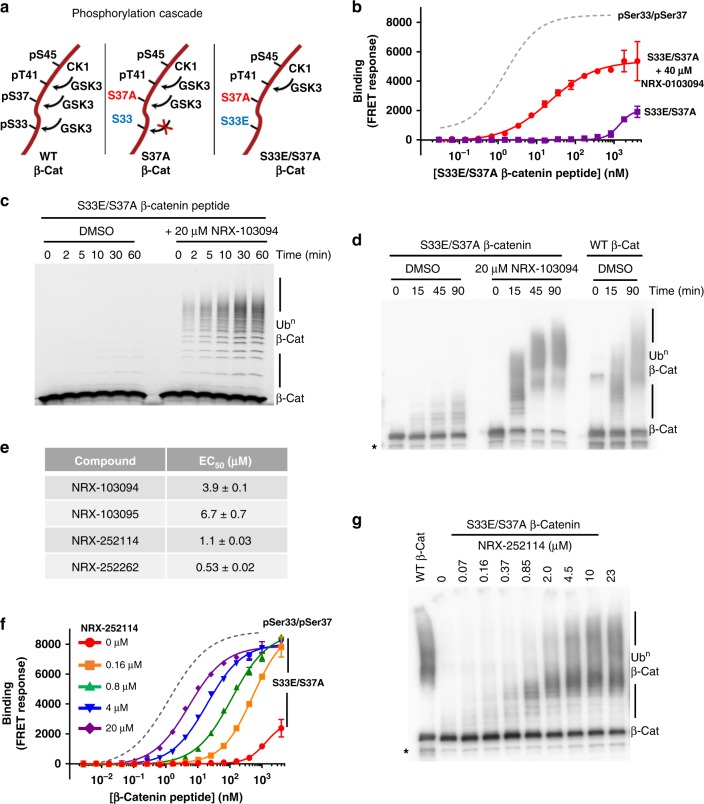
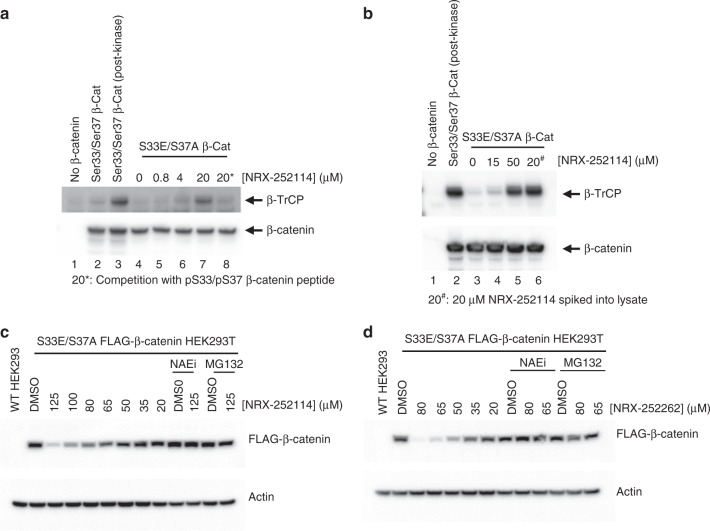
Protein–protein interactions (PPIs) governing the recognition of substrates by E3 ubiquitin ligases are critical to cellular function. There is significant therapeutic potential in the development of small molecules that modulate these interactions; however, rational design of small molecule enhancers of PPIs remains elusive. Herein, we report the prospective identification and rational design of potent small molecules that enhance the interaction between an oncogenic transcription factor, β-Catenin, and its cognate E3 ligase, SCF β-TrCP . These enhancers potentiate the ubiquitylation of mutant β-Catenin by β-TrCP in vitro and induce the degradation of an engineered mutant β-Catenin in a cellular system. Distinct from PROTACs, these drug-like small molecules insert into a naturally occurring PPI interface, with contacts optimized for both the substrate and ligase within the same small molecule entity. The prospective discovery of ‘molecular glue’ presented here provides a paradigm for the development of small molecule degraders targeting hard-to-drug proteins.
Overview
The claims and statistics of this paper haven’t been checked yet.
Free: it reads the open-access text and checks the first 5 claims that cite a source we can check. Create a free account to check every claim.
Integrity signals
Registry
Cites
Statistics
Figures
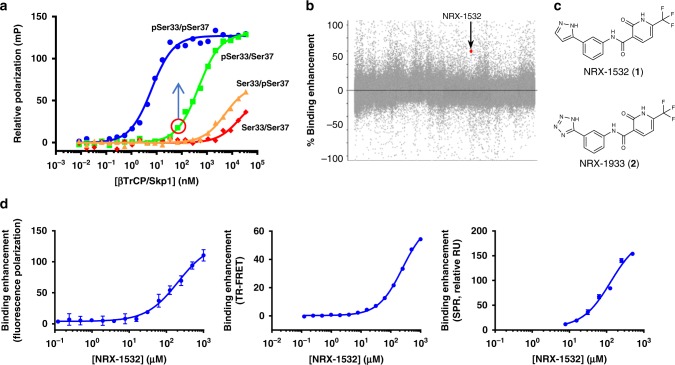
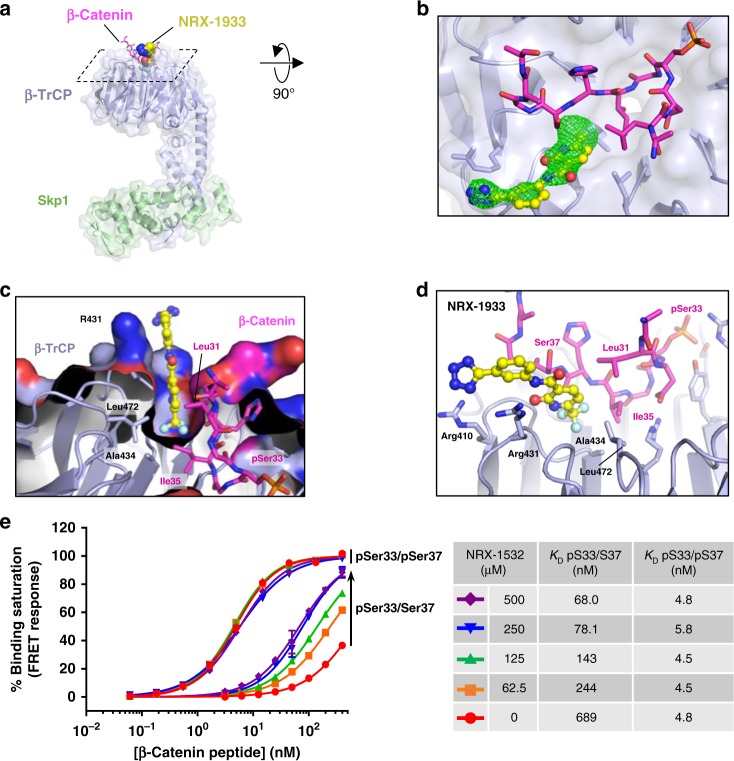
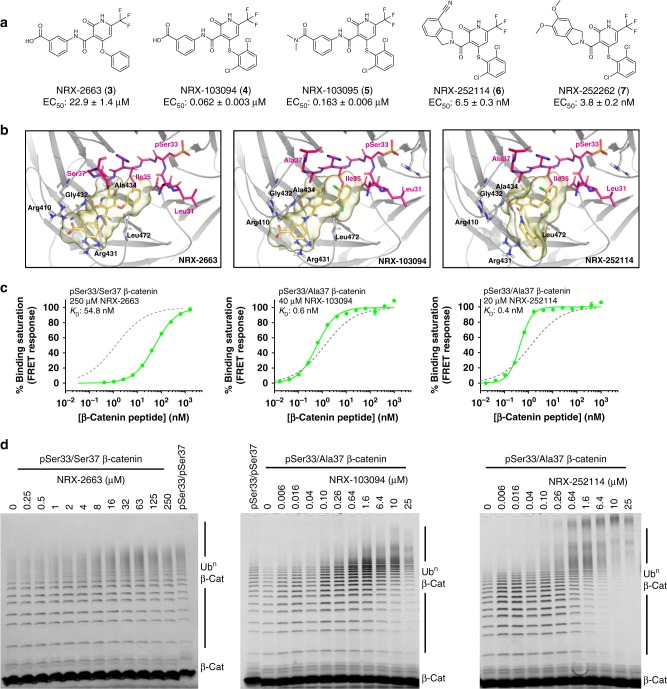
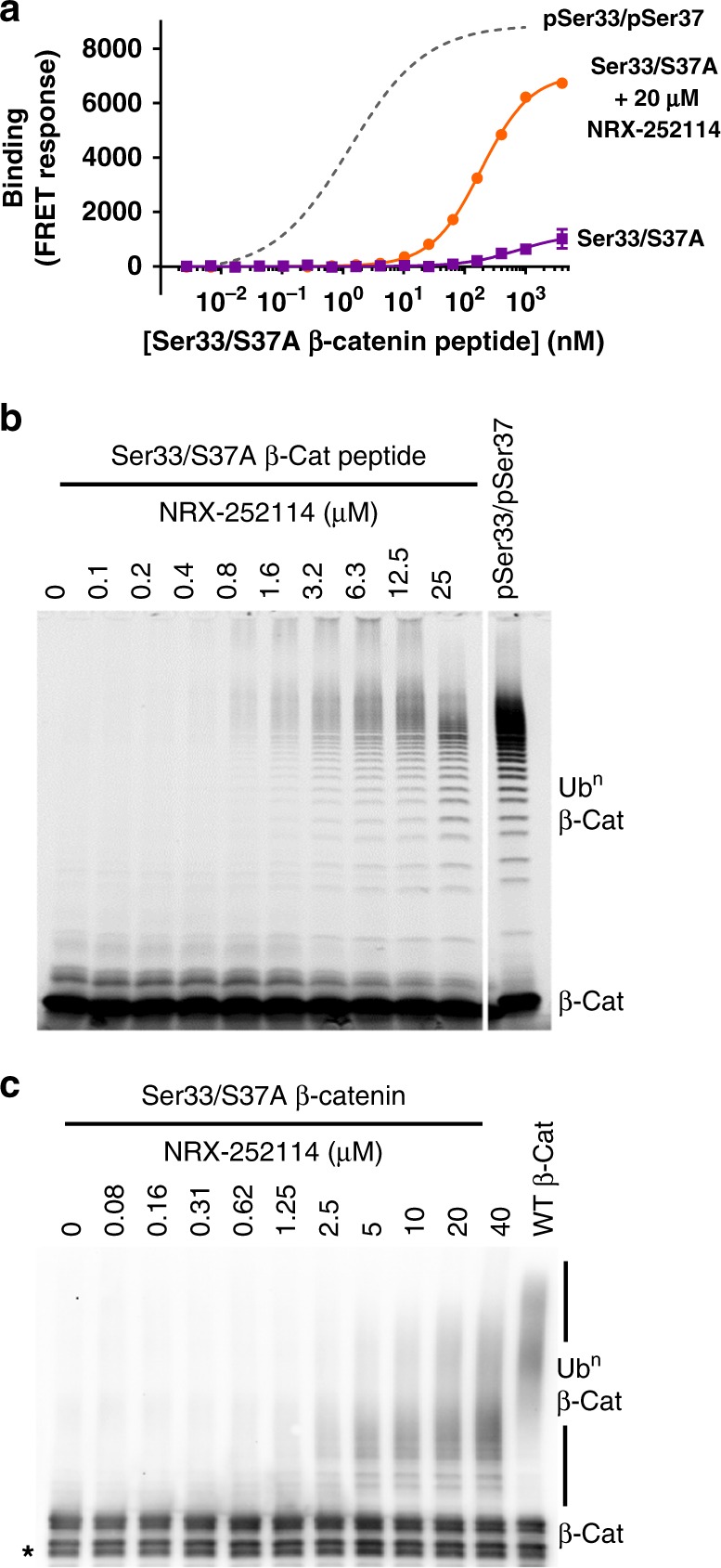
Verification
Claims the paper makes
The claims and statistics of this paper haven’t been checked yet.
Free: it reads the open-access text and checks the first 5 claims that cite a source we can check. Create a free account to check every claim.
Claims other papers make about this one
Each is checked against this paper’s own text: does it say what the citing paper says it does?
The cited source doesn’t support the claim as written.
In the citing paper
“Even higher cooperativity is achieved by the rationally developed NRX-252114 compound, which is capable of enhancing the binding between β-TrCP and a hypophosphorylated β-catenin degron (pSer33/Ala37) peptide by 680-folds38.”
From Defining molecular glues with a dual-nanobody cannabidiol sensor (2022) · cites this paper as [38]
Checked by a reasoning model — may be wrong.
Experimental — accuracy not yet measuredThe source backs part of the claim, not all of it — or backs it for a different population, condition or comparison.
In the citing paper
“Taken together, our findings provide another example that the underlying principles of molecular glue mechanisms might be rooted in the partial mimicry of naturally occurring PPIs at preexisting sites of high PPI propensity, interactions that are further enhanced by a matching molecular glue1,10,11,50–54.”
From Cereblon induces G3BP2 neosubstrate degradation using molecular surface mimicry (2026) · cites this paper as [52]
Experimental — accuracy not yet measuredThe cited source says what the claim attributes to it.
In the citing paper
“Similarly, tR-FRet and fluorescence polarization (FP) assays offer robust scalable formats for detecting molecular glue-induced interactions in vitro (Simonetta et al. 2019;wang et al. 2021;Hsia et al. 2024;Kozicka et al. 2024).”
From From serendipity to strategy: molecular glue degraders in cancer therapeutics (2025) · cites this paper as Simonetta et al. 2019
The cited source says what the claim attributes to it.
In the citing paper
“Similarly, a β-catenin degrader was rationally optimized from a weak screening hit using structural knowledge of the β-catenin interface with its cognate e3 ligase: ScF β-tRcP (Simonetta et al. 2019).”
From From serendipity to strategy: molecular glue degraders in cancer therapeutics (2025) · cites this paper as Simonetta et al. 2019
In the citing paper
“This campaign identified several compounds, like NRX-1532, able to enhance the binding and CRL1 b-TrCP -dependent ubiquitination of mutant b-catenin (Fig. 7 and 8).166”
From Chasing molecular glue degraders: screening approaches (2022) · cites this paper as [166]
7 more claims about this paper
Create a free account to see every claim other papers make about this one.
Self-check
Percentages, sums and reported differences re-computed from the paper’s own numbers.
The self-check needs the paper’s full text.
Citations
Cites
Features and development of Coot
Emsley, P., Lohkamp, B., Scott, W. G., & Cowtan, K. (2010) · Acta Crystallographica Section D Biological Crystallography · doi:10.1107/s0907444910007493 · Cited by 29,915
PHENIX : a comprehensive Python-based system for macromolecular structure solution
Adams, P. D., Afonine, P. V., Bunkóczi, G., Chen, V. B., Davis, I. W., Echols, N., Headd, J. J., Hung, L.-W., Kapral, G. J., Grosse-Kunstleve, R. W., et al. (2010) · Acta Crystallographica Section D Biological Crystallography · doi:10.1107/s0907444909052925 · Cited by 23,716
Phaser crystallographic software
McCoy, A. J., Grosse-Kunstleve, R. W., Adams, P. D., Winn, M. D., Storoni, L. C., & Read, R. J. (2007) · Journal of Applied Crystallography · doi:10.1107/s0021889807021206 · Cited by 20,612
Kabsch, W. (2010) · Acta Crystallographica Section D Biological Crystallography · doi:10.1107/s0907444909047337 · Cited by 16,463
MolProbity : all-atom structure validation for macromolecular crystallography
Chen, V. B., Arendall, W. B., Headd, J. J., Keedy, D. A., Immormino, R. M., Kapral, G. J., Murray, L. W., Richardson, J. S., & Richardson, D. C. (2010) · Acta Crystallographica Section D Biological Crystallography · doi:10.1107/s0907444909042073 · Cited by 14,115
PHENIX: a comprehensive Python-based system for macromolecular structure solution
Adams, P. D., Afonine, P. V., Bunkóczi, G., Chen, V. B., Davis, I. W., Echols, N., Headd, J. J., Hung, L.-W., Kapral, G. J., Grosse-Kunstleve, R. W., et al. (2012) · International Tables for Crystallography · doi:10.1107/97809553602060000865 · Cited by 7,334
Towards automated crystallographic structure refinement with phenix.refine
Afonine, P. V., Grosse-Kunstleve, R. W., Echols, N., Headd, J. J., Moriarty, N. W., Mustyakimov, M., Terwilliger, T. C., Urzhumtsev, A., Zwart, P. H., & Adams, P. D. (2012) · Acta Crystallographica Section D Biological Crystallography · doi:10.1107/s0907444912001308 · Cited by 5,511
Wnt/β-Catenin Signaling, Disease, and Emerging Therapeutic Modalities
Nusse, R., & Clevers, H. (2017) · Cell · doi:10.1016/j.cell.2017.05.016 · Cited by 4,342
Polakis, P. (2000) · Genes & Development · doi:10.1101/gad.14.15.1837 · Cited by 3,183
RING Domain E3 Ubiquitin Ligases
Deshaies, R. J., & Joazeiro, C. A. P. (2009) · Annual Review of Biochemistry · doi:10.1146/annurev.biochem.78.101807.093809 · Cited by 2,679
Cited by
PROTAC targeted protein degraders: the past is prologue
Békés, M., Langley, D. R., & Crews, C. M. (2022) · Nature Reviews Drug Discovery · doi:10.1038/s41573-021-00371-6 · Cited by 3,395
Advancing targeted protein degradation for cancer therapy
Dale, B., Cheng, M., Park, K.-S., Kaniskan, H. Ü., Xiong, Y., & Jin, J. (2021) · Nature Reviews Cancer · doi:10.1038/s41568-021-00365-x · Cited by 632
Wnt signaling in breast cancer: biological mechanisms, challenges and opportunities
Xu, X., Zhang, M., Xu, F., & Jiang, S. (2020) · Molecular Cancer · doi:10.1186/s12943-020-01276-5 · Cited by 588
Targeted protein degradation: from mechanisms to clinic
Tsai, J. M., Nowak, R. P., Ebert, B. L., & Fischer, E. S. (2024) · Nature Reviews Molecular Cell Biology · doi:10.1038/s41580-024-00729-9 · Cited by 438
“Further chemical optimization led to NRX-252114, which showed improved recruitment and ubiquitylation of a specific phosphorylated form of β-catenin 104 .”
Molecular Glues for Targeted Protein Degradation: From Serendipity to Rational Discovery
Dong, G., Ding, Y., He, S., & Sheng, C. (2021) · Journal of Medicinal Chemistry · doi:10.1021/acs.jmedchem.1c00895 · Cited by 369
Mapping the Degradable Kinome Provides a Resource for Expedited Degrader Development
Donovan, K. A., Ferguson, F. M., Bushman, J. W., Eleuteri, N. A., Bhunia, D., Ryu, S., Tan, L., Shi, K., Yue, H., Liu, X., et al. (2020) · Cell · doi:10.1016/j.cell.2020.10.038 · Cited by 359
Cullin-RING Ubiquitin Ligase Regulatory Circuits: A Quarter Century Beyond the F-Box Hypothesis
Harper, J. W., & Schulman, B. A. (2021) · Annual Review of Biochemistry · doi:10.1146/annurev-biochem-090120-013613 · Cited by 256
Molecular Glues: The Adhesive Connecting Targeted Protein Degradation to the Clinic
Sasso, J. M., Tenchov, R., Wang, D., Johnson, L. S., Wang, X., & Zhou, Q. A. (2023) · Biochemistry · doi:10.1021/acs.biochem.2c00245 · Cited by 246
Targeted protein degradation for cancer therapy
Hinterndorfer, M., Spiteri, V. A., Ciulli, A., & Winter, G. E. (2025) · Nature Reviews Cancer · doi:10.1038/s41568-025-00817-8 · Cited by 210
“The compound does not exhibit measurable binding affinity to either the target protein or the E3 ligase, and only binds in the context of the ternary complex, enhancing the weakened PPI by 10,000-fold to restore β-catenin degradation, albeit with limited cellular activity 248 .”
Ubiquitin ligases: guardians of mammalian development
Cruz Walma, D. A., Chen, Z., Bullock, A. N., & Yamada, K. M. (2022) · Nature Reviews Molecular Cell Biology · doi:10.1038/s41580-021-00448-5 · Cited by 211
Proximity-Based Modalities for Biology and Medicine
Liu, X., & Ciulli, A. (2023) · ACS Central Science · doi:10.1021/acscentsci.3c00395 · Cited by 196
Prey for the Proteasome: Targeted Protein Degradation—A Medicinal Chemist's Perspective
Luh, L. M., Scheib, U., Juenemann, K., Wortmann, L., Brands, M., & Cromm, P. M. (2020) · Angewandte Chemie International Edition · doi:10.1002/anie.202004310 · Cited by 189
Chasing molecular glue degraders: screening approaches
Domostegui, A., Nieto-Barrado, L., Perez-Lopez, C., & Mayor-Ruiz, C. (2022) · Chemical Society Reviews · doi:10.1039/d2cs00197g · Cited by 200
Molecular glues for protein-protein interactions: Progressing toward a new dream
Konstantinidou, M., & Arkin, M. R. (2024) · Cell Chemical Biology · doi:10.1016/j.chembiol.2024.04.002 · Cited by 187
Harnessing the Power of Proteolysis for Targeted Protein Inactivation
Verma, R., Mohl, D., & Deshaies, R. J. (2020) · Molecular Cell · doi:10.1016/j.molcel.2020.01.010 · Cited by 185
PROTAC technology: A new drug design for chemical biology with many challenges in drug discovery
Guedeney, N., Cornu, M., Schwalen, F., Kieffer, C., & Voisin-Chiret, A. S. (2023) · Drug Discovery Today · doi:10.1016/j.drudis.2022.103395 · Cited by 162
Haven't got a glue: Protein surface variation for the design of molecular glue degraders
Kozicka, Z., & Thomä, N. H. (2021) · Cell Chemical Biology · doi:10.1016/j.chembiol.2021.04.009 · Cited by 170
Targeted protein degradation: current and future challenges
Hanzl, A., & Winter, G. E. (2020) · Current Opinion in Chemical Biology · doi:10.1016/j.cbpa.2019.11.012 · Cited by 149
Liao, H., Li, X., Zhao, L., Wang, Y., Wang, X., Wu, Y., Zhou, X., Fu, W., Liu, L., Hu, H.-G., et al. (2020) · Cell Discovery · doi:10.1038/s41421-020-0171-1 · Cited by 156
Structural basis and regulation of the reductive stress response
Manford, A. G., Mena, E. L., Shih, K. Y., Gee, C. L., McMinimy, R., Martínez-González, B., Sherriff, R., Lew, B., Zoltek, M., Rodríguez-Pérez, F., et al. (2021) · Cell · doi:10.1016/j.cell.2021.09.002 · Cited by 152
“Zinc functions in analogy to molecular glues that elicit protein degradation in a therapeutic setting (Jevti c et al., 2021; Petzold et al., 2016; Simonetta et al., 2019).”
Self-citationExpanding the arsenal of E3 ubiquitin ligases for proximity-induced protein degradation
Kannt, A., & Đikić, I. (2021) · Cell Chemical Biology · doi:10.1016/j.chembiol.2021.04.007 · Cited by 142
An E3 ligase guide to the galaxy of small-molecule-induced protein degradation
Jevtić, P., Haakonsen, D. L., & Rapé, M. (2021) · Cell Chemical Biology · doi:10.1016/j.chembiol.2021.04.002 · Cited by 143
Molecular Glue Discovery: Current and Future Approaches
Dewey, J. A., Delalande, C., Azizi, S.-A., Lu, V., Antonopoulos, D., & Babnigg, G. (2023) · Journal of Medicinal Chemistry · doi:10.1021/acs.jmedchem.3c00449 · Cited by 138
Cancer therapies based on targeted protein degradation — lessons learned with lenalidomide
Jan, M., Sperling, A. S., & Ebert, B. L. (2021) · Nature Reviews Clinical Oncology · doi:10.1038/s41571-021-00479-z · Cited by 137
Cowan, A. D., & Ciulli, A. (2022) · Annual Review of Biochemistry · doi:10.1146/annurev-biochem-032620-104421 · Cited by 130
Defining molecular glues with a dual-nanobody cannabidiol sensor
Cao, S., Kang, S., Mao, H., Yao, J., Gu, L., & Zheng, N. (2022) · Nature Communications · doi:10.1038/s41467-022-28507-1 · Cited by 125
Navigating the ERK1/2 MAPK Cascade
Martín-Vega, A., & Cobb, M. H. (2023) · Biomolecules · doi:10.3390/biom13101555 · Cited by 144
“Following this molecular glue concept, Simonetta (2019) [543] set out to develop a compound that would enhance a protein–protein interaction between a transcription factor and the E3 that normally degrades it.”
MethodMechanistic and Structural Features of PROTAC Ternary Complexes
Casement, R., Bond, A. G., Craigon, C., & Ciulli, A. (2021) · Methods in molecular biology · doi:10.1007/978-1-0716-1665-9_5 · Cited by 108
Progress and Challenges in Targeted Protein Degradation for Neurodegenerative Disease Therapy
Fang, Y., Wang, J., Zhao, M., Zheng, Q., Ren, C., Wang, Y., & Zhang, J. (2022) · Journal of Medicinal Chemistry · doi:10.1021/acs.jmedchem.2c00844 · Cited by 100
Bifunctional chemical probes inducing protein–protein interactions
Maniaci, C., & Ciulli, A. (2019) · Current Opinion in Chemical Biology · doi:10.1016/j.cbpa.2019.07.003 · Cited by 100
Targeting the β-catenin signaling for cancer therapy
Zhang, X., Wang, L., & Qu, Y. (2020) · Pharmacological Research · doi:10.1016/j.phrs.2020.104794 · Cited by 98
Targeting the Ubiquitin–Proteasome System and Recent Advances in Cancer Therapy
Spano, D., & Catara, G. (2023) · Cells · doi:10.3390/cells13010029 · Cited by 101
“An example of this is the molecular glue NRX-2663, which is able to enhance the protein–protein interaction between β -catenin and its cognate E3 ligase SCF β -TrCP [172].”
BackgroundRui, H., Ashton, K. S., Min, J., Wang, C. W., & Potts, P. R. (2023) · RSC Chemical Biology · doi:10.1039/d2cb00207h · Cited by 94
Sun, L., Xing, J., Zhou, X., Song, X., & Gao, S. (2024) · Biomedicine & Pharmacotherapy · doi:10.1016/j.biopha.2024.116685 · Cited by 103
CRISPR Screen Reveals BRD2/4 Molecular Glue-like Degrader via Recruitment of DCAF16
Shergalis, A. G., Marin, V. L., Rhee, D. Y., Senaweera, S., McCloud, R. L., Ronau, J. A., Hutchins, C. W., McLoughlin, S., Woller, K. R., Warder, S. E., et al. (2023) · ACS Chemical Biology · doi:10.1021/acschembio.2c00747 · Cited by 73
The characteristics and roles of β‐TrCP1/2 in carcinogenesis
Bi, Y., Cui, D., Xiong, X., & Zhao, Y. (2020) · FEBS Journal · doi:10.1111/febs.15585 · Cited by 75
Assays and Technologies for Developing Proteolysis Targeting Chimera Degraders
Liu, X., Zhang, X., Lv, D., Yuan, Y., Zheng, G., & Zhou, D. (2020) · Future Medicinal Chemistry · doi:10.4155/fmc-2020-0073 · Cited by 71
“Others Assays other than the aforementioned that have also been used to characterize ternary complexes include size exclusive chromatography (SEC) [94,95], crystallography [25,35,74], co-immunoprecipitation (Co-IP) [83,96], mass spectrometry (MS) [61,97] and the NanoBiT R © assay [95].”
BackgroundHan, B. (2020) · Journal of Biological Chemistry · doi:10.1074/jbc.ra120.014715 · Cited by 71
“Despite their desirable drug-like properties, molecular glues are difficult to identify and even harder to design in a rational manner, even though progress has been made recently in this direction (22).”
Targeted protein degradation in cancers: Orthodox PROTACs and beyond
Li, J., Chen, X., Lü, A., & Liang, C. (2023) · The Innovation · doi:10.1016/j.xinn.2023.100413 · Cited by 95
Tan, X., Huang, Z., Pei, H., Jia, Z., & Zheng, J. (2024) · iScience · doi:10.1016/j.isci.2024.110712 · Cited by 66
“71 Another case is CC-90009, derived from CC-885, where difluoro substitution in the urea linker (Figure 6H) was identified as a crucial factor for high in vitro selectivity and activity.”
BackgroundWu, H., Yao, H., He, C., Jia, Y., Zhu, Z., Xu, S., Li, D., & Xu, J. (2022) · Acta Pharmaceutica Sinica B · doi:10.1016/j.apsb.2022.03.019 · Cited by 65
“Therefore, Simonetta et al.(89) proposed such a modification strategy: designing compounds to rearrange of b-catenin Leu31 and, as a result, inducing a larger, more”
BackgroundMethodInfluentialProtein degradation: expanding the toolbox to restrain cancer drug resistance
Ming, H., Li, B., Jiang, J., Qin, S., Nice, E. C., He, W., Lang, T., & Huang, C. (2023) · Journal of Hematology & Oncology · doi:10.1186/s13045-023-01398-5 · Cited by 66
“Due to the limited substrates that have been studied based on the selective regulation of E3, DUBs, and chaperones, there are quantities of proteins that are considered untargetable by modulating protein degradation [290].”
BackgroundRamachandran, S., & Ciulli, A. (2021) · Current Opinion in Structural Biology · doi:10.1016/j.sbi.2020.10.009 · Cited by 60
“Ternary complex structure of NRX-2663 with monophosphorylated pSer33 b-catenin peptide and b-TrCP/Skp1 reveals that a portion of NRX-2663 fills the space left by unphosphorylated Ser37, thus substituting for the missing phosphate group (Figure 3b) [43].”
BackgroundInfluentialA New Wave of Targeting ‘Undruggable’ Wnt Signaling for Cancer Therapy: Challenges and Opportunities
Park, W.-J., & Kim, M. J. (2023) · Cells · doi:10.3390/cells12081110 · Cited by 57
Geiger, T. M., Schäfer, S. C., Dreizler, J. K., Walz, M., & Hausch, F. (2022) · Current Research in Chemical Biology · doi:10.1016/j.crchbi.2021.100018 · Cited by 52
Screening for molecular glues – Challenges and opportunities
Holdgate, G. A., Bardelle, C., Berry, S. K., Lanne, A., & Cuomo, M. E. (2023) · SLAS DISCOVERY · doi:10.1016/j.slasd.2023.12.008 · Cited by 67
Proteolysis Targeting Chimeras (PROTACs): A Perspective on Integral Membrane Protein Degradation
Ruffilli, C., Röth, S., Rodrigo, M., Boyd, H., Zelcer, N., & Moreau, K. (2022) · ACS Pharmacology & Translational Science · doi:10.1021/acsptsci.2c00142 · Cited by 54
MARCH5 requires MTCH2 to coordinate proteasomal turnover of the MCL1:NOXA complex
Djajawi, T. M., Liu, L., Gong, J., Huang, A. S., Luo, M., Xu, Z., Okamoto, T., Call, M. J., Huang, D. C. S., & van Delft, M. F. (2020) · Cell Death and Differentiation · doi:10.1038/s41418-020-0517-0 · Cited by 56
Potential of E3 Ubiquitin Ligases in Cancer Immunity: Opportunities and Challenges
Ye, P., Chi, X., Cha, J., Luo, S., Yang, G., Yan, X., & Yang, W. (2021) · Cells · doi:10.3390/cells10123309 · Cited by 54
Ward, J. A., Perez‐Lopez, C., & Mayor‐Ruiz, C. (2023) · ChemBioChem · doi:10.1002/cbic.202300163 · Cited by 47
Small-Molecule Approaches to Targeted Protein Degradation
Faust, T. B., Donovan, K. A., Yue, H., Chamberlain, P. P., & Fischer, E. S. (2021) · Annual Review of Cancer Biology · doi:10.1146/annurev-cancerbio-051420-114114 · Cited by 44
Emerging strategies for prospective discovery of molecular glue degraders
Wang, B., Cao, S., & Zheng, N. (2024) · Current Opinion in Structural Biology · doi:10.1016/j.sbi.2024.102811 · Cited by 52
Routes to molecular glue degrader discovery
Liu, Y., Bai, J., Li, D., & Cang, Y. (2025) · Trends in Biochemical Sciences · doi:10.1016/j.tibs.2024.12.006 · Cited by 57
Targeting TRIM Proteins: A Quest towards Drugging an Emerging Protein Class
D’Amico, F., Mukhopadhyay, R., Ovaa, H., & Mulder, M. P. C. (2021) · ChemBioChem · doi:10.1002/cbic.202000787 · Cited by 46
Small-Molecule Degraders beyond PROTACs—Challenges and Opportunities
Kastl, J. M., Davies, G., Godsman, E., & Holdgate, G. A. (2021) · SLAS Discovery · doi:10.1177/2472555221991104 · Cited by 43
Gül, Ş., Akyel, Y. K., Gül, Z. M., Isin, S., Özcan, O., Korkmaz, T., Selvi, S., DANİŞ, İ., İpek, Ö. Ş., Aygenli, F., et al. (2022) · Nature Communications · doi:10.1038/s41467-022-34582-1 · Cited by 45
Induced proximity-based therapeutic modalities
King, E. A., Meyers, M., & Nomura, D. K. (2025) · Nature Reviews Drug Discovery · doi:10.1038/s41573-025-01316-z · Cited by 74
“Other examples of preclinical glue degraders include NRX-252114, which stabilizes the interaction between mutant transcription factor β-catenin and its native E3 ligase β-TRCP 90 .”
E3-Specific Degrader Discovery by Dynamic Tracing of Substrate Receptor Abundance
Hanzl, A., Barone, E., Bauer, S., Yue, H., Nowak, R. P., Hahn, E., Pankevich, E. V., Koren, A., Kubicek, S., Fischer, E. S., et al. (2023) · Journal of the American Chemical Society · doi:10.1021/jacs.2c10784 · Cited by 41
“At the same time, prospective high throughput degrader discovery has traditionally been confined to readouts covering pre-defined ligase-substrate pairs using recombinant proteins 30 .”
BackgroundSomsen, B. A., Schellekens, R. J. C., Verhoef, C. J. A., Arkin, M. R., Ottmann, C., Cossar, P. J., & Brunsveld, L. (2023) · Journal of the American Chemical Society · doi:10.1021/jacs.2c12781 · Cited by 45
Next steps for targeted protein degradation
Krone, M. W., & Crews, C. M. (2024) · Cell chemical biology · doi:10.1016/j.chembiol.2024.10.004 · Cited by 48
Targeting Wnt Signaling for Gastrointestinal Cancer Therapy: Present and Evolving Views
Kim, M. J., Huang, Y., & Park, J. (2020) · Cancers · doi:10.3390/cancers12123638 · Cited by 43
“A recent study found that small-molecule enhancers of mutant β-catenin and its E3 ligase (β-TrCP) interaction potentiate the ubiquitination-mediated degradation of mutant β-catenin [119], suggesting one possible approach to targeting the mutant form of β-catenin.”
BackgroundManeiro, M., Vita, E. D., Conole, D., Kounde, C. S., Zhang, Q., & Tate, E. W. (2021) · Progress in medicinal chemistry · doi:10.1016/bs.pmch.2021.01.002 · Cited by 41
Srivastava, R., Fernández-Ginés, R., Encinar, J. A., Cuadrado, A., & Wells, G. (2022) · Free Radical Biology and Medicine · doi:10.1016/j.freeradbiomed.2022.09.023 · Cited by 42
“…represent an important new therapeutic modality with tremendous potential to elicit substrate degradation, they are generally associated with high molecular weight and unfavourable physicochemical and pharmaceutical properties, leading to potential challenges in drug development [84,87, 97].”
BackgroundInfluentialLi, F., Aljahdali, I. A. M., & Ling, X. (2022) · International Journal of Molecular Sciences · doi:10.3390/ijms23116206 · Cited by 36
“, β-catenin with its cognate E3 ligase and SKP1β-TrCP [38]) or protein– protein interactions (e.”
BackgroundInfluentialTargeted protein degradation: current molecular targets, localization, and strategies
Pliatsika, D., Blatter, C., & Riedl, R. (2024) · Drug Discovery Today · doi:10.1016/j.drudis.2024.104178 · Cited by 44
Targeting the Ubiquitin System in Glioblastoma
Scholz, N., Kurian, K. M., Siebzehnrübl, F. A., & Licchesi, J. D. F. (2020) · Frontiers in Oncology · doi:10.3389/fonc.2020.574011 · Cited by 38
Molecular glue degraders: exciting opportunities for novel drug discovery
Lemaitre, T., Cornu, M., Schwalen, F., Since, M., Kieffer, C., & Voisin-Chiret, A. S. (2024) · Expert Opinion on Drug Discovery · doi:10.1080/17460441.2024.2306845 · Cited by 36
“After identifying the interaction site between β-catenin and β-Transducin repeat Containing Protein (β-TrCP), the E3 ligase, they carried out a screening with fluorescent polarization on 350.000 chemical library that led to the emergence of new compounds capable of performing the interaction [81].”
MethodInfluentialDrug Discovery Approaches to Target E3 Ligases
Rodríguez-Gimeno, A., & Galdeano, C. (2024) · ChemBioChem · doi:10.1002/cbic.202400656 · Cited by 45
Ubiquitin-dependent regulation of transcription in development and disease
Mark, K. G., & Rapé, M. (2021) · EMBO Reports · doi:10.15252/embr.202051078 · Cited by 41
“While thalido-mide was introduced into the clinic without knowledge of its mechanism, the first prospective molecular glue to connect an E3 ligase to a pathological protein was recently reported (Simonetta et al, 2019).”
Biophysical Survey of Small-Molecule β-Catenin Inhibitors: A Cautionary Tale
McCoy, M. A., Spicer, D., Wells, N. J., Hoogewijs, K., Fiedler, M., & Baud, M. G. J. (2022) · Journal of Medicinal Chemistry · doi:10.1021/acs.jmedchem.2c00228 · Cited by 40
SE(3)-equivariant ternary complex prediction towards target protein degradation
Xue, F., Zhang, M. L., Li, S., Gao, X., Wohlschlegel, J. A., Huang, W., Yang, Y., & Deng, W. (2025) · Nature Communications · doi:10.1038/s41467-025-61272-5 · Cited by 57
“For instance, the crystal structure of the β -TrCP, β -catenin, and NRX-1933 ternary complex has been instrumental in developing MGDs with improved mutant selectivity 45 .”
Inhibitors supercharge kinase turnover through native proteolytic circuits
Scholes, N. S., Bertoni, M., Comajuncosa-Creus, A., Kladnik, K., Guo, X., Frommelt, F., Hinterndorfer, M., Razumkov, H., Prokofeva, P., Schwalm, M. P., et al. (2025) · Nature · doi:10.1038/s41586-025-09763-9 · Cited by 41
“Nevertheless, there is evidence that also proximity-inducing molecular glue degraders can be prospectively furnished to re-establish physiological degradation, as exemplified by molecular-glue degraders of mutant β-catenin 56 .”
Structure-based view of the druggable genome
Wang, J., Yazdani, S., Han, A., & Schapira, M. (2020) · Drug Discovery Today · doi:10.1016/j.drudis.2020.02.006 · Cited by 32
Simard, J. R., Lee, L., Vieux, E. F., Improgo, R., Tieu, T. N., Phillips, A. J., Fisher, S. L., Pollock, R. M., & Park, E. Y. (2021) · SLAS DISCOVERY · doi:10.1177/2472555220985049 · Cited by 36
Targeted Protein Degradation: Clinical Advances in the Field of Oncology
Salama, A. K. A. A., Trkulja, M. V., Casanova, E., & Uras, I. Z. (2022) · International Journal of Molecular Sciences · doi:10.3390/ijms232315440 · Cited by 40
Fatty acid synthase ( FASN ) signalome: A molecular guide for precision oncology
Menéndez, J. A., Cuyàs, E., Encinar, J. A., Steen, T. V., Verdura, S., Llop‐Hernández, À., López, J., Serrano‐Hervás, E., Osuna, S., Martín-Castillo, B., et al. (2024) · Molecular Oncology · doi:10.1002/1878-0261.13582 · Cited by 46
“…discovery of potent molecular glues that can not only repair but also potently enhance the lost binding of an oncogenic mutant protein to its cognate E3 ligase, thereby restoring its ubiquitination and proteasomal degradation [146], has demonstrated the feasibility of this targeted approach.”
BackgroundUnifying Catalysis Framework to Dissect Proteasomal Degradation Paradigms
Rodriguez-Rivera, F. P., & Levi, S. M. (2021) · ACS Central Science · doi:10.1021/acscentsci.1c00389 · Cited by 30
St‐Cyr, D. J., Ceccarelli, D. F. J., Orlicky, S. M., van der Sloot, A. M., Tang, X., Kelso, S., Moore, S., James, C. A., Posternak, G., Coulombe‐Huntington, J., et al. (2021) · Science Advances · doi:10.1126/sciadv.abi5797 · Cited by 32
“This concept has recently been extended with the identification of compounds that stabilize interactions between E3 targeting subunits and substrates to enable therapeutically programmed substrate degradation ( 35 , 43 ).”
Molecular glues: enhanced protein-protein interactions and cell proteome editing
Weagel, E. G., Foulks, J. M., Siddiqui, A. Q., & Warner, S. L. (2022) · Medicinal Chemistry Research · doi:10.1007/s00044-022-02882-2 · Cited by 33
“conducted a screen aimed at identifying small molecules with glue activity that could enhance the interaction between β-catenin and the natural E3 ligase β-TrCP, subsequently mediating the degradation of mutant β-catenin present in cancers [17].”
BackgroundGetting a Grip on the Undrugged: Targeting β‐Catenin with Fragment‐Based Methods
Kessler, D., Mayer, M., Zahn, S. K., Zeeb, M., Wöhrle, S., Bergner, A., Bruchhaus, J., Ciftci, T., Dahmann, G., Dettling, M., et al. (2021) · ChemMedChem · doi:10.1002/cmdc.202000839 · Cited by 34
Emerging modes-of-action in drug discovery
Valeur, E., Narjes, F., Ottmann, C., & Plowright, A. T. (2019) · MedChemComm · doi:10.1039/c9md00263d · Cited by 30
Tracking the mechanism of covalent molecular glue stabilization using native mass spectrometry
Verhoef, C. J. A., Kay, D. F., Dijck, L. V., Doveston, R. G., Brunsveld, L., Leney, A. C., & Cossar, P. J. (2023) · Chemical Science · doi:10.1039/d3sc01732j · Cited by 31
Breaking Bad Proteins—Discovery Approaches and the Road to Clinic for Degraders
Bouvier, C., Lawrence, R., Cavallo, F., Xolalpa, W., Jordan, A. M., Hjerpe, R., & Rodríguez, M. S. (2024) · Cells · doi:10.3390/cells13070578 · Cited by 32
“Promising compounds were validated by orthogonal TR-FRET and surface plasmon resonance (SPR) assays [160].”
MethodWNT signaling in cancer: molecular mechanisms and potential therapies
Liang, J., Pan, Y., Yang, J., Zeng, D., & Li, J. (2025) · Molecular Biomedicine · doi:10.1186/s43556-025-00327-x · Cited by 42
“The molecular glues promote the ubiquitination of β-catenin, leading to its degradation through the proteasome pathway, thereby exerting anti-cancer effects in CRC [305, 306].”
Mukku, N., & Maiti, B. (2020) · RSC Advances · doi:10.1039/c9ra08929b · Cited by 26
The structural biology of canonical Wnt signalling
Agostino, M., & Pohl, S. (2020) · Biochemical Society Transactions · doi:10.1042/bst20200243 · Cited by 25
A Target Class Ligandability Evaluation of WD40 Repeat-Containing Proteins
(2024) · doi:10.1021/acs.jmedchem.4c02010 · Cited by 24
Mylvaganam, S., Earnshaw, R., Heymann, G., Kalia, S. K., & Kalia, L. V. (2020) · Current Neuropharmacology · doi:10.2174/1570159x18666201116145507 · Cited by 28
“Certain small molecules have been shown to stabilise specific PPIs [186], including E3 ligase-substrate interactions [187].”
BackgroundA resource to enable chemical biology and drug discovery of WDR Proteins
Ackloo, S., Li, F., Szewczyk, M., Seitova, A., Loppnau, P., Zeng, H., Xu, J., Ahmad, S., Arnautova, Y. A., Baghaie, A., et al. (2024) · doi:10.1101/2024.03.03.583197 · Cited by 24
Machine learning to predict de novo protein–protein interactions
Gaínza, P., Bunker, R. D., Townson, S. A., & Castle, J. C. (2025) · Trends in biotechnology · doi:10.1016/j.tibtech.2025.04.013 · Cited by 27
Facilitating the development of molecular glues: Opportunities from serendipity and rational design
Jiang, W., Jiang, Y., Luo, Y., Qiao, W., & Yang, T. (2023) · European Journal of Medicinal Chemistry · doi:10.1016/j.ejmech.2023.115950 · Cited by 24
Proteome-scale characterisation of motif-based interactome rewiring by disease mutations
Kliche, J., Simonetti, L., Krystkowiak, I., Kuss, H., Diallo, M., Rask, E., Nilsson, J., Davey, N. E., & Ivarsson, Y. (2024) · Molecular Systems Biology · doi:10.1038/s44320-024-00055-4 · Cited by 20
“This includes, for example, proteolysis-targeting chimeras (PROTACs) (Bekes et al, 2022) but also the stabilisation of SLiM-based interactions by small molecules, as shown for the S37A mutant CTNNB1 and β -TrCP E3 ligase interaction (Simonetta et al, 2019).”
Yang, M. G., Han, Y., Han, Q., Rong, X., Liu, X., & Lin, X. (2021) · Journal of Cellular and Molecular Medicine · doi:10.1111/jcmm.16883 · Cited by 19
Discovery of Monovalent Direct Degraders of BRD4 that Act via the Recruitment of DCAF11
Parker, G. S., Toth, J. I., Fish, S., Blanco, G., Kampert, T., Li, X., Yang, L., Stumpf, C. R., Steadman, K., Jamborcic, A., et al. (2024) · Molecular Cancer Therapeutics · doi:10.1158/1535-7163.mct-24-0219 · Cited by 23
Small molecule and peptide inhibitors of βTrCP and the βTrCP–NRF2 protein–protein interaction
Jaffry, U., & Wells, G. (2023) · Biochemical Society Transactions · doi:10.1042/bst20220352 · Cited by 17
Molecular glues evolve from serendipity to rational design
Shrivastav, P., Singh, R., & Wiemer, A. J. (2025) · Trends in Pharmacological Sciences · doi:10.1016/j.tips.2025.10.013 · Cited by 22
Qiu, Y., Wiewiora, R., Izaguirre, J. A., Xu, H., Sherman, W., Tang, W., & Huang, X. (2024) · JACS Au · doi:10.1021/jacsau.4c00503 · Cited by 21
Load and lock: An emerging class of therapeutics that influence macromolecular dissociation
Deshaies, R. J., & Potts, P. R. (2025) · Science · doi:10.1126/science.adx3595 · Cited by 21
The recent progress of peptide regulators for the Wnt/β-catenin signaling pathway
Zhang, N., Shen, H., Chen, B., Hu, H., Liu, C., Chen, Y., & Cong, W. (2023) · Frontiers in Medicine · doi:10.3389/fmed.2023.1164656 · Cited by 19
“PTHrP (1-34) β-catenin Bone resorption and osteogenesis of Dental follicle cells (51)”
BackgroundDiscovery of a molecular glue for EGFR degradation
Wang, H., Wang, H., Wang, R., Li, Y., Wang, Z., Zhou, W., Deng, L., Li, X., Li, Z., Yang, Q., et al. (2024) · Oncogene · doi:10.1038/s41388-024-03241-8 · Cited by 20
“Total RNA was extracted using RNAiso Plus Reagent and transformed to cDNA using a PrimeScript ™ RT Reagent Kit.”
Metadata
- Authors
- Simonetta, K. R., Taygerly, J., Boyle, K., Basham, S. E., Padovani, C., Lou, Y., Cummins, T. J., Yung, S. L., von Soly, S. K., Kayser, F., Kuriyan, J., Rape, M., Cardozo, M., Gallop, M. A., Bence, N. F., Barsanti, P. A., & Saha, A.
- Affiliations
- Nurix (United States) (US)
- Howard Hughes Medical Institute (US)
- Corresponding author
- Simonetta, Kyle R.
- Saha, Anjanabha
- ORCID
- Venue
- Nature Communications
- Published
- 2019-03-29
- Volume
- 10
- Issue
- 1
- Pages
- 1402-1402
- ISSN
- 2041-1723 (ISSN-L)
- PMC
- PMC6441019
- OpenAlex
- W2928048394
- Semantic Scholar
- 95dd56a04d9bb6f20819811ea4365eb6ff1a62a0
- Cited by
- 217
- References
- 44
- Citations by year
- 2026: 36 · 2025: 42 · 2024: 35 · 2023: 27 · 2022: 23 · 2021: 25 · 2020: 27 · 2019: 2
- FWCI
- 6.37
- Type
- journal article
- Language
- en
- Open access
- gold
- doi.org
- Licence
- cc-by
- creativecommons.org/licenses/by/4.0 (tdm)
- creativecommons.org/licenses/by/4.0 (vor)
- Locations
- Nature Communications (publishedVersion, cc-by)
- Europe PMC (PubMed Central) (publishedVersion, cc-by)
- PubMed Central (publishedVersion, cc-by)
- PubMed (publishedVersion)
- RePEc: Research Papers in Economics (submittedVersion)
- DOAJ (DOAJ: Directory of Open Access Journals) (submittedVersion, cc-by-sa)
- DOAJ (DOAJ: Directory of Open Access Journals) (submittedVersion)
- eScholarship (California Digital Library) (submittedVersion)
- Topics
- Life Sciences › Biochemistry, Genetics and Molecular Biology › Molecular Biology › Protein Degradation and Inhibitors
- Life Sciences › Biochemistry, Genetics and Molecular Biology › Molecular Biology › Ubiquitin and proteasome pathways
- Physical Sciences › Chemistry › Organic Chemistry › Chemical Synthesis and Analysis
- Keywords
- E3 ubiquitin ligase, β-catenin, molecular glues, small-molecule degraders, PROTACs, ubiquitination, protein degradation, oncogenic transcription factor, rational drug design
- MeSH terms
- Humans, Phosphorylation, Protein Binding, Substrate Specificity, Ubiquitin-Protein Ligases, beta-Transducin Repeat-Containing Proteins, beta Catenin, Small Molecule Libraries, Ubiquitination, HEK293 Cells, Proteolysis
About these checks
Registry, retraction, Cites and statistics results are computed, not judged, with one exception: a printed reference that no index lists is read once by a model before it counts as a citation error. Claims are extracted by a model and kept only when their quote appears verbatim in the text; each cited source is then checked, with a model’s help, for whether it says what the claim relies on. Those verdicts can be wrong — read the claim’s quote and the cited source before relying on one.
Statistics and arithmetic are recomputed, not judged.
Confidence bands are shown only for fields calibrated on our annotated test set. None is calibrated yet, so no band is shown.
What counts as a claim ›How we measure confidence ›How we check this ›
Are you an author, or do you see a problem with this page? Request a review
Data sources
Bibliographic data: Semantic Scholar, OpenAlex, Crossref.
Contains information from the Semantic Scholar Academic Graph Datasets, made available under the ODC Attribution License (ODC-BY 1.0).
Semantic Scholar’s data is described in: Kinney, R., et al. (2023). The Semantic Scholar Open Data Platform. arXiv:2301.10140.
