

Inflammasome-mediated GSDMD activation facilitates escape of Candida albicans from macrophages
Open accessThe DOI matches its Crossref record; 149 of the 149 references it cites were found in a registry or an index.
Abstract
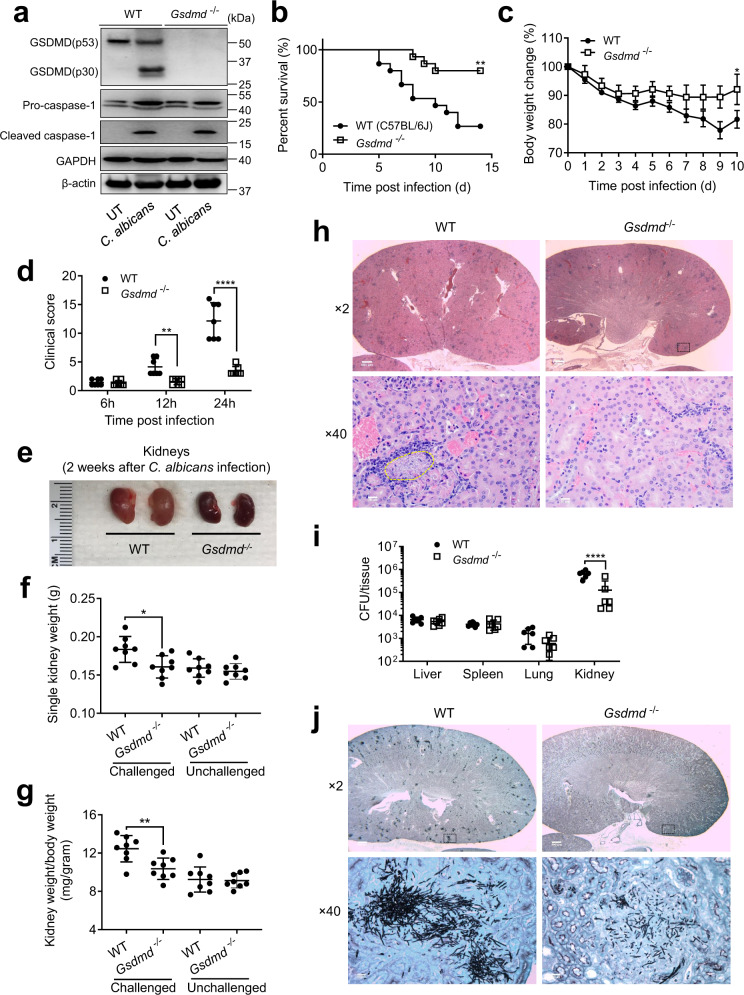
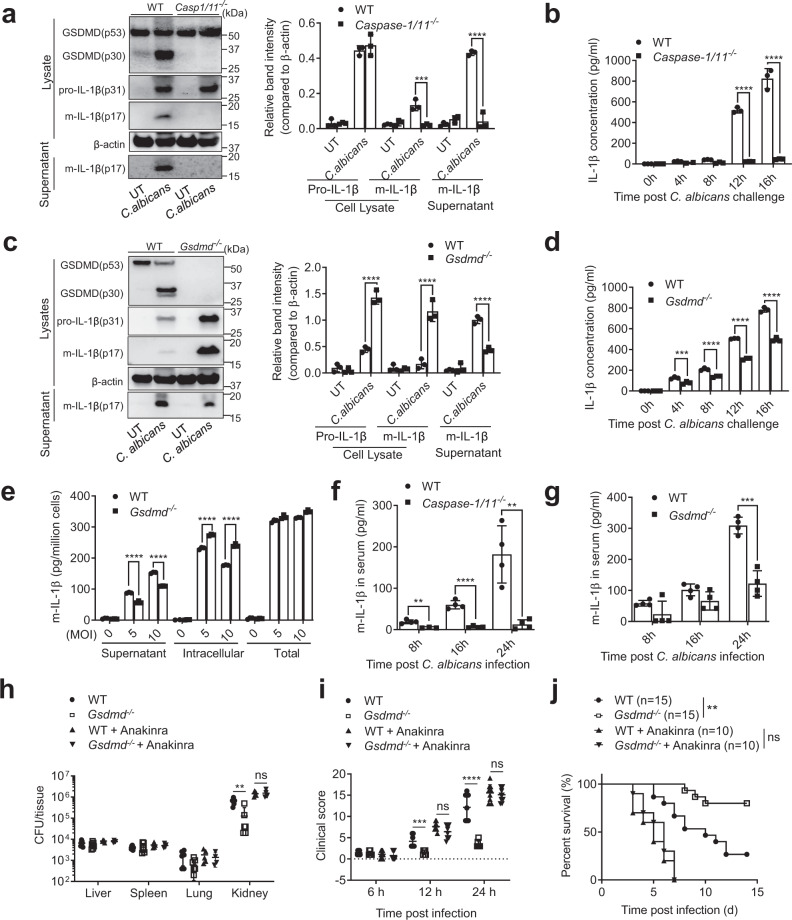
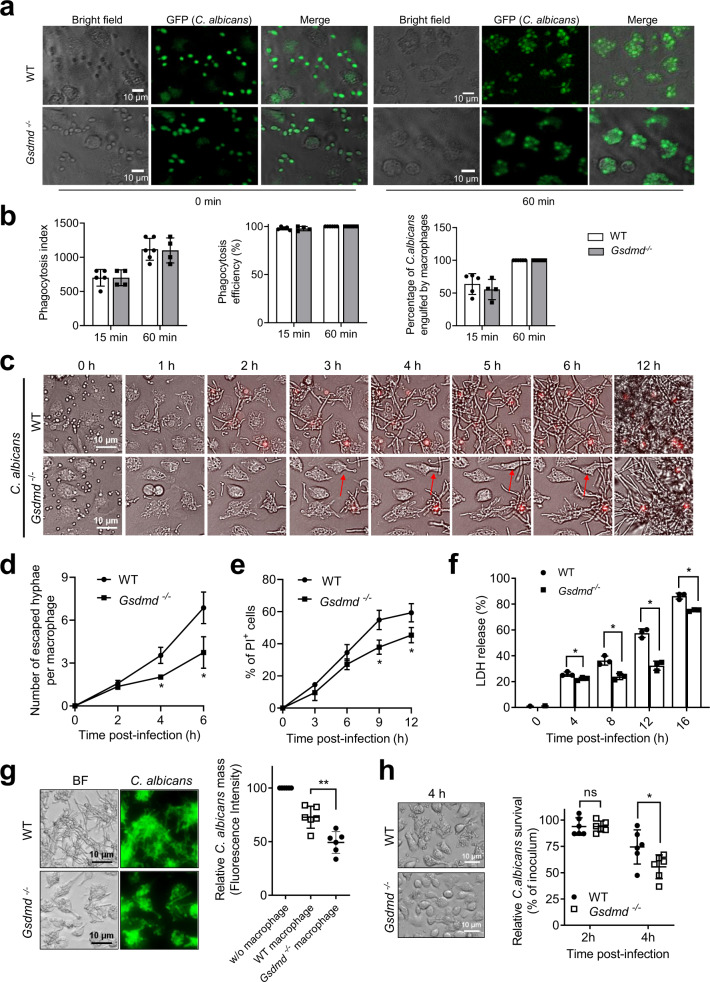
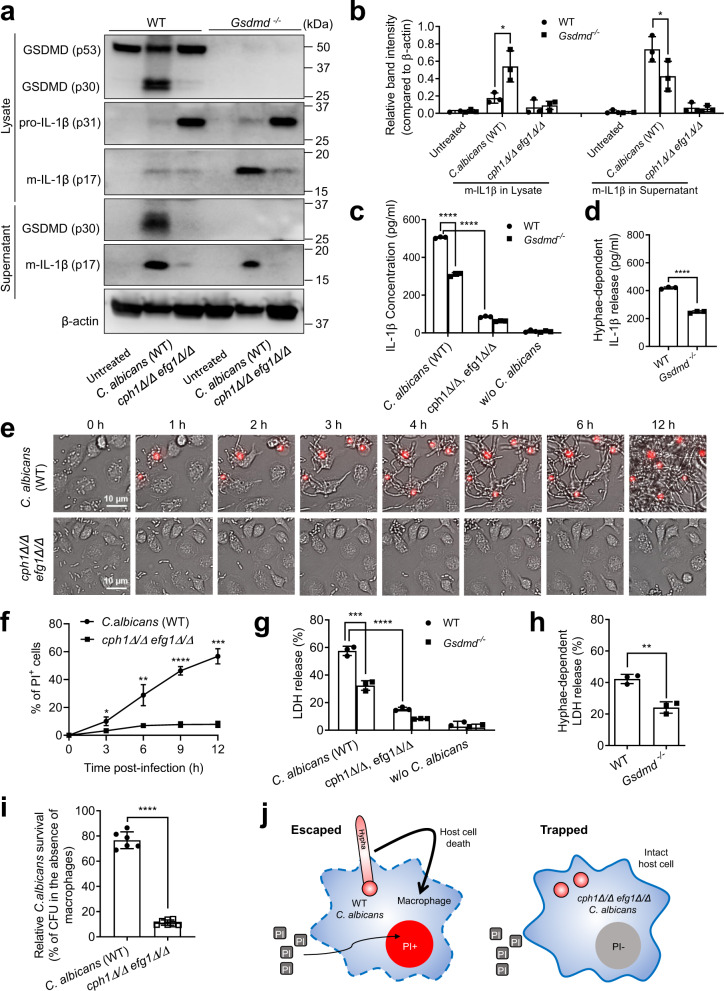
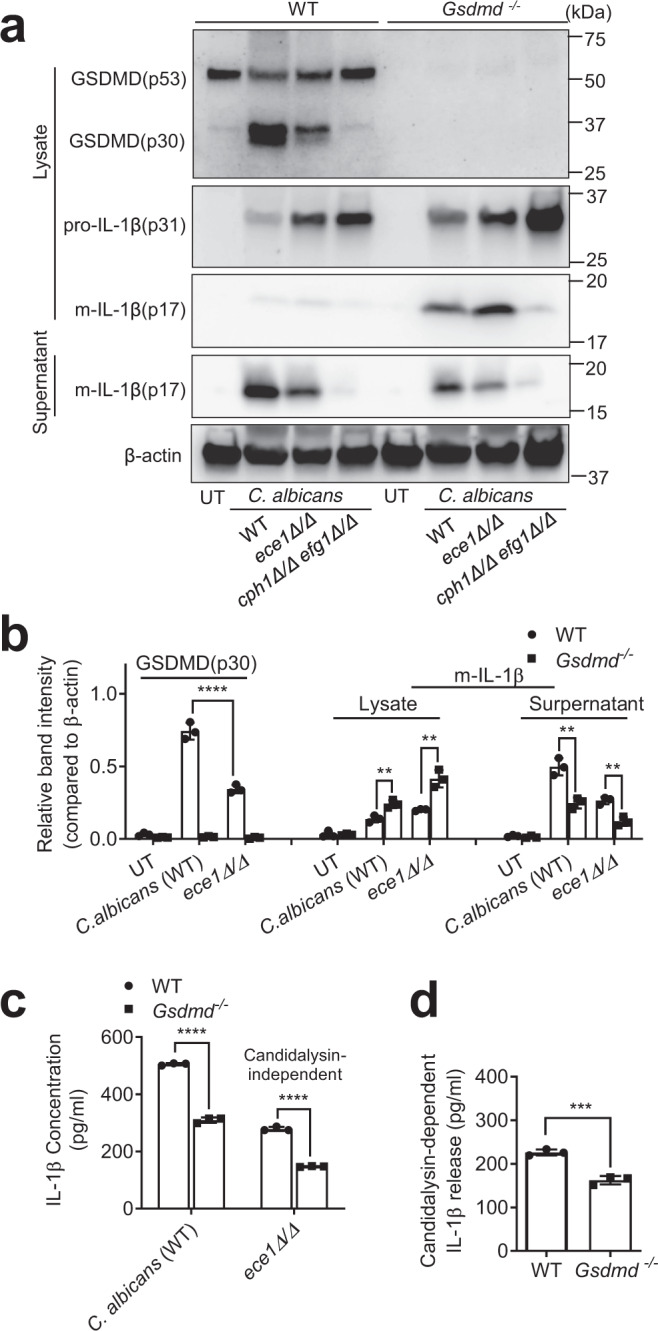
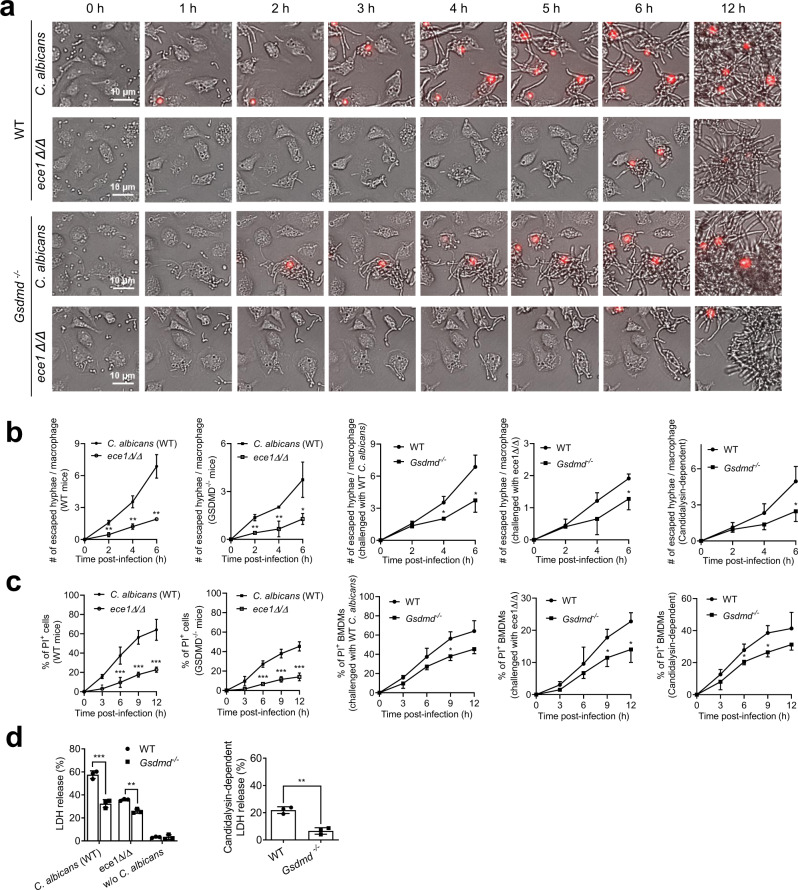
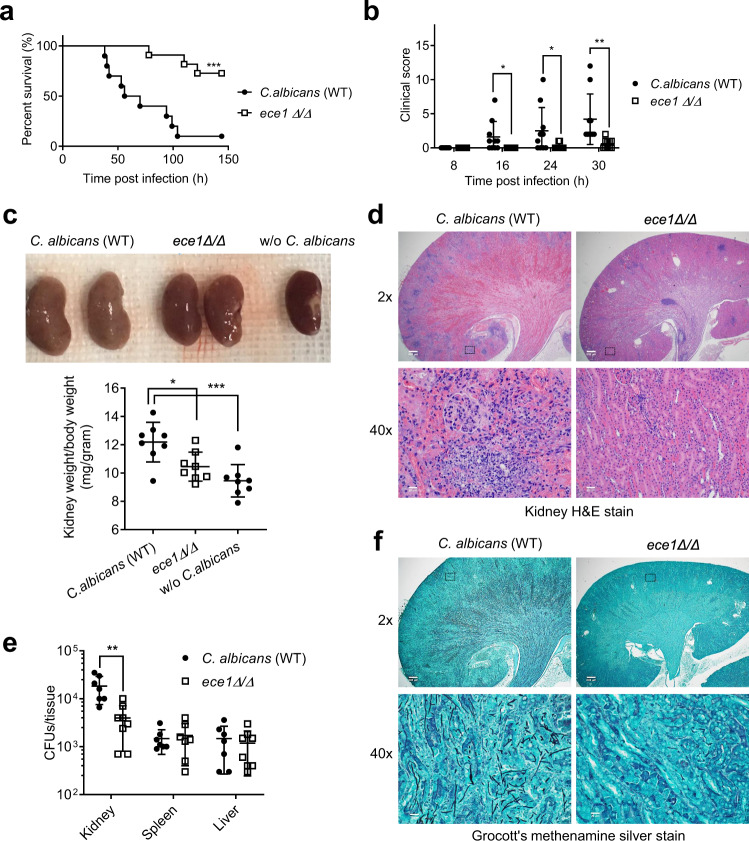
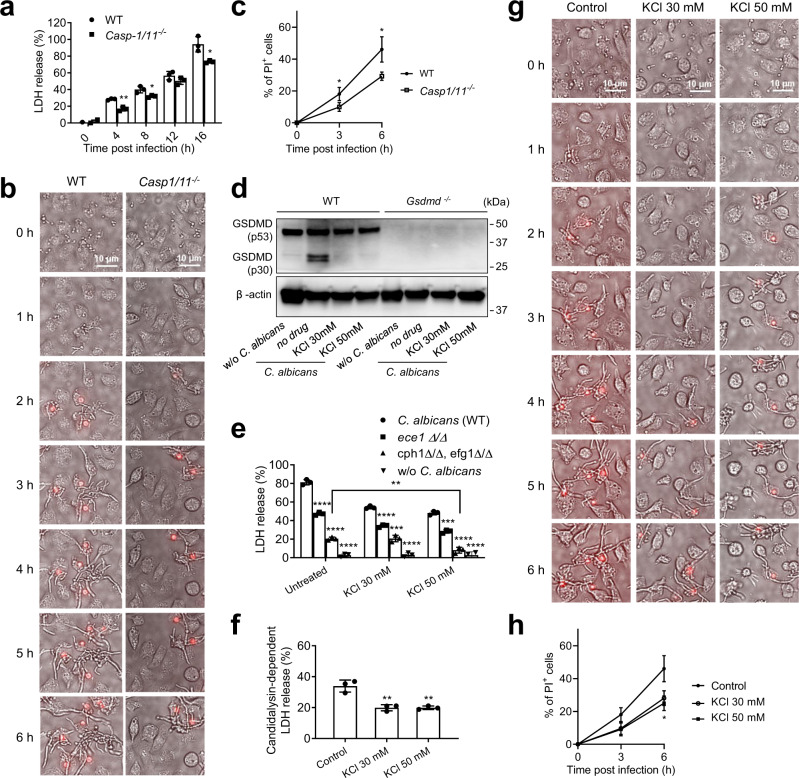
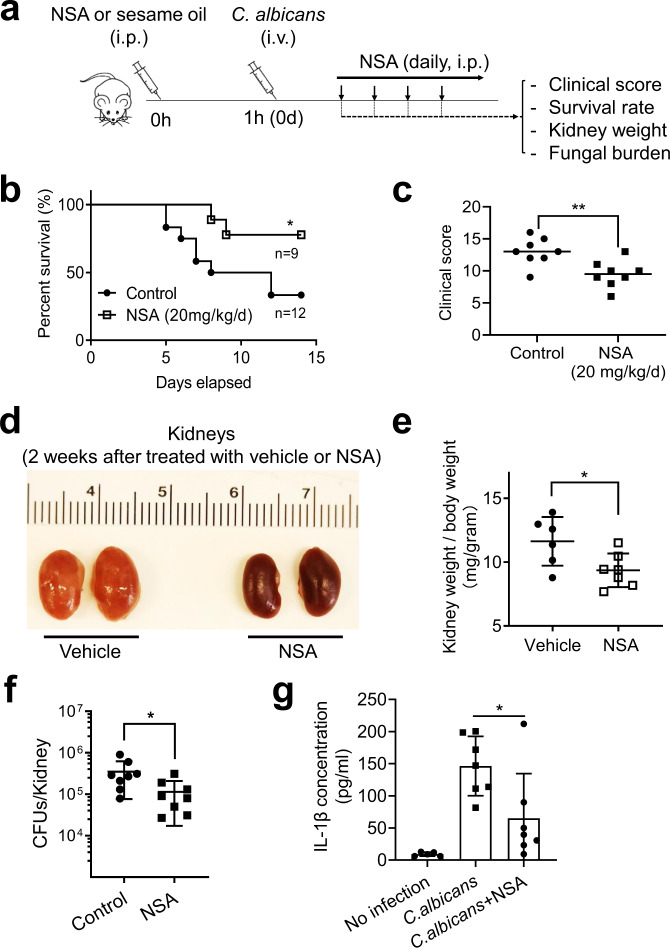
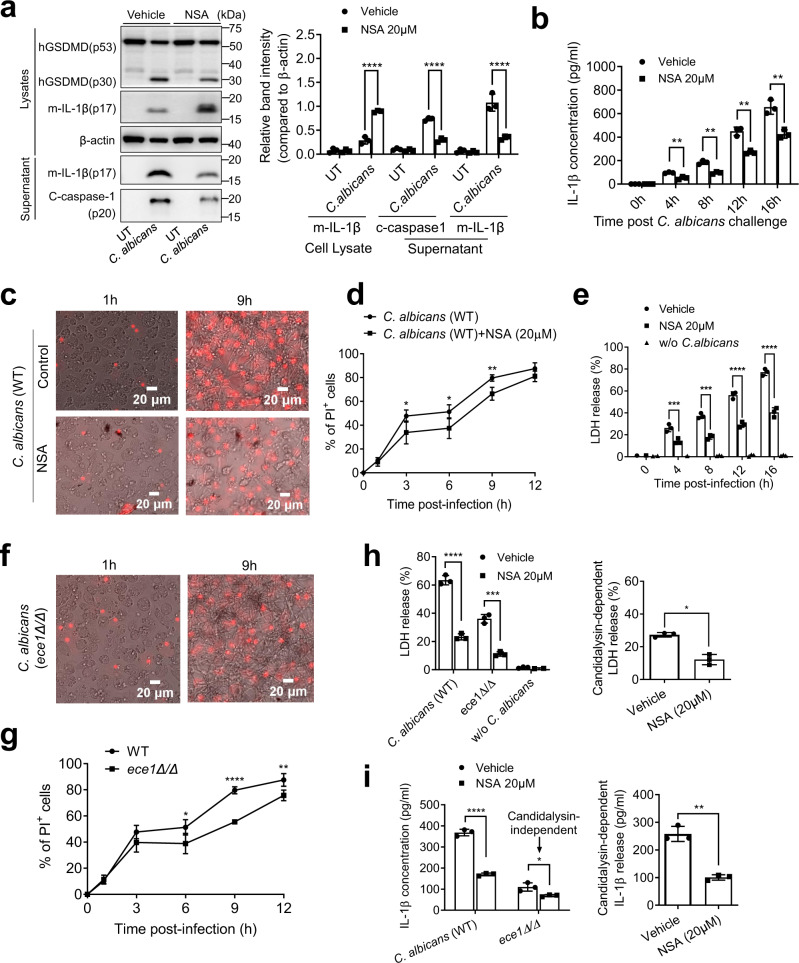
Candida albicans is the most common cause of fungal sepsis. Inhibition of inflammasome activity confers resistance to polymicrobial and LPS-induced sepsis; however, inflammasome signaling appears to protect against C. albicans infection, so inflammasome inhibitors are not clinically useful for candidiasis. Here we show disruption of GSDMD, a known inflammasome target and key pyroptotic cell death mediator, paradoxically alleviates candidiasis, improving outcomes and survival of Candida-infected mice. Mechanistically,C. albicans hijacked the canonical inflammasome-GSDMD axis-mediated pyroptosis to promote their escape from macrophages, deploying hyphae and candidalysin, a pore-forming toxin expressed by hyphae. GSDMD inhibition alleviated candidiasis by preventing C. albicans escape from macrophages while maintaining inflammasome-dependent but GSDMD-independent IL-1β production for anti-fungal host defenses. This study demonstrates key functions for GSDMD in Candida’s escape from host immunity in vitro and in vivo and suggests that GSDMD may be a potential therapeutic target in C. albicans-induced sepsis.
Overview
The claims and statistics of this paper haven’t been checked yet.
Free: it reads the open-access text and checks the first 5 claims that cite a source we can check. Create a free account to check every claim.
Integrity signals
Registry
Cites
Statistics
Figures
Verification
Claims the paper makes
The claims and statistics of this paper haven’t been checked yet.
Free: it reads the open-access text and checks the first 5 claims that cite a source we can check. Create a free account to check every claim.
Claims other papers make about this one
Each is checked against this paper’s own text: does it say what the citing paper says it does?
The source backs part of the claim, not all of it — or backs it for a different population, condition or comparison.
In the citing paper
“Preventing C. albicans from escaping macrophages effectively alleviates host inflammatory responses by reducing the excessive release of IL-1β [14].”
From The F 1 F o -ATP synthase α subunit of Candida albicans induces inflammatory responses by controlling amino acid catabolism (2023) · cites this paper as [14]
Experimental — accuracy not yet measuredThe source backs part of the claim, not all of it — or backs it for a different population, condition or comparison.
In the citing paper
“Macrophages are critical for controlling host inflammatory responses by phagocytizing and killing C. albicans [14,22].”
From The F 1 F o -ATP synthase α subunit of Candida albicans induces inflammatory responses by controlling amino acid catabolism (2023) · cites this paper as [14]
Experimental — accuracy not yet measuredThe source backs part of the claim, not all of it — or backs it for a different population, condition or comparison.
In the citing paper
“Enhancement of macrophage phagocytosis and killing of C. albicans alleviates the hyperinflammatory response by reducing the overproduction of IL-1β [14].”
From The F 1 F o -ATP synthase α subunit of Candida albicans induces inflammatory responses by controlling amino acid catabolism (2023) · cites this paper as [14]
Experimental — accuracy not yet measuredThe cited source says what the claim attributes to it.
In the citing paper
“Phagocytized C. albicans catabolizes amino acids to produce NH3 to neutralize the acidity of phagosomes [26,27], which induces filamentation for macrophage killing and escape [26,29], thus leading to host inflammatory responses [14].”
From The F 1 F o -ATP synthase α subunit of Candida albicans induces inflammatory responses by controlling amino acid catabolism (2023) · cites this paper as [14]
Self-check
Percentages, sums and reported differences re-computed from the paper’s own numbers.
The self-check needs the paper’s full text.
Citations
Cites
The third international consensus definitions for sepsis and septic shock (Sepsis-3).
Singer, M., Deutschman, C. S., Seymour, C. W., Shankar-Hari, M., Annane, D., Bauer, M., Bellomo, R., Bernard, G. R., Chiche, J.-D., Coopersmith, C. M., et al. (2016) · JAMA · doi:10.1001/jama.2016.0287 · Cited by 28,250
Surviving Sepsis Campaign: International Guidelines for Management of Severe Sepsis and Septic Shock
Dellinger, R. P., Levy, M. M., Rhodes, A., Annane, D., Gerlach, H., Opal, S. M., Sevransky, J. E., Sprung, C. L., Douglas, I. S., Jaeschke, R., et al. (2013) · Critical Care Medicine · doi:10.1097/ccm.0b013e31827e83af · Cited by 9,694
Cleavage of GSDMD by inflammatory caspases determines pyroptotic cell death
Shi, J., Zhao, Y., Wang, K., Shi, X., Wang, Y., Huang, H., Zhuang, Y., Cai, T., Wang, F., & Shao, F. (2015) · Nature · doi:10.1038/nature15514 · Cited by 6,659
Surviving Sepsis Campaign: International guidelines for management of sepsis and septic shock: 2016.
Rhodes, A., Evans, L. E., Alhazzani, W., Levy, M. M., Antonelli, M., Ferrer, R., Kumar, A., Sevransky, J. E., Sprung, C. L., Nunnally, M. E., et al. (2017) · Intensive Care Medicine · doi:10.1007/s00134-017-4683-6 · Cited by 6,621
The epidemiology of sepsis in the United States from 1979 through 2000
Martin, G. S., Mannino, D. M., Eaton, S., & Moss, M. (2003) · New England Journal of Medicine · doi:10.1056/nejmoa022139 · Cited by 5,841
The NLRP3 inflammasome: molecular activation and regulation to therapeutics
Swanson, K. V., Deng, M., & Ting, J. P.-Y. (2019) · Nature Reviews Immunology · doi:10.1038/s41577-019-0165-0 · Cited by 4,884
Hidden Killers: Human Fungal Infections
Brown, G. D., Denning, D. W., Gow, N. A. R., Levitz, S. M., Netea, M. G., & White, T. C. (2012) · Science Translational Medicine · doi:10.1126/scitranslmed.3004404 · Cited by 4,284
Epidemiology of Invasive Candidiasis: a Persistent Public Health Problem
Pfaller, M. A., & Diekema, D. J. (2007) · Clinical Microbiology Reviews · doi:10.1128/cmr.00029-06 · Cited by 4,174
Caspase-11 cleaves gasdermin D for non-canonical inflammasome signalling
Kayagaki, N., Stowe, I. B., Lee, B. L., O’Rourke, K., Anderson, K., Warming, S., Cuellar, T., Haley, B., Roose-Girma, M., Phung, Q. T., et al. (2015) · Nature · doi:10.1038/nature15541 · Cited by 3,686
Inflammasome-activated gasdermin D causes pyroptosis by forming membrane pores
Liu, X., Zhang, Z., Ruan, J., Pan, Y., Magupalli, V. G., Wu, H., & Lieberman, J. (2016) · Nature · doi:10.1038/nature18629 · Cited by 3,202
Chemotherapy drugs induce pyroptosis through caspase-3 cleavage of a gasdermin
Wang, Y., Gao, W., Shi, X., Ding, J., Liu, W., He, H., Wang, K., & Shao, F. (2017) · Nature · doi:10.1038/nature22393 · Cited by 3,199
Sepsis-induced immunosuppression: from cellular dysfunctions to immunotherapy
Hotchkiss, R. S., Monneret, G., & Payen, D. (2013) · Nature Reviews Immunology · doi:10.1038/nri3552 · Cited by 2,772
Shock and Tissue Injury Induced by Recombinant Human Cachectin
Tracey, K. J., Beutler, B., Lowry, S. F., Merryweather, J., Wolpe, S., Milsark, I. W., Hariri, R. J., Fahey, T. J., Zentella, A., Albert, J. D., et al. (1986) · Science · doi:10.1126/science.3764421 · Cited by 2,549
Non-canonical inflammasome activation targets caspase-11
Kayagaki, N., Warming, S., Lamkanfi, M., Walle, L. V., Louie, S., Dong, J., Newton, K., Qu, Y., Liu, J., Heldens, S., et al. (2011) · Nature · doi:10.1038/nature10558 · Cited by 2,530
Gasdermin D is an executor of pyroptosis and required for interleukin-1β secretion
He, W.-T., Wan, H., Hu, L., Chen, P., Wang, X., Huang, Z., Yang, Z.-H., Zhong, C.-Q., & Han, J. (2015) · Cell Research · doi:10.1038/cr.2015.139 · Cited by 2,517
Mechanisms and Functions of Inflammasomes
Lamkanfi, M., & Dixit, V. M. (2014) · Cell · doi:10.1016/j.cell.2014.04.007 · Cited by 2,503
Interleukin-1 in the pathogenesis and treatment of inflammatory diseases
Dinarello, C. A. (2011) · Blood · doi:10.1182/blood-2010-07-273417 · Cited by 2,248
Muñoz-Planillo, R., Kuffa, P., Martínez-Colón, G., Smith, B. L., Rajendiran, T. M., & Núñez, G. (2013) · Immunity · doi:10.1016/j.immuni.2013.05.016 · Cited by 2,147
The immunopathology of sepsis and potential therapeutic targets
van der Poll, T., van de Veerdonk, F. L., Scicluna, B. P., & Netea, M. G. (2017) · Nature Reviews Immunology · doi:10.1038/nri.2017.36 · Cited by 1,957
The interleukin-1 family: back to the future
Garlanda, C., Dinarello, C. A., & Mantovani, A. (2013) · Immunity · doi:10.1016/j.immuni.2013.11.010 · Cited by 1,945
Nonfilamentous C. albicans Mutants Are Avirulent
Lo, H.-J., Köhler, J. R., DiDomenico, B., Loebenberg, D., Cacciapuoti, A., & Fink, G. R. (1997) · Cell · doi:10.1016/s0092-8674(00)80358-x · Cited by 1,809
Self-citationIsogenic strain construction and gene mapping in Candida albicans.
Fonzi, W. A., & Irwin, M. Y. (1993) · Genetics · doi:10.1093/genetics/134.3.717 · Cited by 1,687
Gasdermin E suppresses tumour growth by activating anti-tumour immunity
Zhang, Z., Zhang, Y., Xia, S., Kong, Q., Li, S., Liu, X., Junqueira, C., Meza-Sosa, K. F., Mok, T. M. Y., Ansara, J., et al. (2020) · Nature · doi:10.1038/s41586-020-2071-9 · Cited by 1,686
Man, S. M., Karki, R., & Kanneganti, T. (2017) · Immunological Reviews · doi:10.1111/imr.12534 · Cited by 1,657
Hotchkiss, R. S., Moldawer, L. L., Opal, S. M., Reinhart, K., Turnbull, I. R., & Vincent, J.-L. (2016) · Nature Reviews Disease Primers · doi:10.1038/nrdp.2016.45 · Cited by 1,620
Rogers, C., Fernandes-Alnemri, T., Mayes, L., Alnemri, D., Cingolani, G., & Alnemri, E. S. (2017) · Nature Communications · doi:10.1038/ncomms14128 · Cited by 1,510
Activation of the NALP3 inflammasome is triggered by low intracellular potassium concentration
Pétrilli, V, Papin, S., Dostert, C., Mayor, A., Martinon, F., & Tschopp, J. (2007) · Cell Death & Differentiation · doi:10.1038/sj.cdd.4402195 · Cited by 1,445
Li, P., Allen, H., Banerjee, S., Franklin, S., Herzog, L., Johnston, C., McDowell, J., Paskind, M., Rodman, L., Salfeld, J., et al. (1995) · Cell · doi:10.1016/0092-8674(95)90490-5 · Cited by 1,417
Cytokine storm and sepsis disease pathogenesis
Chousterman, B. G., Swirski, F. K., & Weber, G. F. (2017) · Seminars in Immunopathology · doi:10.1007/s00281-017-0639-8 · Cited by 1,330
Benchmarking the Incidence and Mortality of Severe Sepsis in the United States*
Gaieski, D. F., Edwards, J. M., Kallan, M. J., & Carr, B. G. (2013) · Critical Care Medicine · doi:10.1097/ccm.0b013e31827c09f8 · Cited by 1,326
Endotoxin tolerance: new mechanisms, molecules and clinical significance
Biswas, S. K., & Lopez-Collazo, E. (2009) · Trends in Immunology · doi:10.1016/j.it.2009.07.009 · Cited by 1,318
Granzyme A from cytotoxic lymphocytes cleaves GSDMB to trigger pyroptosis in target cells
Zhou, Z., He, H., Wang, K., Shi, X., Wang, Y., Su, Y., Wang, Y., Li, D., Liu, W., Zhang, Y., et al. (2020) · Science · doi:10.1126/science.aaz7548 · Cited by 1,317
Self-citationPappas, P. G., Kauffman, C. A., Andes, D. R., Clancy, C. J., Marr, K. A., Ostrosky-Zeichner, L., Reboli, A. C., Schuster, M. G., Vazquez, J. A., Walsh, T. J., et al. (2016) · Clinical Infectious Diseases · doi:10.1093/cid/civ1194 · Cited by 1,298
Dombrovskiy, V. Y., Martin, A. A., Sunderram, J., & Paz, H. L. (2007) · Critical Care Medicine · doi:10.1097/01.ccm.0000261890.41311.e9 · Cited by 1,249
Mayr, F. B., Yende, S., & Angus, D. C. (2014) · Virulence · doi:10.4161/viru.27372 · Cited by 1,208
FDA-approved disulfiram inhibits pyroptosis by blocking gasdermin D pore formation
Hu, J. J., Liu, X., Xia, S., Zhang, Z., Zhang, Y., Zhao, J., Ruan, J., Luo, X., Lou, X., Bai, Y., et al. (2020) · Nature Immunology · doi:10.1038/s41590-020-0669-6 · Cited by 1,145
Self-citationA bioorthogonal system reveals antitumour immune function of pyroptosis
Wang, Q., Wang, Y., Ding, J., Wang, C., Zhou, X., Gao, W., Huang, H., Shao, F., & Liu, Z. (2020) · Nature · doi:10.1038/s41586-020-2079-1 · Cited by 1,083
Pathogen blockade of TAK1 triggers caspase-8–dependent cleavage of gasdermin D and cell death
Orning, P., Weng, D., Starheim, K., Ratner, D., Best, Z., Lee, B., Brooks, A., Xia, S., Wu, H., Kelliher, M. A., et al. (2018) · Science · doi:10.1126/science.aau2818 · Cited by 1,029
Pyroptotic cell death defends against intracellular pathogens
Jorgensen, I., & Miao, E. A. (2015) · Immunological Reviews · doi:10.1111/imr.12287 · Cited by 1,021
Hou, J., Zhao, R., Xia, W., Chang, C.-W., You, Y., Hsu, J.-M., Nie, L., Chen, Y., Wang, Y.-C., Liu, C., et al. (2020) · Nature Cell Biology · doi:10.1038/s41556-020-0575-z · Cited by 962
Candidalysin is a fungal peptide toxin critical for mucosal infection
Moyes, D. L., Wilson, D., Richardson, J. P., Mogavero, S., Tang, S. X., Wernecke, J., Höfs, S., Gratacap, R. L., Robbins, J., Runglall, M., et al. (2016) · Nature · doi:10.1038/nature17625 · Cited by 942
Caspase-8 induces cleavage of gasdermin D to elicit pyroptosis during Yersinia infection
Sarhan, J., Liu, B. C., Muendlein, H. I., Li, P., Nilson, R., Tang, A. Y., Rongvaux, A., Bunnell, S. C., Shao, F., Green, D. R., et al. (2018) · Proceedings of the National Academy of Sciences · doi:10.1073/pnas.1809548115 · Cited by 883
Interleukin-1 receptor antagonist reduces mortality from endotoxin shock
Ohlsson, K., Björk, P., Bergenfeldt, M., Hageman, R., & Thompson, R. C. (1990) · Nature · doi:10.1038/348550a0 · Cited by 853
Syk kinase signalling couples to the Nlrp3 inflammasome for anti-fungal host defence
Gross, O., Poeck, H., Bscheider, M., Dostert, C., Hannesschläger, N., Endres, S., Hartmann, G., Tardivel, A., Schweighoffer, E., Tybulewicz, V., et al. (2009) · Nature · doi:10.1038/nature07965 · Cited by 819
Gasdermin D plays a vital role in the generation of neutrophil extracellular traps
Sollberger, G., Choidas, A., Burn, G. L., Habenberger, P., Di Lucrezia, R., Kordes, S., Menninger, S., Eickhoff, J., Nussbaumer, P., Klebl, B., et al. (2018) · Science Immunology · doi:10.1126/sciimmunol.aar6689 · Cited by 758
Channelling inflammation: gasdermins in physiology and disease
Liu, X., Xia, S., Zhang, Z., Wu, H., & Lieberman, J. (2021) · Nature Reviews Drug Discovery · doi:10.1038/s41573-021-00154-z · Cited by 751
Transcriptional Response of Candida albicans upon Internalization by Macrophages
Lorenz, M. C., Bender, J. A., & Fink, G. R. (2004) · Eukaryotic Cell · doi:10.1128/ec.3.5.1076-1087.2004 · Cited by 712
Converging roles of caspases in inflammasome activation, cell death and innate immunity
Man, S. M., & Kanneganti, T.-D. (2016) · Nature Reviews Immunology · doi:10.1038/nri.2015.7 · Cited by 701
Two Decades of Mortality Trends Among Patients With Severe Sepsis: A Comparative Meta-Analysis*
Stevenson, E. K., Rubenstein, A. R., Radin, G. T., Wiener, R. S., & Walkey, A. J. (2014) · Critical Care Medicine · doi:10.1097/ccm.0000000000000026 · Cited by 648
Mechanisms of Antifungal Drug Resistance
Cowen, L. E., Sanglard, D., Howard, S. J., Rogers, P. D., & Perlin, D. S. (2015) · Cold Spring Harbor Perspectives in Medicine · doi:10.1101/cshperspect.a019752 · Cited by 647
Epidemiology of Nosocomial Fungal Infections, with Emphasis on Candida Species
Jarvis, W. R. (1995) · Clinical Infectious Diseases · doi:10.1093/clinids/20.6.1526 · Cited by 636
Gringhuis, S. I., Kaptein, T. M., Wevers, B. A., Theelen, B., van der Vlist, M., Boekhout, T., & Geijtenbeek, T. B. H. (2012) · Nature Immunology · doi:10.1038/ni.2222 · Cited by 613
Rathkey, J. K., Zhao, J., Liu, Z., Chen, Y., Yang, J., Kondolf, H. C., Benson, B. L., Chirieleison, S. M., Huang, A. Y., Dubyak, G. R., et al. (2018) · Science Immunology · doi:10.1126/sciimmunol.aat2738 · Cited by 612
Lipid Peroxidation Drives Gasdermin D-Mediated Pyroptosis in Lethal Polymicrobial Sepsis
Kang, R., Zeng, L., Zhu, S., Xie, Y., Liu, J., Wen, Q., Cao, L., Xie, M., Ran, Q., Kroemer, G., et al. (2018) · Cell Host & Microbe · doi:10.1016/j.chom.2018.05.009 · Cited by 608
Hise, A. G., Tomalka, J., Ganesan, S., Patel, K., Hall, B. A., Brown, G. D., & Fitzgerald, K. A. (2009) · Cell Host & Microbe · doi:10.1016/j.chom.2009.05.002 · Cited by 568
Caspase inhibitors improve survival in sepsis: a critical role of the lymphocyte
Hotchkiss, R. S., Chang, K. C., Swanson, P. E., Tinsley, K. W., Hui, J. J., Klender, P., Xanthoudakis, S., Roy, S., Black, C., Grimm, E., et al. (2000) · Nature Immunology · doi:10.1038/82741 · Cited by 526
A robust scoring system to evaluate sepsis severity in an animal model
Shrum, B., Anantha, R. V., Xu, S. X., Donnelly, M., Haeryfar, S. M., McCormick, J. K., & Mele, T. (2014) · BMC Research Notes · doi:10.1186/1756-0500-7-233 · Cited by 520
Antifungal drug resistance: evolution, mechanisms and impact
Revie, N. M., Iyer, K. R., Robbins, N., & Cowen, L. E. (2018) · Current Opinion in Microbiology · doi:10.1016/j.mib.2018.02.005 · Cited by 516
Gasdermin D Exerts Anti-inflammatory Effects by Promoting Neutrophil Death
Kambara, H., Liu, F., Zhang, X., Liu, P., Bajrami, B., Teng, Y., Zhao, L., Zhou, S., Yu, H., Zhou, W., et al. (2018) · Cell Reports · doi:10.1016/j.celrep.2018.02.067 · Cited by 419
Self-citationRecent Insights into the Molecular Mechanisms Underlying Pyroptosis and Gasdermin Family Functions
Aglietti, R. A., & Dueber, E. C. (2017) · Trends in Immunology · doi:10.1016/j.it.2017.01.003 · Cited by 407
The disconnect between animal models of sepsis and human sepsis
Rittirsch, D., Hoesel, L. M., & Ward, P. A. (2007) · Journal of Leukocyte Biology · doi:10.1189/jlb.0806542 · Cited by 406
The TWIK2 Potassium Efflux Channel in Macrophages Mediates NLRP3 Inflammasome-Induced Inflammation
Di, A., Xiong, S., Ye, Z., Malireddi, R. K. S., Kometani, S., Zhong, M., Mittal, M., Hong, Z., Kanneganti, T.-D., Rehman, J., et al. (2018) · Immunity · doi:10.1016/j.immuni.2018.04.032 · Cited by 398
Jawad, I., Lukšić, I., & Rafnsson, S. B. (2012) · Journal of Global Health · doi:10.7189/jogh.01.010404 · Cited by 389
Malireddi, R. K. S., Gurung, P., Kesavardhana, S., Samir, P., Burton, A., Mummareddy, H., Vogel, P., Pelletier, S., Burgula, S., & Kanneganti, T.-D. (2020) · Journal of Experimental Medicine · doi:10.1084/jem.20191644 · Cited by 384
Invasive candidiasis as a cause of sepsis in the critically ill patient
Delaloye, J., & Calandra, T. (2014) · Virulence · doi:10.4161/viru.26187 · Cited by 372
Franchi, L., Kanneganti, T.-D., Dubyak, G. R., & Núñez, G. (2007) · Journal of Biological Chemistry · doi:10.1074/jbc.m610762200 · Cited by 356
Fischer, E., Marano, M. A., Van Zee, K. J., Rock, C. S., Hawes, A. S., Thompson, W. A., DeForge, L., Kenney, J. S., Remick, D. G., & Bloedow, D. C. (1992) · Journal of Clinical Investigation · doi:10.1172/jci115748 · Cited by 333
Monteleone, M., Stanley, A. C., Chen, K. W., Brown, D. L., Bezbradica, J. S., von Pein, J. B., Holley, C. L., Boucher, D., Shakespear, M. R., Kapetanovic, R., et al. (2018) · Cell Reports · doi:10.1016/j.celrep.2018.07.027 · Cited by 306
Kasper, L., König, A., Koenig, P.-A., Gresnigt, M. S., Westman, J., Drummond, R. A., Lionakis, M. S., Groß, O., Ruland, J., Naglik, J. R., et al. (2018) · Nature Communications · doi:10.1038/s41467-018-06607-1 · Cited by 297
Cutting Edge: Candida albicans Hyphae Formation Triggers Activation of the Nlrp3 Inflammasome
Joly, S., Ma, N., Sadler, J. J., Soll, D. R., Cassel, S. L., & Sutterwala, F. S. (2009) · The Journal of Immunology · doi:10.4049/jimmunol.0901323 · Cited by 296
Jawad, I., Lukšić, I., & Rafnsson, S. B. (2012) · PubMed · doi:10.7189/jogh.02.010404 · Cited by 288
McCarty, T. P., & Pappas, P. G. (2016) · Infectious Disease Clinics of North America · doi:10.1016/j.idc.2015.10.013 · Cited by 285
Schwarzer, R., Jiao, H., Wachsmuth, L., Tresch, A., & Pasparakis, M. (2020) · Immunity · doi:10.1016/j.immuni.2020.04.002 · Cited by 275
The Pathogen Candida albicans Hijacks Pyroptosis for Escape from Macrophages
Uwamahoro, N., Verma-Gaur, J., Shen, H.-H., Qu, Y., Lewis, R., Lu, J., Bambery, K., Masters, S. L., Vince, J. E., Naderer, T., et al. (2014) · mBio · doi:10.1128/mbio.00003-14 · Cited by 264
Birse, C. E., Irwin, M. Y., Fonzi, W. A., & Sypherd, P. S. (1993) · Infection and Immunity · doi:10.1128/iai.61.9.3648-3655.1993 · Cited by 248
Update on antifungal resistance in Aspergillus and Candida
Arendrup, M. C. (2014) · Clinical Microbiology and Infection · doi:10.1111/1469-0691.12513 · Cited by 240
CARD9+ microglia promote antifungal immunity via IL-1β- and CXCL1-mediated neutrophil recruitment
Drummond, R. A., Swamydas, M., Oikonomou, V., Zhai, B., Dambuza, I. M., Schaefer, B. C., Bohrer, A. C., Mayer-Barber, K. D., Lira, S. A., Iwakura, Y., et al. (2019) · Nature Immunology · doi:10.1038/s41590-019-0377-2 · Cited by 238
Banoth, B., Tuladhar, S., Karki, R., Sharma, B. R., Briard, B., Kesavardhana, S., Burton, A., & Kanneganti, T.-D. (2020) · Journal of Biological Chemistry · doi:10.1074/jbc.ra120.015924 · Cited by 237
Sepsis and septic shock: New definitions, new diagnostic and therapeutic approaches
Esposito, S., De Simone, G., Boccia, G., De Caro, F., & Pagliano, P. (2017) · Journal of Global Antimicrobial Resistance · doi:10.1016/j.jgar.2017.06.013 · Cited by 235
Candidalysin: discovery and function in Candida albicans infections
Naglik, J. R., Gaffen, S. L., & Hube, B. (2019) · Current Opinion in Microbiology · doi:10.1016/j.mib.2019.06.002 · Cited by 229
Candida albicans Triggers NLRP3-Mediated Pyroptosis in Macrophages
Wellington, M., Koselny, K., Sutterwala, F. S., & Krysan, D. J. (2014) · Eukaryotic Cell · doi:10.1128/ec.00336-13 · Cited by 227
Tucey, T. M., Verma, J., Harrison, P. F., Snelgrove, S. L., Lo, T. L., Scherer, A. K., Barugahare, A. A., Powell, D. R., Wheeler, R. T., Hickey, M. J., et al. (2018) · Cell Metabolism · doi:10.1016/j.cmet.2018.03.019 · Cited by 226
Hospital-related cost of sepsis: A systematic review
Arefian, H., Heublein, S., Scherag, A., Brunkhorst, F. M., Younis, M. Z., Moerer, O., Fischer, D., & Hartmann, M. (2017) · Journal of Infection · doi:10.1016/j.jinf.2016.11.006 · Cited by 222
Maródi, L., Korchak, H. M., & Johnston, R. B. (1991) · The Journal of Immunology · doi:10.4049/jimmunol.146.8.2783 · Cited by 205
Cheng, S.-C., van de Veerdonk, F. L., Lenardon, M., Stoffels, M., Plantinga, T., Smeekens, S., Rizzetto, L., Mukaremera, L., Preechasuth, K., Cavalieri, D., et al. (2011) · Journal of Leukocyte Biology · doi:10.1189/jlb.1210702 · Cited by 191
Candidalysin activates innate epithelial immune responses via epidermal growth factor receptor
Ho, J., Yang, X., Nikou, S.-A., Kichik, N., Donkin, A., Ponde, N. O., Richardson, J. P., Gratacap, R. L., Archambault, L. S., Zwirner, C. P., et al. (2019) · Nature Communications · doi:10.1038/s41467-019-09915-2 · Cited by 186
Role of Innate Host Defenses in Susceptibility to Early-Onset Neonatal Sepsis
Wynn, J. L., & Levy, O. (2010) · Clinics in Perinatology · doi:10.1016/j.clp.2010.04.001 · Cited by 185
Intensive care medicine research agenda on invasive fungal infection in critically ill patients
Bassetti, M., Garnacho-Montero, J., Calandra, T., Kullberg, B., Dimopoulos, G., Azoulay, E., Chakrabarti, A., Kett, D., Leon, C., Ostrosky-Zeichner, L., et al. (2017) · Intensive Care Medicine · doi:10.1007/s00134-017-4731-2 · Cited by 183
Yang, J., Liu, Z., Wang, C., Yang, R., Rathkey, J. K., Pinkard, O. W., Shi, W., Chen, Y., Dubyak, G. R., Abbott, D. W., et al. (2018) · Proceedings of the National Academy of Sciences · doi:10.1073/pnas.1800562115 · Cited by 176
Cell biology of Candida albicans–host interactions
da Silva Dantas, A., Lee, K. K., Raziunaite, I., Schaefer, K., Wagener, J., Yadav, B., & Gow, N. A. (2016) · Current Opinion in Microbiology · doi:10.1016/j.mib.2016.08.006 · Cited by 169
NF-κB is essential for the progression of KSHV- and EBV-infected lymphomas in vivo
Keller, S. A., Hernandez-Hopkins, D., Vider, J., Ponomarev, V., Hyjek, E., Schattner, E. J., & Cesarman, E. (2006) · Blood · doi:10.1182/blood-2005-07-2730 · Cited by 168
Ghosh, S., Navarathna, D. H. M. L. P., Roberts, D. D., Cooper, J. T., Atkin, A. L., Petro, T. M., & Nickerson, K. W. (2009) · Infection and Immunity · doi:10.1128/iai.01452-08 · Cited by 165
Sepsis and septic shock: Pathogenesis and treatment perspectives
Minasyan, H. A. (2017) · Journal of Critical Care · doi:10.1016/j.jcrc.2017.04.015 · Cited by 164
NLRP3 Inflammasome Deficiency Protects against Microbial Sepsis via Increased Lipoxin B 4 Synthesis
Lee, S., Nakahira, K., Dalli, J., Siempos, I. I., Norris, P. C., Colas, R. A., Moon, J.-S., Shinohara, M., Hisata, S., Howrylak, J. A., et al. (2017) · American Journal of Respiratory and Critical Care Medicine · doi:10.1164/rccm.201604-0892oc · Cited by 156
Trends in Sepsis and Infection Sources in the United States. A Population-Based Study
Walkey, A. J., Lagu, T., & Lindenauer, P. K. (2015) · Annals of the American Thoracic Society · doi:10.1513/annalsats.201411-498bc · Cited by 154
The inflammasome drives protective Th1 and Th17 cellular responses in disseminated candidiasis
van de Veerdonk, F. L., Joosten, L. A. B., Shaw, P. J., Smeekens, S. P., Malireddi, R. K. S., van der Meer, J. W. M., Kullberg, B., Netea, M. G., & Kanneganti, T. (2011) · European Journal of Immunology · doi:10.1002/eji.201041226 · Cited by 151
Anti-cytokine therapeutics and infections
Dinarello, C. A. (2003) · Vaccine · doi:10.1016/s0264-410x(03)00196-8 · Cited by 148
Fungal Zymosan and Mannan Activate the Cryopyrin Inflammasome
Lamkanfi, M., Malireddi, R. K. S., & Kanneganti, T.-D. (2009) · Journal of Biological Chemistry · doi:10.1074/jbc.m109.023689 · Cited by 147
Irrera, N., Vaccaro, M., Bitto, A., Pallio, G., Pizzino, G., Lentini, M., Arcoraci, V., Minutoli, L., Scuruchi, M., Cutroneo, G., et al. (2017) · Clinical Science · doi:10.1042/cs20160645 · Cited by 146
Doerflinger, M., Deng, Y., Whitney, P., Salvamoser, R., Engel, S., Kueh, A. J., Tai, L., Bachem, A., Gressier, E., Geoghegan, N. D., et al. (2020) · Immunity · doi:10.1016/j.immuni.2020.07.004 · Cited by 145
Dellinger, R. P., Levy, M. M., Carlet, J. M., Bion, J., Parker, M. M., Jaeschke, R., Reinhart, K., Angus, D. C., Brun‐Buisson, C., Beale, R. J., et al. (2008) · Intensive Care Medicine · doi:10.1007/s00134-008-1040-9 · Cited by 143
Novel Insights for Systemic Inflammation in Sepsis and Hemorrhage
Cai, B., Deitch, E. A., & Ulloa, L. (2010) · Mediators of Inflammation · doi:10.1155/2010/642462 · Cited by 136
Rashidi, M., Simpson, D. S., Hempel, A., Frank, D. O., Petrie, E. J., Vince, A. J., Feltham, R., Murphy, J., Chatfield, S. M., Salvesen, G. S., et al. (2019) · The Journal of Immunology · doi:10.4049/jimmunol.1900228 · Cited by 130
Ganesan, S., Rathinam, V. A. K., Bossaller, L., Army, K., Kaiser, W. J., Mocarski, E. S., Dillon, C. P., Green, D. R., Mayadas, T. N., Levitz, S. M., et al. (2014) · The Journal of Immunology · doi:10.4049/jimmunol.1400276 · Cited by 129
Heilig, R., Dilucca, M., Boucher, D., Chen, K. W., Hancz, D., Demarco, B., Shkarina, K., & Brož, P. (2020) · Life Science Alliance · doi:10.26508/lsa.202000735 · Cited by 128
Loss of conserved Gsdma3 self-regulation causes autophagy and cell death
Shi, P., Tang, A., Xian, L., Hou, S., Zou, D., Lv, Y., Huang, Z., Wang, Q., Song, A., Lin, Z., et al. (2015) · Biochemical Journal · doi:10.1042/bj20150204 · Cited by 119
Tumor suppressor PTEN is a physiologic suppressor of chemoattractant-mediated neutrophil functions
Subramanian, K. K., Jia, Y., Zhu, D., Simms, B. T., Jo, H., Hattori, H., You, J., Mizgerd, J. P., & Luo, H. R. (2007) · Blood · doi:10.1182/blood-2006-10-055319 · Cited by 117
Self-citationThe Missing Link between Candida albicans Hyphal Morphogenesis and Host Cell Damage
Wilson, D., Naglik, J. R., & Hube, B. (2016) · PLOS Pathogens · doi:10.1371/journal.ppat.1005867 · Cited by 116
Jin, L., Batra, S., & Jeyaseelan, S. (2017) · The Journal of Immunology · doi:10.4049/jimmunol.1601745 · Cited by 114
Candidalysin Crucially Contributes to Nlrp3 Inflammasome Activation by Candida albicans Hyphae
Rogiers, O., Frising, U. C., Kucharíková, S., Jabra-Rizk, M. A., van Loo, G., Van Dijck, P., & Wullaert, A. (2019) · mBio · doi:10.1128/mbio.02221-18 · Cited by 113
Swidergall, M., Khalaji, M., Solis, N. V., Moyes, D. L., Drummond, R. A., Hube, B., Lionakis, M. S., Murdoch, C., Filler, S. G., & Naglik, J. R. (2019) · The Journal of Infectious Diseases · doi:10.1093/infdis/jiz322 · Cited by 111
Kullberg, B. J., van 't Wout, J. W., & van Furth, R. (1990) · Infection and Immunity · doi:10.1128/iai.58.10.3319-3324.1990 · Cited by 105
Biology of proinflammatory cytokines and their antagonists.
Moldawer, L. L. (1994) · PubMed · Cited by 98
Protection of neutropenic mice from lethal Candida albicans infection by recombinant interleukin 1
Van Wout, J. W. '., Van Meer, J. W. M. D., Barza, M., & Dinarello, C. A. (1988) · European Journal of Immunology · doi:10.1002/eji.1830180728 · Cited by 98
Host response to Candida albicans bloodstream infection and sepsis
Duggan, S., Leonhardt, I., Hünniger, K., & Kurzai, O. (2015) · Virulence · doi:10.4161/21505594.2014.988096 · Cited by 97
Complement and innate immune evasion strategies of the human pathogenic fungus Candida albicans
Luo, S., Skerka, C., Kurzai, O., & Zipfel, P. F. (2013) · Molecular Immunology · doi:10.1016/j.molimm.2013.05.218 · Cited by 95
Dubois, H., Sorgeloos, F., Sarvestani, S. T., Martens, L., Saeys, Y., Mackenzie, J. M., Lamkanfi, M., Loo, G., Goodfellow, I., & Wullaert, A. (2019) · PLoS Pathogens · doi:10.1371/journal.ppat.1007709 · Cited by 95
Candidemia in the Intensive Care Unit
Epelbaum, O., & Chasan, R. (2017) · Clinics in Chest Medicine · doi:10.1016/j.ccm.2017.04.010 · Cited by 80
Immunotherapy for breast cancer using EpCAM aptamer tumor-targeted gene knockdown
Zhang, Y., Xie, X., Yeganeh, P. N., Lee, D.-J., Valle‐García, D., Meza‐Sosa, K. F., Junqueira, C., Su, J., Luo, H. R., Hide, W., et al. (2021) · Proceedings of the National Academy of Sciences · doi:10.1073/pnas.2022830118 · Cited by 79
Self-citationManagement of Sepsis-Induced Immunosuppression
Venet, F., Rimmele, T. R., & Monneret, G. (2017) · Critical Care Clinics · doi:10.1016/j.ccc.2017.08.007 · Cited by 75
The Zebrafish as a Model Host for Invasive Fungal Infections
Rosowski, E. E., Knox, B. P., Archambault, L. S., Huttenlocher, A., Keller, N. P., Wheeler, R. T., & Davis, J. M. (2018) · Journal of Fungi · doi:10.3390/jof4040136 · Cited by 73
O’Meara, T. R., Duah, K., Guo, C. X., Maxson, M. E., Gaudet, R. G., Koselny, K., Wellington, M., Powers, M. E., MacAlpine, J., O’Meara, M. J., et al. (2018) · mBio · doi:10.1128/mbio.01581-18 · Cited by 70
Catching Fire: Candida albicans, Macrophages, and Pyroptosis
Krysan, D. J., Sutterwala, F. S., & Wellington, M. (2014) · PLoS Pathogens · doi:10.1371/journal.ppat.1004139 · Cited by 68
Fungal Sepsis: Optimizing Antifungal Therapy in the Critical Care Setting
Lepak, A., & Andes, D. (2011) · Critical Care Clinics · doi:10.1016/j.ccc.2010.11.001 · Cited by 62
Novel Pharmacologic Approaches to the Management of Sepsis: Targeting the Host Inflammatory Response
Wheeler, D. S., Zingarelli, B., Wheeler, W., & Wong, H. R. (2009) · Recent Patents on Inflammation & Allergy Drug Discovery · doi:10.2174/187221309788489779 · Cited by 61
Programmed Cell Death: Central Player in Fungal Infections
Camilli, G., Blagojevic, M., Naglik, J. R., & Richardson, J. P. (2020) · Trends in Cell Biology · doi:10.1016/j.tcb.2020.11.005 · Cited by 60
The role of complement and antibody in opsonization and intracellular killing of Candida albicans.
Pereira, H. A., & Hosking, C. S. (1984) · PubMed · Cited by 59
The Candida albicans ATO Gene Family Promotes Neutralization of the Macrophage Phagolysosome
Danhof, H. A., & Lorenz, M. C. (2015) · Infection and Immunity · doi:10.1128/iai.00984-15 · Cited by 57
Invasive candidiasis: from mycobiome to infection, therapy, and prevention
Lagunes, L., & Rello, J. (2016) · European Journal of Clinical Microbiology & Infectious Diseases · doi:10.1007/s10096-016-2658-0 · Cited by 56
Kagaya, K., & Fukazawa, Y. (1981) · Microbiology and Immunology · doi:10.1111/j.1348-0421.1981.tb00084.x · Cited by 52
Eliakim‐Raz, N., Babaoff, R., Yahav, D., Yanai, S., Shaked, H., & Bishara, J. (2016) · International Journal of Infectious Diseases · doi:10.1016/j.ijid.2016.09.018 · Cited by 52
Human recombinant interleukin-1 receptor antagonist in the treatment of sepsis syndrome
Tompkins, R. G. (1994) · Critical Care Medicine · doi:10.1097/00003246-199401000-00002 · Cited by 51
VX-166: a novel potent small molecule caspase inhibitor as a potential therapy for sepsis
Weber, P., Wang, P., Maddens, S., Wang, P. S., Wu, R., Miksa, M., Dong, W., Mortimore, M., Golec, J. M. C., & Charlton, P. (2009) · Critical Care · doi:10.1186/cc8041 · Cited by 48
Kumpf, O., & Schumann, R. R. (2010) · Journal of Innate Immunity · doi:10.1159/000314269 · Cited by 47
Seman, B. G., Moore, J. L., Scherer, A. K., Blair, B. A., Manandhar, S., Jones, J. M., & Wheeler, R. T. (2018) · Infection and Immunity · doi:10.1128/iai.00415-18 · Cited by 46
Metabolic competition between host and pathogen dictates inflammasome responses to fungal infection
Tucey, T. M., Verma, J., Olivier, F. A. B., Lo, T. L., Robertson, A. A. B., Naderer, T., & Traven, A. (2020) · PLOS Pathogens · doi:10.1371/journal.ppat.1008695 · Cited by 45
Sepsis study failure highlights need for trial design rethink
Tse, M. T. (2013) · Nature Reviews Drug Discovery · doi:10.1038/nrd4016 · Cited by 42
Bloodstream infections in internal medicine
Bono, V. D., & Giacobbe, D. R. (2016) · Virulence · doi:10.1080/21505594.2016.1140296 · Cited by 42
Wellington, M. A., Bliss, J. M., & Haidaris, C. G. (2003) · Infection and Immunity · doi:10.1128/iai.71.12.7228-7231.2003 · Cited by 34
Identification of pyroptosis inhibitors that target a reactive cysteine in gasdermin DPreprint
Hu, J., Liu, X., Zhao, J.-X., Xia, S., Ruan, J., Luo, X., Kim, J., Lieberman, J., & Wu, H. (2018) · bioRxiv · doi:10.1101/365908 · Cited by 34
PTEN Negatively Regulates Engulfment of Apoptotic Cells by Modulating Activation of Rac GTPase
Mondal, S., Ghosh-Roy, S., Loison, F., Li, Y., Jia, Y., Harris, C., Williams, D. A., & Luo, H. R. (2011) · The Journal of Immunology · doi:10.4049/jimmunol.1100484 · Cited by 33
Self-citationLai, P. S., & Thompson, B. (2013) · Current Infectious Disease Reports · doi:10.1007/s11908-013-0358-9 · Cited by 29
Some like it hot: Candida activation of inflammasomes
Camilli, G., Griffiths, J. S., Ho, J., Richardson, J. P., & Naglik, J. R. (2020) · PLoS Pathogens · doi:10.1371/journal.ppat.1008975 · Cited by 29
Distortion in Coulter Counters and the applicability of the Collins-Richmond principle
KUBITSCHEK, H. E. (1971) · Biophysical Journal · doi:10.1016/s0006-3495(71)86201-x · Cited by 17
Murphey, E. D. (2011) · The Journal of Immunology · doi:10.4049/jimmunol.1002102 · Cited by 16
Candidalysin sets off the innate alarm
Li, X. V., Leonardi, I., & Iliev, I. D. (2017) · Science Immunology · doi:10.1126/sciimmunol.aao5703 · Cited by 15
Biomarkers as end points in clinical trials of severe sepsis: A garden of forking paths*
Salluh, J. I., & Póvoa, P. M. S. R. (2010) · Critical Care Medicine · doi:10.1097/ccm.0b013e3181e941f6 · Cited by 12
Flipping the Switch from Inflammation to Cell Death
Muendlein, H. I., & Poltorak, A. (2020) · Trends in Immunology · doi:10.1016/j.it.2020.06.007 · Cited by 10
Ganesan, S., Rathinam, V. A. K., Bossaller, L., Army, K., Kaiser, W. J., Mocarski, E. S., Dillon, C. P., Green, D. R., Mayadas, T. N., Levitz, S. M., et al. (2014) · eScholarship@UMassChan · Cited by 3
Cited by
Pyroptosis-Induced Inflammation and Tissue Damage
Vasudevan, S. O., Behl, B., & Rathinam, V. A. (2023) · Seminars in Immunology · doi:10.1016/j.smim.2023.101781 · Cited by 412
Pyroptosis: molecular mechanisms and roles in disease
Broz, P. (2025) · Cell Research · doi:10.1038/s41422-025-01107-6 · Cited by 219
“112 GSDMD is not only activated by in fl ammasomes but has also been reported to be cleaved by caspase-8 in Yersinia -infected cells.”
Balasubramanian, A., Hsu, A. Y., Ghimire, L., Tahir, M., Devant, P., Fontana, P., Du, G., Liu, X., Fabin, D., Kambara, H., et al. (2024) · Science Immunology · doi:10.1126/sciimmunol.adn1452 · Cited by 201
“Gsdmd - deficient mice are protected from sepsis ( 3 , 18 , 22 , 55 – 57 ).”
BackgroundSelf-citationCandida albicans and Candida glabrata : global priority pathogens
Katsipoulaki, M., Stappers, M. H. T., Malavia-Jones, D., Brunke, S., Hube, B., & Gow, N. A. R. (2024) · Microbiology and Molecular Biology Reviews · doi:10.1128/mmbr.00021-23 · Cited by 180
Mechanistic insights into gasdermin-mediated pyroptosis
Bai, Y., Pan, Y., & Liu, X. (2025) · Nature Reviews Molecular Cell Biology · doi:10.1038/s41580-025-00837-0 · Cited by 174
“More-over, inflammasome-initiated GSDMD-dependent pyroptosis is activated upon Candida albicans infection, which induces lytic death of macrophages engulfing C. albicans , and thus promotes the escape of internalized C. albicans from macrophages 180 .”
Metadata
- Authors
- Ding, X., Kambara, H., Guo, R., Kanneganti, A., Acosta-Zaldívar, M., Li, J., Liu, F., Bei, T., Qi, W., Xie, X., Han, W., Liu, N., Zhang, C., Zhang, X., Yu, H., Zhao, L., Ma, F., Köhler, J. R., & Luo, H. R.
- Affiliations
- Boston Children's Hospital (US)
- Chinese Academy of Medical Sciences & Peking Union Medical College (CN)
- Brigham and Women's Hospital (US)
- Corresponding author
- Luo, Hongbo R.
- ORCID
- Venue
- Nature Communications
- Published
- 2021-11-18
- Volume
- 12
- Issue
- 1
- Pages
- 6699-6699
- ISSN
- 2041-1723 (ISSN-L)
- PMC
- PMC8602704
- OpenAlex
- W3211366243
- Cited by
- 115
- References
- 147
- Citations by year
- 2026: 28 · 2025: 30 · 2024: 28 · 2023: 18 · 2022: 11
- FWCI
- 4.45
- Type
- journal article
- Language
- en
- Open access
- gold
- doi.org
- Licence
- cc-by
- creativecommons.org/licenses/by/4.0 (tdm)
- creativecommons.org/licenses/by/4.0 (vor)
- Locations
- Nature Communications (publishedVersion, cc-by)
- PubMed Central (publishedVersion, cc-by)
- PubMed (publishedVersion)
- RePEc: Research Papers in Economics (submittedVersion)
- DOAJ (DOAJ: Directory of Open Access Journals) (submittedVersion, cc-by-sa)
- Funders
- U.S. Department of Health & Human Services | NIH | National Institute of Allergy and Infectious Diseases (AI145274)
- Topics
- Life Sciences › Biochemistry, Genetics and Molecular Biology › Molecular Biology › Inflammasome and immune disorders
- Health Sciences › Medicine › Infectious Diseases › Antifungal resistance and susceptibility
- Life Sciences › Biochemistry, Genetics and Molecular Biology › Molecular Biology › Fungal and yeast genetics research
- Keywords
- Candida albicans, gasdermin D, inflammasome, pyroptosis, candidiasis, macrophage escape, candidalysin, fungal hyphae, IL-1β, fungal sepsis, host-pathogen interaction, inflammasome inhibitors
- MeSH terms
- Gasdermins, Animals, Candida albicans, Candidiasis, Cells, Cultured, Female, Humans, Kidney, Macrophages, Mice, Inbred C57BL, Mice, Knockout, Caspase 1, Phosphate-Binding Proteins, Intracellular Signaling Peptides and Proteins, Mice, Kaplan-Meier Estimate, Interleukin-1beta, Host-Pathogen Interactions, Inflammasomes
About these checks
Registry, retraction, Cites and statistics results are computed, not judged, with one exception: a printed reference that no index lists is read once by a model before it counts as a citation error. Claims are extracted by a model and kept only when their quote appears verbatim in the text; each cited source is then checked, with a model’s help, for whether it says what the claim relies on. Those verdicts can be wrong — read the claim’s quote and the cited source before relying on one.
Statistics and arithmetic are recomputed, not judged.
Confidence bands are shown only for fields calibrated on our annotated test set. None is calibrated yet, so no band is shown.
What counts as a claim ›How we measure confidence ›How we check this ›
Are you an author, or do you see a problem with this page? Request a review
Data sources
Bibliographic data: Semantic Scholar, OpenAlex, Crossref.
Contains information from the Semantic Scholar Academic Graph Datasets, made available under the ODC Attribution License (ODC-BY 1.0).
Semantic Scholar’s data is described in: Kinney, R., et al. (2023). The Semantic Scholar Open Data Platform. arXiv:2301.10140.
