

The DOI matches its Crossref record; 70 of the 70 references it cites were found in a registry or an index.
Innate immune responses against the fungal pathogen Candida auris
Open accessAbstract
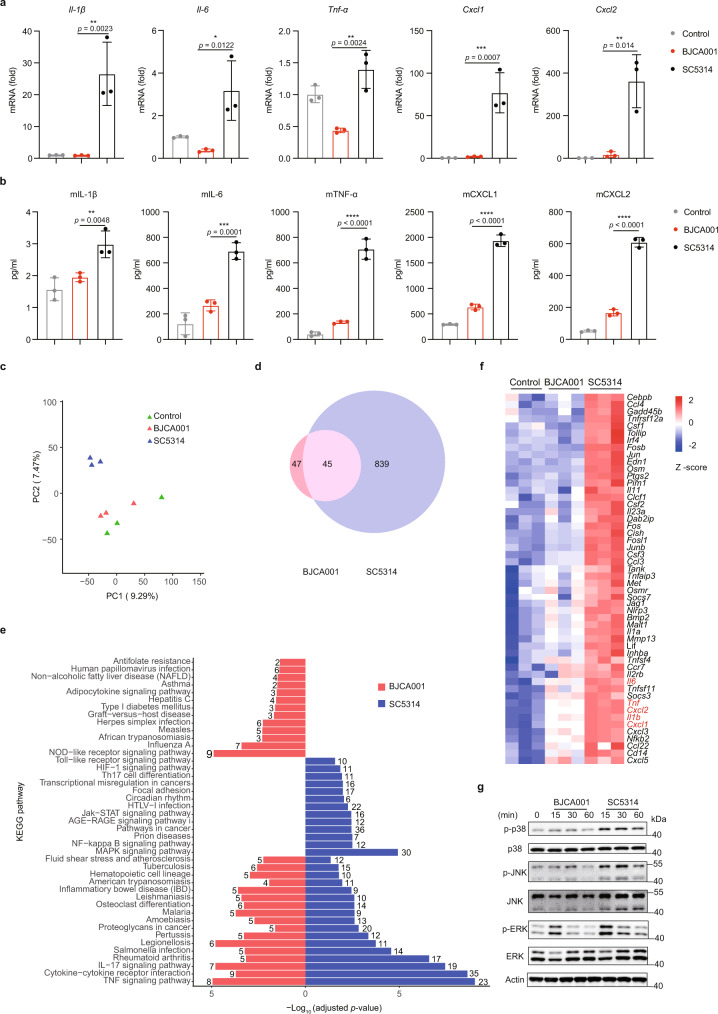
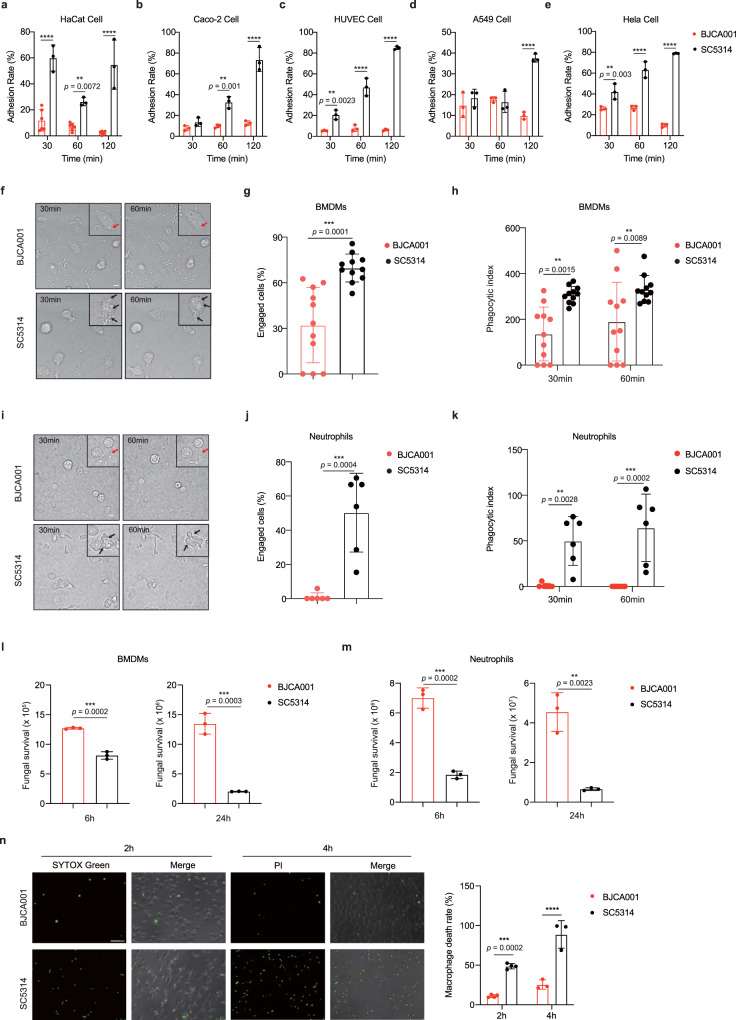
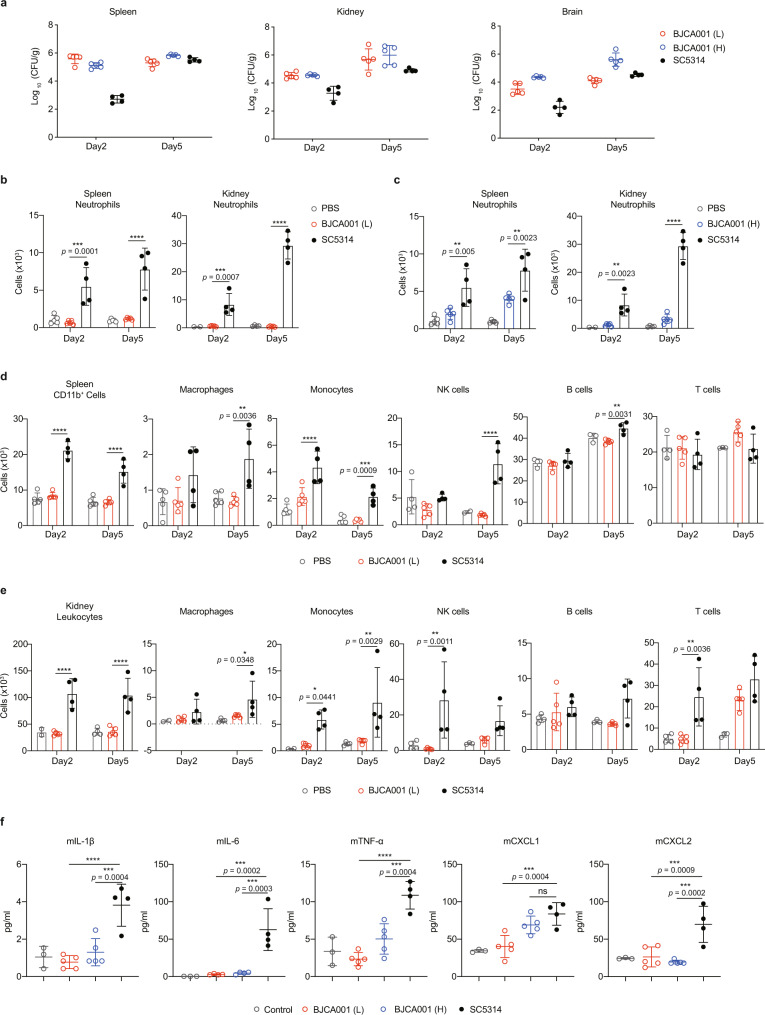
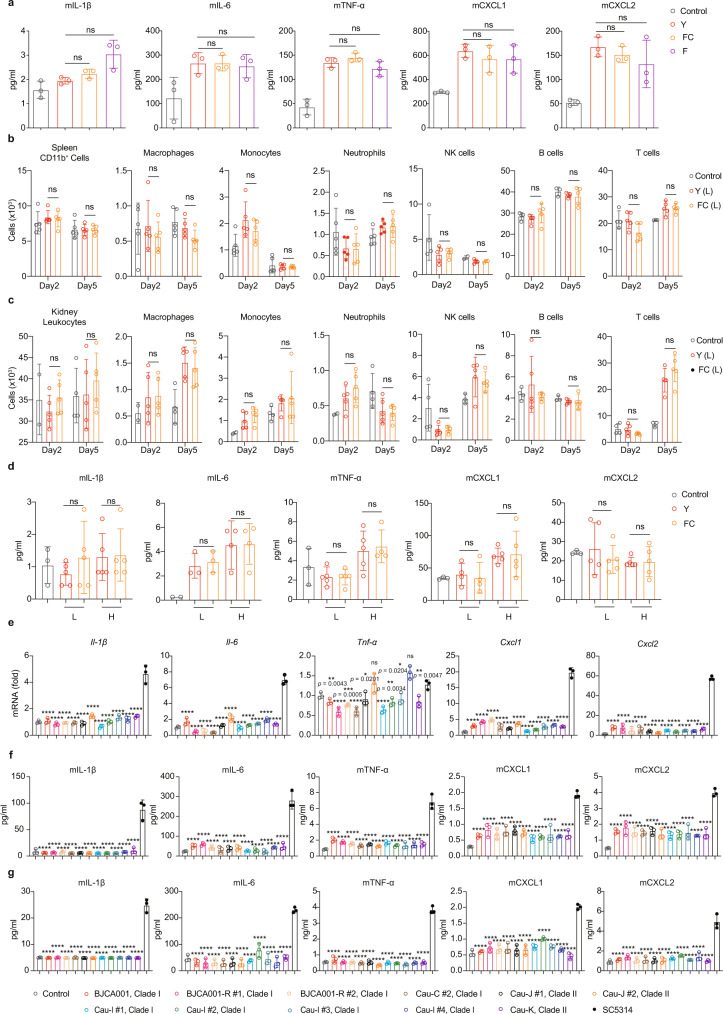
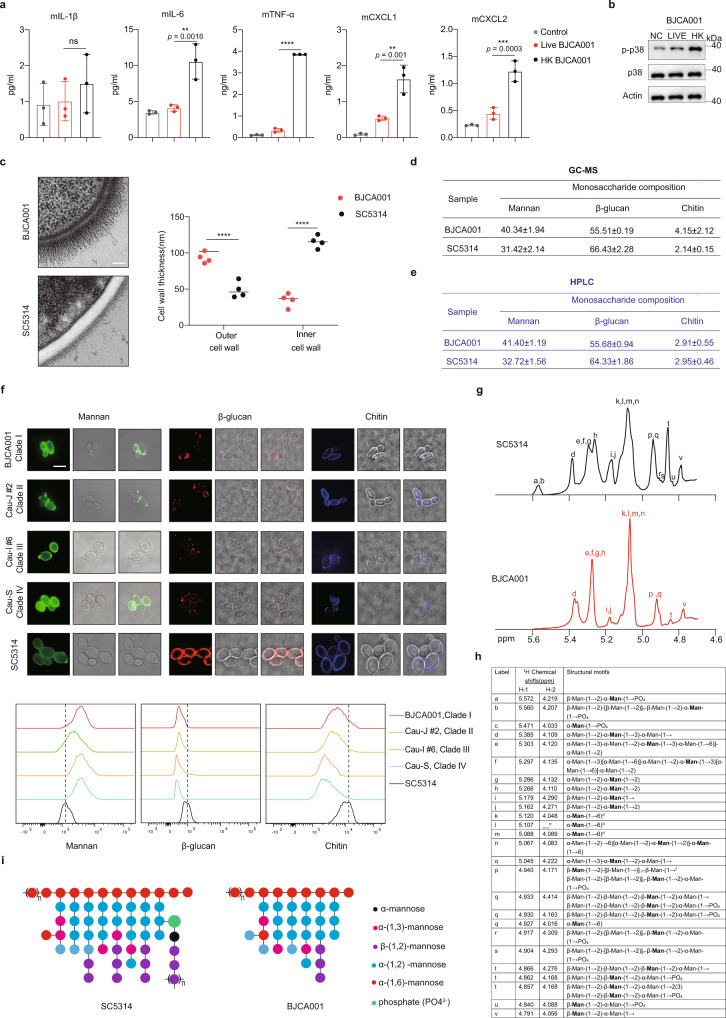
Candida auris is a multidrug-resistant human fungal pathogen responsible for nosocomial outbreaks worldwide. Although considerable progress has increased our understanding of the biological and clinical aspects of C. auris, its interaction with the host immune system is only now beginning to be investigated in-depth. Here, we compare the innate immune responses induced by C. auris BJCA001 and Candida albicans SC5314 in vitro and in vivo. Our results indicate that C. auris BJCA001 appears to be less immunoinflammatory than C. albicans SC5314, and this differential response correlates with structural features of the cell wall.
Overview
The claims and statistics of this paper haven’t been checked yet.
Run the check — free, no account needed. It reads the open-access text and checks the sources it cites.
Integrity signals
Registry
Cites
Statistics
Figures
Verification
Claims the paper makes
The claims and statistics of this paper haven’t been checked yet.
Run the check — free, no account needed. It reads the open-access text and checks the sources it cites.
Claims other papers make about this one
Each is checked against this paper’s own text: does it say what the citing paper says it does?
The source backs part of the claim, not all of it — or backs it for a different population, condition or comparison.
In the citing paper
“C. auris differentially stimulates cytokine production in peripheral blood mononuclear cells, decreases phagocytosis by neutrophils, and has a more potent binding to IgG than C. albicans [13–15].”
From The Emerging Fungal Pathogen Candida auris Induces IFNγ to Colonize the Skin (2025) · cites this paper as [13]
Experimental — accuracy not yet measuredThe source backs part of the claim, not all of it — or backs it for a different population, condition or comparison.
In the citing paper
“Recent evidence indicates that differences in mannan composition between C. auris and C. albicans contribute to decreased innate immune recognition, phagocytic activity, and clearance of C. auris in human neutrophils (13, 27, 28).”
From Differential skin immune responses in mice intradermally infected with Candida auris and Candida albicans (2023) · cites this paper as [13]
Experimental — accuracy not yet measuredThe source backs part of the claim, not all of it — or backs it for a different population, condition or comparison.
In the citing paper
“C. auris differentially stimulates cytokine production in peripheral blood mononuclear cells and has a more potent binding to IgG than C. albicans [14, 15].”
From Single-cell transcriptomics unveils skin cell specific antifungal immune responses and IL-1Ra- IL-1R immune evasion strategies of emerging fungal pathogen Candida auris (2024) · cites this paper as [14]
Experimental — accuracy not yet measuredThe source backs part of the claim, not all of it — or backs it for a different population, condition or comparison.
In the citing paper
“In the recent studies on the host transcriptome of C. auris in human peripheral blood mononuclear cells (PBMCs) and mouse BMDMs, the NOD-like receptor signaling pathway was only enriched in the C. auris infection but not in C. albicans infection [13, 14]”
From Single-cell transcriptomics unveils skin cell specific antifungal immune responses and IL-1Ra- IL-1R immune evasion strategies of emerging fungal pathogen Candida auris (2024) · cites this paper as [14]
Experimental — accuracy not yet measuredThe source backs part of the claim, not all of it — or backs it for a different population, condition or comparison.
In the citing paper
“Collectively, yeast, filamentous, and aggregative forms of C. auris elicit distinct magnitudes of Th17 activation, likely reflecting differences in cell wall composition and surface antigen exposure (Fig 4) [87,113].”
From Host–Candida auris interactions in the skin (2026) · cites this paper as [113]
Experimental — accuracy not yet measured
The cited source says what the claim attributes to it.
In the citing paper
“C. auris differentially stimulates cytokine production in peripheral blood mononuclear cells, decreases phagocytosis by neutrophils, and has a more potent binding to IgG than C. albicans [13–15].”
From The Emerging Fungal Pathogen Candida auris Induces IFNγ to Colonize the Skin (2025) · cites this paper as [13]
The cited source says what the claim attributes to it.
In the citing paper
“Recent evidence indicates that C. auris elicits less potent innate immune responses compared to C. albicans in the mouse model of systemic infection (13).”
From Differential skin immune responses in mice intradermally infected with Candida auris and Candida albicans (2023) · cites this paper as [13]
The cited source says what the claim attributes to it.
In the citing paper
“Recent evidence suggests that neutrophils are less efficient in recognizing and killing C. auris (29) due to the presence of a dense mannan layer (30) and recruit significantly fewer neutrophils than the C. albicans in the murine infection (5, 31).”
From Cell aggregation mediated by ACE2 deletion in Candida auris modulates fungal colonization and host immune responses in the skin (2024) · cites this paper as [31]
The cited source says what the claim attributes to it.
In the citing paper
“was associated with enhanced fungal killing by neutrophils and macrophages (62, 63).”
From The Candida auris Hog1 MAP kinase is essential for the colonization of murine skin and intradermal persistence (2024) · cites this paper as [62]
The check wasn’t confident either way, so it gives no verdict — never disputed.
In the citing paper
“C. auris differentially stimulates cytokine production in peripheral blood mononuclear cells, decreases phagocytosis by neutrophils, and has a more potent binding to IgG than C. albicans [13–15].”
From The Emerging Fungal Pathogen Candida auris Induces IFNγ to Colonize the Skin (2025) · cites this paper as [13]
Experimental — accuracy not yet measured
Self-check
Percentages, sums and reported differences re-computed from the paper’s own numbers.
The self-check needs the paper’s full text.
Citations
Cites
Hidden Killers: Human Fungal Infections
Brown, G. D., Denning, D. W., Gow, N. A. R., Levitz, S. M., Netea, M. G., & White, T. C. (2012) · Science Translational Medicine · doi:10.1126/scitranslmed.3004404 · Cited by 4,284
Immunobiology: the immune system in health and disease
(1995) · Choice Reviews Online · doi:10.5860/choice.32-3876 · Cited by 4,111
Isogenic strain construction and gene mapping in Candida albicans.
Fonzi, W. A., & Irwin, M. Y. (1993) · Genetics · doi:10.1093/genetics/134.3.717 · Cited by 1,695
Innate Immune Pattern Recognition: A Cell Biological Perspective
Brubaker, S. W., Bonham, K. S., Zanoni, I., & Kagan, J. C. (2015) · Annual Review of Immunology · doi:10.1146/annurev-immunol-032414-112240 · Cited by 1,475
Signalling through C-type lectin receptors: shaping immune responses
Geijtenbeek, T. B. H., & Gringhuis, S. I. (2009) · Nature reviews. Immunology · doi:10.1038/nri2569 · Cited by 1,449
Satoh, K., Makimura, K., Hasumi, Y., Nishiyama, Y., Uchida, K., & Yamaguchi, H. (2009) · Microbiology and Immunology · doi:10.1111/j.1348-0421.2008.00083.x · Cited by 1,381
The structure and synthesis of the fungal cell wall
Bowman, S. M., & Free, S. J. (2006) · BioEssays · doi:10.1002/bies.20441 · Cited by 1,320
Candida albicans morphogenesis and host defence: discriminating invasion from colonization
Gow, N. A. R., van de Veerdonk, F. L., Brown, A. J. P., & Netea, M. G. (2012) · Nature Reviews Microbiology · doi:10.1038/nrmicro2711 · Cited by 888
Netea, M. G. (2006) · Journal of Clinical Investigation · doi:10.1172/jci27114 · Cited by 754
The SAT1 flipper, an optimized tool for gene disruption in Candida albicans
Reuß, O., Vik, Å., Kolter, R., & Morschhäuser, J. (2004) · Gene · doi:10.1016/j.gene.2004.06.021 · Cited by 744
Noble, S. M., French, S., Kohn, L. A., Chen, V., & Johnson, A. D. (2010) · Nature Genetics · doi:10.1038/ng.605 · Cited by 678
Immune defence against Candida fungal infections
Netea, M. G., Joosten, L. A. B., van der Meer, J. W. M., Kullberg, B.-J., & van de Veerdonk, F. L. (2015) · Nature Reviews Immunology · doi:10.1038/nri3897 · Cited by 642
Als3 Is a Candida albicans Invasin That Binds to Cadherins and Induces Endocytosis by Host Cells
Phan, Q. T., Myers, C. L., Fu, Y., Sheppard, D. C., Yeaman, M. R., Welch, W. H., Ibrahim, A. S., Edwards, J. E., & Filler, S. G. (2007) · PLoS Biology · doi:10.1371/journal.pbio.0050064 · Cited by 641
Interactions of fungal pathogens with phagocytes
Erwig, L. P., & Gow, N. A. R. (2016) · Nature Reviews Microbiology · doi:10.1038/nrmicro.2015.21 · Cited by 626
Chowdhary, A., Prakash, A., Sharma, C., Kordalewska, M., Kumar, A., Sarma, S., Tarai, B., Singh, A., Upadhyaya, G., Upadhyay, S., et al. (2018) · Journal of Antimicrobial Chemotherapy · doi:10.1093/jac/dkx480 · Cited by 577
Signaling by Myeloid C-Type Lectin Receptors in Immunity and Homeostasis
Sancho, D., & Sousa, C. R. E. (2012) · Annual Review of Immunology · doi:10.1146/annurev-immunol-031210-101352 · Cited by 557
Biofilm-Forming Capability of Highly Virulent, Multidrug-Resistant Candida auris
Sherry, L., Ramage, G., Kean, R., Borman, A., Johnson, E. M., Richardson, M. D., & Rautemaa-Richardson, R. (2017) · Emerging Infectious Diseases · doi:10.3201/eid2302.161320 · Cited by 420
Candida auris: an Emerging Fungal Pathogen
Spivak, E. S., & Hanson, K. E. (2018) · Journal of Clinical Microbiology · doi:10.1128/jcm.01588-17 · Cited by 393
Moyes, D. L., Runglall, M., Murciano, C., Shen, C., Nayar, D., Thavaraj, S., Kohli, A., Islam, A., Mora-Montes, H. M., Challacombe, S., et al. (2010) · Cell Host & Microbe · doi:10.1016/j.chom.2010.08.002 · Cited by 382
Mucosal damage and neutropenia are required for Candida albicans dissemination
Koh, A. Y., Köhler, J. R., Coggshall, K. T., Van Rooijen, N., & Pier, G. B. (2008) · PLoS Pathogens · doi:10.1371/journal.ppat.0040035 · Cited by 360
Importance of the Candida albicans cell wall during commensalism and infection
Gow, N. A., & Hube, B. (2012) · Current Opinion in Microbiology · doi:10.1016/j.mib.2012.04.005 · Cited by 347
Borman, A. M., Szekely, A., & Johnson, E. M. (2016) · mSphere · doi:10.1128/msphere.00189-16 · Cited by 333
Chen, C., Pande, K., French, S. D., Tuch, B. B., & Noble, S. M. (2011) · Cell Host & Microbe · doi:10.1016/j.chom.2011.07.005 · Cited by 314
Self-citationAdherence and biofilm formation of non-Candida albicans Candida species
Silva, S., Negri, M., Henriques, M., Oliveira, R., Williams, D. W., & Azeredo, J. (2011) · Trends in Microbiology · doi:10.1016/j.tim.2011.02.003 · Cited by 304
Organ-Specific Innate Immune Responses in a Mouse Model of Invasive Candidiasis
Lionakis, M. S., Lim, J. K., Lee, C.-C. R., & Murphy, P. M. (2011) · Journal of Innate Immunity · doi:10.1159/000321157 · Cited by 302
Multidrug-Resistant Candida haemulonii and C. auris , Tel Aviv, Israel
Ben-Ami, R., Berman, J., Novikov, A., Bash, E., Shachor-Meyouhas, Y., Zakin, S., Maor, Y., Tarabia, J., Schechner, V., Adler, A., et al. (2017) · Emerging Infectious Diseases · doi:10.3201/eid2302.161486 · Cited by 297
The Pathogen Candida albicans Hijacks Pyroptosis for Escape from Macrophages
Uwamahoro, N., Verma-Gaur, J., Shen, H.-H., Qu, Y., Lewis, R., Lu, J., Bambery, K., Masters, S. L., Vince, J. E., Naderer, T., et al. (2014) · mBio · doi:10.1128/mbio.00003-14 · Cited by 264
McKenzie, C. G. J., Koser, U., Lewis, L. E., Bain, J. M., Mora-Montes, H. M., Barker, R. N., Gow, N. A. R., & Erwig, L. P. (2010) · Infection and Immunity · doi:10.1128/iai.00001-10 · Cited by 250
Dynamic Fungal Cell Wall Architecture in Stress Adaptation and Immune Evasion
Hopke, A. R., Brown, A. J. P., Hall, R. A., & Wheeler, R. T. (2018) · Trends in Microbiology · doi:10.1016/j.tim.2018.01.007 · Cited by 238
Piedrahita, C. T., Cadnum, J. L., Jencson, A. L., Shaikh, A., Ghannoum, M. A., & Donskey, C. J. (2017) · Infection Control and Hospital Epidemiology · doi:10.1017/ice.2017.127 · Cited by 223
Mannosylation in C andida albicans : role in cell wall function and immune recognition
Hall, R. A., & Gow, N. A. R. (2013) · Molecular Microbiology · doi:10.1111/mmi.12426 · Cited by 222
Sherrington, S. L., Sorsby, E., Mahtey, N., Kumwenda, P., Lenardon, M. D., Brown, I., Ballou, E. R., MacCallum, D. M., & Hall, R. A. (2017) · PLOS Pathogens · doi:10.1371/journal.ppat.1006403 · Cited by 202
Bates, S., MacCallum, D. M., Bertram, G., Munro, C. A., Hughes, H. B., Buurman, E. T., Brown, A. J. P., Odds, F. C., & Gow, N. A. R. (2005) · Journal of Biological Chemistry · doi:10.1074/jbc.m502162200 · Cited by 197
The first isolate of Candida auris in China: clinical and biological aspects
Wang, X., Bing, J., Zheng, Q., Zhang, F., Liu, J., Yue, H., Tao, L., Du, H., Wang, Y., Wang, H., et al. (2018) · Emerging Microbes & Infections · doi:10.1038/s41426-018-0095-0 · Cited by 191
Self-citationYue, H., Bing, J., Zheng, Q., Zhang, Y., Hu, T., Du, H., Wang, H., & Huang, G. (2018) · Emerging Microbes & Infections · doi:10.1038/s41426-018-0187-x · Cited by 176
Self-citationPrill, S. K. ‐., Klinkert, B., Timpel, C., Gale, C. A., Schröppel, K., & Ernst, J. F. (2004) · Molecular Microbiology · doi:10.1111/j.1365-2958.2004.04401.x · Cited by 167
Emerging fungal pathogen Candida auris evades neutrophil attack
Johnson, C. J., Davis, J. M., Huttenlocher, A., Kernien, J. F., & Nett, J. E. (2018) · mBio · doi:10.1128/mbio.01403-18 · Cited by 157
Lewis, L. E., Bain, J. M., Lowes, C., Gillespie, C., Rudkin, F. M., Gow, N. A. R., & Erwig, L.-P. (2012) · PLoS Pathogens · doi:10.1371/journal.ppat.1002578 · Cited by 150
Bruno, M., Kersten, S., Bain, J. M., Jaeger, M., Rosati, D., Kruppa, M. D., Lowman, D. W., Rice, P. J., Graves, B., Ma, Z., et al. (2020) · Nature Microbiology · doi:10.1038/s41564-020-0780-3 · Cited by 145
Huang, X., Hurabielle, C., Drummond, R. A., Bouladoux, N., Desai, J. V., Sim, C. K., Belkaid, Y., Lionakis, M. S., & Segre, J. A. (2021) · Cell Host & Microbe · doi:10.1016/j.chom.2020.12.002 · Cited by 144
Self-citationCandida auris: Epidemiology, risk factors, virulence, resistance, and therapeutic options
Sardi, J. D. C. O., Silva, D. R., Mendes‐Giannini, M. J. S., & Rosalen, P. L. (2018) · Microbial Pathogenesis · doi:10.1016/j.micpath.2018.09.014 · Cited by 138
Conti, H. R., Huppler, A. R., Whibley, N., & Gaffen, S. L. (2014) · Current Protocols in Immunology · doi:10.1002/0471142735.im1906s105 · Cited by 133
Loss of Cell Wall Mannosylphosphate in Candida albicans Does Not Influence Macrophage Recognition
Hobson, R. P., Munro, C. A., Bates, S., MacCallum, D. M., Cutler, J. E., Heinsbroek, S. E. M., Brown, G. D., Odds, F. C., & Gow, N. A. R. (2004) · Journal of Biological Chemistry · doi:10.1074/jbc.m405003200 · Cited by 132
Interactions of fungi with phagocytes
Mansour, M. K., & Levitz, S. M. (2002) · Current Opinion in Microbiology · doi:10.1016/s1369-5274(02)00342-9 · Cited by 132
Mora-Montes, H. M., Bates, S., Netea, M. G., Castillo, L., Brand, A., Buurman, E. T., Díaz-Jiménez, D. F., Jan Kullberg, B., Brown, A. J. P., Odds, F. C., et al. (2010) · Journal of Biological Chemistry · doi:10.1074/jbc.m109.081513 · Cited by 129
Candida albicans-Induced NETosis Is Independent of Peptidylarginine Deiminase 4
Guiducci, E., Lemberg, C., Küng, N., Schraner, E. M., Theocharides, A. P. A., & LeibundGut‐Landmann, S. (2018) · Frontiers in Immunology · doi:10.3389/fimmu.2018.01573 · Cited by 114
Molecular organization of the cell wall of Candida albicans
Klis, F. M., De Groot, P., & Hellingwerf, K. (2001) · Medical Mycology · doi:10.1080/744118876 · Cited by 111
Forgács, L., Borman, A. M., Prépost, E., Tóth, Z., Kardos, G., Kovács, R., Szekely, A., Nagy, F., Kovacs, I., & Majoros, L. (2020) · Emerging Microbes & Infections · doi:10.1080/22221751.2020.1771218 · Cited by 107
Fulurija, A., Ashman, R. B., & Papadimitriou, J. M. (1996) · Microbiology · doi:10.1099/13500872-142-12-3487 · Cited by 96
Protein Glycosylation in Candida
Mora-Montes, H. M., Ponce‐Noyola, P., Villagómez-Castro, J. C., Gow, N. A. R., Flores-Carreón, A., & López-Romero, E. (2009) · Future Microbiology · doi:10.2217/fmb.09.88 · Cited by 92
A Guide to Investigating Suspected Outbreaks of Mucormycosis in Healthcare
Hartnett, K. P., Jackson, B. R., Perkins, K. M., Glowicz, J., Kerins, J. L., Black, S. R., Lockhart, S. R., Christensen, B. E., & Beer, K. D. (2019) · Journal of Fungi · doi:10.3390/jof5030069 · Cited by 88
Composition and Structure of Yeast Cell Walls
Fleet, G. H. (1985) · Current topics in medical mycology · doi:10.1007/978-1-4613-9547-8_2 · Cited by 87
Bing, J., Hu, T., Zheng, Q., Muñoz, J. F., Cuomo, C. A., & Huang, G. (2020) · Antimicrobial Agents and Chemotherapy · doi:10.1128/aac.01466-20 · Cited by 86
Self-citationMannan Molecular Substructures Control Nanoscale Glucan Exposure in Candida
Graus, M. S., Wester, M. J., Lowman, D. W., Williams, D. L., Kruppa, M., Martinez, C. M., Young, J. M., Pappas, H. C., Lidke, K. A., & Neumann, A. K. (2018) · Cell Reports · doi:10.1016/j.celrep.2018.07.088 · Cited by 81
Horton, M. V., Johnson, C. J., Zarnowski, R., Andes, B. D., Schoen, T. J., Kernien, J. F., Lowman, D., Kruppa, M. D., Ma, Z., Williams, D. L., et al. (2021) · mSphere · doi:10.1128/msphere.00406-21 · Cited by 79
Role of Protein Glycosylation in Candida parapsilosis Cell Wall Integrity and Host Interaction
Pérez-García, L. A., Csonka, K., Flores-Carreón, A., Estrada-Mata, E., Mellado‐Mojica, E., Németh, T., López-Ramírez, L. A., Tóth, R., López, M. G., Vízler, C., et al. (2016) · Frontiers in Microbiology · doi:10.3389/fmicb.2016.00306 · Cited by 76
Saris, K., Meis, J. F. G. M., & Voß, A. (2018) · Current Opinion in Infectious Diseases · doi:10.1097/qco.0000000000000469 · Cited by 76
Candida albicans Primes TLR Cytokine Responses through a Dectin-1/Raf-1–Mediated Pathway
Ifrim, D. C., Joosten, L. A. B., Kullberg, B. J., Jacobs, L., Jansen, T., Williams, D. L., Gow, N. A. R., van der Meer, J. W. M., Netea, M. G., & Quintin, J. (2013) · The Journal of Immunology · doi:10.4049/jimmunol.1202611 · Cited by 72
Candida auris: An emerging pathogen “incognito”?
Nett, J. E. (2019) · PLOS Pathogens · doi:10.1371/journal.ppat.1007638 · Cited by 69
Yadav, B., Mora-Montes, H. M., Wagener, J., Cunningham, I., West, L. J., Haynes, K., Brown, A. J. P., & Gow, N. A. R. (2020) · The Cell Surface · doi:10.1016/j.tcsw.2020.100042 · Cited by 67
Experimental mouse models of disseminated Candida auris infection
Xin, H., Mohiuddin, F., Tran, J., Adams, A., & Eberle, K. (2019) · mSphere · doi:10.1128/msphere.00339-19 · Cited by 67
Differential virulence of Candida glabrata glycosylation mutants
West, L., Lowman, D. W., Mora-Montes, H. M., Grubb, S., Murdoch, C., Thornhill, M. H., Gow, N. A. R., Williams, D., & Haynes, K. (2013) · Journal of Biological Chemistry · doi:10.1074/jbc.m113.478743 · Cited by 62
Fungal Pathogens: Shape-Shifting Invaders
Min, K., Neiman, A. M., & Konopka, J. B. (2020) · Trends in Microbiology · doi:10.1016/j.tim.2020.05.001 · Cited by 54
Unique Cell Surface Mannan of Yeast Pathogen Candida auris with Selective Binding to IgG
Yan, L., Xia, K., Yu, Y., Miliakos, A., Chaturvedi, S., Zhang, F., Chen, S., Chaturvedi, V., & Linhardt, R. J. (2020) · ACS Infectious Diseases · doi:10.1021/acsinfecdis.9b00450 · Cited by 47
Sheth, C. C., Hall, R. A., Lewis, L. E., Brown, A. J. P., Odds, F. C., Erwig, L. P., & Gow, N. A. R. (2011) · Medical Mycology · doi:10.3109/13693786.2010.551425 · Cited by 45
Impact of Candida auris Infection in a Neutropenic Murine Model
Torres, S. R., Pichowicz, A., Torres-Velez, F., Song, R., Singh, N., Lasek-Nesselquist, E., & De Jesus, M. (2020) · Antimicrobial Agents and Chemotherapy · doi:10.1128/aac.01625-19 · Cited by 45
The Candida albicans histidine kinase Chk1p: Signaling and cell wall mannan
Li, D., Williams, D. L., Lowman, D. W., Monteiro, M. A., Tan, X., Kruppa, M., Fonzi, W. A., Román, E., Plá, J., & Calderone, R. (2009) · Fungal Genetics and Biology · doi:10.1016/j.fgb.2009.06.008 · Cited by 41
Huang, X., Chen, X., He, Y., Yu, X., Li, S., Gao, N., Niu, L., Mao, Y., Wang, Y., Wu, X., et al. (2017) · PLOS Pathogens · doi:10.1371/journal.ppat.1006414 · Cited by 38
Self-citationA Trichophyton Rubrum Infection Model Based on the Reconstructed Human Epidermis - Episkin®
Liang, P., Huang, X.-Z., Yi, J., Chen, Z., Ma, H., Ye, C., Chen, X.-Y., Lai, W., & Chen, J. (2015) · Chinese Medical Journal · doi:10.4103/0366-6999.172573 · Cited by 23
Self-citationFungal commensalism modulated by a dual-action phosphate transceptor
Wang, Y., Zhou, J., Zou, Y., Chen, X., Liu, L. L., Qi, W., Huang, X., Chen, C., & Liu, N.-N. (2022) · Cell Reports · doi:10.1016/j.celrep.2021.110293 · Cited by 14
Self-citation
Cited by
Sorted by citations
Stable peptide-assembled nanozyme mimicking dual antifungal actions
Yuan, Y., Chen, L., Song, K., Cheng, M., Fang, L., Kong, L., Yu, L., Wang, R., Fu, Z., Sun, M., et al. (2024) · Nature Communications · doi:10.1038/s41467-024-50094-6 · Cited by 77
Self-citationRapid evolution of an adaptive multicellular morphology of Candida auris during systemic infection
Bing, J., Guan, Z., Zheng, T., Ennis, C. L., Nobile, C. J., Chen, C., Chu, H., & Huang, G. (2024) · Nature Communications · doi:10.1038/s41467-024-46786-8 · Cited by 74
Self-citationMechanisms of pathogenicity for the emerging fungus Candida auris
Horton, M. V., Holt, A. M., & Nett, J. E. (2023) · PLOS Pathogens · doi:10.1371/journal.ppat.1011843 · Cited by 67
Gómez-Gaviria, M., Ramírez-Sotelo, U., & Mora-Montes, H. M. (2022) · Journal of Fungi · doi:10.3390/jof9010011 · Cited by 72
Gómez-Gaviria, M., Martínez-Álvarez, J. A., Chávez-Santiago, J. O., & Mora-Montes, H. M. (2023) · Infection and Drug Resistance · doi:10.2147/idr.s402754 · Cited by 64
Metadata
- Authors
- Wang, Y., Zou, Y., Chen, X., Li, H., Yin, Z., Zhang, B., Xu, Y., Zhang, Y., Zhang, R., Huang, X., Yang, W., Xu, C., Jiang, T., Tang, Q., Zhou, Z., Ji, Y., Liu, Y., Hu, L., Zhou, J., Zhou, Y., Zhao, J., Liu, N., Huang, G., Chang, H., Fang, W., Chen, C., & Zhou, D.
- Affiliations
- Chinese Academy of Sciences (CN)
- Shanghai Jiao Tong University (CN)
- Beijing Institute of Microbiology and Epidemiology (CN)
- Shanghai University of Traditional Chinese Medicine (CN)
- Jiangnan University (CN)
- Shanghai University (CN)
- Tongji University (CN)
- Gannan Medical University (CN)
- Guangxi Academy of Sciences (CN)
- Fudan University (CN)
- Corresponding author
- Chen, Changbin
- Zhou, Dongsheng
- ORCID
- Venue
- Nature Communications
- Published
- 2022-06-21
- Volume
- 13
- Issue
- 1
- Pages
- 3553-3553
- ISSN
- 2041-1723 (ISSN-L)
- PMC
- PMC9213489
- OpenAlex
- W4283321860
- Cited by
- 107
- References
- 70
- Citations by year
- 2026: 26 · 2025: 27 · 2024: 32 · 2023: 18 · 2022: 4
- FWCI
- 9.90
- Type
- journal article
- Language
- en
- Open access
- gold
- doi.org
- Locations
- Nature Communications (publishedVersion, cc-by)
- PubMed Central (publishedVersion, cc-by)
- PubMed (publishedVersion)
- RePEc: Research Papers in Economics (submittedVersion)
- DOAJ (DOAJ: Directory of Open Access Journals) (submittedVersion, cc-by-sa)
- Funders
- Natural Science Foundation of Shanghai (2019SHZDZX02, 20ZR1463800)
- National Natural Science Foundation of China (31600119, BM2020019, 2020YFA0907200, 2019SHZDZX02, 32070146, 32170195, 31870141)
- Chinese Academy of Sciences (153831KYSB20170043, KGFZD-135-19-11)
- Government of Jiangsu Province
- Youth Innovation Promotion Association of the Chinese Academy of Sciences (31600119)
- State Key Laboratory of Pathogen and Biosecurity
- Youth Innovation Promotion Association
- Institute of Microbiology, Chinese Academy of Sciences
- Topics
- Health Sciences › Medicine › Infectious Diseases › Antifungal resistance and susceptibility
- Life Sciences › Biochemistry, Genetics and Molecular Biology › Molecular Biology › Fungal and yeast genetics research
- Health Sciences › Medicine › Infectious Diseases › Fungal Infections and Studies
- Keywords
- Candida auris, innate immunity, Candida albicans, fungal pathogen-host interaction, immune inflammation, cell wall structure, multidrug resistance, hospital outbreak
- MeSH terms
- Candida auris, Antifungal Agents, Candida, Candida albicans, Candidiasis, Humans, Immunity, Innate, Microbial Sensitivity Tests
About these checks
Registry, retraction, Cites and statistics results are computed, not judged, with one exception: a printed reference that no index lists is read once by a model before it counts as a citation error. Claims are extracted by a model and kept only when their quote appears verbatim in the text; each cited source is then checked, with a model’s help, for whether it says what the claim relies on. Those verdicts can be wrong — read the claim’s quote and the cited source before relying on one.
Statistics and arithmetic are recomputed, not judged.
Confidence bands are shown only for fields calibrated on our annotated test set. None is calibrated yet, so no band is shown.
What counts as a claim ›How we measure confidence ›How we check this ›
Are you an author, or do you see a problem with this page? Request a review
