

Red risks for a journey to the red planet: The highest priority human health risks for a mission to Mars
Open accessThe DOI matches its Crossref record; 94 of the 96 references it cites were found in a registry or an index; 39 of the 88 sources its claims cite were checked for support.
Abstract
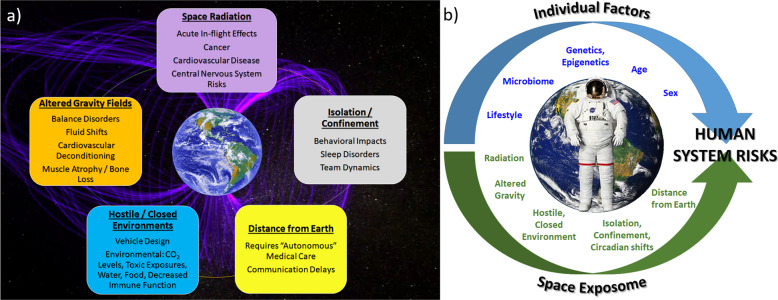
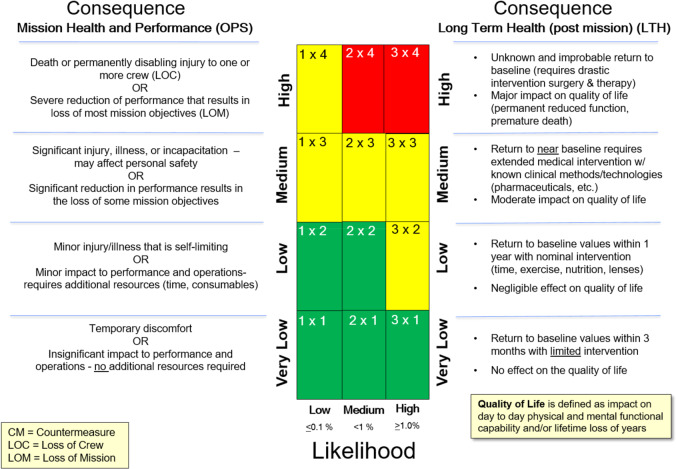
AbstractNASA’s plans for space exploration include a return to the Moon to stay—boots back on the lunar surface with an orbital outpost. This station will be a launch point for voyages to destinations further away in our solar system, including journeys to the red planet Mars. To ensure success of these missions, health and performance risks associated with the unique hazards of spaceflight must be adequately controlled. These hazards—space radiation, altered gravity fields, isolation and confinement, closed environments, and distance from Earth—are linked with over 30 human health risks as documented by NASA’s Human Research Program. The programmatic goal is to develop the tools and technologies to adequately mitigate, control, or accept these risks. The risks ranked as “red” have the highest priority based on both the likelihood of occurrence and the severity of their impact on human health, performance in mission, and long-term quality of life. These include: (1) space radiation health effects of cancer, cardiovascular disease, and cognitive decrements (2) Spaceflight-Associated Neuro-ocular Syndrome (3) behavioral health and performance decrements, and (4) inadequate food and nutrition. Evaluation of the hazards and risks in terms of the space exposome—the total sum of spaceflight and lifetime exposures and how they relate to genetics and determine the whole-body outcome—will provide a comprehensive picture of risk profiles for individual astronauts. In this review, we provide a primer on these “red” risks for the research community. The aim is to inform the development of studies and projects with high potential for generating both new knowledge and technologies to assist with mitigating multisystem risks to crew health during exploratory missions.
Overview
CoChat Summary
## TL;DR
This review identifies NASA HRP’s highest-priority “red” human health risks for Mars-class missions: space radiation effects, Spaceflight-Associated Neuro-ocular Syndrome (SANS), behavioral health/performance decrements, and inadequate food and nutrition. It frames these risks within the “space exposome” and argues that integrated, systems-biology-based mitigation is needed for successful long-duration exploration.
## Key findings
- NASA ranks “red” risks by likelihood and consequence for a design reference mission; the paper states these are the highest-priority risks for crew health and long-term quality of life.
- The four red-risk areas highlighted are: space radiation health effects (including cancer, cardiovascular disease, and cognitive decrements), SANS, behavioral health and performance decrements, and inadequate food and nutrition.
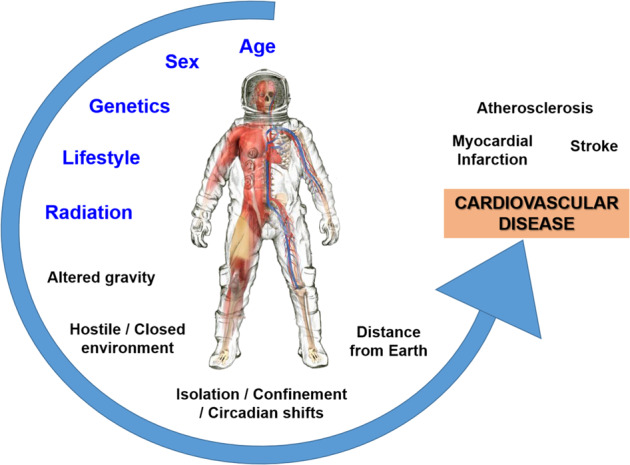
- For space radiation, the paper reports absorbed doses of about 30–120 mGy for 6- to 12-month ISS missions, 100–120 mGy for a 1-year lunar surface stay, and 300–450 mGy for an ~3-year Mars mission (transit plus surface stay).
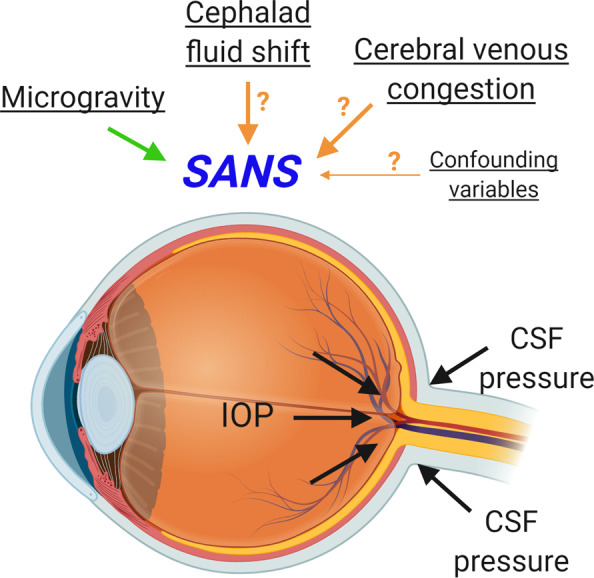
- For SANS, the paper reports that about 69% of U.S. crewmembers on the ISS experience a >20 µm increase in peripapillary retinal thickness in at least one eye, about 15–20% develop chorioretinal folds, about 16% experience an on-orbit refractive error shift, and about 29% experience posterior eyeball flattening.
- In a simulated 520-day Mars mission isolation study, 1 of 6 (20%) crew reported depressive symptoms in 93% of mission weeks, and those symptoms reached mild-to-moderate levels in >10% of mission weeks.
## Methods
- This is a review/primer of NASA Human Research Program evidence and risk assessments, not an original experimental study.
- The paper synthesizes NASA HRP evidence reports, ISS flight data, ground analog studies, animal models, and translational research on the space environment and human health.
- The main analytical framework is NASA’s likelihood × consequence (LxC) evidence-based risk approach, together with the “space exposome” concept and HRP’s integrated research strategy.
## Limitations
- The paper explicitly notes that for several risks, especially space radiation CNS effects and SANS, the pathogenesis remains unclear and the evidence base is incomplete.
- It states that no radiation-associated clinically significant operational or long-term CNS deficits have been identified in astronauts at comparable ISS doses, and that translation from animal models to humans is uncertain.
- Evident from the text: this is a narrative review, so it does not present a single unified dataset or perform a meta-analysis; conclusions depend on heterogeneous studies and NASA evidence reports.
Model-written summary. Check it against the paper before relying on it.
Integrity signals
Registry
Cites
Statistics
Figures
Verification
Claims the paper makes
28 Valid · 6 Not valid · 27 Not checked · 48 Own results and interpretations
At least one cited source doesn’t support this claim or points to a different paper, and none confirmed it — see the verdicts below.
In the paper
“Importantly, those that did not lose body mass managed to maintain bone mineral density (discussed below)76.”
§ Red risks for a journey to the red planet: The highest priority human health risks for a mission to Mars > Inadequate food and nutrition
What the sources say
- Disputedcites [76] Smith SM Benefits for bone from resistance exercise and nutrition in long-duration spaceflight: evidence from biochemistry and densitometry J. Bone Miner. Res. 2012 27 1896 1906 10.1002/jbmr.1647 22549960 sourceExperimental — accuracy not yet measured
The Abstract reports that body mass was unchanged after flight in both exercise groups, but the measured bone mineral density outcomes were unchanged from preflight only in the ARED group. The Results likewise distinguish ARED from iRED crewmembers, so maintaining body mass did not, by itself, mean maintaining bone mineral density. (LLM, conf=0.90)
Checked by a reasoning model — may be wrong.
plainstates an association- Asserted: passes — The authors put it forward as true.
- Checkable: passes — It can be checked against evidence.
- Load-bearing: unclear — It is unclear whether the paper’s conclusions depend on it.
- Based: passes — The paper gives a reason why it holds.
- Disputed
The cited sources support only part of this claim — read each source’s verdict below.
In the paper
“For cardiovascular disease (CVD), a majority of the evidence comes from radiotherapy cohorts receiving high-dose mediastinal exposures that are associated with an increased risk for heart attack and stroke28.”
§ Red risks for a journey to the red planet: The highest priority human health risks for a mission to Mars > Space radiation health risks > Risk of cardiovascular disease and other degenerative tissue effects from radiation exposure and secondary spaceflight stressors
What the sources say
- Partly supportedcites [28] Sylvester CB Abe J-I Patel ZS Grande-Allen KJ Radiation-induced cardiovascular disease: mechanisms and importance of linear energy transfer Front. Cardiovasc. Med. 2018 5 5 10.3389/fcvm.2018.00005 29445728 PMC5797745 sourceExperimental — accuracy not yet measured
The Introduction (page unavailable) describes radiation-induced CVD as a complication of radiotherapy, especially to the thorax, and identifies coronary artery disease as a long-term effect. Implications on Treatment (page unavailable) says the radiation–CVD link is established in human cohorts. The paper does not establish that a majority of the evidence comes from high-dose mediastinal radiotherapy cohorts or specifically report an increased risk of both heart attack and stroke. (LLM, conf=0.86)
plainstates an association- Asserted: passes — The authors put it forward as true.
- Checkable: passes — It can be checked against evidence.
- Load-bearing: unclear — It is unclear whether the paper’s conclusions depend on it.
- Based: passes — The paper gives a reason why it holds.
- Partly supported
The cited sources support only part of this claim — read each source’s verdict below.
In the paper
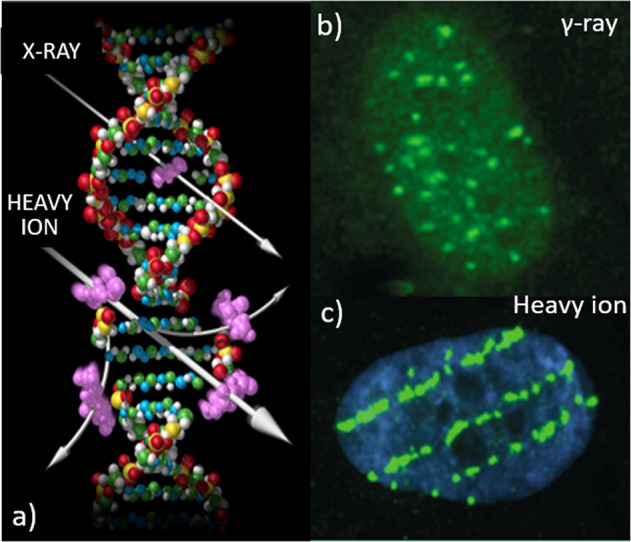
“As an example, persistently high levels of oxidative damage are observed in the intestine from mice examined 1 year after exposure to 56Fe-ion radiation compared to gamma radiation and unirradiated controls14,15.”
§ Red risks for a journey to the red planet: The highest priority human health risks for a mission to Mars > Space radiation health risks
What the sources say
- Supportedcites [14] Datta K Suman S Kallakury BVS Fornace AJ Exposure to heavy ion radiation induces persistent oxidative stress in mouse intestine PLoS ONE 2012 7 e42224 10.1371/journal.pone.0042224 22936983 PMC3427298 source
The Abstract states that intestinal tissue and cells were collected one year after irradiation. The Results sections on persistent oxidative stress and oxidative DNA damage report significantly higher ROS and oxidative DNA damage after ⁵⁶Fe irradiation than after γ irradiation or in unirradiated controls. (LLM, conf=0.94)
- Partly supportedcites [15] Kumar S Suman S Fornace AJ Datta K Space radiation triggers persistent stress response, increases senescent signaling, and decreases cell migration in mouse intestine Proc. Natl Acad. Sci. USA 2018 115 E9832 E9841 10.1073/pnas.1807522115 30275302 PMC6196540 sourceExperimental — accuracy not yet measured
The Results section, “Low-Dose 56Fe Radiation Exposure Is Associated with Persistently Increased DNA Damage” (page unavailable), reports more DNA double-strand-break markers at 12 months after 56Fe exposure than after γ-rays or no irradiation. It reports higher staining for 8-oxo-dG, a marker of oxidative DNA damage, only in samples examined at 60 days. Thus, the source supports persistent DNA damage but not the specific claim of measured oxidative damage at one year. (LLM, conf=0.89)
plainstates a cause- Asserted: passes — The authors put it forward as true.
- Checkable: passes — It can be checked against evidence.
- Load-bearing: passes — The paper’s conclusions depend on it.
- Based: passes — The paper gives a reason why it holds.
- Supported
The cited sources support only part of this claim — read each source’s verdict below.
In the paper
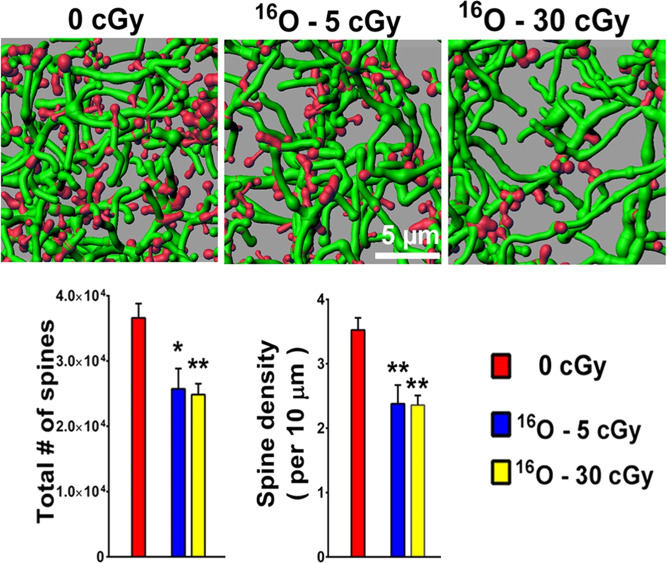
“Rodent studies conducted with HZE ions at low, mission-relevant doses and time frames show a variety of structural and functional alterations to neurons and neural circuits with associated performance deficits39–44.”
§ Red risks for a journey to the red planet: The highest priority human health risks for a mission to Mars > Space radiation health risks > Risk of acute (in-flight) and late CNS effects from space radiation exposure
What the sources say
- Supportedcites [39] Parihar VK Cosmic radiation exposure and persistent cognitive dysfunction Sci. Rep. 2016 6 34774 10.1038/srep34774 27721383 PMC5056393 source
The Results report cognitive performance deficits in mice and rats after low, space-relevant doses of charged particles, including deficits persisting at 12 and 24 weeks. The Results also report reduced dendritic complexity 15 weeks after exposure, and the Discussion links neuronal and synaptic changes with poorer task performance (page numbers unavailable in our copy). (LLM, conf=0.92)
- Not checked — no full text of the sourcecites [40] Parihar VK Persistent nature of alterations in cognition and neuronal circuit excitability after exposure to simulated cosmic radiation in mice Exp. Neurol. 2018 305 44 55 10.1016/j.expneurol.2018.03.009 29540322 source
- Partly supportedcites [41] Hinkle JJ Olschowka JA Love TM Williams JP O’Banion MK Cranial irradiation mediated spine loss is sex-specific and complement receptor-3 dependent in male mice Sci. Rep. 2019 9 18899 10.1038/s41598-019-55366-6 31827187 PMC6906384 sourceExperimental — accuracy not yet measured
The Discussion reports that low-dose heavy-ion exposures altered dendritic complexity and spine density, and the Introduction says neuronal injury and cognitive changes can occur after heavy-ion irradiation. Our copy does not establish that those exposures used mission-relevant time frames or that this paper itself measured performance deficits after HZE exposure; its own experiment used 10 Gy gamma irradiation. (LLM, conf=0.85)
- Supportedcites [42] Liu B Space-like 56Fe irradiation manifests mild, early sex-specific behavioral and neuropathological changes in wildtype and Alzheimer’s-like transgenic mice Sci. Rep. 2019 9 12118 10.1038/s41598-019-48615-1 31431669 PMC6702228 source
The Introduction reports cognitive deficits in rodents after HZE doses as low as 10–20 cGy and discusses effects on neurons and neural tissue. The Discussion describes reported changes in dendritic structure, synaptic function, and plasticity alongside behavioral deficits. This supports the broad claim about rodent studies, although this paper notes that its own early tests found no cognitive decline in wildtype mice. (LLM, conf=0.88)
- Partly supportedcites [43] Raber J Combined Effects of Three High-Energy Charged Particle Beams Important for Space Flight on Brain, Behavioral and Cognitive Endpoints in B6D2F1 Female and Male Mice Front. Physiol. 2019 10 1 15 10.3389/fphys.2019.00179 30914962 PMC6422905 sourceExperimental — accuracy not yet measured
The Discussion (page unavailable) reports impaired object recognition after three-beam irradiation, and the Results report sex-dependent changes in cortical BDNF and CD68. But the paper measures protein levels rather than demonstrating structural or functional alterations to neurons and neural circuits. The Methods also describe rapidly delivered beams, not exposure over mission-relevant time frames. (LLM, conf=0.86)
- Partly supportedcites [44] Rosi S The final frontier: transient microglia reduction after cosmic radiation exposure mitigates cognitive impairments and modulates phagocytic activity Brain Circ. 2018 4 109 113 10.4103/bc.bc_24_18 30450416 PMC6187945 sourceExperimental — accuracy not yet measured
The Introduction reports rodent behavioral deficits accompanied by synaptic alterations after exposure to cosmic-ray particles, and the Irradiation and Memory section links reduced dendritic spine density to cognitive deficits. The paper also discusses low-dose titanium and iron studies and deficits lasting beyond 90 days. It does not establish that the doses and observation time frames across those studies were mission-relevant. (LLM, conf=0.82)
plainstates an association- Asserted: passes — The authors put it forward as true.
- Checkable: passes — It can be checked against evidence.
- Load-bearing: passes — The paper’s conclusions depend on it.
- Based: passes — The paper gives a reason why it holds.
- Supported
Every source the paper cites for this claim was checked and supports it.
In the paper
“For a Mars mission, preliminary estimates suggest that circulatory disease risk may increase the risk of exposure induced death by ~40% compared to cancer alone32.”
§ Red risks for a journey to the red planet: The highest priority human health risks for a mission to Mars > Space radiation health risks > Risk of cardiovascular disease and other degenerative tissue effects from radiation exposure and secondary spaceflight stressors
What the sources say
- Supportedcites [32] Cucinotta FA Kim M-HY Chappell LJ Huff JL How safe is safe enough? Radiation risk for a human mission to Mars PLoS ONE 2013 8 e74988 10.1371/journal.pone.0074988 24146746 PMC3797711 source
The Discussion states that adding circulatory disease risk to cancer risk predictions for Mars missions increased the predicted risk of exposure-induced death (%REID) by about 40%. The Results reports the same comparison for its modeled 940-day Mars missions. (LLM, conf=0.95)
hedgedstates a possible cause- Asserted: passes — The authors put it forward as true.
- Checkable: passes — It can be checked against evidence.
- Load-bearing: unclear — It is unclear whether the paper’s conclusions depend on it.
- Based: passes — The paper gives a reason why it holds.
- Supported
58 more claims · 11 with their cited sources checked
Create a free account to see all 109 claims and to verify the 1 reference still open.
- It may state two separate claims as one. 42
- Probably not a substantial claim. 11
Citations
Cites
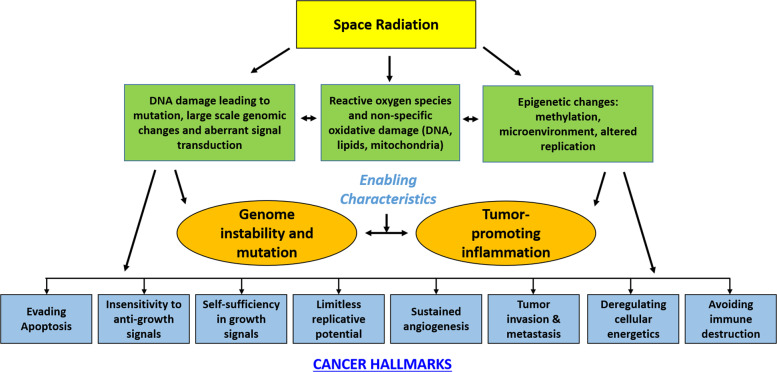
Hallmarks of Cancer: The Next Generation
Hanahan, D., & Weinberg, R. A. (2011) · Cell · doi:10.1016/j.cell.2011.02.013 · Cited by 66,590
Risk of Ischemic Heart Disease in Women after Radiotherapy for Breast Cancer
Darby, S. C., Ewertz, M., McGale, P., Bennet, A. M., Blom-Goldman, U., Brønnum, D., Correa, C., Cutter, D., Gagliardi, G., Gigante, B., et al. (2013) · New England Journal of Medicine · doi:10.1056/nejmoa1209825 · Cited by 3,974
Stewart, F. A., Akleyev, A. V., Hauer-Jensen, M., Hendry, J. H., Kleiman, N. J., MacVittie, T. J., Aleman, B. M., Edgar, A. B., Mabuchi, K., Muirhead, C. R., et al. (2012) · Annals of the ICRP · doi:10.1016/j.icrp.2012.02.001 · Cited by 1,604
The exposome: from concept to utility
Wild, C. P. (2012) · International Journal of Epidemiology · doi:10.1093/ije/dyr236 · Cited by 1,416
Hu, S., Marshall, C., Darby, J., Wei, W., Lyons, A. B., & Körner, H. (2018) · Frontiers in Immunology · doi:10.3389/fimmu.2018.00001 · Cited by 973
Mader, T. H., Gibson, C. R., Pass, A. F., Kramer, L. A., Lee, A. G., Fogarty, J., Tarver, W. J., Dervay, J. P., Hamilton, D. R., Sargsyan, A., et al. (2011) · Ophthalmology · doi:10.1016/j.ophtha.2011.06.021 · Cited by 748
Self-citationICRP Publication 119: Compendium of Dose Coefficients based on ICRP Publication 60
Eckerman, K., Harrison, J., Menzel, H.-G., & Clement, C. H. (2012) · Annals of the ICRP · doi:10.1016/j.icrp.2012.06.038 · Cited by 706
Cucinotta, F. A., & Durante, M. (2006) · The Lancet Oncology · doi:10.1016/s1470-2045(06)70695-7 · Cited by 697
Heavy ion carcinogenesis and human space exploration
Durante, M., & Cucinotta, F. A. (2008) · Nature Reviews Cancer · doi:10.1038/nrc2391 · Cited by 578
Editorial: The Role of Calcium Handling in Heart Failure and Heart Failure Associated Arrhythmias
Johnson, D. M., Mugelli, A., & Cerbai, E. (2019) · Frontiers in Physiology · doi:10.3389/fphys.2019.00001 · Cited by 455
Long-term effects of radiation exposure on health
Kamiya, K., Ozasa, K., Akiba, S., Niwa, O., Kodama, K., Takamura, N., Zaharieva, E. K., Kimura, Y., & Wakeford, R. (2015) · The Lancet · doi:10.1016/s0140-6736(15)61167-9 · Cited by 446
Crucian, B. E., Choukèr, A., Simpson, R. J., Mehta, S., Marshall, G., Smith, S. M., Zwart, S. R., Heer, M., Ponomarev, S., Whitmire, A., et al. (2018) · Frontiers in Immunology · doi:10.3389/fimmu.2018.01437 · Cited by 421
Self-citationLittle, M. P., Azizova, T. V., Bazyka, D., Bouffler, S. D., Cardis, E., Chekin, S., Chumak, V. V., Cucinotta, F. A., de Vathaire, F., Hall, P., et al. (2012) · Environmental Health Perspectives · doi:10.1289/ehp.1204982 · Cited by 367
Smith, S. M., Heer, M. A., Shackelford, L. C., Sibonga, J. D., Ploutz-Snyder, L., & Zwart, S. R. (2012) · Journal of Bone and Mineral Research · doi:10.1002/jbmr.1647 · Cited by 351
Self-citation(2007) · PubMed · Cited by 337
Lee, A. G., Mader, T. H., Gibson, C. R., Tarver, W., Rabiei, P., Riascos, R. F., Galdamez, L. A., & Brunstetter, T. (2020) · npj Microgravity · doi:10.1038/s41526-020-0097-9 · Cited by 328
Self-citationEffects of Spaceflight on Astronaut Brain Structure as Indicated on MRI
Roberts, D. R., Albrecht, M. H., Collins, H. R., Asemani, D., Chatterjee, A. R., Spampinato, M. V., Zhu, X., Chimowitz, M. I., & Antonucci, M. U. (2017) · New England Journal of Medicine · doi:10.1056/nejmoa1705129 · Cited by 318
Smith, S. M., Zwart, S. R., Block, G., Rice, B. L., & Davis-Street, J. E. (2005) · The Journal of Nutrition · doi:10.1093/jn/135.3.437 · Cited by 316
Self-citationRegulation of body fluid compartments during short-term spaceflight
Leach, C. S., Alfrey, C. P., Suki, W. N., Leonard, J. I., Rambaut, P. C., Inners, L. D., Smith, S. M., Lane, H. W., & Krauhs, J. M. (1996) · Journal of Applied Physiology · doi:10.1152/jappl.1996.81.1.105 · Cited by 302
Self-citationBarger, L. K., Flynn-Evans, E. E., Kubey, A., Walsh, L., Ronda, J. M., Wang, W., Wright, K. P., & Czeisler, C. A. (2014) · The Lancet Neurology · doi:10.1016/s1474-4422(14)70122-x · Cited by 277
Simonsen, L. C., Slaba, T. C., Guida, P., & Rusek, A. (2020) · PLOS Biology · doi:10.1371/journal.pbio.3000669 · Cited by 263
Heart in space: effect of the extraterrestrial environment on the cardiovascular system
Hughson, R. L., Helm, A., & Durante, M. (2018) · Nature Reviews Cardiology · doi:10.1038/nrcardio.2017.157 · Cited by 257
How Safe Is Safe Enough? Radiation Risk for a Human Mission to Mars
Cucinotta, F. A., Kim, M.-H. Y., Chappell, L. J., & Huff, J. L. (2013) · PLoS ONE · doi:10.1371/journal.pone.0074988 · Cited by 250
Self-citationBasner, M., Dinges, D. F., Mollicone, D. J., Savelev, I., Ecker, A. J., Di Antonio, A., Jones, C. W., Hyder, E. C., Kan, K., Morukov, B. V., et al. (2014) · PLoS ONE · doi:10.1371/journal.pone.0093298 · Cited by 238
Cosmic radiation exposure and persistent cognitive dysfunction
Parihar, V. K., Allen, B. D., Caressi, C., Kwok, S., Chu, E., Tran, K. K., Chmielewski, N. N., Giedzinski, E., Acharya, M. M., Britten, R. A., et al. (2016) · Scientific Reports · doi:10.1038/srep34774 · Cited by 221
Thrombosis and Vascular Inflammation in Diabetes: Mechanisms and Potential Therapeutic Targets
Pechlivani, N., & Ajjan, R. A. (2018) · Frontiers in Cardiovascular Medicine · doi:10.3389/fcvm.2018.00001 · Cited by 197
Large Mammalian Animal Models of Heart Disease
Camacho, P., Fan, H., Liu, Z., & He, J. (2016) · Journal of Cardiovascular Development and Disease · doi:10.3390/jcdd3040030 · Cited by 185
Takamiya, A., Hirano, J., Yamagata, B., Takei, S., Kishimoto, T., & Mimura, M. (2019) · Frontiers in Human Neuroscience · doi:10.3389/fnhum.2019.00001 · Cited by 183
Exposure to Heavy Ion Radiation Induces Persistent Oxidative Stress in Mouse Intestine
Datta, K., Suman, S., Kallakury, B. V. S., & Fornace, A. J. (2012) · PLoS ONE · doi:10.1371/journal.pone.0042224 · Cited by 175
Small mammalian animal models of heart disease.
Camacho, P., Fan, H., Liu, Z., & He, J. (2016) · PubMed Central · Cited by 174
Galactic cosmic ray simulation at the NASA Space Radiation Laboratory
Norbury, J. W., Schimmerling, W., Slaba, T. C., Azzam, E. I., Badavi, F. F., Baiocco, G., Benton, E., Bindi, V., Blakely, E. A., Blattnig, S. R., et al. (2016) · Life Sciences in Space Research · doi:10.1016/j.lssr.2016.02.001 · Cited by 155
Self-citationLee, J. K., Koppelmans, V., Riascos, R. F., Hasan, K. M., Pasternak, O., Mulavara, A. P., Bloomberg, J. J., & Seidler, R. D. (2019) · JAMA Neurology · doi:10.1001/jamaneurol.2018.4882 · Cited by 149
Brain ventricular volume changes induced by long-duration spaceflight
Van Ombergen, A., Jillings, S., Jeurissen, B., Tomilovskaya, E., Rumshiskaya, A., Litvinova, L., Nosikova, I., Pechenkova, E., Rukavishnikov, I., Manko, O., et al. (2019) · Proceedings of the National Academy of Sciences · doi:10.1073/pnas.1820354116 · Cited by 148
Zwart, S. R., Gibson, C. R., Mader, T. H., Ericson, K., Ploutz-Snyder, R., Heer, M., & Smith, S. M. (2012) · The Journal of Nutrition · doi:10.3945/jn.111.154245 · Cited by 139
Self-citationOverview of the NASA Space Radiation Laboratory
La Tessa, C., Sivertz, M., Chiang, I.-H., Lowenstein, D., & Rusek, A. (2016) · Life Sciences in Space Research · doi:10.1016/j.lssr.2016.10.002 · Cited by 133
Parihar, V. K., Maroso, M., Syage, A., Allen, B. D., Angulo, M. C., Soltesz, I., & Limoli, C. L. (2018) · Experimental Neurology · doi:10.1016/j.expneurol.2018.03.009 · Cited by 127
Sridharan, D. M., Asaithamby, A., Bailey, S. M., Costes, S. V., Doetsch, P. W., Dynan, W. S., Kronenberg, A., Rithidech, K. N., Saha, J., Snijders, A. M., et al. (2015) · Radiation Research · doi:10.1667/rr13804.1 · Cited by 124
Space Flight–Associated Neuro-ocular Syndrome
Lee, A. G., Mader, T. H., Gibson, C. R., & Tarver, W. (2017) · JAMA Ophthalmology · doi:10.1001/jamaophthalmol.2017.2396 · Cited by 124
Self-citationIntracranial Effects of Microgravity: A Prospective Longitudinal MRI Study
Kramer, L. A., Hasan, K. M., Stenger, M. B., Sargsyan, A., Laurie, S. S., Otto, C., Ploutz-Snyder, R. J., Marshall-Goebel, K., Riascos, R. F., & Macias, B. R. (2020) · Radiology · doi:10.1148/radiol.2020191413 · Cited by 123
Zwart, S. R., Pierson, D., Mehta, S., Gonda, S., & Smith, S. M. (2010) · Journal of Bone and Mineral Research · doi:10.1359/jbmr.091041 · Cited by 122
Self-citationSmith, S. M., Davis-Street, J. E., RICE, B. L., Nillen, J. L., Gillman, P. L., & Block, G. (2001) · Journal of Nutrition · doi:10.1093/jn/131.7.2053 · Cited by 116
Self-citationBehavioral effects of space radiation: A comprehensive review of animal studies
Kiffer, F. C., Boerma, M., & Allen, A. R. (2019) · Life Sciences in Space Research · doi:10.1016/j.lssr.2019.02.004 · Cited by 112
Fifty Years of Human Space Travel: Implications for Bone and Calcium Research
Smith, S. M., Abrams, S. A., Davis-Street, J. E., Heer, M., O'Brien, K. O., Wastney, M. E., & Zwart, S. R. (2014) · Annual Review of Nutrition · doi:10.1146/annurev-nutr-071813-105440 · Cited by 111
Self-citationNutritional biochemistry of space flight.
Smith, S. M., & Lane, H. W. (1999) · PubMed · Cited by 106
Self-citationZwart, S. R., Morgan, J. L., & Smith, S. M. (2013) · The American Journal of Clinical Nutrition · doi:10.3945/ajcn.112.056465 · Cited by 106
Self-citationEpidemiological studies of atomic bomb radiation at the Radiation Effects Research Foundation
Ozasa, K., Cullings, H. M., Ohishi, W., Hida, A., & Grant, E. J. (2019) · International Journal of Radiation Biology · doi:10.1080/09553002.2019.1569778 · Cited by 106
Richardson, D. B., Cardis, E., Daniels, R. D., Gillies, M., Haylock, R., Leuraud, K., Laurier, D., Moissonnier, M., Schubauer-Berigan, M. K., Thierry-Chef, I., et al. (2018) · Epidemiology · doi:10.1097/ede.0000000000000761 · Cited by 105
Men and Women in Space: Bone Loss and Kidney Stone Risk After Long-Duration Spaceflight
Smith, S. M., Zwart, S. R., Heer, M., Hudson, E. K., Shackelford, L., & Morgan, J. L. (2014) · Journal of Bone and Mineral Research · doi:10.1002/jbmr.2185 · Cited by 102
Self-citationConcepts and challenges in cancer risk prediction for the space radiation environment
Barcellos-Hoff, M. H., Blakely, E. A., Burma, S., Fornace, A. J., Gerson, S., Hlatky, L., Kirsch, D. G., Luderer, U., Shay, J., Wang, Y., et al. (2015) · Life Sciences in Space Research · doi:10.1016/j.lssr.2015.07.006 · Cited by 96
Patel, N., Pass, A., Mason, S., Gibson, C. R., & Otto, C. (2018) · JAMA Ophthalmology · doi:10.1001/jamaophthalmol.2017.6226 · Cited by 92
Evaluating Bone Loss in ISS Astronauts
Sibonga, J. D., Spector, E. R., Johnston, S. L., & Tarver, W. J. (2015) · Aerospace Medicine and Human Performance · doi:10.3357/amhp.ec06.2015 · Cited by 88
Self-citation(1991) · NASA STI Repository (National Aeronautics and Space Administration) · Cited by 86
Kreuzer, M., Auvinen, A., Cardis, E., Hall, J., Jourdain, J.-R., Laurier, D., Little, M. P., Peters, A., Raj, K., Russell, N. S., et al. (2015) · Mutation Research/Reviews in Mutation Research · doi:10.1016/j.mrrev.2015.03.002 · Cited by 86
Genotype, B‐vitamin status, and androgens affect spaceflight‐induced ophthalmic changes
Zwart, S. R., Gregory, J. F., Zeisel, S. H., Gibson, C. R., Mader, T. H., Kinchen, J. M., Ueland, P. M., Ploutz‐Snyder, R., Heer, M. A., & Smith, S. M. (2016) · The FASEB Journal · doi:10.1096/fj.15-278457 · Cited by 84
Self-citationZwart, S. R., Mehta, S. K., Ploutz-Snyder, R. J., Bourbeau, Y., Locke, J. P., Pierson, D. L., & Smith, S. M. (2011) · Journal of Nutrition · doi:10.3945/jn.110.134742 · Cited by 82
Self-citationVitamin D supplementation during Antarctic winter
Smith, S. M., Gardner, K. K., Locke, J. P., & Zwart, S. R. (2009) · American Journal of Clinical Nutrition · doi:10.3945/ajcn.2008.27189 · Cited by 81
Self-citationKumar, S., Suman, S., Fornace, A. J., & Datta, K. (2018) · Proceedings of the National Academy of Sciences · doi:10.1073/pnas.1807522115 · Cited by 81
Low-Grade Metabolic Acidosis May Be the Cause of Sodium Chloride–Induced Exaggerated Bone Resorption
Frings-Meuthen, P., Baecker, N., & Heer, M. (2008) · Journal of Bone and Mineral Research · doi:10.1359/jbmr.071118 · Cited by 80
Amino acid supplementation alters bone metabolism during simulated weightlessness
Zwart, S. R., Davis-Street, J. E., Paddon-Jones, D., Ferrando, A. A., Wolfe, R. R., & Smith, S. M. (2005) · Journal of Applied Physiology · doi:10.1152/japplphysiol.01406.2004 · Cited by 80
Self-citationMutational signatures in tumours induced by high and low energy radiation in Trp53 deficient mice
Rose Li, Y., Halliwill, K. D., Adams, C. J., Iyer, V., Riva, L., Mamunur, R., Jen, K.-Y., del Rosario, R., Fredlund, E., Hirst, G., et al. (2020) · Nature Communications · doi:10.1038/s41467-019-14261-4 · Cited by 80
Raber, J., Yamazaki, J., Torres, E. R. S., Kirchoff, N., Stagaman, K., Sharpton, T., Turker, M. S., & Kronenberg, A. (2019) · Frontiers in Physiology · doi:10.3389/fphys.2019.00179 · Cited by 78
Spaceflight-induced changes in white matter hyperintensity burden in astronauts
Alperin, N., Bagci, A. M., & Lee, S. H. (2017) · Neurology · doi:10.1212/wnl.0000000000004475 · Cited by 73
Liu, B., Hinshaw, R. G., Le, K. X., Park, M.-A., Wang, S., Belanger, A. P., Dubey, S., Frost, J. L., Shi, Q., Holton, P., et al. (2019) · Scientific Reports · doi:10.1038/s41598-019-48615-1 · Cited by 73
Heer, M., Frings-Meuthen, P., Titze, J., Boschmann, M., Frisch, S., Baecker, N., & Beck, L. (2009) · British Journal of Nutrition · doi:10.1017/s0007114508088041 · Cited by 69
Radiation-Induced Cardiovascular Disease: Mechanisms and Importance of Linear Energy Transfer
Sylvester, C. B., Abe, J.-I., Patel, Z. S., & Grande-Allen, K. J. (2018) · Frontiers in Cardiovascular Medicine · doi:10.3389/fcvm.2018.00005 · Cited by 69
Self-citationLee, J. K., Dios, Y. E. D., Kofman, I. S., Mulavara, A. P., Bloomberg, J. J., & Seidler, R. D. (2019) · Frontiers in Human Neuroscience · doi:10.3389/fnhum.2019.00355 · Cited by 69
Adaptation of the Skeletal System During Long-Duration Spaceflight
Sibonga, J. D., Cavanagh, P. R., Lang, T. F., LeBlanc, A. D., Schneider, V. S., Shackelford, L. C., Smith, S. M., & Vico, L. (2007) · Clinical Reviews in Bone and Mineral Metabolism · doi:10.1007/s12018-008-9012-8 · Cited by 67
Self-citationHigh sodium chloride intake exacerbates immobilization-induced bone resorption and protein losses
Frings-Meuthen, P., Buehlmeier, J., Baecker, N., Stehle, P., Fimmers, R., May, F., Kluge, G., & Heer, M. (2011) · Journal of Applied Physiology · doi:10.1152/japplphysiol.00454.2011 · Cited by 66
Radiation Exposure and Mortality from Cardiovascular Disease and Cancer in Early NASA Astronauts
Elgart, S. R., Little, M. P., Chappell, L. J., Milder, C. M., Shavers, M. R., Huff, J. L., & Patel, Z. S. (2018) · Scientific Reports · doi:10.1038/s41598-018-25467-9 · Cited by 66
Self-citationHinkle, J. J., Olschowka, J. A., Love, T. M., Williams, J. P., & O’Banion, M. K. (2019) · Scientific Reports · doi:10.1038/s41598-019-55366-6 · Cited by 61
Zwart, S. R., Gibson, C. R., Gregory, J. F., Mader, T. H., Stover, P. J., Zeisel, S. H., & Smith, S. M. (2017) · The FASEB Journal · doi:10.1096/fj.201700294 · Cited by 59
Self-citationLi, M., Gonon, G., Buonanno, M., Autsavapromporn, N., de Toledo, S. M., Pain, D., & Azzam, E. I. (2014) · Antioxidants & Redox Signaling · doi:10.1089/ars.2013.5649 · Cited by 56
Zwart, S. R., Laurie, S. S., Chen, J. J., Macias, B. R., Lee, S. M. C., Stenger, M., Grantham, B., Carey, K., Young, M., & Smith, S. M. (2019) · JAMA Ophthalmology · doi:10.1001/jamaophthalmol.2019.3124 · Cited by 54
Self-citationWhoolery, C. W., Yun, S., Reynolds, R. P., Lucero, M. J., Soler, I., Tran, F. H., Ito, N., Redfield, R. L., Richardson, D. R., Shih, H.-Y., et al. (2020) · Scientific Reports · doi:10.1038/s41598-020-59419-z · Cited by 53
The NASA human system risk mitigation process for space exploration
Romero, E., & Francisco, D. (2020) · Acta Astronautica · doi:10.1016/j.actaastro.2020.04.046 · Cited by 50
Body Mass Changes During Long-Duration Spaceflight
Zwart, S. R., Launius, R. D., Coen, G. K., Morgan, J. L. L., Charles, J. B., & Smith, S. M. (2014) · Aviation, Space, and Environmental Medicine · doi:10.3357/asem.3979.2014 · Cited by 45
Self-citationEffects of centrifugation and whole-body vibrations on blood–brain barrier permeability in mice
Dubayle, D., Vanden-Bossche, A., Beraneck, M., Vico, L., & Morel, J.-L. (2020) · npj Microgravity · doi:10.1038/s41526-019-0094-z · Cited by 44
Boice, J. D., Ellis, E. D., Golden, A. P., Girardi, D. J., Cohen, S. S., Chen, H., Mumma, M. T., Shore, R. E., & Leggett, R. W. (2018) · Health Physics · doi:10.1097/hp.0000000000000825 · Cited by 42
Dietary acid load and bone turnover during long-duration spaceflight and bed rest
Zwart, S. R., Rice, B. L., Dlouhy, H., Shackelford, L. C., Heer, M., Koslovsky, M. D., & Smith, S. M. (2018) · The American Journal of Clinical Nutrition · doi:10.1093/ajcn/nqy029 · Cited by 42
Self-citationSmith, S. M., & Zwart, S. R. (2018) · Current Opinion in Clinical Nutrition & Metabolic Care · doi:10.1097/mco.0000000000000510 · Cited by 41
Self-citationDefining the Biological Effectiveness of Components of High-LET Track Structure
Sridharan, D., Chappell, L. J., Whalen, M. B., Cucinotta, F. A., & Pluth, J. M. (2015) · Radiation Research · doi:10.1667/rr13684.1 · Cited by 34
HZE Radiation Non-Targeted Effects on the Microenvironment That Mediate Mammary Carcinogenesis
Barcellos-Hoff, M. H., & Mao, J.-H. (2016) · Frontiers in Oncology · doi:10.3389/fonc.2016.00057 · Cited by 34
Team performance in space crews: Houston, we have a teamwork problem
Larson, L., Wojcik, H., Gokhman, I., DeChurch, L., Bell, S., & Contractor, N. (2019) · Acta Astronautica · doi:10.1016/j.actaastro.2019.04.052 · Cited by 32
(2013) · NASA Technical Reports Server (NASA) · Cited by 28
Genesis of the NASA Space Radiation Laboratory
Schimmerling, W. (2016) · Life Sciences in Space Research · doi:10.1016/j.lssr.2016.03.001 · Cited by 26
Effects of high-protein intake on bone turnover in long-term bed rest in women
Heer, M., Baecker, N., Frings-Meuthen, P., Graf, S., Zwart, S. R., Biolo, G., & Smith, S. M. (2017) · Applied Physiology, Nutrition, and Metabolism · doi:10.1139/apnm-2016-0292 · Cited by 24
Self-citationBaecker, N., Frings-Meuthen, P., Smith, S. M., & Heer, M. (2010) · Nutrition · doi:10.1016/j.nut.2009.06.006 · Cited by 22
Self-citationRosi, S. (2018) · Brain Circulation · doi:10.4103/bc.bc_24_18 · Cited by 18
Loeven, M. A., van Gemst, J. J., Schophuizen, C. M. S., Tilakaratna, V., van den Heuvel, L. P., Day, A. J., Klevering, B. J., & van der Vlag, J. (2018) · Investigative Opthalmology & Visual Science · doi:10.1167/iovs.iovs-17-22893 · Cited by 17
Nutrition and Bone Health in Space
Smith, S. M., Heer, M., & Zwart, S. R. (2015) · Nutrition and Bone Health · doi:10.1007/978-1-4939-2001-3_41 · Cited by 14
Self-citationKo, K. A., Wang, Y., Kotla, S., Fujii, Y., Vu, H. T., Venkatesulu, B. P., Thomas, T. N., Medina, J. L., Gi, Y. J., Hada, M., et al. (2018) · Frontiers in Cardiovascular Medicine · doi:10.3389/fcvm.2018.00026 · Cited by 14
Self-citationAeronautics and Space Engineering Board, Space Studies Board, Sciences, D. O. E. A. P., et al. (2017) · National Academies Press eBooks · doi:10.17226/24966 · Cited by 11
(1981) · PubMed · Cited by 3
Site-specific Solid Cancer Mortality After Exposure to Ionizing Radiation
Richardson, D. B., Cardis, E., Daniels, R. D., et al. (2018) · Cited by 3
Space Radiation Effects on the Cardiovascular System
Boerma, M. (2019) · Encyclopedia of Bioastronautics · doi:10.1007/978-3-319-10152-1_83-1 · Cited by 2
Space Radiation Effects on the Cardiovascular System
Boerma, M. (2020) · Springer eBooks · doi:10.1007/978-3-319-10152-1_83-2 · Cited by 1
Research works printed but not linked: 3
- Cucinotta, F. A., Kim, M.-H. Y. & Chappell, L. J. Space Radiation Cancer Risk Projections and Uncertainties–2012. Vol. 186 (2013).
- Dinges, D. F. et al. PVT on ISS: reaction self-test (RST) from 6-month missions. (Human Research Program Investigators’ Workshop, 2017).
- Stuster, J. Behavioral Issues Associated with Isolation and Confinement: Review and Analysis of Astronaut Journals (NASA Human Research Program NASA/TM-2010-216130, 2016).
Cited by
Role of Apoptosis in Wound Healing and Apoptosis Alterations in Microgravity
Riwaldt, S., Corydon, T. J., Pantalone, D., Sahana, J., Wise, P., Wehland, M., Krüger, M., Melnik, D., Kopp, S., Infanger, M., et al. (2021) · Frontiers in Bioengineering and Biotechnology · doi:10.3389/fbioe.2021.679650 · Cited by 90
Ong, J., Tarver, W. J., Brunstetter, T. J., Mader, T. H., Gibson, C. R., Mason, S. S., & Lee, A. G. (2023) · British Journal of Ophthalmology · doi:10.1136/bjo-2022-322892 · Cited by 91
Self-citationSpace Radiation Protection Countermeasures in Microgravity and Planetary Exploration
Montesinos, C. A., Khalid, R., Cristea, O., Greenberger, J. S., Epperly, M. W., Lemon, J. A., Boreham, D. R., Popov, D., Gorthi, G., Ramkumar, N., et al. (2021) · Life · doi:10.3390/life11080829 · Cited by 99
Ong, J., Tavakkoli, A., Zaman, N., Kamran, S. A., Waisberg, E., Gautam, N., & Lee, A. G. (2022) · npj Microgravity · doi:10.1038/s41526-022-00222-7 · Cited by 75
May the Force Be with You (Or Not): The Immune System under Microgravity
ElGindi, M., Sapudom, J., Ibrahim, I. H., Al‐Sayegh, M., Chen, W., Garcia‐Sabaté, A., & Teo, J. C. M. (2021) · Cells · doi:10.3390/cells10081941 · Cited by 83
Metadata
- Authors
- Patel, Z. S., Brunstetter, T. J., Tarver, W. J., Whitmire, A. M., Zwart, S. R., Smith, S. M., & Huff, J. L.
- Affiliations
- KBR (United States) (US)
- National Aeronautics and Space Administration (US)
- Johnson Space Center (US)
- Langley Research Center (US)
- Corresponding author
- Patel, Zarana S.
- Venue
- npj Microgravity
- Published
- 2020-11-05
- Volume
- 6
- Issue
- 1
- Pages
- 33-33
- ISSN
- 2373-8065 (ISSN-L)
- PMC
- PMC7645687
- OpenAlex
- W3094638247
- Cited by
- 373
- References
- 96
- Citations by year
- 2026: 48 · 2025: 79 · 2024: 97 · 2023: 62 · 2022: 62 · 2021: 25
- FWCI
- 4.75
- Type
- journal article
- Language
- en
- Open access
- gold
- doi.org
- Licence
- cc-by
- creativecommons.org/licenses/by/4.0 (tdm)
- creativecommons.org/licenses/by/4.0 (vor)
- Locations
- npj Microgravity (publishedVersion, cc-by)
- PubMed Central (publishedVersion, cc-by)
- PubMed (publishedVersion)
- Funders
- Translational Research Institute for Space Health (TRISH) from the Baylor College of Medicine (The Red Risk School) NASA Human Health and Performance Contract #NNJ15HK11B
- NASA | Johnson Space Center
- NASA | Langley Research Center
- Topics
- Health Sciences › Medicine › Physiology (medical) › Spaceflight effects on biology
- Physical Sciences › Engineering › Aerospace Engineering › Space Exploration and Technology
- Social Sciences › Political Science and International Relations › Space exploration and regulation
- Keywords
- Mars missions, human health risk, space radiation, spaceflight-associated neuro-ocular syndrome, behavioral health, cognitive performance, long-duration spaceflight, lunar base, cardiovascular disease, cancer risk
About these checks
Registry, retraction, Cites and statistics results are computed, not judged, with one exception: a printed reference that no index lists is read once by a model before it counts as a citation error. Claims are extracted by a model and kept only when their quote appears verbatim in the text; each cited source is then checked, with a model’s help, for whether it says what the claim relies on. Those verdicts can be wrong — read the claim’s quote and the cited source before relying on one.
The claim verdicts this report counts are experimental: their accuracy is not yet measured.
A language model drew the claims from the paper on 2026-09-28, under version 3 of the claim definition (model deepseek-v4.1-flash, prompt extract-v3).
A second model labelled each claim on 2026-09-28 (model jev-1.13-20260917, definition revision gold-guideline-v0.2).
Cited sources are checked with a language model’s help (gpt-6-sol).
Statistics and arithmetic are recomputed, not judged.
Confidence bands are shown only for fields calibrated on our annotated test set. None is calibrated yet, so no band is shown.
What counts as a claim ›How we measure confidence ›How we check this ›
Are you an author, or do you see a problem with this page? Request a review
Data sources
Bibliographic data: Semantic Scholar, OpenAlex, Crossref.
Contains information from the Semantic Scholar Academic Graph Datasets, made available under the ODC Attribution License (ODC-BY 1.0).
Semantic Scholar’s data is described in: Kinney, R., et al. (2023). The Semantic Scholar Open Data Platform. arXiv:2301.10140.
