

Divergent evolutionary trajectories of bryophytes and tracheophytes from a complex common ancestor of land plants
Open accessPublished version of a preprint
The DOI matches its Crossref record; 212 of the 213 references it cites were found in a registry or an index.
Abstract
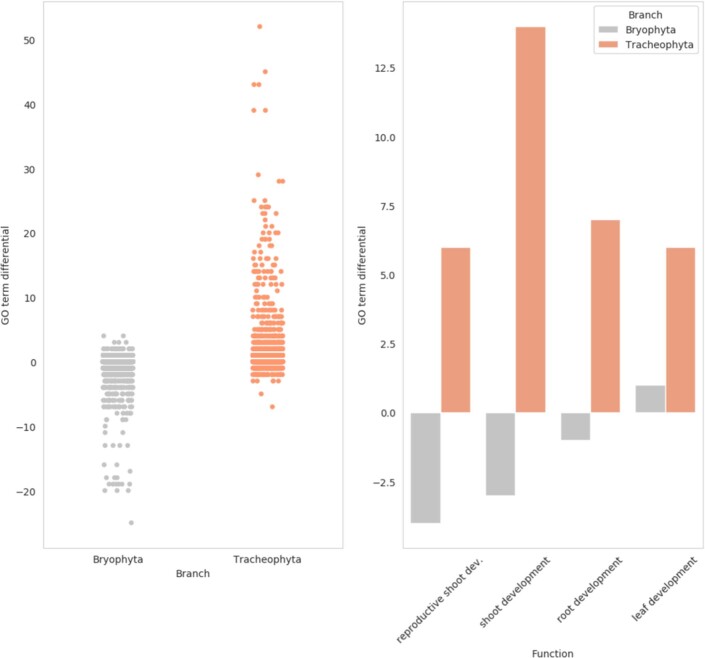
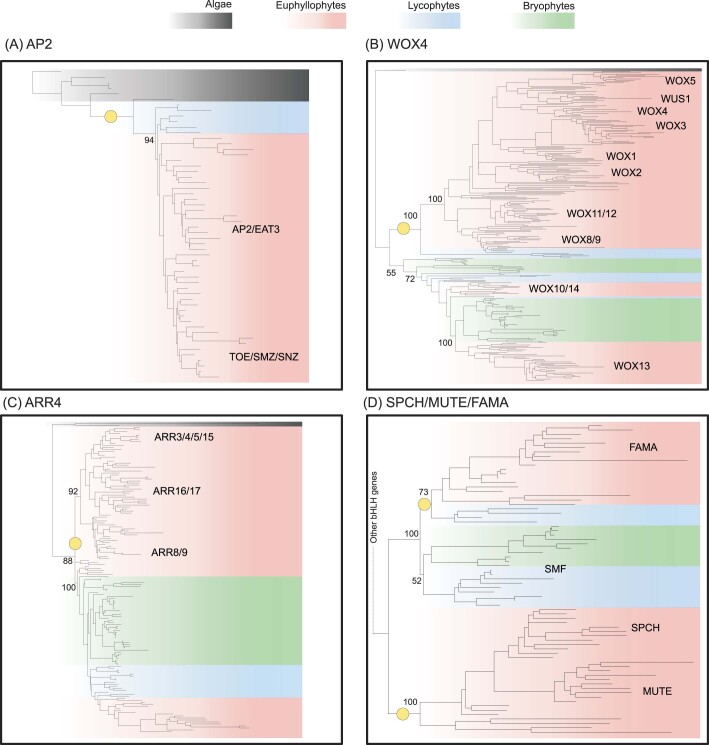
The origin of plants and their colonization of land fundamentally transformed the terrestrial environment. Here we elucidate the basis of this formative episode in Earth history through patterns of lineage, gene and genome evolution. We use new fossil calibrations, a relative clade age calibration (informed by horizontal gene transfer) and new phylogenomic methods for mapping gene family origins. Distinct rooting strategies resolve tracheophytes (vascular plants) and bryophytes (non-vascular plants) as monophyletic sister groups that diverged during the Cambrian, 515–494 million years ago. The embryophyte stem is characterized by a burst of gene innovation, while bryophytes subsequently experienced an equally dramatic episode of reductive genome evolution in which they lost genes associated with the elaboration of vasculature and the stomatal complex. Overall, our analyses reveal that extant tracheophytes and bryophytes are both highly derived from a more complex ancestral land plant. Understanding the origin of land plants requires tracing character evolution across a diversity of modern lineages.
Overview
The claims and statistics of this paper haven’t been checked yet.
Free: it reads the open-access text and checks the first 5 claims that cite a source we can check. Create a free account to check every claim.
Integrity signals
Registry
Cites
Statistics
Figures
Verification
Claims the paper makes
The claims and statistics of this paper haven’t been checked yet.
Free: it reads the open-access text and checks the first 5 claims that cite a source we can check. Create a free account to check every claim.
Self-check
Percentages, sums and reported differences re-computed from the paper’s own numbers.
The self-check needs the paper’s full text.
Citations
Cites
IQ-TREE: A Fast and Effective Stochastic Algorithm for Estimating Maximum-Likelihood Phylogenies
Nguyen, L.-T., Schmidt, H. A., von Haeseler, A., & Minh, B. Q. (2015) · Molecular Biology and Evolution · doi:10.1093/molbev/msu300 · Cited by 26,046 · cited 5×
“A maximum likelihood tree was inferred from an alignment of 30 species of plants and algae, comprising 185 single-copy orthologues and 71,855 sites, under the LG + C60 + G4 + F model in IQ-TREE 69 , and rooted in accordance with our previous phylogenetic analysis.”
MethodInfluentialFast and sensitive protein alignment using DIAMOND
Buchfink, B., Xie, C., & Huson, D. H. (2015) · Nature Methods · doi:10.1038/nmeth.3176 · Cited by 14,201 · cited 3×
“The Arabidopsis thaliana protein sequence for PHOT1 was used to BLAST a database of 177 species of plant and transcriptomes.”
MethodInfluentialPAML 4: Phylogenetic Analysis by Maximum Likelihood
Yang, Z. (2007) · Molecular Biology and Evolution · doi:10.1093/molbev/msm088 · Cited by 13,879 · cited 1×
“We fixed the tree topology to that recovered by the Bayesian analysis and used the normal approximation method in MCMCtree (v. 4.9i) [81], with branch lengths first estimated under the LG + G4 model in codeml (v 4.9i) 81 .”
MethodBUSCO: assessing genome assembly and annotation completeness with single-copy orthologs
Simão, F. A., Waterhouse, R. M., Ioannidis, P., Kriventseva, E. V., & Zdobnov, E. M. (2015) · Bioinformatics · doi:10.1093/bioinformatics/btv351 · Cited by 13,344
Posterior summarization in Bayesian phylogenetics using tracer 1.7
Rambaut, A., Drummond, A. J., Xie, D., Baele, G., & Suchard, M. A. (2018) · Systematic Biology · doi:10.1093/sysbio/syy032 · Cited by 11,159
Extracellular vesicles: Exosomes, microvesicles, and friends
Raposo, G., & Stoorvogel, W. (2013) · Journal of Cell Biology · doi:10.1083/jcb.201211138 · Cited by 8,099 · cited 1×
“Exosomes and complex cytoskeletons are essential for multicellular organisms to function 43,44 , and the inferred loss of these gene families is consistent with the hypothesis that the body plan of the algal ancestor of embryophytes was multicellular 5 , rather than possessing the single-cell or…”
BackgroundOrthoFinder: phylogenetic orthology inference for comparative genomics
Emms, D. M., & Kelly, S. (2019) · Genome Biology · doi:10.1186/s13059-019-1832-y · Cited by 7,676
Accelerated Profile HMM Searches
Eddy, S. R. (2011) · PLoS Computational Biology · doi:10.1371/journal.pcbi.1002195 · Cited by 6,975 · cited 1×
“To functionally annotate the gene families, we inferred the consensus sequence of each gene family alignment using hidden Markov modelling 91 .”
MethodKanehisa, M., Sato, Y., & Morishima, K. (2016) · Journal of Molecular Biology · doi:10.1016/j.jmb.2015.11.006 · Cited by 4,055
An efficient algorithm for large-scale detection of protein families
Enright, A. J. (2002) · Nucleic Acids Research · doi:10.1093/nar/30.7.1575 · Cited by 3,588
Recent developments in the MAFFT multiple sequence alignment program
Katoh, K., & Toh, H. (2008) · Briefings in Bioinformatics · doi:10.1093/bib/bbn013 · Cited by 3,586
An approximately unbiased test of phylogenetic tree selection
Shimodaira, H. (2002) · Systematic Biology · doi:10.1080/10635150290069913 · Cited by 2,791 · cited 2×
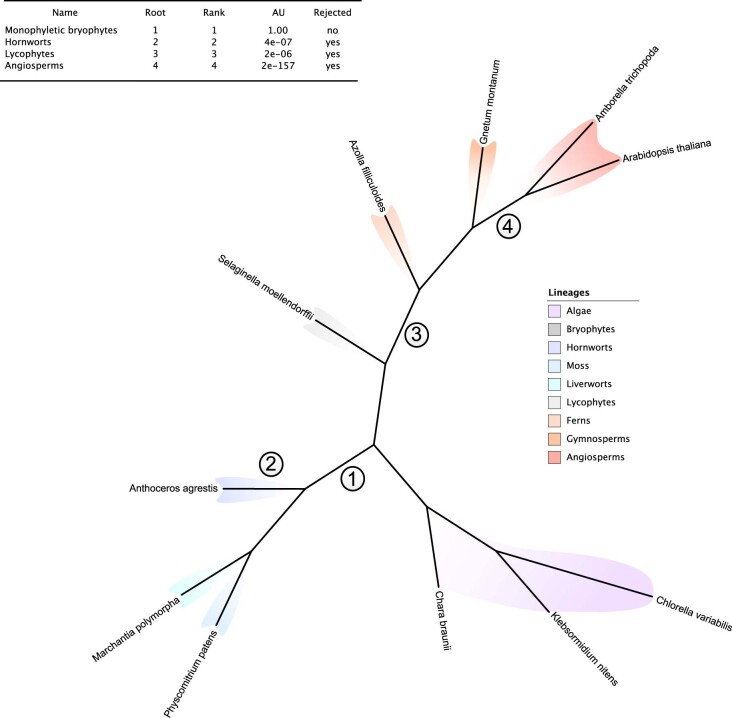
“The likelihood of each gene family under each root was calculated; the credible roots were determined using an AU test 89,90 .”
MethodFast Genome-Wide Functional Annotation through Orthology Assignment by eggNOG-Mapper
Huerta-Cepas, J., Forslund, K., Coelho, L. P., Szklarczyk, D., Jensen, L. J., von Mering, C., & Bork, P. (2017) · Molecular Biology and Evolution · doi:10.1093/molbev/msx148 · Cited by 2,709 · cited 1×
“Consensus sequences were functionally annotated using eggNOG-mapper 92 , and GO terms were summarized using the custom Python script make_go_term_dictionary.py.”
MethodASTRAL-III: polynomial time species tree reconstruction from partially resolved gene trees
Zhang, C., Rabiee, M., Sayyari, E., & Mirarab, S. (2018) · BMC Bioinformatics · doi:10.1186/s12859-018-2129-y · Cited by 2,471 · cited 1×
“75 ).”
The number of known plants species in the world and its annual increase
CHRISTENHUSZ, M. J. M., & BYNG, J. W. (2016) · Phytotaxa · doi:10.11646/phytotaxa.261.3.1 · Cited by 2,113
CONSEL: for assessing the confidence of phylogenetic tree selection
Shimodaira, H., & Hasegawa, M. (2001) · Bioinformatics · doi:10.1093/bioinformatics/17.12.1246 · Cited by 2,041
One thousand plant transcriptomes and the phylogenomics of green plants
Initiative, O. T. P. T. (2019) · Nature · doi:10.1038/s41586-019-1693-2 · Cited by 1,734
Criscuolo, A., & Gribaldo, S. (2010) · BMC Evolutionary Biology · doi:10.1186/1471-2148-10-210 · Cited by 1,633 · cited 1×
“We aligned 160 single-copy gene families using MAFFT 67 , and poorly aligning sites were identified and removed with BMGE using the BLOSUM30 matrix 68 .”
MethodA Bayesian Mixture Model for Across-Site Heterogeneities in the Amino-Acid Replacement Process
Lartillot, N., & Philippe, H. (2004) · Molecular Biology and Evolution · doi:10.1093/molbev/msh112 · Cited by 1,516 · cited 3×
“These models accommodate site-specific amino acid compositions via a fixed number of empirical profiles (C60) or an infinite mixture of profiles (CAT) 73,74 .”
InfluentialAge constraint on Burmese amber based on U–Pb dating of zircons
Shi, G., Grimaldi, D. A., Harlow, G. E., Wang, J., Wang, J., Yang, M., Lei, W., Li, Q., & Li, X. (2012) · Cretaceous Research · doi:10.1016/j.cretres.2012.03.014 · Cited by 1,469
Federhen, S. (2012) · Nucleic Acids Research · doi:10.1093/nar/gkr1178 · Cited by 1,436 · cited 1×
“The sequence data were obtained from published transcriptomes 18,63 or whole-genome sequences from the NCBI repository 64 .”
MethodDynamics of orogenic wedges and the uplift of high-pressure metamorphic rocks
PLATT, J. P. (1986) · Geological Society of America Bulletin · doi:10.1130/0016-7606(1986)97<1037:doowat>2.0.co;2 · Cited by 1,292
Phylotranscriptomic analysis of the origin and early diversification of land plants
Wickett, N. J., Mirarab, S., Nguyen, N., Warnow, T., Carpenter, E., Matasci, N., Ayyampalayam, S., Barker, M. S., Burleigh, J. G., Gitzendanner, M. A., et al. (2014) · Proceedings of the National Academy of Sciences · doi:10.1073/pnas.1323926111 · Cited by 1,252 · cited 1×
“Indeed, outgroup-rooting analyses using different models 20,33 , datasets and molecules (that is, chloroplast, mitochondrial or nuclear sequences 22,28 ) have provided support for conflicting hypotheses about the earliest-branching lineages and the nature of the ancestral land plant.”
MethodInsights into Land Plant Evolution Garnered from the Marchantia polymorpha Genome
Bowman, J. L., Kohchi, T., Yamato, K. T., Jenkins, J., Shu, S., Ishizaki, K., Yamaoka, S., Nishihama, R., Nakamura, Y., Berger, F., et al. (2017) · Cell · doi:10.1016/j.cell.2017.09.030 · Cited by 1,205
Self-citationA review of long-branch attraction
Bergsten, J. (2005) · Cladistics · doi:10.1111/j.1096-0031.2005.00059.x · Cited by 1,162 · cited 4×
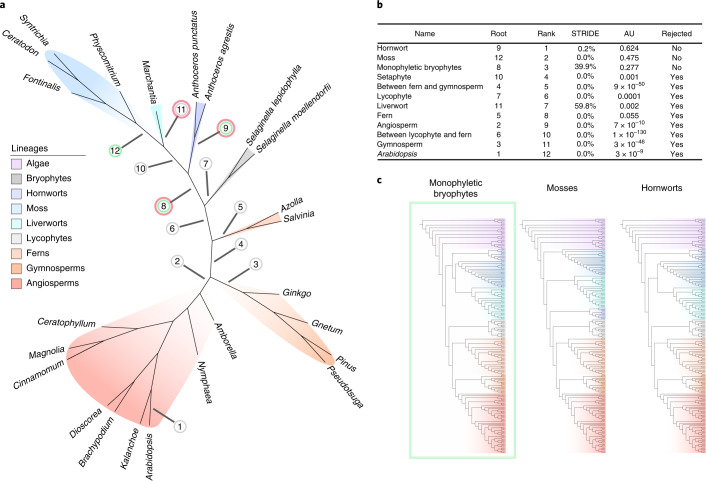
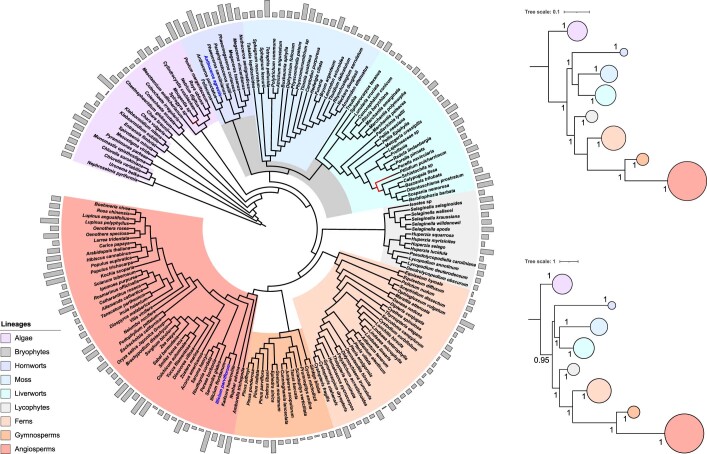
“To address the impact of LBA and complement traditional outgroup-rooting analyses, we used two outgroup-free rooting meth-ods—amalgamated likelihood estimation (ALE) and STRIDE 34,35 —to infer root placement on a dataset of 24 high-quality embryophyte genomes without the inclusion of an algal outgroup (Fig.”
BackgroundInfluentialResolving difficult phylogenetic questions: Why more sequences are not enough
Philippe, H., Brinkmann, H., Lavrov, D. V., Littlewood, D. T. J., Manuel, M., Wörheide, G., & Baurain, D. (2011) · PLoS Biology · doi:10.1371/journal.pbio.1000602 · Cited by 1,129
(1991) · University of Minnesota Digital Conservancy (University of Minnesota) · Cited by 1,077
The timescale of early land plant evolution
Morris, J. L., Puttick, M. N., Clark, J. W., Edwards, D., Kenrick, P., Pressel, S., Wellman, C. H., Yang, Z., Schneider, H., & Donoghue, P. C. J. (2018) · Proceedings of the National Academy of Sciences · doi:10.1073/pnas.1719588115 · Cited by 922 · cited 2×
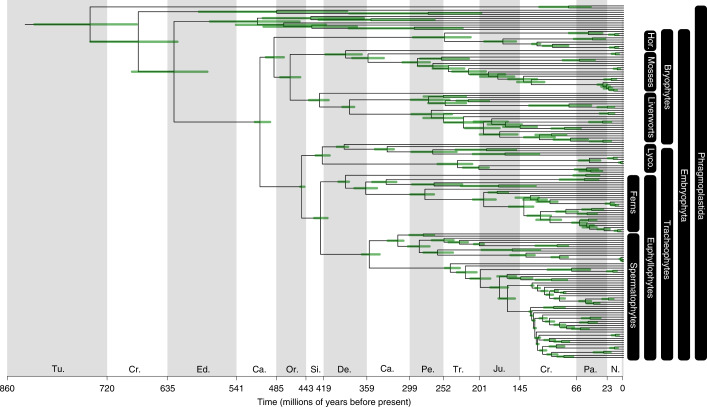
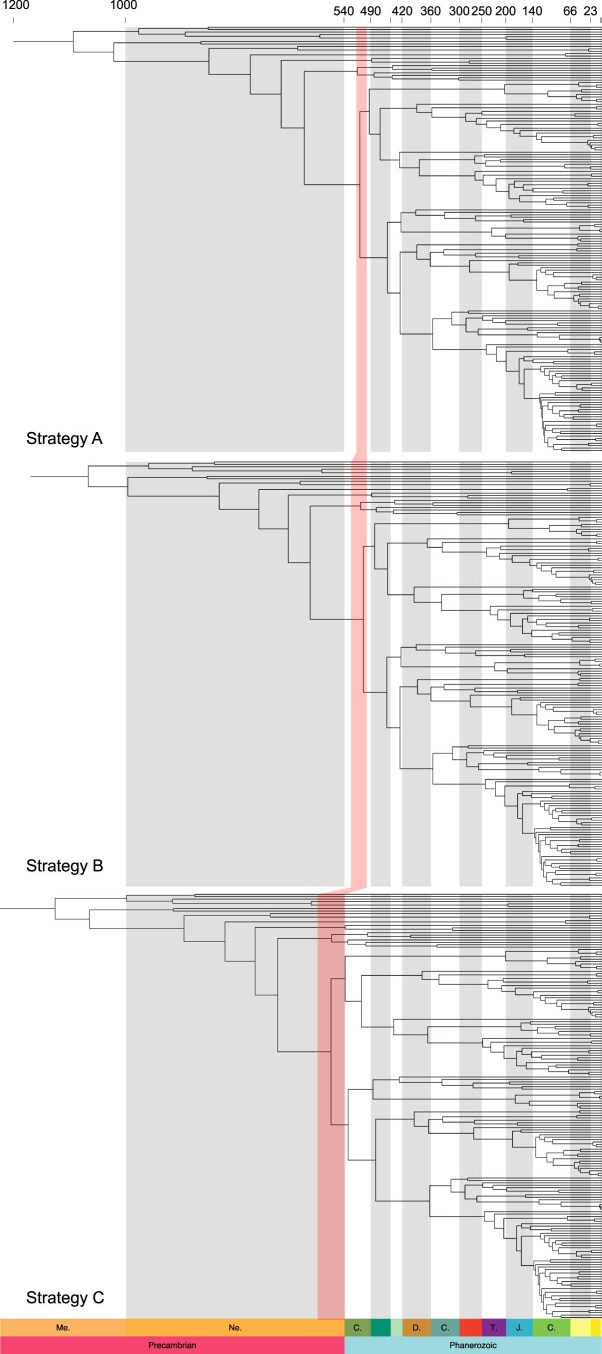
“Morris et al.(38) inferred a relatively young age for the embryophyte crown ancestor (515–470 million years ago (Ma)), making use of a maximum age constraint based on the absence of embryophyte spores in strata for which fossilization conditions were such that spores of non-embryophyte algae have been preserved.”
BackgroundSelf-citationGeology of an amber locality in the Hukawng Valley, Northern Myanmar
Cruickshank, R. D., & Ko, K. (2003) · Journal of Asian Earth Sciences · doi:10.1016/s1367-9120(02)00044-5 · Cited by 881
Lartillot, N., Rodrigue, N., Stubbs, D., & Richer, J. (2013) · Systematic Biology · doi:10.1093/sysbio/syt022 · Cited by 871
Ferns diversified in the shadow of angiosperms
Schneider, H., Schuettpelz, E., Pryer, K. M., Cranfill, R., Magallón, S., & Lupia, R. (2004) · Nature · doi:10.1038/nature02361 · Cited by 855
Gradstein, F. M., Ogg, J. G., & Hilgen, F. J. (2012) · Newsletters on Stratigraphy · doi:10.1127/0078-0421/2012/0020 · Cited by 781
Best Practices for Justifying Fossil Calibrations
Parham, J. F., Donoghue, P. C. J., Bell, C. J., Calway, T. D., Head, J. J., Holroyd, P. A., Inoue, J. G., Irmis, R. B., Joyce, W. G., Ksepka, D. T., et al. (2012) · Systematic Biology · doi:10.1093/sysbio/syr107 · Cited by 780 · cited 2×
“On this basis, we defined our maxima following the principles defined in Parham et al. 80 , and fossil calibrations were defined as minimum and maximum age constraints, in each case modelled as uniform distributions between minima and maxima, with a 1% probability of either bound being exceeded…”
MethodSelf-citationAlbalat, R., & Cañestro, C. (2016) · Nature Reviews Genetics · doi:10.1038/nrg.2016.39 · Cited by 775 · cited 1×
“However, gene loss is an important driver of phenotypic evolution in other systems 54–56 , notably in flying and aquatic mammals 57 and yeast 58 .”
BackgroundEvolution and Diversity of Plant Cell Walls: From Algae to Flowering Plants
Popper, Z. A., Michel, G., Hervé, C., Domozych, D. S., Willats, W. G. T., Tuohy, M. G., Kloareg, B., & Stengel, D. B. (2011) · Annual Review of Plant Biology · doi:10.1146/annurev-arplant-042110-103809 · Cited by 732 · cited 1×
“Interestingly, phenylpropanoids are associated with protection against UV irradiance 45 and homiohydry 5 , suggesting that the common ancestor may have been better adapted to a terrestrial environment than extant Zygnematales.”
BackgroundOn the ages of flood basalt events
Courtillot, V. E., & Renne, P. R. (2003) · Comptes Rendus. Géoscience · doi:10.1016/s1631-0713(03)00006-3 · Cited by 727
Fossil Plants and Global Warming at the Triassic-Jurassic Boundary
McElwain, J. C., Beerling, D. J., & Woodward, F. I. (1999) · Science · doi:10.1126/science.285.5432.1386 · Cited by 666
Vandenberghe, N., Hilgen, F. J., Speijer, R. P., Ogg, J. G., Gradstein, F. M., Hammer, O., Hollis, C. J., & Hooker, J. J. (2012) · The Geologic Time Scale · doi:10.1016/b978-0-444-59425-9.00028-7 · Cited by 598
Data access for the 1,000 Plants (1KP) project
Matasci, N., Hung, L.-H., Yan, Z., Carpenter, E. J., Wickett, N. J., Mirarab, S., Nguyen, N., Warnow, T., Ayyampalayam, S., Barker, M., et al. (2014) · GigaScience · doi:10.1186/2047-217x-3-17 · Cited by 585
U-Pb constraints on pulsed eruption of the Deccan Traps across the end-Cretaceous mass extinction
Schoene, B., Eddy, M. P., Samperton, K. M., Keller, C. B., Keller, G., Adatte, T., & Khadri, S. F. R. (2019) · Science · doi:10.1126/science.aau2422 · Cited by 542
Potassium-argon dates and the Cenozoic mammalian chronology of North America
Evernden, J. F., Savage, D. E., Curtis, G. H., & James, G. T. (1964) · American Journal of Science · doi:10.2475/ajs.262.2.145 · Cited by 529
New grass phylogeny resolves deep evolutionary relationships and discovers C4 origins
Grass Phylogeny Working Group II (2012) · New Phytologist · doi:10.1111/j.1469-8137.2011.03972.x · Cited by 502
The Interrelationships of Land Plants and the Nature of the Ancestral Embryophyte
Puttick, M. N., Morris, J. L., Williams, T. A., Cox, C. J., Edwards, D., Kenrick, P., Pressel, S., Wellman, C. H., Schneider, H., Pisani, D., et al. (2018) · Current Biology · doi:10.1016/j.cub.2018.01.063 · Cited by 498 · cited 5×
“Indeed, outgroup-rooting analyses using different models 20,33 , datasets and molecules (that is, chloroplast, mitochondrial or nuclear sequences 22,28 ) have provided support for conflicting hypotheses about the earliest-branching lineages and the nature of the ancestral land plant.”
BackgroundMethodResultInfluentialSelf-citationThe Stomatal Response to Reduced Relative Humidity Requires Guard Cell-Autonomous ABA Synthesis
Bauer, H., Ache, P., Lautner, S., Fromm, J., Hartung, W., Al-Rasheid, K. A. S., Sonnewald, S., Sonnewald, U., Kneitz, S., Lachmann, N., et al. (2013) · Current Biology · doi:10.1016/j.cub.2012.11.022 · Cited by 485 · cited 1×
“Our results confirm that many well-characterized gene families predate the origin of land plants 9,10,15,46,47 .”
ResultSelf-citationUncertainty in the Timing of Origin of Animals and the Limits of Precision in Molecular Timescales
dos Reis, M., Thawornwattana, Y., Angelis, K., Telford, M. J., Donoghue, P. C. J., & Yang, Z. (2015) · Current Biology · doi:10.1016/j.cub.2015.09.066 · Cited by 471
Self-citationWang, H.-C., Minh, B. Q., Susko, E., & Roger, A. J. (2018) · Systematic Biology · doi:10.1093/sysbio/syx068 · Cited by 466
Silurian and devonian spore zones of the Old Red Sandstone Continent and adjacent regions
Richardson, J. B., & McGregor, D. C. (1986) · doi:10.4095/120614 · Cited by 388
Plant evolution: landmarks on the path to terrestrial life
de Vries, J., & Archibald, J. M. (2018) · New Phytologist · doi:10.1111/nph.14975 · Cited by 379
Stomata: key players in the earth system, past and present
Berry, J. A., Beerling, D. J., & Franks, P. J. (2010) · Current Opinion in Plant Biology · doi:10.1016/j.pbi.2010.04.013 · Cited by 373 · cited 1×
“The origin and early evolution of land plants (embryophytes) constituted a formative episode in Earth history, transforming the terrestrial landscape, the atmosphere and the carbon cycle 1,2 .”
BackgroundEmpirical profile mixture models for phylogenetic reconstruction
Si Quang, L., Gascuel, O., & Lartillot, N. (2008) · Bioinformatics · doi:10.1093/bioinformatics/btn445 · Cited by 358
An ammonite trapped in Burmese amber
Yu, T., Thomson, U., Mu, L., Ross, A., Kennedy, J., Broly, P., Xia, F., Zhang, H., Wang, B., & Dilcher, D. (2019) · Proceedings of the National Academy of Sciences · doi:10.1073/pnas.1821292116 · Cited by 357
Whole-Genome Duplication and Plant Macroevolution
Clark, J. W., & Donoghue, P. C. J. (2018) · Trends in Plant Science · doi:10.1016/j.tplants.2018.07.006 · Cited by 352
Self-citationAnthoceros genomes illuminate the origin of land plants and the unique biology of hornworts
Li, F.-W., Nishiyama, T., Waller, M., Frangedakis, E., Keller, J., Li, Z., Fernandez-Pozo, N., Barker, M. S., Bennett, T., Blázquez, M. A., et al. (2020) · Nature Plants · doi:10.1038/s41477-020-0618-2 · Cited by 352
STRIDE: Species Tree Root Inference from Gene Duplication Events
Emms, D. M., & Kelly, S. (2017) · Molecular Biology and Evolution · doi:10.1093/molbev/msx259 · Cited by 311
Selection pressures on stomatal evolution
Raven, J. A. (2002) · New Phytologist · doi:10.1046/j.0028-646x.2001.00334.x · Cited by 307 · cited 3×
“6).”
BackgroundInfluentialCarboniferous miospores of Western Europe: illustration and zonation.
Clayton, G., Coquel, R., Doubinger, J., Gueinn, K. J., Loboziak, S., Owens, B., & Streel, M. (1977) · Open Repository and Bibliography (University of Liège) · Cited by 293
The Ancestral Developmental Tool Kit of Land Plants
Floyd, S. K., & Bowman, J. L. (2007) · International Journal of Plant Sciences · doi:10.1086/509079 · Cited by 289 · cited 2×
“11–14).”
BackgroundDevelopment of a braided-fluvial facies model for the Devonian Battery Point Sandstone, Québec
Cant, D. J., & Walker, R. G. (1976) · Canadian Journal of Earth Sciences · doi:10.1139/e76-010 · Cited by 287
A rooted phylogeny resolves early bacterial evolution
Coleman, G. A., Davín, A. A., Mahendrarajah, T. A., Szánthó, L. L., Spang, A., Hugenholtz, P., Szöllősi, G. J., & Williams, T. A. (2021) · Science · doi:10.1126/science.abe0511 · Cited by 285 · cited 1×
“The rationale for this analysis is that the evolution of these families may be poorly described by the model, and so they may contribute misleading signals 36 .”
BackgroundSelf-citationWang, B., Yeun, L. H., Xue, J., Liu, Y., Ané, J., & Qiu, Y. (2010) · New Phytologist · doi:10.1111/j.1469-8137.2009.03137.x · Cited by 277 · cited 2×
“An amino acid sequence dataset was assembled for the outgroup rooting analysis composed of 177 species, with 23 algae and 154 land plants (Supplementary Table 12).”
MethodOgg, J. G., Hinnov, L. A., & Huang, C. (2012) · The Geologic Time Scale · doi:10.1016/b978-0-444-59425-9.00027-5 · Cited by 271
Fast genome-wide functional annotation through orthology assignment by eggNOG-mapper
Huerta-Cepas, J., Forslund, K., Szklarczyk, D., Jensen, L. J., von Mering, C., & Bork, P. (2016) · bioRxiv (Cold Spring Harbor Laboratory) · doi:10.1101/076331 · Cited by 269
An ancestral signalling pathway is conserved in intracellular symbioses-forming plant lineages
Radhakrishnan, G. V., Keller, J., Rich, M. K., Vernié, T., Mbadinga Mbadinga, D. L., Vigneron, N., Cottret, L., Clemente, H. S., Libourel, C., Cheema, J., et al. (2020) · Nature Plants · doi:10.1038/s41477-020-0613-7 · Cited by 256 · cited 1×
“However, studies of gene family evolution within land plants have typically been restricted to individual gene families or sets of genes that encode single traits 11–16 .”
BackgroundBecker, R. T., Marshall, J. E. A., Silva, A. D., Agterberg, F. P., Gradstein, F. M., & Ogg, J. G. (2020) · Elsevier eBooks · doi:10.1016/b978-0-12-824360-2.00022-x · Cited by 245
Exploring uncertainty in the calibration of the molecular clock
Warnock, R. C. M., Yang, Z., & Donoghue, P. C. J. (2012) · Biology Letters · doi:10.1098/rsbl.2011.0710 · Cited by 238 · cited 1×
“Specifying a maximum age calibration is considered controversial by some 23,39 , yet maximum ages are always present, either as justified user-specified priors or incidentally as part of the joint time prior 78,79 .”
BackgroundSelf-citationA genomics approach reveals insights into the importance of gene losses for mammalian adaptations
Sharma, V., Hecker, N., Roscito, J. G., Foerster, L., Langer, B. E., & Hiller, M. (2018) · Nature Communications · doi:10.1038/s41467-018-03667-1 · Cited by 237 · cited 1×
“However, gene loss is an important driver of phenotypic evolution in other systems 54–56 , notably in flying and aquatic mammals 57 and yeast 58 .”
BackgroundDoyle, J. A., & Robbins, E. I. (1977) · Palynology · doi:10.1080/01916122.1977.9989150 · Cited by 235
Efficient Exploration of the Space of Reconciled Gene Trees
Szöllősi, G. J., Rosikiewicz, W., Boussau, B., Tannier, E., & Daubin, V. (2013) · Systematic Biology · doi:10.1093/sysbio/syt054 · Cited by 234
Self-citationPhylogenomic Evidence for the Monophyly of Bryophytes and the Reductive Evolution of Stomata
Harris, B. J., Harrison, C. J., Hetherington, A. M., & Williams, T. A. (2020) · Current Biology · doi:10.1016/j.cub.2020.03.048 · Cited by 225 · cited 5×
“Reductive evolution in bryophytes has been demonstrated previously, where the loss of several genes has resulted in the lack of stomata 15,48 .”
BackgroundResultInfluentialSelf-citationMorphological evolution in land plants: new designs with old genes
Pires, N. D., & Dolan, L. (2012) · Philosophical Transactions of the Royal Society B: Biological Sciences · doi:10.1098/rstb.2011.0252 · Cited by 223 · cited 2×
“Early innovations that evolved in response to these challenges include a thick waxy cuticle, stomata and a means of transporting water from the roots up vertically growing stems 2,5,7,8 .”
BackgroundLate Cretaceous origin of the rice tribe provides evidence for early diversification in Poaceae
Prasad, V., Strömberg, C. A. E., Leaché, A. D., Samant, B., Patnaik, R., Tang, L., Mohabey, D. M., Ge, S., & Sahni, A. (2011) · Nature Communications · doi:10.1038/ncomms1482 · Cited by 219
Barba‐Montoya, J., dos Reis, M., Schneider, H., Donoghue, P. C. J., & Yang, Z. (2018) · New Phytologist · doi:10.1111/nph.15011 · Cited by 214
Self-citationA Site- and Time-Heterogeneous Model of Amino Acid Replacement
Blanquart, S., & Lartillot, N. (2008) · Molecular Biology and Evolution · doi:10.1093/molbev/msn018 · Cited by 208 · cited 2×
“1 | Phylogenetic analysis of land plants provides robust support for the monophyly of bryophytes. a , phylogenetic tree inferred from a concatenated alignment of 30919 sites consisting of 160 single copy orthogroups using the CAT-GTR model (Blanquart and Lartillot, 2008).”
MethodWarnock, R. C. M., Parham, J. F., Joyce, W. G., Lyson, T. R., & Donoghue, P. C. J. (2015) · Proceedings of the Royal Society B: Biological Sciences · doi:10.1098/rspb.2014.1013 · Cited by 202 · cited 1×
“Specifying a maximum age calibration is considered controversial by some 23,39 , yet maximum ages are always present, either as justified user-specified priors or incidentally as part of the joint time prior 78,79 .”
BackgroundSelf-citationCox, C. J., Li, B., Foster, P. G., Embley, T. M., & Civáň, P. (2014) · Systematic Biology · doi:10.1093/sysbio/syt109 · Cited by 195 · cited 1×
“This transfer was previously characterised (Li et al ., 2014), and we corroborate this finding with maximum bootstrap support.”
ResultGeochemical and Isotopic Constraints on the Origin of the Jurassic Dolerites of Tasmania
HERGT, J. M., CHAPPELL, B. W., McCULLOCH, M. T., McDOUGALL, I., & CHIVAS, A. R. (1989) · Journal of Petrology · doi:10.1093/petrology/30.4.841 · Cited by 193
The evolutionary emergence of land plants
Donoghue, P. C. J., Harrison, C. J., Paps, J., & Schneider, H. (2021) · Current Biology · doi:10.1016/j.cub.2021.07.038 · Cited by 188 · cited 6×
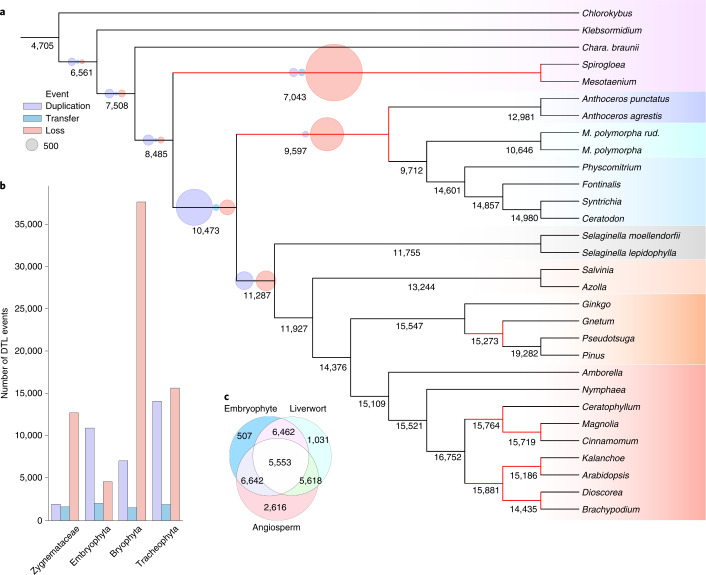
“The loss of these orthologous gene families strengthens the hypothesis that ancestral embryophytes had a more complex vasculature system than that of extant bryophytes 8 .”
BackgroundInfluentialSelf-citationHilton, J., & Cleal, C. J. (2007) · Earth-Science Reviews · doi:10.1016/j.earscirev.2007.07.003 · Cited by 187
A one-billion-year-old multicellular chlorophyte
Tang, Q., Pang, K., Yuan, X., & Xiao, S. (2020) · Nature Ecology & Evolution · doi:10.1038/s41559-020-1122-9 · Cited by 186
Stull, G. W., Qu, X.-J., Parins-Fukuchi, C., Yang, Y.-Y., Yang, J.-B., Yang, Z.-Y., Hu, Y., Ma, H., Soltis, P. S., Soltis, D. E., et al. (2021) · Nature Plants · doi:10.1038/s41477-021-00964-4 · Cited by 178 · cited 1×
“A large body of research has focused on the importance of gene and whole-genome duplication in generating evolutionary novelty in land plant evolution 50–53 .”
BackgroundGoldman, D., Sadler, P. M., Leslie, S. A., Melchin, M. J., Agterberg, F. P., & Gradstein, F. M. (2020) · Geologic Time Scale 2020 · doi:10.1016/b978-0-12-824360-2.00020-6 · Cited by 174
Horizontal transfer of an adaptive chimeric photoreceptor from bryophytes to ferns
Li, F.-W., Villarreal, J. C., Kelly, S., Rothfels, C. J., Melkonian, M., Frangedakis, E., Ruhsam, M., Sigel, E. M., Der, J. P., Pittermann, J., et al. (2014) · Proceedings of the National Academy of Sciences · doi:10.1073/pnas.1319929111 · Cited by 171 · cited 1×
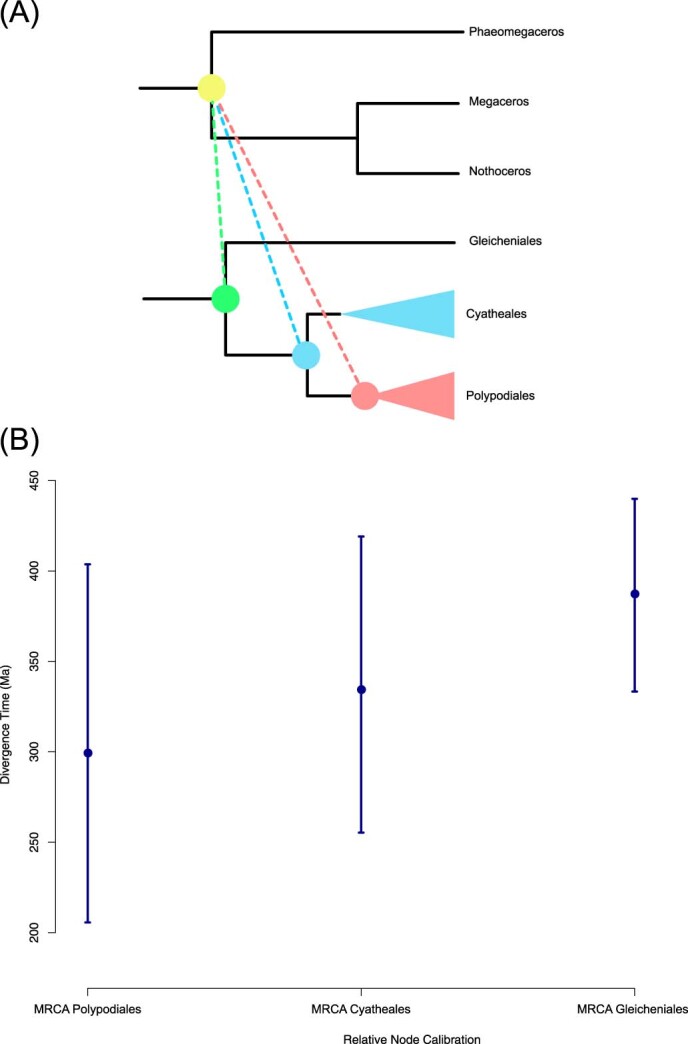
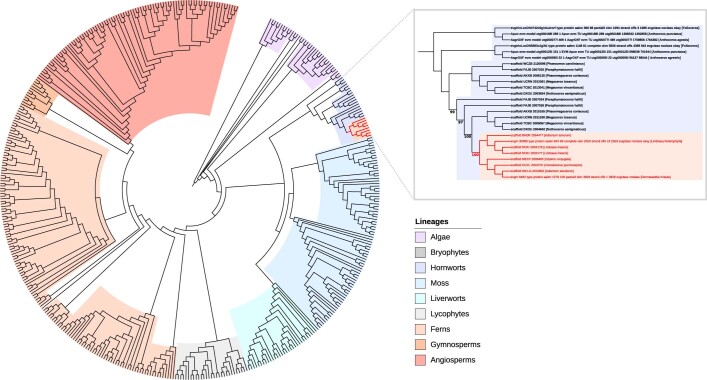
“To ameliorate the limitations of the fossil record, we implemented a relative node age constraint based on the horizontal transfer of the chimaeric photoreceptor NEOCHROME from hornworts into ferns 37 .”
MethodLocText: relation extraction of protein localizations to assist database curation
Cejuela, J. M., Vinchurkar, S., Goldberg, T., Prabhu Shankar, M. S., Baghudana, A., Bojchevski, A., Uhlig, C., Ofner, A., Raharja-Liu, P., Jensen, L. J., et al. (2018) · BMC Bioinformatics · doi:10.1186/s12859-018-2021-9 · Cited by 171
Becker, R. T., Gradstein, F. M., & Hammer, O. (2012) · The Geologic Time Scale · doi:10.1016/b978-0-444-59425-9.00022-6 · Cited by 168
Molecular Dating, Evolutionary Rates, and the Age of the Grasses
Christin, P.-A., Spriggs, E., Osborne, C. P., Stromberg, C. A. E., Salamin, N., & Edwards, E. J. (2014) · Systematic Biology · doi:10.1093/sysbio/syt072 · Cited by 166
Hesselbo, S. P., Ogg, J. G., Ruhl, M., Hinnov, L. A., & Huang, C. J. (2020) · Geologic Time Scale 2020 · doi:10.1016/b978-0-12-824360-2.00026-7 · Cited by 164
The origin and early evolution of vascular plant shoots and leaves
Harrison, C. J., & Morris, J. L. (2017) · Philosophical Transactions of the Royal Society B Biological Sciences · doi:10.1098/rstb.2016.0496 · Cited by 158 · cited 3×
“3a and Supplementary Tables 3, 7 and 8), with the rate of gene loss (in terms of gene families per year) substantially greater than in all other major clades (Fig.”
BackgroundHeinrichs, J., Hentschel, J., Wilson, R., Feldberg, K., & Schneider, H. (2007) · Taxon · doi:10.2307/25065733 · Cited by 158
The terrestrial biota prior to the origin of land plants (embryophytes): a review of the evidence
Wellman, C. H., & Strother, P. K. (2015) · Palaeontology · doi:10.1111/pala.12172 · Cited by 155 · cited 4×
“We used gene-tree/species-tree reconciliation to estimate the gene content of the embryophyte common ancestor (Supplementary Tables 3–5).”
BackgroundInfluentialCryptospores and cryptophytes reveal hidden diversity in early land floras
Edwards, D., Morris, J. L., Richardson, J. B., & Kenrick, P. (2014) · New Phytologist · doi:10.1111/nph.12645 · Cited by 147 · cited 1×
“That the ancestral embryophyte may have been more complex than living bryophytes is in keeping with many early macrofossils being more complex than bryophytes and possessing a mosaic of tracheophyte and bryophyte traits 8,62 .”
BackgroundVillarreal, J. C., & Renner, S. S. (2012) · Proceedings of the National Academy of Sciences · doi:10.1073/pnas.1213498109 · Cited by 146
The Origin of Land Plants Is Rooted in Two Bursts of Genomic Novelty
Bowles, A. M. C., Bechtold, U., & Paps, J. (2020) · Current Biology · doi:10.1016/j.cub.2019.11.090 · Cited by 139 · cited 4×
“9 and 10).”
BackgroundMethodResultInfluentialWalden, N., German, D. A., Wolf, E., Kiefer, M., Rigault, P., Huang, X., Kiefer, C., Schmickl, R., Franzke, A., Neuffer, B., et al. (2020) · Nature Communications · doi:10.1038/s41467-020-17605-7 · Cited by 139
The origin and evolution of stomata
Clark, J. W., Harris, B. J., Hetherington, A. J., Hurtado-Castano, N., Brench, R. A., Casson, S., Williams, T. A., Gray, J. E., & Hetherington, A. M. (2022) · Current Biology · doi:10.1016/j.cub.2022.04.040 · Cited by 135 · cited 1×
“Reductive evolution in bryophytes has been demonstrated previously, where the loss of several genes has resulted in the lack of stomata 15,48 .”
BackgroundSelf-citationCenozoic History of Some Western American Pines
Axelrod, D. I. (1986) · Annals of the Missouri Botanical Garden · doi:10.2307/2399194 · Cited by 135
Widespread patterns of gene loss in the evolution of the animal kingdom
Guijarro-Clarke, C., Holland, P. W. H., & Paps, J. (2020) · Nature Ecology & Evolution · doi:10.1038/s41559-020-1129-2 · Cited by 133 · cited 1×
“However, gene loss is an important driver of phenotypic evolution in other systems 54–56 , notably in flying and aquatic mammals 57 and yeast 58 .”
BackgroundMonocot fossils suitable for molecular dating analyses
Iles, W. J. D., Smith, S. Y., Gandolfo, M. A., & Graham, S. W. (2015) · Botanical Journal of the Linnean Society · doi:10.1111/boj.12233 · Cited by 131
Yang, D., Xu, W., Xu, Y., Wang, Q., Pei, F., & Wang, F. (2012) · Precambrian Research · doi:10.1016/j.precamres.2012.07.002 · Cited by 126
Nuclear protein phylogenies support the monophyly of the three bryophyte groups (Bryophyta Schimp.)
Sousa, F., Foster, P. G., Donoghue, P. C. J., Schneider, H., & Cox, C. J. (2018) · New Phytologist · doi:10.1111/nph.15587 · Cited by 125
Self-citationSu, D., Yang, L., Shi, X., Ma, X., Zhou, X., Hedges, S. B., & Zhong, B. (2021) · Molecular Biology and Evolution · doi:10.1093/molbev/msab106 · Cited by 125 · cited 10×
“Some recent studies of the timing of land plant evolution have argued that fossil calibrations should not exert undue influence over divergence time estimates 23,40 .”
BackgroundResultInfluentialLateral Gene Transfer from the Dead
Szöllősi, G. J., Tannier, E., Lartillot, N., & Daubin, V. (2013) · Systematic Biology · doi:10.1093/sysbio/syt003 · Cited by 123 · cited 15×
“The agreement between three rooting methods using different sources of information (outgroup placement, gene duplications alone and DTL events more broadly) therefore provides the most compelling support for a root between bryophytes and tracheophytes from our analyses.”
MethodInfluentialSelf-citationThe evolution of methods for establishing evolutionary timescales
Donoghue, P. C. J., & Yang, Z. (2016) · Philosophical Transactions of the Royal Society B: Biological Sciences · doi:10.1098/rstb.2016.0020 · Cited by 119
Self-citationThe Oil Bodies of Liverworts: Unique and Important Organelles in Land Plants
He, X., Sun, Y., & Zhu, R. (2013) · Critical Reviews in Plant Sciences · doi:10.1080/07352689.2013.765765 · Cited by 119
Zhang, S., Zhao, Y. J., Hao, Y., & Hu, G. (2015) · Precambrian Research · doi:10.1016/j.precamres.2015.11.005 · Cited by 119
Wilhelmsson, P. K. I., Mühlich, C., Ullrich, K. K., & Rensing, S. A. (2017) · Genome Biology and Evolution · doi:10.1093/gbe/evx258 · Cited by 112 · cited 4×
“9 and 10).”
BackgroundResultInfluentialZhao, H., Zhang, S., Ding, J., Chang, L., Ren, Q., Li, H., Yang, T., & Wu, H. (2019) · Geological Society of America Bulletin · doi:10.1130/b35198.1 · Cited by 109
Phylogeny of Selaginellaceae: There is value in morphology after all!
Weststrand, S., & Korall, P. (2016) · American Journal of Botany · doi:10.3732/ajb.1600156 · Cited by 109
Hernick, L. V., Landing, E., & Bartowski, K. E. (2007) · Review of Palaeobotany and Palynology · doi:10.1016/j.revpalbo.2007.09.002 · Cited by 108
Puttick, M. N., Clark, J., & Donoghue, P. C. J. (2015) · Proceedings of the Royal Society B Biological Sciences · doi:10.1098/rspb.2015.2289 · Cited by 107
Self-citationMiddle D evonian liverwort herbivory and antiherbivore defence
Labandeira, C. C., Tremblay, S. L., Bartowski, K. E., & Hernick, L. V. (2013) · New Phytologist · doi:10.1111/nph.12643 · Cited by 106
Gene Loss Predictably Drives Evolutionary Adaptation
Helsen, J., Voordeckers, K., Vanderwaeren, L., Santermans, T., Tsontaki, M., Verstrepen, K. J., & Jelier, R. (2020) · Molecular Biology and Evolution · doi:10.1093/molbev/msaa172 · Cited by 104 · cited 1×
“However, gene loss is an important driver of phenotypic evolution in other systems 54–56 , notably in flying and aquatic mammals 57 and yeast 58 .”
BackgroundFossils matter: improved estimates of divergence times in Pinus reveal older diversification
Saladin, B., Leslie, A. B., Wüest, R. O., Litsios, G., Conti, E., Salamin, N., & Zimmermann, N. E. (2017) · BMC Evolutionary Biology · doi:10.1186/s12862-017-0941-z · Cited by 98
Rocha-Campos, A. C., Basei, M. Â. S., Nutman, A. P., dos Santos, P. R., Passarelli, C. R., Canile, F. M., da Rosa, O. D. C. R., Fernandes, M. T., Ana, H. S., & Veroslavsky, G. (2019) · The Journal of Geology · doi:10.1086/701254 · Cited by 90
Losing Complexity: The Role of Simplification in Macroevolution
O’Malley, M. A., Wideman, J. G., & Ruiz‐Trillo, I. (2016) · Trends in Ecology & Evolution · doi:10.1016/j.tree.2016.04.004 · Cited by 89
Organic-walled microfossils from the Proterozoic Thule Supergroup, Northwest Greenland
Samuelsson, J., Dawes, P. R., & Vidal, G. (1999) · Precambrian Research · doi:10.1016/s0301-9268(98)00123-5 · Cited by 88
Why Are Bryophytes So Rare in the Fossil Record? A Spotlight on Taphonomy and Fossil Preservation
Tomescu, A. M. F., Bomfleur, B., Bippus, A. C., & Savoretti, A. (2018) · Elsevier eBooks · doi:10.1016/b978-0-12-813012-4.00016-4 · Cited by 87 · cited 1×
“…among bryophytes), relative calibration of hornworts using the NEOCHROME HGT, and the ability to condition divergence times on a single topology. reinterpretation such that there are now many more records with the potential to constrain the timescale of early land plant evolution 24–26 .”
Christopher, R. A. (1979) · Palynology · doi:10.1080/01916122.1979.9989185 · Cited by 85
Chapter 29 Palaeophytogeography of Ordovician–Silurian land plants
Wellman, C. H., Steemans, P., & Vecoli, M. (2013) · Geological Society, London, Memoirs · doi:10.1144/m38.29 · Cited by 83
The seed cone Eathiestrobus gen. nov.: Fossil evidence for a Jurassic origin of Pinaceae
Rothwell, G. W., Mapes, G., Stockey, R. A., & Hilton, J. M. (2012) · American Journal of Botany · doi:10.3732/ajb.1100595 · Cited by 83
The origin and evolution of phototropins
Li, F.-W., Rothfels, C. J., Melkonian, M., Villarreal, J. C., Stevenson, D. W., Graham, S. W., Wong, G. K.-S., Mathews, S., & Pryer, K. M. (2015) · Frontiers in Plant Science · doi:10.3389/fpls.2015.00637 · Cited by 82 · cited 2×
“We used the horizontal transfer of the chimaeric neochrome photoreceptor (NEO) from hornworts to a derived fern lineage (Polypodiales) 84 as an additional source of data about divergence times in hornworts, a lineage that diverged early in plant evolution but is poorly represented in the fossil…”
MethodCannell, N., Emms, D., Hetherington, A. J., MacKay, J. J., Kelly, S. L., Dolan, L., & Sweetlove, L. J. (2020) · Current Biology · doi:10.1016/j.cub.2020.02.086 · Cited by 77 · cited 1×
“Our results confirm that many well-characterized gene families predate the origin of land plants 9,10,15,46,47 .”
ResultSelf-citationRecurrent genome duplication events likely contributed to both the ancient and recent rise of ferns
Huang, C., Qi, X., Chen, D., Qi, J., & Mā, H. (2019) · Journal of Integrative Plant Biology · doi:10.1111/jipb.12877 · Cited by 77
Charting the genomic landscape of seed-free plants
Szövényi, P., Gunadi, A., & Li, F. (2021) · Nature Plants · doi:10.1038/s41477-021-00888-z · Cited by 74
Elgorriaga, A., Escapa, I. H., Rothwell, G. W., Tomescu, A. M. F., & Cúneo, N. R. (2018) · American Journal of Botany · doi:10.1002/ajb2.1125 · Cited by 74
On the Morphology and Relationships on the Taxaceae
Florin, R. (1948) · Botanical Gazette · doi:10.1086/335515 · Cited by 73
Flora of the Upper Cretaceous Nanaimo Group of Vancouver Island, British Columbia
Bell, W. A. (1957) · doi:10.4095/101457 · Cited by 72
Villarreal, J. C., & Renner, S. S. (2014) · Molecular Phylogenetics and Evolution · doi:10.1016/j.ympev.2014.04.014 · Cited by 71 · cited 1×
“In the absence of fossil calibrations on deep nodes, hornworts are characterized by an ancient stem lineage and the youngest crown lineage among land plants 38,42 .”
BackgroundBergström, S. M., Lehnert, O., Calner, M., & Joachimski, M. M. (2012) · GFF · doi:10.1080/11035897.2012.657231 · Cited by 70
Sell, B., Ainsaar, L., & Leslie, S. (2013) · Journal of the Geological Society · doi:10.1144/jgs2012-148 · Cited by 68
Bell, D., Lin, Q., Gerelle, W. K., Joya, S., Chang, Y., Taylor, Z. N., Rothfels, C. J., Larsson, A. O., Villarreal, J. C., Li, F., et al. (2019) · American Journal of Botany · doi:10.1002/ajb2.1397 · Cited by 67
Field, A. R., Testo, W., Bostock, P. D., Holtum, J. A. M., & Waycott, M. (2015) · Molecular Phylogenetics and Evolution · doi:10.1016/j.ympev.2015.09.024 · Cited by 64
Evolution of floral diversity: genomics, genes and gamma
Chanderbali, A. S., Berger, B., Howarth, D. G., Soltis, P. S., & Soltis, P. S. (2017) · Philosophical Transactions of the Royal Society B Biological Sciences · doi:10.1098/rstb.2015.0509 · Cited by 61
Lúcio, T., Neto, J. A. D. S., & Selby, D. S. (2020) · Journal of South American Earth Sciences · doi:10.1016/j.jsames.2020.102699 · Cited by 60
Cenomanian florule of Nammoura, Lebanon
Krassilov, V. A., & Bacchia, F. (2000) · Cretaceous Research · doi:10.1006/cres.2000.0229 · Cited by 59
Bryophytes are not early diverging land plants
McDaniel, S. F. (2021) · New Phytologist · doi:10.1111/nph.17241 · Cited by 58 · cited 1×
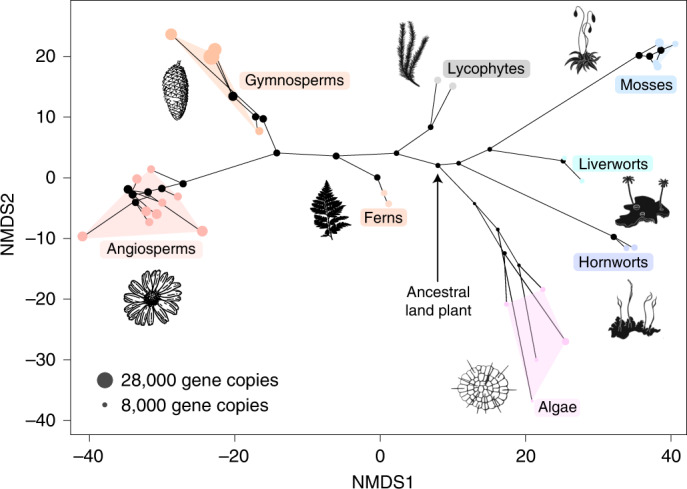
“Our results therefore agree that a view of bryophytes as primitive plants may mislead inferences of ancestral gene content or character evolution 20,61 .”
ResultFOSSIL OPHIOGLOSSALES IN THE PALEOCENE OF WESTERN NORTH AMERICA
Rothwell, G. W., & Stockey, R. A. (1989) · American Journal of Botany · doi:10.1002/j.1537-2197.1989.tb11359.x · Cited by 57
A Lower Cretaceous (Valanginian) seed cone provides the earliest fossil record for Picea (Pinaceae)
Klymiuk, A. A., & Stockey, R. A. (2012) · American Journal of Botany · doi:10.3732/ajb.1100568 · Cited by 56
Ryberg, P. E., Rothwell, G. W., Stockey, R. A., Hilton, J. M., Mapes, G., & Riding, J. B. (2012) · International Journal of Plant Sciences · doi:10.1086/667228 · Cited by 55
Riding, J. B. (2005) · Palynology · doi:10.1080/01916122.2005.9989605 · Cited by 50
Lerbekmo, J. F. (1985) · Bulletin of Canadian Petroleum Geology · doi:10.35767/gscpgbull.33.2.213 · Cited by 49
The Rhaetian flora of Rögla, northern Scania, Sweden
Pott, C., & McLoughlin, S. (2011) · Palaeontology · doi:10.1111/j.1475-4983.2011.01090.x · Cited by 49
Lantz, T. C., Rothwell, G. W., & Stockey, R. A. (1999) · Journal of Plant Research · doi:10.1007/pl00013890 · Cited by 48
Origin and evolution of green plants in the light of key evolutionary events
Zhang, Z., Ma, X., Liu, Y., Yang, L., Shi, X., Wang, H., Diao, R., & Zhong, B. (2022) · Journal of Integrative Plant Biology · doi:10.1111/jipb.13224 · Cited by 47 · cited 2×
“Some recent studies of the timing of land plant evolution have argued that fossil calibrations should not exert undue influence over divergence time estimates 23,40 .”
BackgroundFossil evidence of core monocots in the Early Cretaceous
Coiffard, C., Kardjilov, N., Manke, I., & Bernardes-de-Oliveira, M. E. C. (2019) · Nature Plants · doi:10.1038/s41477-019-0468-y · Cited by 47
Poty, É., Aretz, M., & Hance, L. (2013) · Geological Magazine · doi:10.1017/s0016756813000587 · Cited by 47
Glasspool, I. J., Hilton, J. M., Collinson, M. E., Wang, S., & Li-Cheng-Sen (2004) · Palaeogeography Palaeoclimatology Palaeoecology · doi:10.1016/j.palaeo.2003.12.002 · Cited by 47
Konopka, A. S., Herendeen, P. S., & Crane, P. R. (1997) · International Journal of Plant Sciences · doi:10.1086/297459 · Cited by 46
Griffing, D. H., Bridge, J., & Hotton, C. L. (2000) · Geological Society London Special Publications · doi:10.1144/gsl.sp.2000.180.01.05 · Cited by 45
The leafy liverwort Frullania (Jungermanniopsida) in the Cretaceous amber forest of Myanmar
Heinrichs, J., Reiner-Drehwald, M. E., Feldberg, K., von Konrat, M., Hentschel, J., Váňa, J., Grimaldi, D. A., Nascimbene, P. C., & Schmidt, A. R. (2011) · Review of Palaeobotany and Palynology · doi:10.1016/j.revpalbo.2011.10.002 · Cited by 45
MIOCENE COMMUNITIES AND PALEOENVIRONMENTS OF SOUTHERN COSTA RICA
Graham, A. (1987) · American Journal of Botany · doi:10.1002/j.1537-2197.1987.tb12142.x · Cited by 44
Early Eocene Ripogonum (Liliales: Ripogonaceae) leaf macrofossils from southern Australia
Conran, J. G., Carpenter, R. J., & Jordan, G. J. (2009) · Australian Systematic Botany · doi:10.1071/sb08050 · Cited by 41
Bomfleur, B., Schöner, R., Schneider, J. W., Viereck, L. G., Kerp, H., & McKellar, J. L. (2014) · Review of Palaeobotany and Palynology · doi:10.1016/j.revpalbo.2014.04.002 · Cited by 40
Sporophytes and gametophytes of Dicranaceae from the Santonian (Late Cretaceous) of Georgia, USA
Konopka, A. S., Herendeen, P. S., & Crane, P. R. (1998) · American Journal of Botany · doi:10.2307/2446542 · Cited by 40
Rubinstein, C. V., & Vajda, V. (2019) · GFF · doi:10.1080/11035897.2019.1636860 · Cited by 38
Hao, S., Xue, J., Wang, Q., & Liu, Z. (2007) · International Journal of Plant Sciences · doi:10.1086/520727 · Cited by 36
New fossil bryophytes from the Triassic Madygen Lagerstätte (SW Kyrgyzstan)
Moisan, P., Voigt, S., Schneider, J. W., & Kerp, H. (2012) · Review of Palaeobotany and Palynology · doi:10.1016/j.revpalbo.2012.08.009 · Cited by 35
Accurate timetrees require accurate calibrations
Hedges, S. B., Tao, Q., Walker, M., & Kumar, S. (2018) · Proceedings of the National Academy of Sciences · doi:10.1073/pnas.1812558115 · Cited by 34 · cited 4×
“…to convert branch lengths into units of geological time, allowing us to perform time-consistent reconciliations (that is, to prevent reconciliations in The role and influence of fossil calibrations in molecular clock studies, especially maximum age calibrations, remain controversial 23,39,40 .”
BackgroundInfluentialGao, B., Wang, L., Oliver, M. J., Chen, M., & Zhang, J. (2020) · Plant Methods · doi:10.1186/s13007-020-00609-1 · Cited by 34 · cited 2×
“11–14).”
The extant liverwort Gackstroemia (Lepidolaenaceae, Porellales) in Cretaceous amber from Myanmar
Heinrichs, J., Schäfer‐Verwimp, A., Feldberg, K., & Schmidt, A. R. (2014) · Review of Palaeobotany and Palynology · doi:10.1016/j.revpalbo.2014.01.004 · Cited by 33
Plant Evolution: Phylogenetic Relationships between the Earliest Land Plants
Rensing, S. A. (2018) · Current Biology · doi:10.1016/j.cub.2018.01.034 · Cited by 32 · cited 1×
“Neither lineage occupies an ancestral position, with lineage-specific gene gain and loss events driving high disparity in both bryophytes and tracheophytes, reinforcing the view that there are no extant embryophytes that uniquely preserve the ancestral state 20,21,60 .”
BackgroundAmato, J. M., Mack, G. H., Jonell, T. N., Seager, W. R., & Upchurch, G. R. (2017) · Geological Society of America Bulletin · doi:10.1130/b31629.1 · Cited by 32
Passalia, M. G., Llorens, M., Césari, S. N., Limarino, C. O., Loinaze, V. S. P., & Vera, E. I. (2015) · Cretaceous Research · doi:10.1016/j.cretres.2015.11.004 · Cited by 32
Sousa, F., Civáň, P., Foster, P. G., & Cox, C. J. (2020) · Frontiers in Plant Science · doi:10.3389/fpls.2020.01062 · Cited by 31 · cited 3×
“Indeed, outgroup-rooting analyses using different models 20,33 , datasets and molecules (that is, chloroplast, mitochondrial or nuclear sequences 22,28 ) have provided support for conflicting hypotheses about the earliest-branching lineages and the nature of the ancestral land plant.”
MethodResultInferring the Deep Past from Molecular Data
Williams, T. A., Schrempf, D., Szöllősi, G. J., Cox, C. J., Foster, P. G., & Embley, T. M. (2021) · Genome Biology and Evolution · doi:10.1093/gbe/evab067 · Cited by 31 · cited 1×
“However, rooting phylogenies with an out-group can influence the ingroup topology due to long-branch attraction (LBA) 29–31 , where distantly related or fast-evolving taxa artifactually branch with the outgroup.”
BackgroundSelf-citationThe first fossil of Lindsaeaceae (Polypodiales) from the Cretaceous amber forest of Myanmar
Regalado, L., Schmidt, A. R., Müller, P., Kobbert, M. J., Schneider, H., & Heinrichs, J. (2016) · Cretaceous Research · doi:10.1016/j.cretres.2016.12.003 · Cited by 31
Bauret, L., Field, A. R., Gaudeul, M., Selosse, M., & Rouhan, G. (2018) · Molecular Phylogenetics and Evolution · doi:10.1016/j.ympev.2018.05.004 · Cited by 31
Selaginella was hyperdiverse already in the Cretaceous
Schmidt, A. R., Regalado, L., Weststrand, S., Korall, P., Sadowski, E., Schneider, H., Jansen, E. R., Bechteler, J., Krings, M., Müller, P., et al. (2020) · New Phytologist · doi:10.1111/nph.16600 · Cited by 31
Checklist of fossil liverworts suitable for calibrating phylogenetic reconstructions
Feldberg, K., Gradstein, S. R., Gröhn, C., Heinrichs, J., von Konrat, M., Mamontov, Y. S., Renner, M. A. M., ROTH, M., Schäfer‐Verwimp, A., Sukkharak, P., et al. (2021) · Bryophyte Diversity and Evolution · doi:10.11646/bde.43.1.6 · Cited by 28
Toledo, S., Bippus, A. C., Atkinson, B. A., Bronson, A. W., & Tomescu, A. M. F. (2021) · New Phytologist · doi:10.1111/nph.17511 · Cited by 28
Bechteler, J., Schmidt, A. R., Renner, M. A. M., Wáng, B., Pérez-Escobar, O. A., Schäfer‐Verwimp, A., Feldberg, K., & Heinrichs, J. (2017) · Fossil record · doi:10.5194/fr-20-201-2017 · Cited by 27
Harris, T. M. (1931) · Biological reviews/Biological reviews of the Cambridge Philosophical Society · doi:10.1111/j.1469-185x.1931.tb01024.x · Cited by 27
Loiseau, O., Weigand, A., Noben, S., Rolland, J., Silvestro, D., Kessler, M. R., Lehnert, M., & Salamin, N. (2019) · Annals of Botany · doi:10.1093/aob/mcz145 · Cited by 26
Bromfield, K. E., Burrett, C., Leslie, R. A., & Meffre, S. (2007) · Australian Journal of Earth Sciences · doi:10.1080/08120090701488297 · Cited by 26
Bippus, A. C., Stockey, R. A., Rothwell, G. W., & Tomescu, A. M. F. (2017) · American Journal of Botany · doi:10.3732/ajb.1700002 · Cited by 26
Eberth, D. A., & Kamo, S. L. (2019) · Canadian Journal of Earth Sciences · doi:10.1139/cjes-2018-0098 · Cited by 26
Wang, Y., Guignard, G., & Barale, G. (1999) · International Journal of Plant Sciences · doi:10.1086/314178 · Cited by 25
Hentschel, J., Schmidt, A. R., & Heinrichs, J. (2009) · GoeScholar The Publication Server of the Georg-August-Universität Göttingen (Georg-August-Universität Göttingen) · Cited by 25
Rowe, N. P. (1988) · Botanical Journal of the Linnean Society · doi:10.1111/j.1095-8339.1988.tb02457.x · Cited by 25
Elsner, M., Schöner, R., Gerdes, A., & Gaupp, R. (2013) · Geological Society London Special Publications · doi:10.1144/sp383.5 · Cited by 24
McIver, E. E. (1994) · Canadian Journal of Botany · doi:10.1139/b94-220 · Cited by 24
Relative Time Constraints Improve Molecular Dating
Szöllõsi, G. J., Höhna, S., Williams, T. A., Schrempf, D., Daubin, V., & Boussau, B. (2022) · Systematic Biology · doi:10.1093/sysbio/syab084 · Cited by 23
Self-citationRocha, H. V., Mendes, M., Pereira, Z., Rodrigues, C. F. A., Fernandes, P., Lopes, G., Sant’Anna, L. G., Tassinari, C. C. G., & de Sousa, M. J. L. (2020) · Journal of South American Earth Sciences · doi:10.1016/j.jsames.2020.102631 · Cited by 23
McIver, E. E., & Basinger, J. F. (1989) · Canadian Journal of Botany · doi:10.1139/b89-376 · Cited by 22
Savoretti, A., Bippus, A. C., Stockey, R. A., Rothwell, G. W., & Tomescu, A. M. F. (2018) · Annals of Botany · doi:10.1093/aob/mcy015 · Cited by 22
Nannofossils and Upper Cretaceous (sub-)stage boundaries - state of the art.
Lees, J. A. (1996) · Journal of Nannoplankton Research · doi:10.58998/jnr2041 · Cited by 22
PINUS TRIPHYLLA AND PINUS QUINQUEFOLIA FROM THE UPPER CRETACEOUS OF MASSACHUSETTS
Robison, C. R. (1977) · American Journal of Botany · doi:10.1002/j.1537-2197.1977.tb11914.x · Cited by 21
Cibotium tasmanense sp. nov., A fossil tree-fern from the Tertiary of Tasmania
Gould, R. E. (1972) · Australian Journal of Botany · doi:10.1071/bt9720119 · Cited by 21
Provincial Devonian spores from South China, Saudi Arabia and Australia
Marshall, J. E. A., Zhu, H., Wellman, C. H., Berry, C. M., Wang, Y., Xu, H., & Breuer, P. (2016) · Revue de Micropaléontologie · doi:10.1016/j.revmic.2016.10.003 · Cited by 21
Chen, J., & Wang, N. (2018) · Acta Mechanica Sinica · doi:10.1007/s10409-018-0814-8 · Cited by 20 · cited 1×
“Exosomes and complex cytoskeletons are essential for multicellular organisms to function 43,44 , and the inferred loss of these gene families is consistent with the hypothesis that the body plan of the algal ancestor of embryophytes was multicellular 5 , rather than possessing the single-cell or…”
BackgroundFlores, J. R., Bippus, A. C., Suárez, G. M., & Hyvönen, J. (2020) · Cladistics · doi:10.1111/cla.12442 · Cited by 20
Cassell, D. T., & Gupta, B. K. S. (1989) · The Journal of Foraminiferal Research · doi:10.2113/gsjfr.19.1.52 · Cited by 19
Bauert, H., Isozaki, Y., Holmer, L. E., Aoki, K., Sakata, S., & Hirata, T. (2014) · GFF · doi:10.1080/11035897.2013.862854 · Cited by 18
On Diettertia, an isolated mesozoic member of the Jungermanniales
Schuster, R. M., & Janssens, J. A. (1989) · Review of Palaeobotany and Palynology · doi:10.1016/0034-6667(89)90025-0 · Cited by 18
Lerbekmo, J. F., & Sweet, A. R. (2007) · Bulletin of Canadian Petroleum Geology · doi:10.2113/gscpgbull.56.2.118 · Cited by 17
Shelton, G. W. K., Stockey, R. A., Rothwell, G. W., & Tomescu, A. M. F. (2016) · International Journal of Plant Sciences · doi:10.1086/688707 · Cited by 17
Markevich, V. S., & Bugdaeva, E. V. (2009) · Russian Journal of Pacific Geology · doi:10.1134/s1819714009030087 · Cited by 16
Wanted dead or alive (probably dead): Stem group Polytrichaceae
Bippus, A. C., Escapa, I. H., & Tomescu, A. M. F. (2018) · American Journal of Botany · doi:10.1002/ajb2.1096 · Cited by 16
A new species of Osmundacaulis (O. jonesii sp. nov.) from Tasmania, Australia
Tidwell, W. D. (1987) · Review of Palaeobotany and Palynology · doi:10.1016/0034-6667(87)90054-6 · Cited by 14
Middle–Late Jurassic fossils from northeastern China reveal morphological stasis in the catkin-yew
Dong, C., Shi, G., Herrera, F. A., Wang, Y., Herendeen, P. S., & Crane, P. R. (2020) · National Science Review · doi:10.1093/nsr/nwaa138 · Cited by 14
Fossil flora of the Drybrook sandstone in the forest of Dean, Gloucestershire
Lele, K. M., & Walton, J. (1962) · Bulletin of the British Museum (Natural History) Geology · doi:10.5962/p.313873 · Cited by 13
Cited by
Genomes of multicellular algal sisters to land plants illuminate signaling network evolution
Feng, X., Zheng, J., Irisarri, I., Yu, H., Zheng, B., Ali, Z. M., de Vries, S., Keller, J., Fürst‐Jansen, J. M. R., Dadras, A., et al. (2024) · Nature Genetics · doi:10.1038/s41588-024-01737-3 · Cited by 134
“The reconstruction of ancestral gene content is a powerful means to explain the evolution of plant form and function as well as biological novelty 81 .”
Bechteler, J., Peñaloza-Bojacá, G. F., Bell, D., Burleigh, J. G., McDaniel, S. F., Davis, E., Sessa, E. B., Bippus, A. C., Cargill, D. C., Chantanaorrapint, S., et al. (2023) · American Journal of Botany · doi:10.1002/ajb2.16249 · Cited by 130
ATP synthase evolution on a cross-braced dated tree of life
Mahendrarajah, T. A., Moody, E. R. R., Schrempf, D., Szánthó, L. L., Dombrowski, N., Davín, A. A., Pisani, D., Donoghue, P. C. J., Szöllősi, G. J., Williams, T. A., et al. (2023) · Nature Communications · doi:10.1038/s41467-023-42924-w · Cited by 86
Self-citationGenome evolution in plants and the origins of innovation
Clark, J. (2023) · New Phytologist · doi:10.1111/nph.19242 · Cited by 77
Self-citationA geological timescale for bacterial evolution and oxygen adaptation
Davín, A., Woodcroft, B. J., Soo, R. M., Morel, B., Murali, R., Schrempf, D., Clark, J., Álvarez-Carretero, S., Boussau, B., Moody, E. R. R., et al. (2025) · Science · doi:10.1126/science.adp1853 · Cited by 84
Self-citation
Metadata
- Authors
- Harris, B. J., Clark, J. W., Schrempf, D., Szöllősi, G. J., Donoghue, P. C. J., Hetherington, A. M., & Williams, T. A.
- Affiliations
- University of Bristol (GB)
- Eötvös Loránd University (HU)
- Corresponding author
- Williams, Tom A.
- ORCID
- Venue
- Nature Ecology & Evolution
- Published
- 2022-09-29
- Volume
- 6
- Issue
- 11
- Pages
- 1634-1643
- ISSN
- 2397-334X (ISSN-L)
- PMC
- PMC9630106
- OpenAlex
- W4297996490
- Cited by
- 187
- References
- 213
- Citations by year
- 2026: 36 · 2025: 55 · 2024: 47 · 2023: 46 · 2022: 3
- FWCI
- 31.49
- Type
- journal article
- Language
- en
- Open access
- hybrid
- doi.org
- Licence
- cc-by
- creativecommons.org/licenses/by/4.0 (tdm)
- creativecommons.org/licenses/by/4.0 (vor)
- Locations
- Nature Ecology & Evolution (publishedVersion, cc-by)
- bioRxiv (Cold Spring Harbor Laboratory) (acceptedVersion, cc-by-nc)
- PubMed Central (publishedVersion, cc-by)
- PubMed (publishedVersion)
- ELTE Digital Institutional Repository (EDIT) (Eötvös Loránd University) (submittedVersion, other-oa)
- Explore Bristol Research (submittedVersion, cc-by)
- Funders
- Gordon and Betty Moore Foundation (GBMF9741)
- New Phytologist Trust
- Leverhulme Trust (RPG-2019, RPG‐2019‐004)
- European Commission (HORIZON2020, 714774, 201024)
- National Natural Science Foundation of China
- Technische Universität Bergakademie Freiberg
- Directorate for Biological Sciences
- Biotechnology and Biological Sciences Research Council (BB/T012773, BB/N000919/1, BB/T012773/1)
- Natural Environment Research Council (NE/P013678/1, NE/N003438/1, NE/P00251X/1)
- Topics
- Life Sciences › Agricultural and Biological Sciences › Ecology, Evolution, Behavior and Systematics › Plant Diversity and Evolution
- Life Sciences › Agricultural and Biological Sciences › Ecology, Evolution, Behavior and Systematics › Bryophyte Studies and Records
- Life Sciences › Biochemistry, Genetics and Molecular Biology › Genetics › Chromosomal and Genetic Variations
- Keywords
- plant origin, bryophytes, vascular plants, land plants, phylogenomics, gene family evolution, genome reduction, vascularization, stomatal complex, fossil calibration, horizontal gene transfer, monophyly, character evolution
- MeSH terms
- Biological Evolution, Fossils, Phylogeny, Plants, Embryophyta, Tracheophyta
About these checks
Registry, retraction, Cites and statistics results are computed, not judged, with one exception: a printed reference that no index lists is read once by a model before it counts as a citation error. Claims are extracted by a model and kept only when their quote appears verbatim in the text; each cited source is then checked, with a model’s help, for whether it says what the claim relies on. Those verdicts can be wrong — read the claim’s quote and the cited source before relying on one.
Statistics and arithmetic are recomputed, not judged.
Confidence bands are shown only for fields calibrated on our annotated test set. None is calibrated yet, so no band is shown.
What counts as a claim ›How we measure confidence ›How we check this ›
Are you an author, or do you see a problem with this page? Request a review
Data sources
Bibliographic data: Semantic Scholar, OpenAlex, Crossref.
Contains information from the Semantic Scholar Academic Graph Datasets, made available under the ODC Attribution License (ODC-BY 1.0).
Semantic Scholar’s data is described in: Kinney, R., et al. (2023). The Semantic Scholar Open Data Platform. arXiv:2301.10140.
