

Anti-obesity drug discovery: advances and challenges
Open accessThe DOI matches its Crossref record; 344 of the 344 references it cites were found in a registry or an index.
Abstract
Enormous progress has been made in the last half-century in the management of diseases closely integrated with excess body weight, such as hypertension, adult-onset diabetes and elevated cholesterol. However, the treatment of obesity itself has proven largely resistant to therapy, with anti-obesity medications (AOMs) often delivering insufficient efficacy and dubious safety. Here, we provide an overview of the history of AOM development, focusing on lessons learned and ongoing obstacles. Recent advances, including increased understanding of the molecular gut–brain communication, are inspiring the pursuit of next-generation AOMs that appear capable of safely achieving sizeable and sustained body weight loss. The development of therapies that are capable of safely achieving sizeable and sustained body weight loss has proved tremendously challenging. Here, Müller et al. provide an overview of the history of anti-obesity drug development, focusing on lessons learned, ongoing challenges and recent advances in the field.
Overview
The claims and statistics of this paper haven’t been checked yet.
Free: it reads the open-access text and checks the first 5 claims that cite a source we can check. Create a free account to check every claim.
Integrity signals
Registry
Cites
Statistics
Figures
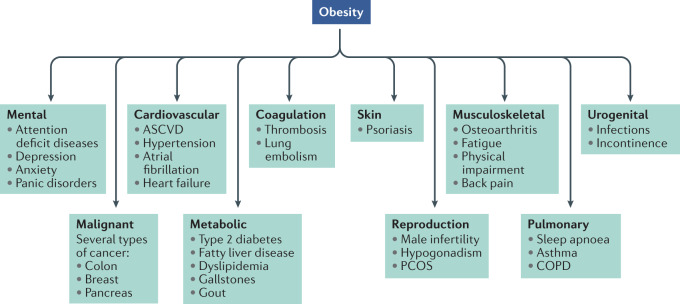
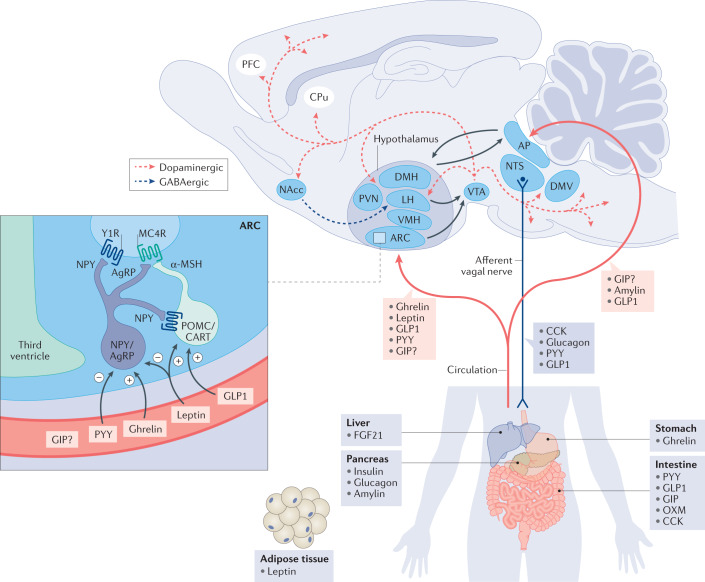
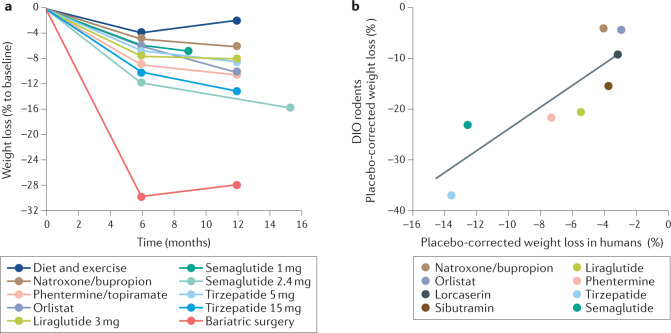
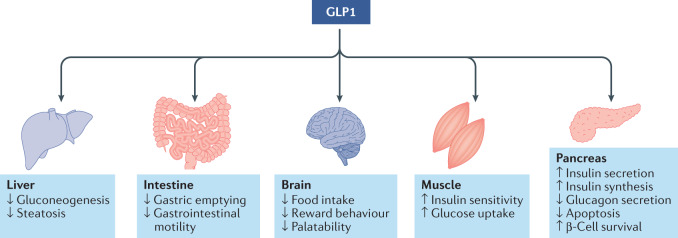
Verification
Claims the paper makes
The claims and statistics of this paper haven’t been checked yet.
Free: it reads the open-access text and checks the first 5 claims that cite a source we can check. Create a free account to check every claim.
Claims other papers make about this one
Each is checked against this paper’s own text: does it say what the citing paper says it does?
The source backs part of the claim, not all of it — or backs it for a different population, condition or comparison.
In the citing paper
“The regulation of body weight is orchestrated primarily by the brain and adipose tissue (Figure 1), which constantly integrate information related to the body’s energetic state to adjust food intake, satiety and energy balance8,10.”
From Transforming obesity: The advancement of multi-receptor drugs (2024) · cites this paper as [8]
Experimental — accuracy not yet measuredThe source backs part of the claim, not all of it — or backs it for a different population, condition or comparison.
In the citing paper
“Beyond its role in glucose metabolism, GLP-1 is known to possess cardio- and neuroprotective effects, reduce cellular apoptosis and inflammation, and modulate reward behavior and palatability8,55 (Figure 1).”
From Transforming obesity: The advancement of multi-receptor drugs (2024) · cites this paper as [8]
Experimental — accuracy not yet measuredThe source backs part of the claim, not all of it — or backs it for a different population, condition or comparison.
In the citing paper
“However, despite appreciable weight loss of ~5-8% in the short term, such lifestyle interventions have only limited potential for sustained weight reduction, particularly when utilized as a stand-alone therapy8.”
From Transforming obesity: The advancement of multi-receptor drugs (2024) · cites this paper as [8]
Experimental — accuracy not yet measuredThe source backs part of the claim, not all of it — or backs it for a different population, condition or comparison.
In the citing paper
“Consistent with this model is a battery of preclinical and clinical studies demonstrating that weight loss induced by GLP-1R agonism is enhanced when adjunctively administered with glucagon, GIP, amylin, CCK or FGF21, which can be achieved as co-therapy, or in a unimolecular polyagonist formulation8.”
From Transforming obesity: The advancement of multi-receptor drugs (2024) · cites this paper as [8]
Experimental — accuracy not yet measuredThe source backs part of the claim, not all of it — or backs it for a different population, condition or comparison.
In the citing paper
“However, most of these efforts have been plagued with significant adverse effects and/or limited efficacy which has resulted in the withdrawal and discontinued use for the majority of these medications [5].”
From Dual and Triple Incretin-Based Co-agonists: Novel Therapeutics for Obesity and Diabetes (2024) · cites this paper as [5]
Experimental — accuracy not yet measured
13 more claims about this paper
Create a free account to see every claim other papers make about this one.
Self-check
Percentages, sums and reported differences re-computed from the paper’s own numbers.
The self-check needs the paper’s full text.
Citations
Cites
Reduction in the incidence of type 2 diabetes with lifestyle intervention or metformin
(2002) · New England Journal of Medicine · doi:10.1056/nejmoa012512 · Cited by 19,011
Positional cloning of the mouse obese gene and its human homologue
Zhang, Y., Proenca, R., Maffei, M., Barone, M., Leopold, L., & Friedman, J. M. (1994) · Nature · doi:10.1038/372425a0 · Cited by 13,419
The metabolic phenotype in obesity: Fat mass, body fat distribution, and adipose tissue function
Goossens, G. H. (2017) · Obesity Facts · doi:10.1159/000471488 · Cited by 8,481
Molecular Mechanisms of Depression: Perspectives on New Treatment Strategies
Lang, U. E., & Borgwardt, S. (2013) · Cellular Physiology and Biochemistry · doi:10.1159/000350094 · Cited by 8,475
Health effects of overweight and obesity in 195 countries over 25 years
Collaborators, T. G. 2. O. (2017) · New England Journal of Medicine · doi:10.1056/nejmoa1614362 · Cited by 7,918
Overweight, obesity, and mortality from cancer in a prospectively studied cohort of U.S. Adults
Calle, E. E., Rodriguez, C., Walker-Thurmond, K., & Thun, M. J. (2003) · New England Journal of Medicine · doi:10.1056/nejmoa021423 · Cited by 7,696
Liraglutide and Cardiovascular Outcomes in Type 2 Diabetes
Marso, S. P., Daniels, G. H., Brown-Frandsen, K., Kristensen, P., Mann, J. F. E., Nauck, M. A., Nissen, S. E., Pocock, S., Poulter, N. R., Ravn, L. S., et al. (2016) · New England Journal of Medicine · doi:10.1056/nejmoa1603827 · Cited by 7,629
Genetics of Food Intake Self-Regulation in Childhood: Literature Review and Research Opportunities
Faith, M. S., Carnell, S., & Kral, T. V. E. (2013) · Human Heredity · doi:10.1159/000353879 · Cited by 7,601
Semaglutide and Cardiovascular Outcomes in Patients with Type 2 Diabetes
Marso, S. P., Bain, S. C., Consoli, A., Eliaschewitz, F. G., Jódar, E., Leiter, L. A., Lingvay, I., Rosenstock, J., Seufert, J., Warren, M. L., et al. (2016) · New England Journal of Medicine · doi:10.1056/nejmoa1607141 · Cited by 6,900
Brown Adipose Tissue: Function and Physiological Significance
CANNON, B., & NEDERGAARD, J. (2004) · Physiological Reviews · doi:10.1152/physrev.00015.2003 · Cited by 6,433
Research works printed but not linked: 1
- Farooqi S O’Rahilly S Genetics of obesity in humans Endocr. Rev. 2006 27 710 718 10.1210/er.2006-0040 17122358 · DOI · Paper page
Cited by
Items 101–200 of 1,001
Brain control of energy homeostasis: implications for anti-obesity pharmacotherapy
Johansen, V. B. I., Petersen, J., Lund, J., Mathiesen, C. V., Fenselau, H., & Clemmensen, C. (2025) · Cell · doi:10.1016/j.cell.2025.06.010 · Cited by 53
Bone health in adults with obesity before and after interventions to promote weight loss
Paccou, J., & Compston, J. E. (2024) · The Lancet Diabetes & Endocrinology · doi:10.1016/s2213-8587(24)00163-3 · Cited by 55
Acute and long-term effects of psilocybin on energy balance and feeding behavior in mice
Fadahunsi, N., Lund, J. T., Breum, A. W., Mathiesen, C. V., Larsen, I. B., Knudsen, G. M., Klein, A. B., & Clemmensen, C. (2022) · Translational Psychiatry · doi:10.1038/s41398-022-02103-9 · Cited by 54
The Sympathetic Innervation of Adipose Tissues: Regulation, Functions, and Plasticity
Willows, J. W., Blaszkiewicz, M., & Townsend, K. L. (2023) · Comprehensive physiology · doi:10.1002/cphy.c220030 · Cited by 56
NK2R control of energy expenditure and feeding to treat metabolic diseases
Sass, F., Ma, T., Ekberg, J. H., Kirigiti, M. A., García‐Ureña, M., Dollet, L., Brown, J. M., Basse, A. L., Yacawych, W. T., Burm, H. B., et al. (2024) · Nature · doi:10.1038/s41586-024-08207-0 · Cited by 52
Zhang, L., Li, C., Zhang, Z., Zhang, Z., Jin, Q., Li, L., & Hölscher, C. (2022) · Parkinson s Disease · doi:10.1155/2022/1428817 · Cited by 61
“Analogues of GLP-1 have been developed as a treatment for type 2 diabetes (T2DM) [26, 27] and to improve insulin signaling in T2DM [28–31].”
Perera, R. M. T. D., Herath, K. H. I. N. M., Sanjeewa, K. K. A., & Jayawardena, T. U. (2023) · Life · doi:10.3390/life13061411 · Cited by 55
“It can increase the risk of many health conditions including type II diabetes, cardiovascular diseases, osteoarthritis, and cancer of the esophagus, colon, rectum, liver, gallbladder, pancreas, and kidney [53].”
BackgroundA Comprehensive Review of Phytonutrients as a Dietary Therapy for Obesity
Siddiqui, S. A., Harahap, I. A., Suthar, P., Wu, Y. S., Ghosh, N., & Castro‐Muñoz, R. (2023) · Foods · doi:10.3390/foods12193610 · Cited by 50
Yang, Z., Chen, F., Zhang, Y., Ou, M., Tan, P., Xu, X., Li, Q., & Zhou, S. (2024) · MedComm · doi:10.1002/mco2.560 · Cited by 52
“265 Therefore, it is important to develop safe and effective prevention strategies and remedies for obesity.”
BackgroundChen, Z., Deng, X., Shi, C., Jing, H., Tian, Y., Zhong, J., Chen, G., Xu, Y., Luo, Y., & Zhu, Y. (2024) · Journal of Clinical Investigation · doi:10.1172/jci178239 · Cited by 48
Is Glucagon Receptor Activation the Thermogenic Solution for Treating Obesity?
Conceição-Furber, E., Coskun, T., Sloop, K. W., & Samms, R. J. (2022) · Frontiers in Endocrinology · doi:10.3389/fendo.2022.868037 · Cited by 48
Incretin-based therapies for the treatment of obesity-related diseases
Caruso, I., Cignarelli, A., Sorice, G. P., Perrini, S., & Giorgino, F. (2024) · npj Metabolic Health and Disease · doi:10.1038/s44324-024-00030-5 · Cited by 48
“Lifestyle interventions, mostly aiming at diet and physical activity improvement, represent the foundation of obesity treatment, yet an escalation to pharmacological and/or surgical interventions is often needed 5 .”
Mima, A., Nomura, A., & Fujii, T. (2023) · Biomedicine & Pharmacotherapy · doi:10.1016/j.biopha.2023.115032 · Cited by 49
Emerging Frontiers in GLP-1 Therapeutics: A Comprehensive Evidence Base (2025)
Patel, S., & Niazi, S. K. (2025) · Pharmaceutics · doi:10.3390/pharmaceutics17081036 · Cited by 54
“The GLP-1 receptor, a class B G protein-coupled receptor with widespread tissue distribution including pancreatic islets, the central and peripheral nervous systems, cardiovascular tissues, kidneys, lungs, and gastrointestinal tract, mediates diverse physiological effects when activated [5–7].”
Metabolic Messengers: glucagon
MacDonald, P. E., & Rorsman, P. (2023) · Nature Metabolism · doi:10.1038/s42255-022-00725-3 · Cited by 43
Sztanek, F., Tóth, L. I., Pető, A., Hernyák, M., Diószegi, Á., & Harangi, M. (2024) · Biomedicines · doi:10.3390/biomedicines12061320 · Cited by 47
“Several unimolecular dual or triple agonist proteins are also currently being studied, including those based on the action of the oxyntomodulin hormone, such as survodutide, pemvidutide, and mazdutide, which show promising weight-reducing effects [114].”
BackgroundJagtap, U. A., & Paul, A. T. (2023) · Drug Discovery Today · doi:10.1016/j.drudis.2023.103717 · Cited by 47
Gasiorek, A., Heydorn, A., Gabery, S., Hjerpsted, J. B., Kirkeby, K., Kruse, T., Petersen, S. B., Toubro, S., Vegge, A., & Key, C. (2025) · The Lancet · doi:10.1016/s0140-6736(25)01176-6 · Cited by 46
Friedrichsen, M. H., Endahl, L., Kreiner, F. F., Goldwater, R., Kankam, M., Toubro, S., & Nygård, S. B. (2023) · Molecular Metabolism · doi:10.1016/j.molmet.2023.101801 · Cited by 46
Carbone, F., Després, J., Ioannidis, J. P. A., Neeland, I. J., Garruti, G., Busetto, L., Liberale, L., Ministrini, S., Vilahur, G., Schindler, T. H., et al. (2025) · European Journal of Clinical Investigation · doi:10.1111/eci.70059 · Cited by 57
Chin, Y. H., Ng, C. H., Chew, N., Kong, G., Lim, W. H., Tan, D. J. H., Chan, K. E., Tang, A. S. P., Huang, D. Q., Chan, M. Y., et al. (2022) · EClinicalMedicine · doi:10.1016/j.eclinm.2022.101685 · Cited by 46
Artesunate treats obesity in male mice and non-human primates through GDF15/GFRAL signalling axis
Guo, X., Asthana, P., Zhai, L., Cheng, K. W., Gurung, S., Huang, J., Wu, J., Zhang, Y., Mahato, A. K., Saarma, M., et al. (2024) · Nature Communications · doi:10.1038/s41467-024-45452-3 · Cited by 47
Obesity and Weight Loss Strategies for Patients With Heart Failure
Vest, A. R., Schauer, P. R., Rodgers, J. E., Sanderson, E., LaChute, C., Seltz, J., Lavie, C. J., Mandras, S. A., Tang, W. H. W., & daSilva‐deAbreu, A. (2024) · JACC Heart Failure · doi:10.1016/j.jchf.2024.06.006 · Cited by 47
Madsbad, S., & Holst, J. J. (2025) · Expert Opinion on Investigational Drugs · doi:10.1080/13543784.2025.2472408 · Cited by 43
“The exact mechanism of action of tirzepatide is incompletely understood, but the incorporation of GIP may change its GLP-1 activity (biased agonism), but may also attenuate the GLP-1 induced adverse effects [8,69,70] allowing higher doses to be used.”
GLP-1 and the Neurobiology of Eating Control: Recent Advances
Jones, L. A., & Brierley, D. I. (2025) · Endocrinology · doi:10.1210/endocr/bqae167 · Cited by 43
“%) and side effects which are compliance-limiting, and in some cases life-threatening (13).”
InfluentialLong-acting amylin analogues for the management of obesity
Mathiesen, D. S., Bagger, J. I., & Knop, F. K. (2022) · Current Opinion in Endocrinology, Diabetes & Obesity · doi:10.1097/med.0000000000000716 · Cited by 36
Szczerbiński, Ł., & Florez, J. C. (2023) · The Lancet Diabetes & Endocrinology · doi:10.1016/s2213-8587(23)00232-2 · Cited by 45
Zhong, Y., Xiao, Q., Huang, J., Yu, S., Chen, L., Wan, Q., Zhang, Z., Luo, L., Song, L., Zhao, H., et al. (2023) · Journal of Agricultural and Food Chemistry · doi:10.1021/acs.jafc.3c04811 · Cited by 42
Practical Lifestyle Management of Nonalcoholic Fatty Liver Disease for Busy Clinicians
Zelber‐Sagi, S., & Moore, J. B. (2024) · Diabetes Spectrum · doi:10.2337/dsi23-0009 · Cited by 43
“More than 25 antiobesity drugs have been withdrawn from markets worldwide because of serious adverse effects (66).”
BackgroundSievenpiper, J. L., Ard, J. D., Blüher, M., Chen, W., Dixon, J. B., Fitch, A., Gigliotti, L., Khunti, K., Lecube, A., Lean, M., et al. (2025) · Obesity Pillars · doi:10.1016/j.obpill.2025.100228 · Cited by 58
“…receptor agonists (RA) liraglutide in 2014 followed by two more potent GLP-1 based therapies (GBT), semaglutide (GLP-1RA) in 2021 and tir-zepatide (dual GLP-1/gastric inhibitory polypeptide RA) in 2023 [8,9] have led to a paradigm shift in the management of health conditions related to obesity.”
Self-citationFalk, S., Petersen, J., Svendsen, C., Leguizamón, C. R. R., Jørgensen, S. H., Krauth, N., Ludwig, M. Q., Lundø, K., Roostalu, U., Skovbjerg, G., et al. (2023) · Cell Reports · doi:10.1016/j.celrep.2023.112466 · Cited by 42
Vijayashankar, U., Ramashetty, R., Rajeshekara, M., Vishwanath, N., Yadav, A. K., Prashant, A., & Lokeshwaraiah, R. (2024) · Journal of Diabetes & Metabolic Disorders · doi:10.1007/s40200-024-01418-2 · Cited by 45
“Drugs that target ghrelin’s orexigenic or obesity-related properties have been actively developed by pharmaceutical companies [147].”
Añazco, D., & Acosta, A. J. (2024) · International Journal of Obesity · doi:10.1038/s41366-024-01599-z · Cited by 43
“Until recently, the development of safe and effective long-term pharmacotherapy for obesity remained elusive [19].”
Spurzem, G. J., Broderick, R. C., Kunkel, E. K., Hollandsworth, H. M., Sandler, B. J., Jacobsen, G. R., & Horgan, S. (2024) · Surgical Endoscopy · doi:10.1007/s00464-024-11192-0 · Cited by 44
Valencia-Rincón, E., Rai, R., Chandra, V., & Wellberg, E. A. (2025) · Journal of Clinical Investigation · doi:10.1172/jci194743 · Cited by 44
“Obesity is associated with comorbidities such as type 2 diabetes (T2D) and cancer (2, 3).”
Adrenergic modulation of melanocortin pathway by hunger signals
Sayar, N., Laule, C. F., Aklan, İ., Kim, H., Yavuz, Y., Ateş, T., Çoban, İ., Alkan, F. K., Rysted, J., Davis, D., et al. (2023) · Nature Communications · doi:10.1038/s41467-023-42362-8 · Cited by 42
The Regulatory Role of MicroRNAs in Obesity and Obesity-Derived Ailments
Benavides‐Aguilar, J. A., Torres‐Copado, A., Isidoro-Sánchez, J., Pathak, S., Duttaroy, A. K., Banerjee, A., & Paul, S. (2023) · Genes · doi:10.3390/genes14112070 · Cited by 41
A quick paster type of soluble nanoparticle microneedle patch for the treatment of obesity
Chen, S., Wang, J., Sun, L., Xia, F., Li, W., Yuan, L., Liu, C., Li, P., Bao, C., Wang, M., et al. (2024) · Biomaterials · doi:10.1016/j.biomaterials.2024.122687 · Cited by 40
Arabinoxylan Alleviates Obesity by Regulating Gut Microbiota and Bile Acid Metabolism
Lin, J., Liu, H., Sun, Y., Zou, J., Nie, Q., & Nie, S. (2024) · Journal of Agricultural and Food Chemistry · doi:10.1021/acs.jafc.4c06392 · Cited by 41
Larsen, A. T., Mohamed, K. E., Sonne, N., BREDTOFT, E.-M., Andersen, F., Karsdal, M. A., & Henriksen, K. (2022) · Biomedicine & Pharmacotherapy · doi:10.1016/j.biopha.2022.113842 · Cited by 43
Moetlediwa, M. T., Ramashia, R., Pheiffer, C., Titinchi, S. J. J., Mazibuko-Mbeje, S. E., & Jack, B. U. (2023) · International Journal of Molecular Sciences · doi:10.3390/ijms241814366 · Cited by 44
Mechanistic insights into the liver–brain axis during chronic liver disease
Siddle, M. R., Durán, R. G., Goel, D., Renquist, B. J., Holt, M. K., & Hadjihambi, A. (2025) · Nature Reviews Gastroenterology & Hepatology · doi:10.1038/s41575-025-01142-z · Cited by 41
“Importantly, pharmaceutical analogues of GLP1 used to treat obesity (for example, semaglutide) most likely circumvent vagal afferent signalling and act directly on receptors in the brain, as reviewed extensively elsewhere 79,80 .”
Ullah, M. I., & Tamanna, S. (2025) · Medicines · doi:10.3390/medicines12030019 · Cited by 38
“Building on this, triple-receptor agonists—targeting GLP-1, GIP, and glucagon receptors—are in phase 2 development and promise further synergistic gains by combining appetite suppression, increased energy expenditure, and enhanced lipid metabolism [112].”
Wu, M., Lyu, Y., Xu, H., Luo, H., Yin, X., & Zheng, H. X. (2024) · International Journal of Biological Macromolecules · doi:10.1016/j.ijbiomac.2024.130007 · Cited by 42
Purnell, J. Q., & le Roux, C. W. (2024) · Diabetes Obesity and Metabolism · doi:10.1111/dom.15478 · Cited by 42
Translational potential of mouse models of human metabolic disease
Farooqi, I. S., & Xu, Y. (2024) · Cell · doi:10.1016/j.cell.2024.07.011 · Cited by 40
Jensen, M., Sanni, S. J., Riber, D., Holst, J. J., ROSENKILDE, M. M., & Sparre‐Ulrich, A. H. (2024) · Molecular Metabolism · doi:10.1016/j.molmet.2024.102006 · Cited by 42
“Simultaneously targeting multiple obesity-related pathways is anticipated to yield more substantial weight loss outcomes [7,8].”
BackgroundThe Adipose Organ Is a Unitary Structure in Mice and Humans
Giordano, A., Cinti, F., Canese, R., Carpinelli, G., Colleluori, G., Vincenzo, A. D., Palombelli, G., Severi, I., Moretti, M., Redaelli, C., et al. (2022) · Biomedicines · doi:10.3390/biomedicines10092275 · Cited by 40
“For this reason, therapeutic strategies are urgently needed [35].”
BackgroundNutrient Regulation of Pancreatic Islet β-Cell Secretory Capacity and Insulin Production
Rohli, K. E., Boyer, C. K., Blom, S. E., & Stephens, S. B. (2022) · Biomolecules · doi:10.3390/biom12020335 · Cited by 41
Metabolic Syndrome: Lessons from Rodent and Drosophila Models
Vatashchuk, M., Bayliak, M. M., Hurza, V., Storey, K. B., & Lushchak, V. I. (2022) · BioMed Research International · doi:10.1155/2022/5850507 · Cited by 43
Factors of Obesity and Metabolically Healthy Obesity in Asia
Mathis, B. J., Tanaka, K., & Hiramatsu, Y. (2022) · Medicina · doi:10.3390/medicina58091271 · Cited by 39
Obesity and the gut microbiota: implications of neuroendocrine and immune signaling
Romaní‐Pérez, M., Liébana-García, R., Flor‐Duro, A., Bonillo‐Jiménez, D., Bullich‐Vilarrubias, C., Olivares, M., & Sanz, Y. (2024) · FEBS Journal · doi:10.1111/febs.17249 · Cited by 37
“However, many anti-obesity drugs have had to be withdrawn after approval due to severe adverse effects [25,35].”
InfluentialMicroRNAs: a crossroad that connects obesity to immunity and aging
Rakib, A., Kiran, S., Mandal, M., & Singh, U. P. (2022) · Immunity & Ageing · doi:10.1186/s12979-022-00320-w · Cited by 37
Development and validation of the Food Noise Questionnaire
Diktas, H. E., Cardel, M. I., Foster, G. D., LeBlanc, M. M., Dickinson, S. L., Ables, E. M., Chen, X., Nathan, R., Shapiro, D., & Martin, C. K. (2025) · Obesity · doi:10.1002/oby.24216 · Cited by 35
Savova, M. S., Todorova, M. N., Apostolov, A., Yahubyan, G. T., & Georgiev, M. I. (2022) · Biomedicine & Pharmacotherapy · doi:10.1016/j.biopha.2022.113862 · Cited by 38
Grunstein, R. R., Wadden, T. A., Chapman, J. L., Malhotra, A., & Phillips, C. L. (2023) · SLEEP · doi:10.1093/sleep/zsad224 · Cited by 38
Growth hormone-releasing hormone and its analogues in health and disease
Granata, R., Leone, S., Zhang, X., Gesmundo, I., Steenblock, C., Cai, R., Sha, W., Ghigo, E., Hare, J. M., Bornstein, S. R., et al. (2024) · Nature Reviews Endocrinology · doi:10.1038/s41574-024-01052-1 · Cited by 38
“In parallel with T2DM, metabolic diseases such as obesity and the metabolic syndrome are exponentially growing 108 .”
Vagus Nerve and Gut-Brain Communication
Wang, Y., Duan, C., Du, X., Zhu, Y. J., Wang, L., Hu, J., & Sun, Y. (2024) · The Neuroscientist · doi:10.1177/10738584241259702 · Cited by 44
Shi, F., & Collins, S. (2023) · International Journal of Molecular Sciences · doi:10.3390/ijms241411497 · Cited by 35
Glucagon-Like Peptide-1 Based Therapies: A New Horizon in Obesity Management
Son, J. W., & Lim, S. (2024) · Endocrinology and Metabolism · doi:10.3803/enm.2024.1940 · Cited by 33
Nalisa, D. L., Cuboia, N., Dyab, E., Jackson, I. L., Felix, H. J., Shoki, P., Mubiana, M., Oyedeji-Amusa, M., Azevedo, L., & Jiang, H. (2024) · Frontiers in Endocrinology · doi:10.3389/fendo.2024.1309118 · Cited by 31
Lin, Q., Xue, Y., Zou, H., Ruan, Z., Ung, C. O. L., & Hu, H. (2022) · Expert Review of Clinical Pharmacology · doi:10.1080/17512433.2022.2130760 · Cited by 39
360-Degree Perspectives on Obesity
Cuciureanu, M. D., Caratașu, C.-C., Gabrielian, L., Frăsinariu, O. E., Checheriță, L. E., Trandafir, L. M., Stanciu, G. D., Szilagyi, A., Pogonea, I., Bordeianu, G., et al. (2023) · Medicina · doi:10.3390/medicina59061119 · Cited by 37
Hypoaminoacidemia underpins glucagon-mediated energy expenditure and weight loss
Hope, D. C. D., Hinds, C. E., Lopes, T., Vincent, M. L., Shrewsbury, J. V., Yu, A. T. C., Davies, I., Scott, R., Jones, B., Murphy, K. G., et al. (2022) · Cell Reports Medicine · doi:10.1016/j.xcrm.2022.100810 · Cited by 32
Mechanisms of action of incretin receptor based dual- and tri-agonists in pancreatic islets
Folli, F. B., Finzi, G., Manfrini, R., Galli, A., Casiraghi, F., Centofanti, L., Berra, C., Fiorina, P., Davalli, A. M., Rosa, S. L., et al. (2023) · American Journal of Physiology-Endocrinology and Metabolism · doi:10.1152/ajpendo.00236.2023 · Cited by 35
Non-invasive mapping of brown adipose tissue activity with magnetic resonance imaging
Cai, Z., Zhong, Q., Feng, Y., Wang, Q., Zhang, Z., Wei, C., Yin, Z., Liang, C., Liew, C. W., Kazak, L., et al. (2024) · Nature Metabolism · doi:10.1038/s42255-024-01082-z · Cited by 32
“Obstacles to treating these metabolic diseases are a major global challenge 5,6 .”
Bezin, J., Bénard‐Laribière, A., Hucteau, E., Tournier, M., Montastruc, F., Pariente, A., & Faillie, J. (2024) · EClinicalMedicine · doi:10.1016/j.eclinm.2024.103029 · Cited by 35
Hallmarks of Appetite: A Comprehensive Review of Hunger, Appetite, Satiation, and Satiety
Garutti, M., Sirico, M., Noto, C., Foffano, L., Hopkins, M., & Puglisi, F. (2025) · Current Obesity Reports · doi:10.1007/s13679-024-00604-w · Cited by 36
“Ghrelin is a hormone produced by the stomach and duodenum that reaches and activates orexigenic neurons in the arcuate nucleus and stimulates the hedonic eating by activating the ventral tegmental area [12, 13].”
InfluentialKim, T. H., Lee, K., Park, S., Oh, J., Park, J., Jo, H., Lee, H., Cho, J., Wen, X., Cho, H., et al. (2025) · Diabetes Obesity and Metabolism · doi:10.1111/dom.16376 · Cited by 37
Bae, J. H., Haam, J.-H., Jeon, E. J., Kang, S. Y., Song, S., Park, C., & Kwon, H. (2025) · Journal of Obesity & Metabolic Syndrome · doi:10.7570/jomes25042 · Cited by 37
Gut microbiome and metabolic health: mechanisms and precision interventions
Li, Z., Samui, S., Liu, J. S., Yang, Y., Liu, X., Chen, Q. W., Li, J. N., Gopinath, D., Luo, P., & Shan, D. (2026) · Gut Microbes · doi:10.1080/19490976.2026.2644677 · Cited by 36
“39 This mechanistic framework links microbial imbalance to cardiovascular risk and highlights the potential of microbiome-directed therapies to complement conventional antihypertensive strategies (Figure 4).”
Prader–Willi Syndrome: Possibilities of Weight Gain Prevention and Treatment
Erhardt, É., & Molnár, D. (2022) · Nutrients · doi:10.3390/nu14091950 · Cited by 35
“Tesofensine is a triple monoamine reuptake inhibitor of the neurotransmitter’s dopamine, norepinephrine, and serotonin that acts as an appetite reducer and has been connected with weight loss in a placebo-controlled trial of patients with obesity in Denmark [8,47].”
BackgroundInfluentialMilbank, E., Dragano, N. R. V., Vidal‐Gómez, X., Rivas-Limeres, V., Garrido‐Gil, P., Wertheimer, M., Recoquillon, S., Pata, M. P., Labandeira-García, J. L., Diéguez, C., et al. (2022) · Metabolism · doi:10.1016/j.metabol.2022.155350 · Cited by 32
Verde, L., Dalamaga, Μ., Capó, X., Annunziata, G., Hassapidou, M. N., Docimo, A., Savastano, S., Colao, A., Muscogiuri, G., & Barrea, L. (2022) · Antioxidants · doi:10.3390/antiox12010018 · Cited by 35
“New anti-obesity drugs with very promising prospects are, however, limited by their non-negligible cost, some contraindications, and possible side effects that do not make them accessible to all patients with obesity [9].”
BackgroundXian, J., Zhong, X., Huang, Q., Gu, H., Feng, Y., Sun, J., Wang, D., Li, J., Zhang, C., Wu, Y., et al. (2023) · International Journal of Biological Macromolecules · doi:10.1016/j.ijbiomac.2023.124023 · Cited by 32
The interplay of glucose-dependent insulinotropic polypeptide in adipose tissue
Kagdi, S., Lyons, S. A., & Beaudry, J. L. (2024) · Journal of Endocrinology · doi:10.1530/joe-23-0361 · Cited by 33
The cardiovascular effects of novel weight loss therapies
Usman, M., Davies, M. J., Hall, M. E., Verma, S., Anker, S. D., Rosenstock, J., & Butler, J. (2023) · European Heart Journal · doi:10.1093/eurheartj/ehad664 · Cited by 32
Lam, T. F., Lyu, Z., Wu, X., Wong, Y., Cao, P., Wong, E. Y., Hung, H. B., Zhang, S., Bian, Z., & Zhong, L. L. D. (2024) · BMC Complementary Medicine and Therapies · doi:10.1186/s12906-024-04340-5 · Cited by 35
“Moreover, patients might raise inquiries regarding various weight loss interventions including the potential risks and benefits of pharmaceutical medications [15–17].”
BackgroundGiannakogeorgou, A., & Roden, M. (2024) · Alimentary Pharmacology & Therapeutics · doi:10.1111/apt.17848 · Cited by 30
“111,113 They act synergistically to produce an overall anorexigenic effect and induce weight loss 111,114 ( Figure 5 ).”
BackgroundInfluentialCawthon, C. R., Blonde, G. D., Nisi, A. V., Bloomston, H. M., Krubitski, B., le Roux, C. W., & Spector, A. C. (2023) · Journal of the Endocrine Society · doi:10.1210/jendso/bvad074 · Cited by 31
“Bariatric surgery provides greater weight loss and a better chance for enduring results than other treatments [9, 10], but, for a variety of reasons, these surgeries are not universally feasible.”
BackgroundResultInfluentialQin, X., Hou, X.-D., Zhu, G., Xiong, Y., Song, Y., Zhu, L., Zhao, D., Jia, S.-N., Hou, J., Tang, H. R., et al. (2022) · Frontiers in Nutrition · doi:10.3389/fnut.2022.844195 · Cited by 31
Obesity Management in the Primary Prevention of Hepatocellular Carcinoma
Zunica, E. R. M., Heintz, E. C., Axelrod, C. L., & Kirwan, J. P. (2022) · Cancers · doi:10.3390/cancers14164051 · Cited by 33
The anti-obesogenic effects and underpinning mechanisms of fermented plant-based foods: A review
Xiao, X., Li, S., Zhou, X., Li, M., Zhang, Y., & Ye, H. (2023) · Trends in Food Science & Technology · doi:10.1016/j.tifs.2023.04.007 · Cited by 31
Understanding the Genetics of Early-Onset Obesity in a Cohort of Children From Qatar
Mohammed, I., Haris, B., Al-Barazenji, T., Vasudeva, D., Tomei, S., Al-Azwani, I. K., Dauleh, H., Shehzad, S., Chirayath, S., Mohamadsalih, G., et al. (2023) · The Journal of Clinical Endocrinology & Metabolism · doi:10.1210/clinem/dgad366 · Cited by 31
Evolution of peptide YY analogs for the management of type 2 diabetes and obesity
Chen, W., Binbin, G., Lidan, S., Zhou, Q., & Han, J. D. J. (2023) · Bioorganic Chemistry · doi:10.1016/j.bioorg.2023.106808 · Cited by 31
Tuccinardi, D., Masi, D., Watanabe, M., Zanghi Buffi, V., De Domenico, F., Berti, S., Cipriani, V., Manco, M., Manfrini, S., & Pagotto, U. (2025) · Journal of Endocrinological Investigation · doi:10.1007/s40618-025-02700-7 · Cited by 29
Becker, M., Dirschl, S. M., Scherm, M. G., Serr, I., & Daniel, C. (2024) · Cell Metabolism · doi:10.1016/j.cmet.2023.12.019 · Cited by 29
Semaglutide for weight loss: unanswered questions
Tzoulis, P., & Baldeweg, S. E. (2024) · Frontiers in Endocrinology · doi:10.3389/fendo.2024.1382814 · Cited by 30
“In recent years, the most prominent examples of AOMs failures have been sibutramine, rimonabant, and lorcaserin which were withdrawn secondary to adverse cardiovascular events, psychiatric safety, and increased occurrence of cancer, respectively (6, 8).”
BackgroundPicarda, É., Galbo, P. M., Zong, H., Rajan, M. R., Wallenius, V., Zheng, D., Börgeson, E., Singh, R., Pessin, J. E., & Zang, X. (2022) · Science Advances · doi:10.1126/sciadv.abm7012 · Cited by 30
“The B7-H3 pathway might offer a new therapeutic avenue to explore new treat-ment of obesity and metabolic diseases, which remains a medicinal challenge ( 62 ).”
Once-weekly 2.4 mg Semaglutide for Weight Management in Obesity: A Game Changer?
Colin, I. M., & Gérard, A.-C. (2022) · touchREVIEWS in Endocrinology · doi:10.17925/ee.2022.18.1.35 · Cited by 30
Silvestri, A., Gil‐Gómez, A., Vitale, M., Braga, D., Demitri, C., Brescia, P., Madaghiele, M., Spadoni, I., Jones, B., Fornasa, G., et al. (2023) · Cell Reports Medicine · doi:10.1016/j.xcrm.2023.101235 · Cited by 31
“Newer weight-loss medications have demonstrated higher efficacy by mostly affecting the central nervous system 6 ; however, recent data suggest that MetS may initiate with deregulation of intestinal homeostasis and increased gut permeability.”
BackgroundMandal, M. D., & Mandal, S. (2024) · Pharmacological Research - Modern Chinese Medicine · doi:10.1016/j.prmcm.2024.100435 · Cited by 29
Wean, J., Kowalsky, A. H., Laker, R., Will, S., Drucker, D. J., Rhodes, C. J., & Seeley, R. J. (2025) · Molecular Metabolism · doi:10.1016/j.molmet.2024.102074 · Cited by 28
“Although previous generations of pharmacological weight loss treatments were either ineffective or unsafe, newer incretin-based therapies show signi fi cant promise [10,11].”
The association between weight loss medications and cardiovascular complications
Başer, O., Samayoa, G., Rodchenko, K., Isenman, L., Baser, E., & Yapar, N. (2024) · Obesity · doi:10.1002/oby.24037 · Cited by 32
“Adding to the economic burden, the United States spends $190 billion annually for obesity-related illnesses such as CVD [3, 37].”
BackgroundResultInfluentialValladolid‐Acebes, I. (2024) · Biomedicines · doi:10.3390/biomedicines12112422 · Cited by 31
Anastasiou, I. A., Argyrakopoulou, G., Dalamaga, Μ., & Kokkinos, A. D. (2025) · Current Obesity Reports · doi:10.1007/s13679-025-00623-1 · Cited by 29
“…exact mechanisms underlying the weight loss are still not clear, especially in light of the enhanced effects seen with multi-agonism, despite the large number of incretin agonists presently undergoing clinical trials and their remarkable effectiveness in managing obesity and T2DM [5, 14, 146, 147].”
Kuhre, R. E., Ballarín-González, B., Brand, C. L., Glendorf, T., Madsen, K. G., Hjøllund, K. R., Hogendorf, W. F. J., Ipsen, D. H., Lundh, S. H., Kruse, T., et al. (2025) · EBioMedicine · doi:10.1016/j.ebiom.2025.105862 · Cited by 29
Hölscher, C. (2025) · CNS Drugs · doi:10.1007/s40263-025-01226-z · Cited by 30
“However, these drugs have been designed to treat type 2 diabetes, not CNS diseases [203–205].”
The molecular signaling of exercise and obesity in the microbiota-gut-brain axis
Ribeiro, F. M., Silva, M. A., Lyssa, V., Marques, G., Lima, H. K., Franco, O. L., & Petriz, B. A. (2022) · Frontiers in Endocrinology · doi:10.3389/fendo.2022.927170 · Cited by 30
Pharmacotherapy before and after bariatric surgery
Alabduljabbar, K. A., & le Roux, C. W. (2023) · Metabolism · doi:10.1016/j.metabol.2023.155692 · Cited by 30
Metadata
- Authors
- Müller, T. D., Blüher, M., Tschöp, M. H., & DiMarchi, R. D.
- Affiliations
- Helmholtz Munich (DE)
- Indiana University Bloomington (US)
- Corresponding author
- Müller, Timo D.
- DiMarchi, Richard D.
- Venue
- Nature Reviews Drug Discovery
- Published
- 2021-11-23
- Volume
- 21
- Issue
- 3
- Pages
- 201-223
- ISSN
- 1474-1776 (ISSN-L)
- 1474-1784
- PMC
- PMC8609996
- OpenAlex
- W3217337816
- Semantic Scholar
- b0e07187edbb01228cee2a7f1f5884b1c6df014c
- Cited by
- 1,021
- References
- 343
- Citations by year
- 2026: 136 · 2025: 255 · 2024: 286 · 2023: 221 · 2022: 123
- FWCI
- 20.08
- Type
- journal article
- Language
- en
- Open access
- hybrid
- doi.org
- Licence
- cc-by
- www.springernature.com/gp/researchers/text-and-data-mining (tdm)
- www.springernature.com/gp/researchers/text-and-data-mining (vor)
- Locations
- Nature Reviews Drug Discovery (publishedVersion, cc-by)
- PubMed Central (publishedVersion, cc-by)
- PubMed (publishedVersion)
- mediaTUM (Technical University of Munich) (submittedVersion)
- Site cant be reached (submittedVersion)
- PuSH - Publication Server of Helmholtz Zentrum München (submittedVersion)
- Funders
- Alexander von Humboldt-Stiftung
- Deutsche Forschungsgemeinschaft (TRR- 152, TRR296)
- Servier
- H2020 European Research Council (695054)
- Topics
- Health Sciences › Medicine › Pharmacology (medical) › Pharmacology and Obesity Treatment
- Life Sciences › Neuroscience › Endocrine and Autonomic Systems › Regulation of Appetite and Obesity
- Health Sciences › Medicine › Endocrinology, Diabetes and Metabolism › Adipokines, Inflammation, and Metabolic Diseases
- Keywords
- anti-obesity drugs, obesity, drug development history, drug safety, sustained weight loss, gut-brain signaling, obesity pharmacotherapy
- MeSH terms
- Adult, Diabetes Mellitus, Type 2, Humans, Obesity, Weight Loss, Anti-Obesity Agents
About these checks
Registry, retraction, Cites and statistics results are computed, not judged, with one exception: a printed reference that no index lists is read once by a model before it counts as a citation error. Claims are extracted by a model and kept only when their quote appears verbatim in the text; each cited source is then checked, with a model’s help, for whether it says what the claim relies on. Those verdicts can be wrong — read the claim’s quote and the cited source before relying on one.
Statistics and arithmetic are recomputed, not judged.
Confidence bands are shown only for fields calibrated on our annotated test set. None is calibrated yet, so no band is shown.
What counts as a claim ›How we measure confidence ›How we check this ›
Are you an author, or do you see a problem with this page? Request a review
Data sources
Bibliographic data: Semantic Scholar, OpenAlex, Crossref.
Contains information from the Semantic Scholar Academic Graph Datasets, made available under the ODC Attribution License (ODC-BY 1.0).
Semantic Scholar’s data is described in: Kinney, R., et al. (2023). The Semantic Scholar Open Data Platform. arXiv:2301.10140.
