

Anti-obesity drug discovery: advances and challenges
Open accessThe DOI matches its Crossref record; 344 of the 344 references it cites were found in a registry or an index.
Abstract
Enormous progress has been made in the last half-century in the management of diseases closely integrated with excess body weight, such as hypertension, adult-onset diabetes and elevated cholesterol. However, the treatment of obesity itself has proven largely resistant to therapy, with anti-obesity medications (AOMs) often delivering insufficient efficacy and dubious safety. Here, we provide an overview of the history of AOM development, focusing on lessons learned and ongoing obstacles. Recent advances, including increased understanding of the molecular gut–brain communication, are inspiring the pursuit of next-generation AOMs that appear capable of safely achieving sizeable and sustained body weight loss. The development of therapies that are capable of safely achieving sizeable and sustained body weight loss has proved tremendously challenging. Here, Müller et al. provide an overview of the history of anti-obesity drug development, focusing on lessons learned, ongoing challenges and recent advances in the field.
Overview
The claims and statistics of this paper haven’t been checked yet.
Free: it reads the open-access text and checks the first 5 claims that cite a source we can check. Create a free account to check every claim.
Integrity signals
Registry
Cites
Statistics
Figures
Verification
Claims the paper makes
The claims and statistics of this paper haven’t been checked yet.
Free: it reads the open-access text and checks the first 5 claims that cite a source we can check. Create a free account to check every claim.
Claims other papers make about this one
Each is checked against this paper’s own text: does it say what the citing paper says it does?
The source backs part of the claim, not all of it — or backs it for a different population, condition or comparison.
In the citing paper
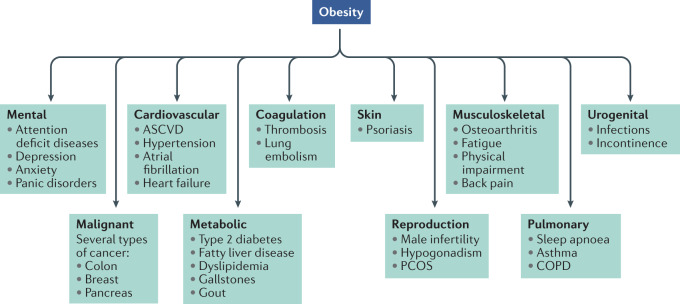
“The regulation of body weight is orchestrated primarily by the brain and adipose tissue (Figure 1), which constantly integrate information related to the body’s energetic state to adjust food intake, satiety and energy balance8,10.”
From Transforming obesity: The advancement of multi-receptor drugs (2024) · cites this paper as [8]
Experimental — accuracy not yet measuredThe source backs part of the claim, not all of it — or backs it for a different population, condition or comparison.
In the citing paper
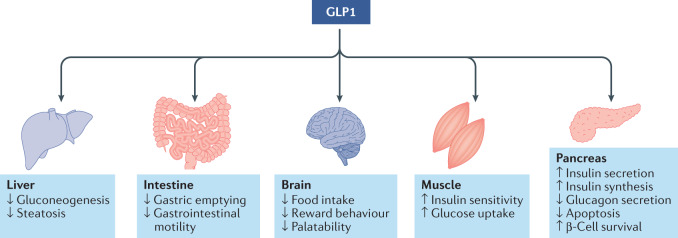
“Beyond its role in glucose metabolism, GLP-1 is known to possess cardio- and neuroprotective effects, reduce cellular apoptosis and inflammation, and modulate reward behavior and palatability8,55 (Figure 1).”
From Transforming obesity: The advancement of multi-receptor drugs (2024) · cites this paper as [8]
Experimental — accuracy not yet measuredThe source backs part of the claim, not all of it — or backs it for a different population, condition or comparison.
In the citing paper
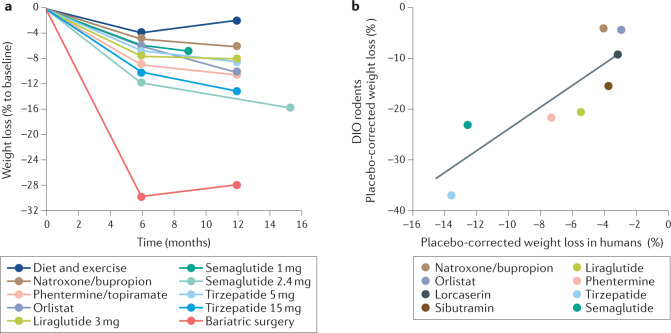
“However, despite appreciable weight loss of ~5-8% in the short term, such lifestyle interventions have only limited potential for sustained weight reduction, particularly when utilized as a stand-alone therapy8.”
From Transforming obesity: The advancement of multi-receptor drugs (2024) · cites this paper as [8]
Experimental — accuracy not yet measuredThe source backs part of the claim, not all of it — or backs it for a different population, condition or comparison.
In the citing paper
“Consistent with this model is a battery of preclinical and clinical studies demonstrating that weight loss induced by GLP-1R agonism is enhanced when adjunctively administered with glucagon, GIP, amylin, CCK or FGF21, which can be achieved as co-therapy, or in a unimolecular polyagonist formulation8.”
From Transforming obesity: The advancement of multi-receptor drugs (2024) · cites this paper as [8]
Experimental — accuracy not yet measuredThe source backs part of the claim, not all of it — or backs it for a different population, condition or comparison.
In the citing paper
“However, most of these efforts have been plagued with significant adverse effects and/or limited efficacy which has resulted in the withdrawal and discontinued use for the majority of these medications [5].”
From Dual and Triple Incretin-Based Co-agonists: Novel Therapeutics for Obesity and Diabetes (2024) · cites this paper as [5]
Experimental — accuracy not yet measured
13 more claims about this paper
Create a free account to see every claim other papers make about this one.
Self-check
Percentages, sums and reported differences re-computed from the paper’s own numbers.
The self-check needs the paper’s full text.
Citations
Cites
Reduction in the incidence of type 2 diabetes with lifestyle intervention or metformin
(2002) · New England Journal of Medicine · doi:10.1056/nejmoa012512 · Cited by 19,011
Positional cloning of the mouse obese gene and its human homologue
Zhang, Y., Proenca, R., Maffei, M., Barone, M., Leopold, L., & Friedman, J. M. (1994) · Nature · doi:10.1038/372425a0 · Cited by 13,419
The metabolic phenotype in obesity: Fat mass, body fat distribution, and adipose tissue function
Goossens, G. H. (2017) · Obesity Facts · doi:10.1159/000471488 · Cited by 8,481
Molecular Mechanisms of Depression: Perspectives on New Treatment Strategies
Lang, U. E., & Borgwardt, S. (2013) · Cellular Physiology and Biochemistry · doi:10.1159/000350094 · Cited by 8,475
Health effects of overweight and obesity in 195 countries over 25 years
Collaborators, T. G. 2. O. (2017) · New England Journal of Medicine · doi:10.1056/nejmoa1614362 · Cited by 7,918
Overweight, obesity, and mortality from cancer in a prospectively studied cohort of U.S. Adults
Calle, E. E., Rodriguez, C., Walker-Thurmond, K., & Thun, M. J. (2003) · New England Journal of Medicine · doi:10.1056/nejmoa021423 · Cited by 7,696
Liraglutide and Cardiovascular Outcomes in Type 2 Diabetes
Marso, S. P., Daniels, G. H., Brown-Frandsen, K., Kristensen, P., Mann, J. F. E., Nauck, M. A., Nissen, S. E., Pocock, S., Poulter, N. R., Ravn, L. S., et al. (2016) · New England Journal of Medicine · doi:10.1056/nejmoa1603827 · Cited by 7,629
Genetics of Food Intake Self-Regulation in Childhood: Literature Review and Research Opportunities
Faith, M. S., Carnell, S., & Kral, T. V. E. (2013) · Human Heredity · doi:10.1159/000353879 · Cited by 7,601
Semaglutide and Cardiovascular Outcomes in Patients with Type 2 Diabetes
Marso, S. P., Bain, S. C., Consoli, A., Eliaschewitz, F. G., Jódar, E., Leiter, L. A., Lingvay, I., Rosenstock, J., Seufert, J., Warren, M. L., et al. (2016) · New England Journal of Medicine · doi:10.1056/nejmoa1607141 · Cited by 6,900
Brown Adipose Tissue: Function and Physiological Significance
CANNON, B., & NEDERGAARD, J. (2004) · Physiological Reviews · doi:10.1152/physrev.00015.2003 · Cited by 6,433
Research works printed but not linked: 1
- Farooqi S O’Rahilly S Genetics of obesity in humans Endocr. Rev. 2006 27 710 718 10.1210/er.2006-0040 17122358 · DOI · Paper page
Cited by
Items 701–800 of 1,001
Amylin analogues as a novel perspective in anti‐obesity therapy
Lutz, T. A. (2026) · British Journal of Pharmacology · doi:10.1111/bph.70484 · Cited by 2
Mack, I., Kullmann, S., de Sequeira, C. L. M., Klos, B., Zipfel, S., Birkenfeld, A. L., & Erschens, R. S. (2026) · Reviews in Endocrine and Metabolic Disorders · doi:10.1007/s11154-026-10047-4 · Cited by 5
Chen, Z., Cheng, R., Wang, H., & Hu, F. (2026) · Diabetes Obesity and Metabolism · doi:10.1111/dom.71083 · Cited by 2
Demmel, J., Farrell, C., Timon, C., Cleary, O., Christie, H. L., O’Leary, N., George, C. V., Dunne, P., Mitchell, S., le Roux, C. W., et al. (2026) · International Journal of Pharmacy Practice · doi:10.1093/ijpp/riag090 · Cited by 2
Ahmed, M. M., Nazari, R., Othman, Z. K., Musa, S. S., Okesanya, O. J., Adebayo, U. O., Branda, F., Elmi, A. H., & Prisno, D. E. L. (2026) · Therapeutic Advances in Endocrinology and Metabolism · doi:10.1177/20420188261472587 · Cited by 2
“19,20 The safety history of earlier anti-obesity drugs provides important information.”
Gil‐Lespinard, M., Capurro, C. B., Montserrat, M., Casas, N. V., & Zamora‐Ros, R. (2022) · Contemporary Clinical Trials Communications · doi:10.1016/j.conctc.2022.101034 · Cited by 3
“Anti-obesity medications often deliver insufficient efficacy and dubious safety, and they mostly act as a complement to behaviour modifications [8].”
BackgroundMazaheri, T., Ansari, S., Nallagonda, M., Kollmann, L., Nickel, F., Seyfried, F., & Miras, A. D. (2023) · Die Chirurgie · doi:10.1007/s00104-023-01830-z · Cited by 3
Les médicaments de l’obésité : état actuel et futures avancées
Lassen, P. B., & Aron‐Wisnewsky, J. (2023) · Cahiers de Nutrition et de Diététique · doi:10.1016/j.cnd.2023.04.005 · Cited by 3
GIP und GLP-1-Rezeptoragonismus in der Therapie des Typ 2 Diabetes mit Fokus auf Tirzepatid
Nauck, M. A., Blüher, M., Meyhöfer, S. M., Heitmann, E., & Görgens, S. W. (2023) · Diabetologie und Stoffwechsel · doi:10.1055/a-2102-2436 · Cited by 3
“Somit könnten Inkretin-basierte Me-dikamente, die sowohl an GIPR als auch an GLP-1 R binden, eine Alternative zu den aktuellen Behandlungsstrategien darstellen [30].”
BackgroundSelf-citationEndoluminal bariatric and metabolic therapies: state-of-the-art
Bakheet, N. G., Badurdeen, D., Sartoretto, A., & Kumbhari, V. (2023) · Current Opinion in Gastroenterology · doi:10.1097/mog.0000000000000967 · Cited by 2
WKYMVm ameliorates obesity by improving lipid metabolism and leptin signalling
Kang, J. H., Kim, H. S., Park, S. H., Kim, Y. S., & Bae, Y. (2023) · Journal of Cellular and Molecular Medicine · doi:10.1111/jcmm.17910 · Cited by 2
Selective reduction of visceral adipose tissue with injectable ice slurry
Tuchayi, S. M., Khachatryan, Y., Wang, Y., Anderson, R. R., Wang, J. S., Wein, M. N., & Garibyan, L. (2023) · Scientific Reports · doi:10.1038/s41598-023-43220-9 · Cited by 2
Kumar, J. V., & Pratap, C. G. (2023) · Annals of Phytomedicine An International Journal · doi:10.54085/ap.2023.12.2.87 · Cited by 5
Waititu, K., Mugo, C. W., Nyawira, D. N., & Mwethera, P. G. (2024) · Journal of Biosciences and Medicines · doi:10.4236/jbm.2024.122013 · Cited by 3
Bakar, M. F. A. (2024) · PharmaNutrition · doi:10.1016/j.phanu.2024.100388 · Cited by 3
Park, J. Y., Kim, H.-R., Lee, S.-H., Lee, S.-W., Sin, H., Lim, T., Kim, S., & Park, M. H. (2024) · International Journal of Molecular Sciences · doi:10.3390/ijms25116164 · Cited by 2
“The stimulant-type weight loss medications are typically prescribed for short-term use due to the potential risk of dependence and other associated side effects [5].”
BackgroundBai, J. M., Ge, Y., Zhao, C., Liu, Y., Ge, K., & Zhang, J. (2024) · Journal of Functional Foods · doi:10.1016/j.jff.2024.106288 · Cited by 2
Pharmacotherapy of obesity: State of the art and perspectives
Sićović, K., & Micov, A. M. (2024) · Arhiv za farmaciju · doi:10.5937/arhfarm74-50625 · Cited by 3
Baraghithy, S., Gammal, A., Permyakova, A., Hamad, S., Kočvarová, R., Calles, Y., & Tam, J. (2024) · ACS Pharmacology & Translational Science · doi:10.1021/acsptsci.4c00353 · Cited by 2
Anti‐obesity effects of Beta vulgaris and Eruca sativa‐based extracts
Markou, M. I., Katsouda, A., Papaioannou, V., Argyropoulou, A., Vanioti, Μ., Tamvakopoulos, C., Skaltsounis, A., Halabalaki, M., Mitakou, S., & Papapetropoulos, A. (2024) · Phytotherapy Research · doi:10.1002/ptr.8291 · Cited by 2
“Treatments of obesity include behavioral and nutritional interventions to reduce caloric intake, lifestyle changes to increase physical activity leading to enhanced energy expenditure, pharmacotherapy, and bariatric surgery (Afshin et al., 2017; Heymsfield & Wadden, 2017; Müller et al., 2022).”
How do gamified digital therapeutics work on obesity self-management?
Zhu, X., Gu, S., & Li, J. (2024) · Metabolism Open · doi:10.1016/j.metop.2024.100314 · Cited by 2
“Since 1975, the prevalence of global obesity has nearly doubled [5].”
BackgroundObesidad, el papel del gastroenterólogo
Costa, V. A., Escobar, D. C., Kerguelen, A., Rodriguez, J., Rodriguez, A., & Neto, M. G. (2024) · Revista Colombiana de Gastroenterología · doi:10.22516/25007440.1192 · Cited by 2
de Soysa, A. K. H., Langaas, M., Grill, V., Martins, C., & Mostad, I. L. (2025) · PLoS ONE · doi:10.1371/journal.pone.0312815 · Cited by 5
Unlocking the Potential of Receptor-Based Approaches in Diabetes Treatment
Patwekar, M., Patwekar, F., Kumar, J. P., Prasad, P. D., Malik, N., Badarinath, A. V., Parupathi, P. R., Reddy, K. T. K., Elumalai, S., & Samad, Z. A. A. (2025) · BIO Integration · doi:10.15212/bioi-2024-0047 · Cited by 3
Citriniti, E. L., Rocca, R., Costa, G., Renzi, G., Carta, F., Supuran, C. T., Alcaro, S., & Ortuso, F. (2025) · Archiv der Pharmazie · doi:10.1002/ardp.202400966 · Cited by 2
Goldberg, M., Blevins, J. E., Wolden‐Hanson, T., Elfers, C., Chichura, K. S., Ashlaw, E. F., den Hartigh, L. J., Roth, C. L., & Doyle, R. P. (2025) · International Journal of Molecular Sciences · doi:10.3390/ijms26073032 · Cited by 2
Ansari, A., Khandelwal, N., Gupta, J., Rai, P., Jaiswal, A. K., Singh, A., Katiyar, S., Kushawaha, A. K., Kushwaha, V., Vishwakarma, A., et al. (2025) · European Journal of Medicinal Chemistry · doi:10.1016/j.ejmech.2025.117746 · Cited by 2
Hassan, D., Salama, M., Kumar, S., & Muthusamy, K. (2025) · JCEM Case Reports · doi:10.1210/jcemcr/luaf164 · Cited by 2
Varas, N., Jarosinski, M. A., Chen, Y., Ni, C., Grabowski, R., Tai, N., Herzog, R. I., Ismail‐Beigi, F., Yang, Y., Cherrington, A. D., et al. (2025) · ACS Pharmacology & Translational Science · doi:10.1021/acsptsci.5c00362 · Cited by 3
Human defensin 5-based compounds: a new approach to fight obesity?
Claret, M., & Nogueiras, R. (2022) · Gut · doi:10.1136/gutjnl-2022-328158 · Cited by 2
Adipose in Candyland: Diet and exercise in a pill
Greener, M. (2022) · Independent Nurse · doi:10.12968/indn.2022.9.24 · Cited by 2
Dengler, D. G., Harikumar, K. G., Yen, A., Sergienko, E. A., & Miller, L. J. (2023) · Membranes · doi:10.3390/membranes13020150 · Cited by 2
Dipterocarpus tuberculatus as a promising anti-obesity treatment in Lep knockout mice
Roh, Y. J., Lee, S. J., Kim, J. E., Jin, Y. J., Seol, A., Song, H. J., Park, J., Park, S. H., Douangdeuane, B., Souliya, O., et al. (2023) · Frontiers in Endocrinology · doi:10.3389/fendo.2023.1167285 · Cited by 3
“The greatest healthcare challenge in our generation is regulating excessive body fat (8).”
BackgroundActualités de la pharmacothérapie de l’obésité en 2023
Lassen, P. B., & Aron‐Wisnewsky, J. (2023) · Nutrition Clinique et Métabolisme · doi:10.1016/s0985-0562(24)00015-3 · Cited by 3
Yu, Z., Xu, Z., Li, S., Tian, Z., & Yuan, J. (2024) · Cellular and Molecular Biology · doi:10.14715/cmb/2024.70.4.19 · Cited by 2
Underactive Bladder According to the European Association of Urology Guidelines
Chancellor, M. B. (2024) · European Urology · doi:10.1016/j.eururo.2024.04.028 · Cited by 2
Ruppert, P. M. M., Güller, A. S., Skjæveland, M., Stanić, N., & Kornfeld, J. (2026) · eLife · doi:10.7554/elife.108825 · Cited by 2
Yu, B., Chen, X., Lu, D., Yan, H., & Wang, P. (2022) · Frontiers in Cardiovascular Medicine · doi:10.3389/fcvm.2022.948561 · Cited by 2
Seyfried, F., Springer, R., Hoffmann, A., Gruber, M., Otto, C., Schlegel, N., & Hankir, M. K. (2022) · Metabolism Open · doi:10.1016/j.metop.2022.100212 · Cited by 1
“Despite significant progress in the development of improved body weight- and blood glucose-lowering drugs such as the stable glucagonlike peptide 1 (GLP-1) analogue semaglutide, bariatric surgeries remain the gold-standard treatment option for severe obesity [5].”
BackgroundSURMOUNTing body weight barriers in type 2 diabetes
Novikoff, A., & Müller, T. D. (2023) · Med · doi:10.1016/j.medj.2023.11.007 · Cited by 2
Self-citationLee, J. I., Oh, J. H., Kong, C., & Seo, Y. (2023) · Journal of Korean Medicine for Obesity Research · doi:10.15429/jkomor.2023.23.2.69 · Cited by 1
Empowering Pacific Patients on the Weight Loss Surgery Pathway: A Co-designed Evaluation Study
Taylor, T., Beban, G. R., Yi, E., Veukiso, M., Sang-Yum, G., Dewes, O., Wrapson, W., Taufa, N., Campbell, A. R. T., Siegert, R. J., et al. (2024) · Obesity Surgery · doi:10.1007/s11695-024-07084-w · Cited by 1
“Weight loss surgery is one of the most effective long-term treatments for obesity-related co-morbidities [1–3], outper-forming lifestyle treatments (e.g., diet and exercise) [4] and anti-obesity medications [5].”
BackgroundFitch, A., & Huett-Garcia, A. (2024) · Obesity · doi:10.1002/oby.24038 · Cited by 1
“…bariatric surgery, patients with diabetes on injectable forms of semaglutide and liraglutide) is of concern because clinical evidence has reliably demonstrated that AOM effectiveness for weight loss among patients with diabetes is generally less than that for patients without diabetes [2, 3].”
BackgroundSubbaiah, M. A. M., Mandal, U., Patankar, V., Bhaskaran, S., Nutakki, R., Bhadresh, R., Shah, D., Mahammad, S., Murphy, B. J., Huang, C., et al. (2024) · European Journal of Medicinal Chemistry · doi:10.1016/j.ejmech.2024.116686 · Cited by 1
The Role of Phytochemicals in The Management of Lifestyle Disorders
Adeyemi, M. M. (2024) · African Journal of Environment and Natural Science Research · doi:10.52589/ajensr-vjjy3s6c · Cited by 2
“Obesity is increased energy intake than energy expenditure resulting in fat deposition and weight gain to an extent where health may be impaired (Muller et al., 2021; WHO, 2014).”
Zongo, E., Koama, B. K., Gnanou, Y., Kam, S. E., Ouedraogo, C., Nitiéma, M., Zongo, E., Belèm, H., Paré, D., Kagambéga, W., et al. (2024) · Pharmacology & Pharmacy · doi:10.4236/pp.2024.1510020 · Cited by 1
Roth, I., & Cohen, O. (2025) · Digital Health · doi:10.1177/20552076251314090 · Cited by 1
McEvoy, J. W., McCarthy, C. P., Brouwers, S., & Others, A. (2025) · HYPERTENSION · doi:10.22141/2224-1485.17.4.2024.372 · Cited by 2
Cardiovascular safety of fixed-dose extended-release naltrexone/bupropion in clinical practice
Kyle, M., Burns, D., Murray, C. R., Watson, H. N., Swaney, J., Spevack, S. C., Leonhard, M. J., Simon, M. S., Moynihan, E., Lapane, K. L., et al. (2025) · Obesity Pillars · doi:10.1016/j.obpill.2025.100169 · Cited by 1
“Some antiobesity medications (AOMs) have CV adverse effects, including increased blood pressure, increased heart rate, or occurrence of major adverse CV events (MACE; composite of nonfatal acute myocardial infarction [AMI], nonfatal stroke, and CV death) [9].”
Liu, B., Wu, X., Zou, X., Sheng, J., & Yu, J. (2025) · Scientific Reports · doi:10.1038/s41598-025-96545-y · Cited by 1
“Addressing these concerns may prove instrumental in fostering a more informed and confident approach to prescribing liraglutide and semaglutide in obesity management within the endocrine department 32 .”
Optimizing Weight Management: A Collaborative Strategy with Clinical Pharmacists
Andy, A., Choudhary, R. P., Andy, D., & Siddalingegowda, S. M. (2025) · Biomedical & Pharmacology Journal · doi:10.13005/bpj/3104 · Cited by 1
A Novel Supramolecular Salt of Hypoxanthine with Maleic Acid as a Potential Weight-Loss Drug
Xue, F., Yuan, X., Li, X., Fang, S., & Cheng, Y. (2025) · International Journal of Molecular Sciences · doi:10.3390/ijms26094266 · Cited by 1
“…pharmaceutical ingredient (API) to create HYP-MAL, a supramolecular ionic salt that was characterized, and its structure examined, in order to address the growing prevalence of obesity worldwide as a result of dietary and lifestyle changes [23,24]; its molecular structures are shown in Scheme 1.”
Pescari, D., Mihuţa, M. S., Bena, A., & Stoian, D. (2025) · Nutrients · doi:10.3390/nu17121963 · Cited by 1
Kim, S. H., Kwon, D., Yun, C., Kim, J.-H., Kim, K.-M., Bae, G. Y., Yang, M. H., Lee, Y.-H., & Jung, Y.-S. (2026) · Food Science and Human Wellness · doi:10.26599/fshw.2025.9250649 · Cited by 2
Dong, R., Chen, X., Xue, L., & Qin, P. (2025) · Journal of Acupuncture and Tuina Science · doi:10.1007/s11726-025-1508-y · Cited by 1
Satapathy, T., Sahu, L., Verma, R., Sahu, P., Tiwari, K., Patel, N. T., & Dhiwar, P. (2025) · Journal of Drug Delivery and Therapeutics · doi:10.22270/jddt.v15i7.7294 · Cited by 1
Ginting, J. B., & Suci, T. (2025) · Healthy Tadulako Journal (Jurnal Kesehatan Tadulako) · doi:10.22487/htj.v11i1.1481 · Cited by 1
Pantothenic acid plays an important role in reducing body weight
Wang, L., Niu, H., Yu, R., Qi, Q., Li, X., Zhao, F., Li, L., & Shen, D. (2025) · Human Nutrition & Metabolism · doi:10.1016/j.hnm.2025.200336 · Cited by 1
Ruppert, P. M. M., Güller, A. S., Rosendal, M., Stanić, N., & Kornfeld, J. (2026) · eLife · doi:10.1101/2025.08.06.669020 · Cited by 1
General Directorate of Education in Nineveh, M., Mahdi, N. M., Younus, S. A., Al-burgus, A. F., General Directorate of Education in Nineveh, M., & Al-Abbasy, O. Y. (2025) · The Ukrainian Biochemical Journal · doi:10.15407/ubj97.04.084 · Cited by 2
Lin-zhi, W. U., Shi-jia, H. A. N., Shuai-yan, W. A. N. G., Zi-wen, Z. H. O. U., Ke-ran, C. H. E. N., Jing, Z., Xu, B., & Tian-cheng, X. U. (2025) · 世界针灸杂志:英文版 · doi:10.1016/j.wjam.2025.09.006 · Cited by 1
Ouyang, Y., Liao, Y., Lei, B., Liu, L., Gao, Y., Chen, B., & Liu, H. (2025) · Medicine · doi:10.1097/md.0000000000044671 · Cited by 1
“[6] The gut microbiota is increasingly recognized as a significant etiological factor in metabolic diseases, with some researchers positing it as an endocrine organ intricately involved in regulating energy balance and host immunity.”
Kim, K. W., Oh, G., Jung, S.-H., Ko, S., Kim, J.-Y., Yang, D., Jo, D., Lee, D.-S., & Choi, G. (2025) · Journal of Marine Science and Engineering · doi:10.3390/jmse13101878 · Cited by 1
Semaglutide and weight management in the Arab countries: Focus on the United Arab Emirates
Semiz, S. (2025) · Health Sciences Review · doi:10.1016/j.hsr.2025.100244 · Cited by 2
Josefine, R., Schilliger, L., Athanasios, K., Cathrin, R., Böhm, S., Haidinger, M., Fischler, M., & Jensen, A. (2025) · Obesity Research & Clinical Practice · doi:10.1016/j.orcp.2025.10.005 · Cited by 1
Fabrication and application of microneedle systems for adipose tissue reduction
Cai, T., Guo, M., Qin, S., Sun, D., Yu, X. J., Wang, C., & Yuan, Z. (2026) · Biomaterials Science · doi:10.1039/d5bm00716j · Cited by 1
FERREIRA, C. G. D. R., Ribeiro, A. R., Finck, C. M., Percicote, A. P., & Matias, J. E. F. (2025) · Europe PMC (PubMed Central) · doi:10.1590/acb408025 · Cited by 1
“Recently, the use of medications that simulate the action of some intestinal hormones such as glucagon-like peptide (GLP1) and gastrointestinal peptide (GIP) has obtained promising preliminary results in the pharmacological approach to the obesity 5 .”
Vitisin A Regulates Lipid Metabolism in 3T3 ‐ L1 Adipocytes and High‐Fat Diet‐Induced Obese Mice
Tie, F., Hu, N., Dong, Q. Z., & Wang, H. (2025) · Phytotherapy Research · doi:10.1002/ptr.70108 · Cited by 1
Enteric microbiome and obesity: a multidimensional narrative review
Barat, B., Ghosh, K., Kulkarni, B. P., Banerjee, P., & Ghosh, K. (2025) · Microbial Genomics · doi:10.1099/mgen.0.001562 · Cited by 1
“…to treat this pathological condition included sympathomimetics, MAO inhibitor-like compounds, cannabinoid receptor agonist (such as rimonabant), antiepileptic compounds (like topiramate) or drugs that interfere with lipolysis in the intestine interfering in its absorption (such as orlistat) [10].”
Appetite sensations and hormonal secretion in patients with adamantinomatous craniopharyngioma.
Nogueira, M., Bueno, A., Martins, C. S., Berbel-Júnior, A. S., dos Santos, A. D., Moreira, A., Antonini, S., & de Castro, M. (2025) · Journal of Endocrinological Investigation · doi:10.1007/s40618-025-02763-6 · Cited by 1
Anyanwu, G. O., Isaac, T. A., & Gyebi, G. A. (2025) · Next research. · doi:10.1016/j.nexres.2025.101205 · Cited by 1
Carprofen increases the risk of anastomotic leakage in a mouse model of Roux-en-Y gastric bypass
Claus, P., Springer, R., Otto, C., Seyfried, F., & Schlegel, N. (2025) · Laboratory Animals · doi:10.1177/00236772251391394 · Cited by 1
Exploring the Impact of Dietary Habits and Physical Activity on Obesity Rates Using Apache Spark
Ullah, I., Bhatti, U. A., Ahmed, N., Xu, B., Uglu, V. S., & Shahreen, M. (2025) · International Conference on Open Source Systems and Technologies (ICOSST) · doi:10.1109/icosst69113.2025.11315403 · Cited by 1
“…a chronic disease rather than a risk factor for related diseases, due to its pathophysiology, which leads to excess and ectopic accumulation of fat [1] The body, in response, uses homeostatic mechanisms to defend its weight, and this prevents the loss of weight and promotes further weight gain [2].”
KBN2202 Suppresses Gonadal White Adipose Tissue Expansion in Female Mice Fed a High-Fat Diet
Kim, M., Heo, J.-H., Chang, S. H., Lee, S., Kim, J., Shin, M.-G., Kim, J. S., Choi, M., & Lee, S.-R. (2026) · International Journal of Molecular Sciences · doi:10.3390/ijms27020627 · Cited by 1
“In recent years, obesity treatment has evolved beyond simple weight loss to focus on metabolic improvement and long-term safety [10].”
Novita, K. D. (2025) · Jurnal kedokteran dan kesehatan Indonesia · doi:10.20885/jkki.vol16.iss3.art3 · Cited by 1
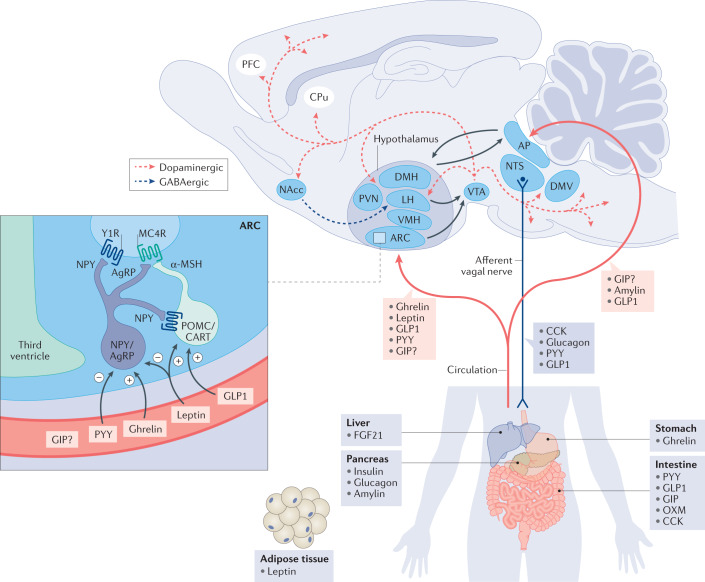
“13 The regulation of appetite and energy balance is an intricate interplay of hormonal signals, with leptin and ghrelin at the centre of this system 14 Leptin, secreted mainly by adipose tissue, communicates with the hypothalamus to signal satiety, thereby suppressing food intake and stimulating…”
Baek, H.-I., Kwon, S.-Y., Noh, H.-J., & Park, S.-J. (2026) · Nutrients · doi:10.3390/nu18020250 · Cited by 1
“This is largely due to safety concerns, adverse effects such as headache, dizziness, and nausea or vomiting, as well as limited long-term tolerability [14–16].”
O’Donnell, K., Murphy, R., & Nolan, B. (2023) · Pharmaceutical Sciences and Drug Design · doi:10.51847/xyqac4o5up · Cited by 1
The TUB variant impairs leptin sensitivity and AgRP neuronal response, leading to obesity
Tong, M., Chen, Y., Song, B., Hong, J., Gu, W., Shen, J., Yang, H., Xia, H., Li, Q., Chen, Y., et al. (2026) · Science Translational Medicine · doi:10.1126/scitranslmed.adw0458 · Cited by 1
Sibutramine high-doses effects in cafeteria diet-induced obese rats
Ribeiro, F. M., Lima, H. K., Ribeiro, C. F. A., Silva, O. N., Mendonça, G., de Oliveira, N. C., Pereira, R. W., de Castro, A., & Franco, O. L. (2026) · Scientific Reports · doi:10.1038/s41598-026-35214-0 · Cited by 1
“4 and 5).”
Selvan, N. (2026) · International Journal of Basic & Clinical Pharmacology · doi:10.18203/2319-2003.ijbcp20260443 · Cited by 1
Yoo, H. J. (2026) · Biomedicines · doi:10.3390/biomedicines14030492 · Cited by 1
Han, S.-Y., Park, S., Heo, C., & Kim, H. J. (2026) · Frontiers in Pharmacology · doi:10.3389/fphar.2026.1747882 · Cited by 1
Hypothalamic wars: the last nanodelivery
Fazal, S., Vattathara, J. J., & López, M. (2026) · Reviews in Endocrine and Metabolic Disorders · doi:10.1007/s11154-026-10022-z · Cited by 1
Chen, C., Wong, M.-T., Yu, Y., Chu, H., Lim, C., & Chang, T. W. (2026) · International Journal of Pharmaceutics · doi:10.1016/j.ijpharm.2026.126752 · Cited by 1
Subramaniyan, V., Sharma, D., Rahman, S., Chitra, V., Fuloria, N. K., Fuloria, S., Narayanan, R., Gupta, M., Sekar, M., & Singh, T. G. (2026) · Nanomedicine Nanotechnology Biology and Medicine · doi:10.1016/j.nano.2026.102929 · Cited by 1
Recent Advances in Microemulsion Technology and Their Various Pharmaceutical Applications
Tiwari, J., Kumar, D., Anand, P., & Singh, S. K. (2026) · Recent Innovations in Chemical Engineering (Formerly Recent Patents on Chemical Engineering) · doi:10.2174/0124055204419934251123132954 · Cited by 1
Effects of Npy1r limbic conditional knock-out on adipose tissue metabolism
Einaudi, G., Oberto, A., Bertocchi, I., Aimaretti, E., Alves, G. F., Porchietto, E., Cifani, C., Bonaventura, M. V. M. D., Collino, M., & Chiazza, F. (2026) · Neuropharmacology · doi:10.1016/j.neuropharm.2026.110941 · Cited by 1
Pérez, L. C. C., Padilla-Martínez, I. I., Miliar-García, Á., Gómez‐López, M., Franco-Hernández, M. O., Mendieta‐Wejebe, J. E., & Rosales‐Hernández, M. C. (2026) · PLoS ONE · doi:10.1371/journal.pone.0344359 · Cited by 1
“As these risks increase the potential for drug abuse, these drugs have been mostly withdrawn from the pharmaceutical market in some parts of the world [12,13].”
Next-generation anti-obesity drugs: Mechanisms, molecules, and momentum
Mukheja, Y., Kondepudi, K. K., Chopra, K., & Bishnoi, M. (2026) · Obesity Medicine · doi:10.1016/j.obmed.2026.100701 · Cited by 1
Jin, S. C., Choi, Y. Y., Sosoburam, B., Baek, H. K., Song, M., Yi, S., Park, J. E., & Yang, W. M. (2026) · Food Science & Nutrition · doi:10.1002/fsn3.71774 · Cited by 1
GIPR:GCGR co-agonism restores normal weight in obese rodents
Pérez–Tilve, D., Zhang, F., Zhang, Y., Lohman, K., Sorrell, J. E., Vick, A., Müller, T. D., Tschoep, M. H., & DiMarchi, R. D. (2026) · Molecular Metabolism · doi:10.1016/j.molmet.2026.102365 · Cited by 1
“The counterintuitive inclusion of glucagon given its diabetogenic liability derives from its complimentary ability to promote energy expenditure and hepatic lipid utilization [4 — 6], but buffered by the anti-hyperglycemic capacity and appetite suppression of the incretins and glucagon [1,2,7 — 9].”
Self-citationEngineering Microbial Particles for Next‐Generation Biomedical Platforms
Li, Y., Lu, Y., Huang, Z., Chen, J., Liu, Y., Qin, L., Wang, C., & Wu, Y. (2026) · Advanced Science · doi:10.1002/advs.202600012 · Cited by 3
“This enables MDPs to achieve efficient targeting of specific cells or tissues and spatiotemporal delivery of drugs, immunomodulatory molecules, or signaling factors, while multifunctional engineering supports combined therapies, immune regulation, and diagnostic monitoring [ 217, 218 ].”
Effect of Pilates Exercise versus Aerobic Exercise on Metabolic Syndrome in Pre-menopausal Women
Thabet, T. H., ElDeeb, A. M., Osman, D. A., Kamel, H. E. H., Kentiba, E., & Abbas, M. A. M. (2026) · Health sport rehabilitation · doi:10.58962/hsr.1356 · Cited by 1
“These effects improve insulin sensitivity, elevate HDL-C, reduce LDL-C and BP, and promote energy metabolism [30].”
Discovery of a High-Potency Balanced GLP-1/GIP Dual Agonist by Molecular Dynamics Evolution
Zhang, N., Teng, L., Yu, X., Wang, Z., Zhang, Z., Dong, Z., & Liu, D. (2026) · Journal of Medicinal Chemistry · doi:10.1021/acs.jmedchem.6c00466 · Cited by 1
Galiano, Á., & Notario-Pérez, F. (2026) · Journal of Computer-Aided Molecular Design · doi:10.1007/s10822-026-00836-z · Cited by 1
Kyle, M., Savastano, D. M., Sharpe, T. A., & Kelly, B. (2026) · Obesity Pillars · doi:10.1016/j.obpill.2026.100280 · Cited by 1
“…the market due to concerns about adverse CV effects, such as increases in blood pressure and heart rate, primary pulmonary hypertension, valvular heart disease, or occurrence of major adverse CV events (MACE; ie, CV-related death, nonfatal myocardial infarction [MI], and nonfatal stroke) [5,6].”
Curto, R., Giglione, C., Cannarella, R., Berisha, H., Hattab, R., Condorelli, R. A., Vignera, S. L., Calogero, A. E., & Magni, P. (2026) · Pharmacological Research · doi:10.1016/j.phrs.2026.108278 · Cited by 2
Development strategies for engineered live biotherapeutic products for metabolic diseases
Yun, S., Choi, K.-S., Min, H., Jo, Y. K., & Jang, S. (2026) · Critical Reviews in Biotechnology · doi:10.1080/07388551.2026.2653692 · Cited by 1
“Moreover, protein-based drugs present challenges, including: the need for frequent injections, short half-life, premature degradation, and other side effects [2,18,19].”
Xie, J., Yang, Y., Chen, W., (45927), L. W., Weng, S., Lyu, Q., & Cao, G. (2026) · Current Obesity Reports · doi:10.1007/s13679-026-00722-7 · Cited by 1
“It was not until the advent of GLP-1 recep - tor agonists that a major breakthrough was achieved [176, 177].”
Diabetes and Weight Management
Perry, M. L. (2026) · American Diabetes Association eBooks · doi:10.2337/9781580408493-ch13 · Cited by 1
Metadata
- Authors
- Müller, T. D., Blüher, M., Tschöp, M. H., & DiMarchi, R. D.
- Affiliations
- Helmholtz Munich (DE)
- Indiana University Bloomington (US)
- Corresponding author
- Müller, Timo D.
- DiMarchi, Richard D.
- Venue
- Nature Reviews Drug Discovery
- Published
- 2021-11-23
- Volume
- 21
- Issue
- 3
- Pages
- 201-223
- ISSN
- 1474-1776 (ISSN-L)
- 1474-1784
- PMC
- PMC8609996
- OpenAlex
- W3217337816
- Semantic Scholar
- b0e07187edbb01228cee2a7f1f5884b1c6df014c
- Cited by
- 1,021
- References
- 343
- Citations by year
- 2026: 136 · 2025: 255 · 2024: 286 · 2023: 221 · 2022: 123
- FWCI
- 20.08
- Type
- journal article
- Language
- en
- Open access
- hybrid
- doi.org
- Licence
- cc-by
- www.springernature.com/gp/researchers/text-and-data-mining (tdm)
- www.springernature.com/gp/researchers/text-and-data-mining (vor)
- Locations
- Nature Reviews Drug Discovery (publishedVersion, cc-by)
- PubMed Central (publishedVersion, cc-by)
- PubMed (publishedVersion)
- mediaTUM (Technical University of Munich) (submittedVersion)
- Site cant be reached (submittedVersion)
- PuSH - Publication Server of Helmholtz Zentrum München (submittedVersion)
- Funders
- Alexander von Humboldt-Stiftung
- Deutsche Forschungsgemeinschaft (TRR- 152, TRR296)
- Servier
- H2020 European Research Council (695054)
- Topics
- Health Sciences › Medicine › Pharmacology (medical) › Pharmacology and Obesity Treatment
- Life Sciences › Neuroscience › Endocrine and Autonomic Systems › Regulation of Appetite and Obesity
- Health Sciences › Medicine › Endocrinology, Diabetes and Metabolism › Adipokines, Inflammation, and Metabolic Diseases
- Keywords
- anti-obesity drugs, obesity, drug development history, drug safety, sustained weight loss, gut-brain signaling, obesity pharmacotherapy
- MeSH terms
- Adult, Diabetes Mellitus, Type 2, Humans, Obesity, Weight Loss, Anti-Obesity Agents
About these checks
Registry, retraction, Cites and statistics results are computed, not judged, with one exception: a printed reference that no index lists is read once by a model before it counts as a citation error. Claims are extracted by a model and kept only when their quote appears verbatim in the text; each cited source is then checked, with a model’s help, for whether it says what the claim relies on. Those verdicts can be wrong — read the claim’s quote and the cited source before relying on one.
Statistics and arithmetic are recomputed, not judged.
Confidence bands are shown only for fields calibrated on our annotated test set. None is calibrated yet, so no band is shown.
What counts as a claim ›How we measure confidence ›How we check this ›
Are you an author, or do you see a problem with this page? Request a review
Data sources
Bibliographic data: Semantic Scholar, OpenAlex, Crossref.
Contains information from the Semantic Scholar Academic Graph Datasets, made available under the ODC Attribution License (ODC-BY 1.0).
Semantic Scholar’s data is described in: Kinney, R., et al. (2023). The Semantic Scholar Open Data Platform. arXiv:2301.10140.
