

Anti-obesity drug discovery: advances and challenges
Open accessThe DOI matches its Crossref record; 344 of the 344 references it cites were found in a registry or an index.
Abstract
Enormous progress has been made in the last half-century in the management of diseases closely integrated with excess body weight, such as hypertension, adult-onset diabetes and elevated cholesterol. However, the treatment of obesity itself has proven largely resistant to therapy, with anti-obesity medications (AOMs) often delivering insufficient efficacy and dubious safety. Here, we provide an overview of the history of AOM development, focusing on lessons learned and ongoing obstacles. Recent advances, including increased understanding of the molecular gut–brain communication, are inspiring the pursuit of next-generation AOMs that appear capable of safely achieving sizeable and sustained body weight loss. The development of therapies that are capable of safely achieving sizeable and sustained body weight loss has proved tremendously challenging. Here, Müller et al. provide an overview of the history of anti-obesity drug development, focusing on lessons learned, ongoing challenges and recent advances in the field.
Overview
The claims and statistics of this paper haven’t been checked yet.
Free: it reads the open-access text and checks the first 5 claims that cite a source we can check. Create a free account to check every claim.
Integrity signals
Registry
Cites
Statistics
Figures
Verification
Claims the paper makes
The claims and statistics of this paper haven’t been checked yet.
Free: it reads the open-access text and checks the first 5 claims that cite a source we can check. Create a free account to check every claim.
Claims other papers make about this one
Each is checked against this paper’s own text: does it say what the citing paper says it does?
The source backs part of the claim, not all of it — or backs it for a different population, condition or comparison.
In the citing paper
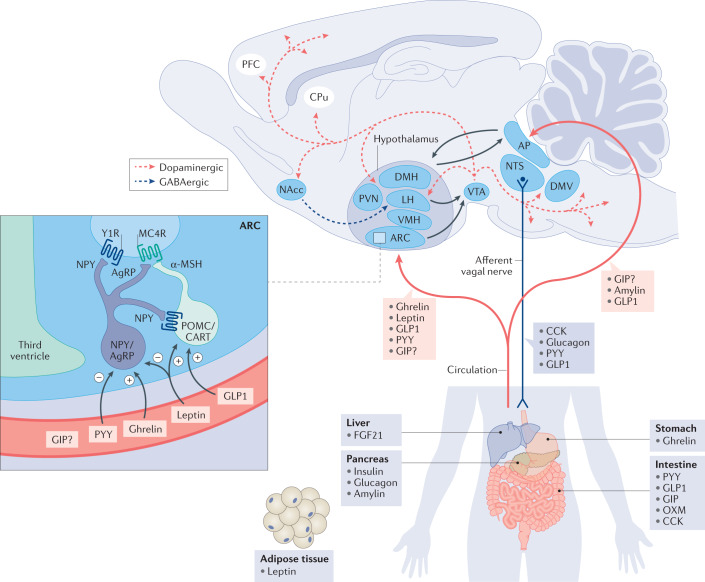
“The regulation of body weight is orchestrated primarily by the brain and adipose tissue (Figure 1), which constantly integrate information related to the body’s energetic state to adjust food intake, satiety and energy balance8,10.”
From Transforming obesity: The advancement of multi-receptor drugs (2024) · cites this paper as [8]
Experimental — accuracy not yet measuredThe source backs part of the claim, not all of it — or backs it for a different population, condition or comparison.
In the citing paper
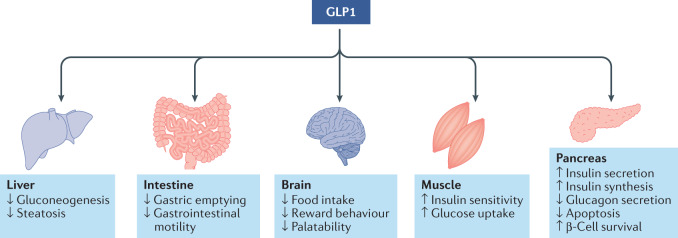
“Beyond its role in glucose metabolism, GLP-1 is known to possess cardio- and neuroprotective effects, reduce cellular apoptosis and inflammation, and modulate reward behavior and palatability8,55 (Figure 1).”
From Transforming obesity: The advancement of multi-receptor drugs (2024) · cites this paper as [8]
Experimental — accuracy not yet measuredThe source backs part of the claim, not all of it — or backs it for a different population, condition or comparison.
In the citing paper
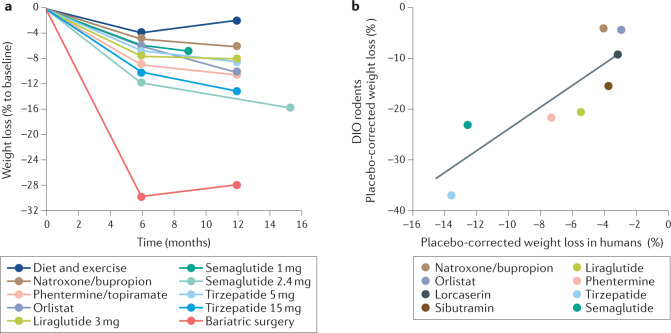
“However, despite appreciable weight loss of ~5-8% in the short term, such lifestyle interventions have only limited potential for sustained weight reduction, particularly when utilized as a stand-alone therapy8.”
From Transforming obesity: The advancement of multi-receptor drugs (2024) · cites this paper as [8]
Experimental — accuracy not yet measuredThe source backs part of the claim, not all of it — or backs it for a different population, condition or comparison.
In the citing paper
“Consistent with this model is a battery of preclinical and clinical studies demonstrating that weight loss induced by GLP-1R agonism is enhanced when adjunctively administered with glucagon, GIP, amylin, CCK or FGF21, which can be achieved as co-therapy, or in a unimolecular polyagonist formulation8.”
From Transforming obesity: The advancement of multi-receptor drugs (2024) · cites this paper as [8]
Experimental — accuracy not yet measuredThe source backs part of the claim, not all of it — or backs it for a different population, condition or comparison.
In the citing paper
“However, most of these efforts have been plagued with significant adverse effects and/or limited efficacy which has resulted in the withdrawal and discontinued use for the majority of these medications [5].”
From Dual and Triple Incretin-Based Co-agonists: Novel Therapeutics for Obesity and Diabetes (2024) · cites this paper as [5]
Experimental — accuracy not yet measured
13 more claims about this paper
Create a free account to see every claim other papers make about this one.
Self-check
Percentages, sums and reported differences re-computed from the paper’s own numbers.
The self-check needs the paper’s full text.
Citations
Cites
Reduction in the incidence of type 2 diabetes with lifestyle intervention or metformin
(2002) · New England Journal of Medicine · doi:10.1056/nejmoa012512 · Cited by 19,011
Positional cloning of the mouse obese gene and its human homologue
Zhang, Y., Proenca, R., Maffei, M., Barone, M., Leopold, L., & Friedman, J. M. (1994) · Nature · doi:10.1038/372425a0 · Cited by 13,419
The metabolic phenotype in obesity: Fat mass, body fat distribution, and adipose tissue function
Goossens, G. H. (2017) · Obesity Facts · doi:10.1159/000471488 · Cited by 8,481
Molecular Mechanisms of Depression: Perspectives on New Treatment Strategies
Lang, U. E., & Borgwardt, S. (2013) · Cellular Physiology and Biochemistry · doi:10.1159/000350094 · Cited by 8,475
Health effects of overweight and obesity in 195 countries over 25 years
Collaborators, T. G. 2. O. (2017) · New England Journal of Medicine · doi:10.1056/nejmoa1614362 · Cited by 7,918
Overweight, obesity, and mortality from cancer in a prospectively studied cohort of U.S. Adults
Calle, E. E., Rodriguez, C., Walker-Thurmond, K., & Thun, M. J. (2003) · New England Journal of Medicine · doi:10.1056/nejmoa021423 · Cited by 7,696
Liraglutide and Cardiovascular Outcomes in Type 2 Diabetes
Marso, S. P., Daniels, G. H., Brown-Frandsen, K., Kristensen, P., Mann, J. F. E., Nauck, M. A., Nissen, S. E., Pocock, S., Poulter, N. R., Ravn, L. S., et al. (2016) · New England Journal of Medicine · doi:10.1056/nejmoa1603827 · Cited by 7,629
Genetics of Food Intake Self-Regulation in Childhood: Literature Review and Research Opportunities
Faith, M. S., Carnell, S., & Kral, T. V. E. (2013) · Human Heredity · doi:10.1159/000353879 · Cited by 7,601
Semaglutide and Cardiovascular Outcomes in Patients with Type 2 Diabetes
Marso, S. P., Bain, S. C., Consoli, A., Eliaschewitz, F. G., Jódar, E., Leiter, L. A., Lingvay, I., Rosenstock, J., Seufert, J., Warren, M. L., et al. (2016) · New England Journal of Medicine · doi:10.1056/nejmoa1607141 · Cited by 6,900
Brown Adipose Tissue: Function and Physiological Significance
CANNON, B., & NEDERGAARD, J. (2004) · Physiological Reviews · doi:10.1152/physrev.00015.2003 · Cited by 6,433
Research works printed but not linked: 1
- Farooqi S O’Rahilly S Genetics of obesity in humans Endocr. Rev. 2006 27 710 718 10.1210/er.2006-0040 17122358 · DOI · Paper page
Cited by
Items 601–700 of 1,001
Fenotipo hipertensión-obesidad abdominal como indicador de disglucemia y resistencia a la insulina
Cabrera‐Rode, E., Loaiza-Romero, B. J., Acosta, J. R., Cubas‐Dueñas, I., Rodríguez, J. H., & Díaz, Ó. D. (2023) · Revista de Salud Pública · doi:10.15446/rsap.v25n6.110831 · Cited by 5
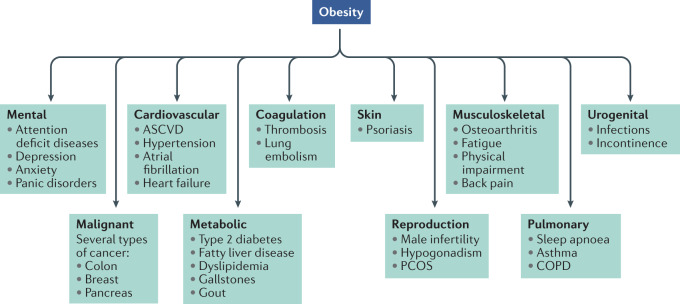
“…colon, mama, útero, esófago, el carcinoma hepatocelular, asma, enfermedades del hígado y de vesícula biliar, problemas pulmonares, enfermedad renal, osteoartritis, problemas reproductivos, muerte prematura, trastornos del sueño, depresión y algunas enfermedades de tipo musculoesquelético (1).”
BackgroundFoutz, M. A., Krinos, E. L., Beretta, M., Hargett, S. R., Shrestha, R., Murray, J. H., Duerre, E., Salamoun, J. M., McCarter, K., Shah, D. P., et al. (2024) · Journal of Medicinal Chemistry · doi:10.1021/acs.jmedchem.4c02366 · Cited by 5
Sun, T., Hao, Z., Meng, F., Li, X., Wang, Y., Zhu, H., Li, Y., & Ding, Y. (2025) · Molecules · doi:10.3390/molecules30051173 · Cited by 4
New Approaches to the Treatment of Severe Obesity—Prehabilitation as the Key to Success
Budny, A., Janczy, A., & Mika, A. (2025) · Current Nutrition Reports · doi:10.1007/s13668-025-00652-1 · Cited by 4
The past and future of obesity research
Blüher, M. (2025) · Nature Reviews Endocrinology · doi:10.1038/s41574-025-01172-2 · Cited by 4
“…1 (GLP1), glucose-dependent insulinotropic polypeptide (GIP) and oxyntomodulin) or on deprivation of nutrients (glucagon, FGF21); and long-term regulators of food intake, which signal to the brain in proportion to the peripheral energy status of the body (such as leptin, insulin and amylin) 4 .”
InfluentialSelf-citationETV1 is a key regulator of enteroendocrine PYY production
Baattrup, A. M., Pedersen, M. T., Hansen, S. L., Maimets, M., Gribble, F. M., Reimann, F., & Jensen, K. B. (2025) · Disease Models & Mechanisms · doi:10.1242/dmm.052610 · Cited by 4
Current pharmacotherapy options in pediatric obesity
Malíková, J. K., Hainerová, I. A., & Lebl, J. (2023) · Česko-slovenská pediatrie · doi:10.55095/cspediatrie2023/017 · Cited by 4
Jia, X.-P., Fan, S., Dong, W., Li, S., Zhang, Y., Ma, Y., & Wang, S. (2023) · Journal of Biomolecular Structure and Dynamics · doi:10.1080/07391102.2023.2204385 · Cited by 4
“…the FDA: phentermine, diethylpropion, benzphetamine, phendi-metrazine, orlistat, phentermine/topiramate ER (Qsymia), bupro-pion/naltrexone (Contrave), liraglutide (Saxenda), setmelanotide (Imcivree, SET), and now semaglutide (Wegovy) (Muller et al., 2022; Singh et al., 2022; Woodard et al., 2020).”
Turner, R., Mukherjee, R., Wallace, M., & Sánchez-Gurmaches, J. (2023) · Journal of Visualized Experiments · doi:10.3791/64219 · Cited by 4
Versorgungssituation für Menschen mit Adipositas in Deutschland
Blüher, M. (2023) · DMW - Deutsche Medizinische Wochenschrift · doi:10.1055/a-1847-2586 · Cited by 4
“Zwischen den erzielbaren Gewichtsreduktionseffekten der konservativen Verhaltenstherapie und der chirurgischen Therapie der Adipositas besteht eine große Lücke, die durch skalierbare Strategien wie Pharmakotherapien geschlossen werden könnte [15].”
BackgroundInfluentialSelf-citationEffects of electroacupuncture on obesity: A systematic review and meta-analysis
Kang, J., Shin, W., Kim, K., Kim, S., Kim, H., Cho, J., Song, M., & Chung, W. (2024) · Medicine · doi:10.1097/md.0000000000036774 · Cited by 4
“However, drug therapy has adverse effects, including gastrointestinal, mental, or cardiovascular problems, [11] and surgical treatment, such as laparoscopic or open surgery, is also associated with adverse effects.”
BackgroundPorto, L. G. G., Soares, E. D. M. K. V. K., Ranadive, S. M., Lofrano‐Porto, A., & Smith, D. L. (2024) · International Journal of Environmental Research and Public Health · doi:10.3390/ijerph21030274 · Cited by 6
Pathophysiologie der Adipositas
Blüher, M. (2024) · Die Diabetologie · doi:10.1007/s11428-024-01161-5 · Cited by 4
Self-citationAnti-adipogenesis effect of indole-3-acrylic acid on human preadipocytes and HFD-induced zebrafish
Zhang, L., Zhao, J., Peng, Z., Zhang, Z., Huang, S., Dong, X., Gao, J., & Guo, X. (2024) · Acta Diabetologica · doi:10.1007/s00592-024-02256-7 · Cited by 4
The dairy-derived peptide Miltin exerts anti-obesity effects by increasing adipocyte thermogenesis
钟宏, Zhang, X., Wu, Y., Lü, L., He, J., Zhang, Z., Chen, C., Chi, X., Cui, X., & Ji, C. (2024) · Food & Function · doi:10.1039/d3fo05704f · Cited by 4
Chartoumpekis, D. V., Chen, I., Salvatore, S. R., Schopfer, F. J., Freeman, B. Α., & Khoo, N. K. H. (2024) · Nitric Oxide · doi:10.1016/j.niox.2024.06.002 · Cited by 4
“These drug categories can act as companions to these measures and aid patients in losing 15–20 % of their original body weight [58–60].”
Toliver, J. C., Schnecke, V., & Rizkallah, L. (2024) · Population Health Management · doi:10.1089/pop.2024.0037 · Cited by 4
“12 Therapies based on lifestyle and behavioral interventions may provide moderate ef fi cacy, but often have poor long-term success.”
InfluentialMeléndez‐Martínez, D., Morales-Martinez, A., Sierra-Valdez, F. J., Cossío-Ramírez, R., Lozano, O., Mayolo‐Deloisa, K., Rito‐Palomares, M., & Benavides, J. (2024) · Computers in Biology and Medicine · doi:10.1016/j.compbiomed.2024.109049 · Cited by 4
Hsu, C., Huang, T., Lin, Z., Chen, C., Hwang, E., Chen, W.-J., & Fang, J. (2024) · International Journal of Nanomedicine · doi:10.2147/ijn.s494416 · Cited by 4
Innovative approaches to the treatment of obesity: from pharmacotherapy to nanomedicine
Romantsova, T. I. (2024) · Obesity and metabolism · doi:10.14341/omet13184 · Cited by 6
Role of Microneedles for Improved Treatment of Obesity: Progress and Challenges
Chilamakuri, S. N., Manasa, N., Thalla, M., Ravichandiran, V., Lee, Y., Cho, S. M., Jung, H., & Natesan, S. (2025) · Molecular Pharmaceutics · doi:10.1021/acs.molpharmaceut.4c01115 · Cited by 5
Ester-Nacke, T., Veit, R., Thomanek, J., Book, M. L., Tamble, L., Beermann, M., Löffler, D., Salvador, R., Ruffini, G., Heni, M., et al. (2025) · Brain stimulation · doi:10.1016/j.brs.2025.04.013 · Cited by 5
“Moreover, recent pharmacological therapies, particularly glucagon-like peptide 1 (GLP1) receptor agonists and glucose-dependent insulinotropic polypeptide (GIP)/GLP1 receptor co-agonists have shown promising results by targeting brain circuits involved in appetite control [6].”
Reitzinger, S., & Czypionka, T. (2025) · Scientific Reports · doi:10.1038/s41598-025-97472-8 · Cited by 4
Treating obesity to optimize women’s health outcomes
Rubino, D., & Schon, S. B. (2025) · Menopause The Journal of The North American Menopause Society · doi:10.1097/gme.0000000000002595 · Cited by 4
Nutraceuticals enhanced by nanotechnology: A new frontier for obesity treatment
Balusamy, S. R., Vijayalakshmi, S., Sumathi, S., Huq, M. A., Nag, S., Mohanto, S., Sukweenadhi, J., Oh, D. H., & Perumalsamy, H. (2025) · Process Biochemistry · doi:10.1016/j.procbio.2025.05.021 · Cited by 4
Discovery of novel OXM-based glucagon-like peptide 1 (GLP-1)/glucagon receptor dual agonists
Zhang, X., Cai, Y., Yao, Z., Chi, H., Li, Y., Shi, J., Zhou, Z., & Sun, L. (2023) · Peptides · doi:10.1016/j.peptides.2023.170948 · Cited by 6
Vique‐Sánchez, J. L., Lujano, P. G. L., Fonseca, K. A. R., & Benítez‐Cardoza, C. G. (2023) · ChemistrySelect · doi:10.1002/slct.202300196 · Cited by 4
Yue, Z., Qian, L., Jin, Y., Xia, Y., Sha, H., Wu, Q., & Hu, K. (2023) · Diabetes Metabolic Syndrome and Obesity · doi:10.2147/dmso.s411440 · Cited by 4
“Discussion The obesity epidemic is one of the greatest medical challenges of our time, and evidence-based medicine has demonstrated that obesity can increase the incidence of type 2 diabetes, hypertension, and the risk of death from gastrointestinal tumors and kidney tumors, as well as the occurrence of adverse events…”
BackgroundAlatawi, F. S. (2023) · Journal of Drug Delivery Science and Technology · doi:10.1016/j.jddst.2023.104792 · Cited by 5
Lim, S. Y. M., Alshawsh, M. A., Alshagga, M. A., Kong, C., Fang, C.-M., & Pan, Y. (2023) · Progress In Microbes & Molecular Biology · doi:10.36877/pmmb.a0000344 · Cited by 4
“By inhibiting the reuptake of these neurotransmitters, sibutramine promotes a sense of satiety and a decrease in appetite, thereby reducing food intake [53] .”
Tornaghi, M., Redha, A. A., Rondanelli, M., & Perna, S. (2023) · PharmaNutrition · doi:10.1016/j.phanu.2023.100363 · Cited by 4
Kundimi, S., Chinta, G., Alluri, K. V., Golakoti, T., Veeramachaneni, S., Ramanathan, G., & Sengupta, K. (2023) · Journal of the American Nutrition Association · doi:10.1080/27697061.2023.2280777 · Cited by 5
Rahmouni, K. (2024) · Hypertension · doi:10.1161/hypertensionaha.124.22066 · Cited by 4
Tang, H., Li, C., Jiang, S., Yu, H., Kamei, S., Yamanishi, Y., & Morimoto, Y. (2024) · Lecture notes in computer science · doi:10.1007/978-981-97-2303-4_9 · Cited by 5
Profiling human hypothalamic neurons reveals a candidate combination drug therapy for weight lossPreprint
Chen, H. C., Yang, A., Mazzaferro, S., Mali, I. D., Cahn, O., Kentistou, K. A., Rowley, C., Stewart, N. M., Seah, J. W. E., Pisupati, V., et al. (2023) · bioRxiv (Cold Spring Harbor Laboratory) · doi:10.1101/2023.07.18.549357 · Cited by 4
“Furthermore, the combined activation of GLP1R and other receptors, such as the gastric inhibitory polypeptide receptor (GIPR) and/or the glucagon receptor (GCGR), can produce an even greater reduction in appetite and food intake (Müller et al. 2022), suggesting that they could form the basis of other effective combina…”
BackgroundLi, S., Chen, W., Ma, S., Zhou, X., Li, J., & Li, B. (2025) · International Journal of Biological Macromolecules · doi:10.1016/j.ijbiomac.2025.142089 · Cited by 4
Emerging Nanonutraceuticals against Obesity
Ni, L., Peng, M., Liang, Y., Ye, X., Zheng, H., Guo, D., Yang, L., Li, X., & Chen, R. (2025) · Small Science · doi:10.1002/smsc.202500116 · Cited by 3
Kwon, Y., Kim, U., Han, S. B., Park, S., Lee, J. S., Heo, H., Jeon, H.-J., Lee, D., Suh, J. H., & Sung, J. (2025) · Food & Function · doi:10.1039/d5fo02231b · Cited by 3
The perspectives in obesity and type 2 diabetes therapy: the present and future of incretin therapy
Shestakova, M. V., & Bashlykova, R. O. (2025) · Terapevticheskii arkhiv · doi:10.26442/00403660.2025.10.203366 · Cited by 6
Hu, W., Zong, J., Gong, J., Xue, R., Lv, Y., Liu, B., Dai, W., Wang, Y., & Chu, C. (2025) · International Journal of Biological Macromolecules · doi:10.1016/j.ijbiomac.2025.149264 · Cited by 3
The global burden of cardiovascular diseases attributable to high body mass index, 1990–2023
Sun, M., Shi, Y., Li, N., Zhou, Z., Luo, J., Chen, Z., Lin, D., & Tan, R. (2026) · Frontiers in Cardiovascular Medicine · doi:10.3389/fcvm.2026.1689708 · Cited by 6
“Comprehensive interventions that combine medical and lifestyle factors can significantly reduce disease risk and global burden, improving patient outcomes (55–57).”
Lv, J., Zhou, L., Dai, X., Landberg, R., Meng, H., Tian, H., Zhang, S., Liu, T., Yin, X., Zhang, J., et al. (2026) · Gut Microbes · doi:10.1080/19490976.2026.2668127 · Cited by 4
“3 While anti-obesity drugs (e.g., orlistat and semaglutide) exist, their costs and adverse side effects are notable, 4 necessitating the development of more effective therapeutic approaches with fewer adverse effects.”
Bovet, P., Farpour‐Lambert, N. J., Banatvala, N., & Baur, L. A. (2023) · Routledge eBooks · doi:10.4324/9781003306689-12 · Cited by 4
Common and ethnic-specific derangements in skeletal muscle transcriptome associated with obesity
Das, S. S., & Das, S. K. (2023) · International Journal of Obesity · doi:10.1038/s41366-023-01417-y · Cited by 3
“In many obese individuals excess accumulation of adipose tissues are characterized by increase in adipocyte size, increase in in fl ammation, damaged lipid buffering, and downregulation of mitochondrial oxidative metabolism [7, 9].”
Current options in obesity pharmacotherapy for children and adolescents
Jung, H. W. (2024) · Precision and Future Medicine · doi:10.23838/pfm.2024.00093 · Cited by 3
Desafios e avanços no entendimento e tratamento dos transtornos alimentares
Coelho, L. R. P., Batista, L. R., Silva, A. C. B., Ramos, A. C. R., Fagundes, L. M., Barros, B. E., Belfort, R. L. D. A., Vieira, M. R. V., Cavalcanti, A. T. L., & Silva, R. R. (2024) · Europub Journal of Health Research · doi:10.54747/ejhrv5n2-006 · Cited by 3
Anti-Obesogenic and Antioxidant Potential of Lychee Seed Flour in Zebrafish Fed a High-Fat Diet
de Oliveira, J. P. L., Carneiro, W. F., da Silva, K. C. D., Martins, M. S. D. A., Machado, G. G. L., Nogueira, L. A., Varaschin, M. S., Boas, E. V. D. B. V., Murgas, L. D. S., & Carvalho, E. E. N. (2025) · Journal of the American Nutrition Association · doi:10.1080/27697061.2024.2446285 · Cited by 3
Allosteric communication mechanism in the glucagon receptor
van der Velden, W. J. C., Mukhaleva, E., & Vaidehi, N. (2025) · Journal of Biological Chemistry · doi:10.1016/j.jbc.2025.108530 · Cited by 3
Medikamentöse Adipositastherapie in Deutschland
Blüher, M. (2025) · Die Innere Medizin · doi:10.1007/s00108-025-01897-2 · Cited by 4
Self-citationFaghfouri, A. H., Musazadeh, V., Mokari‐Yamchi, A., Faramarzi, F., Pam, P., Shekari, S., Mahmoudzadeh, M., & Gheibi, S. (2025) · Obesity Reviews · doi:10.1111/obr.13946 · Cited by 3
O EFEITO DOS ANÁLOGOS DE GLP1 NA MASLD: MECANISMOS, EVIDÊNCIAS E PERSPECTIVAS
Prudente, L. L., de Oliveira, G. A. M., & Cardoso, M. A. P. (2025) · Revista Multidisciplinar do Nordeste Mineiro · doi:10.61164/t9z40s73 · Cited by 3
Discovery of Insulin/GLP-1/Glucagon Triagonists for the Treatment of Diabetes and Obesity
Huang, C., Palani, A., Yang, Z., Deng, Q., Reddy, V., Nargund, R. P., Lin, S., Altezza, S., Bianchi, E., Orvieto, F., et al. (2022) · ACS Medicinal Chemistry Letters · doi:10.1021/acsmedchemlett.2c00218 · Cited by 3
Kim, B. K., & Seo, K. W. (2022) · Journal of Metabolic and Bariatric Surgery · doi:10.17476/jmbs.2022.11.2.13 · Cited by 3
“Many diabetes medications have been released since 2000, and we now have dozens of treatment options [18].”
BackgroundGopal, T., Muthukumaran, P., Prabhu, D., Balasubramanyam, M., & Lakshmi, B. S. (2023) · Environmental Toxicology · doi:10.1002/tox.23989 · Cited by 3
“4,5 An imperfection in lipid and glucose metabolism is caused due to an elevated cellular triacylglycerol levels resulting in lipotoxicity of tissues such as pancreatic islets and skeletal muscle.”
BackgroundStructural plasticity of human leptin binding to its receptor LepR
Xie, Y., Li, X., Qi, J., Shang, G., Lu, D., & Gao, G. F. (2023) · hLife · doi:10.1016/j.hlife.2023.10.010 · Cited by 3
Prognosis of breast cancer using machine learning classifiers
Dutta, A., Harshith, J., Ramamoorthy, A., Raj, A. S. A., Balamurugan, M., & Vinodhini, D. (2024) · Elsevier eBooks · doi:10.1016/b978-0-443-13999-4.00003-1 · Cited by 4
Jaberi, F. M. A., Alhawarri, M. B., Dewa, A., Zainal, Z., & Zakaria, F. (2024) · Pharmacological Research - Modern Chinese Medicine · doi:10.1016/j.prmcm.2024.100420 · Cited by 3
The complex web of obesity: from genetics to precision medicine
Nair, J. M., & Bharadwaj, D. (2024) · Expert Review of Endocrinology & Metabolism · doi:10.1080/17446651.2024.2365785 · Cited by 3
“While MC4R agonists are well reported to reduce body weight, it presents some complications such as cross-stimulation of other melanocortin receptors such as MC1R, MC3R, and MC5R resulting in off-target effects affecting other neuroendocrine processes [119].”
Kumari, V., Goel, A., Kumar, D., Padwad, Y. S., & Kumar, D. (2024) · Journal of Herbal Medicine · doi:10.1016/j.hermed.2024.100950 · Cited by 3
Future Medications for Obesity and Clinical Implications
Garvey, W. T. (2024) · Diabetes Spectrum · doi:10.2337/dsi24-0004 · Cited by 3
Current status of anti-obesity medications and performance, an EHR based survey
Ruan, X., Li, R., Wang, L., Lu, S., Wen, A., Murali, S. B., & Liu, H. (2026) · BMC Endocrine Disorders · doi:10.1186/s12902-026-02423-7 · Cited by 3
“1 ) BW and BMI Both tirzepatide and semaglutide were associated with substantial reductions in BW, with median long-term weight losses of 8·5 [10]–9·6 [11]% and 4·8 [10]–6·2 [11]%, respectively.”
Yang, Y., Shao, W., Shu, H., Wang, P., & Tao, Y. (2025) · Biomedical Chromatography · doi:10.1002/bmc.70034 · Cited by 3
Epitranscriptomic Role of m6A in Obesity-Associated Disorders and Cancer Metabolic Reprogramming
Yan, S., Wen, W., Mo, Z., Gu, S., & Chen, Z. (2025) · Genes · doi:10.3390/genes16050498 · Cited by 3
“Population-based studies further highlight the strong association between obesity-related complications and increased mortality risk [6].”
Recent Progress in the Management of Obesity
Gómez‐Ambrosi, J. (2023) · Nutrients · doi:10.3390/nu15122651 · Cited by 3
Progress of the anti-obesity of BerberinePreprint
Kong, Y., haokun, Y., Rong, N., Xuxiang, Z., Hongtao, Z., & Xin, N. (2025) · arXiv (Cornell University) · doi:10.48550/arxiv.2501.02282 · Cited by 6
Cabrera-Rode, E., Cubas-Dueñas, I., Acosta, J. R., Hernández, J. C., González, A. I. C., Calero, T. M. G., Domínguez, Y. A., Rodríguez, J. H., Rodríguez, A. D. R., Álvarez Álvarez, A., et al. (2023) · BMC Complementary Medicine and Therapies · doi:10.1186/s12906-023-03847-7 · Cited by 2
Zhong, Y., Emam, H., Hou, W., Yan, J., Abudurexiti, A., Zhang, R., Qi, S., Yi, L., & Ma, X. (2024) · Journal of Medicinal Food · doi:10.1089/jmf.2024.k.0030 · Cited by 2
“Due to the various shortcomings of existing weight loss drugs, 23 there has been a great interest in fi nding edible plant compounds that can be used as an alternative.”
Efficacy and Safety of Semaglutide in Weight Loss of Non-diabetic People
Song, C.-E., Wang, Y., Dai, X., & Wu, H. (2024) · Endocrine Metabolic & Immune Disorders - Drug Targets · doi:10.2174/0118715303283400240521120048 · Cited by 3
Meléndez‐Martínez, D., Ortega‐Hernández, É., Reza-Zaldívar, E. E., Carbajal‐Saucedo, A., Arnaud, G., Gatica-Colima, A., Plenge‐Tellechea, F., Antunes‐Ricardo, M., Jacobo‐Velázquez, D. A., Mayolo‐Deloisa, K., et al. (2024) · Toxicon X · doi:10.1016/j.toxcx.2024.100209 · Cited by 4
“Several drugs have been developed to treat obesity but have limited efficacy, and they present significant side effects such as cardiovascular and cerebrovascular problems, cancer, and psychological problems such as depression or suicidal ideation (Müller et al., 2021).”
BackgroundGöpel, W., Lüders, C., Heinze, K., Rausch, T. K., Fortmann, M. I., Szymczak, S., König, I. R., Herting, E., & Hanke, K. (2025) · Deutsches Ärzteblatt international · doi:10.3238/arztebl.m2024.0253 · Cited by 2
Kumar, V., B, A. V., Sharma, M., & Saikrupa, B. V. (2025) · Journal of Drug Delivery and Therapeutics · doi:10.22270/jddt.v15i1.6914 · Cited by 2
Pan, X., Ren, Z., Gong, P., Sun, X., Wang, L., He, Y., Liu, D., & Cao, X. (2025) · Chemistry & Biodiversity · doi:10.1002/cbdv.202403263 · Cited by 2
“Cryptotanshinone was widely found in food raw materials and Chinese herbal medicines and was characterized by easy extraction and no toxic side effects [24].”
Cao, G., Liao, X., Zhao, S., Li, M., Xie, Z., Yang, J., Li, Y., Zhu, Z., Jin, X., Huang, R., et al. (2025) · International Journal of Molecular Sciences · doi:10.3390/ijms26041474 · Cited by 2
“Although anti-obesity drugs hold promise, their limited efficacy, coupled with potential side effects and drug interactions, underscores the need to discover new, effective, and safe anti-obesity ingredients [32,33].”
Disse, E., Aron‐Wisnewsky, J., Jacobi, D., Clément, K., Laville, M., Gauthier, C., Pattou, F. N., Molleville, J., Akerib, M., Jubin, L., et al. (2025) · Diabetes & Metabolism · doi:10.1016/j.diabet.2025.101625 · Cited by 3
Gong, L., Yang, S., Zhang, Z., & Xu, H. (2025) · Plant Foods for Human Nutrition · doi:10.1007/s11130-025-01308-9 · Cited by 2
Embracing the second chance: efficacy and safety of revisional bariatric surgery for weight regain
Spurzem, G. J., Broderick, R. C., Huang, E. Y., Hollandsworth, H. M., Sandler, B. J., Jacobsen, G. R., & Horgan, S. (2025) · Mini-invasive Surgery · doi:10.20517/2574-1225.2024.96 · Cited by 3
Panchal, N., & Vaghela, V. M. (2025) · Biosciences Biotechnology Research Asia · doi:10.13005/bbra/3339 · Cited by 2
“16,67”
The nucleus accumbens shell regulates hedonic feeding via a rostral hotspot
Marinescu, A., Kamal, E., Leary, P., Batista, K. N. I., Klug, M., Savić, N., Foll, C. L., & Labouesse, M. A. (2026) · eLife · doi:10.7554/elife.108639.3 · Cited by 2
A standardized method for vertical sleeve gastrectomy bariatric surgery investigations in cancer
Ramesh, A. V., Joseph, S. C., Bohm, M. S., Grey, E. W., Elasy, J. H., Hibl, B. M., Asunloye, O., Kim, K., Doss, T. D., Pierre, J. F., et al. (2025) · Frontiers in Microbiomes · doi:10.3389/frmbi.2025.1432817 · Cited by 2
Diabetic kidney disease: exploring mechanistic depths and the future of pharmacological intervention
Rakshe, P. S., & Gaikwad, A. B. (2025) · Naunyn-Schmiedeberg s Archives of Pharmacology · doi:10.1007/s00210-025-04534-9 · Cited by 3
Shetty, S., Karunakara, M. B., Kristipati, R. R., Kalthur, G., & Kumari, S. (2025) · F1000Research · doi:10.12688/f1000research.167998.1 · Cited by 2
Liu, P. F., Zhang, M., Li, A., Lv, T., Lu, J., Chen, W., Yin, K., & Zhang, G. (2025) · Obesity Reviews · doi:10.1111/obr.70024 · Cited by 2
Comparative Analysis of Deep Learning‐Based Algorithms for Peptide Structure Prediction
Sauvestre, C., Zagury, J., & Langenfeld, F. (2025) · Proteins Structure Function and Bioinformatics · doi:10.1002/prot.70049 · Cited by 4
Megantara, I., Karisa, P., Pakpahan, W. I., Sylviana, N., & Goenawan, H. (2025) · Adipocyte · doi:10.1080/21623945.2025.2576894 · Cited by 4
Priboyska, K., Todorova, M. N., GERASIMOVA, V. V., Savova, M. S., Krustanova, S., Petkova, Z. S., Stoyanov, S., Popova, M., Georgiev, M. I., & Alipieva, K. I. (2025) · Molecules · doi:10.3390/molecules30214202 · Cited by 2
Weiland, A., Kasemann, L., Sauer, H., Horing, B., Zipfel, S., Mazurak, N., Enck, P., & Mack, I. (2025) · Obesity Facts · doi:10.1159/000548602 · Cited by 3
“These approaches range from conservative weight management to pharmacological treatments [2] and bariatric surgery [3], with prevention and conservative therapies forming the cornerstone of care.”
Comparative analysis of LJ-4378 and tirzepatide in mouse models of obesity and weight regain
Kim, H., Kim, S. W., Choi, C., Joo, S., Kim, G., Kim, M., Yang, E., Lee, J., Chung, S., Jeong, L. S., et al. (2025) · Archives of Pharmacal Research · doi:10.1007/s12272-025-01575-9 · Cited by 3
Food structure-mediated stomach-brain neural signaling controls gastric emptying
Shi, H., Wilde, P. J., Yu, H., Han, J., & Liu, W. (2025) · Critical Reviews in Food Science and Nutrition · doi:10.1080/10408398.2025.2598814 · Cited by 2
Çelik, M. N., & Uluğ, E. (2025) · International Journal of Obesity · doi:10.1038/s41366-025-01961-9 · Cited by 2
Mukherjee, S., Skrede, S., & Fernø, J. (2025) · Reviews in Endocrine and Metabolic Disorders · doi:10.1007/s11154-025-10009-2 · Cited by 3
“As a result, they have also been examined for their potential of preventing APD-induced obesity [ 133, 134].”
Zhou, F., Li, X., Jiang, J., & Zhang, L. L. (2025) · Materials Today Bio · doi:10.1016/j.mtbio.2025.102756 · Cited by 6
“The development of anti-obesity medications (AOMs) and emerging nanomedicines for weight loss and obesity management has been extensively reviewed in recent literature [25,32].”
Li, B., Chen, J., Sun, Y., Gao, J., Hu, M., Xu, J., Wang, S., Feng, N., Xu, H., Jiang, Z., et al. (2026) · Foods · doi:10.3390/foods15020325 · Cited by 2
Management of obesity in advanced chronic liver disease
Caussy, C., & Francque, S. (2026) · JHEP Reports · doi:10.1016/j.jhepr.2026.101749 · Cited by 3
“44,45 The new generation of AOMs encompasses the incretin-based therapies such as glucagon-like peptide-1 receptor agonists (GLP-1-RAs), which target the gut-brain axis.”
Ji, J., Yu, W., Kou, X., Chen, C., Shao, Y., Li, J., Lv, B., Li, J., & Xue, Z. (2026) · Food & Function · doi:10.1039/d5fo04520g · Cited by 2
Huang, Y., Liu, Q., Lu, S.-R., Wang, Z.-X., Li, S.-H., Dou, G.-L., Sun, F., Li, Y., Ji, W., & Dong, W.-W. (2026) · ES Food & Agroforestry · doi:10.30919/faf2059 · Cited by 2
Targeting Gβγ subunits in hypothalamic AgRP neurons to treat obesity
Ye, X., Xiong, X., Wang, X., Wang, Y., Shen, Y. H., Zhang, H., Zhang, R., Chen, L., Zhang, P., Zhang, Y., et al. (2026) · Metabolism · doi:10.1016/j.metabol.2026.156569 · Cited by 2
Discovering anti-obesity blue food compounds via combined deep learning and in silico approaches
Shin, S. H., Oh, E., Park, C., Oh, S. M., Hwang, H. J., You, J. Y., Ryu, H., Hur, G., Kim, J. W., Park, J. H. Y., et al. (2026) · Molecular Diversity · doi:10.1007/s11030-026-11506-5 · Cited by 2
Rao, P. P. (2026) · Obesity Medicine · doi:10.1016/j.obmed.2026.100694 · Cited by 3
Bahtiar, A., Musyantika, L., Wahyuni, T., Utami, R. A., & Siriamornpun, S. (2026) · Foods · doi:10.3390/foods15071167 · Cited by 2
Zhao, Y., Wang, J., Yu, S., Zhuo, X., Li, X., Chen, Z., & Liang, G. (2026) · Bioorganic Chemistry · doi:10.1016/j.bioorg.2026.109873 · Cited by 2
Metadata
- Authors
- Müller, T. D., Blüher, M., Tschöp, M. H., & DiMarchi, R. D.
- Affiliations
- Helmholtz Munich (DE)
- Indiana University Bloomington (US)
- Corresponding author
- Müller, Timo D.
- DiMarchi, Richard D.
- Venue
- Nature Reviews Drug Discovery
- Published
- 2021-11-23
- Volume
- 21
- Issue
- 3
- Pages
- 201-223
- ISSN
- 1474-1776 (ISSN-L)
- 1474-1784
- PMC
- PMC8609996
- OpenAlex
- W3217337816
- Semantic Scholar
- b0e07187edbb01228cee2a7f1f5884b1c6df014c
- Cited by
- 1,021
- References
- 343
- Citations by year
- 2026: 136 · 2025: 255 · 2024: 286 · 2023: 221 · 2022: 123
- FWCI
- 20.08
- Type
- journal article
- Language
- en
- Open access
- hybrid
- doi.org
- Licence
- cc-by
- www.springernature.com/gp/researchers/text-and-data-mining (tdm)
- www.springernature.com/gp/researchers/text-and-data-mining (vor)
- Locations
- Nature Reviews Drug Discovery (publishedVersion, cc-by)
- PubMed Central (publishedVersion, cc-by)
- PubMed (publishedVersion)
- mediaTUM (Technical University of Munich) (submittedVersion)
- Site cant be reached (submittedVersion)
- PuSH - Publication Server of Helmholtz Zentrum München (submittedVersion)
- Funders
- Alexander von Humboldt-Stiftung
- Deutsche Forschungsgemeinschaft (TRR- 152, TRR296)
- Servier
- H2020 European Research Council (695054)
- Topics
- Health Sciences › Medicine › Pharmacology (medical) › Pharmacology and Obesity Treatment
- Life Sciences › Neuroscience › Endocrine and Autonomic Systems › Regulation of Appetite and Obesity
- Health Sciences › Medicine › Endocrinology, Diabetes and Metabolism › Adipokines, Inflammation, and Metabolic Diseases
- Keywords
- anti-obesity drugs, obesity, drug development history, drug safety, sustained weight loss, gut-brain signaling, obesity pharmacotherapy
- MeSH terms
- Adult, Diabetes Mellitus, Type 2, Humans, Obesity, Weight Loss, Anti-Obesity Agents
About these checks
Registry, retraction, Cites and statistics results are computed, not judged, with one exception: a printed reference that no index lists is read once by a model before it counts as a citation error. Claims are extracted by a model and kept only when their quote appears verbatim in the text; each cited source is then checked, with a model’s help, for whether it says what the claim relies on. Those verdicts can be wrong — read the claim’s quote and the cited source before relying on one.
Statistics and arithmetic are recomputed, not judged.
Confidence bands are shown only for fields calibrated on our annotated test set. None is calibrated yet, so no band is shown.
What counts as a claim ›How we measure confidence ›How we check this ›
Are you an author, or do you see a problem with this page? Request a review
Data sources
Bibliographic data: Semantic Scholar, OpenAlex, Crossref.
Contains information from the Semantic Scholar Academic Graph Datasets, made available under the ODC Attribution License (ODC-BY 1.0).
Semantic Scholar’s data is described in: Kinney, R., et al. (2023). The Semantic Scholar Open Data Platform. arXiv:2301.10140.
