

Anti-obesity drug discovery: advances and challenges
Open accessThe DOI matches its Crossref record; 344 of the 344 references it cites were found in a registry or an index.
Abstract
Enormous progress has been made in the last half-century in the management of diseases closely integrated with excess body weight, such as hypertension, adult-onset diabetes and elevated cholesterol. However, the treatment of obesity itself has proven largely resistant to therapy, with anti-obesity medications (AOMs) often delivering insufficient efficacy and dubious safety. Here, we provide an overview of the history of AOM development, focusing on lessons learned and ongoing obstacles. Recent advances, including increased understanding of the molecular gut–brain communication, are inspiring the pursuit of next-generation AOMs that appear capable of safely achieving sizeable and sustained body weight loss. The development of therapies that are capable of safely achieving sizeable and sustained body weight loss has proved tremendously challenging. Here, Müller et al. provide an overview of the history of anti-obesity drug development, focusing on lessons learned, ongoing challenges and recent advances in the field.
Overview
The claims and statistics of this paper haven’t been checked yet.
Free: it reads the open-access text and checks the first 5 claims that cite a source we can check. Create a free account to check every claim.
Integrity signals
Registry
Cites
Statistics
Figures
Verification
Claims the paper makes
The claims and statistics of this paper haven’t been checked yet.
Free: it reads the open-access text and checks the first 5 claims that cite a source we can check. Create a free account to check every claim.
Claims other papers make about this one
Each is checked against this paper’s own text: does it say what the citing paper says it does?
The source backs part of the claim, not all of it — or backs it for a different population, condition or comparison.
In the citing paper
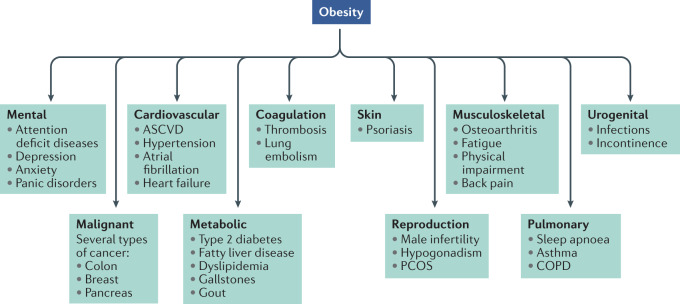
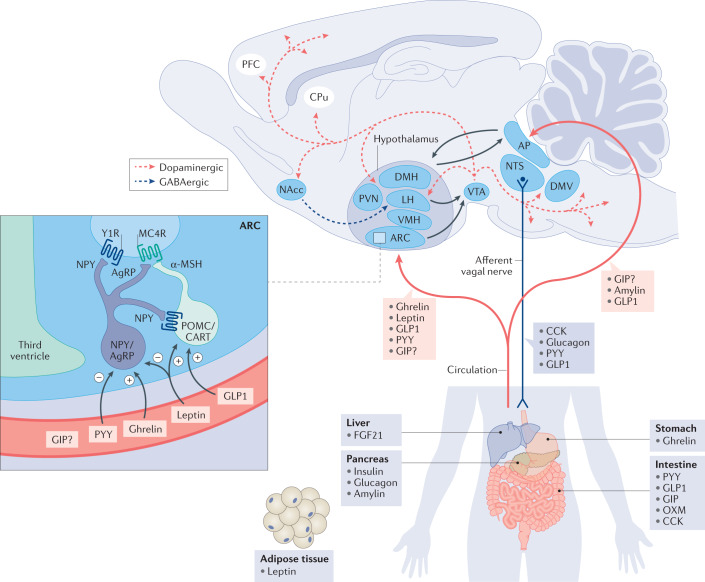
“The regulation of body weight is orchestrated primarily by the brain and adipose tissue (Figure 1), which constantly integrate information related to the body’s energetic state to adjust food intake, satiety and energy balance8,10.”
From Transforming obesity: The advancement of multi-receptor drugs (2024) · cites this paper as [8]
Experimental — accuracy not yet measuredThe source backs part of the claim, not all of it — or backs it for a different population, condition or comparison.
In the citing paper
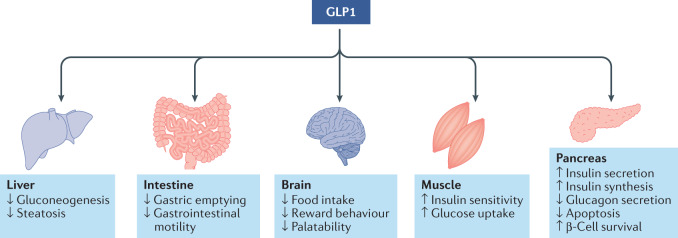
“Beyond its role in glucose metabolism, GLP-1 is known to possess cardio- and neuroprotective effects, reduce cellular apoptosis and inflammation, and modulate reward behavior and palatability8,55 (Figure 1).”
From Transforming obesity: The advancement of multi-receptor drugs (2024) · cites this paper as [8]
Experimental — accuracy not yet measuredThe source backs part of the claim, not all of it — or backs it for a different population, condition or comparison.
In the citing paper
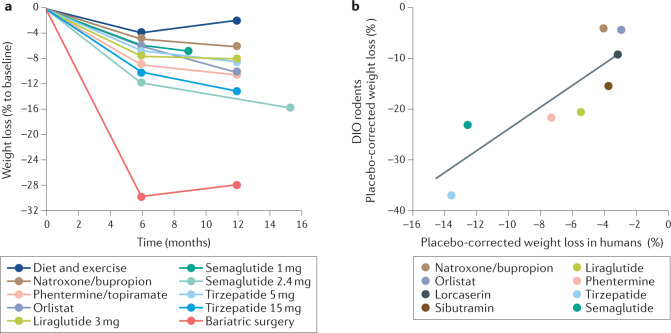
“However, despite appreciable weight loss of ~5-8% in the short term, such lifestyle interventions have only limited potential for sustained weight reduction, particularly when utilized as a stand-alone therapy8.”
From Transforming obesity: The advancement of multi-receptor drugs (2024) · cites this paper as [8]
Experimental — accuracy not yet measuredThe source backs part of the claim, not all of it — or backs it for a different population, condition or comparison.
In the citing paper
“Consistent with this model is a battery of preclinical and clinical studies demonstrating that weight loss induced by GLP-1R agonism is enhanced when adjunctively administered with glucagon, GIP, amylin, CCK or FGF21, which can be achieved as co-therapy, or in a unimolecular polyagonist formulation8.”
From Transforming obesity: The advancement of multi-receptor drugs (2024) · cites this paper as [8]
Experimental — accuracy not yet measuredThe source backs part of the claim, not all of it — or backs it for a different population, condition or comparison.
In the citing paper
“However, most of these efforts have been plagued with significant adverse effects and/or limited efficacy which has resulted in the withdrawal and discontinued use for the majority of these medications [5].”
From Dual and Triple Incretin-Based Co-agonists: Novel Therapeutics for Obesity and Diabetes (2024) · cites this paper as [5]
Experimental — accuracy not yet measured
13 more claims about this paper
Create a free account to see every claim other papers make about this one.
Self-check
Percentages, sums and reported differences re-computed from the paper’s own numbers.
The self-check needs the paper’s full text.
Citations
Cites
Reduction in the incidence of type 2 diabetes with lifestyle intervention or metformin
(2002) · New England Journal of Medicine · doi:10.1056/nejmoa012512 · Cited by 19,011
Positional cloning of the mouse obese gene and its human homologue
Zhang, Y., Proenca, R., Maffei, M., Barone, M., Leopold, L., & Friedman, J. M. (1994) · Nature · doi:10.1038/372425a0 · Cited by 13,419
The metabolic phenotype in obesity: Fat mass, body fat distribution, and adipose tissue function
Goossens, G. H. (2017) · Obesity Facts · doi:10.1159/000471488 · Cited by 8,481
Molecular Mechanisms of Depression: Perspectives on New Treatment Strategies
Lang, U. E., & Borgwardt, S. (2013) · Cellular Physiology and Biochemistry · doi:10.1159/000350094 · Cited by 8,475
Health effects of overweight and obesity in 195 countries over 25 years
Collaborators, T. G. 2. O. (2017) · New England Journal of Medicine · doi:10.1056/nejmoa1614362 · Cited by 7,918
Overweight, obesity, and mortality from cancer in a prospectively studied cohort of U.S. Adults
Calle, E. E., Rodriguez, C., Walker-Thurmond, K., & Thun, M. J. (2003) · New England Journal of Medicine · doi:10.1056/nejmoa021423 · Cited by 7,696
Liraglutide and Cardiovascular Outcomes in Type 2 Diabetes
Marso, S. P., Daniels, G. H., Brown-Frandsen, K., Kristensen, P., Mann, J. F. E., Nauck, M. A., Nissen, S. E., Pocock, S., Poulter, N. R., Ravn, L. S., et al. (2016) · New England Journal of Medicine · doi:10.1056/nejmoa1603827 · Cited by 7,629
Genetics of Food Intake Self-Regulation in Childhood: Literature Review and Research Opportunities
Faith, M. S., Carnell, S., & Kral, T. V. E. (2013) · Human Heredity · doi:10.1159/000353879 · Cited by 7,601
Semaglutide and Cardiovascular Outcomes in Patients with Type 2 Diabetes
Marso, S. P., Bain, S. C., Consoli, A., Eliaschewitz, F. G., Jódar, E., Leiter, L. A., Lingvay, I., Rosenstock, J., Seufert, J., Warren, M. L., et al. (2016) · New England Journal of Medicine · doi:10.1056/nejmoa1607141 · Cited by 6,900
Brown Adipose Tissue: Function and Physiological Significance
CANNON, B., & NEDERGAARD, J. (2004) · Physiological Reviews · doi:10.1152/physrev.00015.2003 · Cited by 6,433
Research works printed but not linked: 1
- Farooqi S O’Rahilly S Genetics of obesity in humans Endocr. Rev. 2006 27 710 718 10.1210/er.2006-0040 17122358 · DOI · Paper page
Cited by
Items 401–500 of 1,001
Niu, Y., Gao, T., Ouyang, H., Zhang, Y., Gong, T., Zhang, Z., Cao, X., & Fu, Y. S. (2024) · ACS Applied Bio Materials · doi:10.1021/acsabm.3c01216 · Cited by 11
Kan, H., Swindle, J. P., Bae, J., Dunn, J. P., Buysman, E. K., Gronroos, N. N., Bengtson, L., Chinthammit, C., Ford, J., & Ahmad, N. (2023) · Obesity Pillars · doi:10.1016/j.obpill.2023.100072 · Cited by 10
“Baseline healthcare resource utilization. controversial, including removal of multiple AOMs from the market due to serious adverse drug reactions [51].”
BackgroundLütkemeyer, C., Pasqualotto, E., Ferreira, R. O. M., Chavez, M. P., Petris, I., Santos, H. V. D., Wille, J. M., Hohl, A., Ronsoni, M. F., & Sande-Lee, S. V. D. (2024) · Archives of Endocrinology and Metabolism · doi:10.20945/2359-4292-2023-0469 · Cited by 10
“Additionally, tirzepatide, a glucose-dependent insulinotropic polypeptide (GIP)/ GLP-1 dual agonist, has proven efficacy in weight reduction and was recently approved by the Food and Drug Administration (FDA) for treating type 2 diabetes (T2D) and obesity (5,23,24).”
InfluentialATP-Bound State of the Uncoupling Protein 1 (UCP1) from Molecular Simulations
Jacobsen, L., Lydersen, L., & Khandelia, H. (2023) · The Journal of Physical Chemistry B · doi:10.1021/acs.jpcb.3c03473 · Cited by 10
Shirin, H., Neeland, I. J., Ryan, D. H., de Luis, D. A., Lecube, A., MAGOS, Z., Kenan, Y., Amir, R., Cohen, D. L., & Johansen, O. E. (2023) · Obesity Pillars · doi:10.1016/j.obpill.2023.100094 · Cited by 10
“However, the use of these medications can be costly and may result in side effects that lead to discontinuation, and weight regain is frequently seen after their discontinuation [14,16].”
BackgroundWu, K., Kuang, J., Huang, N., Sheng, L., Li, J., Li, R., Gong, L., Lu, Q., Liu, R., & Sun, R. (2025) · Phytomedicine · doi:10.1016/j.phymed.2025.156375 · Cited by 10
Kalita, P., Pathak, M. P., Barbhuiya, P. A., & Nongkhlaw, F. T. (2025) · International Journal of Biological Macromolecules · doi:10.1016/j.ijbiomac.2025.144856 · Cited by 10
Shi, R., Wei, J., Ye, J., Song, X., Yang, X., Zhang, Y., Liu, S., Ren, J., Wang, D., Zhao, Z., et al. (2025) · Journal of Advanced Research · doi:10.1016/j.jare.2025.06.041 · Cited by 14
Nanomedicine as a Promising Treatment Approach for Obesity
Alanazi, A., Craven, A., Spirou, S. V., Santos-Martínez, M. J., Medina, C., & Gobbo, O. L. (2025) · Journal of Nanotheranostics · doi:10.3390/jnt6030021 · Cited by 10
Identification of a neural basis for energy expenditure in the mouse arcuate hypothalamus
Wang, T., Han, S., Wang, Y., Li, Y., Li, Y., Xing, Z., Zhang, S., Xia, Y., Zhu, F., Chen, Z., et al. (2025) · Neuron · doi:10.1016/j.neuron.2025.08.021 · Cited by 10
Liu, J., Guo, C., Wang, Y., Su, M., Huang, W., & Lai, K. P. (2022) · Frontiers in Nutrition · doi:10.3389/fnut.2022.950130 · Cited by 10
Soldevila‐Domenech, N., Pastor, A., Sala‐Vila, A., Lázaro, I., Boronat, A., Muñoz, D., Castañer, O., Fagundo, A. B., Corella, D., Fernández‐Aranda, F., et al. (2022) · Frontiers in Nutrition · doi:10.3389/fnut.2022.1076677 · Cited by 12
A Wrong Fate Decision in Adipose Stem Cells upon Obesity
Cheung, Y. M., Chook, C. Y. B., Yeung, H. W., Leung, F. P., & Wong, W. T. (2023) · Cells · doi:10.3390/cells12040662 · Cited by 10
Antiadipogenic and antiobesogenic effects of pterostilbene in 3T3-L1 preadipocyte models
GÜLNAR, B., Canatar, İ., & Özdaş, S. (2023) · TURKISH JOURNAL OF BIOLOGY · doi:10.55730/1300-0152.2649 · Cited by 10
“However, the development of specific targeted therapeutic molecules and complementary therapy strategies is still a subject of intense research, as current medical and surgical methods involve high risk and cost (Müller et al., 2022).”
BackgroundAdipositastherapie – werden Pharmakotherapien die Alternative zur metabolischen Chirurgie sein?
Müller, T. D., & Blüher, M. (2023) · Die Innere Medizin · doi:10.1007/s00108-023-01530-0 · Cited by 11
Self-citationZino, L., Wit, F. W. N. M., Rokx, C., den Hollander, J. G., van der Valk, M., Richel, O., Burger, D. M., & Colbers, A. P. H. (2023) · Clinical Infectious Diseases · doi:10.1093/cid/ciad404 · Cited by 10
“In addition to BS, several pharmacologic interventions (ie, glucagon-like peptide 1 agonists) are emerging for long-term weight loss in the general population [33], with one ongoing study in PWH (Clinical Trials Registration, NCT04174755).”
BackgroundJiang, N., Su, D., Chen, D., Huang, S., Tang, C., Jing, L., Yang, C.-Y., Zhou, Z., Yan, Z., & Han, J. D. J. (2023) · Journal of Medicinal Chemistry · doi:10.1021/acs.jmedchem.3c01049 · Cited by 10
Pandey, V., Adhikrao, P. A., Motiram, G. M., Yadav, N. R., Jagtap, U. A., Kumar, G., & Paul, A. T. (2024) · Archiv der Pharmazie · doi:10.1002/ardp.202300503 · Cited by 10
Adjuvant and Neo-Adjuvant Anti-Obesity Medications and Bariatric Surgery: A Scoping Review
Sher, T., McGee, M. Y., DuCoin, C. G., Sujka, J. A., & Docimo, S. (2024) · Current Obesity Reports · doi:10.1007/s13679-024-00558-z · Cited by 11
“Though phentermine was shown to be more efficacious, treatment decisions between the two AOMs will be unlikely due to lorcaserin being withdrawn by the FDA in 2020 due to its association with cancer [61].”
Practical strategies to manage obesity in type 2 diabetes
Rodbard, H. W., Barnard-Kelly, K. D., Pfeiffer, A. F. H., Mauersberger, C., Schnell, O., & Giorgino, F. (2024) · Diabetes Obesity and Metabolism · doi:10.1111/dom.15556 · Cited by 10
“Adapted from Blüher et al. 16 and Müller et al. 32 weight, including some antipsychotic and antidepressant medications and β -blockers, should be minimized to the extent possible.”
BackgroundHyun, J., Lee, H.-G., Je, J.-G., Choi, Y., Song, K., Kim, T., Ryu, B., Kang, M., & Jeon, Y. (2024) · International Journal of Molecular Sciences · doi:10.3390/ijms25179738 · Cited by 10
Global hotspots and trends in tea anti-obesity research: a bibliometric analysis from 2004 to 2024
Liu, S., Fan, B., Li, X., & Sun, G. (2024) · Frontiers in Nutrition · doi:10.3389/fnut.2024.1496582 · Cited by 10
“Beyond Orlistat, which inhibits gastric and pancreatic lipase activities resulting in the non-absorption of approximately 30–35% of ingested fats (6), other drugs such as Phentermine and Bupropion influence distinct neurological pathways (7, 8).”
Vernail, V. L., Lucas, L., Miller, A. J., & Arnold, A. C. (2024) · International Journal of Molecular Sciences · doi:10.3390/ijms252413320 · Cited by 11
“Conversely, several anti-obesity therapeutics have been withdrawn from the market due to adverse cardiovascular effects, including elevated blood pressure [11,12].”
Júnior, W. S. D. S. (2025) · Diabetes Technology and Obesity Medicine · doi:10.1089/dtom.2025.0015 · Cited by 13
A new era in gut hormone-based pharmacotherapy for people with obesity
Firman, C., & Batterham, R. L. (2022) · Proceedings of The Nutrition Society · doi:10.1017/s0029665122002695 · Cited by 10
“The therapeutic aim of this approach is that the presence of both GLP-1 and GIP, which induce satiety, increases energy expenditure and reduces energy intake, will counteract the hyperglycaemic effects of glucagon agonism by elevating insulin secretion (92, 93) .”
BackgroundElucidating the role of Rgs2 expression in the PVN for metabolic homeostasis in mice
Deng, Y., Dickey, J. E., Saito, K., Deng, G., Singh, U., Jiang, J., Toth, B. A., Zhu, Z., Zingman, L. V., Resch, J. M., et al. (2022) · Molecular Metabolism · doi:10.1016/j.molmet.2022.101622 · Cited by 10
“Accordingly, most of the current FDA-approved anti-obesity medications are known to act through the CNS to suppress food intake and/or promote energy expenditure [5].”
BackgroundCryptotanshinone promotes brown fat activity by AMPK activation to inhibit obesity
Ni, J., Ye, A., Gong, L., Zhao, X., Fu, S., & Guo, J. (2024) · Nutrition Research and Practice · doi:10.4162/nrp.2024.18.4.479 · Cited by 9
“However, the efficacy of lifestyle and behavioral interventions is poor; surgical intervention usually expensive and not widely available; weight loss drugs typically have dependency and cardiovascular side effects [8].”
BackgroundTanaka, T., Kojima, T., Pathadka, S., Khare, S., Leith, A., Higgins, V., & Shingaki, T. (2025) · Current Medical Research and Opinion · doi:10.1080/03007995.2025.2486167 · Cited by 9
“The mild effectiveness of these AOMs 12–14 could have contributed to the marginal differences seen in weight loss between AOM users and non-users.”
The impact of semaglutide use for weight loss on transforaminal lumbar interbody fusion outcomes
Khalid, S. I., Mirpuri, P., Massaad, E., Wang, R., Elsamadicy, A. A., Shin, J. H., & Adogwa, O. (2025) · Clinical Neurology and Neurosurgery · doi:10.1016/j.clineuro.2025.108952 · Cited by 11
Wang, X., Shang, X., Pan, Y., Fu, Y., Zhu, H., & Yan, S. (2025) · Frontiers in Nutrition · doi:10.3389/fnut.2025.1604801 · Cited by 9
Cerchi, E., Santo, P. A. D. E., de Oliveira, M. C., Janovsky, C. C. P. S., & Halpern, B. (2025) · International Journal of Obesity · doi:10.1038/s41366-025-01920-4 · Cited by 9
“Additionally, several drugs have been withdrawn due to unacceptable side effects [7, 8], intensifying the search for more effective and safer anti-obesity pharmacotherapies in recent decades [5, 6].”
DNA‐mediated UCP1 overexpression in adipose tissue: A promising anti‐obesity gene therapy
Zhao, Z., Hu, L., Song, B., Wu, Q., Lin, J., Liu, Q., Liu, S., Li, J., Wang, M., Li, J., et al. (2025) · Clinical and Translational Medicine · doi:10.1002/ctm2.70491 · Cited by 9
“28,29 Pharmacological interventions targeting GLP-1 receptors primarily function to suppress appetite and reduce food intake.”
Rodó, J., García, M., Casana, E., MUÑOZ, S. A., Jambrina, C., Sacristan, V., Franckhauser, S., Grass, I., Jiménez, V., & Bosch, F. (2023) · Scientific Reports · doi:10.1038/s41598-023-33367-w · Cited by 10
Shen, S., Liao, Q., Gu, L., Zhu, Y., Liu, Y., Zhang, X., Zhang, J., Shi, Q., Sun, Y., Wang, J., et al. (2024) · Acta Materia Medica · doi:10.15212/amm-2023-0041 · Cited by 13
“Phase II trials are on-going using NNC0165-1875 combined with semaglutide for its treatment against obesity [8].”
BackgroundMethodInfluentialSwan, J., Szabó, Z., Peters, J., Kummu, O., Kemppi, A., Rahtu‐Korpela, L., Konzack, A., Hakkola, J., Pasternack, A. H., Ritvos, O., et al. (2024) · Biomedicine & Pharmacotherapy · doi:10.1016/j.biopha.2024.116683 · Cited by 9
Lee, Y., Iqbal, N., Lee, M., Park, D., & Kim, Y. (2024) · Journal of Microbiology and Biotechnology · doi:10.4014/jmb.2402.02012 · Cited by 9
Yang, S., Chen, L., Luo, D., Wang, Y.-Y., & Liang, F.-X. (2024) · Journal of Chinese Integrative Medicine · doi:10.1016/j.joim.2024.08.004 · Cited by 10
Type 2 diabetes: a sacrifice program handling energy surplus
Ye, J., & Yin, J. (2024) · Life Metabolism · doi:10.1093/lifemeta/loae033 · Cited by 9
Fan, S., Li, J., Zhuang, J., Zhou, Q., Mai, Y., Lin, B., Wang, M., & Wu, C. (2024) · Journal of the American Chemical Society · doi:10.1021/jacs.4c12808 · Cited by 9
Elarabany, N., Hamad, A., & Al-Sobeai, S. M. (2022) · Journal of Food Biochemistry · doi:10.1111/jfbc.14265 · Cited by 11
Kottekad, S., Roy, S., & Usharani, D. (2023) · Journal of Biomolecular Structure and Dynamics · doi:10.1080/07391102.2023.2212795 · Cited by 9
“Moreover, the process of developing anti-obesity medications (AMOs) is cumbersome due to the heterogeneity in patients-cohorts, disturbances in the neuroendocrinal homeostasis or any other safety issues (M € uller et al., 2022).”
BackgroundTanisha, Venkategowda, S., & Majumdar, M. (2023) · Journal of Traditional and Complementary Medicine · doi:10.1016/j.jtcme.2023.07.002 · Cited by 9
Dinicola, S., Unfer, V., Soulage, C. O., Yap‐Garcia, M. I. M., Bevilacqua, A., Benvenga, S., Barbaro, D., Wdowiak, A., Nordio, M., Dewailly, D., et al. (2024) · Gynecologic and Obstetric Investigation · doi:10.1159/000536081 · Cited by 12
“Pharmaceutical inventions that tackle obesity have an in-famous past, with several drugs being withdrawn from the market due to serious adverse side effects including cardiovascular events, suicide, cancer, and risk of abuse and dependence [52].”
The shades of grey in adipose tissue reprogramming
Qi, Y., & Hui, X. H. (2022) · Bioscience Reports · doi:10.1042/bsr20212358 · Cited by 10
Tsui, L. (2022) · SLAS DISCOVERY · doi:10.1016/j.slasd.2022.08.001 · Cited by 9
CAPÓSSOLI, B. M., & CAPÓSSOLI, L. M. (2024) · doi:10.59290/978-65-6029-117-1.1 · Cited by 9
GLP1 receptor agonist overcomes SGLT2 inhibitor-related overeating
Blüher, M. (2022) · Nature Reviews Endocrinology · doi:10.1038/s41574-022-00722-2 · Cited by 9
Self-citationTurning fat into muscle: can this be an alternative to anti‐obesity drugs such as semaglutide?
Wackerhage, H., Hinrichs, A., Wolf, E., & Hrabě de Angelis, M. (2024) · The Journal of Physiology · doi:10.1113/jp286430 · Cited by 8
Welling, M. S., van Rossum, E. F. C., & van den Akker, E. L. T. (2025) · Endocrine Reviews · doi:10.1210/endrev/bnaf004 · Cited by 9
RNA Modification in Metabolism
Liu, Y., Sun, Z., Gui, D., Zhao, Y., & Xu, Y. (2025) · MedComm · doi:10.1002/mco2.70135 · Cited by 12
JNK1 in SF1 neurons regulates the central action of thyroid hormones on hepatic lipid metabolism
Fernández-González, I., Freire-Agulleiro, Ó., Ferreira, V., Silveira-Loureiro, M., Rial‐Pensado, E., Garrido‐Gil, P., Martinez, G. M., Rada, P., Labandeira-García, J. L., Mittag, J., et al. (2025) · Molecular Metabolism · doi:10.1016/j.molmet.2025.102170 · Cited by 8
Aging-Related Obesity: Unveiling Mitochondrial and Metabolic Dysfunction
Qi, T., Zhang, K., Zhang, J., Ma, Y., Hou, N., Sun, X., Han, F., Sheng, S., & Kan, C. (2025) · Current Nutrition Reports · doi:10.1007/s13668-025-00685-6 · Cited by 9
“Abnormal secretion of these hormones may lead to metabolic abnormalities such as insulin resistance, increased appetite, and decreased energy expenditure [39].”
Jiang, N., Yin, J., Lawrence, N., Meng, J., Maeyens, L. T., Xu, Z., Li, X., Ekane, M., Chaudhary, A., Cao, P., et al. (2025) · Aging Cell · doi:10.1111/acel.70210 · Cited by 8
State-Specific Peptide Design Targeting G Protein-Coupled Receptors
Yang, X. W., Wang, H., Li, J., Hu, J., Chen, Z., Zheng, Z., Liu, L., Zhu, K., He, J., Gong, H., et al. (2025) · Journal of Chemical Information and Modeling · doi:10.1021/acs.jcim.5c00884 · Cited by 9
Molecular mechanisms linking adipose tissue browning to reduced cardiovascular risk
Checa-Ros, A., & D’Marco, L. (2025) · Atherosclerosis · doi:10.1016/j.atherosclerosis.2025.120564 · Cited by 8
Metabolic and appetitive regulation of adipocyte mass during treatment of obesity
Purnell, J. Q., & le Roux, C. W. (2025) · Journal of Internal Medicine · doi:10.1111/joim.70045 · Cited by 11
“With the exception of orlistat, current obesity medications are all understood to work through the subcortical areas of the brain, including the brainstem, to alter the adipose mass set point [62].”
Niu, H., Deng, Q., Hu, B., Dong, Y., Long, Y., Zeng, X., Zhang, W., Duan, Q., Huang, Q., Zhang, B., et al. (2026) · Food Research International · doi:10.1016/j.foodres.2026.118717 · Cited by 10
Methods to Evaluate the Antiobesity Effects of Medicinal Plants Using Enzyme Assays
Bandara, S., Devereaux, S., & Weerasooriya, A. D. (2023) · Obesities · doi:10.3390/obesities3010003 · Cited by 8
“But it is also known to cause liver injury and gastrointestinal issues [5].”
BackgroundInfluentialDorneles, G. P., Algeri, E. D. B. D. O., Lauterbach, G., Pereira, M. G., & Fernandes, B. (2024) · Experimental and Clinical Endocrinology & Diabetes · doi:10.1055/a-2303-8558 · Cited by 9
“Moreover, some anti-obesity pharmacological options present low safety profiles and uncertainties regarding their effectiveness [5].”
BackgroundYoun, I. P., Piao, D., Park, J., Ock, S. A., Han, S., Han, A., Shin, S., & Seo, E. K. (2024) · Molecules · doi:10.3390/molecules29112465 · Cited by 8
Actein ameliorates diet-induced obesity through the activation of AMPK-mediated white fat browning
Yuan, J., Nian, Y., Wang, X., Shi, Q., Shui, S., Cai, H., Yan, L., Zhang, X., Wang, F., Chen, J., et al. (2024) · Phytomedicine · doi:10.1016/j.phymed.2024.156009 · Cited by 8
Ahmad, P., Shah, A., Waiz, M., Chaturvedi, C. P., Alvi, S. S., & Khan, M. S. (2024) · Phytotherapy Research · doi:10.1002/ptr.8323 · Cited by 9
The POSE-2 Procedure for People with Obesity: A Safe and Effective Treatment Option
Jense, M. T. F., Hodde, T., Palm‐Meinders, I. H., Bours, P. H. A., Soufidi, K., Boerma, E.-J. G., & Greve, J. W. M. (2024) · Obesity Surgery · doi:10.1007/s11695-024-07488-8 · Cited by 8
Jordan, G., Young, S., & Alemán, J. O. (2024) · Gastrointestinal Endoscopy Clinics of North America · doi:10.1016/j.giec.2024.06.006 · Cited by 12
A review: Anti-obesity drug discovery from natural plant metabolites and endogenous peptides
Zhu, X., Wang, D., & Atanasov, A. G. (2024) · Current Research in Biotechnology · doi:10.1016/j.crbiot.2024.100259 · Cited by 9
Zhu, C., Huang, Z., Zhou, H., Han, X., Li, L., & Yin, N. (2025) · Biofabrication · doi:10.1088/1758-5090/adb2e7 · Cited by 8
Evaluation of antiobesogenic properties of fermented foods: In silico insights
Jimoh, A. A., & Adebo, J. A. (2025) · Journal of Food Science · doi:10.1111/1750-3841.70074 · Cited by 9
“Even with improvements in clinical studies for obesity and the discovery of new therapeutic targets, research limitations persist (Muller et al., 2022; Zhao et al., 2022).”
Practical application of semaglutide: From evidence-based research to expert decisions
Салухов, В. В., Galstyan, G. R., Khalimov, Y. S., Бакулин, И. Г., Cherkashin, D. V., Shadrichev, F. E., & Sukhotskaia, N. A. (2025) · Meditsinskiy sovet = Medical Council · doi:10.21518/ms2025-185 · Cited by 8
Izzi‐Engbeaya, C. N., & Dhillo, W. S. (2022) · Annales d Endocrinologie · doi:10.1016/j.ando.2022.06.003 · Cited by 8
Vo, C.-V. T., Nguyen, L. C., Le, T. T. A., Dang, T. N., Dao, M. Q., Nguyen, T. H., Vo, M. H., Truong, D. V., Nguyen, Q., Nguyen, P. T. V., et al. (2022) · Phytochemistry Letters · doi:10.1016/j.phytol.2022.06.011 · Cited by 8
Vesikansa, A., Mehtälä, J., Mutanen, K., Lundqvist, A., Laatikainen, T. K., Ylisaukko‐oja, T., Saukkonen, T. T., & Pietiläinen, K. H. (2023) · Journal of Market Access & Health Policy · doi:10.1080/20016689.2023.2166313 · Cited by 8
“Several treatments, including medications with proven efficacy in clinical trials and real-world clinical practice, should be considered together with lifestyle guidance to support weight management [8,11].”
BackgroundYang, J., Deng, Y., Zhang, M., Feng, S., Peng, S., Yang, S., Liu, P., Cai, G., & Ge, G. (2023) · Biosensors · doi:10.3390/bios13020274 · Cited by 8
Gut Microbiota Contribution to Weight-Independent Glycemic Improvements after Gastric Bypass Surgery
Hankir, M. K., Kovatcheva‐Datchary, P., Springer, R., Hoffmann, A., Vogel, J., Seyfried, F., & Arora, T. (2023) · Microbiology Spectrum · doi:10.1128/spectrum.05109-22 · Cited by 9
“Of the treatments that are currently available for severe obesity, metabolic surgeries such as Roux-en-Y gastric bypass (RYGB) and vertical sleeve gastrectomy (VSG) remain by far the most effective (4).”
BackgroundRanade, A. V., Hegde, P. S., Bhat, M. A., Rai, P., Vinodini, N. A., Aravind, A., Prasad, T. S. K., & Gowda, K. M. D. (2023) · Scientific Reports · doi:10.1038/s41598-023-38506-x · Cited by 8
Zheng, J.-H., Lin, S., Li, X., Shen, C., Zheng, S., & Chen, W.-B. (2023) · Journal of Food Biochemistry · doi:10.1155/2023/5273349 · Cited by 8
Mladenova, S. G., Todorova, M. N., Savova, M. S., Georgiev, M. I., & Mihaylova, L. V. (2023) · International Journal of Molecular Sciences · doi:10.3390/ijms242417442 · Cited by 8
“Nonetheless, the risk factors contributing to augmented body mass encompass a deeper complexity, including genetic pre-disposition, prenatal metabolic reprogramming, epigenetic modifications, and endocrine disruptions [1,2,5,9].”
BackgroundInfluentialAdemosun, A. O. (2024) · Human Nutrition & Metabolism · doi:10.1016/j.hnm.2024.200239 · Cited by 8
A New Strategy for Obesity Treatment: Revealing the Frontiers of Anti-obesity Medications
Huang, P.-T., Wang, Q., Chen, R., Wang, Y., Wang, Y.-Y., Liu, J., Xiao, X., & Liao, Z. (2024) · Current Molecular Medicine · doi:10.2174/0115665240270426231123155924 · Cited by 8
Wei, J., Wang, Y., Dalbeth, N., Xie, J., Wu, J., Zeng, C., Lei, G., & Zhang, Y. (2024) · Arthritis & Rheumatology · doi:10.1002/art.42996 · Cited by 9
Gut–hormone triple agonists: clinical safety and metabolic benefits
Müller, T. D., & Tschöp, M. H. (2022) · The Lancet · doi:10.1016/s0140-6736(22)02350-9 · Cited by 8
Self-citationBaković, P., Kesić, M., Kolarić, D., Štefulj, J., & Čičin‐Šain, L. (2023) · International Journal of Molecular Sciences · doi:10.3390/ijms24032169 · Cited by 8
“Based on animal and clinical studies showing that reduced 5HT activity in the brain is associated with the development of obesity, increasing brain 5HT signaling has been proposed as a potential anti-obesity treatment [1,13,14].”
BackgroundA phenotypic approach to obesity treatment
Zandvakili, I., Pulaski, M., & Pickett‐Blakely, O. (2023) · Nutrition in Clinical Practice · doi:10.1002/ncp.11013 · Cited by 8
Mia, M. A. R., Ahmed, Q. U., Ferdosh, S., Helaluddin, A. B. M., Azmi, S. N. H., Alotaibi, F. A., Parveen, H., Mukhtar, S., Ahmed, M. Z., & Sarker, M. Z. I. (2023) · Journal of King Saud University - Science · doi:10.1016/j.jksus.2023.102865 · Cited by 8
Liao, Y.-N., Chen, H.-Y., Yang, C.-W., Lee, P.-W., Hsu, C.-Y., Huang, Y.-T., & Yang, T.-H. (2022) · Frontiers in Pharmacology · doi:10.3389/fphar.2022.978814 · Cited by 7
GLP-1–Mediated Targeting of Inflammation Corrects Obesogenic Memory in Male Mice
Leon, S., Benoit, J., Clark, S., Zizzari, P., Yang, B. S., Dugail, I., Merabtene, F., Clément, K., Eygret, L., Dupuy, N., et al. (2025) · Diabetes · doi:10.2337/db24-1071 · Cited by 7
Zhang, C., Dong, G., Wu, X. Q., Chen, J., Wang, Y., Gong, L., Yang, X., Shi, Y., Gu, Z., Gao, X., et al. (2025) · Journal of Medicinal Chemistry · doi:10.1021/acs.jmedchem.5c00147 · Cited by 7
Tsagkaris, A. S., Cafarella, C., Rigano, F., Loučková, A., Dugo, P., Mondello, L., & Hajšlová, J. (2025) · Food Research International · doi:10.1016/j.foodres.2025.117051 · Cited by 7
Park, C., Kim, Y., Raygani, S., & Grunvald, E. L. (2025) · Frontiers in Endocrinology · doi:10.3389/fendo.2025.1630199 · Cited by 7
“These drugs, spanning diverse mechanistic pathways, have failed to achieve a reduction in mean body weight exceeding 10% (13, 15).”
Gastrointestinal Symptoms in Obesity Therapy: Mechanisms, Epidemiology, and Management Strategies
Witaszek, T., Biesiada, A. M., Iskra-Trifunović, J., Babicki, M., Mastalerz–Migas, A., & Kłoda, K. (2025) · Biomedicines · doi:10.3390/biomedicines13102362 · Cited by 8
“Novel incretin-based therapies have provided a non-invasive yet highly effective option for patients [4].”
Obesity and emerging intervention strategies: Mechanistic insights and novel drug targets
Feng, X., Li, S., Li, J., & Su, Z. (2025) · Chinese Medical Journal · doi:10.1097/cm9.0000000000003919 · Cited by 7
“[108,109] Role of the sympathetic nervous system Beyond the hypothalamus, the sympathetic nervous system (SNS) significantly contributes to energy balance by stimulating thermogenesis and lipolysis [Figure 3].”
Hu, W., Sun, Y., Li, T., Williamson, M., Hu, X., & Wang, M. (2026) · The Innovation Drug Discovery · doi:10.59717/j.xinn-drugdisc.2026.100009 · Cited by 8
Current Role and Potential of Polymeric Biomaterials in Clinical Obesity Treatment
Tang, R., Yang, I., & Lin, F. (2023) · Biomacromolecules · doi:10.1021/acs.biomac.3c00388 · Cited by 7
Cawthon, C. R., & Spector, A. C. (2023) · Nutrients · doi:10.3390/nu15245093 · Cited by 7
Chan, A. M. L., Ng, M. H., Yunus, M. H. M., Idrus, R. B. H., Law, J. X., Yazid, M. D., Chin, K., Yusof, M. R. M., Ng, S. N., Koh, B., et al. (2024) · Stem Cell Research & Therapy · doi:10.1186/s13287-024-03769-2 · Cited by 7
Wang, L., Huang, J.-J., Zhu, W.-J., Zhai, Z.-K., Lin, C. Y., Guan, X., Liu, H.-P., Dou, T., Zhu, Y.-Z., & Xu, C. (2024) · Biochemical Pharmacology · doi:10.1016/j.bcp.2024.116560 · Cited by 7
Zong, J., Wu, X., Huang, X., Yuan, L., Yuan, K., Zhang, Z., Jiang, M., Ping, Z., Cheong, L. Y., Xu, A., et al. (2025) · Molecular Metabolism · doi:10.1016/j.molmet.2025.102133 · Cited by 7
“FDA-approved anti-obesity medications primarily suppress appetite or fat absorption, while long-term use of these prescription medications may lead to side effects such as vomiting, depression, or muscle loss [6 e 8].”
Shaping the future of cardiometabolic innovation: advances and opportunities
Clemmensen, C., Gerhart‐Hines, Z., Schwartz, T. W., Zierath, J. R., & Sakamoto, K. (2025) · Nature Metabolism · doi:10.1038/s42255-025-01343-5 · Cited by 7
Perens, J., & Hecksher‐Sørensen, J. (2022) · Frontiers in Neuroscience · doi:10.3389/fnins.2022.866884 · Cited by 8
“In addition, there is growing evidence that treatment of metabolic diseases such as obesity and diabetes would benefit from a better understanding of the brain (Gasser et al., 2017; Müller et al., 2021).”
BackgroundXia, Q., Dong, H., Guo, Y., Fang, K., Hu, M., Xu, L., Lu, F., & Gong, J. (2022) · Frontiers in Endocrinology · doi:10.3389/fendo.2022.1007856 · Cited by 7
“Currently, antiobesity drugs have been focused on neuroendocrine mechanisms, including sympathomimetic drugs, 5-HT2c serotonin agonists, opioid receptor antagonist/dopamine, noradrenaline reuptake inhibitor, pancreatic lipase inhibitor, and incretin co-agonists (12), while junction transformation of lacteals in obesit…”
BackgroundThe human-derived novel gut commensal Luoshenia tenuis regulates body weight and food intake in mice
Jiang, Y., Du, M., Xie, L., Jiang, M.-Z., Zhang, Y., Bi, M., Liu, C., Liu, H., & Liu, S. (2023) · Food Science and Human Wellness · doi:10.26599/fshw.2022.9250071 · Cited by 8
Metadata
- Authors
- Müller, T. D., Blüher, M., Tschöp, M. H., & DiMarchi, R. D.
- Affiliations
- Helmholtz Munich (DE)
- Indiana University Bloomington (US)
- Corresponding author
- Müller, Timo D.
- DiMarchi, Richard D.
- Venue
- Nature Reviews Drug Discovery
- Published
- 2021-11-23
- Volume
- 21
- Issue
- 3
- Pages
- 201-223
- ISSN
- 1474-1776 (ISSN-L)
- 1474-1784
- PMC
- PMC8609996
- OpenAlex
- W3217337816
- Semantic Scholar
- b0e07187edbb01228cee2a7f1f5884b1c6df014c
- Cited by
- 1,021
- References
- 343
- Citations by year
- 2026: 136 · 2025: 255 · 2024: 286 · 2023: 221 · 2022: 123
- FWCI
- 20.08
- Type
- journal article
- Language
- en
- Open access
- hybrid
- doi.org
- Licence
- cc-by
- www.springernature.com/gp/researchers/text-and-data-mining (tdm)
- www.springernature.com/gp/researchers/text-and-data-mining (vor)
- Locations
- Nature Reviews Drug Discovery (publishedVersion, cc-by)
- PubMed Central (publishedVersion, cc-by)
- PubMed (publishedVersion)
- mediaTUM (Technical University of Munich) (submittedVersion)
- Site cant be reached (submittedVersion)
- PuSH - Publication Server of Helmholtz Zentrum München (submittedVersion)
- Funders
- Alexander von Humboldt-Stiftung
- Deutsche Forschungsgemeinschaft (TRR- 152, TRR296)
- Servier
- H2020 European Research Council (695054)
- Topics
- Health Sciences › Medicine › Pharmacology (medical) › Pharmacology and Obesity Treatment
- Life Sciences › Neuroscience › Endocrine and Autonomic Systems › Regulation of Appetite and Obesity
- Health Sciences › Medicine › Endocrinology, Diabetes and Metabolism › Adipokines, Inflammation, and Metabolic Diseases
- Keywords
- anti-obesity drugs, obesity, drug development history, drug safety, sustained weight loss, gut-brain signaling, obesity pharmacotherapy
- MeSH terms
- Adult, Diabetes Mellitus, Type 2, Humans, Obesity, Weight Loss, Anti-Obesity Agents
About these checks
Registry, retraction, Cites and statistics results are computed, not judged, with one exception: a printed reference that no index lists is read once by a model before it counts as a citation error. Claims are extracted by a model and kept only when their quote appears verbatim in the text; each cited source is then checked, with a model’s help, for whether it says what the claim relies on. Those verdicts can be wrong — read the claim’s quote and the cited source before relying on one.
Statistics and arithmetic are recomputed, not judged.
Confidence bands are shown only for fields calibrated on our annotated test set. None is calibrated yet, so no band is shown.
What counts as a claim ›How we measure confidence ›How we check this ›
Are you an author, or do you see a problem with this page? Request a review
Data sources
Bibliographic data: Semantic Scholar, OpenAlex, Crossref.
Contains information from the Semantic Scholar Academic Graph Datasets, made available under the ODC Attribution License (ODC-BY 1.0).
Semantic Scholar’s data is described in: Kinney, R., et al. (2023). The Semantic Scholar Open Data Platform. arXiv:2301.10140.
