

Anti-obesity drug discovery: advances and challenges
Open accessThe DOI matches its Crossref record; 344 of the 344 references it cites were found in a registry or an index.
Abstract
Enormous progress has been made in the last half-century in the management of diseases closely integrated with excess body weight, such as hypertension, adult-onset diabetes and elevated cholesterol. However, the treatment of obesity itself has proven largely resistant to therapy, with anti-obesity medications (AOMs) often delivering insufficient efficacy and dubious safety. Here, we provide an overview of the history of AOM development, focusing on lessons learned and ongoing obstacles. Recent advances, including increased understanding of the molecular gut–brain communication, are inspiring the pursuit of next-generation AOMs that appear capable of safely achieving sizeable and sustained body weight loss. The development of therapies that are capable of safely achieving sizeable and sustained body weight loss has proved tremendously challenging. Here, Müller et al. provide an overview of the history of anti-obesity drug development, focusing on lessons learned, ongoing challenges and recent advances in the field.
Overview
The claims and statistics of this paper haven’t been checked yet.
Free: it reads the open-access text and checks the first 5 claims that cite a source we can check. Create a free account to check every claim.
Integrity signals
Registry
Cites
Statistics
Figures
Verification
Claims the paper makes
The claims and statistics of this paper haven’t been checked yet.
Free: it reads the open-access text and checks the first 5 claims that cite a source we can check. Create a free account to check every claim.
Claims other papers make about this one
Each is checked against this paper’s own text: does it say what the citing paper says it does?
The source backs part of the claim, not all of it — or backs it for a different population, condition or comparison.
In the citing paper
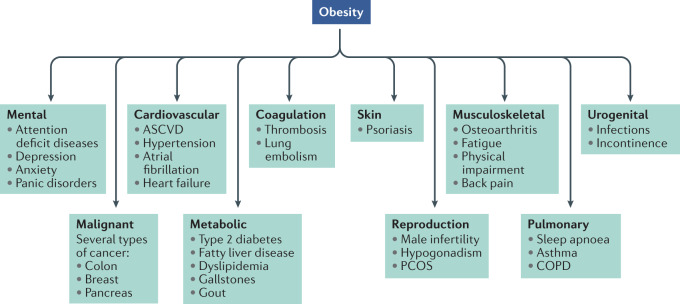
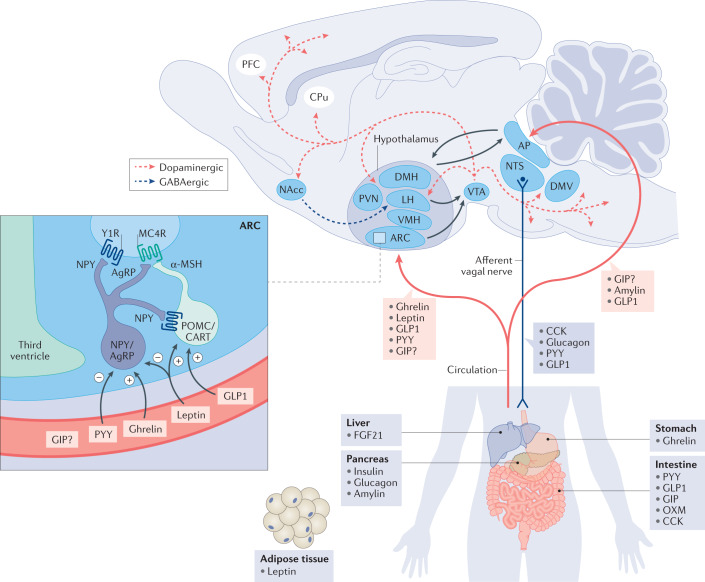
“The regulation of body weight is orchestrated primarily by the brain and adipose tissue (Figure 1), which constantly integrate information related to the body’s energetic state to adjust food intake, satiety and energy balance8,10.”
From Transforming obesity: The advancement of multi-receptor drugs (2024) · cites this paper as [8]
Experimental — accuracy not yet measuredThe source backs part of the claim, not all of it — or backs it for a different population, condition or comparison.
In the citing paper
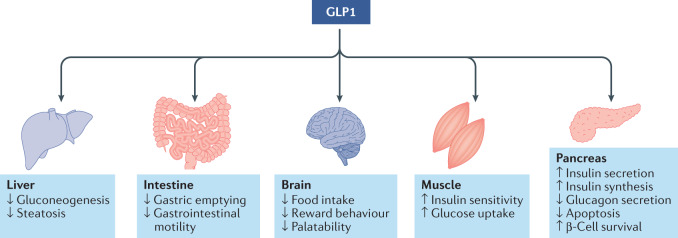
“Beyond its role in glucose metabolism, GLP-1 is known to possess cardio- and neuroprotective effects, reduce cellular apoptosis and inflammation, and modulate reward behavior and palatability8,55 (Figure 1).”
From Transforming obesity: The advancement of multi-receptor drugs (2024) · cites this paper as [8]
Experimental — accuracy not yet measuredThe source backs part of the claim, not all of it — or backs it for a different population, condition or comparison.
In the citing paper
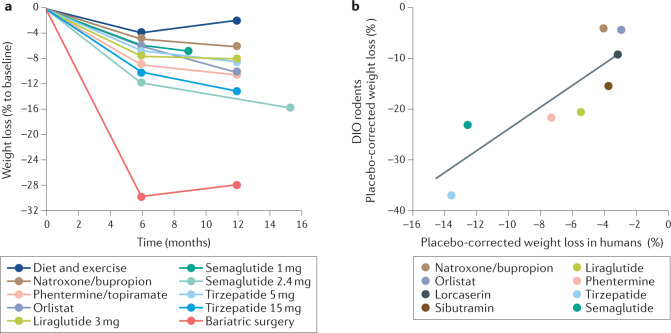
“However, despite appreciable weight loss of ~5-8% in the short term, such lifestyle interventions have only limited potential for sustained weight reduction, particularly when utilized as a stand-alone therapy8.”
From Transforming obesity: The advancement of multi-receptor drugs (2024) · cites this paper as [8]
Experimental — accuracy not yet measuredThe source backs part of the claim, not all of it — or backs it for a different population, condition or comparison.
In the citing paper
“Consistent with this model is a battery of preclinical and clinical studies demonstrating that weight loss induced by GLP-1R agonism is enhanced when adjunctively administered with glucagon, GIP, amylin, CCK or FGF21, which can be achieved as co-therapy, or in a unimolecular polyagonist formulation8.”
From Transforming obesity: The advancement of multi-receptor drugs (2024) · cites this paper as [8]
Experimental — accuracy not yet measuredThe source backs part of the claim, not all of it — or backs it for a different population, condition or comparison.
In the citing paper
“However, most of these efforts have been plagued with significant adverse effects and/or limited efficacy which has resulted in the withdrawal and discontinued use for the majority of these medications [5].”
From Dual and Triple Incretin-Based Co-agonists: Novel Therapeutics for Obesity and Diabetes (2024) · cites this paper as [5]
Experimental — accuracy not yet measured
13 more claims about this paper
Create a free account to see every claim other papers make about this one.
Self-check
Percentages, sums and reported differences re-computed from the paper’s own numbers.
The self-check needs the paper’s full text.
Citations
Cites
Reduction in the incidence of type 2 diabetes with lifestyle intervention or metformin
(2002) · New England Journal of Medicine · doi:10.1056/nejmoa012512 · Cited by 19,011
Positional cloning of the mouse obese gene and its human homologue
Zhang, Y., Proenca, R., Maffei, M., Barone, M., Leopold, L., & Friedman, J. M. (1994) · Nature · doi:10.1038/372425a0 · Cited by 13,419
The metabolic phenotype in obesity: Fat mass, body fat distribution, and adipose tissue function
Goossens, G. H. (2017) · Obesity Facts · doi:10.1159/000471488 · Cited by 8,481
Molecular Mechanisms of Depression: Perspectives on New Treatment Strategies
Lang, U. E., & Borgwardt, S. (2013) · Cellular Physiology and Biochemistry · doi:10.1159/000350094 · Cited by 8,475
Health effects of overweight and obesity in 195 countries over 25 years
Collaborators, T. G. 2. O. (2017) · New England Journal of Medicine · doi:10.1056/nejmoa1614362 · Cited by 7,918
Overweight, obesity, and mortality from cancer in a prospectively studied cohort of U.S. Adults
Calle, E. E., Rodriguez, C., Walker-Thurmond, K., & Thun, M. J. (2003) · New England Journal of Medicine · doi:10.1056/nejmoa021423 · Cited by 7,696
Liraglutide and Cardiovascular Outcomes in Type 2 Diabetes
Marso, S. P., Daniels, G. H., Brown-Frandsen, K., Kristensen, P., Mann, J. F. E., Nauck, M. A., Nissen, S. E., Pocock, S., Poulter, N. R., Ravn, L. S., et al. (2016) · New England Journal of Medicine · doi:10.1056/nejmoa1603827 · Cited by 7,629
Genetics of Food Intake Self-Regulation in Childhood: Literature Review and Research Opportunities
Faith, M. S., Carnell, S., & Kral, T. V. E. (2013) · Human Heredity · doi:10.1159/000353879 · Cited by 7,601
Semaglutide and Cardiovascular Outcomes in Patients with Type 2 Diabetes
Marso, S. P., Bain, S. C., Consoli, A., Eliaschewitz, F. G., Jódar, E., Leiter, L. A., Lingvay, I., Rosenstock, J., Seufert, J., Warren, M. L., et al. (2016) · New England Journal of Medicine · doi:10.1056/nejmoa1607141 · Cited by 6,900
Brown Adipose Tissue: Function and Physiological Significance
CANNON, B., & NEDERGAARD, J. (2004) · Physiological Reviews · doi:10.1152/physrev.00015.2003 · Cited by 6,433
Research works printed but not linked: 1
- Farooqi S O’Rahilly S Genetics of obesity in humans Endocr. Rev. 2006 27 710 718 10.1210/er.2006-0040 17122358 · DOI · Paper page
Cited by
2024 ESC Guidelines for the management of elevated blood pressure and hypertension
McEvoy, J. W., McCarthy, C. P., Bruno, R. M., Brouwers, S., Canavan, M. D., Ceconi, C., Christodorescu, R. M., Daskalopoulou, S. S., Ferro, C. J., Gerdts, E., et al. (2024) · European Heart Journal · doi:10.1093/eurheartj/ehae178 · Cited by 2,298
Ng, M., Gakidou, E., Lo, J., Abate, Y. H., Abbafati, C., Abbas, N., Abbasian, M., Abd ElHafeez, S., Abdel-Rahman, W. M., Abd-Elsalam, S., et al. (2025) · The Lancet · doi:10.1016/s0140-6736(25)00355-1 · Cited by 1,151
“99,100 Access and cost are other key considerations.”
Obesity and type 2 diabetes mellitus: connections in epidemiology, pathogenesis, and treatments
Ruze, R., Liu, T., Zou, X., Song, J., Chen, Y., Xu, R., Yin, X., & Xu, Q. (2023) · Frontiers in Endocrinology · doi:10.3389/fendo.2023.1161521 · Cited by 799
Contemporary medical, device, and surgical therapies for obesity in adults
Perdomo, C. M., Cohen, R. V., Sumithran, P., Clément, K., & Frühbeck, G. (2023) · The Lancet · doi:10.1016/s0140-6736(22)02403-5 · Cited by 738
Obesity and Cancer: A Current Overview of Epidemiology, Pathogenesis, Outcomes, and Management
Pati, S., Irfan, W., Jameel, A., Ahmed, S., & Shahid, R. K. (2023) · Cancers · doi:10.3390/cancers15020485 · Cited by 677
Lister, N. B., Baur, L. A., Felix, J. F., Hill, A. J., Marcus, C., Reinehr, T., Summerbell, C., & Wabitsch, M. (2023) · Nature Reviews Disease Primers · doi:10.1038/s41572-023-00435-4 · Cited by 500
Pathophysiology of obesity and its associated diseases
Jin, X., Qiu, T., Li, L., Yu, R., Chen, X., Li, C., Proud, C. G., & Jiang, T. (2023) · Acta Pharmaceutica Sinica B · doi:10.1016/j.apsb.2023.01.012 · Cited by 499
Pharmacotherapy of obesity: an update on the available medications and drugs under investigation
Chakhtoura, M., Haber, R., Ghezzawi, M., Rhayem, C., Tcheroyan, R., & Mantzoros, C. S. (2023) · eClinicalMedicine · doi:10.1016/j.eclinm.2023.101882 · Cited by 462
Signaling pathways in obesity: mechanisms and therapeutic interventions
Wen, X., Zhang, B., Wu, B., Xiao, H., Li, Z., Li, R., Xu, X., & Li, T. (2022) · Signal Transduction and Targeted Therapy · doi:10.1038/s41392-022-01149-x · Cited by 410
Long-term weight loss effects of semaglutide in obesity without diabetes in the SELECT trial
Ryan, D. H., Lingvay, I., Deanfield, J., Kahn, S. E., Barros, E., Burguera, B., Colhoun, H. M., Cercato, C., Dicker, D., Horn, D. B., et al. (2024) · Nature Medicine · doi:10.1038/s41591-024-02996-7 · Cited by 347
“Recently, weight-management medications, particularly those comprising glucagon-like peptide-1 receptor agonists, that help people achieve greater and more sustainable weight loss have been developed 13 .”
BackgroundObesity and cardiovascular disease: An ESC clinical consensus statement
Koskinas, K. C., Van Craenenbroeck, E. M., Antoniades, C., Blüher, M., Gorter, T. M., Hanssen, H., Marx, N., McDonagh, T. A., Mingrone, G., Rosengren, A., et al. (2024) · European Heart Journal · doi:10.1093/eurheartj/ehae508 · Cited by 313
Self-citationTargeting PI3K/AKT signaling pathway in obesity
Savova, M. S., Mihaylova, L. V., Tews, D., Wabitsch, M., & Georgiev, M. I. (2023) · Biomedicine & Pharmacotherapy · doi:10.1016/j.biopha.2023.114244 · Cited by 277
Blüher, M. (2025) · Diabetes, Obesity and Metabolism · doi:10.1111/dom.16263 · Cited by 175
“27,28,38,92,94,99,138 Moreover, the landscape of obesity complication management including MAFLD, heart failure, chronic kidney disease, obstructive sleep apnea and others will be changed by current and future incretin-based therapies.”
InfluentialSelf-citationBrown Adipose Tissue—A Translational Perspective
Carpentier, A. C., Blondin, D. P., Haman, F., & Richard, D. (2023) · Endocrine Reviews · doi:10.1210/endrev/bnac015 · Cited by 198
Integrative neurocircuits that control metabolism and food intake
Brüning, J. C., & Fenselau, H. (2023) · Science · doi:10.1126/science.abl7398 · Cited by 214
“Multiple other combined modalities of neuro-peptidecombinationsarecurrentlyundergoingadvancedclinicaltesting( 149 ).”
Thomsen, R. W., Mailhac, A., Løhde, J. B., & Pottegård, A. (2025) · Diabetes Obesity and Metabolism · doi:10.1111/dom.16364 · Cited by 207
The Related Metabolic Diseases and Treatments of Obesity
Yang, M., Liu, S., & Zhang, C. (2022) · Healthcare · doi:10.3390/healthcare10091616 · Cited by 170
Kloock, S., Ziegler, C. G., & Dischinger, U. (2023) · Pharmacology & Therapeutics · doi:10.1016/j.pharmthera.2023.108549 · Cited by 199
Gleason, P. P., Urick, B. Y., Marshall, L. Z., Friedlander, N., Qiu, Y., & Leslie, R. S. (2024) · Journal of Managed Care & Specialty Pharmacy · doi:10.18553/jmcp.2024.23332 · Cited by 172
Obesity and MASLD: Is weight loss the (only) key to treat metabolic liver disease?
Huttasch, M., Roden, M., & Kahl, S. (2024) · Metabolism · doi:10.1016/j.metabol.2024.155937 · Cited by 169
New insights into the treatment of obesity
Blüher, M., Aras, M., Aronne, L. J., Batterham, R. L., Giorgino, F., Ji, L., Pietiläinen, K. H., Schnell, O., Tonchevska, E., & Wilding, J. P. H. (2023) · Diabetes, Obesity and Metabolism · doi:10.1111/dom.15077 · Cited by 158
“Others manage to achieve initial clinically meaningful weight loss of 5% to 10%, but experience a tendency of weight regain towards pre-treatment level.37 Both could be explained by the patient's difficulty to adhere to long-term lifestyle interventions or by adaptive biological mechanisms of the body in response to w…”
BackgroundInfluentialSelf-citationClinical Consequences of Delayed Gastric Emptying With GLP-1 Receptor Agonists and Tirzepatide
Jalleh, R. J., Plummer, M. P., Marathe, C. S., Umapathysivam, M. M., Quast, D. R., Rayner, C. K., Jones, K. L., Wu, T., Horowitz, M., & Nauck, M. A. (2024) · The Journal of Clinical Endocrinology & Metabolism · doi:10.1210/clinem/dgae719 · Cited by 157
“While the mechanisms by which GLP-1 and GLP-1RAs affect intestinal motility remain to be defined, they appear to inhibit gastrointestinal motor function through both parasympathetic (vagal) afferents and direct central nervous stimulation (85-87).”
Adipose tissue macrophage in obesity-associated metabolic diseases
Yao, J., Wu, D., & Qiu, Y. (2022) · Frontiers in Immunology · doi:10.3389/fimmu.2022.977485 · Cited by 159
“Obesity is an accumulation of adipose tissue resulting from an energy imbalance, which has been linked to numerous comorbid conditions including type 2 diabetes mellitus, nonalcoholic fatty liver disease (NAFLD), atherosclerosis, cancers as well as COVID-19 (1, 2).”
BackgroundObesity and chronic kidney disease: A current review
Nawaz, S., Chinnadurai, R., Al‐Chalabi, S., Evans, P., Kalra, P. A., Syed, A. A., & Sinha, S. (2022) · Obesity Science & Practice · doi:10.1002/osp4.629 · Cited by 171
“Recent contemporary advances in the treatment of obesity and diabetes has also guided the development of co‐ agonistic approaches to drug therapy such as GLP‐1/glucagon, glucose‐dependent insulinotropic polypeptide (GIP)–GLP1, amylin– calcitonin dual agonists, and GIP–GLP1–glucagon tri‐agonists.(185)”
BackgroundROS-induced ribosome impairment underlies ZAKα-mediated metabolic decline in obesity and aging
Snieckute, G., Ryder, L., Vind, A. C., Wu, Z., Arendrup, F. S., Stoneley, M., Chamois, S., Martínez‐Val, A., Leleu, M., Dreos, R., et al. (2023) · Science · doi:10.1126/science.adf3208 · Cited by 153
“…high-expressiongenescontributedtooverall translationalactivityinliver,whichrevealed astrongbiastowardafewdominatingtran-scripts,inparticularmRNAsthatencode bloodstream-secretedproteinssuchasal-bumin( Alb , 8.9% of all hepatic translation), apolipoprotein E ( Apoe , 4.2%), and other mRNAs (Fig.”
BackgroundInfluentialZimmermann, T., Thomas, L., Baader-Pagler, T., Haebel, P., Simon, E., Reindl, W., Bajrami, B., Rist, W., Uphues, I., Drucker, D. J., et al. (2022) · Molecular Metabolism · doi:10.1016/j.molmet.2022.101633 · Cited by 149
“overcoming the historical failures associated with obesity pharmacotherapies [10].”
BackgroundRecent Advances in Incretin-Based Pharmacotherapies for the Treatment of Obesity and Diabetes
Tan, Q., Akindehin, S. E., Orsso, C. E., Waldner, R. C., DiMarchi, R. D., Müller, T. D., & Haqq, A. M. (2022) · Frontiers in Endocrinology · doi:10.3389/fendo.2022.838410 · Cited by 146
“It emphasizes how structural refinements and biochemical modifications can extend the application of GLP-1R agonists from the treatment of T2D to obesity (13).”
BackgroundResultInfluentialSelf-citationDerivatization with fatty acids in peptide and protein drug discovery
Kurtzhals, P., Østergaard, S., Nishimura, E., & Kjeldsen, T. (2022) · Nature Reviews Drug Discovery · doi:10.1038/s41573-022-00529-w · Cited by 153
Systematic Review and Meta-Analysis of the Impact of Bariatric Surgery on Future Cancer Risk
Wilson, R. B., Lathigara, D., & Kaushal, D. (2023) · International Journal of Molecular Sciences · doi:10.3390/ijms24076192 · Cited by 144
Hellinger, R., Sigurdsson, A., Wu, W., Romanova, E. V., Li, L., Sweedler, J. V., Süßmuth, R. D., & Gruber, C. W. (2023) · Nature Reviews Methods Primers · doi:10.1038/s43586-023-00205-2 · Cited by 152
Obesity and cardiovascular disease: an ESC clinical consensus statement
Koskinas, K. C., Craenenbroeck, E. M. V., Antoniades, C. A., Blüher, M., Gorter, T. M., Hanssen, H., Marx, N., McDonagh, T. A., Mingrone, G., Rosengren, A., et al. (2024) · European Journal of Preventive Cardiology · doi:10.1093/eurjpc/zwae279 · Cited by 148
Self-citationBlüher, M., Rosenstock, J., Hoefler, J., Manuel, R., & Hennige, A. M. (2024) · Diabetologia · doi:10.1007/s00125-023-06053-9 · Cited by 138
Self-citationEfficacy and Safety of Tirzepatide in Type 2 Diabetes and Obesity Management
Sinha, R., Papamargaritis, D., Sargeant, J. A., & Davies, M. J. (2023) · Journal of Obesity & Metabolic Syndrome · doi:10.7570/jomes22067 · Cited by 138
Lombardi, L., Genio, V. D., Alberício, F., & Williams, D. R. (2025) · Chemical Reviews · doi:10.1021/acs.chemrev.4c00989 · Cited by 146
The emergence of obesity in type 1 diabetes
Kueh, M. T. W., Chew, N. W. S., Al-Ozairi, E., & le Roux, C. W. (2024) · International Journal of Obesity · doi:10.1038/s41366-023-01429-8 · Cited by 111
“Glucagon-like peptide-1 receptor agonists (GLP1-RA) and sodium-glucose cotransporter-2 (SGLT2) inhibitors have mounted preferences because of their bene fi cial effects on glycaemic control, weight loss, and overall cardiometabolic parameters [65, 66].”
BackgroundNutritional considerations with antiobesity medications
Almandoz, J. P., Wadden, T. A., Tewksbury, C., Apovian, C. M., Fitch, A., Ard, J. D., Li, Z., Richards, J., Butsch, W. S., Jouravskaya, I., et al. (2024) · Obesity · doi:10.1002/oby.24067 · Cited by 134
“Semaglutide (approved in 2021 for chronic weight management) and tirzepatide (approved in 2023 for chronic weight management) are AOMs that act in the central nervous system to reduce food intake and body weight [19].”
BackgroundContribution of specific ceramides to obesity-associated metabolic diseases
Hammerschmidt, P., & Brüning, J. C. (2022) · Cellular and Molecular Life Sciences · doi:10.1007/s00018-022-04401-3 · Cited by 143
“However, efforts to prevent or treat obesity and its comorbidities often fail in the long term, and available pharmacotherapeutics remain primarily ineffective and unspecific [5].”
BackgroundTransforming obesity: The advancement of multi-receptor drugs
Kusminski, C. M., Perez-Tilve, D., Müller, T. D., DiMarchi, R. D., Tschöp, M. H., & Scherer, P. E. (2024) · Cell · doi:10.1016/j.cell.2024.06.003 · Cited by 126
Self-citationLiu, Y., Ruan, B., Jiang, H., Le, S., Liu, Y., Ao, X., Huang, Y., Shi, X., Xue, R., Fu, X., et al. (2023) · The American Journal of Clinical Nutrition · doi:10.1016/j.ajcnut.2023.04.017 · Cited by 110
Engineered commensals for targeted nose-to-brain drug delivery
Shen, H., Aggarwal, N., Cui, B., Foo, G. W., He, Y., Srivastava, S. K., Li, S., Seah, M. Z. X., Wun, K. S., Ling, H., et al. (2025) · Cell · doi:10.1016/j.cell.2025.01.017 · Cited by 127
“CP, cribriform plate; LaP, lamina propria; OB, olfactory bulb, OE, olfactory epithelium.”
100 years of glucagon and 100 more
Wewer Albrechtsen, N. J., Holst, J. J., Cherrington, A. D., Finan, B., Gluud, L. L., Dean, E. D., Campbell, J. E., Bloom, S. R., Tan, T. M.-M., Knop, F. K., et al. (2023) · Diabetologia · doi:10.1007/s00125-023-05947-y · Cited by 117
“Similar to the dual GLP-1/GCGR agonists, a series of GLP-1/GIP/GCGR tri-agonists have made it to clinical development [117] and have shown favourable efficacy and safety in clinical studies [119, 120].”
BackgroundSelf-citationObesity-induced and weight-loss-induced physiological factors affecting weight regain
van Baak, M. A., & Mariman, E. C. M. (2023) · Nature Reviews Endocrinology · doi:10.1038/s41574-023-00887-4 · Cited by 121
“Currently available pharmacotherapy for the management of obesity mainly targets the appetite system. and these drugs, particularly the newer generation, have been shown to be very effective for long-term weight loss 133–135 .”
BackgroundBrazilian Guidelines of Hypertension – 2025
Brandão, A. A., Rodrigues, C. I. S., Bortolotto, L. A., Armstrong, A. D. C., Mulinari, R. A., Feitosa, A. D. M., Gomes, M. A. M., Barbosa, E. C. D., Moura-Neto, J. A., Neves, M. F., et al. (2025) · Arquivos Brasileiros de Cardiologia · doi:10.36660/abc.20250624 · Cited by 156
Liskiewicz, A., Khalil, A., Liskiewicz, D., Novikoff, A., Grandl, G., Maity-Kumar, G., Gutgesell, R. M., Bakhti, M., Bastidas-Ponce, A., Czarnecki, O., et al. (2023) · Nature Metabolism · doi:10.1038/s42255-023-00931-7 · Cited by 110
“The development of GIPR–GLP-1R co-agonists have been a major advancement in the treatment of obesity and diabetes 9 , but the mechanisms through which GIP affects systemic energy metabolism remain largely unknown.”
BackgroundSelf-citationMa, L., Tao, S., Song, T., Lyu, W., Li, Y., Wang, W., Shen, Q., Ni, Y., Zhu, J., Zhao, J., et al. (2024) · iMeta · doi:10.1002/imt2.160 · Cited by 109
The tumor microenvironment: shaping cancer progression and treatment response
Desai, S. A., Patel, V. P., Bhosle, K. P., Nagare, S. D., & Thombare, K. C. (2025) · Journal of Chemotherapy · doi:10.1080/1120009x.2023.2300224 · Cited by 106
Hölscher, C. (2024) · Neuropharmacology · doi:10.1016/j.neuropharm.2024.109952 · Cited by 108
De Giorgi, R., Ghenciulescu, A., Dziwisz, O., Taquet, M., Adler, A. I., Koychev, I., Upthegrove, R., Solmi, M., McCutcheon, R., Pillinger, T., et al. (2025) · Nature Mental Health · doi:10.1038/s44220-025-00390-x · Cited by 77
“…of anti-obesity medications has been marked by several failures due to serious adverse events, such as suicidality, observed only after their usage had become extensive 221,234 —a well-known example being the one that led to the withdrawal of the endocannabinoid inverse agonist, rimonabant 235 .”
Gut hormone co-agonists for the treatment of obesity: from bench to bedside
Nogueiras, R., Nauck, M. A., & Tschöp, M. H. (2023) · Nature Metabolism · doi:10.1038/s42255-023-00812-z · Cited by 102
Self-citationThe promise of new anti-obesity therapies arising from knowledge of genetic obesity traits
Hinney, A., Körner, A., & Fischer-Posovszky, P. (2022) · Nature Reviews Endocrinology · doi:10.1038/s41574-022-00716-0 · Cited by 101
McGowan, B., Ciudin, A., Baker, J. L., Busetto, L., Dicker, D., Frühbeck, G., Goossens, G. H., Monami, M., Sbraccia, P., Martinez-Tellez, B., et al. (2025) · Nature Medicine · doi:10.1038/s41591-025-03978-z · Cited by 100
“Consistent with previous literature, OMMs inducing weight loss also improved blood pressure, with the notable exception of naltrexone plus bupropion, which was associated with an increase in systolic blood pressure 48 .”
GLP-1RA Liraglutide and Semaglutide Improves Obesity-Induced Muscle Atrophy via SIRT1 Pathway
Xiang, J., Qin, L., Zhong, J., Xia, N., & Liang, Y. (2023) · Diabetes, Metabolic Syndrome and Obesity · doi:10.2147/dmso.s425642 · Cited by 100
“There are six GLP-1RA approved for glucose reduction, but only liraglutide and semaglutide are approved for weight loss treatment in the United States at present.(30) The mechanism of liraglutide and semaglutide on weight loss in obese patients is mainly to inhibit appetite and reduce energy intake.”
BackgroundRole of Dipeptidyl Peptidase 4 Inhibitors in Antidiabetic Treatment
Yin, R., Xu, Y., Wang, X., Yang, L., & Zhao, D. (2022) · Molecules · doi:10.3390/molecules27103055 · Cited by 107
“Therapies aiming to decrease body weight are consequently a valuable strategy to delay the onset and decrease the risk of T2DM, as well as managing established disease [19].”
BackgroundObesity and Endothelial Function
Kajikawa, M., & Higashi, Y. (2022) · Biomedicines · doi:10.3390/biomedicines10071745 · Cited by 115
“tor agonists (semaglutide and liraglutide) [164,165].”
Management of diabesity: Current concepts
Michaelidou, M., Pappachan, J. M., & Jeeyavudeen, M. S. (2023) · World Journal of Diabetes · doi:10.4239/wjd.v14.i4.396 · Cited by 148
Scaglione, S., Di Chiara, T., Daidone, M., & Tuttolomondo, A. (2025) · Nutrients · doi:10.3390/nu17020358 · Cited by 92
“These mechanisms elevate plasma HDL levels, reduce LDL levels, and improve insulin resistance, body mass index, and blood pressure [60].”
Obesity: pathophysiology and therapeutic interventions
Kong, Y., Yang, H., Nie, R., Zhang, X., Zuo, F., Zhang, H., & Nian, X. (2025) · Molecular Biomedicine · doi:10.1186/s43556-025-00264-9 · Cited by 89
GLP-1-directed NMDA receptor antagonism for obesity treatment
Petersen, J., Ludwig, M. Q., Juozaityte, V., Ranea-Robles, P., Svendsen, C., Hwang, E., Kristensen, A. W., Fadahunsi, N., Lund, J., Breum, A. W., et al. (2024) · Nature · doi:10.1038/s41586-024-07419-8 · Cited by 89
“Multimodal weight loss compounds that integrate agonism at two or more receptor systems are emerging 27,43–45 .”
Self-citationWei, B., Peng, Z., Zheng, W., Yang, S., Wu, M. T., Liu, K., Xiao, M., Huang, T., Xie, M., & Xiong, T. (2023) · Food Chemistry · doi:10.1016/j.foodchem.2023.137719 · Cited by 88
Multi- and polypharmacology of carbonic anhydrase inhibitors
Supuran, C. T. (2024) · Pharmacological Reviews · doi:10.1124/pharmrev.124.001125 · Cited by 89
Structural insights into the mechanism of leptin receptor activation
Saxton, R. A., Caveney, N. A., Moya-Garzón, M. D., Householder, K. D., Rodriguez, G. E., Burdsall, K. A., Long, J. Z., & García, K. C. (2023) · Nature Communications · doi:10.1038/s41467-023-37169-6 · Cited by 96
Ji, L., Gao, L., Jiang, H., Yang, J., Yu, L., Wen, J., Cai, C., Deng, H., Feng, L., Song, B., et al. (2022) · eClinicalMedicine · doi:10.1016/j.eclinm.2022.101691 · Cited by 83
Associations Between Diabetes Mellitus and Neurodegenerative Diseases
Szablewski, L. (2025) · International Journal of Molecular Sciences · doi:10.3390/ijms26020542 · Cited by 89
“GLP-1 is involved in regulation of blood glucose levels, food intake and body weight [453–455].”
Gallwitz, B. (2022) · Frontiers in Endocrinology · doi:10.3389/fendo.2022.1004044 · Cited by 81
“Clinical studies in humans have not been published so far (41, 51).”
BackgroundDahl, K., Toubro, S., Dey, S., Duque do Vale, R., Flint, A., Gasiorek, A., Heydorn, A., Jastreboff, A. M., Key, C., Petersen, S. B., et al. (2025) · The Lancet · doi:10.1016/s0140-6736(25)01185-7 · Cited by 80
Pan, X., Tan, B., Chin, Y. H., Lee, E. C. Z., Kong, G., Chong, B., Kueh, M., Khoo, C. M., Mehta, A., Majety, P., et al. (2024) · Obesity · doi:10.1002/oby.24002 · Cited by 71
“3.0% to 8.6%, with significant adverse side effects [66, 70, 71].”
BackgroundInfluential2025 ACC Scientific Statement on the Management of Obesity in Adults With Heart Failure
Kittleson, M. M., Benjamin, E. J., Blumer, V., Harrington, J., Januzzi, J. L., McMurray, J. J. V., & Vest, A. R. (2025) · JACC · doi:10.1016/j.jacc.2025.05.008 · Cited by 79
Parkinson’s Disease is Predominantly a Genetic Disease
Lim, S., & Klein, C. (2024) · Journal of Parkinson s Disease · doi:10.3233/jpd-230376 · Cited by 90
Yu, X., Chen, S., Funcke, J.-B., Straub, L. G., Pirro, V., Emont, M. P., Droz, B. A., Collins, K. A., Joung, C., Pearson, M. J., et al. (2025) · Cell Metabolism · doi:10.1016/j.cmet.2024.11.003 · Cited by 67
Polygenic prediction of body mass index and obesity through the life course and across ancestries
Smit, R. A. J., Wade, K. H., Hui, Q., Arias, J. D., Yin, X., Christiansen, M. R., Yengo, L., Preuss, M. H., Nakabuye, M., Rocheleau, G., et al. (2025) · Nature Medicine · doi:10.1038/s41591-025-03827-z · Cited by 80
Anti-obesity carbonic anhydrase inhibitors: challenges and opportunities
Supuran, C. T. (2022) · Journal of Enzyme Inhibition and Medicinal Chemistry · doi:10.1080/14756366.2022.2121393 · Cited by 76
Papamargaritis, D., le Roux, C. W., Holst, J. J., & Davies, M. J. (2024) · Cardiovascular Research · doi:10.1093/cvr/cvac176 · Cited by 73
Alsuhibani, A. A., Thompson, J. R., Wigle, P. R., Guo, J. J., Lin, A. C., Rao, M. B., & Hincapie, A. L. (2023) · Annals of Surgery Open · doi:10.1097/as9.0000000000000317 · Cited by 76
Nag, S., Mitra, O., Sankarganesh, P., Bhattacharjee, A., Mohanto, S., Gowda, B. H. J., Kar, S., Ramaiah, S., Anbarasu, A., & Ahmed, M. G. (2024) · Materials Today Chemistry · doi:10.1016/j.mtchem.2023.101894 · Cited by 85
Coronell‐Tovar, A., Pardo, J. P., Rodríguez‐Romero, A., Sosa‐Peinado, A., Vásquez-Bochm, L. X., Cano‐Sánchez, P., Álvarez‐Añorve, L. I., & González‐Andrade, M. (2024) · FEBS Letters · doi:10.1002/1873-3468.14901 · Cited by 79
Endoplasmic reticulum stress: bridging inflammation and obesity-associated adipose tissue
Ma, K., Zhang, Y., Zhao, J., Zhou, L., & Li, M. (2024) · Frontiers in Immunology · doi:10.3389/fimmu.2024.1381227 · Cited by 86
Iqbal, M., Qian, Y., Tang, J., & Xiang, J. (2025) · Journal of Bacteriology · doi:10.1128/jb.00479-24 · Cited by 75
When fat meets the gut—focus on intestinal lipid handling in metabolic health and disease
Wit, M., Viera, J. T., Strohmeyer, A., Klingenspor, M., Hankir, M. K., & Sumara, G. (2022) · EMBO Molecular Medicine · doi:10.15252/emmm.202114742 · Cited by 73
Bays, H. E., Fitch, A., Christensen, S., Burridge, K., & Tondt, J. (2022) · Obesity Pillars · doi:10.1016/j.obpill.2022.100018 · Cited by 68
Intestinal Enteroendocrine Cells: Present and Future Druggable Targets
Atanga, R., Singh, V., & In, J. G. (2023) · International Journal of Molecular Sciences · doi:10.3390/ijms24108836 · Cited by 72
Gilbert, O., Gulati, M., Gluckman, T. J., Kittleson, M. M., Rikhi, R., Saseen, J. J., & Tchang, B. G. (2025) · JACC · doi:10.1016/j.jacc.2025.05.024 · Cited by 65
Maffeis, C., Olivieri, F., Valerio, G., Verduci, E., Licenziati, M. R., Calcaterra, V., Pelizzo, G., Salerno, M., Staiano, A., Bernasconi, S., et al. (2023) · Italian Journal of Pediatrics · doi:10.1186/s13052-023-01458-z · Cited by 65
“It is possible that in the future new medications will be available also for the use in children with obesity [138].”
BackgroundDomingo, E., Marqués, P., Francisco, V., Piqueras, L., & Sanz, M. (2024) · Pharmacological Research · doi:10.1016/j.phrs.2024.107058 · Cited by 74
Postbiotics against Obesity: Perception and Overview Based on Pre-Clinical and Clinical Studies
Park, S., Sharma, A., & Lee, H. (2023) · International Journal of Molecular Sciences · doi:10.3390/ijms24076414 · Cited by 69
“Obesity is associated with a wide range of serious negative health effects, promoting the incidence of many comorbid conditions, such as hypertension, type 2 diabetes, nonalcoholic fatty liver disease, musculoskeletal disorders, cardiovascular diseases, and certain cancers [7,8].”
BackgroundUllah, A., Din, A. U., Ding, W., Shi, Z., Pervaz, S., & Shen, B. (2023) · Reviews in Endocrine and Metabolic Disorders · doi:10.1007/s11154-023-09800-w · Cited by 66
“Obesity is associated with higher levels of low-grade chronic inflammation, which predisposes humans to a broad spectrum of comorbidities such as T2D, dyslipidemia, CVD, and NAFLD [97, 98].”
BackgroundYan, Z., Gui, Y., Liu, C., Zhang, X., Wen, C., Olatunji, O. J., Suttikhana, I., & Ashaolu, T. J. (2024) · Food Research International · doi:10.1016/j.foodres.2024.114573 · Cited by 64
Jungnik, A., Arrubla Martinez, J., Plum‐Mörschel, L., Kapitza, C., Lamers, D., Thamer, C., Schölch, C., Desch, M., & Hennige, A. M. (2023) · Diabetes, Obesity and Metabolism · doi:10.1111/dom.14948 · Cited by 63
“fail to attain sustained placebo-corrected bodyweight loss of ≥15% frombaseline).(1,11-15) Glucagon and GLP-1 are hormones derived from proglucagon that contribute to energy homeostasis and are therefore attractive targets for the treatment of people with overweight/obesity.”
BackgroundRole of flavonoids in controlling obesity: molecular targets and mechanisms
Mahboob, A., Samuel, S. M., Mohamed, A., Wani, M. Y., Ghorbel, S., Miled, N., Büsselberg, D., & Châari, A. (2023) · Frontiers in Nutrition · doi:10.3389/fnut.2023.1177897 · Cited by 71
“Other prevention and treatment options could be based on strategies to dampen or inhibit intestinal nutrient absorption (14).”
BackgroundInfluentialJalleh, R. J., Marathe, C. S., Rayner, C. K., Jones, K. L., Umapathysivam, M. M., Wu, T., Quast, D. R., Plummer, M. P., Nauck, M. A., & Horowitz, M. (2024) · Endocrinology · doi:10.1210/endocr/bqae155 · Cited by 61
Dual and Triple Incretin-Based Co-agonists: Novel Therapeutics for Obesity and Diabetes
Gutgesell, R. M., Nogueiras, R., Tschöp, M. H., & Müller, T. D. (2024) · Diabetes Therapy · doi:10.1007/s13300-024-01566-x · Cited by 61
“However, most of these efforts have been plagued with significant adverse effects and/or limited efficacy which has resulted in the withdrawal and discontinued use for the majority of these medications [5].”
BackgroundSelf-citationThe Potential to Fight Obesity with Adipogenesis Modulating Compounds
Zhao, J., Zhou, A., & Qi, W. (2022) · International Journal of Molecular Sciences · doi:10.3390/ijms23042299 · Cited by 61
“Most currently available drugs still function by restricting energy intake, such as GLP1R agonists [11].”
BackgroundHypothalamic AMPK as a possible target for energy balance-related diseases
López, M. (2022) · Trends in Pharmacological Sciences · doi:10.1016/j.tips.2022.04.007 · Cited by 63
Mailhac, A., Pedersen, L., Pottegård, A., Søndergaard, J., Mogensen, T., Sørensen, H., & Thomsen, R. (2024) · Clinical Epidemiology · doi:10.2147/clep.s456170 · Cited by 60
“5,16 Future routine clinical care studies should therefore follow the many new users of semaglutide and other incretin-based medications to investigate the adherence, safety, and effectiveness of these medications in a real-world setting.”
BackgroundCheng, M., Ding, F., Li, L., Dai, C., Sun, X., Xu, J., Chen, F., Li, M., & Li, X. (2025) · Frontiers in Pharmacology · doi:10.3389/fphar.2025.1517174 · Cited by 79
Zhang, Y., Zhao, X., Dong, X., Zhang, Y., Zou, H., Jin, Y., Guo, W., Zhai, P., Chen, X., & Kharitonenkov, A. (2023) · Cell Metabolism · doi:10.1016/j.cmet.2023.01.001 · Cited by 60
Wang, J., Zhang, T., Gu, R., Ke, Y., Zhang, S., Su, X., Pan, X., He, Q., Li, G., Zhang, Z., et al. (2024) · ACS Nano · doi:10.1021/acsnano.4c05309 · Cited by 58
Endosomal trafficking in metabolic homeostasis and diseases
Gilleron, J., & Zeigerer, A. (2023) · Nature Reviews Endocrinology · doi:10.1038/s41574-022-00737-9 · Cited by 57
Knoedler, S. A., Matar, D. Y., Friedrich, S., Knoedler, L., Haug, V., Hundeshagen, G., Kauke‐Navarro, M., Kneser, U., Pomahač, B., Orgill, D. P., et al. (2023) · International Journal of Surgery · doi:10.1097/js9.0000000000000511 · Cited by 62
“The declining numbers in surgical patients with severe obesity may also reflect the advent of new, effective anti-obesity drugs which are prescribed more frequently to patients with a BMI over 40 kg/m2([33,34]).”
BackgroundUnderstanding Adipose Tissue Dysfunction
Blüher, M. (2024) · Journal of Obesity & Metabolic Syndrome · doi:10.7570/jomes24013 · Cited by 62
Self-citationBrain control of energy homeostasis: implications for anti-obesity pharmacotherapy
Johansen, V. B. I., Petersen, J., Lund, J., Mathiesen, C. V., Fenselau, H., & Clemmensen, C. (2025) · Cell · doi:10.1016/j.cell.2025.06.010 · Cited by 53
Metadata
- Authors
- Müller, T. D., Blüher, M., Tschöp, M. H., & DiMarchi, R. D.
- Affiliations
- Helmholtz Munich (DE)
- Indiana University Bloomington (US)
- Corresponding author
- Müller, Timo D.
- DiMarchi, Richard D.
- Venue
- Nature Reviews Drug Discovery
- Published
- 2021-11-23
- Volume
- 21
- Issue
- 3
- Pages
- 201-223
- ISSN
- 1474-1776 (ISSN-L)
- 1474-1784
- PMC
- PMC8609996
- OpenAlex
- W3217337816
- Semantic Scholar
- b0e07187edbb01228cee2a7f1f5884b1c6df014c
- Cited by
- 1,021
- References
- 343
- Citations by year
- 2026: 136 · 2025: 255 · 2024: 286 · 2023: 221 · 2022: 123
- FWCI
- 20.08
- Type
- journal article
- Language
- en
- Open access
- hybrid
- doi.org
- Licence
- cc-by
- www.springernature.com/gp/researchers/text-and-data-mining (tdm)
- www.springernature.com/gp/researchers/text-and-data-mining (vor)
- Locations
- Nature Reviews Drug Discovery (publishedVersion, cc-by)
- PubMed Central (publishedVersion, cc-by)
- PubMed (publishedVersion)
- mediaTUM (Technical University of Munich) (submittedVersion)
- Site cant be reached (submittedVersion)
- PuSH - Publication Server of Helmholtz Zentrum München (submittedVersion)
- Funders
- Alexander von Humboldt-Stiftung
- Deutsche Forschungsgemeinschaft (TRR- 152, TRR296)
- Servier
- H2020 European Research Council (695054)
- Topics
- Health Sciences › Medicine › Pharmacology (medical) › Pharmacology and Obesity Treatment
- Life Sciences › Neuroscience › Endocrine and Autonomic Systems › Regulation of Appetite and Obesity
- Health Sciences › Medicine › Endocrinology, Diabetes and Metabolism › Adipokines, Inflammation, and Metabolic Diseases
- Keywords
- anti-obesity drugs, obesity, drug development history, drug safety, sustained weight loss, gut-brain signaling, obesity pharmacotherapy
- MeSH terms
- Adult, Diabetes Mellitus, Type 2, Humans, Obesity, Weight Loss, Anti-Obesity Agents
About these checks
Registry, retraction, Cites and statistics results are computed, not judged, with one exception: a printed reference that no index lists is read once by a model before it counts as a citation error. Claims are extracted by a model and kept only when their quote appears verbatim in the text; each cited source is then checked, with a model’s help, for whether it says what the claim relies on. Those verdicts can be wrong — read the claim’s quote and the cited source before relying on one.
Statistics and arithmetic are recomputed, not judged.
Confidence bands are shown only for fields calibrated on our annotated test set. None is calibrated yet, so no band is shown.
What counts as a claim ›How we measure confidence ›How we check this ›
Are you an author, or do you see a problem with this page? Request a review
Data sources
Bibliographic data: Semantic Scholar, OpenAlex, Crossref.
Contains information from the Semantic Scholar Academic Graph Datasets, made available under the ODC Attribution License (ODC-BY 1.0).
Semantic Scholar’s data is described in: Kinney, R., et al. (2023). The Semantic Scholar Open Data Platform. arXiv:2301.10140.
