

Anti-obesity drug discovery: advances and challenges
Open accessThe DOI matches its Crossref record; 344 of the 344 references it cites were found in a registry or an index.
Abstract
Enormous progress has been made in the last half-century in the management of diseases closely integrated with excess body weight, such as hypertension, adult-onset diabetes and elevated cholesterol. However, the treatment of obesity itself has proven largely resistant to therapy, with anti-obesity medications (AOMs) often delivering insufficient efficacy and dubious safety. Here, we provide an overview of the history of AOM development, focusing on lessons learned and ongoing obstacles. Recent advances, including increased understanding of the molecular gut–brain communication, are inspiring the pursuit of next-generation AOMs that appear capable of safely achieving sizeable and sustained body weight loss. The development of therapies that are capable of safely achieving sizeable and sustained body weight loss has proved tremendously challenging. Here, Müller et al. provide an overview of the history of anti-obesity drug development, focusing on lessons learned, ongoing challenges and recent advances in the field.
Overview
The claims and statistics of this paper haven’t been checked yet.
Free: it reads the open-access text and checks the first 5 claims that cite a source we can check. Create a free account to check every claim.
Integrity signals
Registry
Cites
Statistics
Figures
Verification
Claims the paper makes
The claims and statistics of this paper haven’t been checked yet.
Free: it reads the open-access text and checks the first 5 claims that cite a source we can check. Create a free account to check every claim.
Claims other papers make about this one
Each is checked against this paper’s own text: does it say what the citing paper says it does?
The source backs part of the claim, not all of it — or backs it for a different population, condition or comparison.
In the citing paper
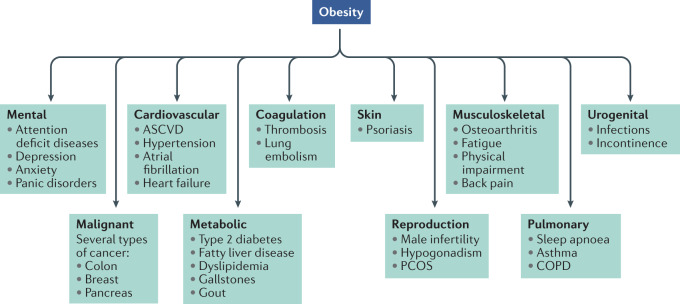
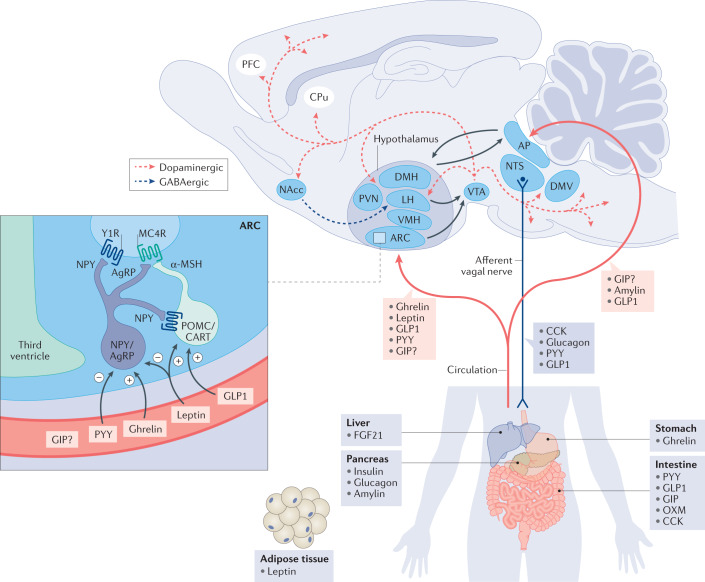
“The regulation of body weight is orchestrated primarily by the brain and adipose tissue (Figure 1), which constantly integrate information related to the body’s energetic state to adjust food intake, satiety and energy balance8,10.”
From Transforming obesity: The advancement of multi-receptor drugs (2024) · cites this paper as [8]
Experimental — accuracy not yet measuredThe source backs part of the claim, not all of it — or backs it for a different population, condition or comparison.
In the citing paper
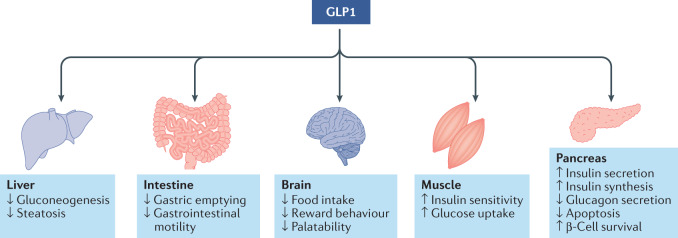
“Beyond its role in glucose metabolism, GLP-1 is known to possess cardio- and neuroprotective effects, reduce cellular apoptosis and inflammation, and modulate reward behavior and palatability8,55 (Figure 1).”
From Transforming obesity: The advancement of multi-receptor drugs (2024) · cites this paper as [8]
Experimental — accuracy not yet measuredThe source backs part of the claim, not all of it — or backs it for a different population, condition or comparison.
In the citing paper
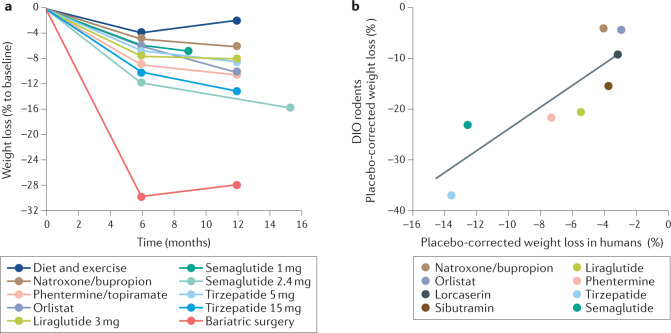
“However, despite appreciable weight loss of ~5-8% in the short term, such lifestyle interventions have only limited potential for sustained weight reduction, particularly when utilized as a stand-alone therapy8.”
From Transforming obesity: The advancement of multi-receptor drugs (2024) · cites this paper as [8]
Experimental — accuracy not yet measuredThe source backs part of the claim, not all of it — or backs it for a different population, condition or comparison.
In the citing paper
“Consistent with this model is a battery of preclinical and clinical studies demonstrating that weight loss induced by GLP-1R agonism is enhanced when adjunctively administered with glucagon, GIP, amylin, CCK or FGF21, which can be achieved as co-therapy, or in a unimolecular polyagonist formulation8.”
From Transforming obesity: The advancement of multi-receptor drugs (2024) · cites this paper as [8]
Experimental — accuracy not yet measuredThe source backs part of the claim, not all of it — or backs it for a different population, condition or comparison.
In the citing paper
“However, most of these efforts have been plagued with significant adverse effects and/or limited efficacy which has resulted in the withdrawal and discontinued use for the majority of these medications [5].”
From Dual and Triple Incretin-Based Co-agonists: Novel Therapeutics for Obesity and Diabetes (2024) · cites this paper as [5]
Experimental — accuracy not yet measured
13 more claims about this paper
Create a free account to see every claim other papers make about this one.
Self-check
Percentages, sums and reported differences re-computed from the paper’s own numbers.
The self-check needs the paper’s full text.
Citations
Cites
Reduction in the incidence of type 2 diabetes with lifestyle intervention or metformin
(2002) · New England Journal of Medicine · doi:10.1056/nejmoa012512 · Cited by 19,011
Positional cloning of the mouse obese gene and its human homologue
Zhang, Y., Proenca, R., Maffei, M., Barone, M., Leopold, L., & Friedman, J. M. (1994) · Nature · doi:10.1038/372425a0 · Cited by 13,419
The metabolic phenotype in obesity: Fat mass, body fat distribution, and adipose tissue function
Goossens, G. H. (2017) · Obesity Facts · doi:10.1159/000471488 · Cited by 8,481
Molecular Mechanisms of Depression: Perspectives on New Treatment Strategies
Lang, U. E., & Borgwardt, S. (2013) · Cellular Physiology and Biochemistry · doi:10.1159/000350094 · Cited by 8,475
Health effects of overweight and obesity in 195 countries over 25 years
Collaborators, T. G. 2. O. (2017) · New England Journal of Medicine · doi:10.1056/nejmoa1614362 · Cited by 7,918
Overweight, obesity, and mortality from cancer in a prospectively studied cohort of U.S. Adults
Calle, E. E., Rodriguez, C., Walker-Thurmond, K., & Thun, M. J. (2003) · New England Journal of Medicine · doi:10.1056/nejmoa021423 · Cited by 7,696
Liraglutide and Cardiovascular Outcomes in Type 2 Diabetes
Marso, S. P., Daniels, G. H., Brown-Frandsen, K., Kristensen, P., Mann, J. F. E., Nauck, M. A., Nissen, S. E., Pocock, S., Poulter, N. R., Ravn, L. S., et al. (2016) · New England Journal of Medicine · doi:10.1056/nejmoa1603827 · Cited by 7,629
Genetics of Food Intake Self-Regulation in Childhood: Literature Review and Research Opportunities
Faith, M. S., Carnell, S., & Kral, T. V. E. (2013) · Human Heredity · doi:10.1159/000353879 · Cited by 7,601
Semaglutide and Cardiovascular Outcomes in Patients with Type 2 Diabetes
Marso, S. P., Bain, S. C., Consoli, A., Eliaschewitz, F. G., Jódar, E., Leiter, L. A., Lingvay, I., Rosenstock, J., Seufert, J., Warren, M. L., et al. (2016) · New England Journal of Medicine · doi:10.1056/nejmoa1607141 · Cited by 6,900
Brown Adipose Tissue: Function and Physiological Significance
CANNON, B., & NEDERGAARD, J. (2004) · Physiological Reviews · doi:10.1152/physrev.00015.2003 · Cited by 6,433
Research works printed but not linked: 1
- Farooqi S O’Rahilly S Genetics of obesity in humans Endocr. Rev. 2006 27 710 718 10.1210/er.2006-0040 17122358 · DOI · Paper page
Cited by
Items 801–900 of 1,001
Wang, M. L., Wu, X., Li, Y., Wei, X., Luo, C., & Chen, C. E. (2026) · Plants · doi:10.3390/plants15121858 · Cited by 1
Structurally defining neurokinin selectivity to improve NK2R agonists
Pavlovskyi, A., Ren, Y., Gestal-Mato, M., Olsen, O. H., Schwartz, T. W., Gerhart‐Hines, Z., & Liu, X. (2026) · Nature Structural & Molecular Biology · doi:10.1038/s41594-026-01820-9 · Cited by 1
“In our recent work characterizing the potential of NK2R for counteracting obesity and T2D, we developed an NK2R agonist, named EB1002 (ref.”
InfluentialBerköz, M., & Yalın, S. (2026) · Çukurova medical journal (Online)/Çukurova medical journal · doi:10.17826/cumj.1891953 · Cited by 1
Gut microbiota as a novel therapeutic target for eating disorders and obesity
Samulenaite, S., Mathis, V., Darcq, E., Burokas, A., Martín‐García, E., & Maldonado, R. J. (2026) · British Journal of Pharmacology · doi:10.1111/bph.70547 · Cited by 1
The role of dyslipidemia and obesity in the pathogenesis of osteonecrosis of the femoral head
Poryadin, G. V., Захватов, А. Н., Yasnetsov, V. V., Mosina, L. M., Khaydar, D. A., Zakharkin, I. A., Тарасова, Т. В., & Shaev, A. A. (2026) · Bulletin of Siberian Medicine · doi:10.20538/1682-0363-2026-2-173-183 · Cited by 1
For Weight Loss: Why Do GLP-1 Agonists Work, and How Can We Make Them Work Better?
Giang, C., Meng, J., Mohammad, M. A., Liu, Z., Wu, X., & Zhu, Y. (2026) · Biology · doi:10.3390/biology15161395 · Cited by 1
“…WithGLP-1:Phase 2/3[117,120,250] OXM Intestinal L-cells [248] ~10–30 pM (fasted) [251] ~12–20 pM (post-meal) [251] ↑ Satiety ↑ Energy expenditure [252] Standalone: Approvedfor Obesity/T2Din China(Mazdutide) PYY Intestinal L-cells [248] ~7–40 pM (fasted) [244] ~7–30 pM (post-meal) [244] ↓…”
Mallardo, M., Messina, A., Monda, V., Marra, M. L., Monda, A., Allocca, S., Casillo, M., Maio, G. D., Perrone, P., Daniele, A., et al. (2026) · Nutrients · doi:10.3390/nu18172748 · Cited by 1
“Novel anti-obesity drugs act partly through central pathways involved in appetite, satiety, food reward, and eating control [17].”
Pallais, J. P., Razzoli, M., Rodriguez, P., McGonigle, S., Daugherty, A., Hillman, H., Verteramo, L., Schrank, P. R., Parthiban, P., Chang, X., et al. (2026) · doi:10.64898/2026.04.18.719397 · Cited by 1
Zhou, F., Acet, A. K., Dahal, M., Göktaş, Z., Kim, M.-H., Roberts, J., Zhao, L., Zu, Y., 聂淑芳, Zhang, J., et al. (2026) · Journal of Nutrition · doi:10.1016/j.tjnut.2026.101877 · Cited by 1
Wireless electrocatalytic closed-loop system for drug-free management of diabesity
Maity, D., Ray, P. G., Buchmann, P., Hamri, G. C., & Fussenegger, M. (2026) · Science · doi:10.1126/science.ady8560 · Cited by 2
Arslan, T. (2026) · Endocrine · doi:10.1007/s12020-026-04840-z · Cited by 2
“Consequently, medications capable of improving glucose homeostasis while also providing favourable effects on body weight and cardiometabolic risk have become key components of contemporary diabetes management [6, 10, 11].”
Ausblick auf neue Arzneimittel zur Gewichtsreduktion
Engeli, S. (2022) · Adipositas - Ursachen Folgeerkrankungen Therapie · doi:10.1055/a-1722-5945 · Cited by 1
Integrated Care Model of Adiposity-Related Chronic Diseases
Jemtel, T. H. L., Samson, R., & Oparil, S. (2022) · Current Hypertension Reports · doi:10.1007/s11906-022-01223-3 · Cited by 1
Les traitements médicamenteux dans l’obésité
Carette, C., Rives‐Lange, C., & Czernichow, S. (2023) · Journal de Chirurgie Viscérale · doi:10.1016/j.jchirv.2022.12.002 · Cited by 3
RAMOS, A. C., Bastos, E. L. D. S., Carbajo, M. A., & Antozzi, L. (2023) · Springer eBooks · doi:10.1007/978-3-030-60596-4_96 · Cited by 1
Télessy, I. G., Buttar, H. S., Wilson, D. W., & Okpala, C. O. R. (2023) · Frontiers in Cardiovascular Medicine · doi:10.3389/fcvm.2023.1091327 · Cited by 1
Halim, N. A. A., Karim, C. F., Mohammed, I. K., Rozila, I., Mahadi, M., Yusuf, Z., Shaharuddin, S., & Rahman, S. A. (2023) · Malaysian Journal of Medicine and Health Sciences · doi:10.47836/mjmhs.19.2.33 · Cited by 1
Takemoto, K., Kato, H., & Higashino, K. (2023) · Obesity Science & Practice · doi:10.1002/osp4.693 · Cited by 1
Planning of clinical trial programmes for medicines for the treatment of obesity
Анатольевна, П. И., Gorskaya, T. E., & Goryachev, D. V. (2023) · The Bulletin of the Scientific Centre for Expert Evaluation of Medicinal Products Regulatory Research and Medicine Evaluation · doi:10.30895/1991-2919-2023-452 · Cited by 1
Injectable ice slurry for reducing pericardial adipose tissue
Shuhaiber, J. H., Tuchayi, S. M., Bijari, F. J., Guehl, N. J., Wang, Y., Farinelli, W. A., Arkun, K., Fakhri, G. E., Anderson, R. R., & Garibyan, L. (2023) · Lasers in Surgery and Medicine · doi:10.1002/lsm.23709 · Cited by 1
“Antiobesity medications are costly, associated with side effects, and effective only for the duration of the therapy.(7) Bariatric surgery is associated with significant risk.”
BackgroundTreating obesity using the combination of metformin and epigallocatechin-3-gallate
Yang, Z., Zhao, X., Liu, Y., Zhao, B., Yi, L. U. O., Kang, J., & Wang, Q. (2022) · Journal of Holistic Integrative Pharmacy · doi:10.1016/s2707-3688(23)00066-3 · Cited by 1
Xie, Y., Wen, J., Zhu, H., & Liu, Y. (2023) · JMIR Research Protocols · doi:10.2196/50677 · Cited by 1
Sarıyer, E., & Saral, A. (2023) · Journal of Bioenergetics and Biomembranes · doi:10.1007/s10863-023-09993-4 · Cited by 1
Advances in the Management of Diabetes and Overweight using Incretin-based Pharmacotherapies
Prajapati, S. (2023) · Current Diabetes Reviews · doi:10.2174/0115733998256797231009062744 · Cited by 1
Kamandloo, F., Takbirgou, H., Gashtasbi, S., Zaghari, N., Ghamari, F., Fotouhi, L., & Salami, M. (2023) · Functional Food Science · doi:10.31989/ffs.v3i10.1269 · Cited by 3
“…such as increasing in heart rate and blood pressure leading to cardiovascular issues like heart attacks and strokes, as well as digestive side effects, there has been a growing interest in natural and herbal compounds as alternative ways to manage and prevent obesity and related conditions [3-4].”
BackgroundKaur, K. K., Allahbadia, G., & Singh, M. (2023) · Obesity Research - Open Journal · doi:10.17140/oroj-10-150 · Cited by 3
Gut Hormones and Metabolic Syndrome
Bhat, S. Z., Park, H. K., & Ahima, R. S. (2023) · Springer eBooks · doi:10.1007/978-3-031-40116-9_25 · Cited by 3
Adipositastherapie in Deutschland – quo vadis?
Hauner, H. (2024) · Adipositas - Ursachen Folgeerkrankungen Therapie · doi:10.1055/a-2240-9125 · Cited by 1
“Derzeit sind weitere GLP-1-Rezeptoragonisten und Kom-binationen mit anderen Substanzen in der klinischen Entwicklung, sodass in den kommenden Jahren mit einer Reihe weiterer poten-ter gewichtssenkender Medikamente zu rechnen ist [6].”
BackgroundComo tratar a obesidade associada à diabetes tipo 2?
Proença, C., Rufino, A. T., Freitas, M., Fernandes, E., LAQV, R. L. D. F., & LAQV, R. L. D. F. (2024) · Revista de Ciência Elementar · doi:10.24927/rce2024.006 · Cited by 1
Jawel, R. M., Orquillo, S. C., Barcos, X. E. M., Guazon, C. G. B., Lumayno, A. A., & Ederio, N. T. (2024) · International Journal of Current Science Research and Review · doi:10.47191/ijcsrr/v7-i5-69 · Cited by 1
Frailty in Older Adults with Obesity and the Effect of Lifestyle Interventions
Colleluori, G., & Villareal, D. T. (2024) · Springer eBooks · doi:10.1007/978-3-031-57361-3_45 · Cited by 1
Medicatie voor obesitas: vooruitgang en uitdagingen
Muskiet, M. H. A., & Boon, M. R. (2024) · Nederlands Tijdschrift voor Diabetologie · doi:10.1007/s12467-024-1569-4 · Cited by 1
The role of receptor activity-modifying proteins in obesity and diabetes mellitus
Malcharek, M. A., Pearce, A., Brighton, C. A., Hornigold, D. C., & Ladds, G. (2024) · Journal of Molecular Endocrinology · doi:10.1530/jme-24-0056 · Cited by 2
Gurumayum, S., Basumatary, D., Sarma, P., Saikia, K., Swargiary, D., Akhtar, S. A., Saikia, A., & Borah, J. C. (2024) · Food Bioscience · doi:10.1016/j.fbio.2024.105292 · Cited by 1
Sygyzium claviflorum fruit extract preadipocyte differentiation inhibition in 3T3-L1 cells
Zohdi, R. M., Adli, M. A., Mukhtar, S. M., Awang‐Junaidi, A. H., & Bakar, M. Z. A. (2024) · Journal of Taibah University Medical Sciences · doi:10.1016/j.jtumed.2024.12.008 · Cited by 2
Emerging and Promising Keywords in Biomolecules and Therapeutics for 21st Century Diseases
Ko, H., & Lee, C. H. (2024) · Biomolecules & Therapeutics · doi:10.4062/biomolther.2024.007 · Cited by 1
Linoleic acid metabolism is implicated in the anti-obesity effects of actein in C57BL/6 mice
Chen, J., Yuan, J.-J., Huang, L., Shi, Q., Zhang, X., Qiu, M., & Liu, J. (2025) · Biochemical Pharmacology · doi:10.1016/j.bcp.2025.116793 · Cited by 2
Mashitah, M. W., Widodo, N., Permatasari, N., & Rudijanto, A. (2025) · Journal of Applied Pharmaceutical Science · doi:10.7324/japs.2025.214803 · Cited by 2
“Achieving long-term weight normalization through pharmacotherapy while ensuring tolerability and safety remains a formidable challenge [10].”
Utilizing Semaglutide for Addressing Type-2 Diabetes and Obesity
Gupta, R., & Sharma, S. (2025) · Current Signal Transduction Therapy · doi:10.2174/0115743624346660250317013032 · Cited by 2
Jo, Y., Hong, E., Kim, S., Kim, J. G., Lee, S., Son, W., Ma, M., Kim, S., Choi, J., & Seo, M. (2025) · Food Science & Nutrition · doi:10.1002/fsn3.70479 · Cited by 1
Advancements and challenges in the management of obesity using pharmacotherapy (Review)
Alotaibi, S. S., Eldrehmy, E. H., Albogami, S. M., Alkhedaide, A. Q., & Dahab, O. (2025) · Experimental and Therapeutic Medicine · doi:10.3892/etm.2025.12912 · Cited by 1
“However, despite these advances, efforts to develop safe and efficient therapies for obesity and T2DM are ongoing, as demonstrated by the continuous growth of the pharmacological research pipeline (41) (Table I).”
Yadav, M., Kim, H., Han, S.-Y., Son, C., & Wang, J. (2025) · Natural Product Communications · doi:10.1177/1934578x251331114 · Cited by 1
“26 In the present study, although BSCA signi fi cantly reduced body and liver weights, it did not affect food or caloric intake.”
Hu, Y., Xiao, K., Chen, Z., Ou, S., Sima, C., Wang, H., Zhang, J., Zhang, Z., & Li, X. (2025) · International Journal of Nanomedicine · doi:10.2147/ijn.s520656 · Cited by 1
Characterization of Peptide-Preservative Interaction and Reversibility by NMR Spectroscopy
Xie, D., Sibley, S., Arbogast, L. W., Doyle, B. L., Hetrick, E. M., & Qian, K. K. (2025) · Molecular Pharmaceutics · doi:10.1021/acs.molpharmaceut.5c00448 · Cited by 1
Gómez‐Ambrosi, J. (2022) · Nutrients · doi:10.3390/nu14030421 · Cited by 1
“Selective antagonism or inverse agonism of this receptor in the brain using drugs such as rimonabant reduced appetite, enhanced thermogenesis and diminished lipogenesis in several human trials, but important psychiatric side-effects precluded its approval for the treatment of obesity by the FDA and forced its withdraw…”
BackgroundInsulin sensitive human adipocytes for in vitro studies
Straub, L. G., & Scherer, P. E. (2022) · Nature Reviews Endocrinology · doi:10.1038/s41574-022-00727-x · Cited by 1
Oh, K., Yoon, S. J., Lee, S.-B., Lee, S. Y., Gupta, H., Ganesan, R., Sharma, S. P., Won, S., Jeong, J., Kim, D. J., et al. (2023) · Research Square · doi:10.21203/rs.3.rs-2926466/v1 · Cited by 1
Unveiling the potential of natural compounds in the fight against obesity
Jia, Z., Lü, S., Chen, S., & Liu, J. (2024) · Metabolism Open · doi:10.1016/j.metop.2024.100271 · Cited by 1
“…of natural compounds in the fight against obesity Obesity, a complex metabolic disorder that affects nearly one billion individuals worldwide [1], necessitates the development of innovative therapeutic approaches beyond conventional lifestyle modifications and existing pharmacotherapies [2,3].”
BackgroundToolabi, K., Gandominejad, A., Delfan, S. E., Mohammadzadeh, N., & Mirzaee, S. (2024) · Research Square · doi:10.21203/rs.3.rs-5425924/v1 · Cited by 1
The nucleus accumbens shell regulates hedonic feeding via a rostral hotspotPreprint
Marinescu, A., Kamal, E., Leary, P., Batista, K. N. I., Klug, M., Savić, N., Foll, C. L., & Labouesse, M. A. (2025) · eLife · doi:10.7554/elife.108639 · Cited by 1
Lobo, A. M. R., & Maechler, P. (2026) · Science · doi:10.1126/science.aef2173 · Cited by 1
Zhou, J., Doğan, C., Artico, L. L., Rodrigues, K., Hakam, S. M., Kim, T., Xu, V., Lapenta, K., Kang, M., Jorgens, D. M., et al. (2026) · bioRxiv (Cold Spring Harbor Laboratory) · doi:10.64898/2026.03.20.712802 · Cited by 1
Raval, K., Ilegems, E., Title, A. C., Fishburn, E., Bhardwaj, G., Mirguet, O., Ratcliffe, P. D., Greeff, O. B. W., van Wyk, A., & Tudzarova, S. (2026) · bioRxiv (Cold Spring Harbor Laboratory) · doi:10.64898/2026.09.20.752954 · Cited by 1
Gewichtsreduktion: Phentermin/Topiramat und Semaglutid am effektivsten
Blüher, M. (2022) · DMW - Deutsche Medizinische Wochenschrift · doi:10.1055/a-1750-1009
Self-citationA purinergic call to arms from dying brown adipocytes
Hankir, M. K. (2022) · Cell Stress · doi:10.15698/cst2022.07.269
“For example, only recently has the stable gut hormone analogue semaglutide been approved as an obesity treatment [3].”
BackgroundInfluentialRAMOS, A. C., Bastos, E. L. D. S., Carbajo, M. A., & Antozzi, L. (2022) · Springer eBooks · doi:10.1007/978-3-030-54064-7_96-1
Zhang, H., Zhou, Y., Chen, D., Zhang, Y., Jin, F., Chen, Z., Li, C., Chang, B., Zeng, R., Li, J., et al. (2022) · bioRxiv (Cold Spring Harbor Laboratory) · doi:10.1101/2022.08.24.505199
“Of note, drugs acting by suppression of food intake generally cause related adverse reactions such as nausea, vomiting, depression, and headache ( 15 ).”
Müller, T. D. (2022) · Adipositas - Ursachen Folgeerkrankungen Therapie · doi:10.1055/a-1904-5552
“Pharmakotherapien überwiegend unzureichend [2, 3].”
InfluentialSelf-citationGastrointestinale Hormone – zunehmende arzneitherapeutische Bedeutung bei Stoffwechselerkrankungen
Gallwitz, B. (2023) · Die Innere Medizin · doi:10.1007/s00108-022-01447-0
Clinical Potential of Glucagon-like Peptide-1 Analogs in the Management of Diabesity
Sharma, N., & Singh, S. (2023) · Journal of Diabetology · doi:10.4103/jod.jod_102_22
30th Annual GP2A Medicinal Chemistry Conference
O’Boyle, N. M., Hélesbeux, J., Meegan, M. J., Sasse, A., O’Shaughnessy, E., Qaisar, A., Clancy, A., McCarthy, F. O., & Marchand, P. (2023) · Pharmaceuticals · doi:10.3390/ph16030432
Spînu, S. (2022) · FARMACIA · doi:10.31925/farmacia.2022.6.4 · Cited by 2
Long-Term Outcomes Following Behavioral Weight Management Programs: Worth the Weight
Rao, V. N., & Pagidipati, N. J. (2023) · Circulation Cardiovascular Quality and Outcomes · doi:10.1161/circoutcomes.123.009965
GLP-1-Mimetika — wegweisend zur Behandlung von Diabetes und Adipositas
Stemmer, K., & Müller, T. D. (2023) · BIOspektrum · doi:10.1007/s12268-023-1919-6
“In einer Meta-Analyse zeigte sich durch die Behandlung mit Tirzepatid eine deutliche Verringerung des Risikos für ein schweres kardiovaskuläres Ereignis, wie etwa kardial bedingter Tod, nichttödlicher Myokardinfarkt und Hospitalisierung wegen Herzinsuffi zienz [15].”
BackgroundInfluentialSelf-citationCanagliflozin for weight loss in non-diabetic individuals
Tousif, M. J., Akhtar, M., & Oza, Y. R. (2023) · International Journal of Research in Medical Sciences · doi:10.18203/2320-6012.ijrms20232459
Prävention der Adipositas: Sachstand und Desiderate
Bosy‐Westphal, A., Enderle, J., & Müller, M. J. (2023) · Zeitschrift für medizinische Ethik · doi:10.30965/29498570-20230035
Adipositastherapie – werden Pharmakotherapien die Alternative zur metabolischen Chirurgie sein?
Müller, T. D., & Blüher, M. (2023) · Gynäkologische Endokrinologie · doi:10.1007/s10304-023-00527-0
Self-citationGut Hormones and Metabolic Syndrome
Bhat, S. Z., Park, H. K., & Ahima, R. S. (2023) · Springer eBooks · doi:10.1007/978-3-319-12125-3_25-2
Müller, T. D. (2023) · Diabetologie und Stoffwechsel · doi:10.1055/a-2102-3927
Self-citationOptimization of Recombinant Glucagon-like Peptide-1 Production Using Recombinant E. coli
Jeon, Y.-C., Kwon, D.-H., Lee, Y., Lee, S., Kwon, S.-H., Jung, H.-M., & Ha, S. (2023) · KSBB Journal · doi:10.7841/ksbbj.2023.38.3.188
Genetische Ursachen der Adipositas und ihre therapeutischen Implikationen
Rajcsanyi, L. S., Schmidt, J., Düerkop, S., Grote, L., Peters, T., Körner, A., Fischer‐Posovszky, P., & Hinney, A. (2023) · Adipositas - Ursachen Folgeerkrankungen Therapie · doi:10.1055/a-2185-6864
“Jedoch konnten viele der untersuchten MC4R-Agonisten nicht die erhoff - ten Resultate liefern [5, 11, 80].”
BackgroundInfluentialSartório, A., Tamini, S., Marazzi, N., & Longhi, E. V. (2023) · Springer eBooks · doi:10.1007/978-3-031-31307-3_13
Keskin, A. (2023) · Eurasian Journal of Biological and Chemical Sciences · doi:10.46239/ejbcs.1365464
Association between serum uric acid and blood glucose in diabetic individuals: NHANES 2017- Mar.2020
Yu, S. (2023) · Theoretical and Natural Science · doi:10.54254/2753-8818/24/20231148
Place du traitement médicamenteux dans l’obésité de l’enfant et de l’adolescent
Frelut, M. (2023) · Neuropsychiatrie de l Enfance et de l Adolescence · doi:10.1016/j.neurenf.2023.09.007
Effects of Pharmacoacupuncture for Obesity: A Systematic Review and Meta-Analysis
Kim, S., Song, M., Chung, W., Kim, H., Shin, W., Kang, J., Seo, J., Seo, S., Yu, S. H., Lim, J.-H., et al. (2023) · Journal of Korean Medicine for Obesity Research · doi:10.15429/jkomor.2023.23.2.112
Soni, D. K., Naik, N., & Gan, G. (2023) · Journal of Innovations in Pharmaceutical and Biological Sciences · doi:10.56511/jipbs.2023.10401
Sanyal, A. J., Muthiah, M. D., & Tan, E. X. X. (2024) · Elsevier eBooks · doi:10.1016/b978-0-323-85732-1.00029-3
General Treatment of Pediatric Obesity
Benavent, M. M. (2023) · Springer eBooks · doi:10.1007/978-3-031-26727-7_9
Benjamin, R., Senguttuvan, S., & Vadivel, T. (2024) · Journal of Scientific Research · doi:10.3329/jsr.v16i1.64682
Song, M., Choi, W.-S., Woo, Y. S., & Bahk, W. (2024) · Mood and Emotion · doi:10.35986/me.2024.22.1.19
Kommentar zu „Adipositas/Typ-2-Diabetes: GLP-1 Agonist Tirzepatid fördert Gewichtsabnahme“
Blüher, M. (2024) · DMW - Deutsche Medizinische Wochenschrift · doi:10.1055/a-2162-5083
Self-citationBehandlungskonzepte bei Adipositas
(2024) · Elsevier eBooks · doi:10.1016/b978-3-437-23026-4.00003-4
Anti-obesity Effects of Capsaicin via Gut Microbiota
Elmas, C., & Gezer, C. (2024) · Springer eBooks · doi:10.1007/978-981-99-7779-6_19
Jerah, A. A., Taha, M. M. E., Farasani, A. M., Moni, S. S., Shaheen, E. S., Khan, A., Khardali, I. A. J., Oraiby, M. E., Sidahmed, H. M. A., & Abdelwahab, S. İ. (2024) · Traditional Medicine Research · doi:10.53388/tmr20240228002
“It influences appetite reduction in the hypothalamus by increasing the levels of two anorexigenic peptides [47].”
BackgroundManagement of Obesity Disorders in Childhood and Adolescence
Kühnen, P. (2023) · Endocrinology · doi:10.1007/978-3-030-18901-3_14-1
TIRZEPATIDE: Trending ‘Weight loss’ Drug– Potential Influence in Tackling Obesity Epidemic
Kaur, R., Monga, P., Sharma, A., & Bangar, H. (2024) · International Journal of Pharmaceutical Sciences and Medicine · doi:10.47760/ijpsm.2024.v09i06.003
“{16} To determine whether the body fat(which constitutes the major energy stored in the body and hence is often related to body weight) is increased or decreased, the balance between energy intake and energy expenditure must be assessed.”
Background„Battle of Experts“: Spritze versus Sport
Sonnet, M. (2024) · Info Diabetologie · doi:10.1007/s15034-024-4966-2
Sustained Long-Term Significant Weight Reduction by Empagliflozin in an Adult Female Patient
Sinha, N. (2024) · International Journal of Diabetes and Technology · doi:10.4103/ijdt.ijdt_3_24
Rajcsanyi, L. S., Schmidt, J., Düerkop, S., Grote, L., Peters, T., Körner, A., Fischer‐Posovszky, P., & Hinney, A. (2024) · Diabetes aktuell · doi:10.1055/a-2325-4522
Hwang, J. S., Hwang, M. O., Kwon, K., & Kim, E. J. (2024) · Journal of Korean Medicine for Obesity Research · doi:10.15429/jkomor.2024.24.1.13
Revisión rápida de la farmacología del sobrepeso y la obesidad
Izabal, D. Y. A., & Canizalez‐Román, A. (2024) · Medicina e Investigación Universidad Autónoma del Estado de México · doi:10.36677/medicinainvestigacion.v12i2.21862
Obesity management: A clinician's perspective lečenje gojaznosti iz perspective kliničara
Polovina, S. P., Šumarac-Dumanović, M., & Micić, D. (2024) · Arhiv za farmaciju · doi:10.5937/arhfarm74-50566
Review of current anti-obesity medication
Shi, J. (2024) · Theoretical and Natural Science · doi:10.54254/2753-8818/44/20240861
Tuan, T. N., Đức, N. M., Luong, D. T., & Hung, D. D. (2024) · Lecture notes in networks and systems · doi:10.1007/978-3-031-64847-2_11
The Role of ADGRA3 in Adipose Thermogenesis: A Potential Therapeutic Target for ObesityPreprint
Zhao, Z., Hu, L., Song, B., Jiang, T., Wu, Q., Lin, J., Li, X., Cai, Y., Li, J., Qian, B., et al. (2024) · eLife · doi:10.7554/elife.100205.1
Metadata
- Authors
- Müller, T. D., Blüher, M., Tschöp, M. H., & DiMarchi, R. D.
- Affiliations
- Helmholtz Munich (DE)
- Indiana University Bloomington (US)
- Corresponding author
- Müller, Timo D.
- DiMarchi, Richard D.
- Venue
- Nature Reviews Drug Discovery
- Published
- 2021-11-23
- Volume
- 21
- Issue
- 3
- Pages
- 201-223
- ISSN
- 1474-1776 (ISSN-L)
- 1474-1784
- PMC
- PMC8609996
- OpenAlex
- W3217337816
- Semantic Scholar
- b0e07187edbb01228cee2a7f1f5884b1c6df014c
- Cited by
- 1,021
- References
- 343
- Citations by year
- 2026: 136 · 2025: 255 · 2024: 286 · 2023: 221 · 2022: 123
- FWCI
- 20.08
- Type
- journal article
- Language
- en
- Open access
- hybrid
- doi.org
- Licence
- cc-by
- www.springernature.com/gp/researchers/text-and-data-mining (tdm)
- www.springernature.com/gp/researchers/text-and-data-mining (vor)
- Locations
- Nature Reviews Drug Discovery (publishedVersion, cc-by)
- PubMed Central (publishedVersion, cc-by)
- PubMed (publishedVersion)
- mediaTUM (Technical University of Munich) (submittedVersion)
- Site cant be reached (submittedVersion)
- PuSH - Publication Server of Helmholtz Zentrum München (submittedVersion)
- Funders
- Alexander von Humboldt-Stiftung
- Deutsche Forschungsgemeinschaft (TRR- 152, TRR296)
- Servier
- H2020 European Research Council (695054)
- Topics
- Health Sciences › Medicine › Pharmacology (medical) › Pharmacology and Obesity Treatment
- Life Sciences › Neuroscience › Endocrine and Autonomic Systems › Regulation of Appetite and Obesity
- Health Sciences › Medicine › Endocrinology, Diabetes and Metabolism › Adipokines, Inflammation, and Metabolic Diseases
- Keywords
- anti-obesity drugs, obesity, drug development history, drug safety, sustained weight loss, gut-brain signaling, obesity pharmacotherapy
- MeSH terms
- Adult, Diabetes Mellitus, Type 2, Humans, Obesity, Weight Loss, Anti-Obesity Agents
About these checks
Registry, retraction, Cites and statistics results are computed, not judged, with one exception: a printed reference that no index lists is read once by a model before it counts as a citation error. Claims are extracted by a model and kept only when their quote appears verbatim in the text; each cited source is then checked, with a model’s help, for whether it says what the claim relies on. Those verdicts can be wrong — read the claim’s quote and the cited source before relying on one.
Statistics and arithmetic are recomputed, not judged.
Confidence bands are shown only for fields calibrated on our annotated test set. None is calibrated yet, so no band is shown.
What counts as a claim ›How we measure confidence ›How we check this ›
Are you an author, or do you see a problem with this page? Request a review
Data sources
Bibliographic data: Semantic Scholar, OpenAlex, Crossref.
Contains information from the Semantic Scholar Academic Graph Datasets, made available under the ODC Attribution License (ODC-BY 1.0).
Semantic Scholar’s data is described in: Kinney, R., et al. (2023). The Semantic Scholar Open Data Platform. arXiv:2301.10140.
