

Anti-obesity drug discovery: advances and challenges
Open accessThe DOI matches its Crossref record; 344 of the 344 references it cites were found in a registry or an index.
Abstract
Enormous progress has been made in the last half-century in the management of diseases closely integrated with excess body weight, such as hypertension, adult-onset diabetes and elevated cholesterol. However, the treatment of obesity itself has proven largely resistant to therapy, with anti-obesity medications (AOMs) often delivering insufficient efficacy and dubious safety. Here, we provide an overview of the history of AOM development, focusing on lessons learned and ongoing obstacles. Recent advances, including increased understanding of the molecular gut–brain communication, are inspiring the pursuit of next-generation AOMs that appear capable of safely achieving sizeable and sustained body weight loss. The development of therapies that are capable of safely achieving sizeable and sustained body weight loss has proved tremendously challenging. Here, Müller et al. provide an overview of the history of anti-obesity drug development, focusing on lessons learned, ongoing challenges and recent advances in the field.
Overview
The claims and statistics of this paper haven’t been checked yet.
Free: it reads the open-access text and checks the first 5 claims that cite a source we can check. Create a free account to check every claim.
Integrity signals
Registry
Cites
Statistics
Figures
Verification
Claims the paper makes
The claims and statistics of this paper haven’t been checked yet.
Free: it reads the open-access text and checks the first 5 claims that cite a source we can check. Create a free account to check every claim.
Claims other papers make about this one
Each is checked against this paper’s own text: does it say what the citing paper says it does?
The source backs part of the claim, not all of it — or backs it for a different population, condition or comparison.
In the citing paper
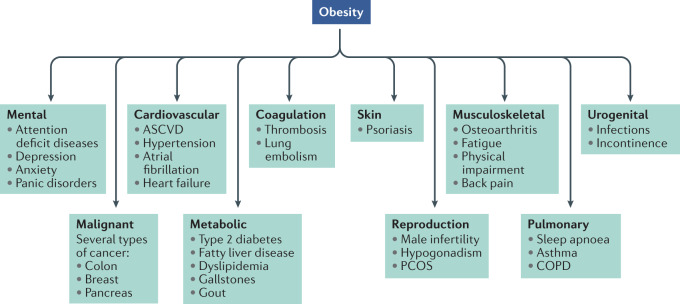
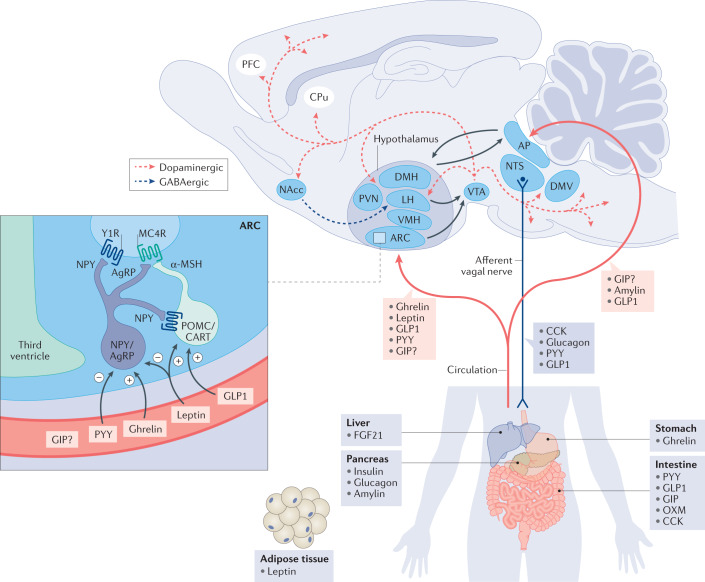
“The regulation of body weight is orchestrated primarily by the brain and adipose tissue (Figure 1), which constantly integrate information related to the body’s energetic state to adjust food intake, satiety and energy balance8,10.”
From Transforming obesity: The advancement of multi-receptor drugs (2024) · cites this paper as [8]
Experimental — accuracy not yet measuredThe source backs part of the claim, not all of it — or backs it for a different population, condition or comparison.
In the citing paper
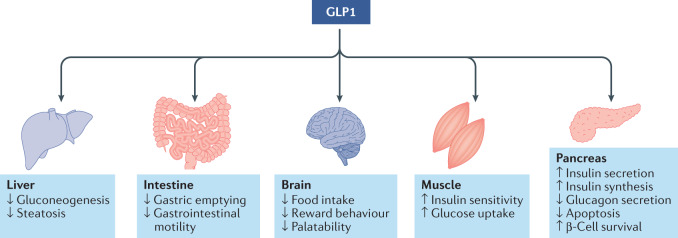
“Beyond its role in glucose metabolism, GLP-1 is known to possess cardio- and neuroprotective effects, reduce cellular apoptosis and inflammation, and modulate reward behavior and palatability8,55 (Figure 1).”
From Transforming obesity: The advancement of multi-receptor drugs (2024) · cites this paper as [8]
Experimental — accuracy not yet measuredThe source backs part of the claim, not all of it — or backs it for a different population, condition or comparison.
In the citing paper
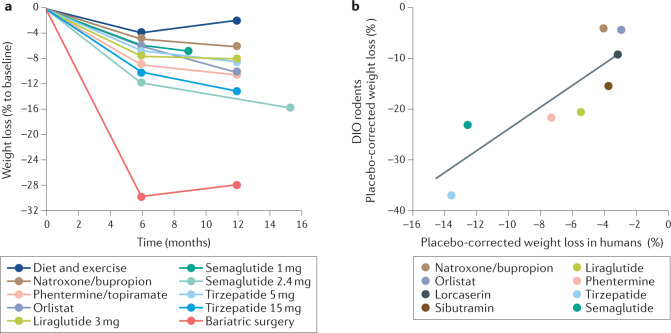
“However, despite appreciable weight loss of ~5-8% in the short term, such lifestyle interventions have only limited potential for sustained weight reduction, particularly when utilized as a stand-alone therapy8.”
From Transforming obesity: The advancement of multi-receptor drugs (2024) · cites this paper as [8]
Experimental — accuracy not yet measuredThe source backs part of the claim, not all of it — or backs it for a different population, condition or comparison.
In the citing paper
“Consistent with this model is a battery of preclinical and clinical studies demonstrating that weight loss induced by GLP-1R agonism is enhanced when adjunctively administered with glucagon, GIP, amylin, CCK or FGF21, which can be achieved as co-therapy, or in a unimolecular polyagonist formulation8.”
From Transforming obesity: The advancement of multi-receptor drugs (2024) · cites this paper as [8]
Experimental — accuracy not yet measuredThe source backs part of the claim, not all of it — or backs it for a different population, condition or comparison.
In the citing paper
“However, most of these efforts have been plagued with significant adverse effects and/or limited efficacy which has resulted in the withdrawal and discontinued use for the majority of these medications [5].”
From Dual and Triple Incretin-Based Co-agonists: Novel Therapeutics for Obesity and Diabetes (2024) · cites this paper as [5]
Experimental — accuracy not yet measured
13 more claims about this paper
Create a free account to see every claim other papers make about this one.
Self-check
Percentages, sums and reported differences re-computed from the paper’s own numbers.
The self-check needs the paper’s full text.
Citations
Cites
Reduction in the incidence of type 2 diabetes with lifestyle intervention or metformin
(2002) · New England Journal of Medicine · doi:10.1056/nejmoa012512 · Cited by 19,011
Positional cloning of the mouse obese gene and its human homologue
Zhang, Y., Proenca, R., Maffei, M., Barone, M., Leopold, L., & Friedman, J. M. (1994) · Nature · doi:10.1038/372425a0 · Cited by 13,419
The metabolic phenotype in obesity: Fat mass, body fat distribution, and adipose tissue function
Goossens, G. H. (2017) · Obesity Facts · doi:10.1159/000471488 · Cited by 8,481
Molecular Mechanisms of Depression: Perspectives on New Treatment Strategies
Lang, U. E., & Borgwardt, S. (2013) · Cellular Physiology and Biochemistry · doi:10.1159/000350094 · Cited by 8,475
Health effects of overweight and obesity in 195 countries over 25 years
Collaborators, T. G. 2. O. (2017) · New England Journal of Medicine · doi:10.1056/nejmoa1614362 · Cited by 7,918
Overweight, obesity, and mortality from cancer in a prospectively studied cohort of U.S. Adults
Calle, E. E., Rodriguez, C., Walker-Thurmond, K., & Thun, M. J. (2003) · New England Journal of Medicine · doi:10.1056/nejmoa021423 · Cited by 7,696
Liraglutide and Cardiovascular Outcomes in Type 2 Diabetes
Marso, S. P., Daniels, G. H., Brown-Frandsen, K., Kristensen, P., Mann, J. F. E., Nauck, M. A., Nissen, S. E., Pocock, S., Poulter, N. R., Ravn, L. S., et al. (2016) · New England Journal of Medicine · doi:10.1056/nejmoa1603827 · Cited by 7,629
Genetics of Food Intake Self-Regulation in Childhood: Literature Review and Research Opportunities
Faith, M. S., Carnell, S., & Kral, T. V. E. (2013) · Human Heredity · doi:10.1159/000353879 · Cited by 7,601
Semaglutide and Cardiovascular Outcomes in Patients with Type 2 Diabetes
Marso, S. P., Bain, S. C., Consoli, A., Eliaschewitz, F. G., Jódar, E., Leiter, L. A., Lingvay, I., Rosenstock, J., Seufert, J., Warren, M. L., et al. (2016) · New England Journal of Medicine · doi:10.1056/nejmoa1607141 · Cited by 6,900
Brown Adipose Tissue: Function and Physiological Significance
CANNON, B., & NEDERGAARD, J. (2004) · Physiological Reviews · doi:10.1152/physrev.00015.2003 · Cited by 6,433
Research works printed but not linked: 1
- Farooqi S O’Rahilly S Genetics of obesity in humans Endocr. Rev. 2006 27 710 718 10.1210/er.2006-0040 17122358 · DOI · Paper page
Cited by
Items 501–600 of 1,001
Soroceanu, R. P., Soroceanu, A., Timofte, D. V., Timofeiov, S., Tănase, A. E., Iordache, G. A., Ambrosie, L., Miler, A. A., & Azoicăi, D. (2023) · Chirurgia · doi:10.21614/chirurgia.2023.v.118.i.4.p.348 · Cited by 8
“Anti-obesity medications (AOM) are recommended for individuals with a BMI of 30 kg/m(2) or higher, or for those with a BMI of 27 kg/m(2) or higher and co-morbidities (57).”
Yuan, J., Hu, Y., Yang, D., Zhou, A., Luo, S., Xu, N., Dong, J., He, Q., Zhang, C., Zhang, X., et al. (2024) · Foods · doi:10.3390/foods13111633 · Cited by 7
“It is associated with a range of complications, including type 2 diabetes, dyslipidemia, and hepatic steatosis [1].”
BackgroundElfers, C., Chichura, K. S., Ashlaw, E. F., Chepurny, O. G., Holz, G. G., Doyle, R. P., & Roth, C. L. (2024) · Clinical Nutrition · doi:10.1016/j.clnu.2024.05.035 · Cited by 8
Ueda, H., Sugita, K., & Miyano, T. (2024) · Pharmaceutics · doi:10.3390/pharmaceutics16070949 · Cited by 7
The new obesity classification based on weight history is not proposed as a guideline
Halpern, B., Mancini, M. C., de Melo, M. E., Lamounier, R. N., Moreira, R. O., Carra, M. K., Cercato, C., & Boguszewski, C. L. (2022) · Archives of Endocrinology and Metabolism · doi:10.20945/2359-3997000000571 · Cited by 7
The evolution of thermogenesis in mammals
Grabek, K. R., & Sprenger, R. J. (2024) · Science · doi:10.1126/science.adp8782 · Cited by 8
Madbouly, N. A., Mahmoud, A. M., Mohamed, A., Magdy, J., Hassan, M., Osama, M., Adel, M. M. K., Romany, Y., & Farid, A. (2025) · Beni-Suef University Journal of Basic and Applied Sciences · doi:10.1186/s43088-025-00656-4 · Cited by 6
Barbosa, L. A. D. S., Almarie, B., & Moreira, E. L. G. (2025) · Therapeutic Innovation & Regulatory Science · doi:10.1007/s43441-025-00875-y · Cited by 6
“Despite their clinical potential, the regulatory complexity and safety challenges of these combinations still limit their widespread adoption [26 ].”
Ji, L., Gao, L., Tian, J., DONG, R., Zhang, Z., Shu, H., Zhao, J., Zhao, L., He, A., Xie, T., et al. (2026) · Signal Transduction and Targeted Therapy · doi:10.1038/s41392-026-02586-8 · Cited by 6
“12 For a substantial proportion of patients, particularly those who have previously failed to lose weight or maintain weight loss, the use of weight-loss medication may be considered.”
Anti-obesity medication use sparks effort-based sanctions and social penalties
Tissot, T. T., & Roth, L. H. O. (2026) · Scientific Reports · doi:10.1038/s41598-026-42166-y · Cited by 6
Multiple Direct Effects of the Dietary Protoalkaloid N-Methyltyramine in Human Adipocytes
Carpéné, C., Viana, P., Fontaine, J., Laurell, H., & Grolleau, J.-L. (2022) · Nutrients · doi:10.3390/nu14153118 · Cited by 6
“Despite its selective and potent lipolytic property, isoprenaline is not among the currently used anti-obesity drugs (reviewed in [59]) due to its cardiovascular side-effects.”
BackgroundLee, S. Y., Kim, M., Bae, C., Choi, H.-J., Hyoun, E., Park, S. J., Cho, S., & Park, D.-H. (2023) · Journal of Functional Foods · doi:10.1016/j.jff.2023.105681 · Cited by 6
Jiang, S., Liang, C., Wan, X., Lai, K. P., Li, R., Chen, J., & Liu, J. (2024) · Journal of Functional Foods · doi:10.1016/j.jff.2024.106308 · Cited by 7
Blevins, J. E., Honeycutt, M. K., Slattery, J. D., Goldberg, M., Rambousek, J. R., Tsui, E. W., Dodson, A. D., Shelton, K. A., Salemeh, T. S., Elfers, C., et al. (2024) · Frontiers in Endocrinology · doi:10.3389/fendo.2024.1432928 · Cited by 6
Bioactive profiling of two varieties of Indian legumes: adzuki and mung beans
Sharma, R., Kumar, D., & Gupta, R. K. (2024) · International Journal of Food Science & Technology · doi:10.1111/ijfs.17358 · Cited by 6
Choi, J. W., Choi, H. J., Ryoo, R., Park, Y., Lee, K. T., & Jeong, J. B. (2024) · Journal of Microbiology and Biotechnology · doi:10.4014/jmb.2404.04037 · Cited by 6
Lui, D. T. W., Tsoi, K. H., Fong, C. H. Y., Jiang, N. S., Chow, W. S., & Yuen, M. M. A. (2024) · Endocrine · doi:10.1007/s12020-024-04029-2 · Cited by 6
Intestinal epithelial cell NCoR deficiency ameliorates obesity and metabolic syndrome
Hou, S., Yu, H., Liu, C., Johnson, A. M. F., Liu, X., Jiang, Q., Zhao, Q., Kong, L., Wan, Y., Xing, X., et al. (2024) · Acta Pharmaceutica Sinica B · doi:10.1016/j.apsb.2024.09.019 · Cited by 6
“One major driver of metabolic syndrome is the imbalance of energy homeostasis, which is characterized by the intake of excess fat and relatively insufficient fat burning through physical exercise and adaptive thermogenesis 3 .”
Bioactive compounds regulate appetite through the melanocortin system: a review
Niu, Y., Yu, W., Kou, X., Wu, S., Liu, M., Chen, C., Ji, J., Shao, Y., & Xue, Z. (2024) · Food & Function · doi:10.1039/d4fo04024d · Cited by 6
Lyu, Y. S., Ahn, H. Y., Hong, S., & Park, C. (2024) · Drug Design Development and Therapy · doi:10.2147/dddt.s492913 · Cited by 7
“25 A significantly disrupted microbiome in individuals with obesity and diabetes, along with a genetic predisposition to weight gain in this population, may also be seen as contributing factors.”
Liu, J., Lu, W., Wu, H., Yan, Z., Liu, Y., Tang, C., Chen, Y., Wang, S., Tang, W., Han, J. D. J., et al. (2025) · European Journal of Medicinal Chemistry · doi:10.1016/j.ejmech.2025.117320 · Cited by 7
Obesity Management for Patients with Coronary Artery Disease and Heart Failure
Syed, A. A., Adam, S., Miller, C., & Alkhaffaf, B. H. (2025) · Heart Failure Clinics · doi:10.1016/j.hfc.2024.12.006 · Cited by 6
Wang, T., Xie, J., Liu, H., Tang, Q., Huang, J., Chen, J., Xiao, J., Cao, Y., Xiao, H., & Liu, X. (2025) · Food Bioscience · doi:10.1016/j.fbio.2025.106097 · Cited by 6
Huang, Z., Zhao, Z., Shi, H., He, R., Feng, Q., Geng, Y., Zhang, L., Zhang, T., Yan, Z., Jia, Z., et al. (2025) · Chinese Medicine · doi:10.1186/s13020-025-01111-3 · Cited by 6
“Obesity and metabolic syndrome are rapidly increasing worldwide, leading to high raises of various complications and mortality [1].”
Future projections of elderly obesity in the United States using time series models
Çolak, H. (2025) · Obesity Medicine · doi:10.1016/j.obmed.2025.100627 · Cited by 6
Gut Hormones and Inflammatory Bowel Disease
Weng, J., & Lo, C. C. (2025) · Biomolecules · doi:10.3390/biom15071013 · Cited by 7
“Rodent models with vagal afferent denervation or knockdown confirm that this inhibitory effect is mediated via vagal afferents [157–159].”
Sękowski, K. B., Mazurek, A., Grześczyk-Nojszewska, Z., Jankowski, M., Kamińska, A., Olearczyk, A., Silczuk, A., & Grudziąż-Sękowska, J. (2025) · Frontiers in Public Health · doi:10.3389/fpubh.2025.1656877 · Cited by 6
“In recent years, the introduction of new drugs to the pharmaceutical market and the expansion of indications for existing drugs to other diseases have significantly increased the role of pharmacotherapy in treating obesity (7, 8).”
Lee, S.-M., Bok, S., Kim, M., Lee, K. S., & Park, D.-H. (2023) · Processes · doi:10.3390/pr11030735 · Cited by 6
Xu, J., Wang, S., Wu, H., Chen, D., Han, J. D. J., & Lin, Q. (2023) · Peptides · doi:10.1016/j.peptides.2023.171073 · Cited by 8
Anyanwu, G. O., Ejike, U. D., Gyebi, G. A., Rauf, K., Nisar-ur-Rehman, Iqbal, J., Zaib, S., Usunobun, U., Onyeneke, E. C., Alotaibi, B. S., et al. (2023) · BMC Complementary Medicine and Therapies · doi:10.1186/s12906-023-04202-6 · Cited by 7
Kumar, S., Saroha, B., Lathwal, E., Kumar, G., Arya, P., Raghav, N., Kumar, R., & Kumar, S. (2023) · Current Organic Chemistry · doi:10.2174/0113852728269884231102063805 · Cited by 7
Hope, D. C. D., Ansari, S., Choudhury, S., Αλεξιάδου, Κ., Tabbakh, Y., Ilesanmi, I., Lazarus, K., Davies, I., Jimenez‐Pacheco, L., Yang, W. P., et al. (2024) · Diabetes Obesity and Metabolism · doi:10.1111/dom.15448 · Cited by 6
“4,5 8 This strategy leverages GLP-1R-mediated reduction in food intake in addition to GCGR-mediated enhanced energy expenditure and hepatic lipid catabolism.”
BackgroundSun, C., Liang, J., Zheng, J., Mao, S., Chen, S., Aikemu, A., & Liu, C. (2024) · Molecular Metabolism · doi:10.1016/j.molmet.2024.101884 · Cited by 6
“Currently, the main approach to treating obesity involves controlling energy intake, but this alone is insuf fi cient to address the widespread prevalence of this epidemic due to the numerous adverse effects [4].”
BackgroundMondal, I., Halder, A. K., Pattanayak, N., Mandal, S. K., & Cordeiro, M. N. D. S. (2024) · Pharmaceuticals · doi:10.3390/ph17020263 · Cited by 6
“Over the past four decades, the global prevalence of obesity has surged unrelieved, transcending age, race, and gender boundaries [1,2].”
BackgroundLechner, K., Kia, S., von Korn, P., Dinges, S. M.-T., Mueller, S., Tjønna, A. E., Wisløff, U., Craenenbroeck, E. M. V., Pieske, B. M., Adams, V., et al. (2024) · Frontiers in Cardiovascular Medicine · doi:10.3389/fcvm.2024.1329633 · Cited by 6
Lin, D., Xiao, H., Yang, K., Li, J., Ye, S., Liu, Y., Jing, S., Yang, L., Yang, Y., Huang, L., et al. (2024) · BMC Medicine · doi:10.1186/s12916-024-03394-z · Cited by 6
“As lifestyle and behavioral interventions result in moderate weight loss, which is often regained, obesity treatment strategies should be escalated by the addition of pharmacological and/or surgical interventions if necessary [11].”
BackgroundFatima, N., Anand, A., Palvia, A. R., Kaur, A., Azeez, G. A., Thirunagari, M., & Butt, S. R. (2024) · Cureus · doi:10.7759/cureus.68786 · Cited by 6
“Failed anti-obesity agents included sibutramine, fenfluramine, and dexfenfluramine, which all carried cardiovascular side effects [6,7].”
BackgroundResultInfluentialBeyond incretins: targeting neurokinin receptors for obesity treatment
Thor, D., & Prömel, S. (2025) · Signal Transduction and Targeted Therapy · doi:10.1038/s41392-024-02100-y · Cited by 6
Kim, Y. H. B., Choi, T.-R., Jo, S.-H., Song, W.-S., Kim, T., Kim, M.-G., Baek, J.-H., Kwon, S.-Y., Choi, B.-G., Seo, S. W., et al. (2025) · iScience · doi:10.1016/j.isci.2025.111890 · Cited by 7
“Treatment with L. reuteri increased iron and glucose metabolism in adipocytes on days 2 and 8.”
Song, X., Guo, Y., Wang, X., Song, Q., & Fan, Y. (2025) · Journal of Natural Products · doi:10.1021/acs.jnatprod.5c00390 · Cited by 6
Luca, L. D., Angeli, A., Ricci, F., Supuran, C. T., & Gitto, R. (2022) · Archiv der Pharmazie · doi:10.1002/ardp.202200383 · Cited by 6
Medeiros, I., Aguiar, A., de Medeiros, W. F., Gomes, A. F. T., Silva, E. G. O. E., Bezerra, I. W. L., da Silva-Maia, J. K., Piuvezam, G., & Morais, A. H. D. A. (2023) · Medicine · doi:10.1097/md.0000000000033514 · Cited by 7
“The possible side effects of these drugs are: allergic reactions such as hives, bowel urgency and stomach pain, difficulty breathing, diarrhea or constipation, nausea, vomiting, oily stools, swelling of the face/ throat/ tongue, rectal pain, increased blood pressure, and others.[30,31] An important alternative to trad…”
BackgroundFloegel‐Shetty, A. (2023) · The AMA Journal of Ethic · doi:10.1001/amajethics.2023.478 · Cited by 6
Tsagkaris, A. S., Loučková, A., Polak, J., & Hajšlová, J. (2023) · Food Bioscience · doi:10.1016/j.fbio.2023.103453 · Cited by 6
PED: a novel predictor-encoder-decoder model for Alzheimer drug molecular generation
Liu, D., Song, T., Na, K., & Wang, S. (2024) · Frontiers in Artificial Intelligence · doi:10.3389/frai.2024.1374148 · Cited by 6
“Hence, the objective of the molecular design approach is to strike a balance between exploring global solutions and harnessing local minima (Schneider, 2010; Müller et al., 2022).”
Klotsman, M., Anderson, W. H., & Gilor, C. (2024) · BMC Veterinary Research · doi:10.1186/s12917-024-04051-6 · Cited by 8
“New approaches to controlling excess body fat are needed [19].”
BackgroundMethodPhenotyping of Obesity Treatment Candidates: A Narrative Review
Dagan, S. S., Refaeli, R., & Buch, A. (2024) · Current Obesity Reports · doi:10.1007/s13679-024-00576-x · Cited by 8
Attia, S. M., Alshamrani, A. A., Ahmad, S. F., Albekairi, N. A., Nadeem, A., Attia, M. S. M., Ansari, M. A., Almutairi, F., & Bakheet, S. A. (2024) · Journal of Biochemical and Molecular Toxicology · doi:10.1002/jbt.23764 · Cited by 6
Drugs used in the treatment of obesity
Bacinschi-Gheorghiţă, S., Vudu, L., Borş, E., & Bacinschi, N. (2023) · Farmacist ro · doi:10.26416/farm.214.5.2023.8764 · Cited by 6
Kano, M., & Fukudo, S. (2023) · Elsevier eBooks · doi:10.1016/b978-0-12-820480-1.00036-x · Cited by 6
Kushner, R. F., Johansen, O. E., Araujo Torres, K., Phan, T.-M., & Marczewska, A. (2025) · Obesities · doi:10.3390/obesities5020029 · Cited by 5
Constitutive Serotonin Tone as a Modulator of Brown Adipose Tissue Thermogenesis: A Rat Study
Kesić, M., Baković, P., Farkaš, V., Bagarić, R., Kolarić, D., Štefulj, J., & Čičin‐Šain, L. (2023) · Life · doi:10.3390/life13071436 · Cited by 7
Li, W., Song, J., Tu, H., Jiang, S., Pan, B., Li, J., Zhao, Y., Chen, L., & Xu, Q. (2024) · Molecular Ecology Resources · doi:10.1111/1755-0998.13989 · Cited by 6
“Conversely, when food is plentiful, POMC neurons activate the secretion of melanocyte-stimulating hormone (alpha-MSH), which in turn ac - tivates mc4r , suppresses appetite and improves energy utilization (Mueller et al., 2022 ) ( Figure 4c , right panel).”
What should I consider when prescribing semaglutide for children living with obesity?
van, B. E., LIM, D. J., Lee, E. J., Desmond, C., & Davis, N. L. (2024) · Archives of Disease in Childhood Education & Practice · doi:10.1136/archdischild-2024-327412 · Cited by 5
Artime, E., Khare, S., Zimner‐Rapuch, S., Redig, J., Flannery, C., Higgins, V., Leith, A., Mortimer, A., Halpern, B., & Alfaris, N. (2025) · SAGE Open Medicine · doi:10.1177/20503121241313082 · Cited by 5
“22 Despite these treatment options, access to obesity care is limited 23,24 and significantly varies by region and socio-economic status.”
Zhang, J., Li, S., Cheng, X., Tan, X. W., Shi, Y., Su, G., Huang, Y., Zhang, Y., Xue, R., Li, J., et al. (2025) · International Journal of Molecular Sciences · doi:10.3390/ijms26052225 · Cited by 6
Clinical studies on anti-obesity medications in Arab countries
Alotaibi, H. F., Taib, H., AlMuhaidib, S., Alshagrawi, S., Almufarrih, A. A., Alalmai, O., Alnaserallah, S., Alodah, N., Alqahtani, S. A., & Alhazzani, W. A. (2025) · Saudi Medical Journal · doi:10.15537/smj.2025.46.5.20250126 · Cited by 5
“81,82 Despite the limitations of the currently available knowledge in the literature from Arab countries, the number of included publications has notably increased since 2018, highlighting the growing positive clinical attitudes toward treating obesity.”
Chen, S.-J., Chen, Y., Zheng, C., Yue, J., & Fan, Y. (2025) · The Journal of Organic Chemistry · doi:10.1021/acs.joc.5c01017 · Cited by 5
Janot, C., Fourati, S., Bernard, A., Besnard, P., Gall, M. L., Ledoux, S., & Beyec, J. L. (2025) · Clinical Nutrition · doi:10.1016/j.clnu.2025.09.014 · Cited by 5
Serotonin 2C receptors inhibit hypothalamic CRH neurons to suppress appetite
Yoo, E.-S., Yu, J., Sa, M., Lee, C. J., & Sohn, J. (2025) · Metabolism · doi:10.1016/j.metabol.2025.156431 · Cited by 5
Incretins and Development of Incretin‐based Therapeutics
Zheng, N., Su, X., Zhang, S., & Shen, W. (2025) · Wiley eBooks · doi:10.1002/9781119824701.ch09 · Cited by 6
Mihaylova, L. V., Savova, M. S., Todorova, M. N., Tonova, V., Binev, B. K., & Georgiev, M. I. (2026) · International Journal of Molecular Sciences · doi:10.3390/ijms27020772 · Cited by 5
“The advancement of multi-receptor drugs that mimic the glucagon-like peptide-1 (GLP-1), glucose-dependent insulinotropic polypeptide (GIP) and glucagon action, including semaglutide, tirzepatide, and retatrutide, has driven the pharmacotherapy of obesity to a new era of effectiveness [6,7].”
Hu, W., Gu, M., Li, H., Li, H., Kan, J., Zhang, L., Ding, Q., & Zhu, Y. Z. (2026) · Pharmacological Reviews · doi:10.1016/j.pharmr.2026.100125 · Cited by 5
Taylor, S. I., Montasser, M. E., Yuen, A. H., Fan, H., Yazdi, Z. S., Whitlatch, H. B., Mitchell, B. D., Shuldiner, A. R., Muniyappa, R., Streeten, E. A., et al. (2023) · Diabetes Obesity and Metabolism · doi:10.1111/dom.15143 · Cited by 7
“The choice of these two candidate genes was inspired by intriguing observations suggesting interactions among GLP-1, glucose-dependent insulinotropic polypeptide (GIP) and glucagon.(9) Specifically, peptide drugs that target multiple receptors (GLP-1R, GIPR and GCGR) are reported to exert stronger pharmacological effe…”
BackgroundDong, Y., Dong, J., Xiao, H., Li, Y., Wang, B., Zhang, S., & Cui, M. (2024) · Journal of the Science of Food and Agriculture · doi:10.1002/jsfa.13758 · Cited by 5
Mannino, F., Arcoraci, V., Vermiglio, G., Labellarte, D., Pirrotta, I., Giorgi, D. A., Scarfone, A., Bitto, A., Minutoli, L., Vaccaro, M., et al. (2024) · Pharmaceuticals · doi:10.3390/ph17080986 · Cited by 6
Energy balance and obesity: the emerging role of glucagon like peptide-1 receptor agonists
Beauregard, N., McInnis, K., Goldfield, G. S., & Doucet, É. (2024) · Current Opinion in Clinical Nutrition & Metabolic Care · doi:10.1097/mco.0000000000001064 · Cited by 11
Reevaluating Mask Effectiveness: Insights From Evidence-Based Medicine and Clinical Trials
Spira, B. (2024) · Cureus · doi:10.7759/cureus.75455 · Cited by 5
Medicinal plants for the treatment and prevention of post-menopausal obesity: a review
Liu, J., Akter, R., Rupa, E. J., Hoang, V.-A., Li, J., Yang, D., Yang, D. U., Awais, M. U., & Kim, J. (2025) · Frontiers in Pharmacology · doi:10.3389/fphar.2025.1564131 · Cited by 5
Hirose, J., Aizawa, E., Yamamoto, S., Iwai, S., & Suzuki, K. (2025) · Communications Medicine · doi:10.1038/s43856-025-00959-8 · Cited by 5
“It is in fl uenced by various environmental and genetic factors such as diet, increases the risk of metabolic conditions like type 2 diabetes and cardiovascular diseases 16 .”
Schneider, E. M., Dourish, C. T., & Higgs, S. (2022) · Appetite · doi:10.1016/j.appet.2022.106087 · Cited by 5
Xue, Y., Ruan, Z., Ung, C. O. L., Lai, Y., & Hu, H. (2023) · BMC Public Health · doi:10.1186/s12889-023-15890-7 · Cited by 7
Hyperphagia of female UCP1-deficient mice blunts anti-obesity effects of FGF21
Hazebroek, M. K., Laterveer, R., Kutschke, M., Marčeta, V. R., Barthem, C. S., & Keipert, S. (2023) · Scientific Reports · doi:10.1038/s41598-023-37264-0 · Cited by 5
“Many factors like lifestyle, hormone imbalances, and (epi) genetics have been associated with the development of obesity, but strategies to prevent and cure it have mostly been inefficient 2 .”
Kim, N., Lee, S., Jung, E.-J., Jung, E. Y., Chang, U., Jin, C.-M., Suh, H. J., & Choi, H. (2023) · Foods · doi:10.3390/foods12183466 · Cited by 5
Curiel-Pedraza, D. A., Villaseñor-Tapia, E. C., Márquez-Aguirre, A. L., Morales-Martínez, C. E., Diaz‐Vidal, T., Basulto-Padilla, G. C., Mateos‐Díaz, J. C., López-Munguía, A., Canales-Aguirre, A. A., & Rodríguez, J. A. (2023) · Food Chemistry Advances · doi:10.1016/j.focha.2023.100438 · Cited by 5
Horská, K., Skrede, S., Kucera, J., Kuzmínová, G., Suchý, P., Micale, V., & Kučerová, J. (2024) · CNS Neuroscience & Therapeutics · doi:10.1111/cns.14565 · Cited by 5
“67 FGF-21, as a mediator of energy homeostasis, represents a target for emerging new potentially beneficial therapies for obesity, dyslipidemia, and glucose dysregulation 68–70 and possibly in the development of strategies in prevention or treatment of adverse metabolic effects of antipsychotics.”
BackgroundCha, M., Lee, S.-B., Yoon, S., Lee, S. Y., Gupta, H., Ganesan, R., Sharma, S. P., Won, S., Jeong, J., Kim, D. J., et al. (2024) · Clinical and Translational Science · doi:10.1111/cts.13778 · Cited by 5
“10 Instead, herbal plants are essential resources as new therapeutic agents due to their few adverse effects.”
BackgroundKang, S., Kim, H., Bang, C.-Y., Park, J. H., & Go, G. (2024) · Foods · doi:10.3390/foods13183013 · Cited by 5
Balkrishna, A., Kumari, P., Singh, P., Pathak, N., Verma, S., Dev, R., & Varshney, A. (2024) · International Journal of Biological Macromolecules · doi:10.1016/j.ijbiomac.2024.136883 · Cited by 5
Xian, J., Huang, Y., Bai, J., Liao, Q., Chen, Q., Cheng, W., Su, Z., Li, S., Wu, Y., Li, J., et al. (2024) · Phytotherapy Research · doi:10.1002/ptr.8400 · Cited by 6
Citriniti, E. L., Rocca, R., Costa, G., Sciacca, C., Cardullo, N., Muccilli, V., Karioti, A., Carta, F., Supuran, C. T., Alcaro, S., et al. (2025) · Archiv der Pharmazie · doi:10.1002/ardp.202500046 · Cited by 5
Current and Emerging Parenteral and Peroral Medications for Weight Loss: A Narrative Review
Lawati, A. A., Alhabsi, A. N., Rahul, R., Savino, M.-L., Alwahaibi, H., Das, S., & Lawati, H. A. (2025) · Diseases · doi:10.3390/diseases13050129 · Cited by 6
López, G. P. (2025) · Medicina Clínica · doi:10.1016/j.medcli.2025.107122 · Cited by 5
Effects of electroacupuncture for obesity: A protocol for systematic review and meta-analysis
Kang, J., Kim, K.-W., Seo, Y., Song, M.-Y., & Chung, W.-S. (2022) · Medicine · doi:10.1097/md.0000000000029018 · Cited by 5
Burns, R., Firman, E., & Huang, H. C. (2022) · Obesity · doi:10.1002/oby.23575 · Cited by 6
“Pharmacotherapy is an effective tool in the management of obesity, with a growing number of AOMs available nationally and overseas [37].”
BackgroundMedications for the treatment of obesity
Carette, C., Rives‐Lange, C., & Czernichow, S. (2023) · Journal of Visceral Surgery · doi:10.1016/j.jviscsurg.2022.12.002 · Cited by 5
Remodeling of white adipose tissue microenvironment against obesity by phytochemicals
Ke, S., Hu, Q., Zhu, G., Li, L., Sun, X., Cheng, H., Li, L., Yao, Y., & Li, H. (2023) · Phytotherapy Research · doi:10.1002/ptr.7758 · Cited by 5
“Furthermore, many other factors such as gut microbiota, appetite, diet, immune system of the host and so forth also plays major role in the parthenogenesis of obesity (Klag & Round, 2021; Müller, Blüher, Tschöp, & DiMarchi, 2022).”
Zapata, R. C., Zhang, D., Yoon, D., Nasamran, C. A., Chilin-Fuentes, D., Libster, A. M., Chaudry, B. S., Valencia, M. L., Ponnalagu, D., Singh, H., et al. (2023) · Molecular Metabolism · doi:10.1016/j.molmet.2023.101794 · Cited by 5
“Despite great advances in efficacious pharmacotherapy for obesity in recent years, there is still a general lack of understanding of the basic biological mechanisms that contribute to obesity and a need to identify additional therapeutic targets [3].”
BackgroundPerspective: Do Scientists Become Part of the Obesity Problem?
Müller, M. J., Bosy‐Westphal, A., & Wells, J. C. K. (2024) · Obesity Facts · doi:10.1159/000539136 · Cited by 5
Ishibashi, T., Tanioka, H., Ikehara, T., Kezbor, S., & Sonoyama, T. (2025) · Clinical Drug Investigation · doi:10.1007/s40261-024-01418-3 · Cited by 4
“Anti-obesity medications (AOMs) coupled with lifestyle interventions are recommended for patients who do not achieve and maintain clinically significant weight loss [12].”
Liu, K., Jiao, R., Ji, J., Yao, W., Han, C.-R., Zhao, X., & Zhao, J. (2025) · Journal of Chinese Integrative Medicine · doi:10.1016/j.joim.2025.04.007 · Cited by 4
Choi, J., Byun, J., Kim, D., Li, Q., Jin, D., Choi, Y., Jung, H. S., Lee, J., & Oh, Y. (2025) · Advanced Materials · doi:10.1002/adma.202418445 · Cited by 4
The role of hypothalamus in the pathophysiological process of MASLD and advances in drug discovery
Wei, S., Dong, Y., Wang, Y., Li, G., Zhao, Y., & Zheng, R. (2025) · Pharmacological Research · doi:10.1016/j.phrs.2025.107972 · Cited by 5
Harnessing Adipose Ferroptosis: A Promising Novel Pathway for Obesity Treatment
Zayed, M., Massoud, A., Hassan, F., Elwakeel, E., Mahmoud, Y., & Jeong, B. (2025) · Current Obesity Reports · doi:10.1007/s13679-025-00669-1 · Cited by 4
“Despite decades of research and development in pharmacological interventions [2], achieving sustainable, safe, and effective weight loss for the majority of individuals with obesity remains a challenging goal [3].”
Li, Q., Yang, Q., Han, J. D. J., Xiaohan, L. I. U., Fu, J., & Yin, J. (2022) · Chinese Journal of Natural Medicines · doi:10.1016/s1875-5364(22)60196-1 · Cited by 4
Khandelwal, N., Pandey, A. R., Singh, S. P., Rai, P., Gupta, S., Kushwaha, V., Singh, A., Gaikwad, A. N., & Sashidhara, K. V. (2023) · Fitoterapia · doi:10.1016/j.fitote.2023.105626 · Cited by 4
Gut microbiota turn up the heat after bariatric surgery
Hankir, M. K. (2023) · Cell Stress · doi:10.15698/cst2023.10.290 · Cited by 4
Saint-Martin, D. R. F., Barreto, K. A., Soares, E. D. M. K. V. K., Machado, M. S., Morais, C. S. S., BARBOSA, A. O., Nogueira, R. M., D’Isabel, S., Smith, D. L., Molina, G. E., et al. (2024) · Journal of Occupational and Environmental Medicine · doi:10.1097/jom.0000000000003116 · Cited by 5
Panova‐Noeva, M., Koeck, T., Schoelch, C., Schulz, A., Prochaska, J. H., Michal, M., Strauch, K., Schuster, A. K.-G., Lackner, K. J., Münzel, T. F., et al. (2024) · Obesity · doi:10.1002/oby.24014 · Cited by 4
“Patients living with obesity as a chronic and relapsing disease have limited successful treatment modalities [15].”
BackgroundScreening of Lipid-Reducing Activity and Cytotoxicity of the Exometabolome from Cyanobacteria
Luz, R., Cordeiro, R., Gonçalves, V., Vasconcelos, V. M., & Urbatzka, R. (2024) · Marine Drugs · doi:10.3390/md22090412 · Cited by 4
Metadata
- Authors
- Müller, T. D., Blüher, M., Tschöp, M. H., & DiMarchi, R. D.
- Affiliations
- Helmholtz Munich (DE)
- Indiana University Bloomington (US)
- Corresponding author
- Müller, Timo D.
- DiMarchi, Richard D.
- Venue
- Nature Reviews Drug Discovery
- Published
- 2021-11-23
- Volume
- 21
- Issue
- 3
- Pages
- 201-223
- ISSN
- 1474-1776 (ISSN-L)
- 1474-1784
- PMC
- PMC8609996
- OpenAlex
- W3217337816
- Semantic Scholar
- b0e07187edbb01228cee2a7f1f5884b1c6df014c
- Cited by
- 1,021
- References
- 343
- Citations by year
- 2026: 136 · 2025: 255 · 2024: 286 · 2023: 221 · 2022: 123
- FWCI
- 20.08
- Type
- journal article
- Language
- en
- Open access
- hybrid
- doi.org
- Licence
- cc-by
- www.springernature.com/gp/researchers/text-and-data-mining (tdm)
- www.springernature.com/gp/researchers/text-and-data-mining (vor)
- Locations
- Nature Reviews Drug Discovery (publishedVersion, cc-by)
- PubMed Central (publishedVersion, cc-by)
- PubMed (publishedVersion)
- mediaTUM (Technical University of Munich) (submittedVersion)
- Site cant be reached (submittedVersion)
- PuSH - Publication Server of Helmholtz Zentrum München (submittedVersion)
- Funders
- Alexander von Humboldt-Stiftung
- Deutsche Forschungsgemeinschaft (TRR- 152, TRR296)
- Servier
- H2020 European Research Council (695054)
- Topics
- Health Sciences › Medicine › Pharmacology (medical) › Pharmacology and Obesity Treatment
- Life Sciences › Neuroscience › Endocrine and Autonomic Systems › Regulation of Appetite and Obesity
- Health Sciences › Medicine › Endocrinology, Diabetes and Metabolism › Adipokines, Inflammation, and Metabolic Diseases
- Keywords
- anti-obesity drugs, obesity, drug development history, drug safety, sustained weight loss, gut-brain signaling, obesity pharmacotherapy
- MeSH terms
- Adult, Diabetes Mellitus, Type 2, Humans, Obesity, Weight Loss, Anti-Obesity Agents
About these checks
Registry, retraction, Cites and statistics results are computed, not judged, with one exception: a printed reference that no index lists is read once by a model before it counts as a citation error. Claims are extracted by a model and kept only when their quote appears verbatim in the text; each cited source is then checked, with a model’s help, for whether it says what the claim relies on. Those verdicts can be wrong — read the claim’s quote and the cited source before relying on one.
Statistics and arithmetic are recomputed, not judged.
Confidence bands are shown only for fields calibrated on our annotated test set. None is calibrated yet, so no band is shown.
What counts as a claim ›How we measure confidence ›How we check this ›
Are you an author, or do you see a problem with this page? Request a review
Data sources
Bibliographic data: Semantic Scholar, OpenAlex, Crossref.
Contains information from the Semantic Scholar Academic Graph Datasets, made available under the ODC Attribution License (ODC-BY 1.0).
Semantic Scholar’s data is described in: Kinney, R., et al. (2023). The Semantic Scholar Open Data Platform. arXiv:2301.10140.
